Mumford is a bit south from Rochester, N.Y. It was in the line of totality for yesterday’s solar eclipse. Unfortunately, northwestern New York State was blanked by a thick layer of clouds. So we saw little of the sun. But since we were in the line of totality we watched darkness fall on the Genesee Country Village and Museum in the middle of the afternoon, followed by what seemed the day’s second sunrise.
The Genesee Country Village and Museum, where these photos were taken, was created in 1966 with the goal of preserving the rural architecture of the area. The museum includes a reproduction of a 19th century village. There are some 68 structures which were relocated from 11 countries in Western New York. Below are a few of them.
Hamilton House was built in about 1870 in Campbell, N.Y. It was the home of John Hamilton, a wealthy proprietor of leather tanneries. The house represents the Vicorian Italianate style.
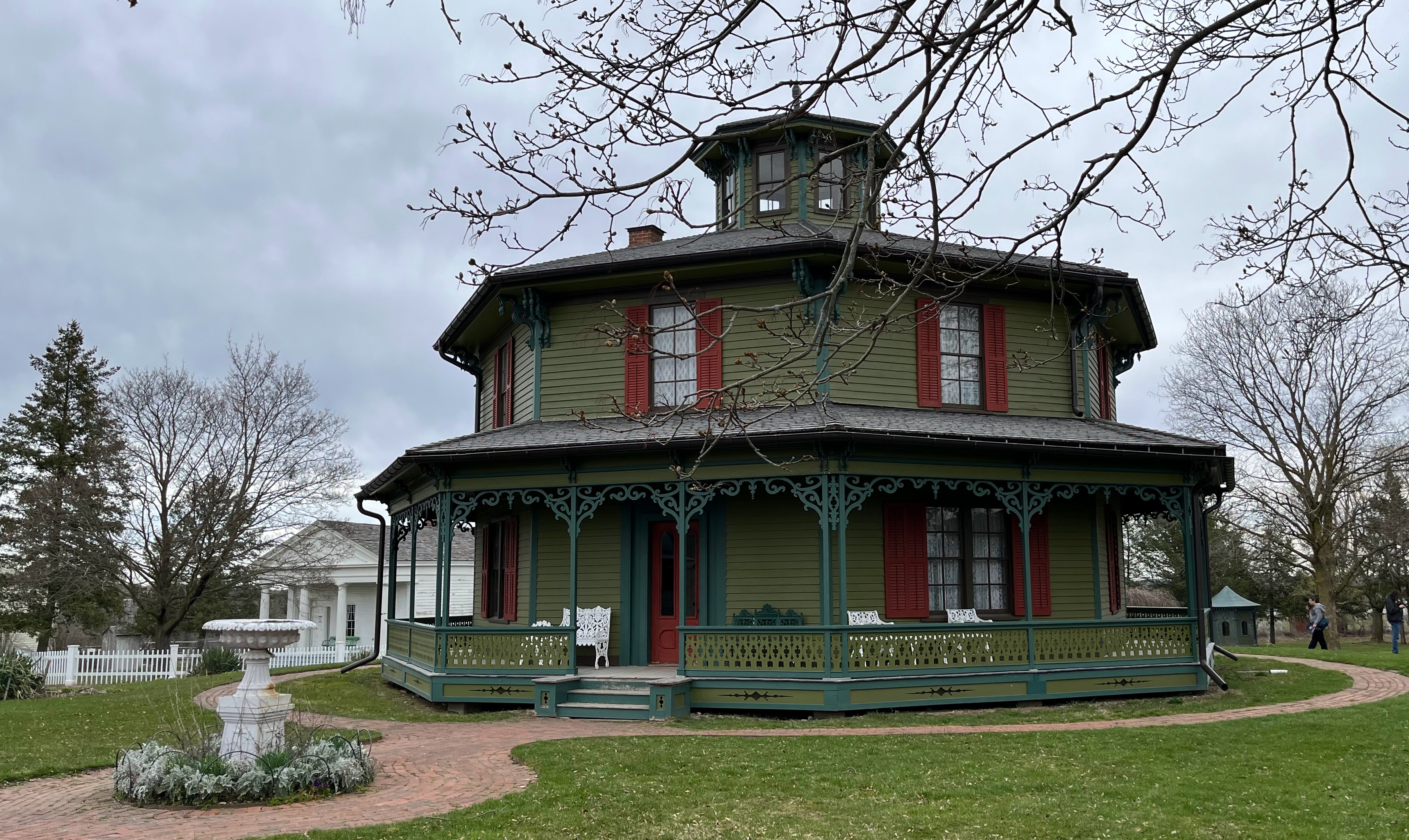
Hyde House was also built in about 1870. It was in Friendship, N.Y. The style was inspired by a local author who postulated that octagonal houses were more efficient. Homeopathic physician Erastus Hyde lived here. His wife, Julia, a spiritualist, held seances in this home.
This piano is in Davis Hall, a 19th century music hall. It is on the second floor where musical performances were staged.
Patty Hearst is the granddaughter of newspaper tycoon William Randolph Hearst, whose holdings included the San Francisco Examiner in the city where Patty was born. In 1974, she was 19 and a sophomore at University of California Berkeley when she was abducted by a group of left wing radicals calling themselves the Symbionese Liberation Army (SLA). Two months after that kidnapping, the country was shocked to hear an audiotape of Hearst saying she had joined the SLA and adopted the name Tania.
Hearst was on the lam with her abductors for 19 months before being arrested. During that time she was linked to a number of robberies, helping to produce explosives and participated in a shootout at a sporting goods store. She was arrested in 1975 and was put on trial in January of the following year, charged with the robbery of Hibernia Bank in San Francisco. Prosecutors claimed she was a willful participant in that robbery. Hearst, who was represented by F. Lee Bailey, claimed she had been forced to participate under threat of her life. She was found guilty and was originally sentenced to 35 years in prison, a sentence that was later reduced to seven.
Patty Hearst during Hibernia Bank robbery
The real story of Patty Hearst and the SLA has been a subject of debate to this day. Among the arguments proffered:
Hearst became a young radical who denounced her privileged upbringing and voluntarily participated in the actions of the SLA.
Hearst was coerced and intimidated into joining the group, or at least, acting as if she was a willful participant.
She was brainwashed.
She exhibited Stockholm Syndrome, a condition by which a victim bonds with and identifies with his or her captor. It was the Hearst case which popularized this phenomenon.
Artist rendering of Hearst trial courtroom by Joseph Papin
Hearst would later tell her own story in the book Every Secret Thing, published in 1981.
“Every Secret Thing was written to tell the story of her kidnapping and involvement with the SLA. Rather than trying to analyze herself or her experiences with the SLA, Hearst simply offers a detailed description of what happened to her, leaving it up to the reader to resolve how Patty Hearst, the daughter of a leading American establishment figure, became Tania, revolutionary and bank robber. For the first 57 days of her captivity, Hearst was kept bound and blindfolded in a small closet, where her instinct of preservation, trying to live one day at a time, took precedence over endless fantasizing about being released or being shot. Her captors heaped physical and mental abuse on her, making her believe that she had no help coming from the outside, no support from society or from the protective family she had hoped would rescue her.
“From that point on. she resigned herself to accepting every thing her SLA captors dished out: sexual abuse, physical exercise, forced self-criticism, fiery lectures on the need for revolution in the United States, a country divided between ‘pigs’ and ‘oppressed peoples.’ The SLA was soon her only link with the outside world, since she finally became uncertain about the attitude of her parents and was led to believe the FBI would shoot her on sight. She ultimately became dependent on the group and sought to become a member, participating in a bank holdup only nine weeks after her kidnapping.” (Rick Peterson, Edmonton Journal, April 3, 1982)
Another reviewer, Josh Barkham of the Victoria (Texas) Advocate, had this to say (Dec. 27, 1981): “This is the Patty Hearst story, told by her with candor and honesty, with the skilled help of Alvln Moscow, an experienced journalist. It is a remarkable human document for its detailed portraits of the grandiloquent kidnappers who committed grave crimes for a Marxist-type cause they didn’t fully understand.
“Above all, It is revealing for the light it throws on the terror and despair of the young daughter of a prominent San Francisco family who lived with an SLA gun at her head after being kidnapped and who later feared that in a shootout the police might pull the trigger on her too.”
Her jail sentence was commuted by President Jimmy Carter and she was freed in 1979 after 21 months served. She would later be granted a full pardon by President Bill Clinton. Carter had urged Clinton to grant that pardon. “Carter said his rationale is simple. Hearst is a model citizen and deserves a pardon. ‘Her oldest daughter has just entered college. And all this time, Patty has not been able to vote, she’s not been a full-fledged American citizen…
“‘And I think she’s one special case.’” (Vineland NJ Daily Journal, Oct. 8, 1999)
Hearst with husband Bernard Shaw, 1979 (Rick Meyer, Los Angeles Times)
Nine years after being freed from prison a story by Jane Gross in the New York Times (Sept. 10, 1988) described her radically changed lifestyle. “Raised amid privilege and plenty as Patty Hearst; then frozen in memory as Tania, carbine jutting from her hip in a blurry bank surveillance photo, she now seems at ease in her latest incarnation: Mrs. Shaw, a suburban housewife having a bad day.
“Mrs. Shaw, 34 years old, now lives in Westport, Conn., with her husband, Bernard, who was one of her bodyguards while she was out on bail in the midst of a prison term for armed robbery. Her politics, she said, are conservative, and she doubts ‘I was ever as liberal as I thought of myself in college.’ She has two daughters, 7-year-old Gillian and 3-year-old Lydia, and a circle of friends that includes Rita Hayworth’s daughter, Yasmin Aga Khan, who joins her in work on charity events.”
Hearst would be involved in a number of things. She produced a Travel Channel special that toured her grandfathers mansion. She tried her hand at writing fiction, Murder at San Simeon (1996). She had a handful of TV appearances and volunteered with Elton John’s AIDS charity.
But one of her stranger ventures was a collaboration with the filmmaker John Waters.
“When Patty Hearst met John Waters in 1988, she was at the Cannes Film Festival promoting Paul Schrader’s biopic about her.
“John Waters was also infamous in 1988, and Hearst’s ordeal was the sort of curiosity on which the so-called ‘pope of trash’ thrived. Waters ― best known for directing ‘Hairspray’ and ‘Pink Flamingos’ ― had long cast outsiders, has-beens and beatniks, extending as much dignity to them as he did to A-listers. Waters and Hearst’s friendship grew, and she appeared in five of his films: the campy musical ‘Cry-Baby’ (1990), the splendid suburban satire ‘Serial Mom’ (1994), the art-scene parody ‘Pecker’ (1998), the rowdy Hollywood sendup ‘Cecil B. Demented’ (2000) and the lurid sex comedy ‘A Dirty Shame’ (2004), some of which wink at her past.
“‘[John and I] had lunch. It was just kind of serendipitous. It was kind of silly, and John couldn’t wait to tell me that he was just so anxious to meet me and that he wanted to put me in a movie. And I went, Yeah, right. I just thought he was being crazy. But he was serious. Well, he’s crazy, but crazy in the best possible way.’
“‘The probably initial appeal was the incredible notoriety,’ Waters said of Hearst in 2001. ‘But now it’s not that at all. Because if it was that, I would have used her once.’” (Mathew Jacobs, Huffington Post, April 16, 2020)
If you’re looking for Patty Hearst these days, you might try the annual Westminster Kennel Club Dog Show at Madison Square Garden. She has had some notable success there.
Kelly Whiteside of the New York Times wrote this story (Feb. 13, 2017):
“As the French bulldogs entered the ring on Monday afternoon, Patricia Hearst Shaw, looking as unassuming as the average spectator, took a seat in the front row of the Westminster Kennel Club Dog Show. Dressed casually in a striped top and black pants, she did not seem to fit the part of the well-heeled women of Westminster or its dog-sweater-wearing fanciers. On the edge of a green-carpeted show ring, she teetered between anonymity and renown.
“Hearst Shaw, the 62-year-old granddaughter of William Randolph Hearst, has been a regular on the dog-show circuit for more than decade. Here she is known as Patricia. Before her French bulldogs, Tuggy and Rubi, entered the show ring at Pier 94 on Manhattan’s West Side, Hearst Shaw mingled in the benching area with two of her granddaughters. The girls smooshed the dogs’ ears and snuggled in close for kisses as their mother, Gillian Hearst, smiled.
“Before the judge made her final decision, Hearst Shaw jumped to her feet. She just knew. Tuggy won best of breed, and Rubi took runner-up honors as best of opposite sex.”
2021
But questions about the 19-year-old kidnap victim and her time with the SLA never completely go away. Jeffrey Toobin, author of several notable books including one on the OJ Simpson trials, published “American Heiress” in 2017. He posited that Hearst was a willing participant in the SLA crimes. Twentieth Century Fox acquired the movie rights, but it was a movie that would never see the light of day. Here’s why:
“Twentieth Century Fox said Thursday that it’s canceling an upcoming biopic of newspaper heiress Patty Hearst, a film based on a book by Jeffrey Toobin that chronicles Hearst’s 1974 kidnapping and eventual conviction for bank robbery.
“Although the studio did not explain why the film had been pulled, the announcement came just hours after Hearst released a lengthy statement criticizing Toobin’s book, ‘American Heiress,’ as factually incorrect and for ‘romanticizing my rape and torture.’ Hearst, now 63, also said she was ‘saddened and appalled’ that Fox ‘agreed to finance and produce a movie based on Toobin’s book.’” (Travis M. Andrews, Washington Post, Jan. 12 2018)
The river of Impressionism is the Seine. On a cruise from Paris downstream to Normandy you might find yourself near the home or studio of artists the likes of Monet, Van Gogh, Pissarro or Cezanne. And you’ll see some of the scenes that inspired their paintings. I took this trip aboard the Viking longboat shown above, docked in the shadow of the Eiffel Tower.
Vue de Pont-Neuf, Joseph-Eusebe Prevot, 1845, at the Musee Marmottan, Paris
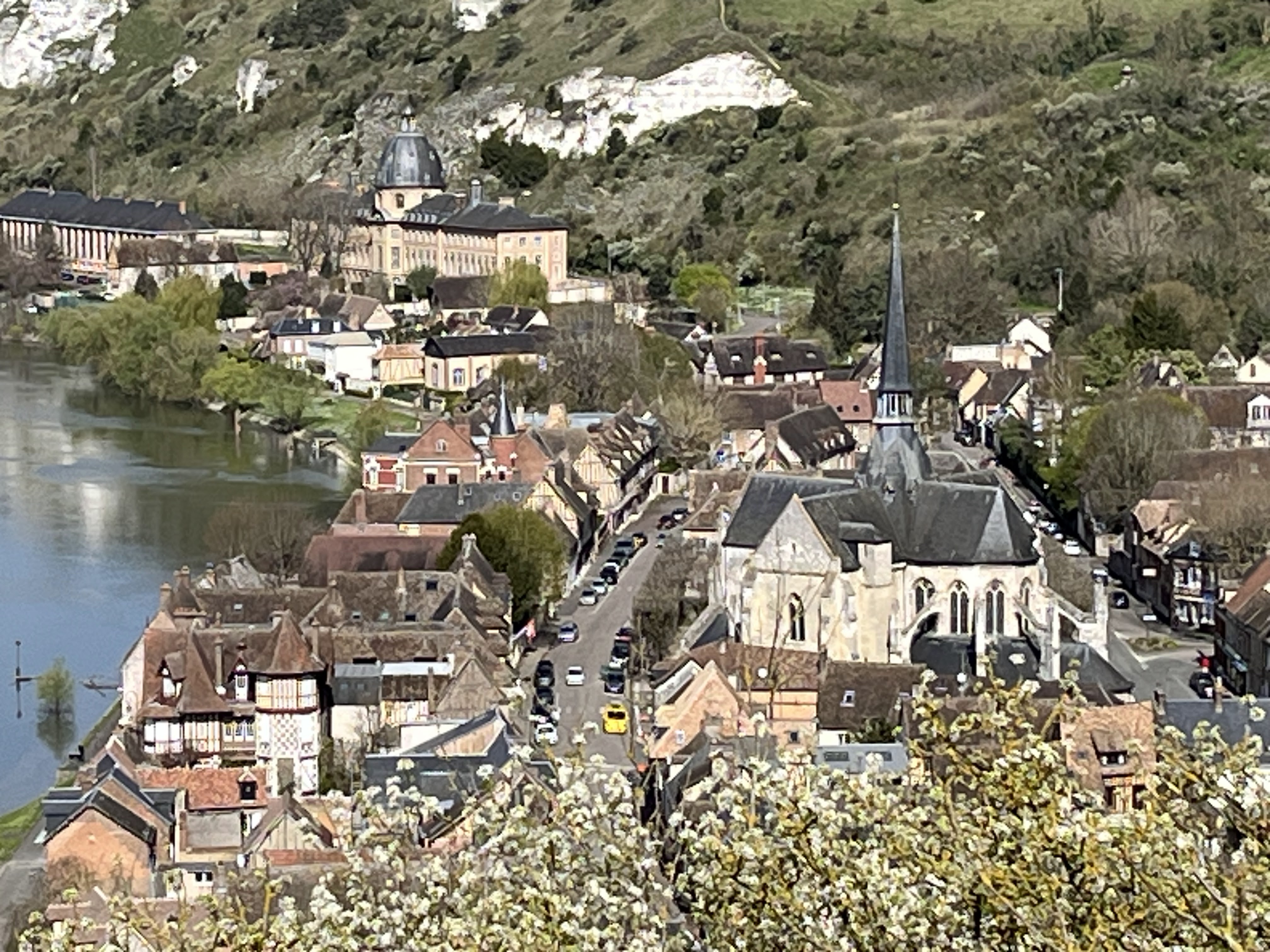
La Roche-Guyon
The Chateau de La Roche-Guyon was originally built in the 12th century. It oversaw the river on the path to Normandy. During World War II, German Field Marschall Rommel set up headquarters here.
La Chateau de La Roche-Guyon, Robert Hubert, 1775, at the Musee des Beaux Arts, Rouen.
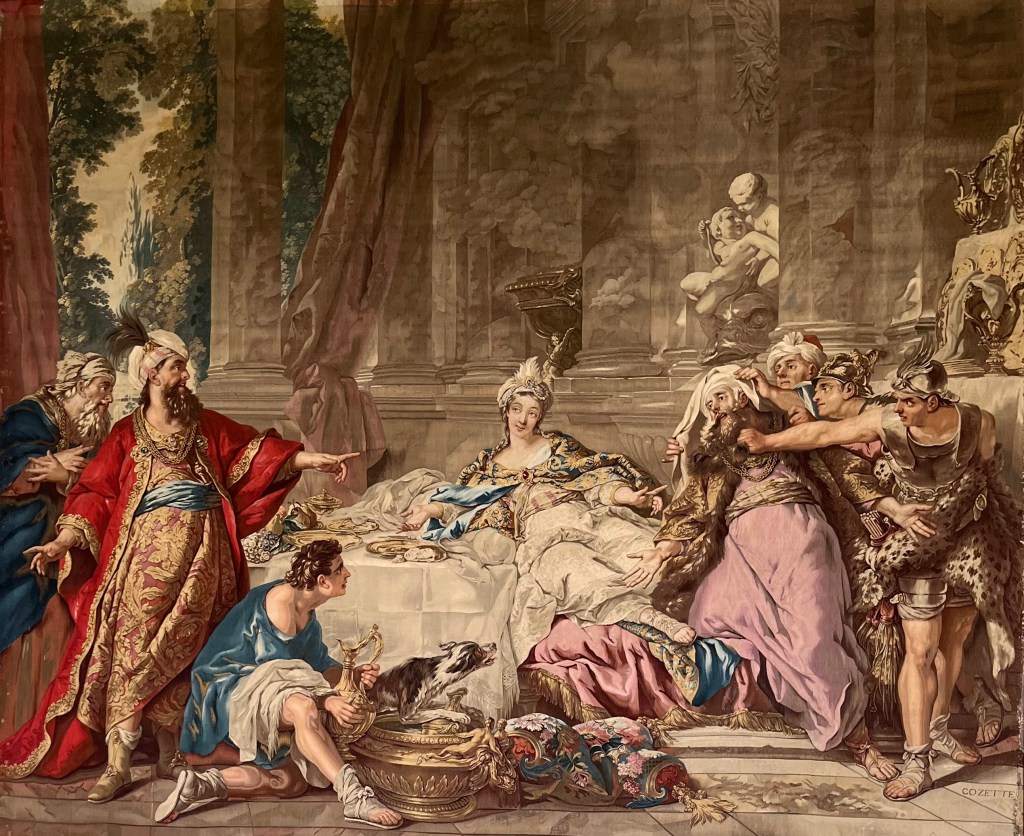
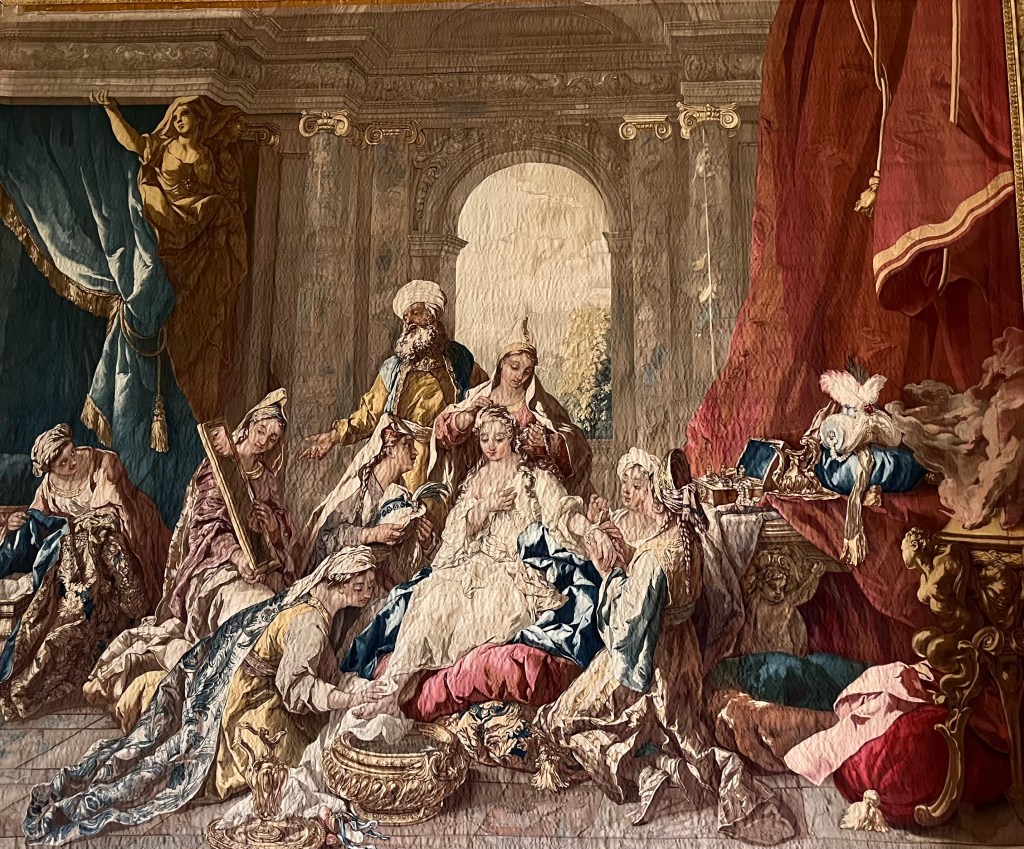
La condemnation d’AmanLa toilette d’EstherTwo of the four large tapestries, produced by Manufacture des Gobelins, that hang in the Chateau. They tell the story of Esther which is the story of the Jewish holiday Purim.Jardin de Faience. (It’s March so it’s far from full bloom.)Jardin du Yoga with sculptures created by Deborah Manetta
Vernon
Our Lady, VernonCollegiale de Vernon, Theodore Earl Butler, at Vernon Museum
Las Andelys
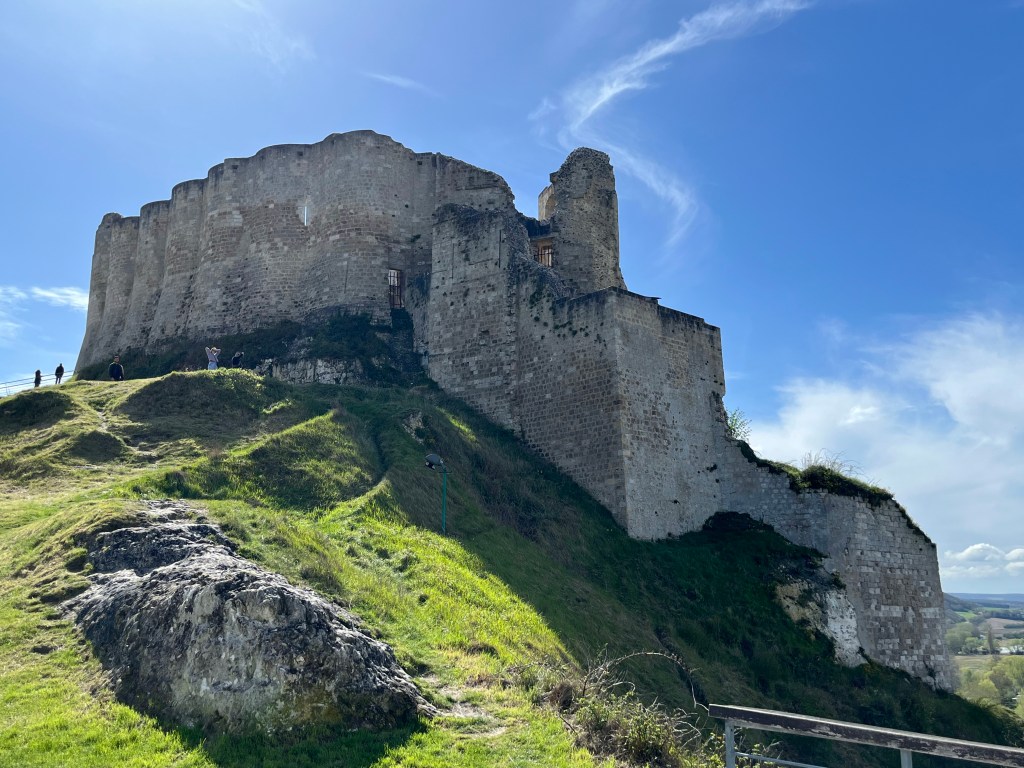
Chateau Gaillard was built in 1196 by Richard the Lion Hearted, King of England and Duke of Normandy, as a fortress protecting Rouen from King Philip Augustus of France.
Le Chateau Galliard et la place des Andelys, Felix Vallotton, 1924, Vernon Museum
Eglise Saint-Sauveur
Rouen
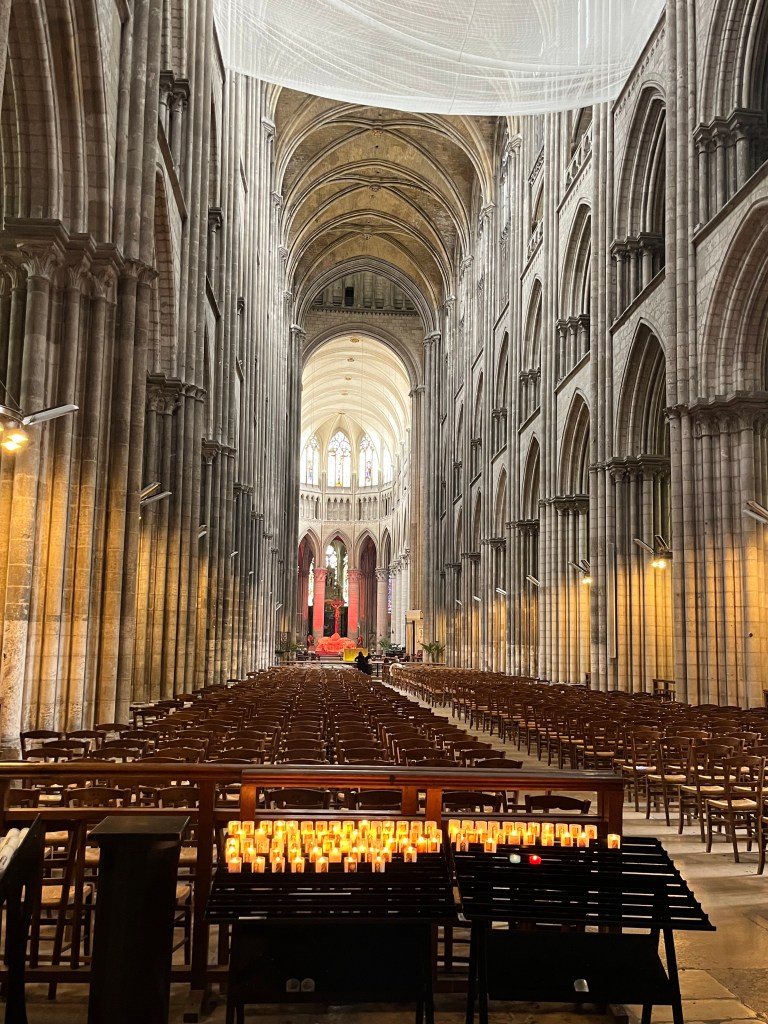
Joan of Arc was burned here
Gros Horloge, 14th century astronomical clock
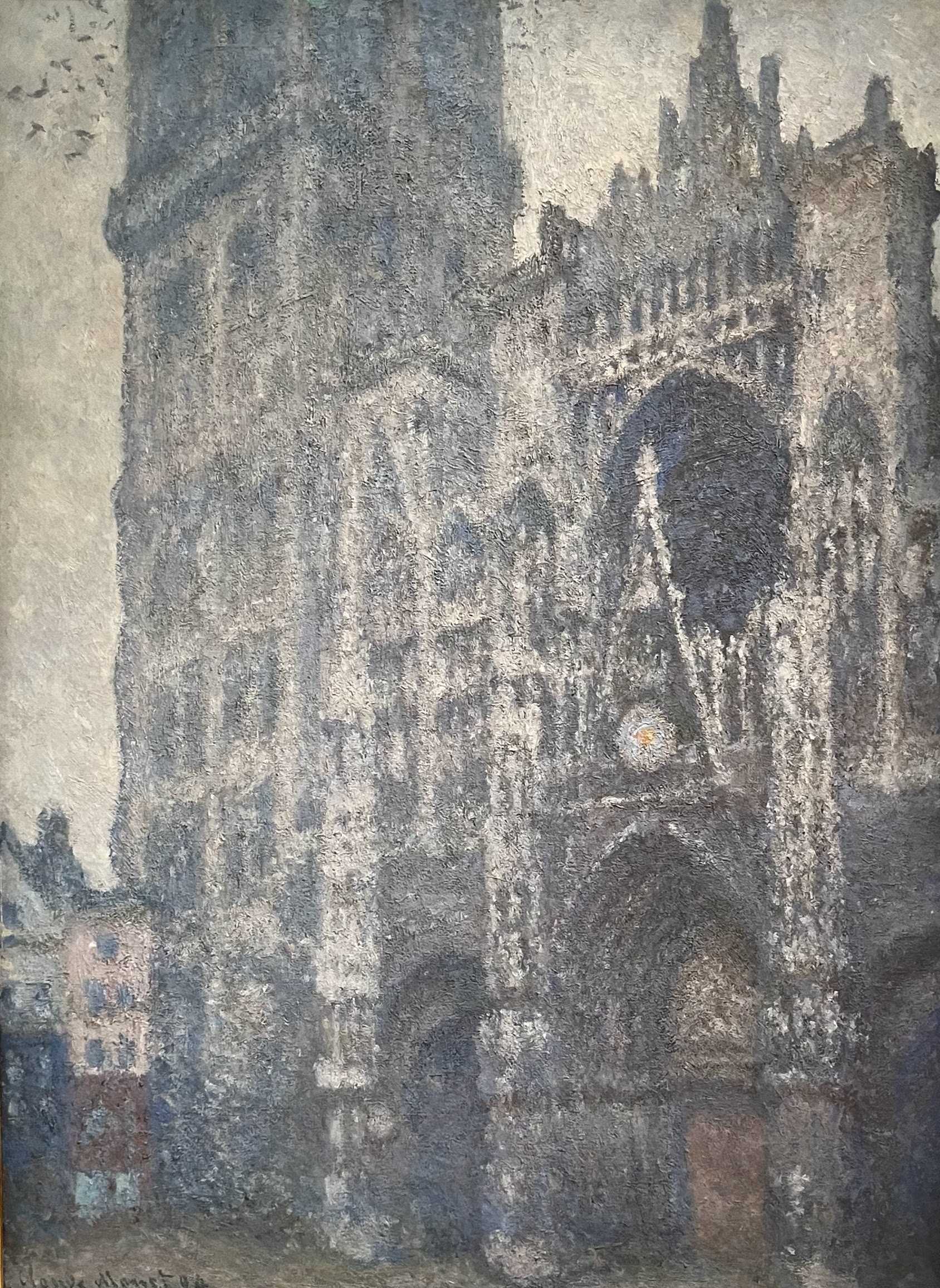
Cathedral Notre DamePortail de la cathedral de Rouen, temps grix, Claude Monet, 1892, Musee des Beaux Arts, Rouen.
You wouldn’t think that a conviction for conspiracy, burglary and illegal wiretapping would be the springboard for a career in media that included TV, radio and movies. But that is exactly what happened to G. Gordon Liddy.
Liddy worked for the Nixon Administration. He was a member of the White House Plumbers, a group supposedly formed to stop damaging leaks of information. He was both the mastermind and the bungler of Watergate, the 1972 break-in at Democratic National Headquarters, an act that eventually ended the Nixon administration and that landed Liddy in jail. He was also involved in the break-in at the offices of Daniel Ellsberg’s psychiatrist a year earlier. (Ellsberg released the Pentagon papers which detailed the thinking behind the U.S. war in Vietnam).
The Watergate Complex in Washington
Liddy was sentenced to a 20-year prison term for his role in Watergate. He ended up serving 4-½ years after JImmy Carter commuted his sentence. He was also convicted in connection with the Ellsberg caper, but received a suspended sentence since he was already in jail.
Liddy in 1964
Prior to his work with the Nixon administration. Liddy had been a lawyer, prosecutor and FBI agent. Once out of jail he leaned on that resume to start a couple different businesses.
One of those ventures was G. Gordon Liddy Associates Inc., described in a Los Angeles Times story (Nov. 30, 1981) with the headline “Former White House spy becomes a franchise:”
“G. Gordon Liddy, the master of domestic espionage who helped make Watergate a household word, is cashing in on nearly 10 years of notoriety. He is the latest thing on the American franchise market — the Col. Sanders of franchised private investigators. From a modest eighth-floor office in a suburban Chicago shopping center the fledgling firm of G. Gordon Liddy Associates Inc. is marketing exclusive territories in the United States and overseas to selected private investigators.
“For fees ranging from $5000 to $25000, qualifying investors can open branch offices under the common banner of Gemstone Security Ltd., a Liddy Associates subsidiary specializing in such services as industrial counterespionage. executive protection and sophisticated bugging detection and prevention.
“But because G. Gordon Liddy is a convicted felon he cannot be a licensed private investigator, a technicality circumvented by naming his wife Frances as executive vice president of Liddy Associates. The family’s financial interest in the firm is through stock held by Mrs. Liddy. Her husband is a consultant for both Liddy Associates and Gemstone Security.”
I found a paid advertisement in the Miami Herald (June 15, 1986) for the G. Gordon Liddy Academy of Corporate Security and Private Investigation. A program was offered at a cost of $2,700. The ad suggested that the course “is specifically designed for the executive who has overall authority of their corporate security unit, but has little background in security.”
A few weeks later, UPI reporter Bill Lohmann, wrote (July 27, 1986): “Ten students paid $2700 each for the three-week course in Miami where they were to learn investigative techniques, counterterrorism tactics, weapons training, electronic eavesdropping and hostage negotiating. The ‘faculty’ includes Israeli ex-commandos, former Drug Enforcement Agency investigators, security experts and Liddy himself.
”The other new Liddy endeavor raising curiosity across the nation is his ‘Hurricane Force.’ The 10-man strike force — including Israeli, British and Cuban former commandos — is billed as the only private anti-terrorist team of its kind. The unit will go anywhere in the world and do just about anything including deliver ransoms, rescue kidnap victims and coach executives stationed abroad in techniques to avoid abduction.”
I could find no evidence of anyone actually engaging this ‘Hurricane Force.’
For a side hustle, Liddy sold ‘Stacked and Packed,’ a calendar that featured photos of the country’s “most beautiful women,” heavily armed.
Shortly after getting out of prison, Liddy wrote and published an autobiography titled “Will.” Vinton Supplee, a reviewer with the Arizona Republic (May 18, 1980) was unimpressed:
“His prose is flat, even pedestrian. His obsessions with ‘genetic destiny’ and proving his masculinity through his ability to endure self-inflicted pain are either ludicrous or Nietzschean, depending on your point of view.
“Personally, I think his triumph of the will adds up to less than zero. But at least he took Nixon with him.”
Liddy was active also as a public speaker. One of the more curious of these engagements was a traveling debate with Timothy Leary, the former Harvard professor who was best known for his advocacy of LSD. A couple decades earlier, Liddy, working for the prosecutor’s office in Dutchess County N.Y., had been involved in a drug raid on Leary.
“The debates, which featured creative taglines such as ‘Nice Scary Guy Versus Scary Nice Guy’ and ‘The State of the Mind Versus The Mind of the State,’ pitted conservative Liddy against his progressive foil Leary in discussions about national security and civil liberties.
“‘He’s Darth Vader to my Luke Skywalker,’ Leary once said of Liddy.”
Liddy also had a number of TV and movie acting roles. Soren Anderson of the Tacoma News Tribune (March 15, 1989) caught up with him in one of his roles:
“It was night. I was down by the waterfront. A figure emerged from the shadows. It was G Gordon Liddy. Yea that G Gordon Liddy. The very man who supervised the burgling of Daniel Ellsberg’s psychiatrist’s office, who concocted an elaborate scheme of political dirty tricks to discredit the Democrats during the 1972 presidential campaign, who masterminded twin Watergate break-ins at the headquarters of the Democratic National Committee and who was imprisoned from January 1973 to September 1977 for his role in the conspiracy that led to President Richard Nixon’s resignation. Liddy was in Gig Harbor late last week and he was up to no good. He was in town to fake his death. It was part of a scheme to throw the cops off his trail so he could make a huge drug score. It was all very sneaky and underhanded. This time though it was all make-believe. Liddy, 58, is working as an actor these days playing the heavy in a movie called ‘Nowhere Man’ that’s being filmed in Gig.
“Liddy spoke with especial relish about his role in an as-yet unreleased movie called ‘Street Asylum.’ ‘I play a corrupt megalomaniac, a former police official now running for mayor who has formed a sinister alliance with a female mad scientist. In my spare time I am also a sexual pervert. There’s absolutely no redeeming social value whatsoever in that character’ he said in a voice that assured you he would have it no other way.”
Liddy once commented: “I played only villains, and that way, as Mrs. Liddy says, I don’t have to act. I just go there and play myself.” (Los Angeles Times, March 21, 2021)
Liddy in 1998
But where Liddy would achieve the most success is as a radio personality. He presaged the right wing talk show commentator we are so familiar with today, trading in conspiracy theories and stirring the cauldron of resentment.
“On his radio show, which aired from 1992 to 1999, he bragged about how he could put a lighter to the palm of his hand and how he offered to take the blame for President Richard Nixon’s misdeeds. He picked on John Dean incessantly. He promoted what today would be called ‘toxic masculinity’ and generally bowled over people he didn’t respect.
“Liddy seemed to enjoy a good-natured, high-spirited debate without ever descending to the depths Rush Limbaugh would plumb—or, for that matter, former President Trump.” (Brian Karem, the Bulwark.com, March 31, 2021)
“For 4 hours every weekday, G. Gordon Liddy uses his Radio Free D.C. talk show to make life a political hell for the First Couple. With surprising wit and charm, this quintessential tough guy delights in bedeviling not only President and Mrs. Clinton but the whole Washington establishment. So much of it is ‘Bravo Sierra’ B.S. as Liddy barks frequently into the microphones at WJFK radio station with a voice that is part carnival huckster, part Ted Baxter.” (Cox News Service, May 15, 1994)
Liddy would have to replay Watergate in a courtroom one more time, in 2001. He was sued for defamation by Ida “Maxie” Wells, who at the time of Watergate was a secretary at the DNC offices there. Liddy, it seems, accused the DNC of running a call-girl ring out of their Watergate offices (remember PizzaGate) and Wells claimed that he identified her as the person securing the prostitutes. The jury was unable to reach a verdict in the case. The judge initially declared a mistrial, but then dismissed the charges.
Liddy was 90 when he passed away in 2021. He had been suffering from Parkinson’s disease. Writing his obit in Politico (Dec. 21, 2001), Joshua Zeitz had this to say:
“He was a showman to the very end — an outsized personality who both profited from the conservative political reawakening and influenced its direction. Yet, it seems safe to say that he was an original. There will be many imitators, but there was only one G. Gordon Liddy.”
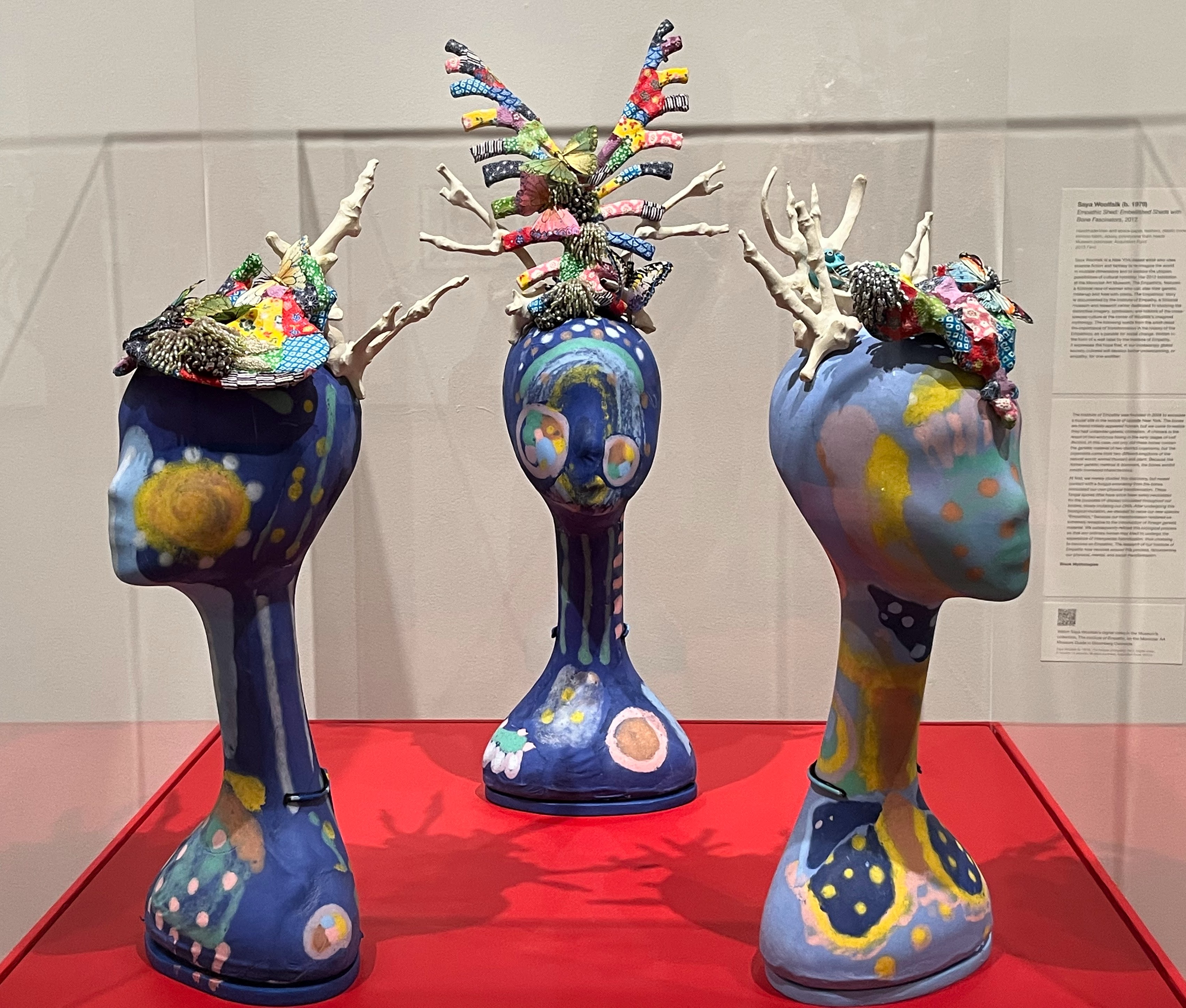
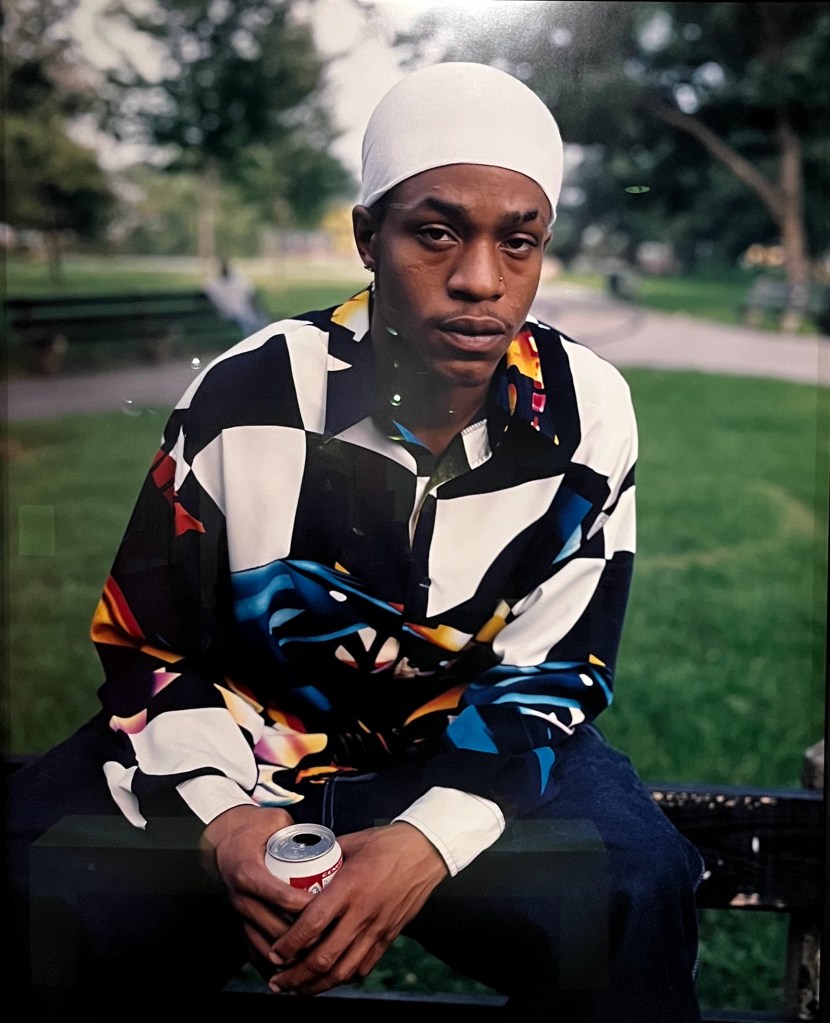
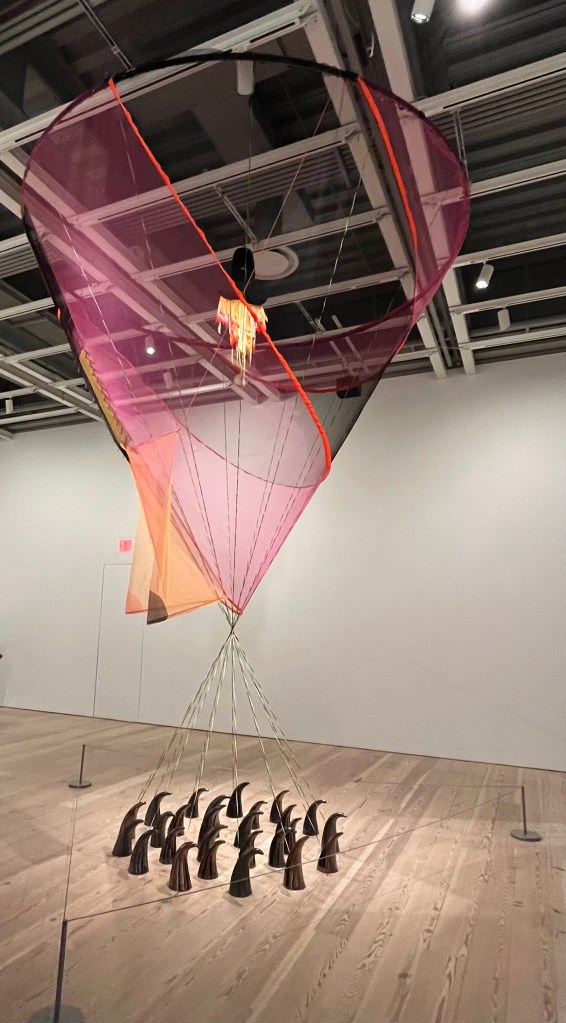
Empathic Shed: Embellised Shjeds with Bone Fascinators, Saya WoolfolkSmokey, Dawoud BeySlave Rebellion Reenactment Performances Still 1, Dread Scott
War Worker, Charles White
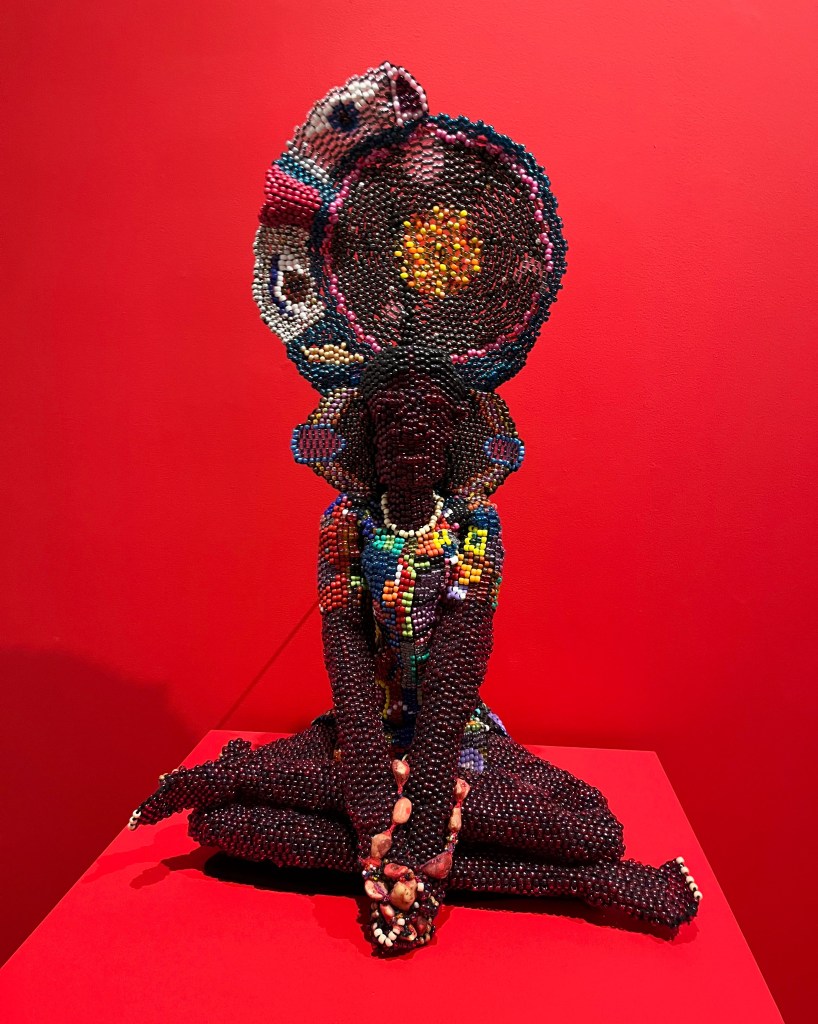
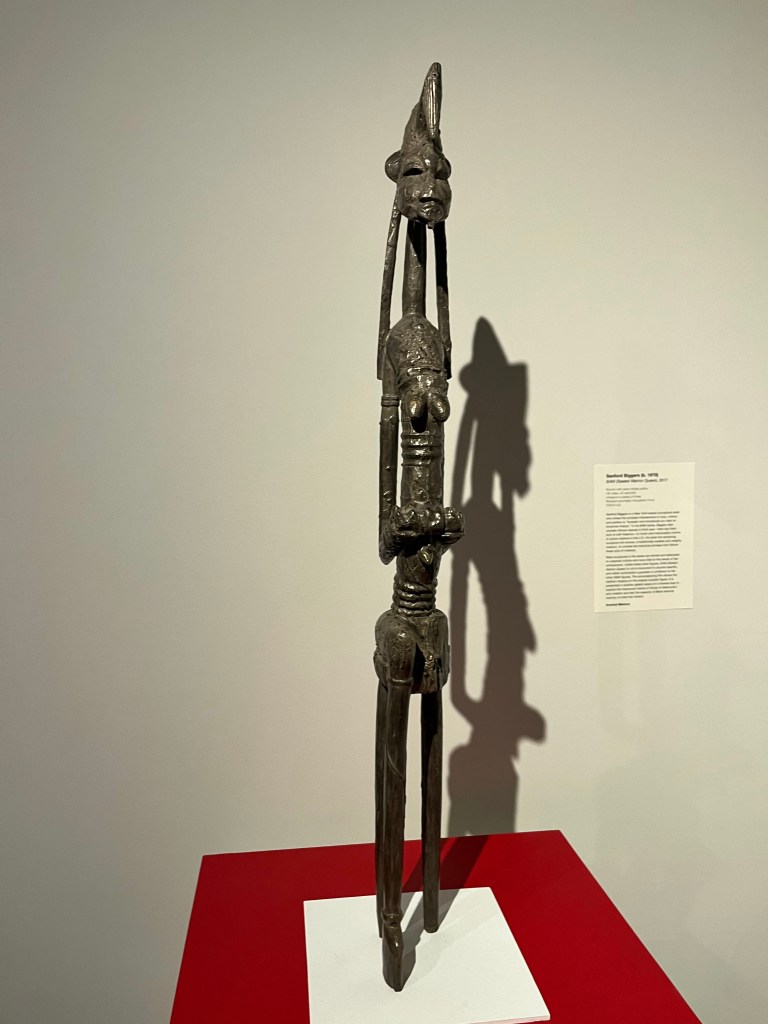
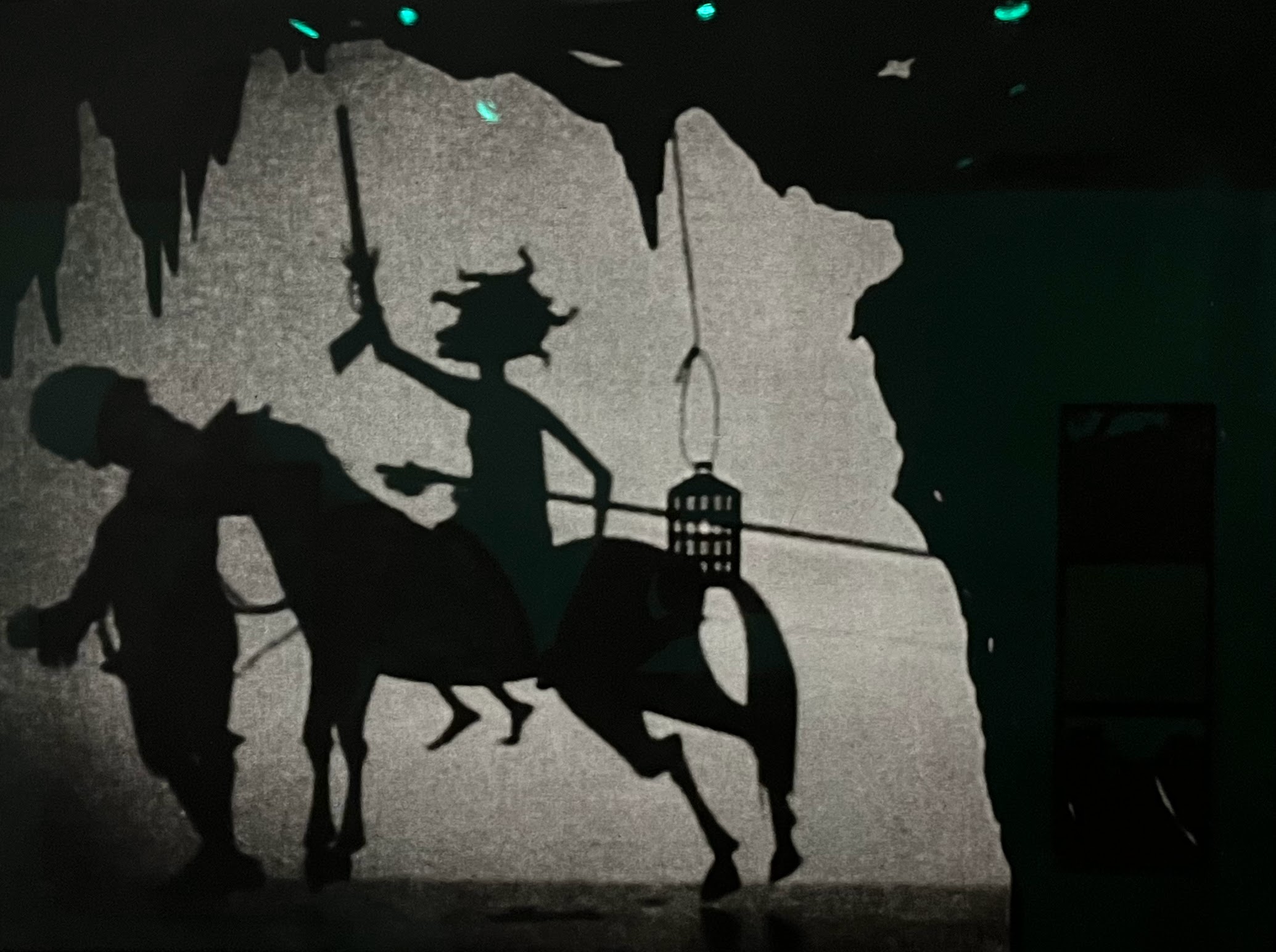
Harriet Tubman as Buddha, Joyce J. ScottMother and Child, Willie ColeMemelodi (from the Lynch Fragment Series). Melvin EdwardsBAM (Seated Warrior Queen), Sanford BiggersLate Afternoon, Romare Beardenthe space between, Ambrose Rhapsody MurrayTar Beach 2, Faith RinggoldTestimony, Kara Walker (one of five photogravures)Blackout in Haiti, Lois Mailou JonesShore Road, Philemona WilliamsonVenus Contemplating Her Shadow, Adger Cowans
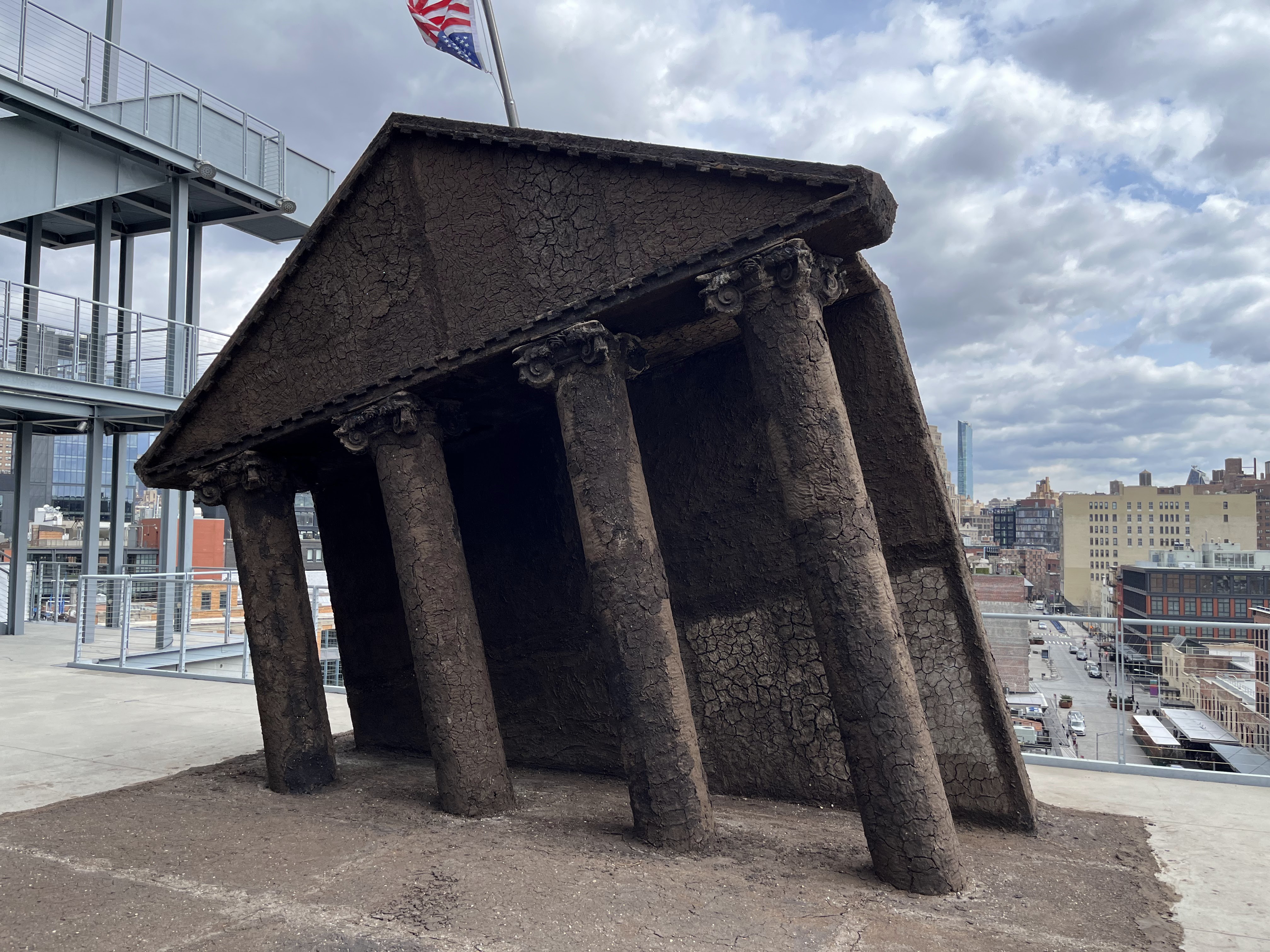
Ruins of Empire II or The Earth Swallows the Master’s House, Kiyan Williams
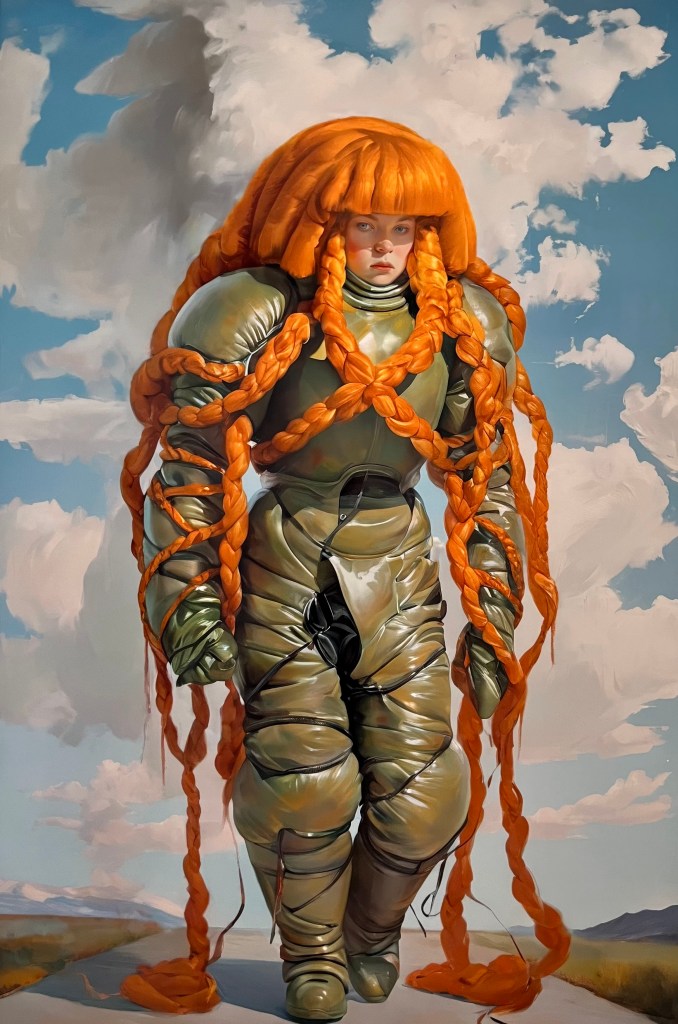
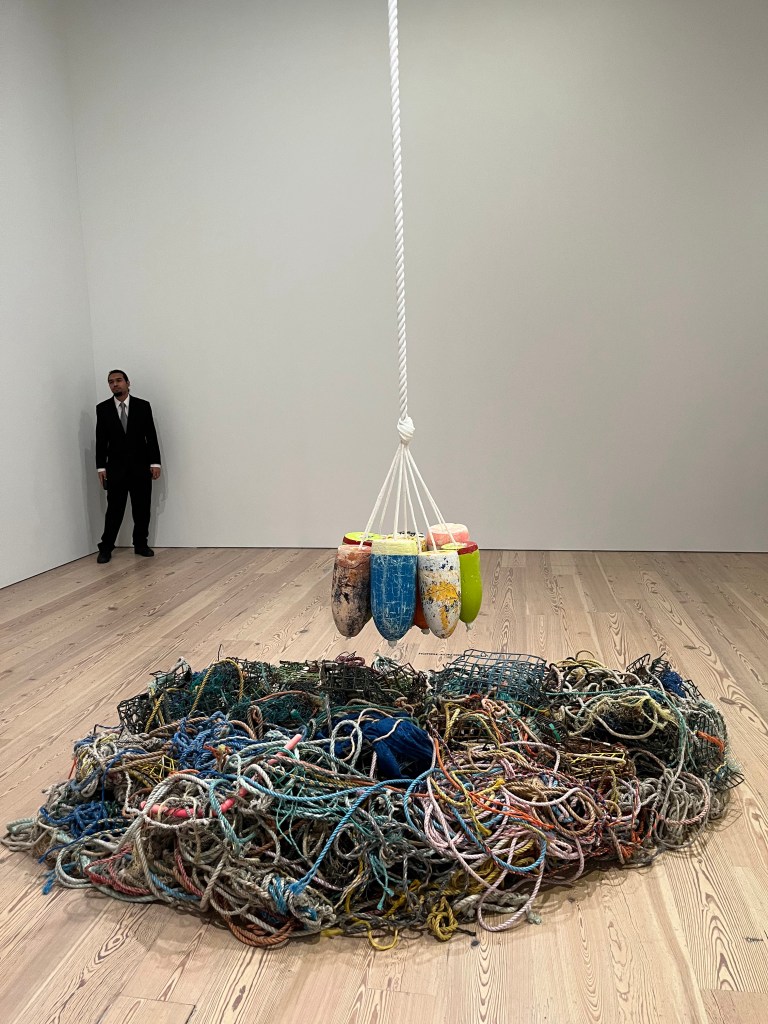
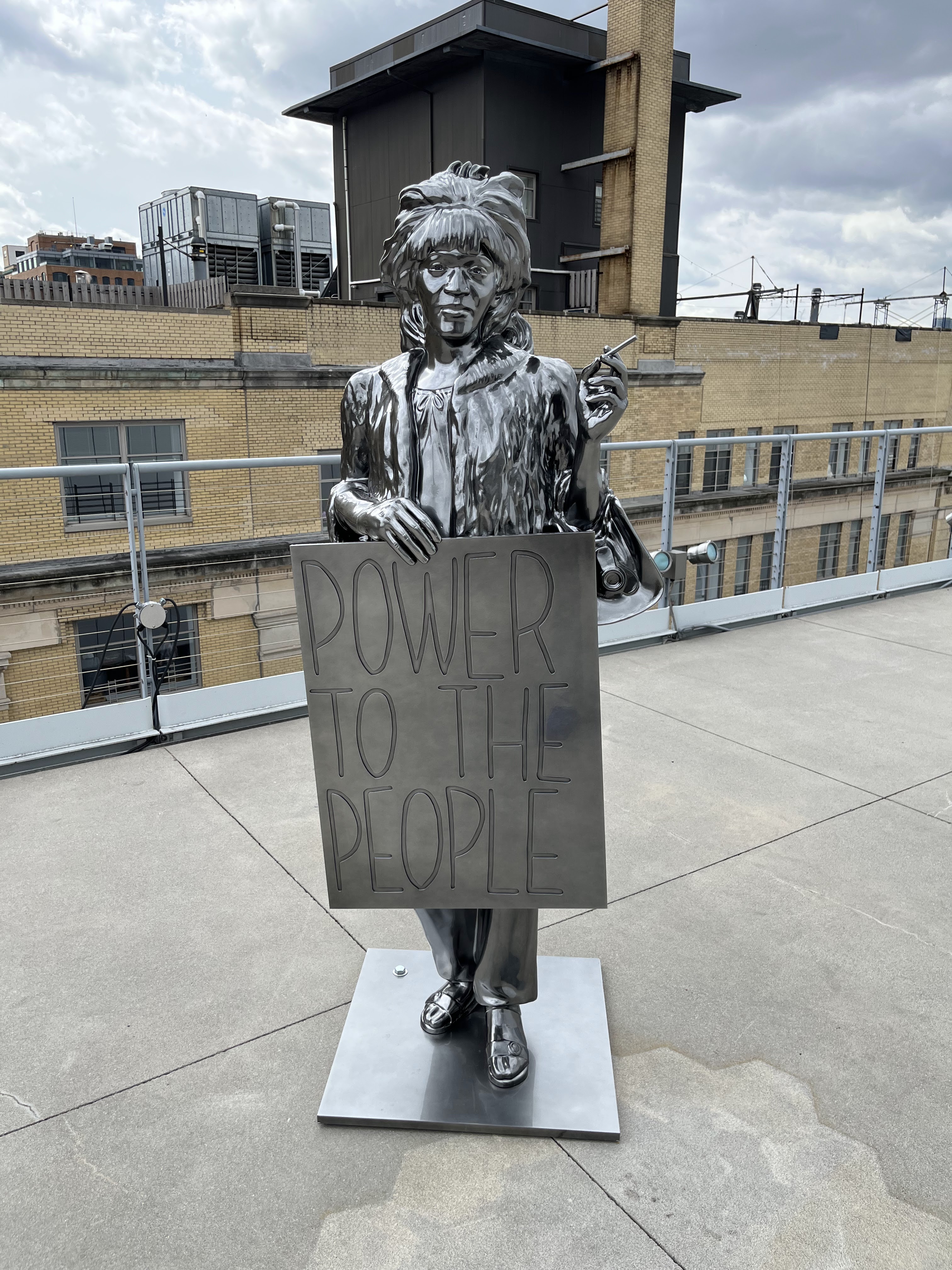
The Whitney Biennial dates back to 1932. It is generally considered a barometer of trends in contemporary art. The artists selected for the biennial are generally younger and less known than would normally be exhibited in a museum like the Whitney. All of the works and installations on display were created in the last two years. The Biennial opens to the public today and continues through Aug. 11.
xhairymutantx, Holly Herndon and Mat Dryhurst
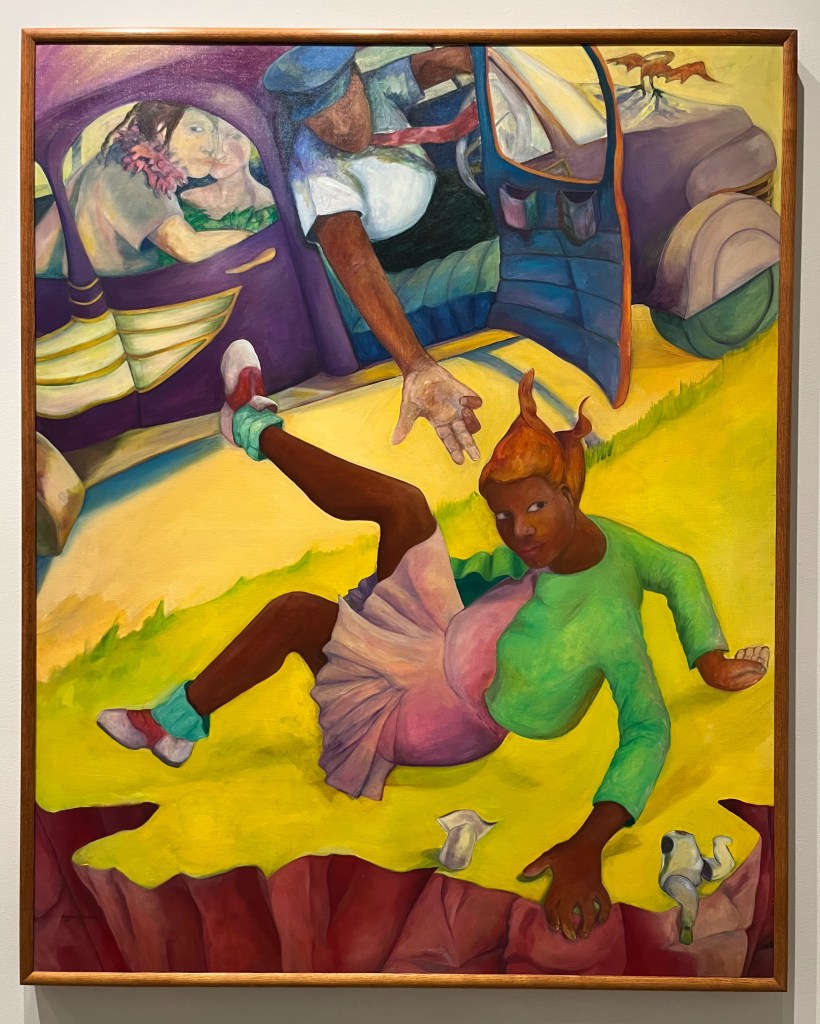
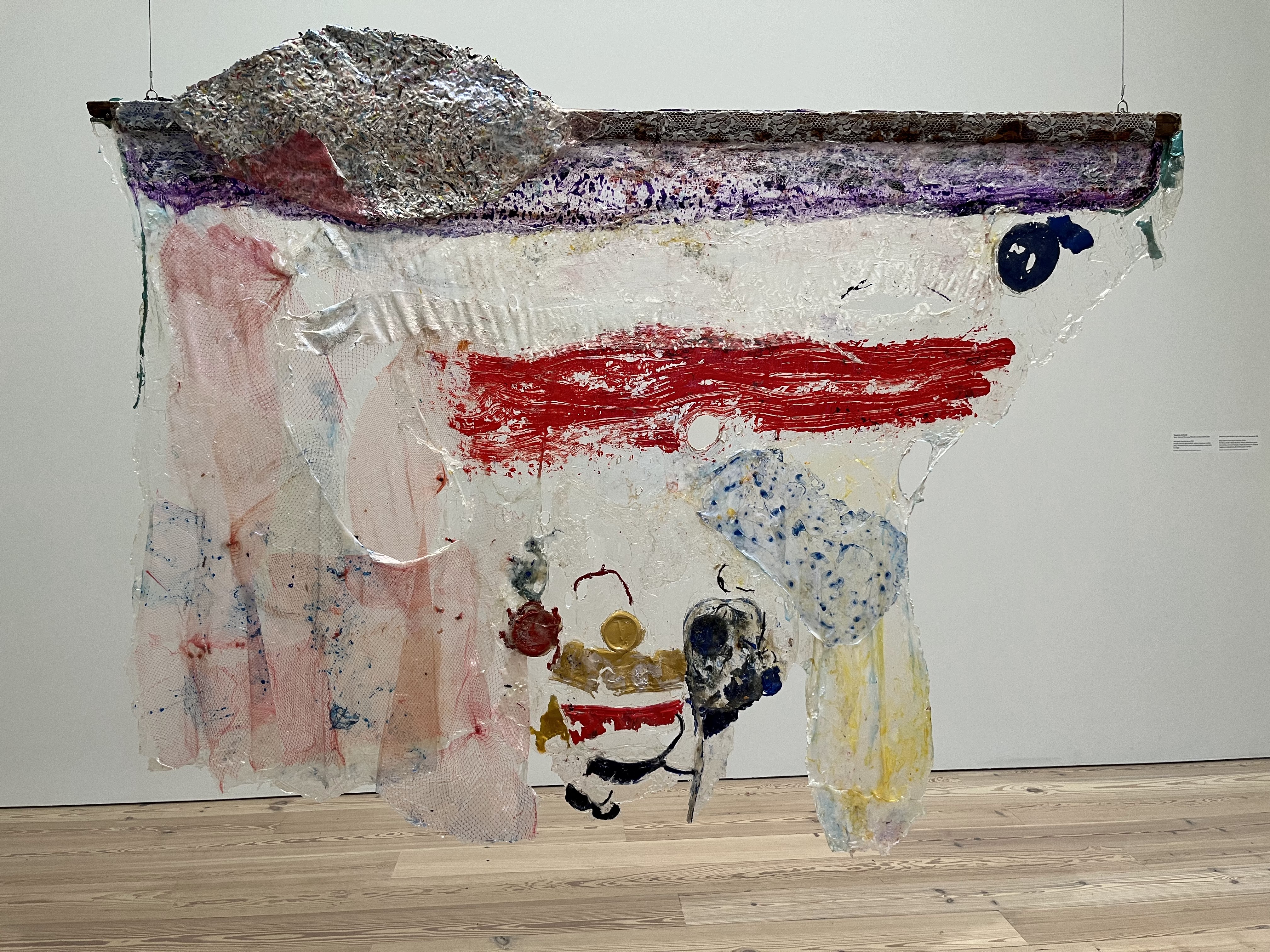
Tempo Rubato (Stolen Time), Nikita GaleThe Past Awaiting the Present/Arrival of Drummers, Maja RuznicSelf Portrait: She Now Calls Herself Sahara, Mary Lovelace O’NealUnziwoslall Wasicuta (Lakota), Cannupa Hanska LugerHow Many Ways Can You Disappear, Karyn Olivier
Statue of Freedom, Kiyan Williams
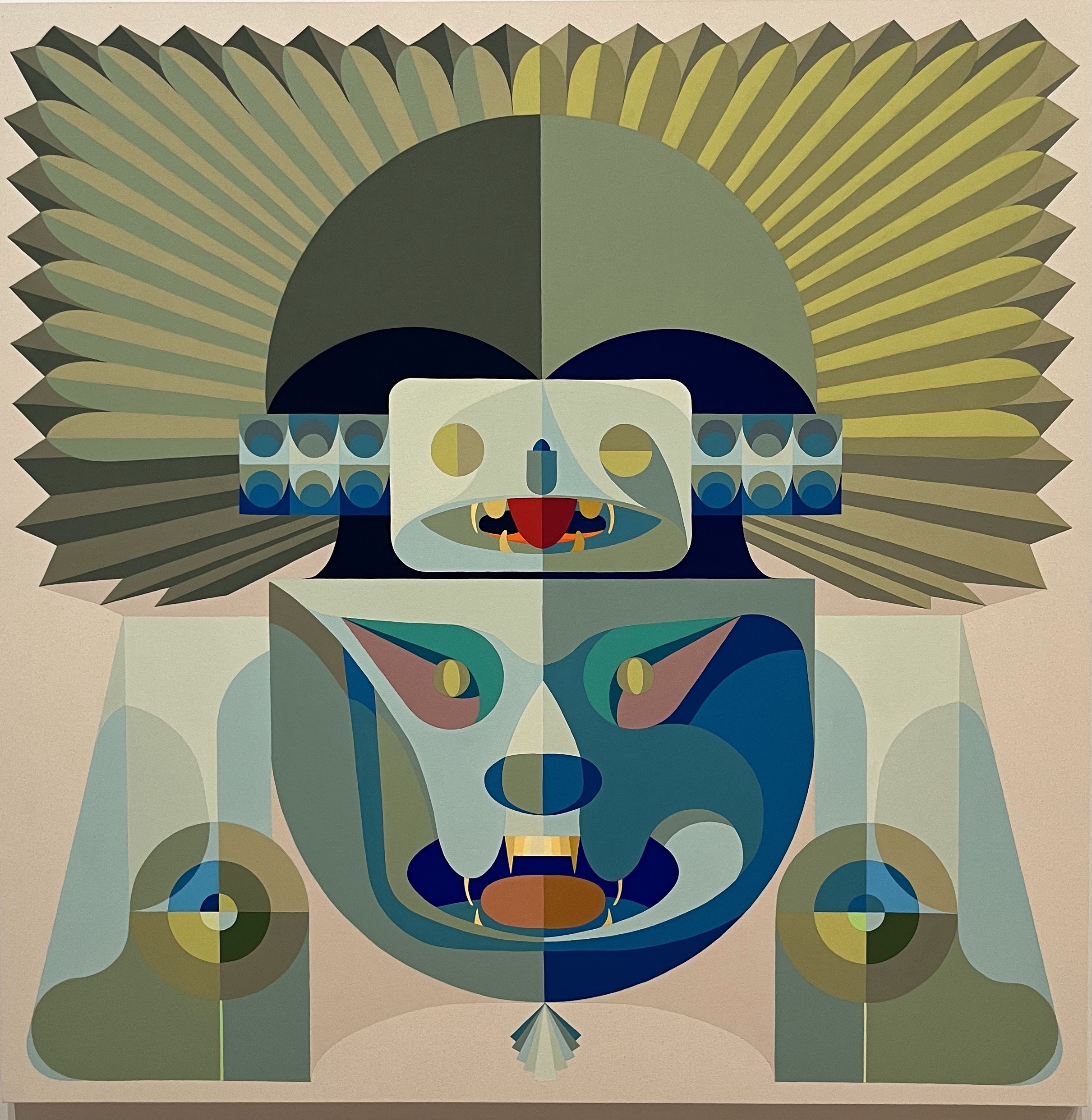
Once Again…(Statues Never Die), Isaac Julien. Part of 5-screen, 30-minute video about Andre Holland, philosopher, educator and cultural critic of the Harlem Renaissance Talking Shit with My Jaguar Face, Eamon Ore-Giron
Blanton Museum of Art, University of Texas, Austin
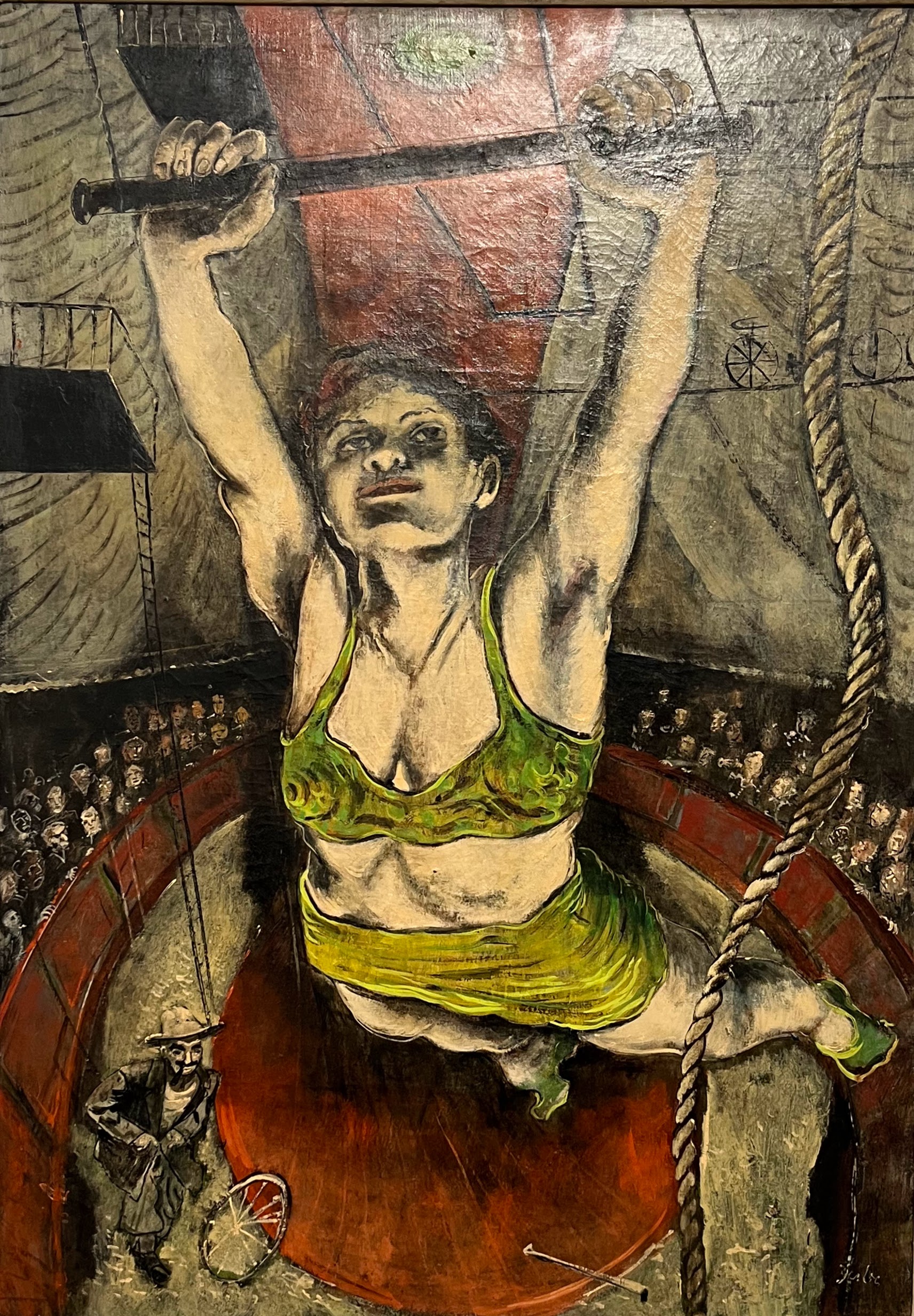
Woman on Trapeze, Karl Zerbe
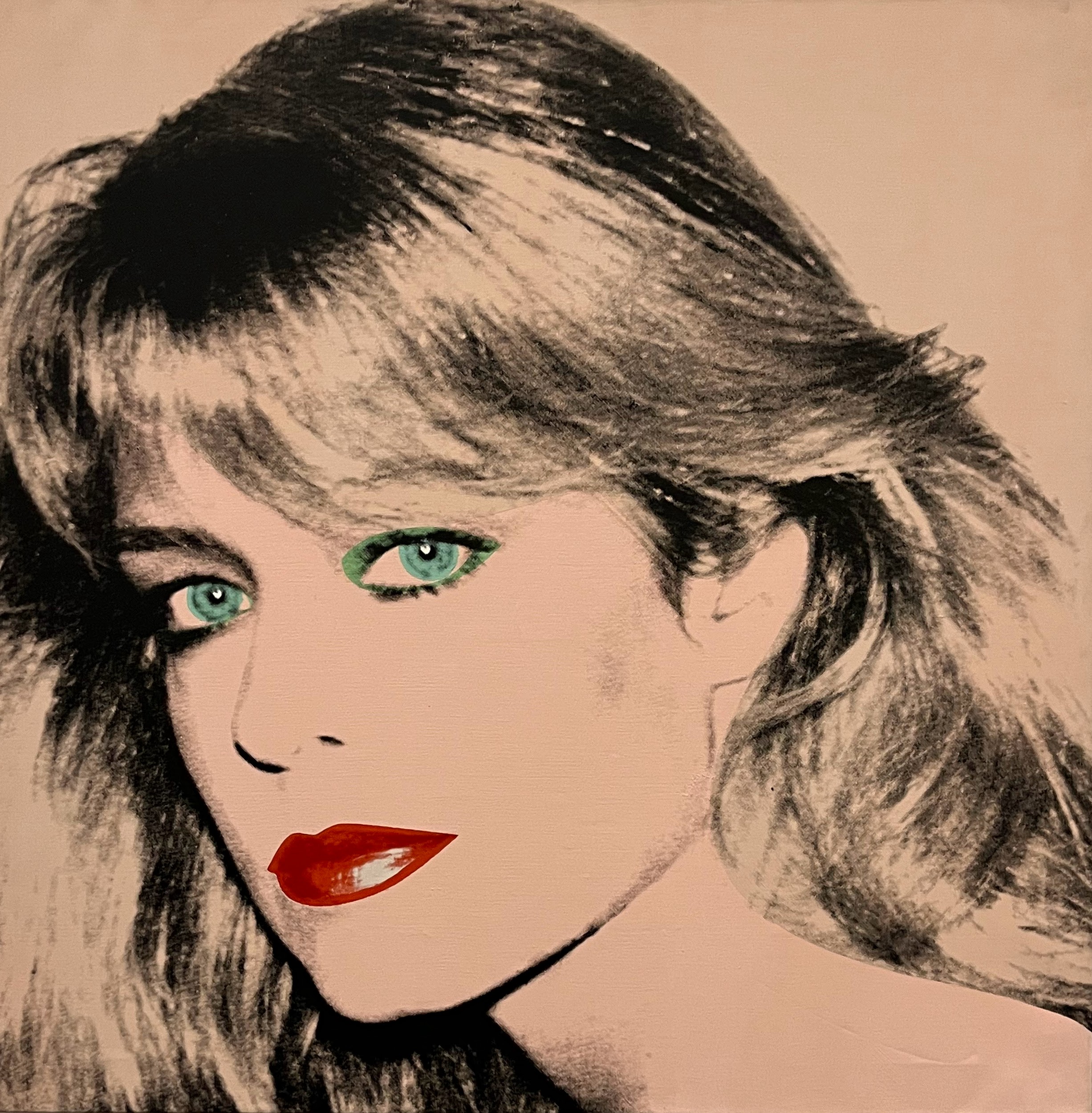
Farah Fawcett, Andy Warhol
from Argentina
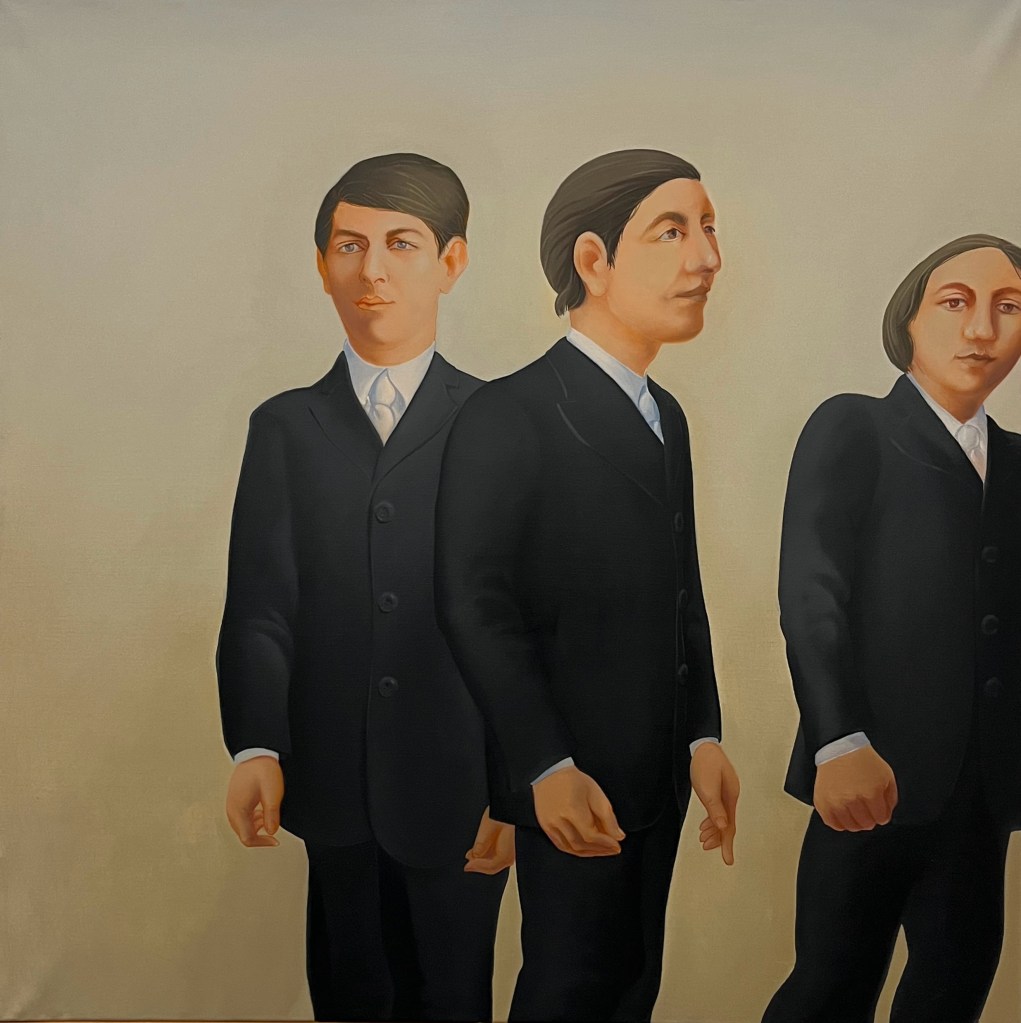
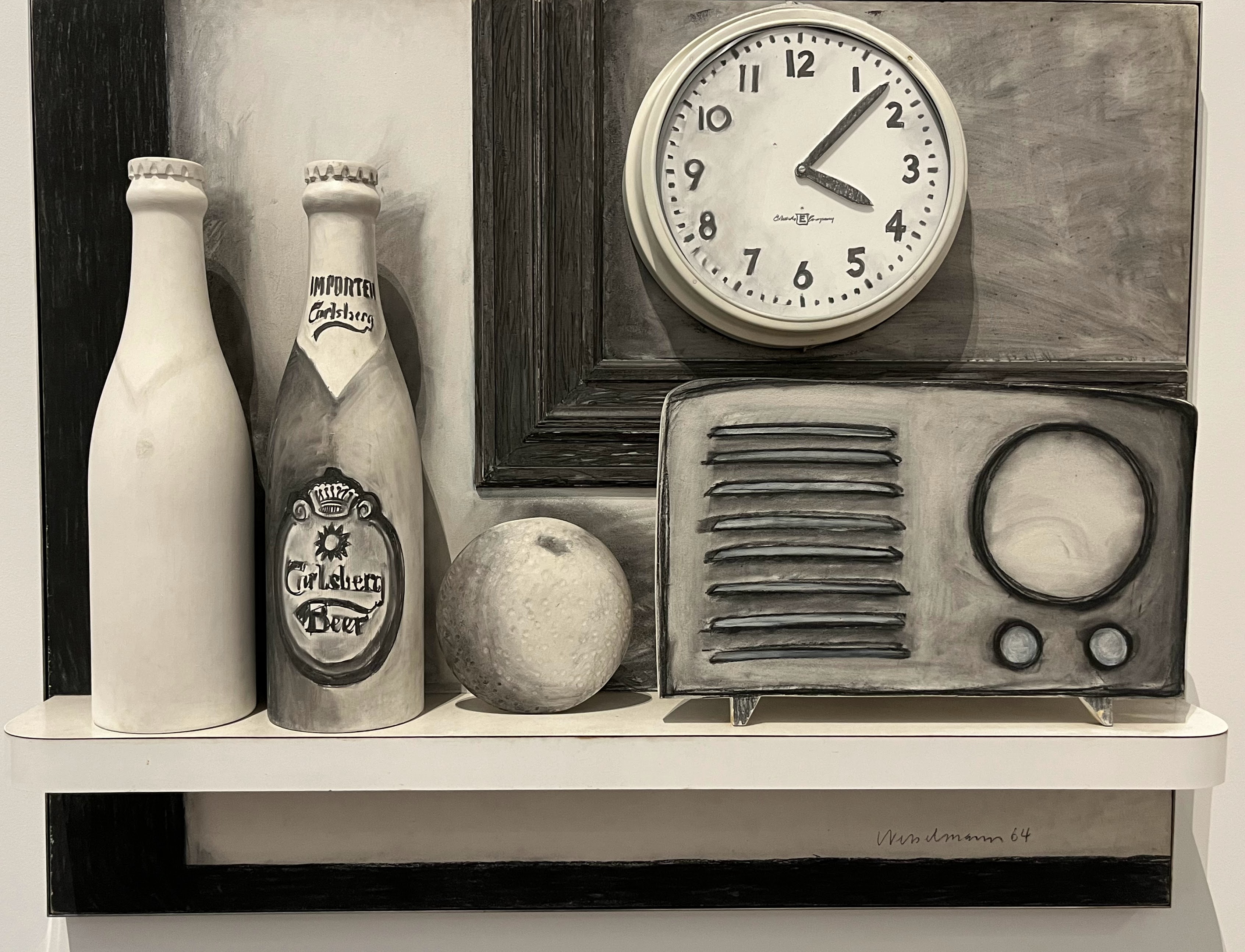
Camera anegada, Hector GiuffreTres Figures, Ricardo GarabitoX en la Calle 13, Sarah Grilo3-D Drawing, Tom WesselmannHomage to Sterling Brown, Charles WhiteBy the River, Radcliffe BaileyThe Sugar Shack, Ernie Barnes
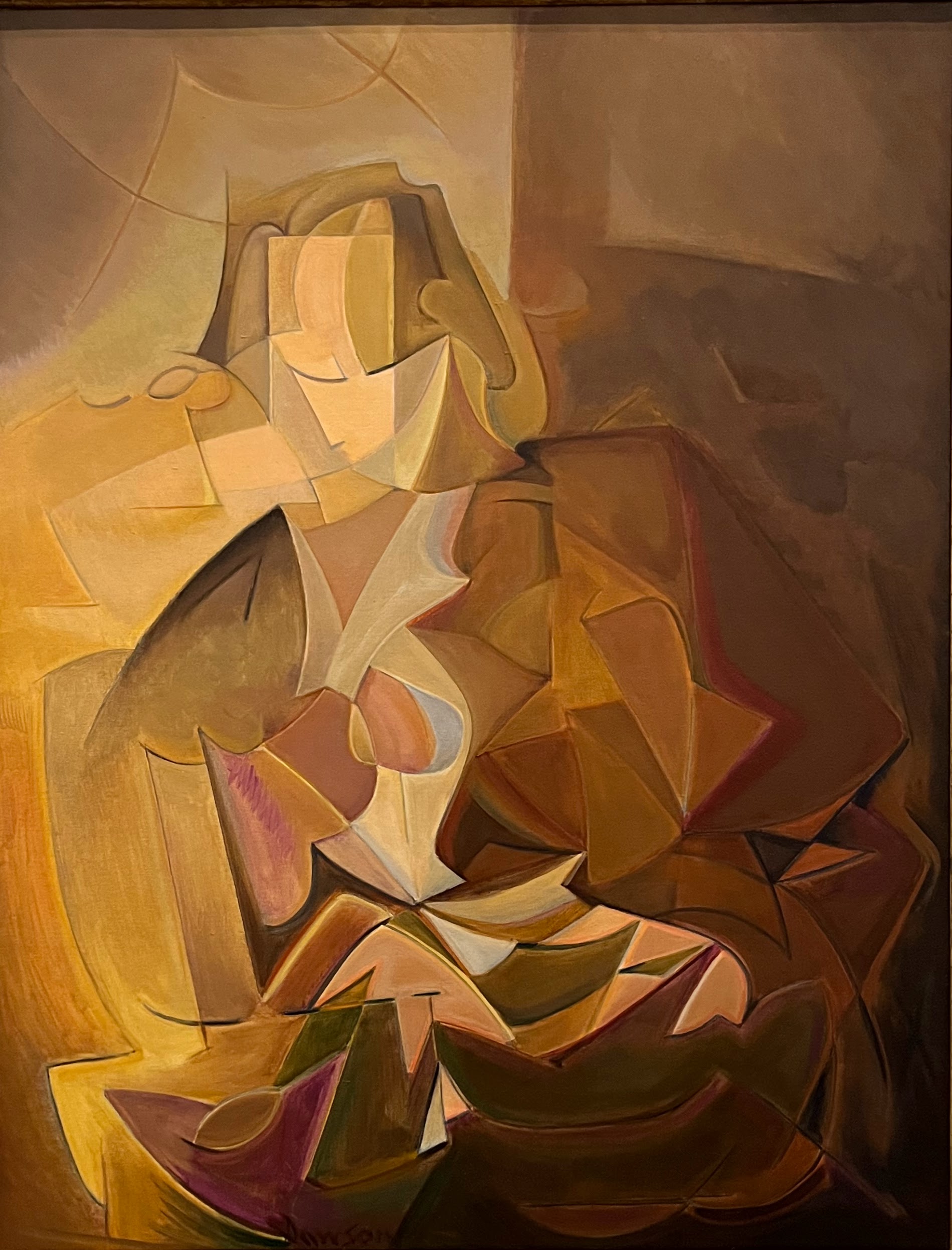
Woman in Brown, Manierre Dawson
Oil Field Girls, Jerry BywatersOil Well at Sunset, James BrooksThe Romance of Energy
The Floating World, masterpieces of Edo Japan
Puppet Theater Performance, Kitgawa Utamaro I, 1799
A Flower Show, attributed to Furuyama Moromasa, early 18th century
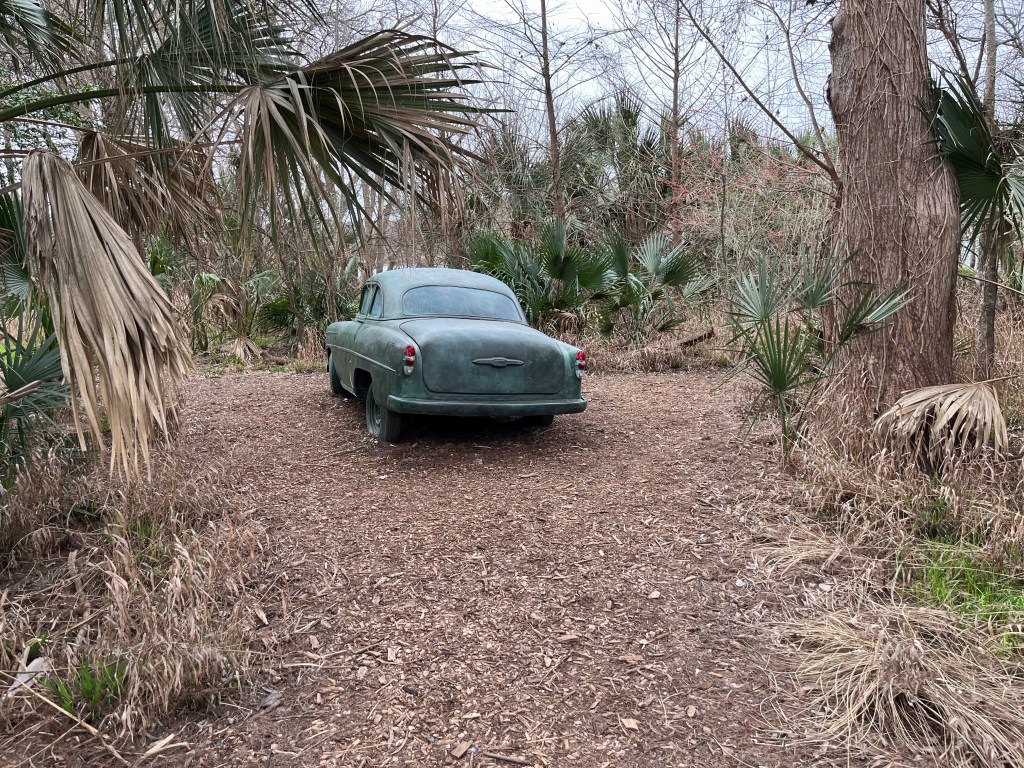
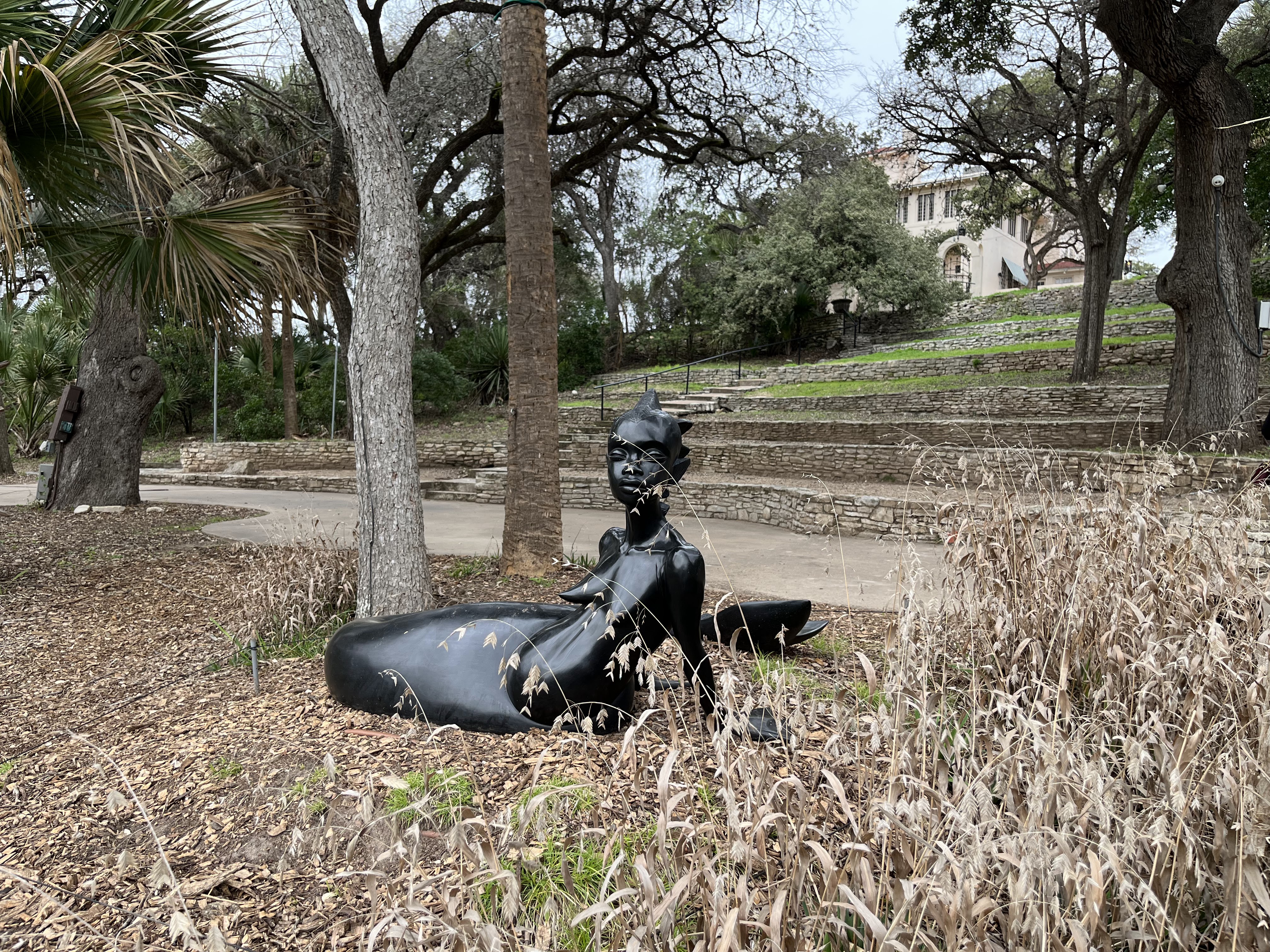
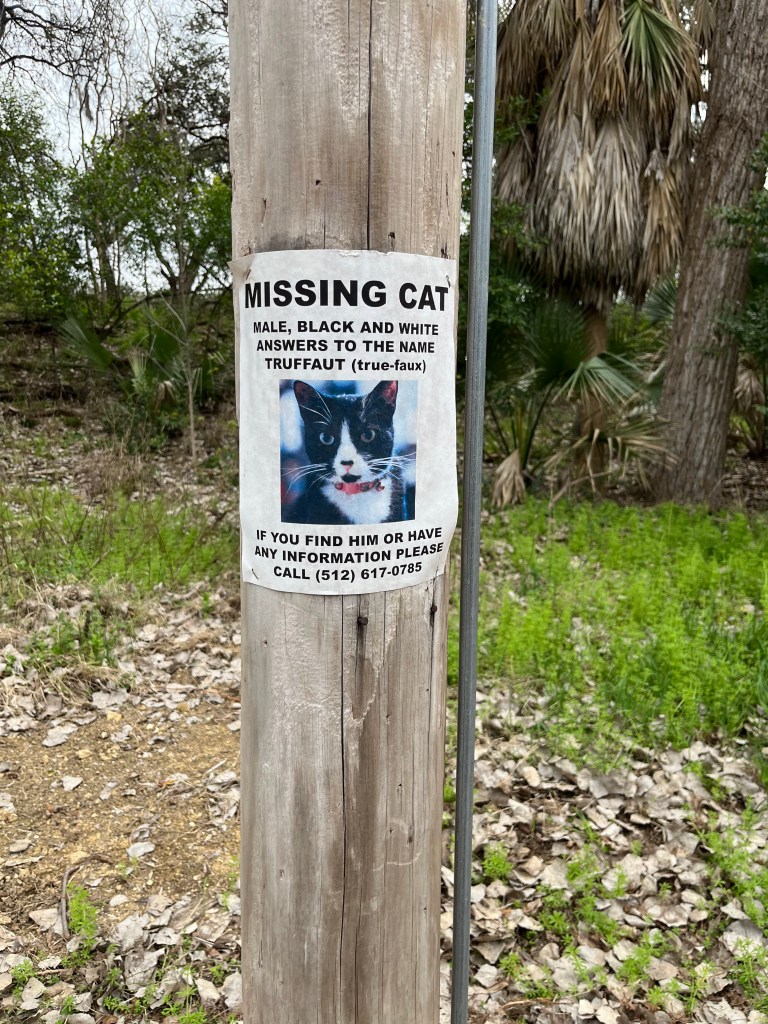
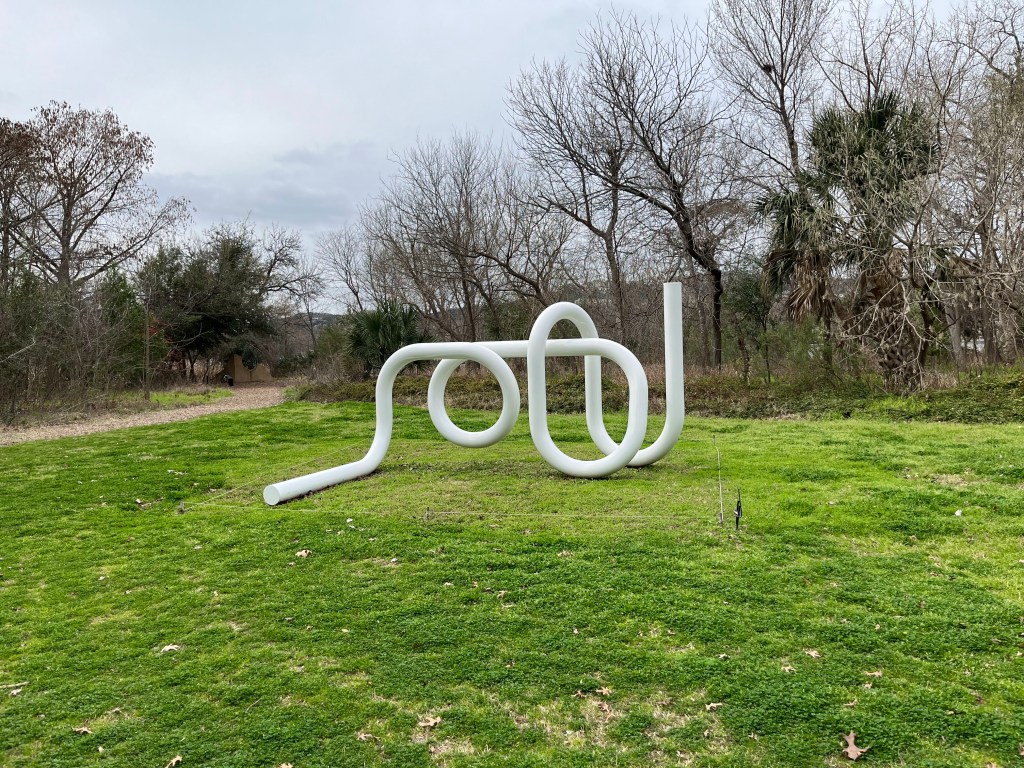
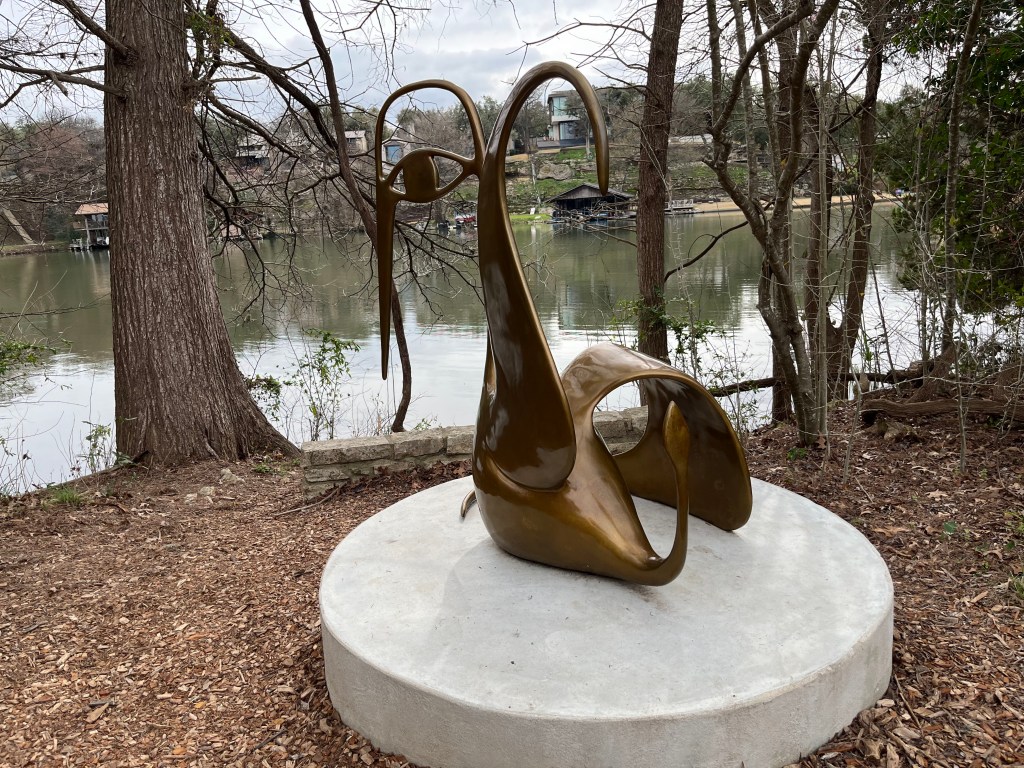
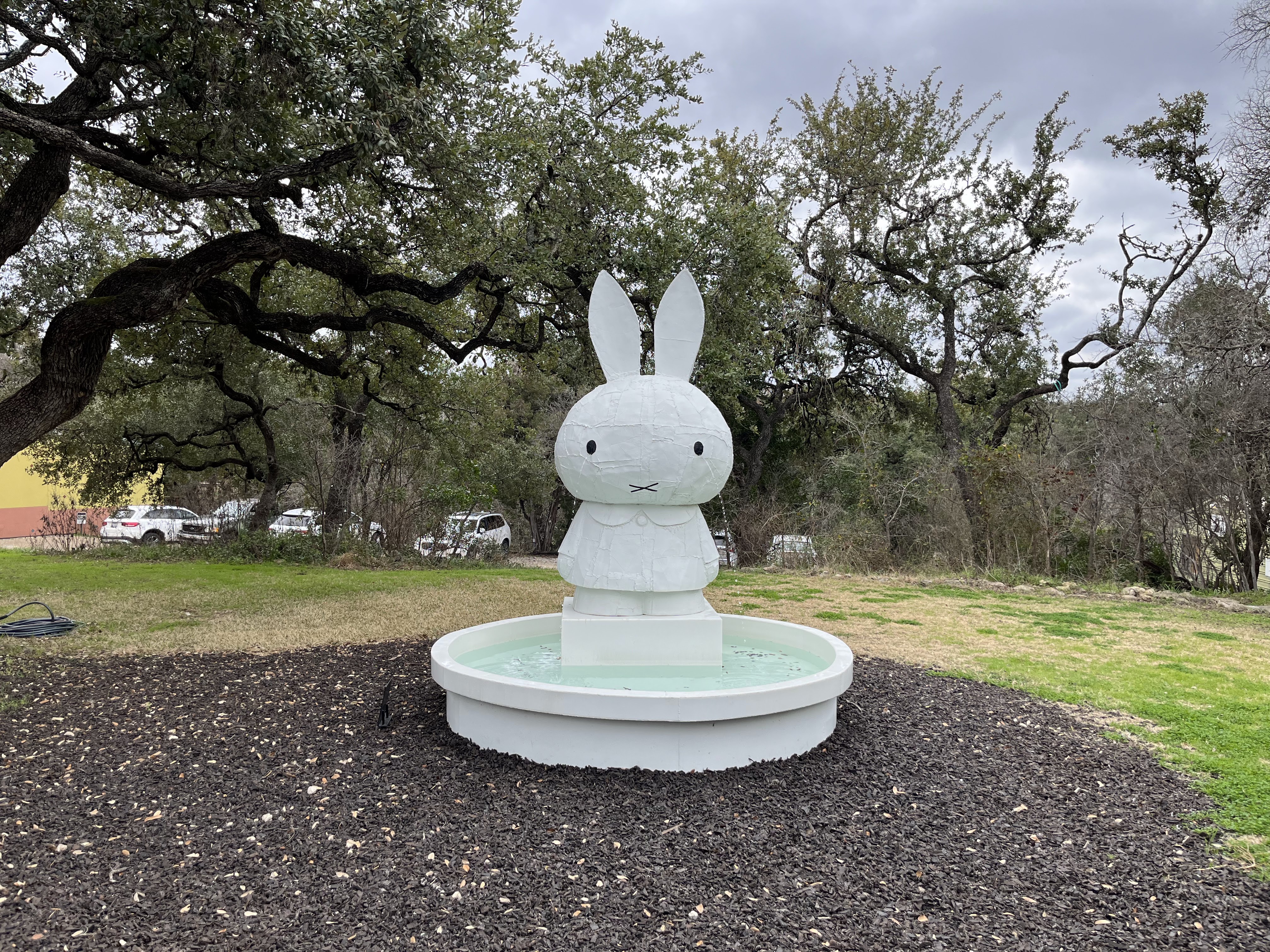
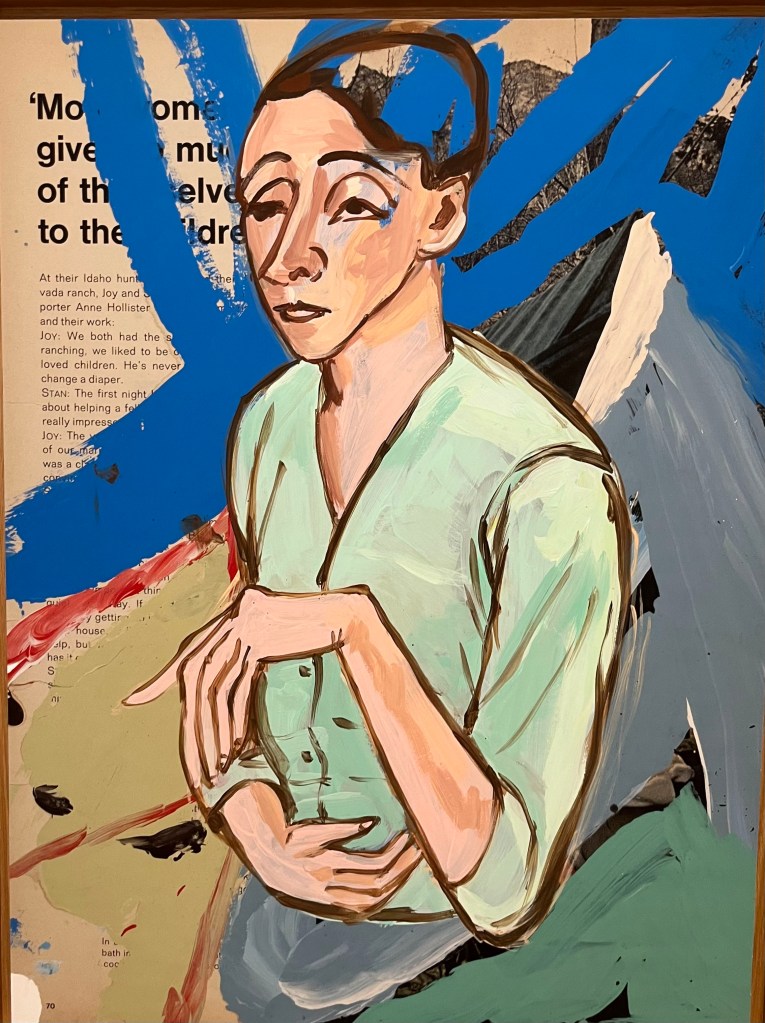
to see if time was there, Anya GallaccioWater Woman, Wengechi MutuMissing Trufout, Teresa Hubbard/Alexander BirchlerTime Span, Nancy HoltCommon Crossings, Marianne Vitale (five pieces)From the Sun to Zurich, Carol BoveSwan Mother, Clare RojasLuna, Ursula von RydingswardGarden Sculpture Blue, Sarah CrownerMiffy Fountain, Tom Sachs









































































 off the leash