Whatever Happened To? Grace Slick

Grace Slick
Jefferson Airplane

In 1968 I was 18. There wasn’t a woman on the planet I was more enamored with than Grace Slick. She was, at the time, lead singer of my favorite band, Jefferson Airplane. One year before they had released their Surrealistic Pillow album, which included the songs “Somebody to Love” and “White Rabbit.” One year later they would make a 6 a.m. appearance at Woodstock, playing a set that was delayed from 9 p.m. the night before.

It was the era of sex, drugs and rock and roll. Slick was the cover girl. Most important, in 1968, was the rock and roll. Most remember Slick for her soaring vocals on White Rabbit, a song she claims to have written on LSD. It is a song that never seems to get old, not just to music fans, but to DJ’s, TV and film producers, marketers and innumerable female lead singers in cover bands. I also think of her hauntingly beautiful voice on the song “Today” at the Monterey Pop Festival in 1967. There is a YouTube clip of that performance below. There is an even better one in the 1968 Monterrey Pop documentary (available on Max and Hulu).

Then there’s the drugs. LIkely they included LSD, quaaludes and marijuana, and most damagingly alcohol. Jefferson Airplane was not going to be one of those bands that would stay together for decades and Slick was a big part of the reason why, not so much because she supposedly had affairs with three different band members, but rather because of her alcoholism.

The guitarists Jorma Kaukonen  and Jack Cassidy had a side project going which would become the band Hot Tuna. It started at times when Jeffereson Airplanke was inactive, once because Slick had throat surgery and another time when she was seriously injured in a car accident in 1971 while drag racing with Kaukonen. Hot Tuna went their separate ways in 1972 and in 1974, Jefferson Airplane was reconstituted as Jefferson Starship.

The end came on a tour of Germany in 1978. The oft-told story about that tour is that on the first night Slick was too inebriated to get on stage and the performance was canceled. She did get on stage two nights later and many wished she hadn’t. Her erratic behavior included taunting the German audience about losing World War II. I’ve read that she was fired by band member Paul Kantner, or that she was asked by Kantner to resign and did. Whatever, that was the end and Jefferson Starship continued the tour without her.

A story in Louder Sound describes another episode that same year:

“By early 1978, Grace Slick was no fun to be around. Appearing at a club version of The Gong Show in San Francisco, she’d abused the contestants, fought with her fellow judges, and was eventually dragged offstage after breaking some microphones. The audience, who’d also been baited by the Jefferson Starship singer, jeered as she was hauled into the wings. Later the same day, she was stopped by the California Highway Patrol and charged with drunk driving. She abused the arresting officers and spent the night locked up.”

Years later in a 2012 interview with Vanity Fair, a by now sober Slick described what she was like when she drank: ”I turn into a real, huge asshole. I’m having a great time being an asshole and everybody else is going, ‘Oh Jesus,’ and the cops are going, ‘Take her to jail.’”

Slick did briefly come back to a reconstituted version of the band which was now called Starship. They had a hit single “We Built This City” a song which Slick dismissively calls an “awful” song by a “sell-out” band.

In 1988 she put an end to her musical career. During an interview on VH1 she reasoned:  “All rock-and-rollers over the age of 50 look stupid and should retire.” She is not going to be one of those 60’s, 70’s or 80’s rock stars who is out on the road playing decades old songs for the umpteenth time because they’re broke. “Well, if you’ve squandered your money and you have to play, be my guest. I haven’t, so I don’t,” she said.

Despite her erratic behavior in other ways, Slick, the daughter of an investment banker, not only didn’t squander her money, she also never lost control of her songs. As you can imagine, the royalties from “White Rabbit” alone are a gift that keeps on giving.

During her musical career she has been credited with a number of firsts. There is a claim that she was the first person to say “motherfucker” on TV while performing on the Dick Cavett Show in 1969. She also is said to be the first high profile rock and roller to admit to going to AA.
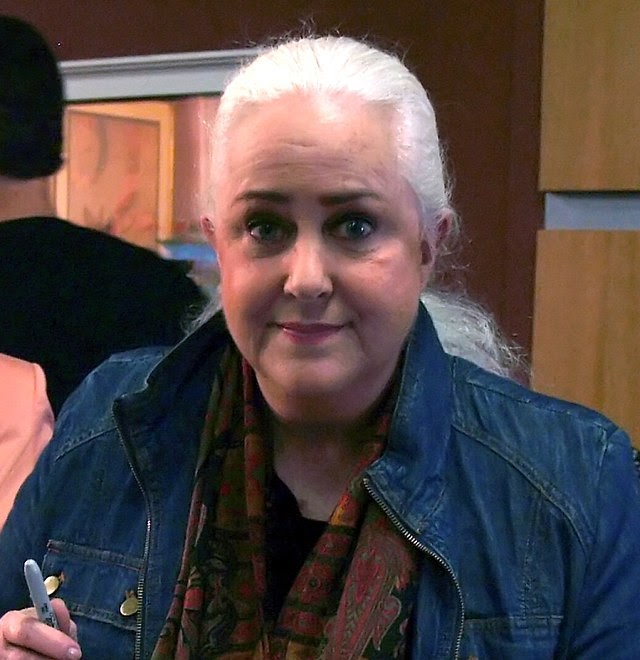
Grace Slick
Grace Slick in 2008. Photo by Phil Konstantine

Her music career behind her, Slick has become a pretty accomplished artist. Some of her work has sold and she has had gallery shows, some of which she has attended. Her portraits of fellow Jefferson Airplaners, Kaukonen and Cassidy, grace the cover of the “Best of Hot Tuna” album. Her artwork includes some Alice in Wonderland sort of stuff and some portraits of musicians including Jerry Garcia, Stevie Ray Vaughan and Janice Joplin. You can see her work (and buy some) at http://www.graceslick.com.

She has not lost her social consciousness. A vegan, she is a member of PETA (People for the Ethical Treatment of Animals). She donated some of the royalties from “White Rabbit” to PETA’s campaign against Procter & Gamble’s use of rabbits and other animals in product testing.

She licensed the song “Nothing’s Gonna Stop Us Now” by Starship to Chick-fil-A for a TV commercial. She then donated those royalties to Lambda Legal, a civil rights organization focusing on queer people and individuals living with AIDS/HIV. Chick-fil-A is known for having an owner who actively donates to organizations that oppose same sex marriage. 

Whatever happened to Grace Slick? She survived all the sex, drugs and rock and roll. She is alive and relatively well despite some health problems. She is sober, still opinionated and still creative. And she is now 83.

-0-

Whatever Happened To?

Grace Slick

Lenny Dykstra

Sly Stone

Gerard Depardieu

Eldridge Cleaver

Mr T

Bill ‘Spaceman’ Lee

Elian Gonzalez

Lorena Bobbitt

Dave Clark

Jennifer Capriati

(All images are public domain and were downloaded from Wikimedia Commons)
ve Clark

Posted in Uncategorized, Whatever Happened To? | Tagged , , , , , | 48 Comments

Quick to See, Hard to Forget

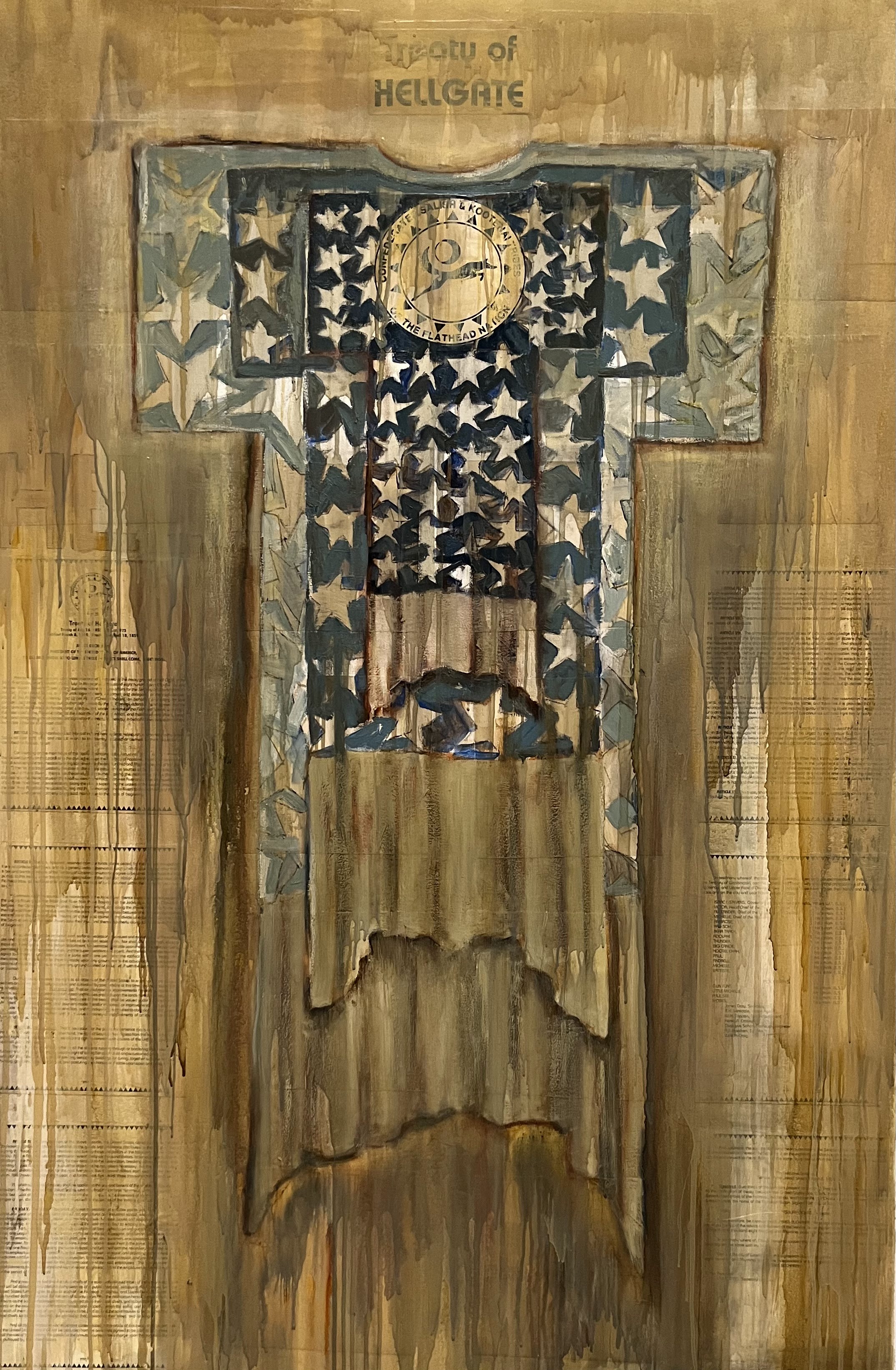
Jaune Quick-to-See Smith, Memory Map

at the Whitney Museum of American Art, New York

Jaune Quick-to-See Smith

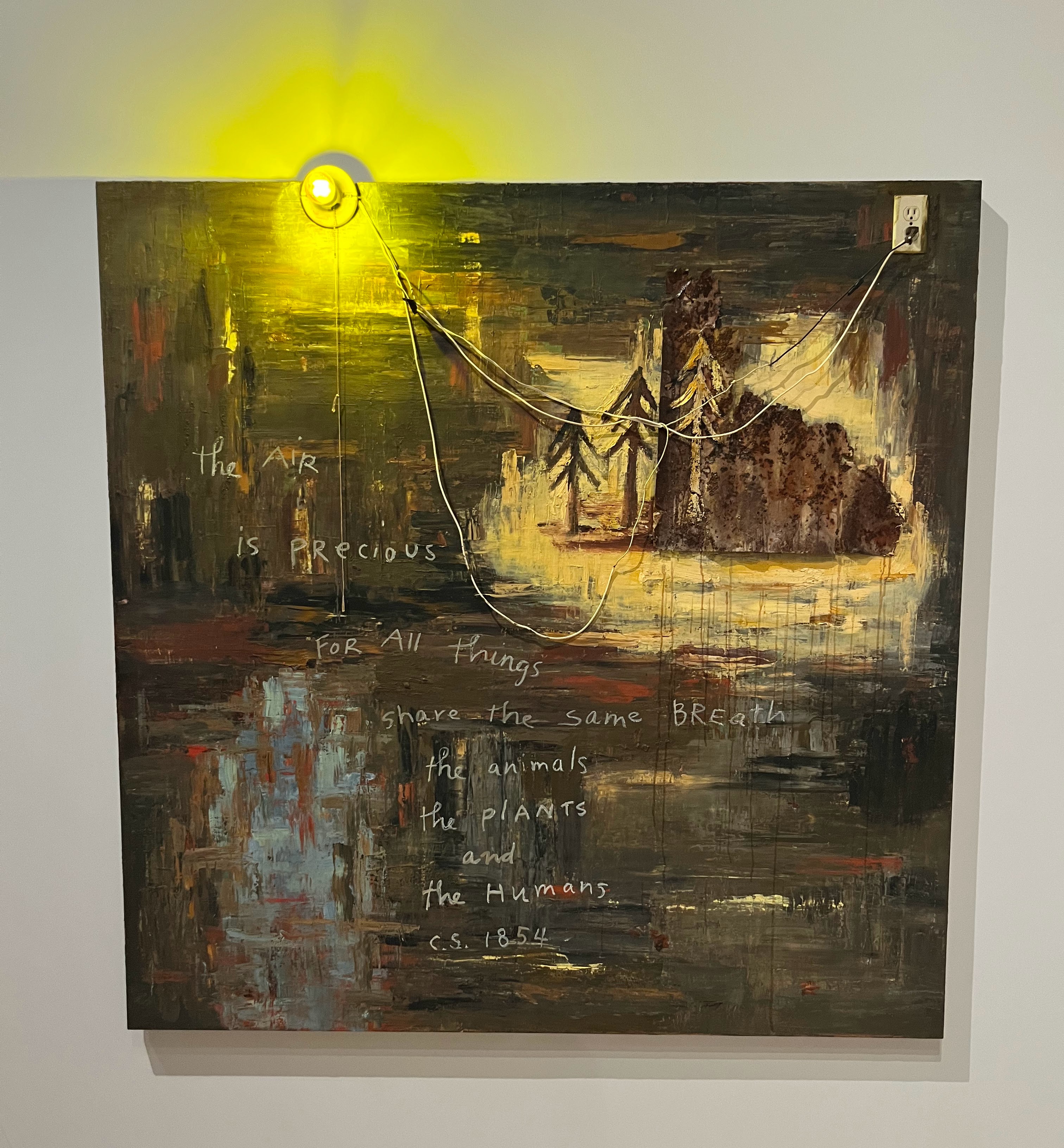
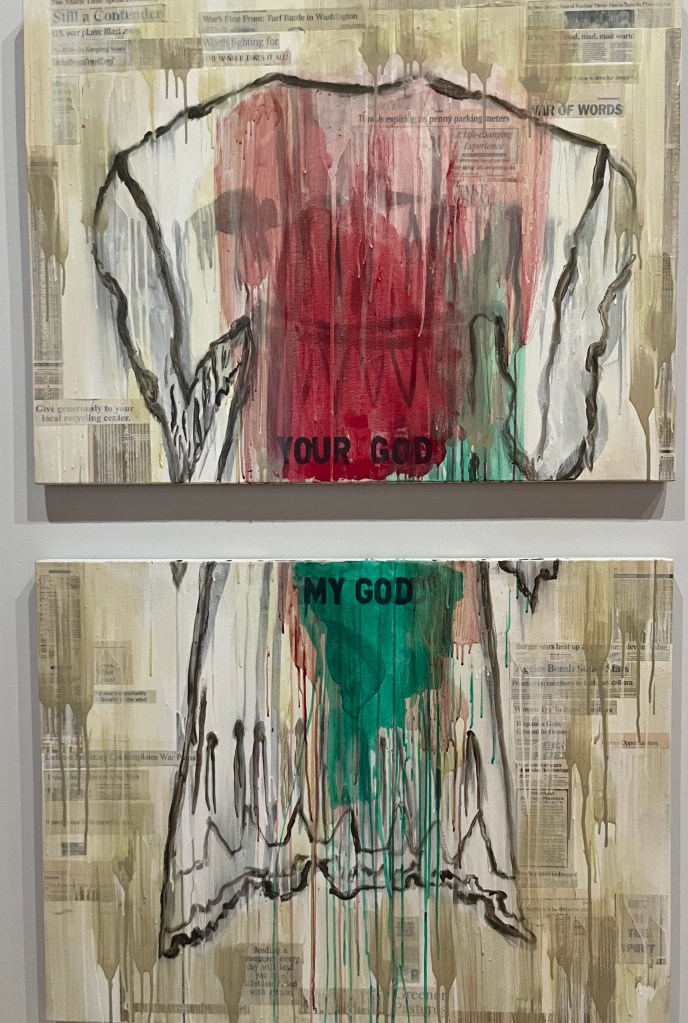
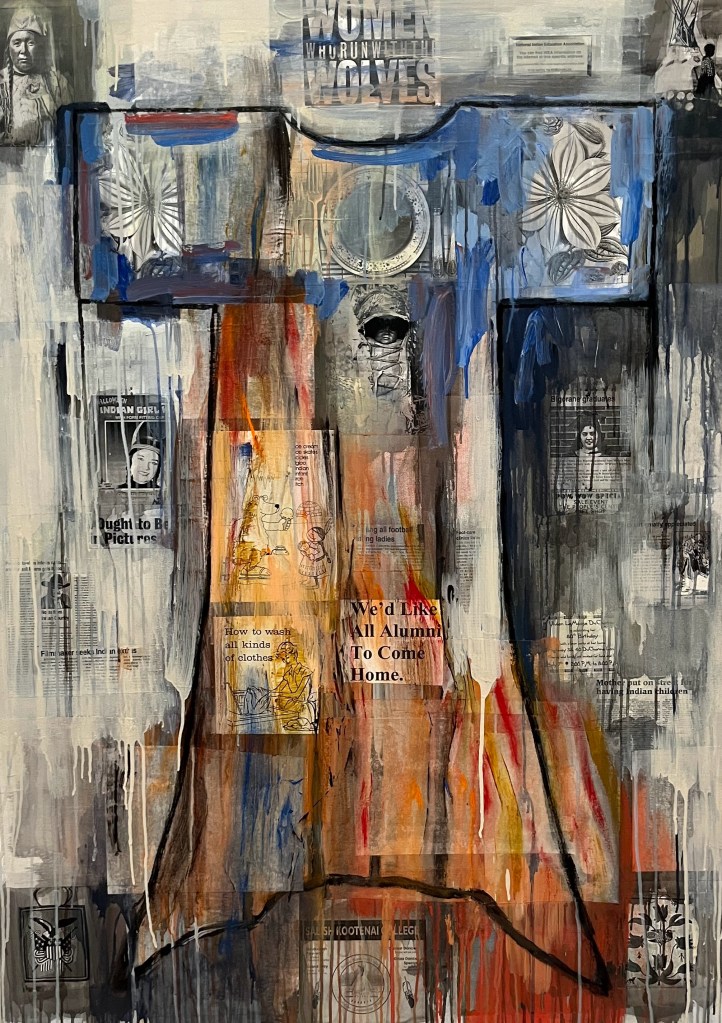
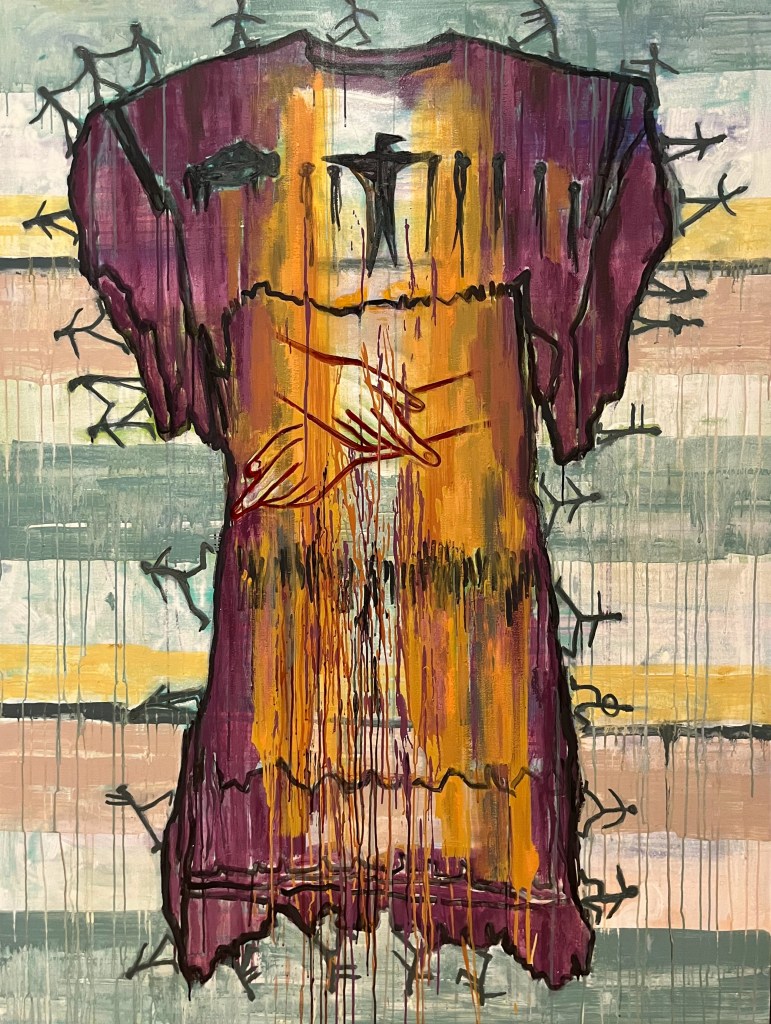
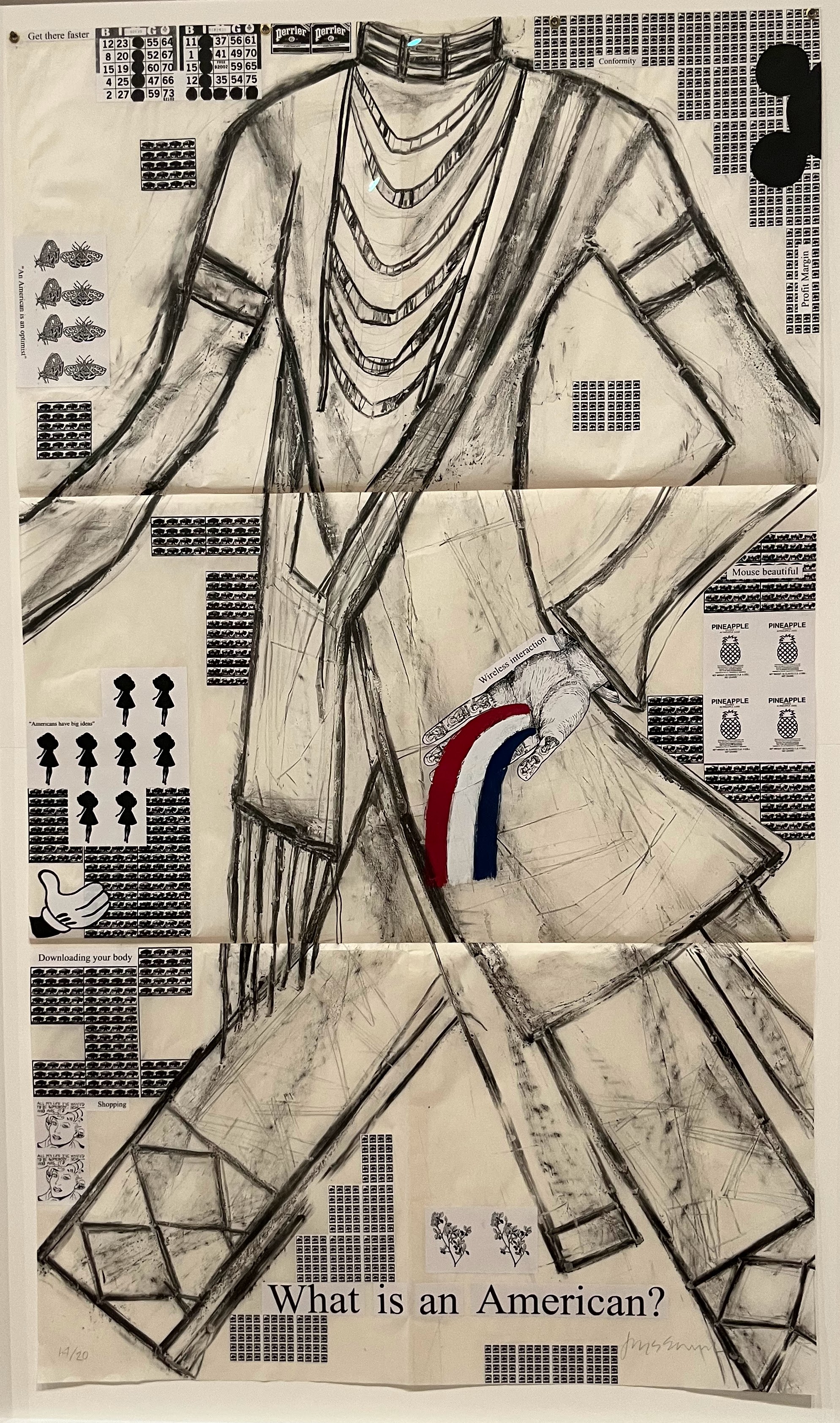
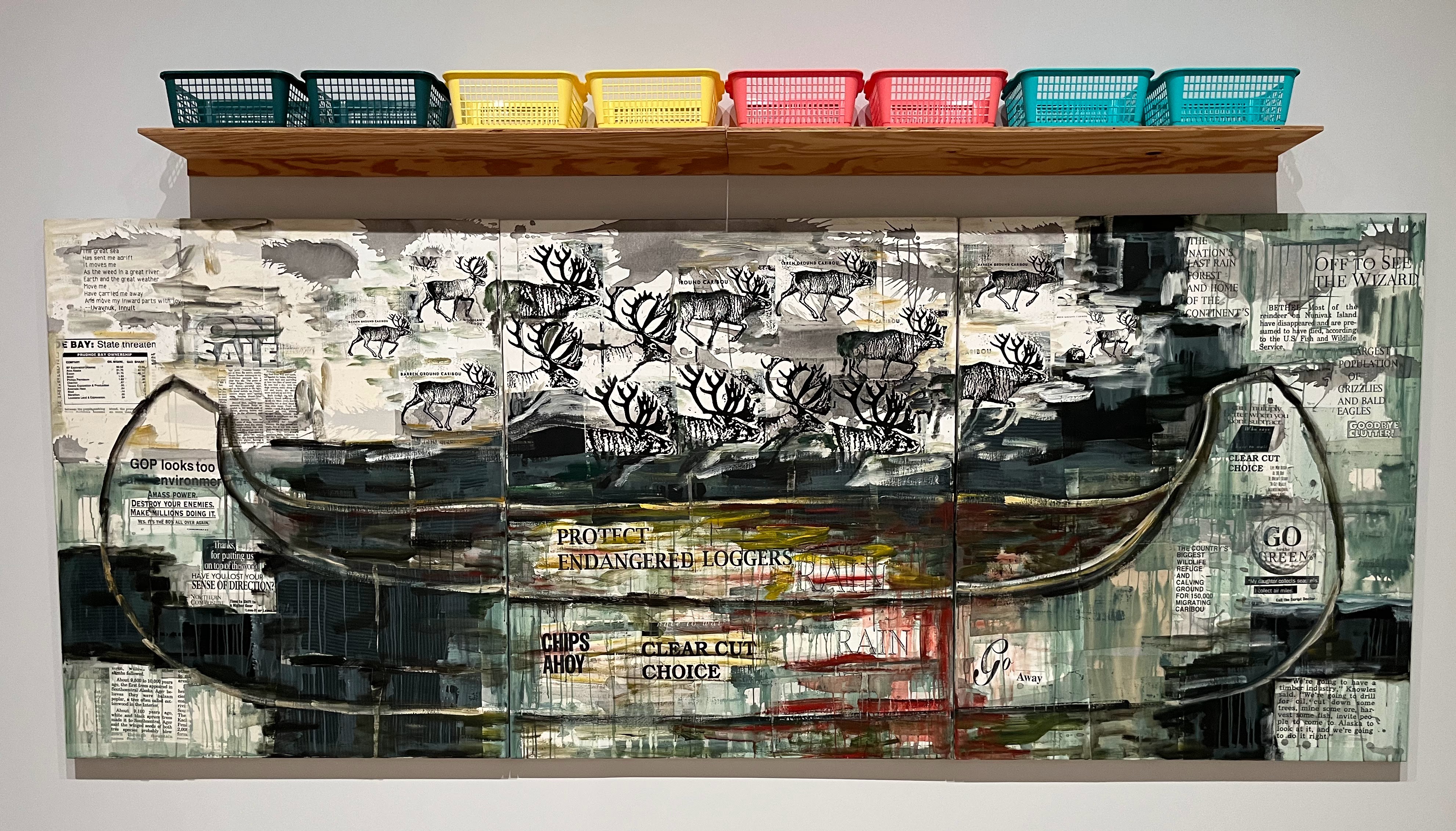
Juane Quick-to-See Smith is a member of of the Confederated Salish and Kootenai Tribes. A resident of New Mexico, she was born on a reservation in Montana. In addition to being an artist, she is a political activist, curator and educator. Her art reflects her focus on environmental issues and Native American history and identity.

State Names Map
State Names Map
Homeland
Homeland
Survival Map
Survival Map
Sunlit
Sunlit
What is an American?
Trade Canoe for Don Quixote
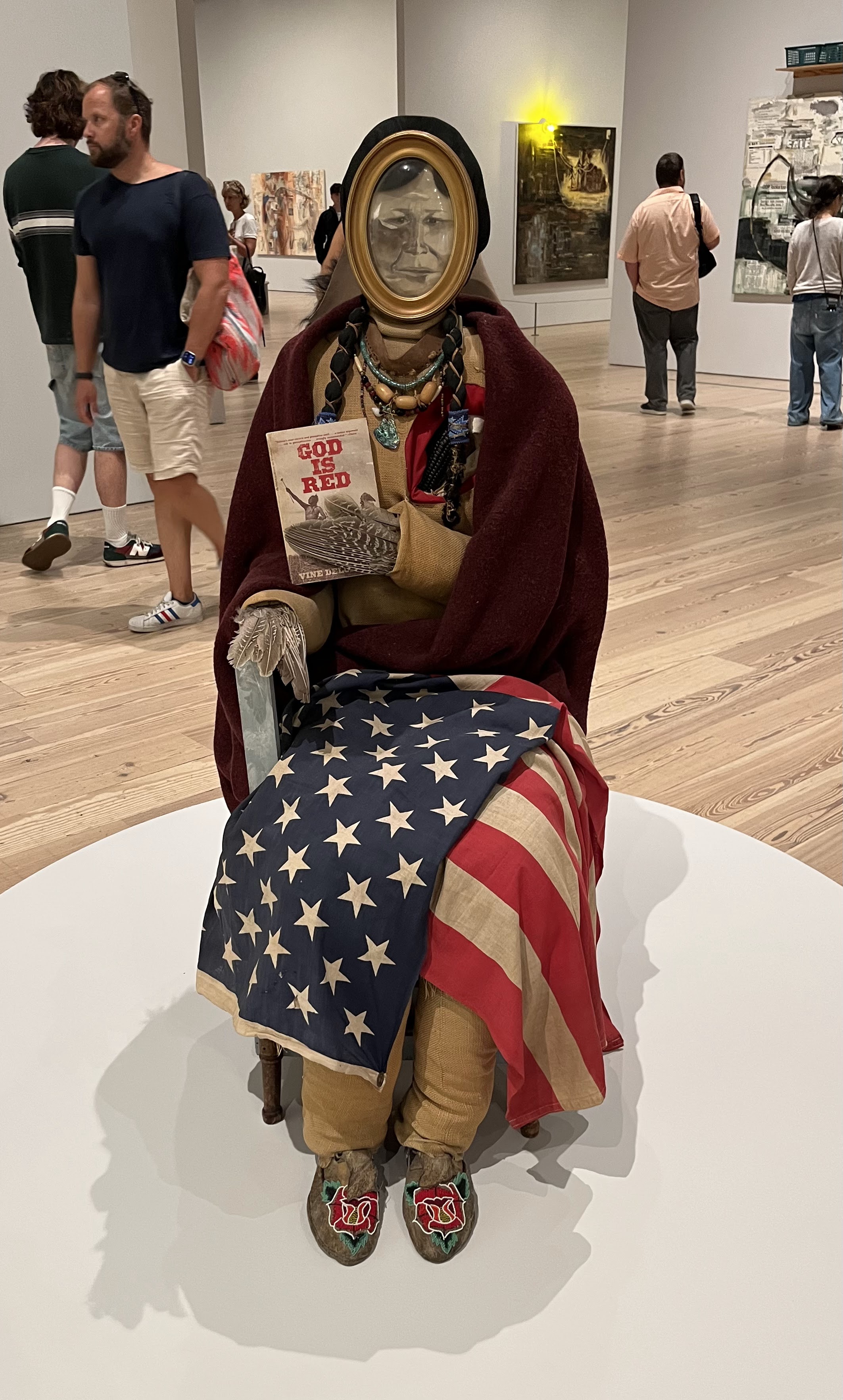
Trade (Gifts for Trading Land with White People)
Tongass Trade Canoe
Tongass Trade Canoe
House and Home
House and Home
Indian Drawing Lesson (after Leonardo)
Spam
Spam
Going Forward/Looking Back
Rain
Rain (Yup, That’s Custer)
Posted in Art | Tagged , , , , | 3 Comments

All the Faiths of Cordoba

La Mezquita Catedral de Cordoba

La Mezquita
The bell tower was rebuilt in the 16th century after an earthquake destroyed the original one.

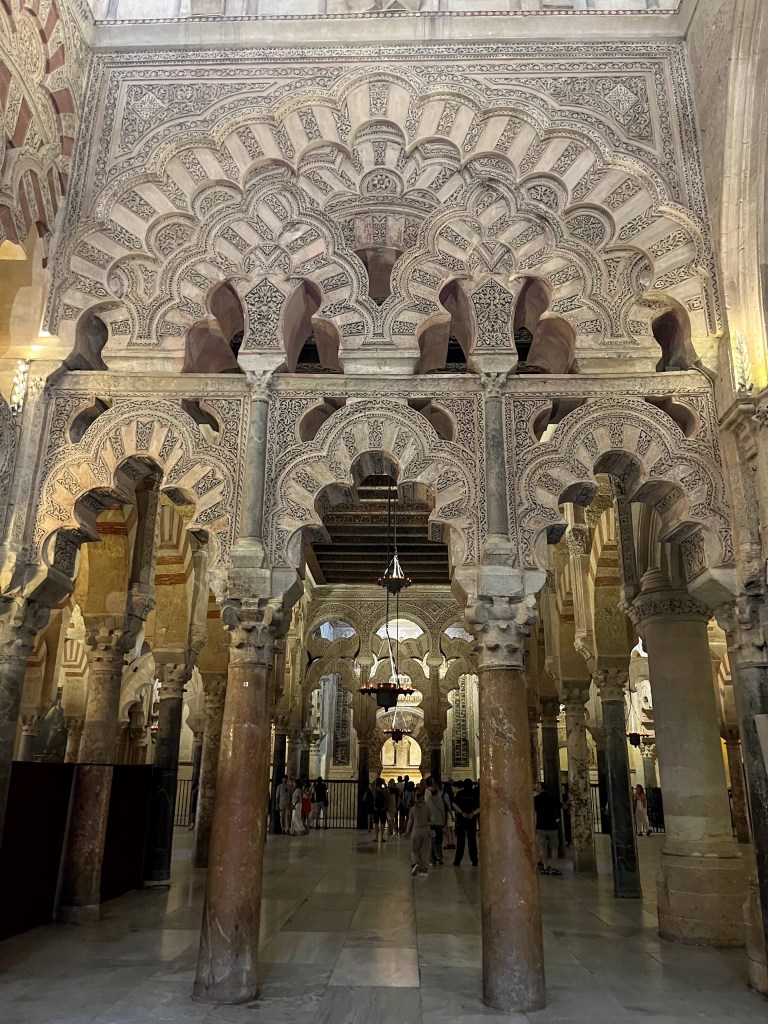
The Mezquita-Catedral de Cordoba, in English the Mosque-Cathedral of Cordoba, is historically and architecturally both a mosque and a cathedral as the name implies. Now it operates as a cathedral with Mass held daily and bears the name Catedral de Nuestra Senora de La Asuncion (Cathedral of Our Lady of the Assumption). This is a unique site, a magnificent blend of historic Muslim and Catholic architectural features.

Originally the site is believed to have been a Visigoth church. The mosque was built in 785 under the direction of Abd Al-Rahman, founder of the Caliphate of Cordoba. The city was captured by King Ferdinand III of Castile as part of the Reconquista in 1236. It is at that point it was converted to a Catholic cathedral.

As you can see from the pictures below, the arches and walls of the Mesquita remain largely in place. The cathedral was built up in the center of the building in the 16th century. It was declared a World Heritage site by UNESCO in 1984.

La Mezquita
This photo shows the arches of the Mezquita while in the forground is the chairs set up for Mass at the cathedral which was planted in the middle of the building.
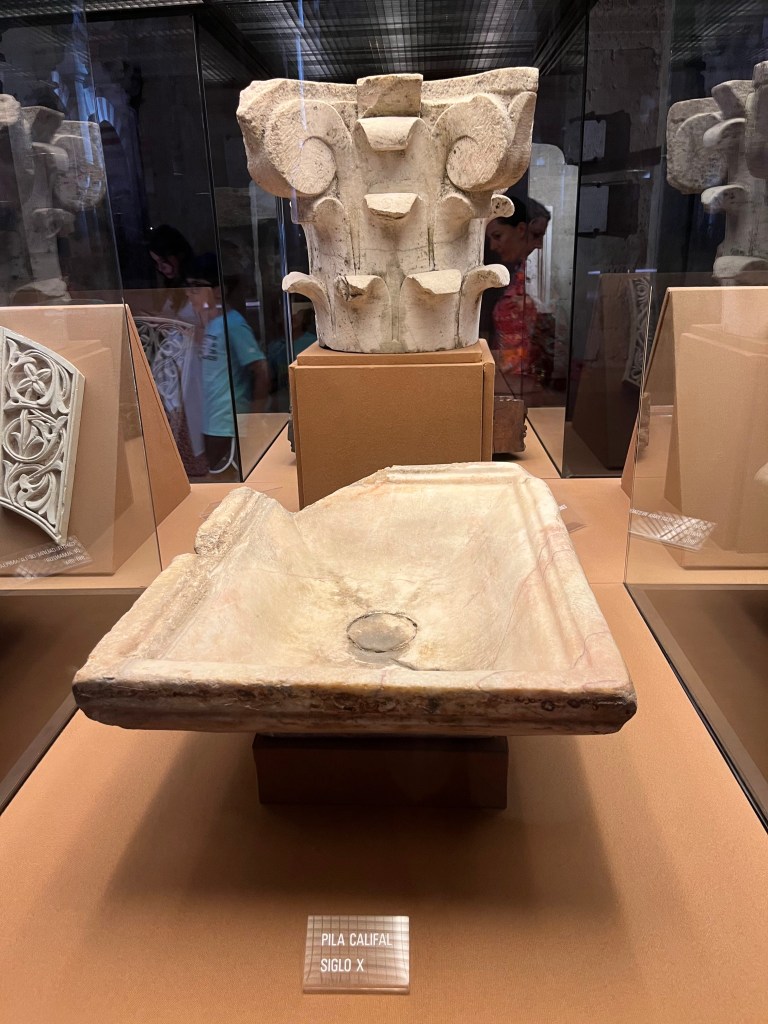
PIla Califal
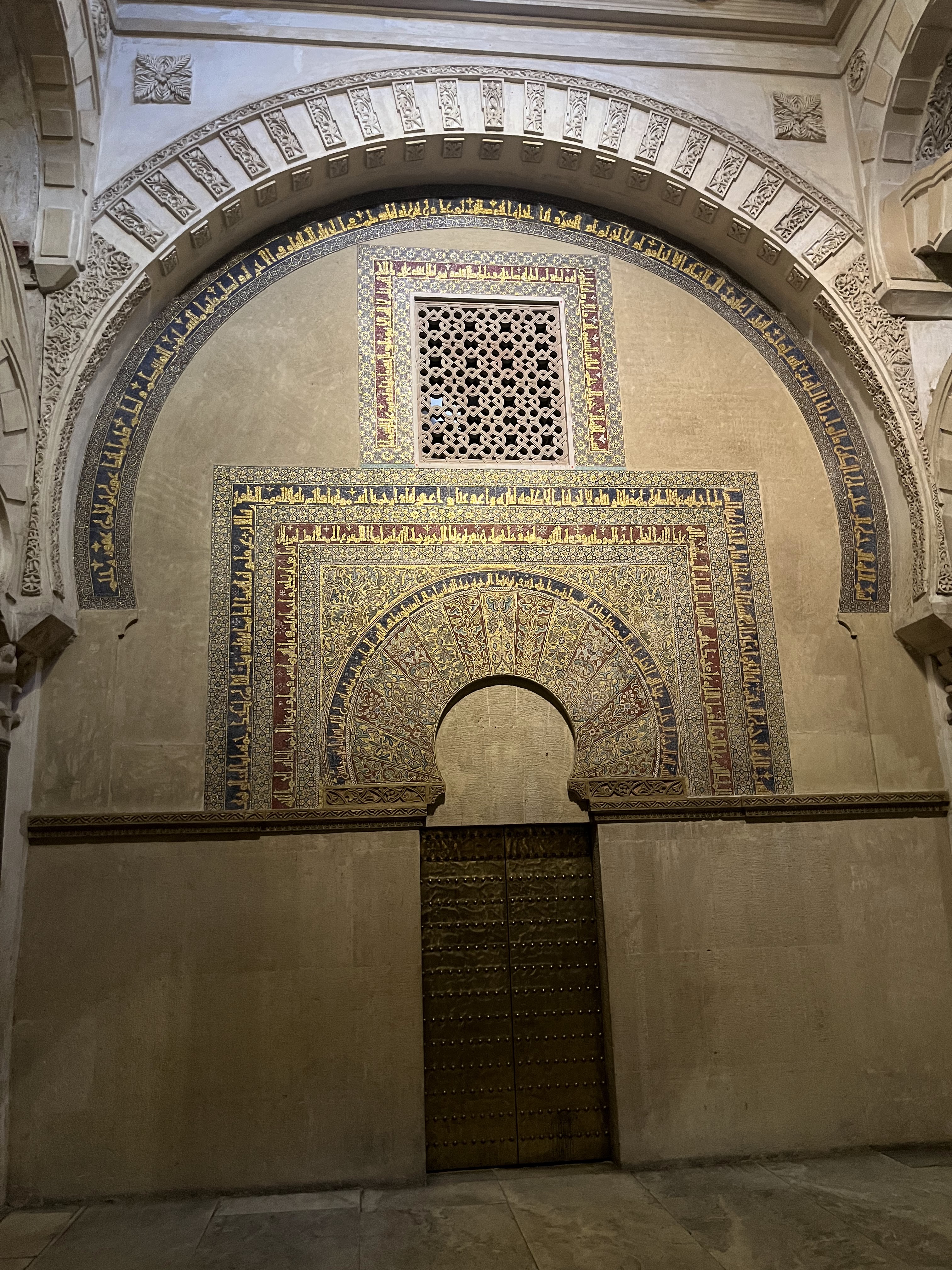
Mihrab
The Mihrab faces Mecca indicating the direction of prayer.
La Mezquita
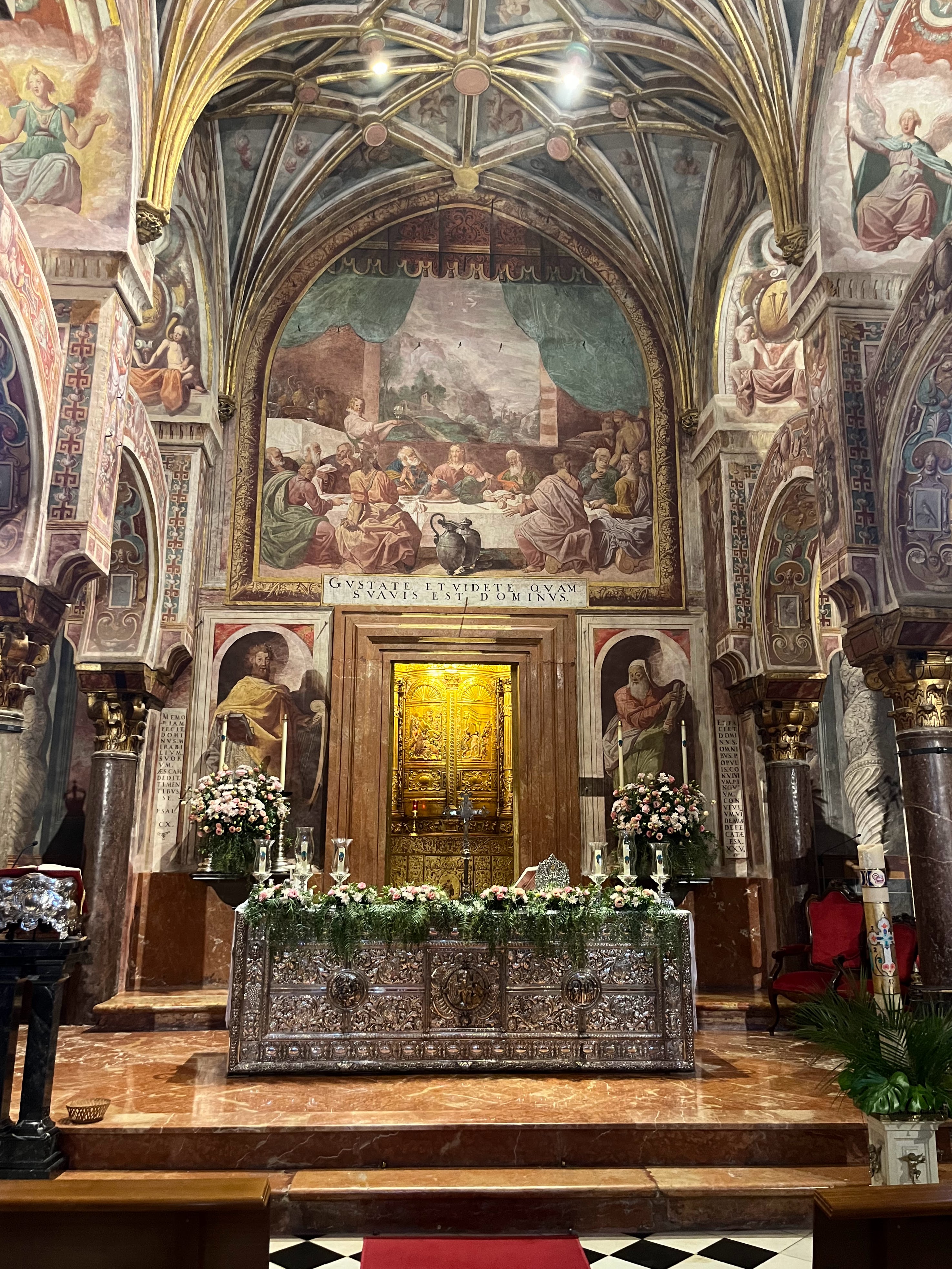
The Catholics redecorated.
Parroquia del Sagrario
La Mezquita

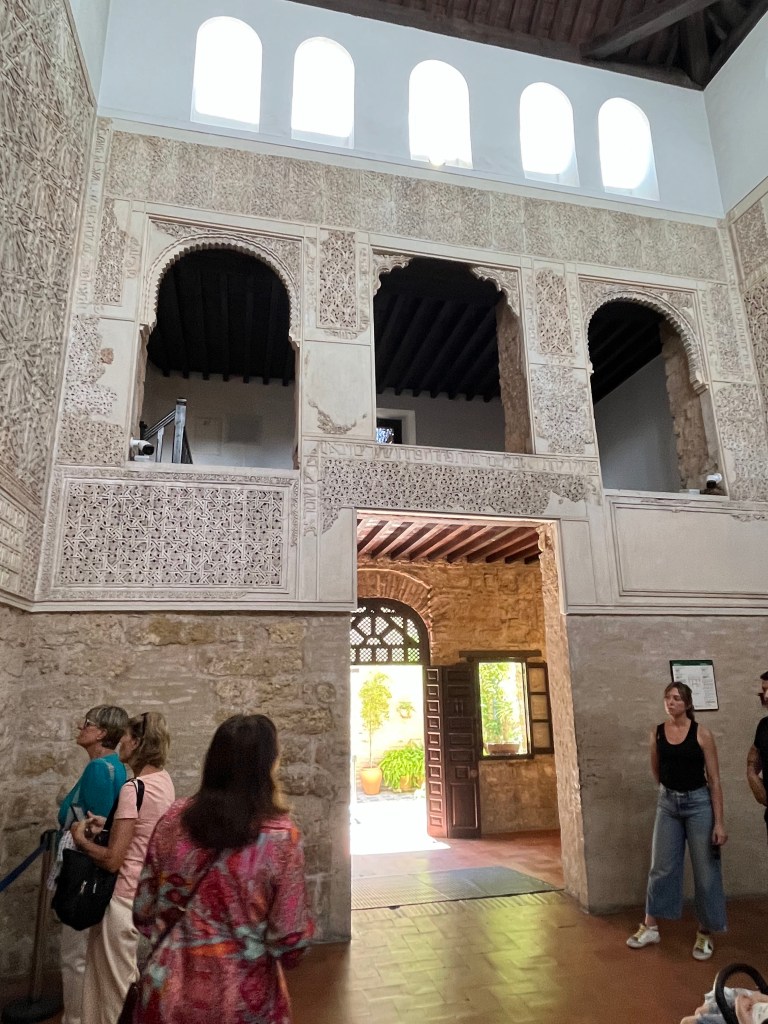
La Sinagoga de Cordoba

Built in 1315 this is the only preserved synagogue in Andalusia erected before the expulsion of the Jews in 1492. After that date it was used as a hospital and in the 16th century became the property of the shoemakers brotherhood. It was declared a national monument in 1885 and was restored beginning in that year.

Alcazar de Los Reyes Christianos (Castle of the Christian Monarchs)
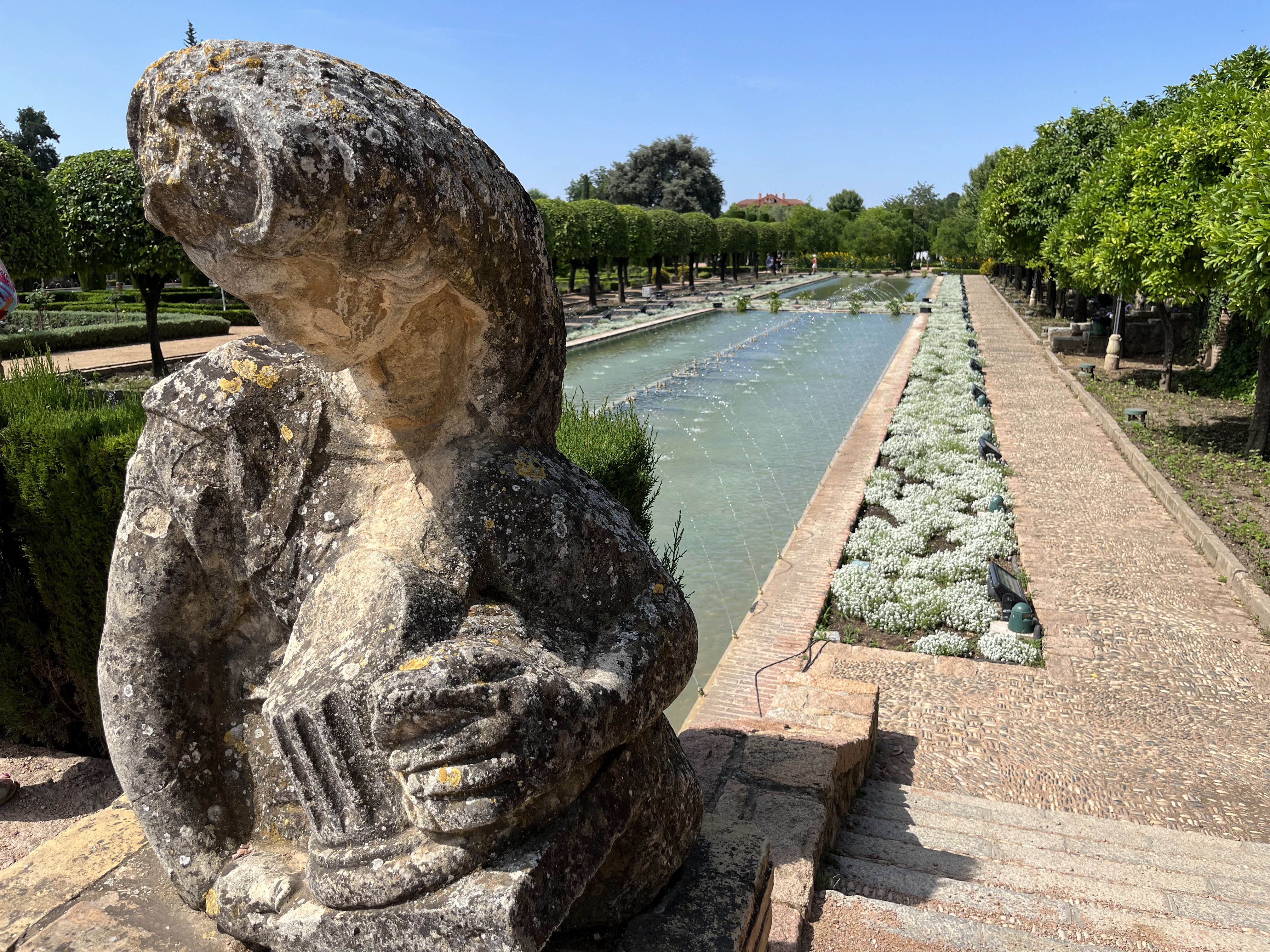
Built in 1328, the Alcazar was erected on the site of a Visigoth fortress. Once a Moorish alcazar, it has been the site of numerous historic events. It once housed Isabella I of Castile and Ferdinand II of Aragon. They located a tribunal for the Inquisition here. It was also the site of Christopher Columbus’ first meeting with Ferdinand and Isabella. In the early 19th century Napoleon used it as a garrison for his troops. 

The Alcazar was declared a national monument in 1950.The beautiful gardens shown in the pictures below were built after that time.

Tower of the Lions
Tower of the Lions (tallest building in photo)
ruins at Alcazar
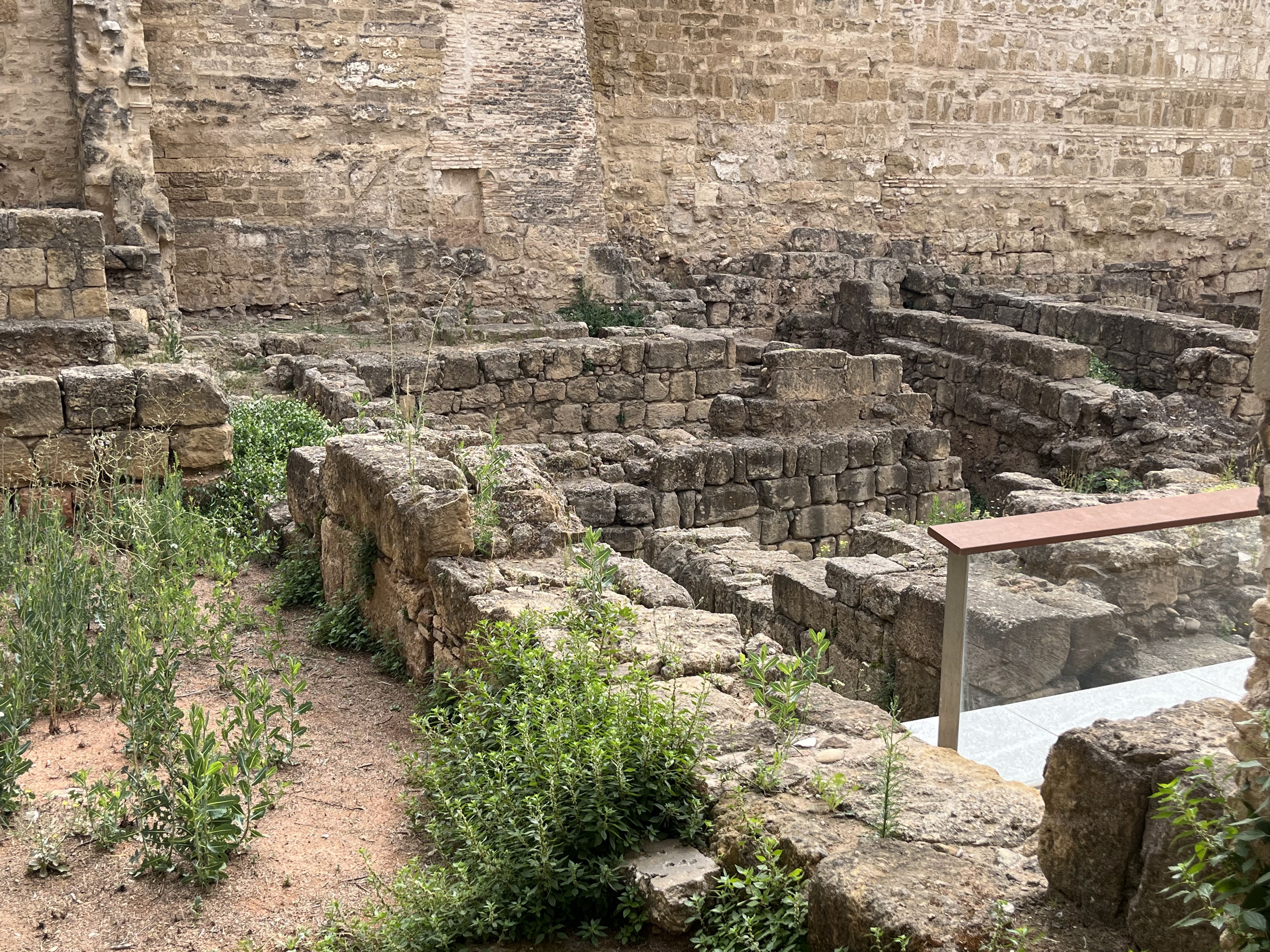
Visigoth or Roman ruins
Roman sarcophagus
Roman sarcophagus, 3rd century
Statue of Columbus meeting with Ferdinand and Isabella
Gardens of La Alcazar
Posted in History, Travel | Tagged , , , , , , | 6 Comments

The Art Museums of Madrid: Reina Sofia

Museo Nacional Centro de Arte Reina Sofia is a museum that focuses primarily on 20th Century Spanish Art. It is the home of Picasso’s Guernica (photography not permitted). The museum, which opened in 1992 in a former hospital building, houses about 2000 pieces of art. Here you can find a Picasso that isn’t Cubist, a Dalí that isn’t Surrealist.

The museum is named after Queen Sofia. The wife of King Juan Carlos I, she was queen of Spain from 1975 to 2014 when Juan Carlos abdicated in favor of their son Felipe VI.

Appropriately, my post focuses on the great Spanish artists of the 20th century.

Pablo Picasso (born Malaga)

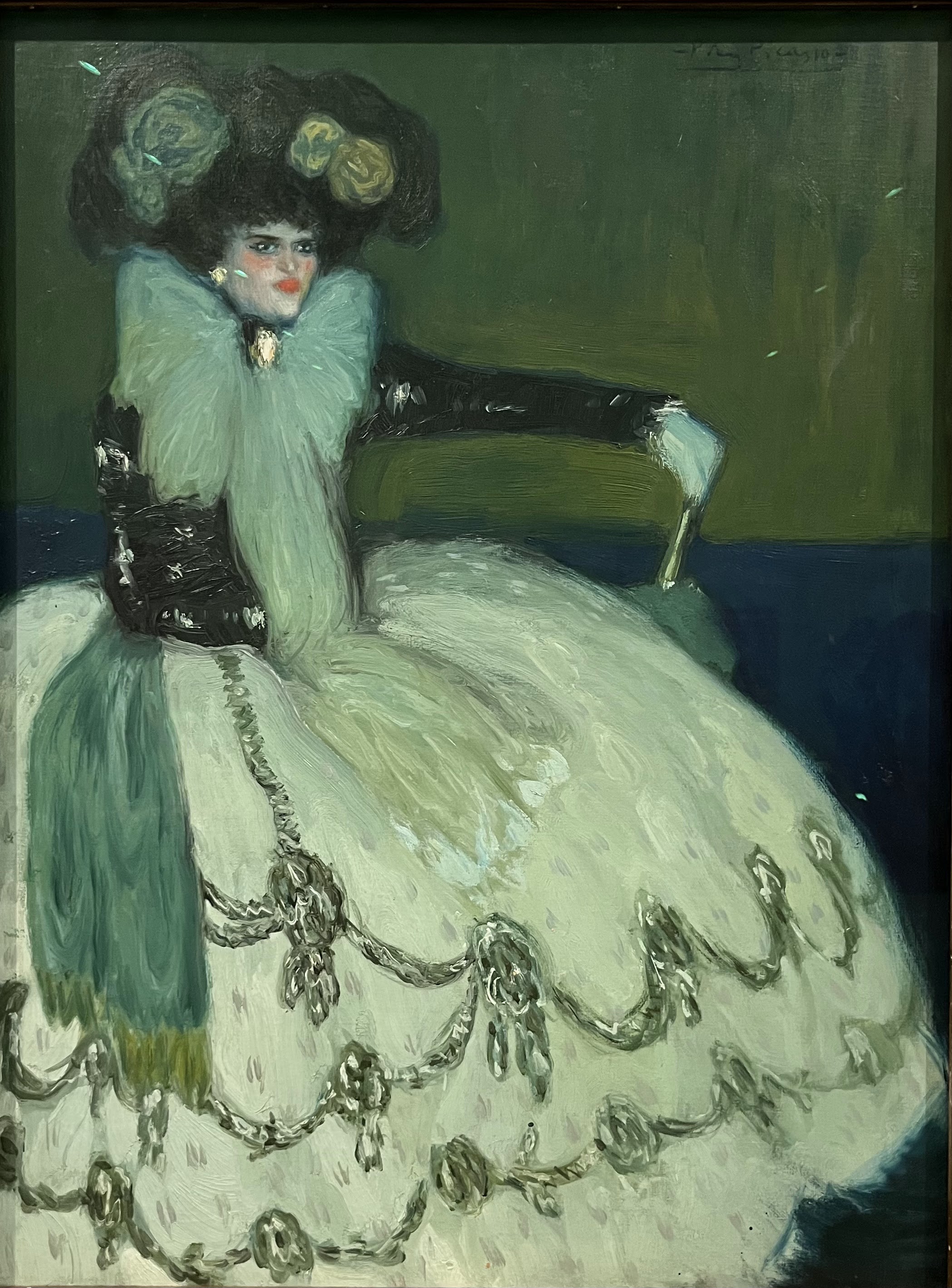
Woman in Blue, Pablo Picasso
Woman in Blue, 1901
Bust of a Smiling Woman, Pablo Picasso
Bust of a Smiling Woman, 1901
Woman's Head, Pablo Picasso
Woman’s Head, 1909
Figures by the Sea I, Pablo Picasso
Figures by the Sea I, 1932

Salvador Dali (born Figueros)

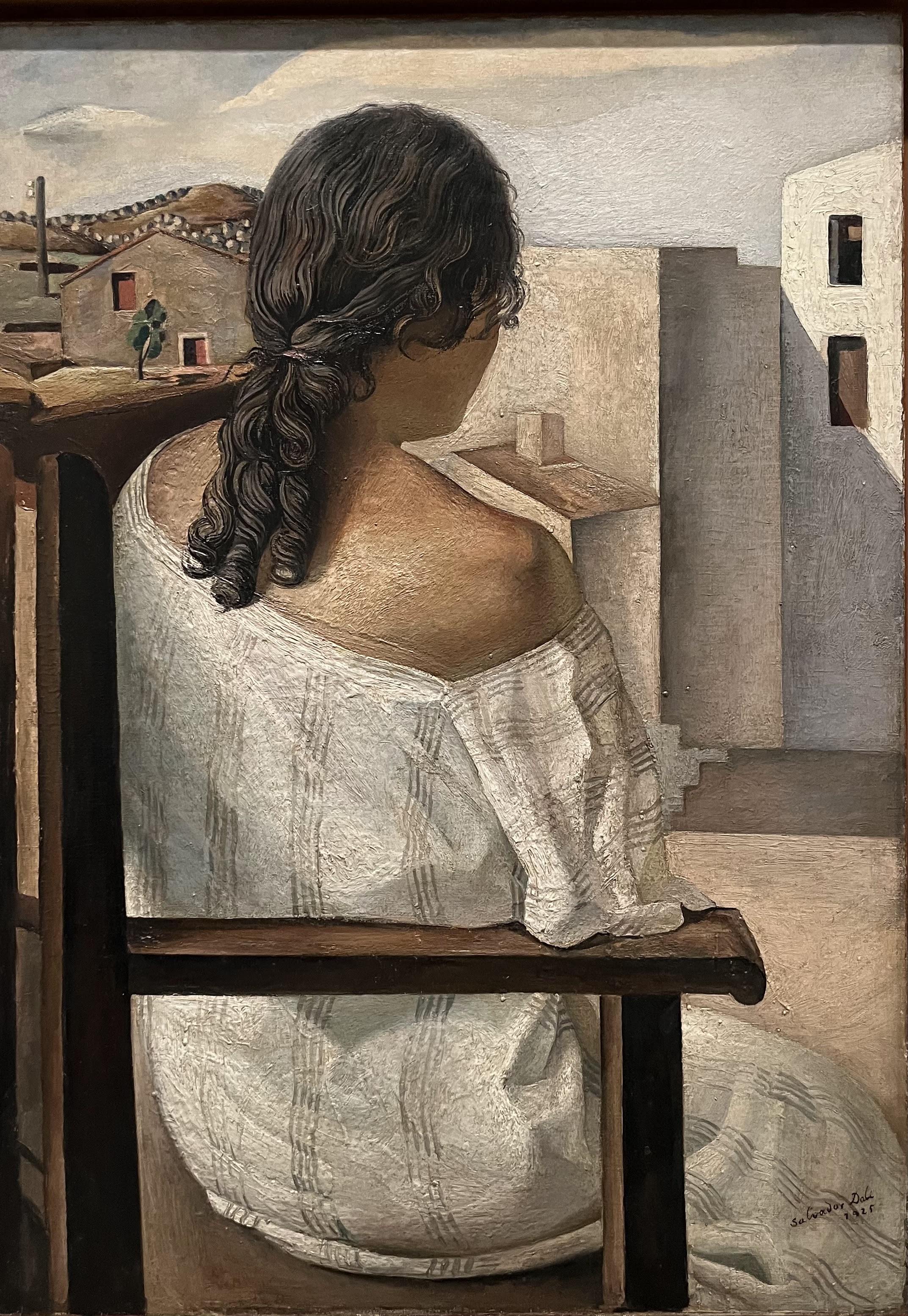
Portrait, Salvador Dali
Portrait, 1925
Still Life, Salvador Dali
Still Life, 1926
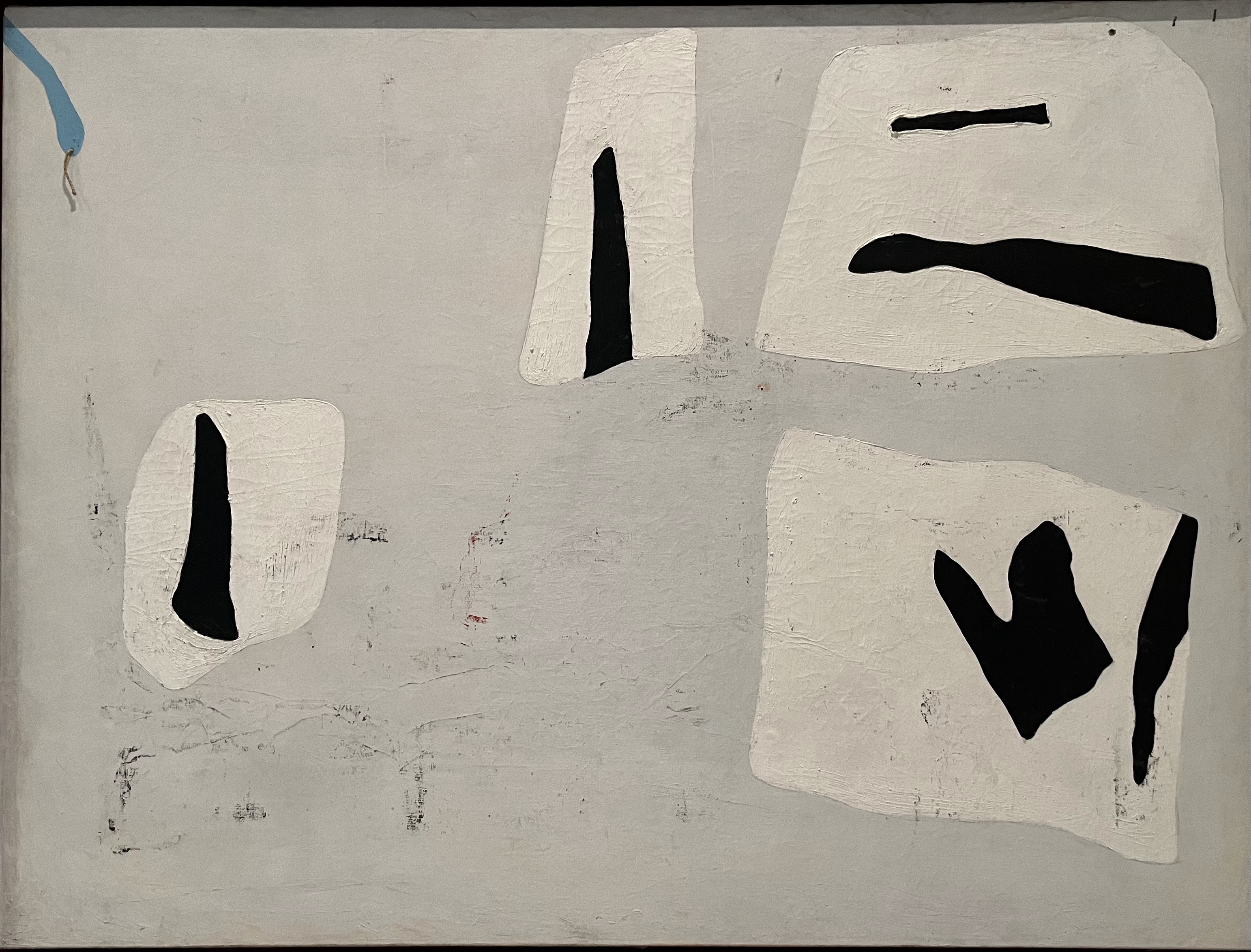
Abstract Composition, Salvador Dali
Abstract Composition, 1928
The Invisible Man, Salvador Dali
The Invisible Man, 1929-1932

Juan Gris (borrn Madrid)

Cups, Newspaper and Bottle of Wine, Juan Gris
Cups, Newspaper and Bottle of Wine, 1913
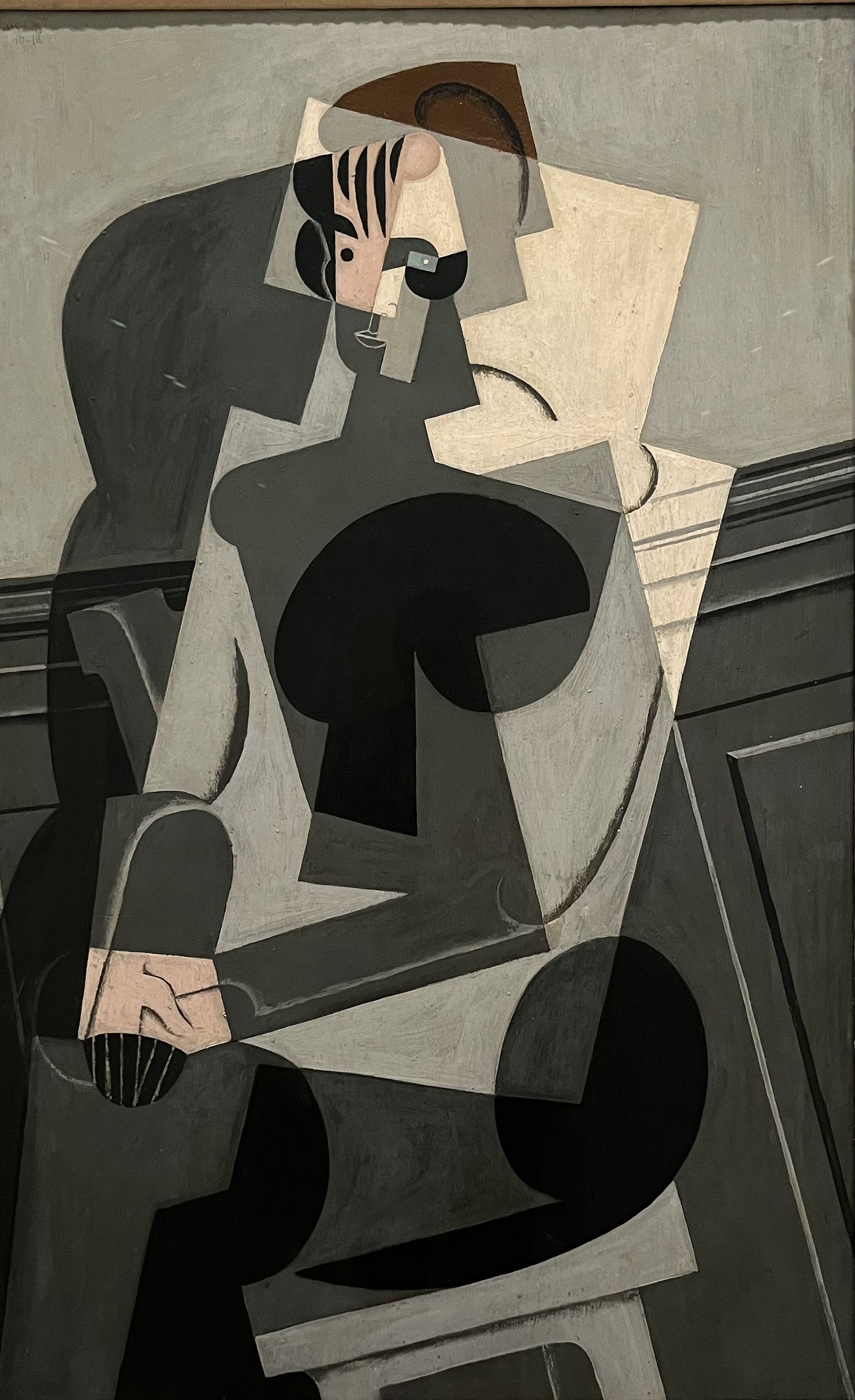
Portrait of Madame Josette Gris, Juan Gris
Portrait of Madame Josette Gris, 1916
Harlequin with Violin, Juan Gris
Harlequin with Violin, 1919
The Musician's Table, Juan Gris
The Musician’s Table, 1926

Joan Miro (born Barcelona)

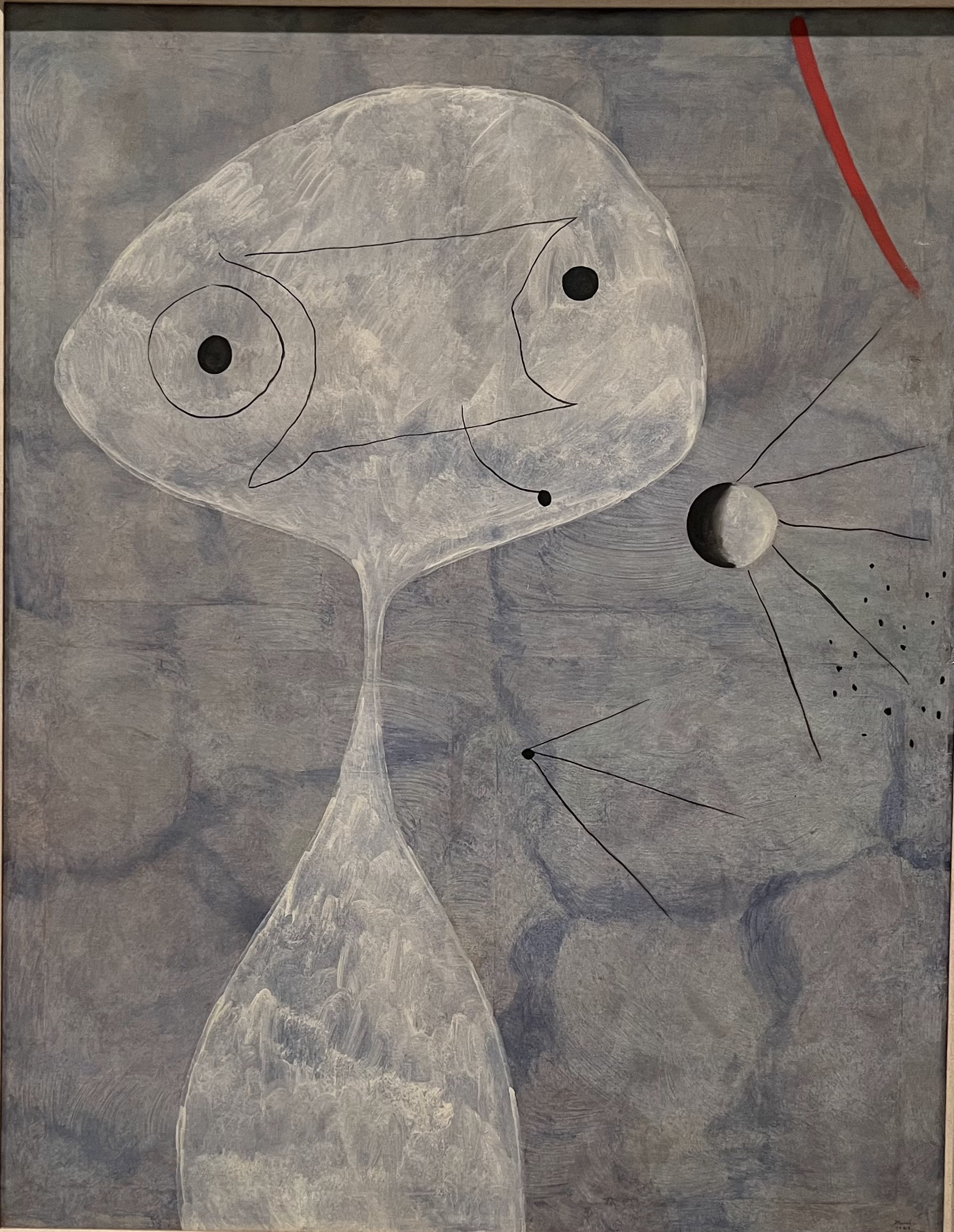
Painting (Man with a Pipe), Joan Miro
Painting (Man with a Pipe), 1925

-0-

(If you are viewing on a laptop or tablet, the feature photo at the top of the page is Harlequin with Mandoline in Oval, Jacques Lipchitz.)

Posted in Art | Tagged , , , , , , , , | 7 Comments

The Art Museums of Madrid: The Thyssen

The Museo Nacional Thyssen-Bornemisza or, more simply, the Thyssen, was my favorite of the art museums I visited in Madrid.

The Thyssen evolved from a private collection. Heinrich, Baron Thyssen-Bornemisza de Kaison, who was born in Germany and lived in Austria and the Netherlands with his Hungarian wife, began putting the collection together in the 1920’s. His son Baron Hans Heinrich Thyssen-Bornemisza continued and expanded it. At one time it was the second largest private collection in the world, behind only the British Royal Collection.

The collection was originally opened to the public at a family estate in Lugano, Switzerland. When the younger Baron was unable to get permission to expand the building there, he moved the collection to Madrid. His Spanish wife, Carmen “Tita” Cervera is believed to have influenced that decision.

The Thyssen Museum opened in 1992. One year later the 775-piece collection was sold to the Spanish government. Cervera loaned her personal collection of 429 works to the museum, a loan which renews annually.

The Thyssen houses works from the 14th century to present. As you can see from my photos below, I spent most of my time on the floor with the most modern pieces. The collection is diverse. There is an eye-catching surprise in just about every room you enter. I’ll start with my three favorites.

La Clef des champs, Rene Magritte, 1936
The Jockeys, Henri de Toulouse-Lautrec
The Jockeys, Henri de Toulouse-Lautrec, 1882
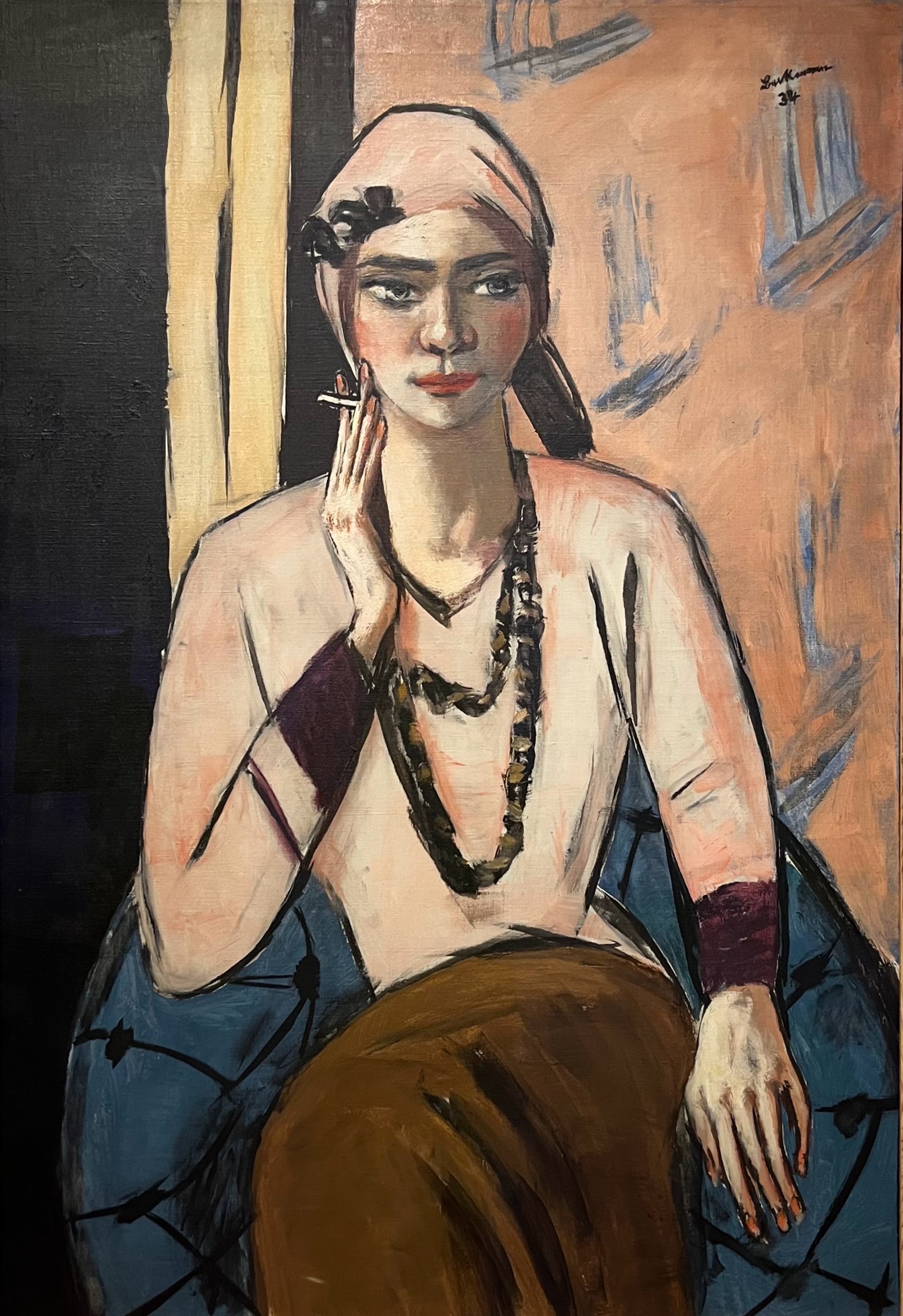
Quappi in Pink Jumper, Max Beckmann
Quappi in Pink Jumper, Max Beckmann, 1932-34

The Masters

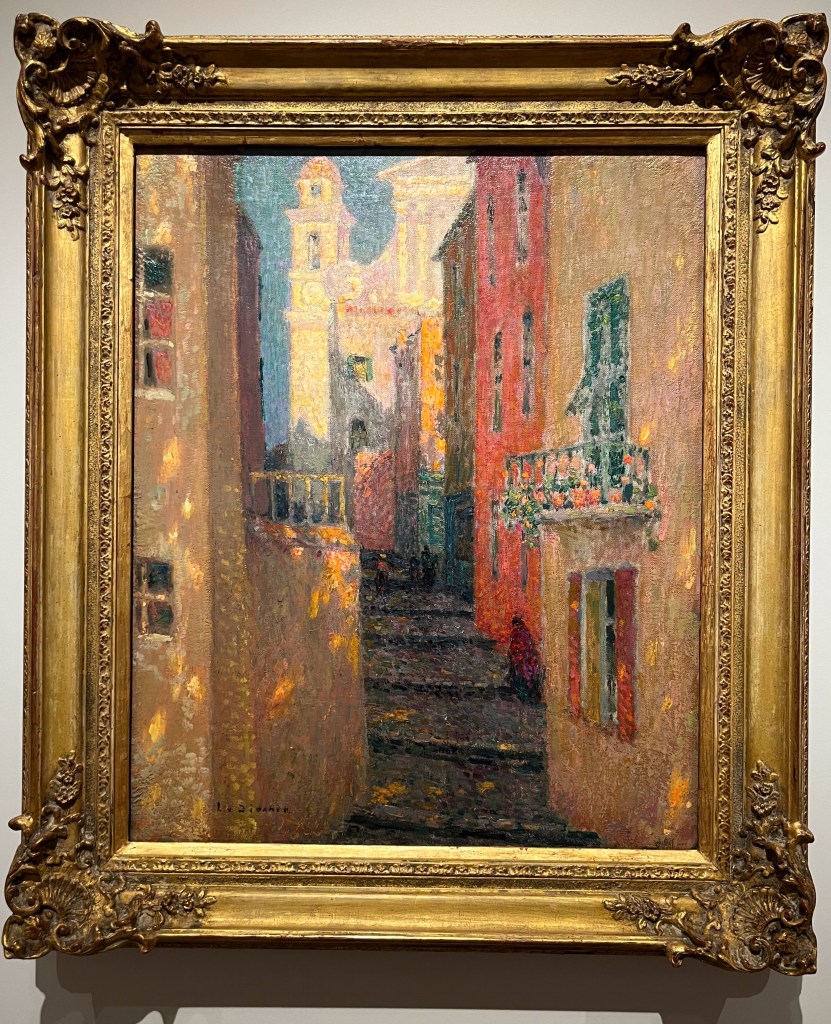
The Art of Framing

Something Old

Something New

1910’s, ’20’s and 30’s

And a Little Sculpture

Posted in Art | Tagged , , , , | 7 Comments

The Art Museums of Madrid: Fundacion MAPFRE

Fundación MAPFRE is a Spanish-based social service organization which is active in social action, culture, health promotion, accident prevention, and insurance. It’s cultural activities include museums that feature visual arts and photography in Madrid and Barcelona.

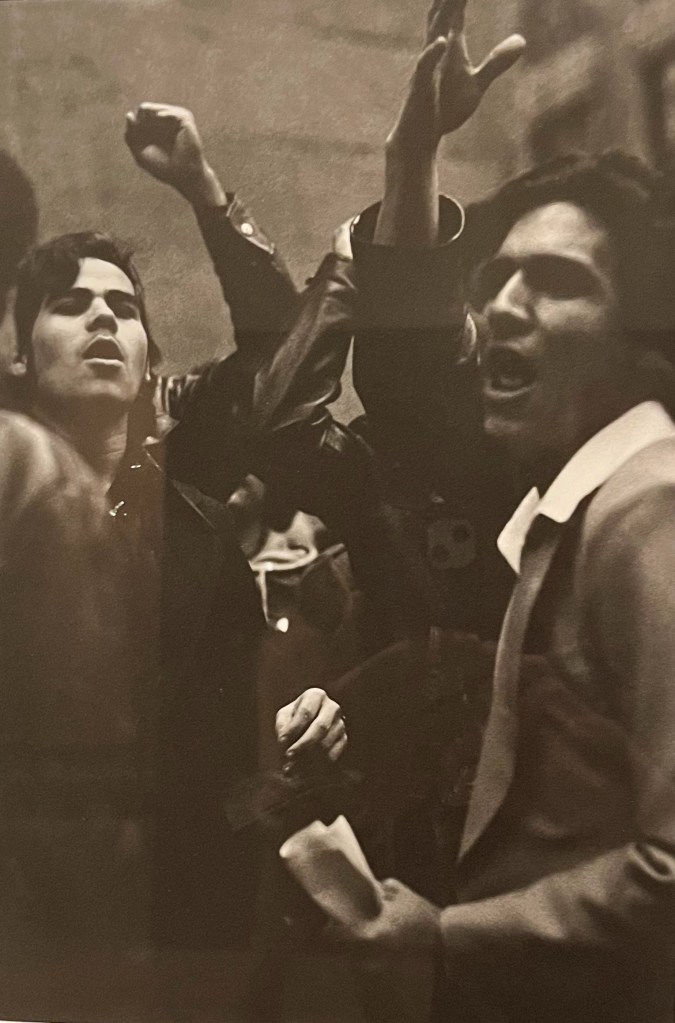
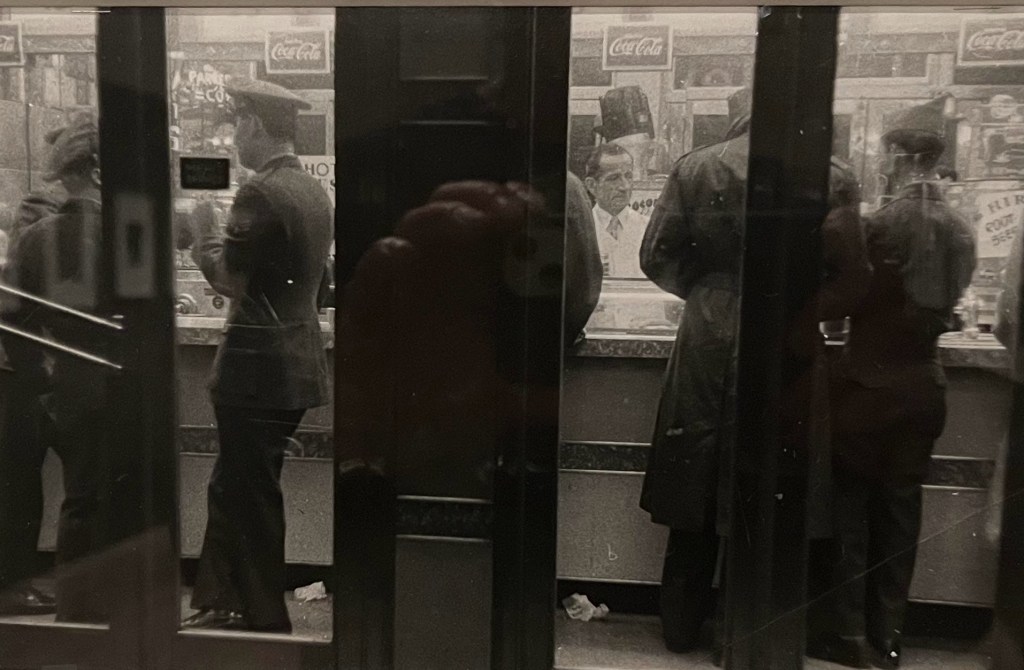
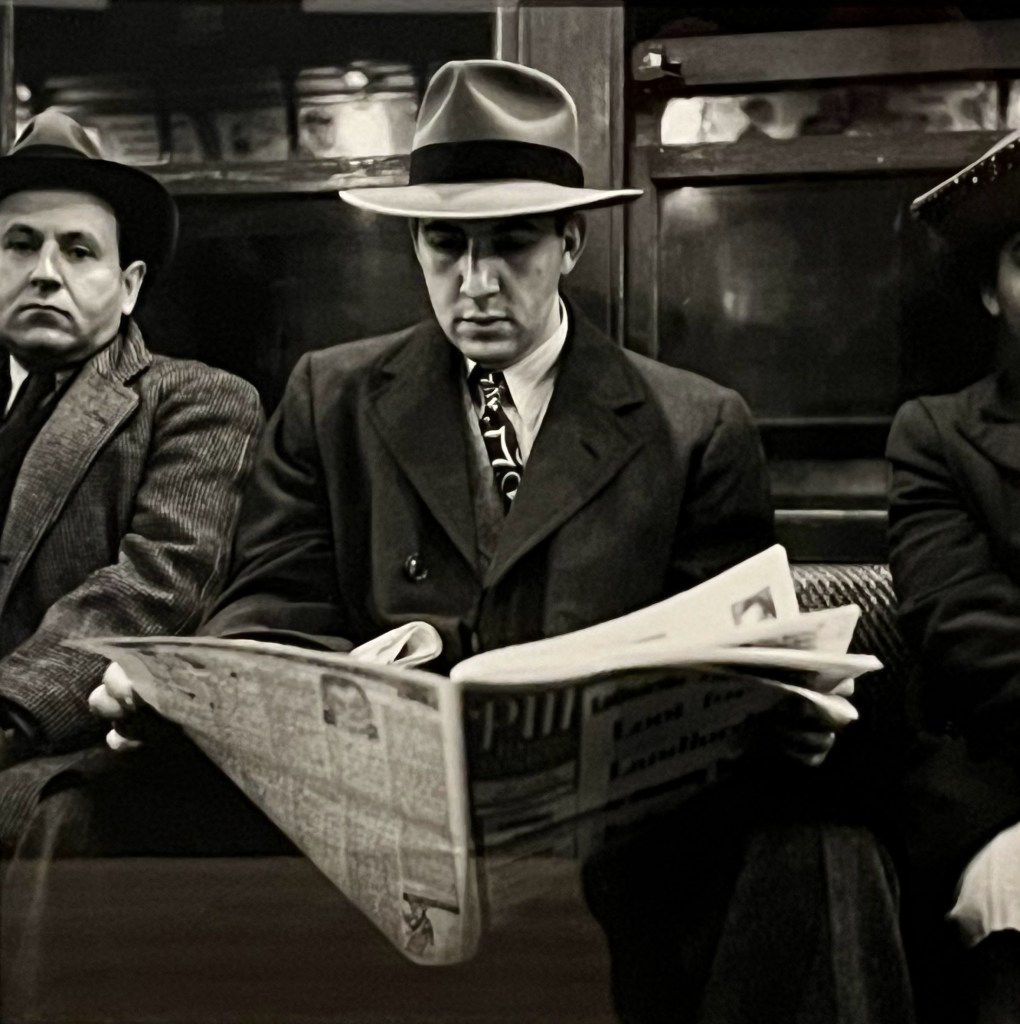
I visited the Madrid museum in June. It featured two photography exhibits that focused on images of cities. The first is by Russian-American photographer Anastasia Samoylova. Her project, Image Cities, won the foundation’s biennial KBr Photo Award in 2021. Samoylova’s photos were taken in Moscow, New York and cities throughout Europe.

The bright contemporary look of Samoylova’s images could not be more of a contrast from the work of Louis Stettner. His pictures of New York and Paris, from the 1940’s to the 1980’s, are shot in black and white, sometimes dark, sometimes grim. Stettner, a Marxist, frequently focused on working class themes.

Anastasia Samoylova

Louis Stettner

Tree in Brooklyn, Louis Stettner
Tree in Brooklyn, Brooklyn Bridge, from Brooklyn, 1988
Posted in Art | Tagged , , , , , , , | 1 Comment

Some Interesting Bits of Barcelona History

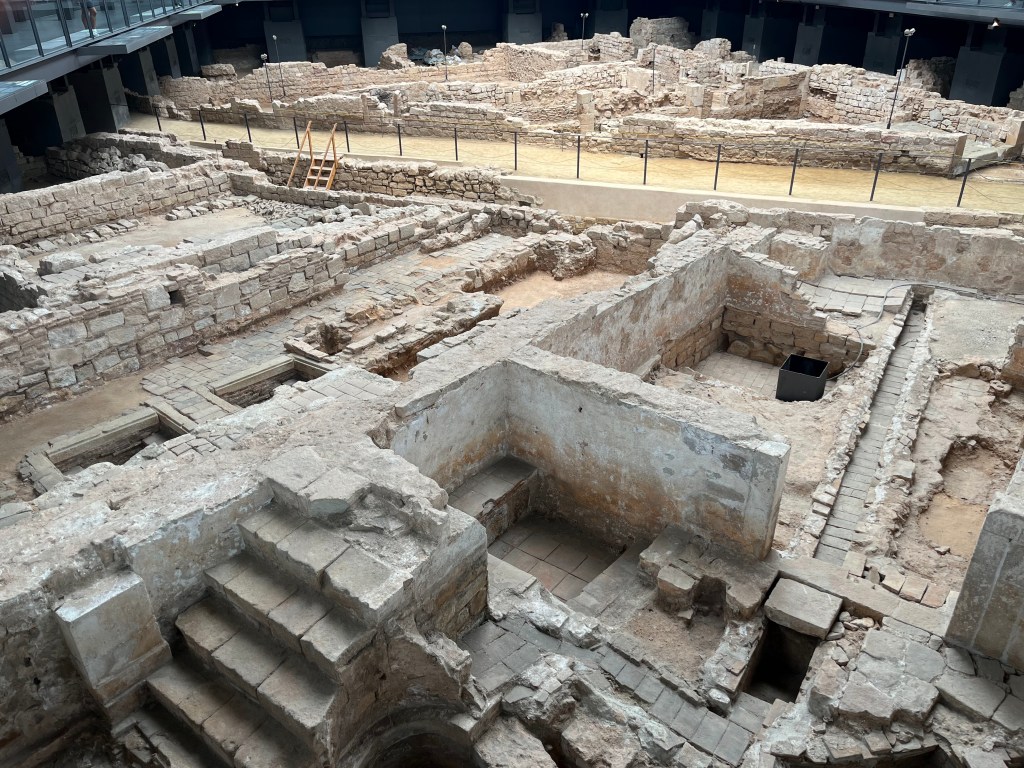
El Born Cultural Center

El Born is a district within the old city of Barcelona with a history dating back to the 13th century. The cultural center, which was originally built to house a market, sits atop an archeological site. The War of Succession, which took place in the early 1700’s after Charles II died leaving no heirs, resulted in the destruction of this area of Barcelona. The El Born CC site includes the remains of some 50 buildings that were demolished to build fortifications.

The El Born market opened in 1876. It was active until 1971. The site was preserved and opened as the El Born Cultural Center in 2013.

El Born Cultural Center

Passeig del Born

Once the site of medieval jousting tournaments and a place where executions took place during the Inquisition, the Passeig del Born is now a gathering place and busy night spot.

Passeig del Born

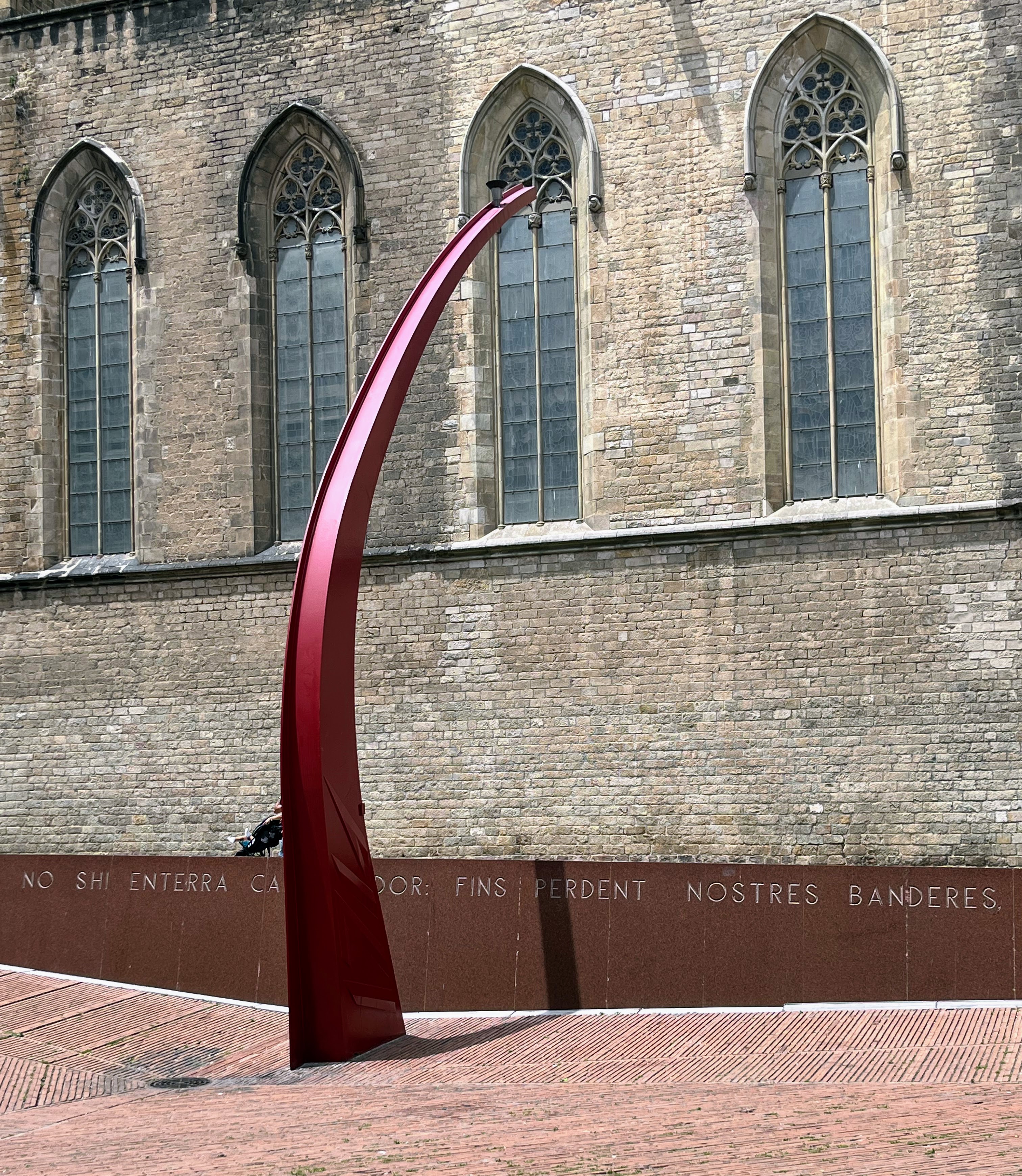
Fossar de les Moreres

This square is the place where defenders of the city during the War of Succession were buried, in the center is a monument to Catalans who died in the war. Atop the monument is a torch of eternal flame.

Fossar de les Moreres

Pastisseria Brunell’s

This El Born pastry shop dates back to 1852.

Brunells

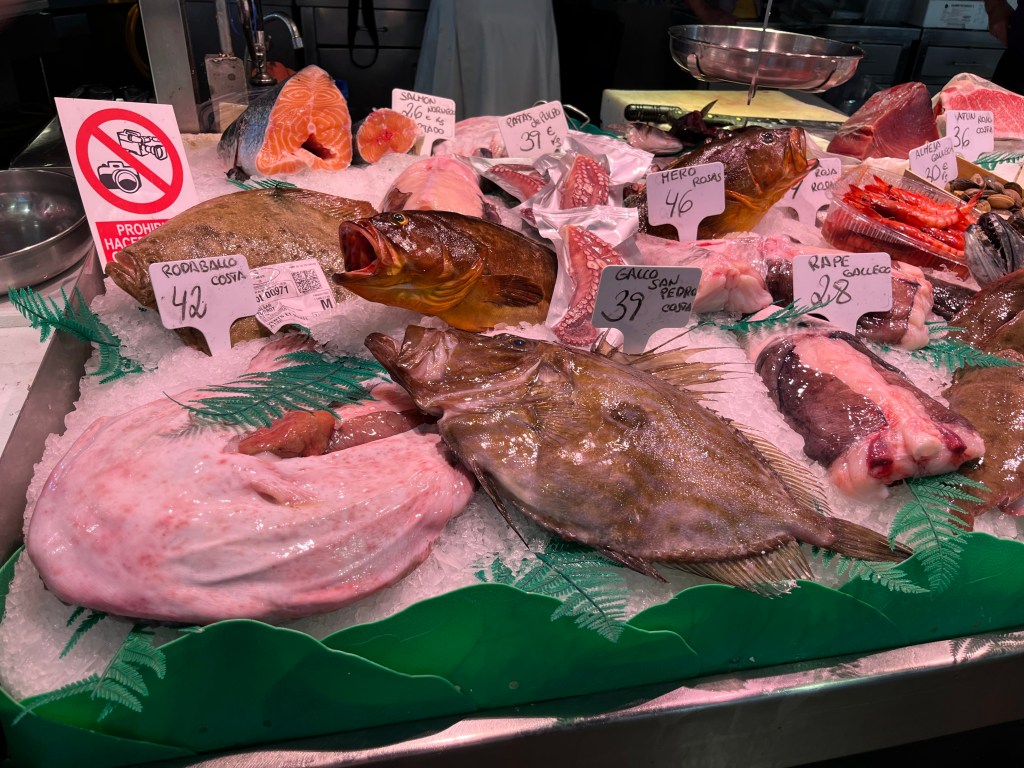
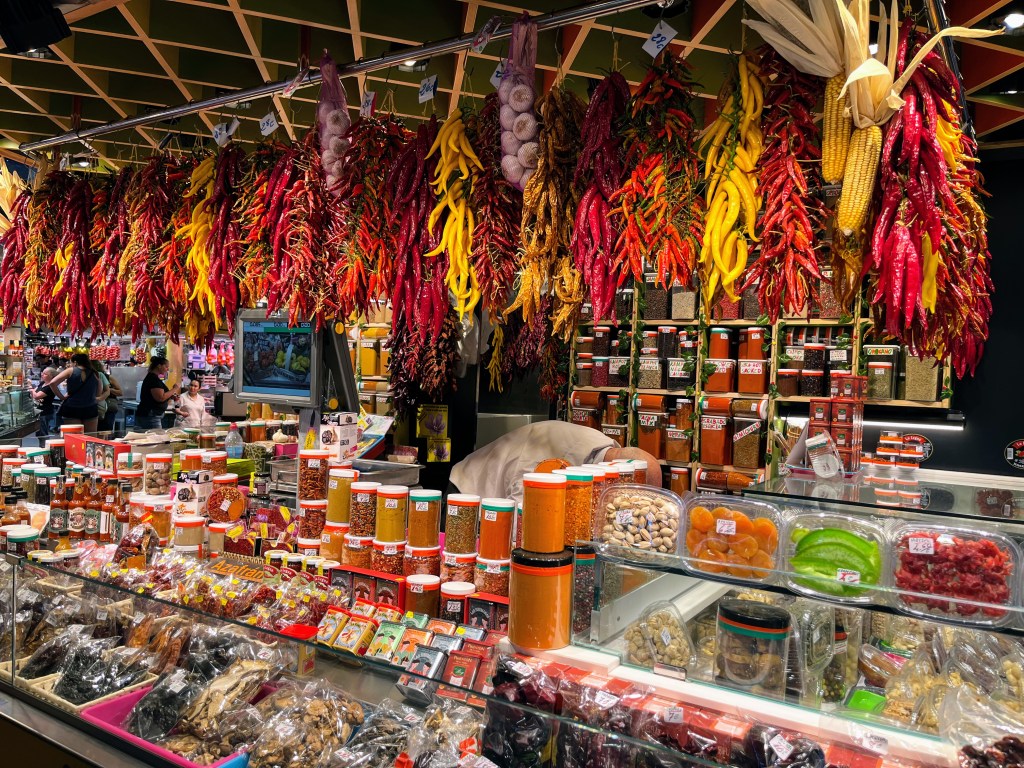
La Boqueria

The Mercat de Sant Josep de la Boqueria is a large public market in central Barcelona with an entrance facing La Rambla. While it has taken many different forms, folks have been selling stuff here for centuries. In 1470, it was a pig market. The current structure came into being in 1840. 

La Boqueria

Barceloneta

The Barcelona beach was largely built in 1992 as part of the preparation for the Olympic Games. While it is hard to imagine now, looking at this active beachfront area, this was once a shantytown called Somorrostro.

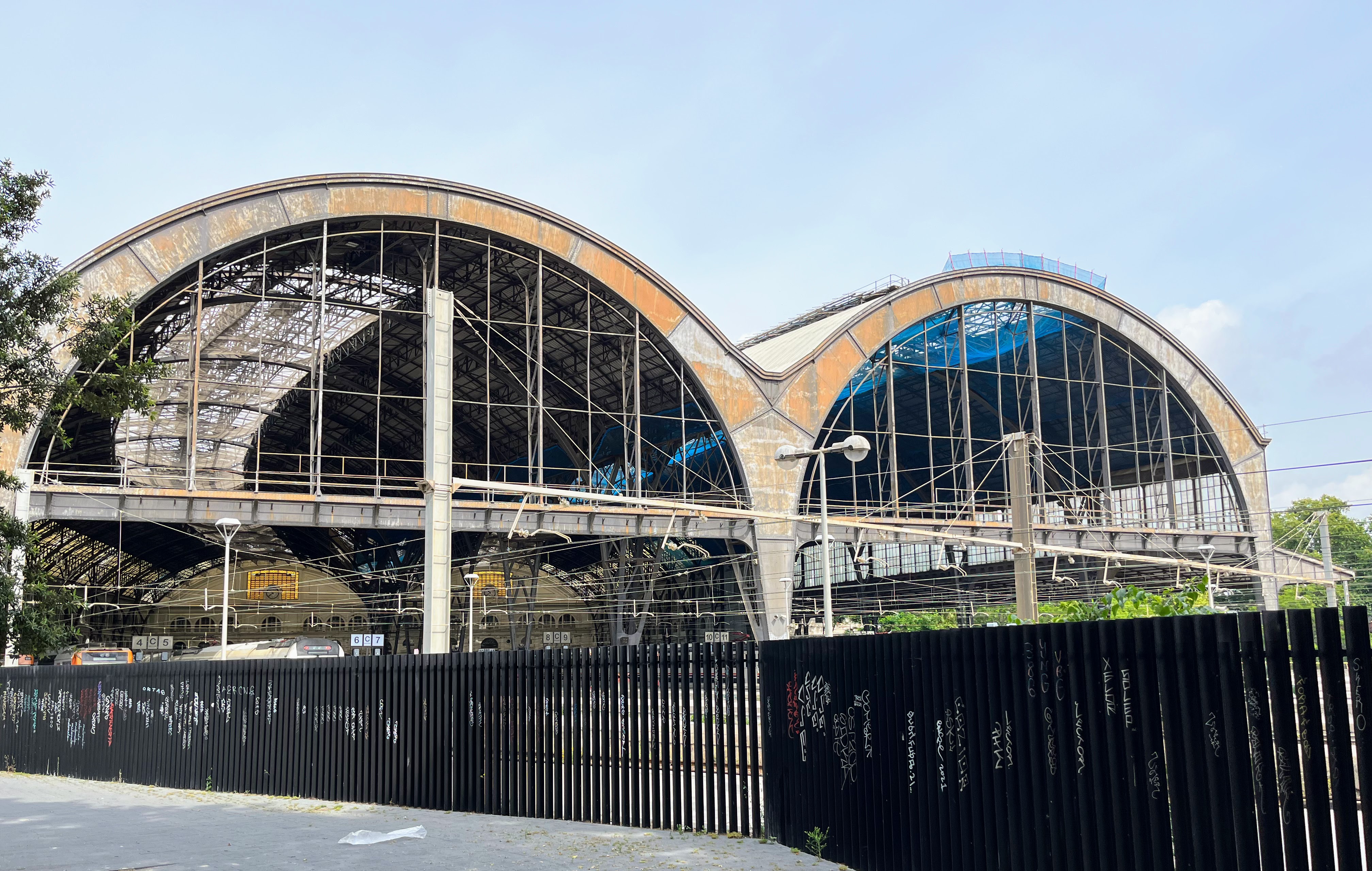
Estancia de Franca

This railway station opened in 1848 and was the end point for trains arriving from France. It is still operated by Renfe, but has been replaced by Sants as the main station for international and long distance services.

Estancia de Franca
Posted in History, Travel | Tagged , , , , , , | 5 Comments

Gaudi’s Barcelona

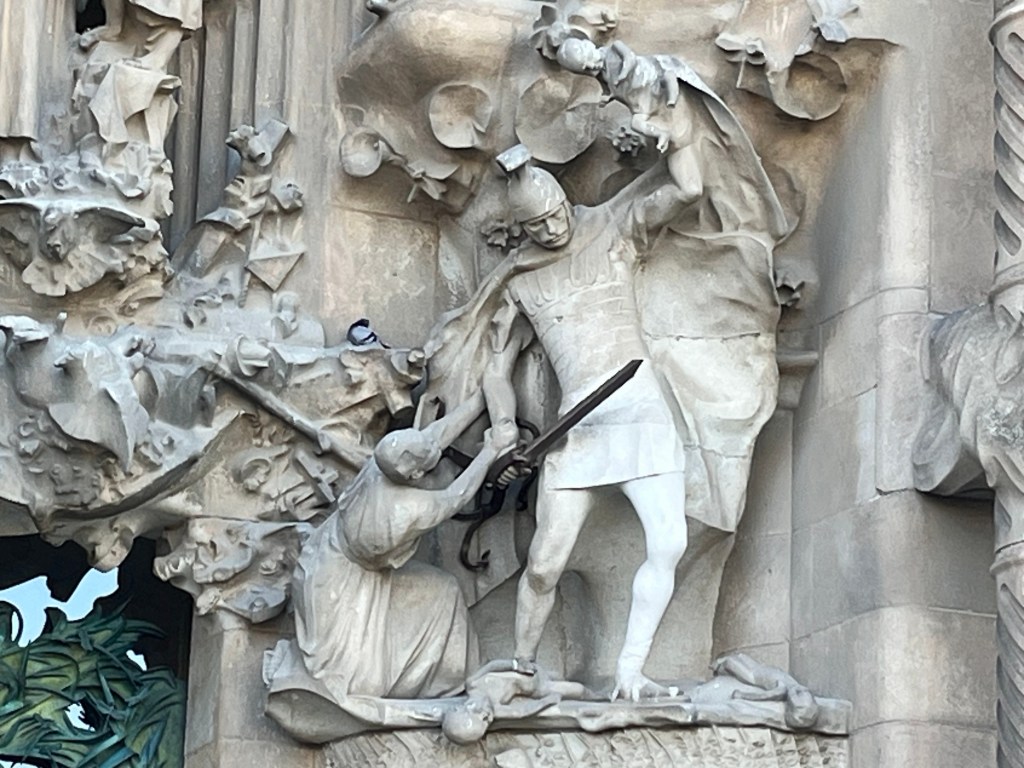
Antoni Gaudi (1852-1926) left his mark throughout the city of Barcelona. Part of the Modernist movement of the late 19th century, the architect’s designs range from a massive cathedral to simple street lamps. His designs reflect his Catholicism, his Catalan identity and his interest in nature. Seven of his works have been declared World Heritage sites by UNESCO.

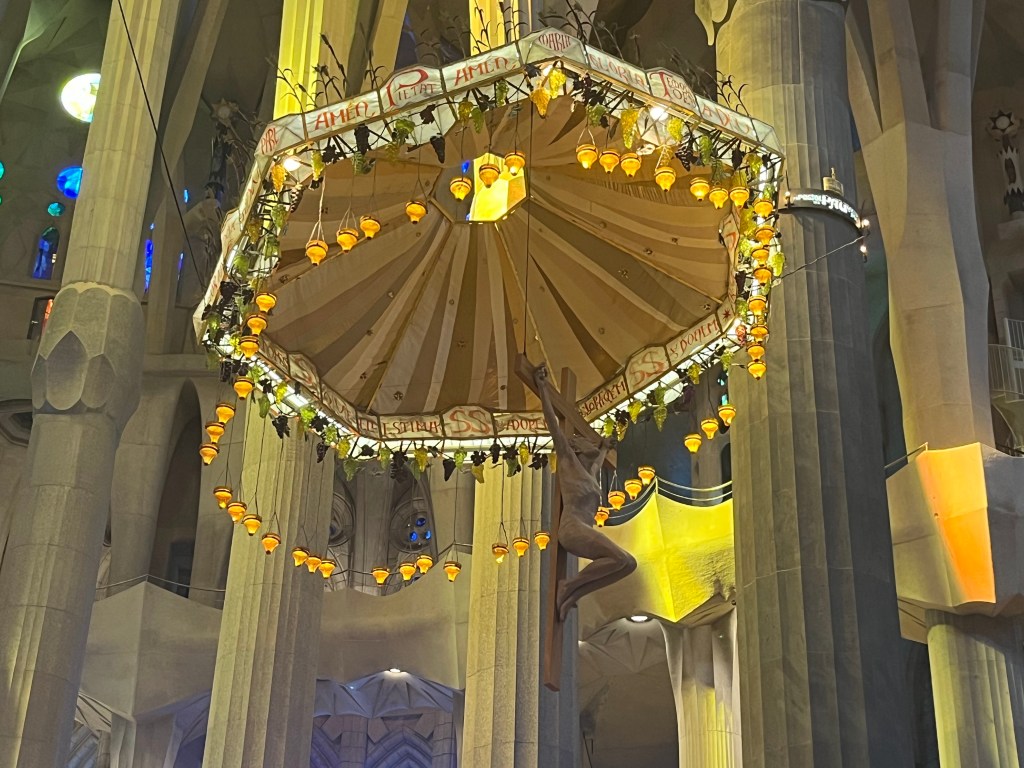
La Sagrada Familia

Gaudi’s signature work. Construction  began on this Catholic Church In 1882. It’s still going on. Gaudi took over the project in 1883, after the original architect resigned. He devoted the rest of his life to it. Since his death in 1926, several other architects have taken on the project using Gaudi’s plans. The target completion date is 2026 although that is expected to be pushed out further. It is like no church I’ve ever seen.

Sagrada Familia
Sagrada Familia

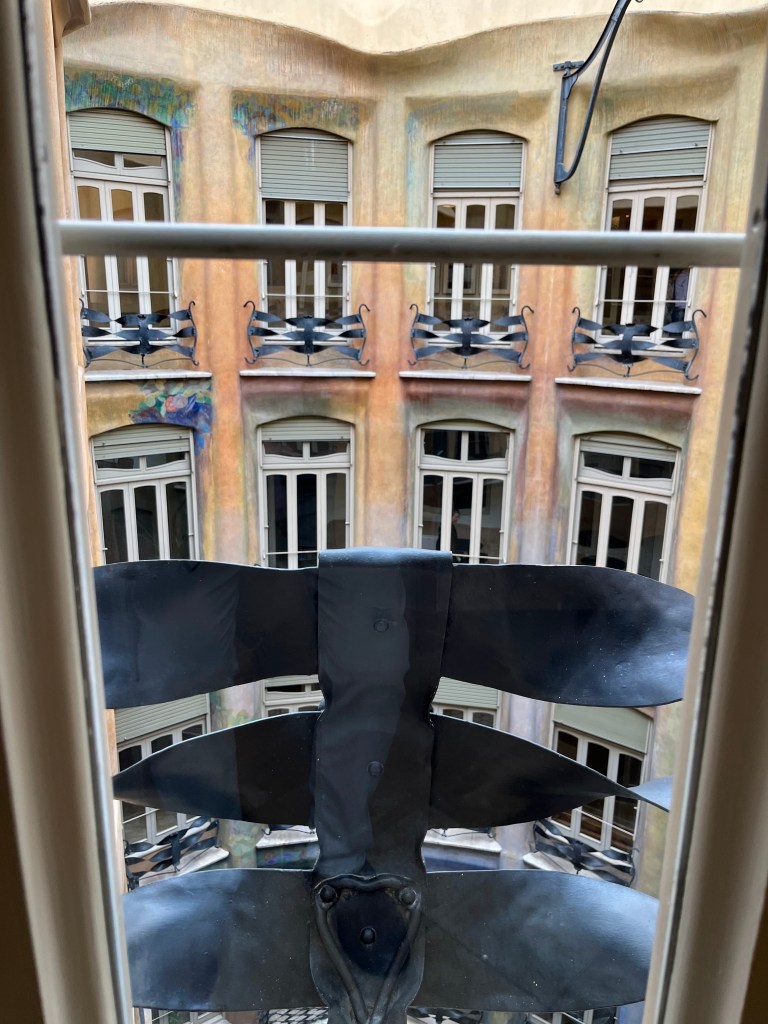
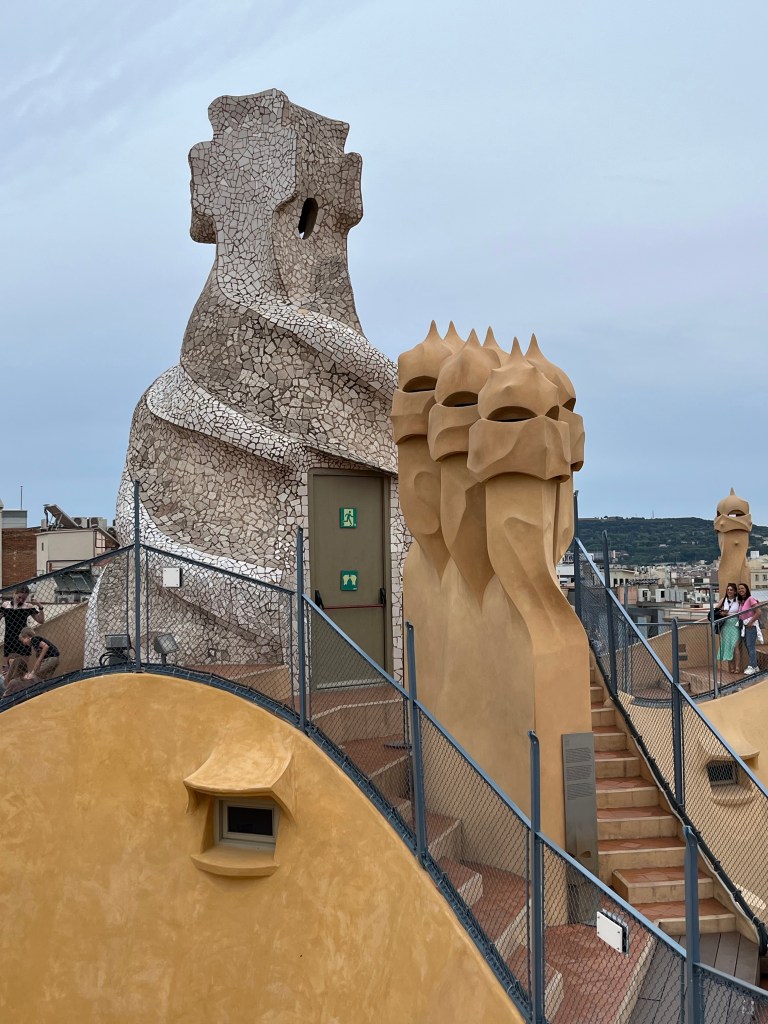
Casa Mila

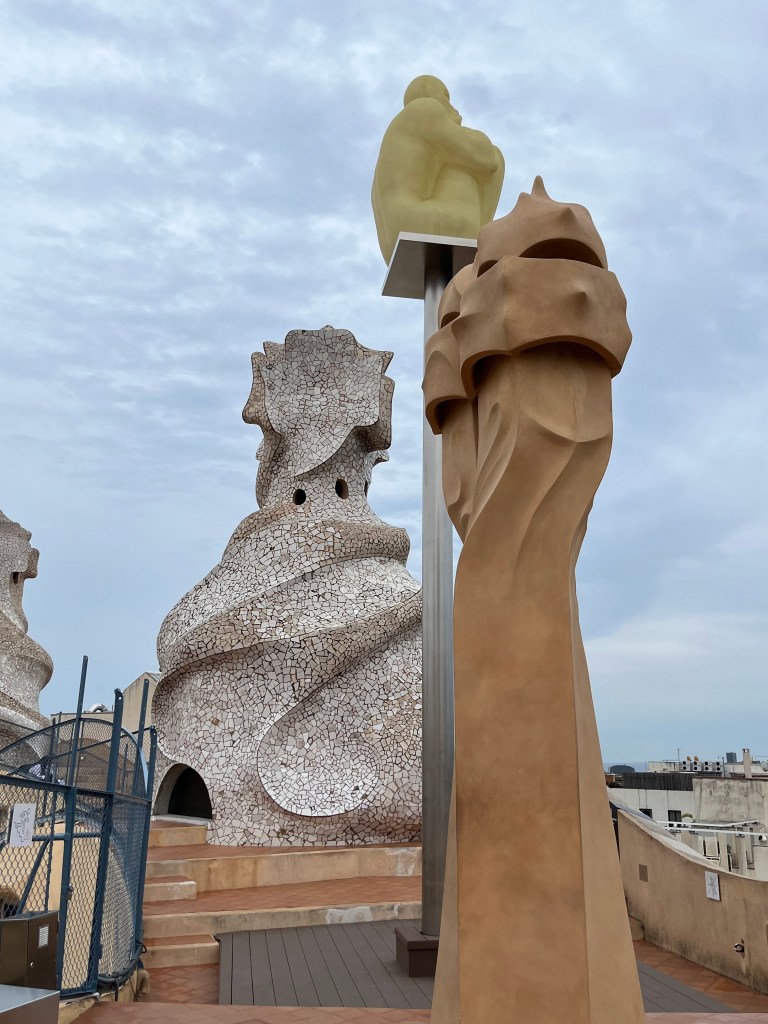
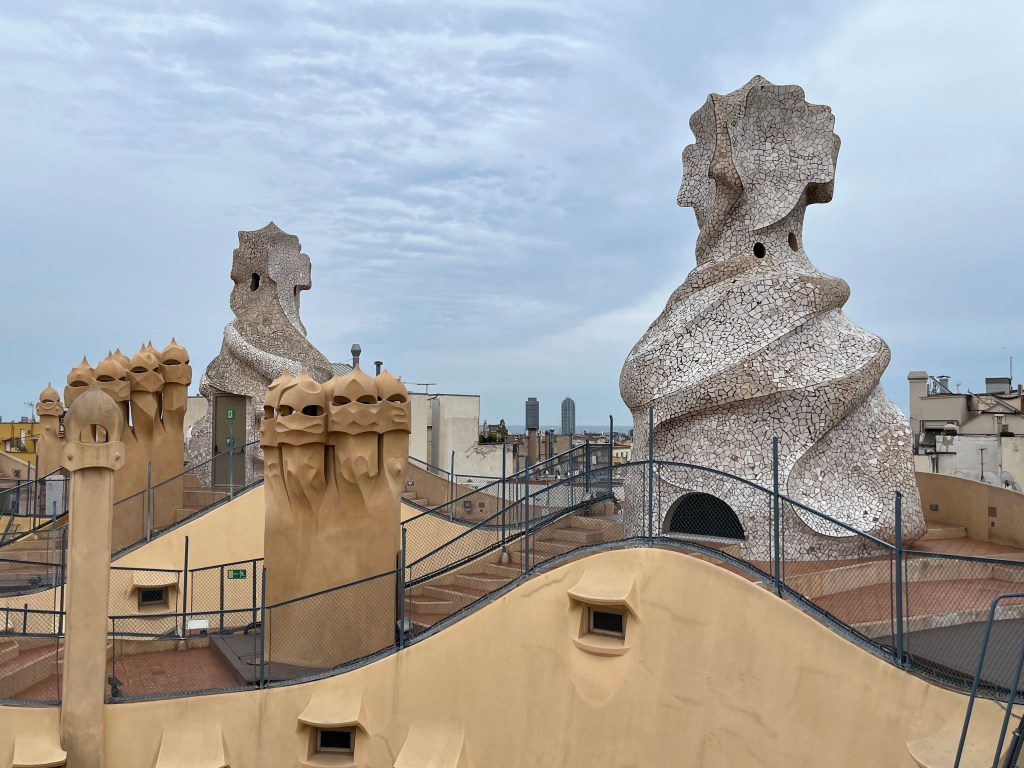
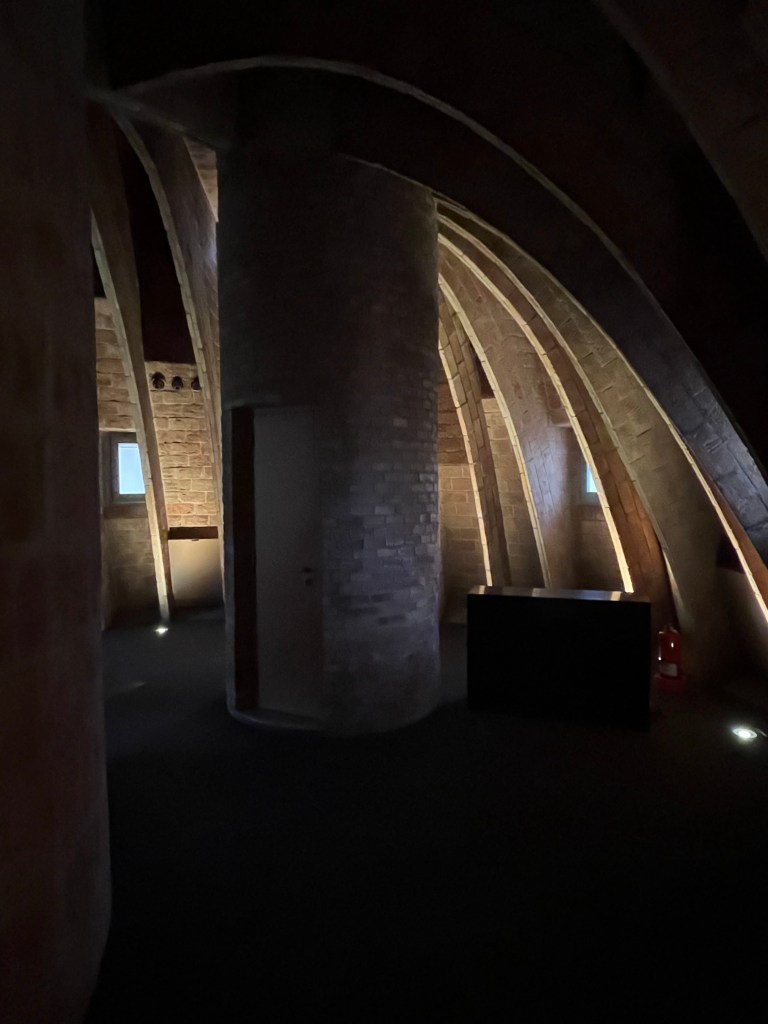
A private residence, also known as La Pedrera, designed by Gaudi and built between 1906 and 1912. UNESCO designated it as a World Heritage Site in 2013. What I found most notable is the roof with its domes, staircases and chimneys.

Casa Mila
The attic

Casa Batllo

This is a previously built home that was remodeled by Gaudii in 1904 after it was purchased by textile manufacturer Josef Batllo. It is known in Barcelona as Casa dels ossos (House of Bones). Casa Batllo has also received the World Heritage Site designation.

The Gaudi streetlamp

Posted in Travel | Tagged , , , , , , , , | 9 Comments

Raised Fists and Guns. These posters chronicle the story of the Black Panther Party, 1967-1970.

From the exhibit “Black Power to Black People: Branding the Black Panther Party” at Poster House, New York

1967

H. Rap Brown (Man with Match), Emory Douglas

H. Rap Brown was a member of both the Student Nonviolent Coordinating Committee and the Black Panther Party. He is associated with the phrase “burn, baby, burn,” hence the match.

1968

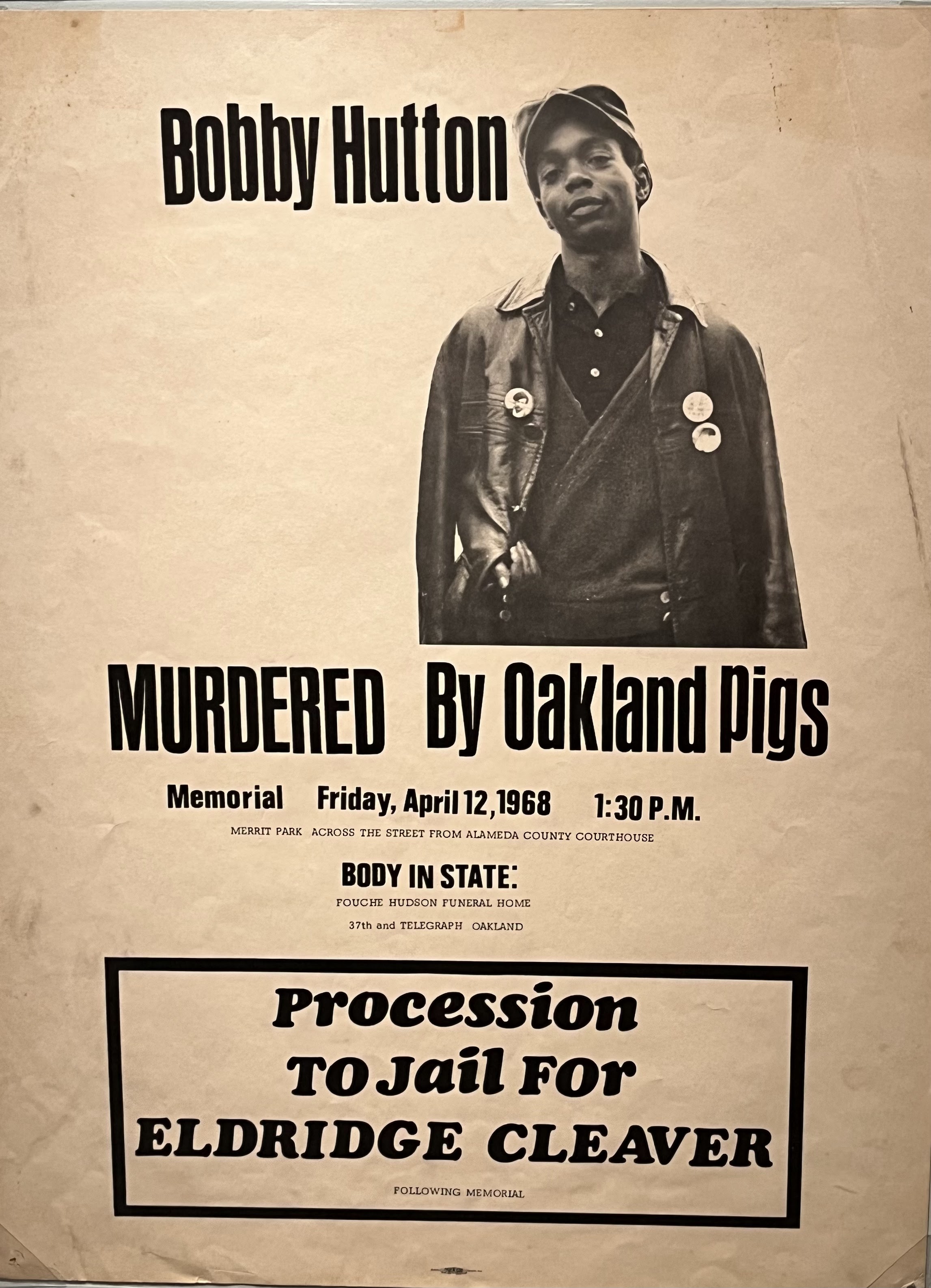
Bobby Hutton Murdered by Oakland PIgs
Bobby Hutton Murdered, Designer Unknown

Sixteen-year-old Bobby Hutton had joined the Black Panther Party two years earlier. Two days after the assassination of Martin Luther King, he was part of a group of Panthers led by Eldridge Cleaver who engaged in a shootout with the Oakland police. The Panthers claim that Hutton had surrendered and was unarmed when he was shot 12 times by the police.

Cleaver for President
Cleaver for President (designer unknown)

Eldridge Cleaver ran for president in 1968 on the Peace and Freedom Party Ticket. His running mate was Peggy Terry, a white working-class organizer.

1969

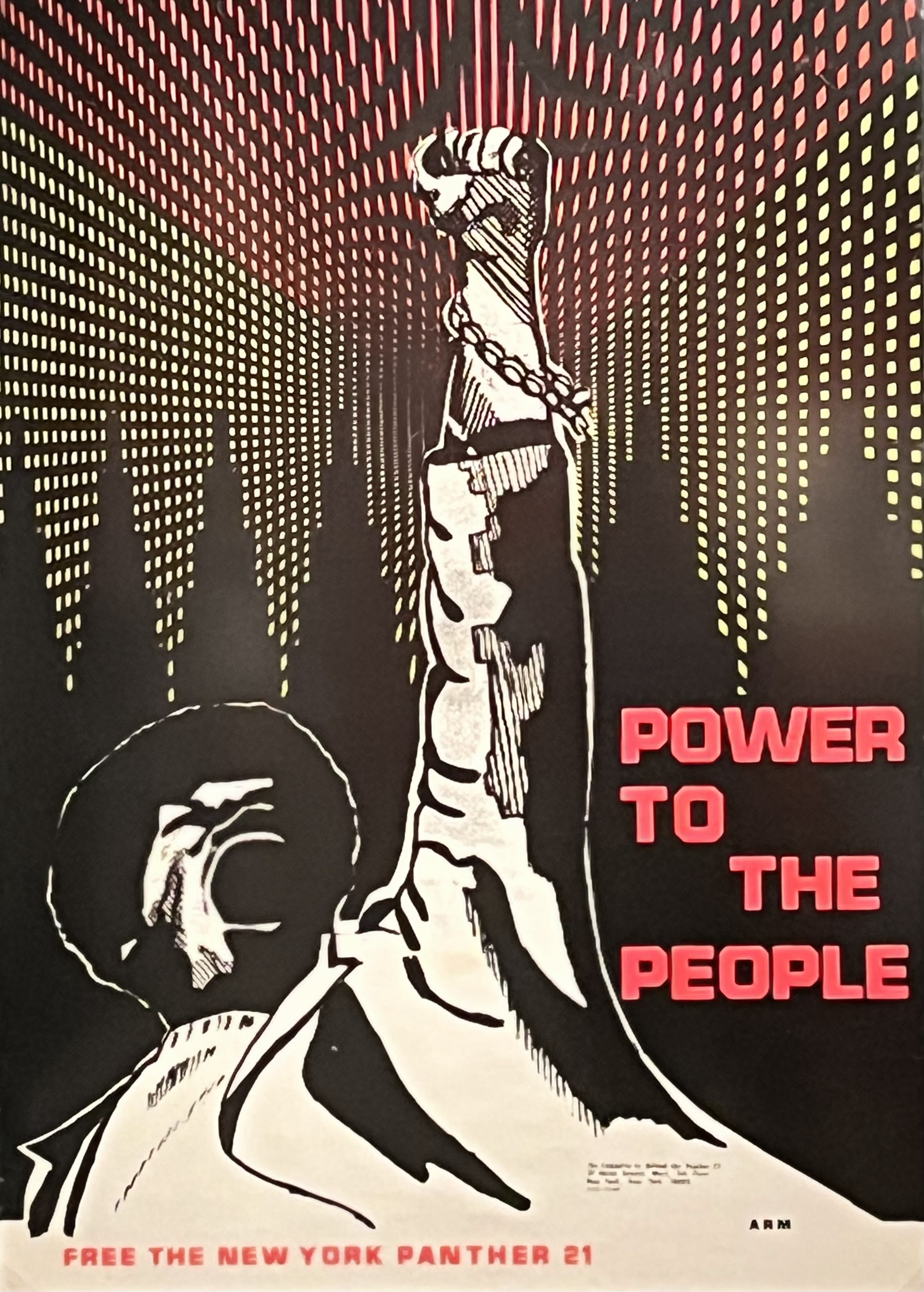
Power to the People
Power to the People (designer unknown)
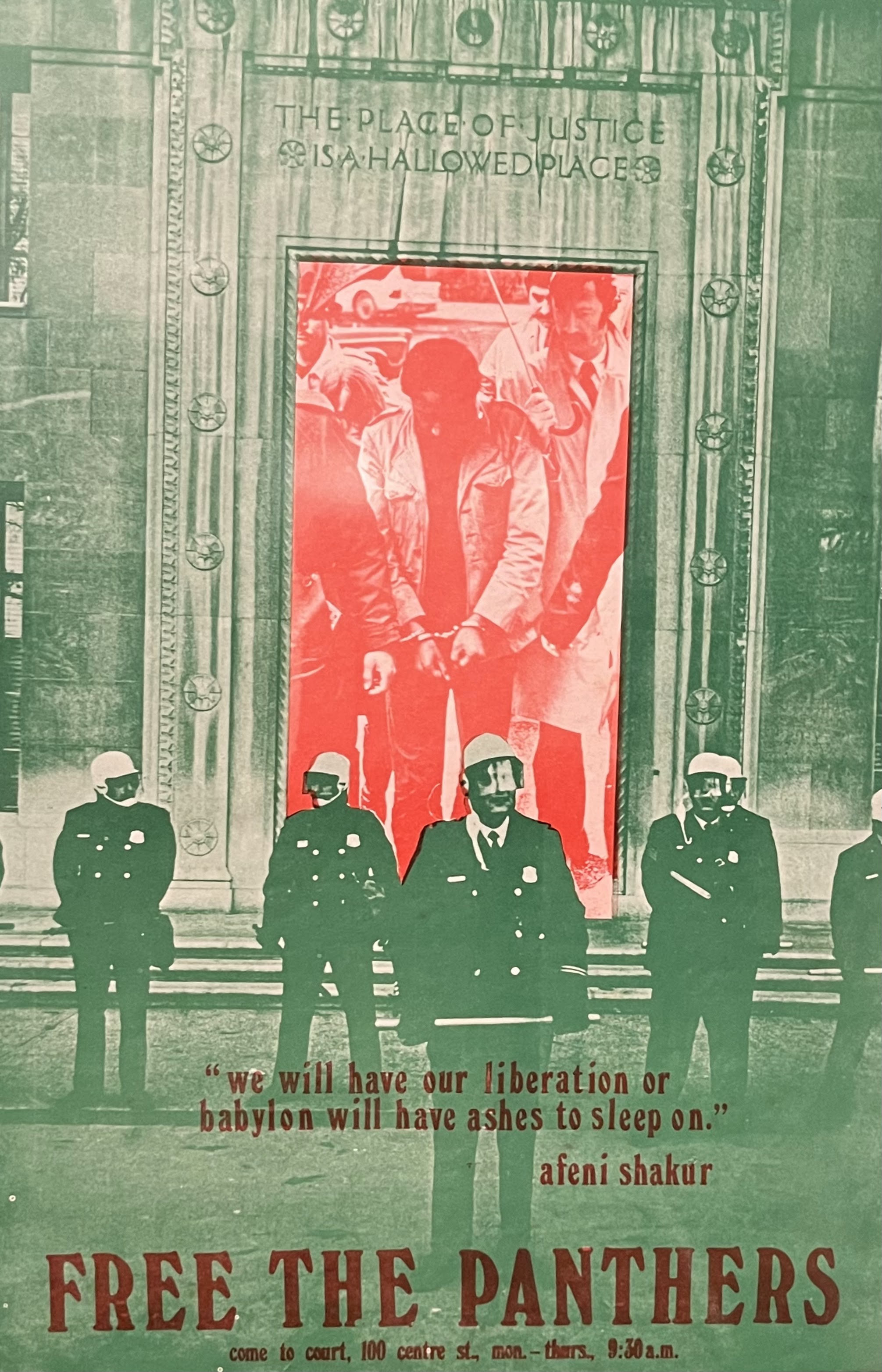
Free the Panthers
Free the Panthers (designer unknown)

Poster refers to a group of 21 Panthers who were arrested in New York and charged with a plot to blow up three buildings and conspiracy to kill police officers. Those who couldn’t post bail was held at Rikers Island. All 21 were acquitted after an eight-month trial.

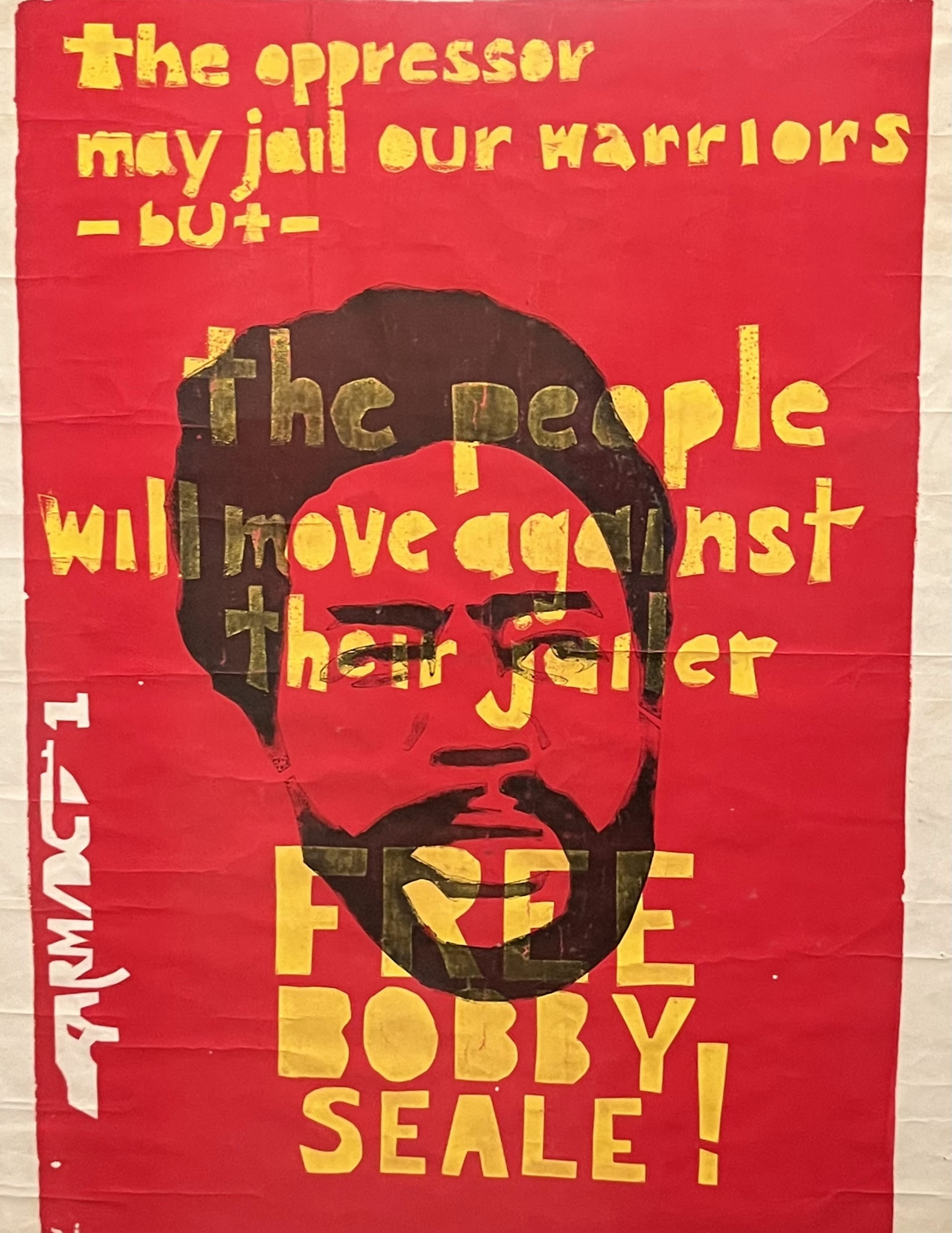
Free Bobby Seale!
Free Bobby Seale! (designer unknown)

Bobby Seale was one of the original Chicago Eight, charged with conspiracy to incite a riot at the 1968 Democratic National Convention. The judge refused to grant Seale’s request that he represent himself. At one point he was gagged and bound in the courtroom. His case was declared a mistrial and the Chicago Eight became the Chicago Seven.

1970

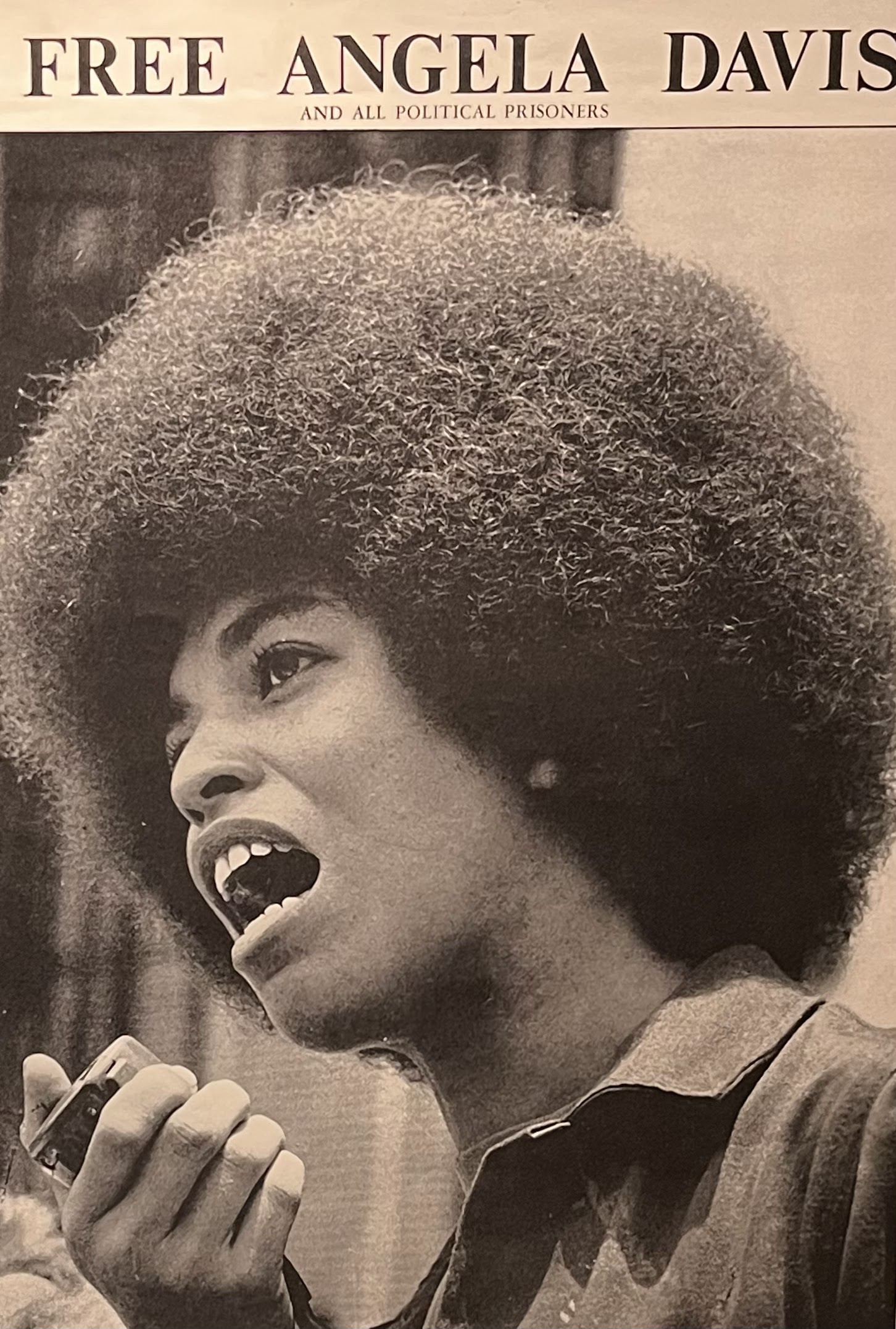
Free Angela Davis
Free Angela Davis (designer unknown)

In 1970, Angela Davis was arrested at a Howard Johnson’s in Manhattan. She was charged with murder, kidnapping and criminal conspiracy. It was alleged that she purchased the guns used by the Soledad Brothers, three inmates who murdered a prison guard in Soledad Prison in California. Davis was acquitted of all charges.

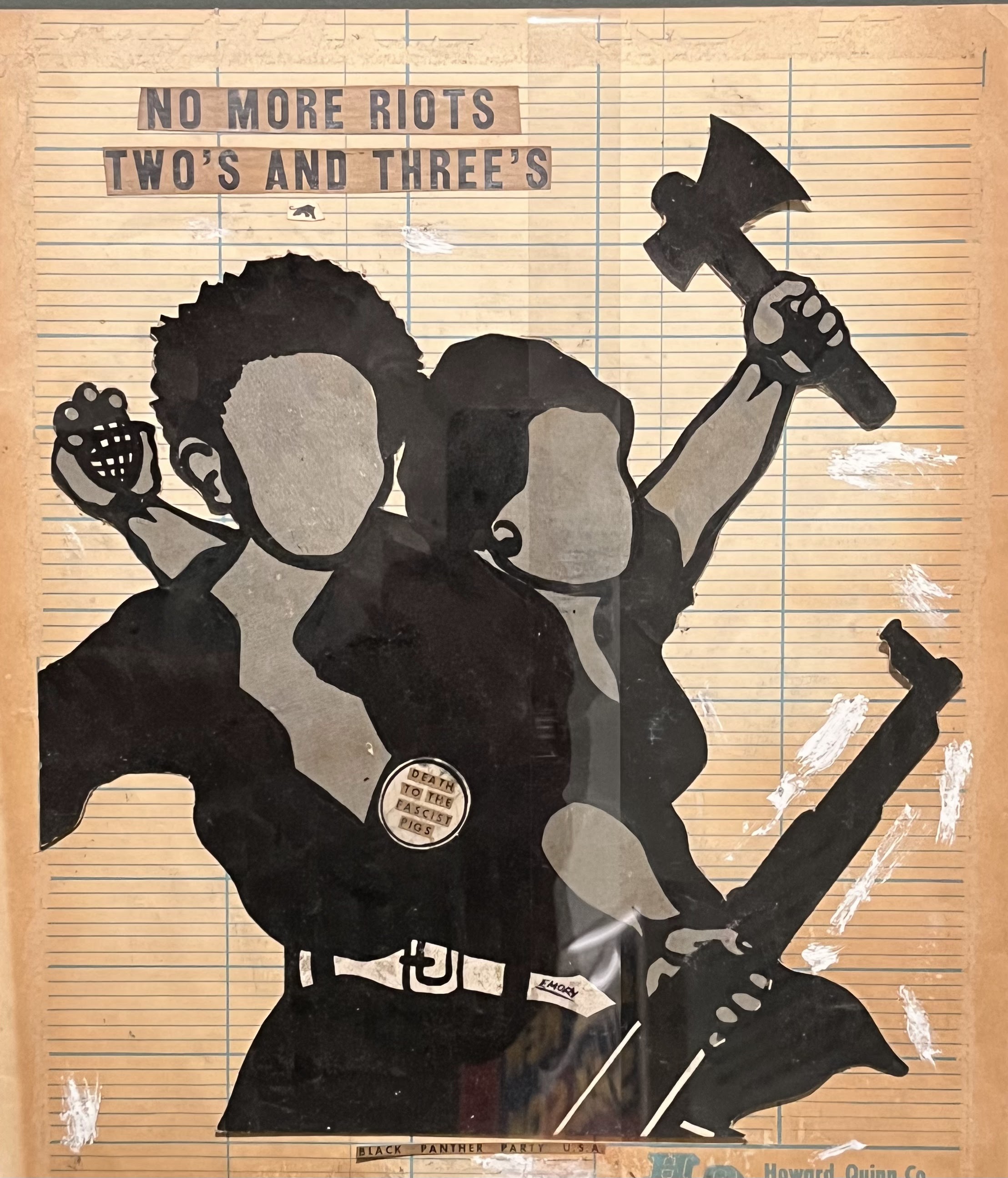
No More Riots Two's and Three's
No More Riots Two’s and Three’s, Emory Douglas

The title of this poster reflects a strategy proposed by Huey Newton to use small groups in their rebellion rather than large-scale riots.

Posted in Art, History | Tagged , , , , , , , , , , | 3 Comments

A View of Japan in Posters

From the exhibit “Made in Japan: 20th Century Poster Art” at Poster House, New York

Nikke, Okuyama Gihachiro, 1935
Nikke, Okuyama Gihachiro, 1935. Poster produced to promote the company’s western style clothing.
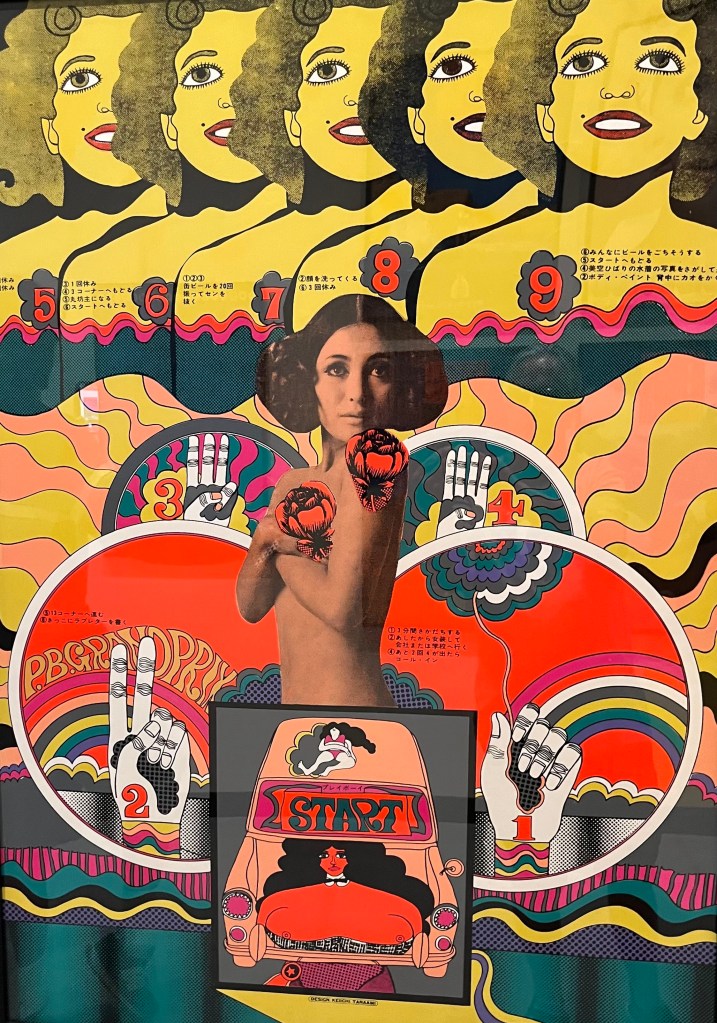
PB Grand Prix, Tana'ami Keichi
PB Grand Prix, Tanaami Keichi, 1936. Poster represents a popular Japanese board game, Sugoroku. The PB stands for Playboy. The winner of the game is the first to reach the actress Matsuoka Kikko, shown in center of poster.
Matsuda Quick Special Oil Colours
Matsuda Quick Special Oil Colours. artist unknown, 1961. Posters promote oil paints produced by Matsuda Gaso.
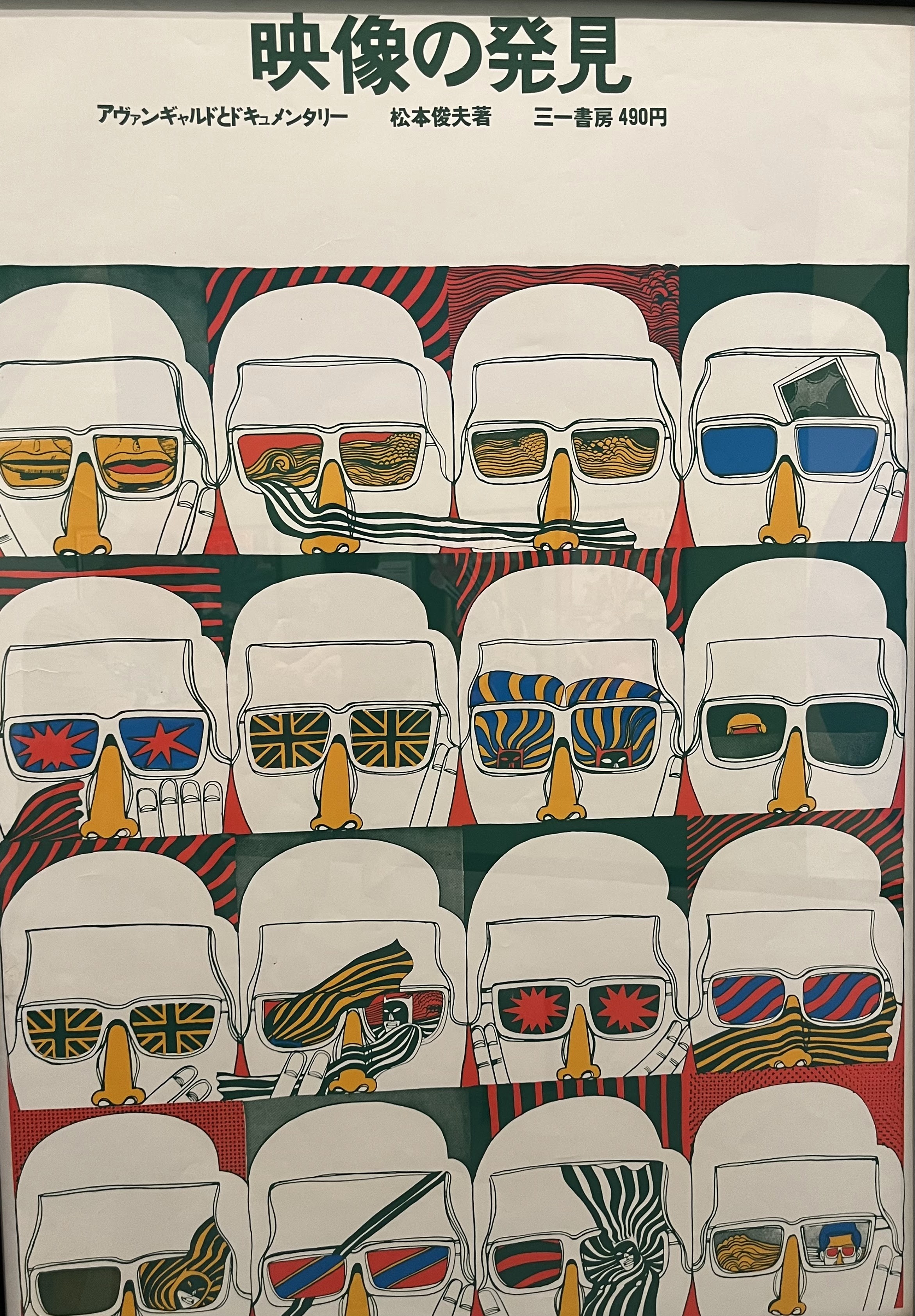
Discovery of the Image, Tanaami Keichi, 1966
Discovery of the Image, Tanaami Keichi, 1966.
The Aesthetics of End, Yukio Michima, 1966.
Yukio Mishima/The Aesthetics of End, Yakoo Tadamori. 1966. Poster was designed to promote the novel of the same name.
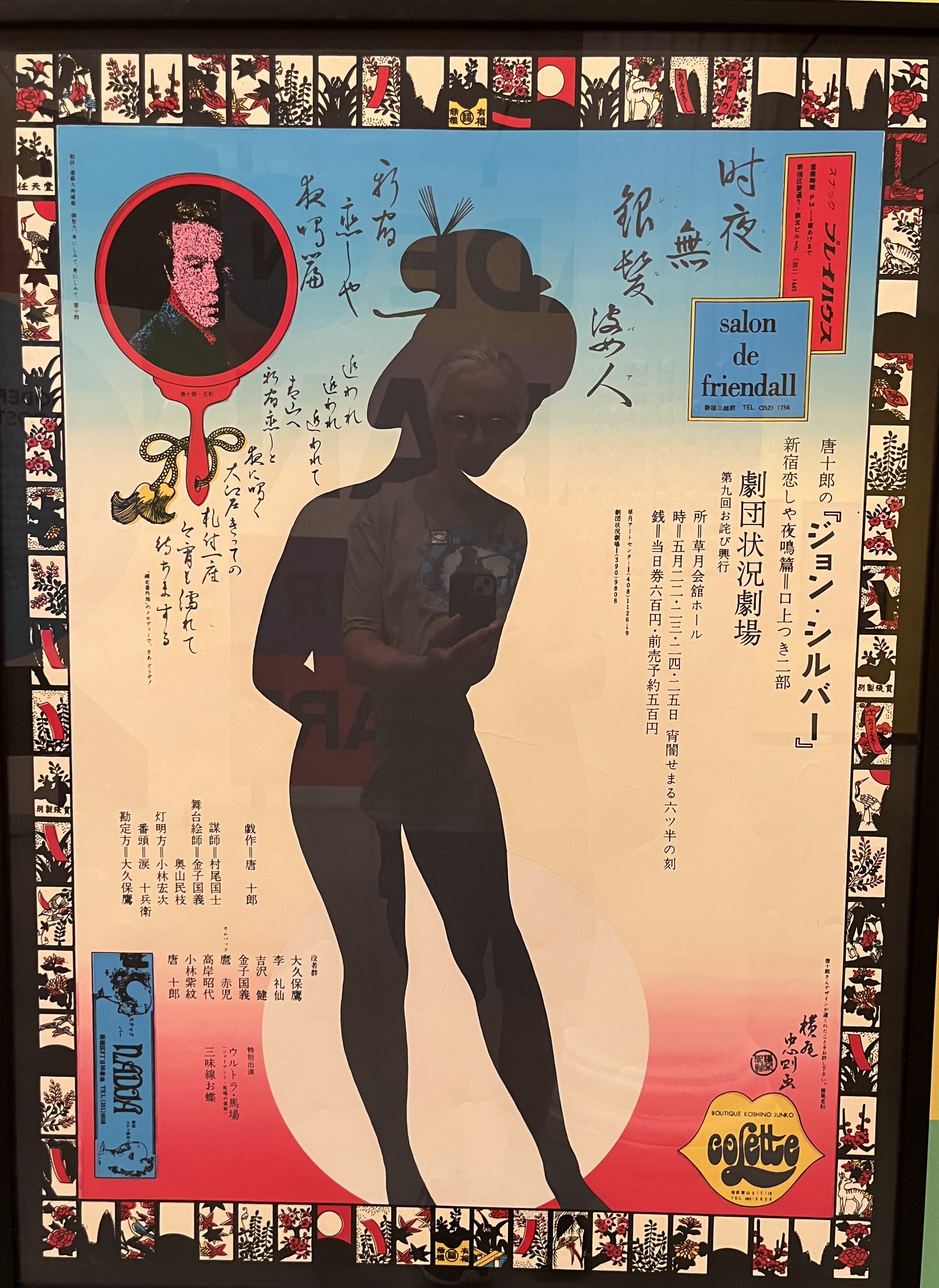
Kara Juro's "John Silver: Love in Shinjuku"
Kara Juro’s “John Silver: Love in Shinjuku,” Yokoo Tadenori, 1967. Poster promotes a play by that name. Border consists of Japanese flower cards.
The Monkees
The Monkees, Tanaami Keiichi, 1968. Promotional poster for the band’s appearances in Japan.
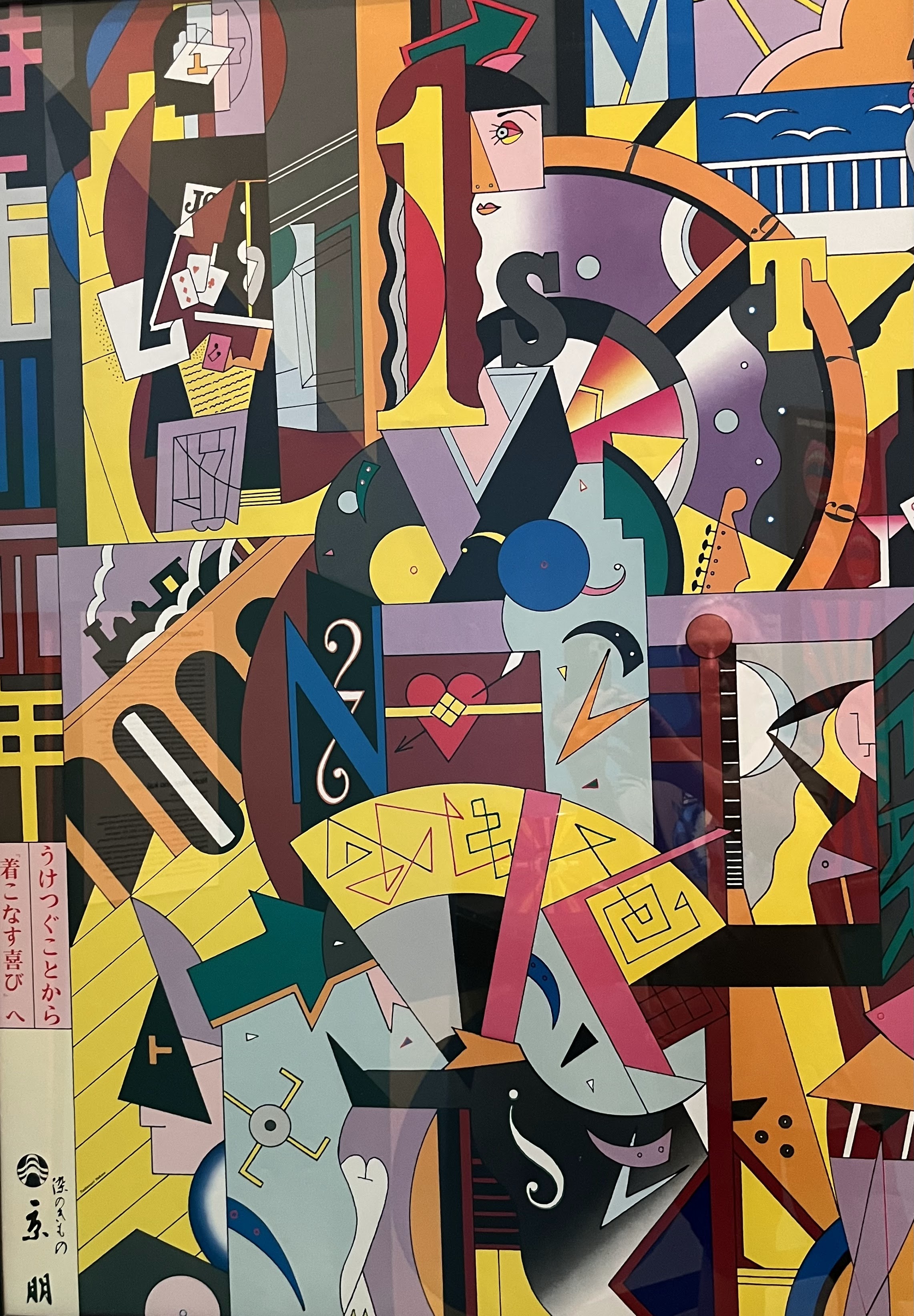
Kimono/The First Year
Kimono/The First Year, Yakoo Tadanori, 1978. Promotional poster for Kyoto textile manufacturer.
Hiroshima Appeals
Hiroshima Appeals, Kamekura Yusaka, 1983. First in a series of Hiroshima Appeals posters projecting a hope for peace.
Japan, Kamekura Yusaki,1988
Japan, Kamekura Yusaki,1988. Created for the Japan Graphic Designers Association
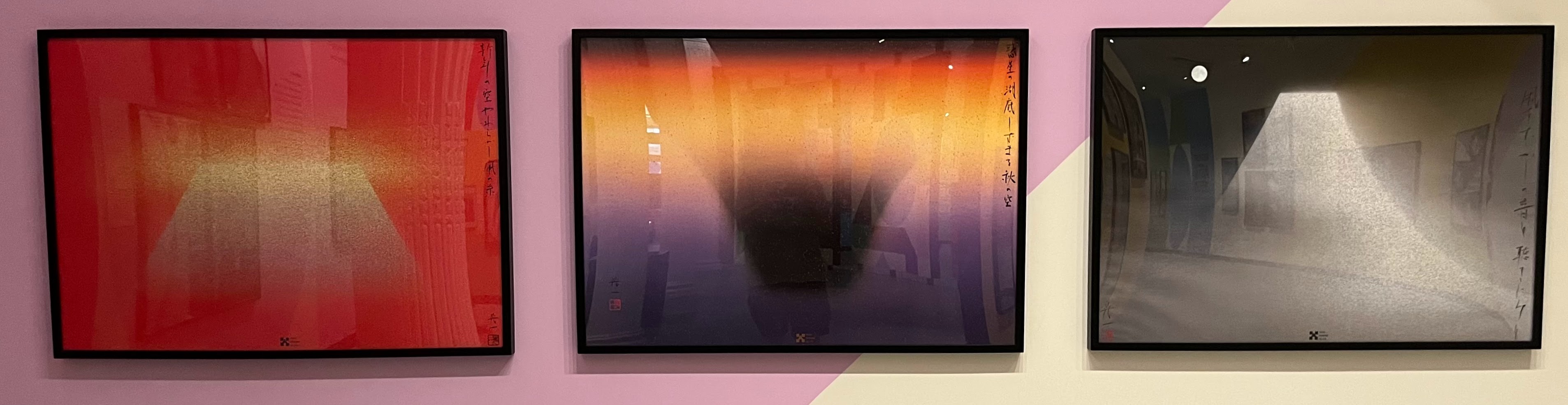
Five Seasons, Sato Koichi
Five Seasons, Sato Koichi, 1988. Images of Mt. Fuju during different seasons.
Posted in Art | Tagged , , , , | 5 Comments