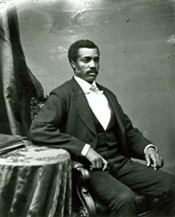
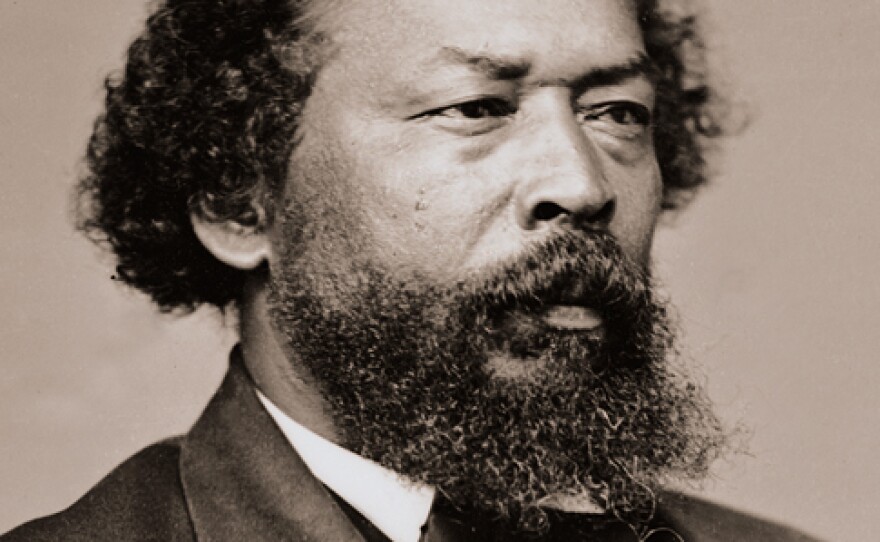
From Slavery to Capitol Hill: Jefferson Franklin Long

For some 200+ years, from 1776 until 1992, the state of Georgia had one Black representative in Congress. And that one was only there for a term of less than three months. But Jefferson Franklin Long didn’t fail to make his mark during his short time. He is credited with being the first Black representative to make a speech on the House floor.

The occasion, in 1871, was a proposed bill to grant amnesty to former Confederates. Long was not a supporter. Here’s what he had to say:

“Do we, then, really propose here today, when the country is not ready for it, when those disloyal people still hate this government, when loyal men dare not carry the ‘stars and stripes’ through our streets, for if they do they will be turned out of employment, to relieve from political disability the very men who have committed these Kuklux outrages? I think that I am doing my duty to my constituents and my duty to my country when I vote against any such proposition… Mr. Speaker, I propose, as a man raised as a slave, my mother a slave before me, and my ancestry slaves as far back as I can trace them… If this House removes the disabilities of disloyal men by modifying the test-oath, I venture to prophesy you will again have trouble from the very same men who gave you trouble before.”

Jefferson Franklin Long

Long was born in 1836 to a slave mother in Knoxville, Ga. He was the property of a tailor named James C. Lloyd, who was likely his biological father. Although it was illegal at the time, he taught himself to read and write. Lloyd moved to Macon where he sold Long to Edwin Saulsbury, a local businessman. Saulsbury set Long up in a tailor shop in Macon. The historical records aren’t clear as to whether Saulsbury freed Long before emancipation in 1865, but as a free man, Long operated a successful tailor business. Most of his customers were white as they were the only people who could afford custom-made clothes. 

Long’s interactions with his customers led him into politics. He had been active promoting literacy for African-Americans through an organization called the Georgia Educational Association. He was a strong supporter of the Republican Party and actively campaigned to promote the party to Black Georgians.

Following the Civil War, Georgia was not immediately granted re-admission to the Union because the state legislature refused to ratify the 15th amendment establishing the right to vote irregardless of race. It was not until 1870, after ratifying that amendment and reinstating an elected group of black state legislators who had been expelled, that Georgia once again became part of the United States.

That set up an unusual election in which the state at the same time elected representatives to fill the term of the 44th Congress (1869-1871) as well as representatives for the full-term 45th Congress (1871-1873). The Republican Party offered up white candidates for the full-term positions and Black candidates for the short terms. Long was one of the latter.

Long won the election with 53% of the vote against Democrat Winburn J. Lawton. After some delay, he was seated in January 1871 for a term that was to expire in March. 

The other most notable part of Long’s career was his involvement in what the white press called the “Macon riots” on election day in 1872. Voter suppression efforts were now in full swing across the South, something that would eventually close the polls to Black voters. Long organized a group of Black citizens to head to the voting location in mass where they were met by a group of newly deputized and armed whites. In the ensuing melee two Blacks and one white man were killed. 

The Southern white spin on this event is expressed in the following story from the New York Herald on Oct. 3, 1872:

“A fight occurred at the polls in Macon today growing out of another attempt by the negroes to take forcible possession of the polls… Very early in the morning they massed at the City Hall  and marched down to the polls… There they met a smaller crowd, principally whites, and commenced crowding upon them and forcing them away from the polls. A few bouts of fisticuffs occurred in the dense mass, and then a discharge of brickbats came from the negroes, followed by an order from their leader, Jeff Long, to fire upon the whites. In the course of a few seconds about fifty pistol shots were discharged from both sides by which one white man was killed and some five or six negroes wounded, two of whom have since died.”

The Boston Globe of Oct. 21, 1872, offers a different take. It quotes a local Greeley Club president as declaring that the riot was “the work of white men, and they had no provocation.” On Long’s involvement:

“Jeff Long, colored, ex-member of Congress from that district, made a speech on the same evening, in which he replied to the charge that he advised his people to arm themselves, and showed that, on the contrary he had urged them; to go to the polls without even a cane, because he really trusted to the good conduct of the whites. Long has been criticized on both sides – charged with provoking violence by the Democrats, and by his own people with so advising them as to leave them helpless.”

Long came out of this unscathed, but backing away from politics. His reputation among whites in Macon took a hit and that impacted his tailoring business so he branched out into dry cleaning and liquor sales. He remained a self-employed Macon resident until his death in 1901.

In an ariticle in the Winter 2011 Georgia Historical Quarterly, titled Incendiary Negro: The Life and Times of the Honorable Jefferson Franklin Long, the author, Ephraim Samuel Rosenbaum, summed up Long’s career as follows:

“Given the oppressive social and political conditions in which he was compelled to operate, Long’s accomplishments were remarkable. He was a slave-born tailor who rose to the top of his party and maintained the loyalty and admiration of the majority of its members over the course of nearly fifty turbulent years, this despite the fact that the party had effectively abandoned his race and state.”

-0-

From Slavery to Capitol Hill posts:

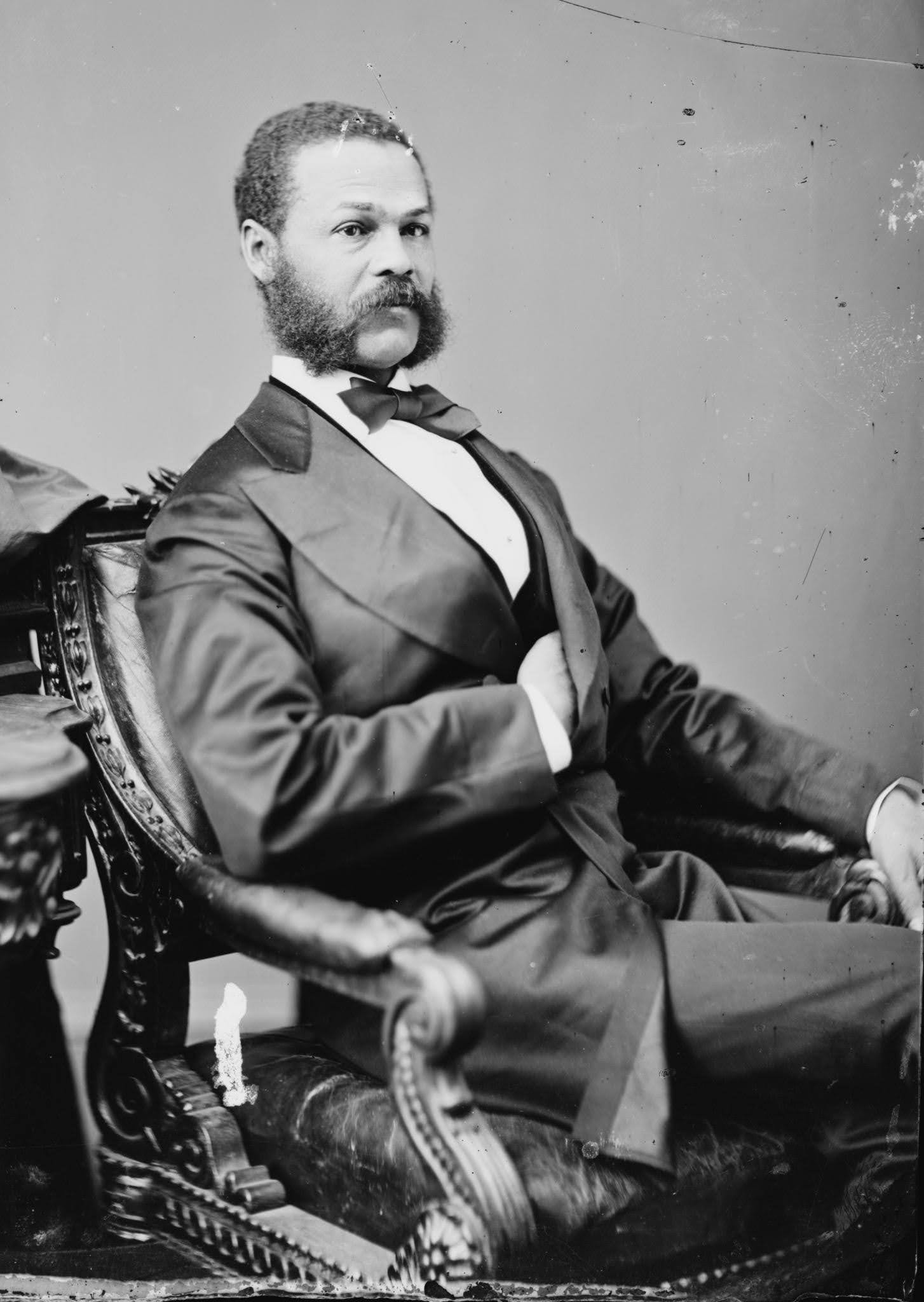
Jeremiah Haralson

John Adams Hyman

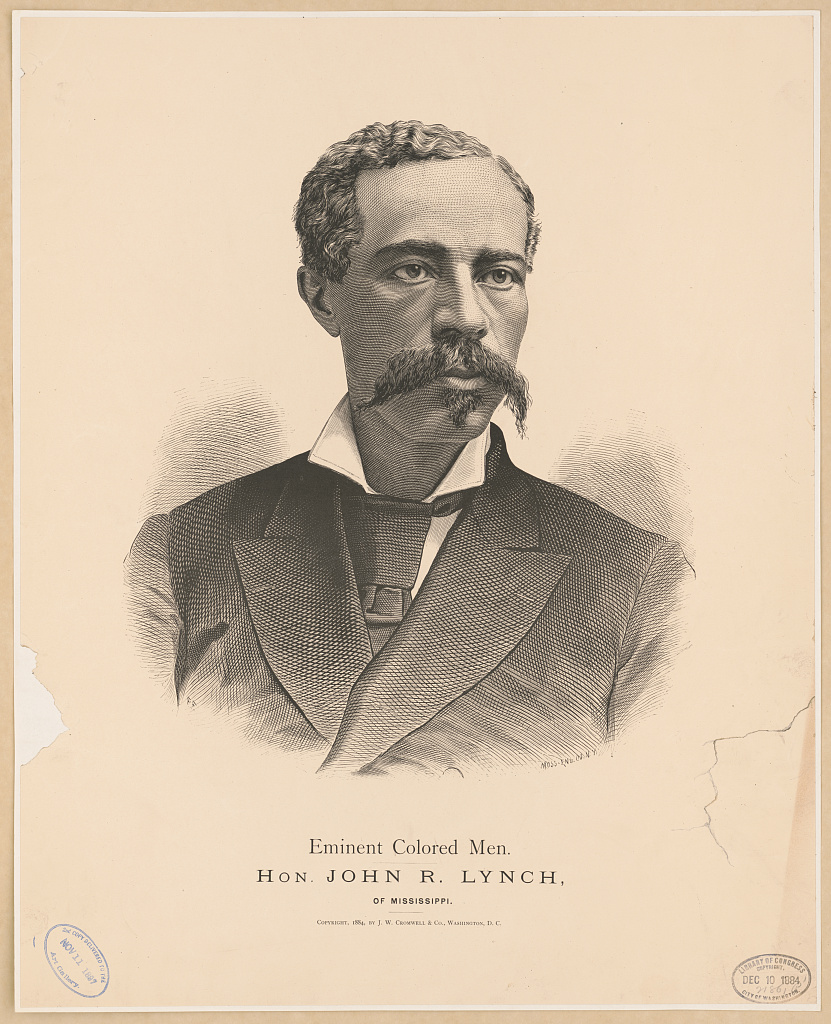
John Roy Lynch

George Washington Murray

Robert Smalls

Benjamin Sterling Turner

Josiah Thomas Walls

Posted in History | Tagged , , , , , , | 11 Comments

From Slavery to Capitol Hill: Jeremiah Haralson

“A kinder country would have embraced him as everything America dreams of. A survivor of the physical and spiritual torture of the nation’s gravest sin, Haralson had the bravery to defy his former tormentors, teaching himself how to read and write and using his natural gifts to go from chattel slavery to the halls of Congress in a little over a decade. Haralson completed his term in Congress a month before his 31st birthday.”

Those are the words of Bryan Lyman writing in the Montgomery Advertiser on Feb. 26, 2020 (The Lost Congressman: Whatever Happened to Jeremiah Haralson?).

Jeremiah Haralson was born into slavery near Columbus, Ga., in 1846. No one knows for sure where he died or when. In between, he was Alabama’s first Black man elected to the state House of Representatives and one of the first black Congressmen who took their seats on Capitol Hill during Reconstruction.

Haralson was his own man. He at times supported Democrats as well as Republicans. And he was not afraid to take unpopular stances, like supporting a bill to grant amnesty to Confederates.

Haralson started life as a slave in Georgia. After his owner died he was sold at least twice. Little is known of his parents or at what point he was separated from his family. In 1859, he was sold to a Selma, Ala., lawyer named John Haralson. He was emancipated in 1865 after the Civil War and the 13th Amendment abolishing slavery.

As a free man, Haralson taught himself to read and write. His entry into politics was a result of his skill as an orator. He is first seen in politics in 1868, campaigning for Horatio Seymour, the Democratic presidential candidate who ran against Ulysses S. Grant. The unusual choice for a Black man to support the party of former slaveholders and Confederates was explained by Haralson as a result of loyalty to his former owner. He later disavowed the sincerity of his support for Seymour, saying he had simply been paid to write speeches and that in private he urged people to vote for Grant.

In 1870, when Haralson successfully ran for a seat on the state House of Representatives, he was a Republican. Two years later, he was elected to the Alabama Senate. It is in that position that he achieved his greatest success as a legislator. He pushed through the passage of a bill requiring equal funding of schools and was also sponsor of a civil rights bill that required transportation and hospitality services to provide equal accommodations.

In 1874 Haralson ran for the U.S. House of Representatives in a district that was 50 percent Black. In that election, he defeated Frederick Bromberg, the Liberal Republican incumbent. Haralson had 54 percent of the vote. Despite his skills as an orator, Haralson never made a speech on the house floor. It was during this lone two-year term that he controversially voted in favor of an amnesty bill for Confederates. His explanation: ““The colored man in the South wants peace and good will to all and hatred to none, and asks for others what he desires for himself — an equal chance in the race of life. We, as a race, cannot afford to aid in any manner in keeping up strife for the benefit of office-hunters.”

Haralson failed in two attempts to be re-elected, a result of divisions within the Republican Party and the growing efforts of white southern Democrats that would eventually disenfranchise Blacks in Alabama and elsewhere in the South. In 1876 he lost a three-way contest with former Black Representative James Rapier and the Selma sheriff, Democrat and former Confederate Charles M. Shelley. With Haralson and Rapier splitting the black vote, Shelley was able to win with 38 percent of the vote. Numerous irregularities were reported but Haralson’s mostly illiterate poll watchers were intimidated and powerless.

After Haralson left office in 1877, there would not be another Black Alabaman in the House of Representatives until 1992.

Following his electoral defeats, Haralson moved to Washington where he got some patronage jobs from the Grant administration. In 1894, he was in Arkansas working as a pension agent when he was arrested and charged with pension fraud. The jury deliberated for 15 minutes and the judge threw the book at him, two years, maximum sentence. The last public record of Haralson is of him entering Albany (N.Y.)  County Penitentiary in 1895.

Haralson’s official Congressional biography states that he eventually moved West, landing in Colorado where he worked as a coal miner and was killed by a wild animal while hunting. There is no death certificate, no known grave and nothing to corroborate that story.

Lyman concludes, “Haralson faded like a half-remembered dream. The nation forgot, as it forgot the pain and triumph of so many African-Americans.”

-0-

From Slavery to Capitol Hill posts:

Jefferson Franklin Long

John Adams Hyman

John Roy Lynch

George Washington Murray

Robert Smalls

Benjamin Sterling Turner

Josiah Thomas Walls

Posted in History | Tagged , , , , | 11 Comments

Sundancing on My Couch

The Sundance Film Festival was scheduled to return to an in-person event this month. But with the omicron COVID variant sweeping the country, the decision was made two or three weeks ago to cancel the live events and go virtual. I’m sure that was a difficult and costly decision, so I give them credit for doing the right thing.

Personally, I’m happy to be joining the festival again from my couch. I’m not an industry insider, have no need to network with anybody there and could care less about the so-called VIP events. While I would prefer the big screen, just getting to watch the movies is enough for me.

The festival continues until Jan. 30, so you can still go to the web site and buy tickets for some screenings. (For some reason unknown to me, these virtual screenings still sell out.) Here’s a few short reviews of what I’ve seen this week.

La Guerra Civil

A documentary about a boxing match. Julio Cesar Chavez, a veteran and longtime champion fighter from Mexico, against Oscar De La Hoya, a young Mexican-American Olympic champion from LA. I’m not a follower of boxing so I may not appreciate the significance of this bout from a sporting perspective. But that’s not really what this movie is about.

It is more a tale of Mexican identity. Chavez is from the barrio in some not-so-nice town in Mexico. He is stout, gritty and fights like a relentless bull. De La Hoya was born in East LA to a Mexican family. He is handsome, ever-smiling and fights with style and grace.  Chavez chose this career. De La Hoya didn’t seem to have a choice, his dad grooming him relentlessly for the ring since age 5. If you grew up in a Mexican-American family, your old-school dad likely was rooting for Chavez, your sister for De La Hoya. Fans see Chavez as all Mexican. De La Hoya chafes at the suggestion he’s not Mexican enough.

A large part of the movie involves interviews with the fighters, some archival footage from the 90’s, but mostly the present day persons. Both come across as honest and likeable, sports heroes who’ll acknowledge and discuss their vulnerabilities. If you think of boxers as arrogant dim-witted trash talkers, you won’t see that in these two.

Do you need to care about boxing to appreciate this film? Hardly. In fact I think it helps to not be a boxing fan so you’re in suspense as to who’s going to win, I won’t let on.

892

You’ve seen this story before. A man walks into a bank and makes a bundled attempt to rob it. He comes up empty but ends up holed up in the bank with a couple hostages. Turns out he’s not criminal, just desparate, and he gains the empathy of the hostages, the covering media, even the police negotiator.

What’s different about 892? For one, this is based on a true story. Secondly, it is beautifully filmed. I really wish I wasn’t watching this one on my TV. Most of the film is shot in a dark bank with lights out and shades drawn while the would-be rescuers accumulate outside in the bright sunshine. And thirdly, while I admit this word is grossly overused in promoting and reviewing movies, 892 is absolutely riveting.

This is the story of Brian Easely. He is a former marine. He obviously has PTSD, but we can’t tell whether it’s from his military engagement or his dealings with the VA. He has a disability that has caused him to take a leave of absence from his two jobs. Dependent on disability payments from the VA, he is brought to the point of homelessness when some bureaucratic error results in his disability payment being taken to pay off someone else’s student debt. At the VA office, a stone-faced clerk of some sort responds to his predicament by handing him a brochure about homelessness. Brian decides to take matters into his own hands, walks into an Atlanta-area Wells Fargo with a bomb, and time comes to a standstill for him, for two hostages, for the empathetic police negotiator. Outside, enough firepower has been brought in to re-take Afghanistan. Meanwhile Brian is on the floor of the bank restroom reading bible passages to his daughter on the phone.

What also differentiates this movie is the message. How do we send guys like Brian on missions that can cost them their life and then forget about them when they get home?

Do the hostages get out alive? Does Brian? Do the good cops prevail over the trigger-happy ones? You’ll just have to go find this movie to get the answers. But I will tell you this. The title 892 represents the amount of money Brian got screwed out of by the VA.

Call Jane

A movie for our times. Something that demonstrates the implication of overturning Roe vs. Wade as the conservative Supreme Court seems on course to do.

Jane is an underground organization that operated in the Chicago area is in late 60’s and early 70’s. They helped women get safe abortions at a time when they were illegal. Their clients included women who were raped, women whose health and life could have been jeopardized by a full-term pregnancy, wonen who were underage, etc. This is a fictional movie about a real organization and a real issue.

Joy Griffin is a comfortable suburban Chicago housewife with a teenage daughter, married to an up-and-coming criminal lawyer. She is pregnant and after collapsing due to a cardiac ailment she is advised that her life is at risk if she carries the pregnancy to full term. To get a legal abortion in the local hospital requires an exemption to be granted by some type of board. The half dozen or so old white men on that board all refuse based on ‘data’ that shows the baby has a chance of survival.

When all else fails, Joy calls Jane, a phone number she finds on a sticker slapped onto a bus stop. The call is life changing, and not just because she gets the abortion she needed to save her life. It begins an involvement with the organization that changes her life, her family and pretty much everything that she thought was important.

In my short-form movie reviews I rarely make much of the acting of individuals in the cast. But Elizabeth Banks is truly outstanding as the suburban mom joining a group of pro-choice activists.

This is not always a comfortable watch, but this movie is so moving. I’m old enough to have been a teenager and young adult when abortions were illegal in this country. Honestly, I never fully realized how scary it was for women my age at the time. This is a movie that will stay with you.

The American Dream and Other Fairy Tales

Just in case you’re not familiar, the American Dream is about the thing that if you work hard you’ll live a comfortable middle-class life, own a home, have a car and a full fridge. The camera here follows the lives of four workers who do just that (work hard) but don’t have any of those things. I’m reminded of the classic Barbara Ehrenreich book Nickled and Dimed in which she took on a number of full-time jobs, none of which provided enough income to live on. That was over 20 years ago. It hasn’t gotten better.

All of the people the move follows work for Disney. The filmmaker is Abigail Disney, granddaughter of Disney co-founder Roy Disney. Every few minutes or so we’re reminded of exactly how many millions the company’s CEO makes. This portrayal of income inequality in modern America is not exclusively a Disney story. The move is a Disney story because its coming from within the family.

Abigail thinks things were different in grandpa Roy’s day. He lived a comfortable but relatively modest life and he cared about and felt responsible for his employees. This contrasts to the modern day exec whose sense of responsibility doesn’t seem to go beyond his own income and maybe the company shareholders.

The movie delves a little into how we got to this point. There’s Reaganomics, Milton Friedman and his vision of free market capitalism, the whole “trickle down” theory which has never seemed to have any ring of truth to it. It is suggested that Americans were trained to think government is bad, labor is bad, but greed makes the world go round.

As much as I appreciate the views expressed by the film, I don’t think the documentary is up to the usual standard at Sundance. I thought the portrayals of the Disney employees lacked depth and that the range of people interviewed was too narrow. But I’ll still go with the ‘down with greed’ message.

Dos Estaciones

Somber and picturesque. This is a visual story. Dialogue is minimal. So is narrative. Emotion is limited to a very occasional smile or tear.

On one level, this is a “day in the life” story of a rural Mexican village. The camera takes us shopping at the butchers and hangs out at the hair salon. We get a glimpse of town social life: fireworks night, some impromptu drag racing and dancing.

Mostly the movie is set on a farm and tequila factory. It isn’t an idealistic kind of day on the farm we see here, its the tedious, workingman’s version. And if you’re filling, packing or labeling the tequila bottles, it isn’t any better.

The owner of the factory/farm is a middle age woman of whose background we learn little. While on the surface one day seems pretty much like another, there is a cascading series of problems that beset her, some type of plague affecting the crops, an agave shortage, flooding, a payroll she can’t meet and employees leaving.

The plot goes from standstill to slow to moving. But it’s the cinematography that’s something to behold. There are so many pictures that if captured as a still would look like they belong on the wall of an art museum.

Posted in Uncategorized | Tagged , , , , , , | 4 Comments

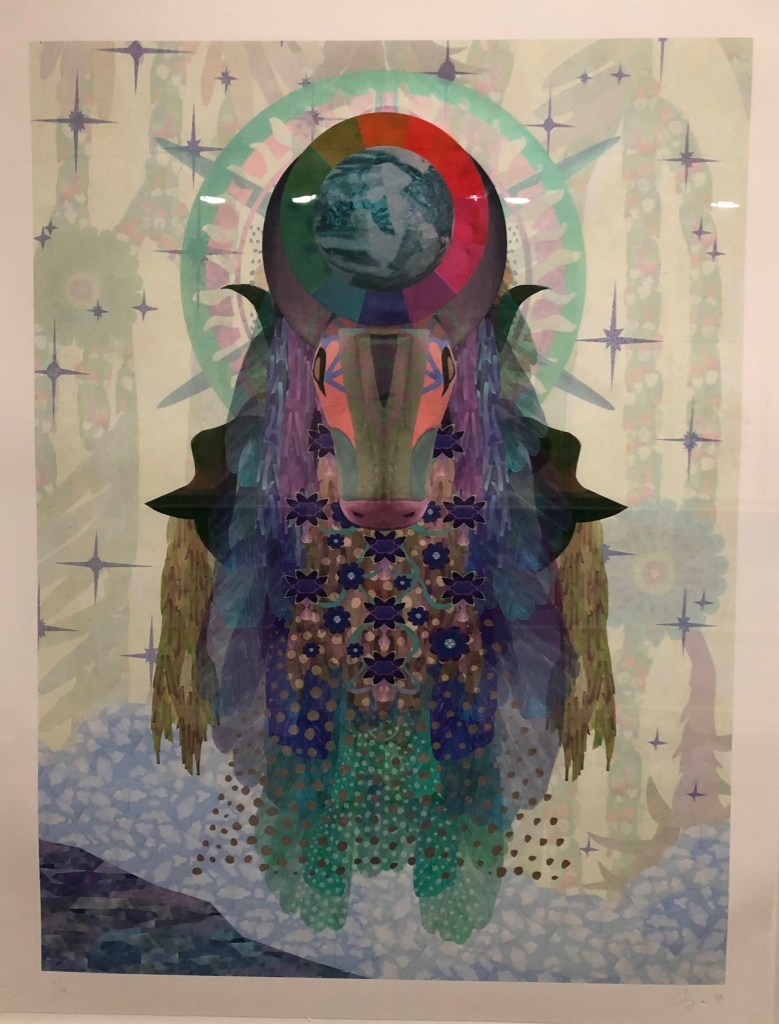
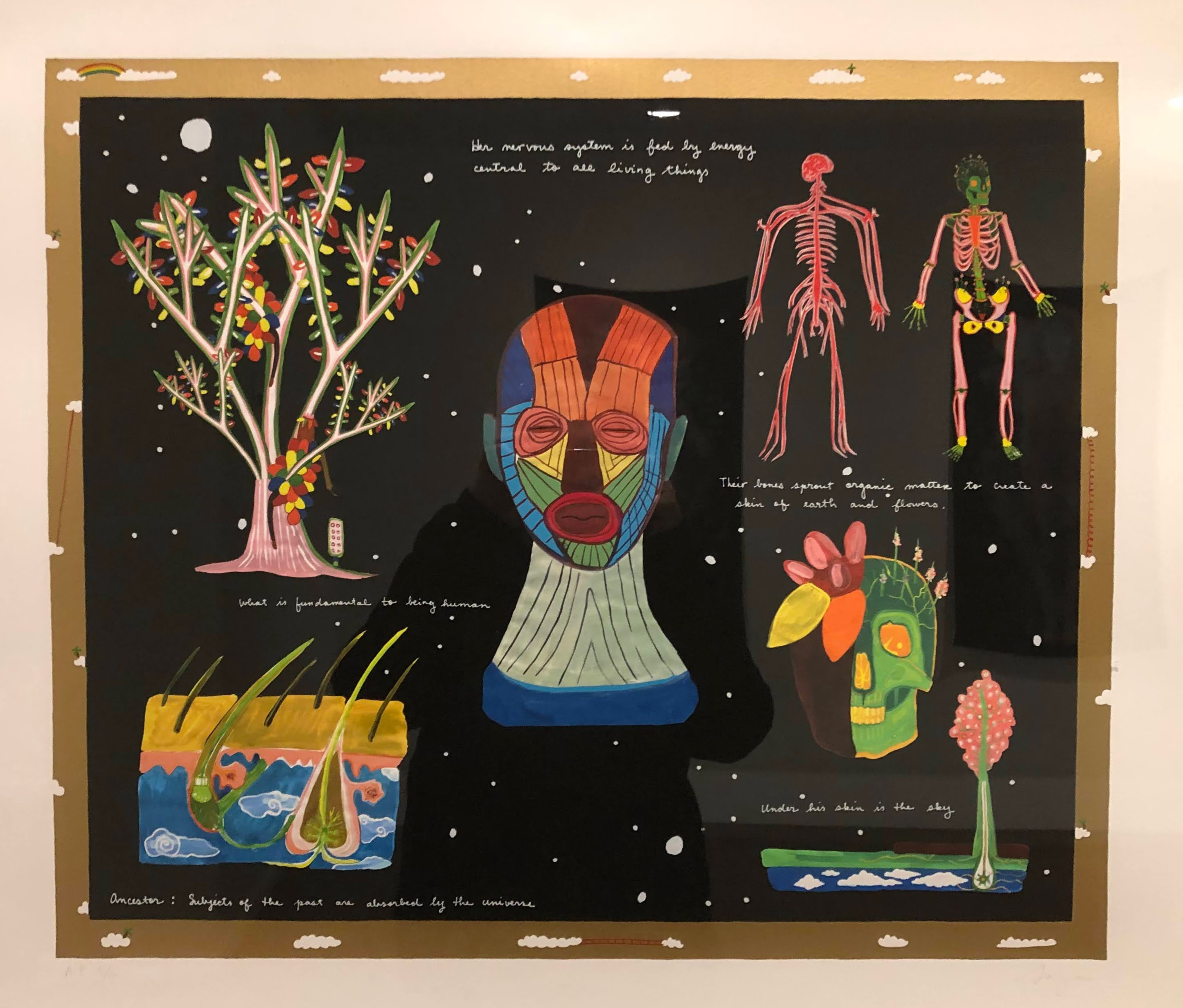
Big, Bright and Bold: Pop Crítico 1960’s-1980’s

Blanton Museum of Art, Austin, Texas

Go Go Go, Jorge de la Vega
Circe, Antonio Berni
Criminal Being Executed, Peter Saul
Mediodia, Antonio Berni
Dallas Chaos II, Peter Dean
Homo-Fragile, Luis Cruz Azaceta
Untitled, Emilio Cruz
Posted in Art | Tagged , , , , , , , , , , | 4 Comments

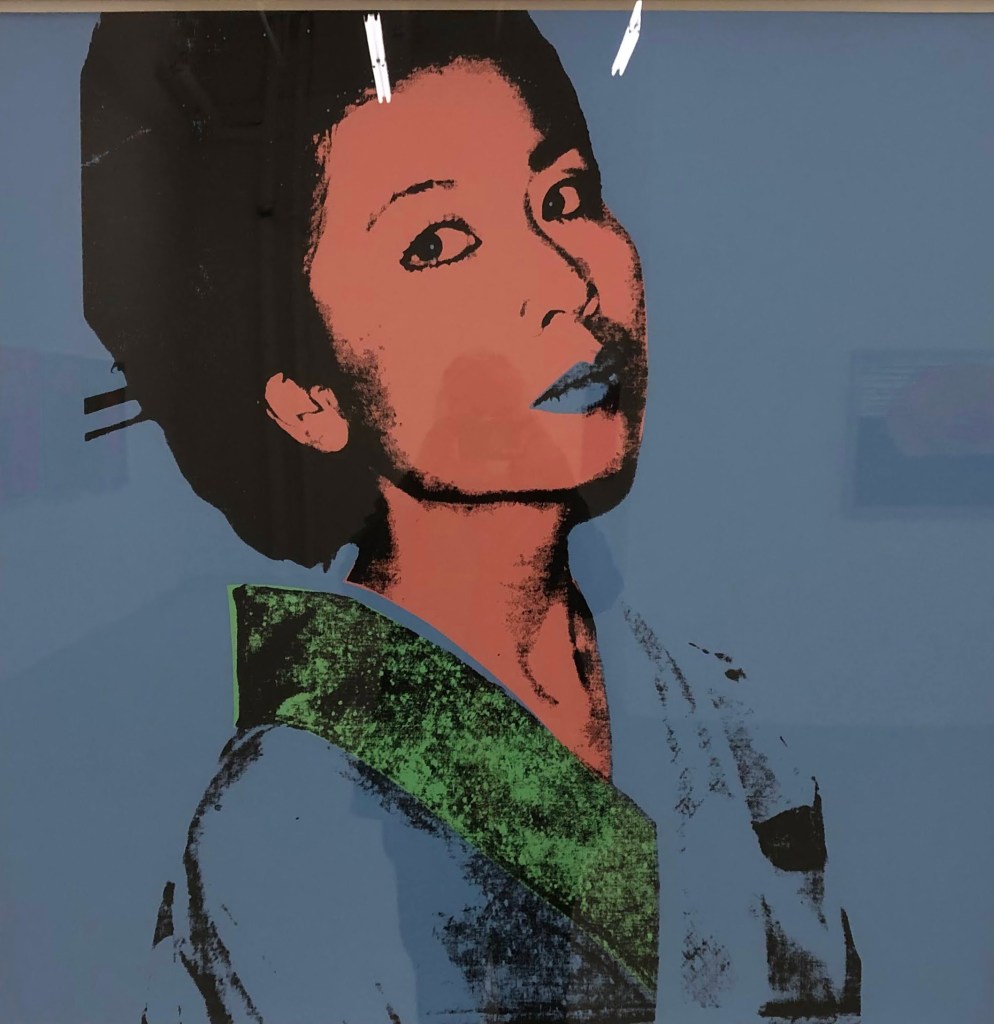
Famous Faces

Barack Obama, by Shepard Fairey
Congressman John Lewis, by Michael Shane Neal
Lily Tomlin, by Annie Leibowitz
Rosalynn Carter, by Rosalind Fox Solomon
The Return to Aztlan, Cesar Chavez, by Alfredo Arreguin
The Return to Aztlan, Cesar Chavez (with MIguel Hidalgo, Jose Maria Morelos and Dolores Huerta), by Alfredo Arreguin
Russell Means, by Andy Warhol
Betty Friedan, by Aiice Maurkin
Frederick Douglass, by George Kendall Warren
Abraham Lincoln, by George Peter Alexander Healy
Thomas Jefferson, by Charles Bird King
Stuart's Red, White and Blue George Washington, by Sante Graziani
Stuart’s Red, White and Blue George Washington, by Sante Graziani
Posted in Art | Tagged , , , , , , , , , , , , , , , | 5 Comments

Wildflower Sculpture Park

The Wildflower Sculpture Park sits on a modest stretch of open space in between the South Mountain Reservation Dog Park and the parking lot. I’ve rushed past hardly noticing being pulled by my dog, anxious to run and play in the enclosure. But when I did stop to take a look I found some pretty interesting works made by artists using all sorts of materials, even coat hangers.

The sculpture park was opened in 2012 by the South Mountain Conservancy. It got its name from the nearby Wildflower Preserve. There are a number of permanent works and four new pieces are added each year. South Mountain Reservation is an Essex County, N.J., park.

Catamount, Wendy Klemperer, salvaged steel
Almost, Lisa Sanders, bronze
Wave, Baker Allen
Wave, Baker Allen, aluminum and steel (that’s the dog park in the background)
South Mountain Bird Tower, Ben Pranger, concrete and steel
The Essex Column, Eric Beckerich
Flying Canoe, Harry H. Gordon, black granite

New in 2021

Sprore, Oki Fukunaga
Sprore, Oki Fukunaga, coat hangers
Spring, Christopher Spath, granite and glass
Ascend, Lee Tribe, steel and paint

Posted in Art | Tagged , , , , , | 7 Comments

2021 Movies Reviewed in Five Words or Less

The Best

Power of the Dog — intense and engaging with surprises

Belfast — great story, humanity transcends politics

Summer of Soul — joyous performances, best music doc

Jockey — a tough life, brilliantly filmed

Pretty good

A Hero — not really, just misperception

The Worst Person in the World — not really, just being independent

Drive My Car — long, slow and deeply thoughtful

Passing — true to novel, well acted

Julia — one of a kind, appetizing

Not So Bad

House of Gucci — imperfect but holds your interest

Spencer — a one-note song

Velvet Underground — more music please

The Lost Daughter — uncomfortable flashbacks and bad mothering

A Time to Die — standard all-action Bond unreality

The Many Saints of Newark — not on par with Sopranos

Roadrunner: A Film About Anthony Bourdain — barely remember it

Bad Luck Banging or Loony Porn — weird, explicit, timely and interesting

Not So Good

The French Dispatch — starts fast, fades faster

Sucks

Being the Ricardos — a disappointingly unconvincing Lucy

Posted in Uncategorized | Tagged , , , , , , | 3 Comments

The Best Books I Read in 2021

First of all, the usual disclaimer. These books may or may not have been written or published in 2021 (most weren’t). I just happened to read them this past year. They are roughly in order, starting with the best.

Where the Crawdads Sing, Delia Owens

Where the Crawdads Sing cover

Where the Crawdads Sing is a love story. A crime story. A coming of age saga. A courtroom drama. And a celebration of nature. It is an emotional, engaging, amazing novel that I ripped through.

It is about the life of Kya Clark. She lives in the marshlands of North Carolina in a town called Barkley Cove. Her mother walks out on the family when she is ten. She had four siblings but they all walked as well, the result of an abusive, violent father. The old man eventually disappears as well. Kya is left to fend for herself with only a ramshackle shack and a small boat at her disposal. She collects shells and feathers, feeds the gulls, keeps herself alive by harvesting and selling muscles and stays one step ahead of the truant officer and anybody else who tries to find her in the woods.
There are other characters. Chase Andrews is at one end of the socioeconomic ladder of Barkley Cove, son of the owners of the Western Auto store and star quarterback of the high school football team. At the other end is a black man known as ‘Jumpin’ who runs the marsh equivalent of a gas station convenience store in a section of town called ‘Colored Town.’

To say too much more about the plot or the characters involved would spoil a novel that provides a surprise at every turn. There are philosophical questions the book raises about how coming together with nature affects an individual’s desire and need for human interaction.

The author has a PhD in animal behavior. She is an award-winning nature writer having previously published books about wildlife and ecology. Add brilliant novelist to her credentials.

How Beautiful We Were, Imbolo Mbue

How Beautiful We Were cover

A great novel! The story of a small African village that sits atop a reservoir of oil and how an American oil company, complicit with the local government, befouled the air, poisoned the water and laid barren the land.

That’s not a new story but this is. It is written not just from the standpoint of the villagers but within the context of their world as they see it. This is a land where in one lifetime, slave traders came and seized them. In another lifetime, a rubber plantation enslaved them to work on their own land. And now they are free, free to watch their children die from the toxic environment.

This is a story of how they fight back. The people of the fictional land of Kosawa have no education, no resources and only machetes to face off with guns. What they have is guile and resolve. And a leader, an extraordinary woman whose life story unfolds as part of this tale.

The “we” in How Beautiful We Were is the villagers. The “were” is about a way of living with no future. Kosawa has medicine men and spirits. The villagers can seem superstitious. They can seem wise. They are indeed beautiful.
(less)

Shuggie Bain, Douglas Stuart

Shuggie Bain cover

Shuggie Bain grows up amidst poverty, domestic violence, alcoholism, and bullying. He lives in government housing in a mine town where the mine is closing up shop. The neighborhood is so bad the neighbors ridicule Shuggie and his desperate, alcoholic mother Agnes as being posh. It’s 1980’s Scotland. You’re Celtic or Rangers. Protestant or Catholic.

If you’re looking for a story of peace, love and understanding, this is not the book for you. It is the definition of gritty. Hopelessness is another word that comes to mind. Shuggie gets routinely kicked around in the schoolyard. Agnes gets kicked around by just about every man she encounters.

There are two central themes. One is alcoholism and it’s brutal. If you think you drink too much, read this. You’ll probably quit. The other is the relationship between Shuggie and his mother. While somewhat short of heartwarming, it perseveres.

This is a terrific novel that deserves all the praise it has gotten. It is partly written in a working class Scottish dialect which helps create the atmosphere. (Children are weans, as in wee ones.) There are no heroes in this story. Just a lot of humans. 

Boom Town, Sam Anderson

Boom Town cover

It’s hard to explain why I bought a book about a city that I have no connection with, had no particular interest in and that I only really expected to flyover. But I’m glad I did.

Boom Town is simultaneously a snapshot of Oklahoma City in 2013 and a history of what Anderson calls “one of the great weirdo cities of the world.” Oklahoma City was started with a “Land Run.” What’s a land run? It’s when a collection of settlers, prospectors and opportunists gather near the train tracks and, at the sound of a bugle, hustle out to lay stake to a piece of land, dry, windy and sweltering though it may be. Somehow that land run seems to explain so much of what would happen over the course of the city’s history.
Boom Town really booms and busts. Most of the booms have something to do with the oil industry. Some of the busts do too, though there’s also the grandiose and failed plans of various municipal officials, like the urban renewal project that ended up turning most of downtown into a parking lot.

There is a rich history of characters. Wayne Coyne, the lead singer of the rock band Flaming LIps, once organized a paint bucket brigade to walk through the streets of the city with leaking paint cans of every color of the rainbow. Clara Luper was a history teacher who with her 15-year old students sat in at every eating establishment in the city until, one by one, she had almost single-handedly ended segregation in Oklahoma City. For some 20 years, the town planner was a transplanted Australian who bemoaned the fact that to Oklahomans, something as simple as zoning laws was considered communism.

This is also a place where black soldiers heading off to World War I carried signs saying “please don’t lynch our relatives while we’re gone.”

There’s also a whole lot of basketball in this story, specifically the Oklahoma City Thunder. For a city with an inferiority complex, a city that feels a desperate need to prove it is major league, the town’s only big time professional sports team has a level of importance beyond what you will find in most places.

Anderson also has penned a stunning and heartbreaking description of the 1995 bombing of the government complex. It is not something I’ll soon forget.

“I had come to believe in Oklahoma City as a radical experiment in something– an expression of American democracy or American foolishness,” Anderson says. Whatever, this is a well-written and interesting book. You never know, I might end up booking a trip to Oklahoma City after all.

The Falcon Thief, Joshua Hammer

The Falcon Thief cover

In May of 2010 at an airport in Birmingham, England, a janitor alerts security to a man who has been in the shower of an airport lounge for 20 minutes without ever turning the water on. Counter-terrorism officers corral Jeffrey Lendrum and when they force him to take his shirt off they find eggs rapped in socks taped to his midsection. A call goes out to Andy McWilliam of the National Wildlife Crime Unit who heads to the airport where he identifies the eggs as those of the rare and endangered peregrine falcon. Lendrum is arrested. He will be prosecuted, found guilty and jailed.

The Falcon Thief is the story of these two men and how they got to this moment. Lendrum is from a part of Zimbabwe which when he grew up was called Southern Rhodesia. Even as a boy, Lendrum was climbing trees and stealing eggs out of birds’ nests. As an adult he has a checkered career that flirted above and below the line of legality. He tried various hustles like selling aircraft parts and importing African crafts to England. But where he saw his money was in poaching the eggs of raptors. He did this in Europe, in Africa, in Canada, in Brazil. We read of his exploits in the Canadian north climbing down a rope dangling from a helicopter to reach falcon nests on the side of cliffs.

McWilliam is a career law enforcement agent. After 31 years as a cop in Merseyside, he decided to make a change and would become part of the National Wildlife Crime Unit when it was launched in 2006. McWilliam would go on to have a noteworthy career uncovering egg collectors, rhino horn robbers, badger baiters and various other enemies of wildlife.

The third part of the puzzle is more of a mystery. Who makes this a potentially lucrative venture? The money comes from rich Arab sheikhs, who at one time courted birds of prey for hunting parties, but after nearly driving the prey extinct, became obsessed instead with raptor races. Convinced that wild birds would be faster and more aggressive than any they could breed, they were the bankrollers of Lendrum and presumably others’ operations.

This is a meticulously researched story, told with enough detail to make any detective envious. It uncovers a world that most of us don’t know too much about, making it all the more interesting.

The story doesn’t really end with the Birmingham arrest. I don’t think it spoils the book to say that the aftermath of that incident suggests that this kind of egg poaching is not just an obsession but maybe even an addiction.

-0-

The Best Books I Read in 2020

The Best Books I Read in 2019

The Best Books I Read in 2018

Posted in Book reviews | Tagged , , , , , , , | 7 Comments

Operation Sojourner: Spies in the Pews

“PIlar Martinez, a Catholic lay worker in El Salvador, accompanied Archbishop Oscar Romero to the chapel where he was murdered in 1980. She later worked with Jean Donovan, one of the four American churchwomen who were killed there later that year. Pilar herself was seized by the military and tortured for three months, during which time she was handcuffed to her four-year-old daughter Mila. Finally, both were thrown atop a heap of bodies on the back of a truck and driven to a burial site. They threw themselves off the truck, escaped and began a trip north. In early 1983, they found sanctuary at the University Baptist Church in Seattle, Wash. Mila, still suffering the psychological effects of torture, has improved with psychiatric care. Last summer, Pilar’s sister-in-;aw Elba, 26, and her two small children, 10 and 12, escaped from El Salvador after Elba’s husband was shot by a death squad. Secretly crossing the Arizona border, they found refuge at the Southside Presbytrian Church, a sanctuary in Tucson. The children were hidden in a trailer on the ride to Los Angeles, the next leg of the trip. Jesus Cruz, an engaging older Mexican-American who helped out around the Tucson sanctuary, kept them company. Eventually, the family was reunited in Seattle and settled anonymously in a private apartment. 

“In late December, Cruz called the University Baptist Church and asked for the childrens’ address so he could send them a Christmas present. The receptionist said she didn’t know the address but gave him the phone number. Cruz called the apartment and the children answered. They told him where they lived. On Monday, Jan. 14 at 8 a.m., the present arrived in the form of three agents of the Immigration and Naturalization Service. They threw the door open and took the two women and the children to jail.” (LA Weekly, Feb. 7, 1985)

(Image by Andrew Schultz)

In the early 1980’s, the Central American countries of El Salvador, Guatemala and Nicaragua were beset with civil wars, bloody coups, gangs, death squads and ruthless dictators. The result was a steady stream of escapees like Pilar Martinez and her family. They made their way through Mexico to the U.S. border where they hoped to be granted asylum.

But the bloody dictators who ruled those Central American countries were considered allies by the Reagan Administration because they were fighting leftist insurgents, or, in the case of Nicaragua, they had just toppled a socialist government. So the government was loath to concede the nature of the regimes they were supporting. Rather than acknowledge the violence and human rights violations the migrants faced, they were pronounced economic refugees and as such were not qualified to be granted asylum. All but about 3 percent of the asylum applications of Salvadorans and Guatemalans were denied.

This situation gave rise to the Sanctuary Movement. It started at the Southside Presbyterian Church in Tucson, the one where PIlar’s sister-in-law Elba originally found refuge. During the 80’s the movement grew rapidly, eventually including some 500+ congregations that included Catholics, Jews and multiple denominations of Protestants. The Sanctuary Movement did not operate in secret, they were openly challenging the way U.S. immigration and refugee policies were being implemented and were working to change those policies.

immigration posters

Operation Sojourner was a joint project of the FBI and Immigration and Naturalization Service (INS). It was the brainchild of INS Commissioner Alan C. Nelson who thought it was a way to crush the Sanctuary Movement. And Jesus Cruz was just the guy he needed.

Cruz and a man he described as his nephew, Saloman Graham, according to the Miami Herald (Nov. 7, 1985), “became informants in 1980 after being implicated in an alien-smuggling ring run by two Bonita Springs, Fla., contractors. According to depositions, Cruz and Graham agreed to work for the government in exchange for immunity from prosecution.”

The two befriended sanctuary workers and Central Americans. The Herald reported that “The informants ate in their homes. They attended sanctuary strategy sessions. Cruz even transported refugees from border safe houses to churches along the underground railroad.”

The Rev. John Fike, pastor of the Southside Presbyterian Church and one of the founders of the Sanctuary Movement, told the Herald, “Jesus showed up at my church one afternoon. Jesus presented himself as this nice little man eager to be helpful to refugees. I took him at face value.”

U.S.-Mexico border
U.S.-Mexico border, Campo, Calif. (Image by Greg Bulla)

What he was doing was recording church meetings and religious services and copying license plate numbers from cars in the churches’  parking lots. He also joined a Bible Study group of Salvadoran and Guatemalan refugees at the Arizona Lutheran Church in Phoenix, another sanctuary church. 

According to an AP story on Oct. 24, 1985, ten congressmen sent a letter to Nelson urging him not to prosecute Sanctuary Movement personnel. Nelson responded, “There will not be any special targeting of any particular individuals or groups for prosecution. Consistent with past and existing policy, INS ordinarily does not enter churches.‘’ In other words, he flat out lied.

Based on the evidence Cruz and other informants gathered, 16 individuals were indicted on charges relating to transporting and harboring illegal aliens. They included Fife, Sanctuary Movement co-founder James Corbett, two priests and a nun. Also included were about half the members of the Lutheran Church Bible Study group.

In a paper published in the University of St. Thomas Law Journal by Law Professor Kristina M. Campbell, she called the case “a startling example of government overreach and overzealous prosecution of non-violent people of faith and conscience.”

James Oines, pastor of Arizona Lutheran Church, said from the stand that he no longer holds Bible study classes because some members of his congregation are afraid to come to the church. “They no longer have faith that the person sitting next to them is revealing his true heart. The deepest aspect of their faith and trust was violated. It turned out that we were as gentle as doves but not so wise as serpents.” (WashingtonPost, June 14, 1985)

Six of the defendants, including Fike, were found guilty of conspiracy to smuggle Central American refugees into the U.S. Three were convicted of lesser charges and two were acquitted.

The judge in the case was bombarded with letters urging leniency in sentencing. They included letters from 47 congressmen.  He ended up giving them all suspended sentences.

Operation Sojourner not only failed to upend the Sanctuary Movement, it made it stronger and increased public awareness and support.

-0-

Other immigration and refugee posts:

Welcoming with One Open Arm

The Forty-Eighters: Immigrants for Social Justice

‘I Know Nothing.’ The Politics of Xenophobia in the 19th Century

Morality, Sexism or Racism?: The Page Act of 1875

Is This the Most Discriminatory Act of Congress Ever?

Ethnocentrism and the Roaring Twenties

FDR’s Black Eye

‘There are the right kind of boat people, it seems, and the wrong kind.’

1980: Good Times/Bad Times for Those Seeking Asylum in the U.S.

It All Started at a Little Church in Tucson

Posted in History | Tagged , , , , , , , , , , , | 2 Comments

It All Started at a Little Church in Tucson

The Southside Presbyterian Church is located in a barrio, about a mile outside of Tucson. It was founded in 1906 as a church for the native Tohono O’odham people. But it also served Chinese and Mexican people. To this day it prides itself on its diversity. The church website describes its congregation as “a diverse mix of Native Americans, Latinos, Caucasians, African Americans and others.” It also prides itself on being ground zero for the Sanctuary Movement.

Decades later, in an interview with Reflections, a publication of the Yale Divinity School, Southside’s minister at the time, Rev. John Fike, recalled: “I was pastor in a borderlands community in Tucson. The context was clear. This was when Central American refugees were escaping the death squads, yet our government was deporting them back to those countries and back to those death squads. Personally it took some prodding from a Quaker friend before I could really see the situation. My friend reminded me of the churches’ failure to protect Jewish refugees in the 1930s, and he said we can’t let that kind of human rights failure happen on the border in our time. I realized it meant I had to accept responsibility as a pastor to talk about the ethics of sanctuary to my congregation.”

Garita de Otay border crossing
North of Garita de Otay border Crossing, US Side, 1997.

The Quaker friend who Fike referenced was James A. Corbett, a Harvard-educated rancher living in Tucson. The two are credited with being founders of the Sanctuary Movement. In March of 1982, two banners were hung at the Southside Presbyterian Church. One read “This is a Sanctuary for the Oppressed of Central America.” The other “Immigration: do not profane the Sanctuary of God.”  

Speaking to Arizona Public Media decades later, church elder Leslie Carlson recalls the moment: “One day somebody said, ‘We need help,’ and I knew that people’s lives were at stake, and I knew that it was something I could do, and I felt the call to do it.”

Overall, the volunteers of the Southside Presbyterian Church aided some 13,000 Central American immigrants, providing food, shelter and transport. The church’s website notes “the Sanctuary Movement sought to remind the United States government of our core values and hold up the truth, that the US was directly supporting with arms, money and training the dictatorships and death squads of Central America.”

Mexican-American border at Negales, Mexico and Negales, Arizona

The movement spread quickly. In another part of town the Sacred Heart Catholic Church of Tucson worked with the Sanctuary of Our Lady of Guadalupe in Mexico to get refugees across the border and shelter them. The Dominican Sisters of the Congregation of the Sacred Heart announced that they would provide sanctuary to undocumented aliens. Five congregations in Berkeley, Calif., declared their commitment to protect and defend Guatamalan and Salvadoran refugees.

In all the Sanctuary Movement would include more than 500 congregations of all denominations. They were Lutherans, Baptists, Methodists, Jews, Catholics, Mennonites, Quakers and Unitarians. Corbett told the New York Times (May 6, 1986): “The fact that it has grown as much as it has is a reflection that we’re drawing on the most deep-seated religious traditions in Western civilization.” They established a kind of modern day underground railroad, shuffling refugees from one church to another until they reached safe houses in Canada. Some 44 Salvadorans lived for several years in the University Baptist Church in Seattle where two babies were born. By 1987 there were 440 declared sanctuary cities as well as the entire state of New Mexico.

Several national religious organizations put forth statements of support. The Rabbinical Assembly in 1984 announced that it “endorses the concept of Sanctuary as provided by synagogues, churches and other communities of faith in the United States.” That same year the American Lutheran Church “Resolved, that The American Lutheran Church at its 1984 General Convention offers support and encouragement to congregations that have chosen to become refugee sanctuaries.”

Fike, Corbett, Father Padre Ramón Dagoberto Quiñones, the head priest of the church in Guadalupe, and several other Sanctuary members were indicted and found guilty of alien smuggling charges in 1986. Fike declared at a press conference afterwards: “”I plan for as long as possible to be the pastor of a congregation that has committed itself to providing sanctuary.” Most received suspended sentences.

The Sanctuary Movement faded in the 1990’s, having largely achieved its goals with Congress passing legislation allowing Central Americans in the U.S. to apply for permanent residence. However, a New Sanctuary Movement sprung up during the Obama Administration in response to a growing number of deportations. It continued to grow due to the border policies of Trump. Speaking with Arizona Public Media in 2017, Fike, who is now retired, commented: “Here we are again. Our responsibility as people of faith, here on a border, is to learn from that history and to protect the victims as much as we can.”

Southside Presbyterian, recalling that history, says on its website “That legacy continues today, as we work within the present-day Sanctuary Movement to resist policies that target, criminalize, and deport undocumented immigrants.”

Sign outside First Congregational Church, Montclair, N.J. 2017
Sign at First Congregational Church, Montclair, N.J. 2017
Posted in History | Tagged , , , , , , , , | 6 Comments