The Treachery of Images. De ne pas etre une pipe (this is not a pipe). Of course it isn’t, it’s an image of a pipe.
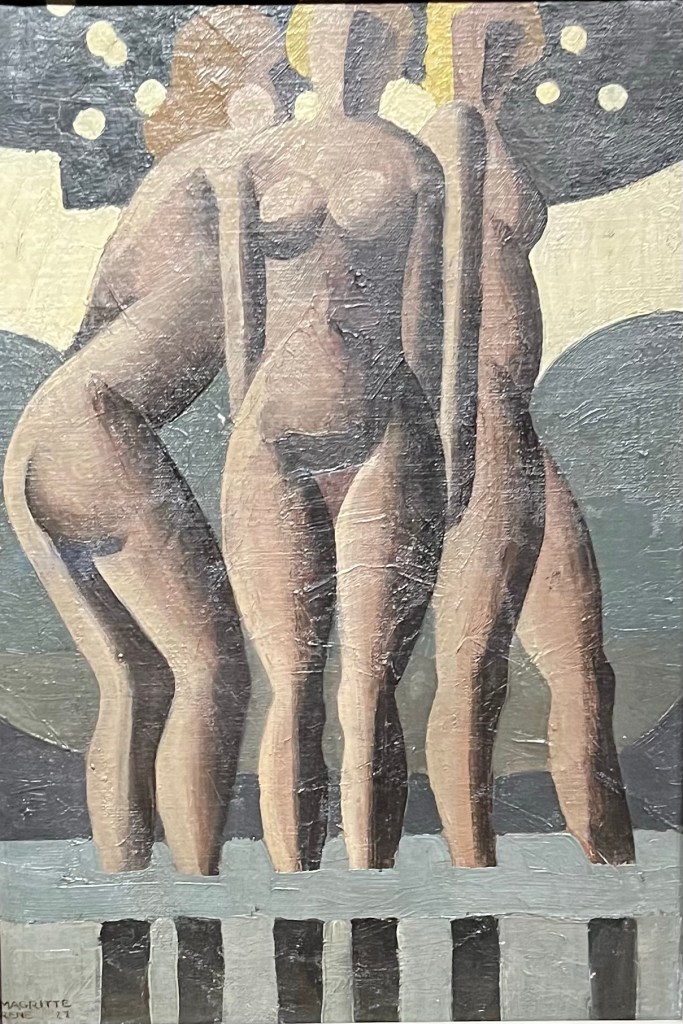
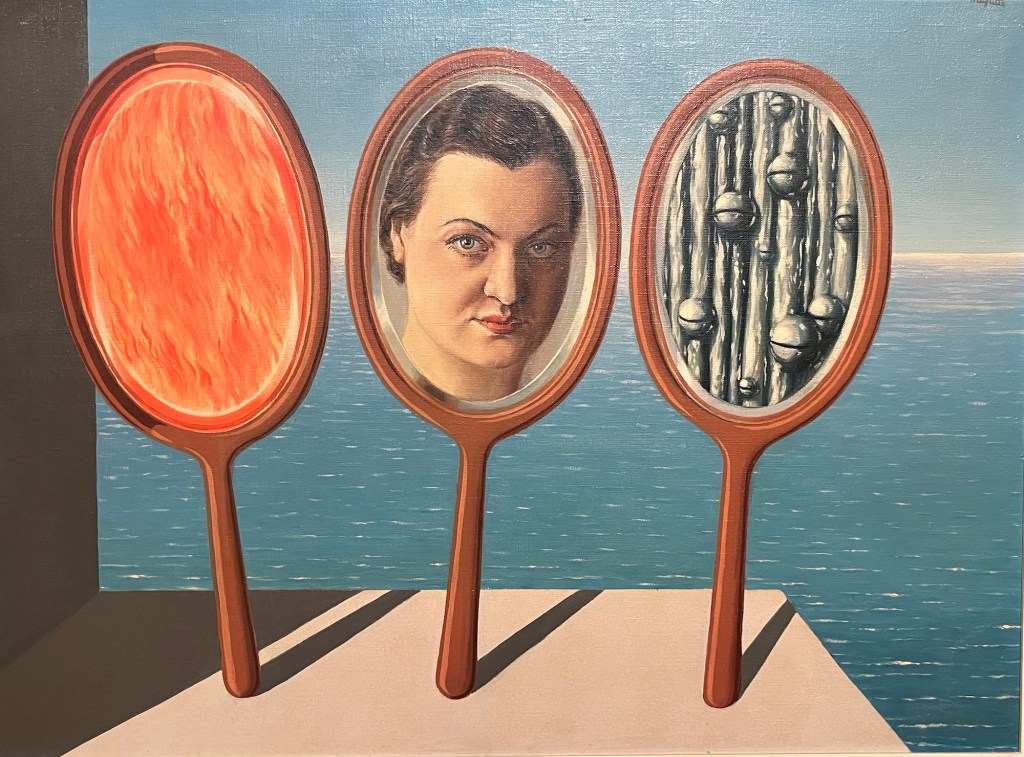
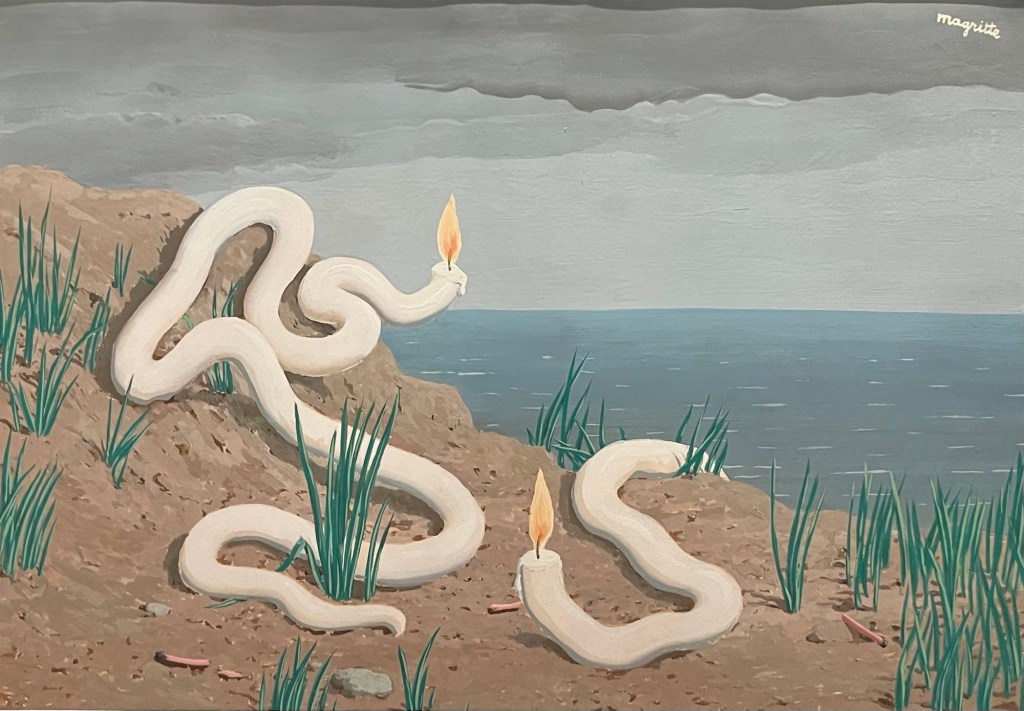
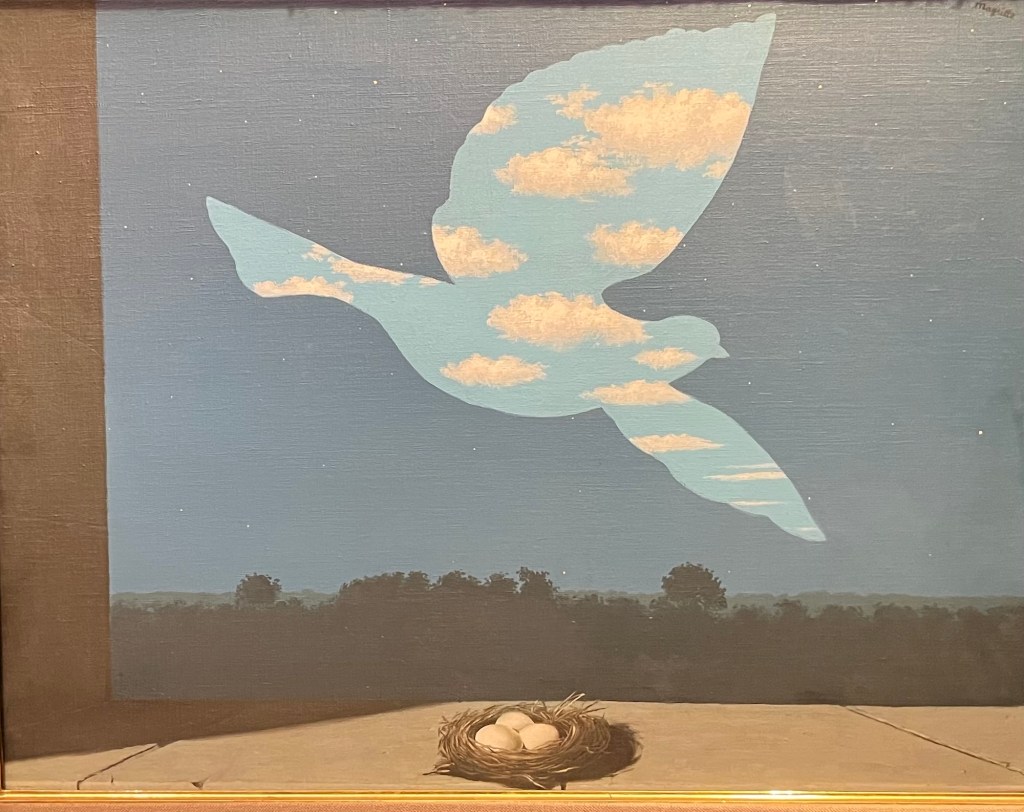
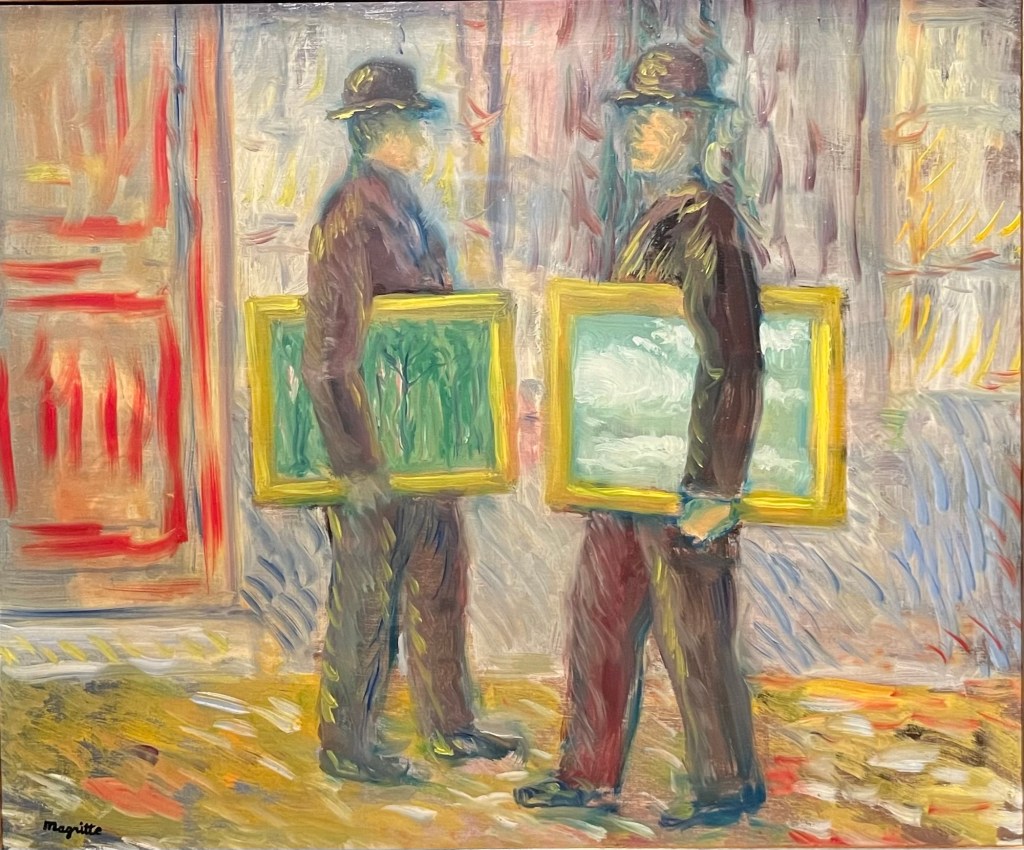
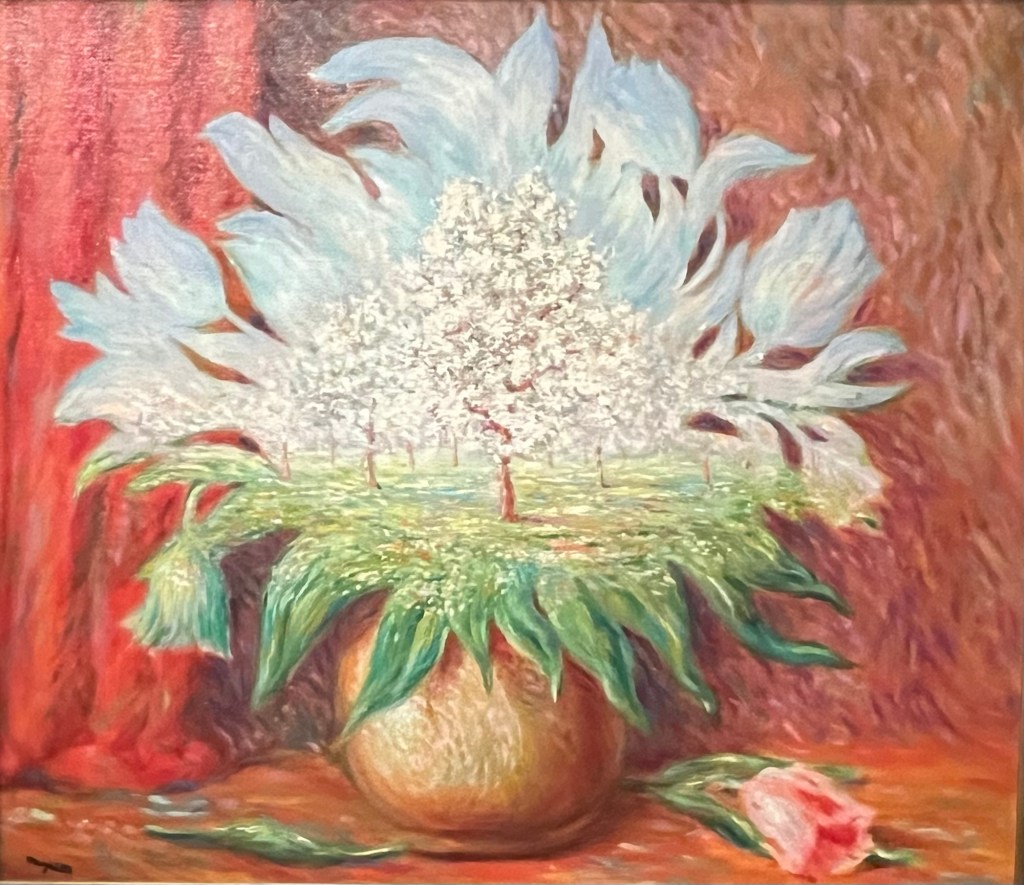
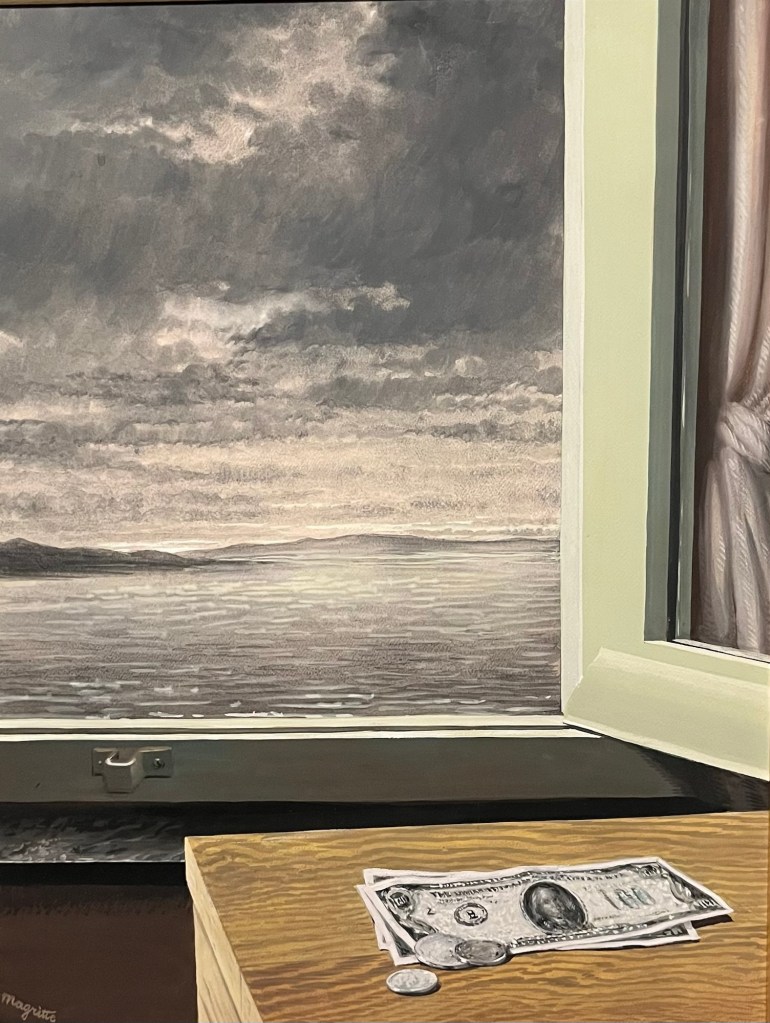
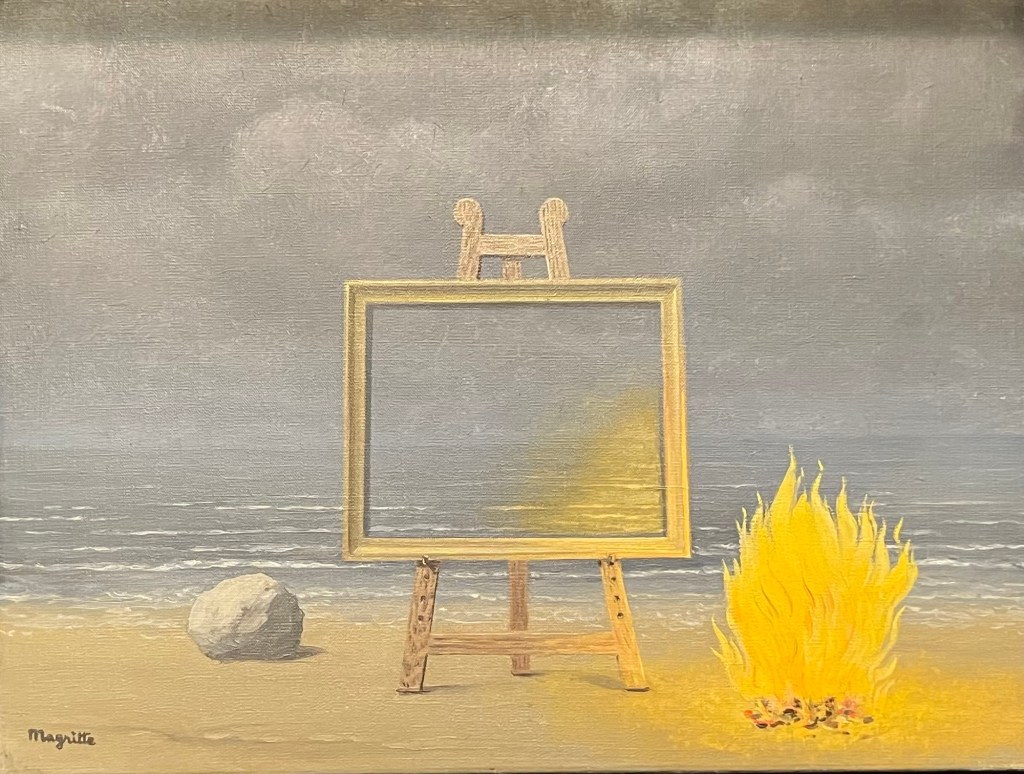
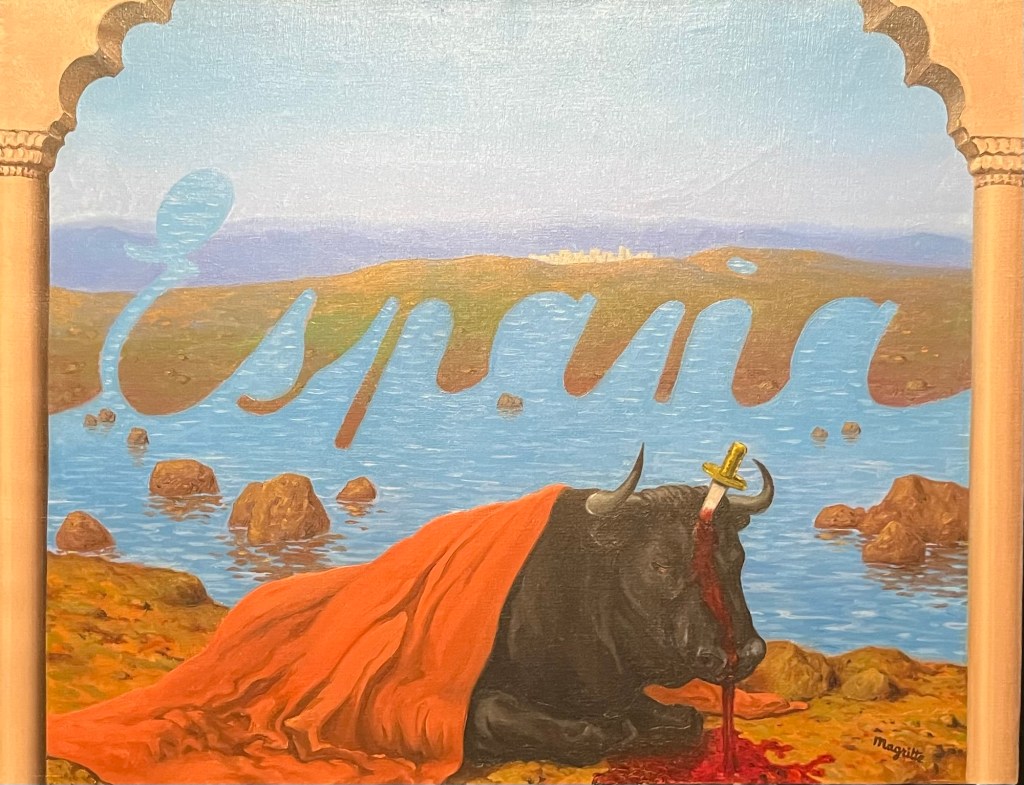
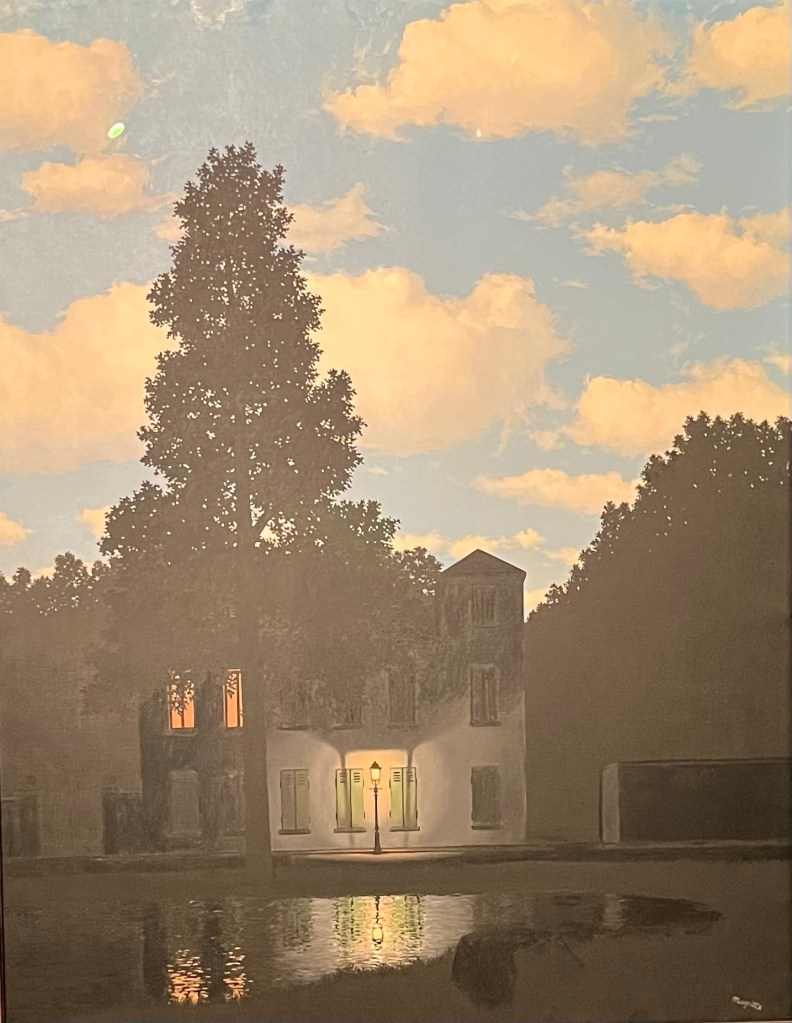
The Belgian painter Rene Magritte is one of my favorite artists. So it’s not surprising that on a recent visit to Brussels the Magritte Museum was my first stop. Magritte is primarily known as a surrealist and is considered one of the founding fathers of that movement in art. His paintings often portray everyday objects in a not-so-everyday context. In this museum you will find a few different styles that Magritte explored. He painted portraits (we all have to make a living right?), some impressionist-like pieces, and during the Nazi occupation of Brussels, adopted a more colorful style without his customary surreal elements. These images of Magritte’s works from the museum are presented in chronological order to show how he evolved as an artist. (ce ne sont pas des peintures de Magritte.)
Bathers 1921
Femmes 1922He is not Speaking, 1926Countryside, 1927Portrait of Irene Hamolr, 1936Forbidden Literature, 1936The Cultivation of Ideas, 1937Image of Meditation, 1938-39The Return, 1940The Fifth Season, 1943The Dance, 1943Anatomy Lesson, 1943The Cut-Glass Bath, 1946The Fissure, 1949The Fair Captive, 1950The Art of Conversation, 1950The Art of Conversation, 1951Le Carousel d’Esclamonde, 1953Empire of Light, 1954The Breast, 1961The Domain of Amheim, 1962Good Faith, 1964-65The Blank Page, 1967
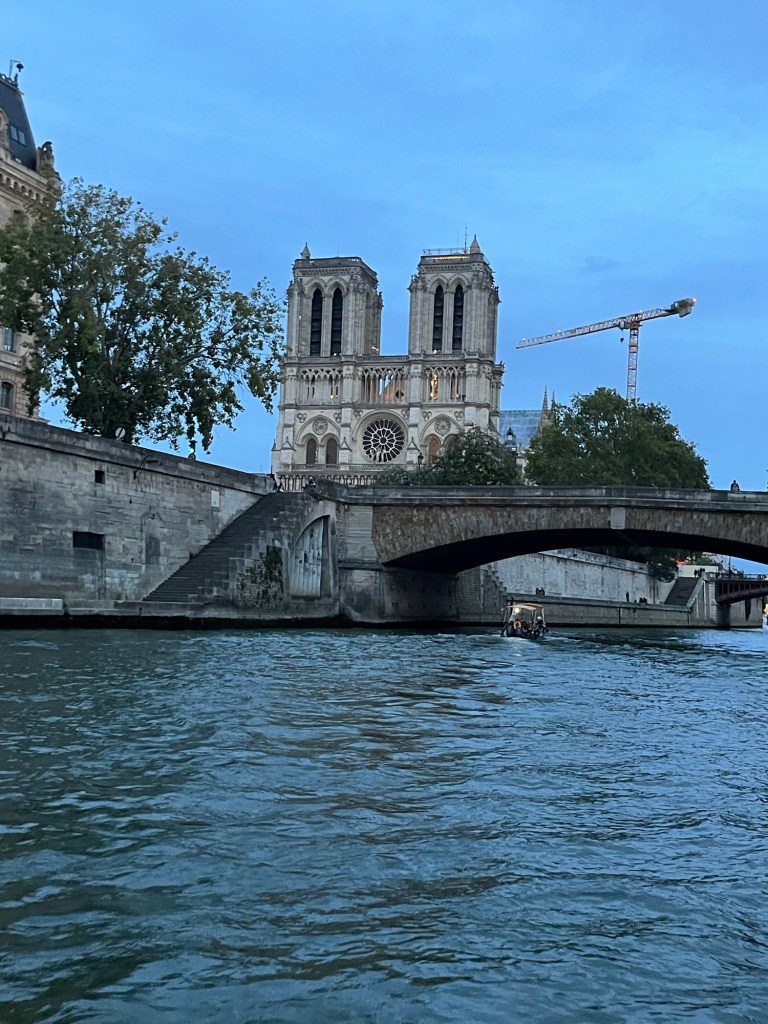
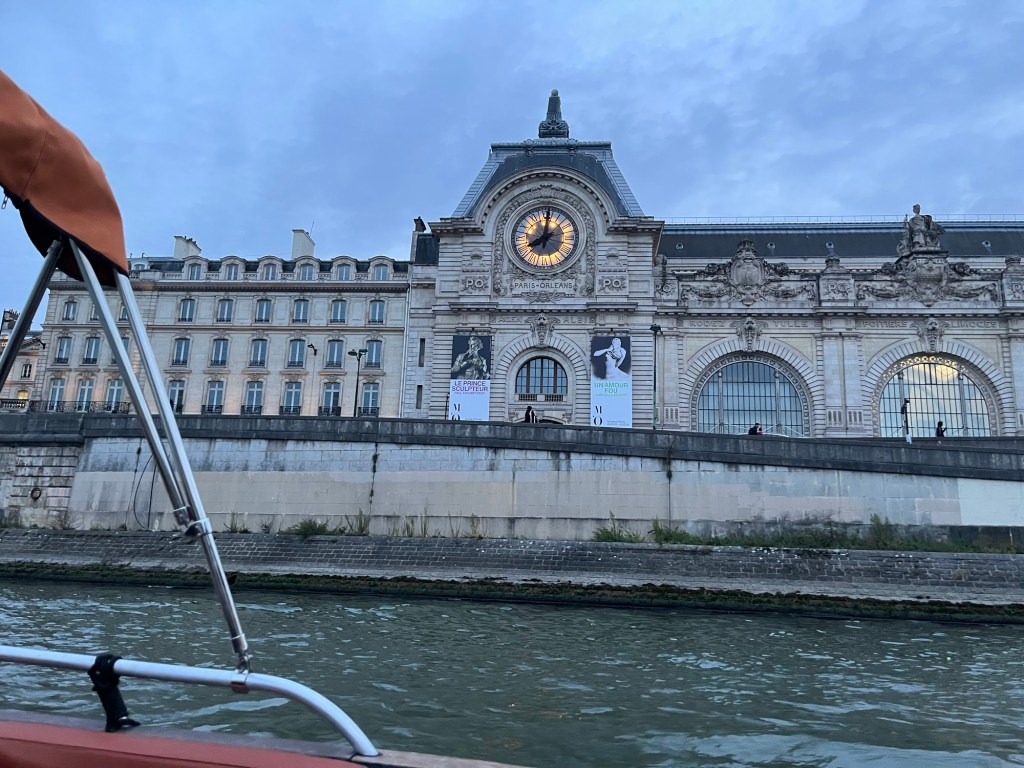
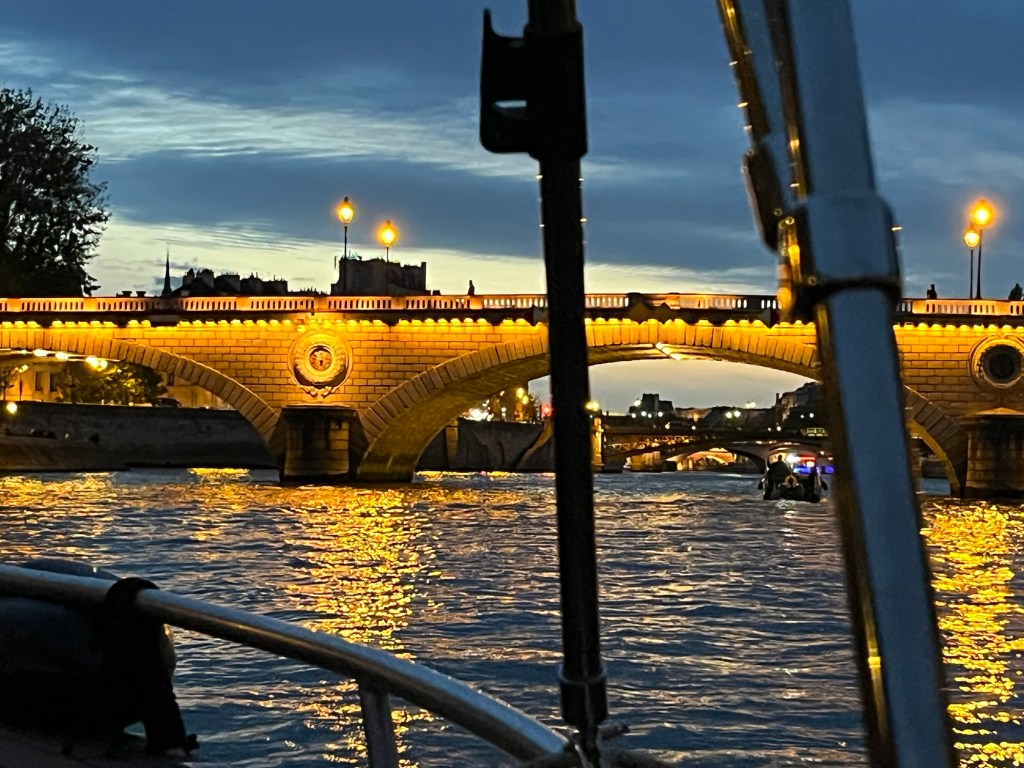
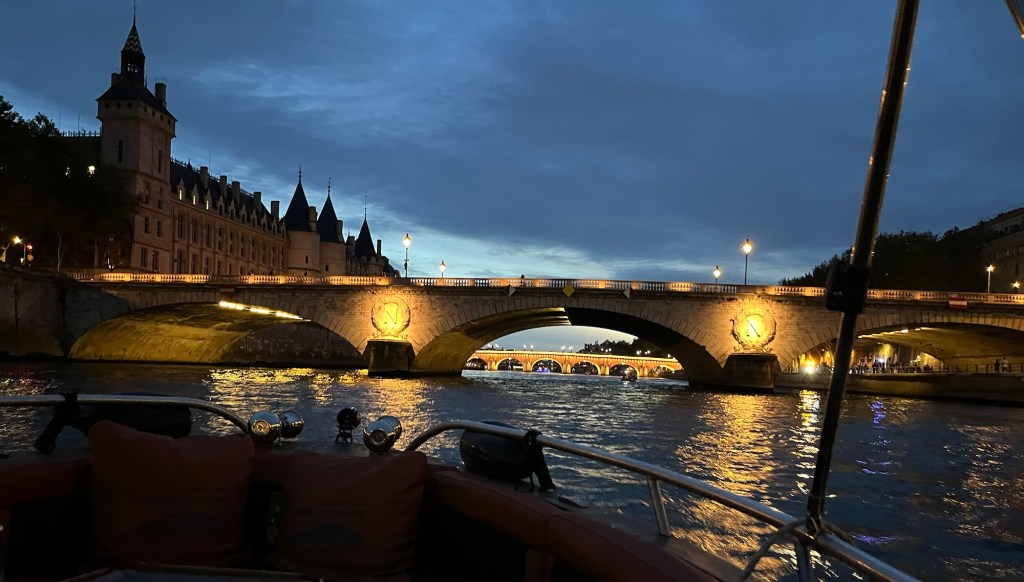
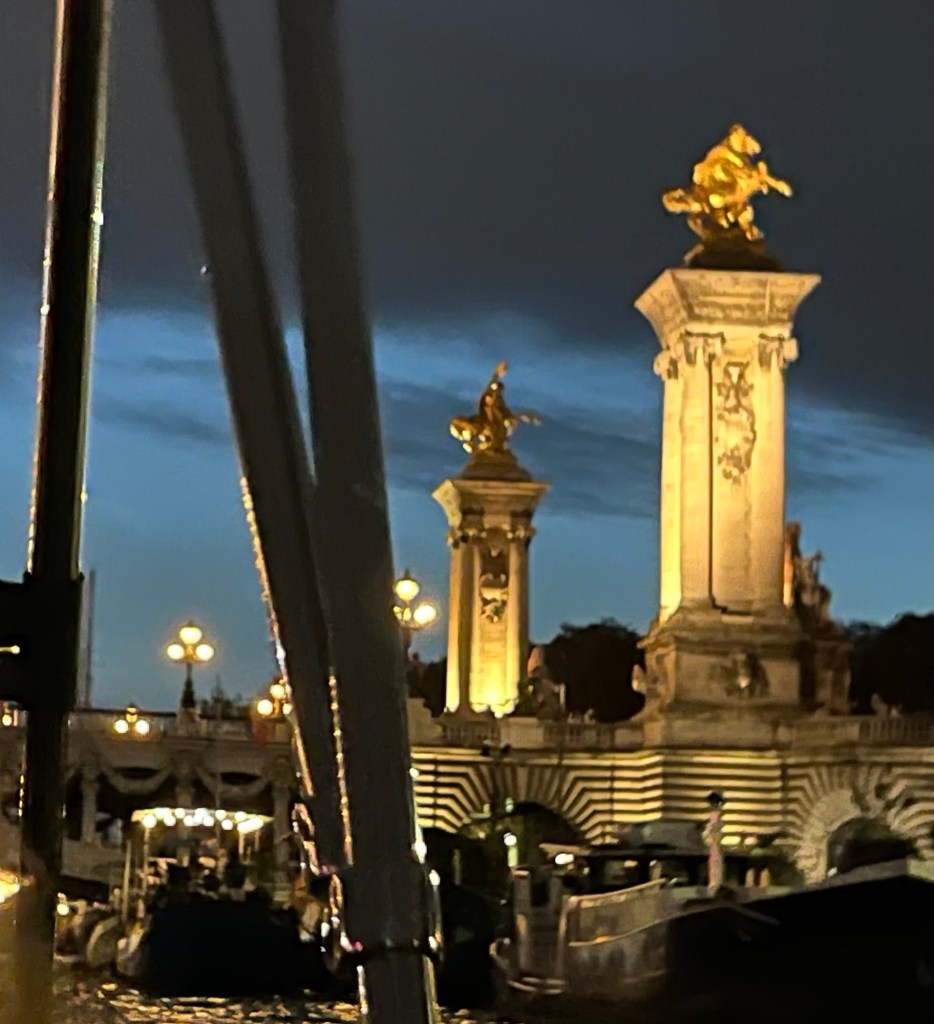
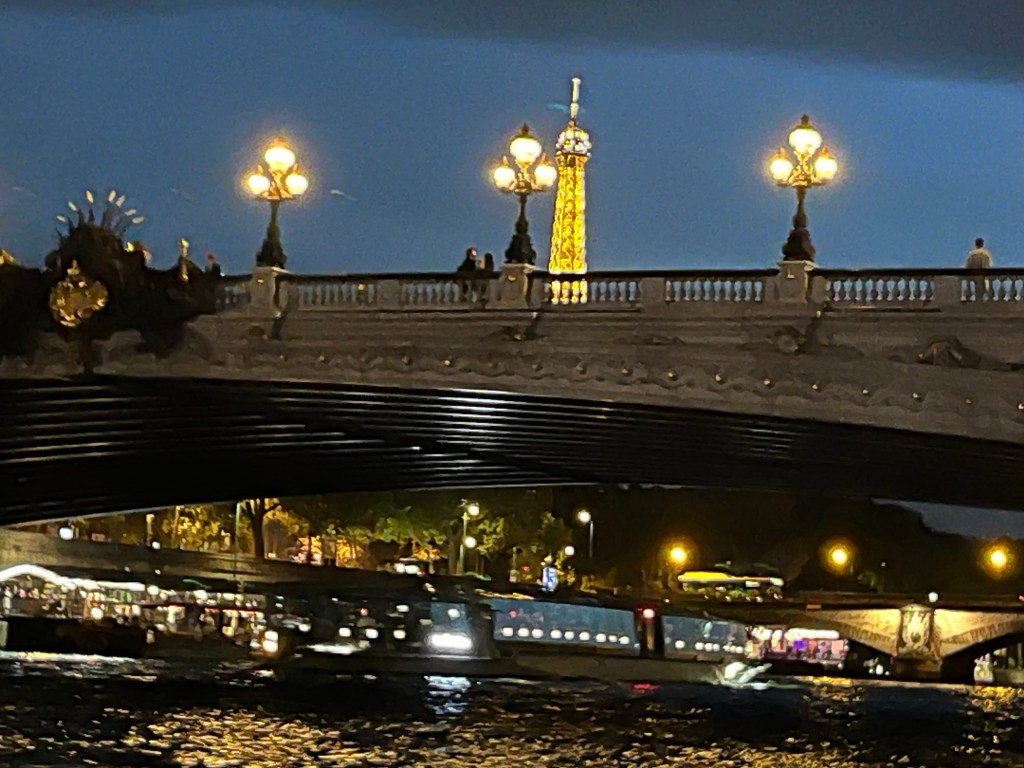
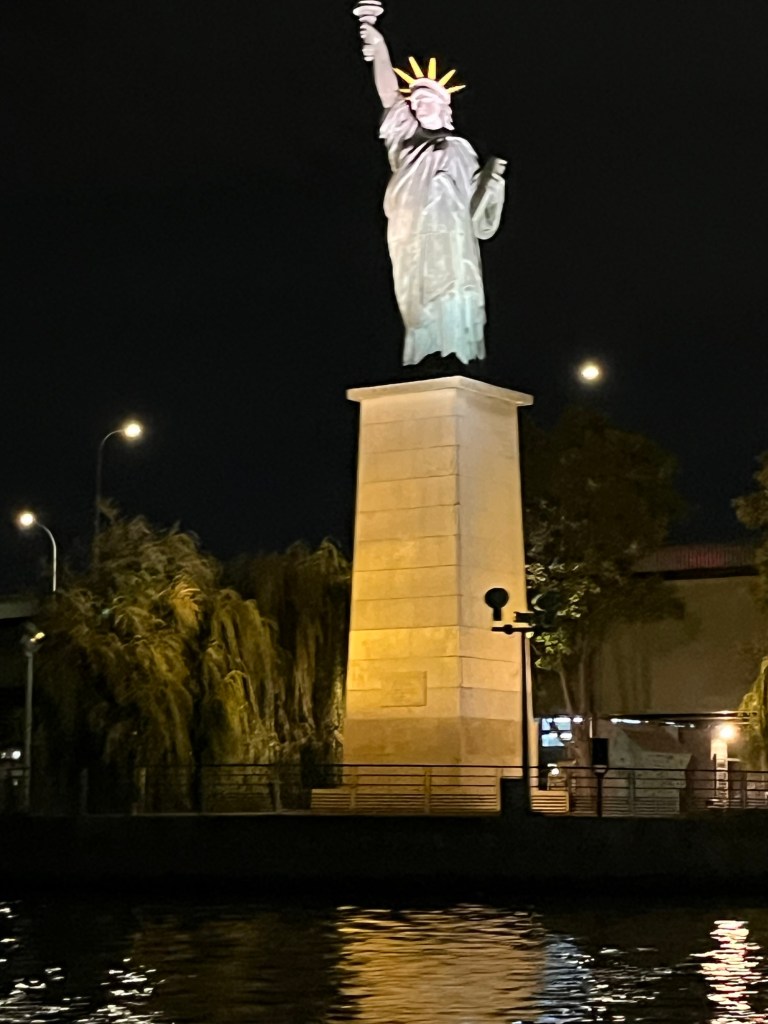
One of the hopefully lasting legacies of last year’s Paris Olympics is that you can now swim in the Seine. Though I’ve heard it’s pretty cold. On a cool September night I opted for a boat. Not having to worry about keeping myself afloat, I got to take in some of the numerous bridges over the Seine, as well as a few Paris landmarks, as nightfall came over the river.
Notre DameLouvre d’Orsay Palais de la Légion d’Honneur
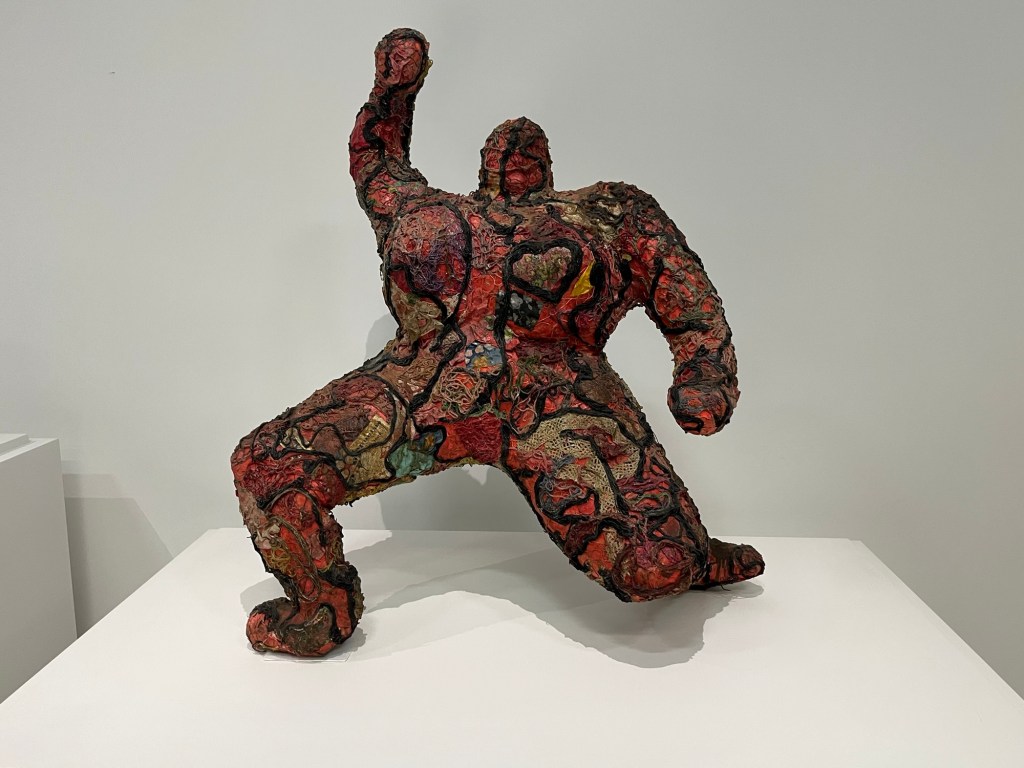
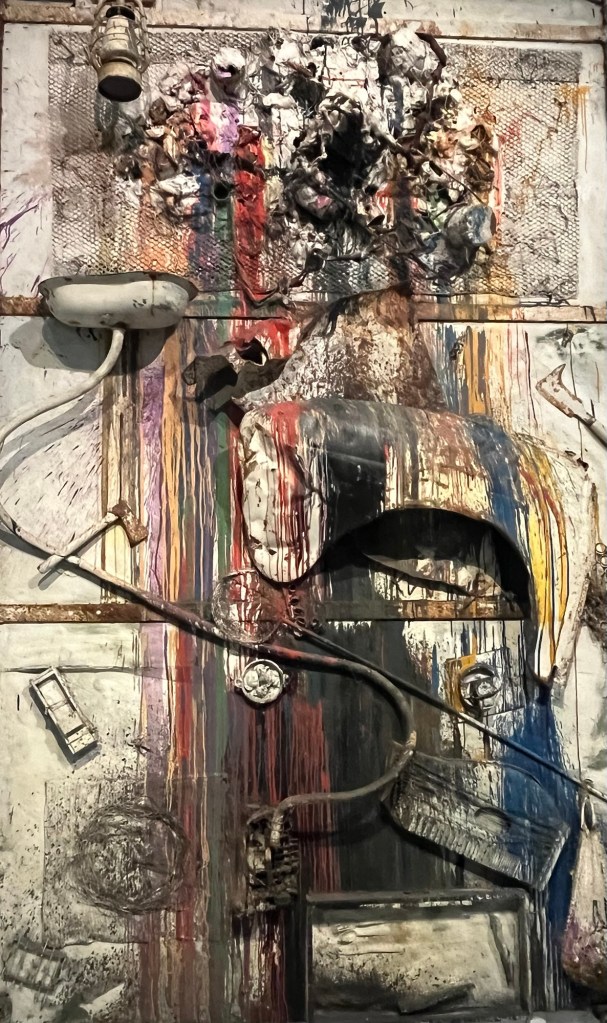
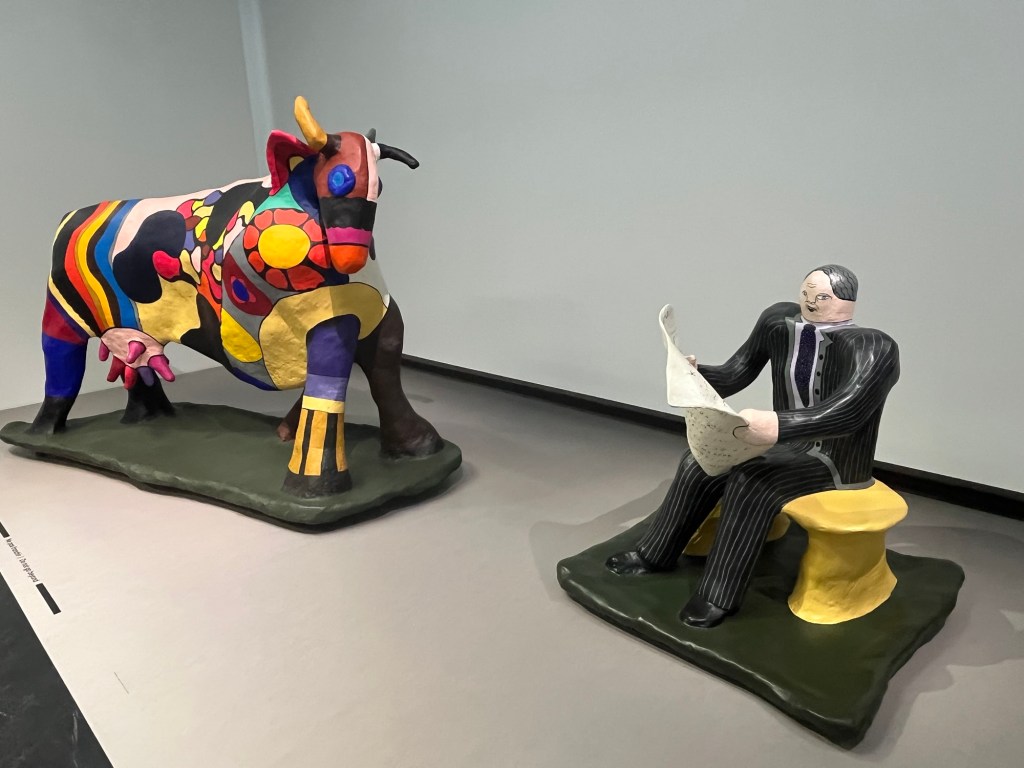
Niki de Saint Phalle, Jean Tinguely, Pontus Hulten at the Grand Palais
With the Centre Pompidou now closed for what is planned to be a five-year long renovation, the museum is embarking on a “Constellation” program, staging exhibits using their collection at other venues throughout France. One of those venues is the Grand Palais, the Parisian event and exhibition space that dates back to 1900. The Niki de Saint Phalle, Jean Tinguely, Pontus Hulten exhibit is one of two at the Grand Palais.
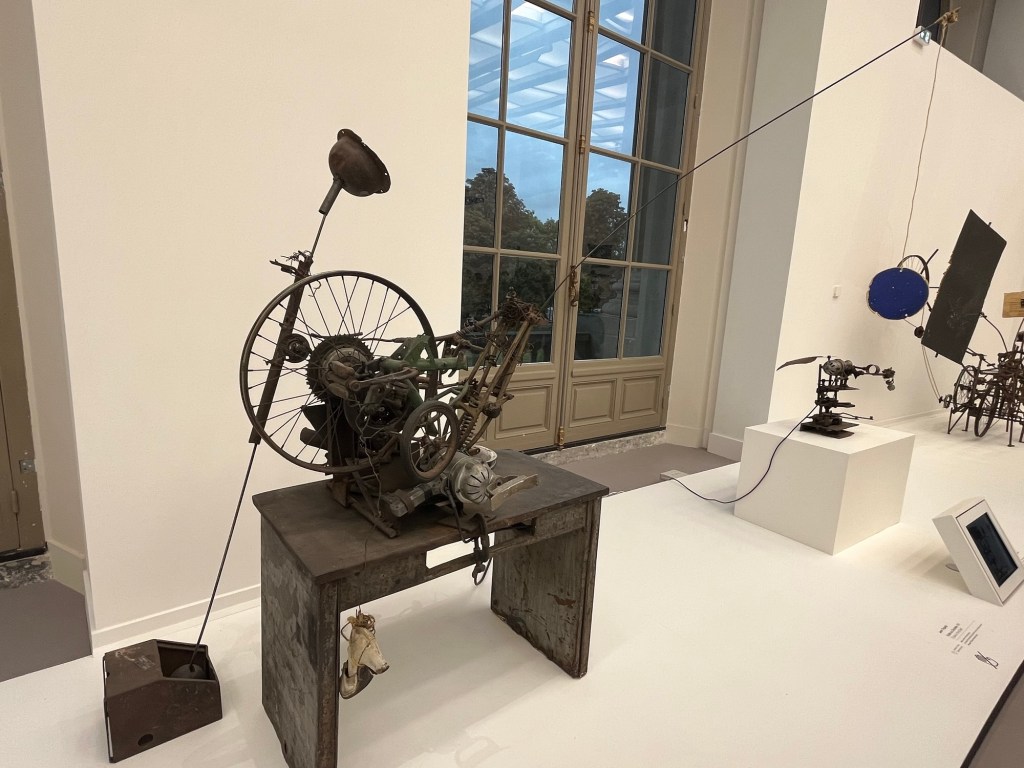
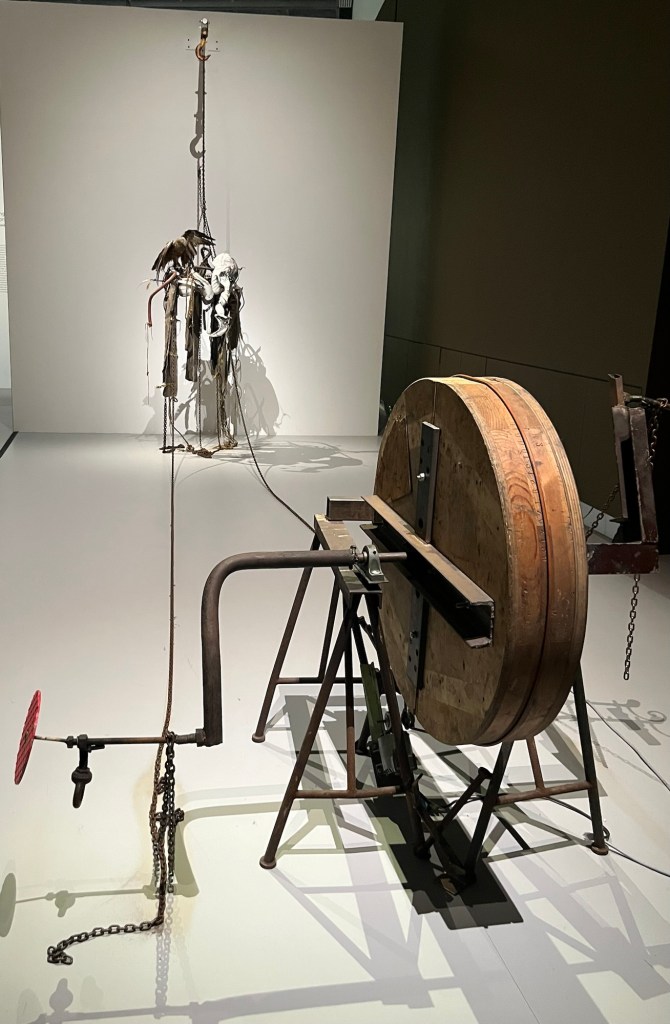
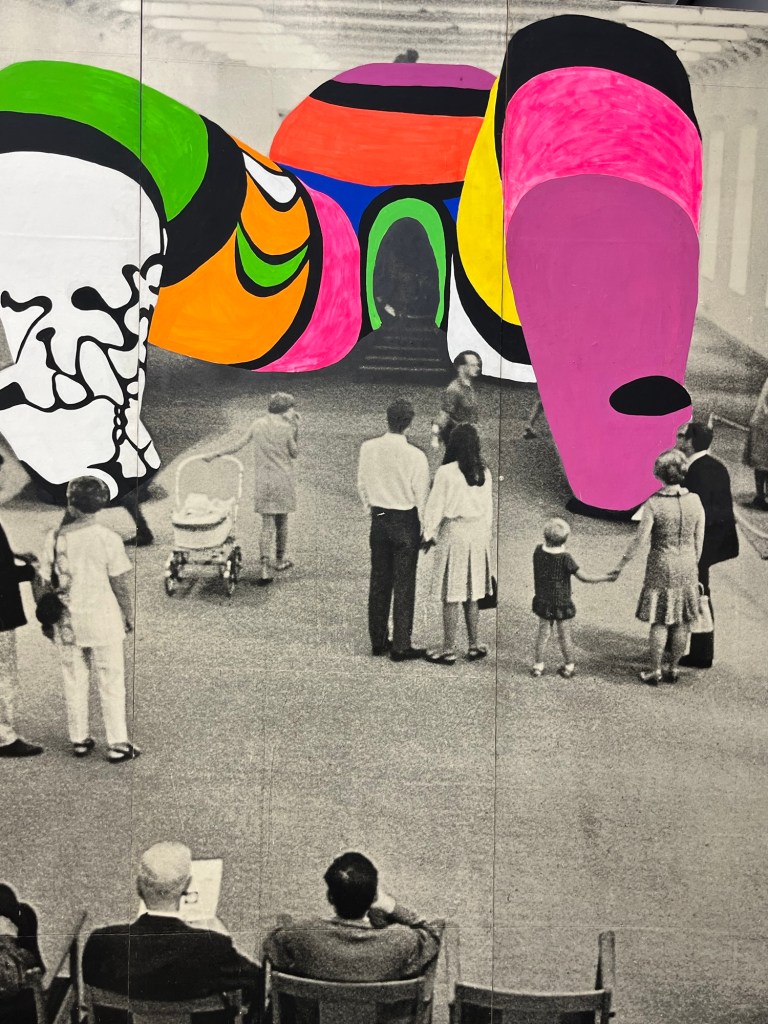
Saint Phalle and Tinguely, who were married, were modern art sculptors. Saint Phalle was French and Tinguely was from Switzerland. Tinguely created machine-like contraptions that would come alive, banging, clanging and moving in all directions like the above video of “Hell, a small beginning.” Saint Clare created big colorful sculptures, often with a feminist twist. Hulten was a Swedish art collector, curator and museum director. He actively promoted Saint Clare and Tinguely’s work. Hulten was the first director of the Musée National d’Art Moderne.
Jean Tinguely
Meta no. 3GizmoIn 1960, Tinguely created Homage to New York, a self-destructing work that was exhibited at the MOMA sculpture garden, this is one of the last remaining pieces of Homage to New York.Meta-magic no. 17. Tinguely’s meta-magics were “pointing machines.”Madame Lacasse’s ShoeSelf Portrait
Niki de Saint Phalle
Repainted photo of HonBlack RosyElisabethNanas (girls)
Tir (shootings)
The Pink ChildbirthSelf portraitThe Sunday WalkThe Blind Man on the Prairie
Man in the Choir. This was created by Per Olof Ultvedt, who along with Tinguely, created the attractions that were inside Saint Phalle’s Hon.
Tomorrow (Sept. 21) is the last day that the Centre Pompidou, Paris’ reknowed contemporary art museum, will be open before it closes for a renovation. A renovation that is expected to take five years. According to the museum web site, the renovation involves “technical and environmental components, such as the complete asbestos removal from the façade, treatment of corrosion on the main structure, renovation and energy optimization of the building, and improvements to accessibility.”
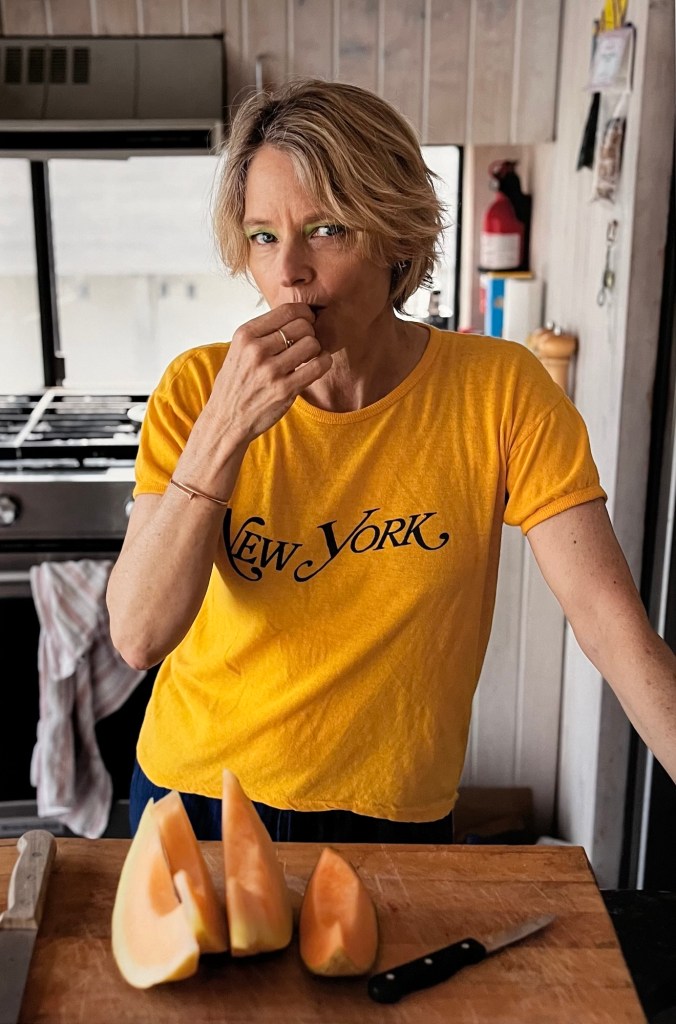
There is one last exhibition at the Centre Pompidou. “Nothing could have prepared us — Everything could have prepared us” was created by the 58-year old German artist Wolfgang Timmons. He was given free reign to design the exhibit in the center’s 2nd floor library. It includes video, music, various books and papers. The images here are of Timmons’ photography which is what he is best known for.
Palm Tree SunburstMaryam KashmiriJodie in My KitchenChino Sitting in the YardAnders Pulling Splinters from His Foot
A Day in a Life
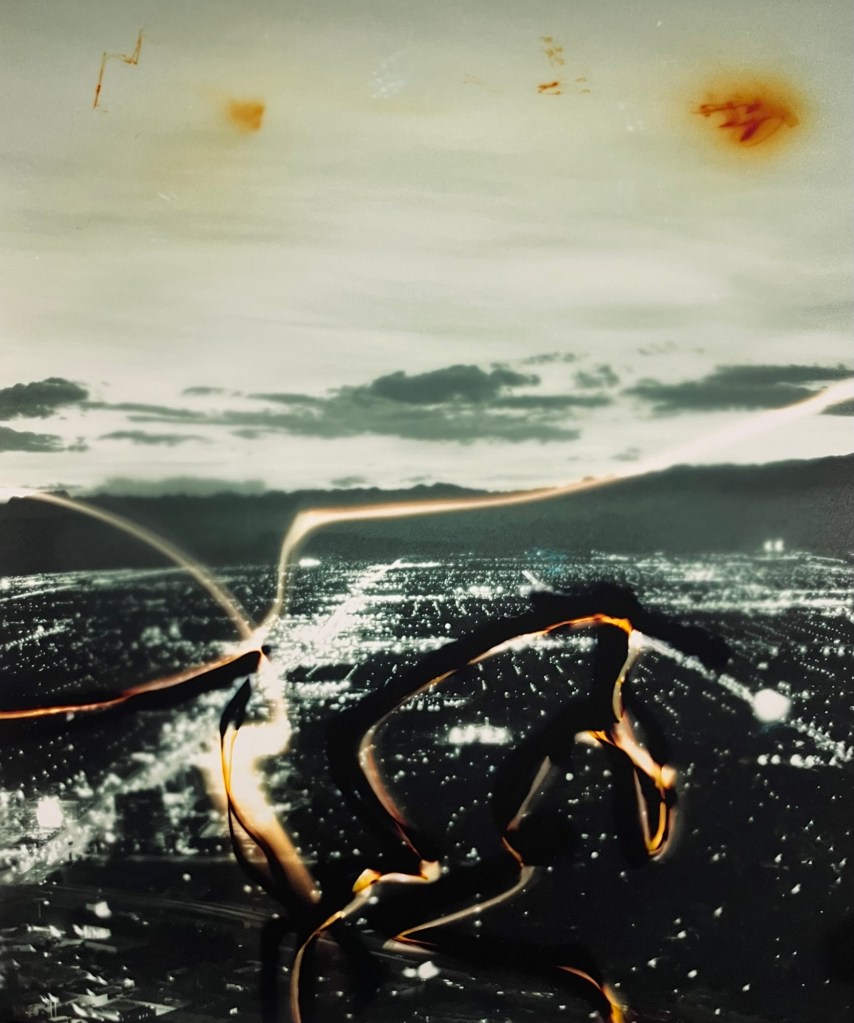
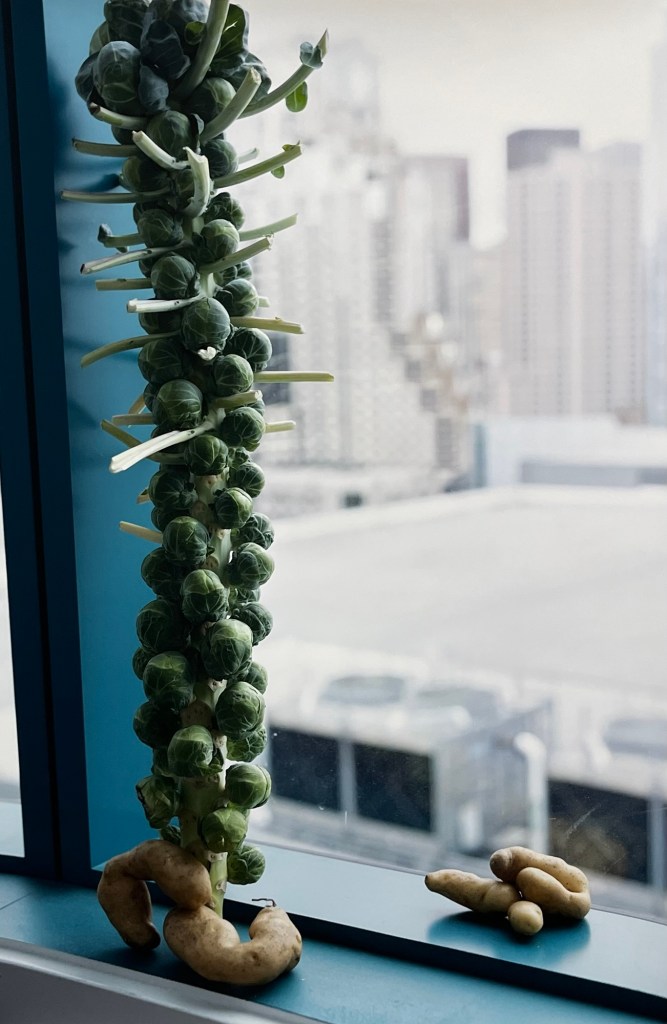
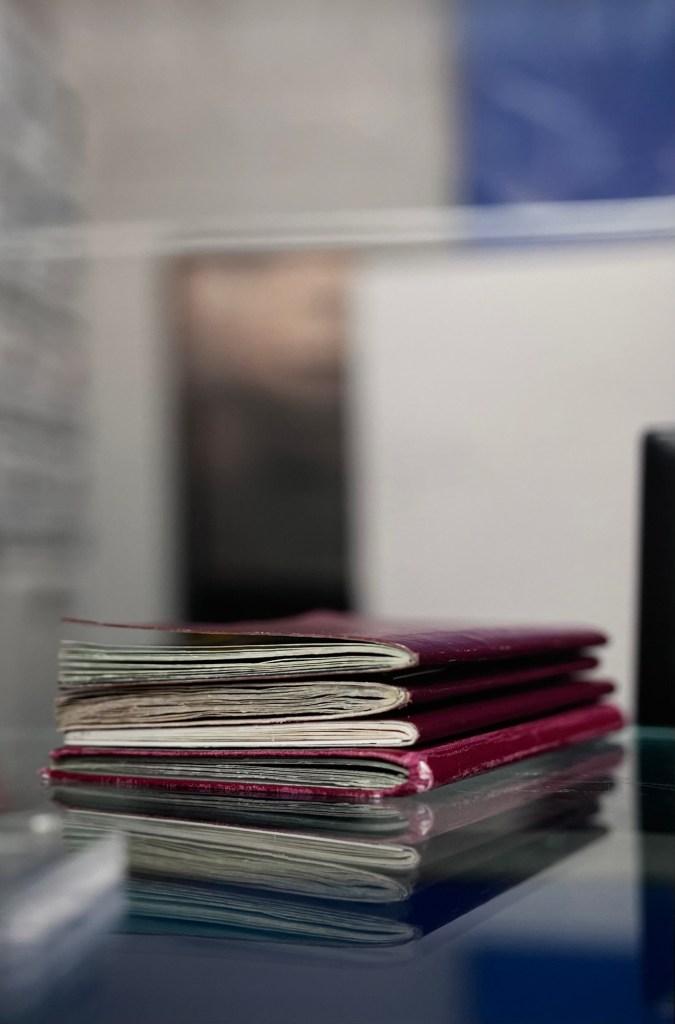
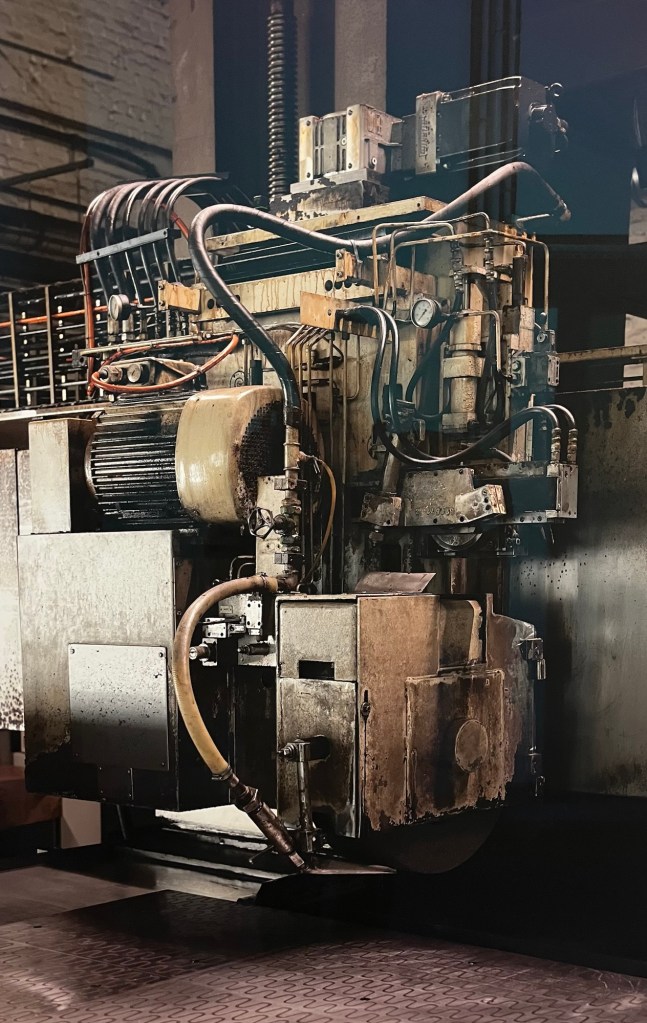
RenovationLas VegasSan Francisco Still LifeWeedPassportsIntermodal Container in Mongolian LandscapeMetal Processing Machine in Weparon, RemscheidData Center,Warm Air Outlets, Santa Clara
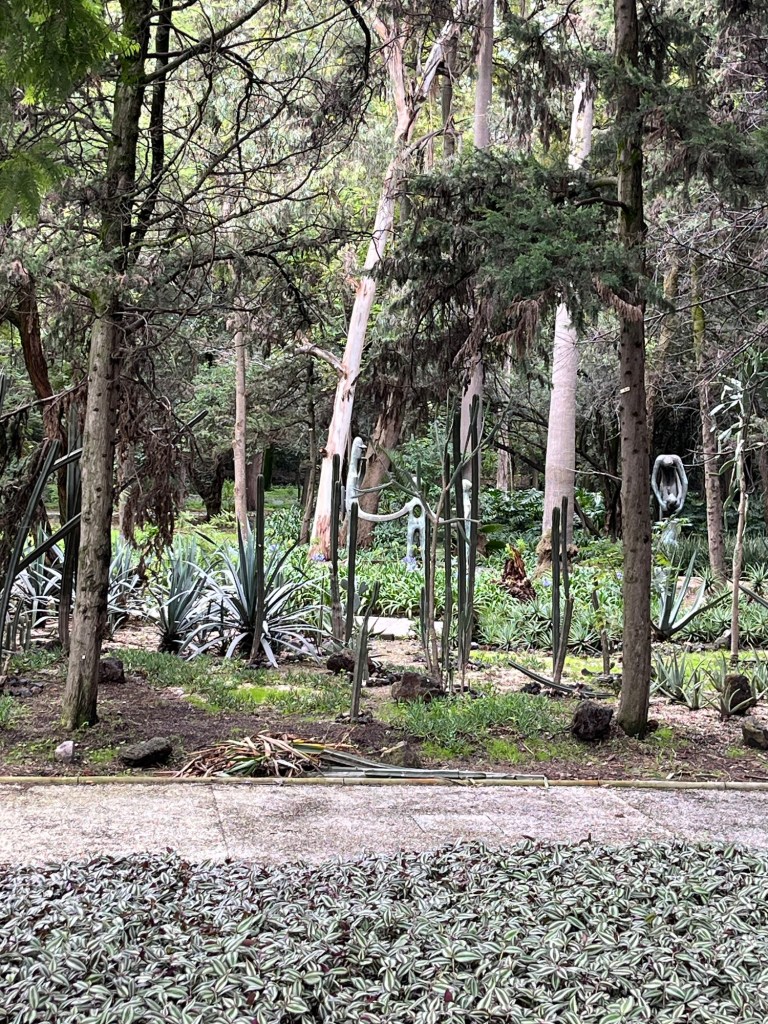
Full support to our brothers and sisters in the United States and to our president Claudia Sheinbaum. Overlooking Plaza de La Constitution in Cuauhtemoc.These Aztec ruins are next to the Metropolitan Cathedral in Cuauhtemoc.Chapultepec park in Michel Hidalgo borough is about 2-1/2 times the size of New York’s Central ParkYou need to be able to prove you’re at least 60 years old to enjoy the Jardin de Adultos Mayores in Chapultepec Park
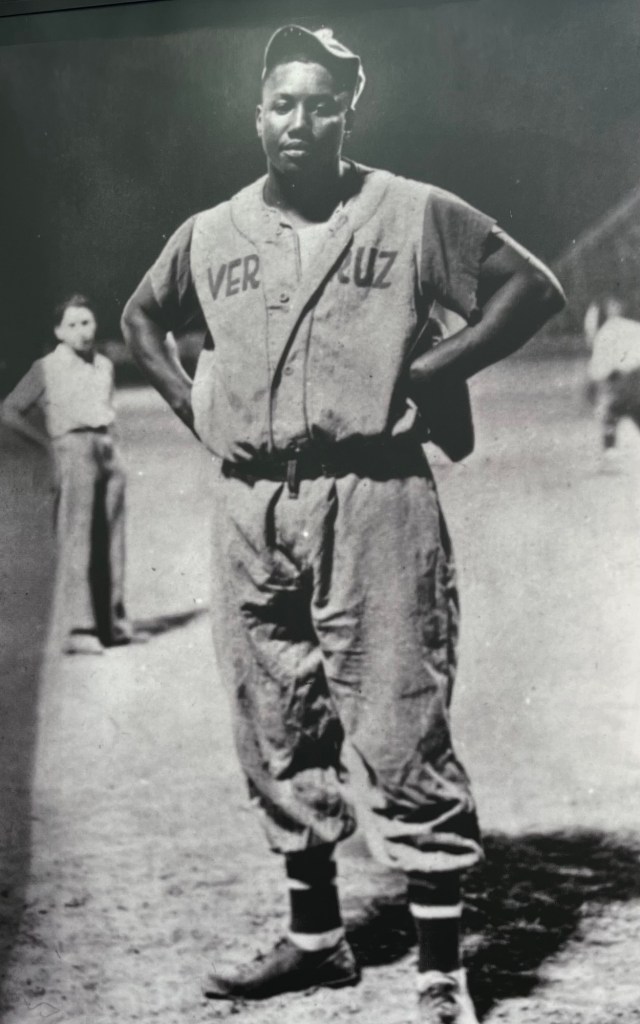
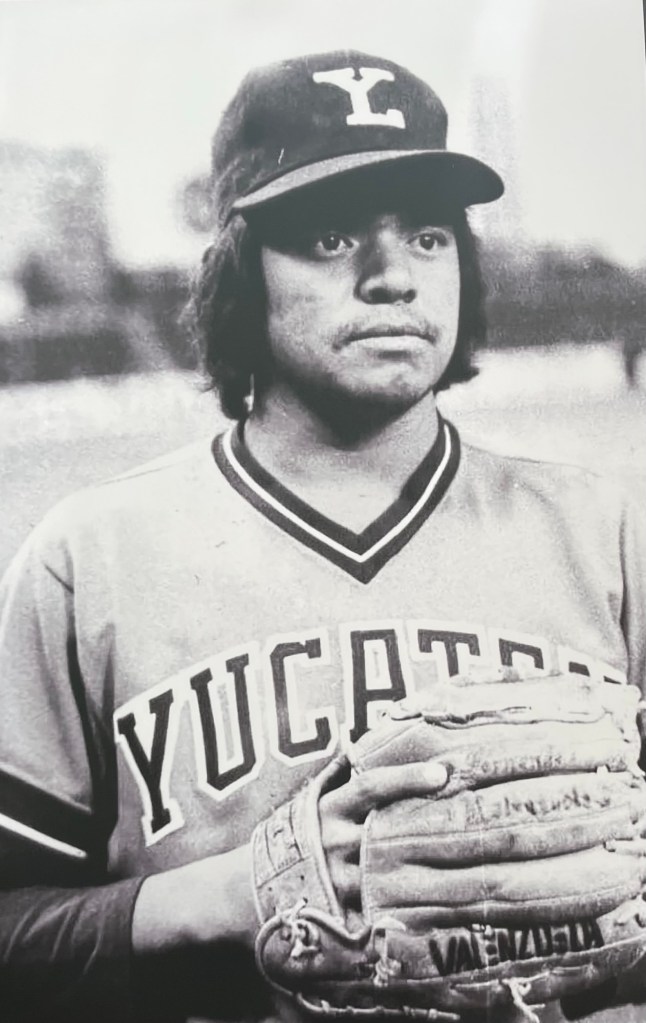
Celebrating 100 years of Mexican baseball (placards in Chapultepec Park)
After starring in the Negro Leagues in the U.S., Josh Gibson came to Mexico in 1941 to play for the Azules de VeracruzThe Bull of Etchohuaquila, Fernando Valenzuela, went on the become an all-star pitcher with the Los Angeles Dodgers.Francisco Campos had 200:wins in 25 seasons with the Pirates de CampecheThe Killer, Eduardo Jiménez is fifth among home run hitters in the LMB with 351 homers in 21 seasons.The El Pastor taco I had at Paloma’s in Benito Juarez was the best taco I’ve ever had in my life.And at Rica’s in Coyoacan I had the best ever quesadilla.Jardin Centenario, CoyoacanCoyoacan is for the birds.Lincoln Park, PolancoOn a street in Polanco
Design for the ages at the Museo Sumaya
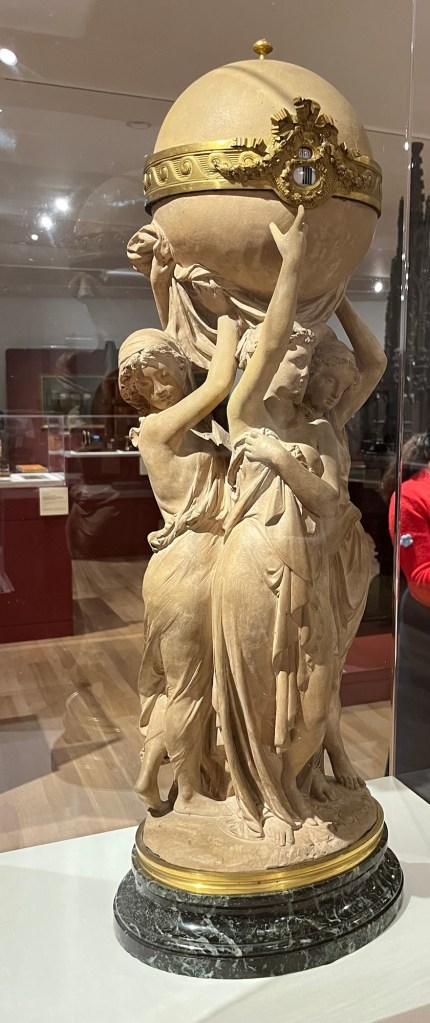
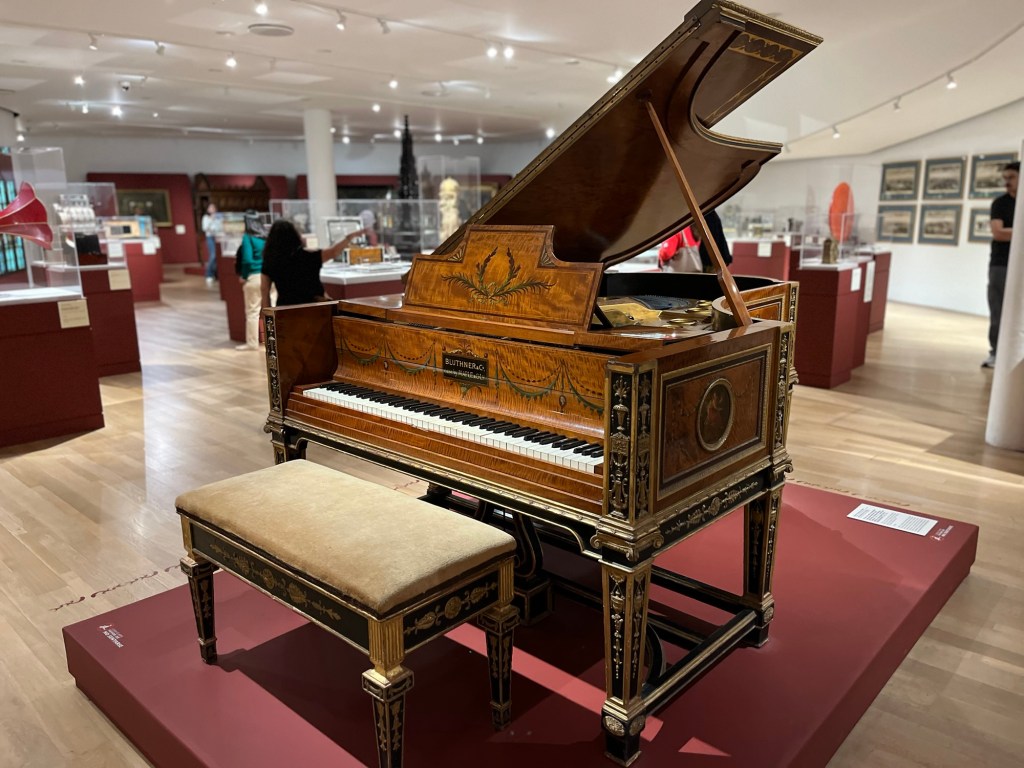
Measuring instrument used during the Qing dynasty in China c. 1850-1890The Three Graces. Napoleon III era clock, 1850-18701880 piano that belonged to the Ottoman princess Naciye Sultana.
With the specter of Trump looming over the Smithsonian museums, it seemed like a good time to take in the African American Museum of History and Culture. I spent most of my time in the history galleries. They cover slavery, the Civil War, reconstruction, discrimination and the civil rights movement. Those are likely exactly the exhibits Trump and his cohorts are apt to try to whitewash.
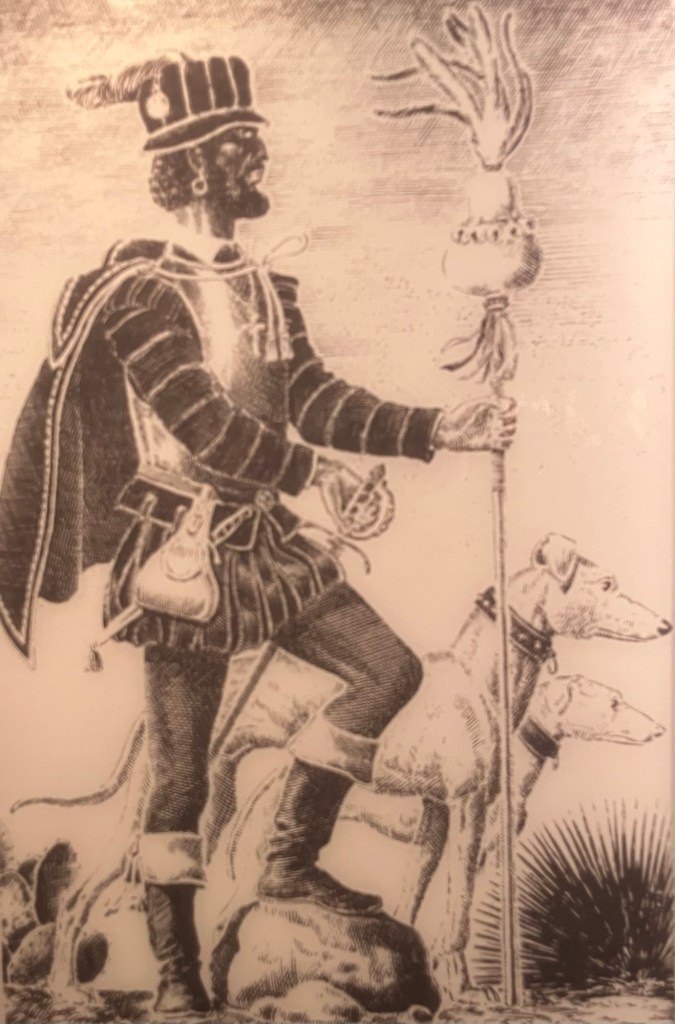
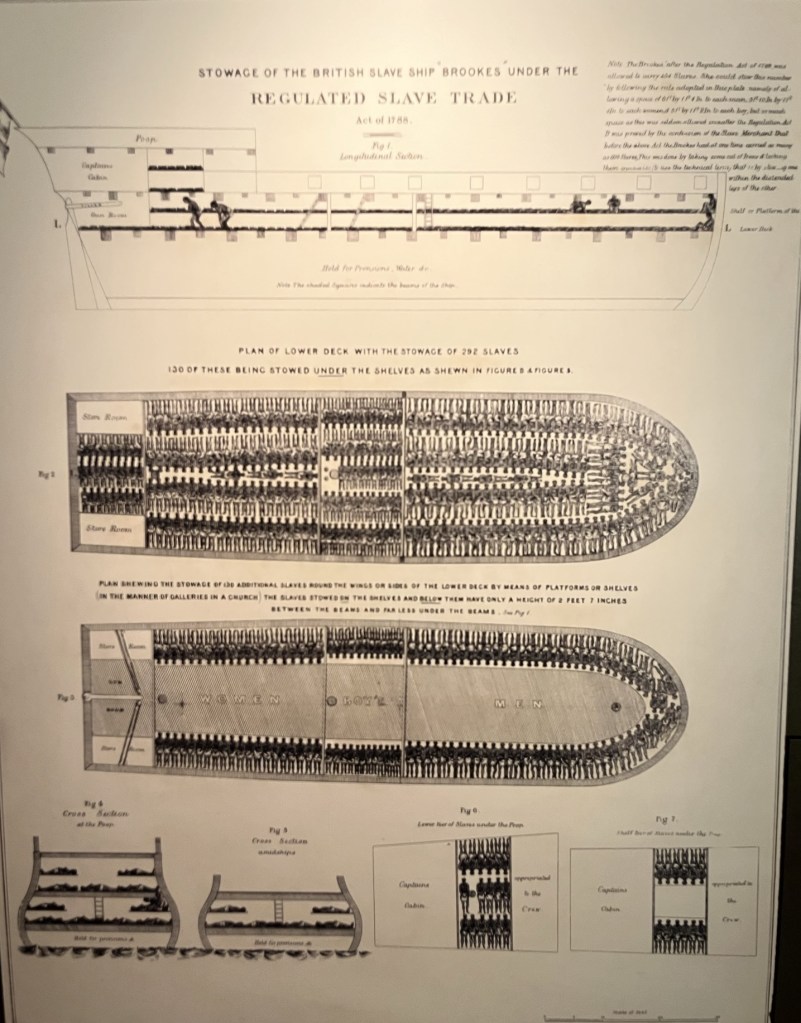
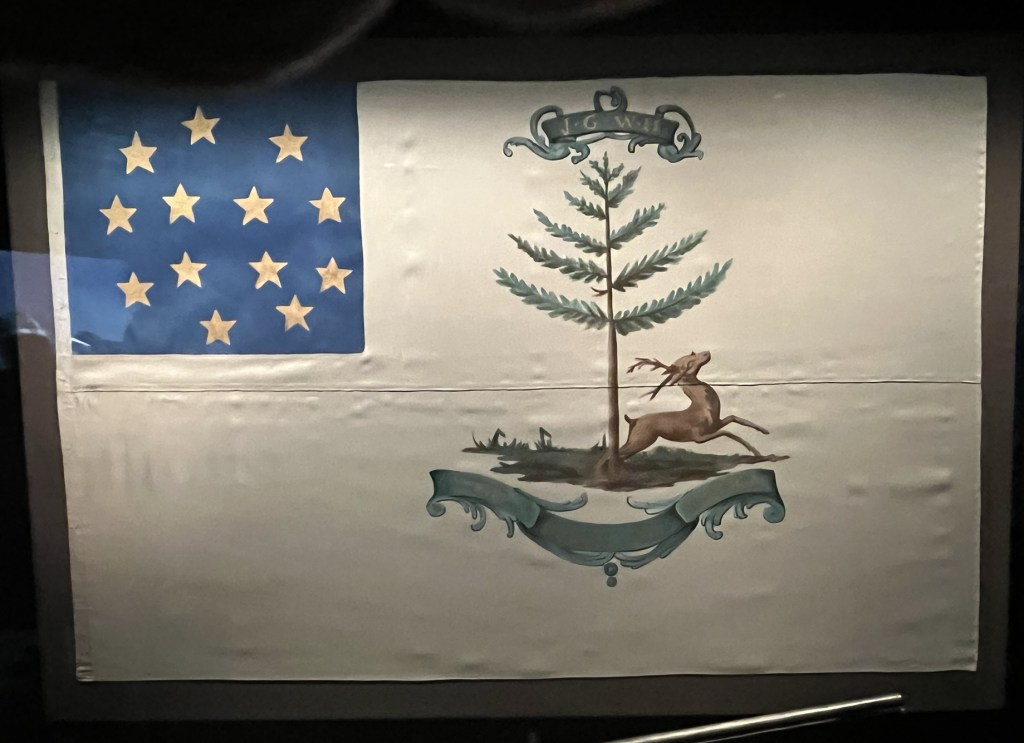
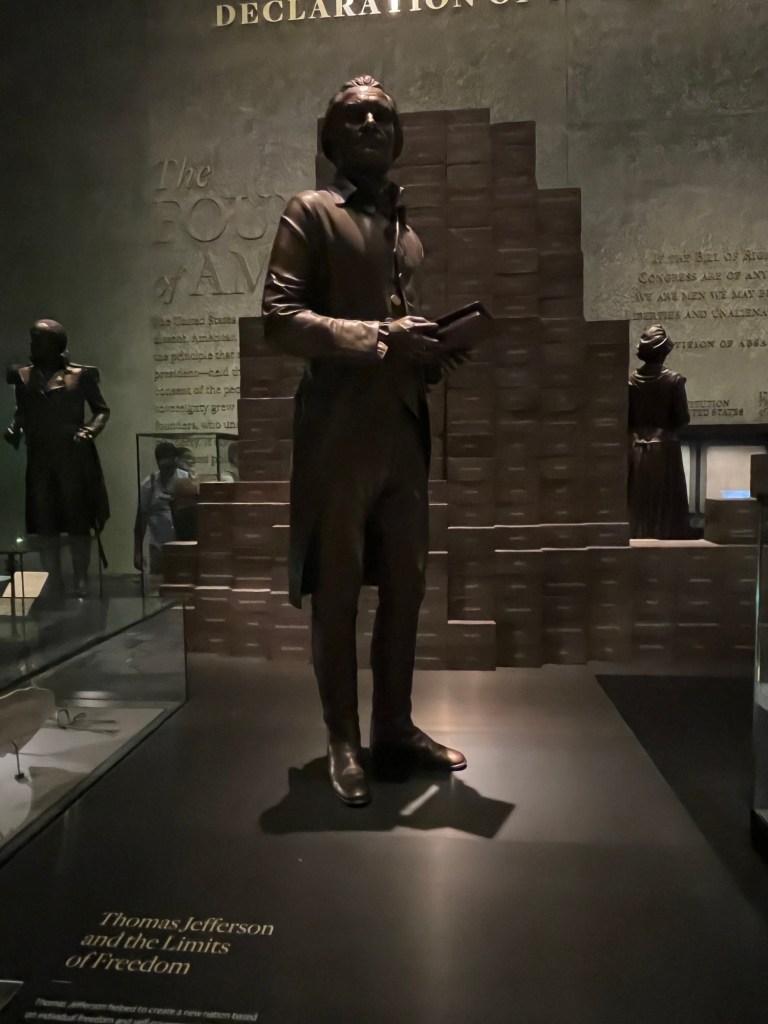
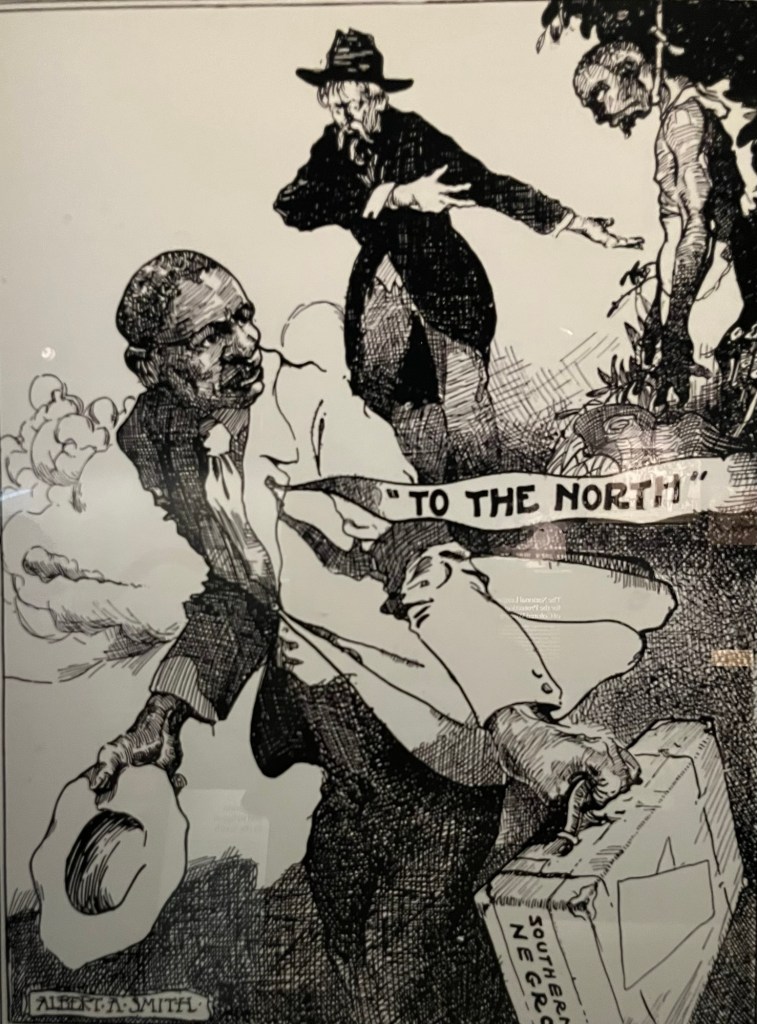
Esteban de Dorantes was an African enslaved by the Spanish. He became the first non-native explorer in the territory which is now Arizona and New Mexico.This is a diagram of how slaves were “stowed” on the British slave ship Brookes (1788). 292 Africans were packed into the lower deck while another 130 were confined to shelves on the perimeter, a space with a height of 2’7”.This is the flag of the Bucks of America, a Massachusetts militia made up of African-Americans who fought in the Revolution.Slave auctionLike 12 of the first American presidents, Thomas Jefferson owned slaves, 609 of them during his lifetime.Mother Bethel African Episcopal Church established by free Black men in Philadelphia.Some examples of demeaning stereotypes.This cartoon from The Chicago Defender points out the connection between lynchings and the northern migration.
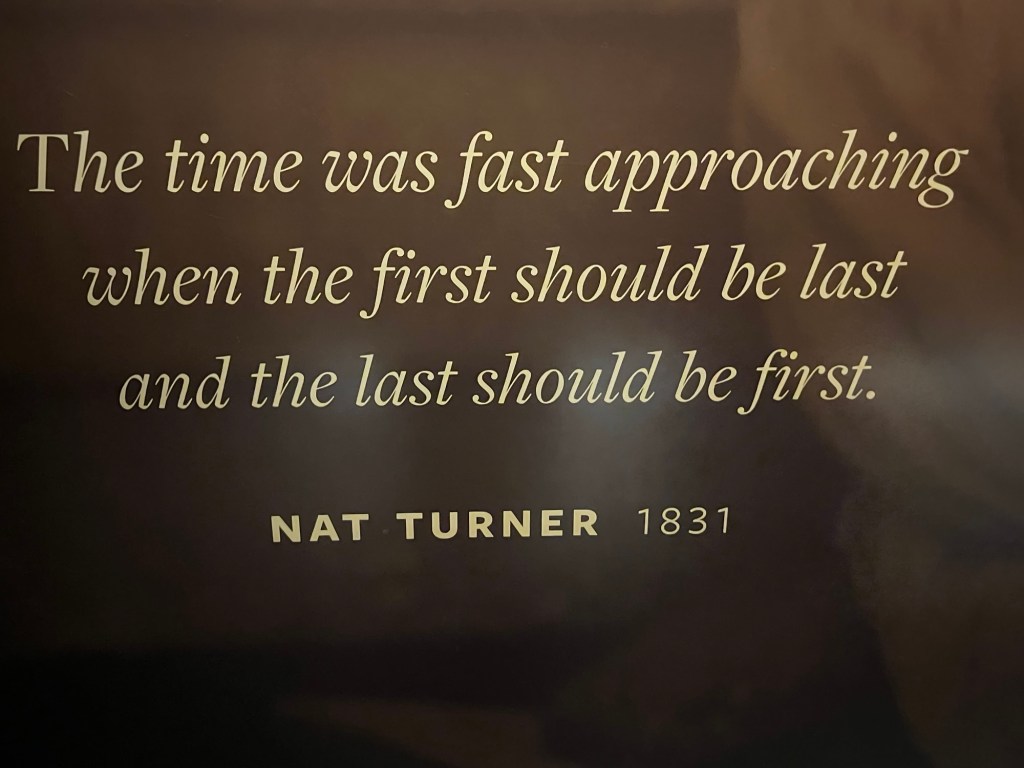
One of the themes running through the museum’s exhibits is how African-Americans fought first for their freedom and later for equal rights, starting with the earliest slave rebellions and continuing through the civil rights, Black Power and Black Lives Matter movements. Here are some samples.
The New York Conspiracy of 1741 was a rebellion of enslaved Africans and poor whites. They set fires through the city, including at the Governor’s mansion. As depicted about this led to harsh punishments for the captured participants.
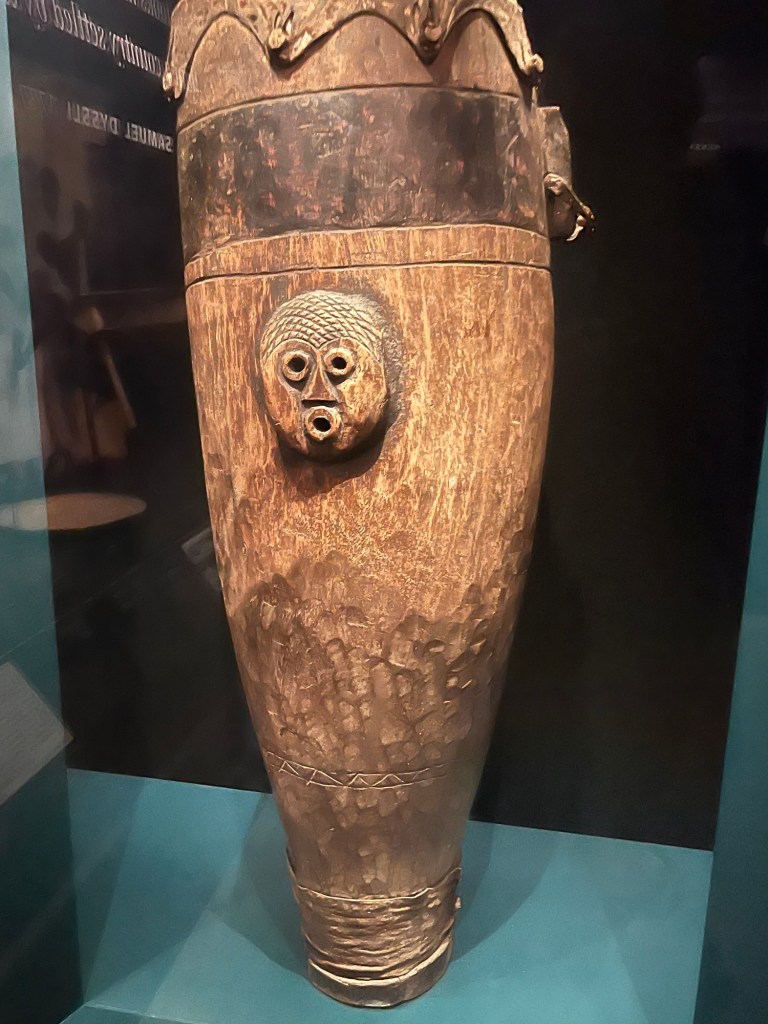
Drums like this one were used in the Lowcountry for communications. After the Stono Rebellion in 1739 in South Carolina, the state adopted the Slave Code of 1840 which banned the use of drums.
Henry Highland Garnet was a slave in Maryland who escaped and became a radical abolitionist calling for uprisings against slave owners.
Harriet Tubman escaped from slavery in Maryland in 1849. She would become a leader of the Underground Railroad.
A recruitment poster encouraging Black men to join the Union cause in the Civil War.
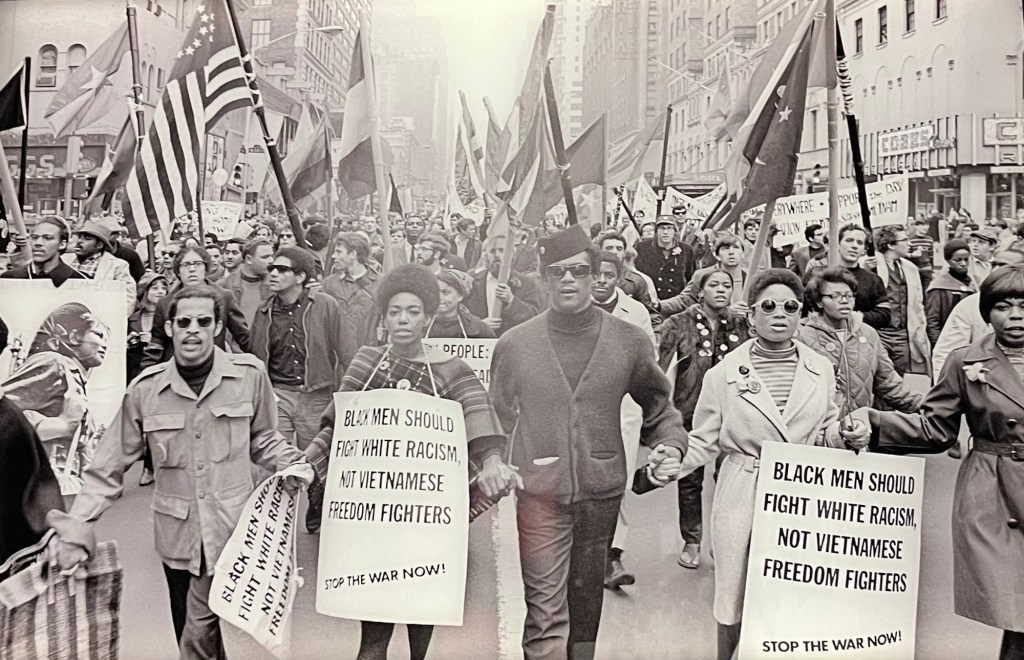
Civil rights marchers on the way from Selma to Montgomery in 1965.Many civil rights advocates were also strong opponents of the Vietnam War
I ran out of time to see all of this giant museum. There are also cultural exhibits, including those devoted to African-Americans’ contributions to the military, sports and entertainment. Here are a couple samples.
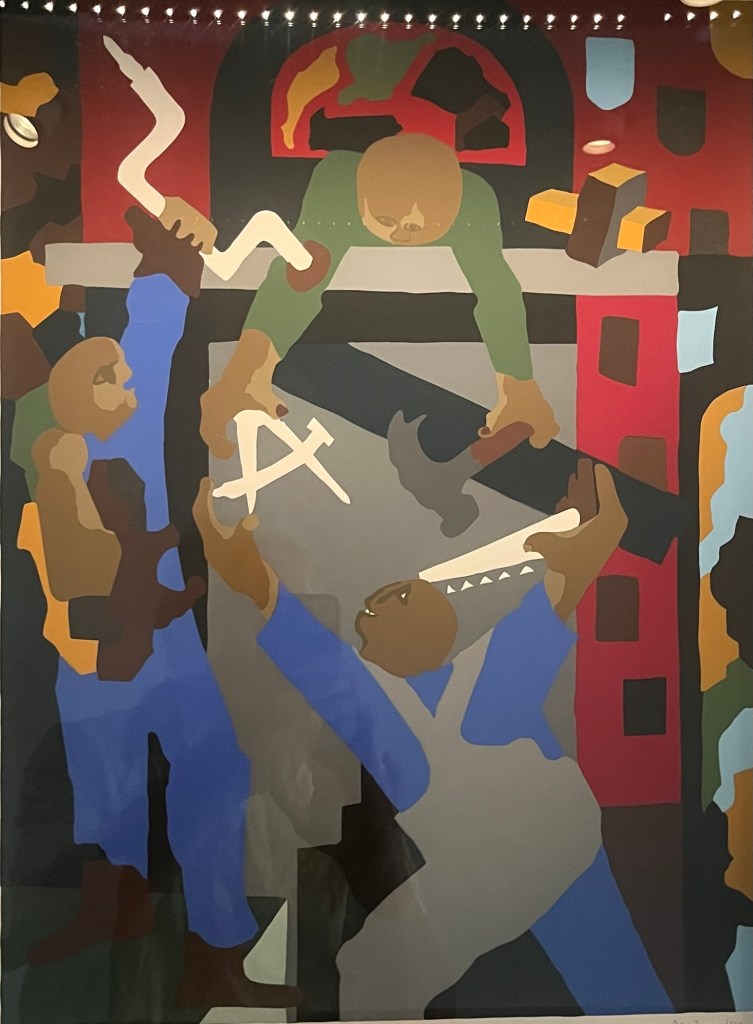
LeRoi Jones would later change his name to Amiri Baraka. His son, Ras Baraka, is currently the mayor of Newark, N.J. Ras Baraka was arrested by Homeland Security earlier this year outside an immigrant detention facility. The nonsense charges against him were dropped before they went to court.Gimme That Old Time Religion, Carolyn MazloomiBuilders: Stained Glass Window, Jacob Lawrence
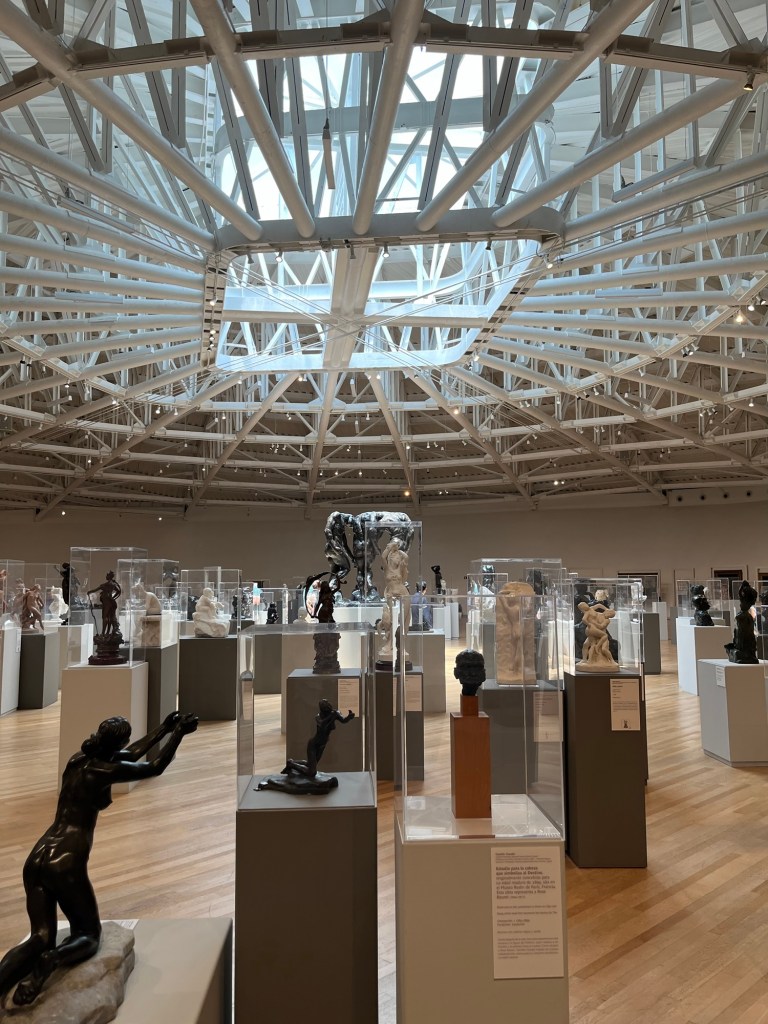
The Soumaya is a relatively new museum, opened in 2011. It was founded by Carlos Slim, a Mexican businessman and philanthropist who was at one time ranked by Forbes as the richest man on Earth. He named the museum after his wife, Soumaya Domit, who passed away in 1999.
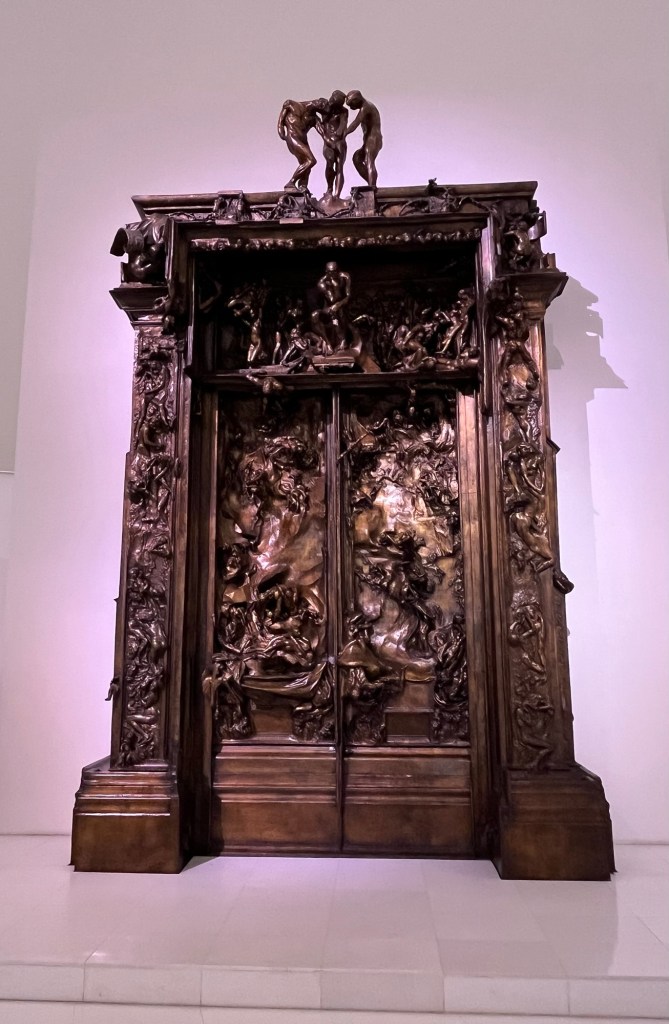
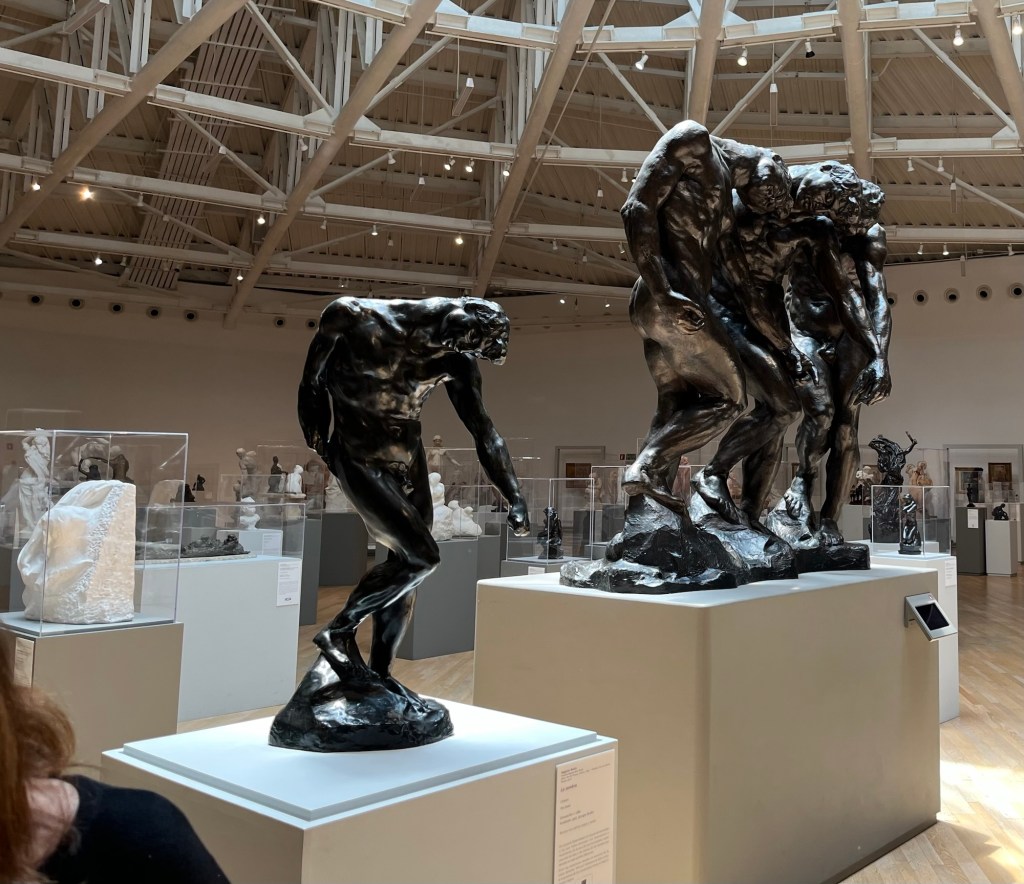
The Soumaya houses more than 66,000 pieces of art ranging from Mesoamerican artifacts to contemporary paintings. It includes the largest collection of Rodin sculptures outside of France. The Soumaya is run as a non-profit and there is no admission charge at the museum.
Auguste Rodin
Gates of HellThe Rodin room
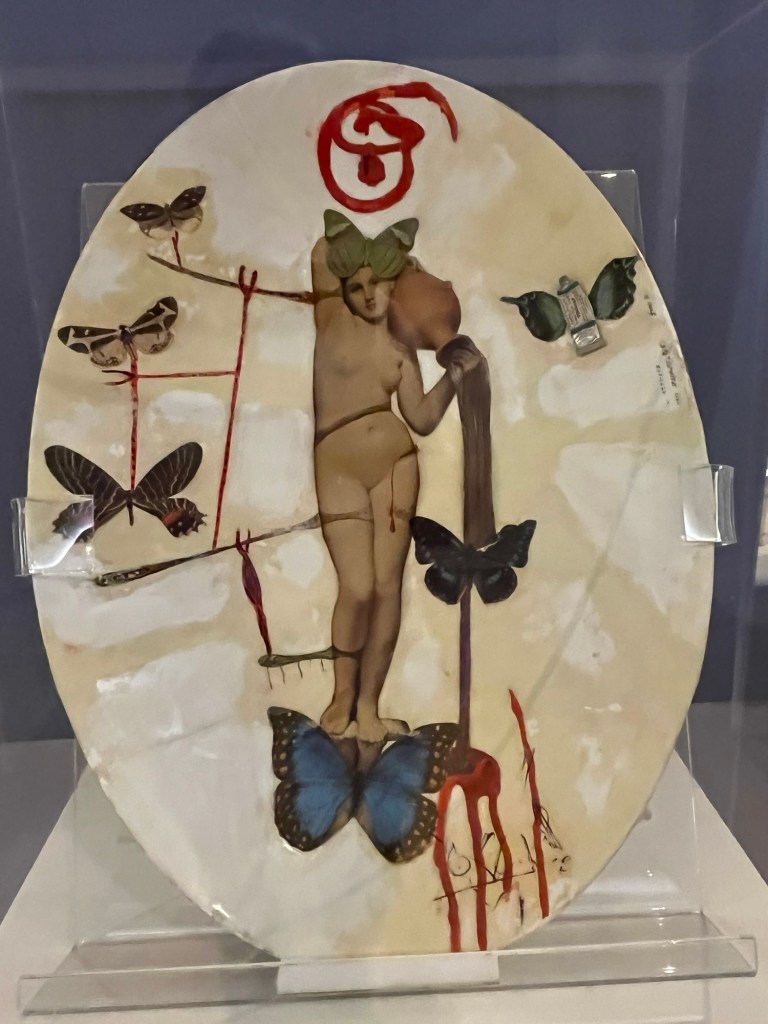
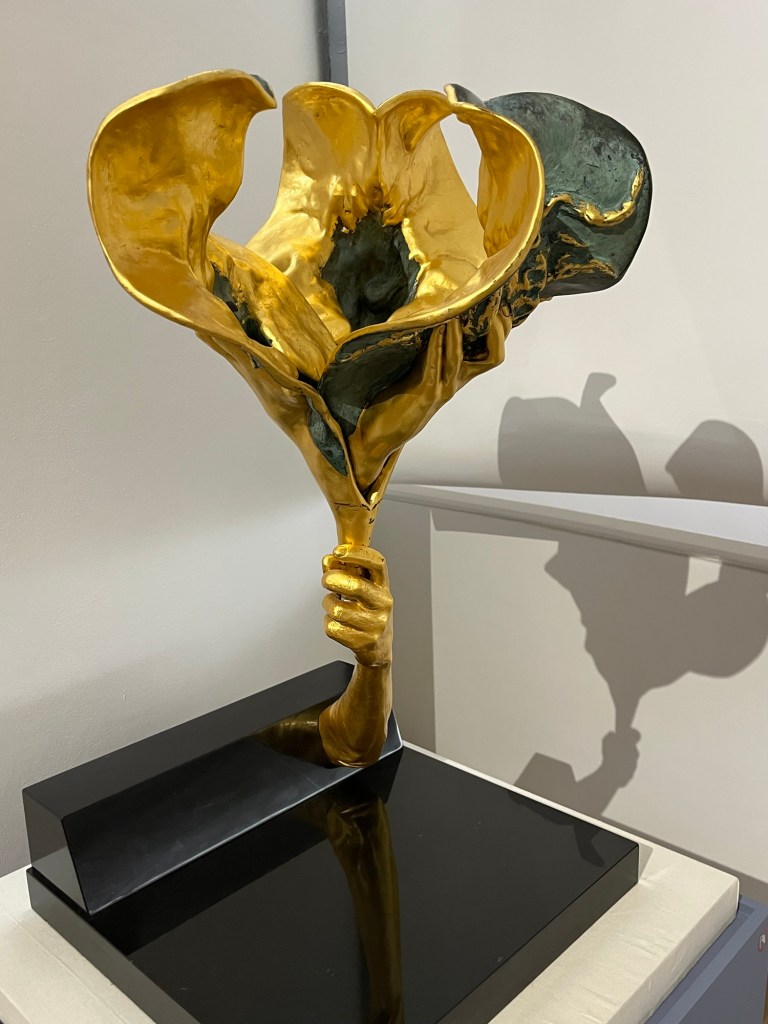
Salvador Dali
Venus with CrutchesDali’s ArmsBathroom SililoquesWoman with Head of RosesAlice in Wonderland
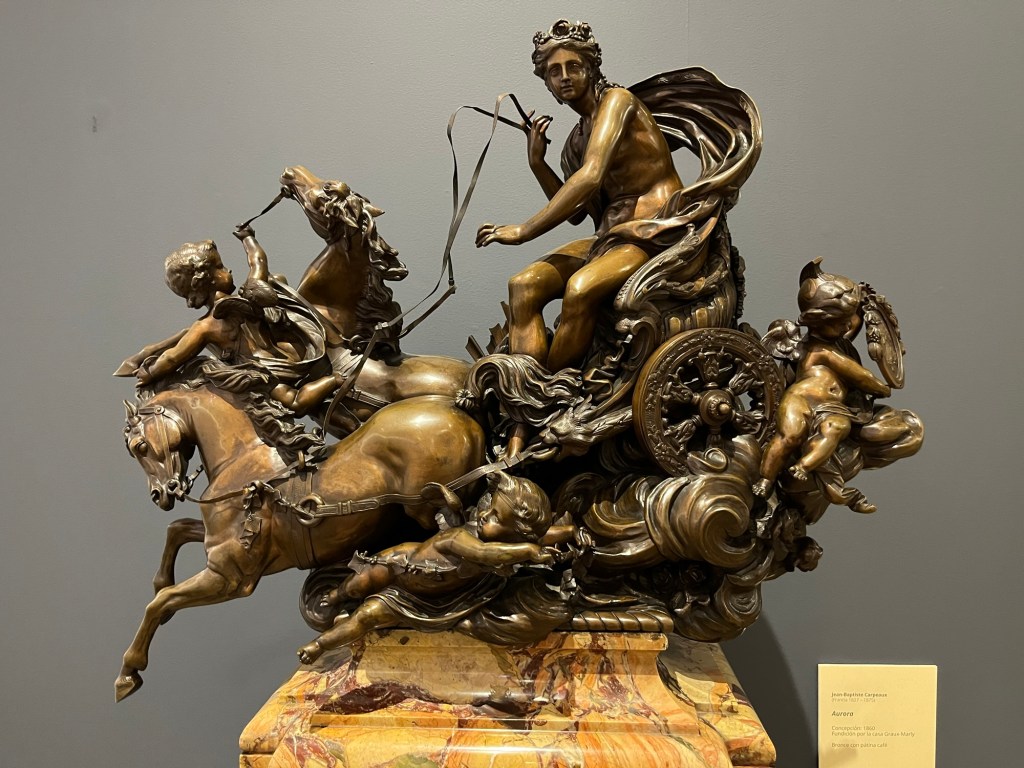
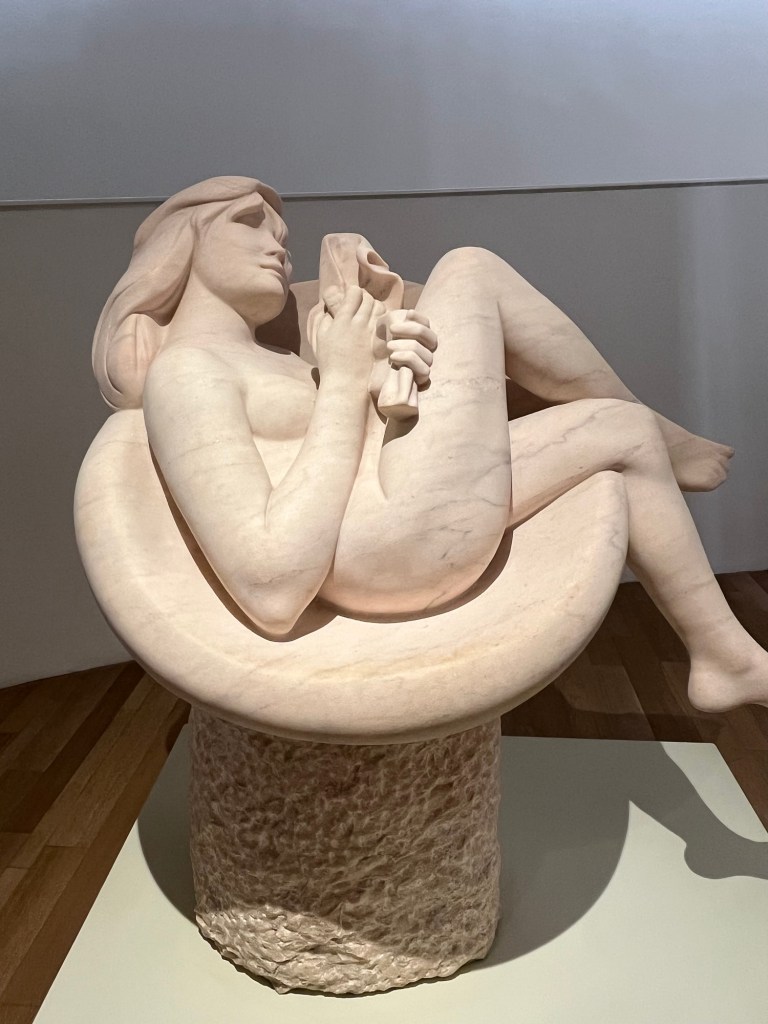
Sculpture
Hebe, Orazio Andrioni, 1880Cupid, Anonimo Frances, 1750Aurora, Jean-Baptiste Carpeaux, 1860Thebes Seated on an Armchair, Giacomo Manzu, 1987
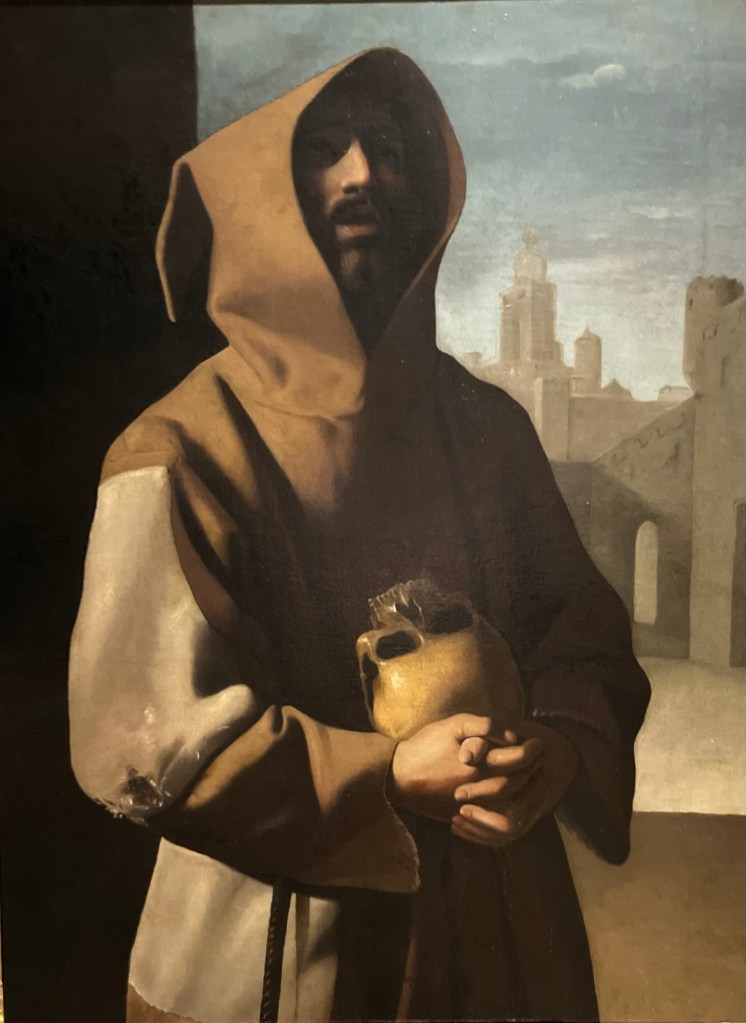
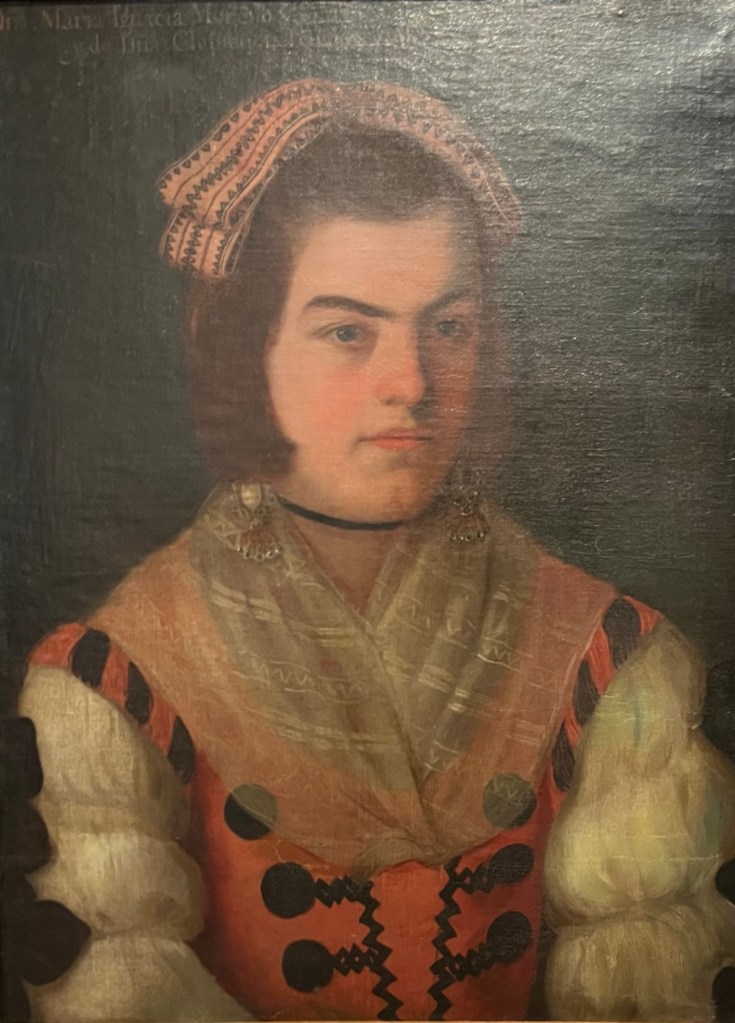
Classic portraiture
Madonna and Child with Two Angels, Niccolo di Ser Sozzo Tegliacci, 1350Saint Peter Penitent, Jose de Ribera, 1630Saint Francis of Assisi in Ecstasy, Francisco de Zurbaran, 1638Maria Ignacio Morena Barrios, Jose de Alcibar, 1792Flora, Giuseppe Acimboldo, 1590-1600
Impressionists
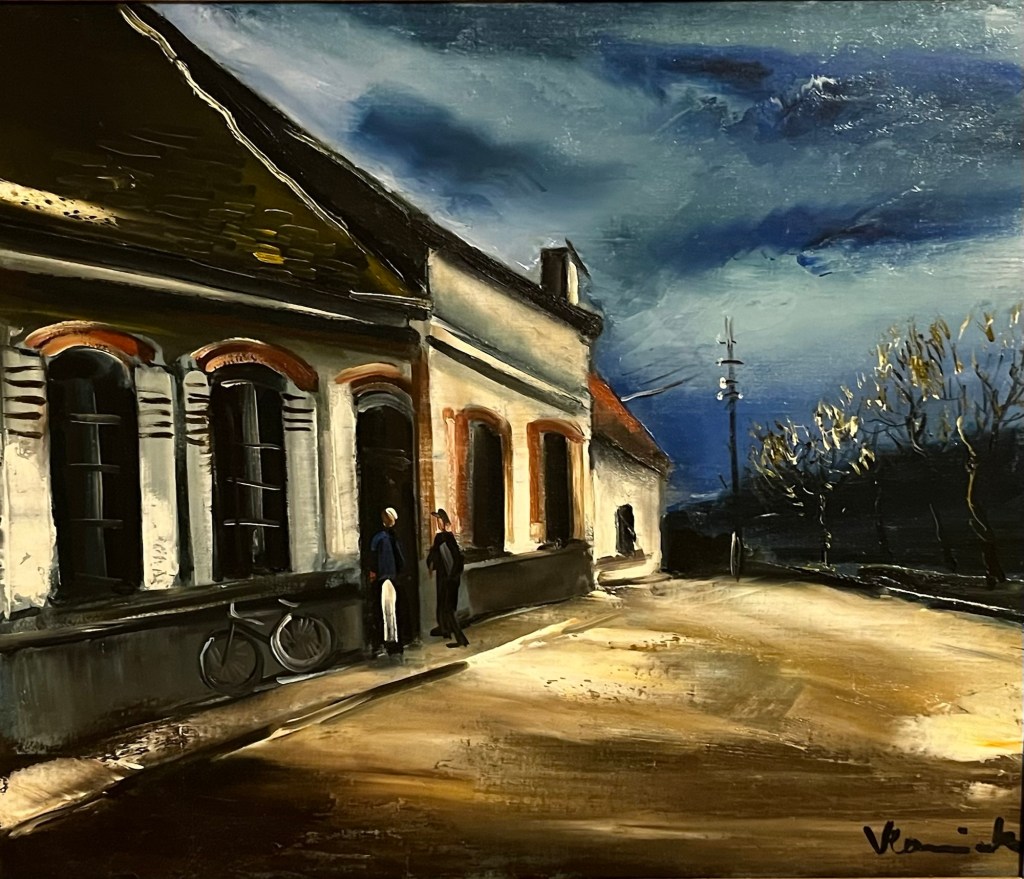
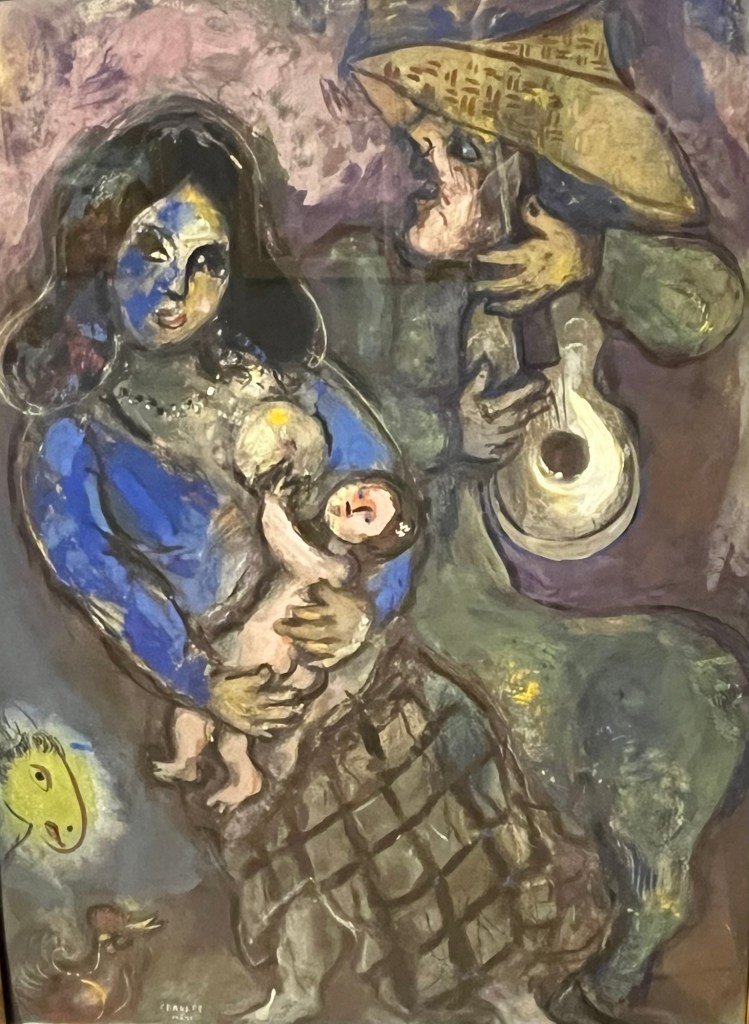
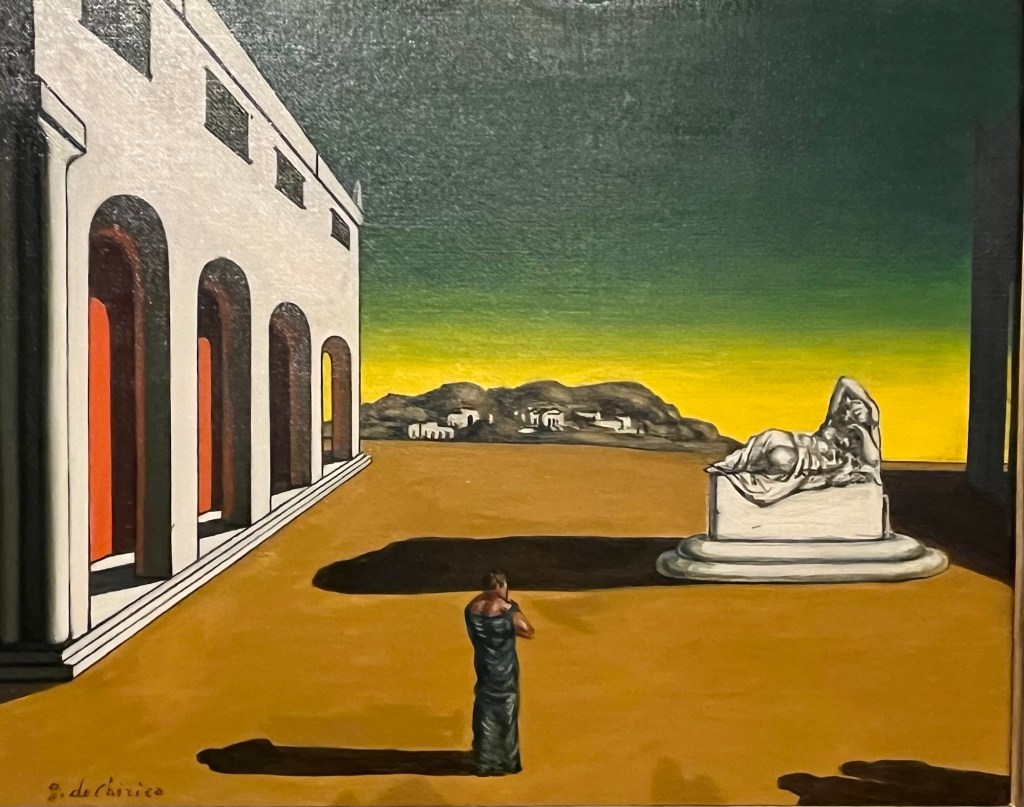
Statue of Henry IV and Flowering Trees, Camille Pissarro, 1901Oostzijdse Mill, Piet Mondrian, 1903-1907Cottage with a Peasant Coming Back Home,Vincent VanGogh, 1885After the Storm, Maurice de Vlaminck, 1925Mexican Maternity, Marc Chagall, 1942Girls at the Factory, Georges Rouault, 1949Autumnal Meditation, Georgio de Chirico, 1913
Mexican artists
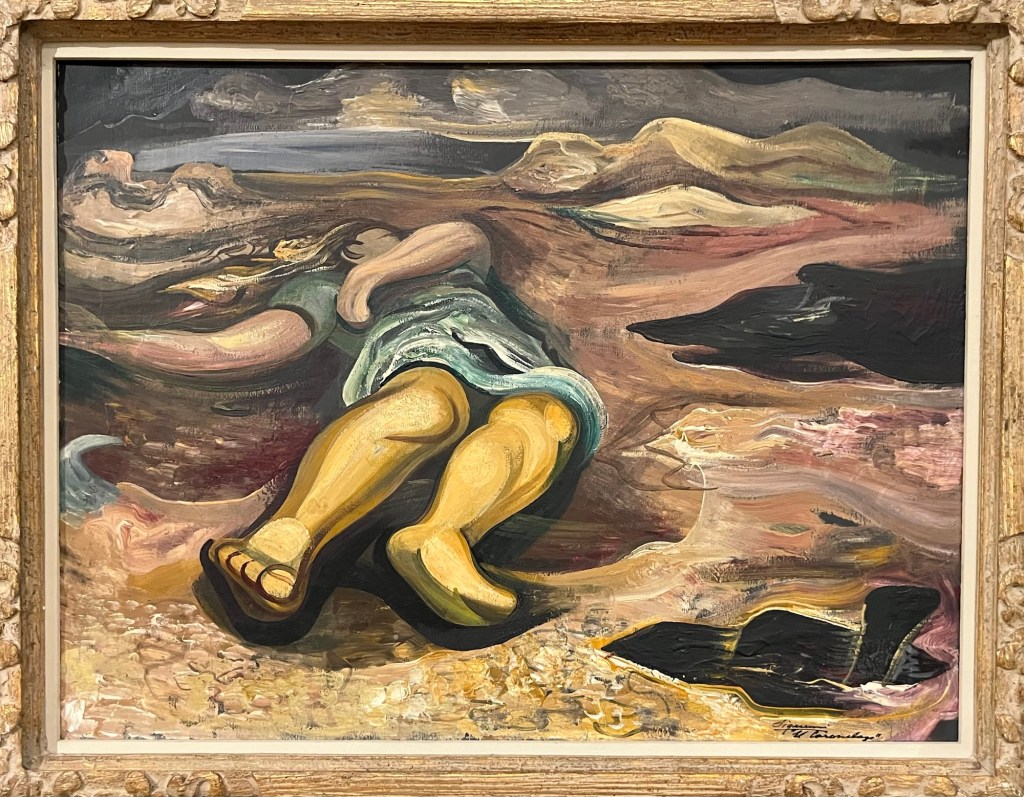
Zapata, David Alfaro SiqueirosThe Spinner, Raul AnguianoThe Fainting Woman, David Alfaro Siqueiros
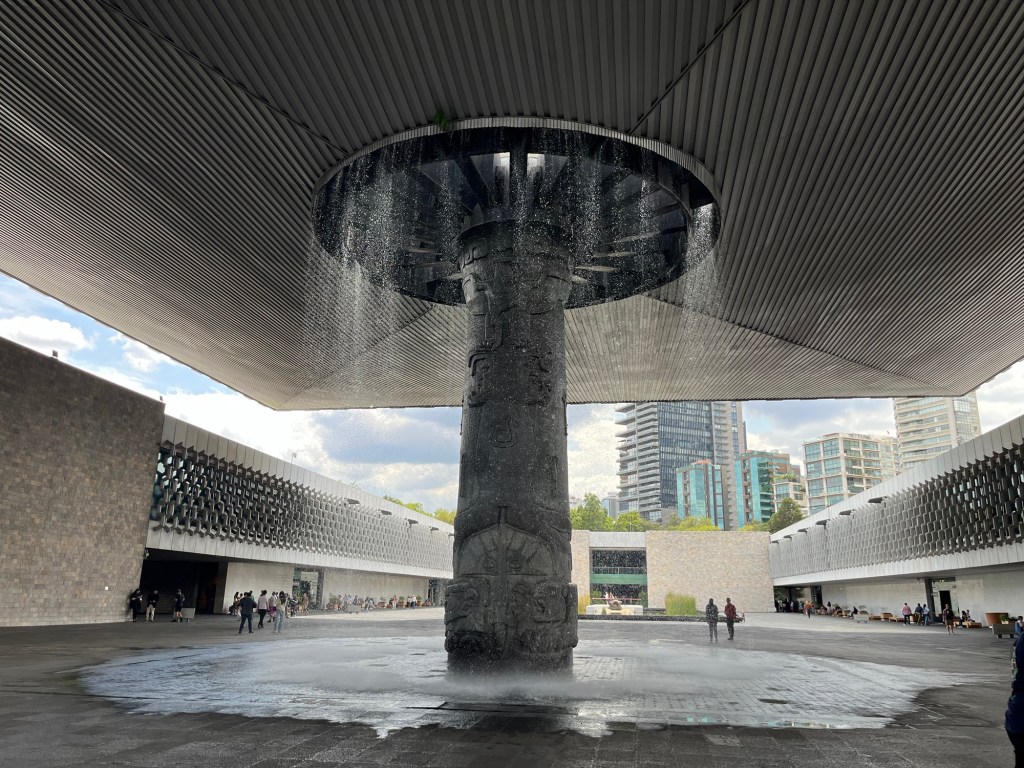
The National Museum of Anthropology in Mexico City is the largest anthropology museum in the world and the most visited museum in Mexico. Last year it hosted some 3.7 million visitors. Admission is pretty modest (about $5 U.S.) and it is free for Mexicans on Sunday.
The Mexica
The Mexica were a Nahuatl-speaking people who are believed to have migrated into the Valley of Mexico around 1200. There they built an empire that dominated the region in the 15th and early 16th centuries. Their capital was Tenochtitlan which is where present day Mexico City stands. They were later named Aztecs by historians.
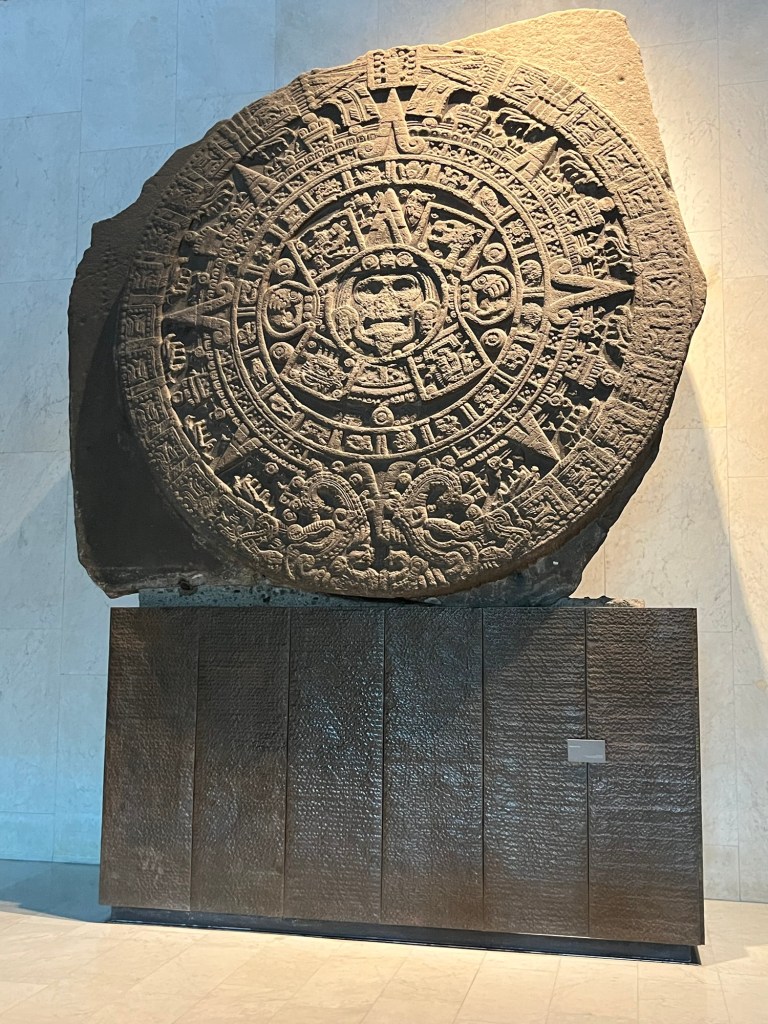
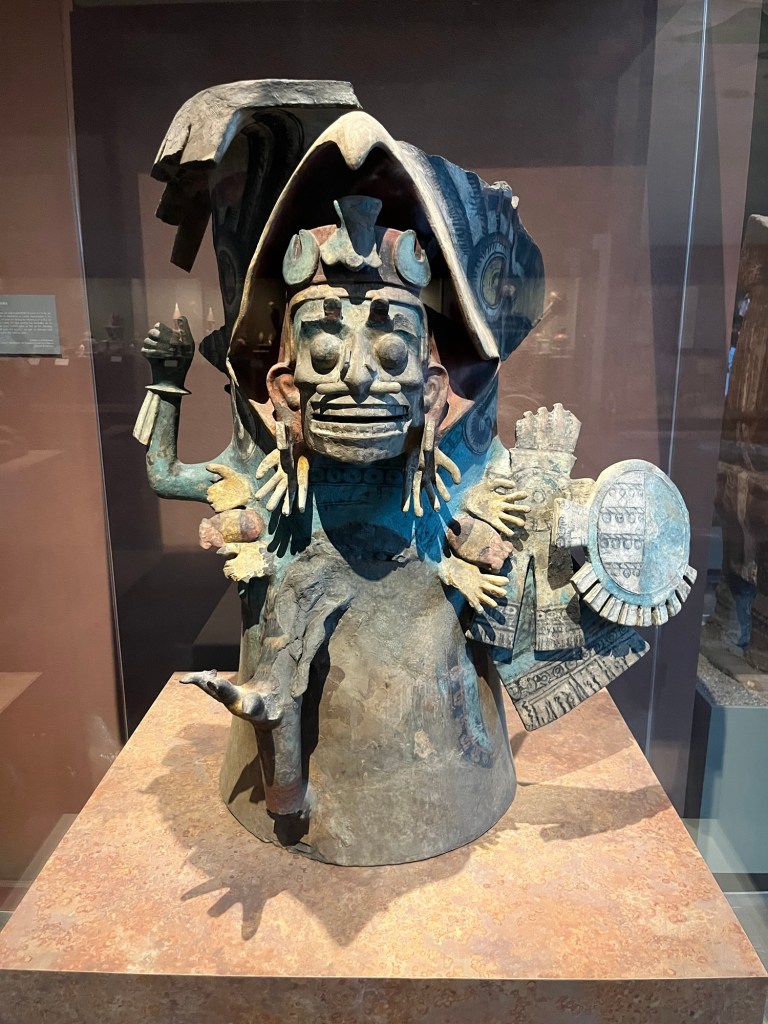
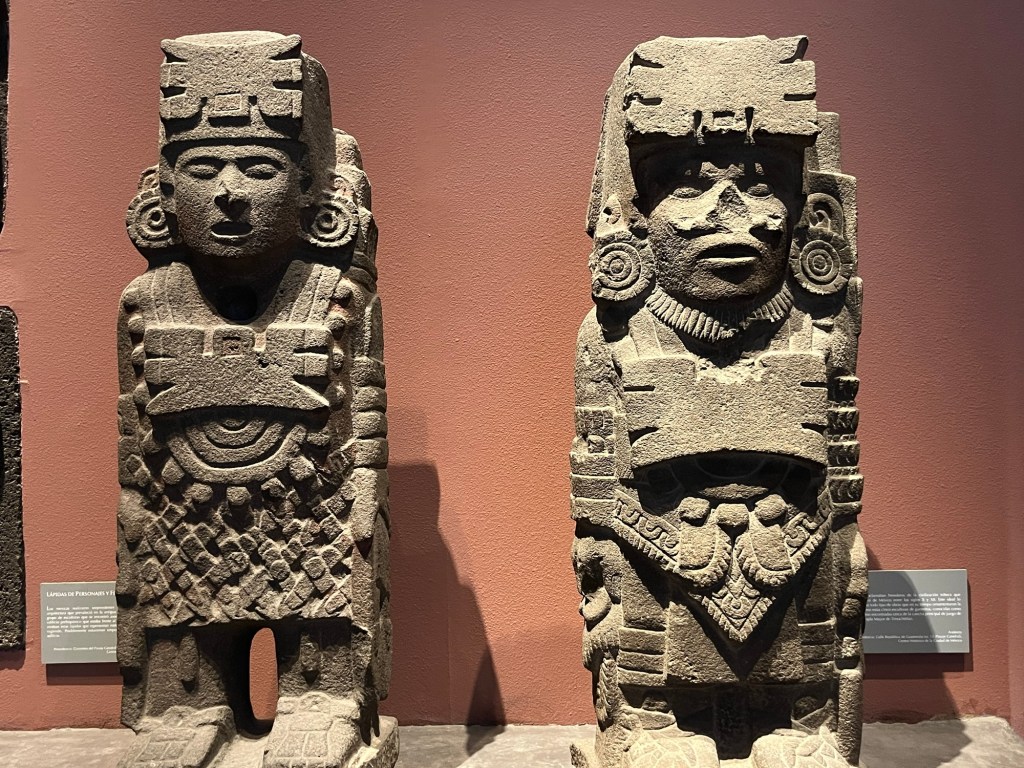
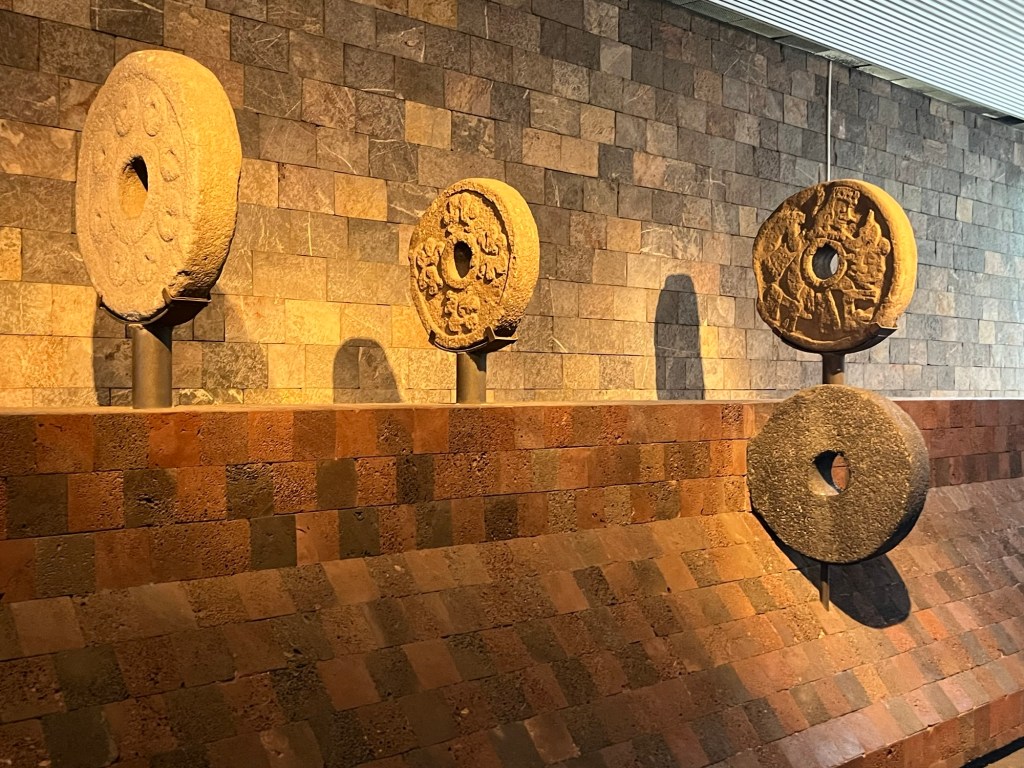
The Stone of the SunXochipilli, “Lord of Flowers,” was considered the god of the royal nobility and patron saint of flowers.The ancient city of Cholula, part of what would be called the Aztec Empire, was famous for its pottery.These warrior sculptures, known as “Atlantes,” which were found near the main ball court in front of the Templo Mayor of Tenochtitlan.A ball game called Pelota was popular among the Mexica and other peoples of Mesoamerica.
Teotihaucan
Teotihaucan was at one time the largest city in Mesoamerica. It is about 25 miles from Mexico City. It is here that the Pyramid of the Sun and Pyramid of the Moon were built. Archeologists believe it was a multi-ethnic city attracting migrants from throughout the region. Teotihaucan has been dated back to 100 BC, predating the Mexica, and it lasted until the 7th or 8th century. Today it is primarily known for its significance as an archeological site.
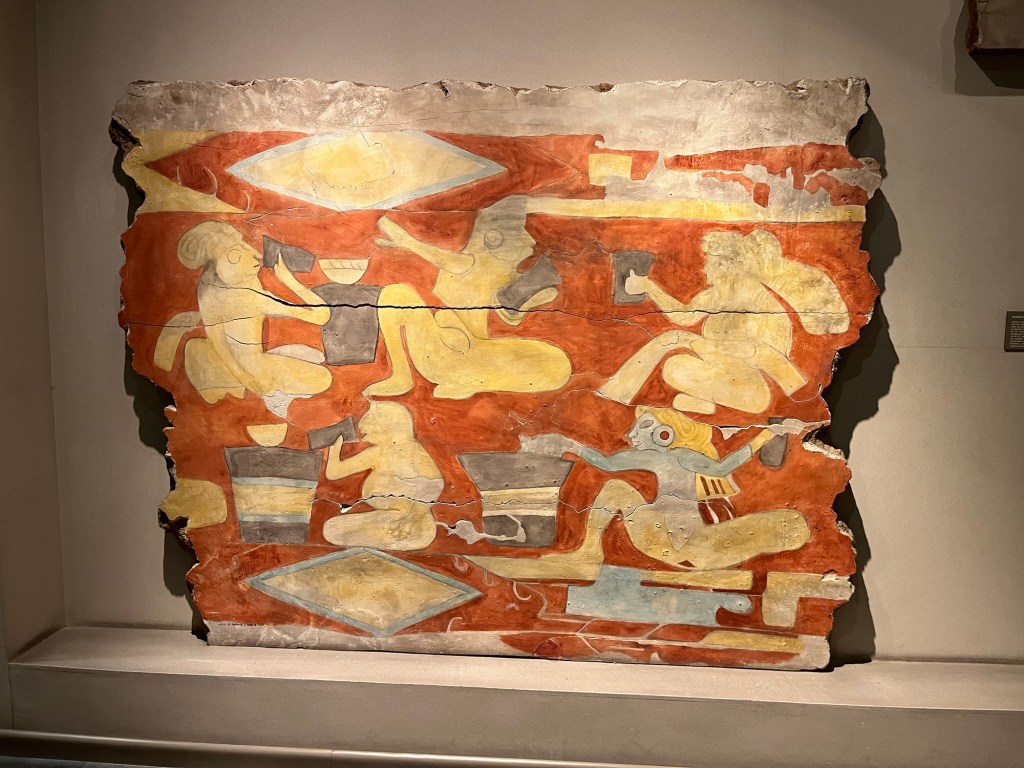
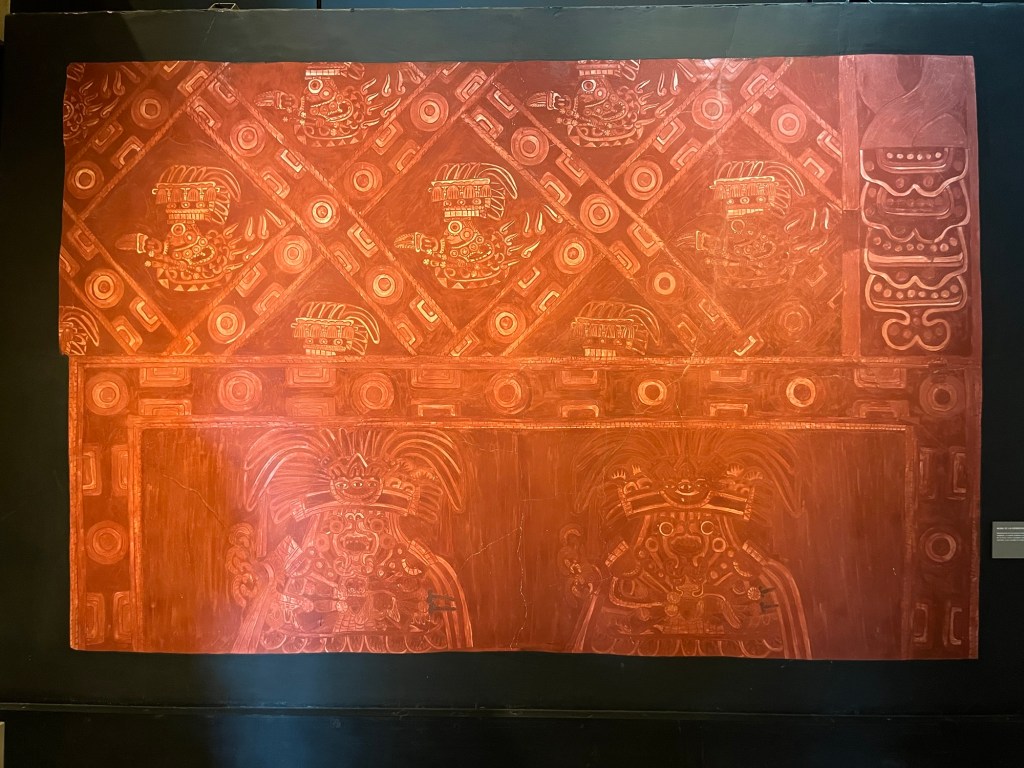
The Pyramid of the Serpent was a political and religious center for Teotihaucanos. It was built between 150 and 200 AD. “The Drinkers,” a mural in nearby Cholula, was created in about 200 ADThis is a reproduction of a mural depicting Tlalic, the god of rain.
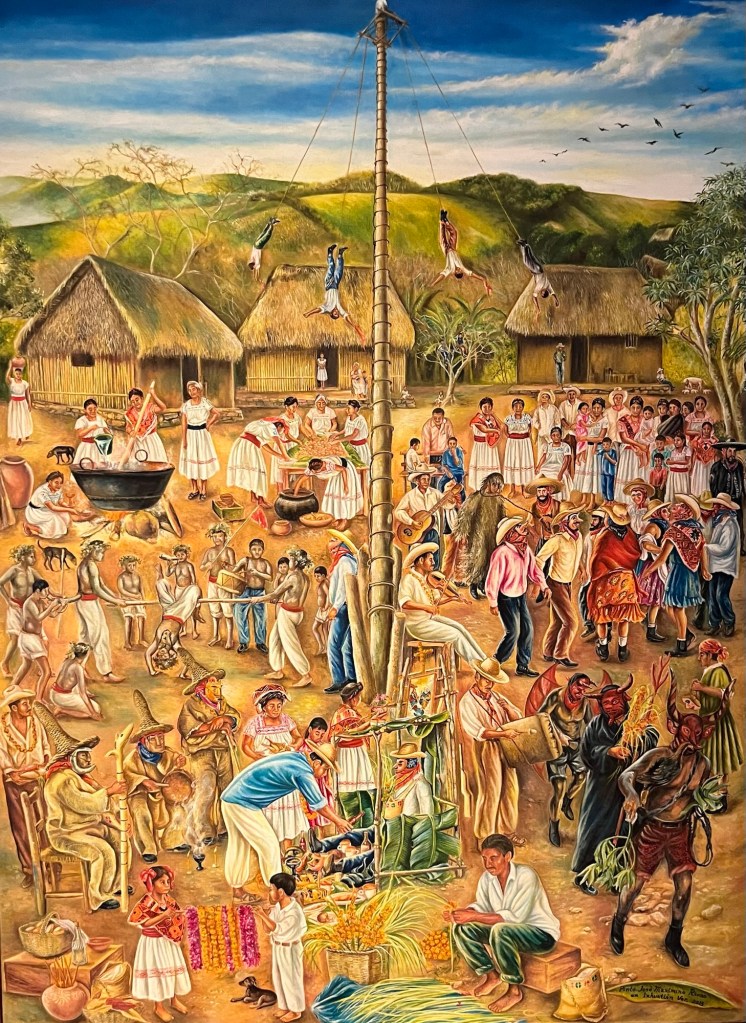
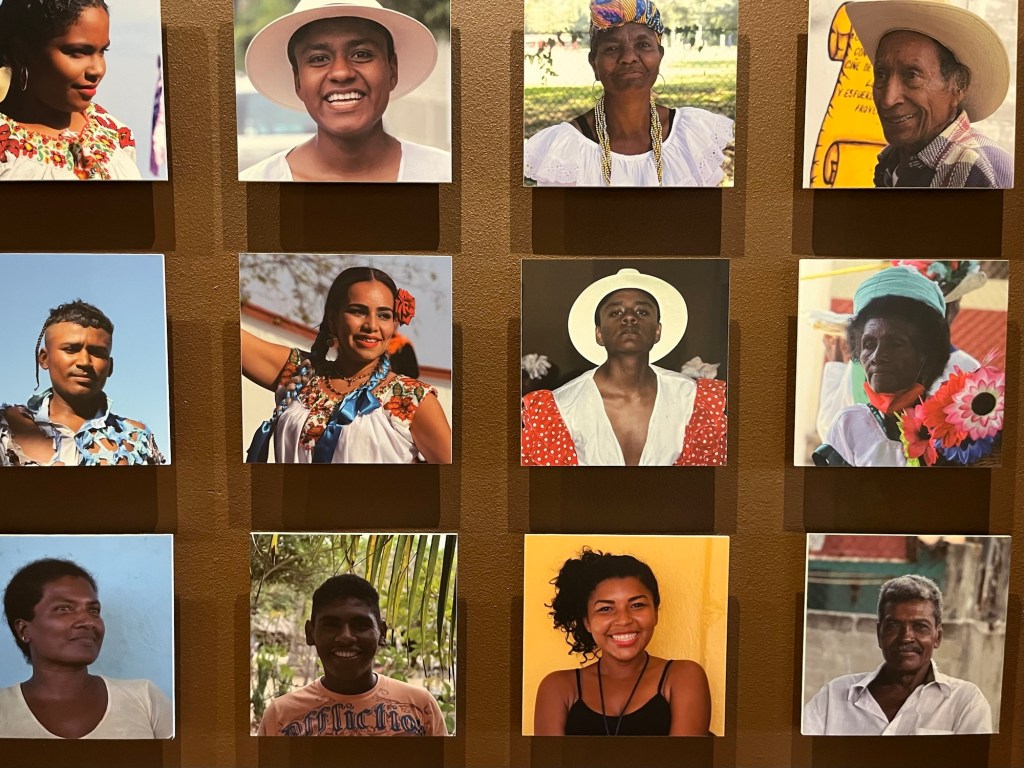
The Indigenous Peoples of Mexico
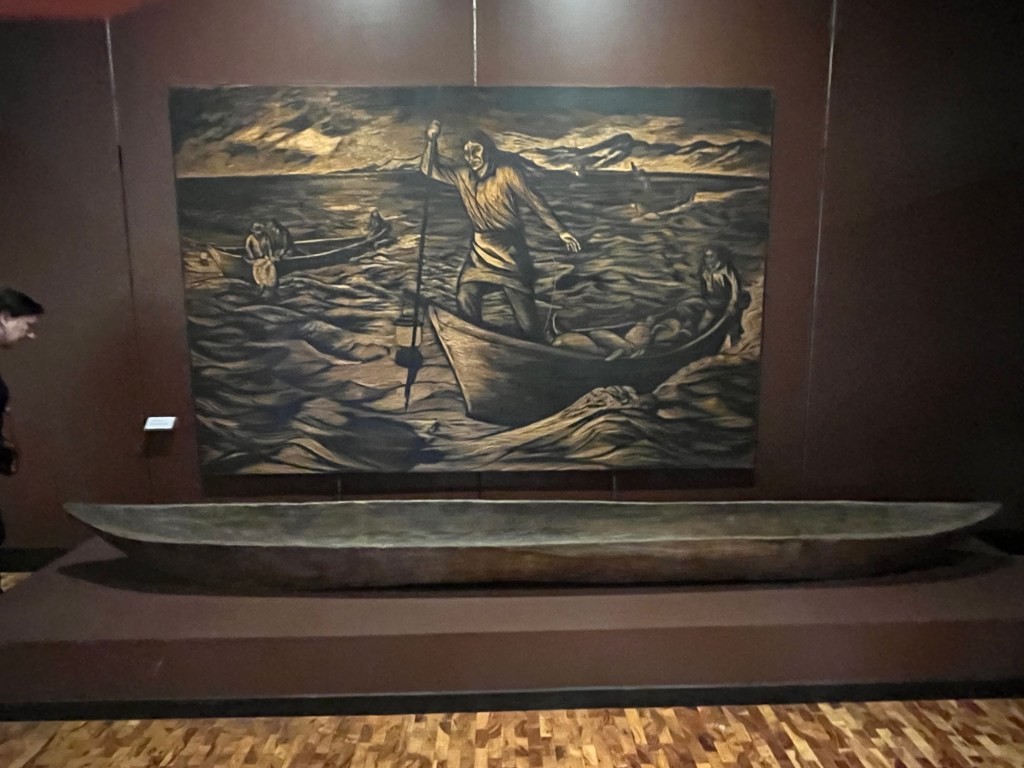
Caguama fishing, Adolfo Mexiac, carved from wood with black ink The Magical World of the Maya, Lenora CarringtonThe Cruz Blanca Carnival, José Máximo Rivas
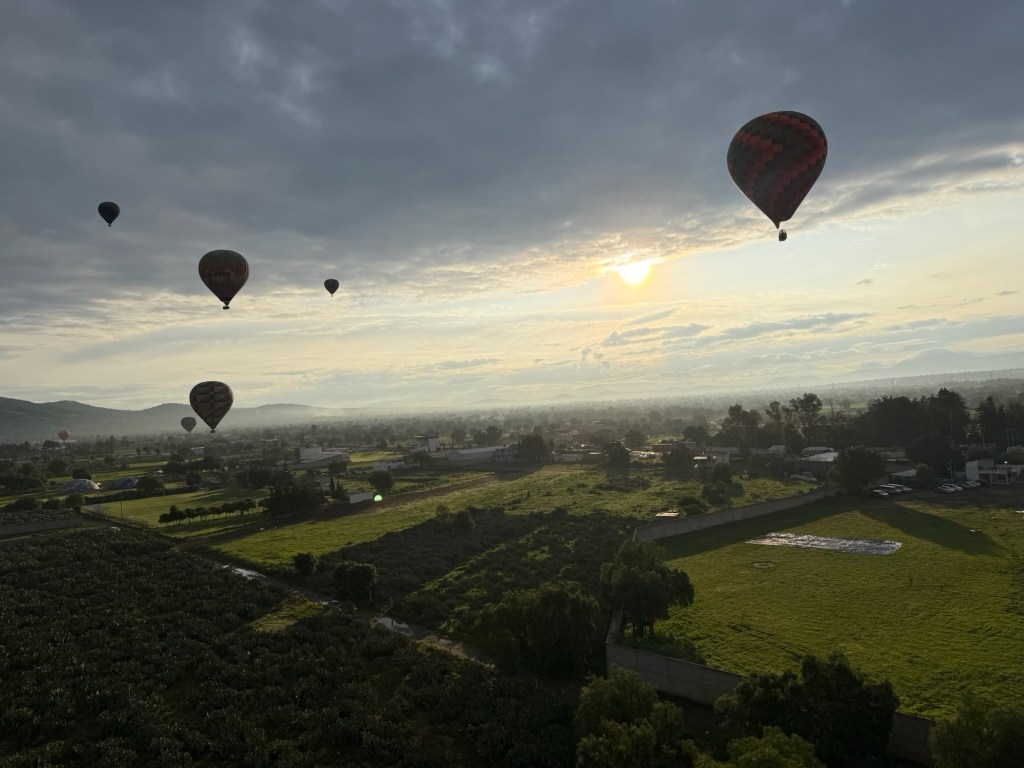
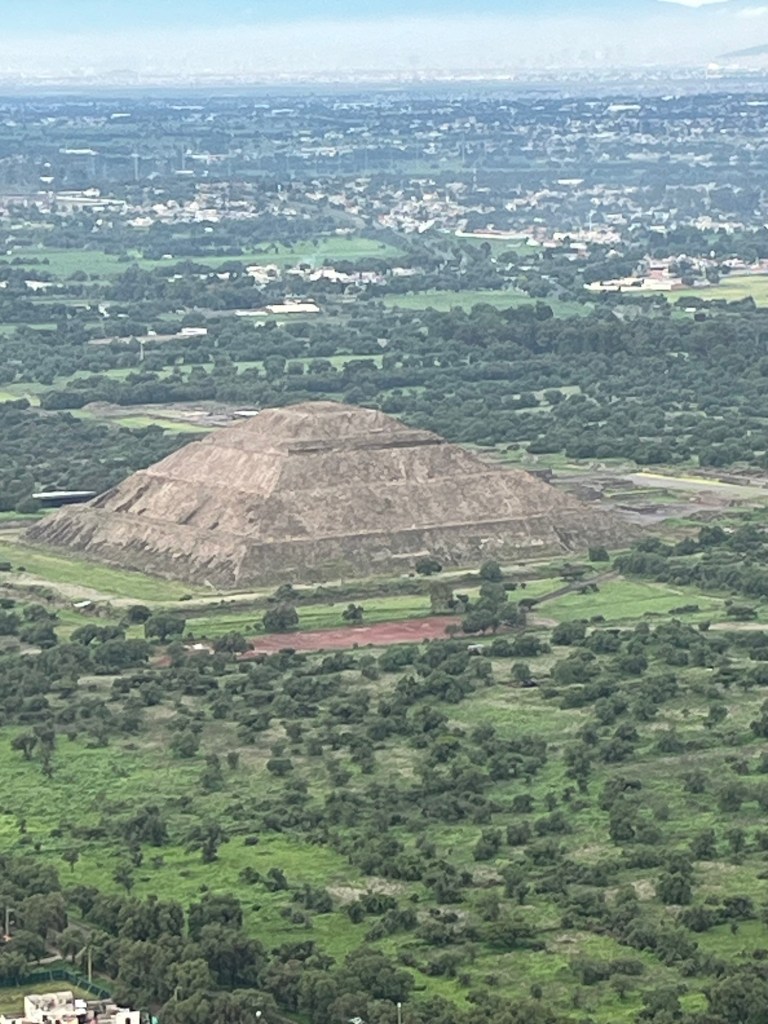
These photos chronicle a hot air balloon ride to the pyramids of Teotihaucan in Mexico. Teotihaucan was at one time believed to be the largest city in the Pre-Colombian Americas. It is about 25 miles northeast of Mexico City.
The two pyramids, the larger Pyramid of the Sun and the smaller Pyramid of the Moon were built by Teotihaucanos in about 200 AD. The names came later, courtesy of the Aztecs. Both had religious significance though exactly what is a matter of conjecture. It is suspected that human and animal sacrifices were done atop these pyramids. The Pyramid of the Sun is the third largest pyramid in the world.
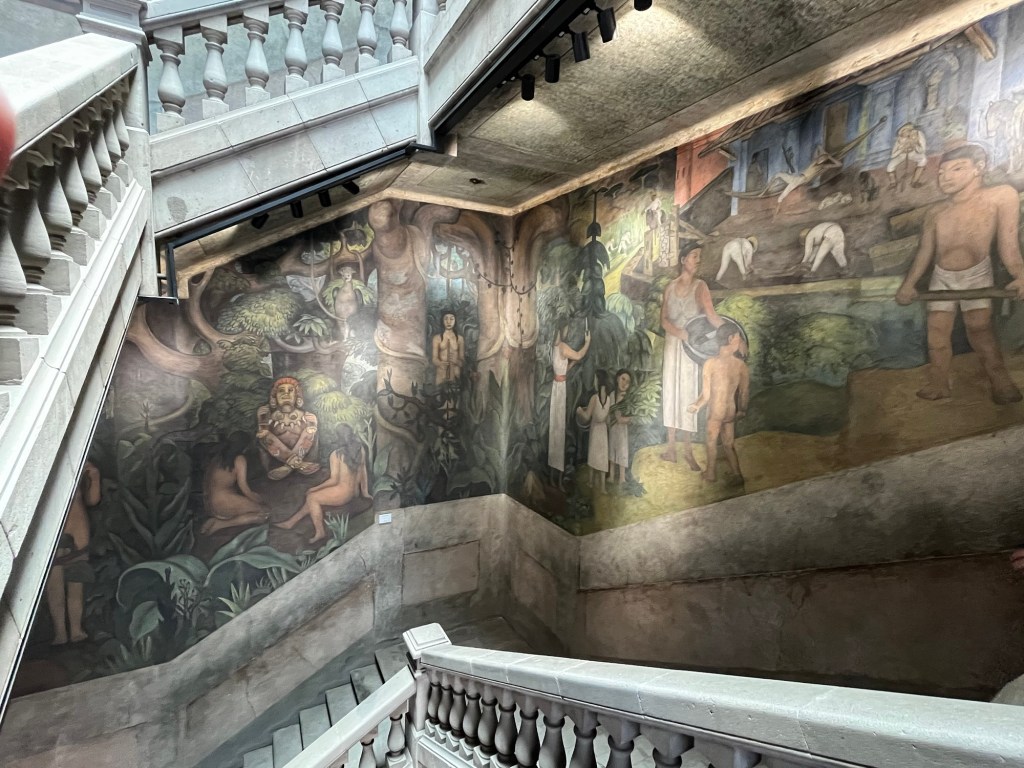
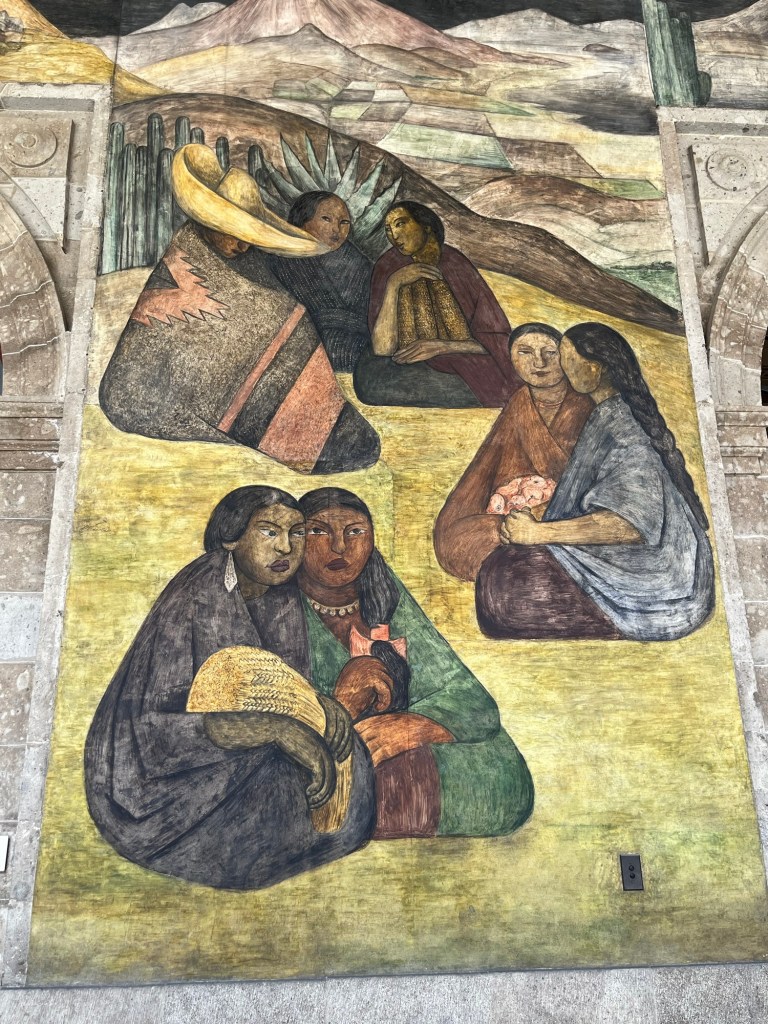
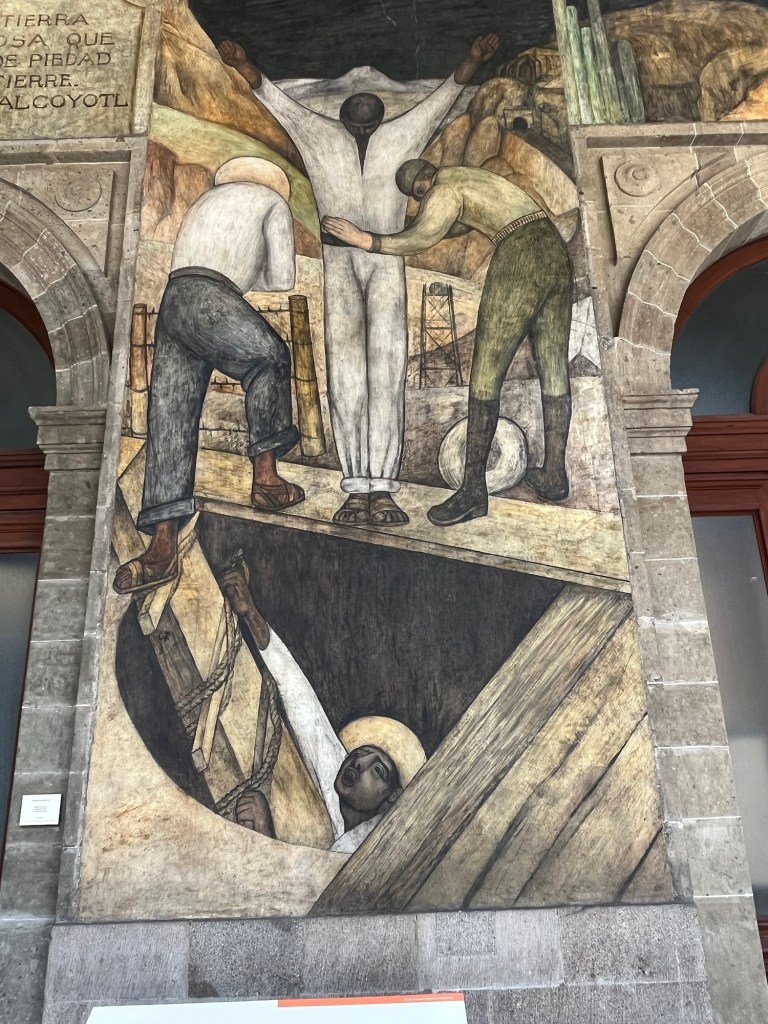
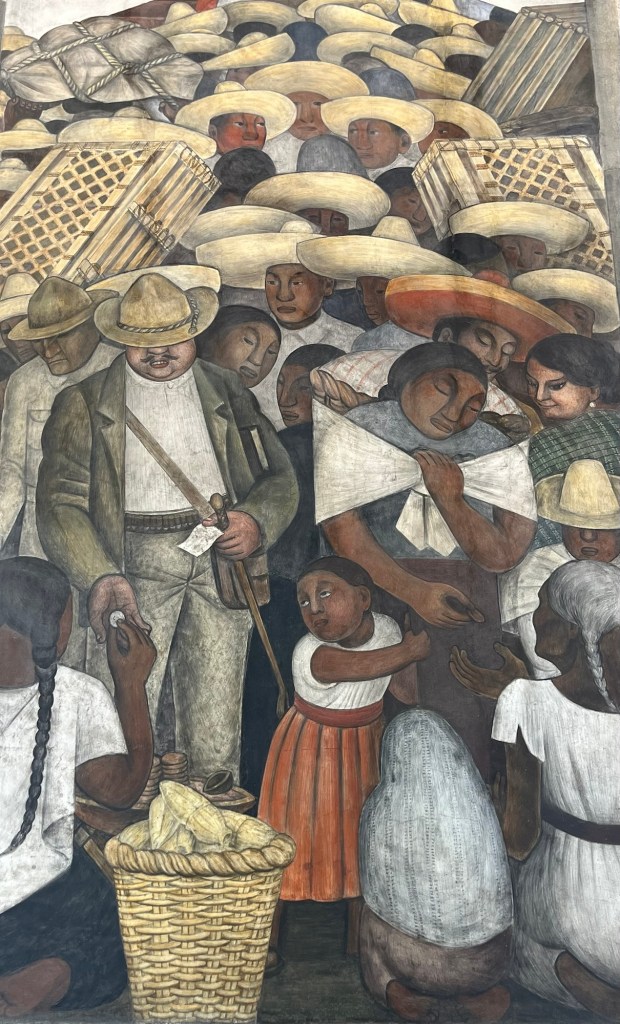
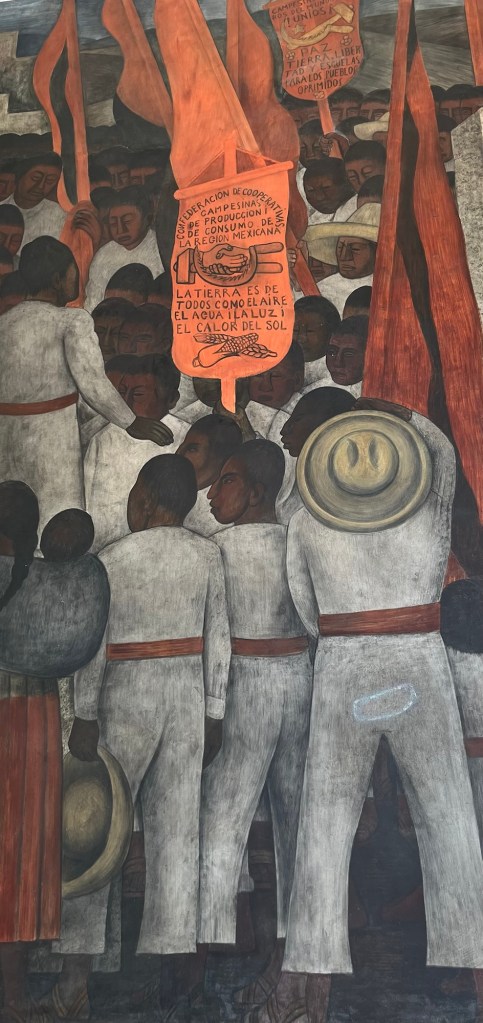
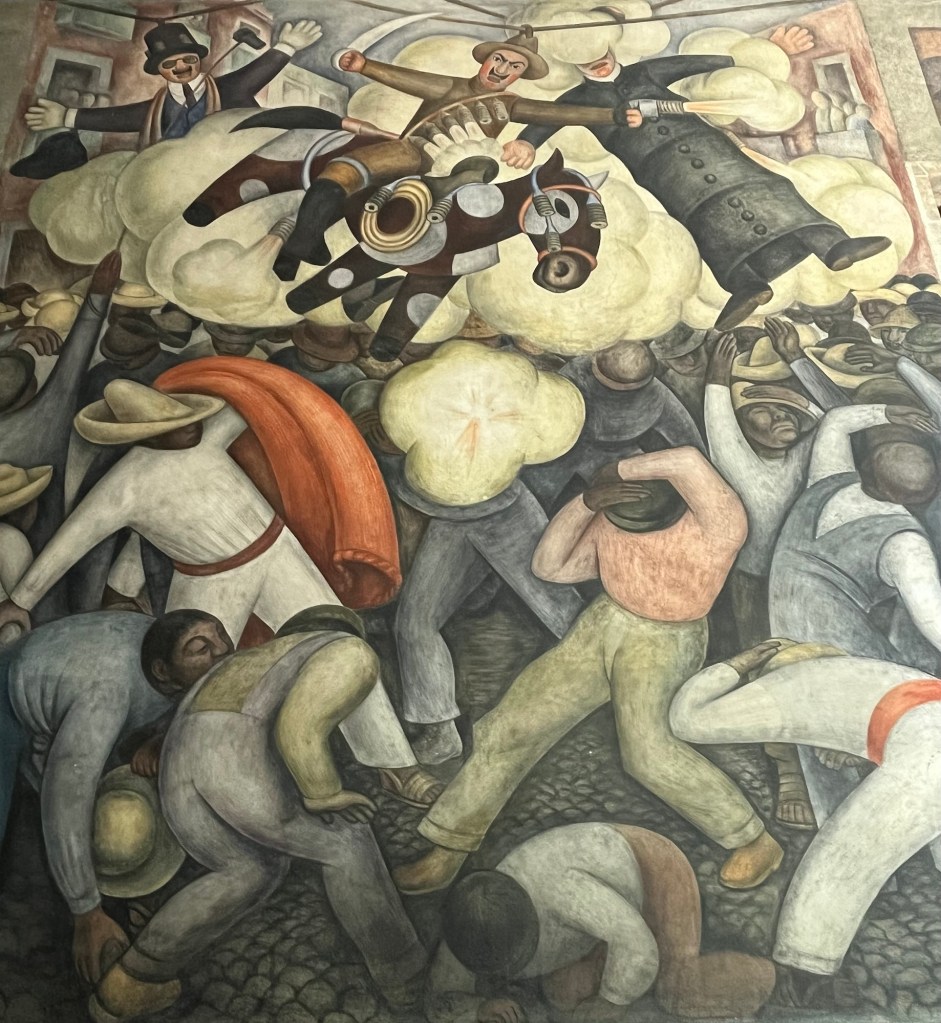
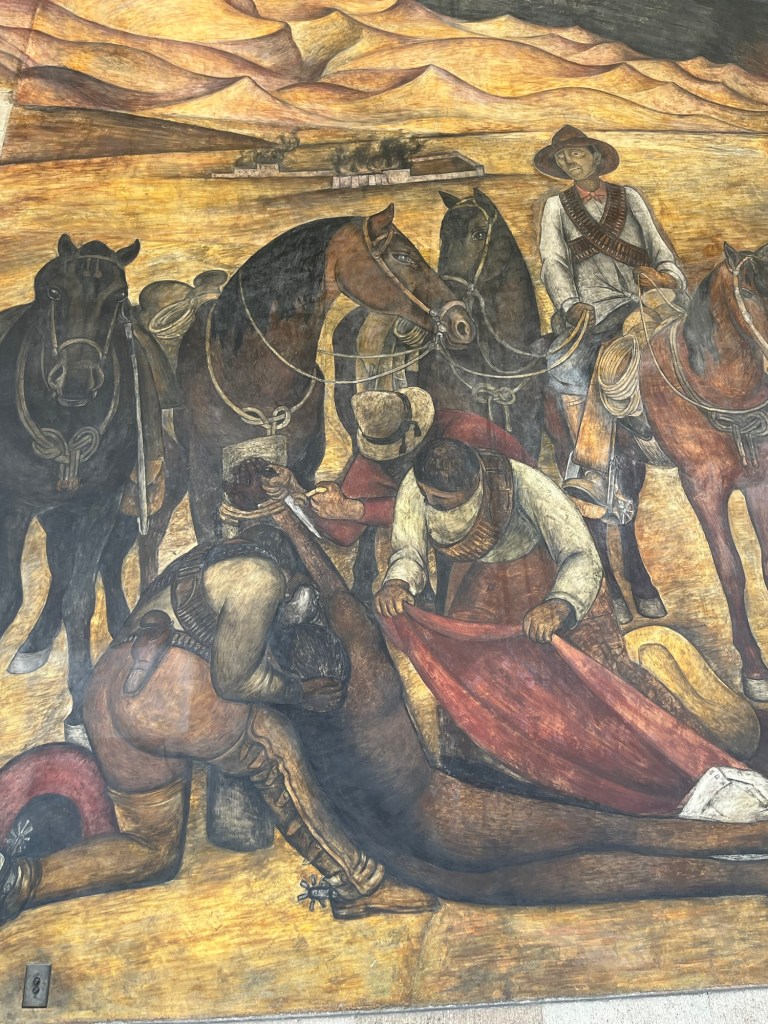
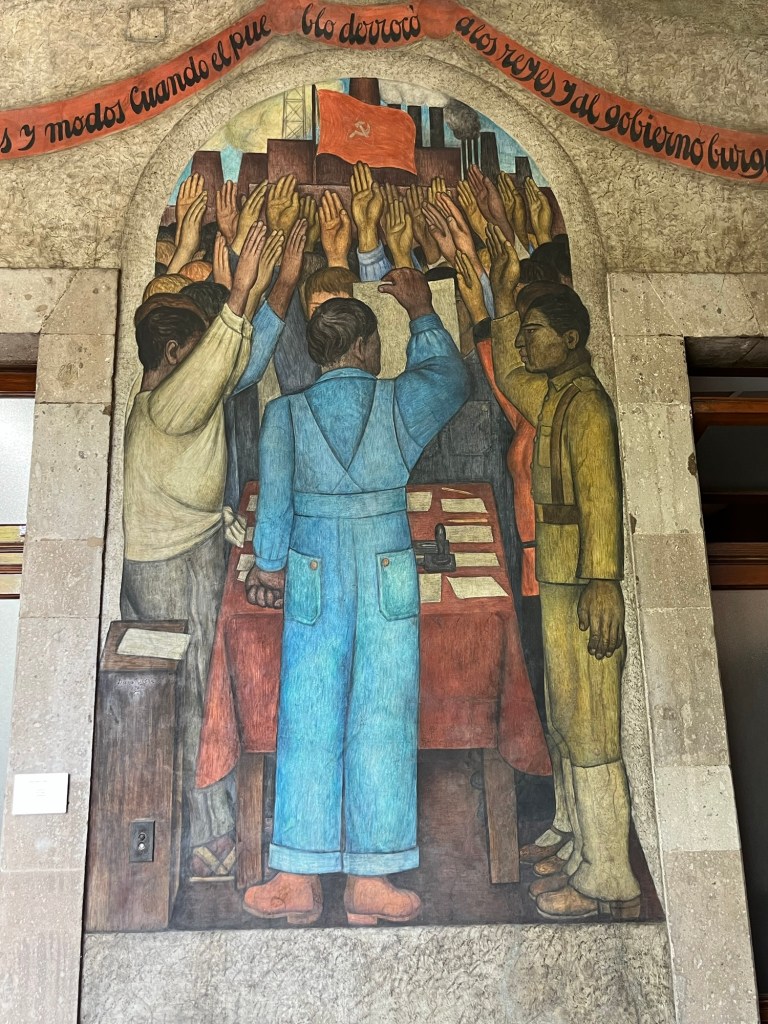
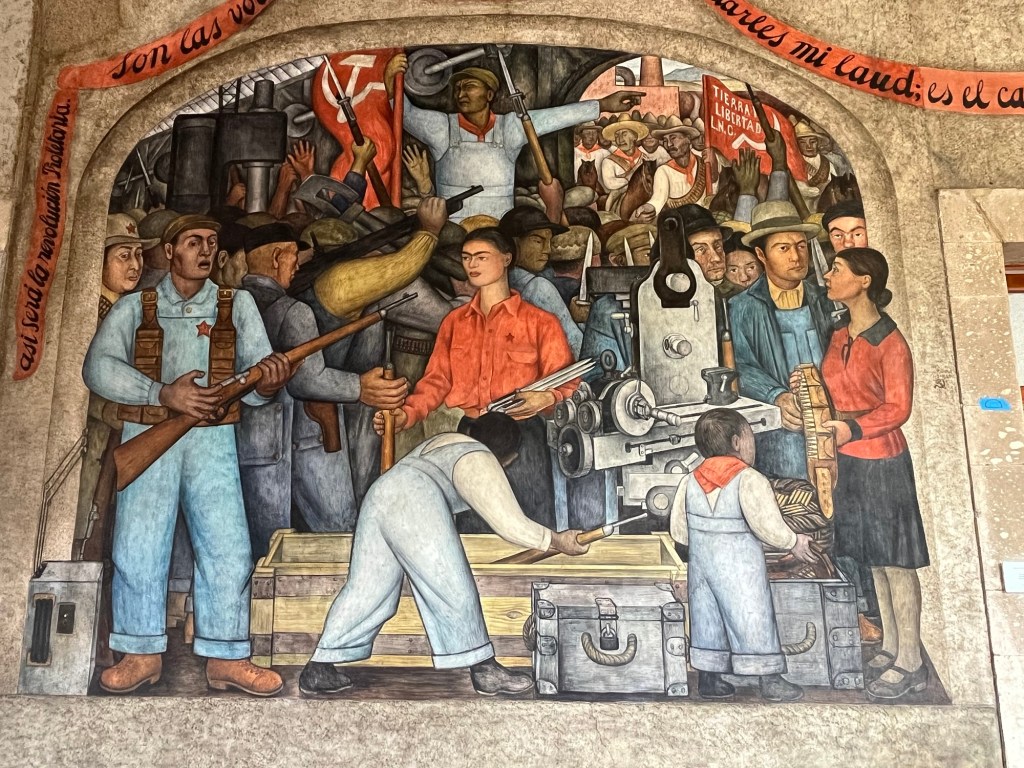
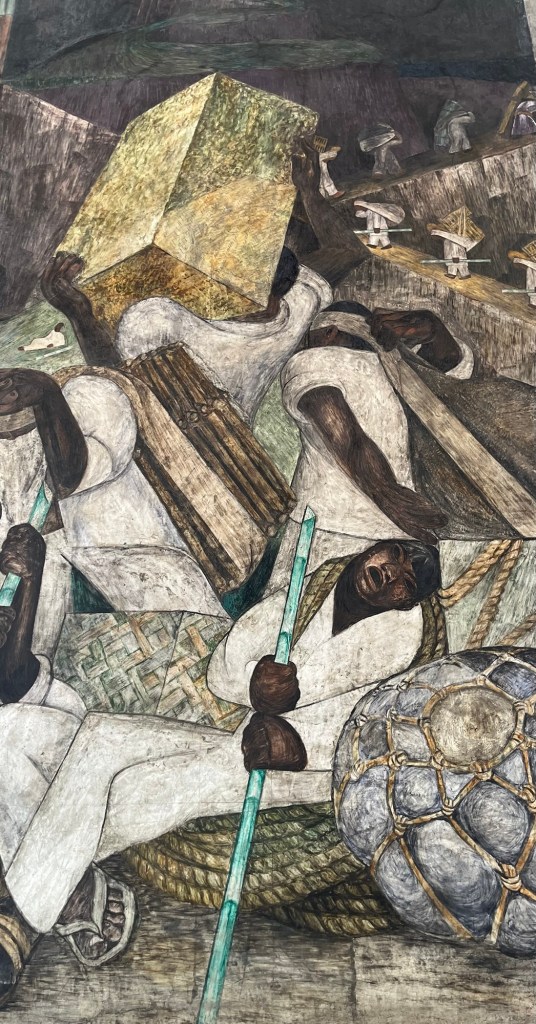
In 1922, shortly after the Mexican Revolution, the Secretariat of Public Education Jose Vasconcelos commissioned Diego Rivera for a mural project at the public education building. The building, located in Mexico City’s historic downtown district, is a large rectangle with two courtyards in the middle. Rivera’s frescoes are painted on the inside walls of the building facing the courtyards.
It took him six years to complete well over 100 panels. The work is a foundation piece of the Mexican mural movement. The building itself has been converted to the Museo Vivo del Muralism and opened as such in 2024. The museum is free. It contains Rivera’s original works and some additional murals by Mexican artists.
PeasantsLeaving the MineEntrance to the MineSugar MillThe WeaversThe MarketThe UnionsThe Burning of JudasDay of the DeadThe FoundryLiberation of the PawnMusicGuaranteesThe OrgyWall Street BanquetThe ProtestDeath of the CapitalistIn the Arsenal. That’s Frida Kahlo in the center handing out guns. At the far right is Tina Modotti, Italian photographer, feminist and political activist.Self Portrait
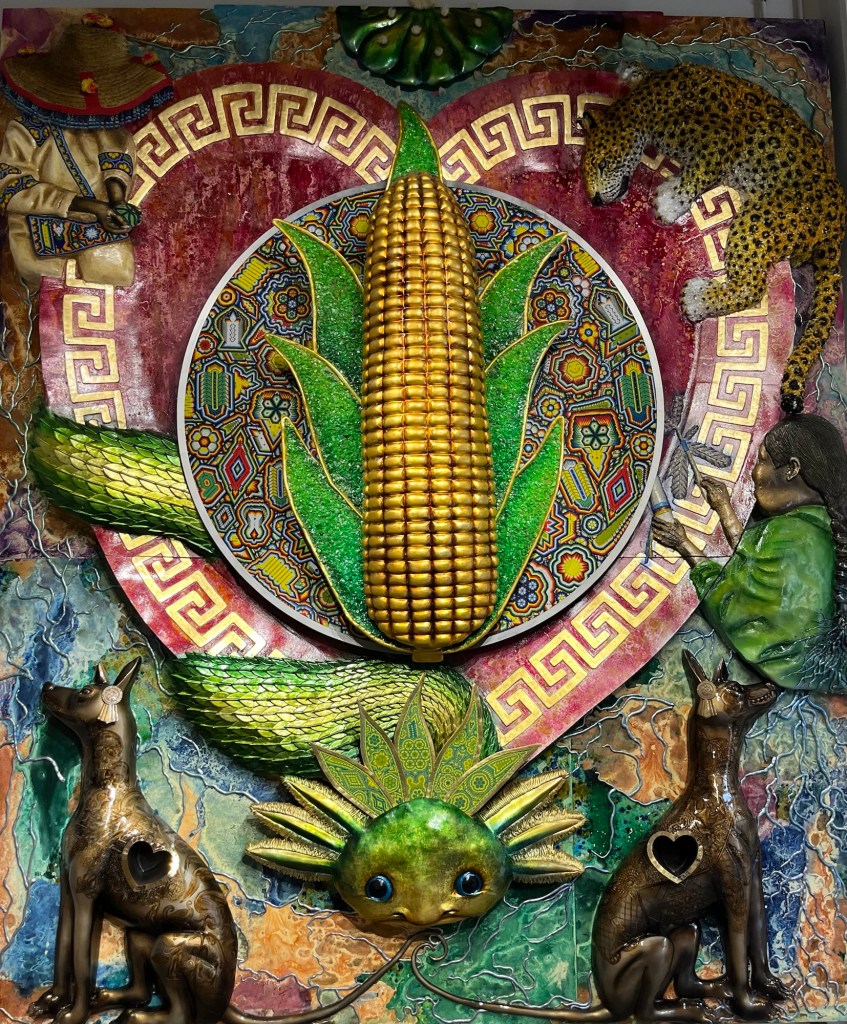
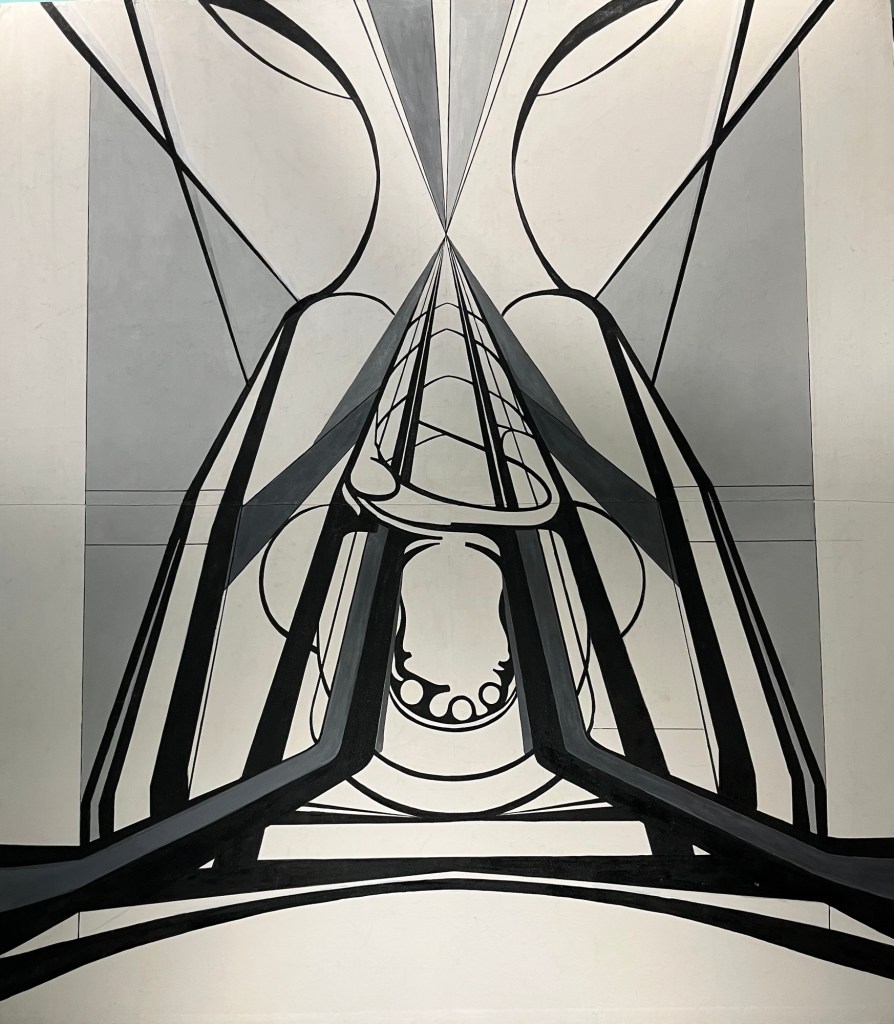
Works by other artists in the museum.
The bearers, Jean Charlot
Mexican stoicism, the hubbub in the middle of chaos, Fernando AndriacciAbundance, Cesar Menchaca GarciaSketch of the mural of the humanoid’s march on Earth and toward the cosmos, David Alfaro SiqueirosRites, Raul Anguiano

















































































 off the leash