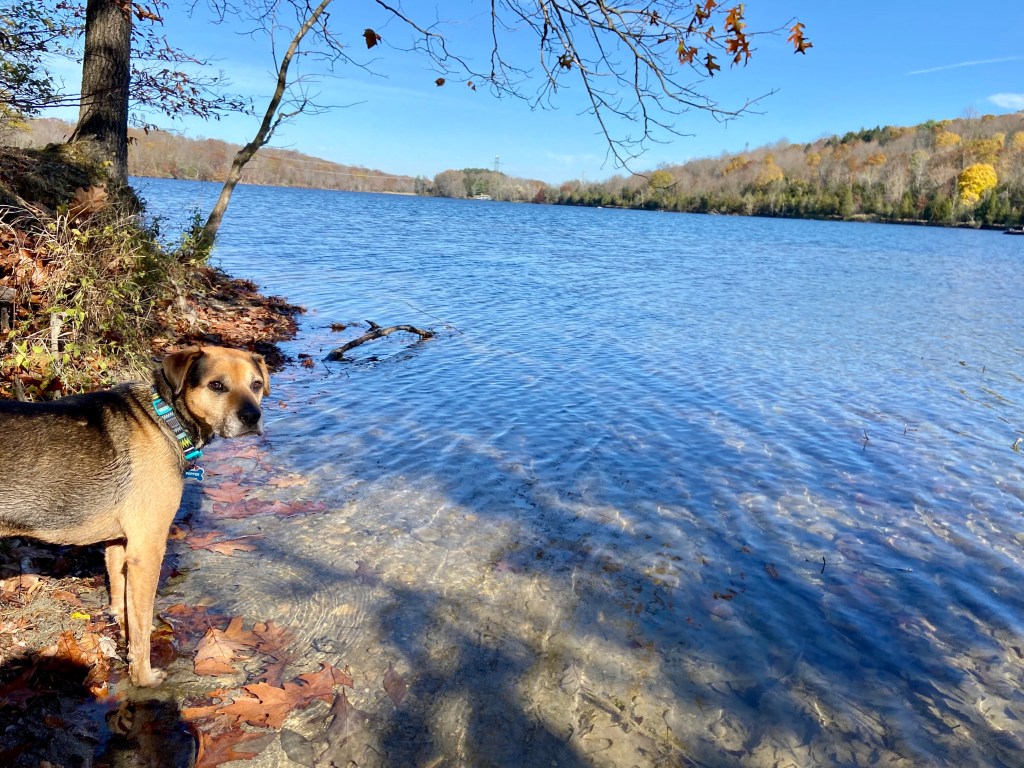
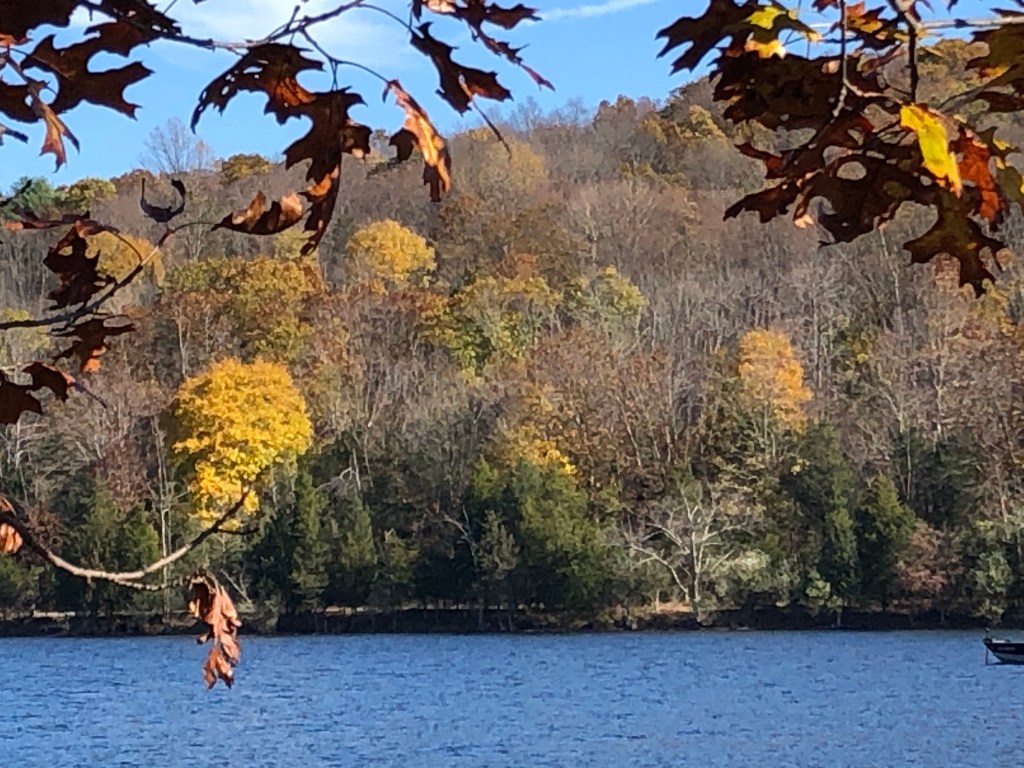
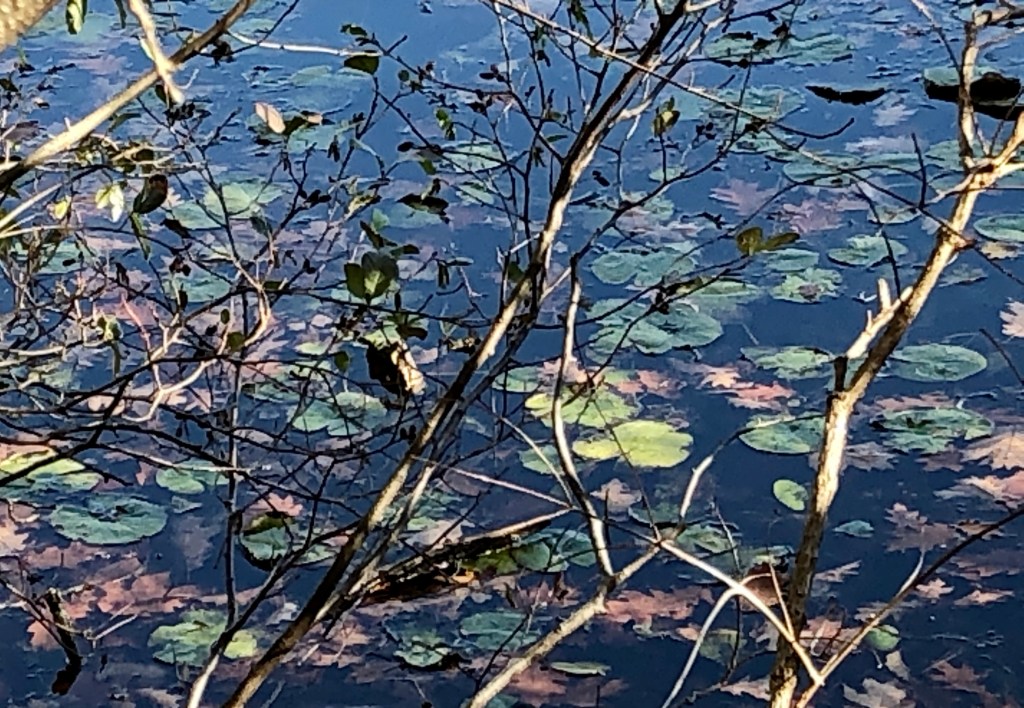
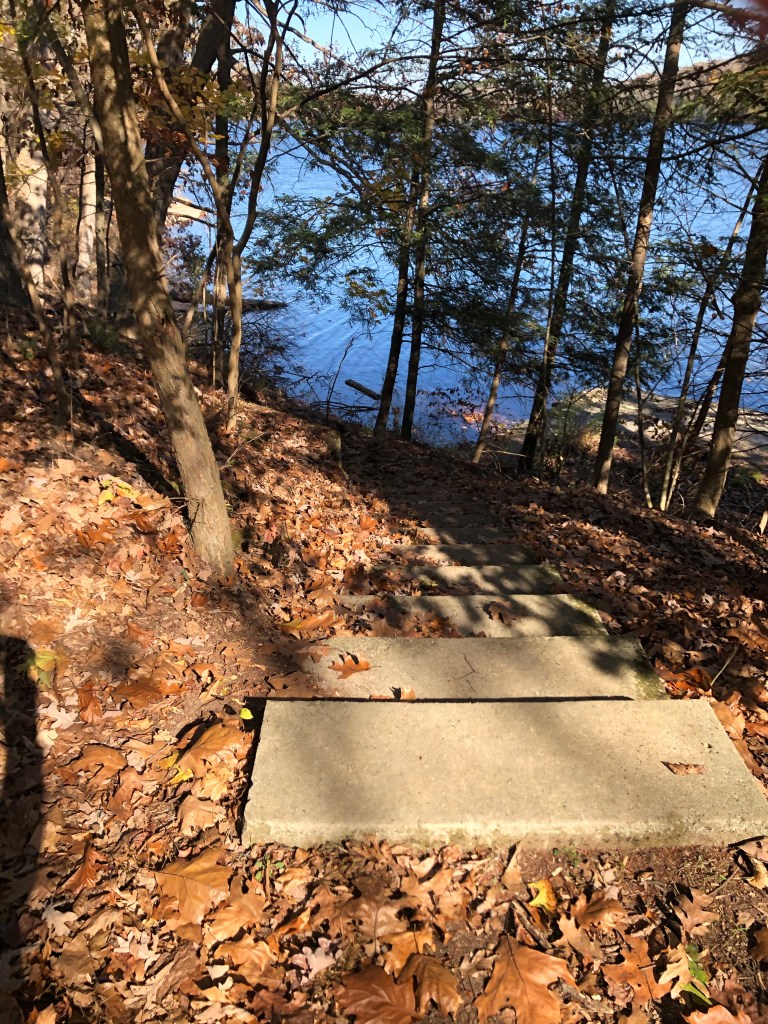
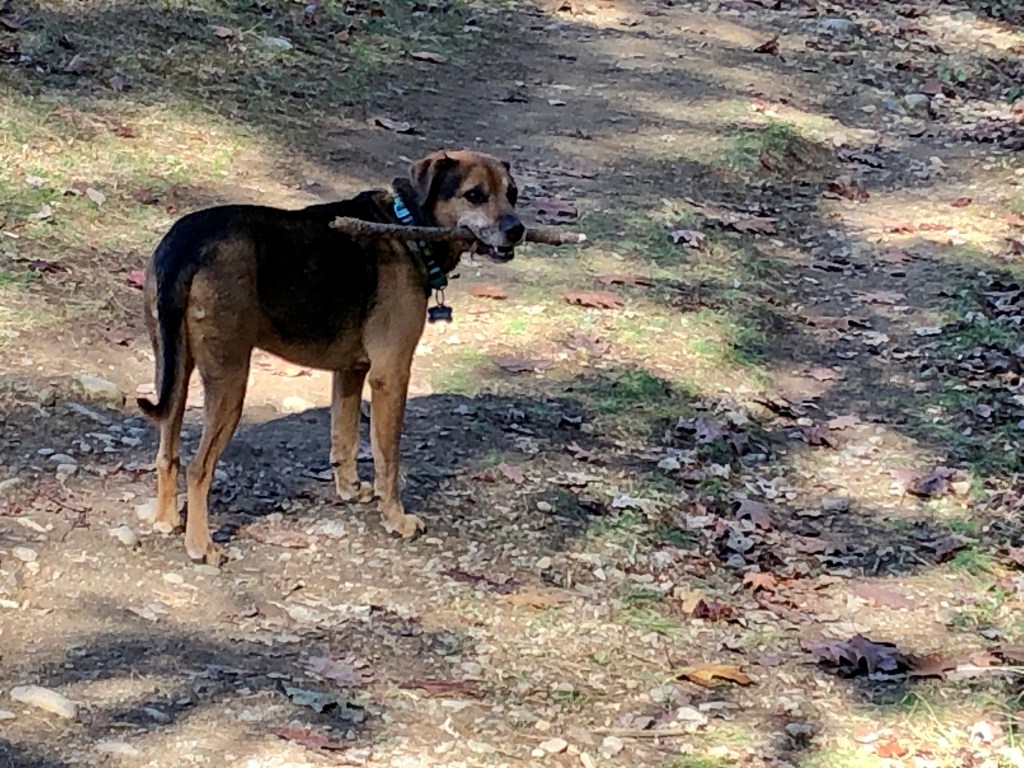
Walking Away the COVID-19 Blues

Campgaw Mountain Reservation, Mahwah, N.J.

Campgaw Mountain Reservation

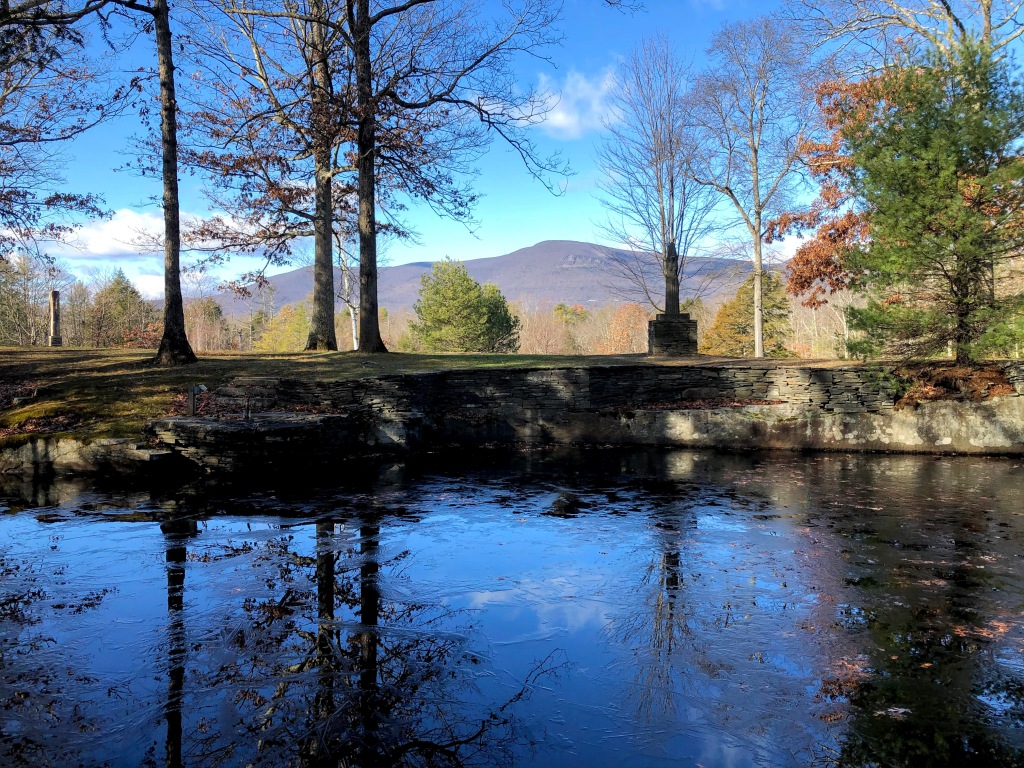
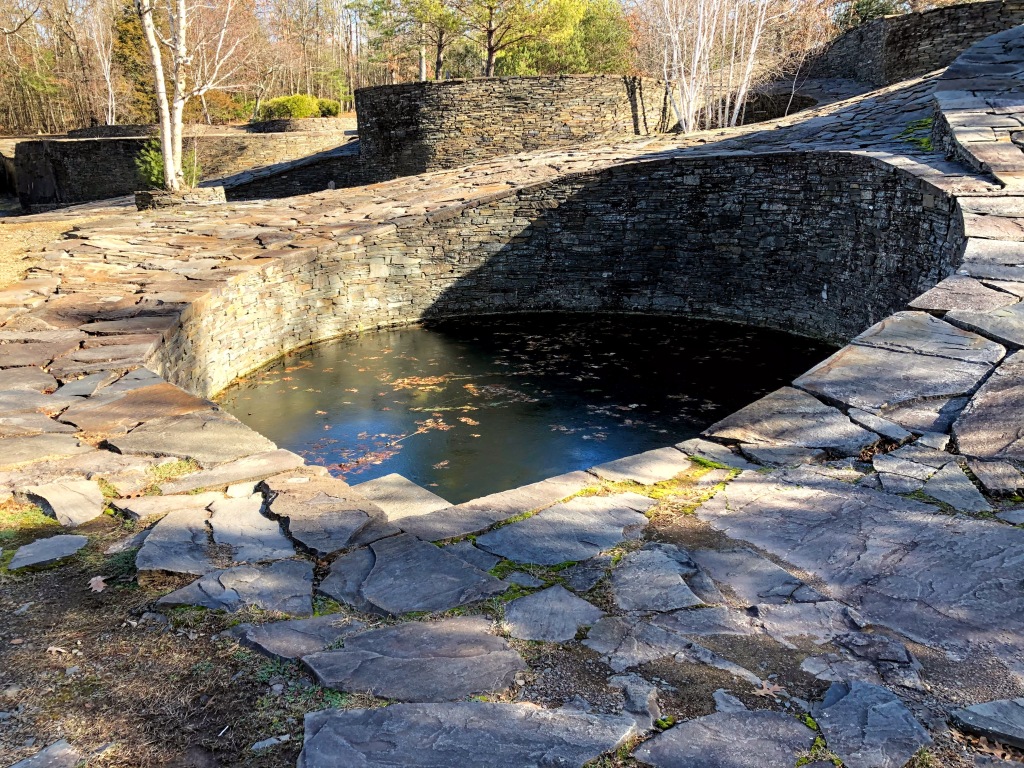
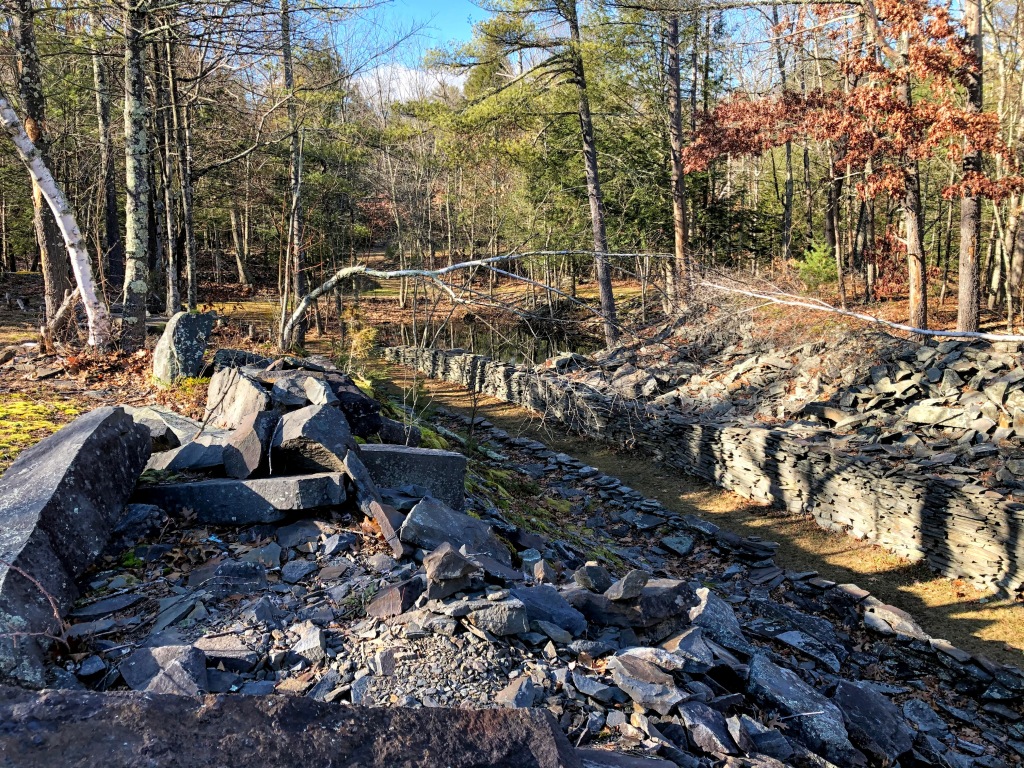
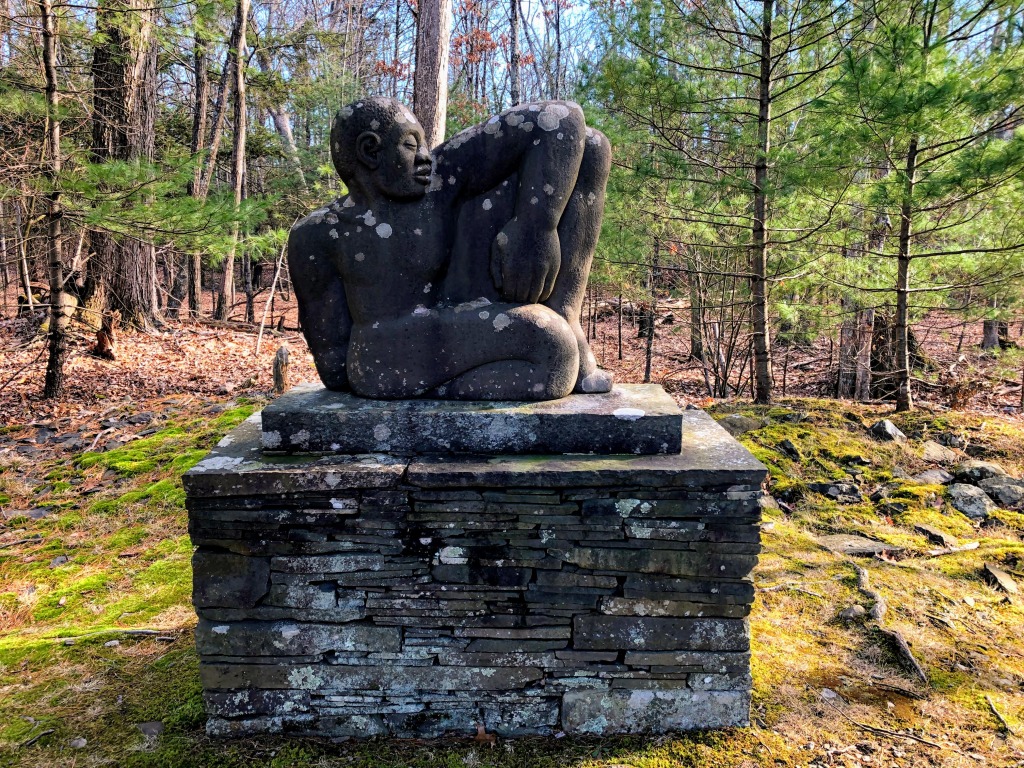
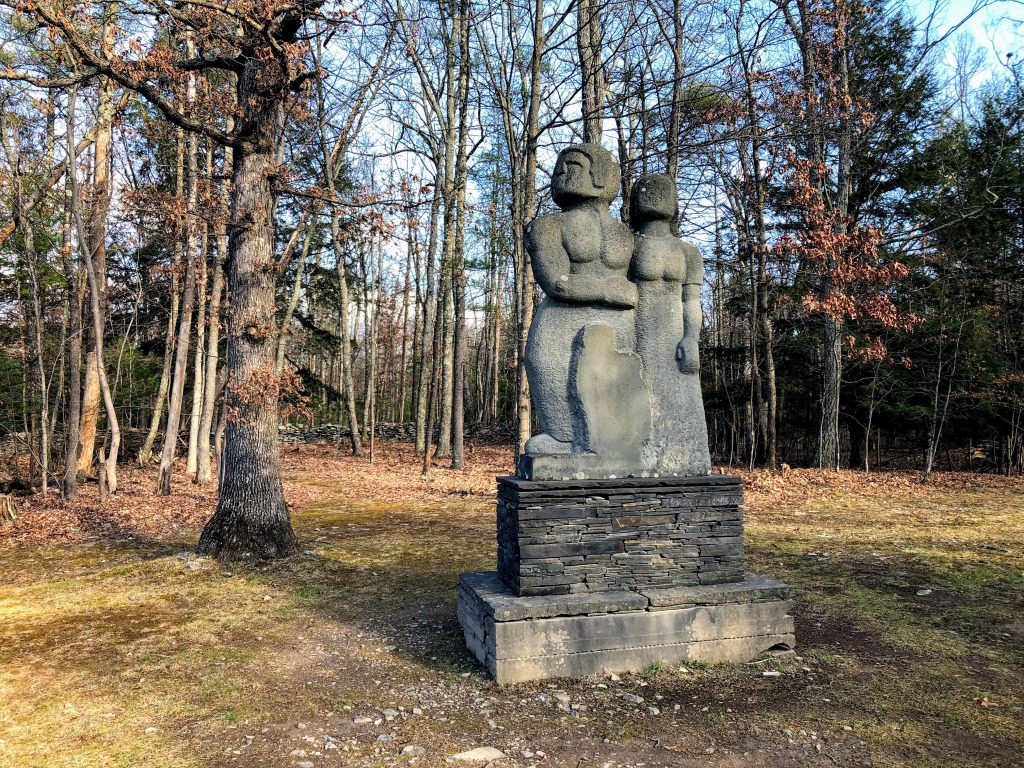
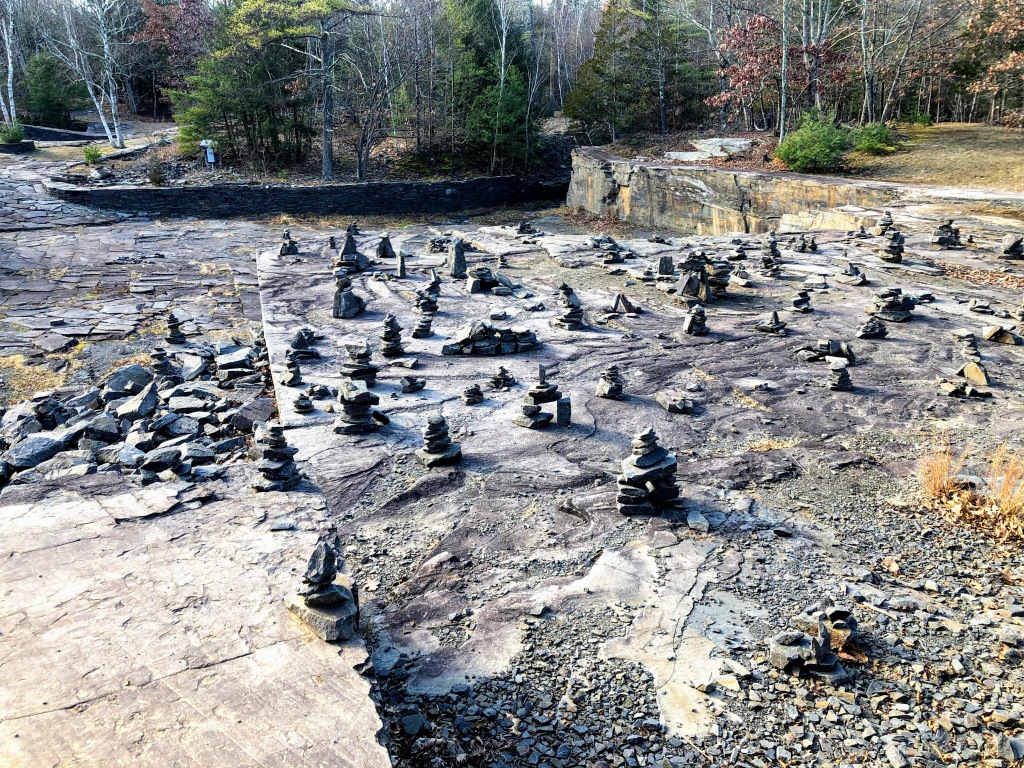
Cedar Lakes Estates, Port Jervis, N.Y.

Eagle Rock Reservation, West Orange, N.J.

Franklin Lakes Nature Preserve, Franklin Lakes, N.J.

Posted in Travel | Tagged , , , , , , , , , | 9 Comments

How Does Bill Barr Stack Up Against the Worst Attorneys General in U.S. History?

Bill Barr

The Attorney General of the United States is the country’s top law enforcement officer, the lawyer for the U.S. government. But in our history too many attorneys general have focused less on the law than on the agenda, whims and politics of the president who appointed them. They have attacked and sought revenge against the president’s enemies, supported and covered for his friends and allies. And often done so with little regard for the Constitution or the civil liberties of American citizens. 

All that is a pretty accurate description of U.S. Attorney General Bill Barr. How does Barr stack up against the worst attorneys general in American history?

Barr v. Palmer

A. Mitchell Palmer

Most discussions among historians about America’s worst attorney general start with A. Mitchell Palmer, attorney general from 1919 to 1921 under President Woodrow Wilson. Palmer warmed up for this gig during the war years by holding the position of Alien Property Custodian. In that position he was responsible for seizing and selling the assets of “enemies,” most of whom were German Americans, including a number of German brewers who Palmer determined were “unpatriotic.” 

While many of the most vile attorneys general, like Barr, were carrying out the desires of the president who appointed them, Palmer’s racism and xenophobia seem to be self generated since during a good part of his term Wilson was incapacitated after suffering a stroke. The post World War I era in the U.S. was characterized by a Red Scare, a reaction to not only the Bolshevik Revolution in Russia but also labor union activity and anti-immigrant sentiment. What Palmer is best known for is the “Palmer Raids.” He went after anyone who he considered a dissident or radical and immigrants, especially eastern Europeans, and Blacks were high on his suspect list. The victims of the Palmer Raids were also held in detention for months without ever being charged or convicted and, when not blocked by the courts, the immigrants were deported. 

Barr has ICE to do the administration’s bidding when it comes to rounding up immigrants, deporting them, or detaining them with no legal reason. But he jumped in the fray in Portland, arresting and detaining protesters who he claimed were “assaulting the government of the United States.” His escalation of rhetoric regarding the threat posed by the Portland protesters is right in line with what Palmer had to say about the “radicals” of his era. 

Barr has repeatedly intervened to try to stop immigrants and asylum seekers from getting into the U.S. In one case he redefined the definition of torture to make that definition more narrow and make is less likely to be a reason to grant entry to an asylum seeker. He intervened in another case involving a Mexican man who sought asylum under a U.S. law which granted asylum to individuals who feared persecution because they were a member of a social group. The man’s family was under threat because his father refused to let a gang use his store. The Board of Immigration Appeals ruled that the man’s family constituted a social group. Barr reversed that ruling. He has also created an office for the “denaturalization” of U.S. citizens and has allowed the use of confidential therapy notes in deportation cases. Barr has sued cities and states that have adopted immigrant protection policies and, in a speech to the National Sheriffs Association he encouraged the sheriffs to join in on a “significant escalation” to retaliate against sanctuary cities and states.

When it comes to immigrants, radicals and protestors, Palmer and Barr are indeed birds of a feather.

Barr v. Daugherty

Henry M. Daugherty was attorney general from 1921-1924 under President Warren Harding. He secured that appointment after being Harding’s campaign manager. Harding brought to Washington with him a group of cronies who came to be known as the “Ohio Gang.” Daugherty was a card-carrying member. What the Harding Administration was best known for is corruption, most famously the Teapot Dome scandal, which involved a member of Harding’s cabinet taking bribes for the leasing of petroleum reserves.

Daugherty himself may have been looking to get a piece of the action. He was charged with improperly receiving funds from the sale of the American Metal Company, a German-American owned concern that had been seized during World War I. Three other members of the Harding administration faced similar charges. Daugherty would later be tried twice before the charges were dropped. In the second trial, all but one juror thought he was guilty.

Daugherty may or may not have known about the Teapot Dome scandal but he was part of an administration filled with corruption and at the very least he turned a blind eye toward it. Barr likewise is part of an administration filled with Trump cronies who are having more than their share of problems with the law. 

Barrr has actively tried to drop or lessen the charges against Michael Flynn and Roger Stone. Flynn was Trump’s first National Security Advisor. He lasted 22 days. He was convicted of felony lying to the FBI. Barr has tried to have the case against him dropped before he could be sentenced. Stone has a decades long record as a sleazy political operator. He had worked on the campaigns of Nixon, Reagan, Dole and Bush II as well as Trump. Stone was convicted by a jury of five counts of lying to Congress, and one count each of witness tampering and obstruction of justice. Barr sought to get Stone a lighter sentence, a move that resulted in four career prosecutors resigning. Eventually Trump pardoned Stone. It will surprise no one if, in the future, we hear that Barr is trying to intervene on behalf of Swindling Steve Bannon.

Barr v. Gonzales

Alberto Gonzales was attorney general from 2005-2007. He was George W. Bush’s second attorney general. He is known for three things:

— he endorsed warrantless surveillance

— he supported “enhanced interrogation techniques,” aka torture 

— he fired nine U.S. attorneys who refused to agree to a directive to go after the president’s political enemies.

Gonzales resigned from his position in 2007 “in the best interests of the department.” There were no dissenting opinions.

Barr’s history of warrantless surveillance goes back to before Gonzales. He was involved in the planning of the NSA mass phone surveillance program in the 90’s. During his first term as attorney general, from 1991-1993 under Bush I, he authorized the DEA to amass phone call data and ordered phone companies to turn over the records of phone calls to some 100 countries that he determined had drug traffickers.

Earlier this year he fired Geoffrey Berman, the head prosecutor of the Southern District of New York. The firing was done by press release. I’m sure it had nothing to do with the fact that Berman was in the process of investigating possible illegal activity by the Trump Organization.

Barr v. Mitchell

John Mitchell

John Mitchell was Richard Nixon’s attorney general from 1969 to 1972. Before that, he was Nixon’s campaign manager. He is believed to have played a role in sabotaging the Paris Peace Accords, something deemed necessary for Nixon’s election victory. Mitchell fiercely went after anti-war demonstrators who he demonized. He authorized phone taps and preventive detention. What he wasn’t that keen on enforcing was school desegregation. Mitchell was the attorney general for a “law and order” administration. (Sound familiar?) He ended up in jail.

Mitchell planned the Watergate burglary that eventually brought down the Nixon administration. He was also actively involved in the cover-up and eventually he was convicted of conspiracy, obstruction of justice and perjury. He went to prison for 19 months.

When Barr authorized the tear gassing and removal of peaceful demonstrators in Washington so that Trump could march down the street for a photo op, it surely seemed to evoke the memory of John Mitchell. Even more so, Barr’s role in the Ukraine scandal that resulted in Trump being impeached. Nixon was on the verge of being impeached when he resigned.

We don’t know whether Barr was directly involved with Rudi Guiliani’s effort to tie the awarding of Congressionally-approved aid funds to a scheme to get the Ukrainian government to claim it was investigating Hunter and Joe Biden. But we do know Barr tried to cover up the whistleblower complaint that first exposed this. As was the case with Mitchell, the final chapter in Barr’s possible involvement and cover up will probably be written after he is out of office.

I have not even gone into Barr’s misrepresentation of the Mueller report and how he avoided making it available. Nor did I mention how he was held in criminal contempt for refusing to testify before Congress about Trump’s attempt to add a citizenship question to the census. And it’s pretty unprecedented that some 1,000 former Justice Department employees signed a letter calling on him to resign. But I think it’s fair to say that if every discussion of America’s worst attorney general starts with A. Mitchell Palmer, it ends with William Pelham Barr.

Posted in History | Tagged , , , , , , , , , | 13 Comments

An Oasis in the Bronx

New York Botanical Garden

New York Botanical Garden

Water Lilies and Lotuses

Peach Twist
New York Botanical Garden

The Perennial Garden

New York Botanical Garden

Native Plant Garden (plants native to New York area)

Native Plant Garden
New York Botanical Garden
Posted in Travel | Tagged , , , , , , , , | 11 Comments

These Guys Were Supreme Court Justices?!!

We have on the Supreme Court today two justices whose confirmation hearings were dominated by seemingly credible accusations of sexual abuse. One apparently spent part of his elite education experience with his fly unzipped. The other, who has been on the court for some time now, is best known for going years without asking a single question of the cases being presented. Surely we have lowered the bar in terms of the caliber of individuals named to don the judicial robes of the country’s highest court. But after a little research I found that the likes of Brett Kavanaugh and Clarence Thomas still have a long way to go before they can be mentioned on the same list as this group of racists, anti-Semites and underachievers.

The Useless

John Rutledge

John Rutledge was a South Carolinian with a successful law practice and considerable wealth. He was the first independent governor of South Carolina, attended the Continental Congress and later the Philadelphia Convention of 1787 where the Constitution was written.

John Rutledge

Rutledge was a slave owner who at one time owned 60 slaves. As an attorney in private practice he twice defended individuals accused of abusing slaves. His influence has been cited by some historians as the reason the Continental Congress chose not to abolish slavery.

George Washington appointed him to the first U.S. Supreme Court in February 1790. I’d be happy to tell you about his voting record or the opinions he wrote, but neither exist. Partly due to illness he never attended a single session before resigning from the court in March 1791. He left to become Chief Justice of South Carolina.

Rutledge’s disinterest in his first Supreme Court gig didn’t dissuade him from entreating Washington to appoint him U.S. Supreme Court Chief Justice after the first chief justice, John Jay, left the court. Washington did. But since the Senate was in recess Washington gave Rutledge a “recess appointment.” By the time Congress came back into session Rutledge had worn out his welcome in the capital after making a speech vehemently criticizing the Jay Treaty which established peace with England and set up a trade agreement. Amidst concerns about his deteriorating mental health and rumors of alcohol abuse, the Senate, although dominated by the Federalists, the party of Washington, voted down his nomination by a 14-10 vote. Distraught, Rutledge attempted suicide by jumping off a bridge. Guess who saved him? Two slaves pulled his sorry ass out of the river.

The John Rutledge legacy as Chief Justice? The shortest term of any Chief Justice and the first Supreme Court nomination to be rejected by the Senate.

The Racist

Roger B. Taney

If you’ve ever wondered why slavery lasted so long in the United States, why it took a Civil War to end it, look no further than the fifth Chief Justice of the Supreme Court Roger B. Taney. In 1857, the Taney court delivered what is widely considered the worst Supreme Court decision ever. The court ruled against Dred Scott, an enslaved Black man in Missouri who had sued to free himself, his wife and two daughters, based on his time living in Illinois as a free man.

Roger B. Taney

It was not enough for Taney to deny basic human rights to this man, he had to elaborate further, writing the majority opinion, a defense and justification of slavery. In that opinion, he wrote that Blacks are “regarded as beings of an inferior order, altogether unfit to associate with the white race … and so far inferior, that they had no rights which the white man was bound to respect.”

Taney had been brought up in a wealthy slave-holding Maryland family. He reportedly emancipated his own slaves and granted pensions to those too old to work. That appears to be a brief sliver of enlightenment from much earlier in his career. Taney was a supporter of Andrew Jackson (who gets prominent mention in my list of the country’s worst presidents). Jackson tried to repay Taney by nominating him to be Secretary of the Treasury in 1834. Instead,Taney turned out to be the first Cabinet nomination in U.S. history to be rejected by the Senate. A year later, Jackson tried again, nominating him to a Supreme Court vacancy. The Senate let the session expire without ever voting on the nomination, thus killing it. But after an election changed the makeup of the Senate, Jackson again nominated Taney, this time to be chief justice, and it was approved.

Taney served as chief justice from 1836 to 1864. At that point karma caught up with him. He died pretty much penniless on the day that his home state officially abolished slavery.

There are some legal historians who have some good things to say about Taney’s Supreme Court tenure aside from the Dred Scott case. Personally I can find little in the way of positive thoughts about a man who so negatively impacted so many lives because of his blatant racism. I tend to agree with Massachusetts Senator Charles Summer who, after the House passed a bill to fund a bust of Taney, commented: “I speak what cannot be denied when I declare that the opinion of the chief justice in the case of Dred Scott was more thoroughly abominable than anything of the kind in the history of courts. Judicial baseness reached its lowest point on that occasion.”

The Utterly Obnoxious

James Clark McReynolds

James Clark McReynolds served on the Supreme Court from 1914 to 1941. Born in Kentucky, he had practiced law in Tennessee where he had a reputation for antitrust litigation. He served as assistant attorney general under Teddy Roosevelt and Woodrow Wilson (himself a flagrant racist) named him attorney general in 1913. One year later Wilson nominated him for the Supreme Court.

James Clark McReynolds

McReynolds’ voting record is mostly known for his opposition to everything that involved the New Deal. He is said to have referred to Franklin Roosevelt as that “crippled son-of-bitch.” He voted to strike down the Tennessee Valley Authority, the Social Security Act, the National Industrial Recovery Act, the Agricultural Adjustment Act and the Bituminous Coal Conservation Act, among others, often writing the dissenting opinion in these cases. 

But more than his voting record, it is McReynolds abhorrent personality that puts him on this list. He combined a general nastiness with virulent bigotry which he directed at Jews, Blacks and women alike. There are any number of instances that confirm Chief Justice William Howard Taft’s characterization of McReynolds as “fuller of prejudice than any man I have ever known.”

When Louis Brandeis became the first Jewish Supreme Court Justice, McReynolds refused to speak to him, refused to sign any opinion that he wrote and would leave the room when Brandeis spoke. When Herbert Hoover nominated another Jewish man to the court, Benjamin Cardozo, McReynolds read a newspaper while Cardozo was being sworn in. He did not attend a memorial service when Cardozo passed away and also skipped Felix Frankfurter’s swearing-in ceremony. 

During a case involving the desegregation of the University of Missouri Law School, McReynolds turned his chair to face the other way when the prominent Black attorney Charles Hamilton Houston presented his case. He would frequently leave the bench on those rare occasions when a female attorney was being heard.

Not surprisingly, few seemed to mourn McReynolds passing in 1946. Certainly not his Supreme Court colleagues who unanimously chose to bypass his funeral. 

The Clueless

Charles E. Whittaker

You have to admire the occasional Supreme Court justice whose vote can’t be counted on by any voting bloc or political party, the justice who seems to take each case on its merits and make a decision based on the arguments presented. In the late 50’s and early 60’s, the swing vote on the Earl Warren court was Charles E. Whittaker. Was Whittaker the kind of open-minded jurist who can fill this role. No, it seems more likely it was because he was, in the words of NYU professor Bernard Schwartz, “the dumbest justice ever appointed.” Schwartz is not alone in that view. Another highly-regarded expert on the Supreme Court, University of Vermont professor Howard Ball called  Whittaker “an “extremely weak, vacillating justice” who was “courted by the two cliques on the court because his vote was generally up in the air and typically went to the group that made the last, but not necessarily the best, argument.”

Whittaker was not a child of privilege, like so many other Supreme Court justices. He grew up on a farm in Missouri.  He quit high school to work on his family farm. After becoming interested in law he eventually worked his way through University of Missouri Law School. Whittaker was nominated to the Supreme Court by Dwight Eisenhower. He served on the court from 1957 to 1962.

1957 Supreme Court justices
1957 Supreme Court justices. Whittaker is standing on the far right.

On the court he demonstrated no particular judicial philosophy. It all came to a head in 1962 when the court was hearing the case of Baker v. Carr. This case involved a challenge by Baker and other residents of Tennessee of the way legislative districts were apportioned. The court issued a landmark ruling that courts had jurisdiction on this issue. That is a ruling that is particularly relevant today as there have recently been court rulings requiring states to correct inappropriately gerrymandered legislative districts. How did Whittaker vote in this important case? He didn’t. He had a nervous breakdown while hearing the case and took Chief Justice Earl Warren’s advice and resigned.

After leaving the court Whittaker became general counsel at GM. In his later years he was heard from mainly as a critic of the civil rights movement, of Martin Luther King Jr. and of the tactic of nonviolent civil disobedience.

(Photos from the Library of Congress public domain digital collection.)

Posted in History | Tagged , , , , , , , , , , , | 11 Comments

Dunes

The barrier island in the southern part of the Jersey Shore that includes the towns of Avalon and Stone Harbor is known for its dunes, protecting the beaches in these towns from wind and wave damage. What is unique about these dunes is they are in their natural state. In most other places the dunes have been leveled off to support development of the resort areas. The Avalon/Stone Harbor dunes offer a rare look at what the Jersey Shore looked like before the hotels, the beach houses, the boardwalks and amusement piers.

Along the dunes is a maritime forest, a natural green area that is home to plants and wildlife. This season rabbits are all over the area, but residents have also reported seeing skunks, raccoons and red foxes. Two endangered species, the piping pover and the least tern, nest in the area. 

The photos below are from the Avalon Dune and Beach Trail. The 1.1 mile walk starts at 44th Street and Dune Drive. It goes to the beach then circles back around on 48th Street. As you walk toward the beach the maritime forest gets progressively lower, from trees to shrubs to grasses.

Grass is planted in front of the dunes to help preserve them.

Ocean currents pick up sand from the north end of the island and move it south. Below is a photo of dune repair being done at the north end in Avalon followed by a photo of the south end, the Stone Harbor Point protected conservation area.

Posted in Travel | Tagged , , , , , , , , | 8 Comments

Seven Miles, Jersey Shore

rainbow over Avalon Beach
(Image by Melissa Klurman)

The Seven Mile Island is in Cape May County at the southern end of the New Jersey Shore, north of Wildwood and Cape May, south of Ocean City and Atlantic City. The long, narrow barrier island consists of 123 numbered streets. North of 80th street is Avalon, south of 80th is Stone Harbor. The island is mostly devoid of the bars and boardwalks and amusements that some other Jersey Shore towns are famous for. What it is not short of is natural beauty.

Avalon beach
Avalon beach sign
fishing poles, Avalon beach
beach lifeguards and boat
Avalon beach
downtown Avalon
Christmas in July, Avalon
Villa Maria By-the-Sea, Stone Harbor
Villa Maria By-the-Sea, Stone Harbor, a retreat for the Sisters of Immaculate Heart of Mary. An annual surfing contest on what has come to be known as Nuns’ Beach serves as a fundraiser for the home.
The House that Potato Chips Built
The House that Potato Chips Built. The 14,000 square foot summer home of Michael W. Rice, owner of Utz Quality Foods. Built on the beachfront dunes in Avalon, much to the chagrin of some of his neighbors.
Storm Clouds
Storm clouds over 44th Street, Avalon
Avalon
The northern end of the island
Stone Harbor Point
Stone Harbor Point
The south end, Stone Harbor Point
rabbit
spider web
sunset Avalon
Posted in Travel | Tagged , , , , , , , | 9 Comments

Last Call at Libby’s

Libby's street sign

They weren’t putting toddlers in car sets in the 1950’s, but if they were I would have had my first Libby’s hot dog in a car seat. As it was, my dad put me in the back seat and parked across the street from what at the time was a roadside hot dog stand. He got out, secured the wieners, and we all ate them in the car.

Libby’s Lunch on McBride Avenue in Paterson, N.J., across from the Great Falls National Historic Park, closed on Thursday. It had been in business since 1936, originally achieving success by serving the thousands of employees of the textile mills and other factories built around the falls. The roadside stand was later replaced by a modest diner-type building with a lunch counter and booths. The property and building were leased from the city of Paterson. That lease expired on July 31 and was not renewed. Reportedly they owed the city $93,000 in rent.

What Libby’s was famous for is the Hot Texas Weiner. A deep-fried crispy hot dog adorned with mustard, chopped onions and chile sauce, it is enormously popular in the Paterson/Passaic/Clifton area of northern New Jersey and virtually nowhere else. 

The Hot Texas Weiner was invented in Paterson. According to the Library Congress’ “Brief History of the Hot Texas Weiner:” it “was invented around 1924 by ‘an old Greek gentleman’ who owned a hot dog ‘stand’ on Paterson Street in downtown Paterson. This gentleman was experimenting with various chili-type sauces to serve on his hot dogs, and apparently drew upon his own culinary heritage for the first Hot Texas Wiener chili-sauce recipe.” (No word on the ‘old gentleman’s’ name.)

William Pappas had worked at that hot dog stand and in 1936 he struck out on his own, founding LIbby’s. In 1949, one of Libby’s employees, Paul Agresti, left and started the Falls View Grill just around corner and down the street a bit. When I was growing up you were either a Libby’s guy or a Falls View guy. My family was committed to the former. Falls View went under in the late 80’s. That site is now sadly a Burger King. 

Libby’s last day looked like this:

You might think that Libby’s closure will mean a healthier diet for me. Nope. I’ll just be doubling down on my other favorite.

The Hot Grill, Clifton, NJ
This one was founded by another Greek immigrant who started as the French Fry guy at Falls View
Posted in Growing Up in the 50s | Tagged , , , , , , | 19 Comments

How I Came to Spend the Pandemic Thinking About Winston Churchill

During this pandemic we can all point to things that we probably would not otherwise have done. For me, that included reading about Winston Churchill. I read a lot of history, but usually avoid wars and biographies of heads of state. It just so happened that books about Churchill by two of my favorite history writers arrived not too long before COVID.

Hero of the Empire by Candice Millard and The Splendid and the Vile by Eric Larson bookend Churchill’s career. Millard writes of a 25-year old Churchill in the Boer War at the turn of the century. Larson writes of a prime minister defending his country against the Nazis some 40 years later.

There are some common characteristics. Churchill is dogged, fearless, self-absorbed and restlessly ambitious. In 1900 these traits made him something of an asshole. In 1940 they made him a true hero.

Hero of the Empire: The Boer War, a Daring Escape and the Making of Winston Churchill, by Candice Millard

Hero of the Empire book cover

By the time 25-year old Winston set sail for the Boer War he had already seen himself in three other wars, Cuba, India and the Sudan. Such was the nature of the turn-of-the-century British Empire. Churchill came to southern Africa, not as a soldier, but as a war correspondent for a London newspaper. Merely observing, however, was not Churchill’s nature.

Churchill thrust himself into the action to the extent that he was captured by the Boers and held as a prisoner of war in Pretoria. He escaped. Much of Millard’s story is about his harrowing trip to safety through hundreds of miles of the Transvaal (one the two Boer South African states) to safety in Portuguese East Africa (now Madagascar). Millard has very much written a thriller.

The backdrop for the Churchill story is the Boer War. You get the sense that this conflict involves the brave Boers heading out in their farmers overalls to take on the uniformly uniformed Brits strutting off to battle in their tight formations. One is tempted to root for the underdog, but for the fact that the Boers, later known as Afrikaners, were among the most racist people to walk the face of the earth. These are the ancestors of the folks who brought the world apartheid.

This is Mallard’s third book and I’ve enjoyed all three. She writes vastly accessible history. Earlier works include a book about James Garfield (Destiny of the Republic) and one about Theodore Roosevelt (River of Doubt). In both River of Doubt and Hero of the Empire, she has chosen a widely written about subject but focused on a not very well known episode in his life.

At 25, Churchill is an insufferable self promoter and narcissist. He is also courageous. Did his thrilling Boer War escape lead him to 10 Downing Street? Well, lots of other stuff happened in between but it did lead to his first election to Parliament.

The Splendid and the Vile: A Saga of Churchill, Family, and Defiance During the Blitz

The Splendid and the Vile book cover

One year in history: mid-1940 to mid-1941. It’s a story that’s been told before. Sometimes called the Battle of Britain and sometimes the Brits’ finest hour. It’s Winston Churchill’s first year as prime minister and his countrymen are under constant bombardment from the Nazi Air Force.

This is not about what it was like to be in London during the persistent bombing but rather about what it was like to be at 10 Downing Street or in Churchill’s country retreat Chequers at the time. While the country is known generally for its grittiness in the face of the Nazi bombers there is still an aristocratic air that surrounds the prime minister, his family and associates. One may spend the night on the veranda of a country estate watching the bombers streaking by overhead. On the other side of the channel is German Air Force chief Hermann Goring sitting atop a hill that the French had used for picnicking proudly watching his fighters fly off toward London.

The title comes from an entry in the diary of one of Churchill’s private secretaries Jack Colville. With a full moon rising over Westminster and the German bombers overhead, he notes: “never was there such a contrast of natural splendor and human vileness.”

As always, Larson writes edge of your seat history. But there’s a gossipy side as well. What does Churchill’s wife think of his closest advisors? What presents did Mary Churchill get on her 18th birthday? He even devotes some space to Colville’s love for a young woman who couldn’t be less interested. 

The first time I read one of Larson’s books I found myself checking the book jacket more than once to see if I was reading history or historical fiction. This isn’t his best, I prefer Devil in the White City and Dead Wake, but for those of us who enjoy his writing it’s worth the read. You can’t question its thoroughness.
What does come through again and again is the bravery of the English people. And Churchill was the right leader for the moment, a leader who is both courageous and who isn’t afraid to shed a tear for his countrymen.

Posted in Book reviews, History | Tagged , , , , , , , , , , , , , , , | 13 Comments

Adding a Little History to My Dog’s Morning Hike

South Mountain Reservation

South Mountain Reservation

South Mountain Reservation is an Essex County, N.J. park. It was one of the first to be planned by the Essex County Park Commission, which acquired much of the land in the late 19th century. The landscape design was largely created by the Olmsted Brothers, descendents of Frederick Law Olmsted, famed creator of New York’s central park. Much of the work on the park was done during the depression by the Civilian Conservation Core, part of the New Deal.

South Mountain Reservation
dragon fly

Washington Rock

Long before it became South Mountain Reservation, this area had a small place in early U.S. history for its role in the American Revolution. It was one of the sites where Washington had installed beacons to track the movement of British troops. In 1780 the beacon atop what would come to be called Washington Rock signaled to Washington that the Brits were advancing toward his encampment in Morristown. The same location later served as a lookout during the War of 1812.

Washington Rock
The view from Washington Rock.

Lenape Trail

The bright yellow trail markers signal the Lenape Trail, a 24-mile trail that starts at Military Park in Newark and goes through numerous Newark suburbs and to South Mountain Reservation. The trail is 30% street. It is unique in that it goes along city streets and through residential neighborhoods as well as undeveloped areas like the ones shown here.

Lenape Trail
South Mountain Reservation
Hemlock Falls
Hemlock Falls (after a week with very little rain)
Hemlock Falls
Hemlock Falls
South Mountain Reservation
Posted in Uncategorized | Tagged , , , , , , | 9 Comments

Misty Morning, Walkill River National Wildlife Refuge

Wallkill River National Wildlife Refuge

The Wallkill River National Wildlife Refuge is a 5,000 acre tract that straddles the New York/New Jersey border at Orange County, N.Y., and Sussex County, N.J. It was established in 1990 primarily for the preservation of wetlands. It is home to migratory birds and waterfowl as well as the endangered bog turtle. The Appalachian Trail runs through the refuge. Best access is via the 2.5 mile Liberty Loop trail that starts in Pine Island, N.Y. 

Red-winged Blackbird
Great Blue Heron
Great Blue Heron
Great Blue Heron
Wallkill River National Wildlife Refuge
frog
geese
Goose family
water level monitor
Wallkill River National Wildlife Refuge
Liberty Loop Trail

Posted in Uncategorized | Tagged , , , , , , , , , , , | 7 Comments