More Maui

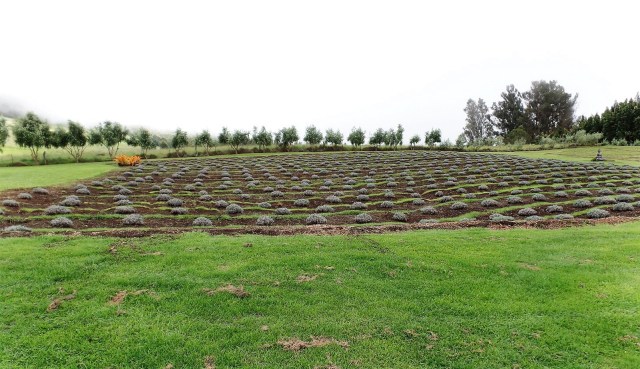
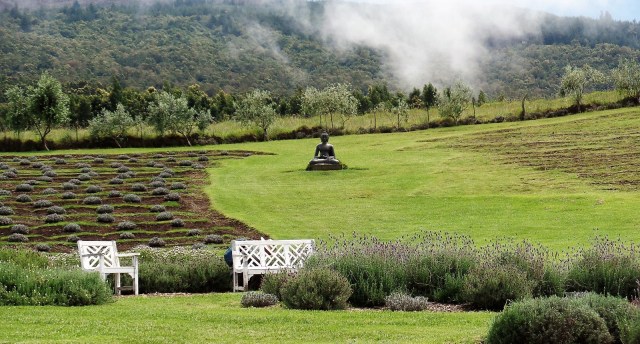
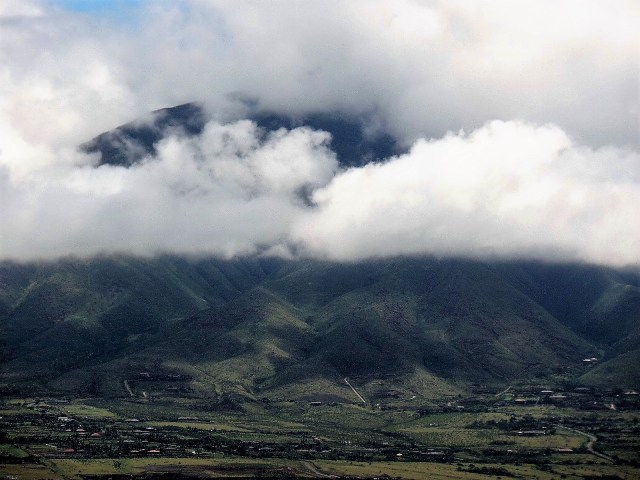
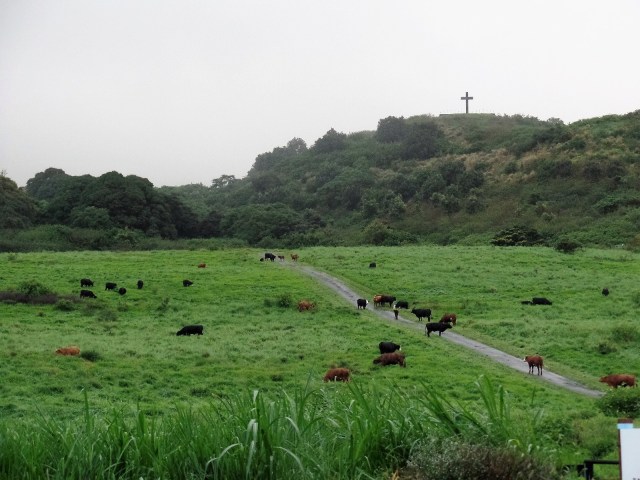
Maui landscape

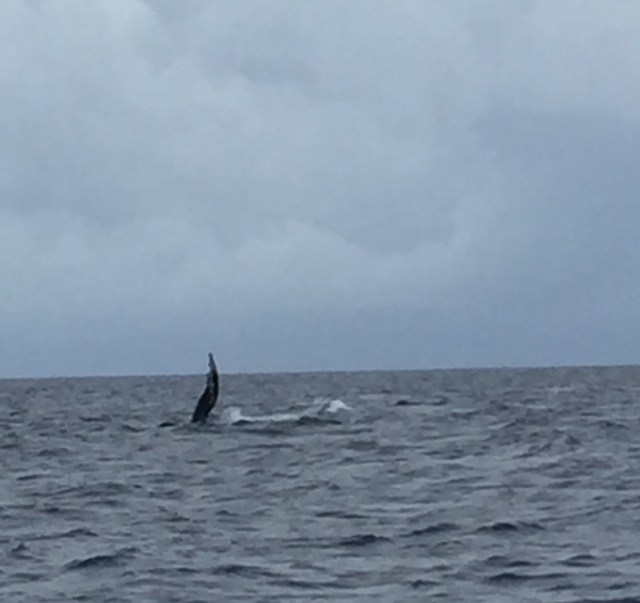
Humpback whale in Maui

A whale’s tail

Kaanapali

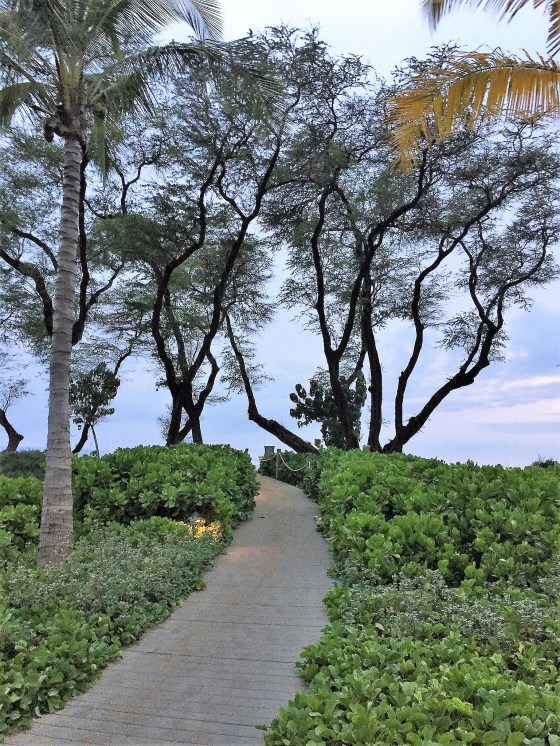
Kaanapali beach walk


Windmills in Maui

Palm tree, gray skies

Maui

Beach near Kahului

Beach near Kahului

sunrise in Maui

Posted in Travel | Tagged , , , , | 3 Comments

The Oracle of Lanai

Lanai

Larry Ellison is the co-founder of Oracle and one of the richest men in America. In 2012 he spent $212 million to buy substantially all of the island of Lanai. Lanai is part of Maui but is a separate island of some 900,000 acres. And it has been a one company town for nearly a century.

fishing off the rocks

The original inhabitants of Lanai had no concept of private ownership of the land. But the Morman missionaries who started to arrive in the mid-nineteenth century did. One of those was a man named Walter Gibson who used church money to acquire much of Lanai, put it in his own name and was later excommunicated by the Mormon Church. But he retained ownership of the land which he passed on to his descendants. In 1922 it was purchased by James Dole for $1.1 million.

Lanai harbor

For most of the rest of the 20th century Lanai was a pineapple plantation. But by 1992 most pineapple production ceased as it was mostly moved overseas. Dole sold the island to Castle & Cooke which was later taken over by California billionaire Larry Murdock. The original Four Seasons resort on the island was built under Murdock’s ownership as part of his plan to develop the island as a tourist destination. That plan failed and his properties fell into disrepair. And his Big Wind scheme, to set up wind turbines to generate electricity to be sold to Oahu, never got off the ground. Then along came Ellison.

Oracle photo

Most of the locals I talked to in Lanai were pretty positive above Ellison’s ownership. His goal is to establish Lanai as an ultra high end resort. He renovated the Four Seasons and reopened it in 2016. A second lodge is being renovated now. The unemployment rate in Lanai has plummeted and he has improved the infrastructure. Under Ellison’s ownership roads have been improved, a new movie theater and pharmacy have opened and a domestic violence shelter for women was built.

Puu Pehe

Puu Pehe (Sweetheart Rock). Legend has it that a warrior from Lanai married a beautiful princess from Maui and hid her in a rock cave here to keep other men from seeing her. She drowned in a storm and the warrior carried her body to the top of this rock, buried her and then dove off to his death.

The Four Seasons

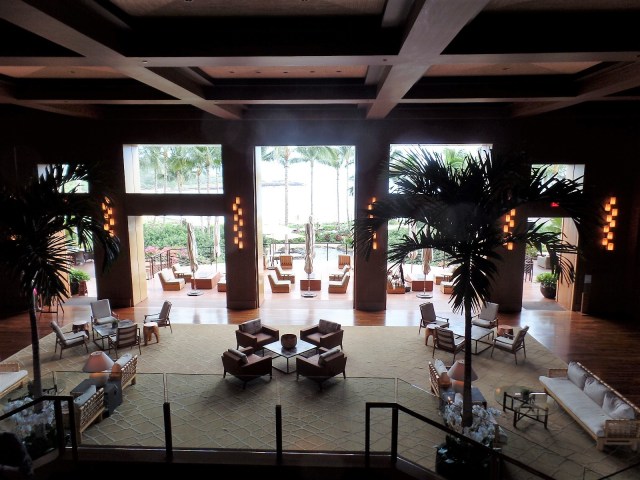
The Four Seasons, Lanai

The Four Seasons, Lanai

the Four Seasons rescue birds

Lanai City

Dole Park

The Lanai City business district is one square block with Dole Park in the middle. Most of the island’s 3,000 residents live in homes on the streets surrounding Lanai City.

Lanai shoreline

Posted in Travel | Tagged , , , , , , , | 8 Comments

The Future of Food

Do you think you’d enjoy a steak more if you knew it was produced in a lab rather than coming from a cow? How about with a side of vegetables grown in your own kitchen? Or maybe you’d rather just call out for pizza. Would it taste better if it was made on the truck while it was on the way to your house?

These are just of few of the things mentioned at this week’s Techonomy NYC session on technology and the future of food. Zoe Leavitt, an analyst with CB Insights, framed the discussion by noting that while we need more food to feed what is a growing global population, 40% of the food grown and harvested in the U.S. gets thrown out. To address this and the growing challenge of climate change Leavitt said we need to look at creating new products, utilizing new agricultural strategies and being smarter about how food is distributed.

All of the things mentioned above are more than just ideas, there are startups working to make each of these a reality. And there were some even wilder ideas discussed. Like having a 3D printer in your home that gathers data from all the sensors in places like your refrigerator and your bathroom and then prints a personalized dietary supplement.

Here are some of the startup technology companies that are bidding to influence the future of food:

AeroFarms

indoor vegetables farmingThis company is up and running, operating vertical, indoor farms. They are headquartered in Newark, N.J., where they have occupied an old steel mill and converted it to a farm that harvests up to 2 million pounds of produce a year. David Rosenberg, CEO, was at the Techonomy conference. He noted that the “Dream Greens” produced in Newark use 95% less water, zero pesticides and produce fresh food 365 days a year.  Their growing cycle is much faster than traditional farms allowing them to be more productive as well as providing the obvious benefit of cutting down on land usage.

Grove Labs

Grove Labs is a five-year old company that focuses on what it calls hyper-local agriculture, like grown in your house. They have built an ecosystem that allows you to grow your own food in your kitchen, what CEO Gabe Blanchett called the “living kitchen.” He also suggested that this type of indoor agriculture could be used by restaurants or schools. A look at Grove’s Facebook posts show homegrown cherry tomatoes, greens, chard and all kinds of flowers. While Grove has marketed its own hydroponic farming systems it also produces pods to be used with devices produced by appliance and furniture manufacturers.

Memphis Meats

This is the company that is working on producing meat that doesn’t involve killing any animals They are doing this by producing meat directly from animal cells. On their web site they claim to have made beef, chicken and duck. They have also produced a lab grown meatball, although the cost at this stage is prohibitive. Bill Gates and Richard Branson are among Memphis Meats’ investors. Their goal: meat that is “good for people, animals and the planet.”

Bond Pet Foods

Here’s another company that is in the business of creating lab produced meat. They say “we don’t think one animal needs to be harmed to feed another.” They use animal proteins in a process that they compare to craft brewing. The benefits: conserves land, water and energy; no animal needs be slaughtered; and pets get cleaner, heathier food.

Finless Foods

Same goes for fish. This is the ultimate sustainable seafood since no fish ever has to get pulled out of the ocean.  Like the lab meat makers this involves the use of cells. The cells are incubated into tissue and “harvested.” In addition to saving the fish in the ocean, this method promises to control mercury content and avoids some of the contaminants that have been associated with fish farms. They are not yet ready to produce filets, their first public tasting involved “carp croquettes.”

Zume Pizza

Robot-made pizza. They guys are up and running in Mountain View, Calif. You can go to their web site and use their app and order a pizza, at least if you’re in Silicon Valley you can. By making the pizzas with machines rather than humans, Zume can produce 370 pizzas an hour at their plant. The fast production means delivery takes 5-20 minutes. There is still a bit of human involvement, like sprinking toppings on the pizza and placing the finished product into the automatic slicers. But most of the work is done by robots like Marta the sauce spreader and Vincenzo, the bag of nuts and bolts that puts it in the oven.
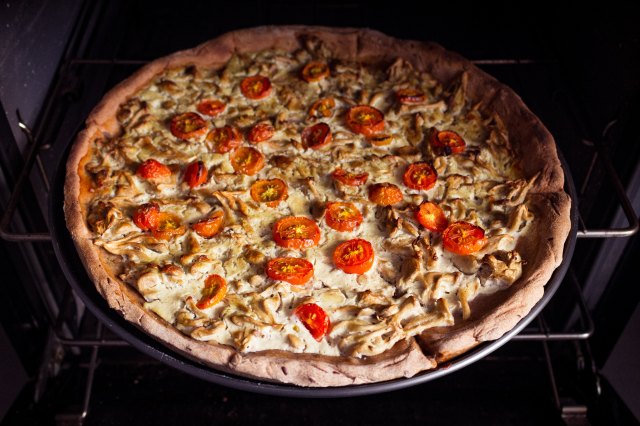
pizza

Image: Ronaldo de Oliveira

Posted in Uncategorized | Tagged , , , , , , , , , , | 15 Comments

Montclair Film Festival ’18 — The Shorts

I imagine it’s pretty tough for a filmmaker is going to get his or her short shown on a big screen. A film festival gig like this one is probably as good as it gets. These may well not be the best shorts shown at the Montclair Film Festival because I only attended two of the more than 10 programs. But these were my favorites.

The Big Paradise

Decades and decades ago when I was a student at Kent State University I spent one night of every weekend (can’t remember whether it was Friday or Saturday) in a basement bar called the Kove. Like so many of my classmates we left the other bars at midnight and packed this dive to hear 15-60-75. I thought they were the best blues band I’d ever heard.

So I was pretty psyched to find out that the film festival was showing a short documentary about this band, which has since changed its name to The Numbers Band, and its leader Robert Kidney. For me the film isn’t long enough and there isn’t enough music. More time is spent on Kidney explaining why he won’t wear his hat flat. But it’s good enough to show that they still exist and they still can play some awesome blues.

A side note to this story is that Terry Hynde, brother of Chrissie, played sax for the band and still does. We all thought he was the one with all the talent and that Chrissie was just the sister drinking beer in Orville’s next door.

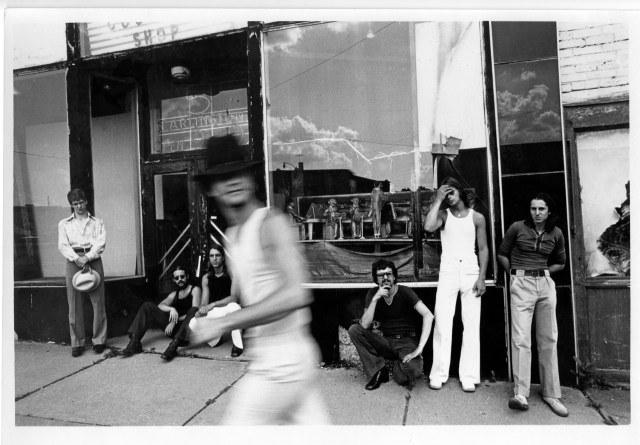
15-60-75

(Credit – Lance Karkruff)

Quiet Hours

Program cover for film festivalWe are introduced to 88-year-old poet Donald Hall, with his straggly grey beard and a tie-dye peace sign T-shirt, as he rides a stationary bike with Pink Floyd playing on his headphones. Hall offers us some social commentary like “old age is a ceremony of losses.” Referring to his first date with his wife Jane Kenyon, he comments, “I asked her out to dinner and in the 70’s that usually included breakfast.”

We don’t get to hear too much of Hall’s poetry but the one clip of him reading is really good. Living in seclusion in what I think is Colorado, Hall is poignant, cynical and sentimental. Jane, despite being younger, died two decades ago and he still mourns her passing every day.


The Legend of Rasputin

The slightly abridged story of Rasputin as told in a 13 minute puppet show. Rasputin is summoned from Siberia by the czarina to cure the sickly heir to the Russian throne. His cure involves a chant with some lyrics from Bohemian Rhapsody. There’s some groping in the Royal abode and a polar bear swim in the icy river. There are protesters mowed down by a car (this is in Moscow, not Charlottesville). And in the end we learn the real reason for the Bolshevik Revolution.

Legend of Rasputin


Little Fiel

The Mozambique artist Fiel dos Santos is doing his part to stop gun violence. Taking guns that were turned in to the government in exchange for food, Fiel destroys them so they will never be fired again. He then uses the disabled guns to create figures of his father, mother and five brothers and sisters. The figures are animated in the film as Fiel describes what happened to his family during Mozambique’s 16-year long civil war. It was a war in which Fiel had brothers fighting on each side. And it was a war that the fueled by American, Russian and other outside interests.

Pie

A woman bakes a cherry pie for her house guest, a somewhat younger woman. This pie has a secret ingredient. Can you guess what it is? Here are some hints.

  • It is not a spice.
  • It has an earthy taste.
  • This film was part of the midnight shorts program, so it is not family viewing.
  • The house guest has had sex with the pie baker’s husband.
  • It won’t happen again.
Posted in Uncategorized | Tagged , , , , , , , , | 1 Comment

Montclair Film Festival ’18: I Laughed, I Cried, I Scratched My Head and Wondered Why

The 5 Browns: Digging Through the Darkness

Every once in awhile I see a documentary that is so good I think that no narrative fictional film can tell as compelling a story. This film is that good.

The 5 Browns are a Utah family of three girls and two boys growing up glued to a piano bench. They become virtuosos. All five go to Juilliard. Then comes concert tours, TV appearances and recordings. But this is more than a success story of child prodigies. The full title of the movie is The 5 Browns: Digging Through the Darkness. That darkness is more than just the usual story of over-bearing parents who sacrificed their kids’ childhood. It’s more than just the usual story of a father manager who is over-aggressive in booking and promoting his kids and profits handsomely from it. This father sexually abused the three girls, did so thousands of times, and started at age 11.

Once the three girls as women shared their story with each other they went to the police and had their father eventually put in jail. The film is the story of their courage, strength and honesty. Two of them came to the screening and answered all the questions they were asked. They have also created a foundation which is working to promote laws that allow the statute of limitations to be waived or extended in abuse cases.

The story is told amidst a backdrop of the 5 Browns recording an album of music about their childhood. The music is beautiful. They are amazing pianists. They’re even better human beings.


On Chesil Beach

The classical music of the 5 Browns is full of energy and vitality. The music of the string quartet in On Chesil Beach is somber and moody. And that reflects the movie it is a part of. A newlywed couple, at a beach resort on their wedding day, are awkward in conversation, awkward at the dinner table, and above all else awkward in bed. Through flashbacks their love story is told. And through flashbacks we get a hint of how things could go wrong. And wrong is indeed how it goes. The movie is based on an Ian McEwan novel and McEwan did the screenplay himself. Florence, half of the newlywed couple and one-fourth of the string quartet, is played by Saoirse Ronan, the actress who was nominated for an academy award for her performance in Ladybird. If you think Ladybird was a little awkward, wait until you see Florence. On the positive side the movie is beautifully filmed and I’m glad to have seen it on a big screen. I found it dreary at first, but it grew on me.


American Animals

I thought American Animals was brilliant. It seamlessly blends narrative fiction with documentary footage. The story of four college kids who plan a heist of rare books in the school library is based on a true story. While that heist is reinacted with actors the story is supplemented by interviews with the actual participants 15 years later. The movie tells you up front what’s going to happen but then manages to be suspenseful as it heads toward that conclusion. Too many things go wrong with this heist to count. These are not cold-hearted criminals or thoughtless teens. The story is about their conscience, their self-doubt, even their concern for hurting their parents.  It’s also a story about the powerful inertia of groups.


The Misogynists

The Misogynists takes us into the hotel room residence of a coke-snorting gun-toting asshole of a businessman on election night 2016. He enthuses over the result as a triumphant return of the paternalistic society. Just about every negative, degrading thing that you could say about women is said here, repeatedly. Even the two sex workers that he is forking out $3k apiece for throw his money on the floor and bolt. There are more than a few laughs along the way. The movie is really too overdone to take much of it seriously. There can’t really be too many guys who are this awful. Except maybe in the White House.  There are also some regrettable liberals in the movie, the kind that display all the attributes the Trump folks hate. The only good guys in this saga are the hookers, and even they become ‘good guys’ reluctantly.


Sons of the Desert

A restored version of the 1934 Laurel and Hardy classic provided by the Film Foundation. There was enough laughter in the film festival audience to add an authentic feel to the big-screen slapstick. The plot isn’t too far off the Honeymooners. Henpecked husbands lie to their domineering wives in order to sneak away to a goofball men’s social group convention. Of course, they get caught and of course there’s hell to pay. In fact the “girls” make a little bet as to which one flips and tells the truth first. I’ll let you guess whether it was Laurel or Hardy.


Sammy Davis Jr.: I’ve Gotta Be Me

A black man in a white man’s world. Never fully accepted there nor from whence he came. Perhaps nothing exemplifies the contradictions in Sammy Davis Jr.’s life better than the fact that he marched with Martin Luther King in Selma, but a decade later supported and embraced (literally) Richard Nixon. He never attended school and had no childhood. Instead he was on the segregated “chitlin circuit” with his father and uncle at an early age. He is best known as a member of the “rat pack” with Dean Martin and Frank Sinatra. They were at the very top of the entertainment world in the late 50’s and early 60’s. Martin and Sinatra were close friends with Davis but that didn’t stop them from making Davis the butt of some racist jokes as part of their stage act.
All of these issues aside, this documentary shows how enormously talented Davis was. He could sing and dance and act. He did impressions, he tapped and he played several instruments. And he crossed several racial barriers. While appearing in “Golden Boy” he was the first black man to kiss a white woman on a Broadway stage. It’s perhaps a little hard to realize in this day and age what a big deal that was. There are just too many issues to allow us to celebrate Sammy Davis Jr. the way we would someone like Jackie Robinson. But overall the documentary is sympathetic and that’s the feeling I walked away with, even a little teary-eyed as Davis, near the end of his life, does a little tap dance and sings “Mr. Bojangles.”

Posted in Uncategorized | Tagged , , , , , , , , , , , , | 4 Comments

The Road to Hana…and beyond

The Hana Highway, or the Road to Hana as is it popularly known, is a 64 mile stretch of road that goes along the northeast coast of Maui from Kahalui in the central area of the island to the far eastern tip. The town of Hana is at the eastern end of the island, but the road itself continues beyond Hana and eventually comes around to the sometimes unpaved road that goes along the southern coast just below Haleakala.

The Road to Hana is a curvy, narrow thoroughfare. There are 59 bridges along the road, 46 of which are one lane, like this one:

Hana Highway

And if the curves and narrow passages aren’t enough, the Road to Hana becomes even more of an adventure on a rainy day.

Spotted along the road to Hana

Alice in Hululand

The Road to Hana starts in the town of Paia

Waterfall on the Road to Hana

Hanawi Falls

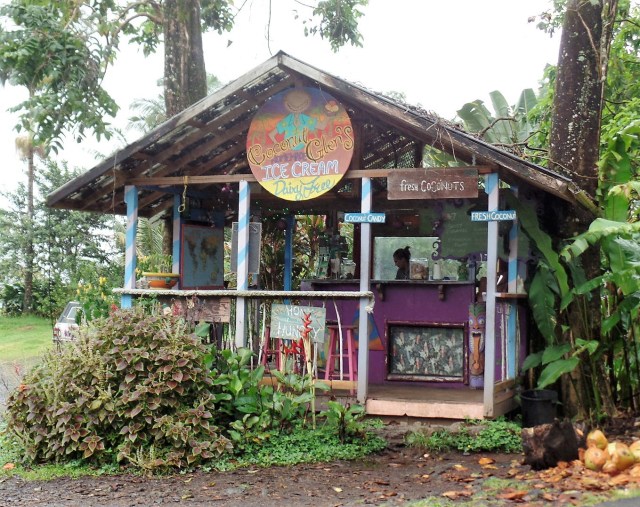
ice cream stand on Road to Hana

Coconut Glen’s coconut milk ice cream

sign for lava tube

Charles Lindbergh

Lindbergh's grave

Site of Lindbergh grave

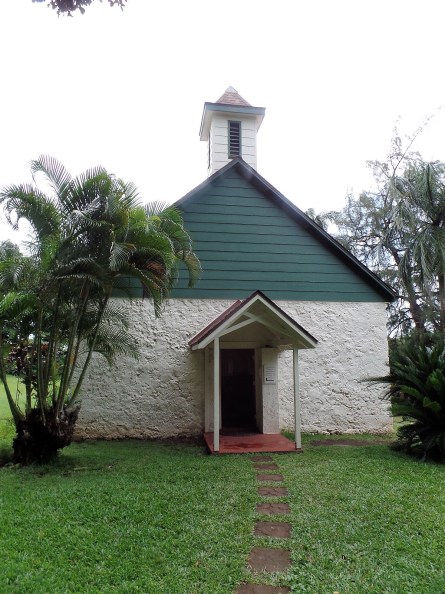
Charles Lindbergh is buried on the grounds of the Palapala Ho’omau Church

KIpahulu organic farm

Laulima organic farm

And here’s Hana

Hana

Hana Bay

Hana Bay

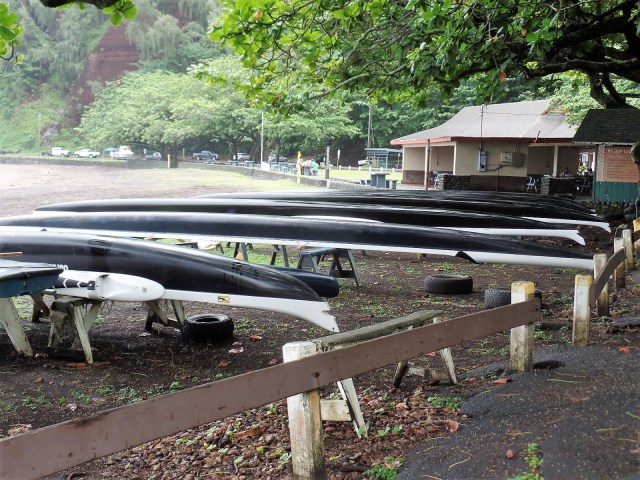
Hana Canoe Club

Long canoes

Machetes for sale

The Hasegawa General Store dates back to 1910. It moved into the current building in 1991. It offers a wide selection of machetes and other instruments suitable for whacking off the top of a coconut or pineapple.

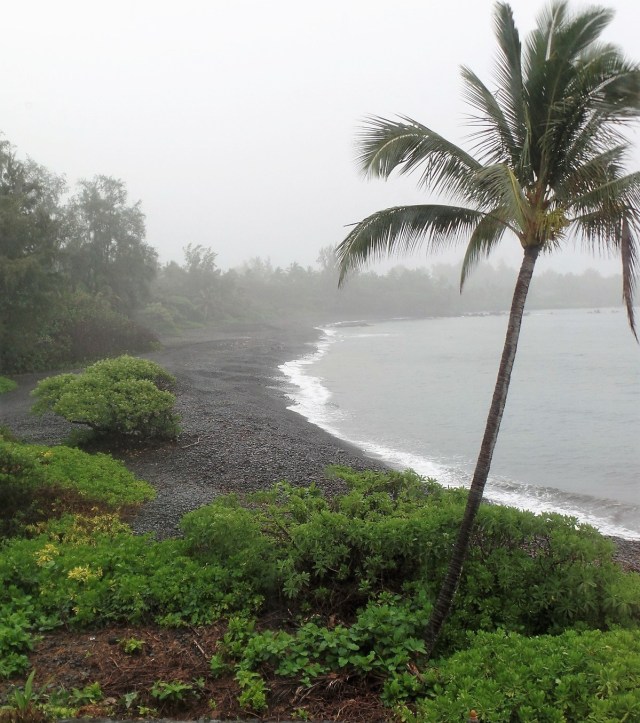
Black sand beach

Black sand beach


Posted in Travel | Tagged , , , , , | 10 Comments

In the National Parks: Haleakala’s Back Door

Haleakala National Park, Maui, Hawaii

Haleakala National Park

Most visitors to Haleakala National Park enter though the main entrance on the west side of the park and drive up to the crater at the top of the dormant volcano. One common way that tourists visit the park is to ride up to the top of the mountain at sunrise and then bike down. Less well known is the Kipahulu entrance to the park. It is on the eastern end of the park in a remote area not far from the town of Hana.

Haleakala National Park

Haleakala National Park

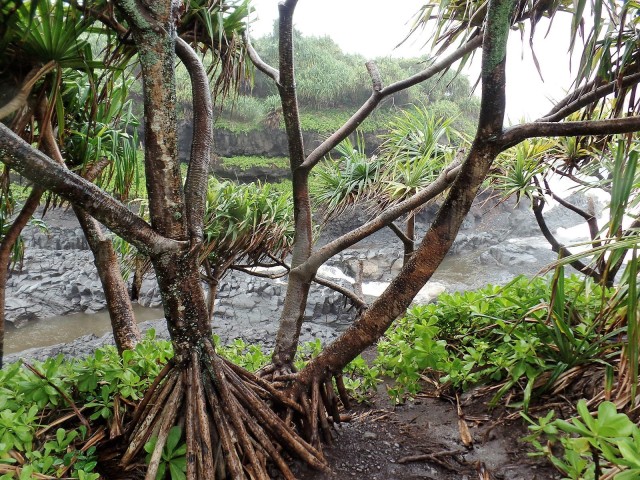
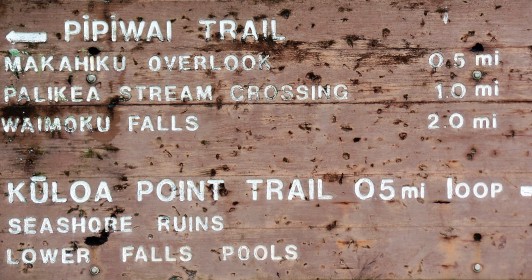
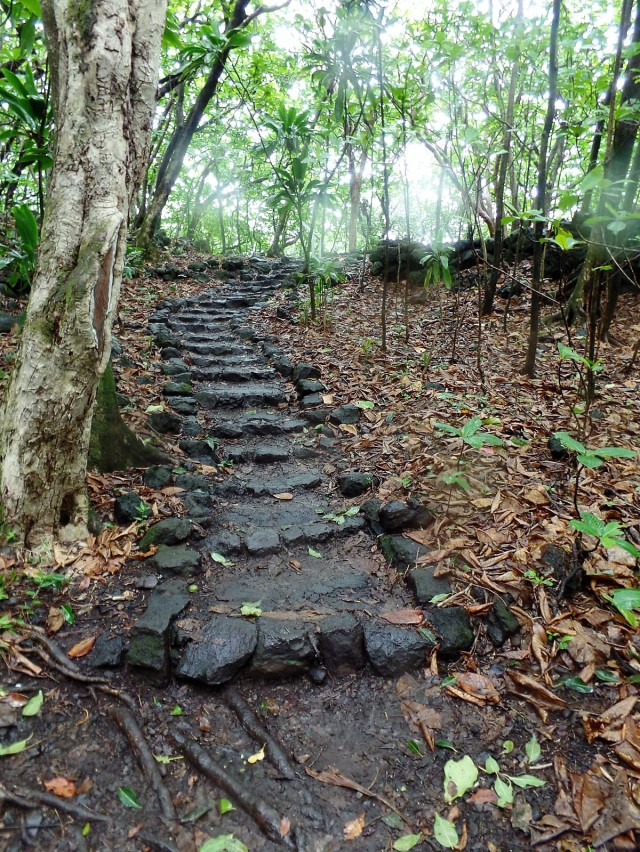
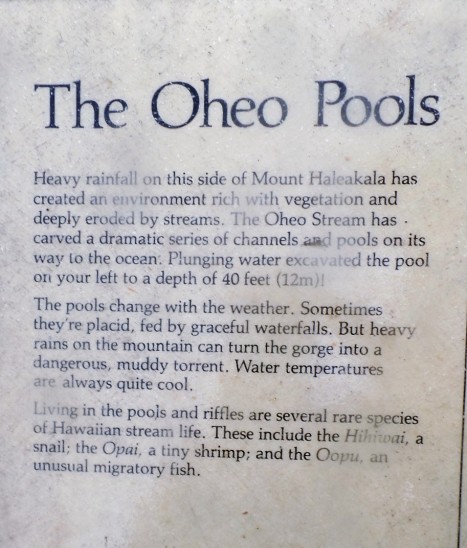
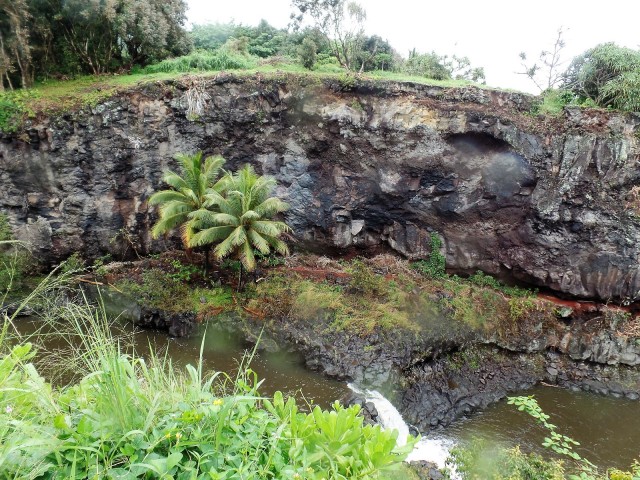
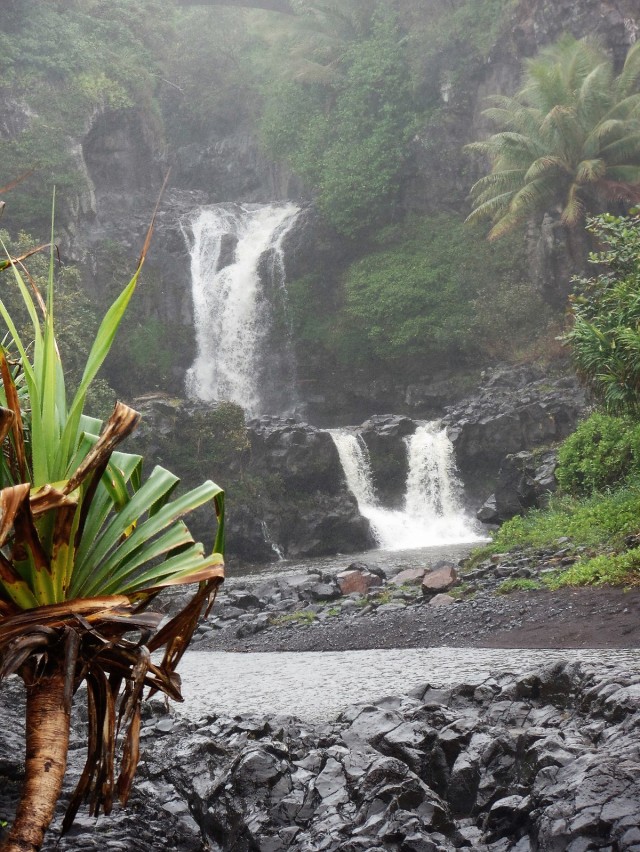
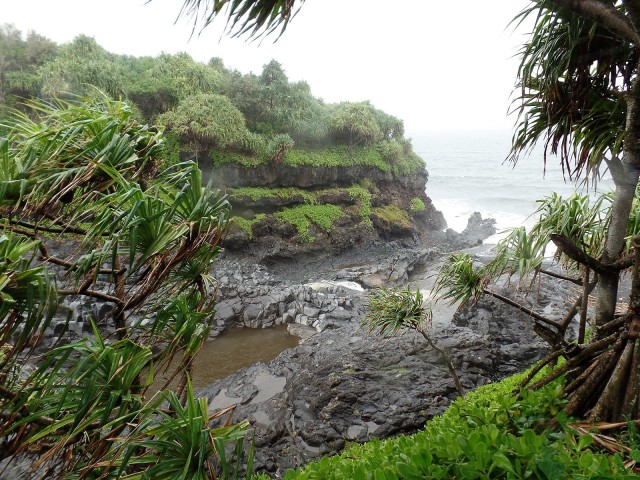
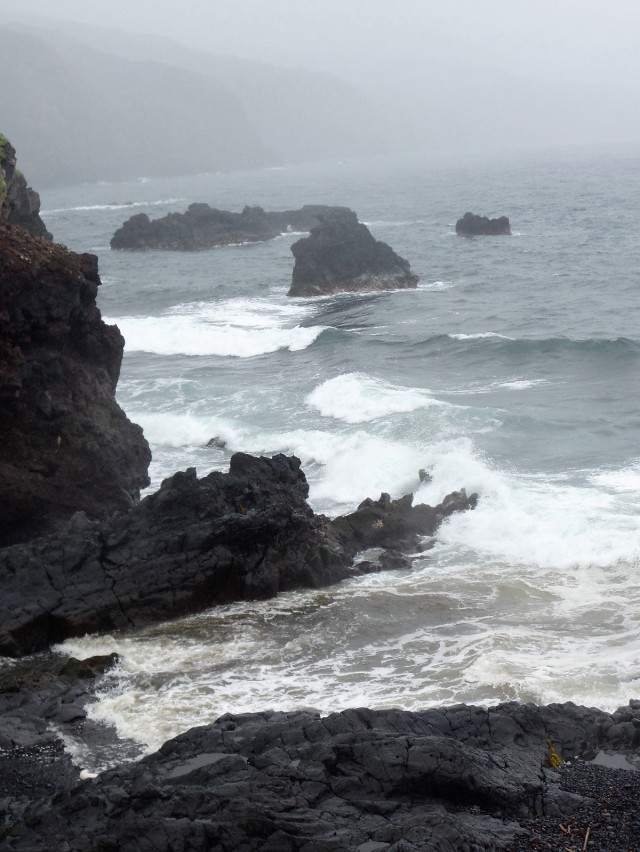
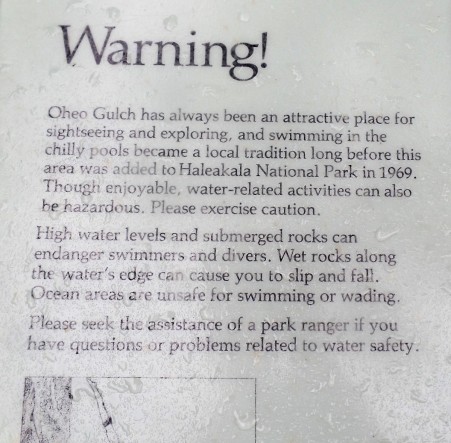
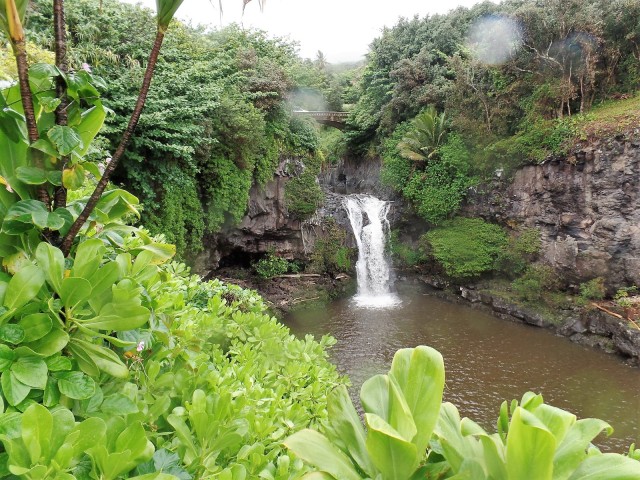
These photos were taken along the Kuloa Point Trail. It takes visitors to ‘Ohe’o Gulch, home of the seven sacred pools, although the actual number of pools varies at different times of the year. Visitors can swim in the pools although there are a number of warnings against it and at the current time the pools are closed indefinitely due to concerns over possible rock slides. ‘Ohe’o means “someplace special.” At the end of the gulch is Kuloa Point where it meets the ocean.

‘Ohe’o Gulch

sign at 'Ohe'o Gulch

Haleakala National Park

Haleakala National Park

'Ohe'o Gulchj

Kuloa Point

Haleakala National Park

Haleakala National Park

clouds in Kuloa Point

Haleakala National Park warning

Hawai’i National Park, which included Haleakala, was established by Congress in 1916. The visitor center at Haleakala was built in the 30’s as an initiative of the Civilian Conservation Corp. In 1961, shortly after Hawaii became at state the two national parks in Hawaii, Haleakala and Hawai’I Volcanoes National Park, were separated and assumed their current names. The Kipaulu section was added to the park in 1969.

Lower Falls, Haleakala National Park

Posted in Travel | Tagged , , , , , , , , , , , , | 10 Comments

Lehigh Valley’s Historic Covered Bridges

Covered bridges originated in Germany and Switzerland and date back to the 13th century, German immigrants brought the covered bridge to America. At one time there were 12,000 covered bridges in the U.S. Most were built in the mid-19th century. There are more than 200 covered bridges that still exist in Pennsylvania, more than in any other state. Seven of those are in the Lehigh Valley. All but one are still used for vehicular traffic. Here’s a look at some of the Lehigh Valley’s historic covered bridges.

 Bogert’s Bridge, Allentown

The longest of the Lehigh Valley’s covered bridges at 145 feet, Bogert’s Bridge was built in 1841. No longer open to vehicular traffic, it serves pedestrians as an entrance to a city park. The bridge, which crosses the Little Lehigh Creek, was named after a family who lived near the site. It was made entirely of wood.


Manasses Guth Bridge, South Whitehall Township

The bridge is named after a descendent of Lorenz Guth who originally purchased land in the area and settled there in 1745. It was built in 1858, was later destroyed by fire and was rebuilt in 1882. The 108-foot long bridge, which crosses the Jordan Creek, is located on the edge of Covered Bridge Park.


Wehr’s Covered Bridge, South Whitehall Township

On the opposite end of Covered Bridge Park is Wehr’s Covered Bridge, built in 1841. This bridge also crosses the Jordan Creek and was originally named Sieger’s Covered Bridge after the owner of an adjacent grist mill Ephraim Sieger. After several owners, the mill was eventually purchased by William Wehr and the name of the bridge was changed accordingly.


Rex’s Covered Bridge, Onefield

Like most of the other covered bridges, Rex’s took its name from prominent landowners in the immediate vicinity. It was built in 1858 and is 115 feet long. It is one of five covered bridges that cross the Jordan Creek in Lehigh Valley.


All of the above bridges are listed on the National Register of Historic Places.


Posted in History, Uncategorized | Tagged , , , , , , | 12 Comments

America’s Car Culture

The first gas powered cars appeared in the late 19th and early 20th centuries. They were literally motorized carriages. Carriages like the 1890 Studebaker below were the predecessors of cars. The Brockway looks a lot like the carriage, but it has a motor.

Ford produced its first car in 1903. The Model A Runabout shown below listed for $750.

Ford's first car

1903 Ford Model A Runabout

Much of the growth of car ownership in the early part of the 20th century is attributed to Henry Ford and the Model T. Ford’s signature car was the first to be mass produced and the first to go to market at a rate that was affordable to a larger class of Americans.

1924 Ford Model T Coupe

1924 Ford Model T Coupe

The growth of cars created a whole new segment of the transportation industry. Whether it was taxis, limos or car services, automobiles provided a new and more personal form of public transportation.

The 1920’s were a time of prosperity for America. And what better way to tell the world about your participation in that prosperity than to drive a luxury automobile.  While the prosperous 20’s came to an abrupt end, luxury models like the ones below continued to be a status symbol for their owners.

As more Americans owned cars it gave rise to a new type of vacation, the camping vacation. With the more affordable cars, this represented a more affordable vacation as travelers could bring their own food and set up camp roadside. Below is a 1930 Model A Ford hooked up with a trailer.

Camping in a Ford

1930 Model A Ford

The 1940s and 50s were the golden age of road trips for American families. They headed west, maybe visiting the national parks. They camped. They visited relatives. They headed to the shores and beaches. And they headed south in the winter. Roadsters like this one were ideal for mid-century road trips.

1946 Pontiac Torpedo

1946 Pontiac Torpedo 8 Sedan Coupe Model 2507

By the late 1940’s a new medium was taking over the living rooms of American homes, the television. Many thought that spelled the end for radio. But what the doomsayers of radio failed to take into consideration was that at this time and for several decades into the future you couldn’t take your TV with you. There were 5 million cars sold in the U.S. in 1951. By 1971, that number of 10 million. And almost all of them had a radio embedded in their dashboard.

in car radio

The emergence of a distinct teen culture in the 1950’s is often associated with the birth and growth of rock and roll and the fashions and lifestyles it accompanied. The automobile also played an important part. Not only was it the means for socializing, whether it be at the car hop or the drive in, but it also gave teens a private space to do any number of things their parents would probably not have approved of. There was another wave of prosperity after World War II and another wave of growth in car ownership. There probably weren’t many teens fortunate enough to cruise in a 1954 Corvette like the two below, but this car was a product of the youth-inspired style of the 50’s.


Few Americans gave much thought to gas mileage and economy prior to the oil embargo in 1973. So throughout the sixties car manufacturers made their pitch to buyers based on muscle and comfort. Wide-bodied low riders like this 1960 Chrysler likely didn’t break double digits in miles per gallon, but at the time nobody was counting (and we weren’t wearing seat belts either).

1960 Chrysler 300F Convertible

1960 Chrysler 300F Convertible

 (All photos are from the America on Wheels Museum in Allentown, Pa.)

America On Wheels Museum


Posted in History | Tagged , , , , , , , | 10 Comments

The Man Who Made American Gothic

American Gothic

Grant Wood exhibit

Whitney Museum of American Art, Winter, 2018

Grant Wood painting

The American Golfer, 1940

Grant Wood painting

Woman With Plants, 1929

Grant Wood

Lilies of the Alley, 1925

Grant Wood chandelier

Corn chandelier

Grankt Wood's soldier

Soldier in the War of 1812, 1927

Grant Wood painting

Appraisal, 1931

Grant Wood painting

Shrine Quartet, 1939

Grant Wood Lounge Chair and Ottoman

Grant Wood Lounge Chair and Ottoman

Grant Wood painting

Van Antwerp Place, 1922-23

Grant Wood window

Grant Wood designed window

Posted in Art | Tagged , , , , , | 7 Comments