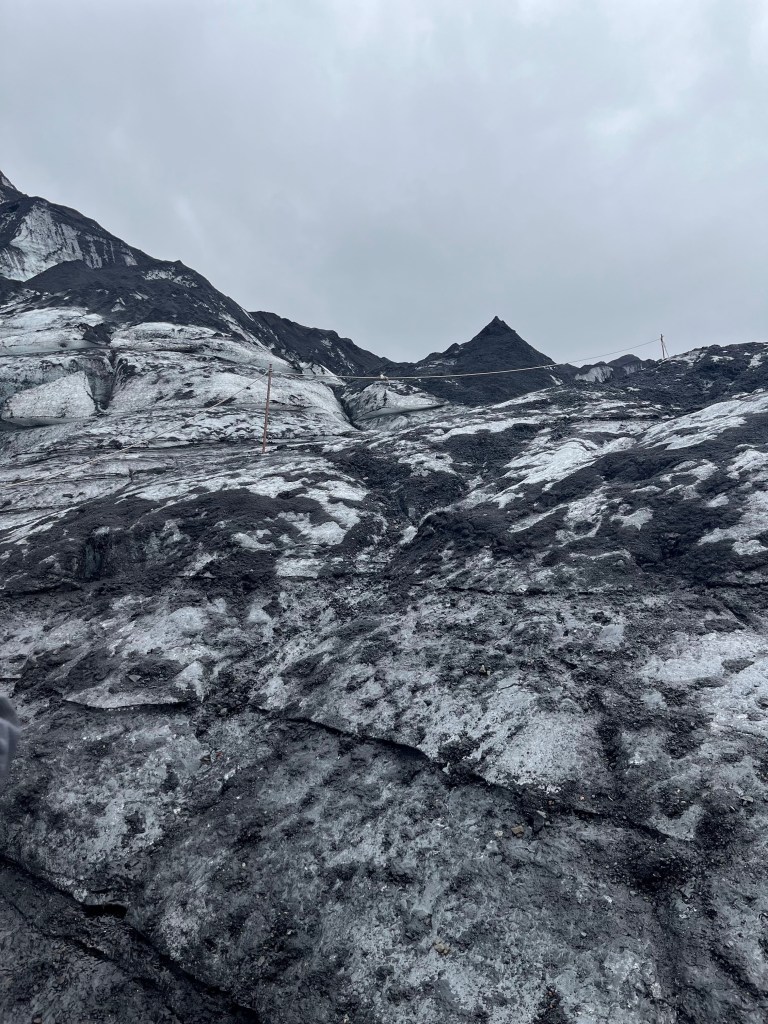
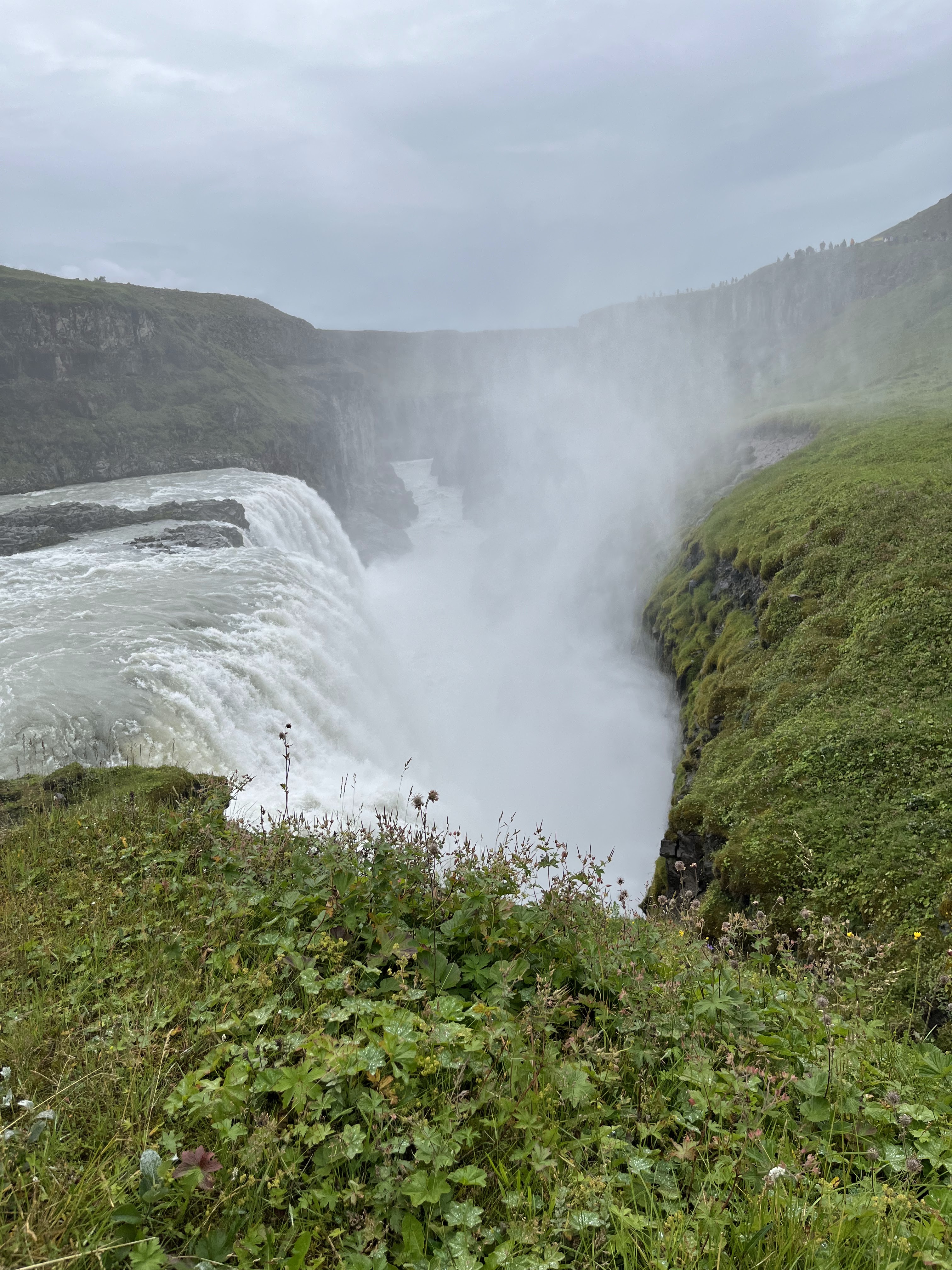
These photos were taken during a hike on the Myrdalsjokull glacier in southern Iceland near the city of Vik. It is Iceland’s fourth largest glacier, covering 232 square miles and is 1,500 meters at its highest point. Myrdalsjokull sits atop an active volcano, Katla. The volcano usually erupts every 100 years and, since its last eruption was in 1918, it is overdue. Having a glacier atop a volcano poses a potential serious flooding problem when the volcano erupts.
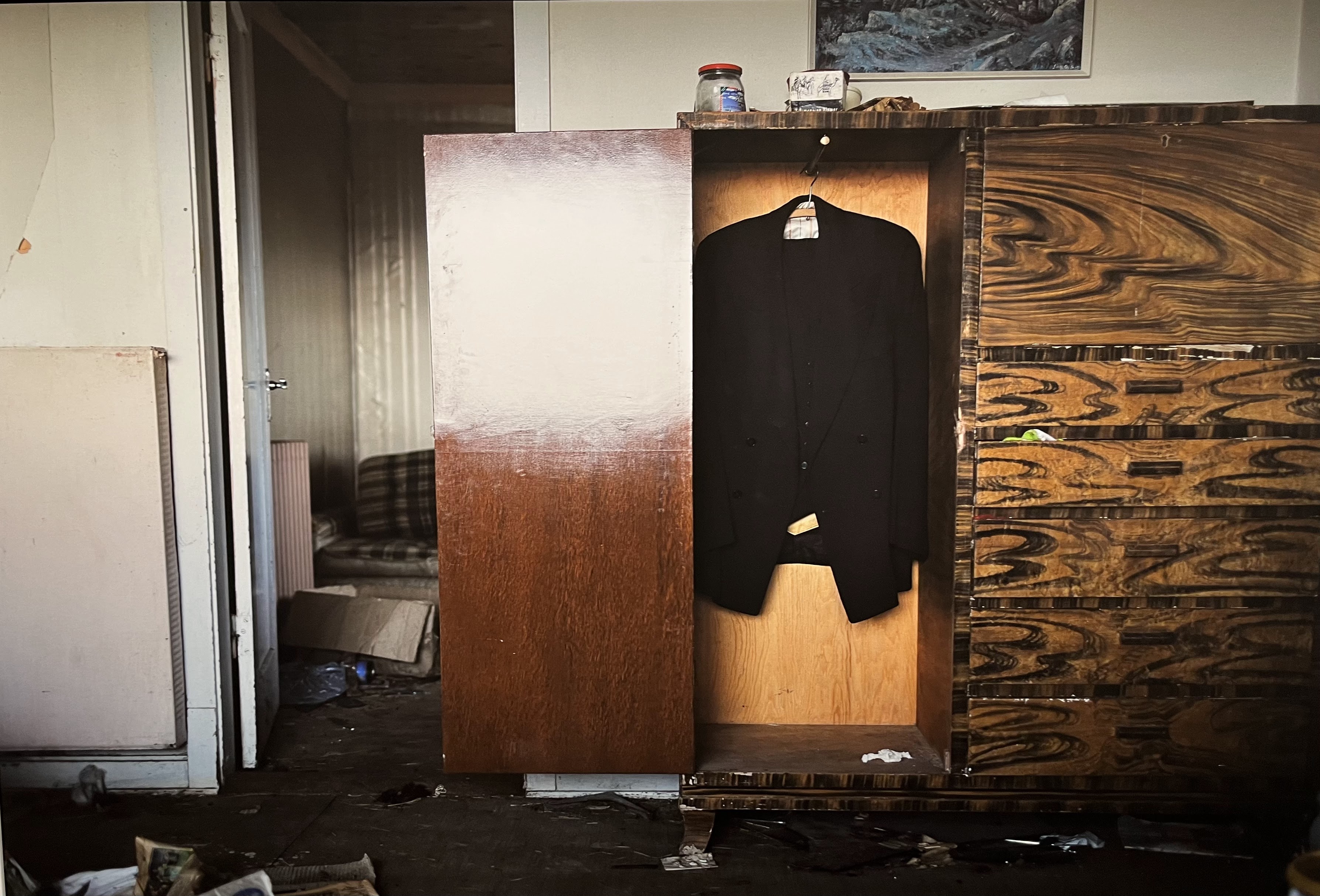
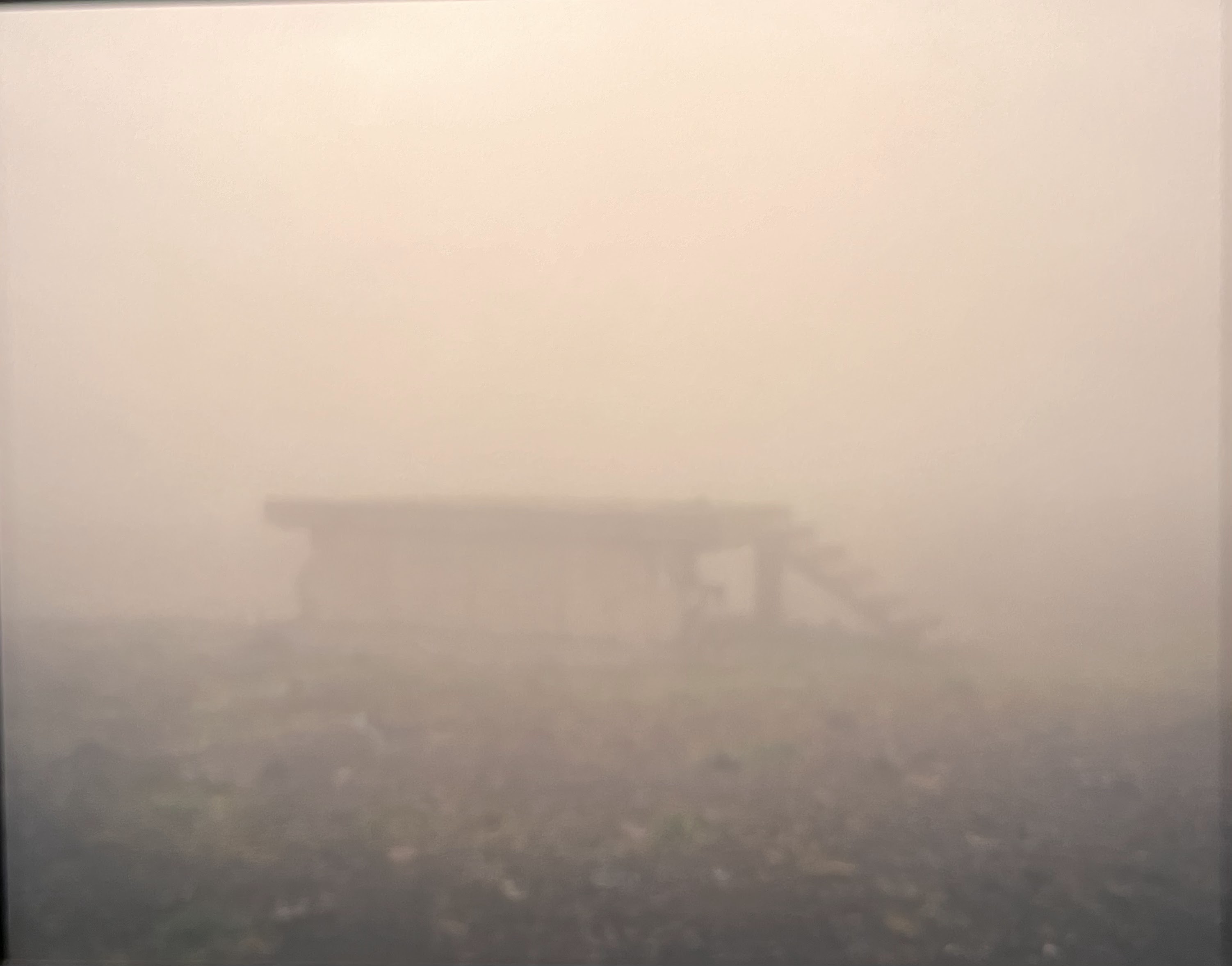
From the photography collection of the National Museum of Iceland.
Steinholt, Christopher Taylor, 2011
The Long Apartment Block in Upper Breioholt, David Barreiro, 2018
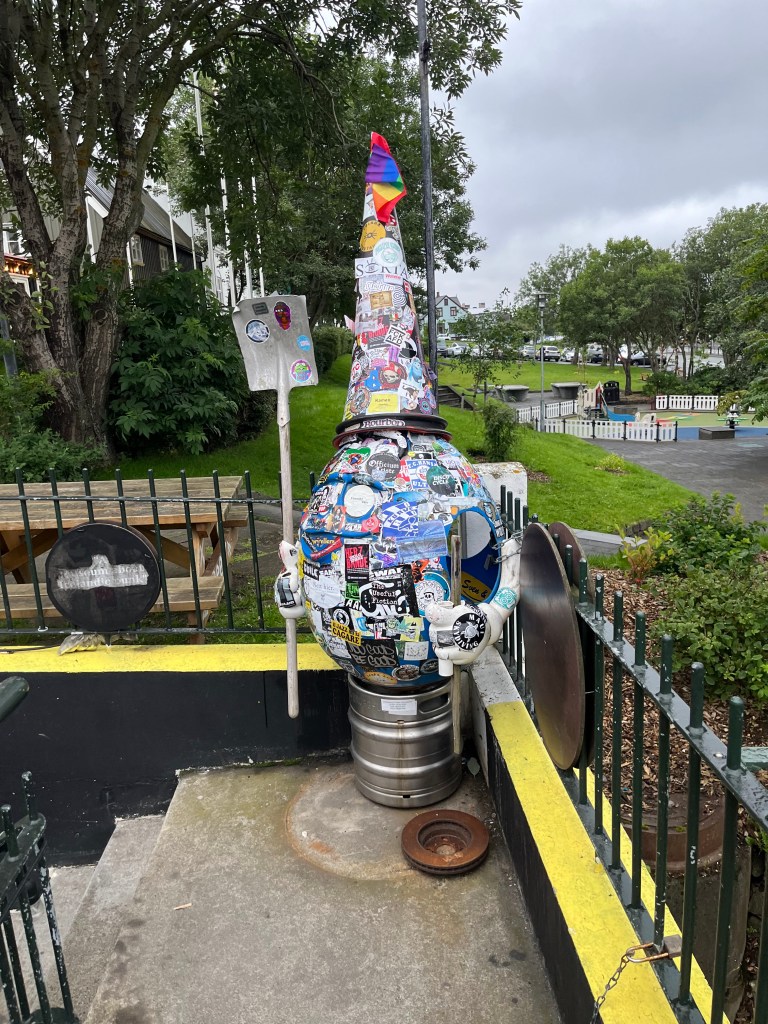
One, Valdimar Thorlacius, 2015An Eternity in a Moment, Runar Gunnarsson, 2023Asfjall, Peter Thomsen, 2011If Garden Gnomes Could Talk, Pordis Erla Agustsdottir, 2023Straumnes, Marino Thorlacius, 2022Roots of the Runtur, Rob Honstra, 2006
An exhibit of Icelandic artists at the Reykjavik Art Museum
(Note — most of these works include multiple parts and my photos only include a portion of the parts that make up the overall piece.)
Unveiled, Deepa R. Iyengar
Everything Just Is- Atlas, Margret M. NorddahlBombaljos, Stymir Orn GudmundssonOn the head’s mind. Sigtryggur Berg SigmarssonClasping Her Lifeline, Haila BirgisdottirVisio-Roses, History Spectrum, Bjarni Porarinsson
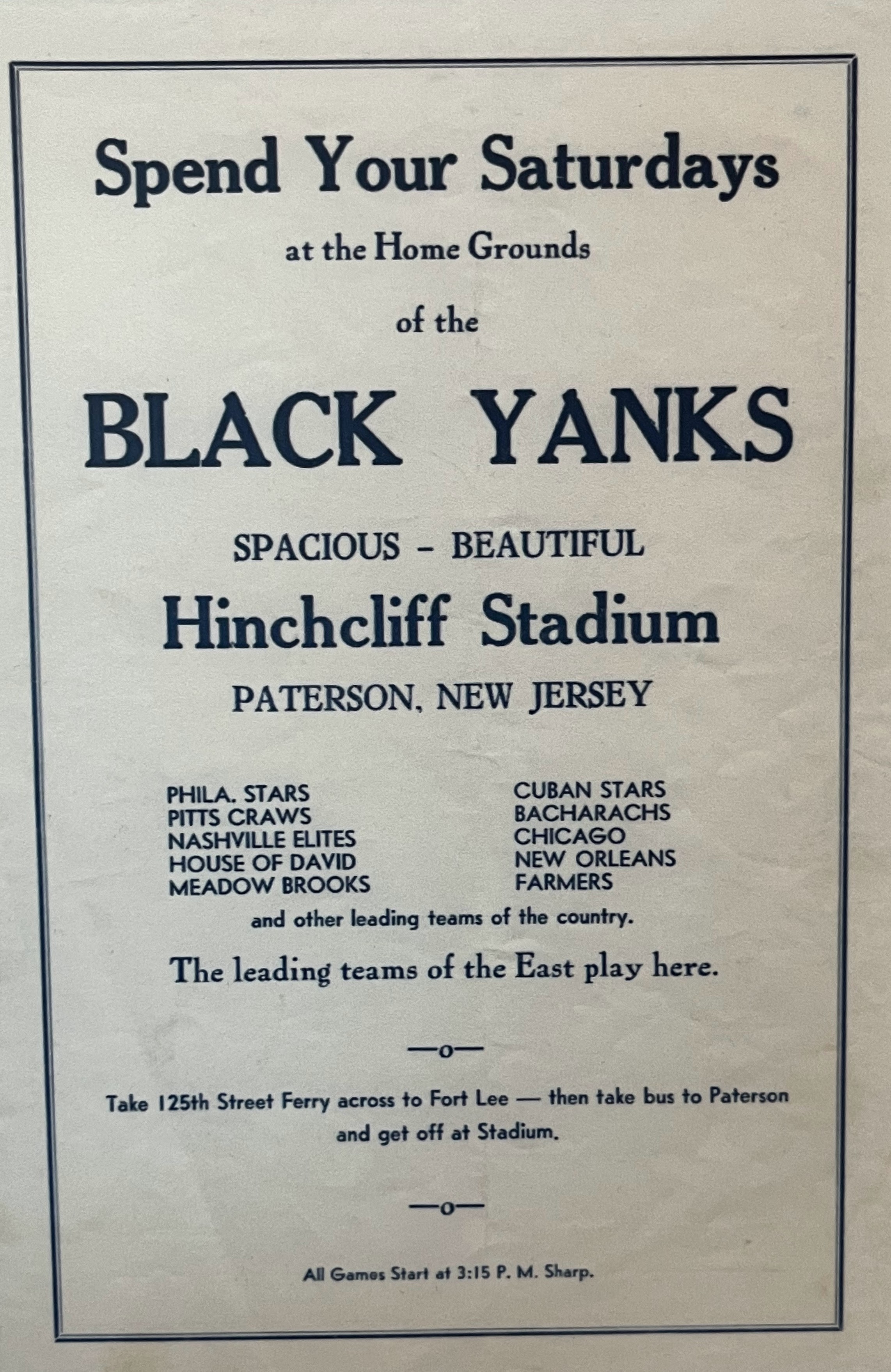
The Charles J. Muth Museum, which was built as part of the Hinchliffe Stadium renovation in Paterson, N.J., opened last year. The stadium which it is attached to is part of the Great Falls National Historical Park. Built in 1932, it is one of the few remaining stadiums that hosted Negro League baseball.
The museum is a single gallery exhibit that commemorates the Negro Leagues, Paterson’s baseball legacy and the stadium itself. It is operated by Montclair State University. Its public hours are limited but it is open to patrons of the minor league baseball team that now plays at Hinchliffe for a hour before game time.
Two Negro League teams called Hinchliffe Stadium home: the New York Black Yankees and the New York Cubans. The latter featured players not just from Cuba but from other Latin American and Caribbean countries. (They also started the tradition of housing teams in New Jersey while calling them “New York,” as in the NFL’s Giants and Jets.)
Atlantic City Bacharach Giants were one of the charter members of the Eastern Colored League, founded in 1923The New York Cubans made Hinchliffe their home park in 1935-36
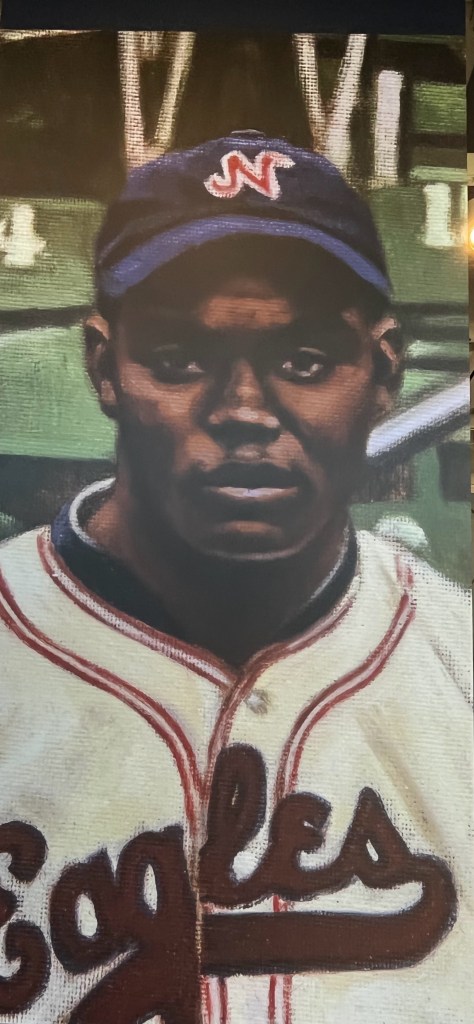
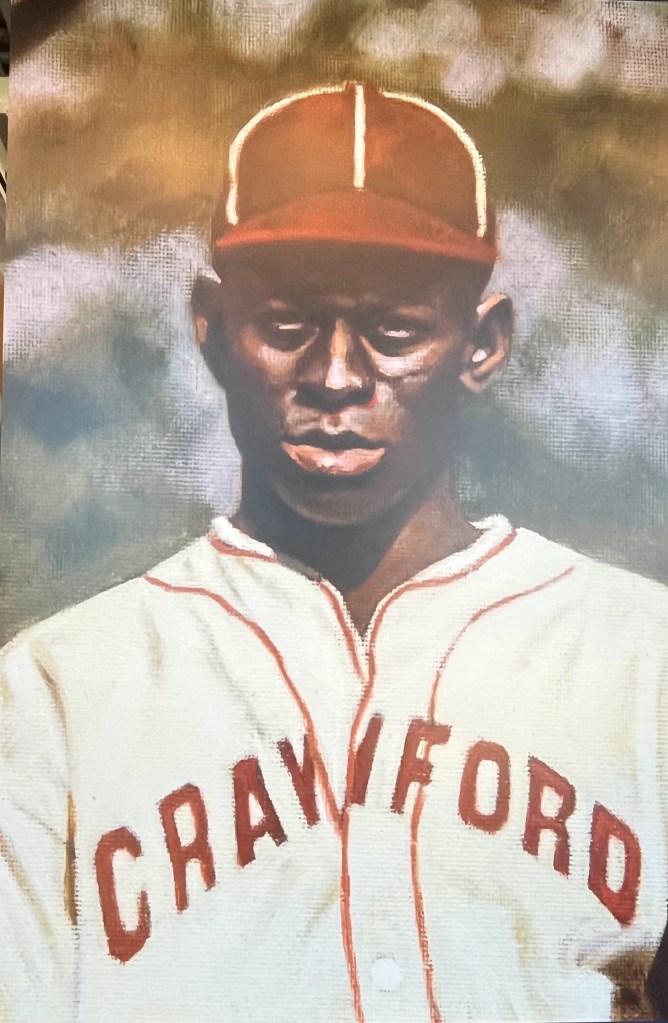
Roy Campanella plaiyed at Hinchliffe as a member of the Washington/Baltimore Elite Giants. He would go on to become a Hall of Fame catcher with the Brooklyn Dodgers.Monte Irvin played at Hinchliffe as a member of the Newark Eagles. He later had an 8-year Major League career mostly with the New York Giants and was elected to the Hall of Fame.Satchel Paige made an appearance at Hinchliffe as a member of the Pittsburgh Crawdads. He had a 20-year career in the Negro League before making his debut with the Cleveland Indians at age 42. He is also a member of the Hall of Fame.
Any discussion of baseball in Paterson starts with Larry Doby. Doby was a three-sport star at Paterson’s Eastside High School (football, basketball and baseball). Upon graduation, the color barrier had yet to be broken in Major League Baseball. He joined the Newark Eagles in 1942 and continued playing with them until 1946, interrupted by a stint in the U.S. Navy during World War II.
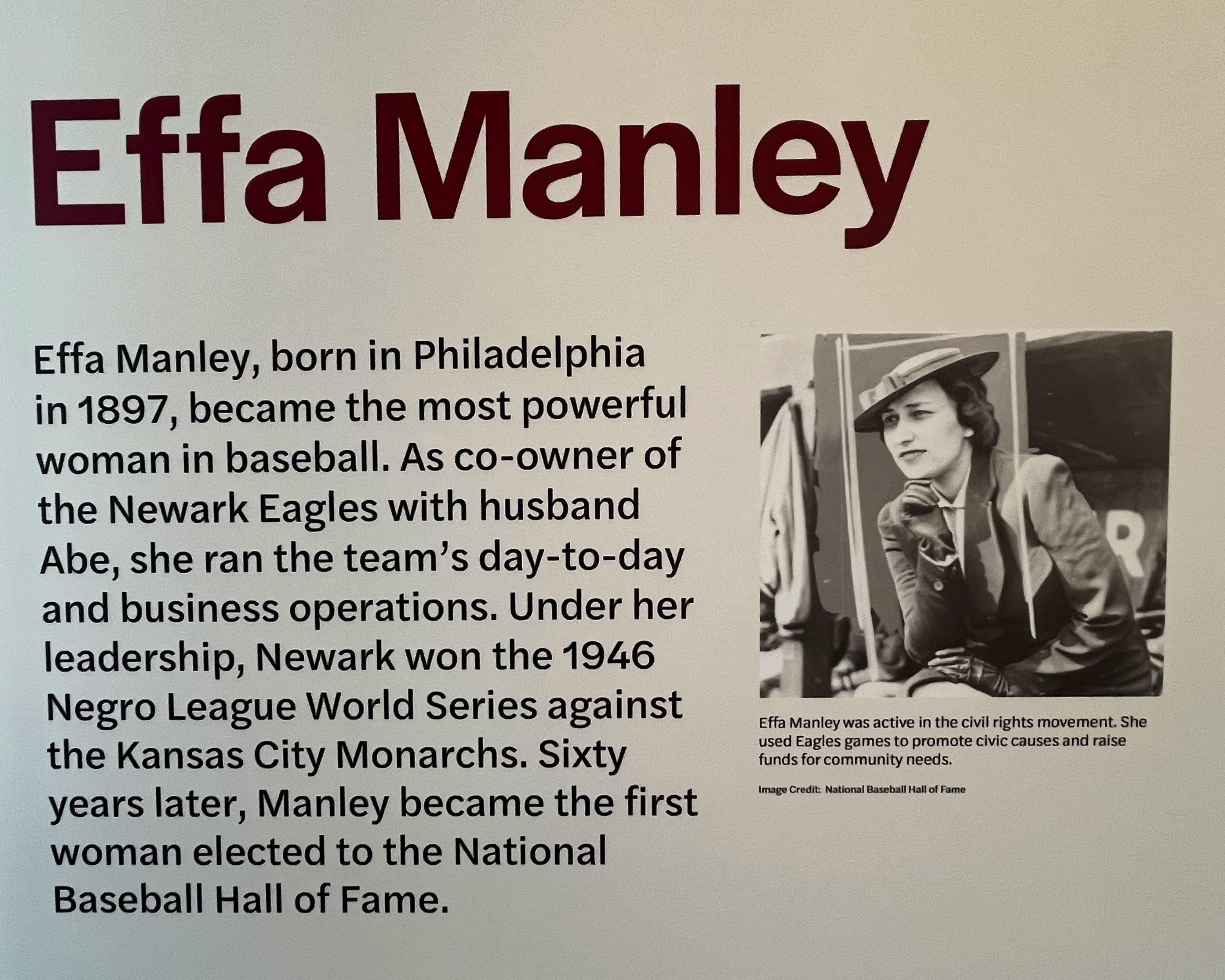
In 1947, Bill Veeck, the owner of the Cleveland Indians and a man who had long supported the integration of baseball, bought Doby’s contract from Effa Manley of the Eagles. Doby became the second Black major leaguer and the first in the American League. He would go on to become a seven-time all-star and be elected to the Hall of Fame.
Here’s Veeck and Doby shaking hands.
Hinchliffe Stadium would by the 1990’s be shutdown as it had been neglected and seriously deteriorated. Eventually the stands surrounding the playing field were condemned. I took this picture in 2014.
The stadium’s inclusion as part of the national park helped pave the way for a $100+ million renovation. It now looks like this.
During its heyday, mini race cars like this one at the Muth Museum were popular attractions.
And it was not just Paterson ball players who drew crowds to Hinchliffe. Patersonian Lou Costello (right) and his partner Bud Abbott performed their “Who’s on First” routine there.
In was opening day 1981 when a 20-year-old pitcher from Sonora, Mexico, took the mound for the Los Angeles Dodgers and hurled a victorious nine-inning shutout against the Houston Astros. Fernando Valenzuela went on to win his first eight games, In that season he would become the only major leaguer to win both the Cy Young award and the Rookie of the Year award in the same season.
(Tony Barnard, Los Angeles Times)
Valenuela had a long career as a major league pitcher, lasting until 1997. His first ten years were as a Dodger. During his career he would be an all-star six times and a World Series champion in his rookie year. An all-around athlete, he won a Gold Glove award as the American League’s best fielding pitcher and two Silver Slugger Awards as the league’s best hitting pitcher. In 1990 he pitched a no-hitter.
But Fernando Valenzuela’s greatest impact on the game may have had nothing to do wins, losses, pitches and awards. Rather, he changed the game because of the so-called “Fernandomania” that followed his emergence as a star.
“…the Dodgers lefty did something that went beyond the playing field, and you could see it in the stands and across the United States and Mexico.
“When Fernando lifted his eyes toward the sky with each windup, Mexicans everywhere watched him with pride.
“This was the first time I could see with my own eyes the passion Mexicans had for baseball as they cheered for Valenzuela at Chicago’s Wrigley Field, New York’s Shea Stadium and even in Atlanta’s Fulton County Stadium.
“Their presence transformed big league parks, waving Mexican flags, cheering on the young lefty who possessed a pitching style quite unlike what most fans had previously witnessed.
“While most fans might remember 1981 as a strike-shortened season, for me it will remain the season Valenzuela allowed Mexicans and Latino fans everywhere to openly show their passion for baseball through the artistry of the young hurler from Navojoa, México.” (La Vida Baseball, Adrian Burgos, March 2, 2019)
A story in the Los Angeles Times (April 1, 2011) tried to quantify Fernando’s long term impact:
“The Dodgers, who said they drew more than 3.5 million fans last season, have survey research that indicates about 40 percent of their fan base is Latino.
“Although there is no way to directly quantify Valenzuela’s effect, former team executive Derrick Hall guessed that attendance at Dodger Stadium would be 10 percent to 20 percent lower had Valenzuela never played.”
Where is Valenzuela these days? If you’re a Dodgers fan, you know where to find him. In the broadcast booth calling the games in Spanish. He’s also no stranger to the playing field. In 2013, he was the starting pitcher in an old-timers game between the Dodgers and the Yankees. That same year, he threw out the first pitch in the Caribbean Series game between Yaquis de Obregon of Mexico and Leones del Escogido of the Dominican Republic. In 2018, he threw out the first pitch when the Dodgers and the San Diego Padres played a three-game series in Monterrey, Mexico.
Honors have continued to come his way in his post-playing career. He was inducted into the Caribbean Baseball Hall of Fame in 2013. One year later he entered the Mexican Baseball Hall of Fame. California Gov. Jerry Brown inducted him into the Golden State Hall of Fame along with others, including Joan Baez and Robert Redford (2018). The Mexican League retired his #34 for all teams (2019). The Dodgers honored him as one of the “Legends of Dodger Baseball” in 2019 and they retired his number in 2023. At the same time, the Los Angeles City Council proclaimed Fernando Valenzuela Day.
In 2015 he became a citizen of the U.S. Dodger Insider (July 22, 2015) had the story.
“The Dodgers’ legendary lefty raised his right hand and took the Oath of Allegiance at a U.S. Citizenship and Immigration Services (USCIS) naturalization ceremony to become a U.S. citizen this morning in downtown Los Angeles. While a private and smaller ceremony could have been an option, Valenzuela chose to join nearly 8,000 Angelenos hailing from more than 130 countries in taking this big step.
“Valenzuela also shared this special day with his wife Linda, who became a U.S. citizen a few months ago and with whom he’s shared every major moment of his life and career, and his family.”
Fernando Valenzuela with President Ronald Reagan, 1981
In 2017 Valenzuela was part of a group of investors who bought the Mexican League baseball team Quintana Roo Tigres of Cancun. His son Ricky serves as the team’s general manager.
Despite his popularity and his visibility, Valenzuela is not one to call attention to himself. Jill Painter Lopez, writing in the New York Times (Aug. 30, 2015), commented:
“Although he works as a Spanish-language broadcaster for Dodgers games, he rarely does interviews and, outside calling games, keeps a low media profile. He doesn’t have a Twitter account, he hasn’t written an autobiography and he declined to take part in a news conference about his new status (as an American citizen) or to do any interviews, including one for this article.”
Asked about being a hero to Dodger fans, Valenzuela told Cary Osborne of Dodger Insider (Aug. 11, 2023):
“Heroes are in cartoons or something like that.
“I think the ones who are heroes are people who rescue people. That’s a hero. If the little things I did in baseball helped people, if it helped them by never giving up, keep continuing, helped them think you can do anything, that makes me proud.”
A story by Dylan Hernandez in the Los Angeles Times (April 1, 2011) noted:
“As a player, Valenzuela spoke regularly at Los Angeles-area elementary schools, many of them in heavily Latino areas. ‘In sports, you win and you lose,’ he recalled telling the children. ‘But in education, you only win.’ On a couple of occasions, he said, he has been approached by someone who heard him speak. ‘Because of what you said, I studied hard and became a doctor,’ he recalled one person telling him.
“Another, he said, was a lawyer. ‘I told them I was glad they listened, that they were able to improve their lives, that they were able to take better care of their families,’ he said. ‘That means more to me than winning a game or being elected into the Hall of Fame.’
Valenzuela married a schoolteacher from Mexico, Linda Bustos, in 1981. They have four children. In Osborne’s Dodger Insider story he quoted Valenzuela’s daughter Linda:
“He’s a dad and a grandpa — and I think he feels that’s his biggest accomplishment. He’s proud of his kids and grandkids. He shows up to my niece’s softball games at 7 in the morning. She has a game, and he’s there.”
In the stories about Venezuela there are some first hand accounts of his importance to young Mexican-Americans. Here are two examples:
In the New York Times story by Jill Painter Lopez cited earlier, a Dodger employee had this to say;
“Polo Ascencio, 40, who works for the Dodgers as a statistician…grew up in Tijuana and four years ago became an American citizen.
“‘I grew up idolizing this guy,’ Ascencio said. ‘I wanted to be a left-handed pitcher. I was that kid who was a Padres fan but turned into a Dodgers fan’ because of Valenzuela.
“‘I looked just like him,’ he said.”
Jose M Alamillo, who is a professor of Chicanao Studies at California State University Channel Islands, had this to say ( La Vida Baseball, April 19, 2017)
“Even before I learned about César Chávez and other civil rights leaders, I had one Latino role model ― Fernando Valenzuela.
“As a skinny immigrant kid back in the ’70s growing up in Ventura, California, north of Los Angeles, I did not speak English very well and was told to ‘Go back to Mexico.’ To avoid being hit by racial slurs (‘beaner,’ ‘wetback’), I downplayed my ethnic background.
“But that all changed in 1981.
“Valenzuela inspired the Latino population of Los Angeles. His humble demeanor, combined with his improbable success as an unassuming son of Sonora, helped to instill a feeling of unity and optimism among recent Mexican immigrants and U.S.-born Mexican-Americans.
“Fernando Valenzuela taught me to feel proud about being both Mexican and American without having to sell my cultural soul. When I met Fernando, he spoke perfect English but was very proud of his Mexican heritage. He confirmed for me that I did not have to run from my Mexican heritage, but embrace it, while also embracing American culture and, especially, its favorite pastime.”
(Fernando Valenzuela passed away in Octoer 2024, a little more than a month after this was published.)
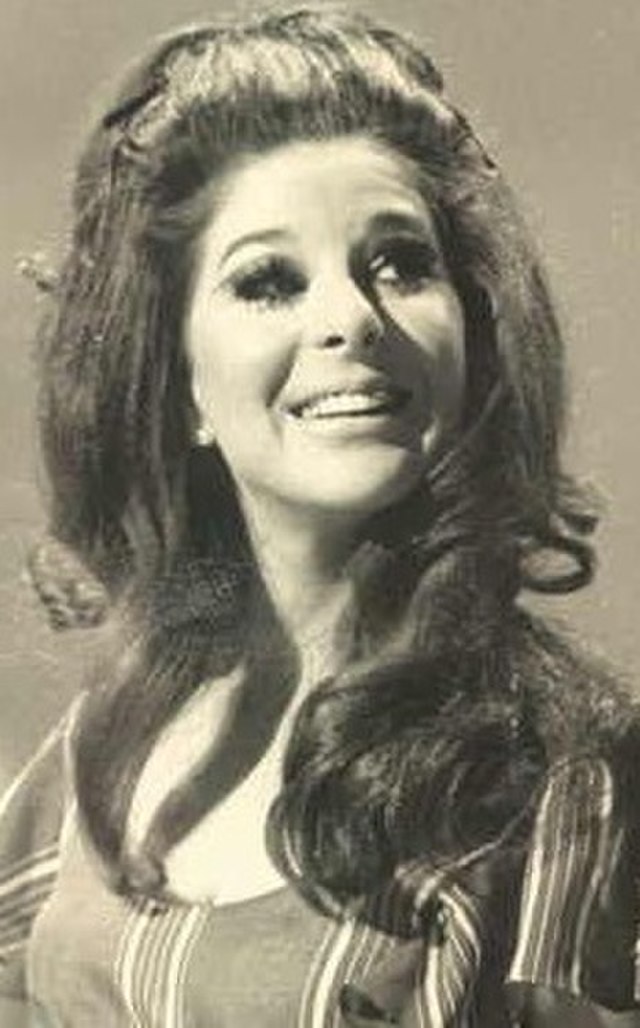
Is there a more iconic ballad than Ode to Billie Joe. The tale of how “Billie Joe MacAllaster jumped off the Tallahatchie Bridge” is to me the epitome in storytelling through song. Bobbie Gentry wrote and performed this song which would knock the Beatles “All You Need is Love” out of the top spot on the Billboard charts. When Gentry released an album by the same name it overcame “Sgt. Pepper’s Lonely Hearts Club Band” to become #1. Gentry won two awards at the 1967 Grammies: Best New Artist and Best Female Pop Vocal Performance. The song was named one the 500 greatest songs of all-tine by Rolling Stone magazine and Gentry would eventually be inducted into the Nashville Songwriters Hall of Fame.
Whatever Happened to Bobbie Gentry? We don’t really know. In the early 1980’s she decided to adopt a private life and has made no public appearances or statements. Prior to that decision, Gentry had a creative and diverse entertainment career, one that belies the thought that this woman, who was partly raised by Mississippi grandparents who traded one of their cows to get her a piano, was some one-hit wonder hick country singer.
While never again reaching the commercial heights of Ode to Billie Joe, Gentry produced seven albums. Perhaps the best known song of her post ‘Ode’ career is Fancy. Gentry recorded it herself but it later became a huge hit for Reba McEntire.
In udiscovermusic.com (April 6, 2023), Jeanette Leech describes the song as “a tense, often unsympathetic portrait of the lack of choice poor women have in America. It’s also a powerful critique of one of the only ways a woman could earn good money and mix in the company of powerful men – as their courtesan.”
She quotes Gentry saying “‘‘Fancy’ is my strongest statement for women’s lib, if you really listen to it. I agree wholeheartedly with that movement and all the serious issues that [it stands] for – equality, equal pay, day-care centers, and abortion rights.”
In Rolling Stone magazine (Aug. 21, 2017) Tara Murtha offers this summary of Gentry’s career:
“Producing a hit record was only the beginning of her pioneering career. Gentry was the first woman to host a variety show on the BBC (later, she hosted her own show on CBS). She was a DJ on Armed Forces Radio. It’s widely believed she painted the portraits used as the covers for her albums Fancy and Patchwork. After leaving Capitol, she headed to Las Vegas, where she spent a decade creating and starring in shows critically acclaimed for over-the-top set design, outrageous costumes she often designed herself and stellar choreography – including a gender-bending tribute to Elvis Presley, performed in a skintight glittering pantsuit. The real Bobbie Gentry was not a country bumpkin pin-up who lucked into one big hit, as she was sometimes described in profiles that read as condescending from a modern perspective. Bobbie Gentry embraced the success of ‘Ode to Billie Joe,’ but spent the rest of her career trying to transcend the hillbilly persona that was created with it.”
Rick Hall, a well-known producer at Muscle Shoals worked with Gentry and produced Fancy. In an interview with Billy Watkins of the (Jackson, Miss.) Clarion Ledger,Sept.18, 2019, he offered this recollection:
“I was expecting this Southern, backwoods, Delta woman. She was anything but that. Sophisticated. Bright. She had studied at UCLA and then studied music and composition (at the Los Angeles Conservatory of Music). We hit it off and became really good friends, in a professional way. She and I were raised the same way so we spoke the same language.”
What Gentry was not very successful at was marriage. Her first marriage, in 1969, was to Bill Harrah of casino fame. It lasted four months. She married Thomas Toutant in 1976 and divorced him in 1978. That same year she married singer and comedian Jim Stafford. They had a son together, but divorced in just short of two years.
Gentry did know how to take care of her money and retain the rights to her music. She also got a 10% cut on the proceeds from a movie that was based on “Ode to Billie Joe.” She was one of the original owners of the Phoenix Suns basketball team.
In 1981 she performed a song as part of a TV special “An All-Star Tribute to Mother’s Day.” It would be her last public performance. The following year she attended the Academy of Country Music Awards. After that she pulled down the shades. The public has not seen her since.
In his interview, Hall said, “I can sort of understand why she quit music and went into seclusion. She had a lot of bad memories of the music business. She didn’t like the way things worked with record companies and all that. Didn’t like what she was getting paid.”
Various musicians, collaborators and journalists have tried to track down Bobbie Gentry, who would have turned 82 on July 27 of this year. The one who thinks he came the closest to finding her is Washington Post reporter Neely Tucker. He offered this story (June 2, 2016) :
“Bobbie Gentry lives about a two-hour drive from the site of the Tallahatchie Bridge that made her so famous, in a gated community, in a very nice house that cost about $1.5 million. Her neighbors, some locals and some real estate agents know who she is, although it’s not clear which of her many possible names she goes by.
“Today, computer databases clearly show that perhaps the nation’s most reclusive pop star lives in an 8,000-square-foot house with a great pool not all that far from the old homestead. Real estate agents confirmed it.
“So, yesterday, I found myself looking at a phone number on my computer screen for several seconds. No reporter, to the best of my knowledge, has spoken to Gentry in decades.
“I punched the numbers.
“After a few rings, a pleasant woman’s voice said: ‘Hello.’
“I introduced myself and my newspaper. I said I was looking for the person whose name appears on the property owner’s record.
“There was a dead pause of several seconds. My fingers clenched open and closed.
“‘There’s no one here by that name,’ she said, finally.
“I apologized and started to read back the number, to make sure I had dialed it correctly, and she hung up.
“But there isn’t really any doubt.
“I talked, for about 13 seconds, to Bobbie Gentry.
“Some mysteries can be solved. What Billie Joe and his girlfriend threw off the Tallahatchie Bridge? No. That can’t.”
“Known forever as the voice behind the haunting classic ‘Ode to Billie Joe,’ Delta lady Bobbie Gentry is the J.D. Salinger of Deep South pop. She came, burned incredibly bright and disappeared, abandoning the business and declining every interview request for decades since.” (Jeff Myers, Buffalo News, Aug. 6, 2004)
Some of you likely remember George Foreman for his illustrious boxing career. He won a gold medal. He was heavyweight champion. He was Muhammad Ali’s foe in the 1974 “Rumble in the Jungle” (Ali won). He retired for ten years then famously made a comeback and would become heavyweight champion a second time at the unlikely age of 45.
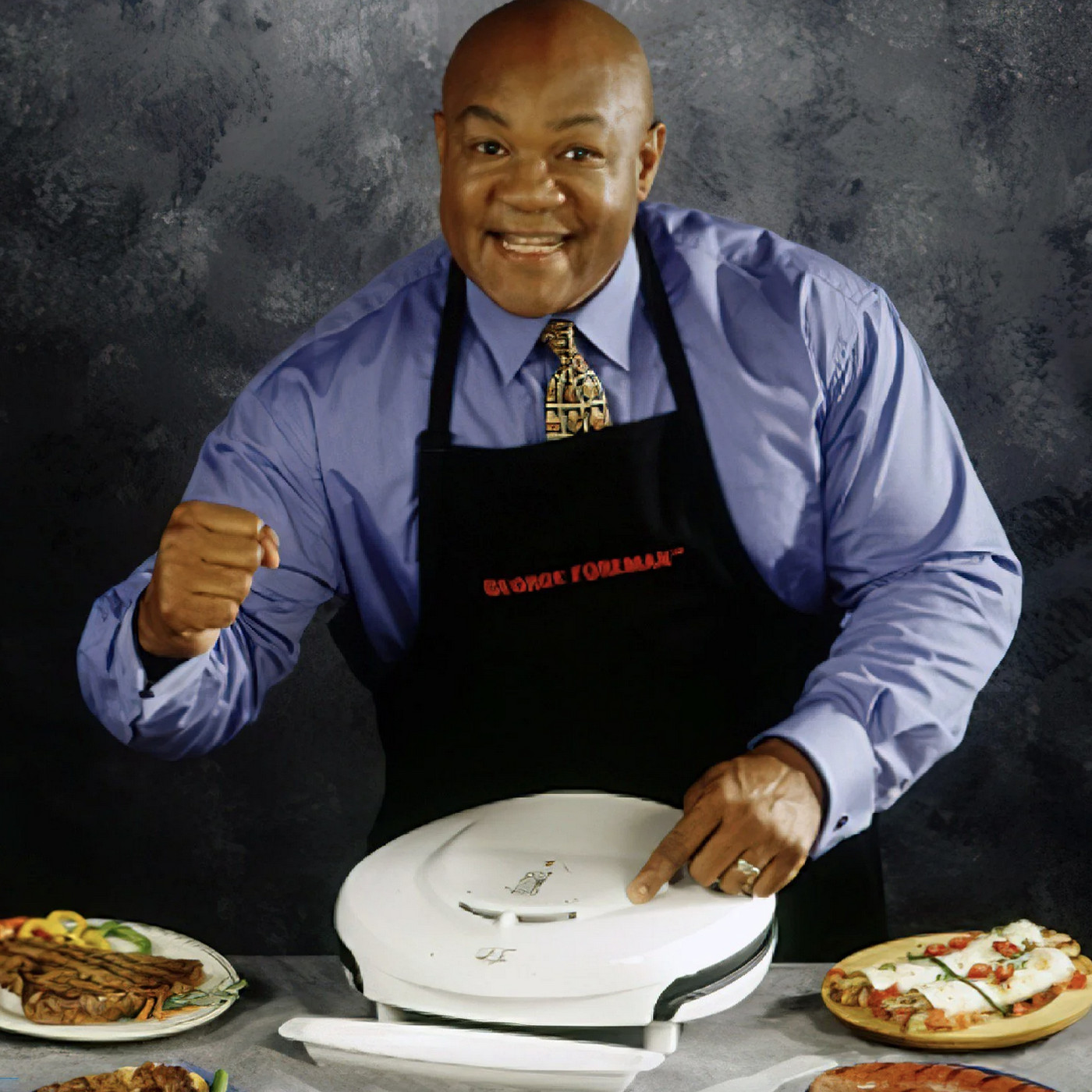
Others may remember George Foreman’s signature on a pretty common 1990’s cooking appliance, the mean lean grilling machine, aka the George Foreman Grill. The TV ads that resulted in millions of sales showed a different George Foreman, a smilling, affable, big teddy bear.
What you may not know about George Foreman is, he is a preacher, he has 12 kids and a world class car collection, and has recently been the subject of sexual abuse allegations.
How is it that the guy who knocked out Joe Frazier ended up with his name on a countertop hamburger maker? Here’s the story:
“As it turns out, the George Foreman Grill was not actually invented by George Foreman. It was actually invented by Michael Boehm, and it was Boehm and his associates who reached out to George about becoming the grill’s brand ambassador. George was already an ambassador for several products, and he was reticent to take the offer, in part because they weren’t offering him any money upfront.
“Ultimately, a lawyer friend of his put him on the spot over the phone, and his wife, having overheard the conversation, decided to try the grill out for herself. She told George she liked its dual surface technology, and eventually convinced George himself by grilling him a burger on it. After trying a burger and seeing the grill, he was impressed, and decided that he would join the venture.” (Joseph Allen, Aug. 28 2023, disractify.com)
According to Foreman, who got 40% of grill sales, the deal netted him $138 million.
When he was not knocking out opponents or hyping his grill, Forman was building a family, A big one. He had 12 children, five sons and seven daughters. He has been married to Mary Joan Martelly since 1985. Two of his daughters are from that marriage. Before that, he had four other wives.
Foreman named all five on his sons after himself. He explained that to Yahoo Entertainmant:
“I chose to give all my sons the name George Edward Foreman to ensure they share a common bond. I often tell them, ‘If one of us achieves success, we all rise together, and if one faces challenges, we face them together as a united front!’” (Gabrielle Tazewell, June 17, 2024)
A couple of his kids took after their dad and found themselves in the ring. The George Edward Foreman known as “Monk” has fought 17 professional bouts and won them all. Now 41, he, like his father, retired and then made a comeback.
One of his daughters, Freeda Foreman, also became a professional boxer. She won her first five fights, then, after losing the sixth, retired and became a boxing promoter. Freeda passed away in 2019 at the age of 42 in what is believed to have been a suicide.
It was after one of the low points in Foreman’s career that his commitment to religion was born. In 1977 he lost a fight to Jimmy Young, the result of which was his first retirement. There were other implications. They are described below by Rob Weatherby in a Sept. 23, 2023 article in Pelham Today.
“After his last fight, Foreman became ill in his dressing room suffering from exhaustion and heatstroke. He had a near-death experience. He remembers being in a ‘hellish, frightening place of nothingness and despair.’ He begged God to help him and heard God say, ‘I don’t want your money. I want you.’
“After this traumatic experience, Foreman committed his life to Christ. In his words: ‘I dropped everything I was doing to tell everyone that Jesus Christ is alive. I had gone all over the world to exalt George Foreman. Now I want to go all over telling people about Jesus.’ He started by preaching on street corners and eventually became an ordained minister with the ‘Church of the Lord Jesus Christ’ in Houston.
“He now devoted his time to his family and congregation. He also opened a youth center for troubled youth and shared his story on Christian television broadcasts. Foreman often uses boxing terms in his preaching.”
An AP story from Aug. 8, 2015 offers an example:
“The Rev. George Foreman flipped his Bible open to the Book of Genesis, let fly with a left hook for Jesus and sent Satan sprawling into the ropes.
“‘You’ve got to learn how to fight!’ he exhorted. ‘If you believe in God, you’ve got to fight for him.’
“The Sunday morning faithful, warmed by a hand-clapping round of gospel singing, rocked on their hard wooden pews with the verbal punch.
“At 66, Foreman — a two-time world heavyweight champion and veteran of more than 80 scarring professional boxing bouts — might be graying, his card-topping pugilistic battles long over. But in his bout against sin as pastor of north Houston’s Church of the Lord Jesus Christ, he is still a powerhouse slugger.
“In a 60-minute exposition on God’s creation of the world, he touched on false philosophers; biology; Pluto; marijuana; boxing punches; getting lost in traffic; the morals of dogs; the morals of women who buy booze by the gallon; people who wallow; crops and weeds; and, of course, Adam, Eve, the Garden of Eden, a treacherous serpent and an angry God.”
Aside from the Bible-thumping, Foreman has put together an impressive collection of cars, including vintage Ferrari’s, Corvettes, Cadillacs, even a 1931 Ford. Nico DeMattia of Yahoo Autos (Nov. 18, 2023) has this to say about Foreman’s collection:
“Of all the celebrity car collections I’ve seen, this is one of my favorites because you can tell Foreman actually likes cars. There are just so many oddball vehicles in his collection that you know he didn’t buy them for status and prestige, he bought them because he liked them.
“Most of Foreman’s cars he bought new, making them one-owner cars with an incredibly famous single owner. They aren’t all perfect, either, and both Foreman and Hagerty are upfront about the flaws and issues with some of them. The overall quality of the collection is incredible, though, and there are some genuinely cool cars to comb through.”
Foreman recently put a part of his collection up for sale. Hagerty is the auction house selling the vehicles. Foreman told the Robb Report “I have been a car collector and enthusiast most of my life, but the time has come for me to share my cars with other like-minded enthusiasts.” (Rachel Cormack, Nov 20, 2023 )
Now 75, Foreman is facing a new set of challenges.
David Chen of the New York Times filed this story on Aug. 24, 2022.
“Two women filed lawsuits Wednesday in California alleging that George Foreman, the former world heavyweight boxing champion, sexually abused them when they were teenagers in California in the 1970s.
“According to the lawsuits, the women, using the pseudonyms Gwen H. and Denise S. to protect their identities, initially met Foreman when they were under 10 years old through their fathers. One man was a boxer and sparring partner of Foreman, while the other was a boxing manager and longtime adviser to Foreman.
“Foreman then groomed the girls for several years, according to the complaints, before forcing them to have sex with him in places ranging from a San Francisco hotel to an apartment in Beverly Hills. The two women, who are both in their early 60s, filed the complaints in Los Angeles County Superior Court.”
Foreman was adamant is his denials. He gave this statement to the New York Post (April 8, 2023):
“Over the past six months, two women have been trying to extort millions of dollars each from me and my family. They are falsely claiming that I sexually abused them over 45 years ago in the 1970s. I adamantly and categorically deny these allegations.
“The pride I take in my reputation means as much to me as my sports accomplishments, and I will not be intimidated by baseless threats and lies. I am, and always will be, guided by my faith and trust in God. I will work with my lawyers to fully and truthfully expose my accusers’ schemes and defend myself in court. I don’t pick fights, but I don’t run away from them either.”
Shortly after that another allegation appeared in USA Today (Josh Peter, April 26, 2023).
“A third woman has said Hall of Fame boxer George Foreman committed sexual battery against her when she was a minor and Foreman was in his 20s in the 1970s, according to a copy of a civil lawsuit obtained by USA TODAY Sports.
“The woman, identified as Jane Doe, said she was 15 when Foreman propositioned her with money in exchange for him sexually abusing her, according to the lawsuit.”
At time of writing, none of these suits have either been settled or gone to court.
(George Foreman passed away in March 2025, 7 months after this was published.)
Roman Polanski is known for two things: great movies and sexual abuse Those two themes have followed him throughout a long career.
Born in France, but raised in Poland, Polanski survived the Holocaust as a child. He made his directorial debut with the Polish film Knife in the Water (1962), a favorite of mine. Many films would follow, some of which were masterpieces: The Fearless Vampire Killers (1967), Rosemary’s Baby (1968), Chinatown (1974), Bitter Moon (1992), The Pianist (2002), An Officer and a Spy (2019). And that’s just to name a few.
While working on The Fearless Vampire Killers, he met the actress Sharon Tate. They married in 1968. In August of 1969, Tate, in her eight month of pregnancy, was brutally murdered by Charles Manson and his cult. Polanski was filming in Europe at the time. Some have attributed what would come later to this horrific event.
“Polanski started his dangerous descent into depravity after the infamous and brutal murder of his wife Sharon Tate and their unborn son. In August of 1969, cult members of the Manson family attacked the eight-month pregnant actress and stabbed her as well as her friends around 100 times. Polanski was never the same, indulging in extensive drug abuse to cope with the trauma.” (Swapnil Dhruv Bose, Far Out Magazine, Feb. 1, 2021)
Another life changing event, one that would become inextricably tied to Polanski’s identify, occurred in 1977. “Roman Polanski conducts a photo shoot with a 13-year-old girl at Jack Nicholson’s house. As she later testifies, Polanski gives the girl champagne and part of a sedative during the shoot, then forced her to have sex. She says she repeatedly told Polanski no during intercourse, but says she did not fight him because she was afraid of him.” (AP, July 19, 2022)
Polanski was arrested and charged with unlawful sexual intercourse with a minor, rape by use of drugs, perversion, sodomy, a lewd and lascivious act upon on child under the age of 14, and furnishing a controlled substance to a minor. He entered a plea bargain in which he would plead guilty to the first charge. However, he believed the judge in the case was not going to honor the terms of the plea bargain and was going to send him to jail. He flew the coup and has lived the rest of his life mostly in France, avoiding countries that might extradite him back to the U.S.
The girl, Samantha Greimer, would later sue Polanski, charging him with sexual assault, intentional infliction of emotional distress and seduction. They settled out of court in 1993, five years after the suit was filed. Polanski reportedly agreed to pay $500,000.
These days, Greimer is ready to forget the whole thing. “The woman at the center of the 40-year-old sexual abuse case against Roman Polanski asked a Los Angeles County judge on Friday to end the legal proceedings in the case. ‘I would implore you to do this for me, out of mercy for myself,’ Samantha Geimer, now 54, told Judge Scott M. Gordon of Los Angeles County Superior Court, according to Agence France-Presse. Ms. Geimer has spoken out in recent years on behalf of Mr. Polanski.” (Sophie Haigney, New York Times, June 9, 2017)
In an interview last year, Greiner said: “Let me be very clear: what happened with Polanski was never a big problem for me. I didn’t even know it was illegal, that someone could be arrested for it. I was fine, I’m still fine. The fact that we’ve made this thing up weighs on me terribly. To have to constantly repeat that it wasn’t a big deal, it’s a terrible burden.” (Samatha Bergeson and Ryan Lattanzio, Indie Wire, April 14, 2023
I found the number and names of people in the industry who were willing to support Polanski pretty surprising. The story in Far Out Magazine cited above also noted “in 2009, an astonishingly large number of leading figures in the film industry signed a petition calling for his release including David Lynch, Martin Scorsese, Wim Wenders, Wong Kar-wai and Woody Allen. It shouldn’t come as a surprise that even Harvey Weinstein came to his defence. All of this was a reaction to Polanski’s 2008 arrest at Zurich airport which was futile because he was released in 2010 anyway.” I guess we shouldn’t be surprised to find Allen and Weinstein on that list.
Not everyone is willing to forgive and forget. In 2018 he was expelled from the Academy of Motion Picture Arts and Sciences, along with Bill Cosby, citing that organization’s ‘Standards of Conduct.’ In 2021 he sued the academy seeking reinstatement but his appeal was denied by a Los Angeles Superior Court judge.
An award he was presented in 2020 led to an immediate backlash. “Roman Polanski, the film director who fled the United States in 1978 while awaiting sentencing for unlawful sexual intercourse with a minor, was a big winner Friday night at the Césars, France’s equivalent of the Academy Awards, leading several actors to walk out of the ceremony in outrage.
“He was named best director for ‘J’accuse’ (The English title: ’An Officer and a Spy’). ‘Very few’ people applauded Mr. Polanski’s best director award, said Le Monde, the French newspaper.
“Adèle Haenel, one of France’s most prominent young actresses who said she had suffered from sexual abuse in the country’s film industry, was one of those who left the room at the César ceremony, waving an arm in disgust and appearing to say, ‘Shame’.” (Alex Marshall, New York Times, Feb. 28, 2020)
And this was the scene when Polanski’s most recent film The Palace appeared at the Venice Film Festival last year: “‘Island of rapists,’ ‘No Golden Lion for predators,’ ‘Sexist cinema/ feminist response’ read the banners, posted on the Lido near the Venice Film Festival on Sunday, an anonymous protest against the inclusion by the 80th Biennale of films from controversial directors Roman Polanski and Woody Allen.”(Ilaria Ravario and Scott Roxborough, Hollywood Reporter, Sept. 3, 2023)
(photo by Georges Biard)
Meanwhile, more skeletons were emerging from Pulansky’s closet. In October of 2017 Sophie Haigney wrote this story in the New York Times (Oct. 3, 2017): “Renate Langer, a 61-year-old former German actress, has reported to the Swiss police that the film director Roman Polanski raped her at a house in Gstaad in February 1972, when she was 15.
“Ms. Langer is the fourth woman to publicly accuse Mr. Polanski of sexually assaulting her when she was a teenager.
“The police in St. Gallen, Switzerland, confirmed that they met with Ms. Langer on Sept. 26. Ms. Langer provided The New York Times with a copy of an email — sent by a Swiss police officer — saying that another office would make the determination as to whether she could pursue a criminal complaint.”
And that same month The Guardian ran a story of another transgression (Oct. 23, 2017 by Gwilyn Mumford): “A Californian artist has accused Roman Polanski of sexually assaulting her when she was 10 years old, the fifth such allegation of abuse made against the director.
“Marianne Barnard has told the Sun that she was molested by Polanski in 1975, two years before the director fled the US after pleading guilty to statutory rape. The artist claims that the incident took place at a beach in California following a photoshoot where the director asked her to pose naked.”
Los Angeles prosecutors decided not to bring criminal charges in this case because the allegations were deemed to be too old.
In 2019, a French actress told a now familiar tale. “The French actress Valentine Monnier has accused director Roman Polanski of raping her in 1975 when she was 18 years old. Monnier spoke about the incident to Le Parisien, and (as translated in Variety) said that she didn’t know the director personally before agreeing to go skiing at his chalet in Gstaad, Switzerland. ‘Life had not trained me to be suspicious,’ Monnier said. She claims he called her upstairs one evening, attacking and hitting her, and ripping off her clothes before raping her. The French newspaper spoke with several people who said Monnier had told them about the alleged incident shortly afterward.” (New York Magazine, Jackson McHenry, Nov. 9, 2019)
And how did Roman Polanski react to the MeToo movement? Well, you can’t make this stuff up. He blamed Harvey Weinstein for his problems! “…in an extraordinary twist he (Pulanski) blamed Harvey Weinstein for his woes, in an interview with Paris Match magazine published on Wednesday.
“He claimed that the disgraced Hollywood mogul tried to brand him a ‘child rapist’ to stop him (unsuccessfully, it turned out) winning an Oscar in 2003 for The Pianist. Polanski – a fugitive from US justice since 1978 when he absconded after admitting the statutory rape of a 13-year-old girl, Samantha Geimer – also dismissed the latest rape allegations against him as ‘absurd’.
“He said he ‘absolutely denied’ beating and raping French photographer Valentine Monnier at his Swiss chalet in 1975.” (Agence France-Presse, Dec. 11, 2019)
His reputation as a brilliant filmmaker also has taken a hit with the release last year of The Palace.
“Granted, few filmmakers have a spotless filmography; however, it is no exaggeration to state that Polanski’s latest can’t even be qualified as ‘cinema.’ It’s a visual root canal
“As a fan of Polanski’s films – Rosemary’s Baby, Chinatown and The Pianist are flawless films, and I have a particular soft spot for The Ninth Gate and The Ghost Writer – I can comfortably say that it’s the worst film the Franco-Polish director has ever put his name to.
“Take my word for it. I have suffered through this ‘absurd and provocative black comedy’ so you don’t have to.”
In a savage zero-star review for The Times, critic Kevin Maher branded the film Polanski’s “latest and worst opus, an eye-scorching atrocity that is instantly one of the most egregious film-making failures of the year, possibly even the decade.” (The Independent, Sept. 5, 2023)
Its rating on Rotten Tomatoes, which at one point was 0, is now 10%.
It’s 2024. Pulansky is 90 years old. As for the accusations and the court actions? There’s no end in sight.
The Los Angeles Times (by Christi Carras, Stacy Perman and James Queally March 12, 2024) reported in March about yet another case involving the rape of a minor.
“A trial date has been set in a civil case alleging that Roman Polanski raped a child in the 1970s, years before he was arrested for sexually abusing a 13-year-old girl in a separate case.
“The trial is scheduled to take place on Aug. 4, 2025, following a lawsuit that accused Polanski of giving a child alcohol and raping her at his Benedict Canyon home. The complaint was filed last June in Los Angeles County Superior Court.
“The filmmaker wasn’t named in the case until July; the plaintiff remains anonymous as Jane Doe. The suit was originally filed without the plaintiff’s or defendant’s names made public.”
The Los Angeles Daily News reported a temporary settlement of this case last month. No terms were disclosed.
The AP has this story by Andrew Dalton (March 12, 2024):
“A woman has sued director Roman Polanski, alleging he raped her in his home when she was a minor in 1973.
“The woman aired the allegations which the 90-year-old Polanski has denied, in a news conference with her attorney Gloria Allred, on Tuesday.
“The woman who filed the civil lawsuit said she went to dinner with Polanski, who knew she was under 18, in 1973 months after she had met him at a party. She said Polanski gave her tequila shots at his home beforehand and at the restaurant.
“She said she became groggy, and Polanski drove her home. She next remembers lying next to him in his bed.
“‘He told her that he wanted to have sex with her,’ the lawsuit says. ‘Plaintiff, though groggy, told Defendant ‘No.’ She told him ‘Please don’t do this.’ He ignored her pleas. Defendant Polanski removed Plaintiff’s clothes and he proceeded to rape her causing her tremendous physical and emotional pain and suffering.’”
The same month this news came out of France:
“Veteran Franco-Polish filmmaker Roman Polanski will go on trial in France on Tuesday over allegations he defamed a British actress who accused him 14 years ago of sexual abuse in the 1980s.
“Charlotte Lewis in 2010 accused Polanski of sexually assaulting her ‘in the worst possible way’ as a 16-year-old in 1983 in Paris after she traveled there for a casting. She appeared in his 1986 film ‘Pirates’.” (Agence France-Presse, May 14, 2024)
Polanski was cleared in that case, a Parisian court ruling he did not defame Lewis.

























































 off the leash