

Environmental Crisis Posters, 1970-2000
Poster House, New York


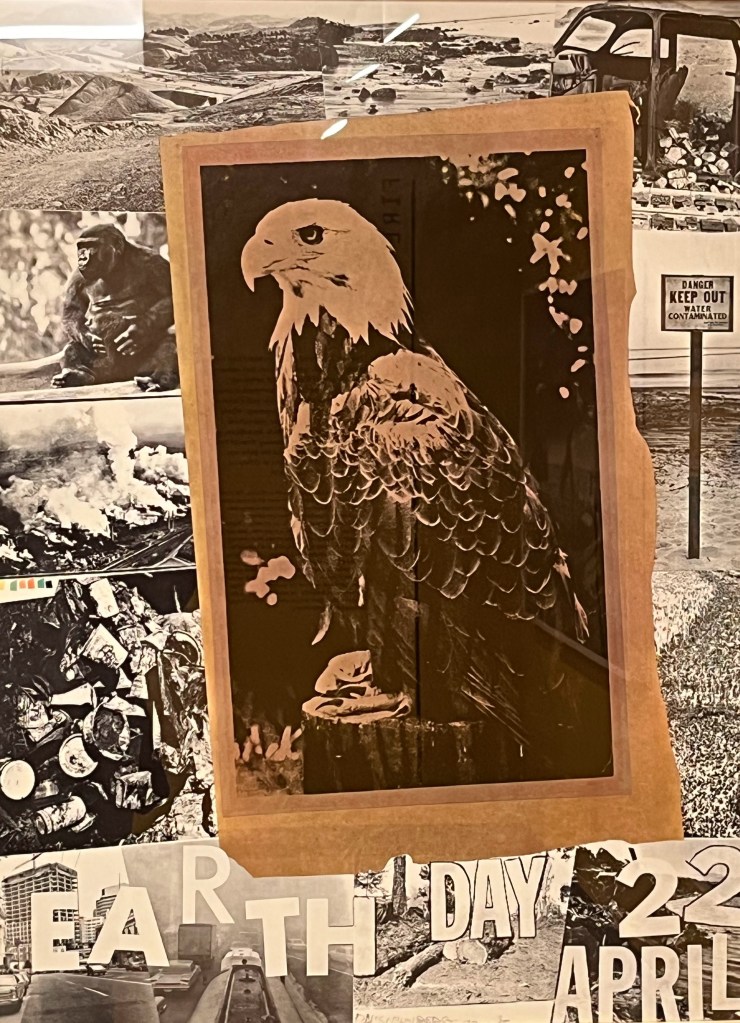

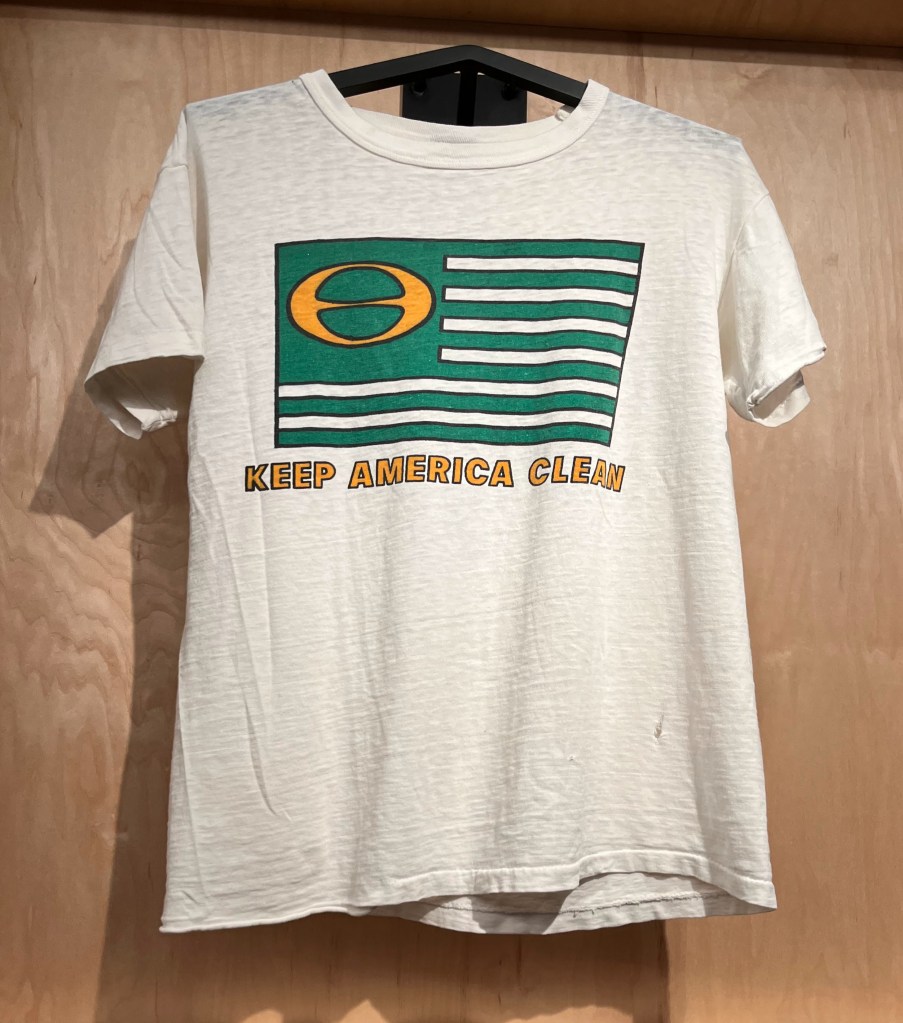



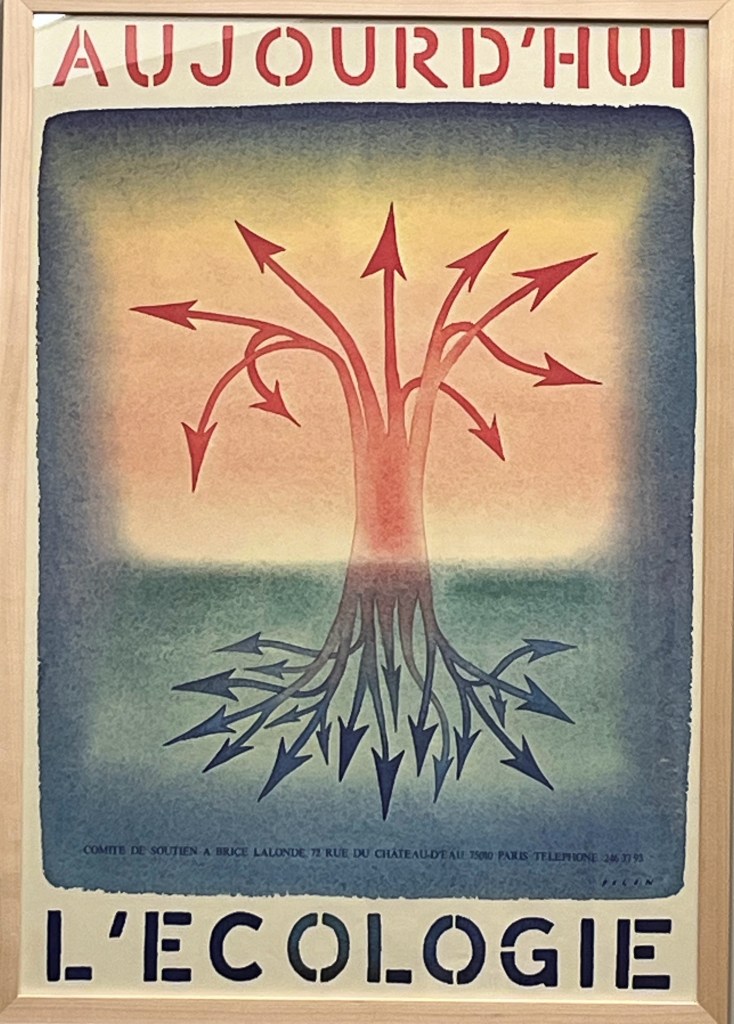
Environmental Crisis Posters, 1970-2000
Poster House, New York

Art Deco as a style was popular primarily in the 1920’s, but it wasn’t given the name Art Deco until the 1960’s. The Poster House exhibit demonstrates how it became “the visual language of capitalism.”


Poster House is a hidden gem of a museum in New York City. It is not in a fashionable area (23rd St. and 6th Ave.) and does not seem to have made it onto any tourist agenda. It is lightly attended seemingly mostly by locals. It has two gallery spaces, a small area for kids and corridors and hallways covered with additonal posters. The gift shop has a large and unique collection of books and there is a small cafe. They have a super friendly staff and it is inexpensive. If you are visiting New York and looking for an off the beaten path destination, you won’t be disappointed in Poster House.




Night Forms, an interactive light show produced by Kip Collective of Philadelphia, on display at the Grounds for Sculpture in Hamilton Township, N.J.

Gennifer Flowers was an unknown Arkansas state employee and former TV reporter before 1992. That was the year Bill Clinton, a former Arkansas governor, was running for President. And Flowers launched herself front and center into that campaign by claiming she had a 12-year affair with Clinton and that furthermore, he helped her get her state job. Clinton denied the affair, at first, but years later would admit to a one-time tryst with Flowers. I wouldn’t vouch for the credibility of either of them on this issue so I assume the truth lies somewhere in between.
Flowers was once quoted as saying “If that man becomes President, I’ll never have to work again.” (New York Times, Jan. 27, 1993) If she was referring to her state job, she didn’t have to wait for the election for that prophecy to be fulfilled. UPI reported on Jan. 29, 1992:
“Gennifer Flowers, the former cabaret singer who alleges she had a 12-year affair with Arkansas Gov. Bill Clinton, was fired from her state job Wednesday for being absent without leave for three days.
“Don Barnes, chairman of the State Board of Review, said he followed state disciplinary rules that are routine in such cases of unexplained absence from work. He said Flowers would be informed by registered letter.
“’Gennifer Flowers has abandoned her job with the Arkansas Appeal Tribunal by failing to report for work or call in for three days. This is pursuant to the agency’s disciplinary rules,’ he said in a statement.”
Flowers, however, had found ways to surpass her $17,000 a year gig at the Arkansas Appeal Tribunal. We would later learn about this during a deposition in the Paula Jones (another of Clinton’s other women) suit against Clinton.
“Under questioning in a deposition last Nov. 14, by Mr. Clinton’s lawyer Robert S. Bennett, Ms. Flowers seemed almost to lose track of her earnings: $150,000 from The Star, a supermarket tabloid, for telling her story; $250,000 from Penthouse magazine for her story and pictures, san clothes.
“Then there was $25,000 to appear on ‘A Current Affair’ and $15,000 to appear on television in Spain. There was also a fee of $5,000 to $7,500 (‘something in there,’ as Ms. Flowers put it) to appear on a German television program, several hundred dollars to appear as a Marilyn Monroe look-alike on a cable television show, and so on. And so on.” (New York Times, March 21, 1998)
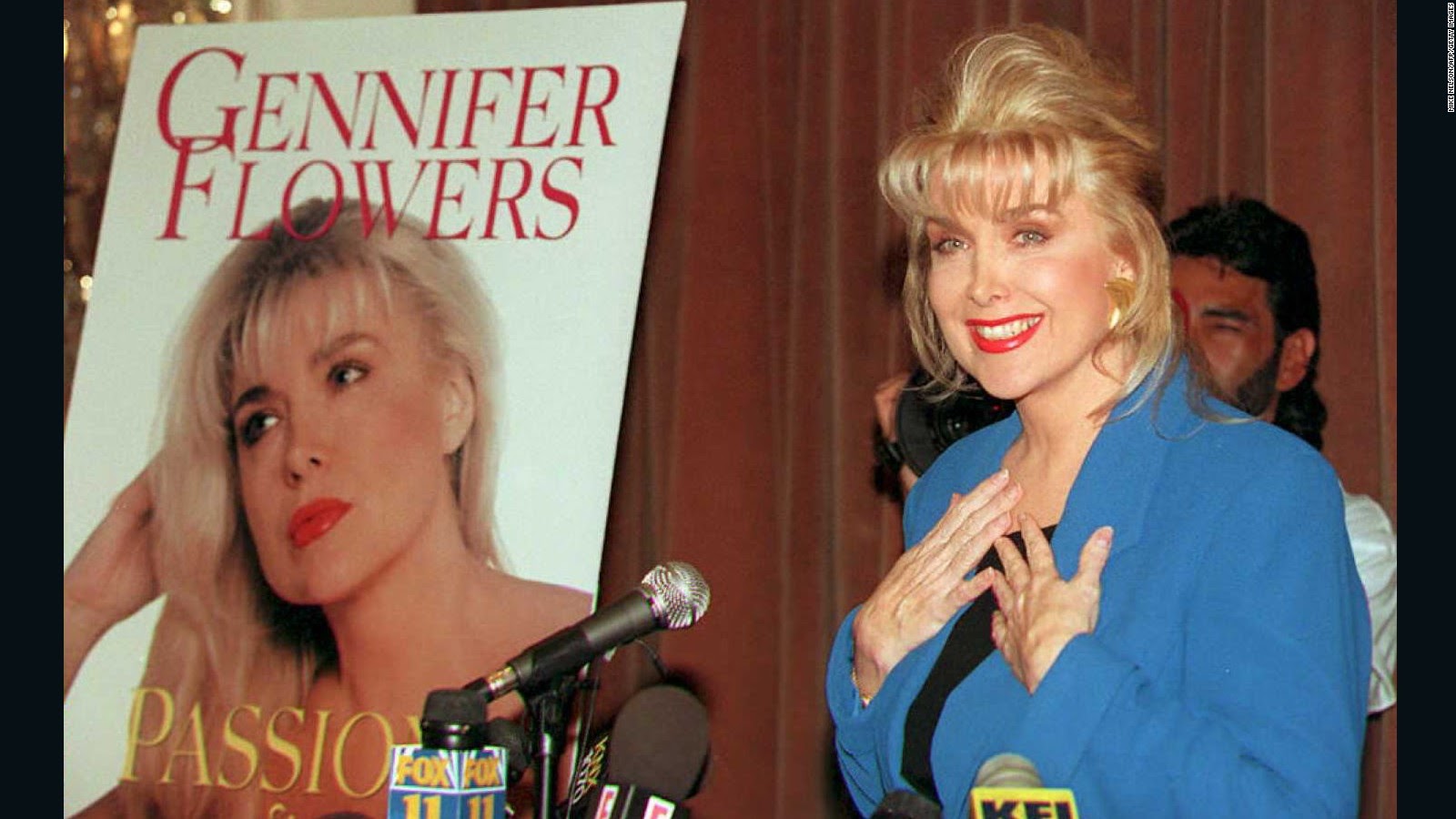
In 1996, Flowers was briefly involved in a traveling show called “Gennifer Flowers in Oh! Calcutta.” Richard Landsberg of the AP offered this review (May, 15, 1996):
“By the time it played in Reading last Tuesday night, the production of ‘Gennifer Flowers in Oh! Calcutta!’ was missing Ms. Flowers, who had walked out of the theater during intermission in Dayton the week before, complaining she hadn’t been paid. This seemed not to bother the audience in Reading a bit. The biggest cheers of the evening, in fact, were reserved for the announcement that Ms. Flowers wouldn’t be performing. Which isn’t exactly the way it was said.
“Actually, what cast member Scott Baker announced to the audience about Ms. Flowers cannot, in its entirety, be repeated here. But then, neither can much else that was said from the stage that night. Let’s put it this way: After announcing that Ms. Flowers’ parts were being performed by Melissa McGovern, Dawn Monaco and ‘yours truly.’ Baker brought down the house by adding: ‘Let me reassure you that not one of us had to (graphic reference to a common sex act) the president to get the job.’ Cheers.”
Flowers had another brief venture into musical theater in 2004 when she joined the cast of “Boobs: The Musical.” Joyce Walter, writing in the New York Times (Jan. 25, 2004), interviewed Flowers about that role:
“She is scheduled to open in ‘Boobs’ this Wednesday. The show, which originally opened last May, features the songs of Ruth Wallis, who in the 1940’s, 50’s and 60’s wrote and sang what were known as party songs. Songs like ‘She’s Got Freckles on Her But She Is Nice’ and ‘Johnny Had a Yo-Yo,’ in which, Ms. Flowers explains, she and another actress come out dressed like little girls and discuss, well, Johnny’s yo-yo.
”’My boobs’ — oh, and did we mention that ‘Boobs: The Musical’ is the name of the revue in which she’s starring — ‘which are large, by the way, are real,’ Ms. Flowers offers. ‘Large is not always good. For this show, they had to make me my own corsets. Some of the gowns are held up with a string.’”
With the backing of her wealthy stockbroker husband, a man with the unlikely name of Finis D. Shelnutt, Flowers purchased and operated a club in New Orleans’ French Quarter named the Kelsto Club. Writing in the Washington Post 11/29/2012, Suzy Parker describes her visit to the Kelsto Club:
“In 2003, I visited her night club ‘Gennifer Flowers Kelsto Club,’ which was housed in a former brothel, during research for my book ‘Sex in the South: Unbuckling The Bible Belt.’ Flowers hosted a night of erotic literature readings at the bar, which was adorned with plenty of pictures of her, including the cover of Penthouse. She sold white T-shirts with her image and a red lip print that she had branded as her logo. A sign on the bar stated, ‘No photographs of Gennifer Flowers may be taken by customers.’”
Los Angeles Times reporter Hillary E. MacGregor (Dec. 8, 2002) also caught her act:
“Flowers wears a white tuxedo jacket and a lace camisole. Her bottle-blond hair is piled atop her head in her trademark up-do. Her eyes are turquoise. Her lips are red, luscious, always freshly painted. When she receives a business card from a patron she smiles, then tucks it into her cleavage. ‘I don’t have anywhere else, baby,’ she drawls.
“She sings jazz, blues and R&B. She sings Billie Holiday and some Patsy Cline. Always, she sings about love gone wrong.”
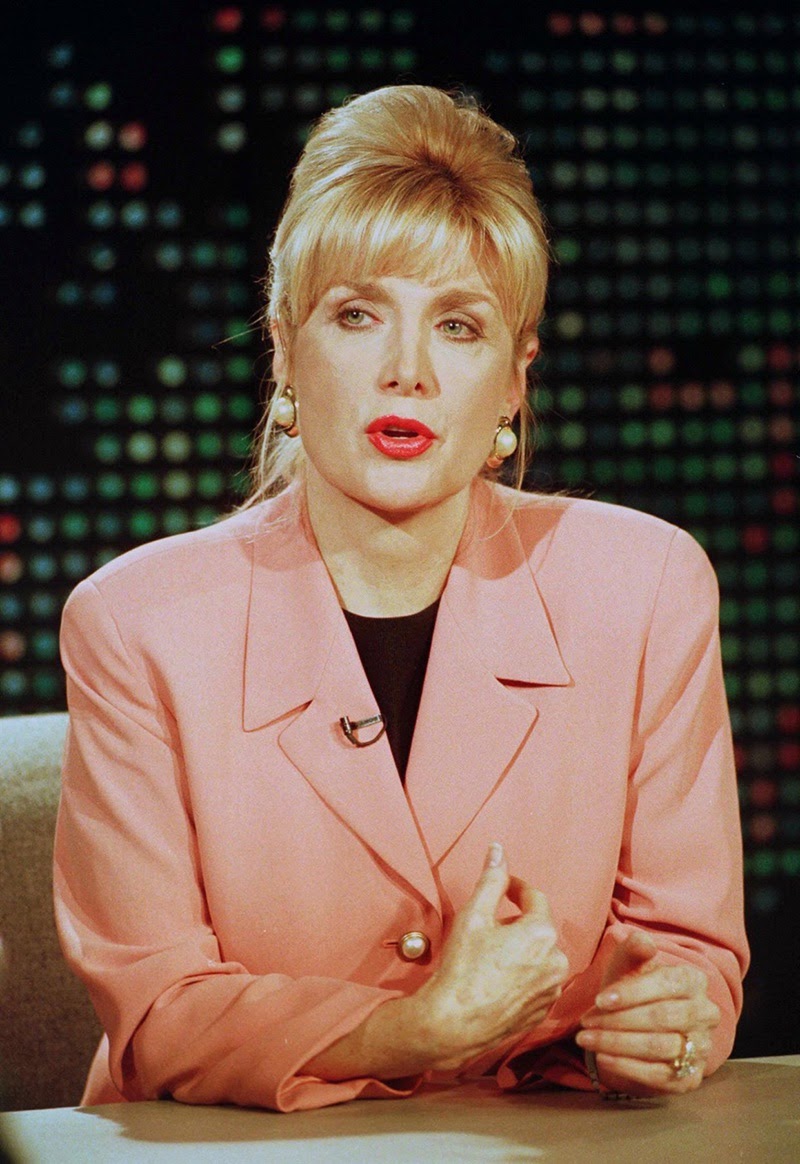
But Flowers wasn’t done playing the Clinton card. She would claim that in 2005 he tried to contact her.
“‘I was at home by myself, and the phone rings, it said unavailable, and I picked up the phone and it was him,’ Flowers told WGNO reporter Susan Roesgen over a glass of red wine while the cameras were rolling. ‘And he wanted to come by my house and talk to me…. I said, No, you can’t come over here, no way. And he said, I’ll put on a hoodie and I’ll jog up there. I said no… And that was it. That would have been 2005.’” ABC News, Nov. 29, 2012.
Sometime later Flowers teamed up with Paula Jones to offer the public a souvenir, a piece of this sordid history.
“Gennifer Flowers and Paula Jones are offering Internet viewers the lurid details of encounters they claim they had with former President Clinton — for $1.99 a pop. The women, who gained notoriety in the early 1990s after claiming to have had sexual encounters with Clinton when he was governor of Arkansas, have created a Web site offering videos of their thoughts on Clinton, his wife Hillary and other matters. Each video segment is available for $1.99. ‘It’s a way we can get our story out there in our own words, without someone making their own interpretations or corrections,’ Jones said.” (Newport News Daily Press June 11, 2008)
Sorry folks, the genniferandpaula.com web site is no longer available. But the Kelsto Club is still around. It closed after Hurricane Katrina, but Flowers reopened the club in the past year.

And 24 years after Flowers became a talking point in the 1992 Presidential election, she made something of a cameo in the 2016 election. Ever the one to make a classy move, Donald Trump suggested he would bring Flowers in as his guest and sit her in the front row during his debate with Hillary Clinton. Flowers seemed ready to go but either the invitation was rescinded or never in fact offered.
Looking over Flowers career I can’t help but think of the lede to the Washington Post story I cited earlier by Suzy Parker. “It’s sometimes best to fade into history. That’s especially true if your claim to fame has been an affair with a famous politician who later became president.”
(Photos are from genniferflowers.com web site.)
-0-
Whatever Happened To?

Paterson NJ
Jan. 21, 2024







On Jan. 1, 2007, Eliot Spitzer was sworn in as governor of New York State. He had previously been state attorney general and had earned the nickname “sheriff of Wall Street’ for his crackdown on white collar crime. A little more than 14 months later the New York Times (March 10, 2008) broke this story:
“Governor Eliot Spitzer of New York has been caught on a federal wiretap arranging to meet with a high-priced prostitute at a Washington hotel last month, according to a person briefed on the federal investigation.
“An affidavit in the federal investigation into a prostitution ring said that a wiretap recording captured a man identified as Client 9 on a telephone call confirming plans to have a woman travel from New York to Washington, where he had reserved a hotel room. The person briefed on the case identified Spitzer as Client 9.”
Follow up news stories had further details of Spitzer’s patronage of the Emperors’ Club VIP escort service and the amount of money he dropped on $1,000-an-hour call girls. Two days after the story broke, Spitzer resigned.

Spritzer never faced charges for his activities. ABC News (Nov. 6 2008) quoted U.S. attorney Michael J. Garcia: “After a thorough investigation, this office has uncovered no evidence of misuse of public or campaign funds. In addition we have determined that there is insufficient evidence to bring charges against Mr. Spitzer for any offense related to the withdrawal of funds for, and his payment to, the Emperors’ Club VIP.”
You would think being disgraced publicly would cause you to lay low for a bit. Not Spitzer. He headed for the TV cameras. He made some guest appearances on CNN and showed up as a substitute anchor on MSNBC. In October 2010, CNN paired him with conservative commentator Kathleen Parker in a show named Parker Spitzer. Parker’s name came off the marquee in February when she quit. The renamed show, “Arena,” lasted until it was canceled in July 2011. So Spitzer’s TV show didn’t even last as long as his spell as governor.
During his resignation, Spitzer’s wife, Silda Wall Spitzer, stood with him on the podium. Five years later, she was out. “We regret that our marital relationship has come to an end, and we have agreed not to make any other public statement on this subject,” Spitzer spokeswoman Lisa Linden said in a statement released on behalf of the couple. (CNN Dec. 24, 2013)
Like several other politicians in his situation (see for example Richard Weiner), Spitzer thought he could make a comeback. In 2013 he ran for state controller. He told CNN (July 7, 2013): “I accepted responsibility for what I did. I spent five years of working, doing useful things, and I hope the public will offer me an opportunity.” He got the thumbs down, losing the Democratic primary to Scott Stringer by a 52-48 margin.

Erratic behavior has seemed to follow Spitzer. This report is from NBC News on Feb. 14, 2016:
“Authorities are investigating allegations that disgraced former New York Gov. Eliot Spitzer assaulted a woman at a Manhattan hotel, sources told NBC News. A spokeswoman for Spitzer denied the report.
“Spitzer, who resigned from office in 2008 following revelations of his involvement in a prostitution ring, is accused of choking a woman in her mid-20s at the Plaza Hotel.”
There was a surprising twist to this story.
“A Russian woman who was accused of blackmailing the former New York governor Eliot Spitzer over an affair was released from jail on Monday after she pleaded guilty to defrauding a second man.
“The plea in State Supreme Court in Manhattan brought to a close a case that began when the woman, Svetlana Travis Zakharova, 27, called the police in February 2016 and said Mr. Spitzer had choked her during a meeting at the Plaza Hotel.
“Five months later, the former governor sued her, claiming she had threatened to ‘ruin his life’ by revealing their relationship if he did not pay her thousands of dollars.
“She was arrested in October 2016 during a visit to the United States and charged with forgery and grand larceny. Prosecutors said she engaged in a ‘systematic and protracted extortion scheme’ against Mr. Spitzer, squeezing $400,000 from him over a year and a half to keep their relationship a secret.” (New York Times, Oct. 2, 2017)
Wow! She was more expensive than the Emperors’ Club VIP.
Three months later came this report on NBC News (Jan 15 2018):
“Detectives with the New York Police Department are looking into a man’s claim that disgraced former New York Gov. Eliot Spitzer threatened to stab him during an irate interaction in a Manhattan restaurant, police said Sunday.
“Authorities said Jamie Antolini filed a complaint on Friday regarding an argument earlier in the month.
“Antolini said in his complaint that he was having dinner Jan. 2 when Spitzer came in the Upper East Side restaurant and became angry at hearing Antolini loudly praise someone Spitzer had publicly fought with during his years in the public sector.
“The NYPD said Antolini accused Spitzer of threatening him with bodily harm, including stabbing him with a knife, and making statements that he would kill him.”
No information about whether Spitzer was having an affair with someone in the restaurant.
So where is all this money coming from? Spitzer’s father Bernard was a New York real estate tycoon. He grew up in Riverdale, an affluent section of the Bronx. Eventually he turned to his father’s business.
“Mr. Spitzer has found himself unexpectedly embracing a role he has largely sought to avoid all his life: assuming stewardship of Spitzer Enterprises, the family real estate business.
“Politics is in ‘my rearview mirror,’ Mr. Spitzer said in an interview on June 10, his 56th birthday. ‘This,’ he said after a pause, ‘is exciting.’ (New York Times, June 15, 2015)
One of his first projects was on the Williamsburg waterfront. Three residential towers were designed to look like an asymmetrical stock of boxes. Just last year he received approval to replace a Upper East Side residential tower his father built in 1970 with a new 19-story building.
When you read the story of Eliot Spitzer it is hard not to think of the comparison with another New York real estate developer. Shouldn’t we not use the world disgraced in front of Donald Trump’s name the way it is used with Spitzer? Trump has paid off a porn star to hush up an affair, been caught on tape admitting to be a sexual abuser and was found by a judge to be a rapist.
How does that compare with dropping a few thousand as Client #9?








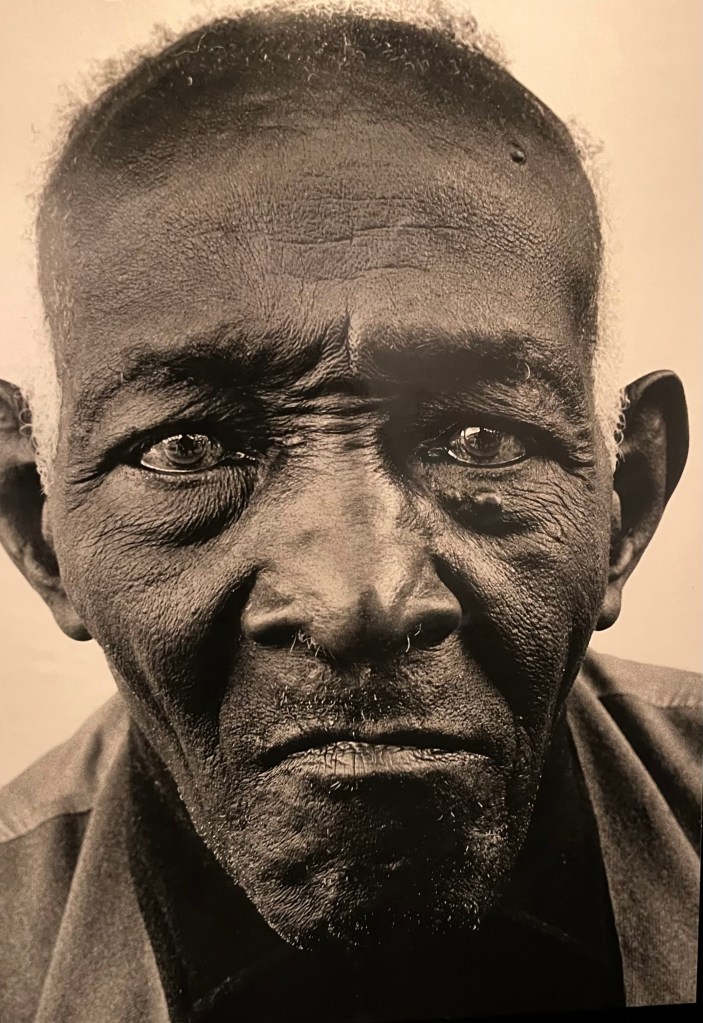
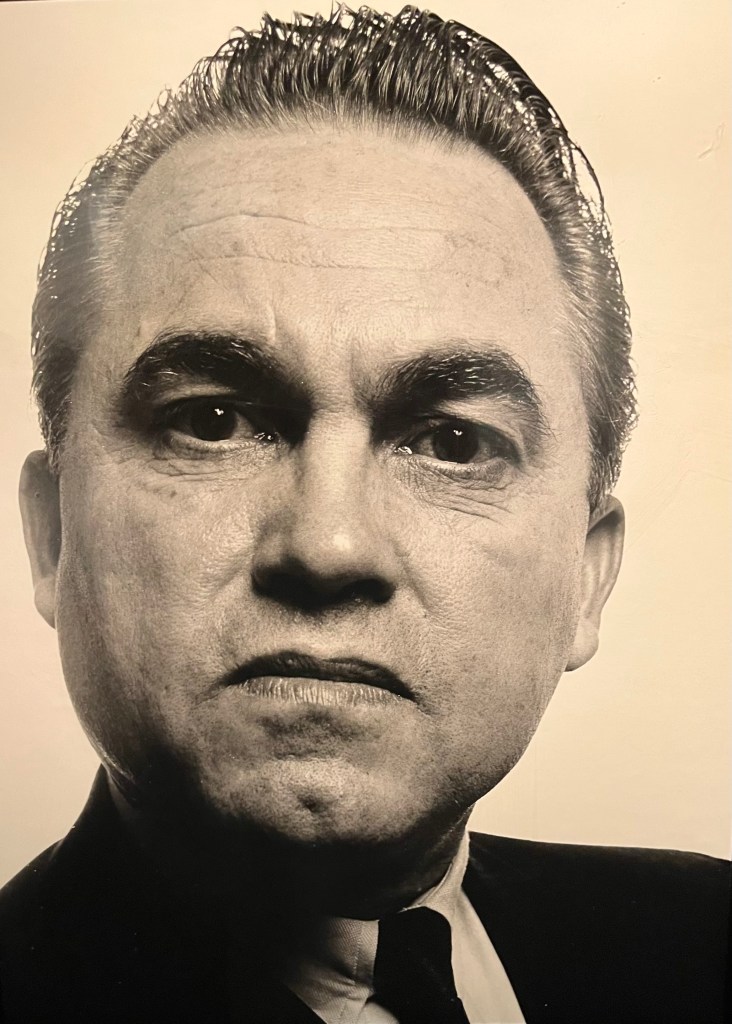


It’s 2003 when an anonymous postcard arrives in the mailbox of a French family. On it are simply four first names. They are the names of a mother, father and two of their children. All died at Auschwitz in 1942.
The postcard is the launching point for two stories. The first is the story of the Rabinovitch family. Refugees from Russia, they make stops in Latvia, Poland and Palestine before coming to France where they thought they’d be safe. This is a tale of Nazi-occupied France, a story of unbelievable cruelty and dehumanization. A story full of the crushed hopes and feelings of the four people who would be sent to the gas chamber.
The Rabinovitchs have one daughter who escapes. Miriam is Anne Berest’s grandmother. Yes, Anne Berest, the author of this novel, is the main character and narrator of the fictional story. The Robinovitchs are her ancestors. I turned back to the book jacket more than once to confirm I was reading fiction. I was. But it didn’t feel like it.
The second story is Anne’s quest to find who sent her mother that postcard. Was it someone’s cruelty? An act of remembrance? A lost connection? This part of the story reads like a detective novel, challenging the reader to put together the pieces. I didn’t.
Overriding everything else this is a story of anti-Semitism. It tells of how it spread through Europe in the 20’s and 30’s and the crude mentality that allowed Nazis to gain sympathizers even outside of Germany. Looking back it seems like there were warning signs that should have been heeded, but were they so different than the anti-Semitic incidents we hear of today, especially in America where all sorts of racists and bigots seem empowered to show themselves. Berest describes comments made to school kids in her family in 1925, 1950, 1985 and 2019.
This is also a story that explores Jewish identity. Berest the character in the book, and I have to assume the author as well, admits to never set foot in a synagogue, grew up in a family of two atheist parents and admits to a boyfriend that she has no idea what to do or say when he brings her to his family Seder. Yet her story is all about being Jewish.
There are so many moving and compelling parts of the story, but two I struggled to get past. One is simply the cover, a 1941 picture of Noemie Rabinovitch, either 18 or 19 at the time, one year before being taken from her family and murdered at Auschwitz. The other describes the scene at the end of the war when the survivors who had been taken to Germany are brought back to France, starving, bald, stunned and barely able to walk, while friends and relatives of people who disappeared during war desperately try to find their loved ones.
This is a brilliant novel. Both historic and contemporary, emotional and insightful.

The story starts with the patriarch, Arthur Sackler, one of three brothers whose father was a Jewish immigrant running a grocery store in Brooklyn. It starts as the stuff of the American dream. It ends as the embodiment of evil.
The initial Sackler fortune was based on the drugs Librium and Valium. Though he held a medical degree, Arthur Sackler didn’t discover or produce these drugs, he was the ad man who promoted them and did so with no regard for conflicts of interest. Ethics was not Sackler’s forte, either in business or in his personal life. At one point there were three women living in Manhattan going under the name of Mrs. Arthur Sackler. By the 1970’s Valium had become the world’s most widely used, and widely abused drug. Sackler assured that the drug was safe and was abused only by those who were predisposed to addiction. It was a line of reasoning that three generations of the Sackler family would use to deny any accountability for the devastating impact of their drugs.
The Sacklers and the pharmaceutical company they owned, Purdue Pharma, made their first venture into opioids with MS Contin. It was a morphine pill. The “Contin” part referred to the outer coating of the pill which enabled a timed release (another factor that the Sacklers pointed at to assure the safety of their offerings). MS Contin had two limitations when it came to feeding the family greed. Its patent was running out and morphine was widely viewed as an end of life drug. It is at that point that Purdue turned to another opioid, oxycodone, something described by the author as a chemical cousin of morphine and heroin. While oxycodone, the main ingredient in OxyContin, is more potent than heroin, the Sacklers/Purdue framed it as a pain medication for everyone, not just the dying.
Twenty-five years after OcyContin was introduced, 450,000 Americans died of opioid-related overdoses. Richard Sackler, the family member most active in prompting the drug, echoing line of argument used by Uncle Arthur decades earlier, once wrote, “The media has nefariously
cast the drug abuser as a victim instead of a victimizer.”
There were numerous enablers, lawyers, PR men, unscrupulous doctors, who own a share of the accountability. Some of those stories prompted the author to comment in the afterword, “I marveled at the mercenary willingness of a certain breed of ostensibly respectable attorney to play handmaiden to shady tycoons.” One was Rudy Giuliani (though he can no longer be listed amongst the respectable). After his term as mayor of New York, Giuliani set up a consultancy and one of his first clients was Purdue. Giuliani’s campaign was based on the theme that opioid abuse was a law enforcement problem not a pharmaceutical problem. And there’s the seemingly highly regarded consultant firm McKinsey which at one point counseled the Sacklers to focus their promotion on higher doses and longer term use in order to maximize profits. They didn’t have to be told twice.
Before the Sackler name became primarily associated with the opioid epidemic, it was known for the family’s philanthropy, starting with Arthur Sackler, who was an obsessive art collector. But philanthropy in the hands of the Sacklers is inseparable from ego and greed. Arthur once bought a whole collection from the Metropolitan Museum then donated it back to them. But only under the condition that the nameplate for each work would bear the notation “donated by Arthur Sackler.” Sackler reimbursed the Met for the original acquisition price of the art, but then when he did his taxes he claimed current value in order to juice his deduction.
This is a really well-written book. A thick volume on a heavy topic, yet a quick read. The research that went into it is massively impressive. The Sacklers are a secretive group that kept the family name off of the companies they owned and the products they produced. Purdue Pharma is a private company thus not required to disclose the kind of information that public companies must make available. One expects in a book like this to perhaps hear from former wives and disgruntled execs. Keefe goes way beyond that, reaching college roommates, admin assistants and even one yoga instructor.
It all ends with the comeuppance. Not the devastating financial blow one would hope for but enough to turn the perception of each family member as an indisputable pariah. One has to wonder if they all think the billions that they showered upon themselves was worth it. I suspect they do.

This is a story you’ve heard before. Large corporation is the lifeblood of the community, its primary employer and driver of the economy. But the blood is poison. And the forever chemicals that the company has spewed, flushed and dumped into the surrounding neighborhood produces cancers, birth defects, nervous disorders and miscarriages. The corporation refuses to be accountable and public officials try to look the other way. That is until the evidence becomes overwhelming and the media gets wind of the story.
This is the granddaddy of these stories. Love Canal in Niagara Falls in the 1970’s. The corporation is Hooker Chemical and the folks with the healthcare problems are young families who bought the modest starter homes that sit atop and surround the pool of contamination. People in Niagara Falls used to say that the chemical smell in the air was “the smell of money.” I read the same comment in another book, “Mill Town,” set in a town in Maine where the local paper mill was contaminating it with asbestos and dioxin.
Love Canal got its unlikely name from a huckster named William T. Love. In 1892 he got the state to approve his plan to build a canal and divert the Niagara River to produce electricity for the “Model City” he envisioned. The dig started, the economy tanked, the dig stopped and Love flew the coup. He left a big ditch filled with water, a ditch that Hooker would later fill with the drums of chemicals they were dumping. Believe it or not, the Board of Education bought the property for $1 in 1954 and proceeded to build a school atop the chemical dump.
What makes O’Brien’s story so compelling are the heroes of this tale, the Love Canal residents and a few local sympathizers who took on the corporation and called out the do-nothing local and state officials. There’s Lois Gibbs, housewife and mother of a son suffering from seizures, who organized the homeowners and proved to be a master of manipulating the media. She had neither the education nor the experience that would equip her to do this. Another Love Canal housewife, Luella Kenny watched her young son die of an ailment his doctors couldn’t diagnose, an ailment linked to the stream behind her house and the dioxin that was found there. Kenny flew to Los Angeles and faced down the arrogant, dismissive CEO of Occidental Petroleum, Armand Hammer. (Occidental owned Hooker.) Beverly Paigen, a scientist at a state owned laboratory who compiled and supplied much of the data that connected Hooker to the cancers and the miscarriages despite risking her job to do so. Her bosses were unhappy with the political difficulties her findings presented and tried to suppress her efforts and discredit her research.
There’s also a healthy dose of anti-heroes including two successive New York State Health Commissioners Bob Whalen and David Axelrod. The latter, in particular, seemed expert primarily at inventing excuses to explain why he was refusing to help the people he was charged with protecting. One Health Department ‘scientist,’ presented with Paigan’s data showing the pattern of ailments in the neighborhood, dismissed it as “useless housewife data.” You can add Gov. Hugh Carey to the list, a man who did his best to ignore Love Canal until election time came around.
It is massively impressive that 40-50 years after this whole episode took place, O’Brien is able to make the story come alive and bring the reader so close to the canal, the spewing gunk, the sick children and the outrage of the residents. Yes it’s an old story and yes you read about many others, but this is well worth a read. It’s tragic but it’s also uplifting.
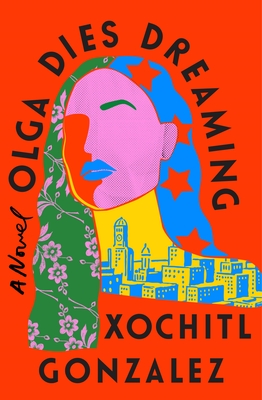
When I started reading this book it was breezy and funny. It felt like putting on baggy casual clothes after spending the day in a suit. Then along comes things like AIDS and Hurricane Maria and suddenly it’s not so breezy.
Olga Acevedo is a Brooklyn woman of Puerto Rican descent who has built a wedding planning business working mostly for wealthy clients. Her brother Prieto is a closeted gay congressman. Their parents were political activists, members of the Young Lords. Their mother left them in search of a revolution while Olga was still a child. Their father became a junkie. And there were too many Tios and Tias for me to keep track of.
This is a story of politics, of history, of sexual identity and of female empowerment. There’s something of a love story as well, as we learn of Olga’s affairs with a soon-to-be famous rapper, the wealthy father of one of the brides Olga is planning a wedding for, and the hoarder she meets in a neighborhood bar.
The novel is confident and cynical, uncompromising but loving: exactly the characteristics of Olga. Above all else it is about family and community.
Xochtil Gonzalez’ writing is clear, concise and fast-paced. Others may use a lot of words to paint pictures of the setting and the landscape, Gonzalez focuses on emotions, dreams and regrets. Her characters are complex, occasionally self-destructive and prone to contradictions. Just like real people. This is a great story.

The year that broke America? If you guessed 2016, you’re wrong. It’s 2000, according to author Andrew Rice. An easier question to answer is where did America break. Florida, of course.
What’s going on in Florida in 2000?
— There’s the hanging chad presidential election.
— There’s the international custody dispute over Elian Gonzales, the five year old boy who was the only survivor on a boat leaving Cuba for Miami.
— The terrorists who would fly passenger airplanes into the World Trade Center were training there.
— A government sting operation was offering arms sales to shady Pakistani operatives.
— Right wing conspiracy theorist Chuck Harder was on national radio stirring up anger and resentment.
— Governor Jeb Bush sought an end to affirmative action by executive order.
The cast of characters in Rice’s news/history includes George W. Bush, Al Gore, Bill and Hillary Clinton, Jesse Jackson, Harvey Weinstein, Dick Cheney, Janet Reno, Roger Stone and Donald Trump. It is uncanny how it seems everything that has plagued this country in the 21st century really got going in 2000.
2000 is the year when Donald Trump first got interested in running for President. He briefly posed himself as a prospective candidate for the Reform Party. He lost out to Pat Buchanan. Buchanan ran on an “America First” platform that included shredding trade agreements, abandoning allies, deporting ‘illegals’ and building a wall.
I always enjoy a good Trump story and Rice offers this one. After he bought Mar-a-Lago in 1985, Trump ditched all the books in the library and turned it into a bar. He then graced the walls with an oil painting of himself which he titled ‘The Visionary.”
Rice has a journalist background and was a cub reporter with the New York Observer in 2000. His writing reflects that background, full of facts and clearly laid out. This is a fast-paced read.
Eventually it is the Bush-Gore election that takes center stage. Did the outcome of the election set America on decline? I’m not convinced of that. But its impact was on the efficacy of democracy in America. There was voter suppression, threats of creating competing sets of electors and a decision ultimately made by partisan judges. This is an election in which one out of every seven votes cast by Black Floridians was thrown out. Reflecting on what has happened since, Rice suggests, “It seemed the system might never produce another president whose legitimacy was accepted by all Americans.”

What is the first thing you think of upon mention of the Alamo? Bet you didn’t say slavery. But folks, that’s what the so-called Texas Revolt was all about. On one side, displaced slave-holding southerners heading to this part of Mexican territory, usually fleeing some reversal like indebtedness. On the other side, a decidedly abolitionist Mexican government.
As for the heroes of the Alamo, the authors of Forget the Alamo, have this to say: “(Jim) Bowie was a murderer, slaver and con man; (William) Travis was a pompous, racist agitator and syphilitic lech, and (Davy) Crockett was a self-promoting old fool who was a captive to his own myth. All were killed at the Alamo in 1836, although contrary to the legend, it appears Crockett surrendered and was then executed.
This story is partly about the actual battle and events leading up to it, but even more so about what has happened since, how the story of the Alamo has been told and what it means to different groups of Texans. It turns out that everything about the Alamo turned out to be a battle: its preservation and renovation, its place in Texas history and the state’s classrooms, even in the collection of Alamo memorabilia.
“Remember the Alamo” was indeed the battle cry that led to the success of the Texas Revolt by marshaling support and volunteers. That led to a brief period of independence during which the Republic of Texas became the only country ever to adopt a constitution that guaranteed slavery and prohibited emancipation. There were no survivors so storytellers could start with a blank sheet of paper. This led to what the authors refer to as the Heroic Anglo Narrative. It started with 19th century novelists and poets, went through several generations of historians and pseudo-historians and eventually culminated first in a Disney movie and then one by John Wayne.
When I see a history book that has three authors, I immediately fear some heavily-worded academic treatise with all the interest of a lengthy legal contract. These guys disavowed me of that immediately in the preface where they talked about Ozzy Osbourne urinating on the Alamo and relayed the Daily Mail’s description of drummer turned Alamo memorabilia collector Phil Collins as “one drumstick short of a pair.” This is a breezily written, interesting story. It’s also timely. As we hear of reactionary politicians and the people who follow them seeking to ban books and proscribe the teaching of everything from racism to climate change, we find here a good look at how that all works. This is, after all, a state that requires by law the teaching of the “heroic” version of the Alamo story. Pay no heed to the fact that it’s neither inclusive nor true.
-0-
The usual disclaimer: These books may or may not have been published in 2023. They are on this list because I read them in the past year.
Kendra — an exhibit of Indo-American artists at the Center for Contemporary Art in Bedminster, N.J.






You might not recognize the name Veronica Yvette Bennett. But maybe you recognize this?
Veronica Yvette Bennett was the beautiful and talented founder and lead vocalist of the Ronettes, one of the most popular of the “girl groups” that dominated pop music for a brief period in the early to mid-sixties before the British Invasion took hold. They had a number of hits in 1963 and 1964 in addition to “Be My Baby” including “Baby, I Love You,” “(The Best Part of) Breakin’ Up,” “Do I Love You?,” and “Walking in the Rain.”

The Ronettes music was produced by superstar producer Phil Spector. In 1968, one year after the Ronettes broke up, she married him. Ronnie Spector, as she has been called ever since, would later comment that Phil was a “brilliant producer” but a “lousy husband.” By all accounts, including the one in Ronnie’s 1990 memoir Be My Baby: How I Survived Mascara, Miniskirts, and Madness, Or, My Life as a Fabulous Ronette, “lousy” was an understatement. “The intensely jealous producer kept her a virtual prisoner in their California mansion, subjecting her to years of psychological torment.” (People Magazine, May 2, 2022) While she was held in Spector’s mansion she was not permitted to sing, perform or record. Ronnie ended it in 1972 when she fled Phil’s grasp broke and barefooted (Phil kept her shoes under lock and key).
In 1972, Ronnie Spector is not yet 30. Her career is in tatters, her marriage is over and she has no money, having not received a royalty check for her music since she got $14,000 in 1964. What she did have was a little help from her friends.
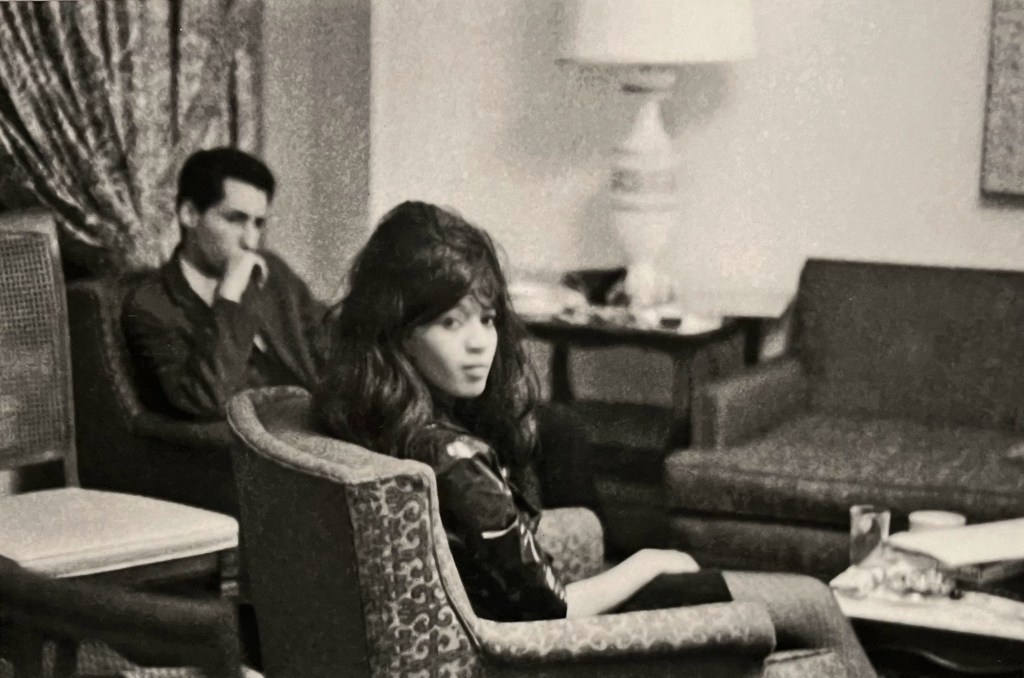
Writing in The Record (Hackensack, N.J., Dec. 30, 1980) Jerry DeMarco mentions some of those friends: “she was helped by a former acquaintance, John Lennon. (‘I dated John before I was married, before the Beatles became really popular. In fact, on some of the tours we did, they were our opening act. Can you believe that!’) Thanks to a few contacts Lennon made for her, Spector went on to appear with Bruce Springsteen, tour with Southside Johnny and the Asbury Jukes, and record a duet with Southside on the Jukes’ first LP, a song called ‘You Mean So Much to Me, Baby,’ written by Springsteen.
“She then recorded “Say Goodbye to Hollywood” in 1977 with Springsteen’s E Street Band (guitarist Steve Van Zandt produced the record)…”
Talking about Springsteen, she told the Asbury Park Press (Dec. 15, 2010): “Bruce is such a gentleman. He just makes you feel good. He told me that he learned to sing, ‘Oh, oh, oh’ after listening to me.”
He wasn’t the only musician inspired by Ronnie. Brian Wilson of the Beach Boys wrote “Don’t Worry Baby” a response to “Be My Baby” in 1964. “Say Goodbye to Hollywood” was penned by Billy Joel in 1976 as a tribute to Ronnie. Joey Ramone covered “Baby, I Love You” in 1980. Ramone would later produce one of Ronnie’s records. In 1986, she sang on Eddie Money’s “Take Me Home Tonight.”
By that time she had resuscitated her career, playing oldies shows as well as solo gigs. Tom Long of the Santa Cruz Sentinel had this to say in reviewing one of her shows there (July 7, 1984). “Ronnie Spector showed a Catalyst crowd Saturday night that she still has all the energy and talent that made Ronnie and the Ronnetes the penultimate girl group of the early ’60s and has kept her an underground cult figure for the past two decades.
“Fairly oozing sexuality while letting go with her amazingly strong voice, Spector more than lived up to her legendary status; she actually improved upon it.”
Next on the agenda was to settle up with Phil. When she got her divorce in 1974, all she received from the settlement was $25,000, a used car, and a monthly provision of $2,500 for five years. (Who was her lawyer!) He retained the rights to all of her music.
In 1988, the Ronettes sued Phil Spector for non-payment of royalties and for the income he made from licensing their music. Ronnie had still not received a royalty check since 1964. It took until 2001 before a New York court ruled in favor of the Ronettes and ordered Spector to pay $2.6 million. At the time of the verdict Ronnie had this to say:
“What’s great about my court victory is that it will help all the other artists get what’s due them. Long after I’m gone people will say Ronnie Spector did that we can do it I’ve seen so many acts who gave their names away, gave their royalties away. Now those people don’t have anything today. I was determined to win my lawsuit because I knew I deserved it.” (York Sunday News, Oct. 15, 2000.)
The settlement was overturned by an appeals court but Ronnie eventually go more than $1 million from Phil.

The Ronettes were inducted into the Rock and Roll Hall of Fame in 2007. Phil, as a member of the nominating committee, had tried to stop that. But being as he was on trial for murder, his influence was waning fast. (Phil Spector was convicted of murdering the actress Lana Clarkson in 2003. He died in prison in 2021.) The Hall of Fame induction speech was delivered by Ronnie’s long-time friend and neighbor Keith Richards.
Just as Ronnie rebuilt her career, she did the same with her personal life. At age 57 she told AP reporter Mary Campbell (Oct. 2, 2000): “ I went out with Jonathan Greenfield for three years before we married. He manages me. Our boys, Jason and Austin, are 16 and 17. 1 have wonderful in-laws, sister-in-law, two brothers-in-law. I wanted to be a regular wife and mom. I have everything now I wanted 30 years ago. It’s never too late; I guess that saying is true.”
Shortly after Ronnie died in 2022, Greenfield told Jordan Runtagh of People Magazine: “We did everything together for close to 42 years. There’s a lot of little things about our relationship that just balanced each of us. It’s sort of like two trees next to each other; throughout the years, they grow and the branches start to intertwine.”
Ronnie was both a rock star and a suburban mom in Connecticut. Greenfield says, “She never thought she was anything special. She had been on the top and then she knew what it felt like when she couldn’t get in at Studio 54 because she wasn’t cool enough. Wherever she went, whether it was onstage or just to the ShopRite, she put a smile on every person she came in contact with. That’s just what she did. I’m so convinced that she was put here to spread joy, love and kindness. She had this gift of making people feel really good.”
Ronnie Spector died at home in Connecticut in 2022 after short bout with cancer. Eulogies came in from all over. I like this one I found in the UK publication Far Out Magazine:
“Sometimes referred to as the ‘bad girl of rock and roll,’ Ronnie Spector’s life is one characterized by triumph over evil, and in addition to her iconic influence on music, she will continue to be hailed as a bonafide legend.”
-0-
Whatever Happened To?
 off the leash