
from exhibits at the Museum of the City of New York











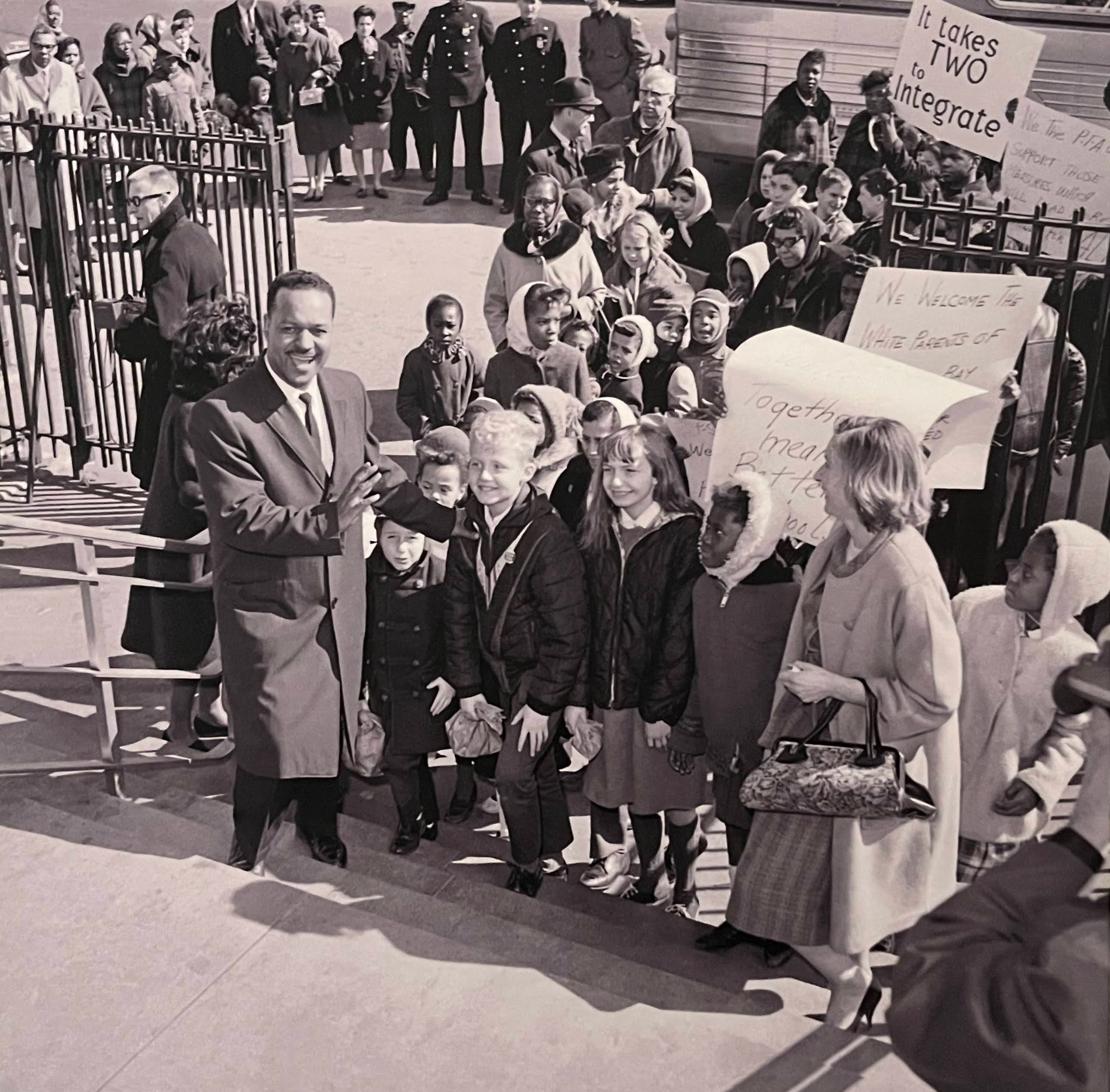

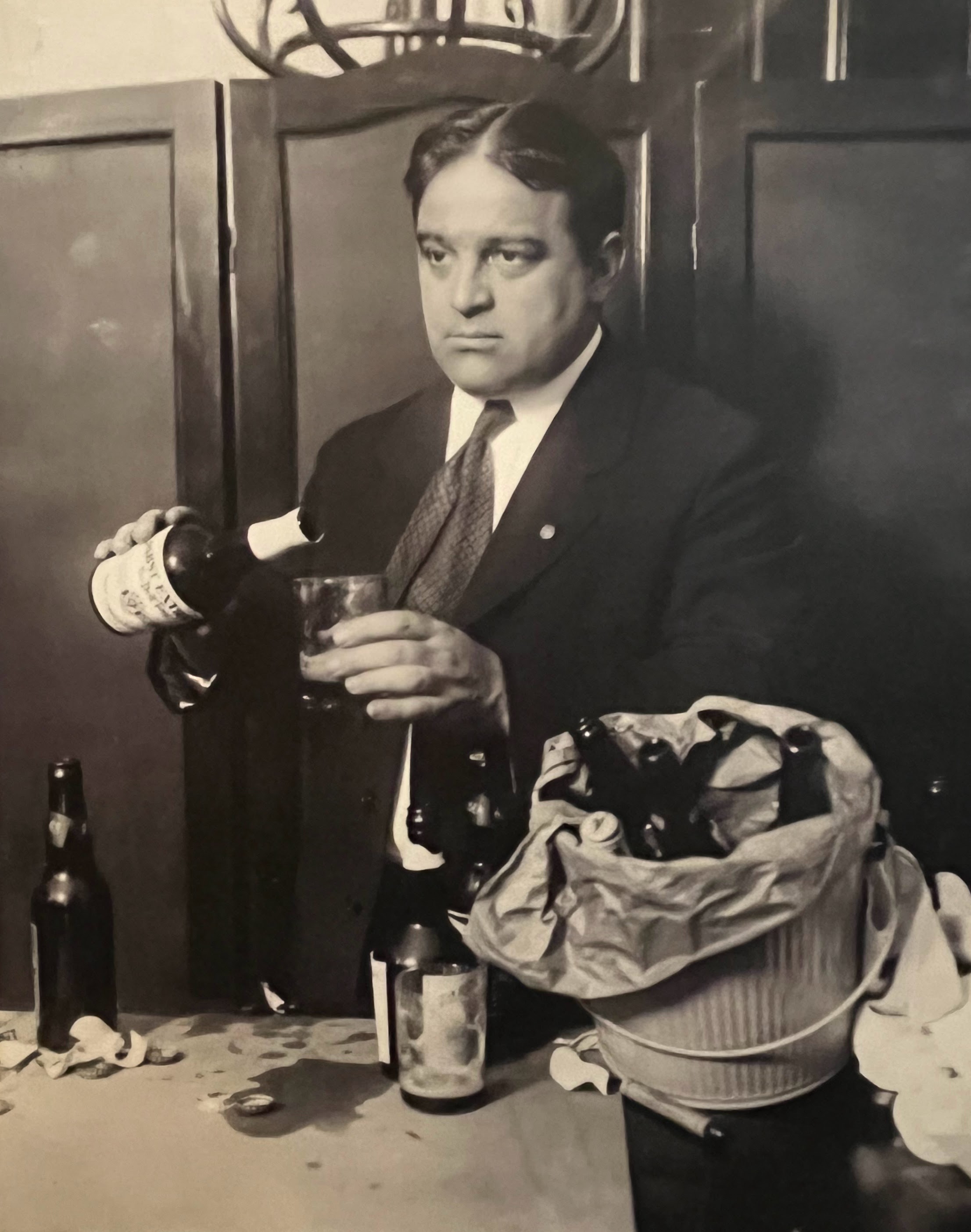
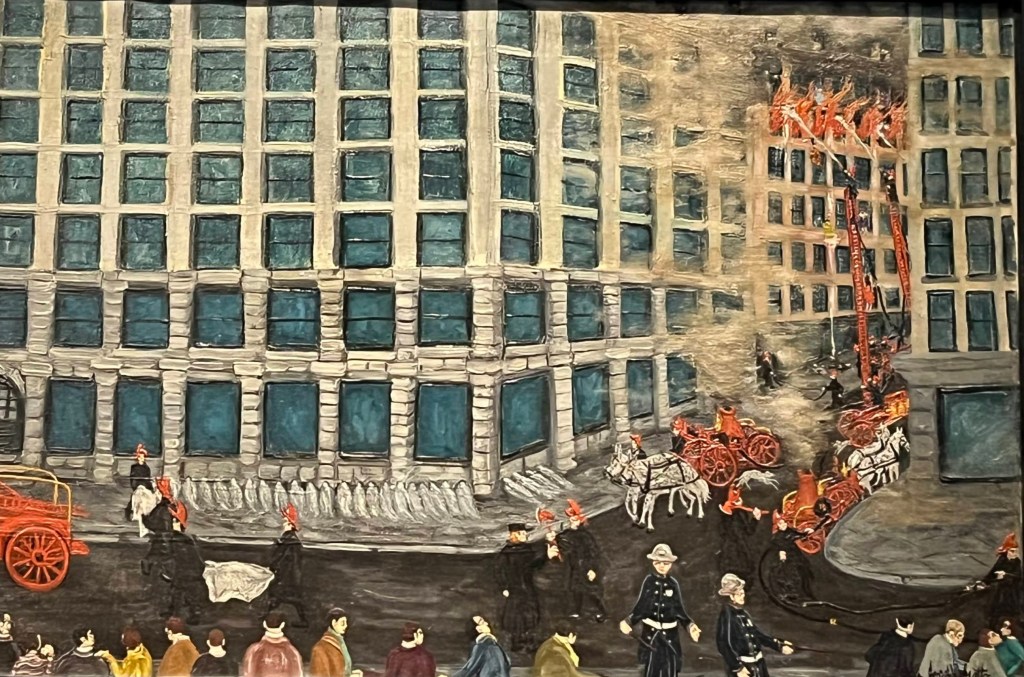
from exhibits at the Museum of the City of New York
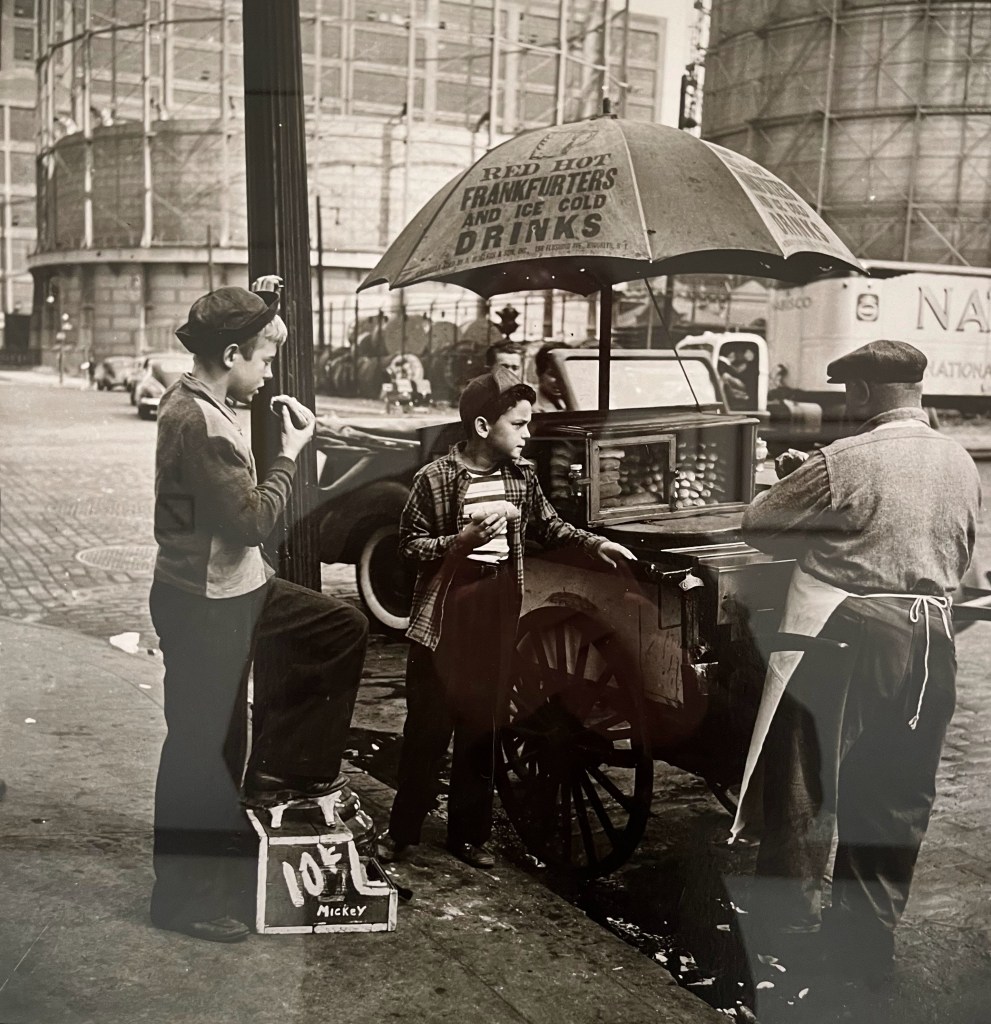
from the “Food in New York” exhibit at the Museum of the City of New York






In this series of blog posts I have discussed some of the pioneers in the development of the children’s playground. What they all seem to have had in common is an approach that focused on a more freestyle form of play. A famous Dutch landscape architect, Carl Theodor Sorensen, took things a step further, and he did in Copenhagen in 1943, a city that was suffering from Nazi occupation.
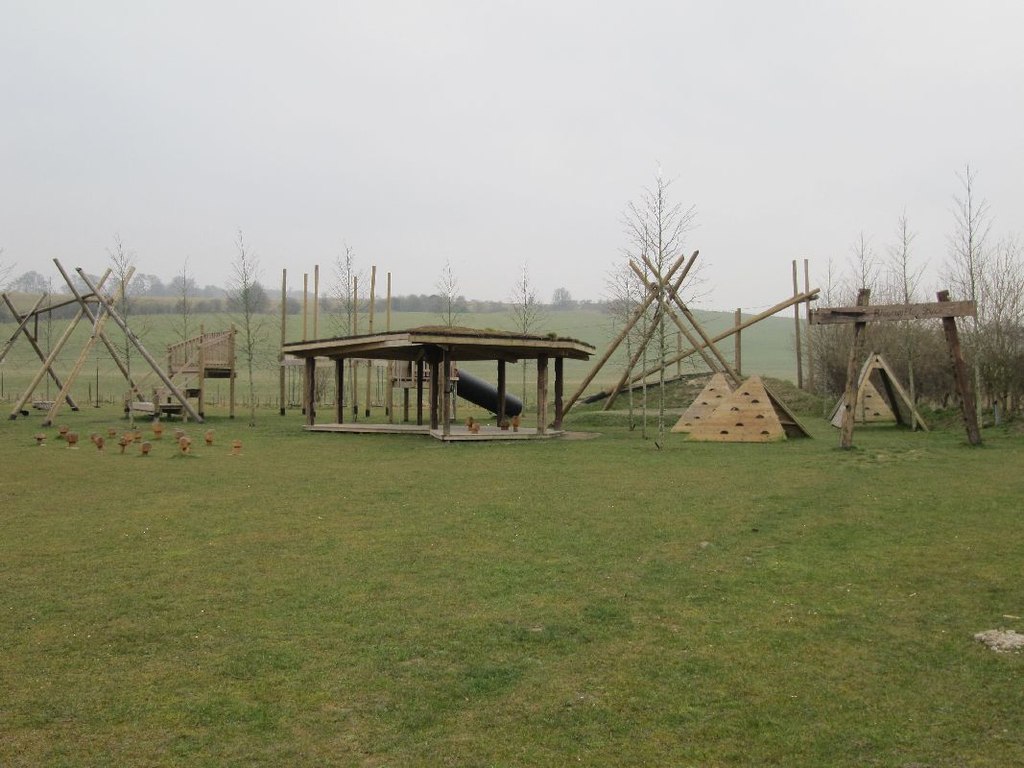
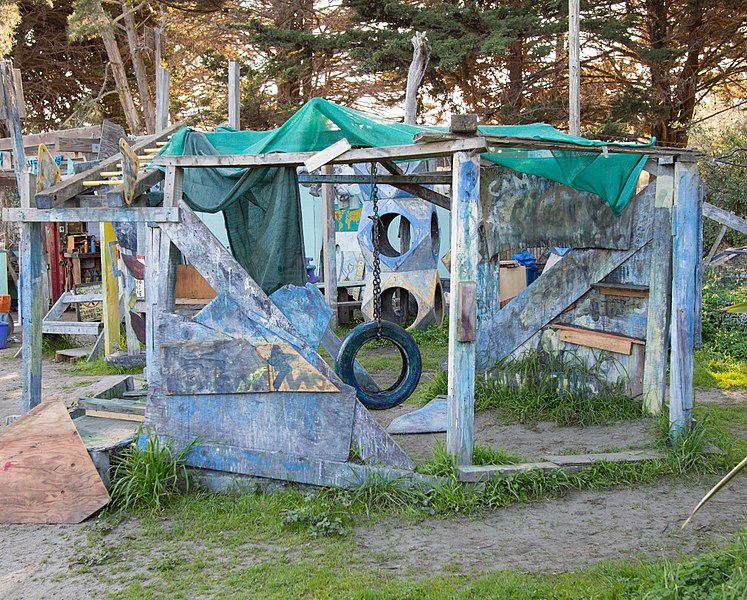
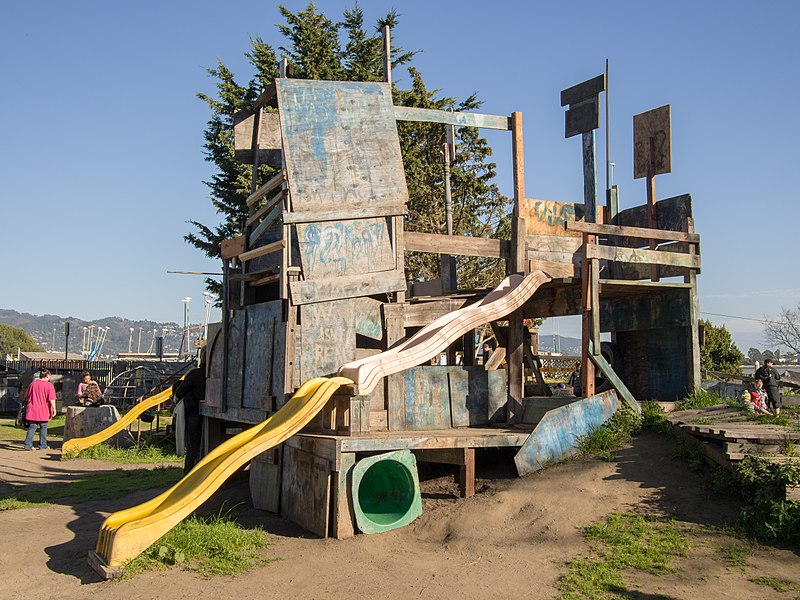
Sorenson developed a number of landmark parks in Denmark and in Norway during his career, but what he is best known for is the world’s first “junk playground,” The Skrammellegepladen Endrup, in a neighborhood of Copenhagen, opened in 1943. It quickly caught the world’s attention, at first in England. This article from the Birmingham Weekly Post (Feb. 17, 1950), describes Sorenen’s creation:
“Mr C T Sorensen, a landscape gardener who has laid out many Copenhagen playgrounds, had observed during his work that the children stole onto the building sites and had grand games with the many objects lying about. It gave him an idea for a new kind of playground. In 1931 he suggested laying out a site where the children could create their own form of playground using old building material and other junk.
“On the Initiative of the Workers’ Co-operative Housing Association a junk playground was laid out in Copenhagen in 1943. It is a grass site of 7,000 square yards surrounded by a six-foot earthen bank planted with wild roses forming both a hedge and a windscreen. The junk playground was opened at a difficult time. It was in the middle of the war and Denmark was occupied. Restrictions and prohibitions dominated everything and it was not easy to get the materials on which the very existence of the idea depended.
“Now the playground is visited dally by 200 children on an average. In order to approach most nearly to the ideal children’s playground everything which may serve to remind the children of authority is excluded. They are not subject to direct education, there is no compulsion.”

It was a British landscape architect, Lady Allen of Hurtwood, who is credited with popularizing the idea of building junk playgrounds on World War II bomb sites. One of the first was in Morden, near London. The Ontario, Canada, paper, the North Bay Nugget, apparently unaware of the Danish roots of the junk playground, offered this description of the Morden playground:
“Britain has come up with something novel — a ‘junk playground.’ It’s a piece of waste land and a heap of builders’ junk and it means a thrilling play park to the children of Morden near London. And it means even more than that. It’s an answer to the people who are worried about children playing in the streets dodging traffic and perhaps drifting into the juvenile courts.
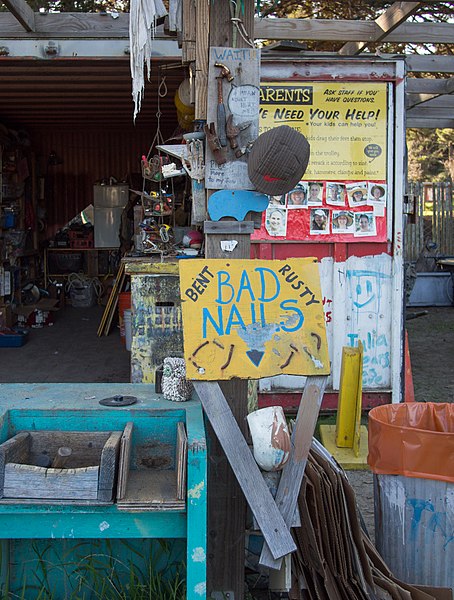
“Morden’s ‘junk playground’ is full of bricks, stones, odd planks, sheets of metal and an old automobile. To this are added spades and tools and a grownup who can help but won’t boss. The rest is up to the children. The youngsters start by digging holes and taking things to bits. Then they get used to the tools and the building really starts.
“The result in Morden is the house in the trees and the wall where the children are building themselves a pavilion. They take real pride in their handiwork and it is even said they find it more satisfying than organized clubs or sport “
Some bloke writing under the name of Mr. Leicester (Leicester Mercury, Oct. 25, 1950) advocated for such a playground in his city. He had this to say:
“These junk playgrounds are a veritable paradise for an active and adventurous child, although I daresay a too tidy mind will have plenty of opportunity for shuddering and complaining. Bits of wood and plenty of nails, bricks and sand, and water laid on —these are the basic materials of happiness and contentment to be handled and worked on with tools that a child can use with comparative ease and safety tunnels and dug-outs, houses and kitchens, bridges and house furniture, all can be contrived for the joy and delight of the playgrounds inhabitants. Supervision of a sort, but discreet and helpful, merely guiding and advising and seeing fair play. Above all, no rigid control.”
For some of those ‘too tidy’ minds, junk playgrounds also went under the name of ‘adventure playgrounds.’
America was a bit behind in catching on to this trend, but one advocate was Eleanor Roosevelt. After a visit to Denmark, she wrote (Boston Globe, June 20, 1950):
“They also took me to a junk playground. We have one in Minneapolis, patterned after this one in Copenhagen, but I marveled at the number of children playing here under the direction of one young woman. She told me that the children are taught the use of tools very carefully before they are allowed to use them, and that nearly all children wanted first to build a house. There are old boats, old motor cars, old bicycles, every kind of scrap that a child could want to play with in this enclosed playground, and it seems to be a most useful educational project.”
Today there are more than 1,000 junk playgrounds in Europe. They are also popular in Japan. The Minneapolis playground that Eleanor Roosevelt referred to is The Yard, which opened in 1949 and was America’s first. Wikipedia lists nine in the U.S., five of which are in California.
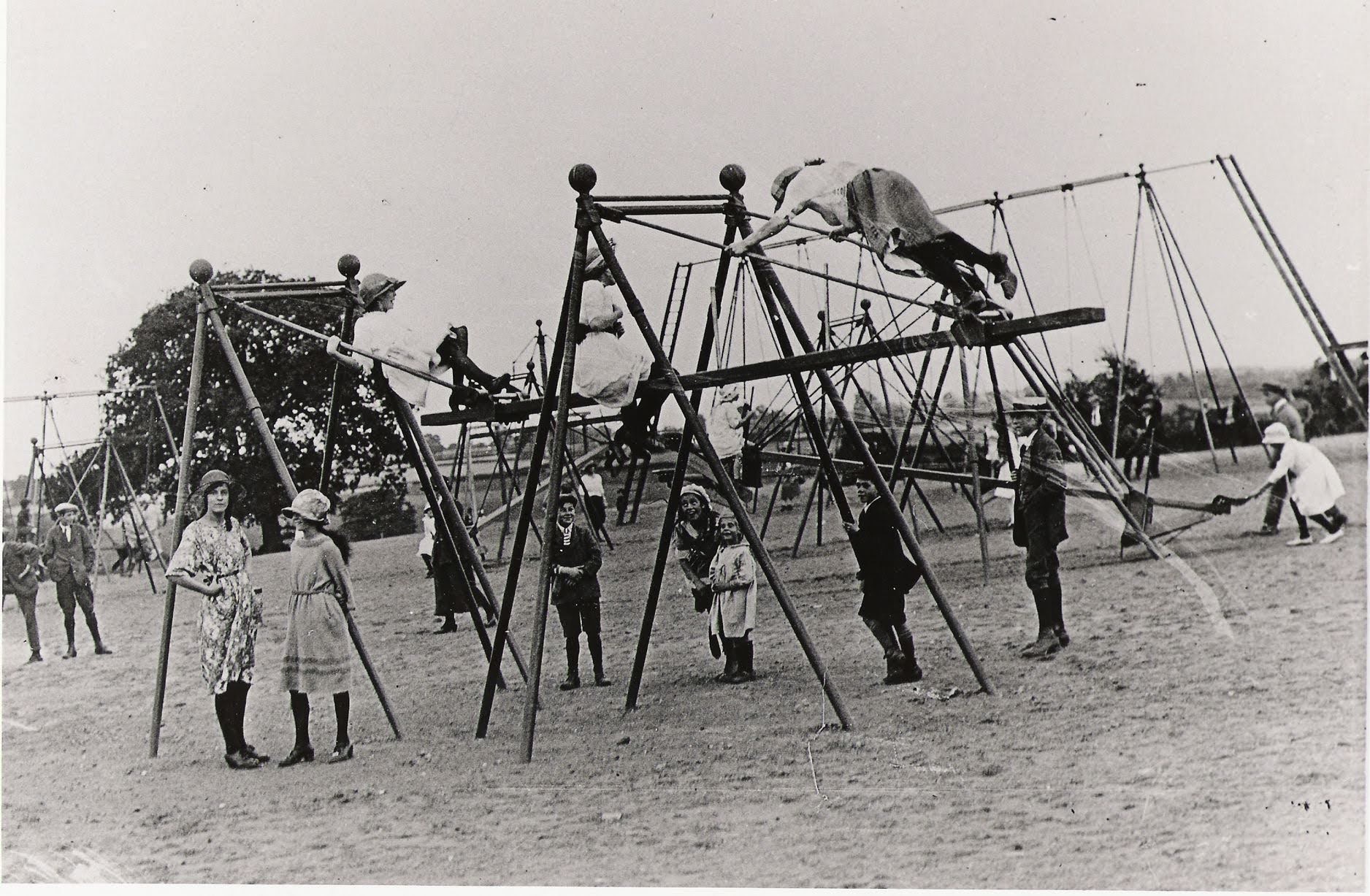
In May of last year the BBC reported on the installation of what it called the “world’s oldest swing” at Wicksteed Park in Kettering, Northhamptonshire. The swing, a thick piece of wood attached by chains to a six-pronged frame, was discovered in the yard of a house belonging to the family of Charles Wicksteed, creator of both the park and the swing.
Whle most of the early developers of playgrounds were educators, Wicksteed had an engineering and manufacturing background. He was, thus, far less interested in rules than he was in playground equipment.
Born in 1847, Wicksteed had built a steam plough contracting business when he was only 21. He later founded the Stamford Road Works and invented a number of power tools, including hydraulic hacksaw and circular saw machines. After World War I, which he spent focusing on the manufacture of war materials, he turned his attention to developing what would become Wicksteed Park in Kettering.
He described his approach to building a playground: “The playground should not be put in a corner behind railings, but in a conspicuous and beautiful part of a park, free to all, where people can enjoy the play and charming scenery at the same time; where mothers can sit, while they are looking on and caring for their children.”

Like many before it, Wicksteed Park, which opened in 1921, included a large sand pit for open play. But Wicksteed also filled it with equipment that he designed and manufactured: swings and chutes, see-saws and roundabouts. One of his inventions was known as the “Witches Hat.” It involved a circular flat swing attached by cables to a central pole. It got its name from the conical shape and perhaps its unpredictability. It was a little too unpredictable for modern sensibilities and has long since been removed from playgrounds as unsafe.
In a book that was published in 1928, “A Plea for Children’s Recreation after School Hours and after School Age,” Wicksteed offered a rosy summary of the impact of his park: “I have direct evidence from mothers how whining, pale-faced children, complaining of any food they get, have come back with healthy faces and rosy complexions, ready to eat the house out after a good play in the playground.”
The Daily Mail on Feb. 1, 2016 offered a different take, suggesting that the “90-year-old book shows how inventor of children’s playground had complete disdain for health and safety.”
One passage in the book describes how Wicksteed overcame the idea that boys and girls facilities should be separate: “I thought I would make a slide: first for the boys. This was so much appreciated that I made a better one for the girls: the boys got jealous of this, so I made a still better one for them.
“At that time I had a quaint idea that the boys and girls ought to be separated.
“This has been entirely and successfully abandoned, as also any idea of keeping or limiting the playthings to people of a certain age.’
“Let people of all ages and both sexes be admitted; the older ones then take care of the young people.”
Wicksteed committed suicide in 1931, just short of his 84th birthday. His legacy lives on in both the park he created and the playground equipment manufacturing company he founded.
Wicksteed Leisure Limited, now more than 100 years old, continues to be a leading supplier of playground equipment in the UK from its location in Kettering.
Wicksteed Park continues in operation as a theme park, owned by the Wicksteed Charitable Trust which was originally created in 1916. While many new and more modern attractions have been added, the park includes a heritage playground area with replicas of the equipment created by Wicksteed.
Most of the earliest playgrounds that were set up here and in Europe were attached to schools. They were part of schoolyards for the benefit of the students of those schools. But by the late 1880’s public playgrounds began to emerge. The sand gardens in Boston which I wrote about last week (The Playground: Whose Idea Was This?) can lay claim to being among the first. San Franciscans will tell you that America’s first public playground was the one that opened in 1888 in Golden Gate Park.

The San Francisco Chronicle on Dec. 23 of that year covered the opening: “The buildings and grounds in the Golden Gate Park, known as Sharon Children’s Quarters, was formally opened yesterday and dedicated for use. Despite the threatening appearance of the weather, at noon there must have been at least 2,000 persons, mostly ladies and children, on the grounds. The sun shone out at noon.”
Park Commissioner William Hammond Hall addressed the crowd at a dedication ceremony during which he commented “all children are invited to this playground, be they rich or poor, each one having equal rights and privileges.”

The playground featured gondola swings, slides, see-saws, a maypole, a boys baseball field, and a girls croquet court. There were also rides, either on carts pulled along by goats, or atop donkeys.
Los Angeles Times writer Eliza A. Otis was effusive in her praise of the park in the April 7, 1889 paper. “What a crowd of happy little folks I found there! What an army of donkeys for them to ride! What a lot of Billy goats harnessed to pretty little carts. And what lots and lots of tricycles were being propelled over the wide sandy space set aside for their riders.
“Well, there was not a boy or girl among them all but looked glad to be alive, glad that they had that beautiful playground, where they could come and enjoy all these pleasures, with the trees, the flowers, the twinkling fountains and all the lovely things about them there.”
The non-bylined writer of a different account in the Sacramento Record-Union of Sept. 13, 1889, however, questioned whether this was really a park for everyone. “But the one feature at Golden Gate Park that takes the life and spirit and temper out of its beautiful play-ground, is the fact that a charge is made for nearly every exercise in which the children most delight. This at once constitutes a barrier to a large class and shears the play-ground scheme of its greatest benefit. All such places should be absolutely free; any money consideration attaching robs them of their merit in a large degree.”
The Union had another gripe to air: “But the mistake was made of putting most of the money into a stone building, for which the children really have no use, and that, in fact, in no respect is inviting to the child. On the contrary, it has impressed us on two visits, as anything but cheerful, and that in fact there is in it no place for the child.”
The building was called the Sharon Building and was originally intended as a sort of shelter for children and their parents in the event of inclement weather. It survives to this day and is currently being used as an art studio.

The name Sharon comes from William Sharon, a businessman, philanthropist and former state senator. It was the Sharon Estate that donated $50,000 to build the playground and building. In an SF Gate article titled “How notorious tycoon William Sharon left SF children a still-popular landmark,” author Greg Keraghosian has some unflattering things to say about Sharon.
“Sharon, a ruthless Gilded Age businessman who was notorious for being an absentee senator, accumulated far more wealth than goodwill during his life. However, days after Sharon died and while he was still embroiled in one of the city’s most scandalous divorce cases ever, his trustees dedicated $50,000 for Golden Gate Park to build what is now Koret Children’s Quarter and the adjacent Sharon Building in 1888. It’s the oldest public playground in U.S. history.
“There’s little in Sharon’s biography that suggests a predisposition to philanthropy for children. He dedicated his life to acquiring wealth and power in mining, banking, politics and real estate.”
Sharon’s name is gone from the park, but the playground lives on. It was restored after being damaged by the 1906 earthquake and again after fires in 1974 and 1980. A carousel was added and it lives on for the children of San Francisco.
There are few places in the developed world that don’t have playgrounds. They are in public parks, municipal recreation areas and schoolyards and almost all children have access to at least one as they grow up.
While we think of playgrounds as a recreational outlet, the first playgrounds were conceived by 19th century educators who thought of them as part of a young child’s education. These educators thought in terms of a child’s education being outdoor as well as indoor, environmental and featuring free time as well as structured.
The inspiration for playgrounds is generally thought to have come from Germany. The playground was part of the kindergarten movement. Friedrich Froebel coined the term kindergarten or “garden of children” for a school he founded in Brandenburg, Prussia.
Froebel was something of a journeyman before he focused on education. Originally trained as a forester, he tried several professions and at one time was jailed for indebtedness. Eventually he landed a job as a teacher and settled on a career in education. He would publish several works on early childhood education and is thought of as a pioneer in the field.
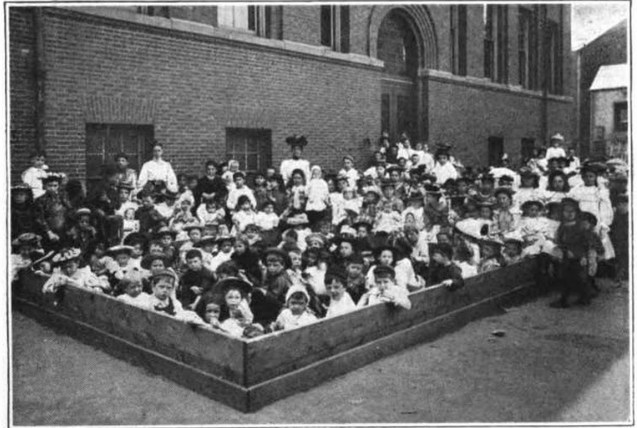
Froebel emphasized the importance of nature, natural materials and free play for his schools. That meant school playgrounds and in the German kindergartens they took the form of “sand castles.” The first were in 1850. They caught on quickly and in towns throughout Germany piles of sand were dropped in public parks where policemen would supervise the children playing.

The “sand castle” idea was carried from Berlin to Boston by a pioneering female doctor named Marie Elisabeth Zakrzewska. She is best known for establishing the New England Hospital for Women and Children. A native of Berlin, Zakrzewska had seen the children playing in sand piles during a visit to that city. She brought the idea to an organization in Boston called the Massachusetts Emergency and Hygiene Association. They paid to have a pile of sand dropped near the Parmeter Street Chapel. This was in 1885. Two years later there were ten sand gardens in Boston and by 1899, there were 21.
While the growth of the playground in the U.S. is directly traceable to the Germans, Froebel was not the first to think of it. Henry Barnard, who served a spell as Secretary of Education in both Connecticut and Rhode Island, and who later became the first U.S. Commissioner of Education, wrote a book in 1848, “School Architecture” in which he speked out a concept for a playground. The Barnard vision for a playground included a shaded area for teachers and a play area with wooden blocks, toy carts, and two rotary swings. Like Froebel, Barnard envisioned the playground as a part of an early childhood school.
Barnard’s work referenced an even earlier work by an English educator Samuel Wilderspin. He founded something in the neighborhood of 2,000 schools in the U.K. Like Froebel in Germany, he is considered a pioneer in the development of infant schools in his country. In a 1923 book titled “On the Importance of Educating the Infant Children of the Poor,” he wrote:
“To have one hundred children or upwards in a room, however convenient such room might be in other respects, and not to allow the children proper relaxation and exercise, which they could not have without a play-ground, would materially injure their health, which is a thing in my humble opinion, of the first importance.”
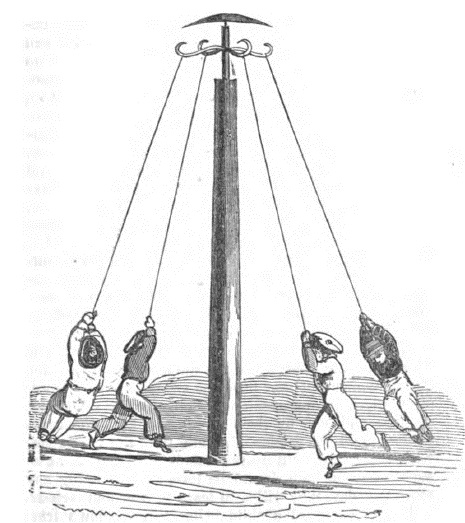
Wilderspin’s vision of the playground was one paved with bricks (skinned knees apparently not being a concern). His vision included planting a surrounding wall of fruit trees and flower gardens. And, as a centerpiece for the playground, Wilderspin offered up a “rotary swing” that involved attaching four ropes to a 17 foot pole with a pulley that would allow them to rotate.
He further noted: “The absurd notion that children can only be taught in a room, must be exploded. I have done more in one hour in the garden, in the lanes, and in the fields, to cherish and satisfy the budding faculties of childhood, than could have been done in a room for months.”
While Wilderspin, Barnard and Froebel offered up their ideas in the early and mid-19th century, it wasn’t until later in the century that their concepts really began to take hold. As countries like the U.S., England and Germany became increasingly industrial and urban, the playground proved a solution for the growing population of poor and working class children without easy access to safe outdoor play space.







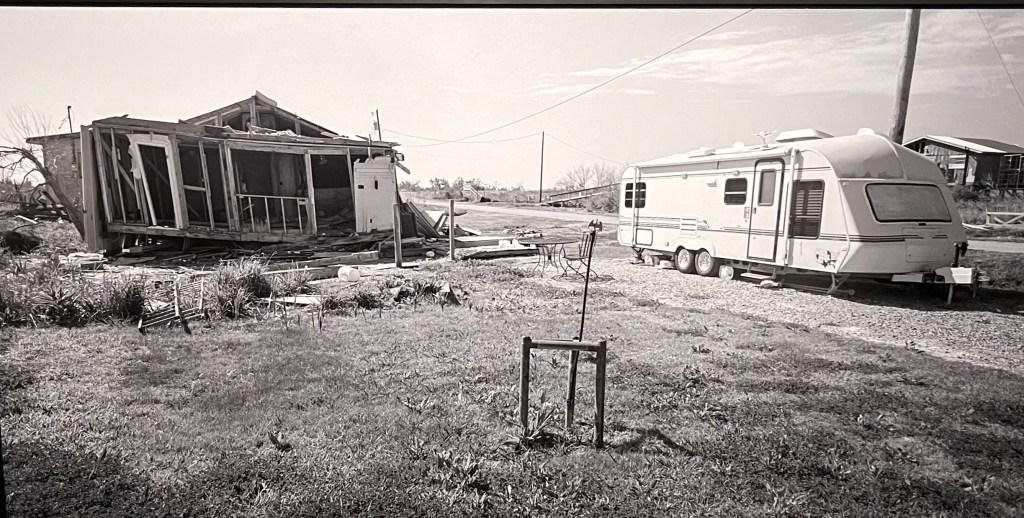

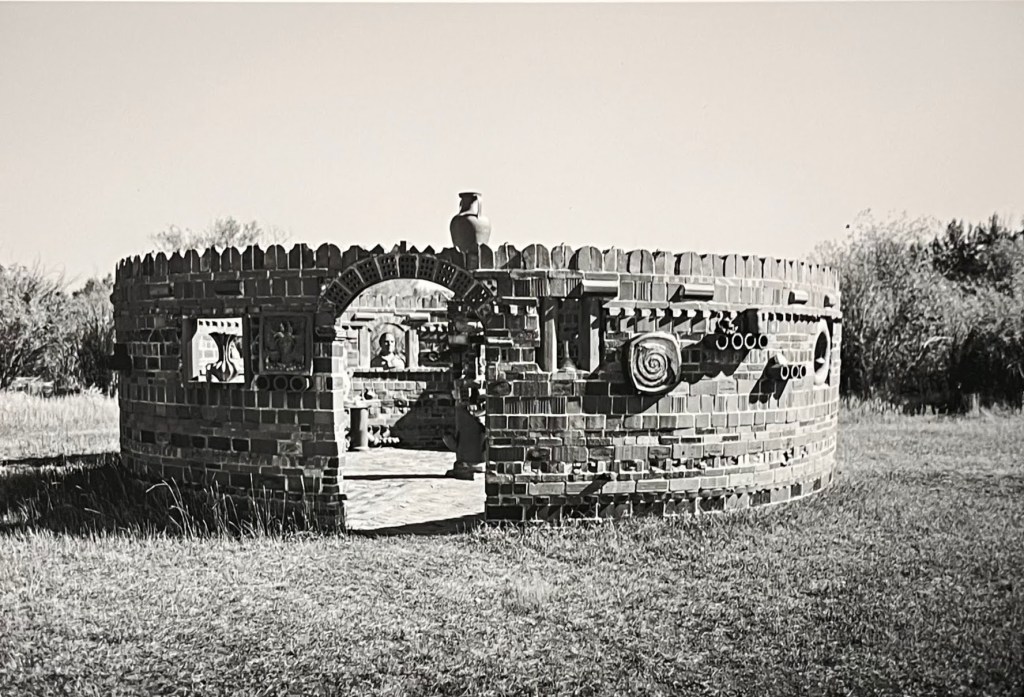






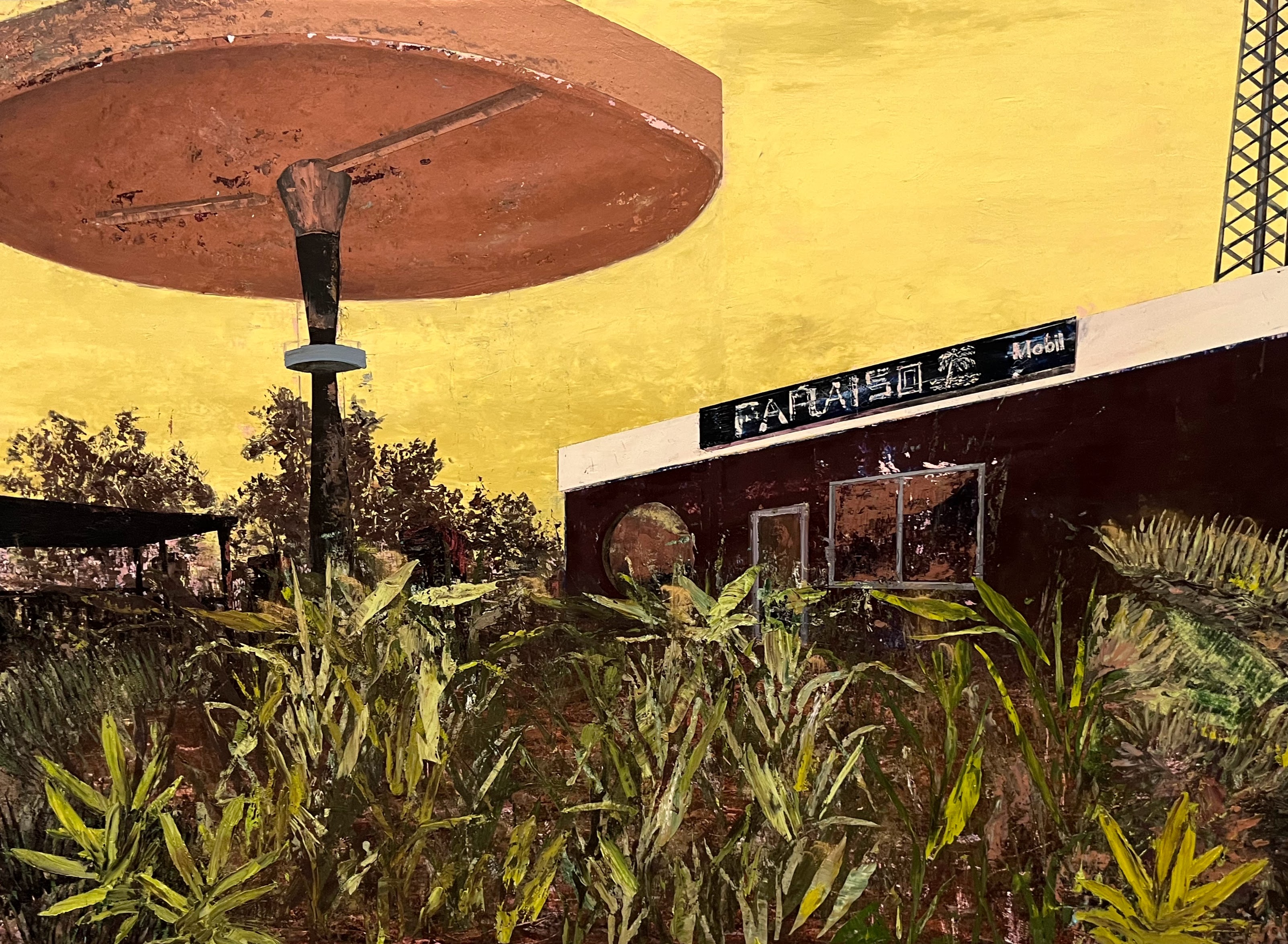


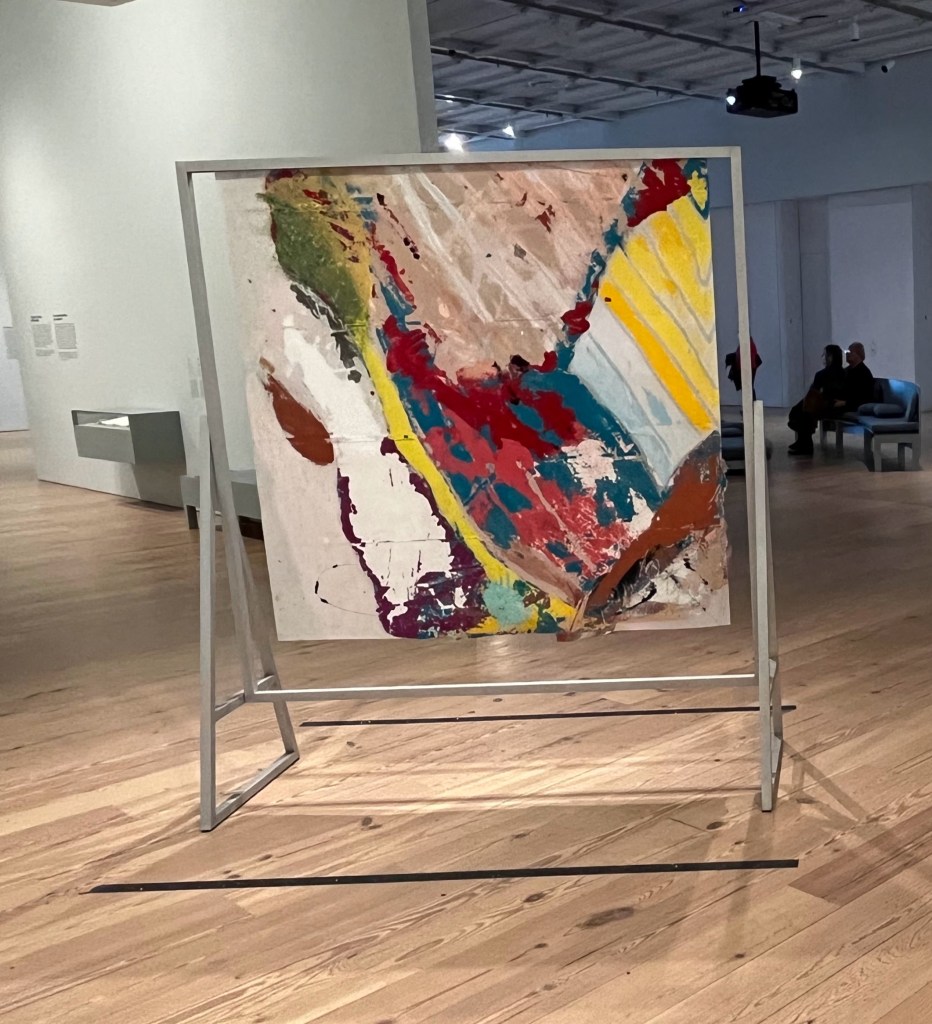

Air paintings by Candida Alvarez


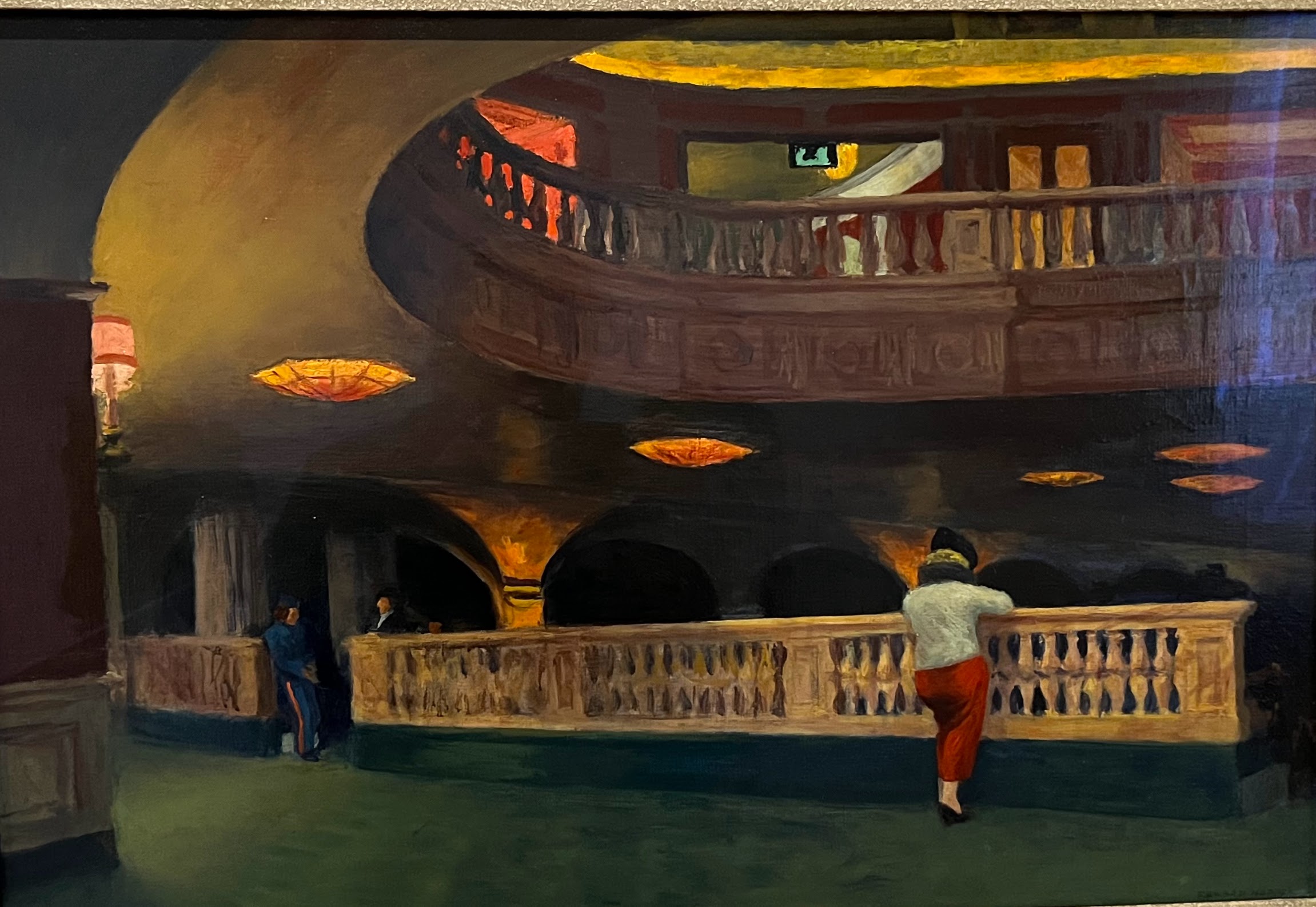
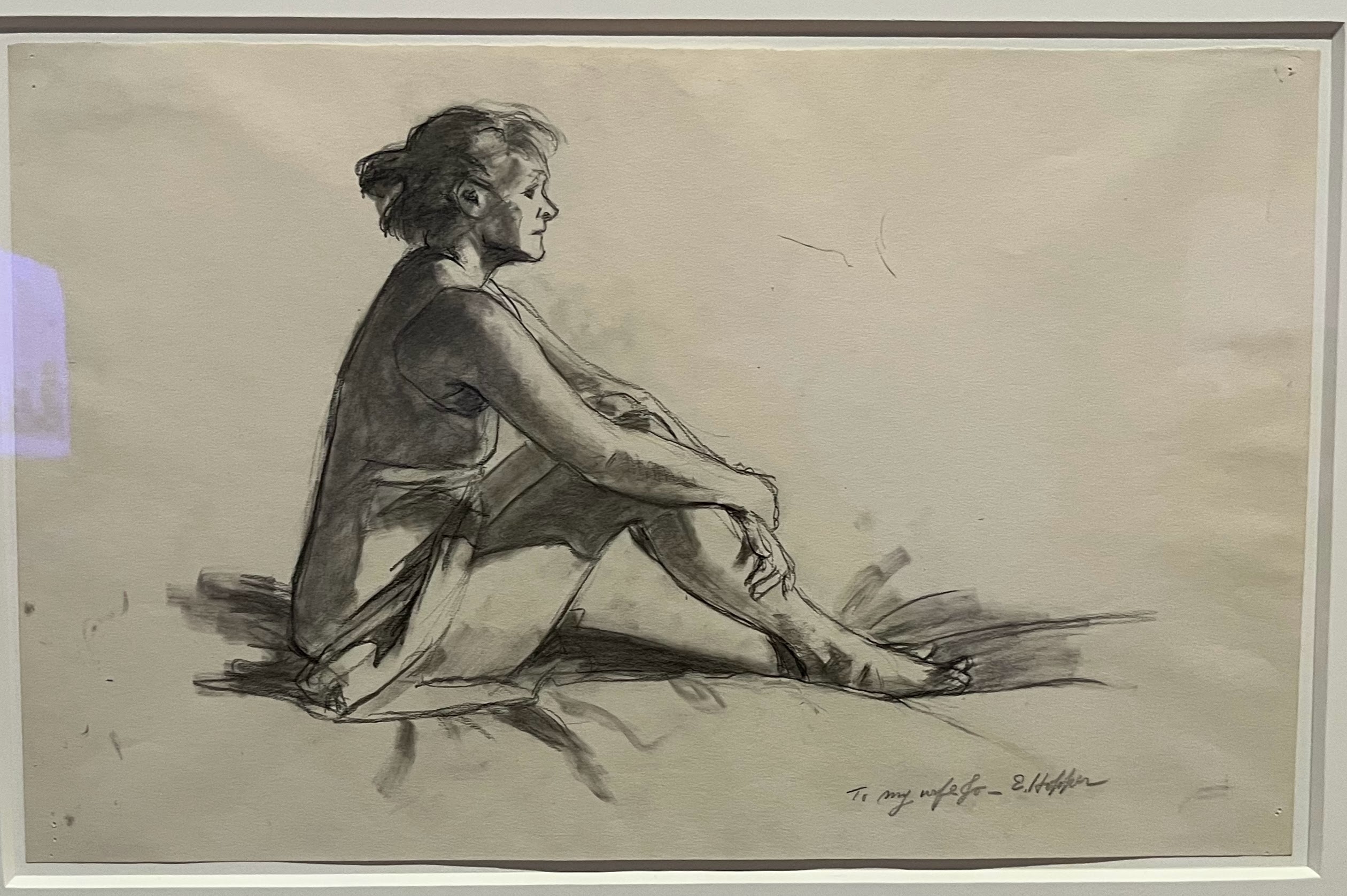
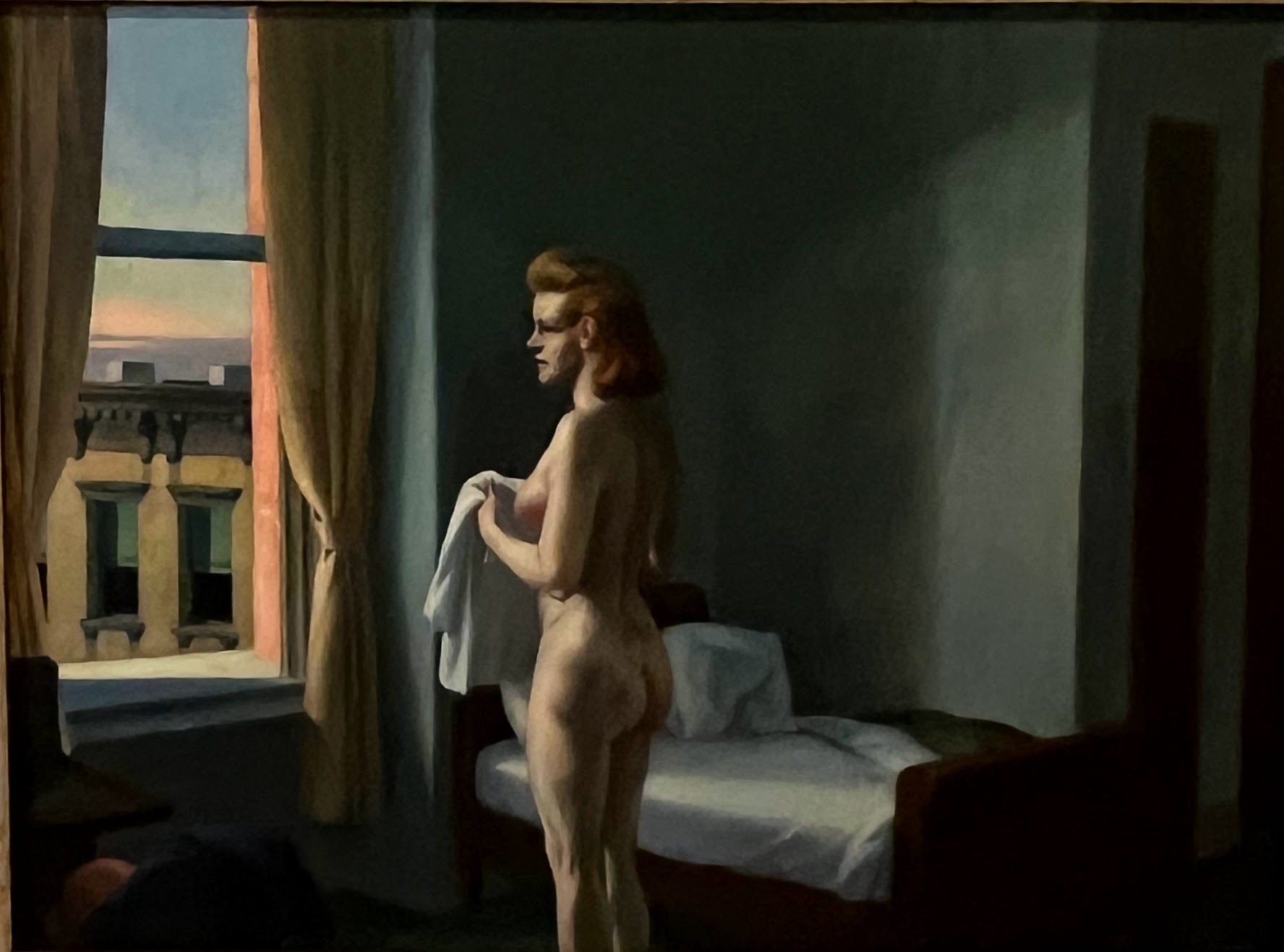
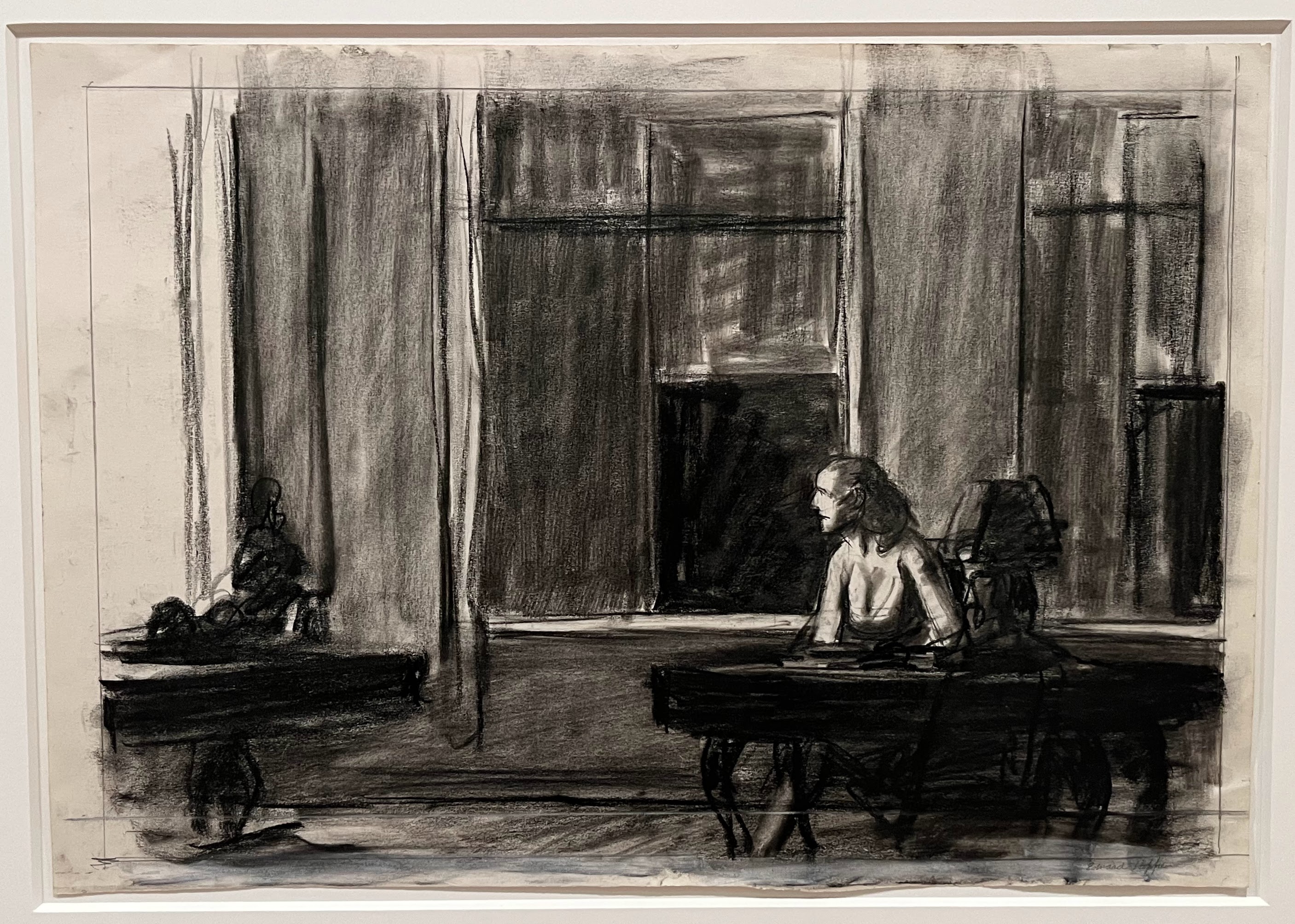
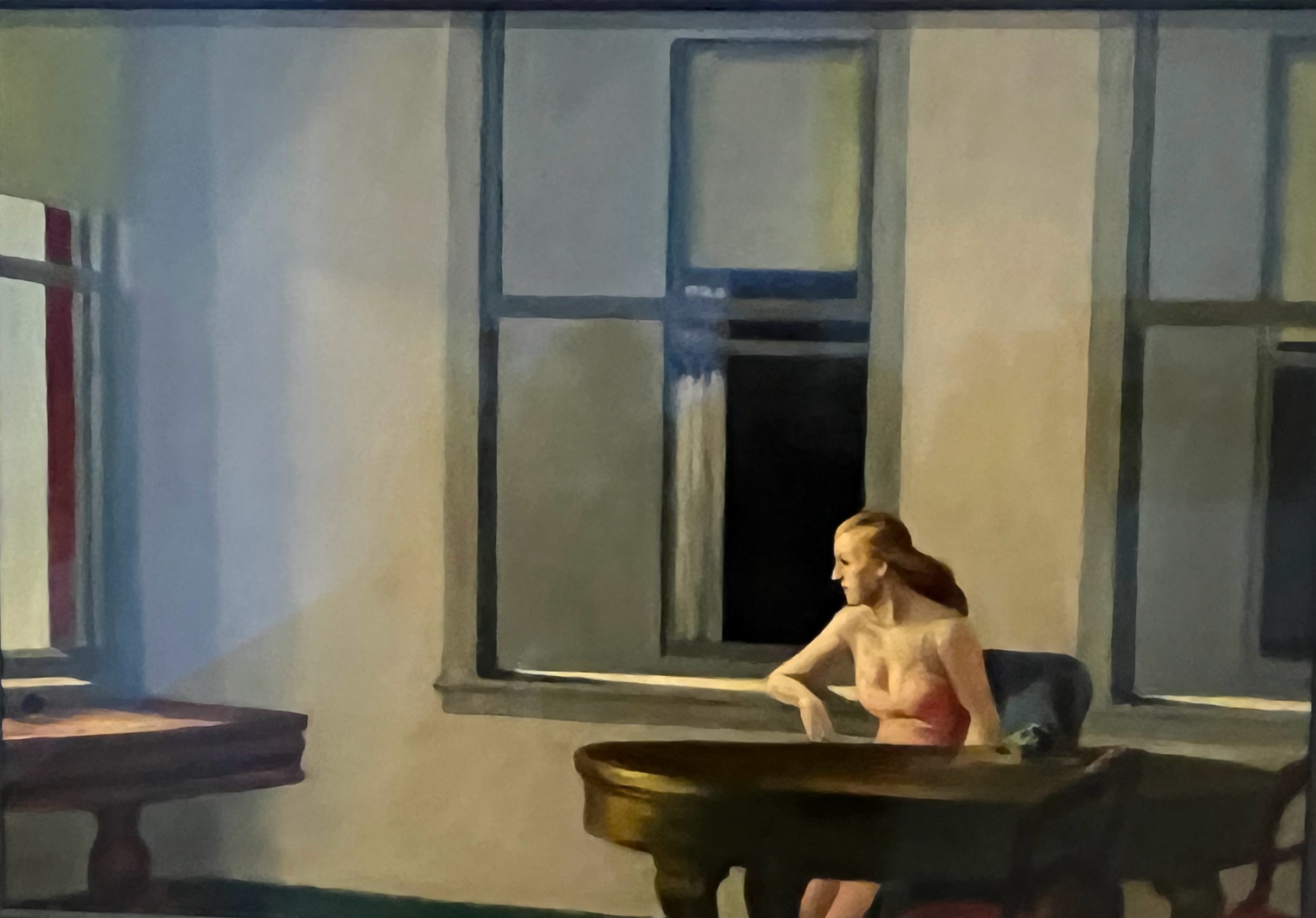
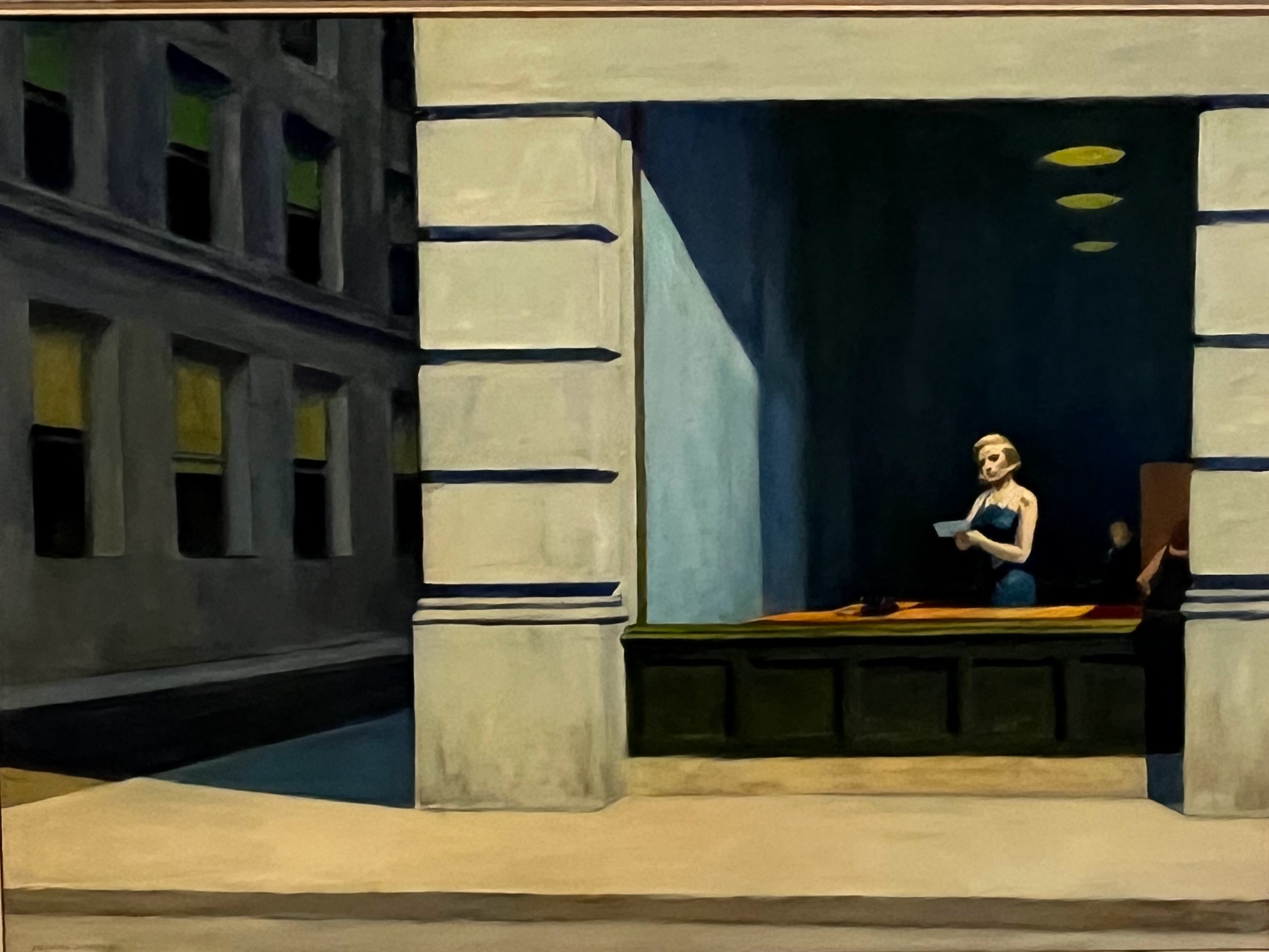
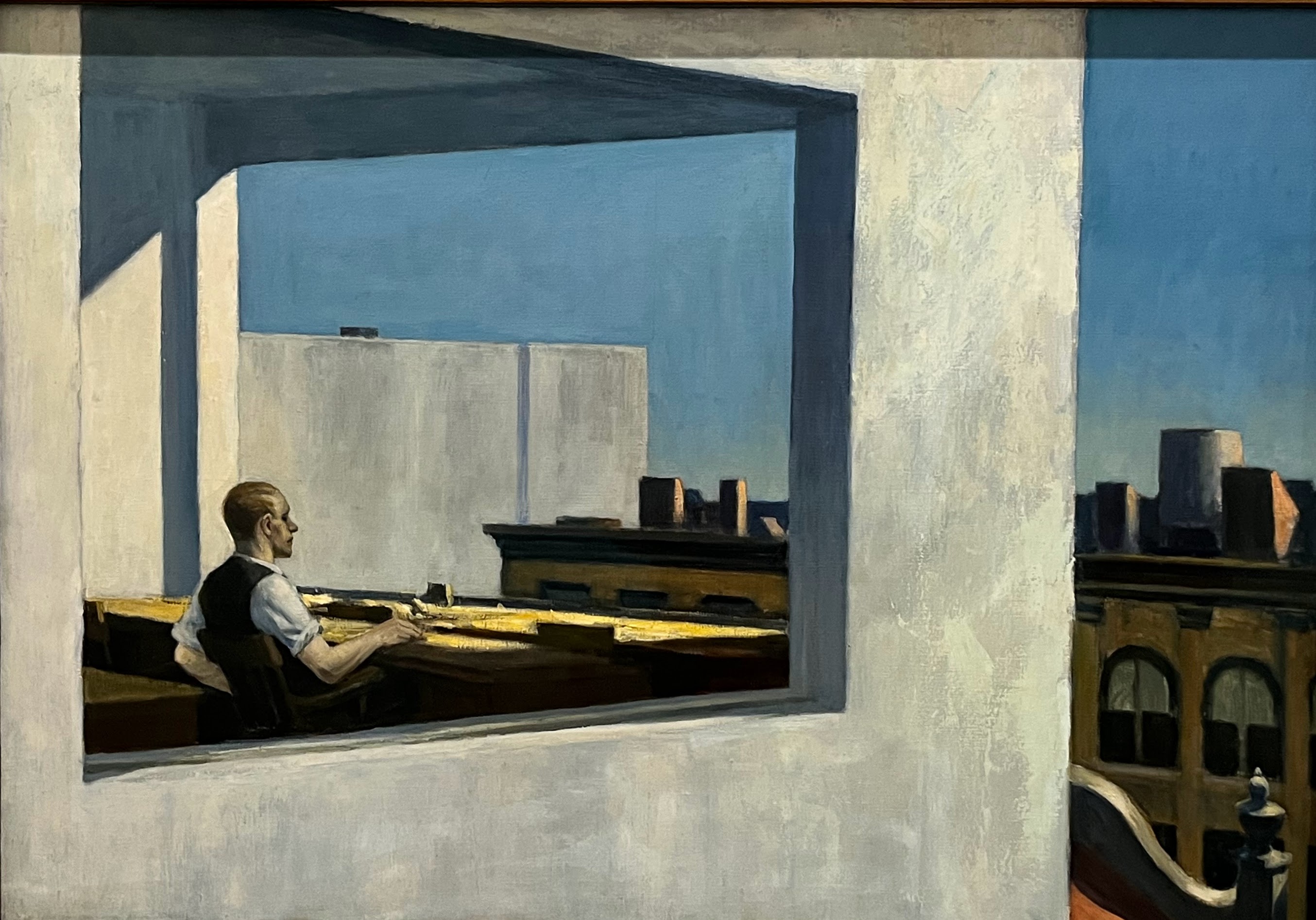
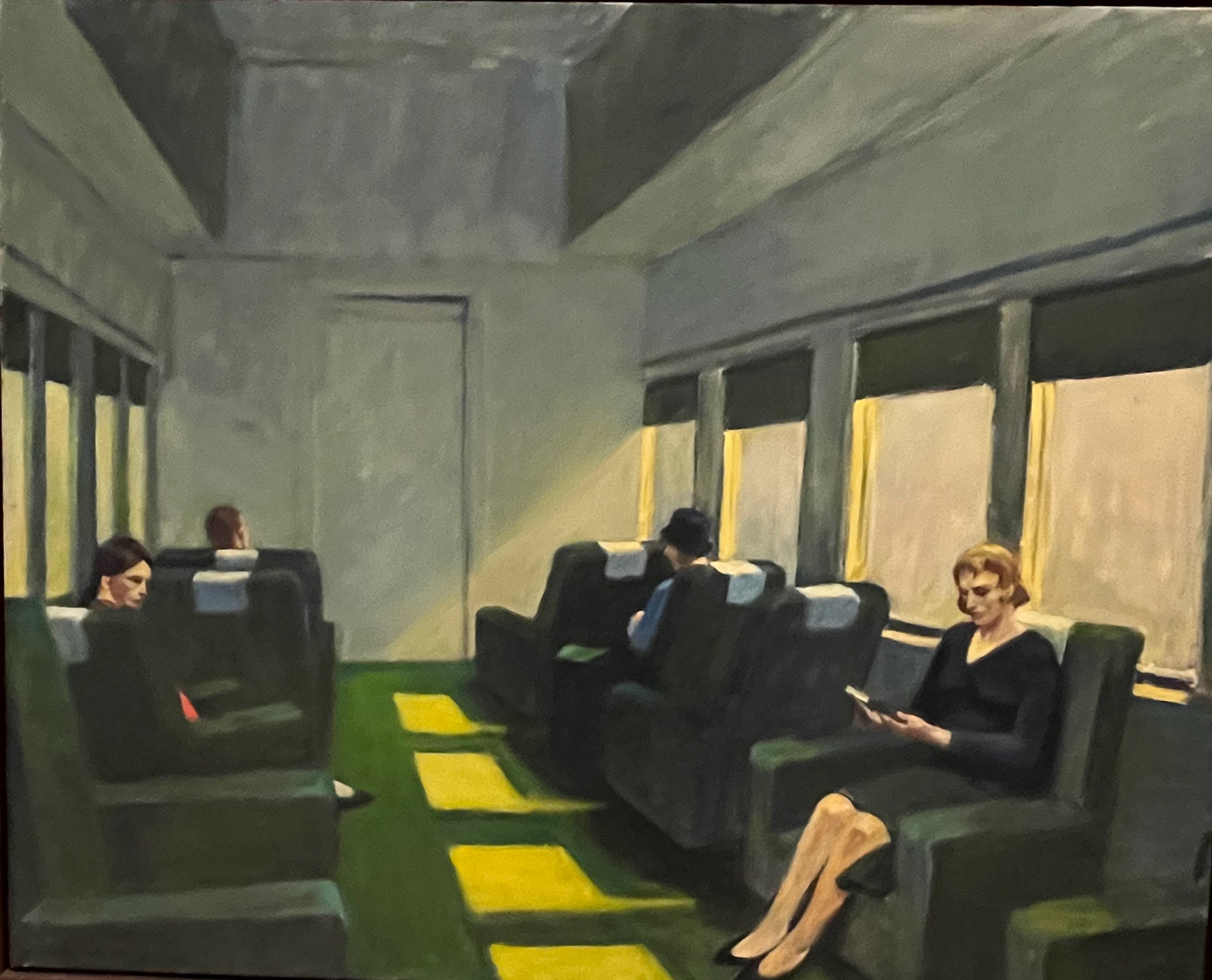
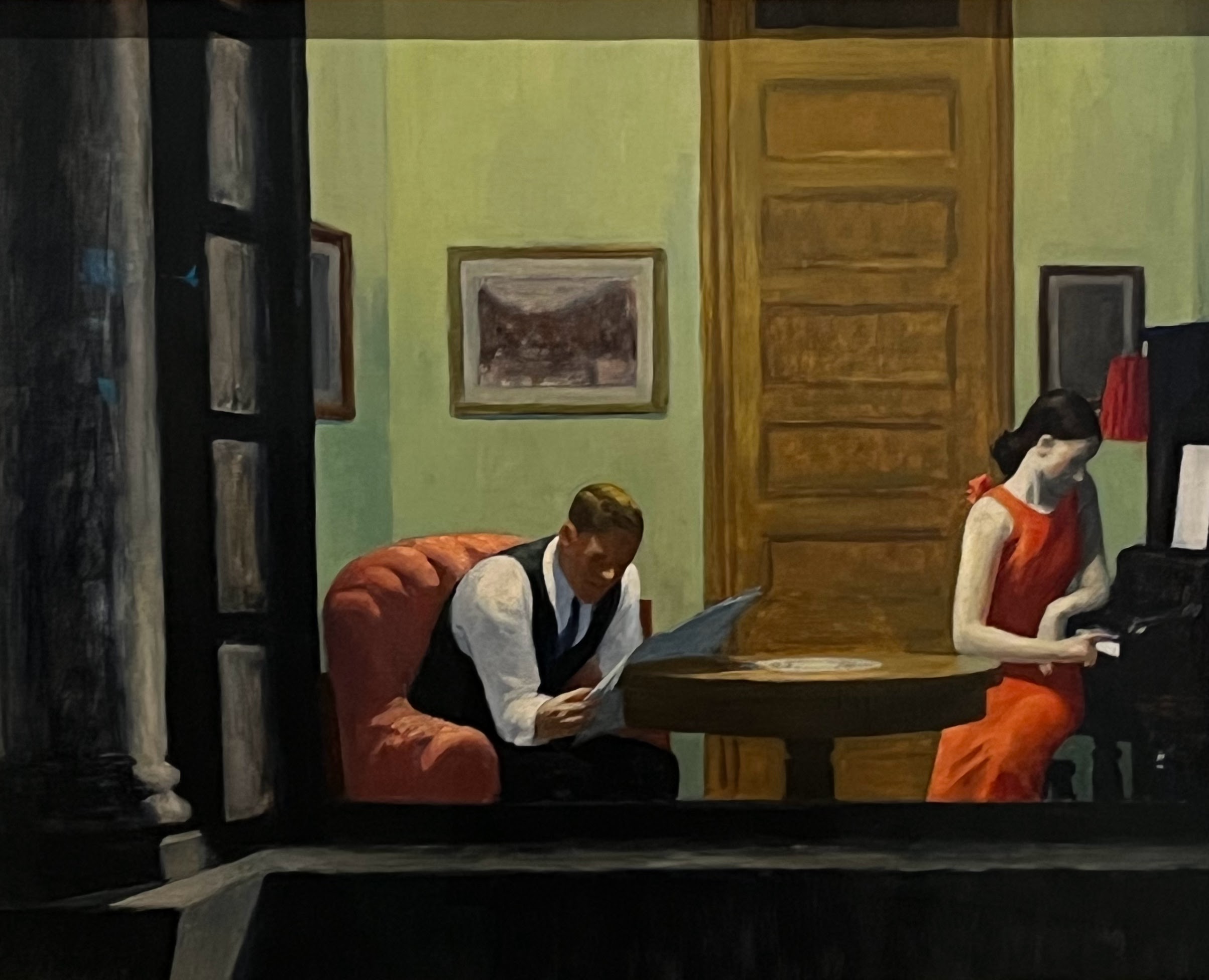
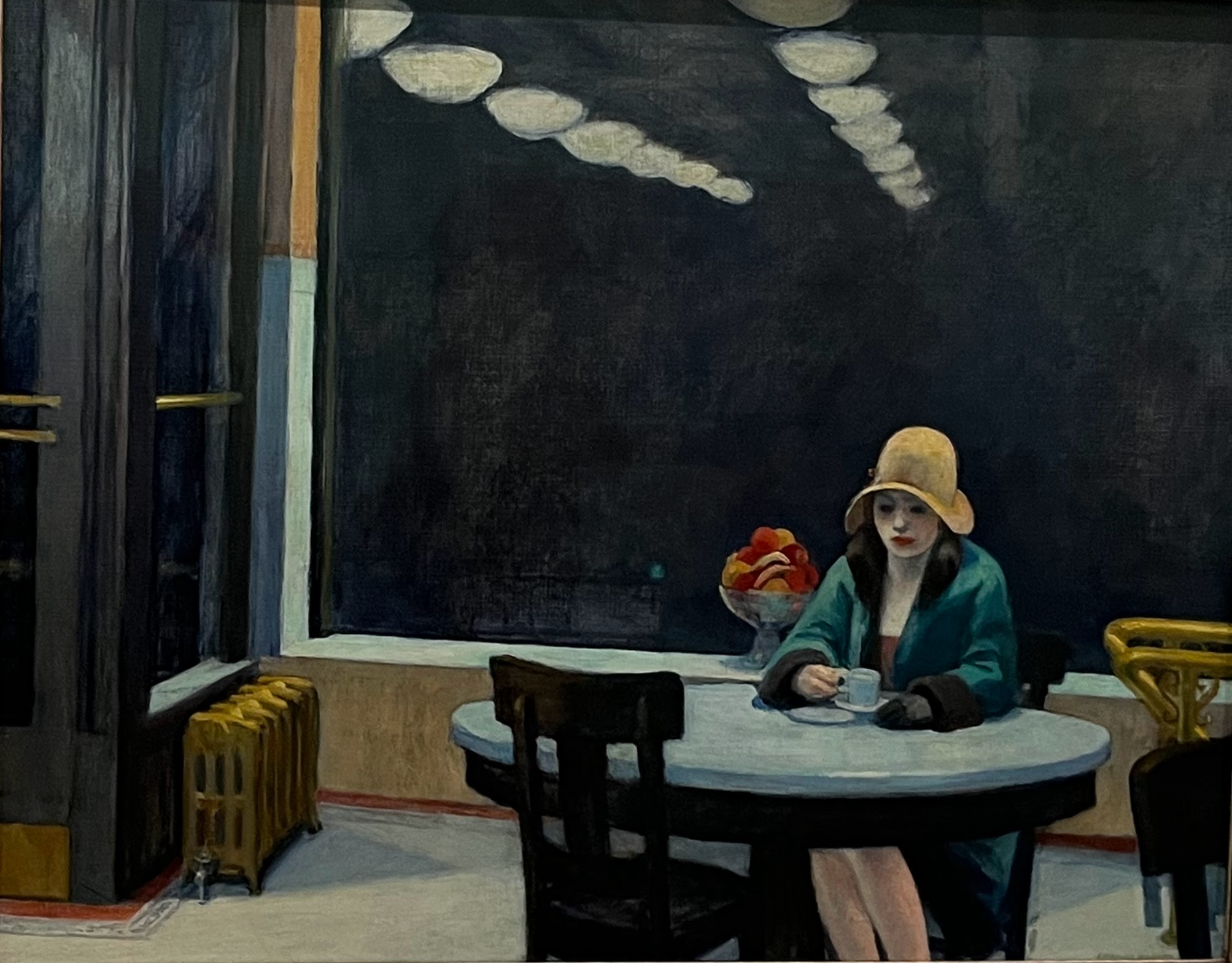
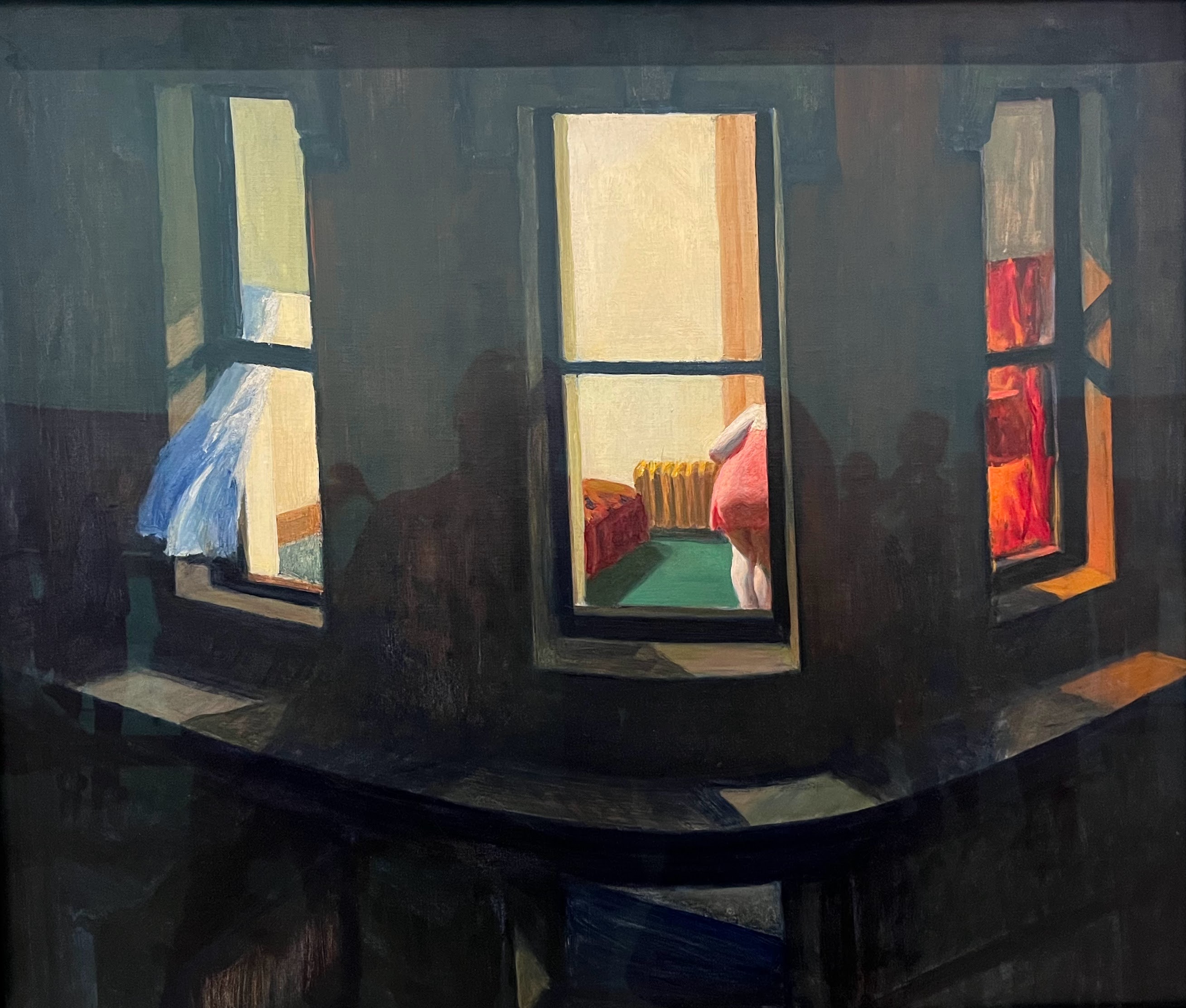
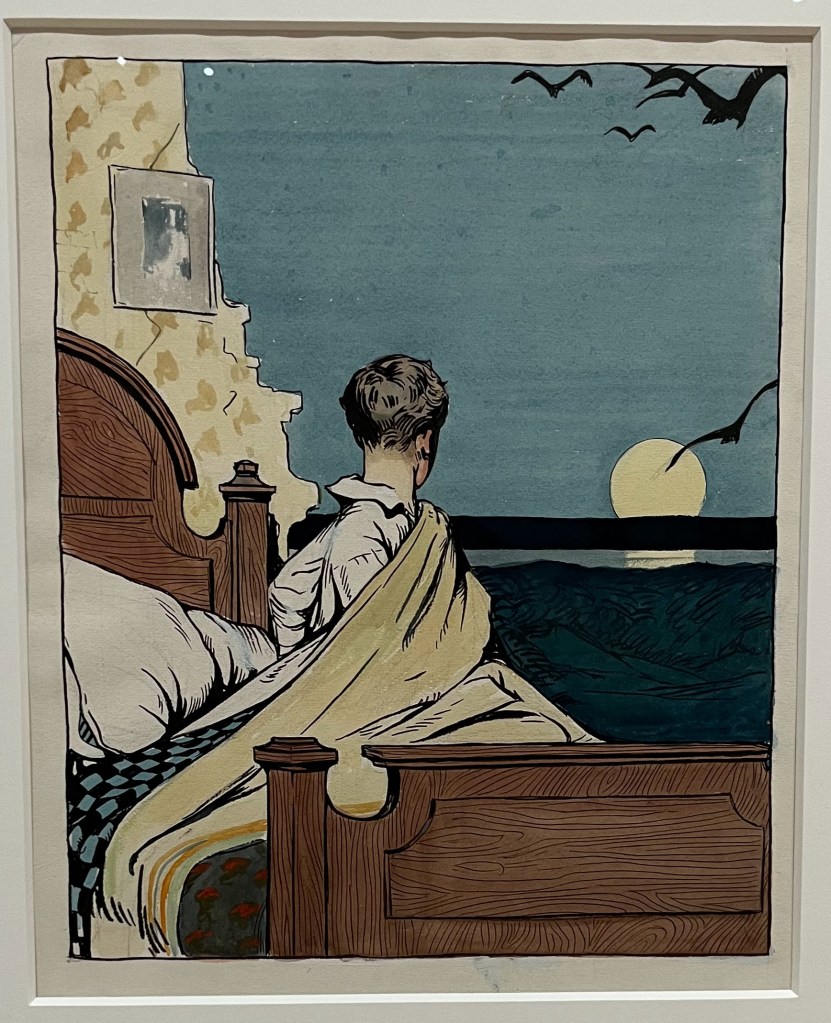
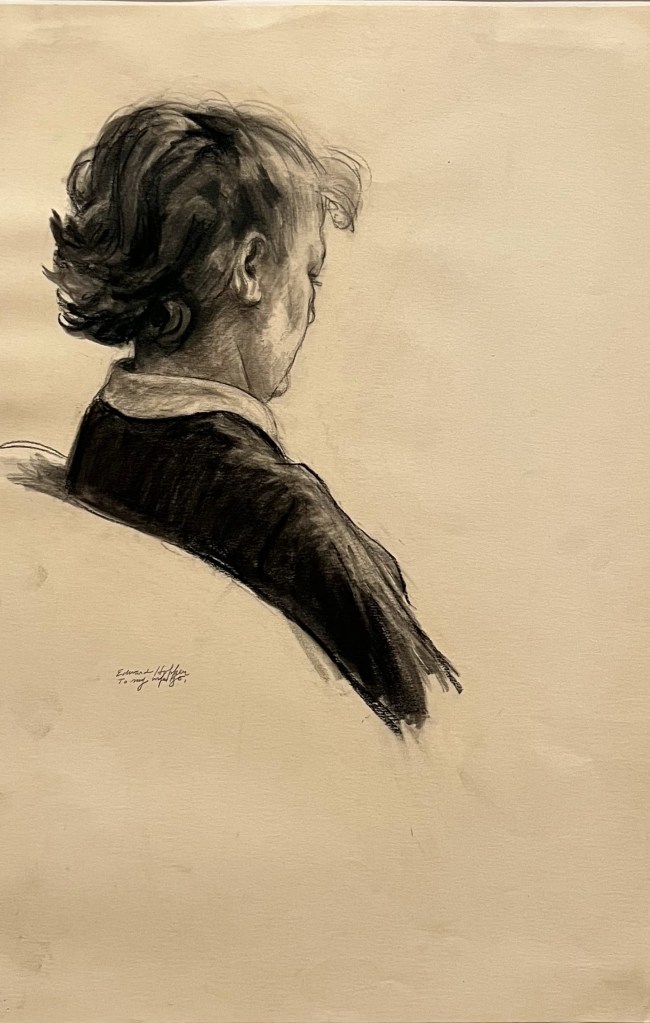
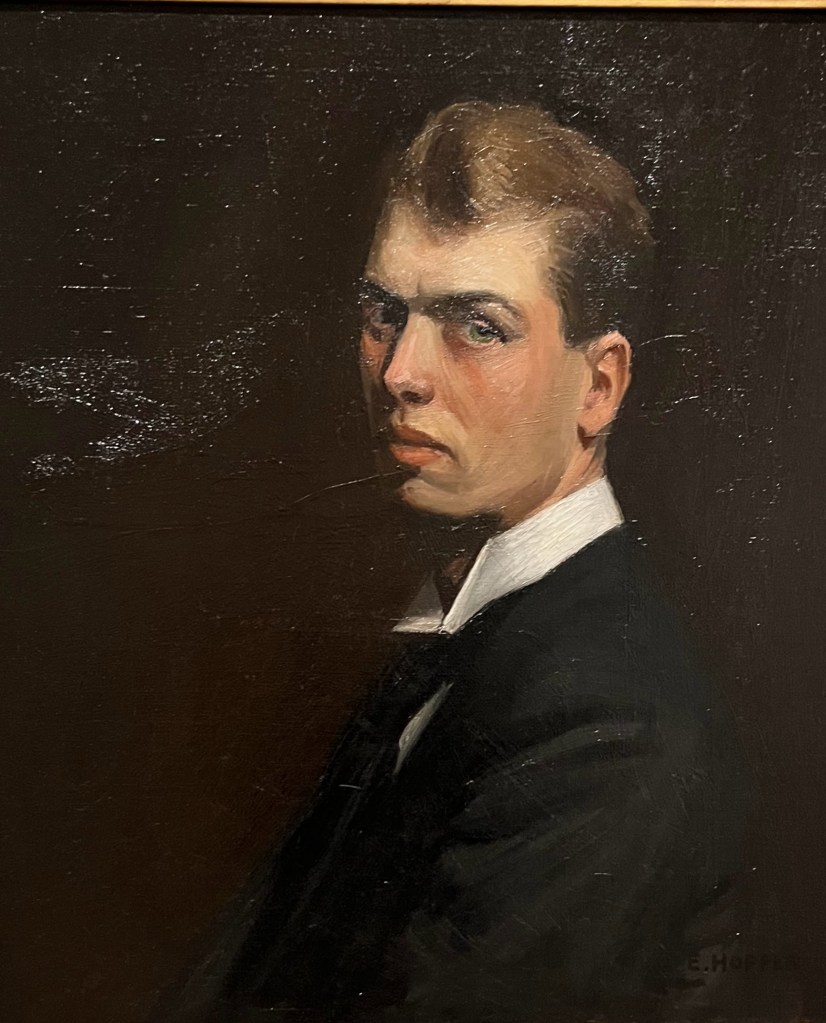
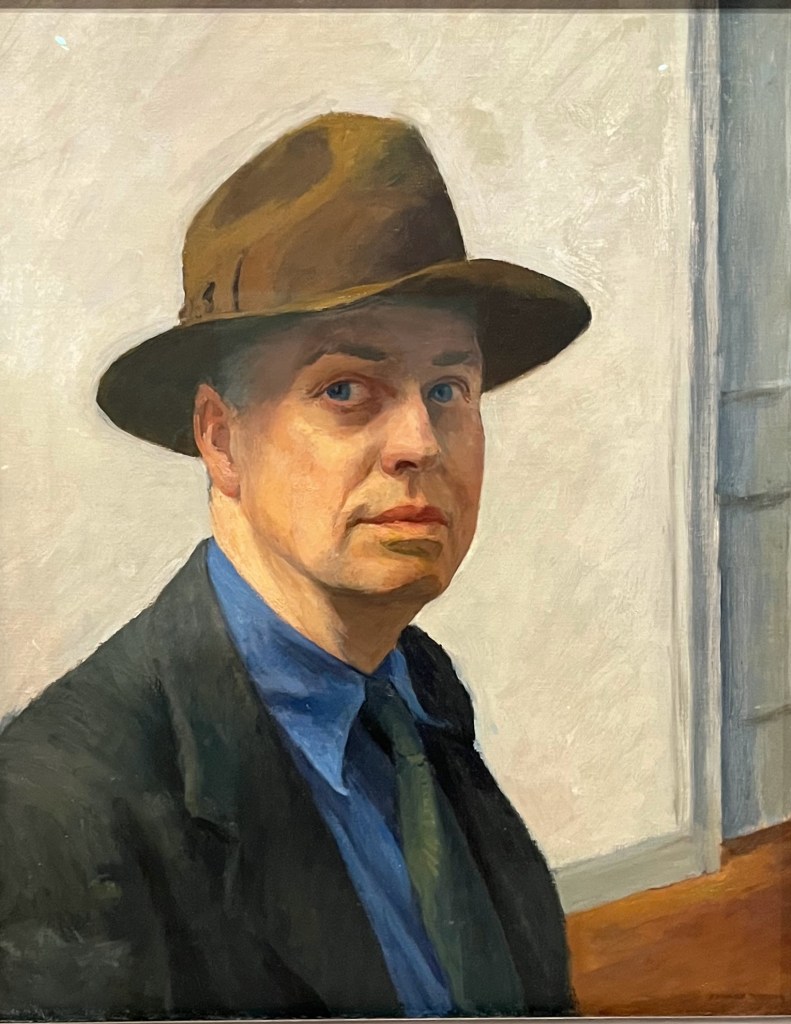
From the Edward Hopper’s New York exhibit at the Whitney Museum of American Art






Narrative features from the 2023 Sundance Film Festival
Shayda is at once a mother/daughter love story and a story of the struggles of the women of Iran. It’s also the best movie I saw at the festival.
Shayda is an Iranian woman living with her young daughter Mona in a women’s shelter in Australia. She and her husband were in Australia studying. Her scholarship was canceled by the regime while he is pursuing a medical degree. After he abuses and rapes her she sought refuge in the shelter and is suing him for divorce and custody of her daughter.
He wants her to go back to Iran with him. She knows that if she goes back and divorces him she will lose custody of Mona and will be scorned for leaving her husband.
The tenderness of the mother/daughter relationship is brilliantly acted by Zar Amir Ebrahimi as Shayda and Selina Zahednia as Mona. Interspersed with the tenderness and joyous scenes of Sayda and Mona is the tension of their encounters with an unpredictable and volatile husband/father.
Not only is this based on a true story, but it is the story of the director Noora Niasari. She was the young Iranian girl whose mother brought her to Australia.
This movie couldn’t be more timely as women in Iran risk their lives demonstrating for their freedom. It is a brilliant movie that deserves to be widely distributed and seen.
(Shayda won the Audience Award in the Sundance World Cinema Dramatic Competition)
A somber affair. Noelia has cancer and it has metastasized. She is determined to not be limited by her condition. She is also determined to not be treated.
The movie centers on a visit by Noelia to her mother in Vieques, where she was born. Vieques is today a beautiful resort area, an island just off the Puerto Rican mainland. But its history is as a bomb testing site for the U.S. Navy. So the backdrop to Noelia’s suffering is the search for contamination, for bombs and other remnants of the Navy’s war machine.
La Pecara is magnificently filmed. There are underwater scenes, landscapes and seascapes, brilliant colors and moody greyness. In the background is soft melancholic music and an almost constant barking of dogs and neighing of horses. On the horizon is a hurricane.
A cinematic, not a narrative, masterpiece. It is a picture of pain that is both sad and occasionally cringe worthy. But above all else, it’s a work of art.
Mystical and mysterious. Itto is a young, very pregnant Moroccan woman from humble origins but married into a wealthy family. An unspecified threat has sent her countrymen scurrying to mosques to pray for order.
With her husband away, Itto sets out on a journey that takes her through small villages, bustling towns and stark landscapes. She meets men who cheat her, she meets men who help her. Along the way she is filled with doubts, doubts about her religion, about the very reality before her eyes. From young and innocent, she becomes mature and unsure.
True to the movie title, there are lots of animals. One town seems to have literally gone to the dogs. Sheep prevail in the countryside. Ants are all around. And the birds seem to follow Itto throughout her journey.
Oumaima Barid is brilliant in the lead role. The cinematography creates the mood of wonder and uncertainty. There are a lot of questions. Not too many answers.
Manacruz is a grandma. She lives with her husband Eduardo, aka Chubby. They are caring for their granddaughter while their daughter is away auditioning for a dance recital role. She spends her days in the church where, being a seamstress, she dresses and decorates the statues and figurines of Jesus, Mary, et al.
With a young girl in the house, there’s a tablet, and there’s an internet connection. Clicking some buttons on her own one night Mamacruz gets a dodgy-looking pop up, clicks on it and boom….a screen full of porn. Shocked, Mamacruz shoves the tablet under a pillow. But it doesn’t end there.
Before you know it, our heroine is joining a masturbation therapy group where the leader offers advice like how to use ben-wa balls. And this group of older women start channeling their teenage selves, smoking dope and pouring down shots. Chubby is slow on the take, having snored through most of the first half of the movie, but eventually even he figures out something is a bit off here.
With that description, you might expect a fast-paced laugh out loud kind of movie. This is anything but. It is slow with a score that seems to weigh down the screen.
There are some serious themes at play. Not the least of which is the never too old aspect of an older woman rediscovering her sensuality. There’s the church as a denier of all things sexual. And in Mamacruz’s daughter the theme of how motherhood impacts a woman’ career and dreams.
I didn’t find the movie terribly effective as either comedy or social commentary. At best it’s a curiosity.
 off the leash