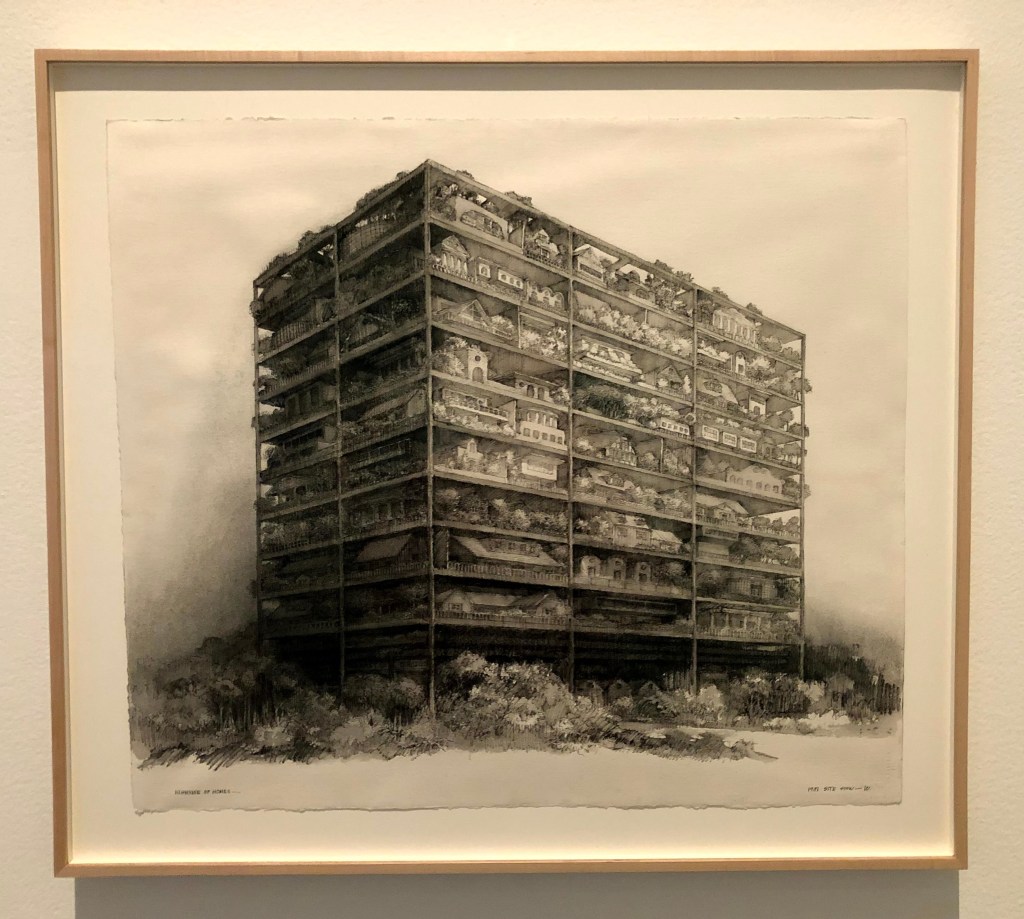
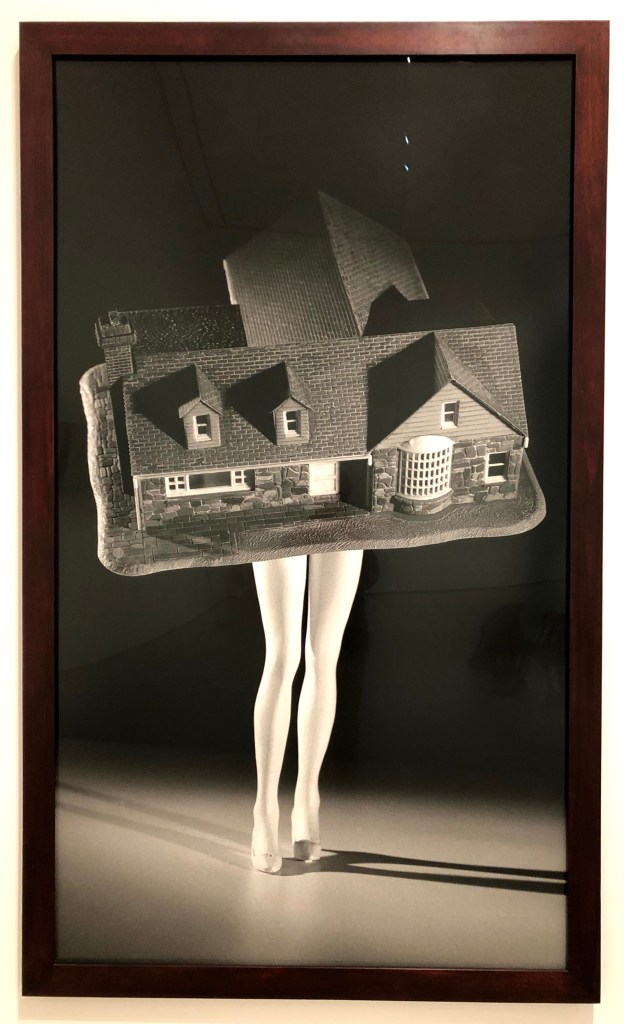
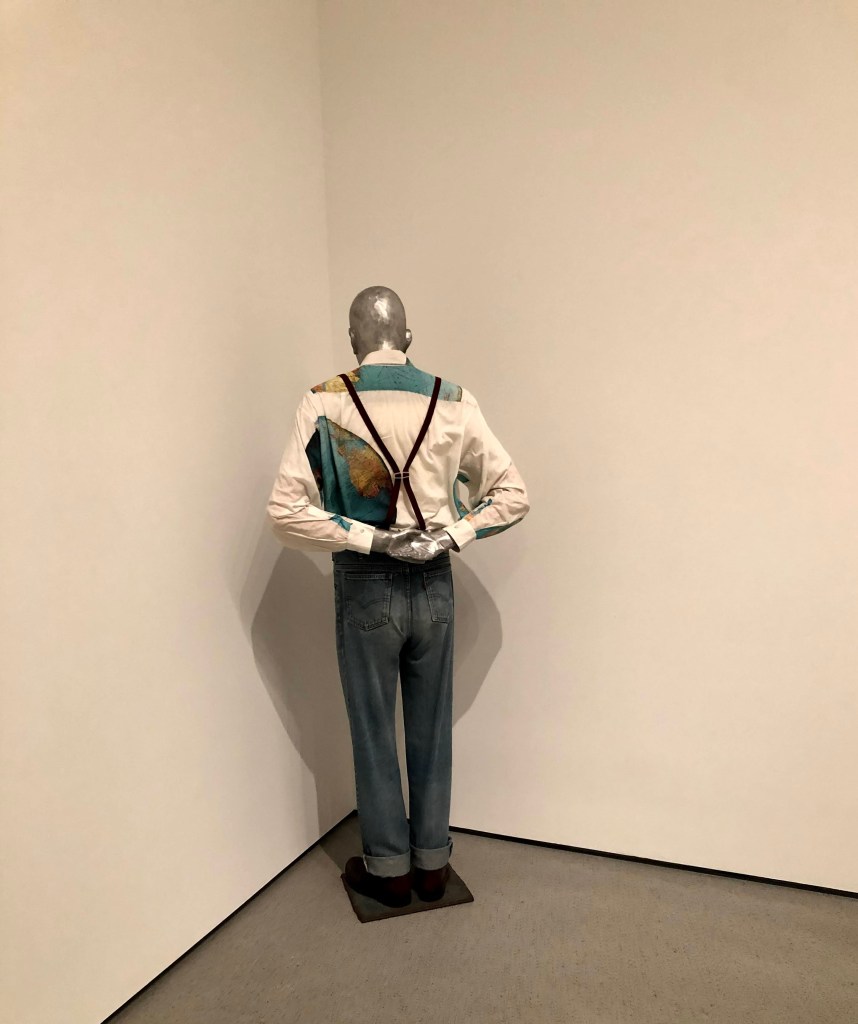
Selections for the New York Museum of Modern Art collection, 1970 to present
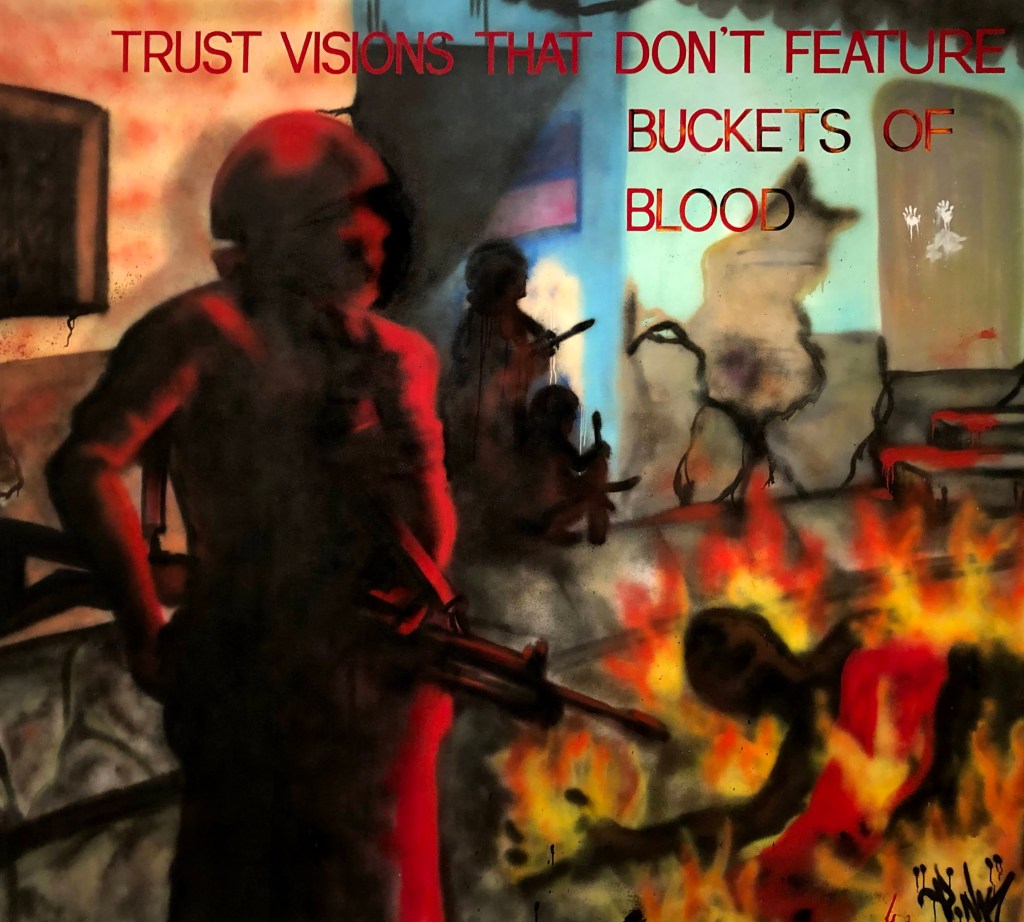








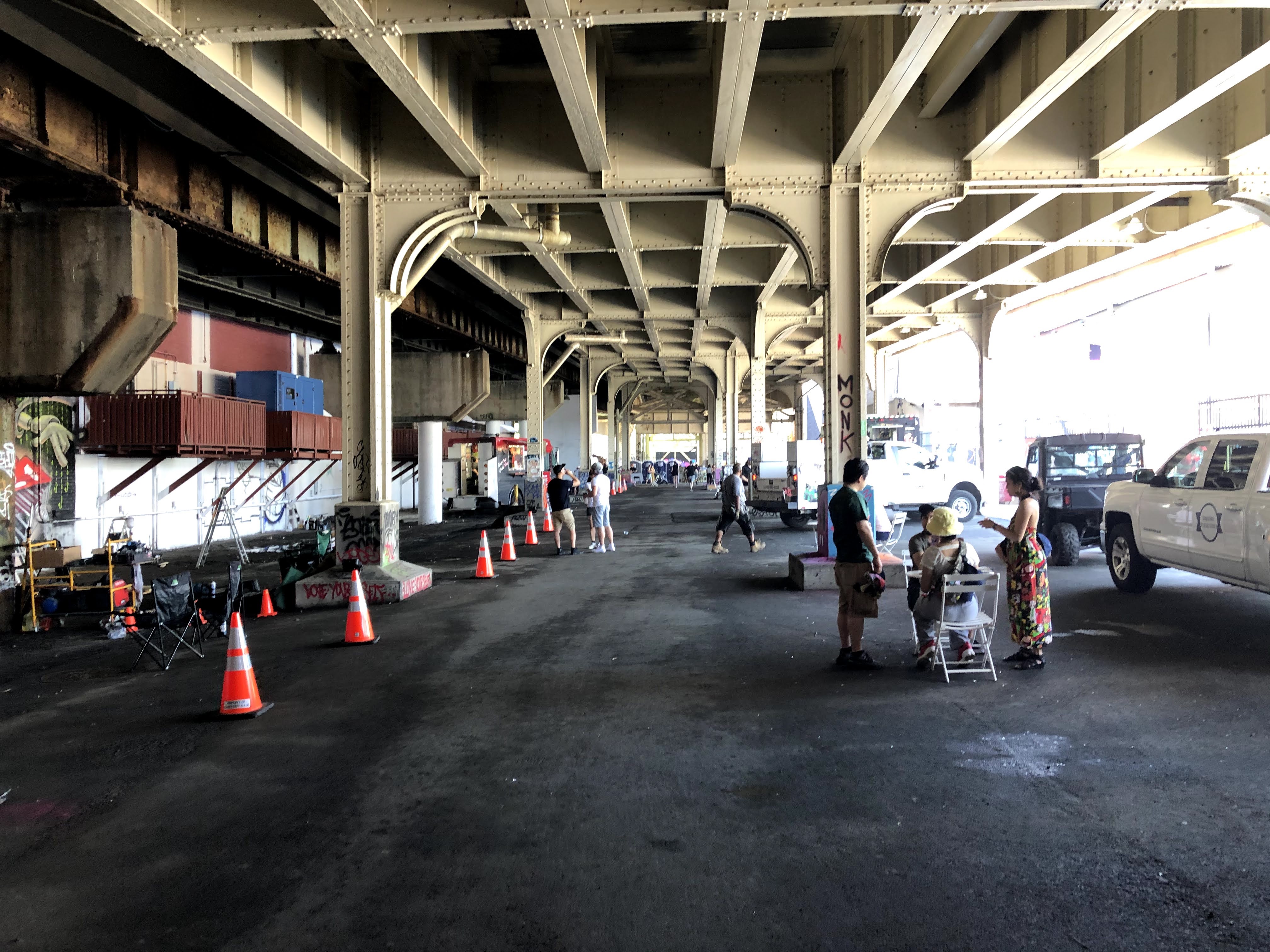
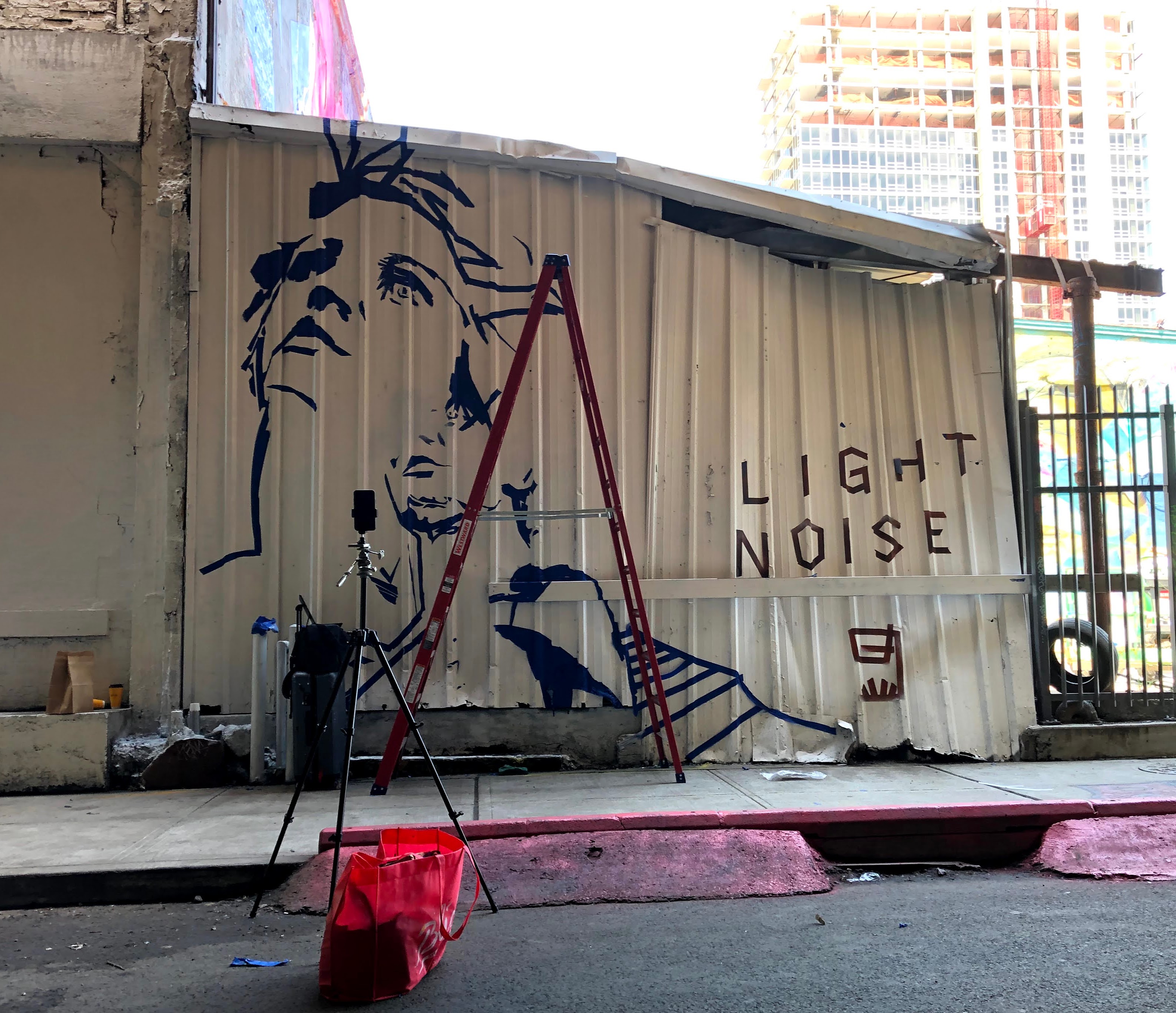
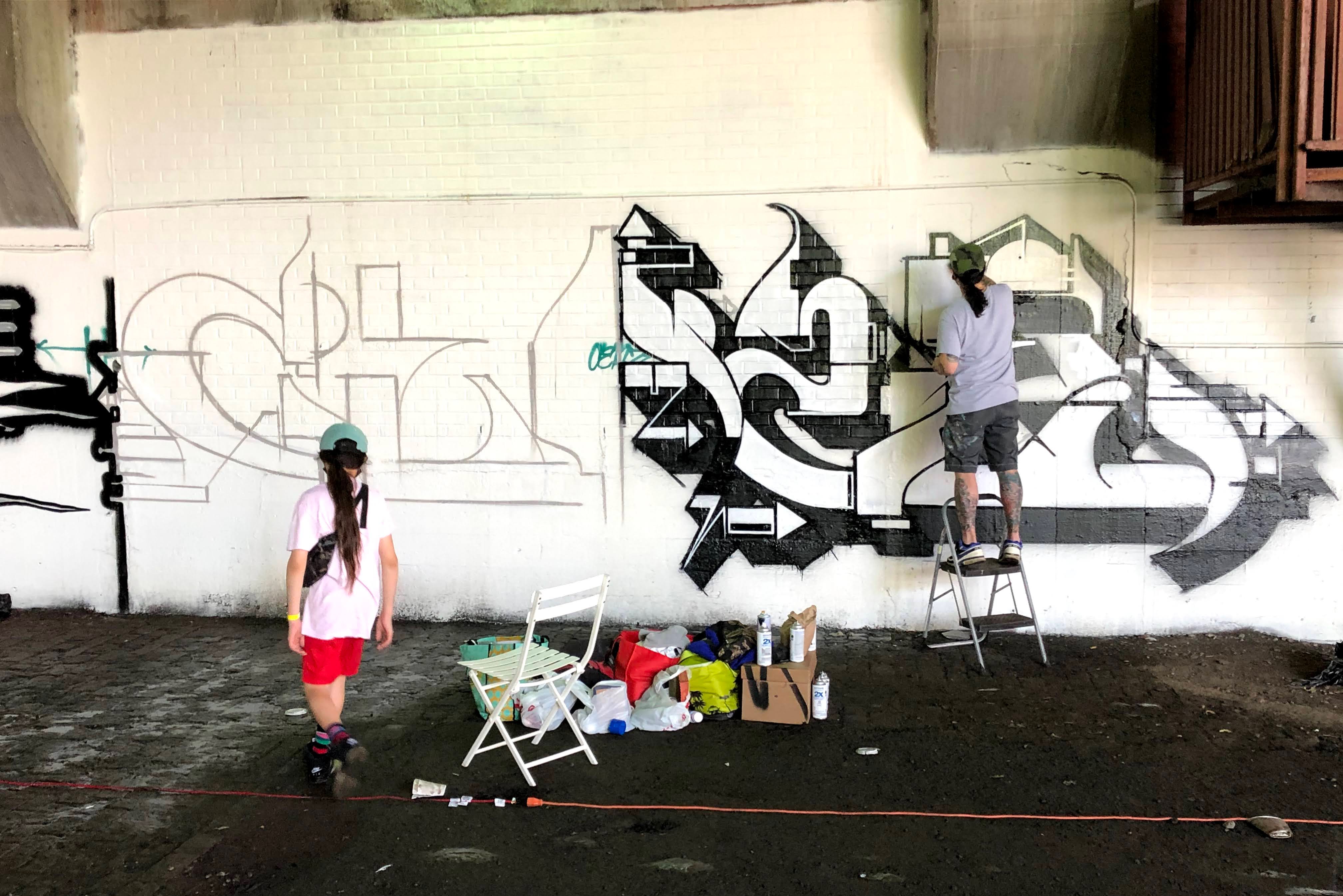
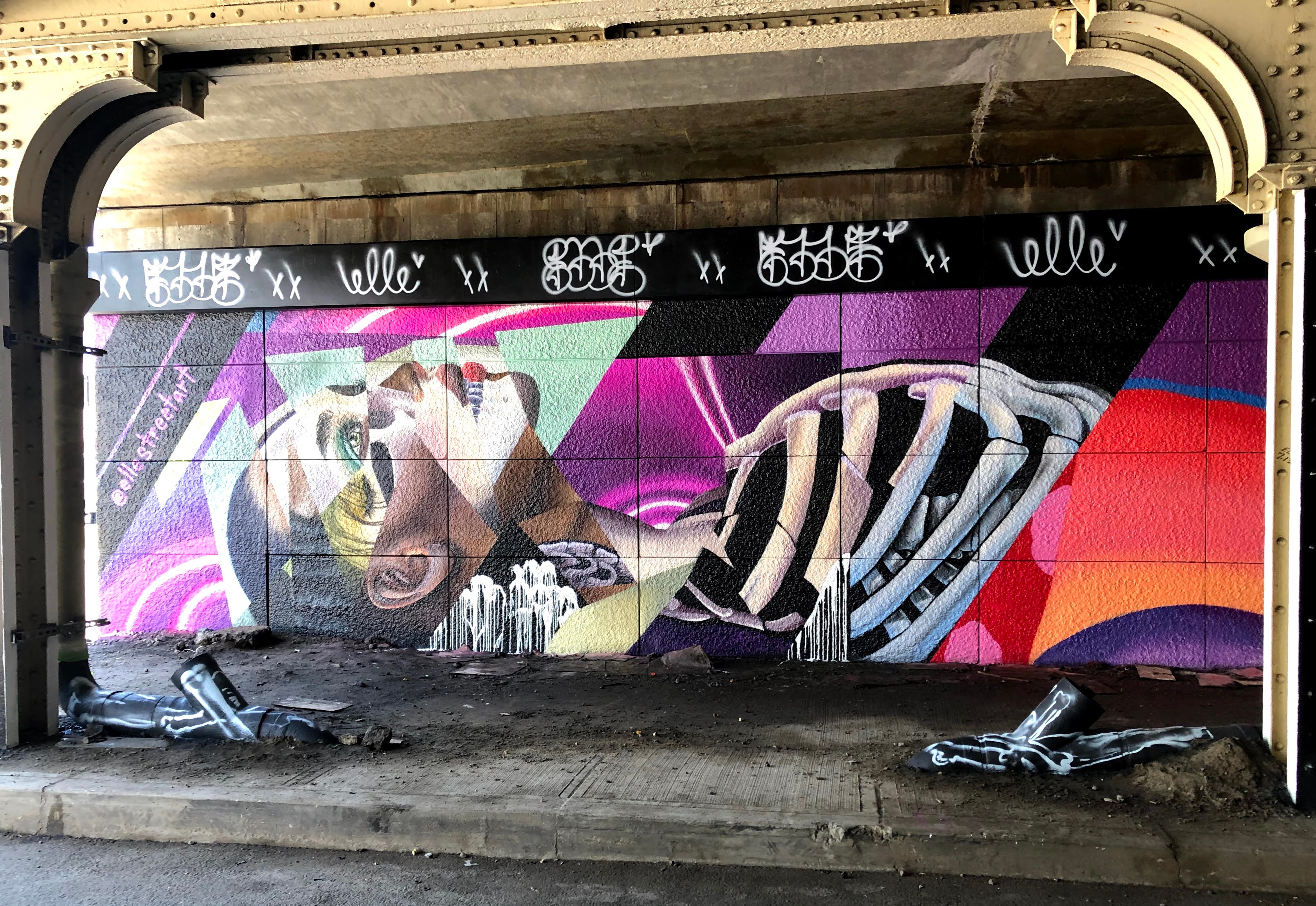
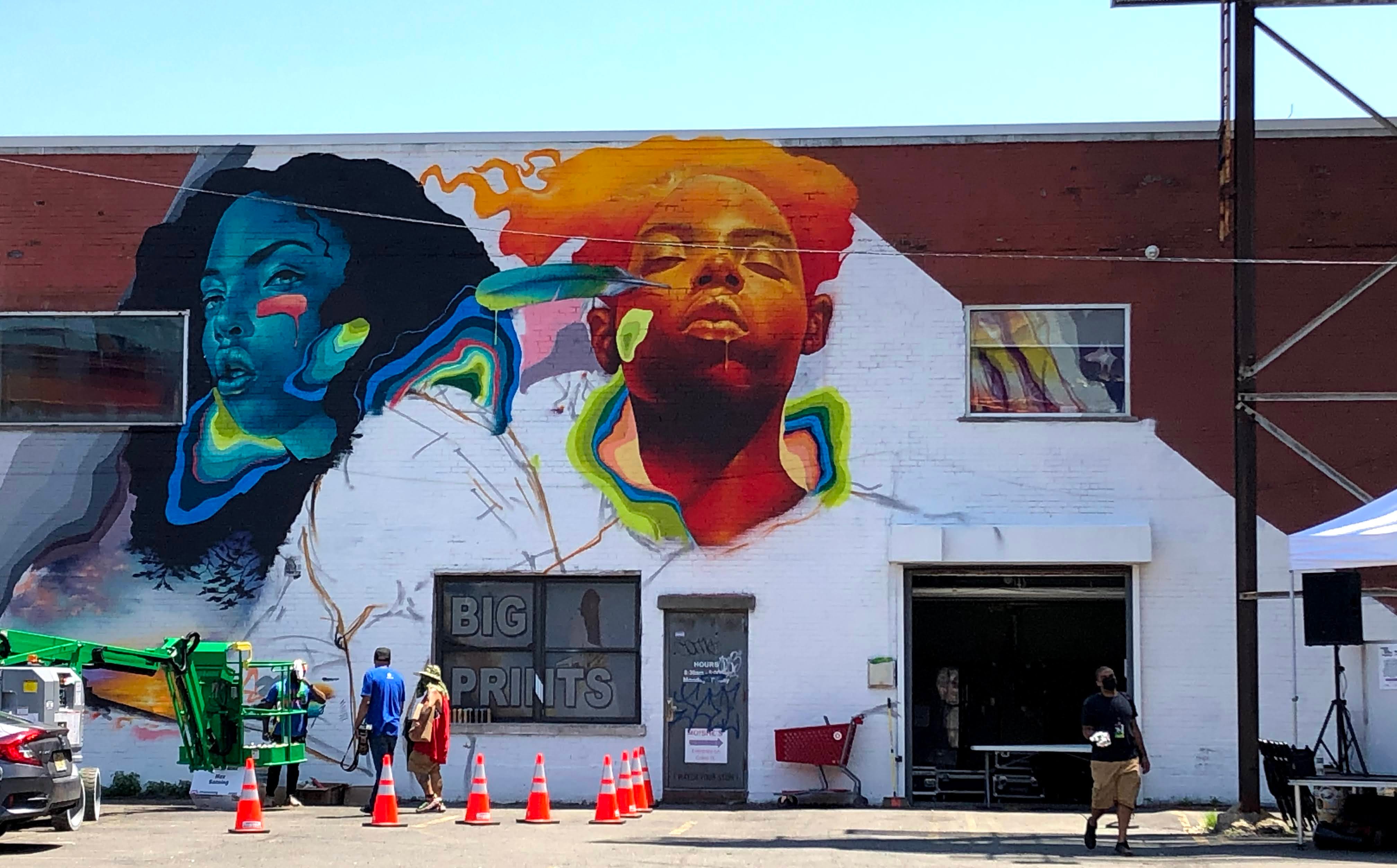
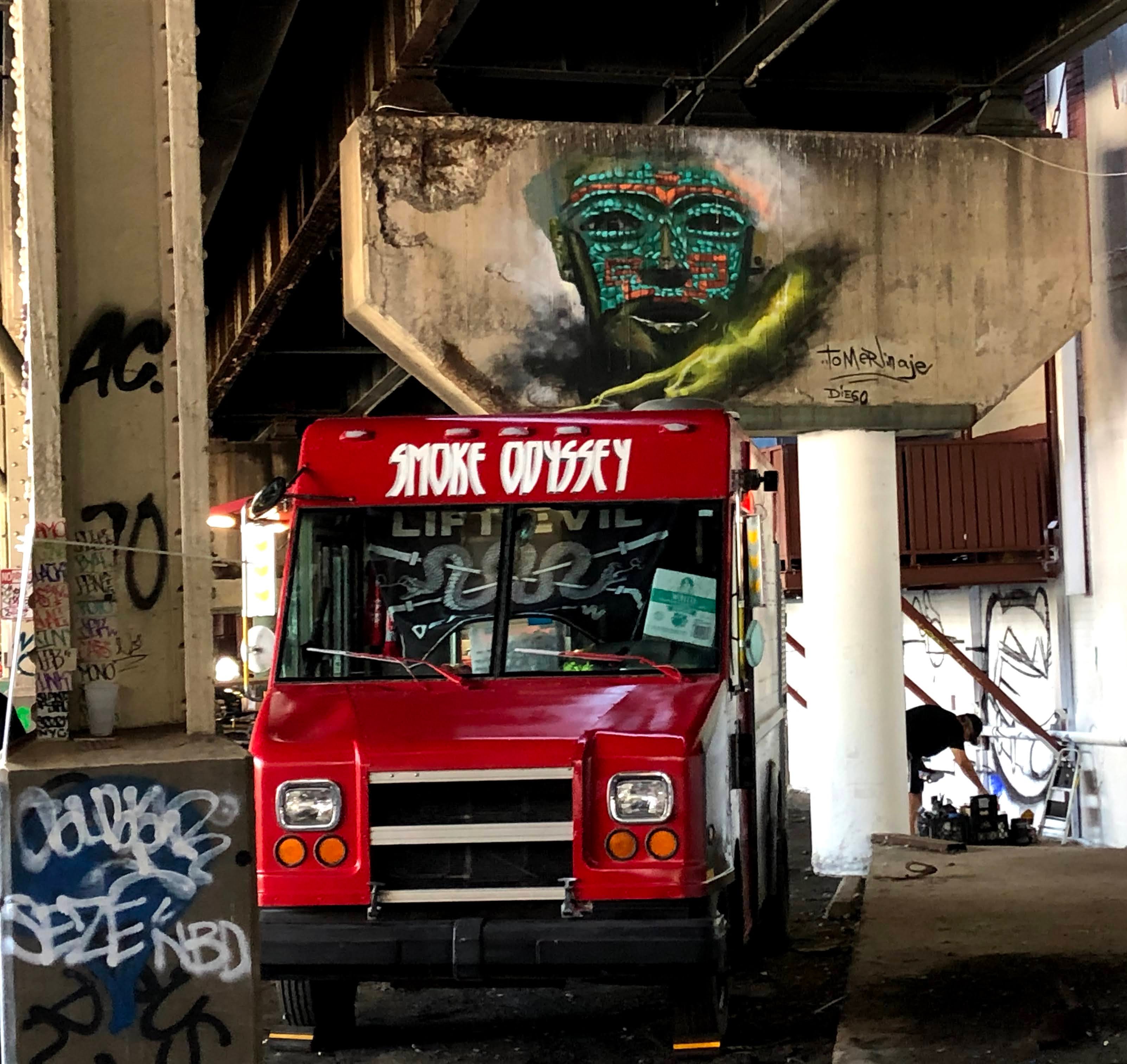
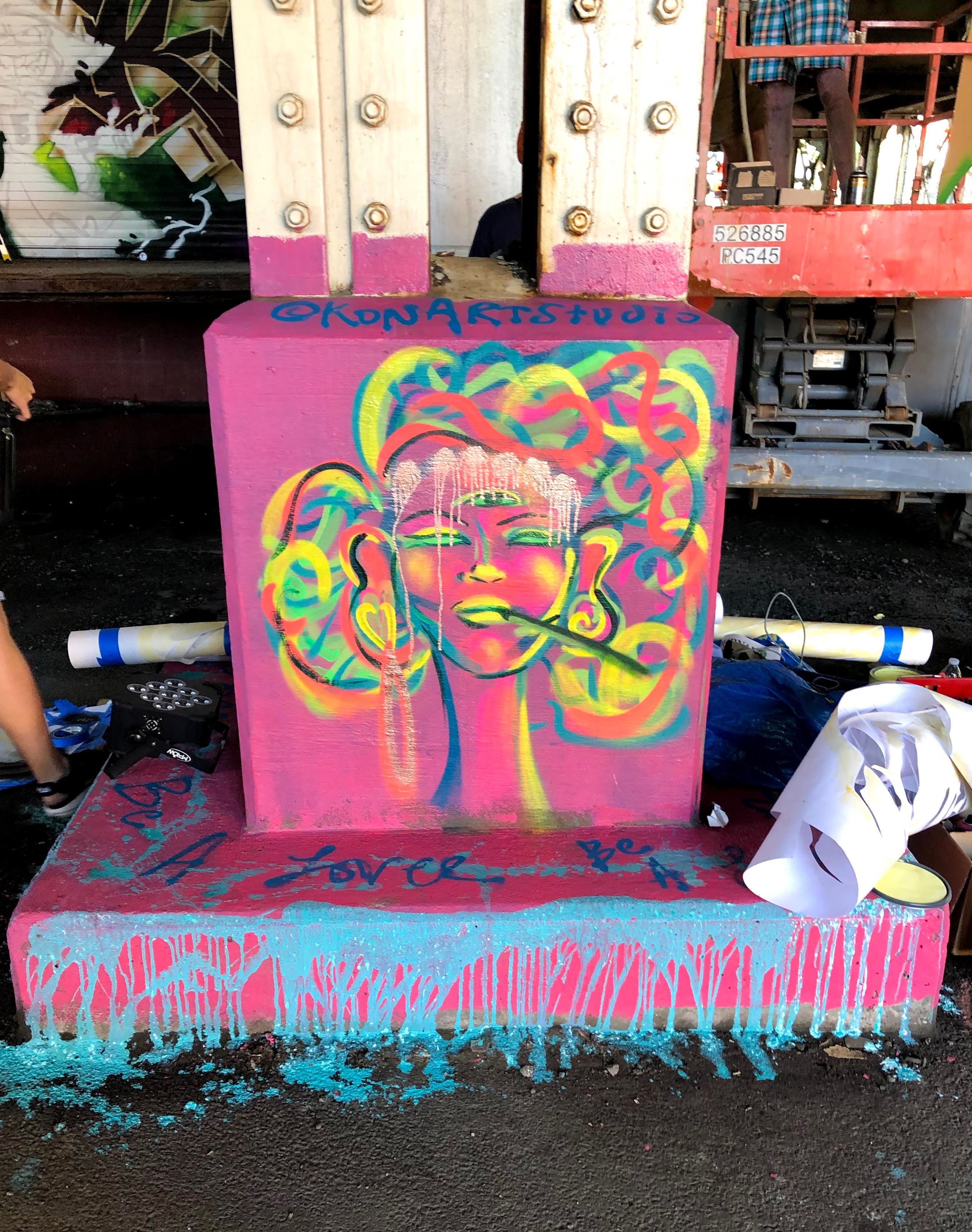
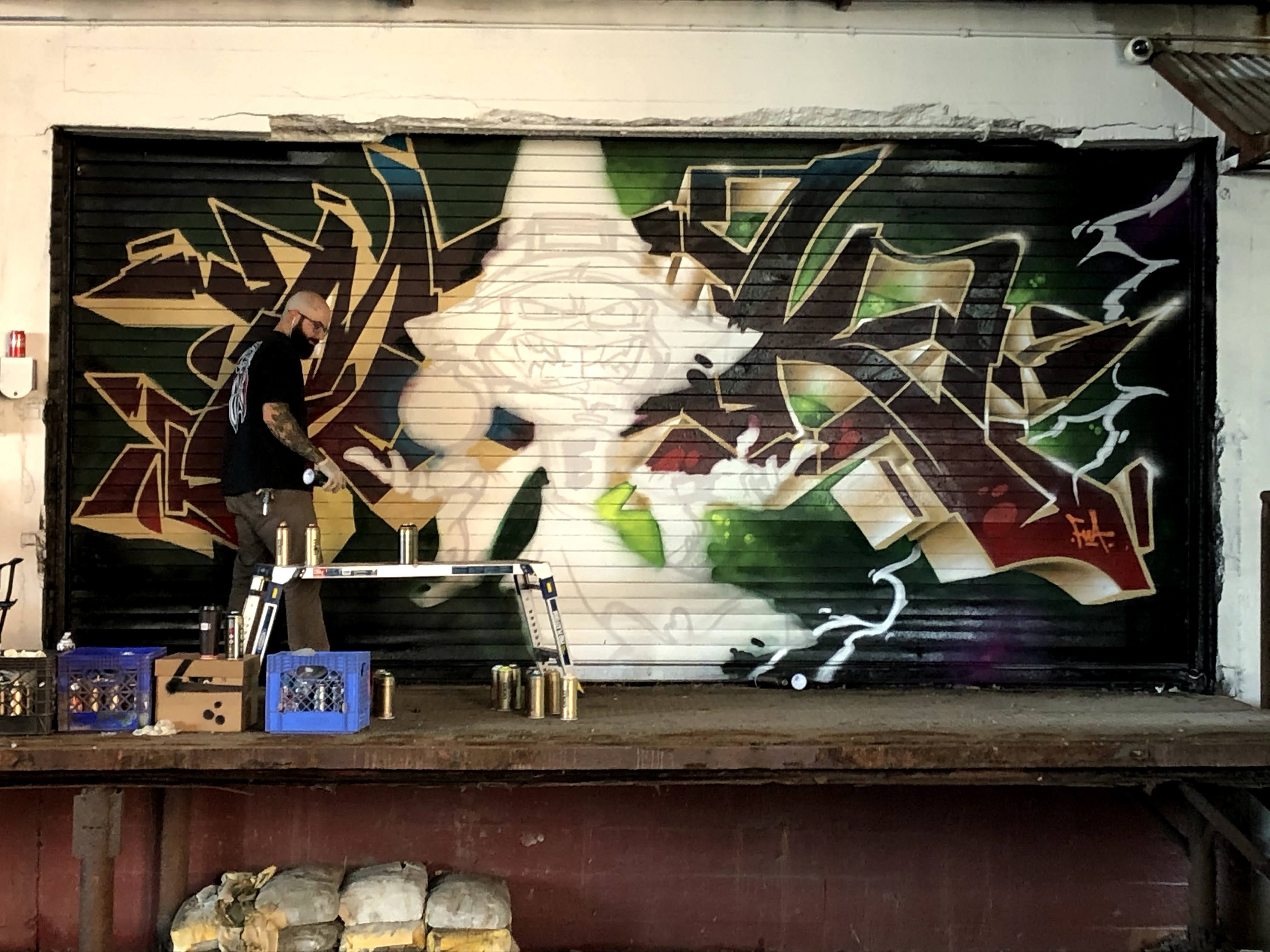
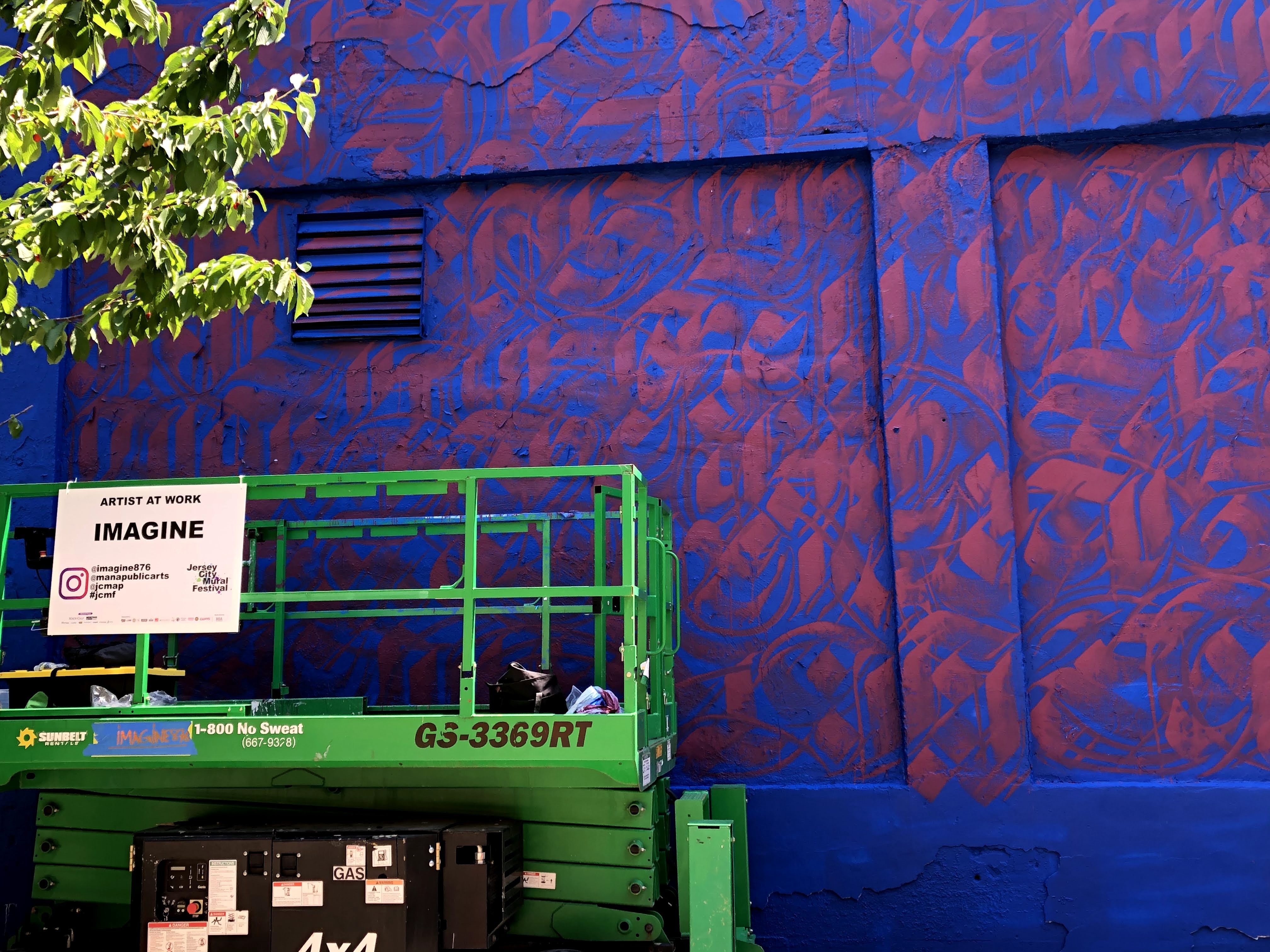
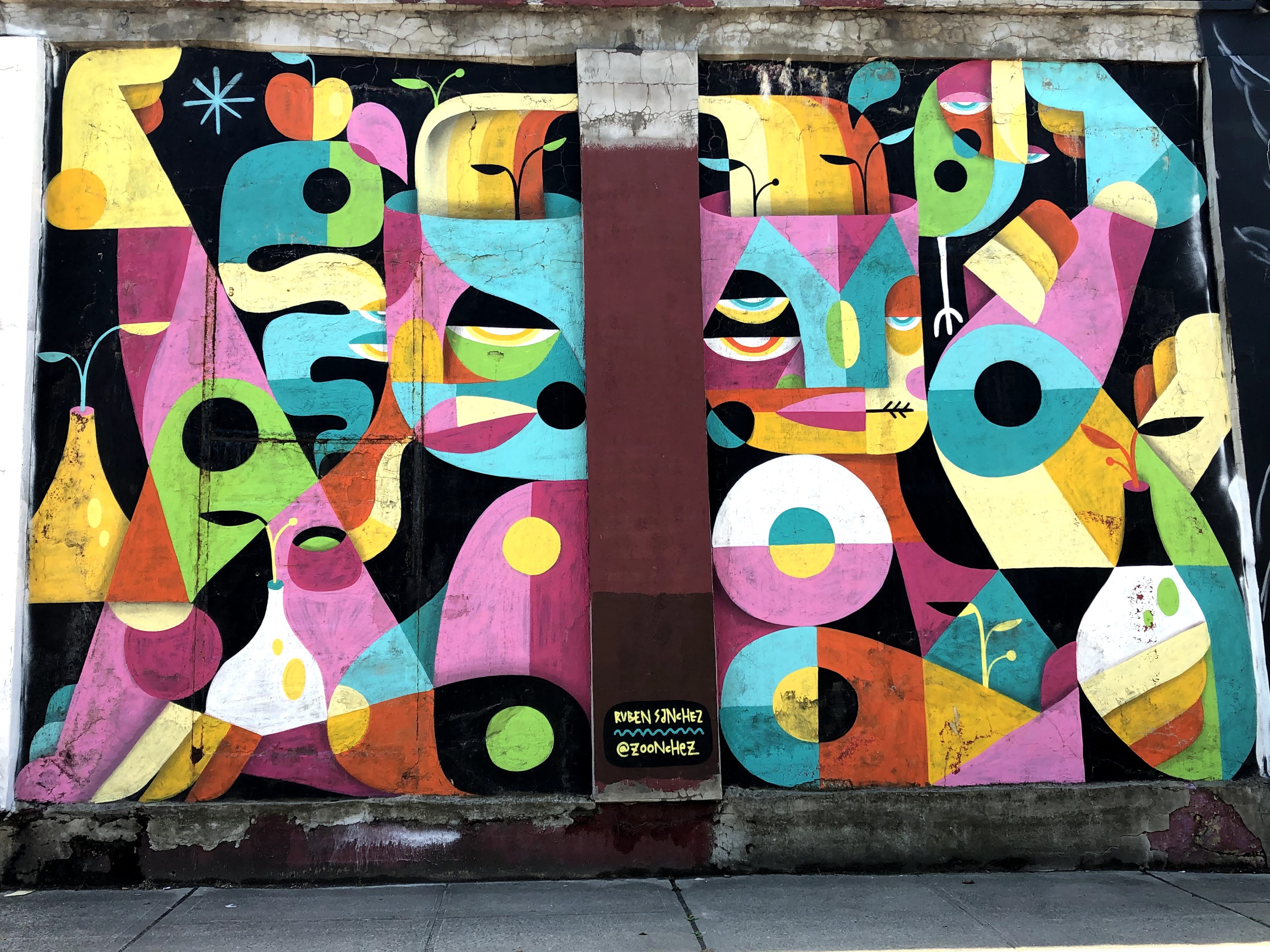
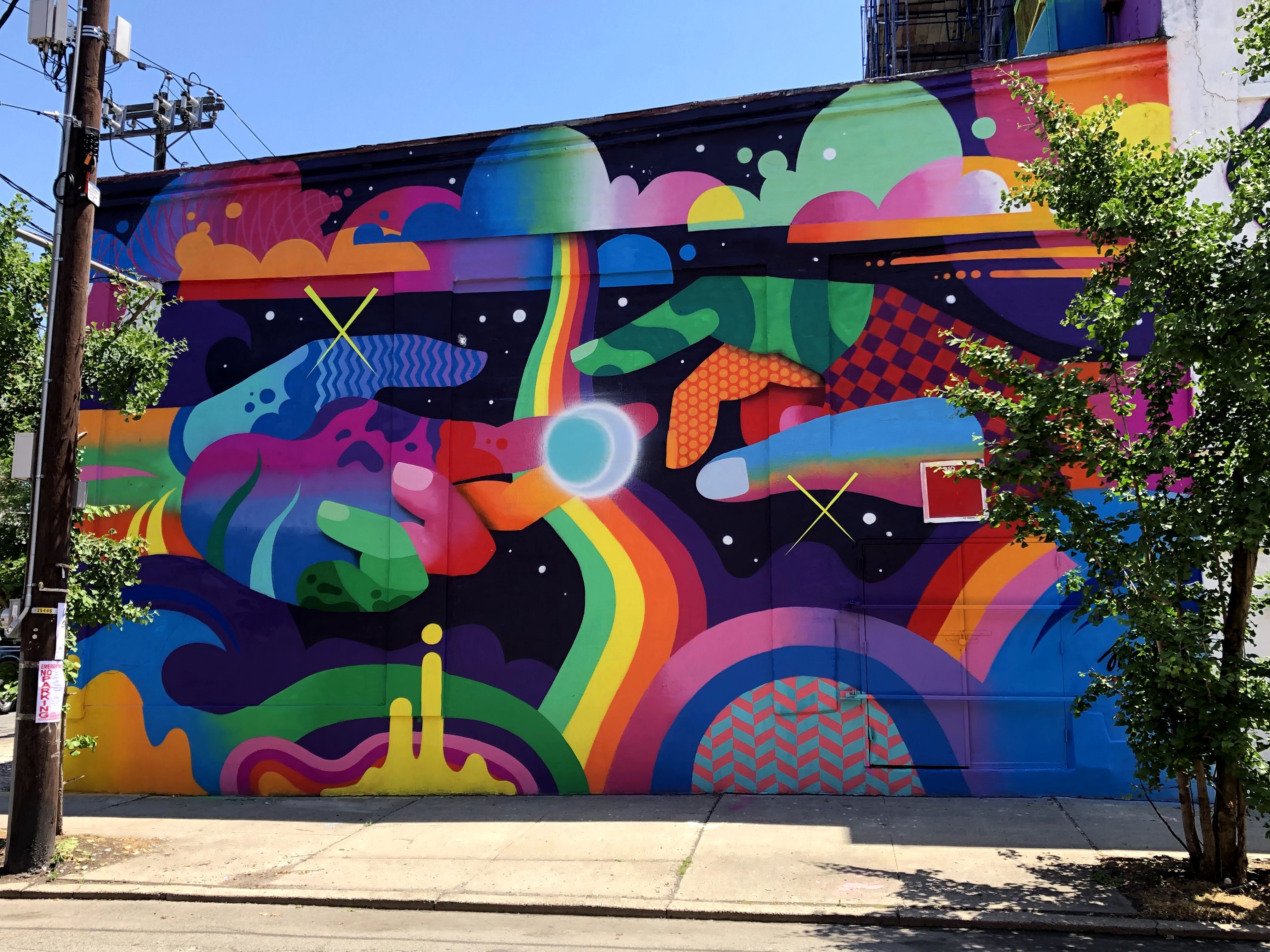
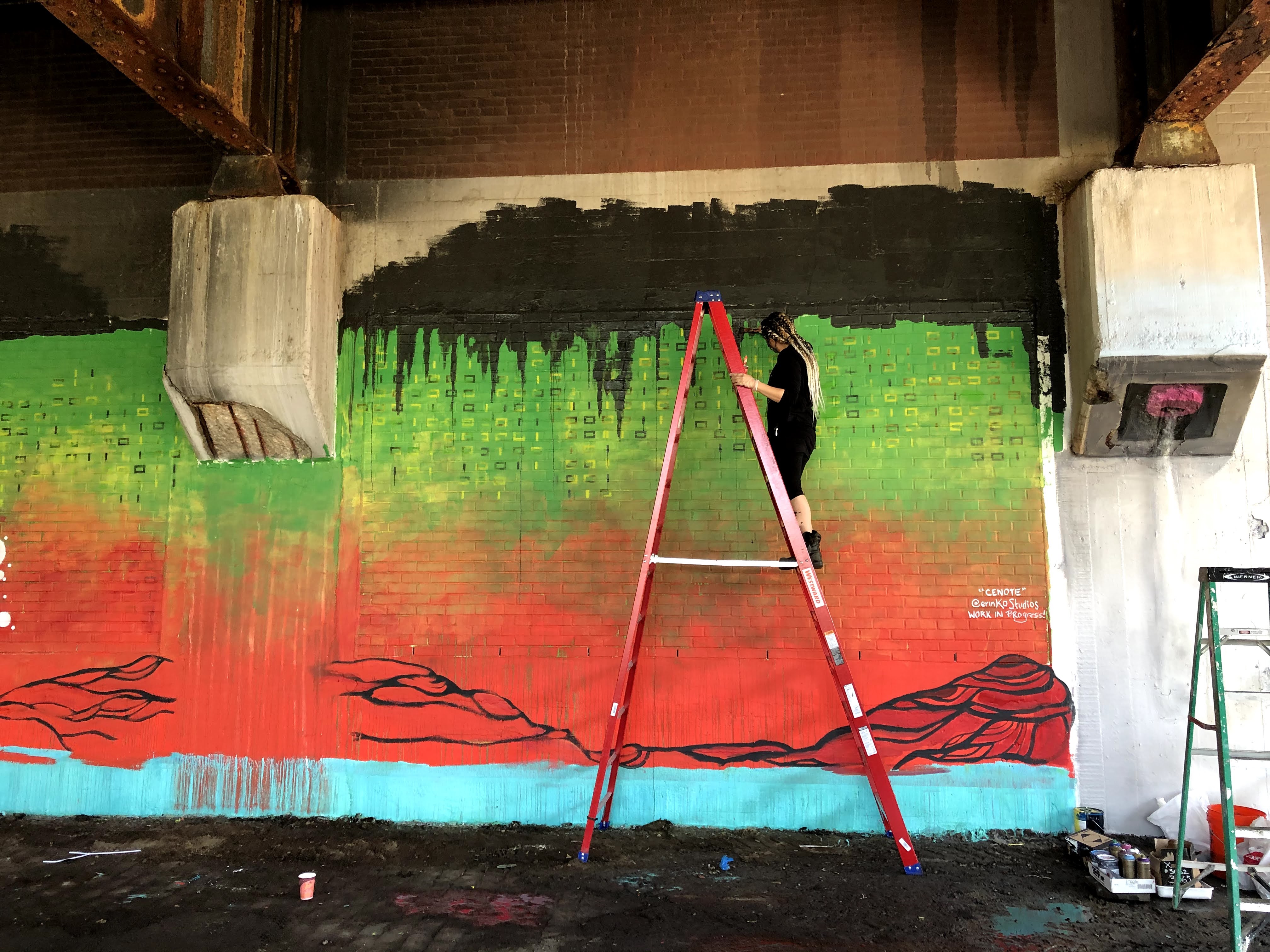
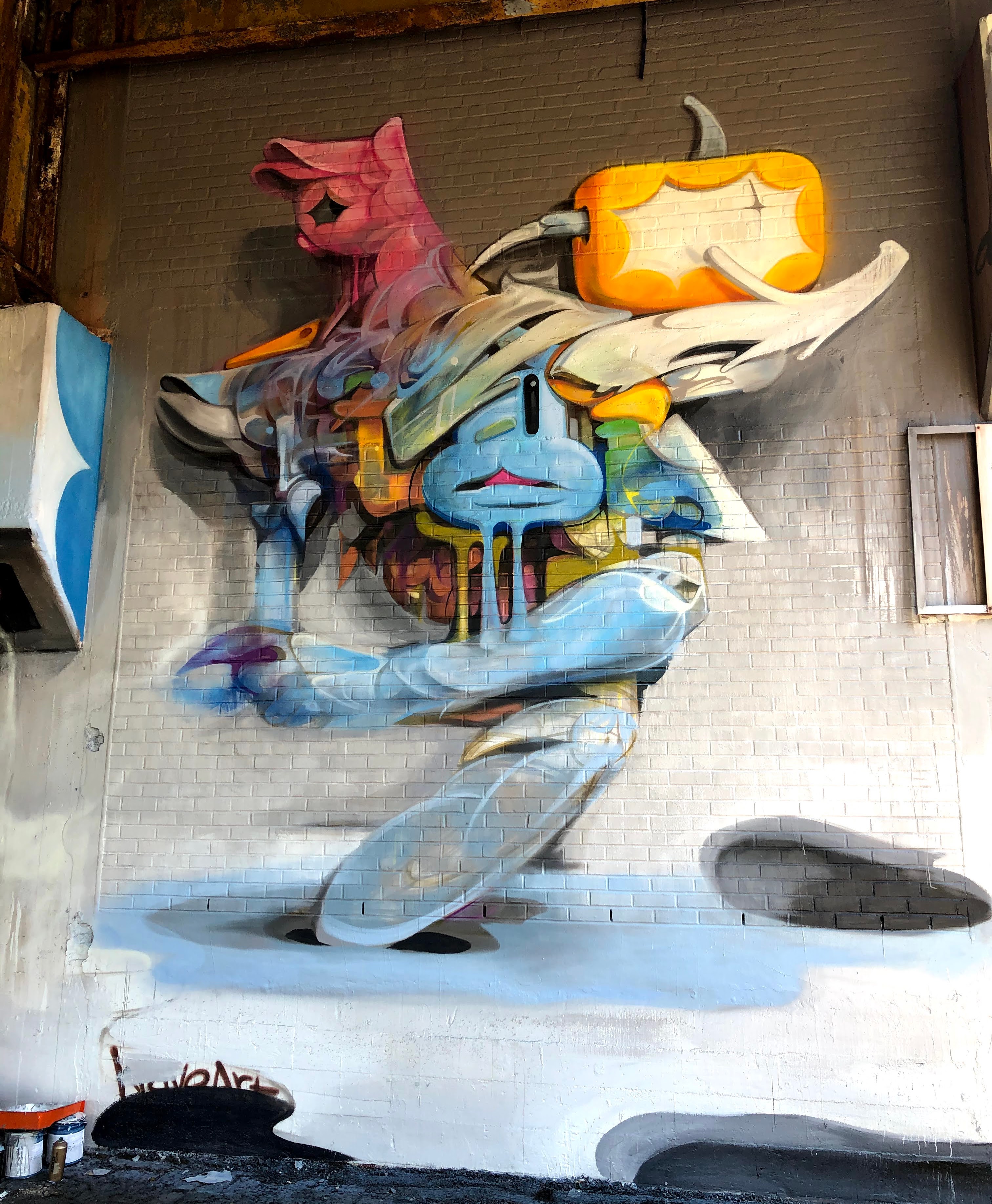
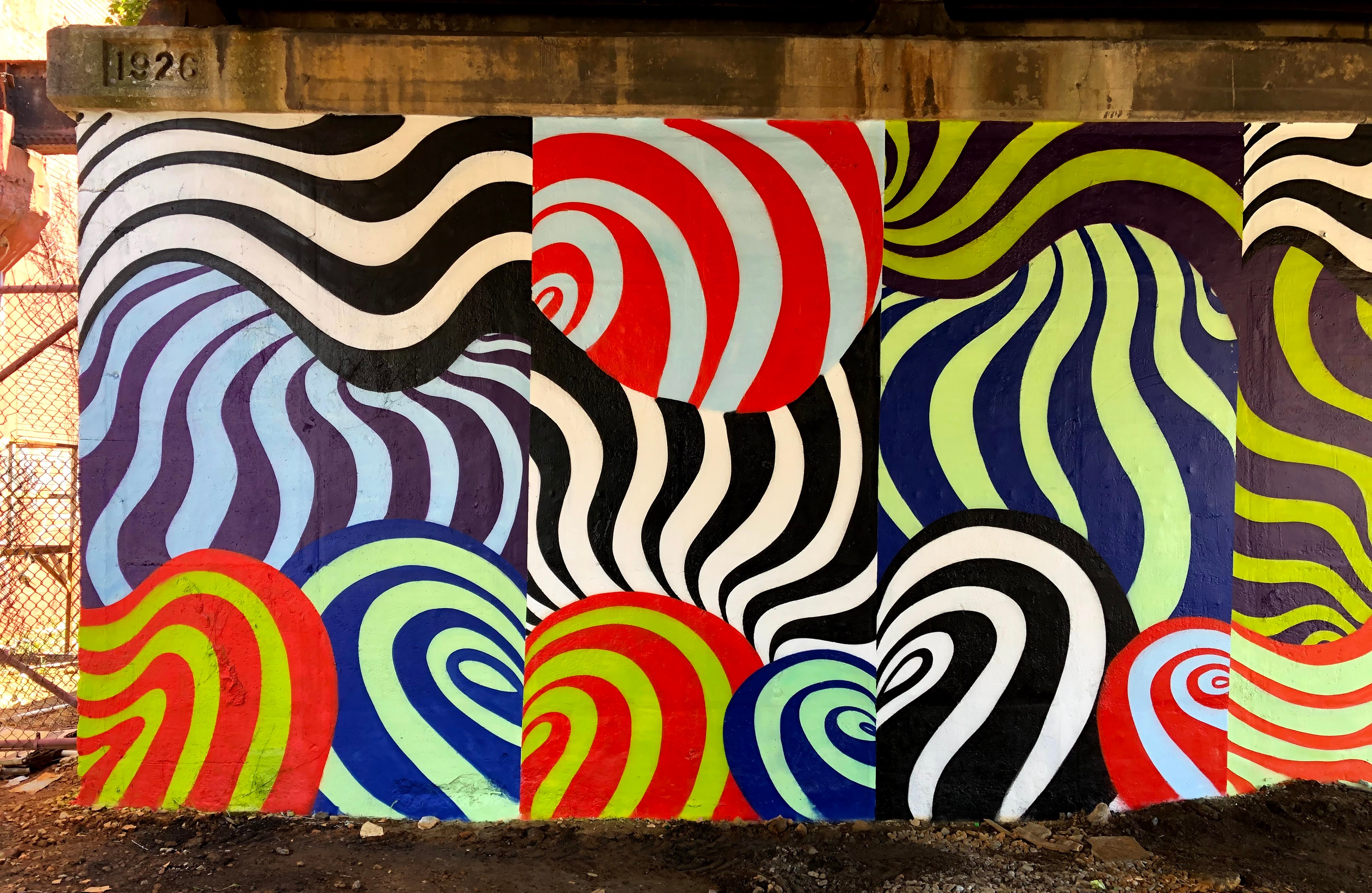
The Jersey City Mural Festival, which is taking place this weekend, is not your typical outdoor art viewing event. This is a festival of works in progress; a festival for the artists themselves. It takes place at three sites. These photos are from underneath the notorious covered roadway that feeds into the Holland Tunnel. It was a dirty, dark and desolate stretch until this army of artists arrived with their cherry-pickers, scaffolds and spray cans.
If you’re reading this on Sunday, June 6, and you’re anywhere near Jersey City, you can head over to Hamilton Park, Journal Square or Harborside and watch these local artists at work.





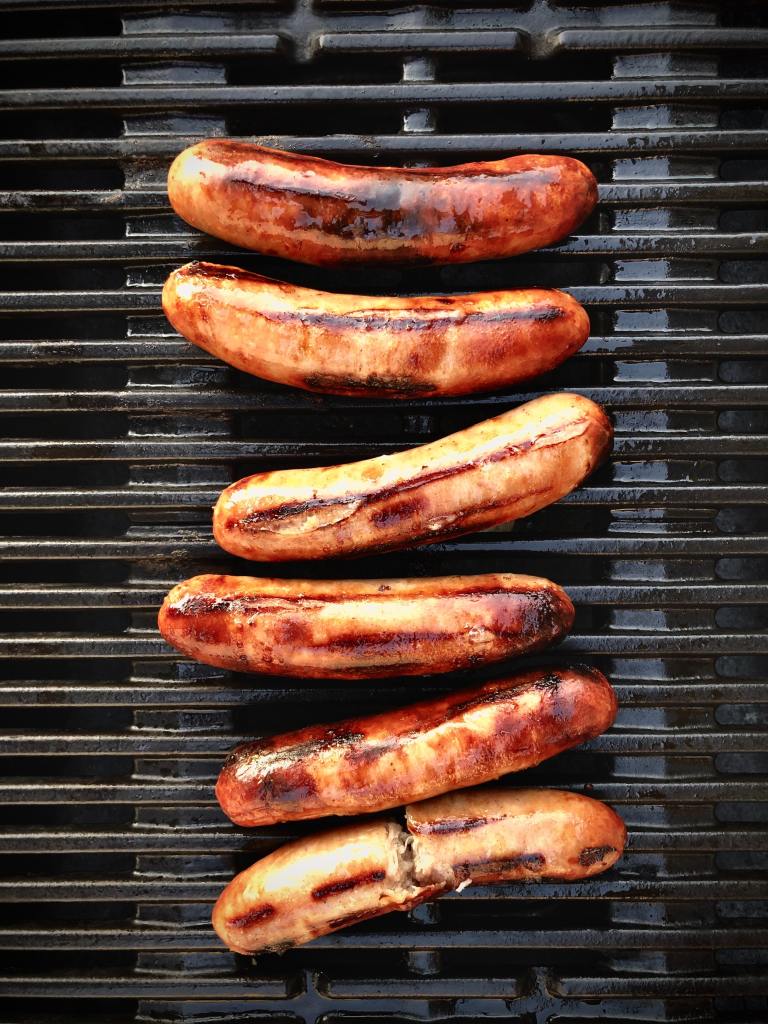
Say the word bangers and I think bangers and mash. That’s sausage and mashed potatoes and if you’re ordering it you’re likely in England or Ireland. And you’re likely in a pub.
The bangers part is the sausage. The term came into use during World War I. With provisions at a premium, especially meat, wartime sausages contained a lot of water. That caused them to pop or bang in the pan.
But it turns out that if you’re younger and hipper than I am, bangers may have a completely different meaning. I turned to the Urban Dictionary for the young and hip perspective:

— A super awesome song. The kind you listen to for three hours on repeat on Spotify.
— Something great, a hit or a classic. It can be a song, video, or event.
— A song that makes you feel the need to headbang to the beat.
— An intense party, which involves large amounts of drinking, beer pong, and … always leaving the house a total mess.
Merriam-Webster, neither young nor hip, has several definitions of bangers:

1 British : sausage
2 British : firecracker
3 British : jalopy
4 informal : a forceful and aggressive athlete
5 slang : a member of a street gang : gangbanger
6 slang : an energetic song that is very striking or extraordinary
7 informal : an automobile or engine with a specified number of cylinders —used in combination
But if you look at popular usage, I don’t think old Merriam-Webster has all the bases covered. In 2002 there was a movie called the Banger Sisters starring Goldie Hawn and Susan Sarandon as a couple of groupies.

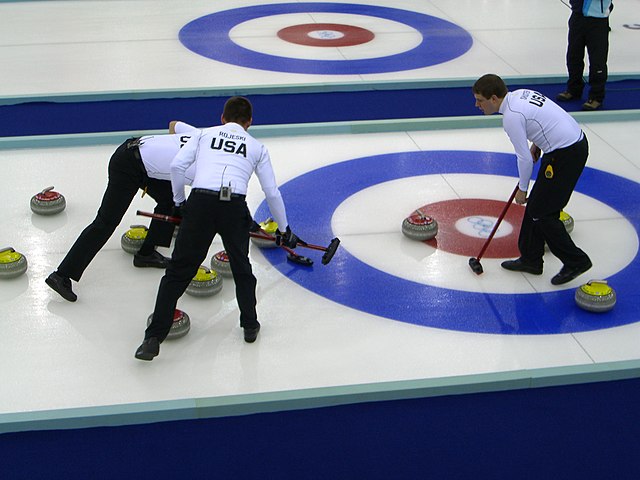
Seems the term banger is pretty common in the sports pages too. In soccer, a banger is a goal scored with a powerful shot from a good distance. Speaking to the Durham Herald-Sun, the Carolina Hurricanes hockey coach said of one of the team’s defensemen, he “can be a body banger.” And in the Hartford Courant, the assistant women’s basketball coach at the University of Connecticut commenting on one of their players said, “She’s definitely our most physical banger.” I found this quote in the Regina, Saskatchewan, Leader-Post. I have no idea what the author, columnist Ted Wyman, is saying, but it’s about the sport of curling. “Gone are the days when second players were known as ‘bangers’ or strong sweepers who could throw big weight to make peels and clear the front of the house for third and skip.”
An auto review in Car and Driver offered this insight: “No lumpy four-banger flatulence here, but rather that throaty Mercedes moan that defies the ear to determine whether the powerplant is a V-16, a straight eight, or a flat twin.” (The term four-banger flatulence would sound a lot worse if it didn’t involve cars.)
And a story in Glamour had this to say about a Demi Lovato song: “The plucky banger—off her new album, Dancing With the Devil: The Art of Starting Over—pulls no punches about its subject matter.” (I’m assuming the phrase plucky banger refers to the song and not Demi Lovato herself.)
I found a couple of businesses using the name Bangers. Bangers Sausage House and Beer Garden in Austin, Texas, offers a wide selection of sausages and an even wider choice of beers with both indoor and outdoor seating. I’ve been there and can recommend it, something I can not do for Bangers in Birmingham, Ala. They sell guns, ammunition and various other shooting related accessories. And in 2019, a Taft Brewing Co. beer was named Cincinnati’s favorite beer. The name: Gavel Banger.
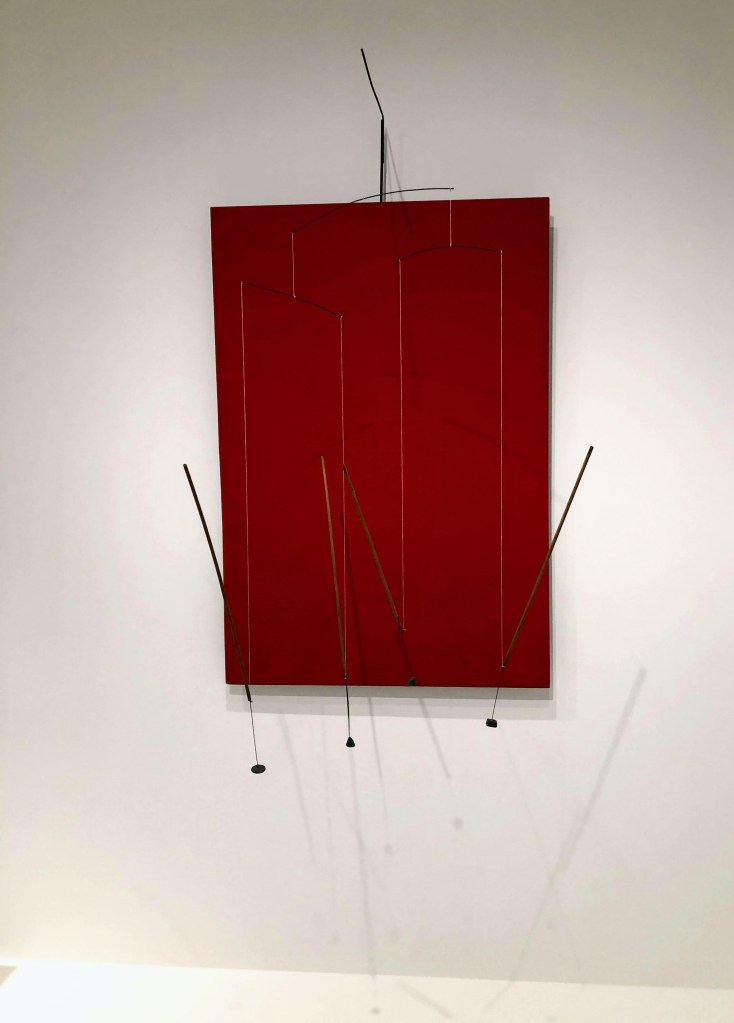
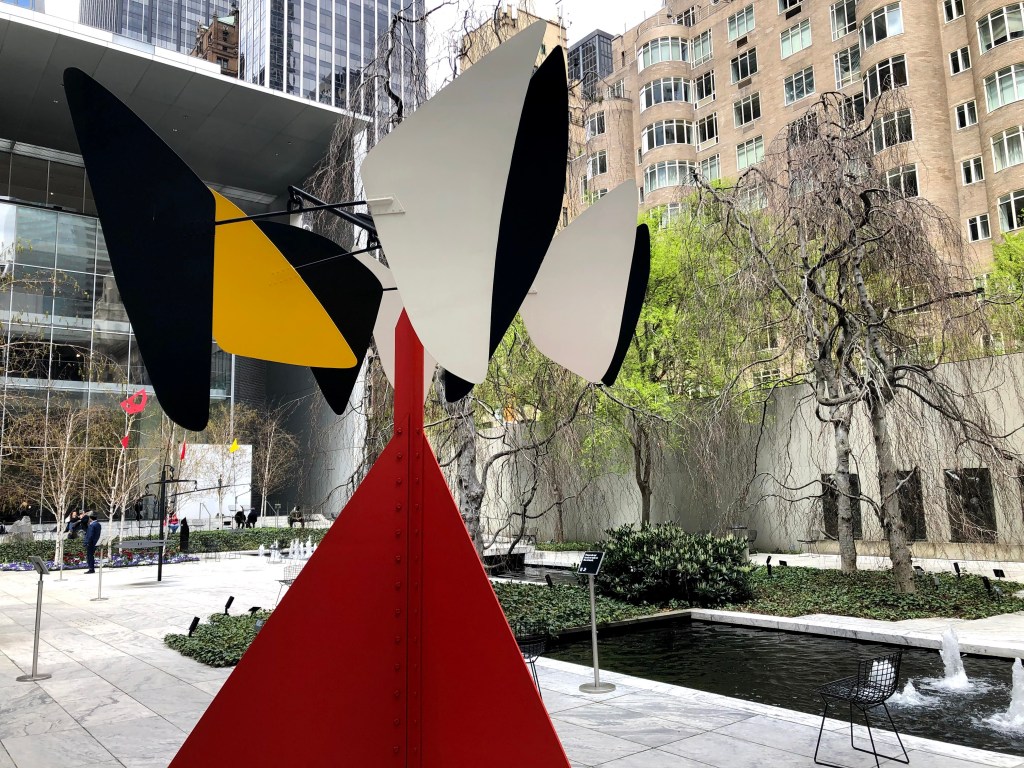
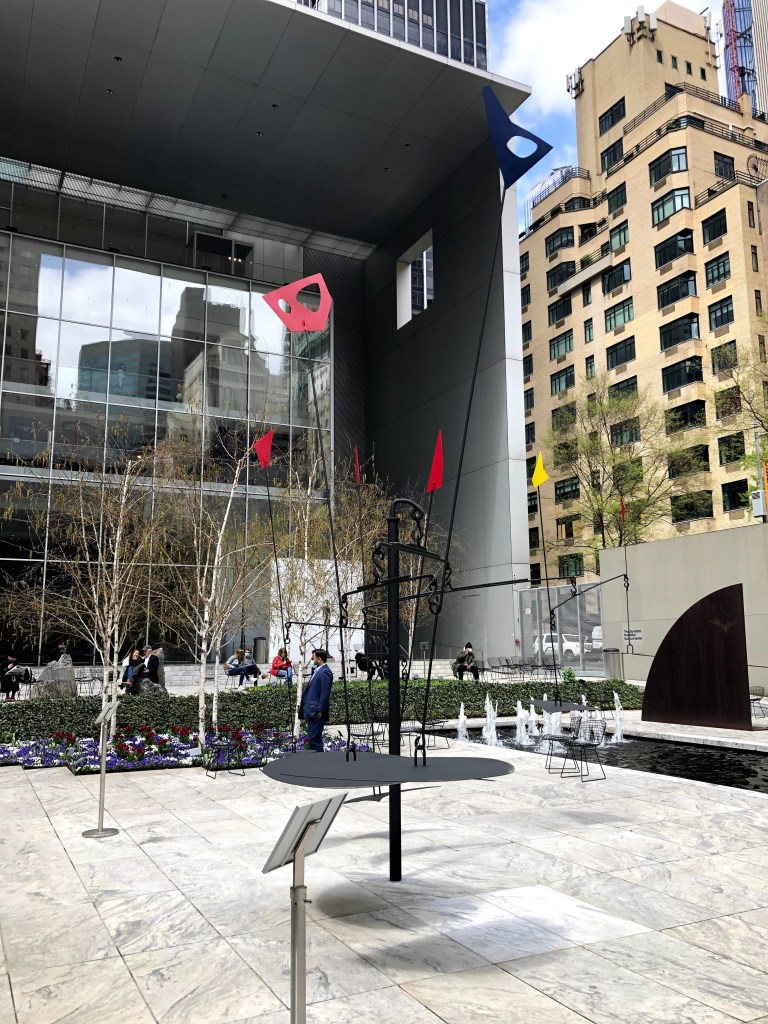
Alexander Calder is an American sculptor best known for his wire sculptures and mobiles. An exhibit of his works is currently on display at the Museum of Modern Art in New York. The Calder pieces are displayed in all white rooms. The lighting casts shadows of the sculptures onto the bright white walls behind them. Those shadows made these pieces even more interesting.


On an overcast day, there was little shadow on the pieces exhibited outdoors in the museum’s sculpture garden.
This week I am returning to one of my favorite topics, four-letter fools, according to the world of British slang. A couple weeks ago I wrote about prats. This Wednesday’s Word in berk. Is a prat and a berk the same thing? Some dictionaries list them as synonyms, but some also point out some distinguishing characteristics of a berk. One is that it is not “excessively rude” to call someone a berk. The Wiktionary suggests a berk is “an idiot, in an affectionate sense.” The Grammer Monster says “berk is a derogatory term for an idiot or a fool, but it is considered less harsh.”

There are tons of synonyms listed for berk; just of a few of my favorites: booby, ding-a-ling, dingbat, dipstick, dolt, doofus, dumbass, dunderhead, muttonhead, nincompoop, ninnyhammer, pillock, pudding head, yo-yo.

I tried to think of known real world examples of a berk. Being as it’s British, one of the first to come to mind is Boris Johnson. Of course I’m far away and Boris’ tomfoolery has no direct bearing on me. There’s a U.S. Congressman from Georgia, Andrew S. Clyde, who said before a congressional hearing that when Trumpists invaded the Capitol on Jan. 6, it was like a “normal tourist visit.” Unfortunately for this berk, he forgot about the very publicly accessible photos that show him trying to barricade the doors of the Capitol to keep out these “tourists.”
As for images of a berk, here’s what immediately came to mind.

Berk does have some different meanings in other languages. In Albania, a berk is a goat. A Dutch berk is actually a birch. In French it is the equivalent of yuck. And in Turkey a berk is strong, hard, robust and violent.
Definitions.net ranks the word berk, based on its frequency of use, as #51,279.
Perhaps some of these sentences, from Word Finder, will inspire some more usage.
Sad times around here today. Our nine-year-old rescued mutt passed, the victim of a non-functioning liver..
We adopted Pepper when he was eight-weeks old, saved from a Georgia shelter by Home for Good Dog Rescue. The time he spent with us was all too short. In those 9+ years he made our home a more loving and joyful place to be.
It’s not possible to overstate the impact of this little guy on our family. Who’s going to keep the mailman from storming the front door? Who’s going to sniff our way back to the car after I’ve veered off a hiking trail? Who’s going to patrol the backyard bringing order to the chaos of squirrels, chipmunks, rabbits and who knows what else. I’ve now got no one to play tug of war with, not to mention the games Pepper conceived himself like “sucker” and “two stick.”
I’ll always remember how he looked after me when I had my knees operated on. When I was bedridden, he would lie on the bottom corner of the bed keeping an eye on me. When I started to walk again, he was always at my side. When I would go upstairs he’d walk with me at the same agonizingly slow pace, one step at a time.
Pepper was a big fan of ‘bark in the park’ night at the local minor league ballpark. So much the better when it was dollar hot dog night as well. When I would watch a ballgame on TV, he was always next to me on the couch.
It is Pepper’s picture peering out over the fence that graces the home page of this blog and that will continue to do so. I’m running out of words to describe what his loss means, so I’ll just put up some more images of this handsome, smart, faithful guy.




Is there any word in the English language that has more meanings than jack? Jack is a name, jack is a noun, jack is a verb. Jack is a device, a toy, a man, an animal, a cheese and an STD.
Here are a few of the meanings of this versatile, yet sometimes crude, word:

What many most commonly know as a jack is the latch and crank tool usually found in the trunk of a car to raise the car so you can change the tire. But there’s more than that. There are any number of devices called jacks which are employed to lift heavy objects. They don’t have to be mechanical like the car jack, they can be pneumatic or hydraulic. There is a nautical jack that has something to do with keeping the masthead in position. You can use a jack to turn a spit. Or you can use a jack to prop up a portion of stage scenery. A jack is the female end of a plug, either in an electrical outlet or in the connection of audio, video or telephonic cables.
There is a common children’s game called jacks, that has something to do with scattering the jacks in a floor or flat surface then picking them up according to a set of rules I don’t really know The key object in the game is the jack itself, a six-pointed lightweight metal object. Jack is the guy who pops out of the music box.

For card players, there is in each of the four suits a jack, portrayed as either a knave or a soldier, and ranking below the king and queen.
Jack plays a role in more active sports as well. A baseball player who hits a home run can be said to have jacked the ball out of the park. You could simply credit the slugger with a jack. And there is a small white ball called a jack in lawn bowling.
When it comes to homesapiens, the term jack is used as a synonym for laborer. You can get more specific by using jack as a suffix, as in lumberjack or steeplejack. Sailors can also be tagged as jacks.

In the animal world a male ass is a jackass, although that term can also be used for the human variety of ass. There are some fish called jacks and it can also mean a young male salmon. In the aviary world there is a whiskey jack, reputed to be the world’s smartest bird, and the jackdaw
Jack is commonly used as slang for money. If you don’t know jack about something, you’re knowledge is severely limited. You can jack up, as in injecting a controlled substance, or you can jack off, as in masturbating. If you got the jack in Australia, it’s not money, it’s a venereal disease.
Sometimes the verb jack is used for stealing. But usually the act of jacking is the act of lifting, whether literally or figuratively. If you use any of the tools called jacks you are hoisting up something. If you jack the prices on something you’re trying to sell, you’re raising them, likely a lot. If you’re a sports coach, you might want to jack up your team, making them more emotional or enthusiastic. Or you might want to improve their conditioning by having them do jumping jacks. We’ve already covered the issue of a baseball player jacking the ball out of the park, in basketball a player might jack up a shot.
All this and we haven’t even mentioned Jack the Cheese (Monterrey Jack), Jack the Adult Beverage (Applejack), Jack the Flag (Union Jack), Jack the Pumpkin (o’-lantern) or Jack the Highway Accident (jackknife). And maybe the strangest definition of all is this entry from the Urban Dictionary: “to pull a jack is to shit on the top of a car then sit in it.” Somebody does that!!!


The word jack has far too many definitions for me to provide sentences for each. So I’ve condensed that exercise by offering these sentences using multiple meanings of jack.


The tagline for the return of fans to Citi Field is “Safe at Citi.” It feels pretty real. While we’ve heard a lot in recent days about the relaxing of pandemic restrictions by the CDC and in the northeast states, the impact of that has not found its way to Citi Field. To get into the park you need to show proof of vaccination or a current negative COVID test result. In addition to hosting the Mets, Citi Field is also a vaccination site and more than 100,000 doses have been administered here. While there are some folks, particularly politicians, who are trying to make a partisan issue out of requiring vaccinations, I’m happy to know that the people sharing the stadium with me have been vaccinated.
As of mid-May they were allowing 20% capacity at Citi Field. You get your temperature taken on the way in and masks are required. Gaiters or bandanas won’t cut it. There are mask police who will come around and tell you to put in on if you slack off. Everything is touchless: parking, tickets, concessions. And we all filled out contact tracing forms. All in all, a pretty safe environment.






Now I went out last Sunday with my little Mary Anne
She said, ‘Please stay ’til Monday,’ and she grabbed me by the can
She laid a big one on me, surprised me with her tongue
But her surprise was waitin’ there between my cheek and gum
Those are the lyrics to a song called “Copenhagen” by Robert Earl Keen. The surprise to which he refers? it’s packed and oozing, it smells bad and tastes worse, it’s a chaw.
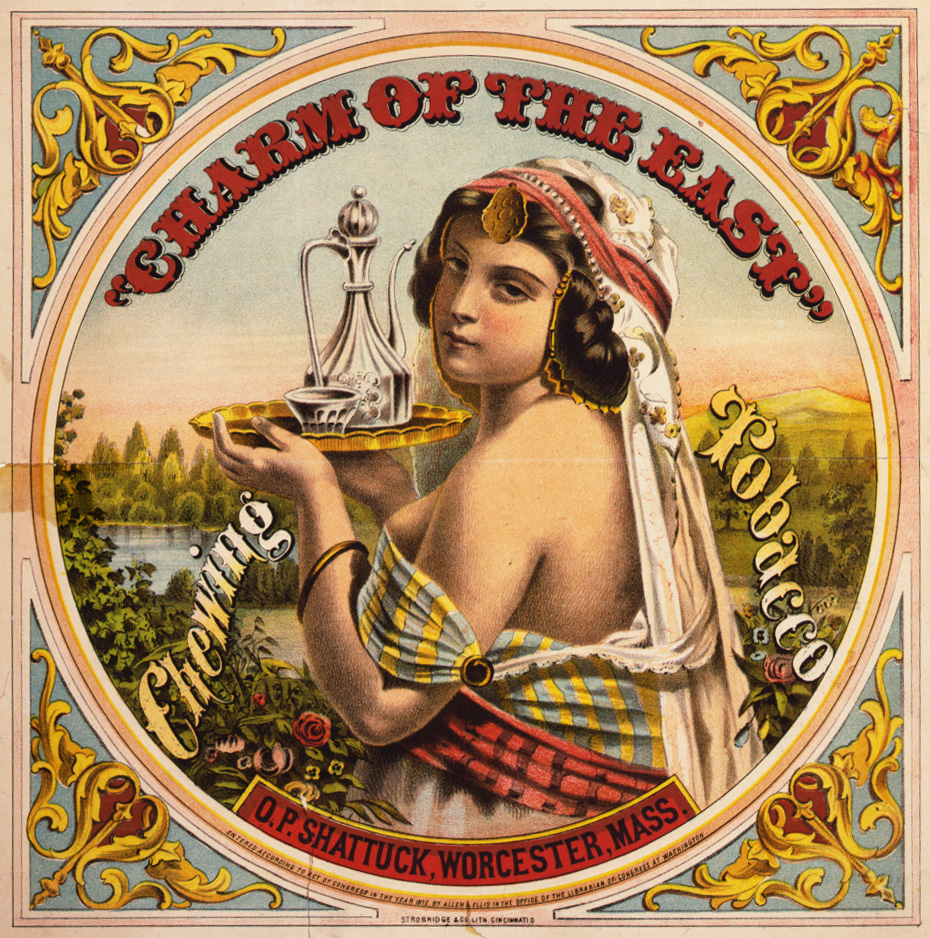
Chaw can be a noun, as in a plug or wad of chewing tobacco, or it can be a verb. The Wiktionary uses it in this sentence: When the doctor told him to quit smoking, Harvey switched to chaw, but then developed cancer of the mouth. That pretty much summarizes what the CDC has to say about using chewing tobacco.
There are other definitions. Wiktionary notes that in some areas of the South it refers to the act of chewing or grinding your teeth. It also can refer to ruminating or pondering some question or issue. In Britain, it is apparently used as slang for stealing.
As per usual, the Urban Dictionary offers some more colorful definitions:

But for most of us, it’s about that cheek packed with smokeless tobacco. So the pertinent question is less what than why. I found this story in Esquire by author A.J. Jacobs that addresses that issue.
Jacobs starts off by noting “In my social circle, chewing tobacco elicits universal disgust. It brings to mind marrying your second cousin, jaw cancer, and cups of warm brown spit at awful frat parties long ago.” If you think it’s about the taste, consider this: “One helpful Internet commenter warned that dip tastes like ‘Big Foot’s dick.’ Another: like ‘a rodent exploded in my mouth.'”
Undeterred, Jacobs gave it a try: “The tobacco stings my cheek like orange juice on a canker sore. And I have no control over my wad. It’s supposed to stay compact, but strands of tobacco migrate all over my mouth. The spit builds up fast. I put my empty Poland Spring bottle to my lips and do my best. But instead of the bullet I’ve seen ballplayers emit, I let loose a messy, chin-dribbling drool.”

Hmmm. I’d say we’re better of just singing about it:

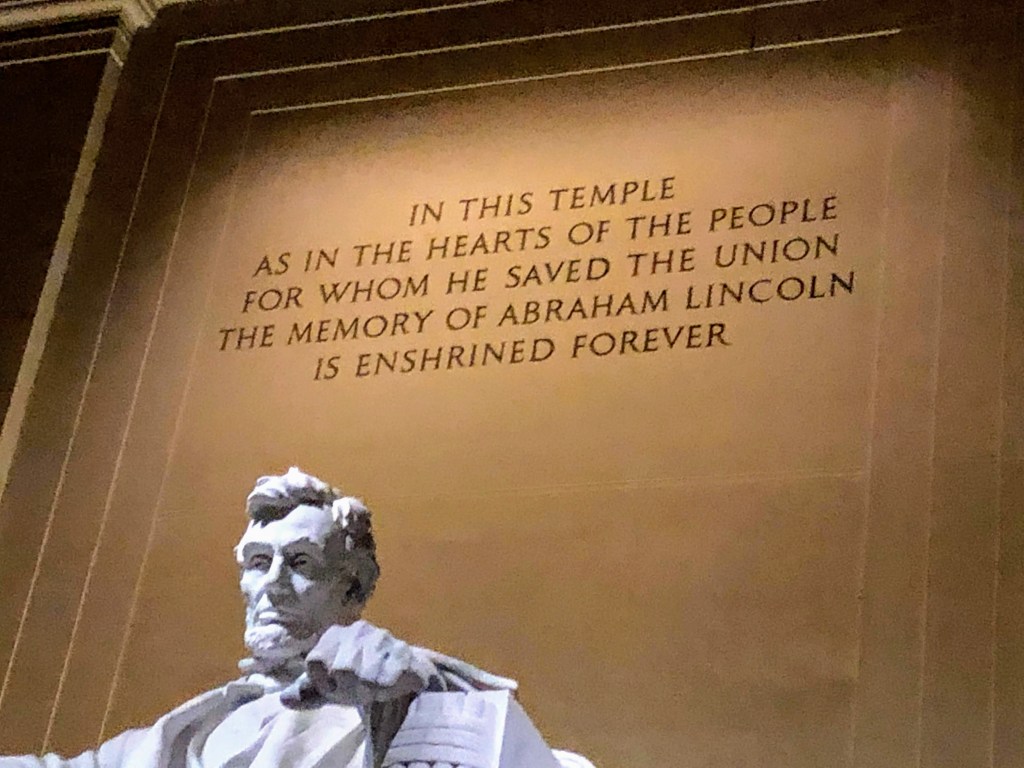
Anyone who has lived in Washington for even a short period of time will tell you the best time to visit the monuments is at night. The centerpiece of after-dark monumenting is the Lincoln Memorial, not only because of its beauty but also because of the view of the Washington Monument and its reflection from the steps of the Lincoln. Don’t worry about closing time, the monuments are always open.