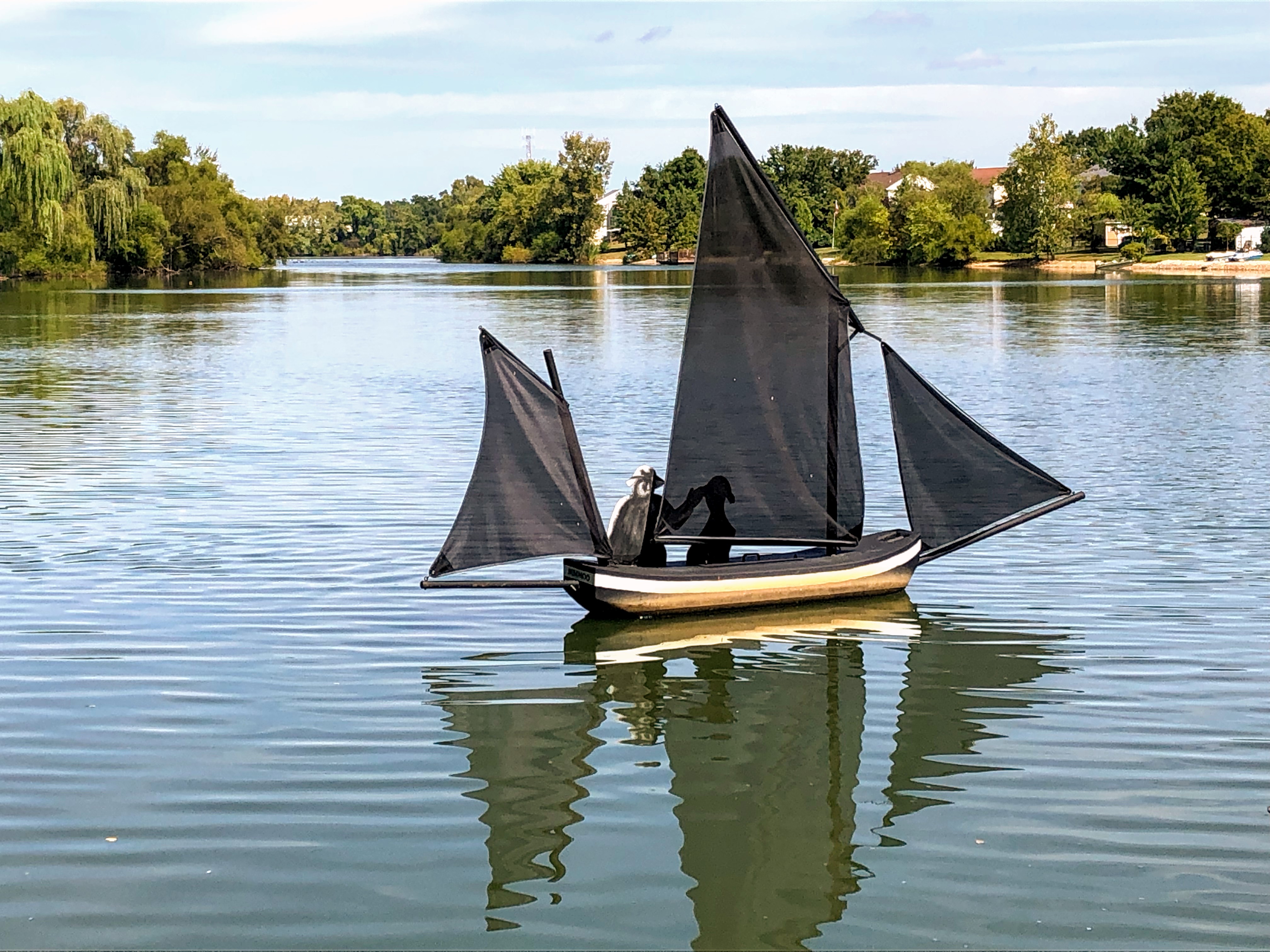
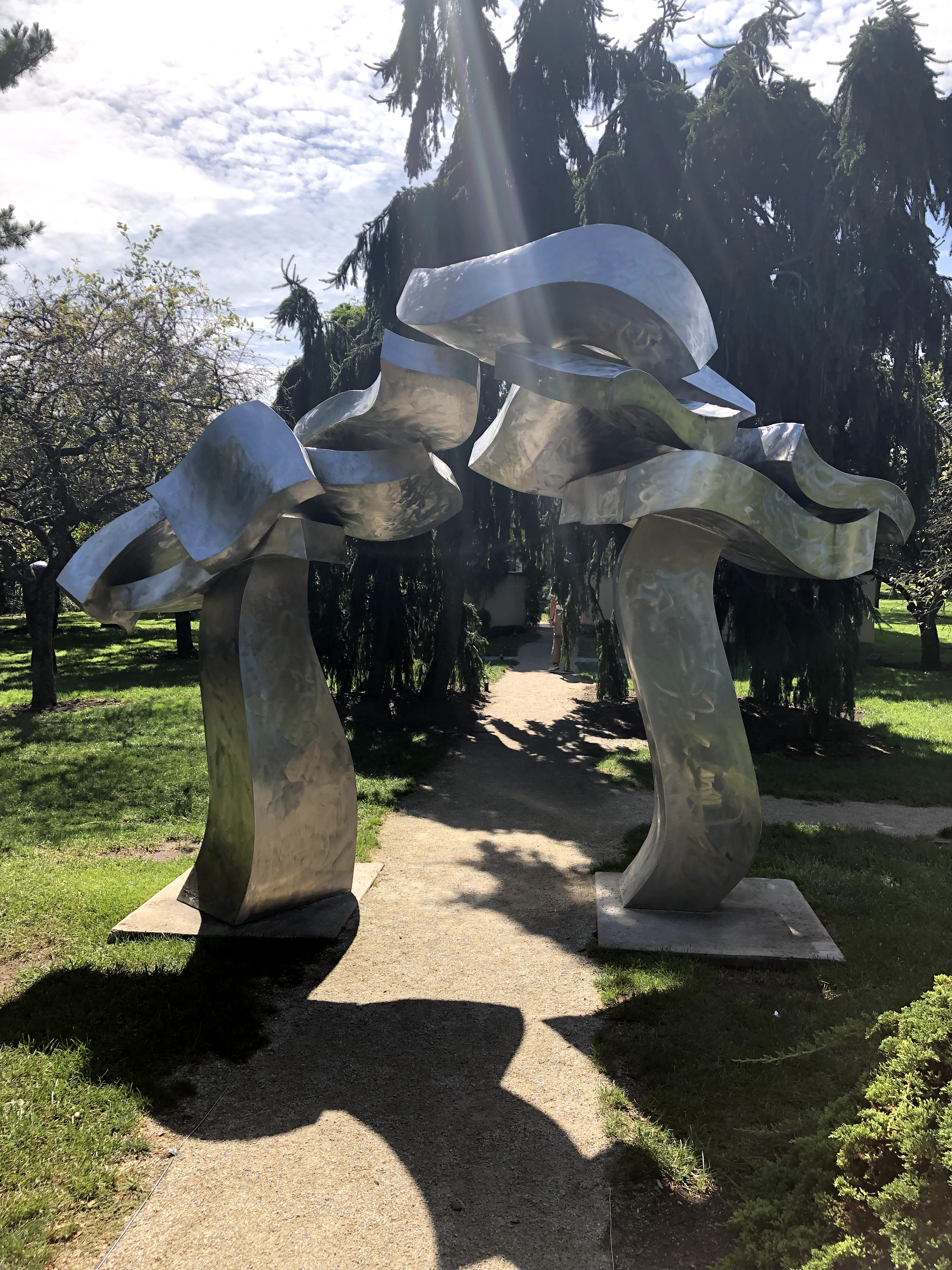
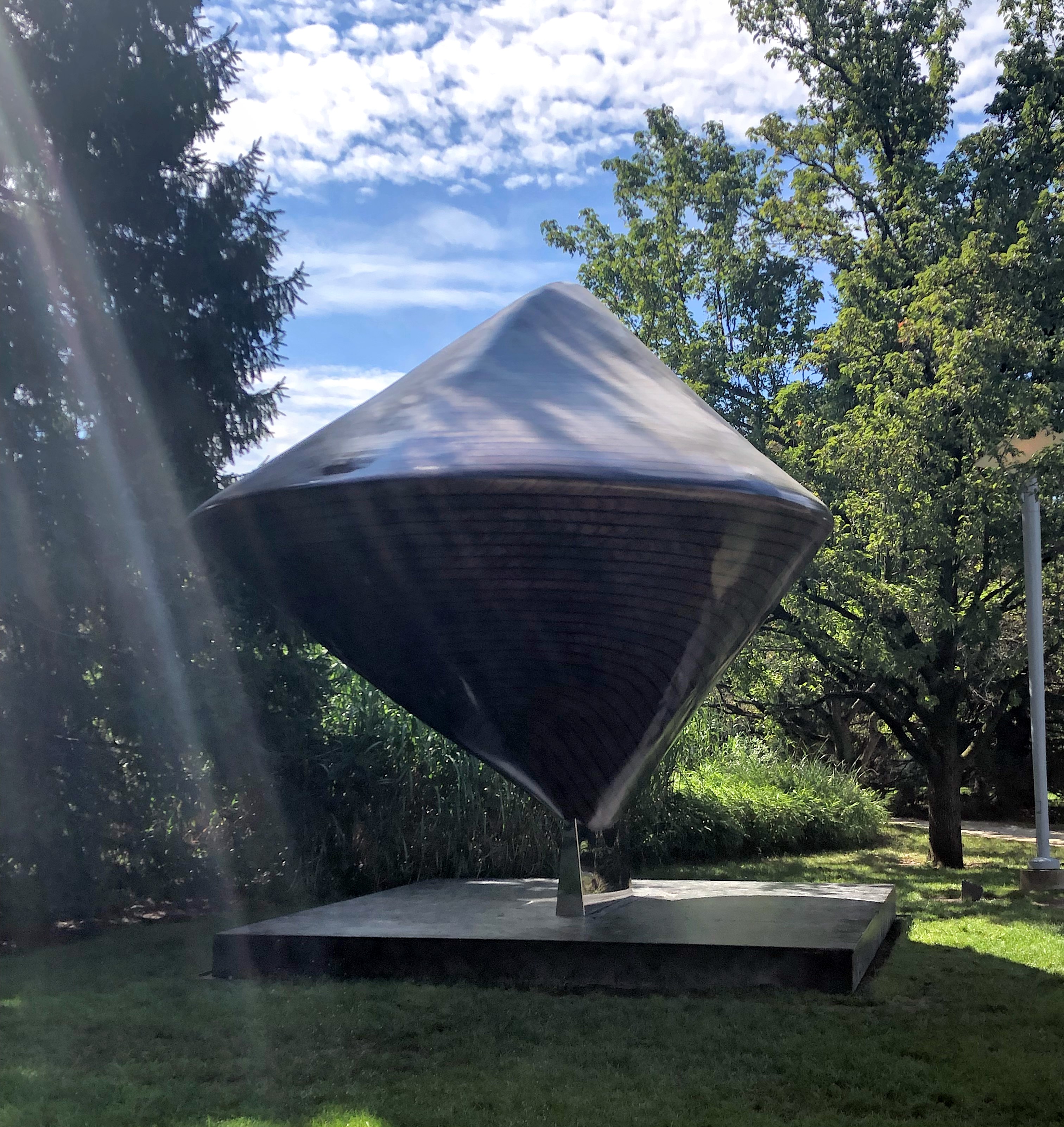
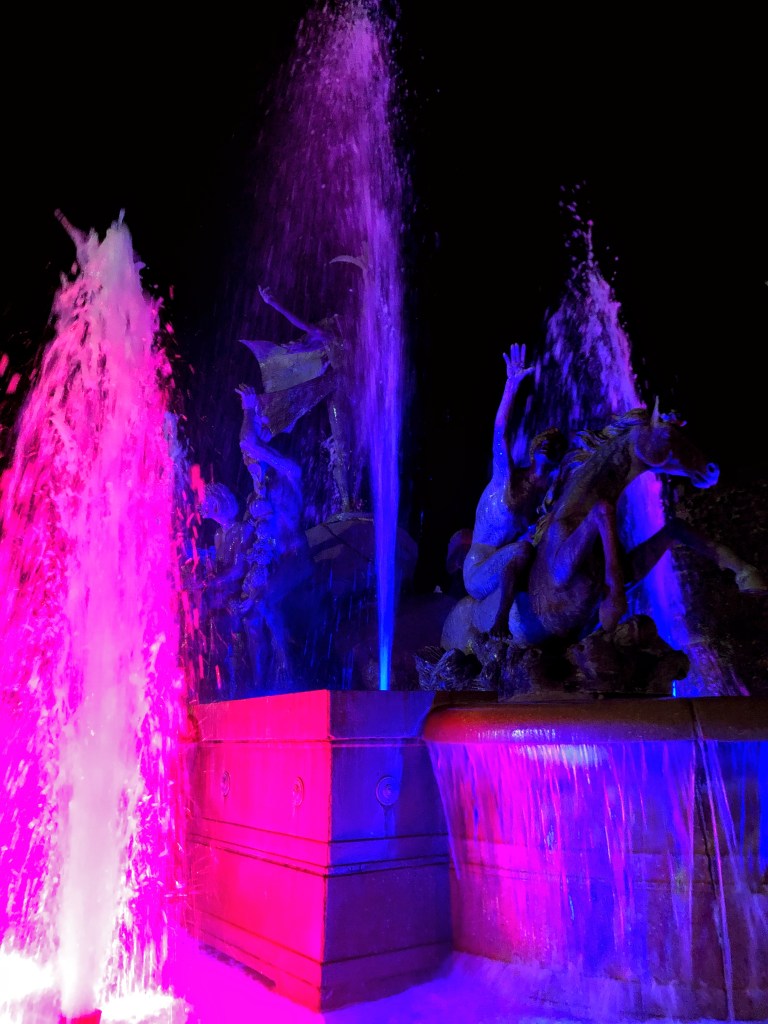
I have already published a few photo posts about the Grounds for Sculpture in Hamilton, N.J., and its founder Seward Johnson. But every time I go there I see new and interesting things. Here are some photos from my most recent visit. And, oh yah, the boat shown above is a Seward Johnson sculpture not a working vessel.
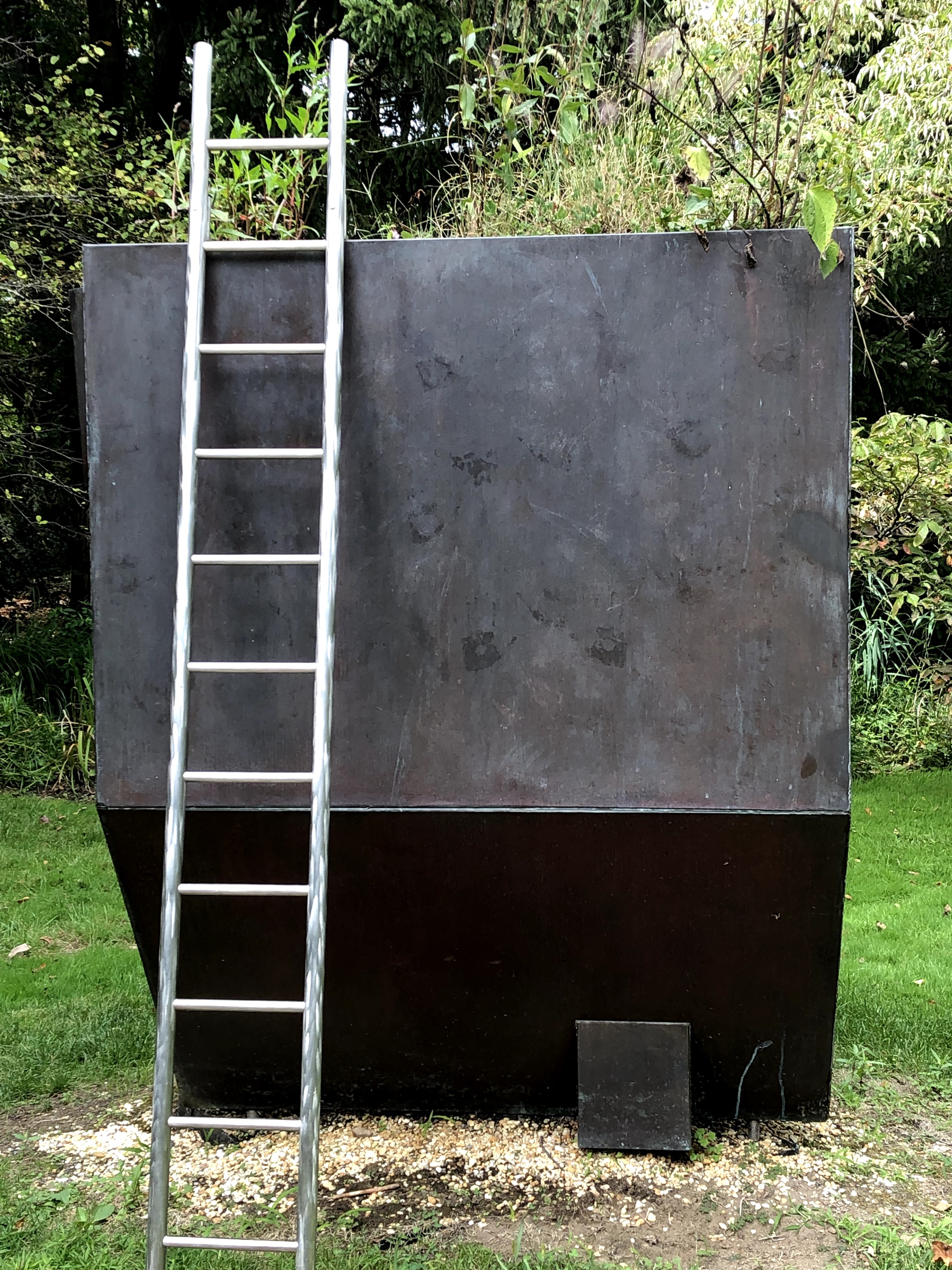
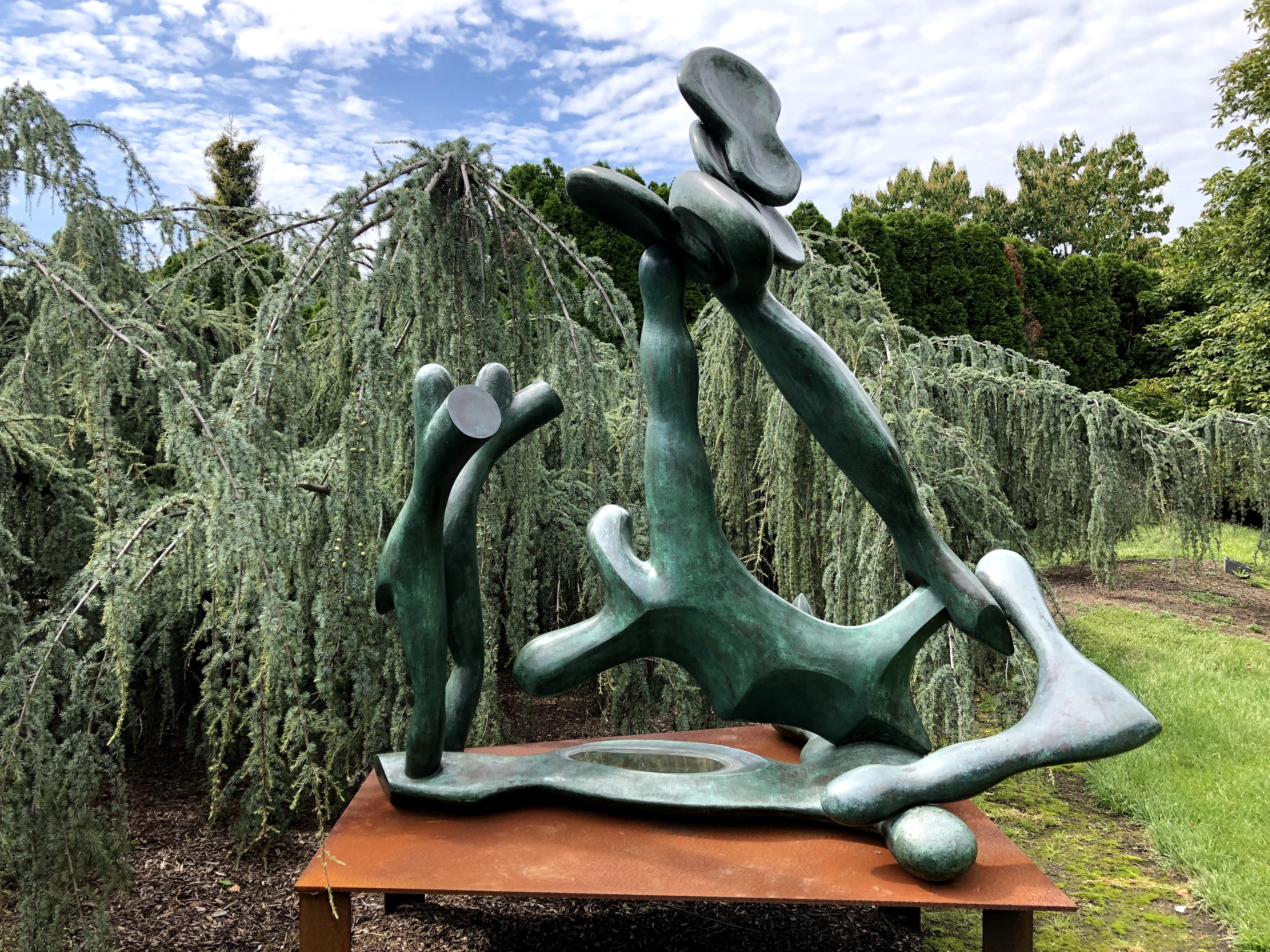
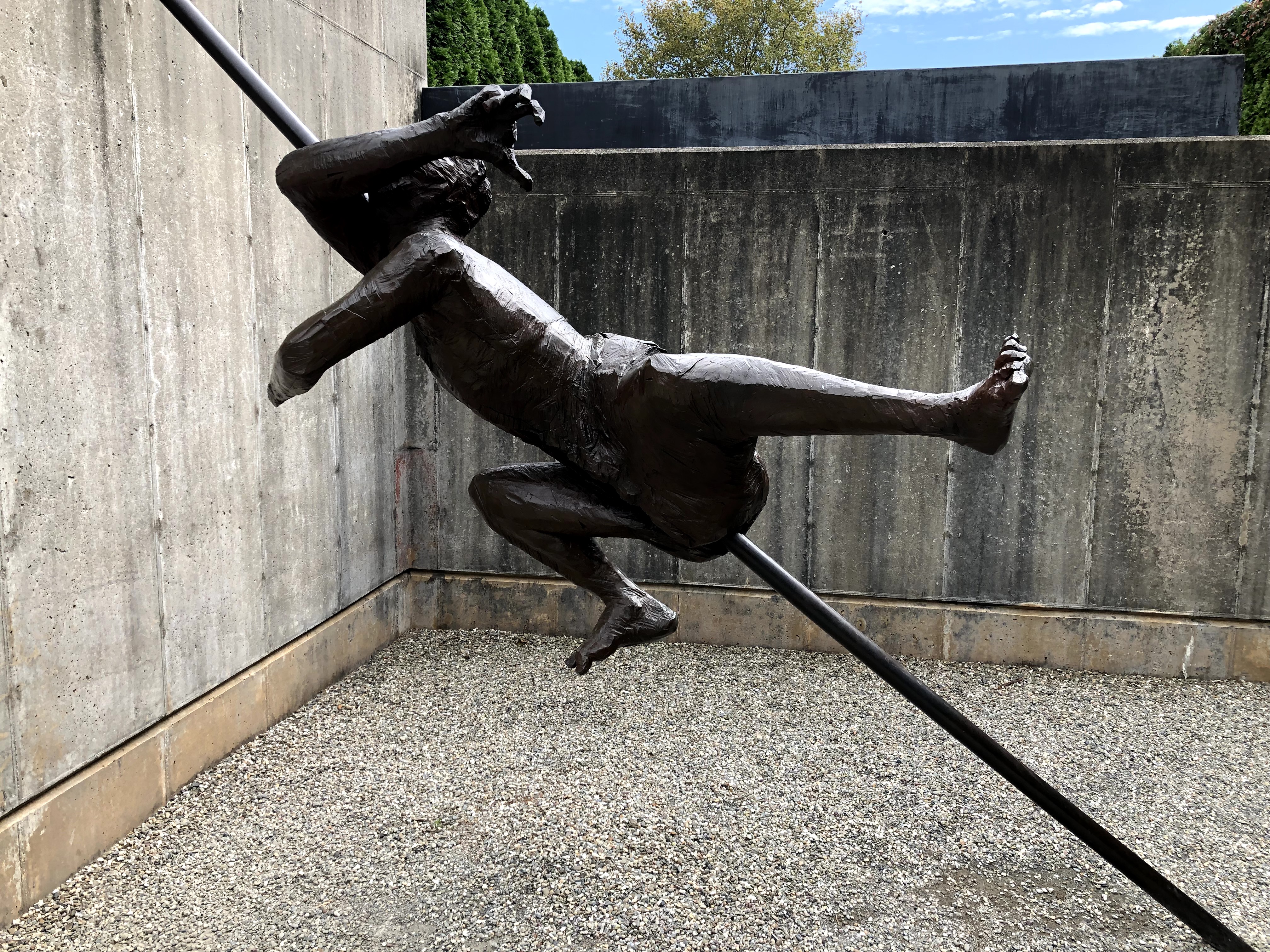
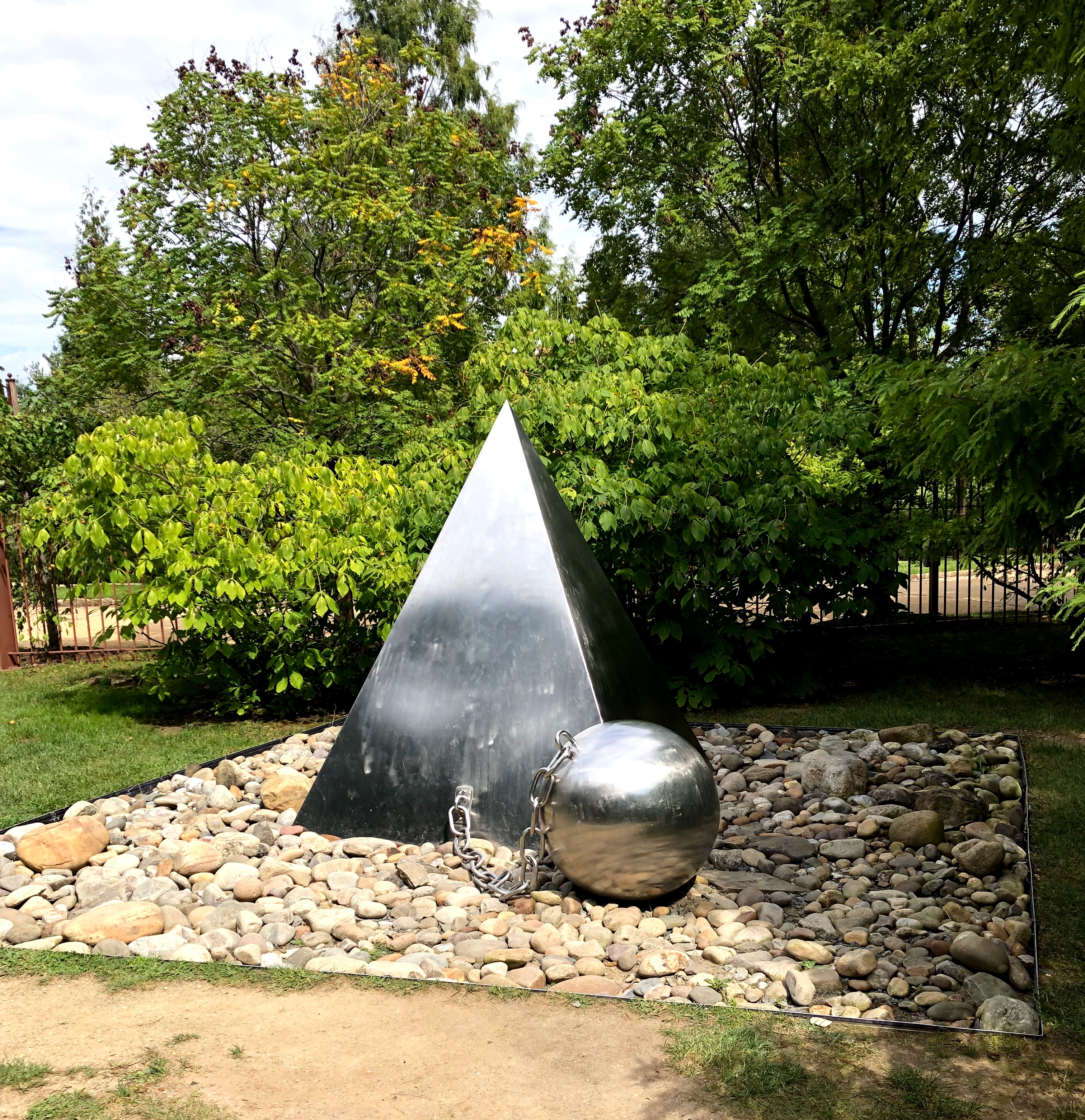
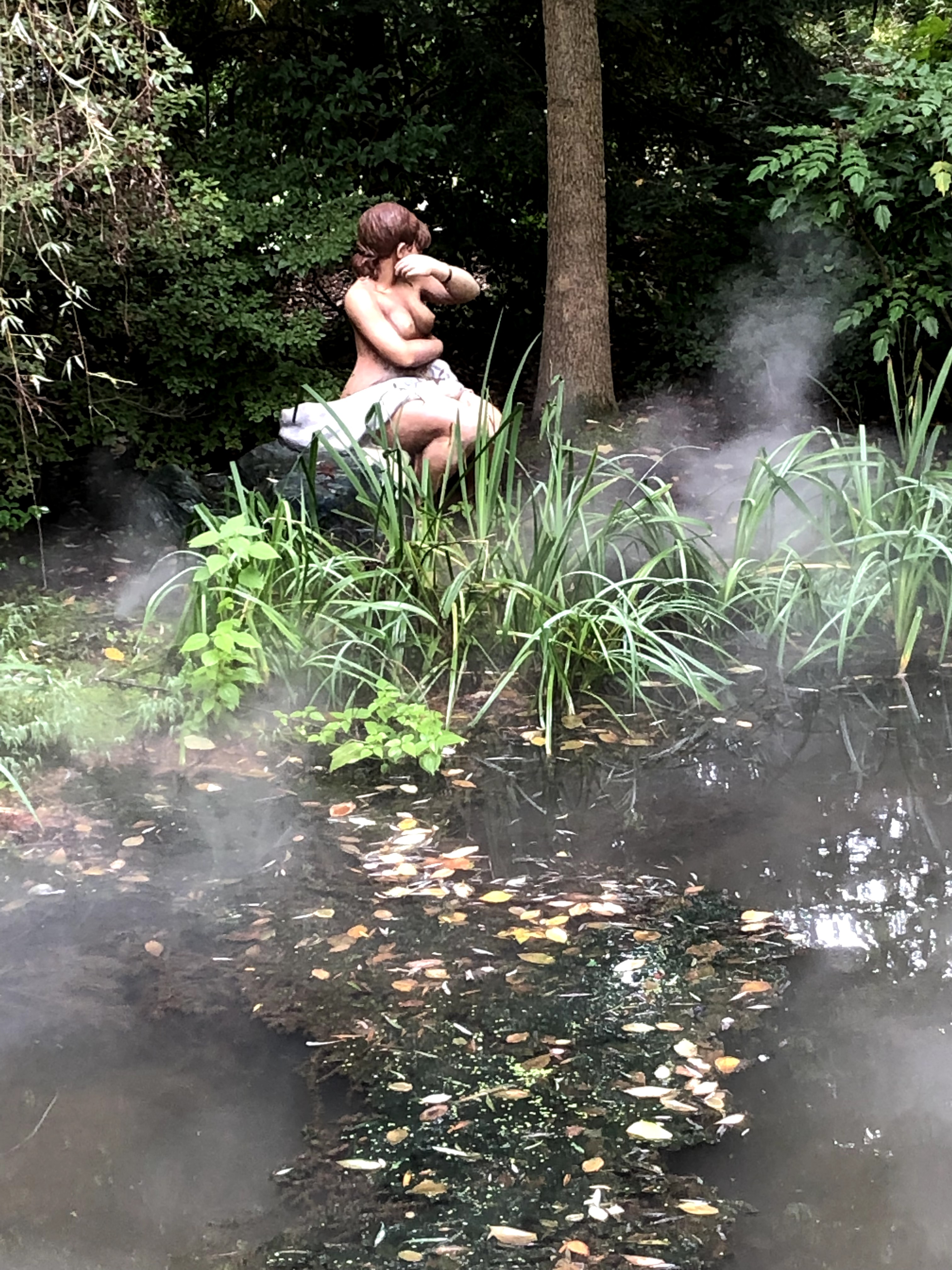
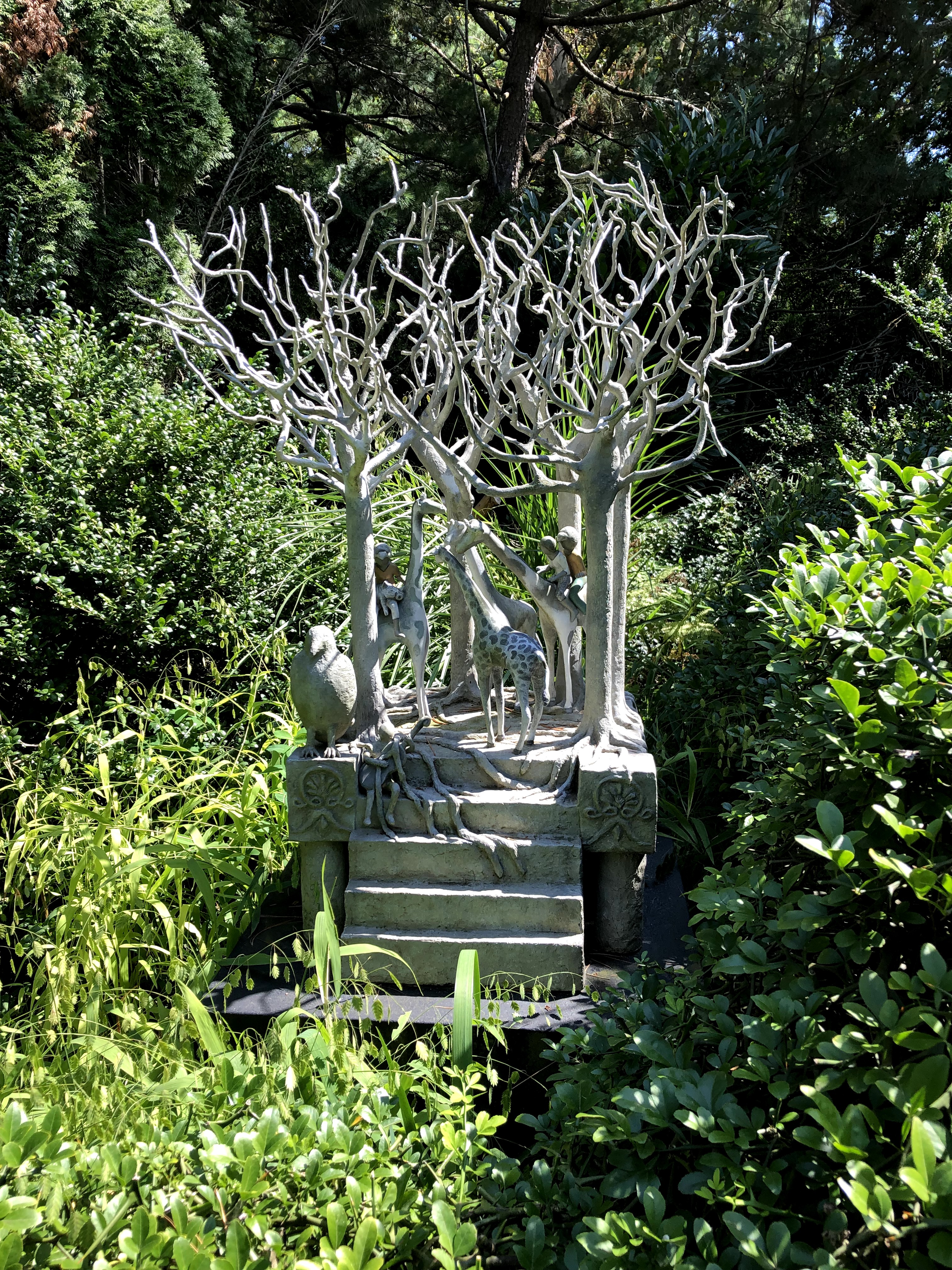
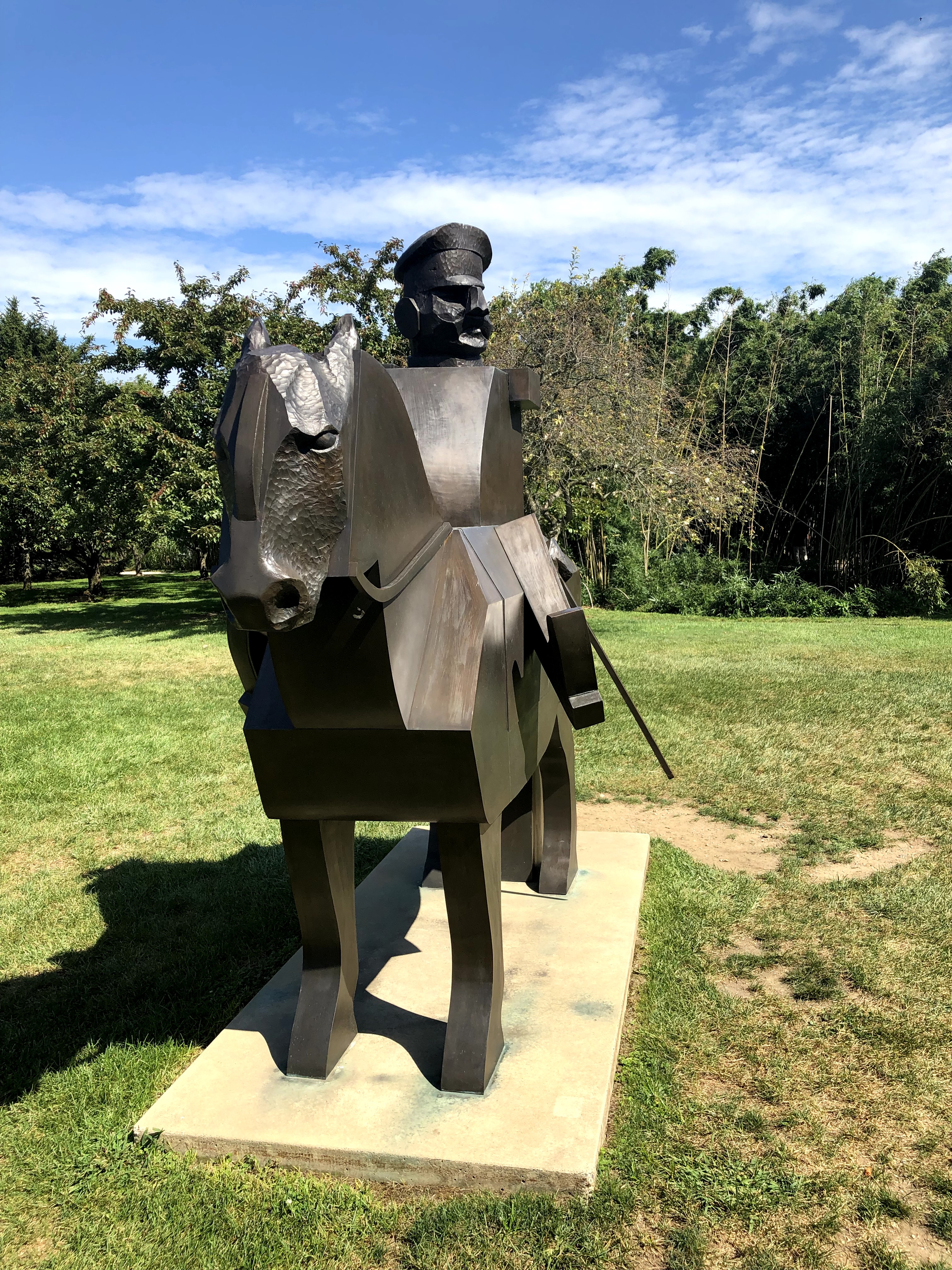
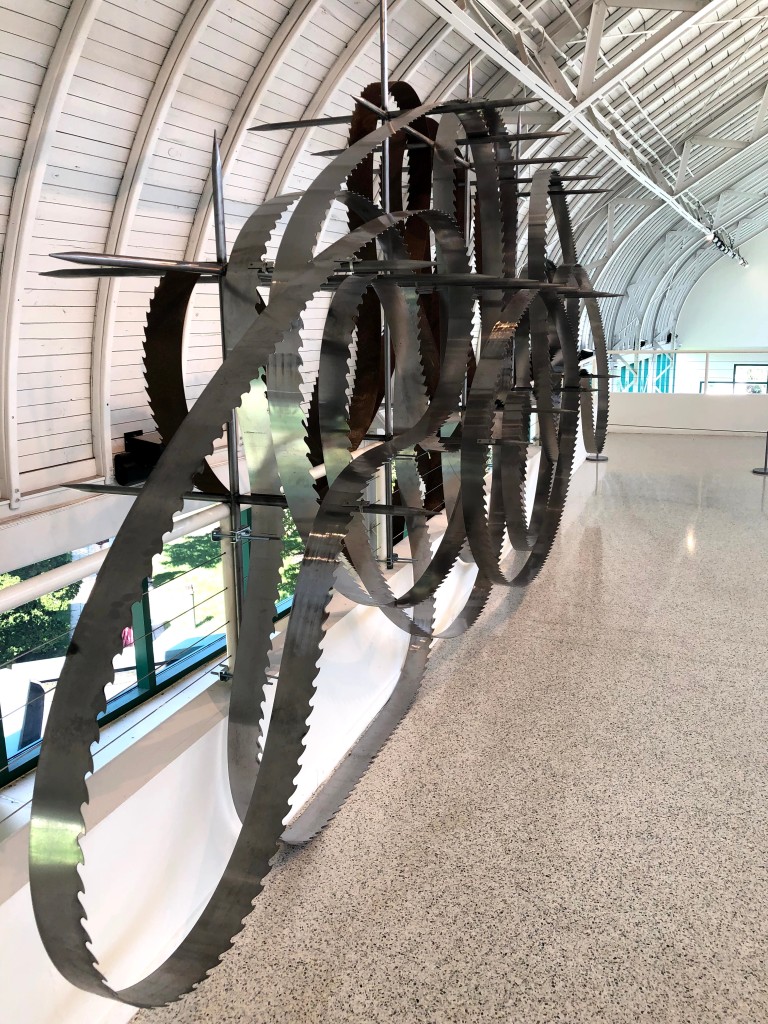
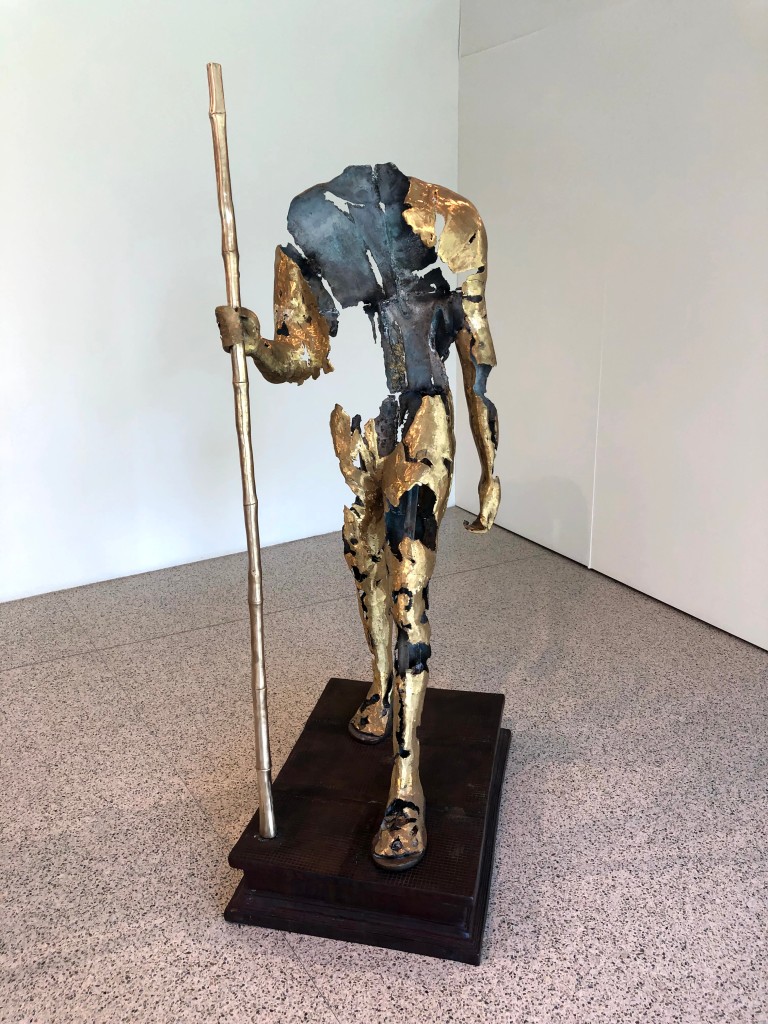
Carmelita, Autin WrightTower, Brower HatcherNature’s Laugh, Gunnar TheelHawthorn Tree II, Isaac WitkinSkewered, Francisco LieroTo Marcel Duchamp, William T. WileyPart of Nature, Seward JohnsonOctober Gathering, Joan DanzigerGeneral Bronze, MarisolSagg Portal, Hans van de BovenkampSchatz’s Spaceship, E. Caldor PowelUrchin, Howard Kalish
Tallur L.N.
Pathway
Threshold
Tongue Twister
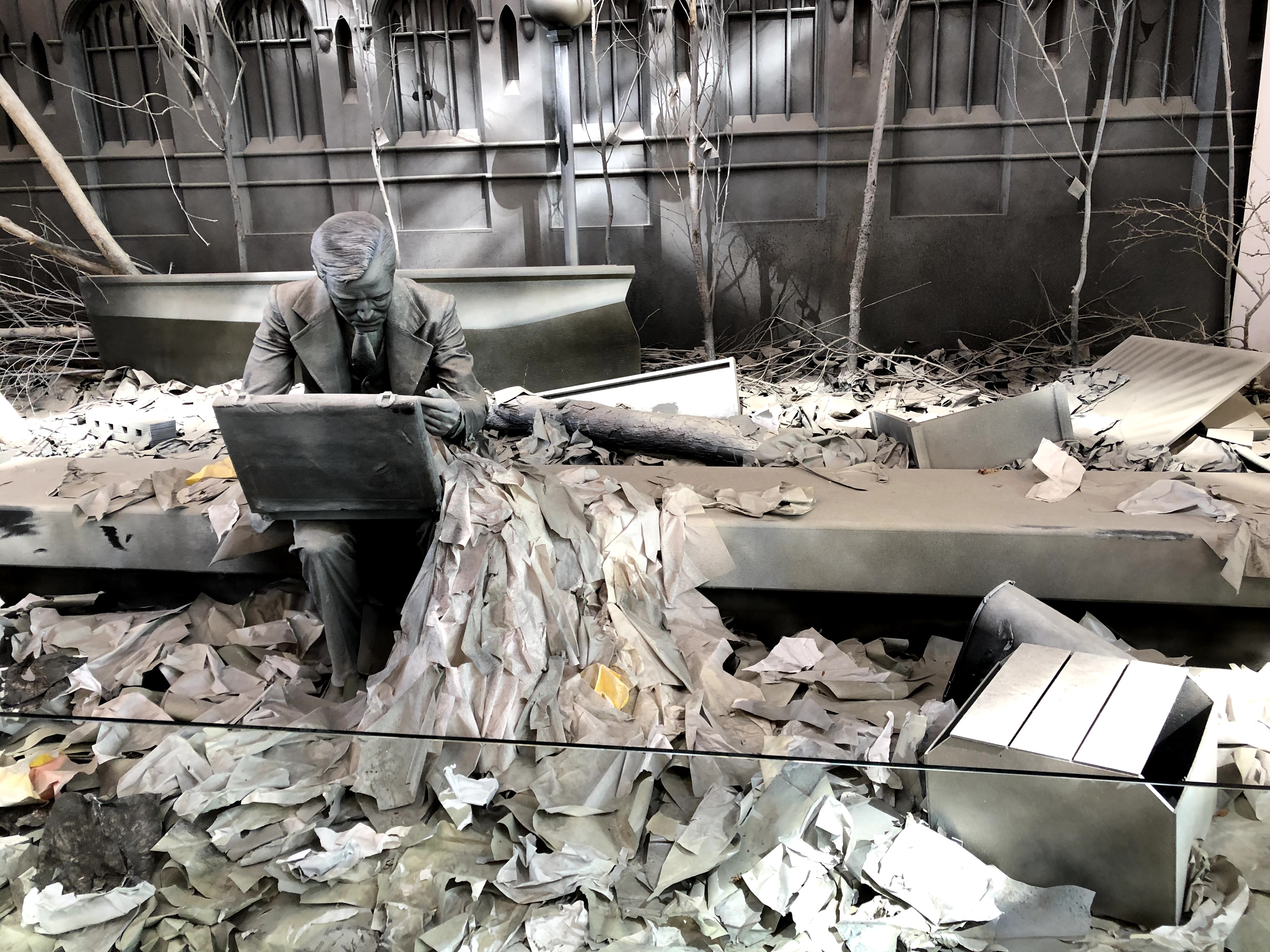
Double Check is a 1982 Seward Johnson sculpture that was installed at Liberty Plaza Park in Lower Manhattan. During 9/11 it was covered with ash and debris. It became an informal memorial as mourners left candles and flowers. This replica is in the Grounds for Sculpture
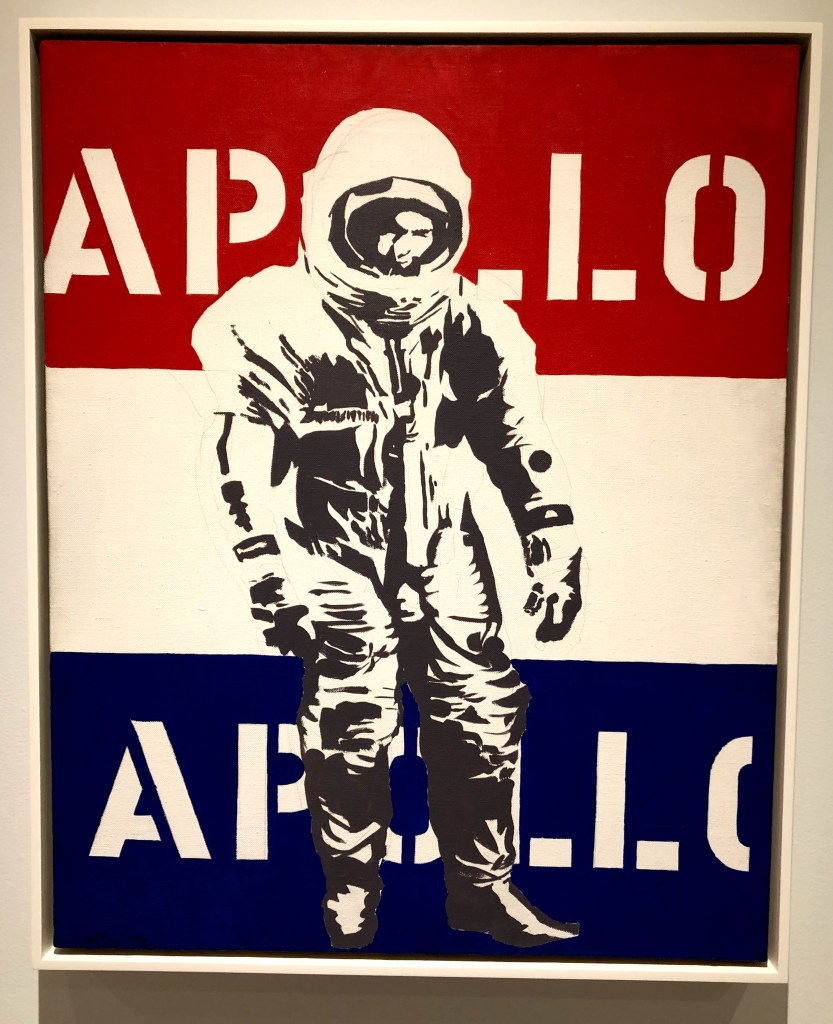
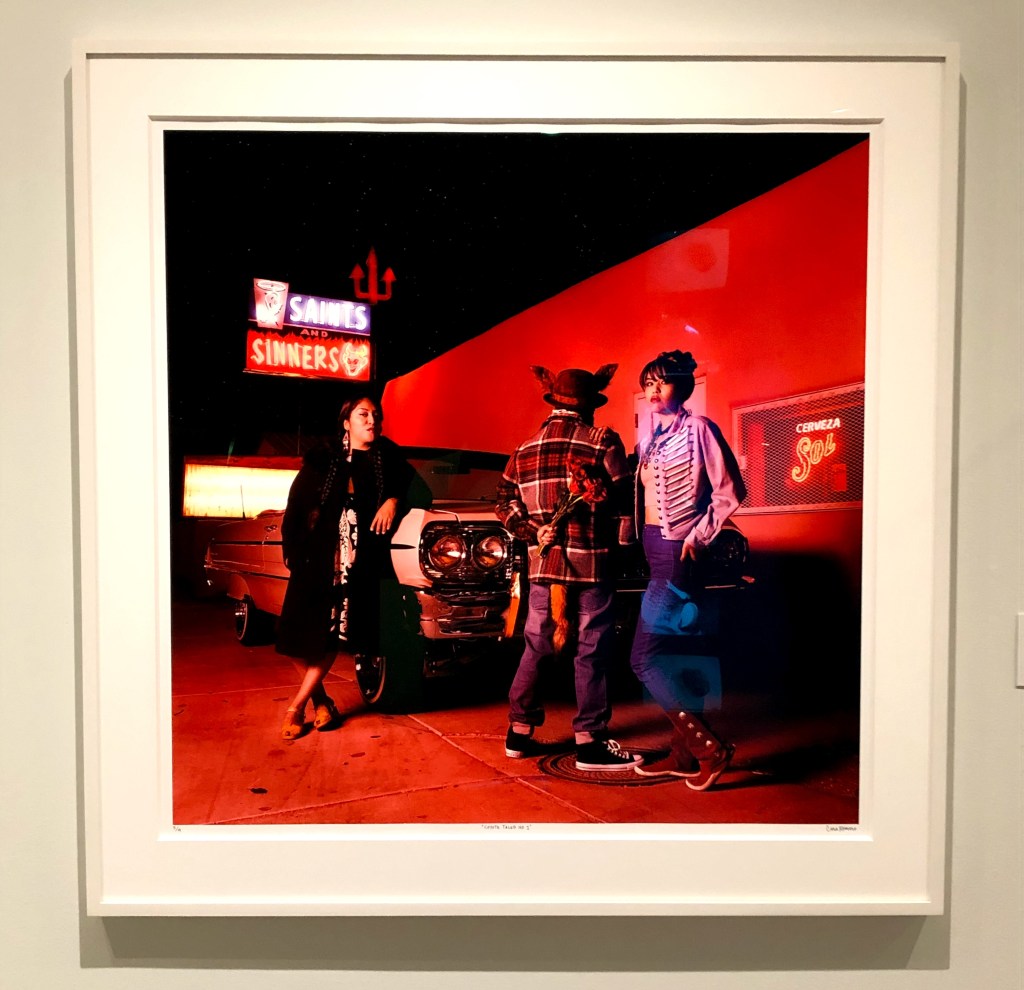
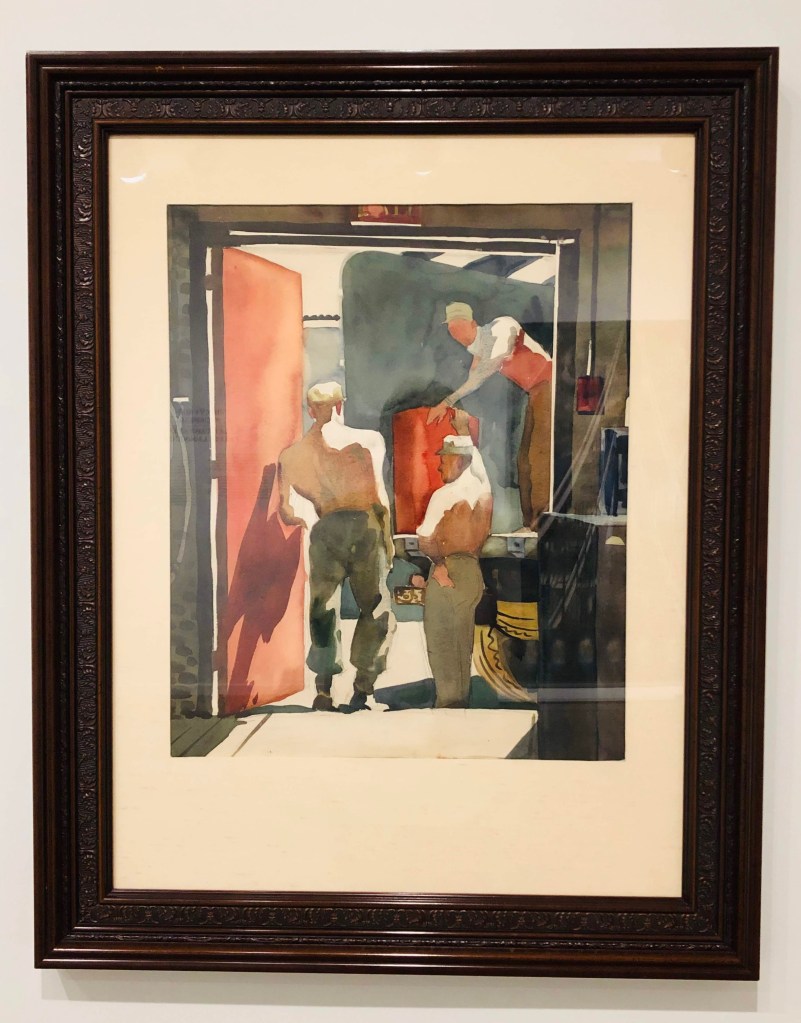
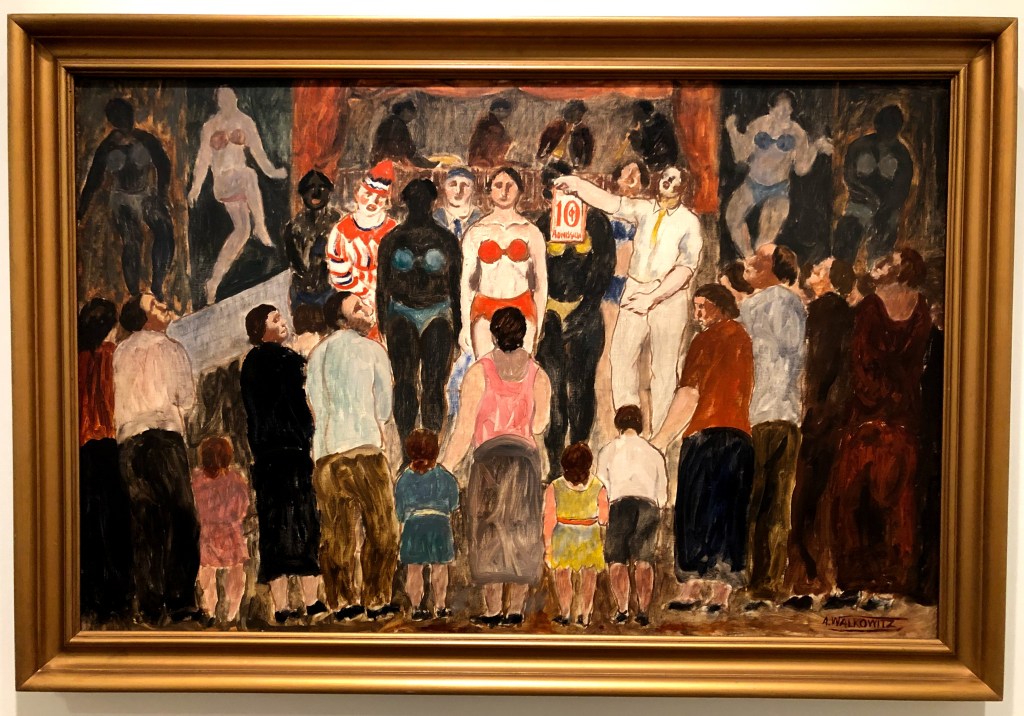
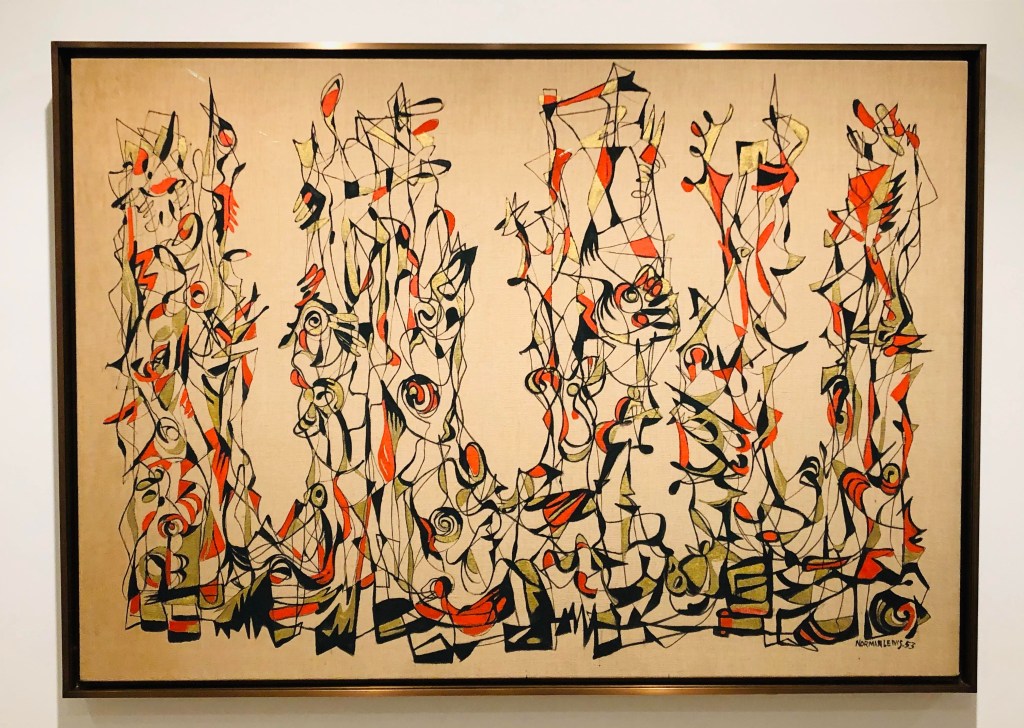
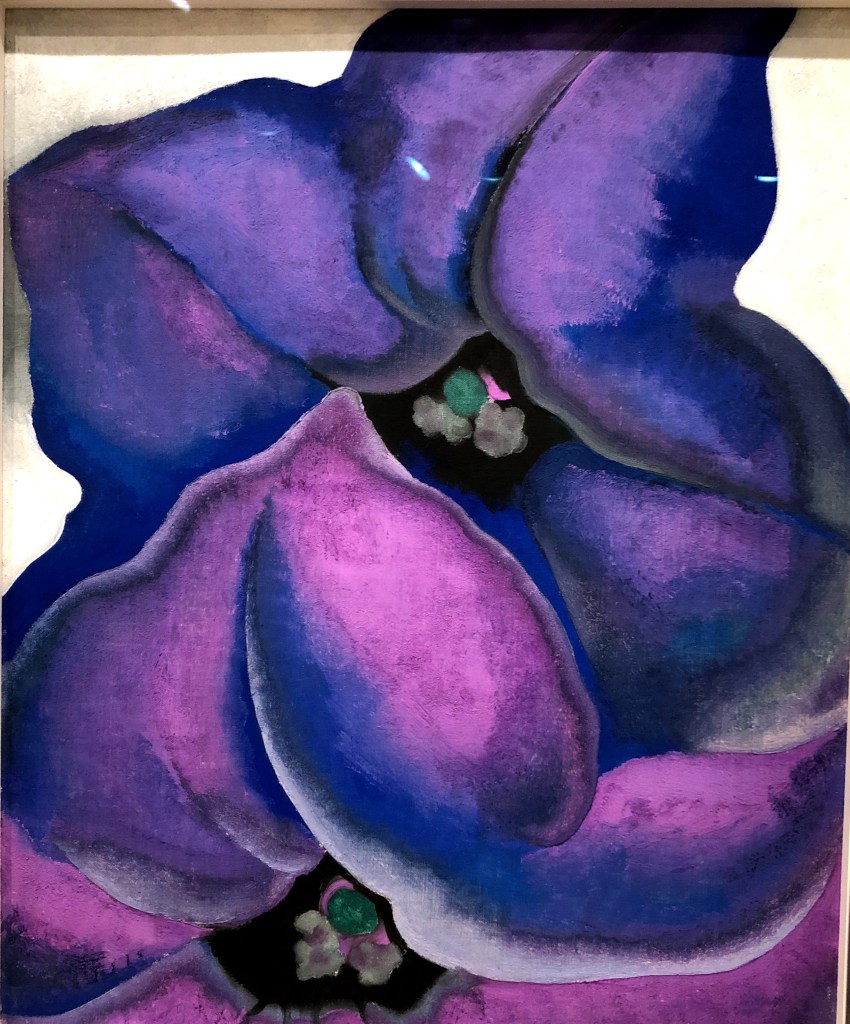
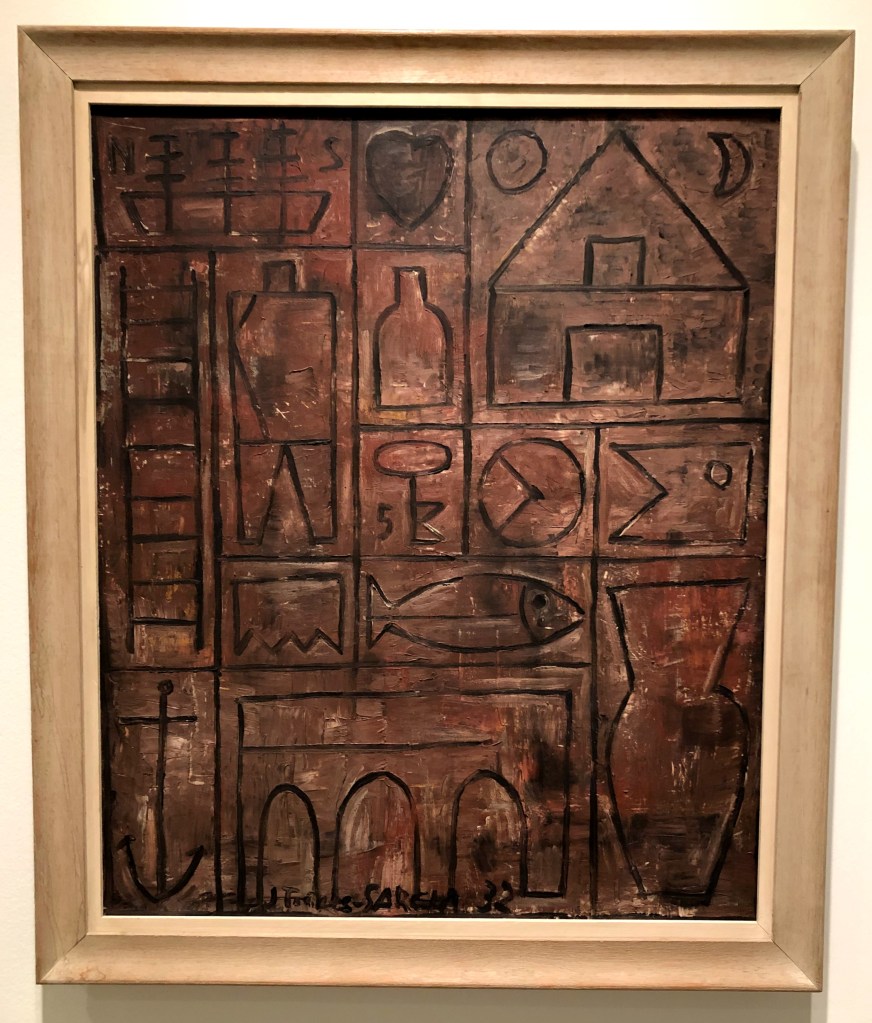
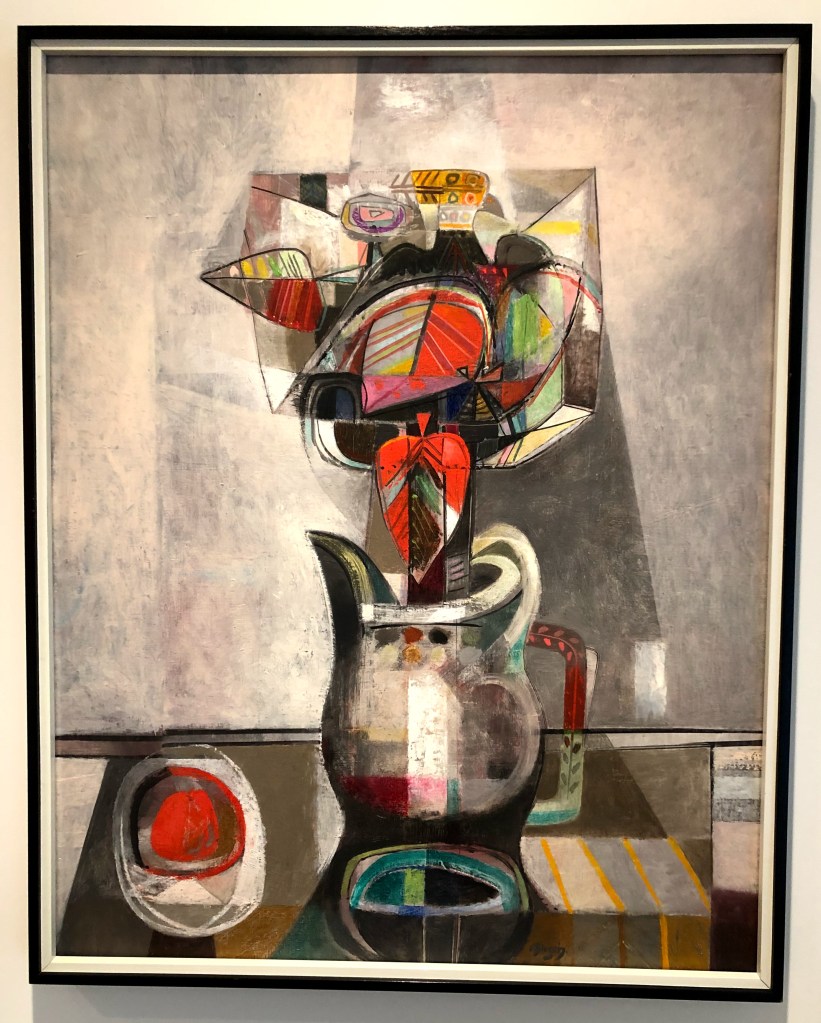
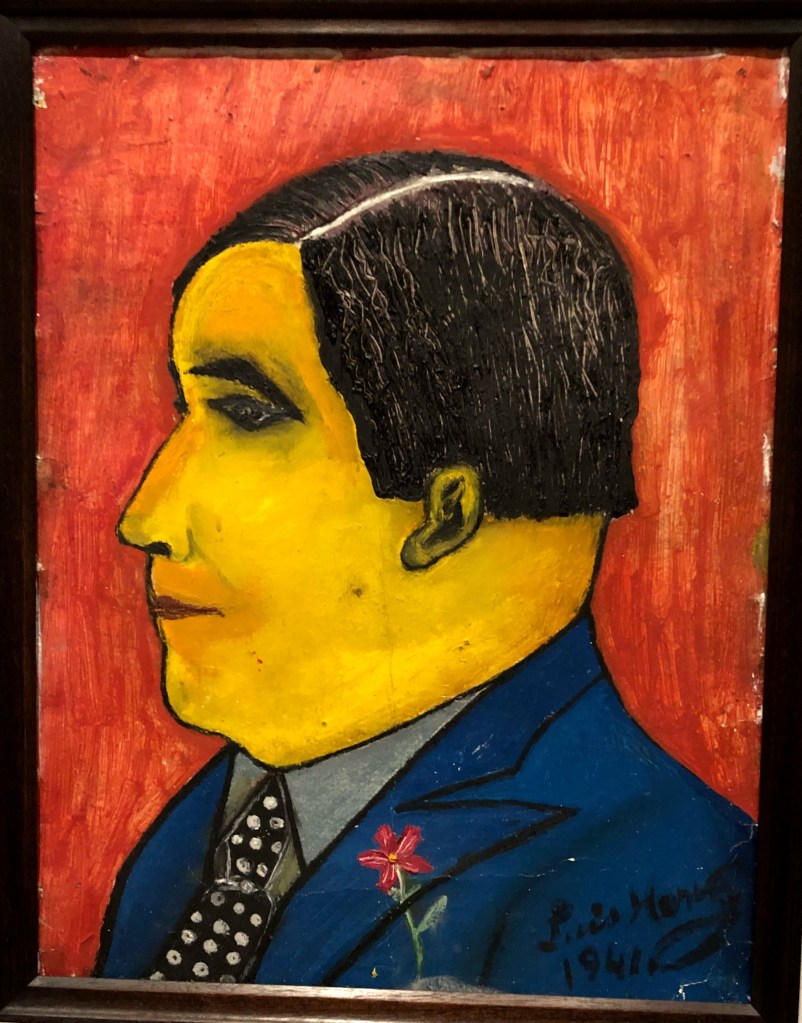
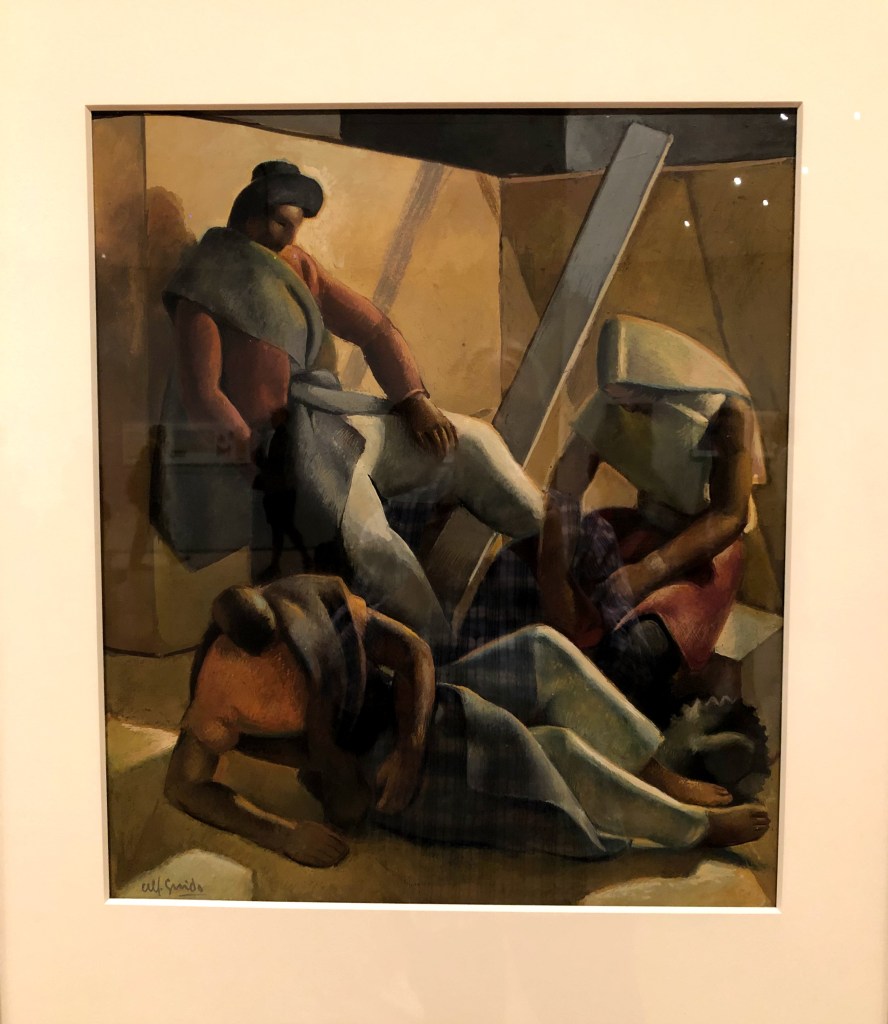
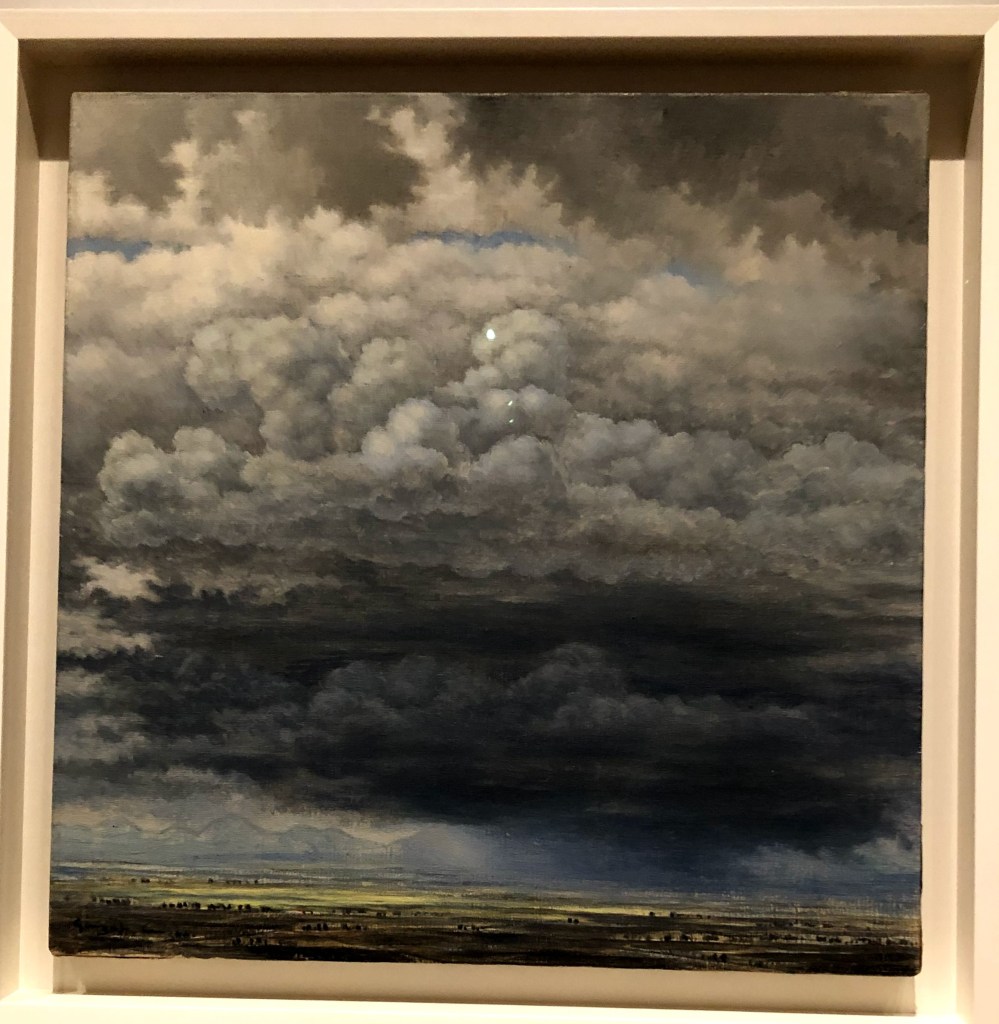
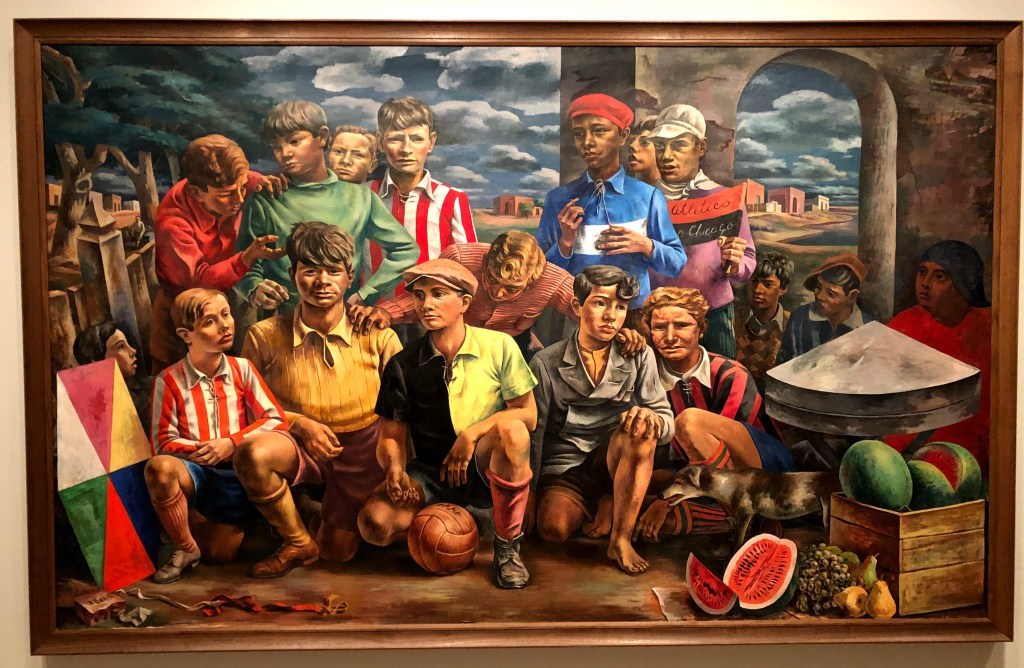
The Newark Museum recently renovated its second floor galleries that house the musuem’s collection of ;modern and contemporary art. Seeing America: 20th and 21st Century is the first exhibit in the reopened gallery.
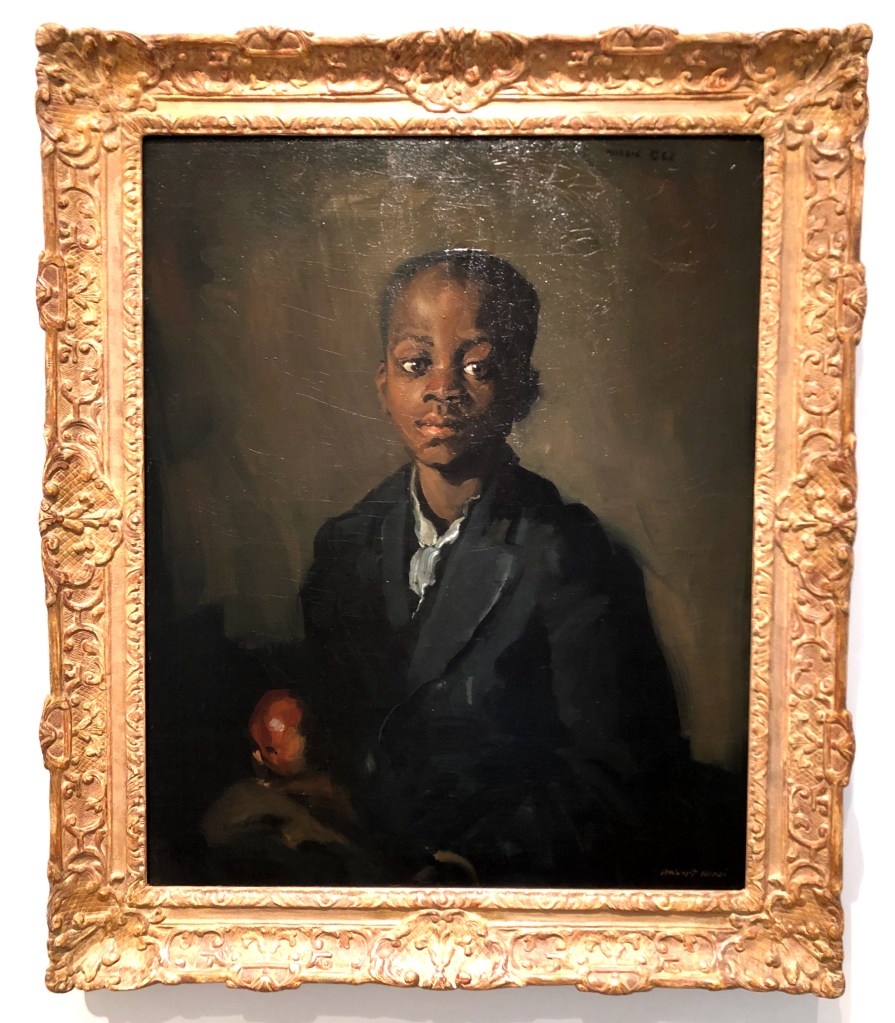
Portrait of Willie Gee, Robert Henri. Henri painted this portrait of his paperboy in 1904. Gee was the son of a previously enslaved woman from Virginia. Untitled, H.F. BellMan on a Mower, Duane Hanson
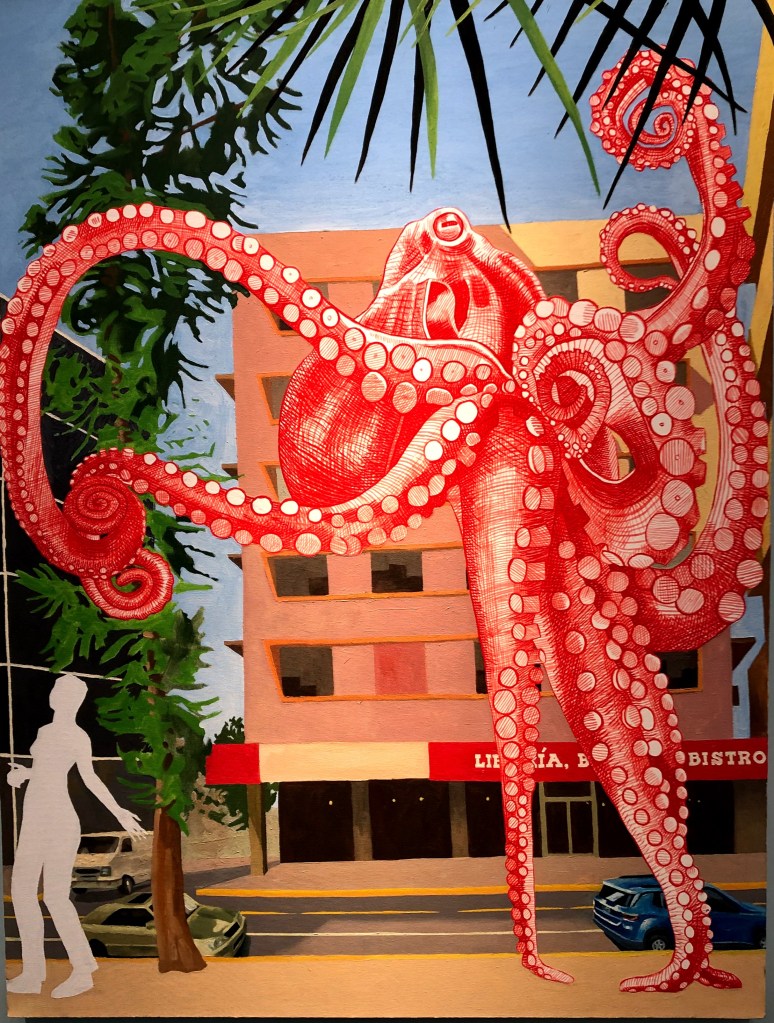
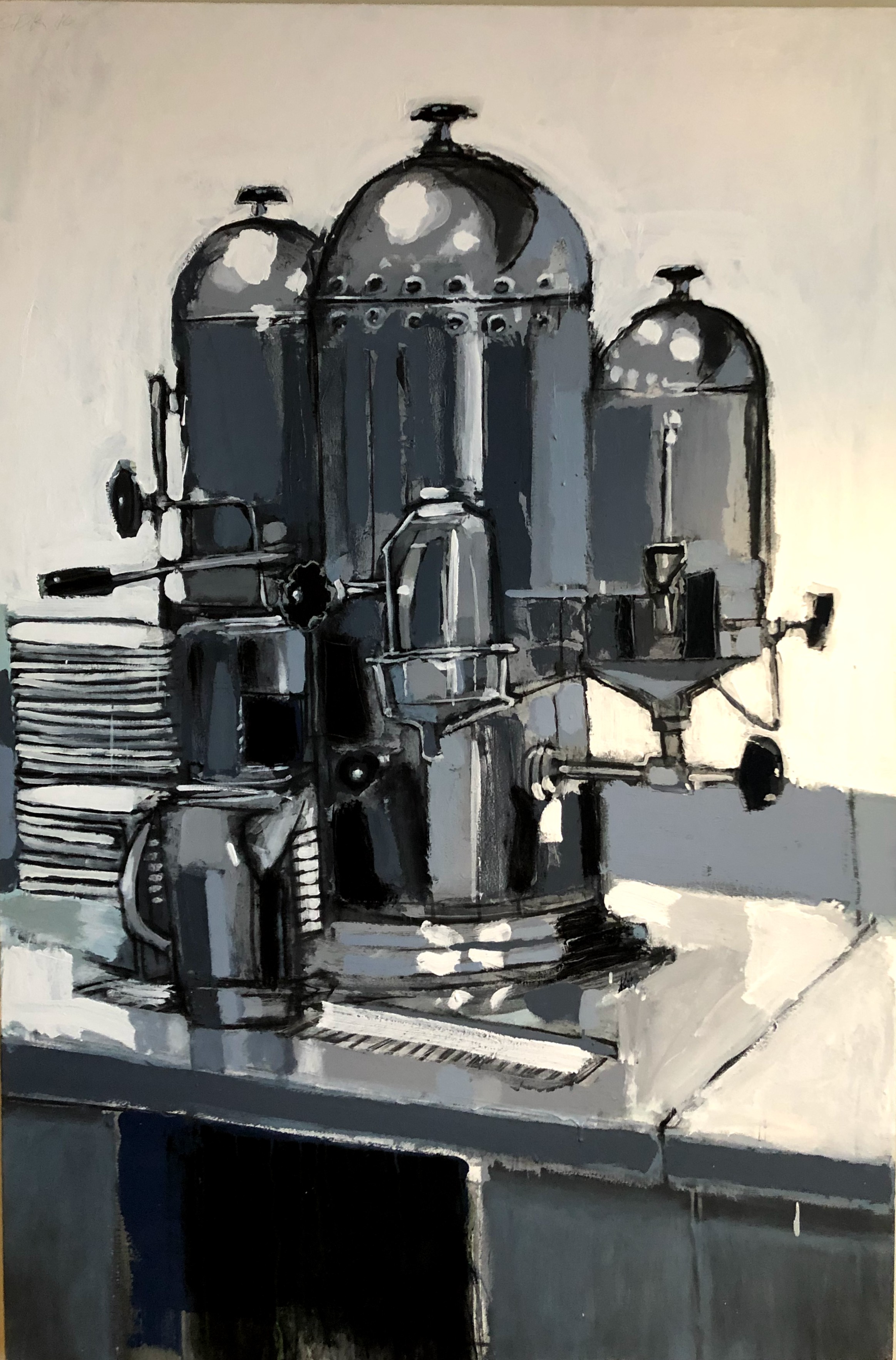
The Museum of Art and Design-Miramar in San Juan, Puerto Rico is located in “The Pink House” at Cuevillas 607. The house was originally built as the home for Judge Luis Mendez-Vaz and his wife Maria Bagur. It was later purchased by their son Eduardo Mendez-Bagur. He bequeathed it to the Miramar community.
All of the works on display are by Puerto Rican artists.
Studebaker, platanos y machete, Miguel Luciano
Tourist Series, Aaron Salabarrias Valle
Designing Utopias, Nathan Budoff
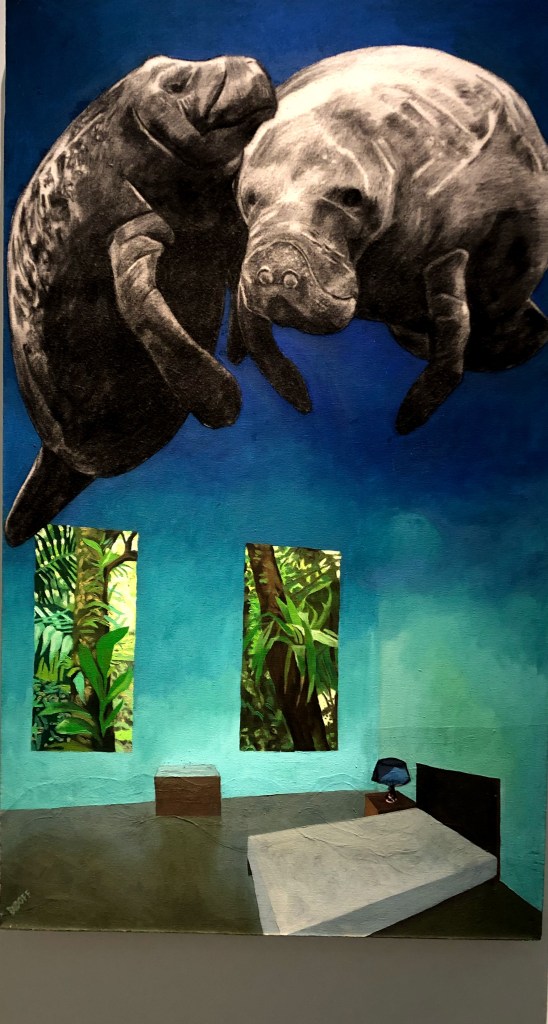
Dreams
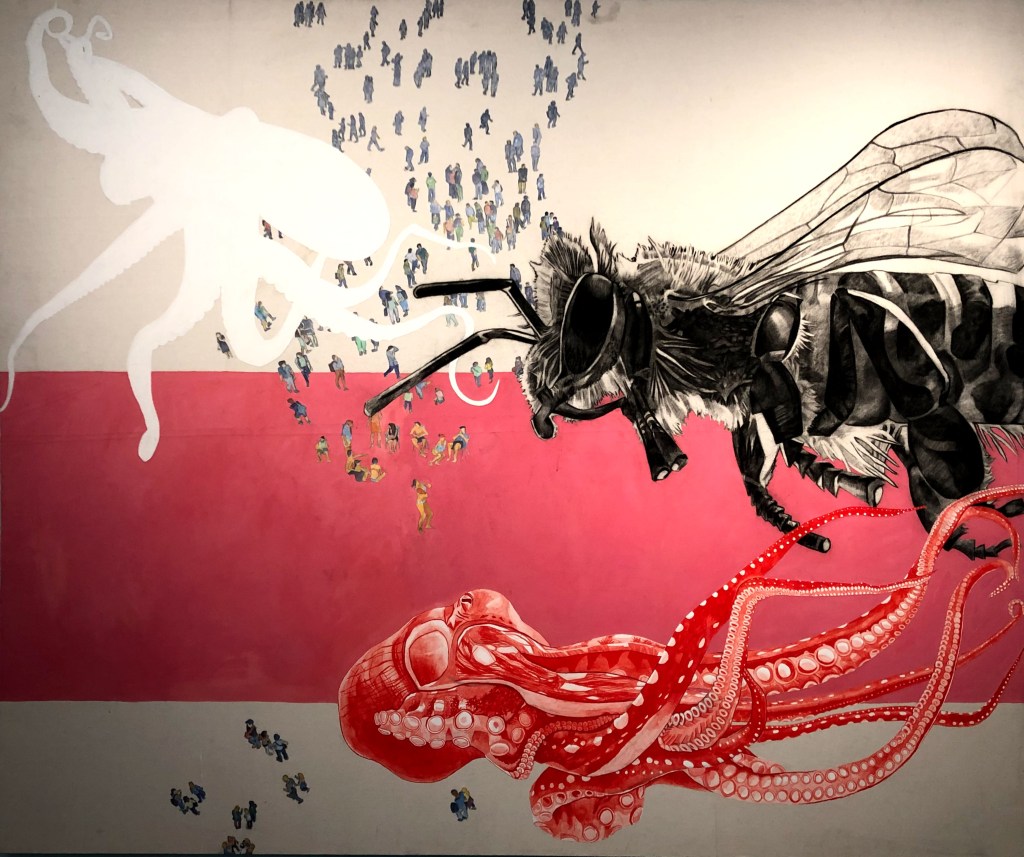
The Symmetry of Predators
The Ghost and the Pain
Friends Walking
Invention of Love
Acrobat of Design, Lorenzo Homar
607 Cuevillas Street
Preparatory Drawings for VIII Pan American Games, 1977
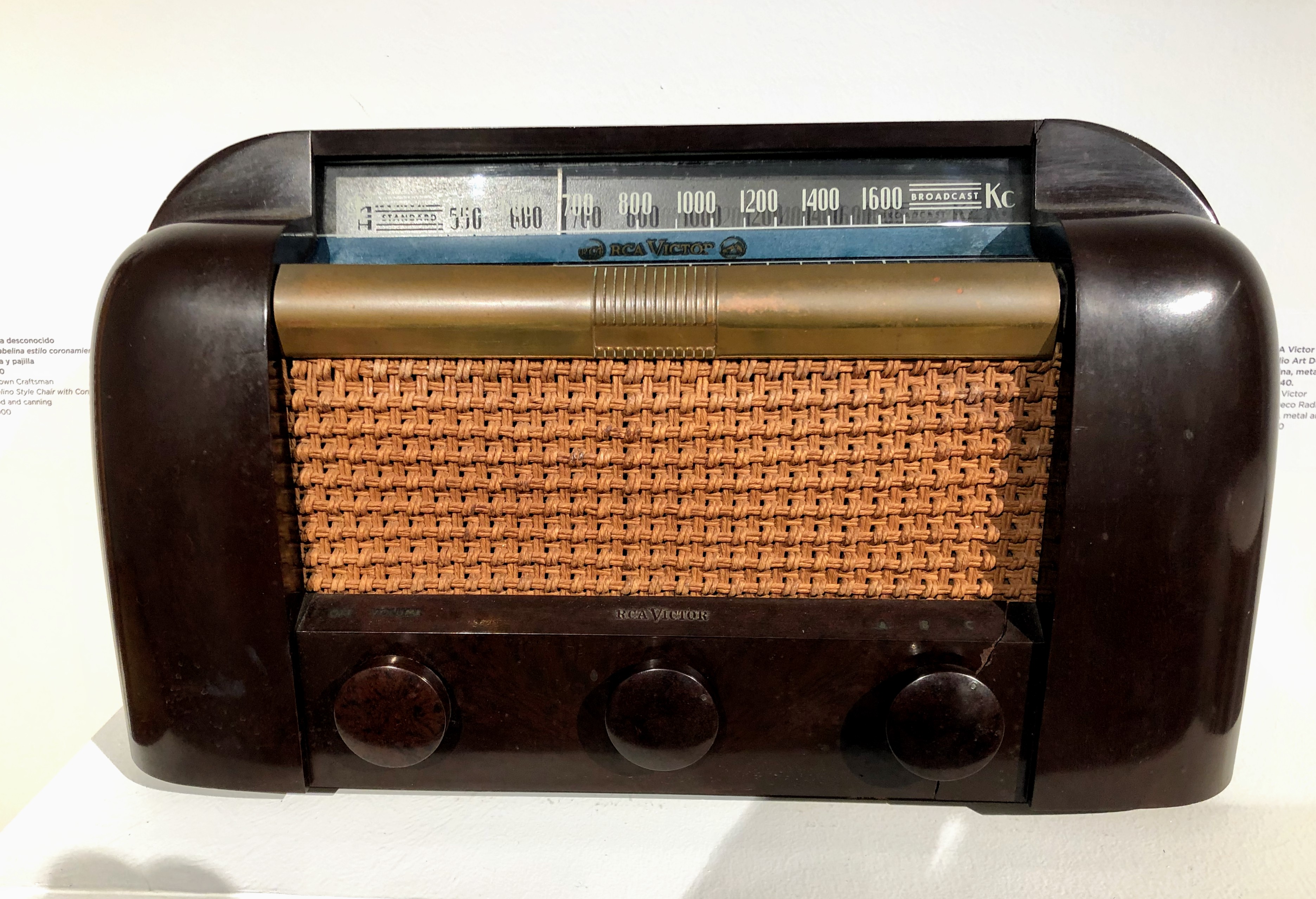
Jet Black, Carlos Davila RinaldiArt Deco Radio, RCA Victor, 1940Native Bike, Bobby Cruz
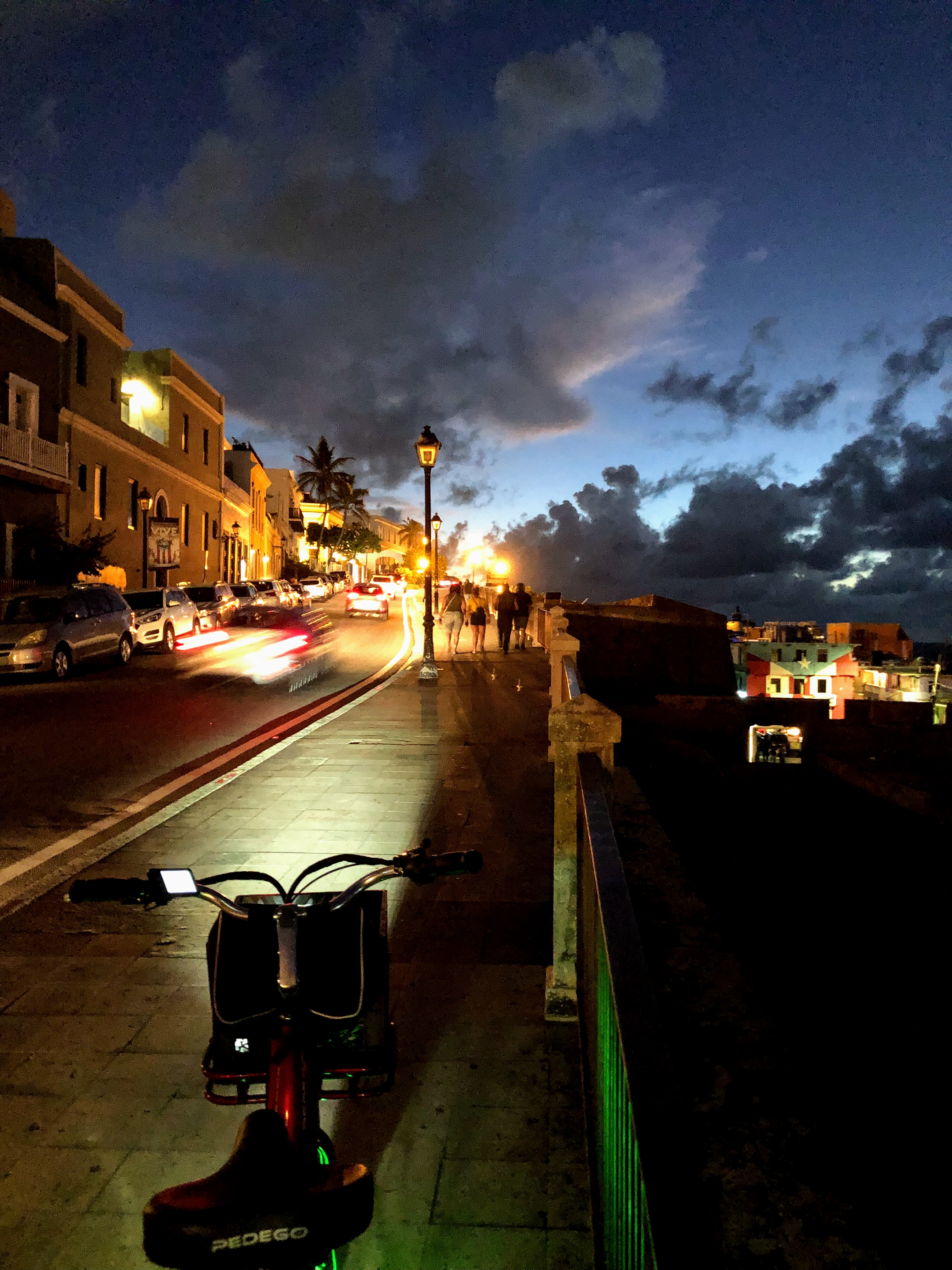
Photos from a ebike tour of San Juan, Puerto Rico, courtesy of Night Kayak. The tour starts at dusk in Condado and ends at night is Old San Juan.
San Juan is named after John the Baptist
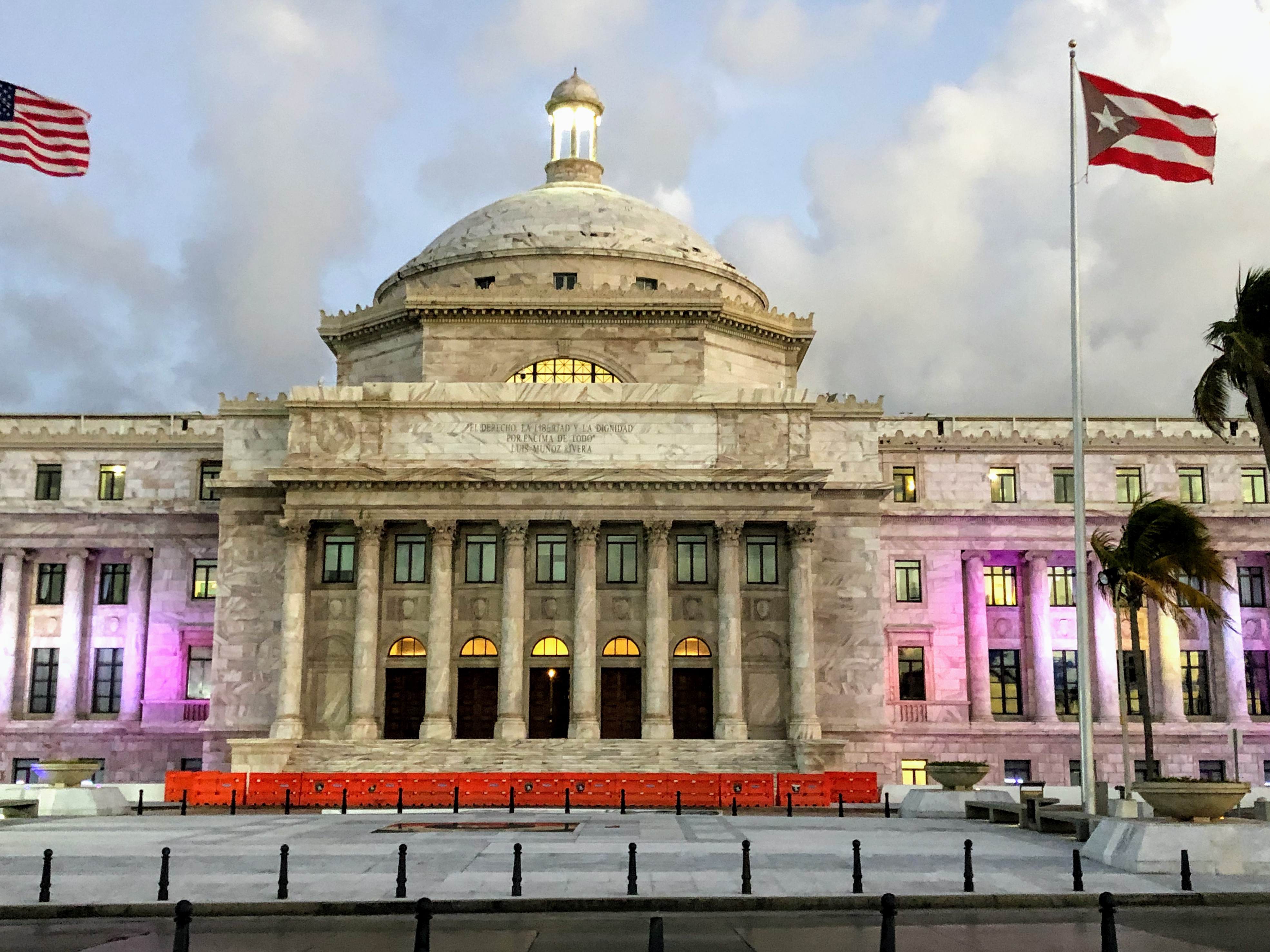
The Capital Building
La Concha
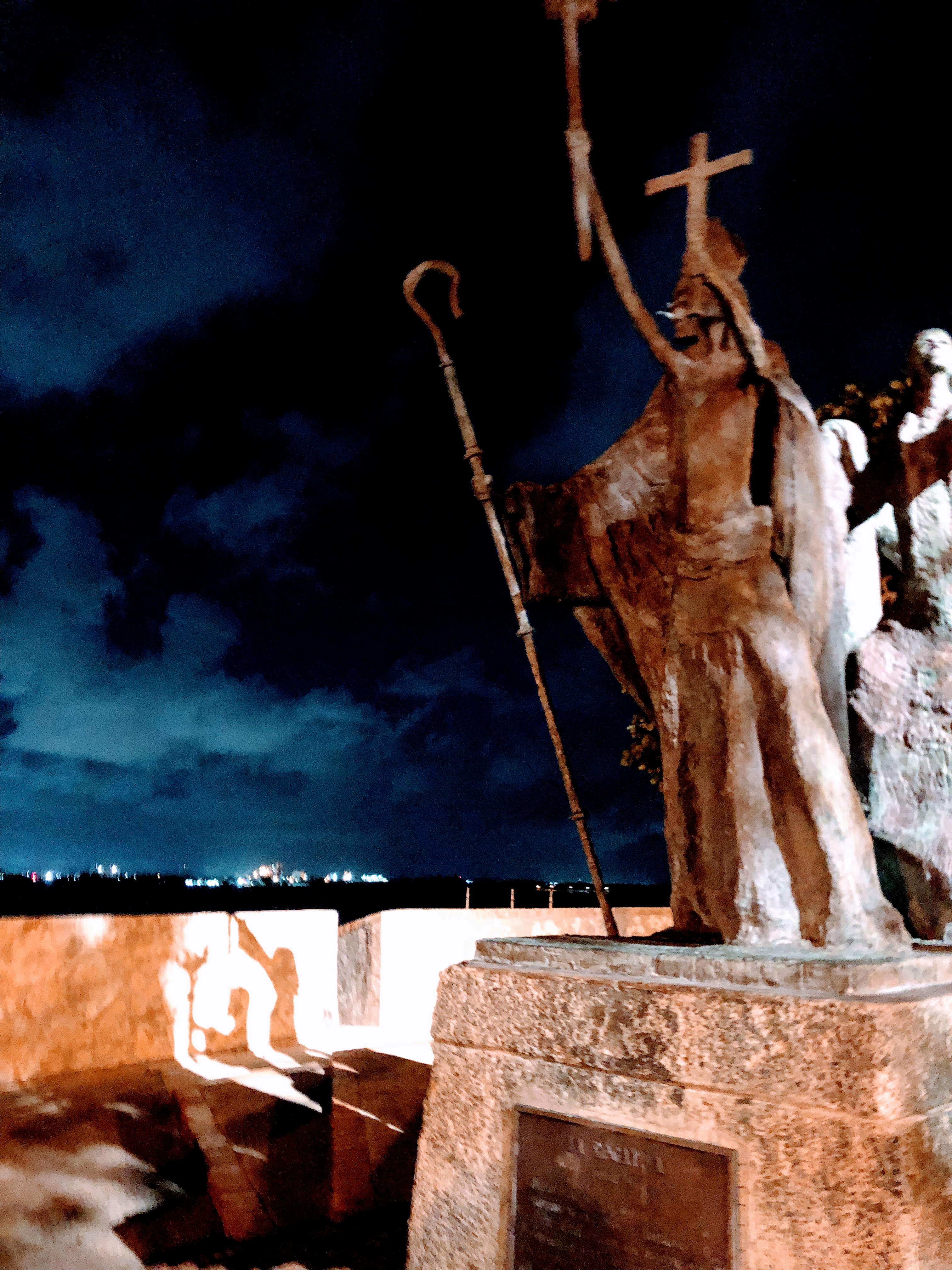
El MorroLa Rogativa commemorates an incident in 1797 during a British naval blockade. Puerto Ricans took to the streets to plead with God for help. The British mistook them for reinforcements, feared they were outnumbered, and abandoned the city.
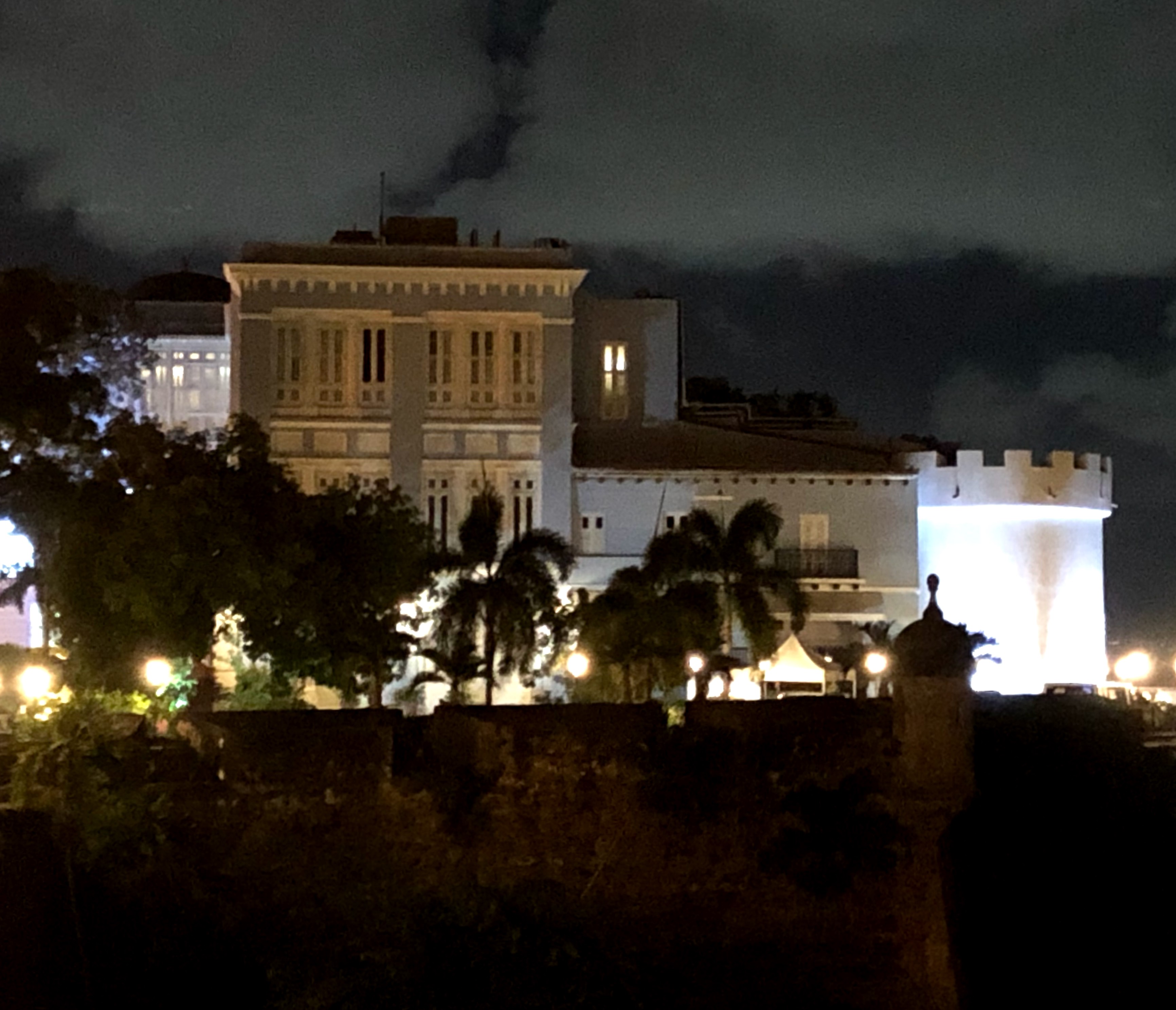
La Fortaleza, the governor’s mansion, Old San Juan
Fortaleza Street, aka Umbrella Street. This is where the protests that led to the resignation of Gov. Ricardo Rossello started.
Raices Fountain commemorates Puerto Rico’s mixed African, Spanish and Taino/Amerindian heritage.The last stop
El Yunque National Forest is a 29,000 acre tropical rain forest in the northeast part of Puerto Rico. It is part of the national forest system.
In September of 2017, when Hurricane Maria devastated Puerto Rico, it stripped the leaves off of the trees in El Yunque. One of every ten trees died. The landscape was left brown and barrren.
No longer. Less then two years later, El Yunque is once again lush and green. While some parts of the rain forest are still off limits to the public while they regenerate, many of El Yunque’s most popular sections are once again open to visitors. It is a living testament to nature’s resiliency.
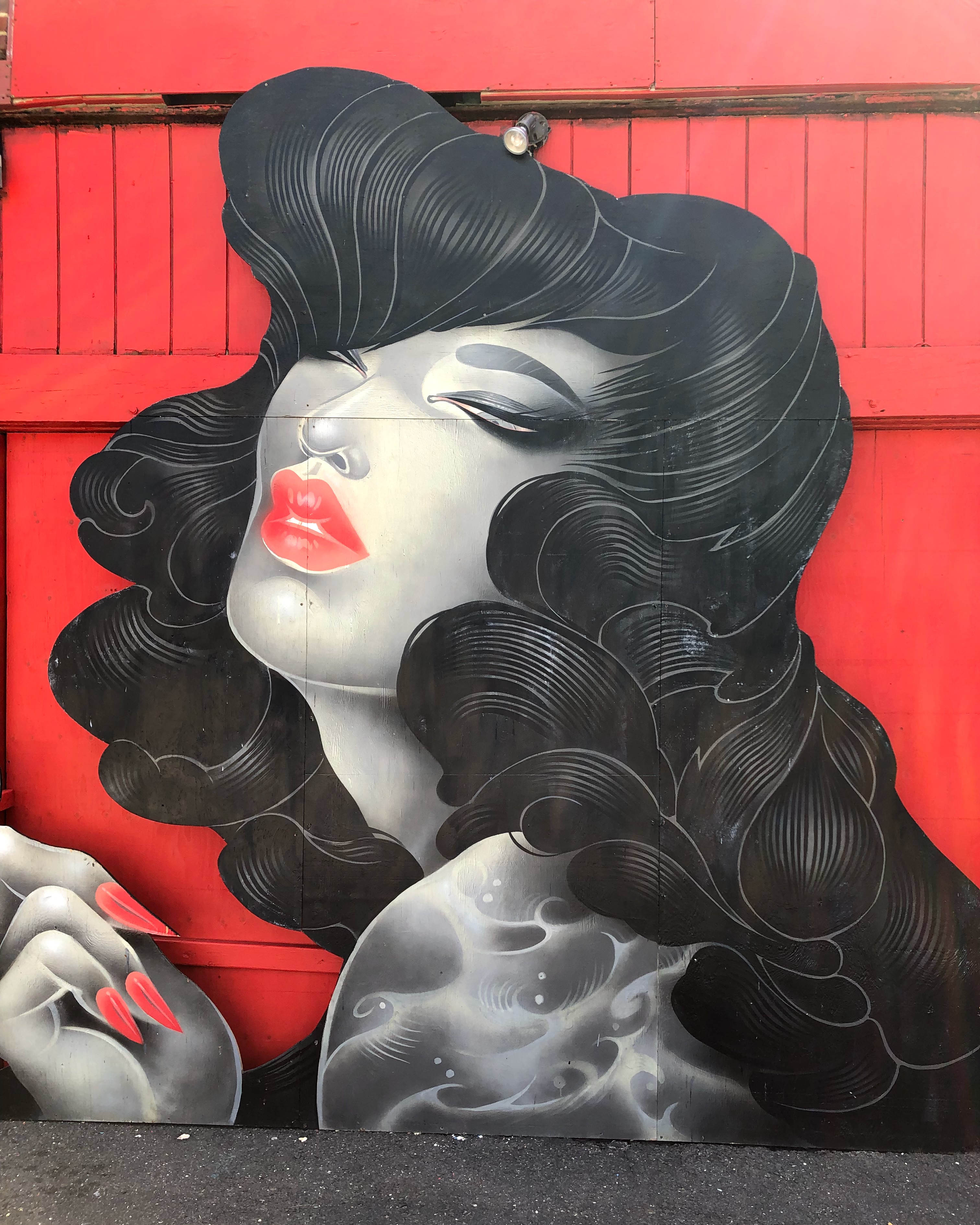
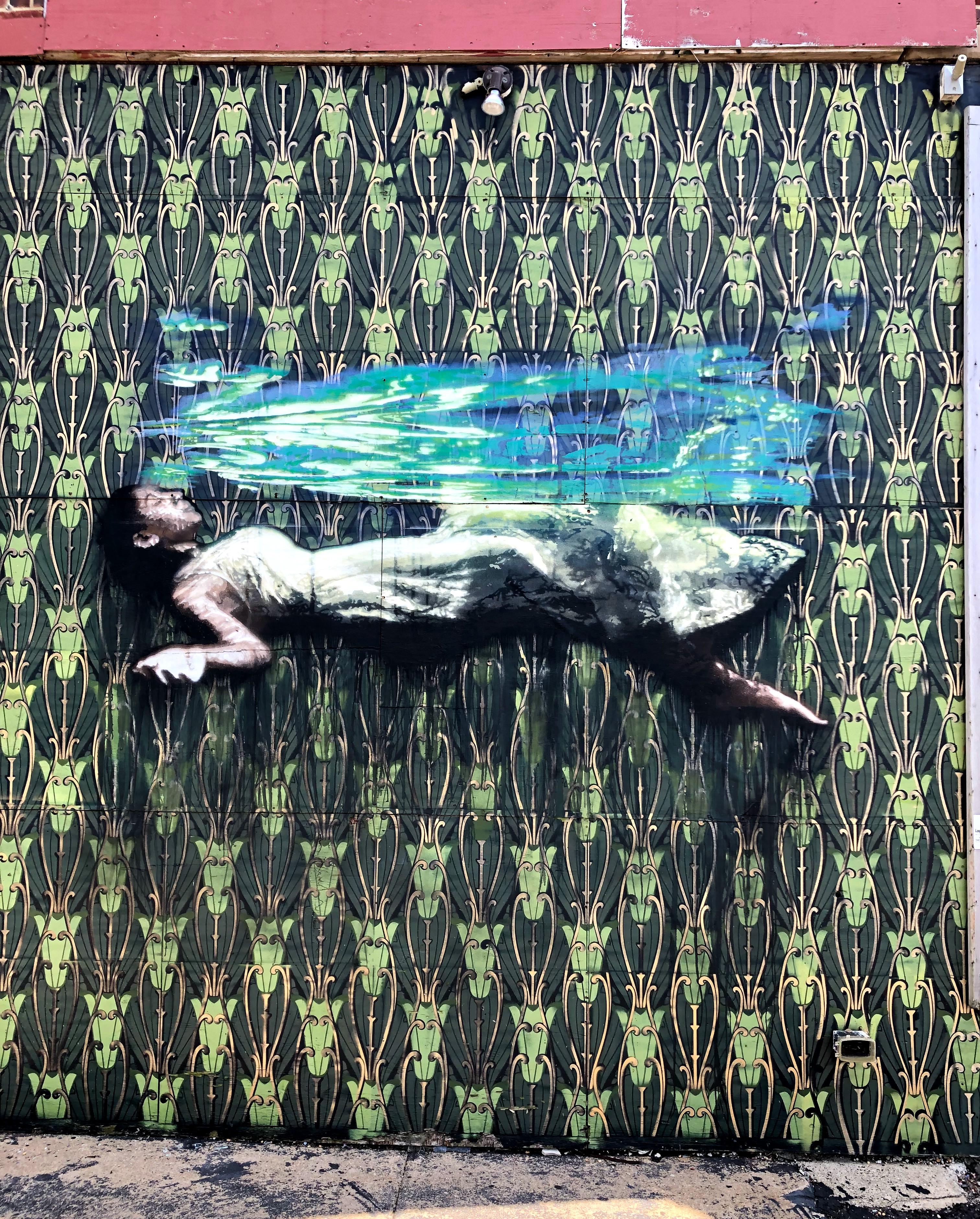
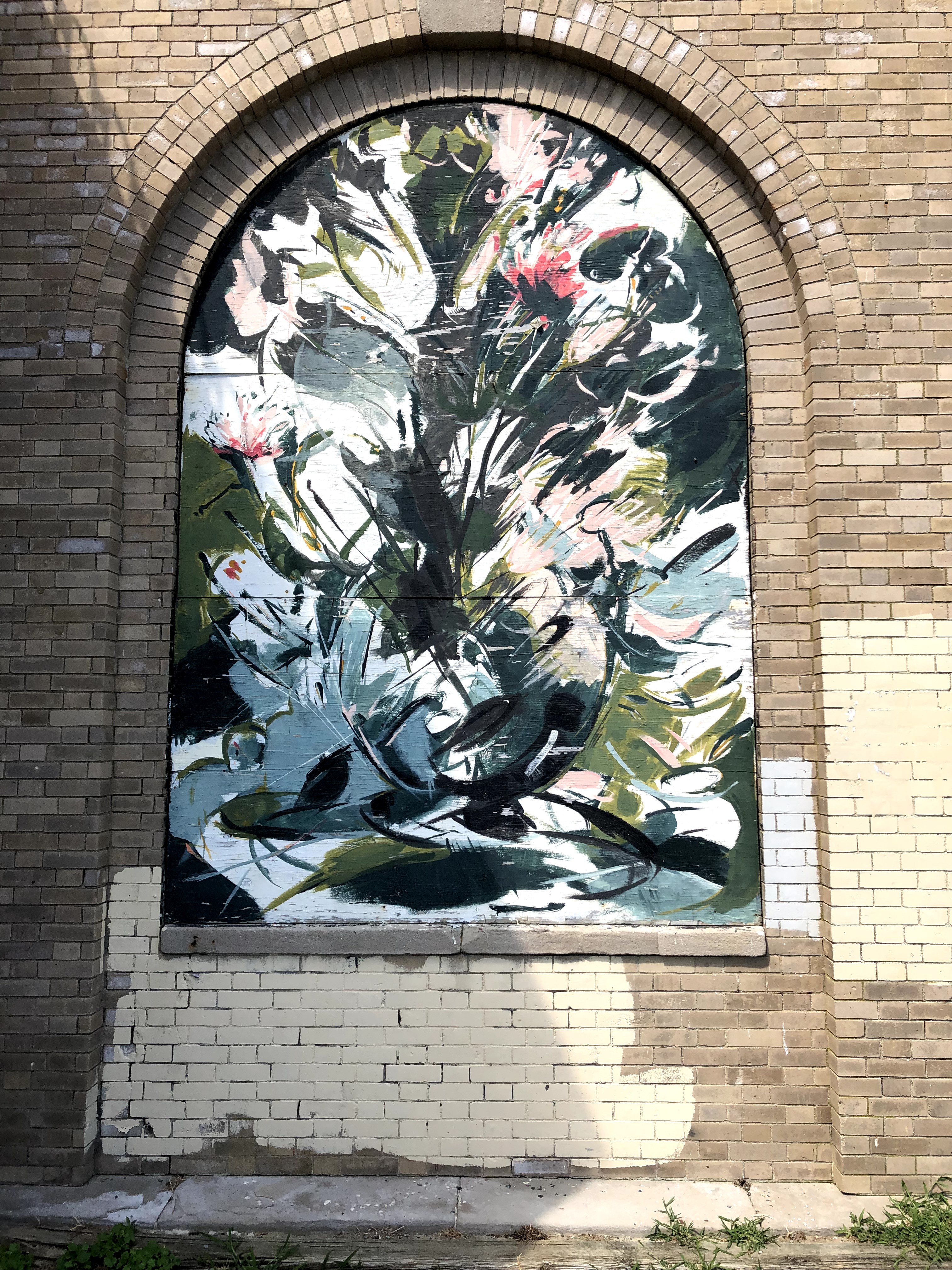
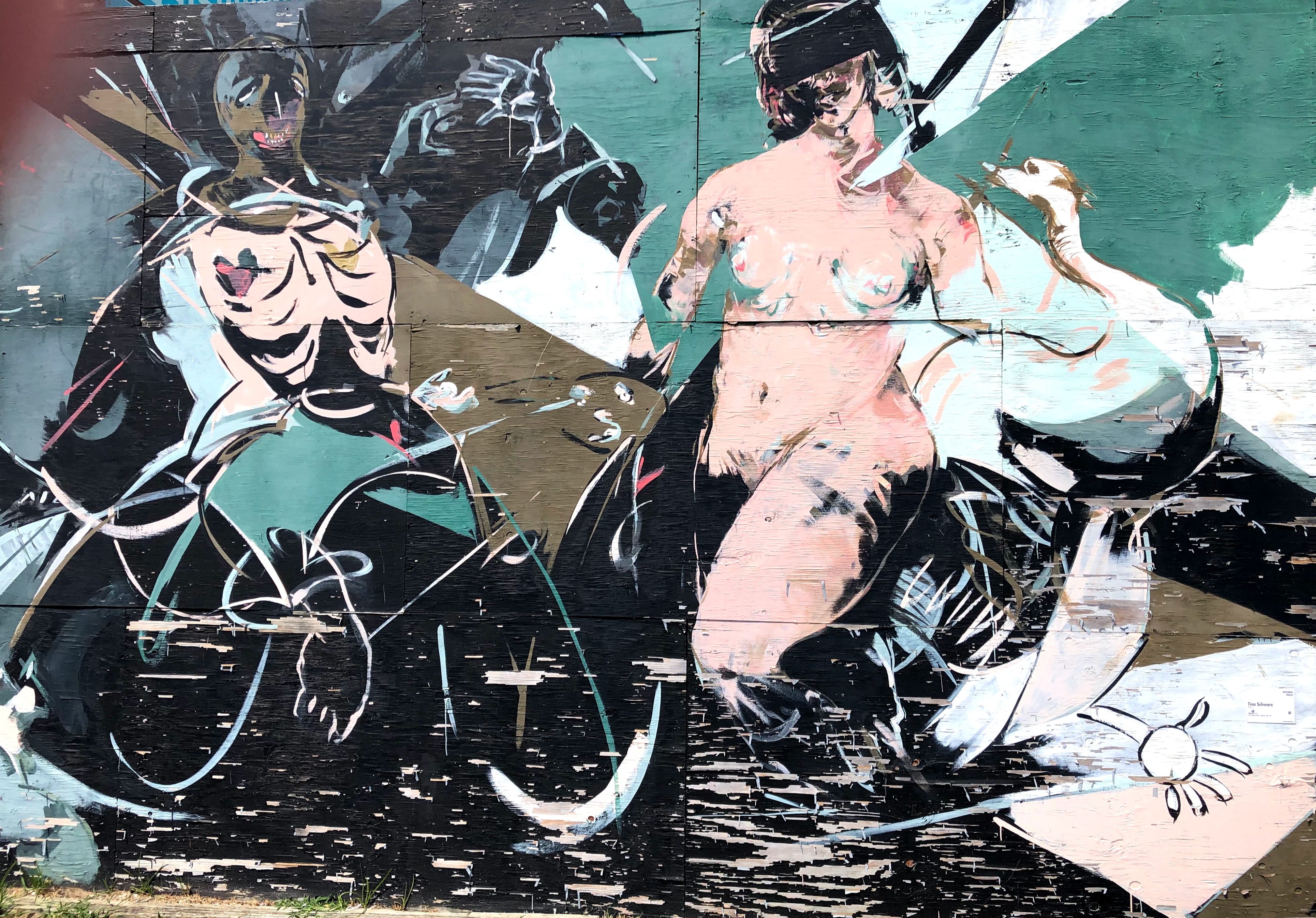
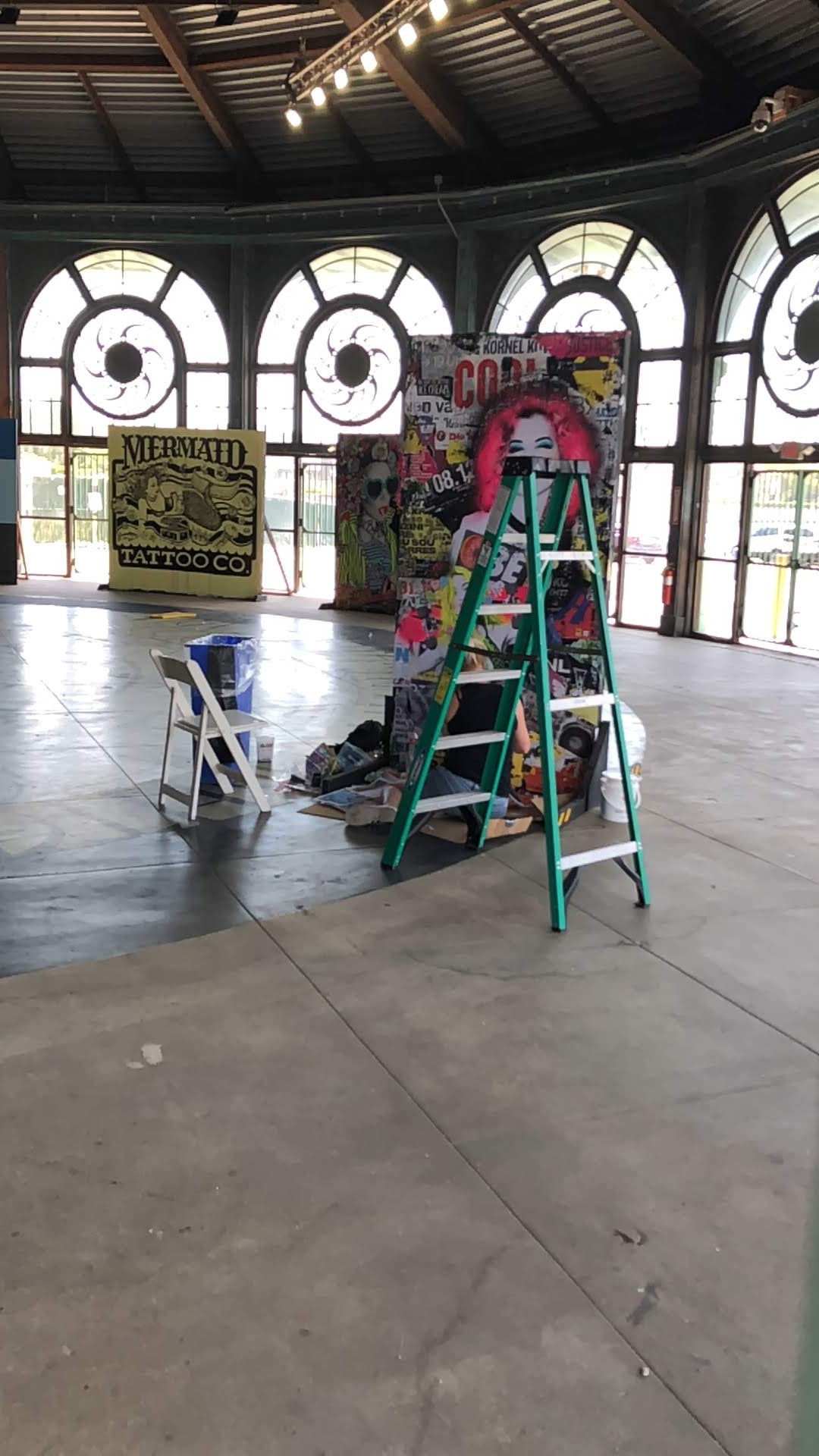
Sea Change: Wooden Walls was a project launched in 2015 to bring public art to the Asbury Park boardwalk. New murals have continued to be added and some of the original ones have been updated. Most have held up pretty well other than the occasional missing ID plate which made it impossible for me to identify the artist.
The Wooden Walls project had taken abandoned and derelict buildings and changed them into a creative visual expression of what Asbury Park has become.
Love in Paradise, Indie 184Dee Dee
Lauren Napolitano
Bonnie Reiss
Sparrow, Luis Seven MartinsOde to the Ocean, Jeffrey Fulvimari
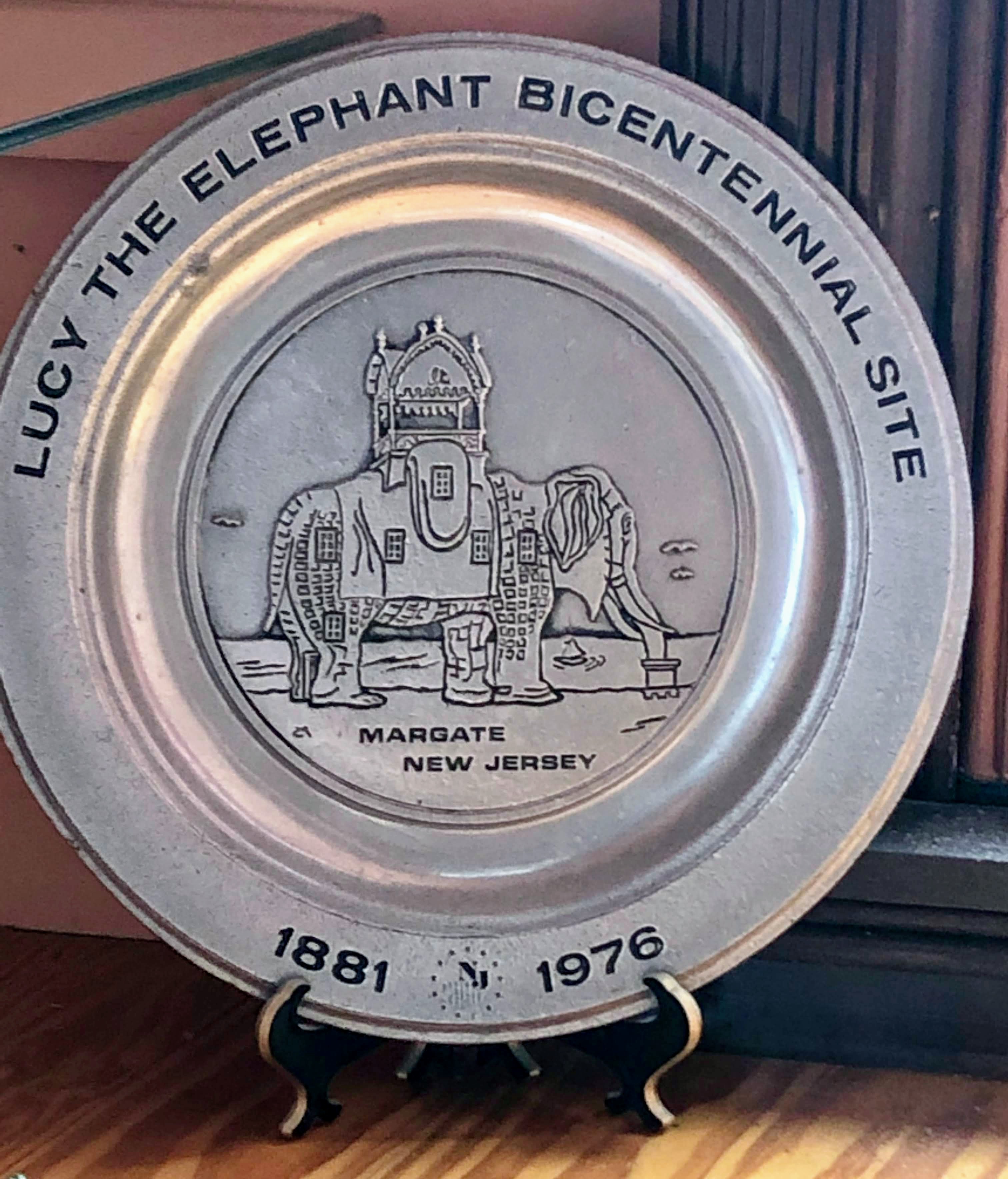
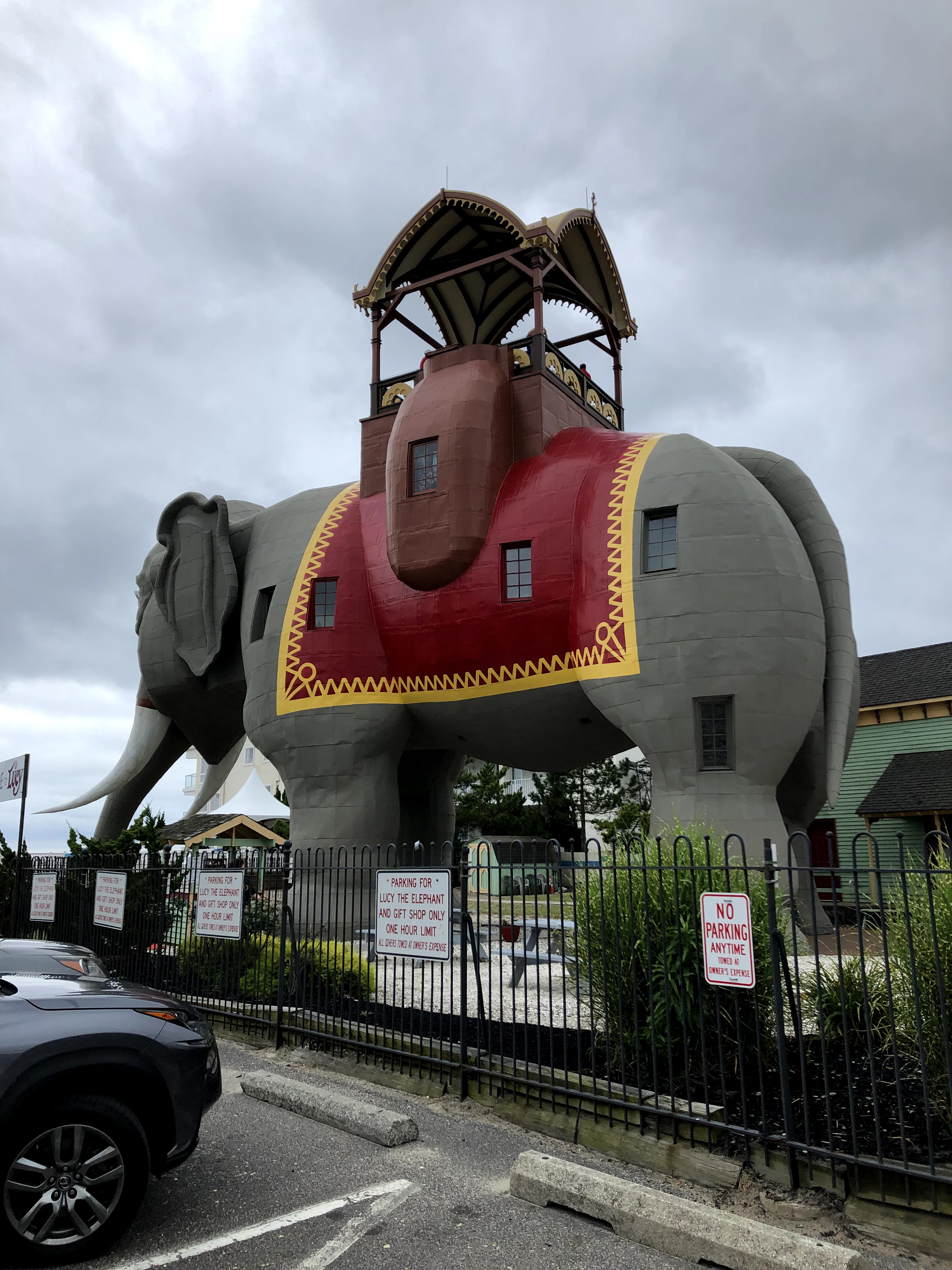
Lucy the Elephant, built in 1881, stands tall, 65 feet tall, with her butt facing Atlantic Avenue in the Jersey Shore town of Margate.
Lucy’s creator James Lafferty was awarded a patent in 1882 giving him exclusive rights for making animal-shaped buildings for a period of 17 years.
During her formative years, Lucy survived spells as a restaurant, a business office and a rentable summer cottage. She survived an early 20th century venture as a bar. That ceased with the onset of Prohibition.
In 1929 Lucy survived a storm that blew away her howdah.
A view of the Margate beach from atop Lucy’s howdah.
Lucy survived the Great Atlantic Hurricane 1944.
During the mid-20th century she survived a period of neglect and decrepitude that resulted in being condemned by the City of Margate in 1962.
In 1970. Lucy survived a two-block move down Atlantic Avenue that took eight hours.
In 2006 Lucy survived being struck by lightning.
Inside Lucy the Elephant
In 2012, Lucy survived Superstorm Sandy unscathed.
In July, on her 138th birthday, Lucy is still standing tall.
Consumer debt has skyrocketed. More and more Americans have debts that they have scant ability to pay and little of no access to legal or government protection against insane interest rates or predatory lenders. At the same time we have an administration whose focus is on removing any barriers for the lender with no empathy for the consumer.
(Image by Carri Dobbins)
One of the most blatant examples is the Department of Education under Betsy DeVos. Student loan debt is the single biggest category of consumer debt, somewhere around $1.5 trillion. It impacts 44 million Americans. Some researchers have suggested that as much as 40% of these borrowers will default by 2023. Close to 90% of these loans come from the federal government.
At a Senate subcommittee hearing in February, DeVos was asked about a backlog of claims from defrauded student loan borrowers. Specifically asked whether any had been approved she couldn’t answer. The next question came from Sen. Richard J. Durbin (D-Ill.,): “Don’t you have a heart when it comes to 140,000 of these victim students who are trying through the borrower defense rule to get relief from the fraud that was perpetrated on them by these schools?” Apparently not.
At about the same time, a report was issued by the Office of the Inspector General within the Department of Education which concluded that lax oversight of student loan companies was putting borrowers at risk. Specifically it said that violations were not being tracked and the companies that committed them were not being held accountable.
Even another Trump appointee, Kathy Kraninger, director of the Consumer Financial Protection Bureau (CFPB), pointed the finger at DeVos. In a letter responding to questions by Sen. Elizabeth Warren, she said CFPB efforts to investigate student loan services were being hampered by the fact that these services, under the guidance of the Department of Education, were refusing to supply requested information.
DeVos has also been both a promoter and protector of for-profit colleges. About 90% of the revenue for these colleges comes from student loans. And these are the colleges, like the Art Institutes, the defunct Corinthian College, the defunct Trump University and Virginia College, whose degrees largely been judged to be worthless. These colleges tend to focus on minorities, single mothers, veterans and working adults. Often they are left with a ton of debt and a crappy degree that does little to enhance their job prospects. The National Center for Education Statistics reports that the 12-year default rate for student loans for for-profit colleges is 52%. For African-Americans who attend for-profit colleges it is 65%.
(Image by Turmisu)
In one case, DeVos stepped in to save one of these institutions, Virginia College, after an accreditation agency refused its accreditation. DeVos reinstated a previously discredited accreditation agency, the Accrediting Council for Independent Colleges and Schools, which allowed Virginia College students to continue to receive federal student loans. A few months later, the college folded. Some of those students are now suing DeVos.
It is the CFPB that is tasked with monitoring lenders of all types and theoretically protecting consumers. The agency was created after the 2008 banking meltdown. Trump appointed an acting director, Mick Mulvaney, who as a South Carolina congressmen, had voted to abolish the agency. It has in fact been standard procedure in the Trump administration that if a regulation cannot be abolished, as in the many cases in which he has been blocked by the courts, he has simply let the positions at the enforcement agencies sit vacant, or appointed directors who simply refused to enforce the regulations.
(Clker Free Vector Images)
Under Mulvaney’s direction the CFPB dropped a suit against payday lenders who were charging 900% interest rates. Regulations limiting dealer markups on auto loans were abolished. He shut down the Office for Students and Young Consumers which had investigated student loan complaints. A few months ago, Kraninger was appointed as a permanent replacement. Where did they find her? Over at Homeland Security where she worked on the family separation policy on the border.
So where do we go from here? If you’re a lender looking to jack your profit margin the future is paved with opportunity. If you’re a payday lender or a for-profit college, you can breathe a sigh of relief that the sheriff ain’t going to be on your tail. But if you’re a borrower? Beware! And maybe try to find a good lawyer.
















































 off the leash