History of Radio: Music, Sports, News and More Music

It was nearly 100 years ago that an engineer named Dr. Frank Conrad decided to stick a mike a front of his phonograph and send the signal out over the radio transmitter he had built in his garage. Conrad’s Saturday night broadcasts not only gave rise to the first commercial radio station in the U.S. (KDKA Pittsburgh) but the Westinghouse employee was setting the tone for what would be the predominate type of programming over the airwaves for decades, music.

In the early years of radio, when most shows were local, the music came from wherever broadcasters could find it. According to Leonard Maltin, author of The Great American Broadcast, “In the earliest days of broadcasting, almost everyone who could sing or play an instrument found a home on radio.”

That began to change with the advent of radio networks, NBC in 1926 and CBS in 1927. The plethora of local stations were connected into networks and their programming began to dominate the airwaves. What didn’t change was the importance of music as a part of that programming. NBC’s first broadcast was a live event at the Waldorf Astoria which featured an orchestra, an opera and dance bands. Music continued to be the most popular form of radio programming throughout the 20’s. In addition to symphonies and opera, radio introduced wider audiences to jazz.

Almost all the music on radio, even as late as the mid-1940’s was performed live. The record industry and the artists themselves were opposed to playing recorded music on radio for fear it would impact record sales. They were about as successful as the recording industry would be decades later when they tried to stop MP3s. Recording tape was not invested until the 40’s. The first pre-recorded radio program was Bing’s Philco Radio Time in 1946.

But music was not the only way to find an audience in the ether and stations were quick to catch onto the attraction of sports. One of the first big sporting events on radio was the Jack Dempsey-Georges Carpentier heavyweight championship fight in 1921. Receivers were placed in theaters and it is estimated that some 300,000 heard the call of the match. David J. Halberstam, author of Sports on New York Radio, believes “boxing is not only the root of sports on radio but it is the very root of all radio.” Of the Dempsey-Carpentier fight he says: “The experiment was such a smash success it resulted in the proliferation of radio stations and the spiraling of radio receivers.”

In 1927, the second championship fight between Gene Tunney and Jack Dempsey held at Soldier Field in Chicago drew a network listening audience of 50 million. To appreciate how popular heavyweight boxing was on radio, consider that the most recent World Series between the Cubs and the Indians, one of the most widely viewed baseball games in decades, drew a viewing audience of 40 million.

Other sports were also quick to find their way onto radio. KDKA broadcast the Pittsburgh-West Virginia college football game in 1921. That same year WJZ New York aired the Yankees-Giants World Series. Throughout the 20’s, 30’s and into the 40’s the most popular sports on radio were boxing, college football and baseball. And the biggest events were heavyweight championship fights, the Rose Bowl and the World Series.

In took a little bit longer for news to catch on. Radio gradually became the go to medium for important events. KDKA, already a pioneer in music and sports broadcasting, covered the Harding-Cox presidential election in 1920. In 1927, the new NBC network put together 50 stations and drew 15 million listeners for the Charles Lindbergh ticker tape parade. Two events in 1932 helped propel radio into the forefront of news media: one was the Hoover-Roosevelt election and the other was the kidnapping of Lindbergh’s baby. Until that time the newspaper “extra” edition was the primary source of breaking news. Radio disrupted that. By 1941 when FDR made his “day that will live in infamy speech” following the attack on Pearl Harbor, it is estimated that 79% of all American homes were listening on radio.

Some other changes in the popularity of programming began to appear in the 30’s. Some attribute this to the Depression causing American listeners to look to the radio for some escape from hard times. Others see it as a reflection of the fact that network programs were generally produced and controlled by advertisers. What they found is that nothing drew a bigger audience in the 30’s than comedy. The first comedy to achieve a mass audience was Amos ‘n’ Andy, a show that was based on demeaning racial stereotypes. It was also the most popular show in the nation by 1929. At one point Amos ‘n’ Andy reached 40 million listeners, about one-third of the entire U.S. population.

Many other comedy shows echoed vaudeville. Well-known comedians like Jack Benny and Burns and Allen, who later went on to TV stardom, got their start in radio.

Another popular form of programming was drama. Two of the early dramatic series were Roy Rogers and Sergeant Preston, both of which came on the air in the late 20’s. Radio also presented condensed versions of novels, plays and even popular movies. Soap operas came to dominate daytime listening. WGN in Chicago introduced the first daytime radio soap, Painted Dreams, in 1930.  It lasted until 1943. And the first quiz show, Professor Quiz, made its debut in 1936.

This mix of sitcoms, live sports, adventure series, daytime dramatics and game shows is exactly what television would offer when it started to come into widespread use in late 1940’s and 1950’s. To this day, many of the types of programming that you see on TV had their origins during the heyday of radio.

While sports and news continue to have some place on radio, once the cowboys, the comedians and the weepy jilted lovers moved over to TV, they disappeared from the radio dial. And that sent radio back to its roots, music.  The authors of Last Night a DJ Saved My Life note that “By the fifties, broadcasters had finally settled most of their disputes with the wider music industry and there were no more legal obstacles to filling airtime with records. The transistor had been invented in 1948, so a radio receiver could now be cheap and portable. And around the same time society invented the teenager.”

All that translated into a new era of radio personalities, DJ’s. Just as radio had found a mass audience for jazz in the 20’s, it introduced many Americans to rhythm and blues and rock ‘n’ roll in the 50’s. According to Listening In author Susan J. Douglas. “Perhaps radio’s most revolutionary influence on American culture and its people was the way it helped make music one of the most significant, meaningful, sought after, and defining elements of day-to-day life, of generational identity and of personal and public memory. Radio gradually made music available to people at most times of the day and night.”
Posted in Radio | Tagged , , , , , , | 7 Comments

Who Was America’s Worst President?

I don’t know why I thought of this on Inauguration Day. I was following my usual morning routine of drinking coffee, reading news on my iPad and procrastinating about walking the dog. Then it suddenly occurred to me to ask Google a question that I figured would be too nuanced for Siri. Who was the worst American president in history?

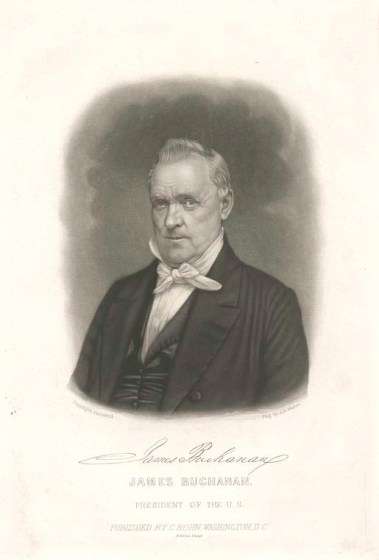
James Buchanan

New York Pubic Library Digital CollectionU.S. News and World Report averaged the results of five different polls. Their answer was James Buchanan, president from 1857 to 1861, preceding Abraham Lincoln. He was believed to have influence over the infamous Dred Scott decision by the Supreme Court that denied the government’s ability to prevent the spread of slavery into the Western territories. He helped precipitate and then presided over the Panic of 1857, assuring Americans that there was little he could do about it. His most definitive response was to reduce the amount of gold and silver in coins. As for foreign policy, he once sent troops into South America to try to annex parts of Paraguay. And he rushed troops to the Canadian border to participate in a standoff that resulted when a Hudson’s Bay Company pig was shot by an American settler. It was under his watch that Southern states began to secede from the Union.

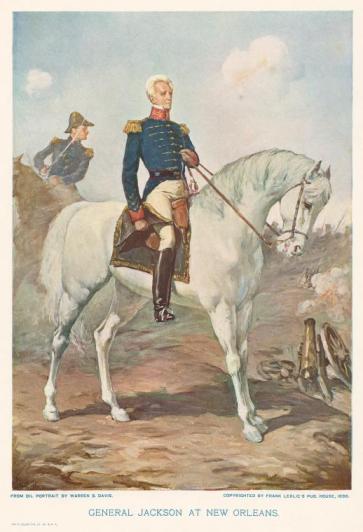
Andrew Jackson

New York Public Library imageWhen the question was put to Quora users, a popular choice was the man whose oversized head defaces the $20 bill. Influenced by having watched the play Bloody, Bloody Andrew Jackson not too many years ago, he’s my personal choice. He is most widely reviled, and deservedly so, for the Indian Removal Act, which forced the relocation of 45,000 Native Americans and led to the Trail of Tears. This slave-owner virtually institutionalized the practice of patronage in his hiring to federal jobs thus paving the way for future generations of Cabinet nominees like Betsy DeVos. He openly defied the Supreme Court after the justices issued a ruling that was favorable to Native Americans in Georgia. With a human rights record that is about the same level as that of Attila the Hun, jail would have been a more appropriate home for this guy than the White House.

George W. Bush

Wikipedia commons imageNow that the Presidency is in the hands of a narciscistic blowhard, I have softened by view of Dubya. Here is a man who probably would know the right people to put together a dynamite backyard barbeque. But a History News Network poll of historians tabs Bush Deux as our worst-ever president. That reminded me of the fact that he sent us into war based on utter bullshit. He turned a healthy budget surplus into a massive deficit by reducing taxes for the wealthy while increasing spending. And he let Wall Street run amok until the combination of their greed and challenged ethics produced the recession of ’08. One of the surveyed historians characterized him as “glib, contemptuous, ignorant, incurious, a dupe of anyone who humors his deluded belief in his heroic self.”
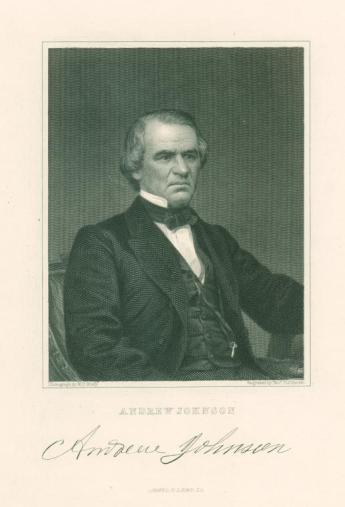
Andrew Johnson

New York Public Library imageA 2006 Siena College poll that included 744 professors placed Andrew Johnson at the bottom of the pile. Johnson was president from 1865-1869. He had been vice president when Lincoln was assassinated. Based on some administrative rules that I don’t understand, Congress impeached Johnson in 1868 but fell one vote short of removing him from office. A former pro-slavery governor of Tennessee (how the hell did Lincoln pick this guy?), Johnson vetoed every civil rights bill Congress passed and condoned white terrorism in the south. He is generally considered to have set the stage for the Jim Crow south. His total unfitness to hold the office can be summed up in his own words. “This is a country for white men, and by God, as long as I am president, it will be a government for white men.” This is not a president who was ever elected.
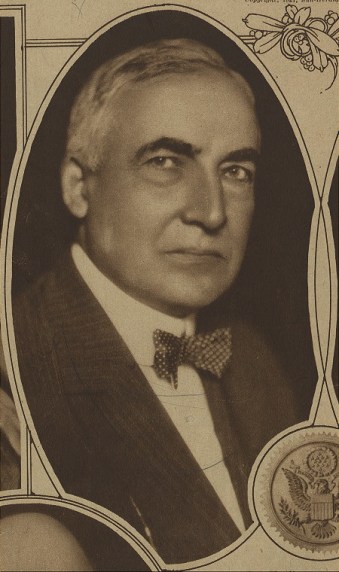
Warren Harding

New York Public Library imageA 1996 poll of academics by noted historian Arthur Schlesinger, Jr., points the finger of shame at Warren Harding. Harding won a landslide victory in the Presidential election of 1920 campaigning against Woodrow Wilson’s globalism and becoming the first Presidential candidate to play the red scare card. In office he refused to recognize post-revolution Russia. Harding is not so much reviled for what he did but rather for how little he did. He only lasted two years. He suddenly died of a heart attack in 1922 after originally being diagnosed with food poisoning. His brief time in office was characterized by charges of corruption against others in his administration, the best known of which is the Teapot Dome Scandal. Affairs with other women were also part of the buzz around his presidency and it is believed that the Republican Party paid hush money to one, Carrie Phillips, who was a German sympathizer during the war. No one has ever substantiated the rumors that his wife poisoned him.


Posted in History, Uncategorized | Tagged , , , , , , , , , | 10 Comments

History of Radio: We All Sat Around the Wireless

Imagine your family spending the evening sitting around the living room. No TV. No smartphones. No screens of any kind. Instead everyone’s attention is focused on a small piece of furniture with a speaker and a wire leading to an antenna. At Hockey Hall of FameIt was the wireless of the early 20th century. Radio. And for a little more than two decades, from the late 1920’s to mid-century, listening to radio was the prime time pastime for a pretty large percentage of American homes. It may not have been the first widely used home entertainment device, that was the phonograph, but it was surely America’s first mass medium. It was, in the words of Listening In author Susan J. Douglas “a mass medium that stimulated the imagination instead of stunting it.” And while its reign as the king of home entertainment may have been relatively brief, it inspired the home entertainment industry for decades after that.

The standard history of radio starts with Marconi, proceeds through the U.S. Navy and moves on to the corporate manufacturers, RCA and Westinghouse among them. But most of these guys, including Marconi himself, primarily saw radio as a point-to-point communications device, a substitute for the telegraph and a way to communicate with ships at sea. The realization that radio could send out more than dits and dots was more likely laid out by a group of what today we might call freelance hackers. These guys, and they were mostly men, took their batteries and their wires, maybe some tobacco tin foil and a tomato can, and headed to the garage or attic to build wireless devices and find new ways to use them. There’s clearly a parallel with pre-web internet users.

A few stories about the accomplishments of these hackers have been passed on. There’s the Canadian engineer Reginald A. Fesseddon who set up shop in Brant Rock, Mass., and on Christmas Eve of 1906 sent out a signal that included him playing “Oh Holy Night” on the violin. His audience was unsuspecting ship telegraph operators. Charles ‘Doc’ Herold, who has been called radio’s first DJ, planted himself in 1909 in a San Jose bank and transmitted music, news and some casual banter. And then there was Lee de Forest, a man who invented the triode vacuum tube and who described himself as the “father of radio.” de Forest set up a transmitter on top of his Bronx lab and in addition to playing music, reported on the 1916 President election between Woodrow Wilson and Charles Hughes. A harbinger of future uses of radio but unfortunately de Forest reportedly made the wrong call tabbing Hughes as the winner.

Most historians start the story of commercial radio in 1920 with a Pittsburgh-based Westinghouse engineer named Frank Conrad who set up in his garage and used a microphone pointed at his phonograph to start transmitting music on Saturday nights. Westinghouse took notice and Conrad’s efforts led to the creation of KDKA which may have been the first commercial radio station, although WWJ in Detroit makes the same claim. WWJ also went on the air in 1920 as “Detroit News Radiophone.”

Before long radio began to explode. There were 32 broadcast licenses issued in 1921. The following year there were 600. In the U.S., radio was not held back by government monopolization. This led to a period in the first half of the decade that was both free and chaotic. Universities started radio stations. So did churches, newspapers and department stores. Interference was rampant and by the mid-20’s the airwaves in some areas were completely clogged.

The early radios were not plug and play. You usually had to buy the parts and put it together yourself. The early broadcasters were also the early audience. From 1920-1925, radio was the domain more of hobbyists than family listeners. It was what dad did when he disappeared into the garage after dinner. Nonetheless, sales of radio sets and parts jumped from $60 million in 1922 to $136 million in 1923 and $358 million the following year. Programming was mostly local and might have involved anyone in town who could play a musical instrument. But it wasn’t the programming itself that attracted these early listeners. They were more excited by what they could find and what distant signals they could tune in.

radio receiver at Ontario Science Center

1925 Atwater-Kent radio receiver

Several developments after 1925 set the stage for radio as the preferred home entertainment option. Radio sets themselves began to produce better sound and were easier to use. There were lower entry price points. In 1927, the Federal Radio Commission, the predecessor of the Federal Communications Commission, was established to assign and fix radio frequencies and to manage disputes. RCA formed the National Broadcasting Company in 1926, establishing two network feeds, the Blue and Red networks. CBS arrived a year later.

These networks would define radio programming for the next two decades plus. Their existence enabled stations to buy into a network with the top stars of the day, like Rudy Valee, or the biggest events like a heavyweight championship fight.

As a result of these developments the percentage of American families with a radio jumped from 10% in 1925 to 62.5% in 1933. By then the networks were offering a full slate of not just music and sports but drama and comedy as well. Even the Depression didn’t slow the growth of radio as the percentage of families owning a set jumped to 81% by 1940. Radio was in fact free to listen and the nature of the programming that had evolved offered some escape from tough times.

While commercial TV was introduced in the early 1940’s it didn’t immediately catch on. It wasn’t until later in that decade, as the number of radio sets began to reach full penetration, that both the manufacturers and the networks decided that their future was going to be shaped by TV. By 1950 the networks had pretty much abandoned radio.

But radio never lost its audience. It just changed. Families were no longer sitting around their devices listening to Roy Rogers or Jack Benny. Instead a new audience emerged that included teenagers with a transistor radio at the beach, people commuting to work in their cars and in later years the audiophiles who migrated to FM.

In next week’s post I’ll take a look at the history of the programming that captivated the American audience.

Posted in Radio | Tagged , , , , , | 7 Comments

In a city full of museums, this one is my favorite.

Whitney Museum of American Art, New York

Stewart Uoo sculpture

No Sex, No City: Miranda, Stewart Uoo

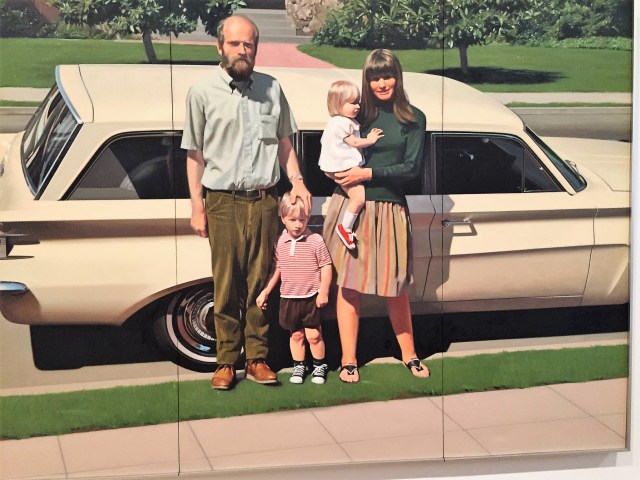
Robert Bechtle painting at Whitney

’61 Pontaic, Robert Bechtle

Steyerl video

Factory of the Sun, Hito Steyerl

VanDerBeek mixed media

Movie Mural, Stan VanDerBeek

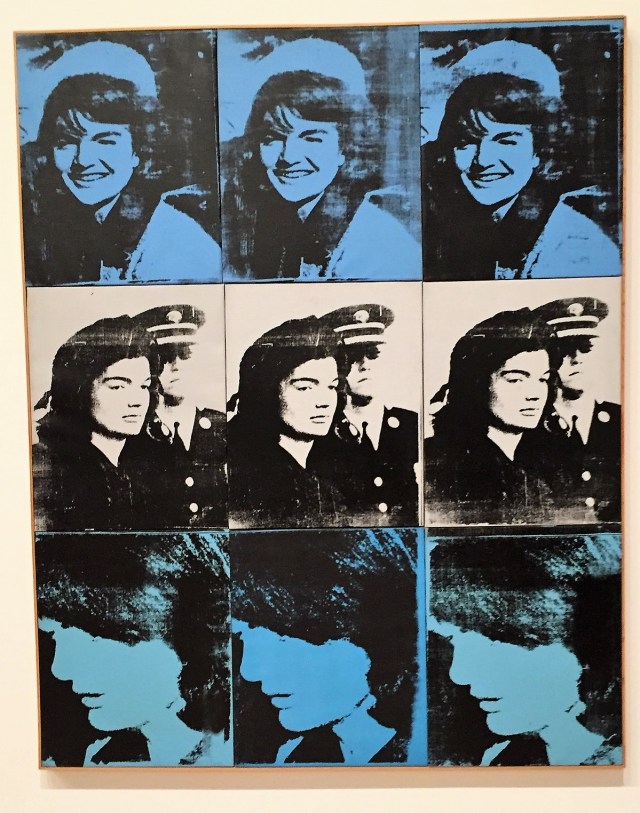
Warhol at the Whitney

Nine Jackies, Andy Warhol

Wax candle by Urs Fischer

Standing Julian, a wax candle by Urs Fischer

Nicole, Sunnydale Avenue

Nicole, Sunnydale Avenue by Katy Grannon

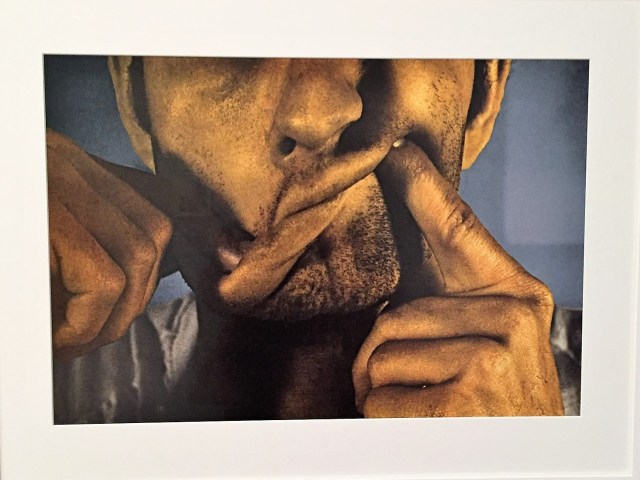
Brune Nauman portrait

Opened Eye, Bruce Nauman

Hanson sculpture at the Whitney

Woman with Dog, Duane Hanson

Herrara painting at the Whitney

Green and White, Carmen Herrara

Saar work at the Whitney

Sklin/Deep, Alison Saar


Posted in Art | Tagged , , , , , , | 5 Comments

Not Your Grandmother’s Vase; Chihuly Blown Glass

Blown glass by Chihuly

Sapphire Neon Tumbleweeds

Dale Chihuly is a 75-year old American artist who builds sculptures out of blown glass. A native of Tacoma, Washington, he holds masters degrees in sculpture from the University of Wisconsin-Madison and the Rhode Island School of Design. He also studied glass blowing on the island of Murano in Venice, Italy. He is known for location specific installations in public spaces and gardens. In addition his work is featured in more than 250 museum collections. After an accident made it difficult for him to hold a glass blowing pipe in 1979 he continued his work by hiring others to do the glass blowing.

Chihuly blown glass

Red Reeds on Logs

Chihuly blown glass

Icicle tower and chandelier

Chihuly drawing

Basket and reed quad drawing

Chihuly blown glass

Royal Ontario Museum exhibit

All photos are from the Chihuly exhibit at the Royal Ontario Museum in Toronto

Posted in Art, Uncategorized | Tagged , , , , , , , | 14 Comments

Hockeytown Toronto

at the Toronto Christmas Market

Hockey equipment past and present

Hockey Then and Now, an Ontario Science Center exhibit

at the Hockey Hall of Fame

The first Stanley Cup

Souvenir T-shirt

Canadians vs. Leafs

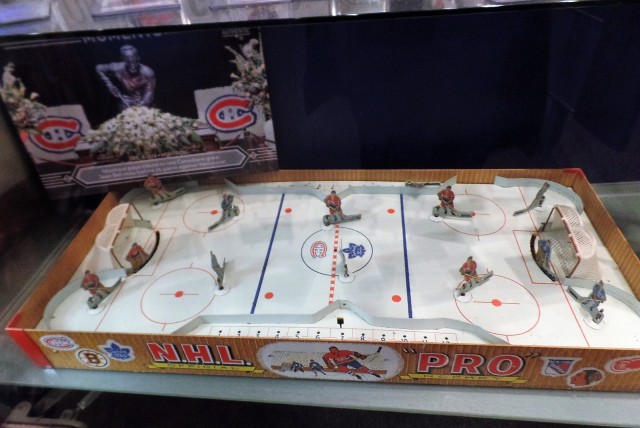
Canadians vs. Leafs. As a child I played this exact game for a countless number of hours.

Sharks hockey shirt

the Hockey Hall of Fame

Posted in Sports | Tagged , , , , , , , | 4 Comments

It’s Christmastime in Toronto

Christmas in the mall

The Beaches

Eaton Center

Toronto Christmas Market

Santa at the Chelsea Hotel

Santa in the hotel lobby

Phillips Square

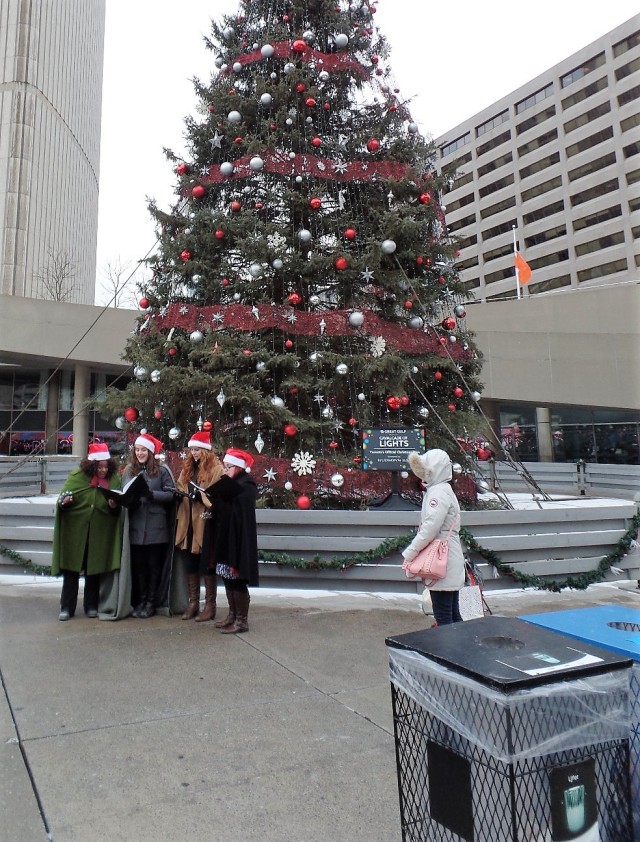
Christmas tree

Posted in Uncategorized | Tagged , , , , , | 4 Comments

10 Really Interesting Things I Saw in Toronto

1.  A green sawfish

Ripley's Aquarium of Canada

at Ripley’s Aquarium of Canada

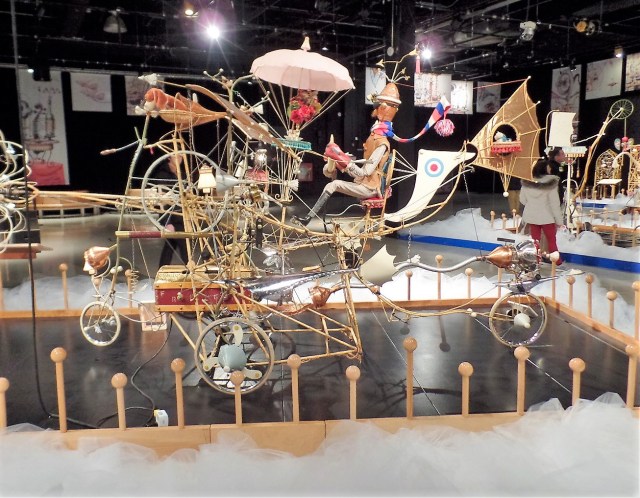
2. Featherstone Kite Flying Machine

Emett design

Rowland Emett creation at Ontario Science Center

3. The Stanley Cup

Great Room, Hockey Hall of Fame

At the Hockey Hall of Fame

4. Peameal bacon on the bun

Home of the Peameal Bacon sandwich

Carousel Bakery in the St. Lawrence Market

5. Standing Bear and Ensnared Grizzly

Standing Bear and Ensnared Grizzly

Totem pole at the Royal Ontario Museum

6. Pipe Dreams


Pipe dreams

My portrait in bubbles at the Ontario Science Center

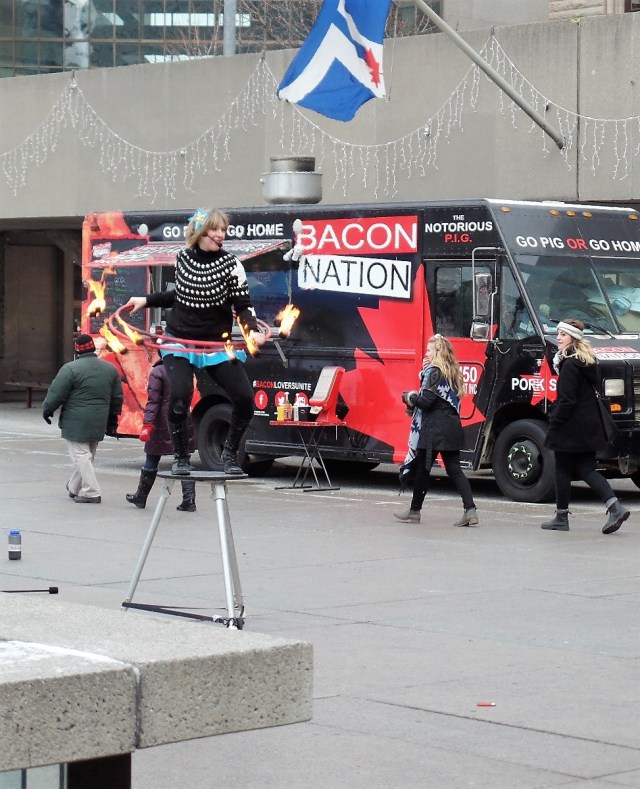
7. Fire and ice

fire and ice

Street performer at Phillips Square

8. TFC party bus

TFC party bus

Toronto FC fans getting ready for MLS Cup

9. Peel-a-way mural

Building in Toronto

10. Jellyfish wall

aquarium jellyfish

at Ripley’s Aquarium of Canada


Posted in Travel | Tagged , , , , , , | 4 Comments

African Art

from the collection of the Newark Museum

Untitled

Untitled (Portrait of a Nigerian Policeman), Sunday Jack Akpan, Nigeria

Naked Gelede

Naked Gelede, Sokari Douglas Camp, Nigeria

Nigerian headdress

Epa Headdress, Bamgboye of Odo-Owa, Nigeria

Les Gendarmes d'Afrique

Les Gendarmes d’Afrique, Sokey Edorh, Togo

Berkeley III

Berkeley III, Wosene Worke Kosrof, Ethiopia

National Theater

National Theater, Olu Amoda, Nigeria

Ghaniian art

Movement #36, Kwesi Owusu-Ankomah, Ghana

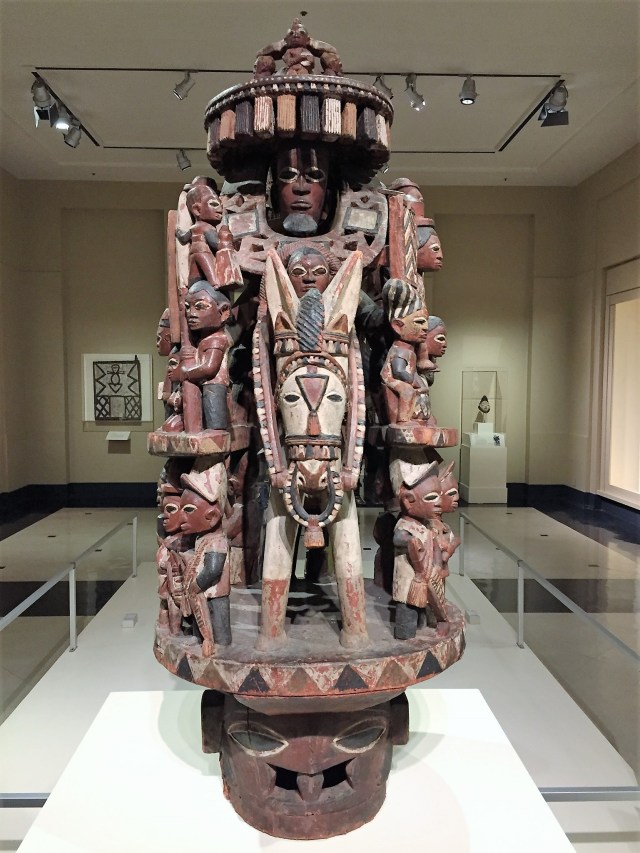
Nigerian headdress

Gelede Headdress, Yonuba artist, Nigeria

Posted in Art, Uncategorized | Tagged , , , , , | 7 Comments

Digital Deception Redux: Is Fake News a Laughing Matter?

Two years ago I published this blog post about fake news. At the time I had no idea how big an issue it would become. After what has happened it makes for an interesting read, so I’m re-publishing the original post.

Digital Deception: Is Fake News a Laughing Matter?

An Invading Martian

(photo by wintersixfour)

It was Oct. 30, 1938 and Americans were glued to their radios awaiting further news about a reported invasion by Martians. They heard about how a meteorite had landed in Grovers Mill, N.J. An onsite reporter described how a crowd had gathered around a Martian who was sighted inside the vehicle and who incinerated all present, including the reporter. They awaited further bulletins on casualties and heard about how an army of Martians were preparing to invade New York City.

Orson Welles adaptation of the H.G. Well’s novel “War of the Worlds” is the pinnacle of fake news. At the time it was treated as an outrage by some journalists who claimed it created havoc. But we now think of it as brilliant drama.

Seventy-five or so years later, the tools to publish are available to everyone, as is the ability to promote what you publish through social media. The Web is full of fake news sites, the most popular of which is probably The Onion. While it calls itself “America’s finest news source,” its substantial following knows full well what the deal is.

But fake news also has a dark side. A recent story by the relatively unknown National Report carried the headline “17 Texas Kindergarteners Contract Ebola After Exposure to Liberian Foreign Exchange Student.” This prompted a story in Fast Company “Friends Don’t Let Friends Share Fake News About Ebola” which began: “This is a public service announcement about Ebola. If you see a story from a source called the National Report, ignore it.” The site dnaindia.com commented: “These sites claim to be satirical but lack even incompetent attempts at anything resembling humor.”

What motivates a nothing publication like the National Report to publish this kind of crap? The two million clicks it got in one day on this story, most of which were generated from Facebook. (Remember those statements from Facebook about elevating quality content in their news feed?) Fake news operations are using the same kind of clickbait tactics popularized by services like Buzzfeed and Upworthy, but without going to the expense of employing a real editorial staff.

Big American News is another fake newsjacker trying to produce clicks by feeding the potential panic over the spread of Ebola. These guys published a picture that they claimed showed an Ebola victim rising from the dead. Turns out the photo was a screenshot of a zombie from a movie. Imagine how the trend meter would percolate when you combine Ebola and zombie apocalypse.

Some other stuff that has gone viral recently includes another National Report story with the headline “The Big Lebowski 2 Filming Begins in January 2015.” It doesn’t really. And a site called Huzlers.com chipped in with “NASA Confirms That the Earth Will Experience 6 Days of Total Darkness in December 2014.”

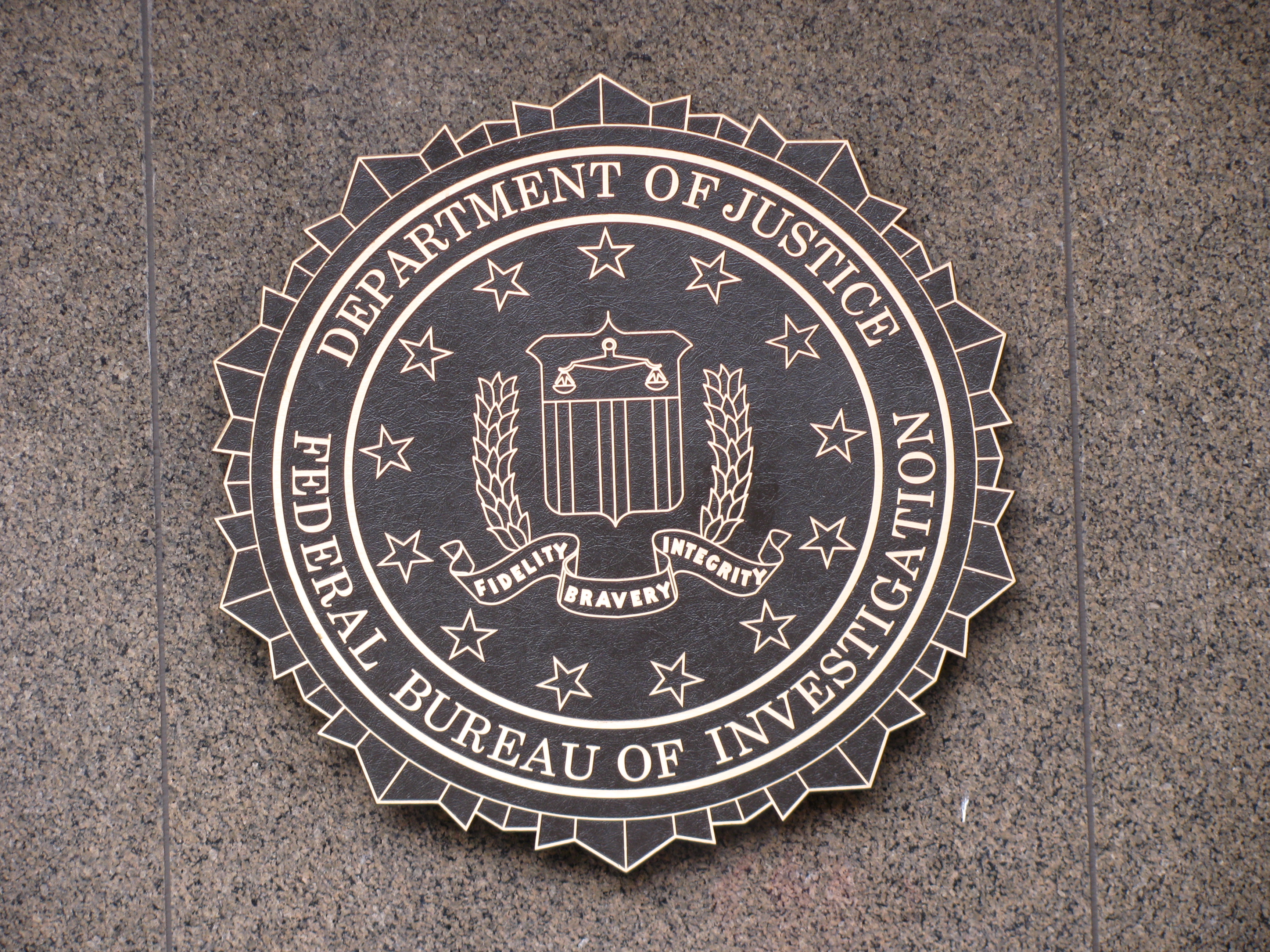
But it is not just clickbaiters that use fake news to accomplish their goals. It has also reportedly been a tactic of both the FBI and the Republican Party.

(photo by nightfall)

(photo by nightfall)

Just last month, the FBI used fake news to nab a bomb threat suspect. (FBI Under Fire for Fake News Site to Nab Suspect.) They created a news story with an AP slug and posted it on a site that looked like the Seattle Times. They then sent it to the suspect on his My Space account. Since the story was about the suspect, he clicked on it, as they expected, and the file included malware that allowed the FBI to track his location. The Seattle Times called this an “affront to a free press.” But one also needs to consider that if catching this guy saved even one life does that result justify the tactics used?

In the ugly world of Washington politics, the National Republican Congressional Committee was reported earlier this year to have used fake news sites to attack Democratic congressional candidates (NRCC Launches Fake News Sites to Attack Democratic Candidates.) They created one page sites with names like “North County Update” to give the impression of a local news site. There were disclaimers at the bottom of the page acknowledging that the site was paid for by NRCC. The story in the National Journal also states that the NRCC had been the subject of a Federal Elections Commission complaint earlier for creating fake Democratic candidate sites.

Let us not forget, however, that there is some good satire out there, fake news that is both funny and insightful. Here are some examples:

After the governors of New York and New Jersey announced Ebola quarantine rules that went beyond what was being recommended by the CDC and the President, The Borowitz Report in newyorker.com reported “Christie Sworn In as Doctor.”

The staff at NewsMutiny apparently took note of the military arsenal available to the police dealing with demonstrators in Ferguson, Mo., and took it one step further with this story “Local Police Department Acquires Nuclear Weapon to Fight Crime.”

And as football season draws to a close and sports reporters start to look at post season awards, the Onion felt this group worthy of recognition: “Penn State Honors Legendary 2012 Legal Team During Halftime.”

Posted in Digital Deception, Uncategorized | Tagged , , , , , , | 7 Comments