
Telfair Academy



Savannah Scenes



Jepson Center


Photography’s Last Century











Savannah College of Art and Design, Savannah, Ga.











In 1976, Leth Oun is a 10-year-old working in what amounted to a slave labor camp in the Killing Fields of Cambodia. In 2012, Leth Oun is part of the uniformed Secret Service detail traveling with President Obama on his visit to Cambodia. This book is about everything that happened in between. The title refers to an American Dream, but the subtitle could well have been about a Cambodian nightmare
It is unfathomable that a young boy could come of age going through what this man did and not only survive, but eventually thrive. He spent almost four years in the Killing Fields. His days went like this. A guard with a rifle would shout to wake up and head out to the rice paddie. Standing in a few inches of water, with leeches attaching themselves to his legs, he would plant rice seedlings or harvest the rice depending on the season. There would be a break for lunch which was always a watery rice soup in a dirty bowl. Then it was back to work until sundown when the armed guard would send him back exhausted to sleep on the ground. And, since he survived, that was a good day.
When the Vietnamese overran the Khmer Rouge, Leth and his mother found their way across the Thai border and into a series of refugee camp’s run by the U.N. In 1983 they were flown to America and settled in Maryland where they had a family connection. It is there where the Horacio Alger part of the story begins. It starts with Leth riding his bike through dangerous Washington traffic to work every shift he can get at a Tenleytown convenience store, a place where he would first encounter Secret Service agents who would come in for a sandwich or a coffee.
There is a lot more to the story of Leth’s life in America but for me the power of this book is the amazing first hand account of the Killing Fields. No historical tract or news report could come close to capturing the Khmer Rouge era the way this personal memoir does. Leth and his co-author Joe Samuel Starnes describe his experiences in such a straightforward manner that it almost belies the cruelty and degradation that was inflicted upon his family and so many of his countrymen.
There are heartwarming parts of the story as well. Despite being separated and shepherded about, his family continued to find and support each other. And there are well-meaning folks, in Cambodia, in Thailand and in America, who help make Leth’s story turn out the way it does.
As I read this book, I thought about the xenophobes in America who want to put a padlock on the border. I thought about the people responsible for the wave of Asian-American hatred that reared its ugly head. If only they could read or hear this story or meet this man. For me, Leth Oun is a lot more of what America is about than any of them are.

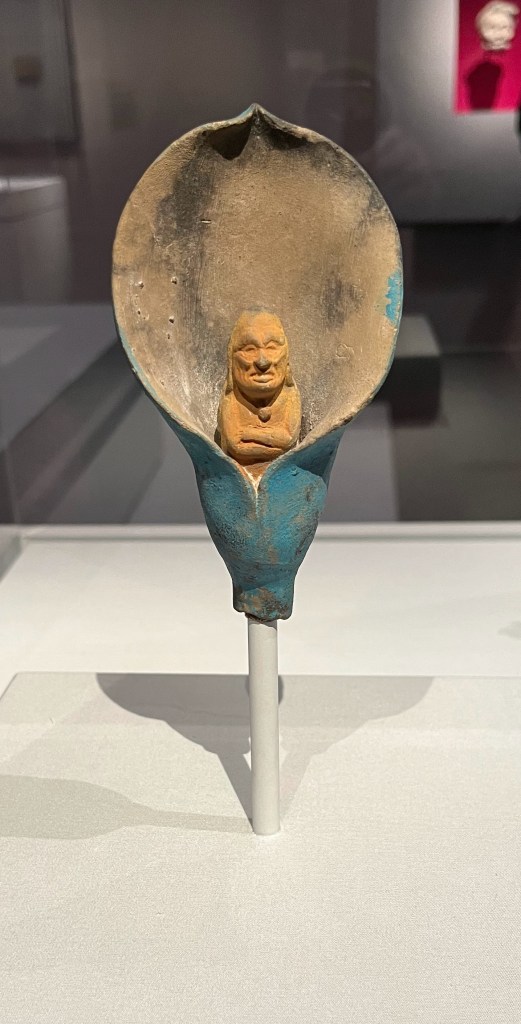



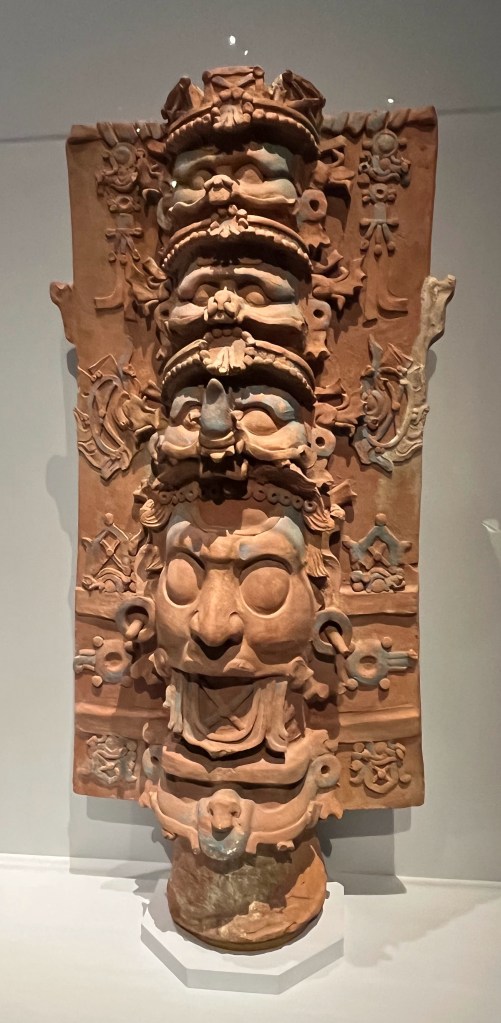
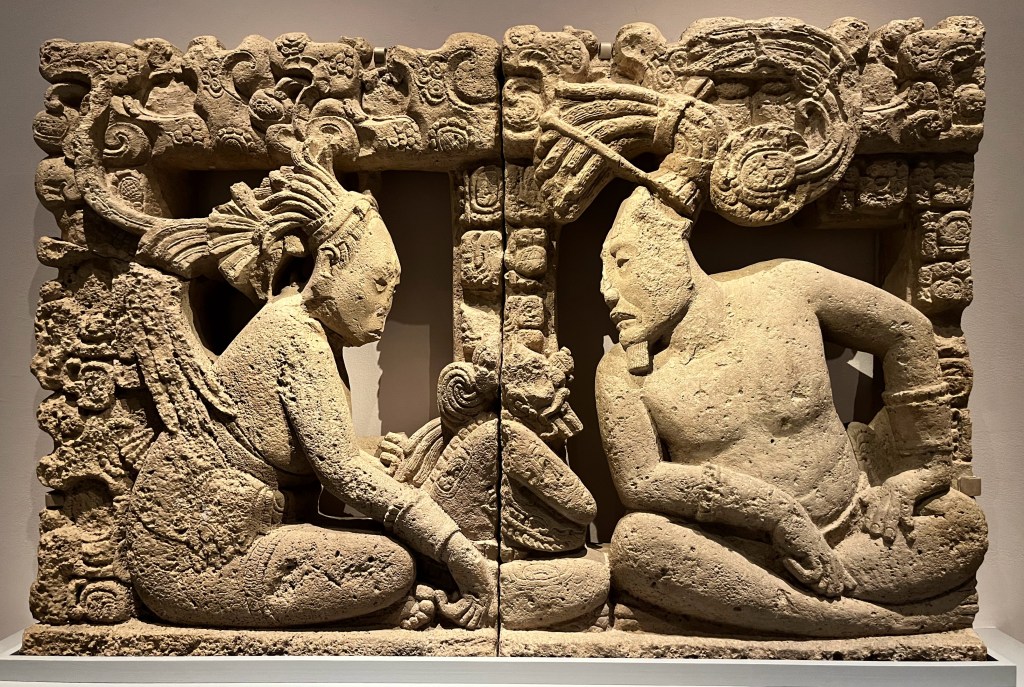
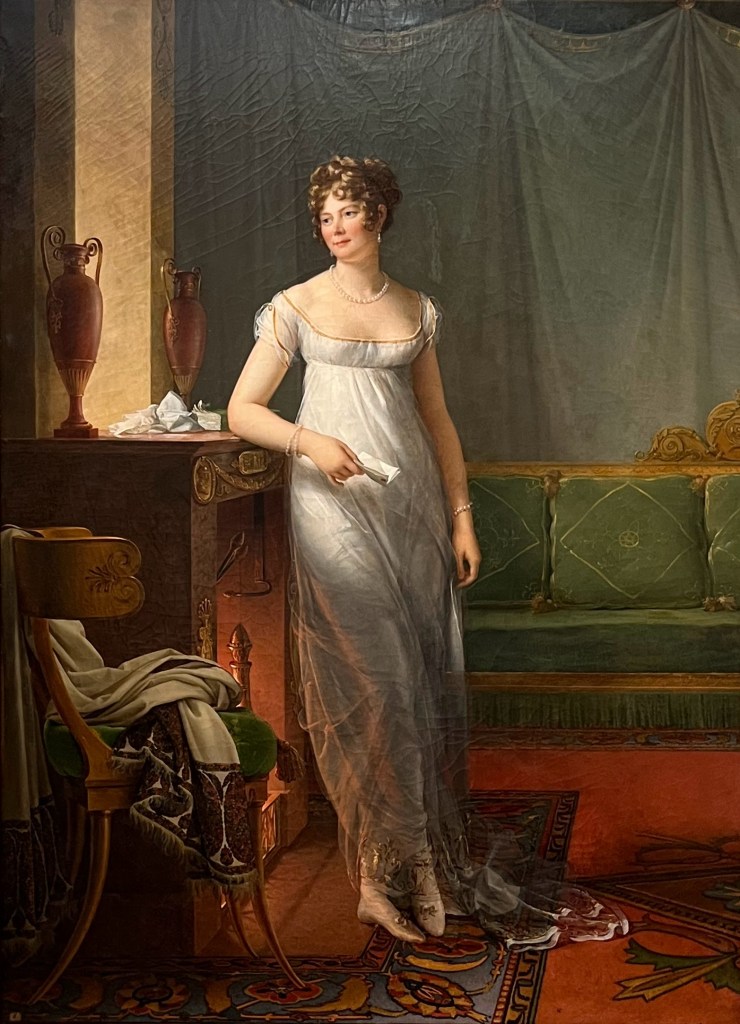



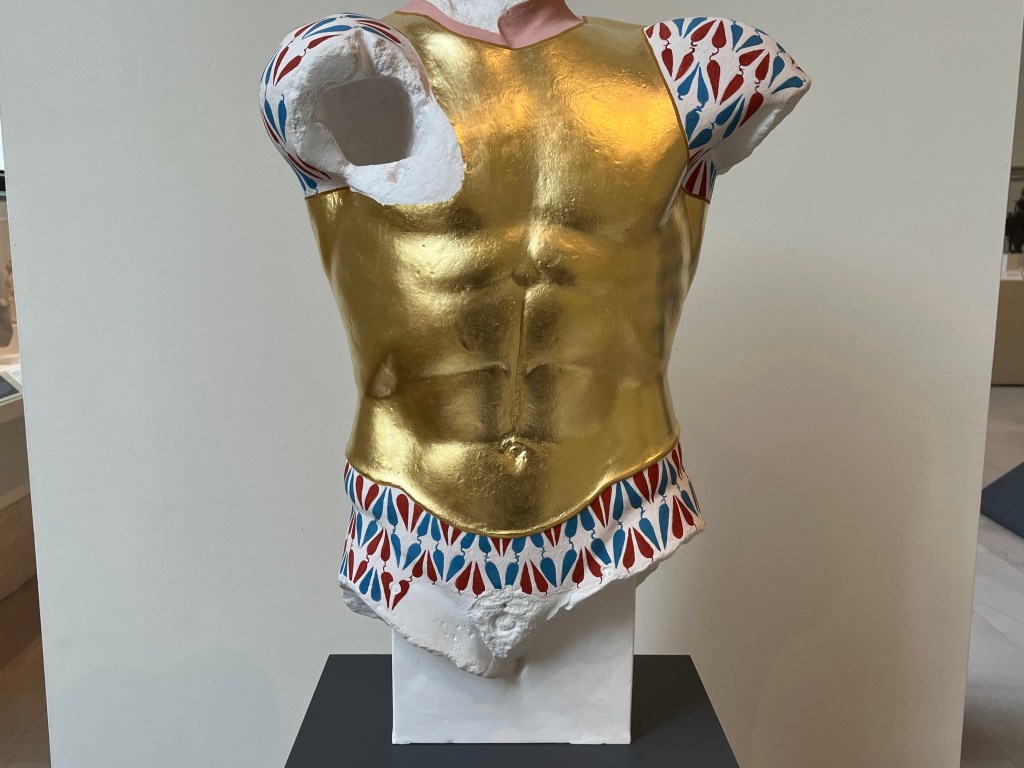
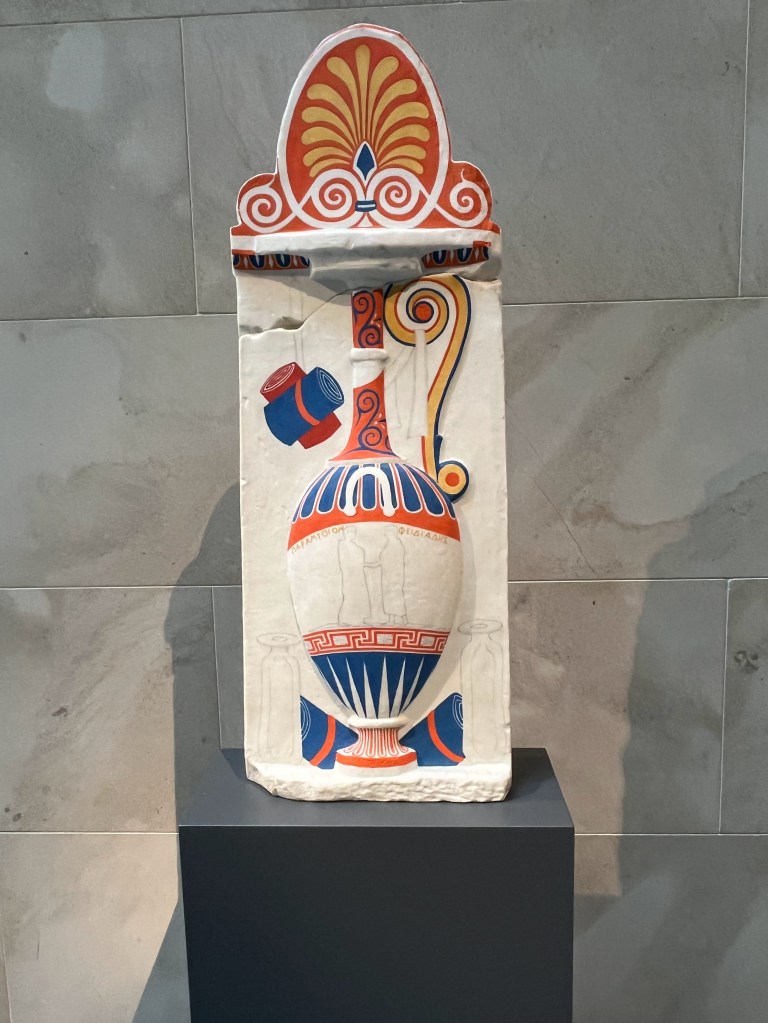
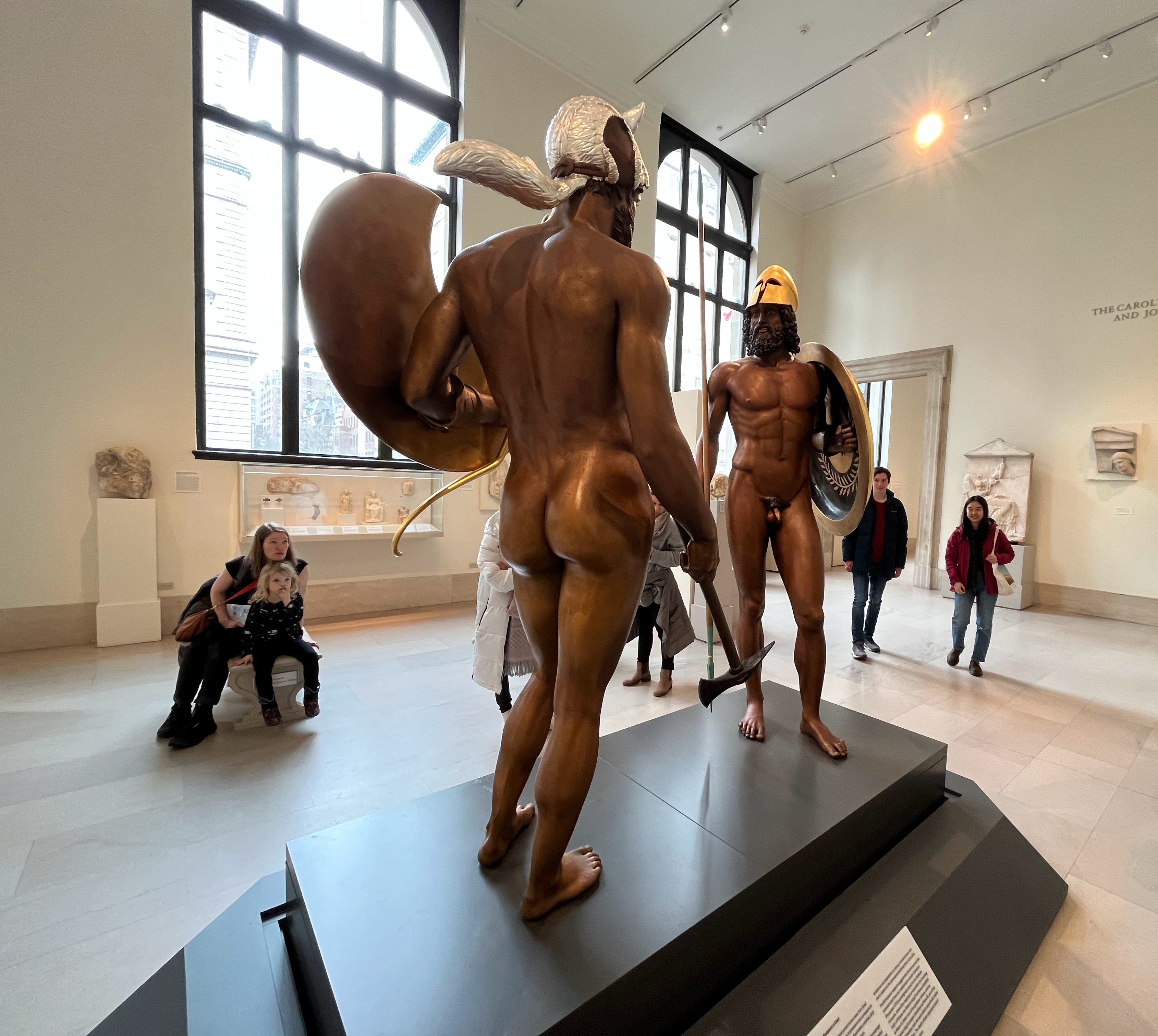
Color reconstructions of ancient sculptures by Vinzenz Brinkmann and Ulrike Koch-Brinkman



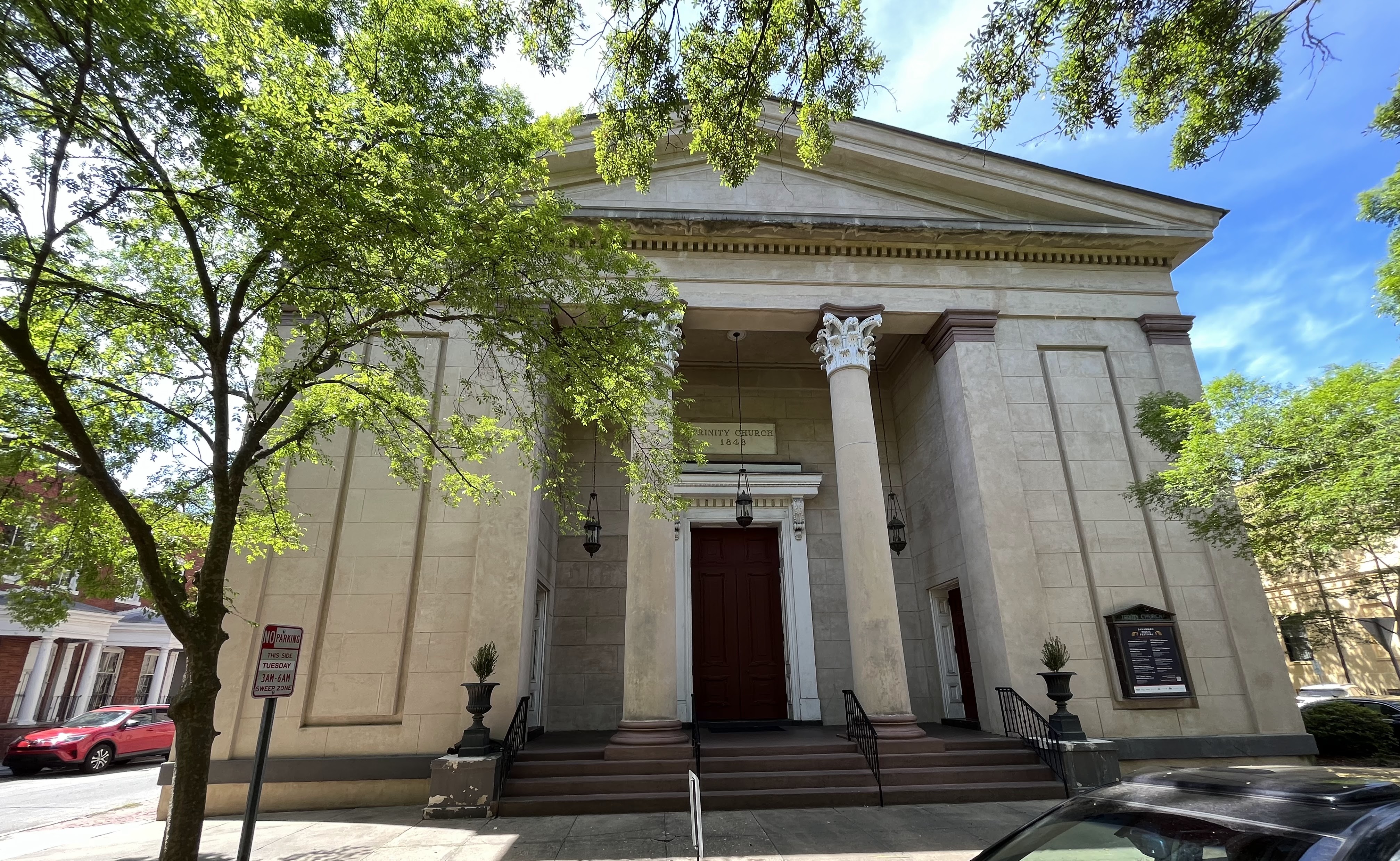
Today is the last day of the 2023 Savannah Music Festival. The 17-day event, now in its 34th year, took place at a half-dozen venues, both indoor and out, in Savannah’s Historic District. While maybe not as well known outside the Savannah area as some other festivals, all the performances I attended drew large and enthusiastic crowds. The short clips below give you some idea of the diversity of live music that was booked for this festival.
Who knew there were white guys from Alabama who played soul music like this?
A professor of folk
Make you want to dance?
Pedal steel heaven
A great American band on their 50th anniversary
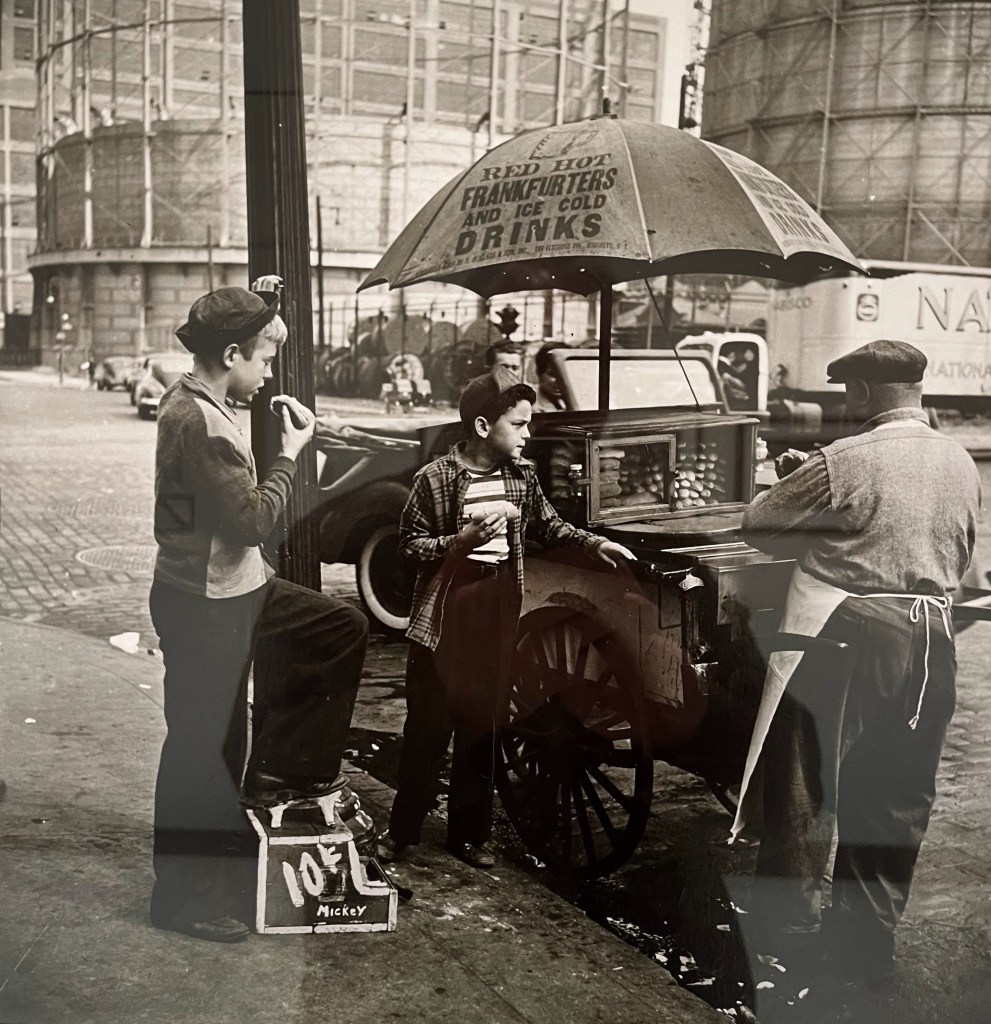
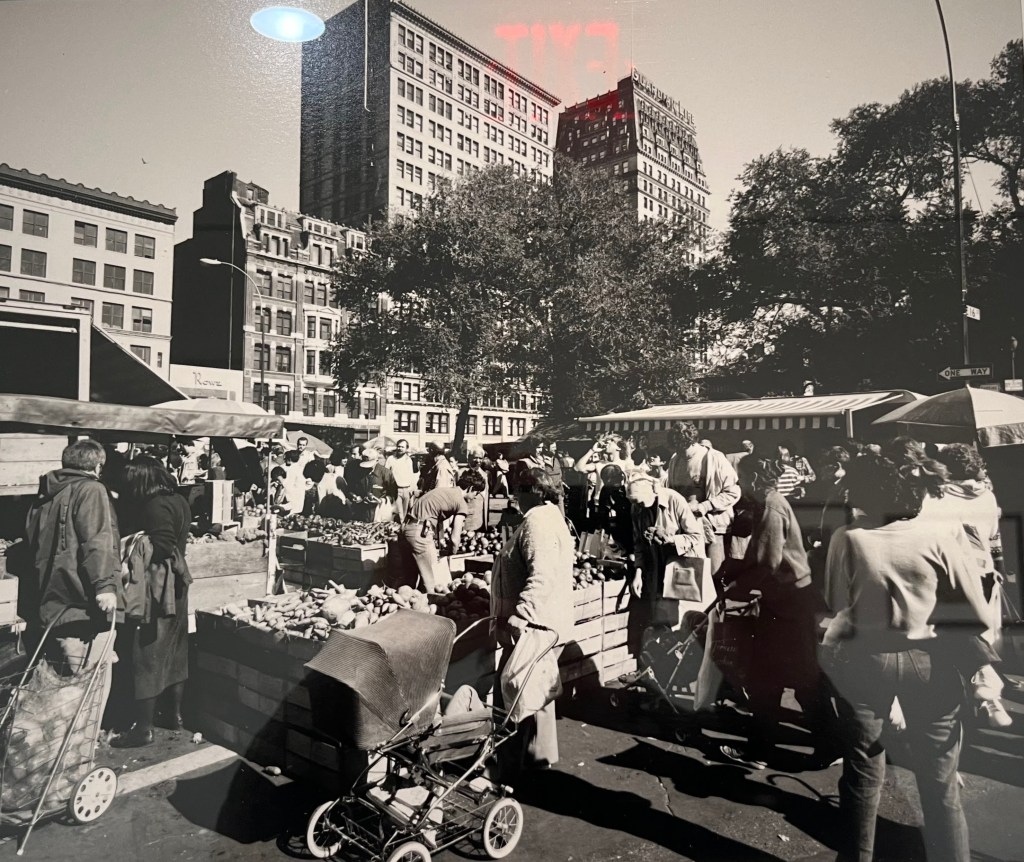
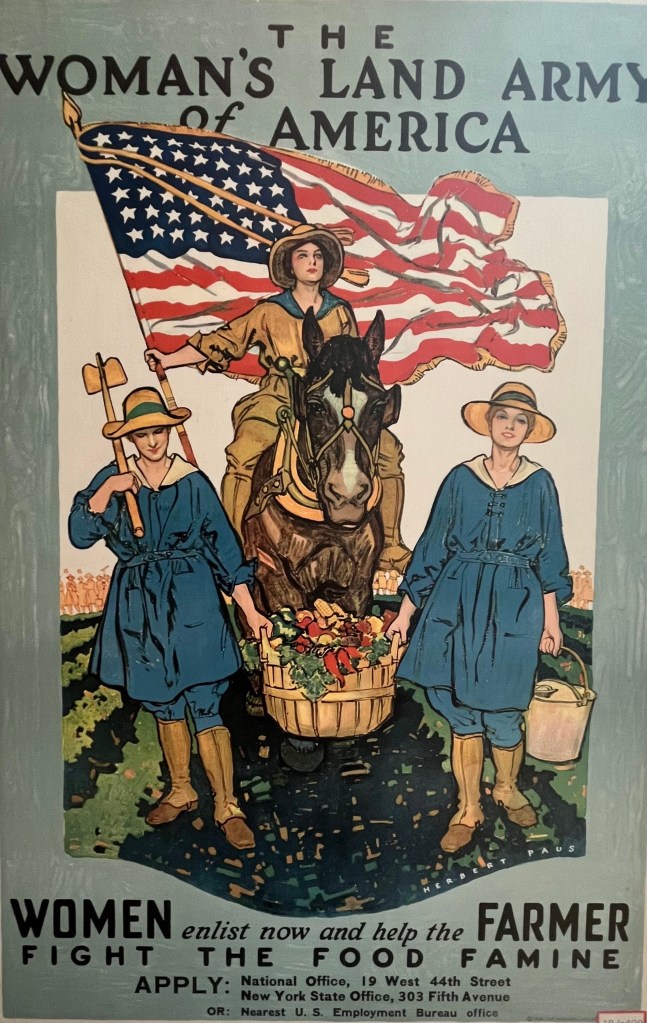
from exhibits at the Museum of the City of New York











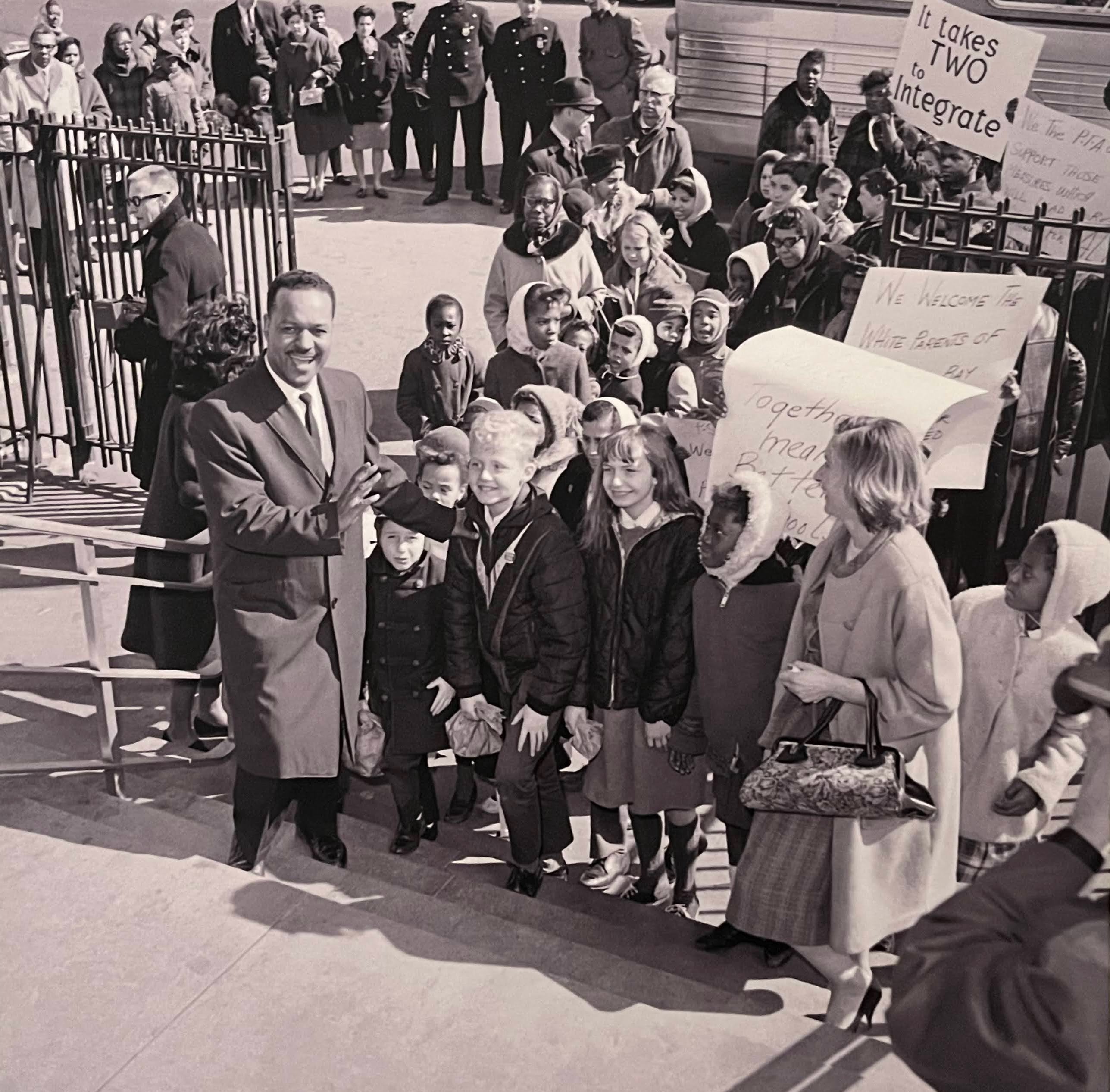

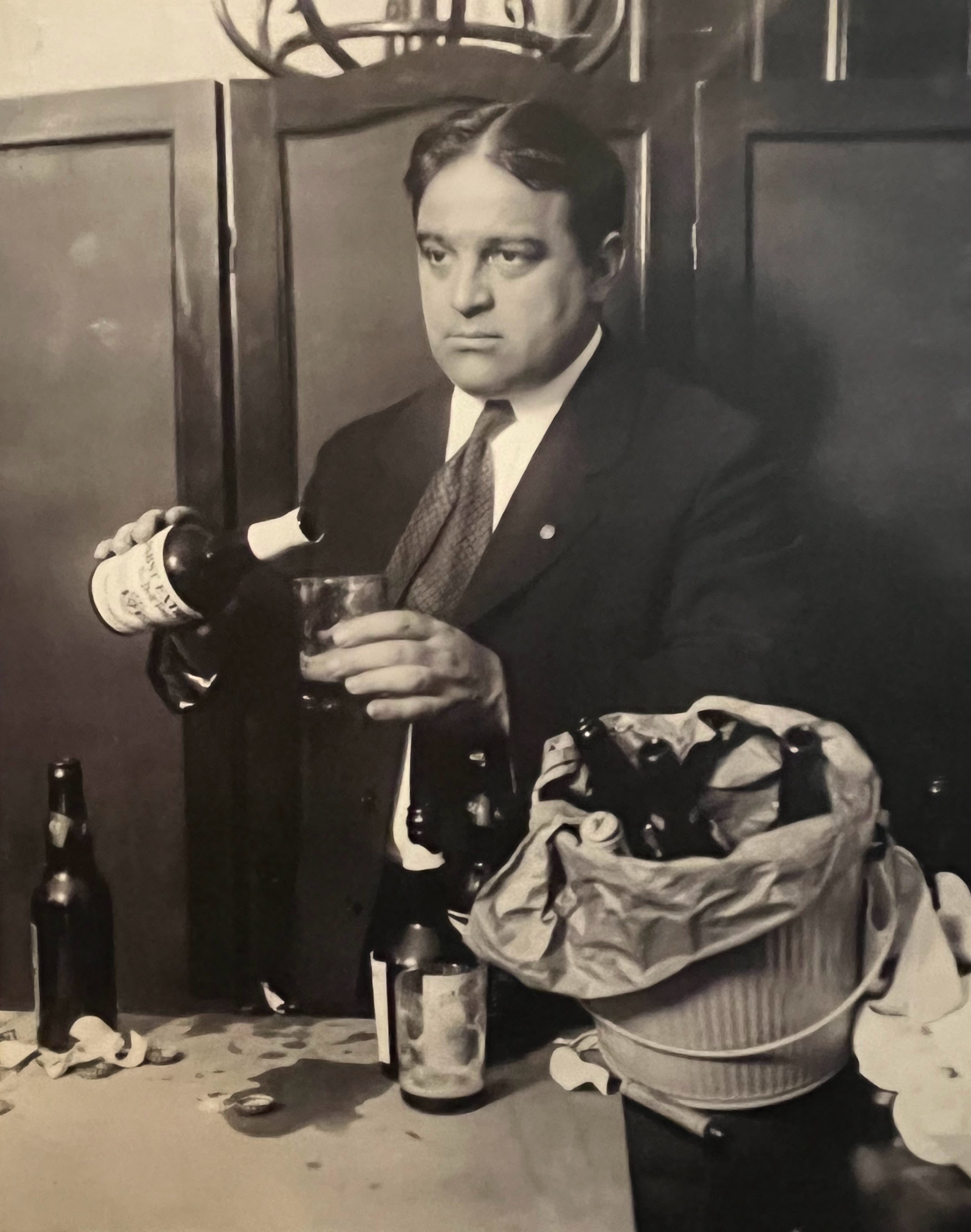
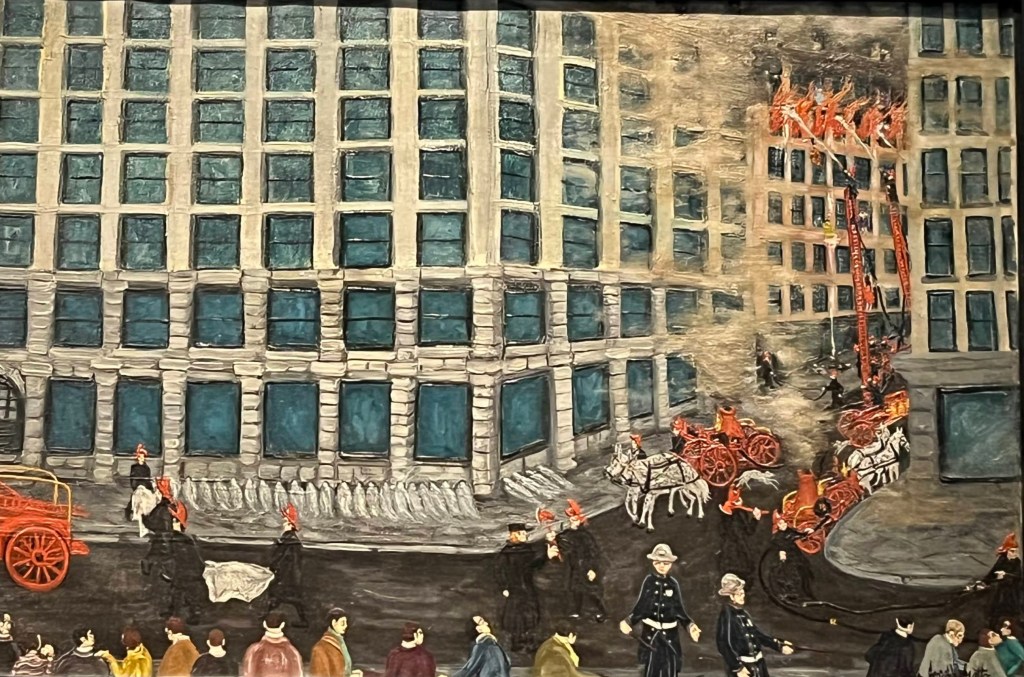
from the “Food in New York” exhibit at the Museum of the City of New York






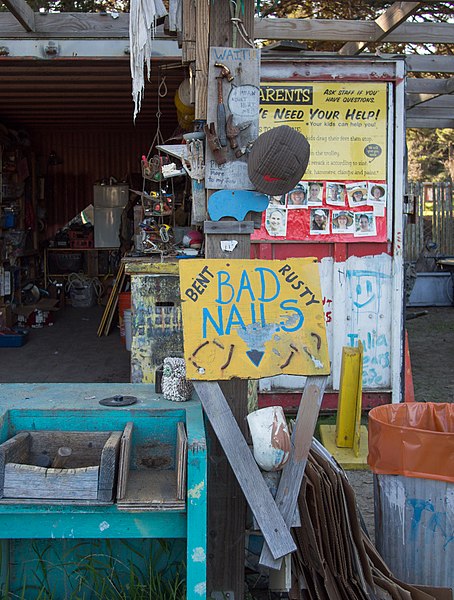
In this series of blog posts I have discussed some of the pioneers in the development of the children’s playground. What they all seem to have had in common is an approach that focused on a more freestyle form of play. A famous Dutch landscape architect, Carl Theodor Sorensen, took things a step further, and he did in Copenhagen in 1943, a city that was suffering from Nazi occupation.
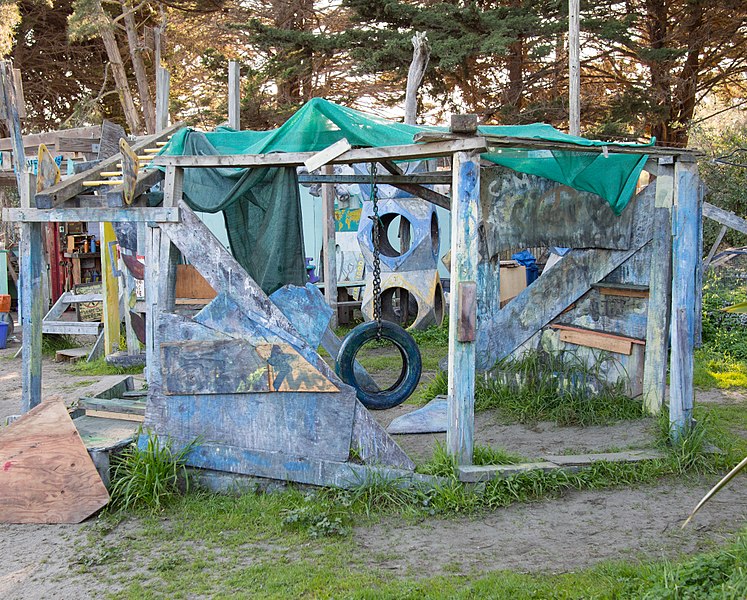
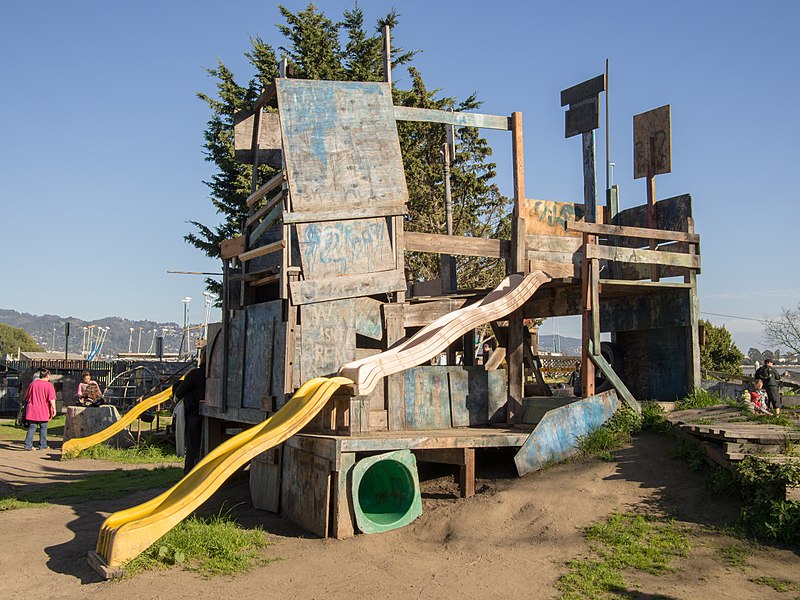
Sorenson developed a number of landmark parks in Denmark and in Norway during his career, but what he is best known for is the world’s first “junk playground,” The Skrammellegepladen Endrup, in a neighborhood of Copenhagen, opened in 1943. It quickly caught the world’s attention, at first in England. This article from the Birmingham Weekly Post (Feb. 17, 1950), describes Sorenen’s creation:
“Mr C T Sorensen, a landscape gardener who has laid out many Copenhagen playgrounds, had observed during his work that the children stole onto the building sites and had grand games with the many objects lying about. It gave him an idea for a new kind of playground. In 1931 he suggested laying out a site where the children could create their own form of playground using old building material and other junk.
“On the Initiative of the Workers’ Co-operative Housing Association a junk playground was laid out in Copenhagen in 1943. It is a grass site of 7,000 square yards surrounded by a six-foot earthen bank planted with wild roses forming both a hedge and a windscreen. The junk playground was opened at a difficult time. It was in the middle of the war and Denmark was occupied. Restrictions and prohibitions dominated everything and it was not easy to get the materials on which the very existence of the idea depended.
“Now the playground is visited dally by 200 children on an average. In order to approach most nearly to the ideal children’s playground everything which may serve to remind the children of authority is excluded. They are not subject to direct education, there is no compulsion.”

It was a British landscape architect, Lady Allen of Hurtwood, who is credited with popularizing the idea of building junk playgrounds on World War II bomb sites. One of the first was in Morden, near London. The Ontario, Canada, paper, the North Bay Nugget, apparently unaware of the Danish roots of the junk playground, offered this description of the Morden playground:
“Britain has come up with something novel — a ‘junk playground.’ It’s a piece of waste land and a heap of builders’ junk and it means a thrilling play park to the children of Morden near London. And it means even more than that. It’s an answer to the people who are worried about children playing in the streets dodging traffic and perhaps drifting into the juvenile courts.
“Morden’s ‘junk playground’ is full of bricks, stones, odd planks, sheets of metal and an old automobile. To this are added spades and tools and a grownup who can help but won’t boss. The rest is up to the children. The youngsters start by digging holes and taking things to bits. Then they get used to the tools and the building really starts.
“The result in Morden is the house in the trees and the wall where the children are building themselves a pavilion. They take real pride in their handiwork and it is even said they find it more satisfying than organized clubs or sport “
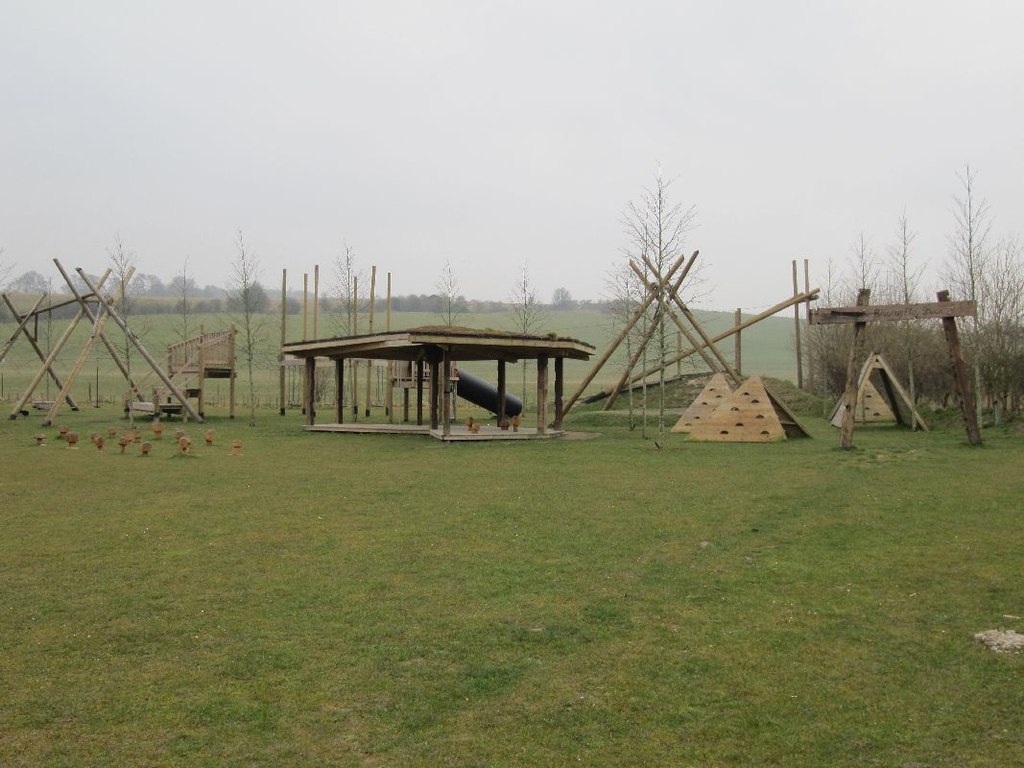
Some bloke writing under the name of Mr. Leicester (Leicester Mercury, Oct. 25, 1950) advocated for such a playground in his city. He had this to say:
“These junk playgrounds are a veritable paradise for an active and adventurous child, although I daresay a too tidy mind will have plenty of opportunity for shuddering and complaining. Bits of wood and plenty of nails, bricks and sand, and water laid on —these are the basic materials of happiness and contentment to be handled and worked on with tools that a child can use with comparative ease and safety tunnels and dug-outs, houses and kitchens, bridges and house furniture, all can be contrived for the joy and delight of the playgrounds inhabitants. Supervision of a sort, but discreet and helpful, merely guiding and advising and seeing fair play. Above all, no rigid control.”
For some of those ‘too tidy’ minds, junk playgrounds also went under the name of ‘adventure playgrounds.’
America was a bit behind in catching on to this trend, but one advocate was Eleanor Roosevelt. After a visit to Denmark, she wrote (Boston Globe, June 20, 1950):
“They also took me to a junk playground. We have one in Minneapolis, patterned after this one in Copenhagen, but I marveled at the number of children playing here under the direction of one young woman. She told me that the children are taught the use of tools very carefully before they are allowed to use them, and that nearly all children wanted first to build a house. There are old boats, old motor cars, old bicycles, every kind of scrap that a child could want to play with in this enclosed playground, and it seems to be a most useful educational project.”
Today there are more than 1,000 junk playgrounds in Europe. They are also popular in Japan. The Minneapolis playground that Eleanor Roosevelt referred to is The Yard, which opened in 1949 and was America’s first. Wikipedia lists nine in the U.S., five of which are in California.
In May of last year the BBC reported on the installation of what it called the “world’s oldest swing” at Wicksteed Park in Kettering, Northhamptonshire. The swing, a thick piece of wood attached by chains to a six-pronged frame, was discovered in the yard of a house belonging to the family of Charles Wicksteed, creator of both the park and the swing.
Whle most of the early developers of playgrounds were educators, Wicksteed had an engineering and manufacturing background. He was, thus, far less interested in rules than he was in playground equipment.
Born in 1847, Wicksteed had built a steam plough contracting business when he was only 21. He later founded the Stamford Road Works and invented a number of power tools, including hydraulic hacksaw and circular saw machines. After World War I, which he spent focusing on the manufacture of war materials, he turned his attention to developing what would become Wicksteed Park in Kettering.
He described his approach to building a playground: “The playground should not be put in a corner behind railings, but in a conspicuous and beautiful part of a park, free to all, where people can enjoy the play and charming scenery at the same time; where mothers can sit, while they are looking on and caring for their children.”

Like many before it, Wicksteed Park, which opened in 1921, included a large sand pit for open play. But Wicksteed also filled it with equipment that he designed and manufactured: swings and chutes, see-saws and roundabouts. One of his inventions was known as the “Witches Hat.” It involved a circular flat swing attached by cables to a central pole. It got its name from the conical shape and perhaps its unpredictability. It was a little too unpredictable for modern sensibilities and has long since been removed from playgrounds as unsafe.
In a book that was published in 1928, “A Plea for Children’s Recreation after School Hours and after School Age,” Wicksteed offered a rosy summary of the impact of his park: “I have direct evidence from mothers how whining, pale-faced children, complaining of any food they get, have come back with healthy faces and rosy complexions, ready to eat the house out after a good play in the playground.”
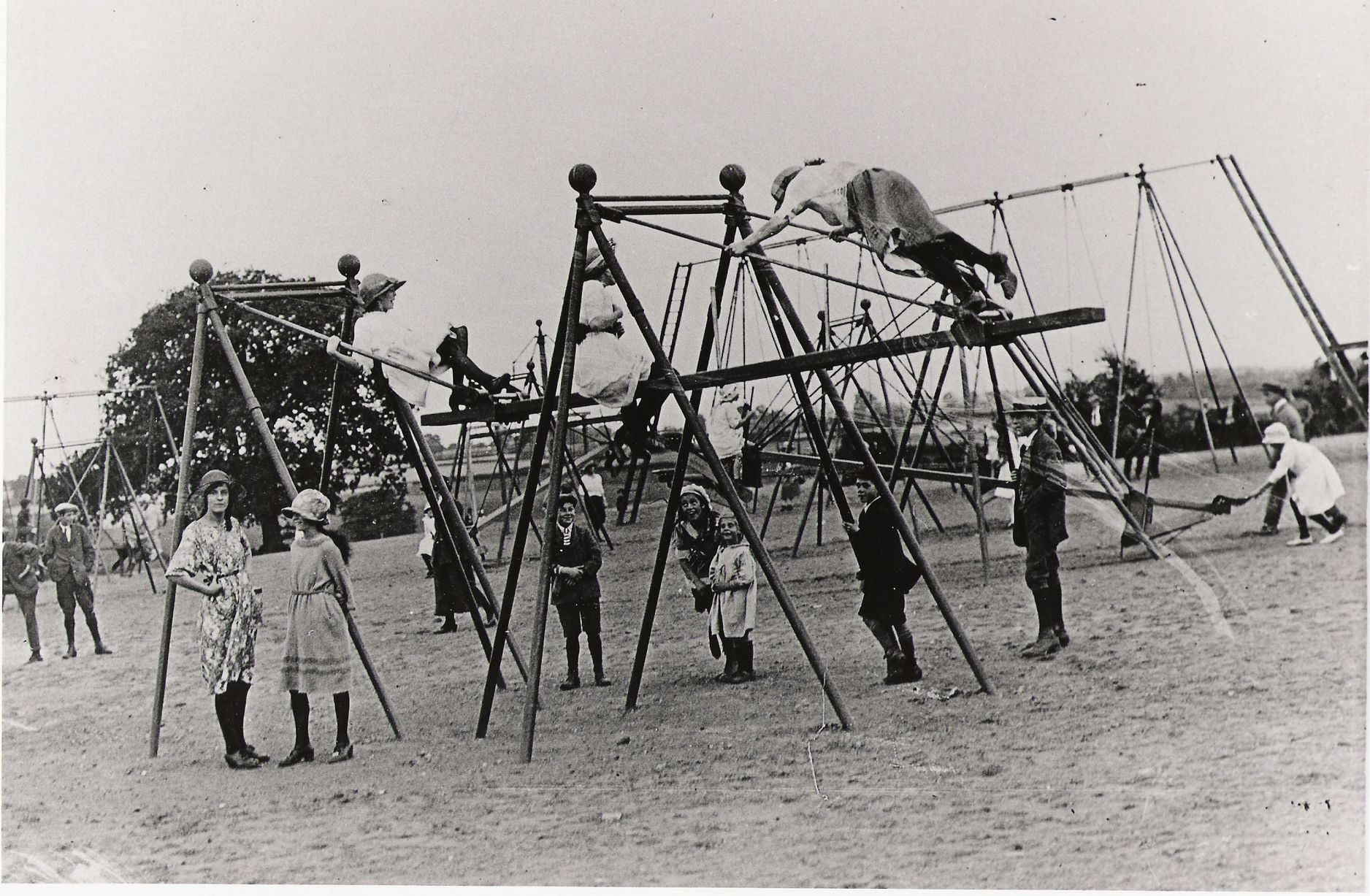
The Daily Mail on Feb. 1, 2016 offered a different take, suggesting that the “90-year-old book shows how inventor of children’s playground had complete disdain for health and safety.”
One passage in the book describes how Wicksteed overcame the idea that boys and girls facilities should be separate: “I thought I would make a slide: first for the boys. This was so much appreciated that I made a better one for the girls: the boys got jealous of this, so I made a still better one for them.
“At that time I had a quaint idea that the boys and girls ought to be separated.
“This has been entirely and successfully abandoned, as also any idea of keeping or limiting the playthings to people of a certain age.’
“Let people of all ages and both sexes be admitted; the older ones then take care of the young people.”
Wicksteed committed suicide in 1931, just short of his 84th birthday. His legacy lives on in both the park he created and the playground equipment manufacturing company he founded.
Wicksteed Leisure Limited, now more than 100 years old, continues to be a leading supplier of playground equipment in the UK from its location in Kettering.
Wicksteed Park continues in operation as a theme park, owned by the Wicksteed Charitable Trust which was originally created in 1916. While many new and more modern attractions have been added, the park includes a heritage playground area with replicas of the equipment created by Wicksteed.

