Luncheon of the Boating Party, Pierre-Auguste Renoir
The Phillips Collection bills itself as America’s first museum of modern art. It dates back to 1921 when it opened as the Phillips Memorial Gallery. Much of the collection was acquired by Duncan Phillips, a Washington D.C. collector and philanthropist who passed away in 1966. The museum is housed in what was Phillips’ home, an 1897 Georgian Revival house that has had several additions.
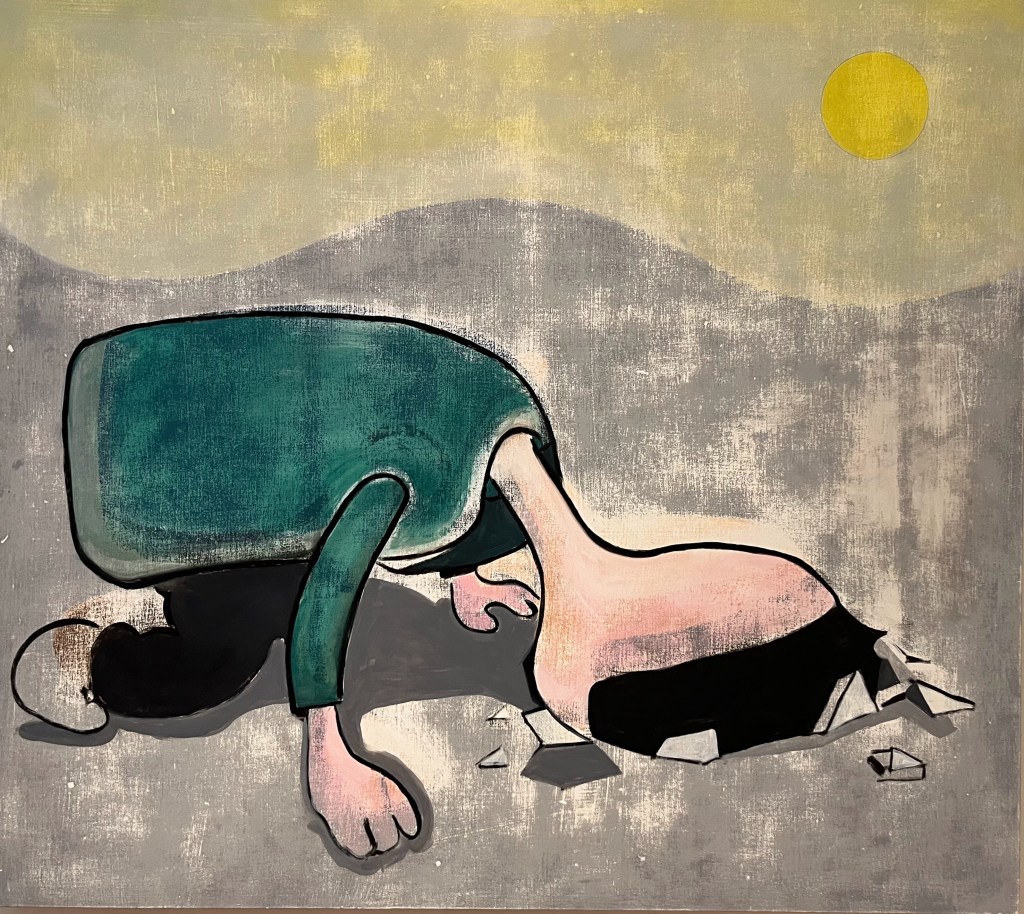
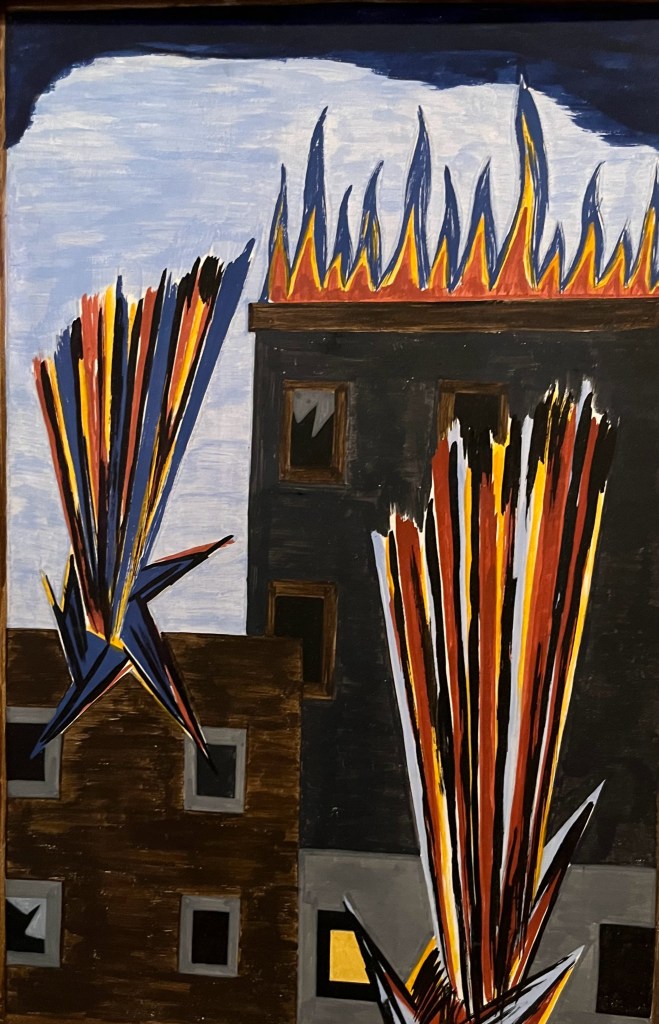
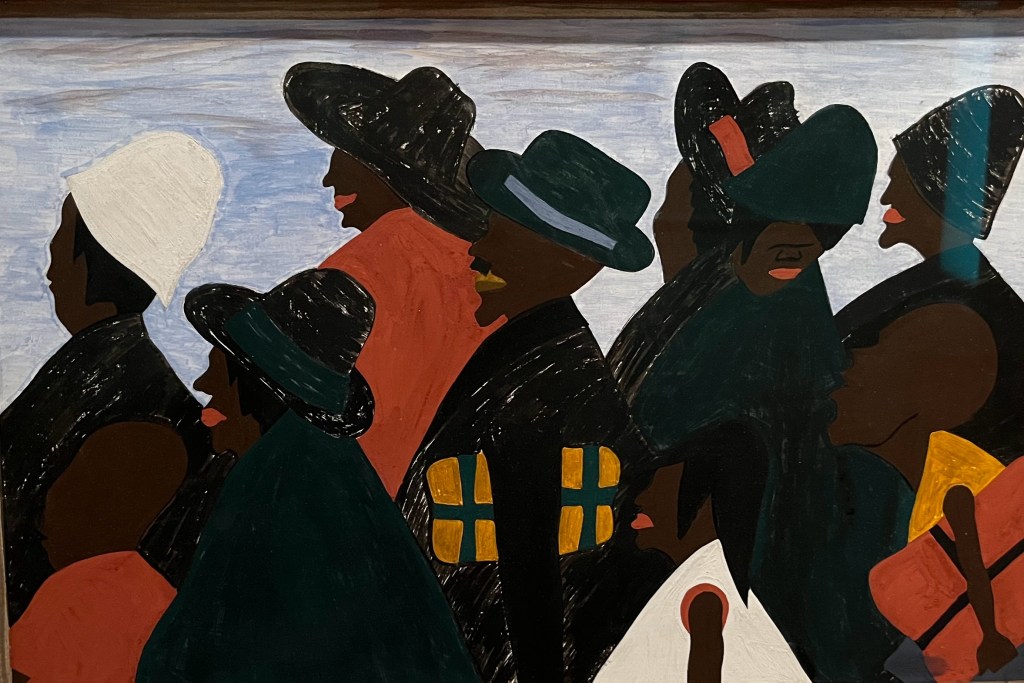
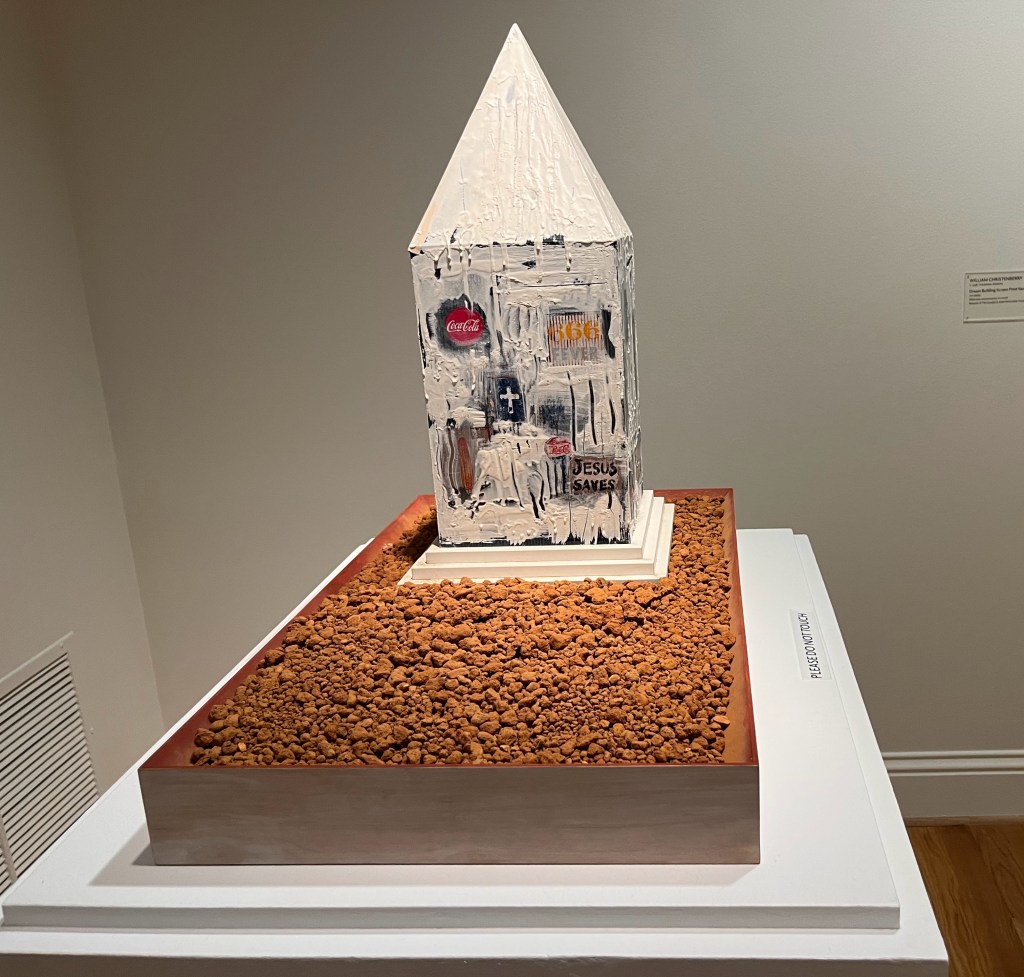
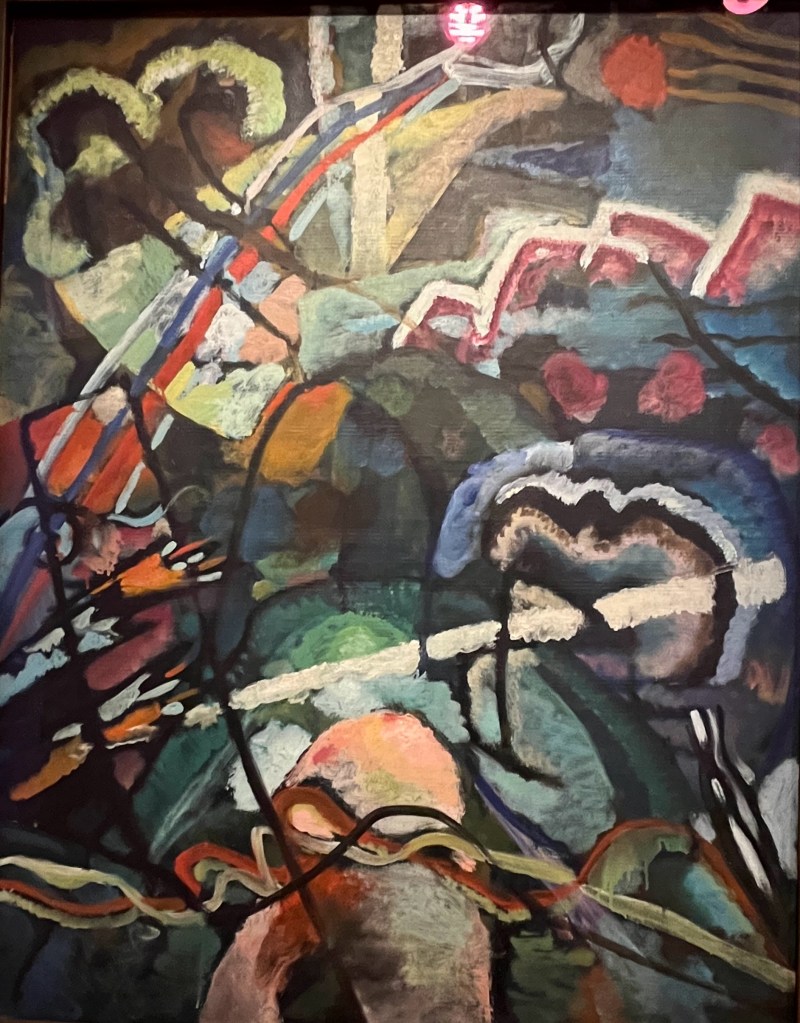
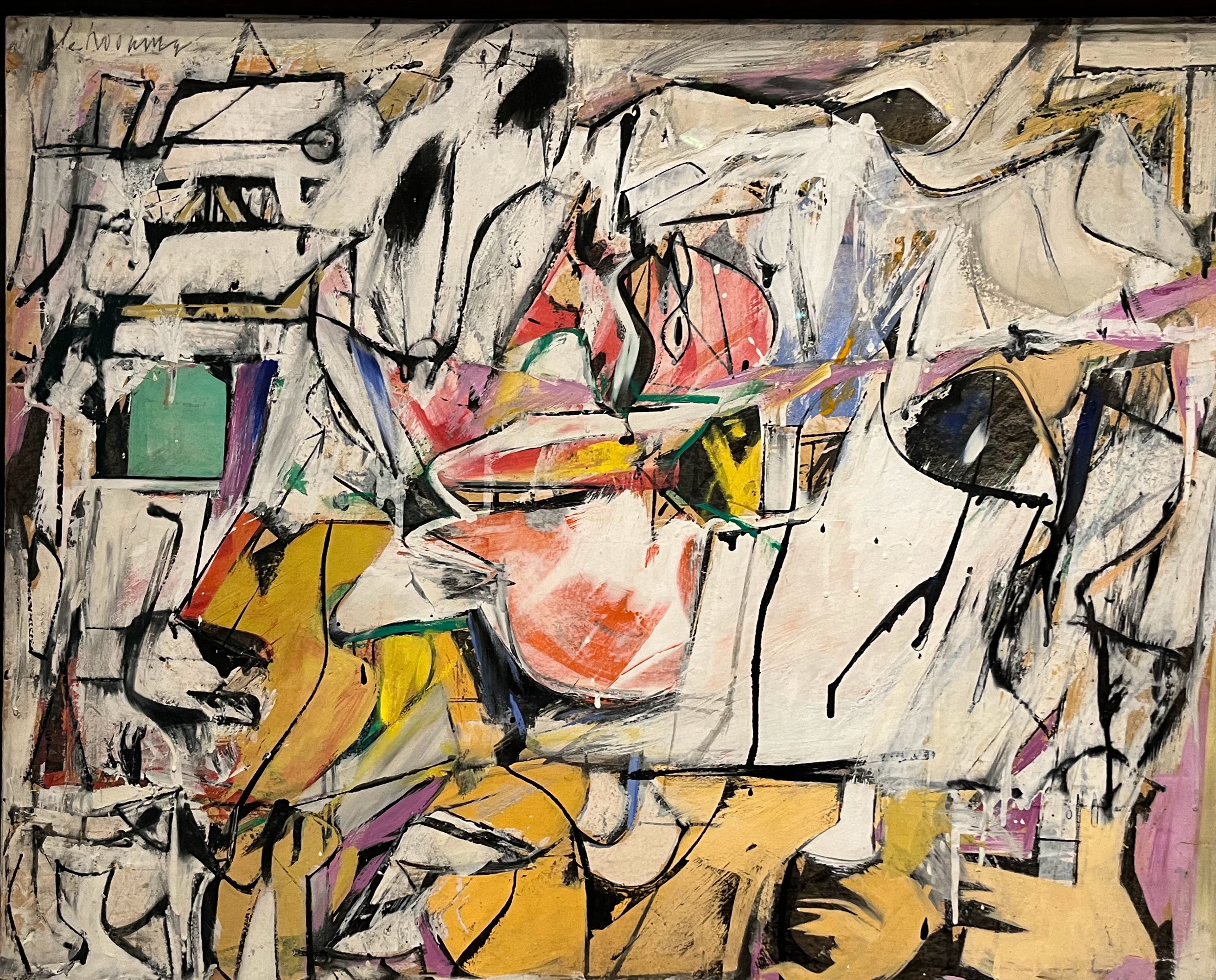
Bird Cage, John D. GrahamRabbit Hole, Julia WachtelStill Life with Saw, Stuart DavisSunday, Edward HopperCreated in the 1940’s by Jacob Lawrence, The Migration Series depicts the movement of black Americans from the rural South to the industrial North. Village, Lionel FeiningerKissing Couple House, Tom OtternessDream Building Screen Print Variation 1, William ChristenberryOnly Only Bird, Alexander CalderHighlanders, Lee GatchSketch I for Painting with White Border (Moscow), Wassily KandinskyAsheville, Willem de KooningDeerfield in Twilight, Augustus Vincent TackUlysses, Markus Lupertz
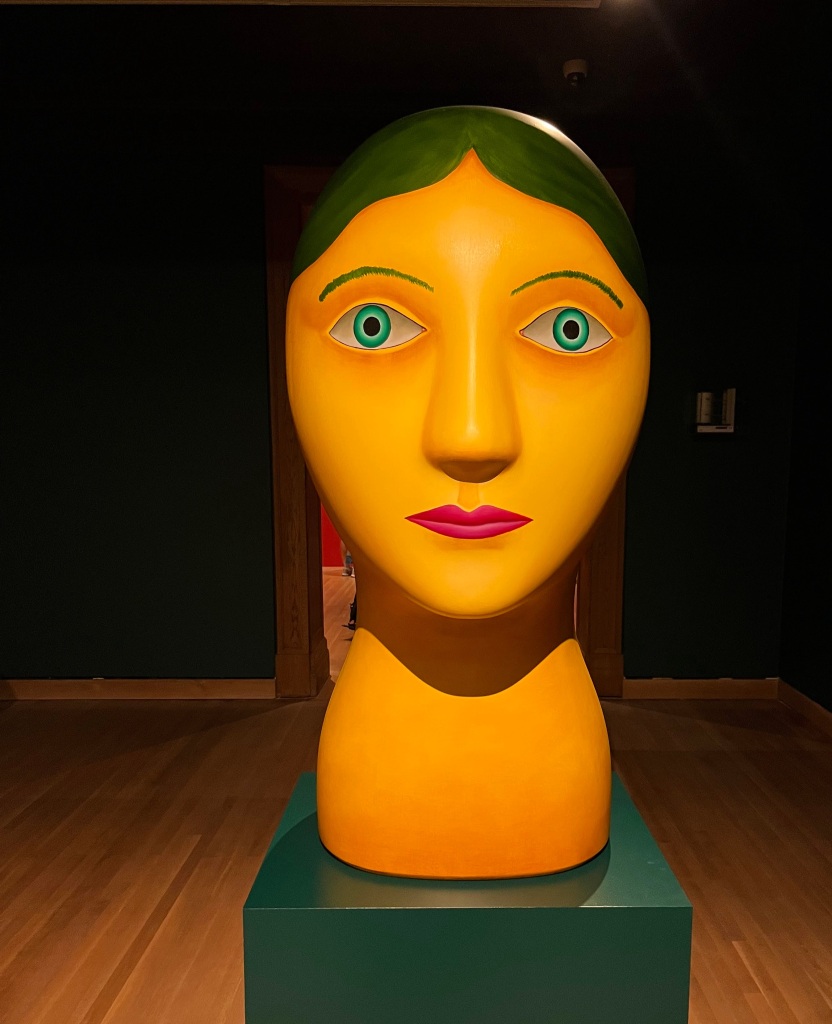
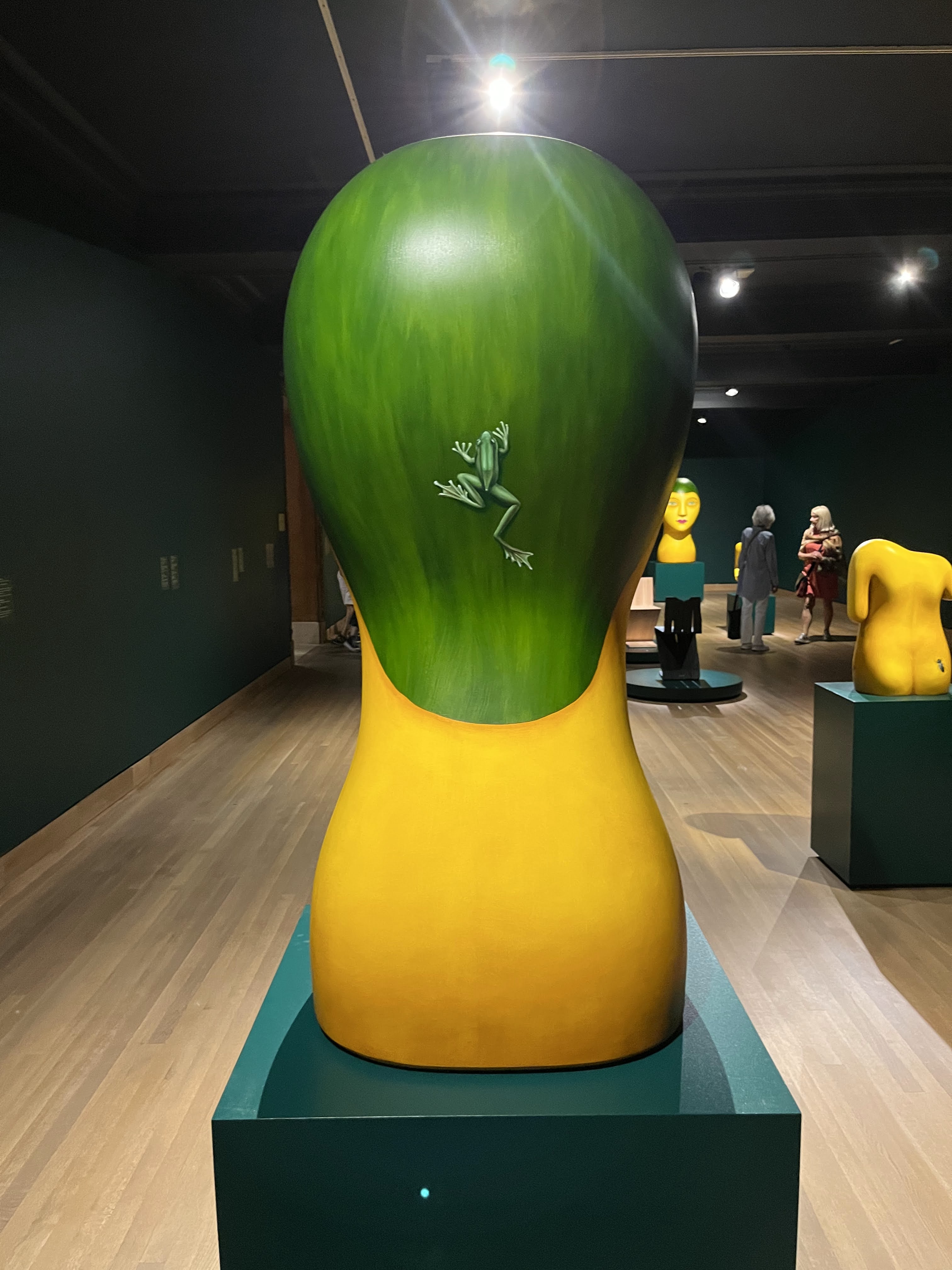
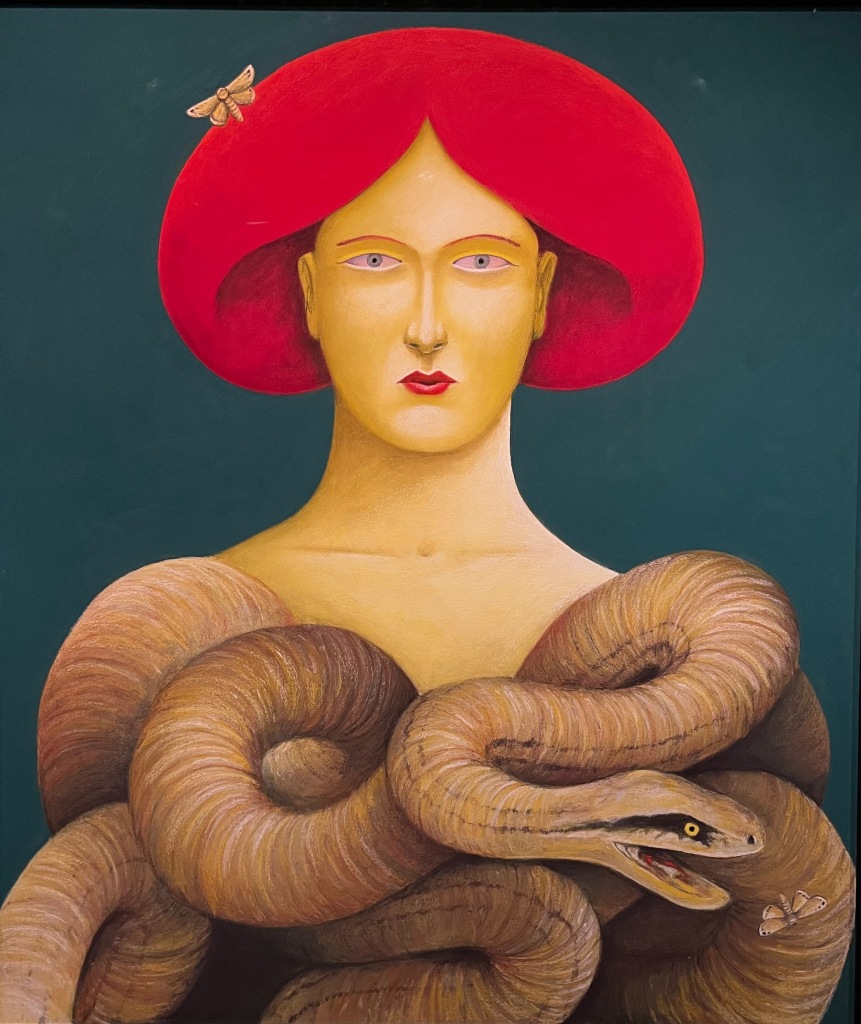
Head with a Frog, Nicholas PartyPortrait with RuinPortrait with LawyerPortrait with SnakesNicholas Party
Woman in Expensive Jacket, John Currin
Untitled (The Dishes), Nicolas Baier
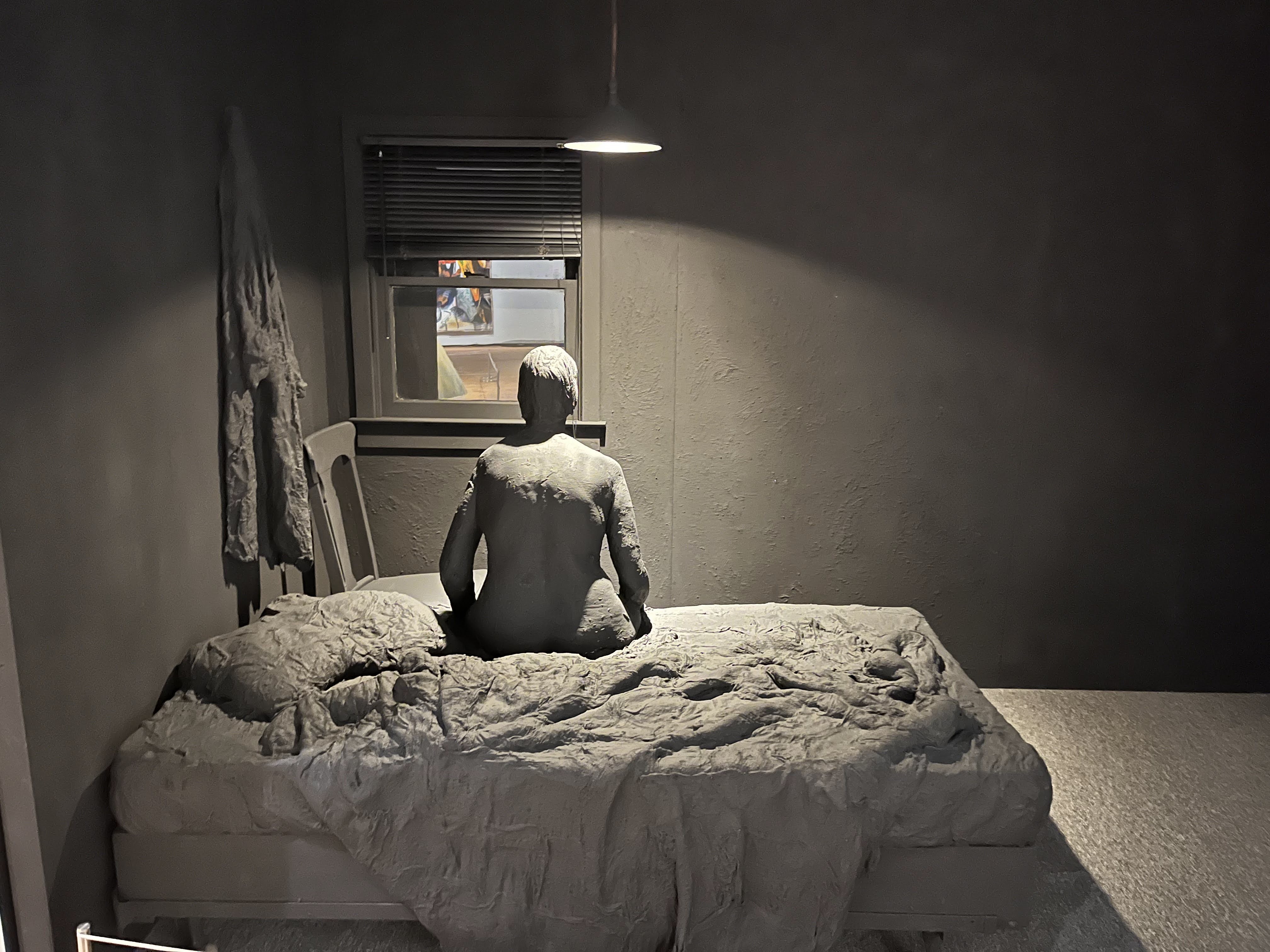
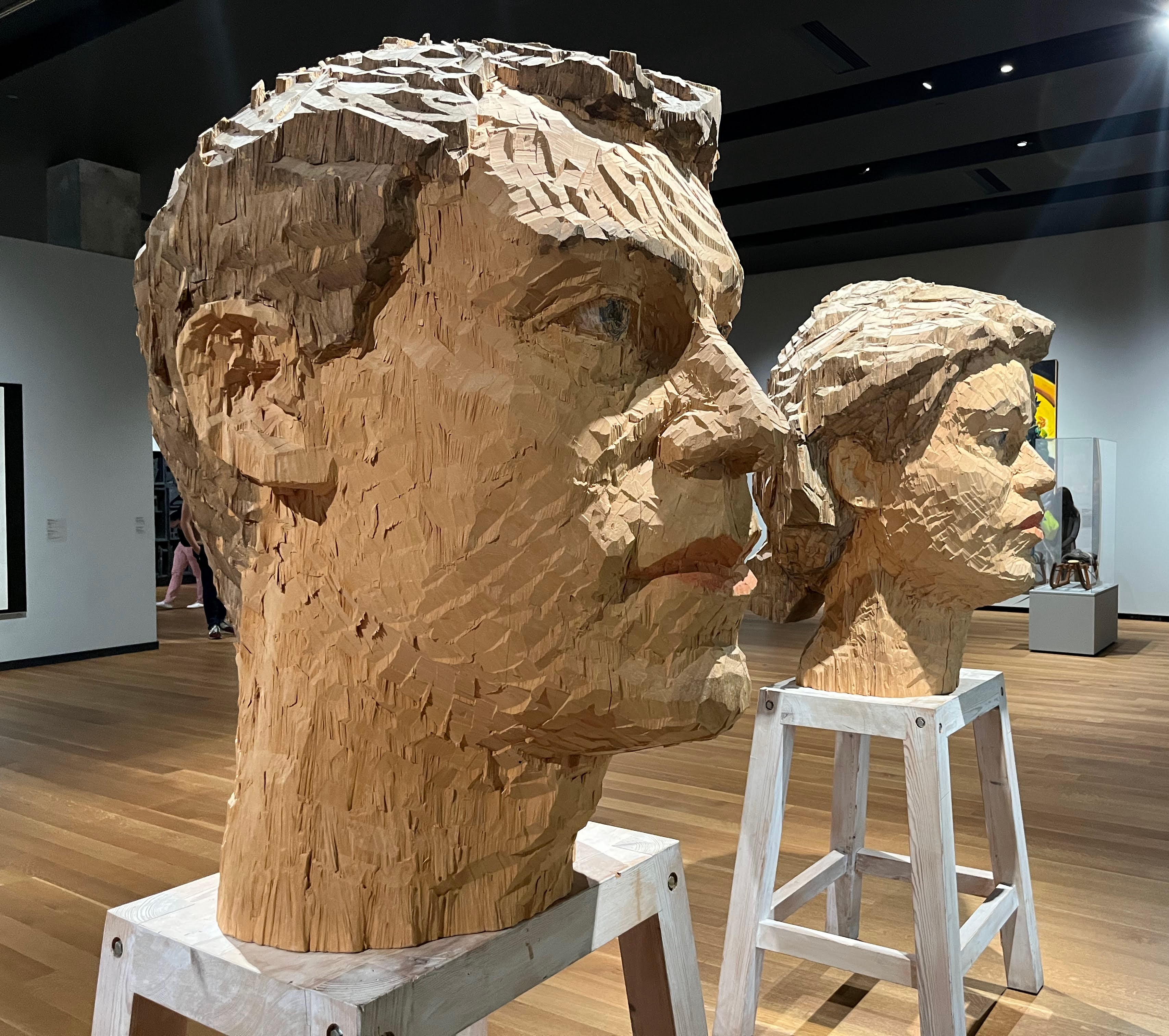
Woman Sitting on a Bed, George SegalLarge Pair: Head of a Man and a Woman, Stephan BalkenholAction Painting II, Mark Tansey
Simeon the God Receiver, Kehinde Wiley
Mercenaries II, Leon Golub
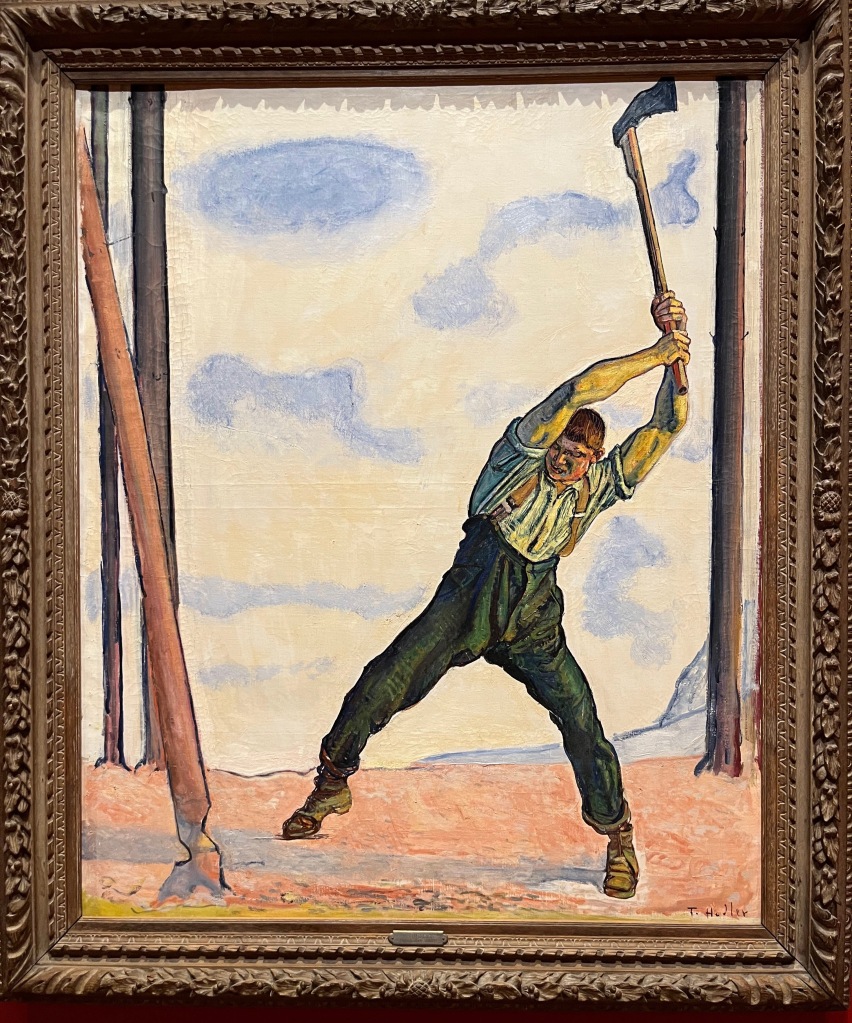
The Woodcutter, Ferdinand Hodler
Embrace, Pablo Picasso
Bill at St. Mark’s, Elaine de Kooning
Yellow Street II, Lyonel Feininger
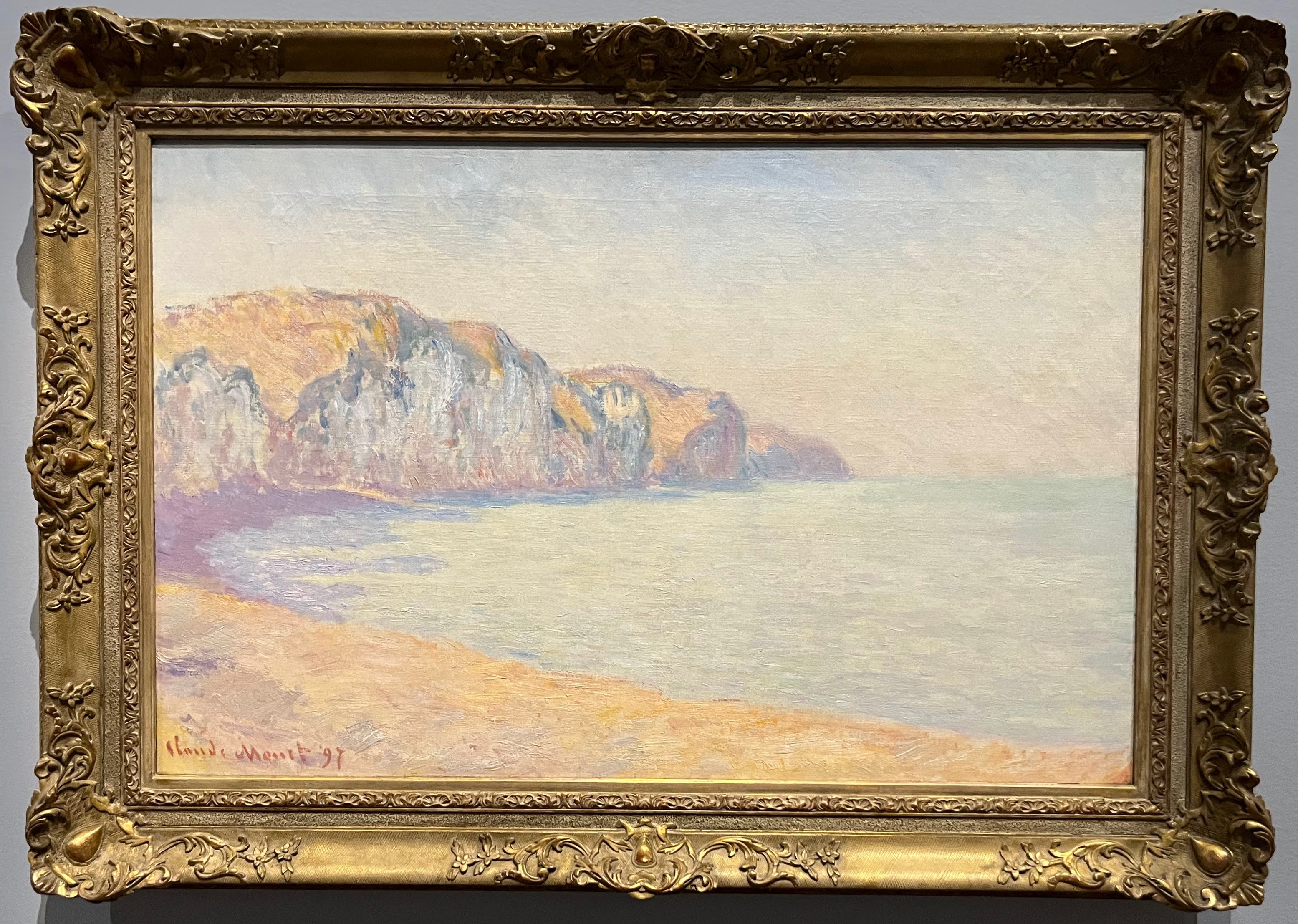
The Pink Flamingo, Jean-Joseph Benjamin-ConstantA Cliff at Pourville in the Morning, Claude Monet
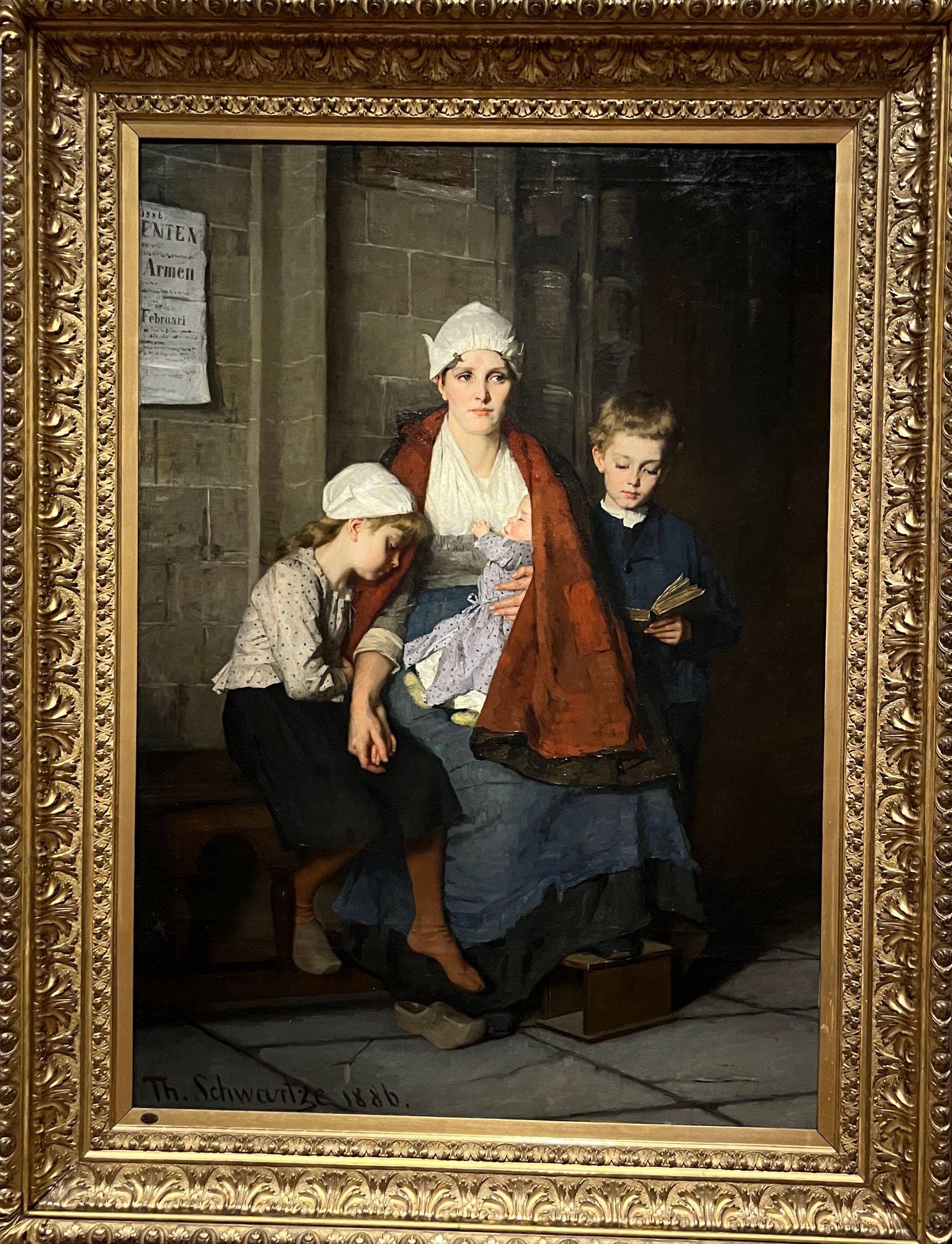
Mother and Her Children in Church, Therese Schwartze
Evening on the Terrace (Morocco), Jean-Joseph Benjamin-ConstantTransporting the Wounded (fragment from the panorama The Battle of Rezonville, Aug. 16, 1870), Edouard Detaille
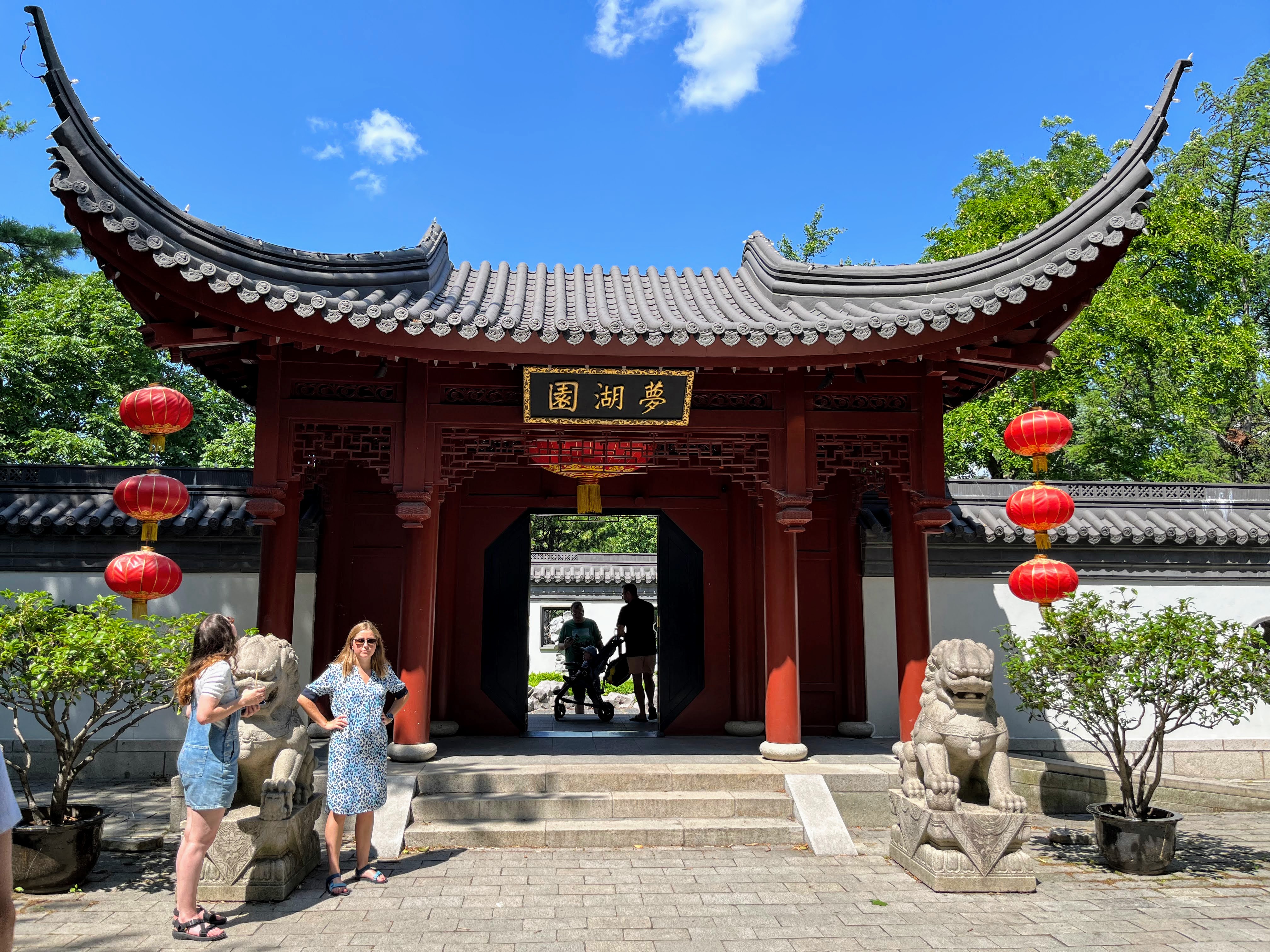
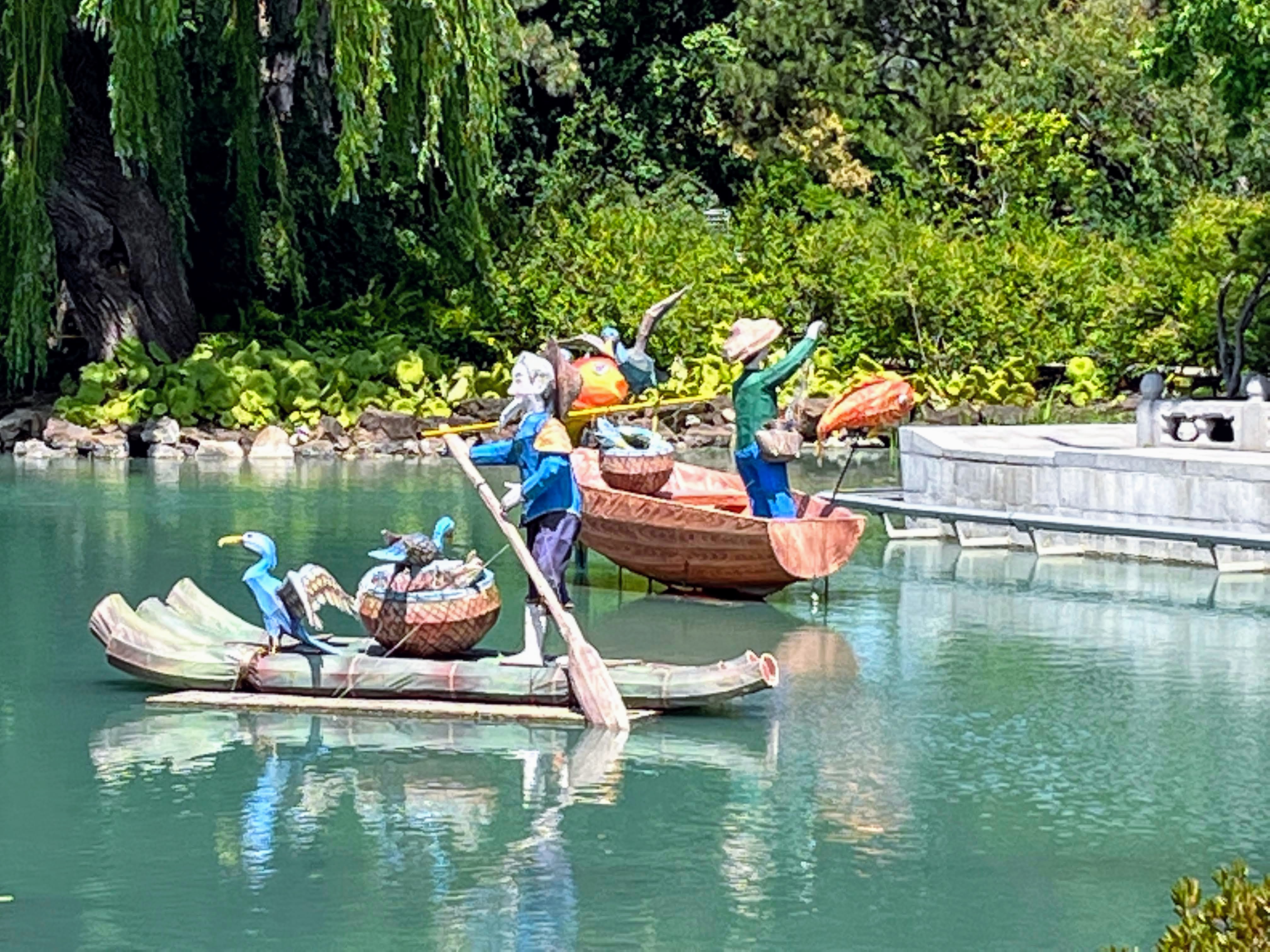
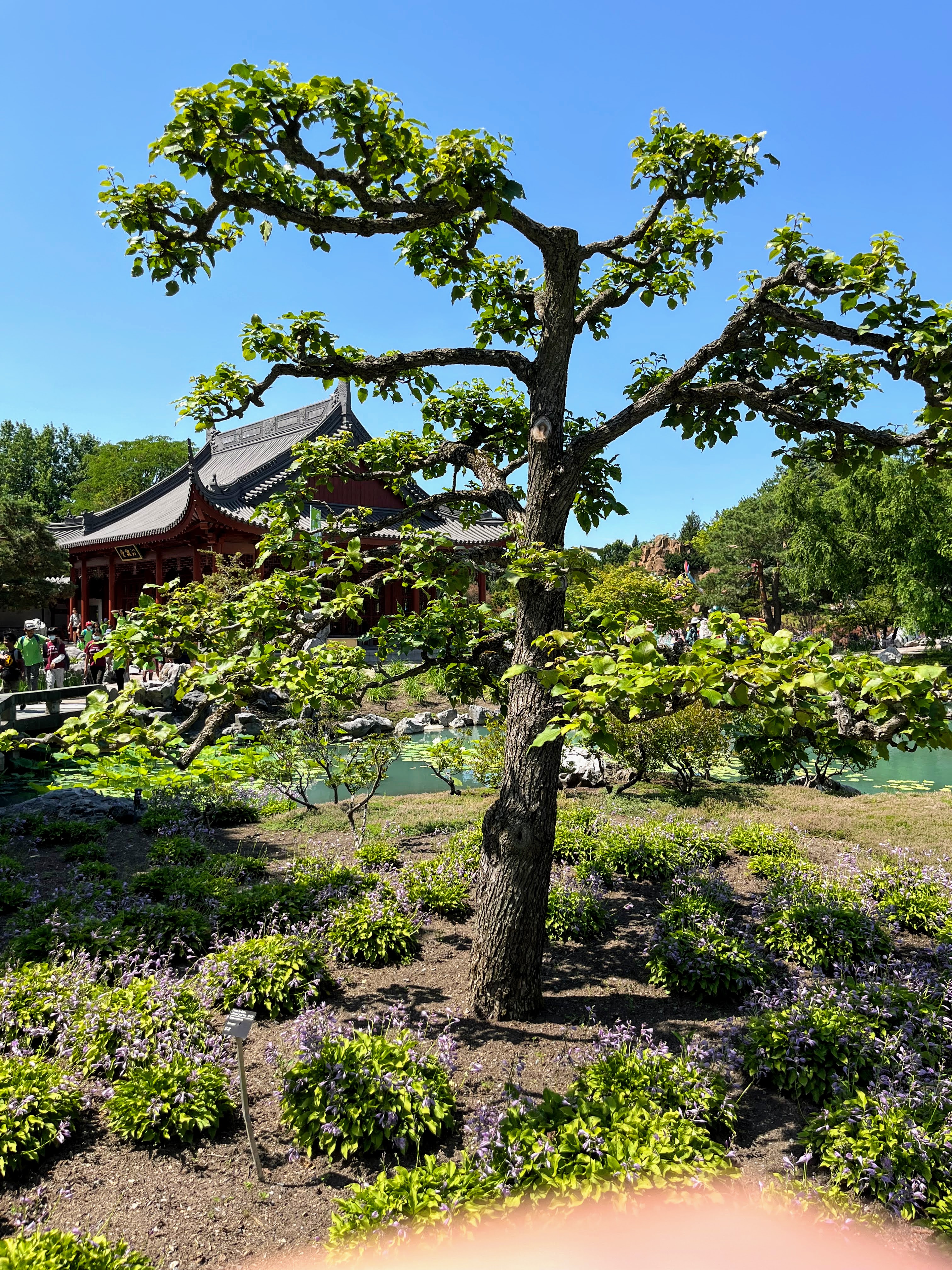
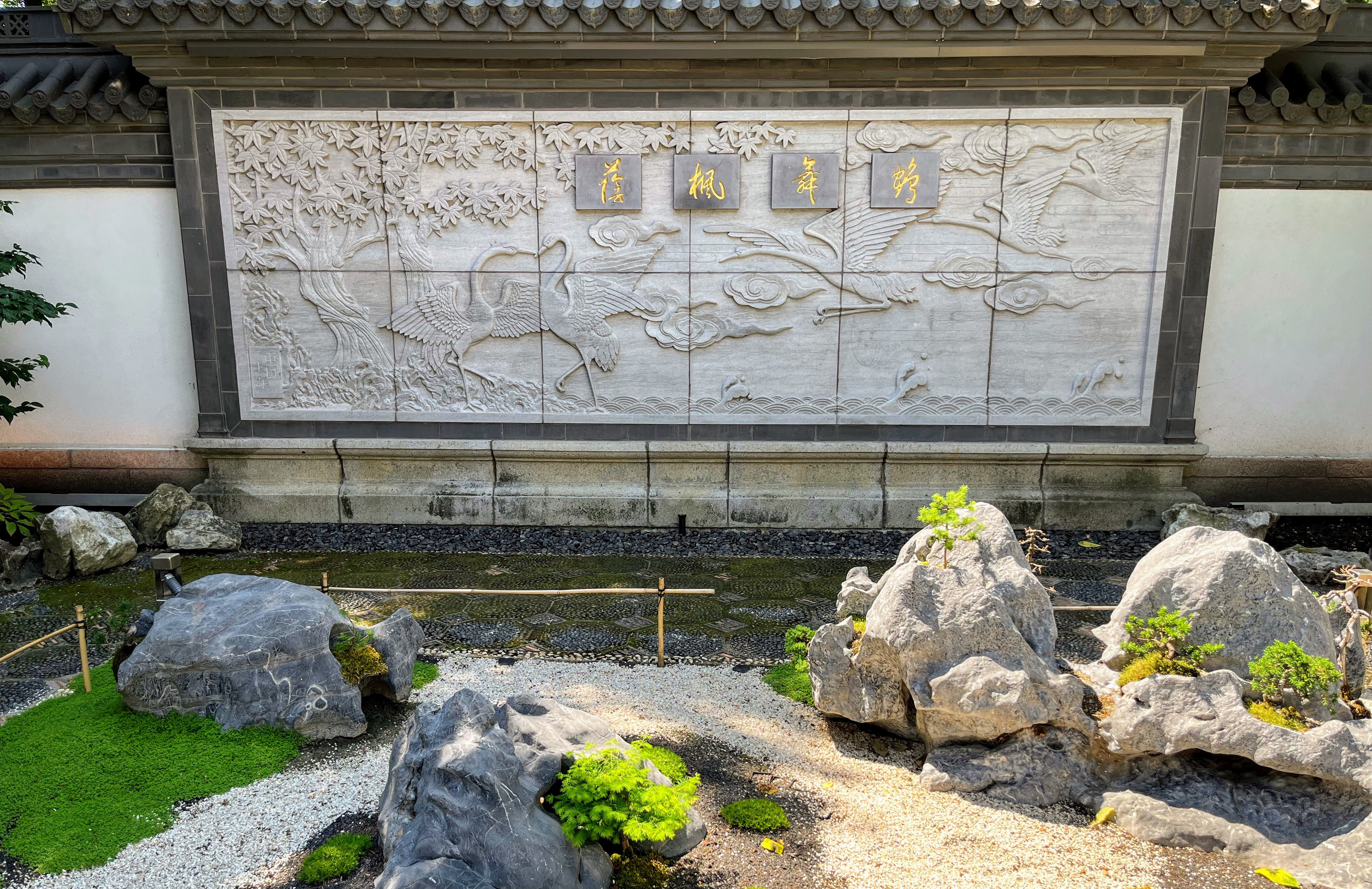
Dream Lake Garden is designed as a replica of a Ming-era (14th-17th centuries) garden in southern China. It was designed by Chinese architect Le Weizhong. It was built in China then disassembled and shipped to Montreal where it was reassembled in 1991.
Having lived in the New York City area for most of my life, I am somewhat less enamored by many of the city’s tourist attractions than the millions of visitors who come to see them. Ellis Island is an exception. Standing in the refurbished great hall, you can feel what America is about. Unless you’re a Native American, we all have ancestors who came from somewhere else. For most, it was not an easy trip.
In my mind Ellis Island should represent the fulfillment of the promise of the Statue of Liberty, the place where we swing open the doors and take in “the tired, the poor, the huddled masses yearning to breathe free.” Two books that I read recently suggest that the people who came through here thought of it as something completely different.
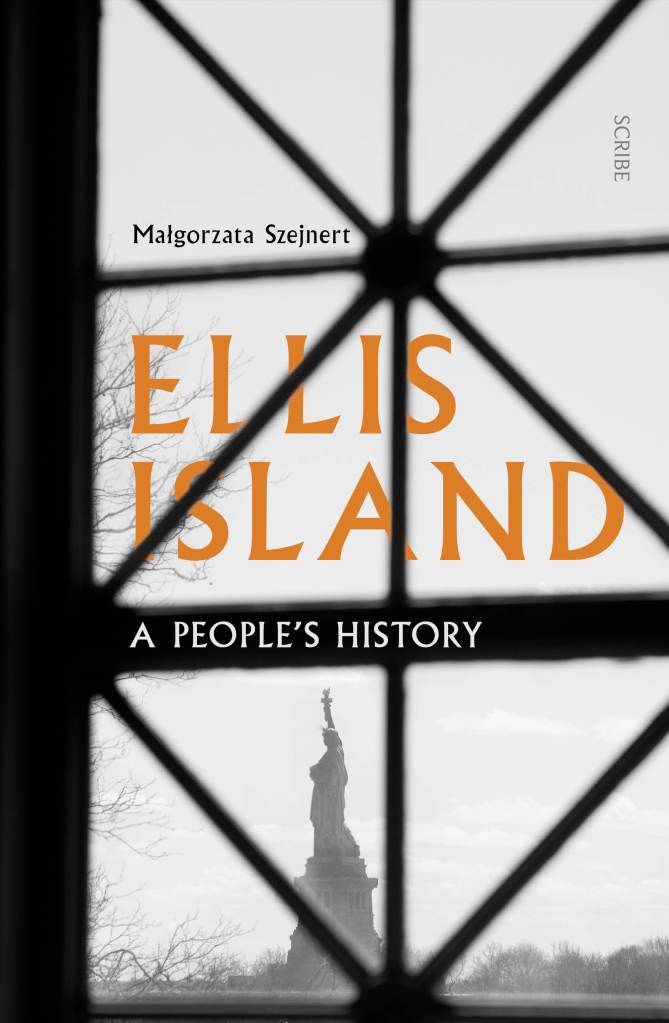
Ellis Island: A People’s History, by Malgorzata Szejnert, is a history of the island, from 1892 when an Irish girl named Annie Moore stepped ashore until they turned the lights out in 1954. Szejnert is from Poland and the book was originally written in Polish. Using a lot of the registry records, Szejnert offers snapshots of many of the immigrants who came to the island and somewhat more detail on the commissioners and others who worked there.
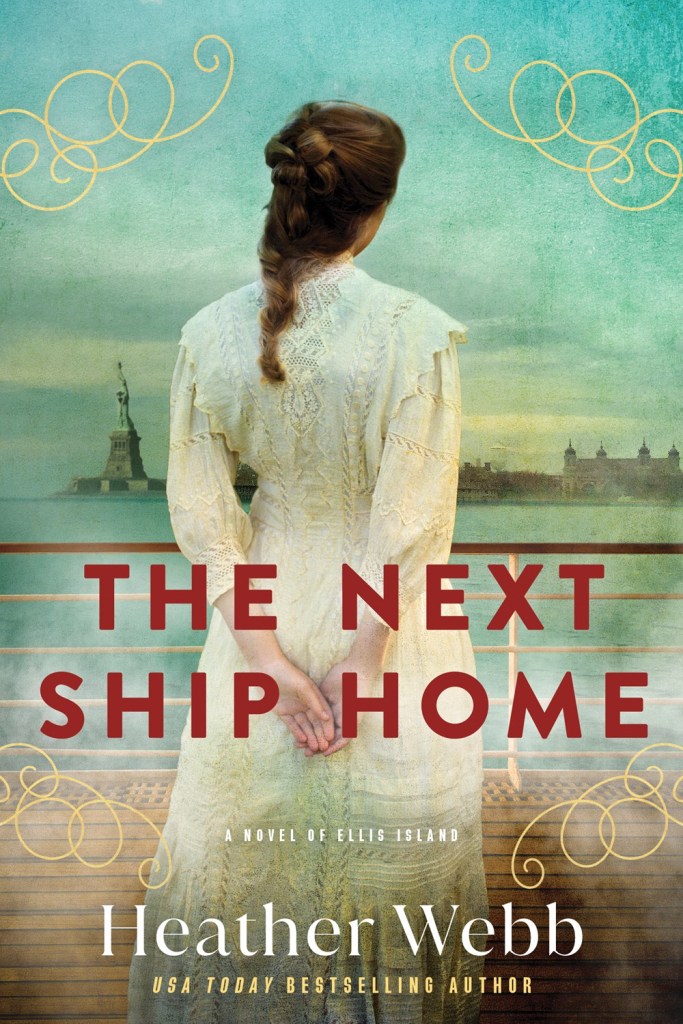
The Next Ship Home: A Novel of Ellis Island by Heather Webb is a piece of historical fiction, a story of how the paths of two young women crossed there. One is an Italian immigrant fleeing an abusive father in Sicily. The other is a German-American whose abusive stepfather sets her up with a unwanted job on the island.
These two works show the island as something other than a beacon of hope and light. The Polish author Szejnert offers the comment “the rest of the world associates it more with the end of hopes than the beginning.” And in Webb’s novel, Italians christened Ellis Island “L’Isola delle Lacrime (Island of Tears).”
One of the immigration port’s commissioners, Frederick Wallis, is quoted by Szejnert upon his resignation as saying “the suffering we see at the island daily is indescribable and would melt a heart of granite.”
This is a place where desperate people, after a most often arduous journey, are subjected to life altering decisions. Decisions made by overworked staffers who don’t speak their language, may not have the best of intentions and who make those decisions quickly and often arbitrarily. And, assuming Webb’s tale is accurate, that’s not the worst of it. New immigrants may well have found themselves extorted and exploited by the more unscrupulous of agents. One of Webb’s characters, an inspector who extracts sexual favors from female immigrants in order to let them through, is based on a real Ellis Island inspector named John Legerhilder.
Szejnert offers the statistic that of the 16.6 million who disembarked on Ellis Island, only 610,000 were turned away. That’s a pretty small percentage, but it tells you nothing of the heartbreak of the 610,000 or of the families split apart, likely forever.
What is striking in reading these two books is how things are pretty much the same a century later when it comes to immigrants. In The Last Ship Home, Francesca Ricci, a beautiful, hard-working and courageous young woman, is reviled because she is Italian. Reviled by German-Americans, immigrants themselves who arrived a generation or two earlier. Now it’s Mexicans and Haitians and Central Americans who are vilified by people whose ancestors also came here as immigrants for many of the same reasons and whose ancestors may very well have been regarded as “undesirable” at the time.
Nor were the politics of immigration all that different. Under some administrations, officers were appointed who had some empathy for the arrivals and who tried to treat them fairly. But the appointees from other administrations looked at every immigrant with suspicion and thought of their jobs as protecting the country from these people.
Both of these books have their flaws. In reading Szejnert’s book I kept wanting to find out more about the immigrants she would so briefly introduce us to. The emotions are thick in Webb’s history that sometimes feels like something akin to a romance novel.
In the future, I will likely find my way back to Ellis island. I’ll stand in awe in the middle of the great hall. But I’ll remember there’s another side to the story. After all, as I learned from Szejnert, Annie Moore, the cute 15-year old Irish girl celebrated as the first to come through, ended up living a life of poverty, giving birth to 11 children of which only five survived to become adults, and dying at the age of 47.
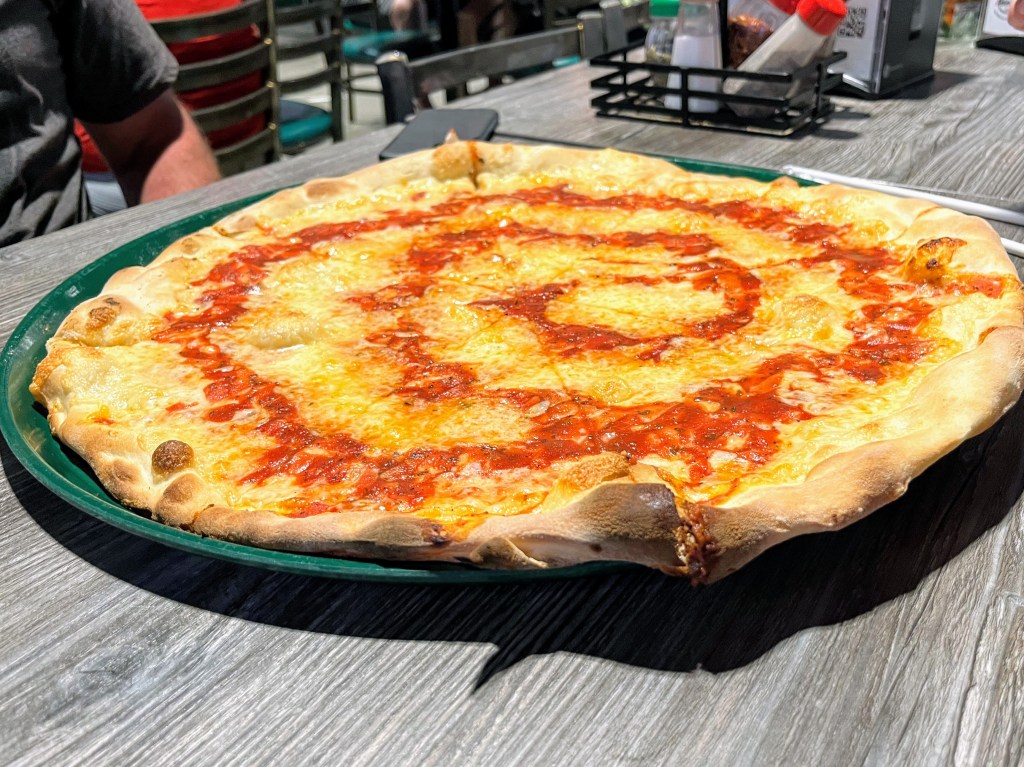
There is no food that is consumed more on New Jersey’s oceanfront boardwalks than pizza. Any town that has a commercial boardwalk, has at least one pizza joint on every block. These two are my favorites.
Manco & Manco, Ocean CityMack’s, Wildwood
Perhaps the reason I can’t choose one of these pizza joints over the other is that they’re blood relatives. Their common ancestry goes back to Anthony and Lena Macaroni who operated a restaurant in Trenton. On Memorial Day in 1953, Anthony, Lena and their three sons Joseph, Vincent and Duke opened Mack’s Pizza on the boardwalk in Wildwood. A few years later, in 1956, Anthony, Vincent and cousin Vince Manco opened a shop on the Ocean City boardwalk which they named Mack & Manco. Mary Bangle, daughter of Frank Manco, and her husband Charles Bangle purchased the Ocean City operation in 2011 and renamed it Manco & Manco. In 2017-18, Charles Bangle spent 13 months in jail on tax evasion charges. Mary got three years probation. It had no effect on the pizza.
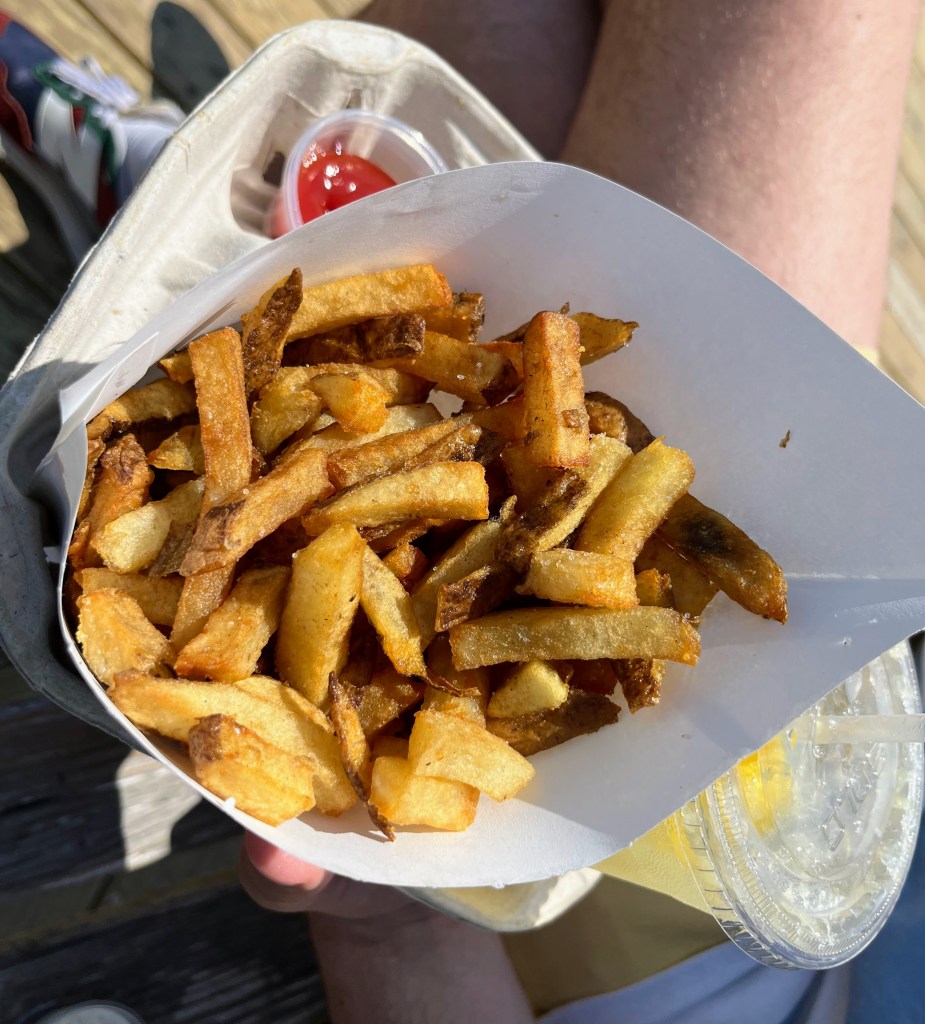
The Best Fries
They’ll fry anything on the boardwalk.
Curley’s is a Wildwood landmark.
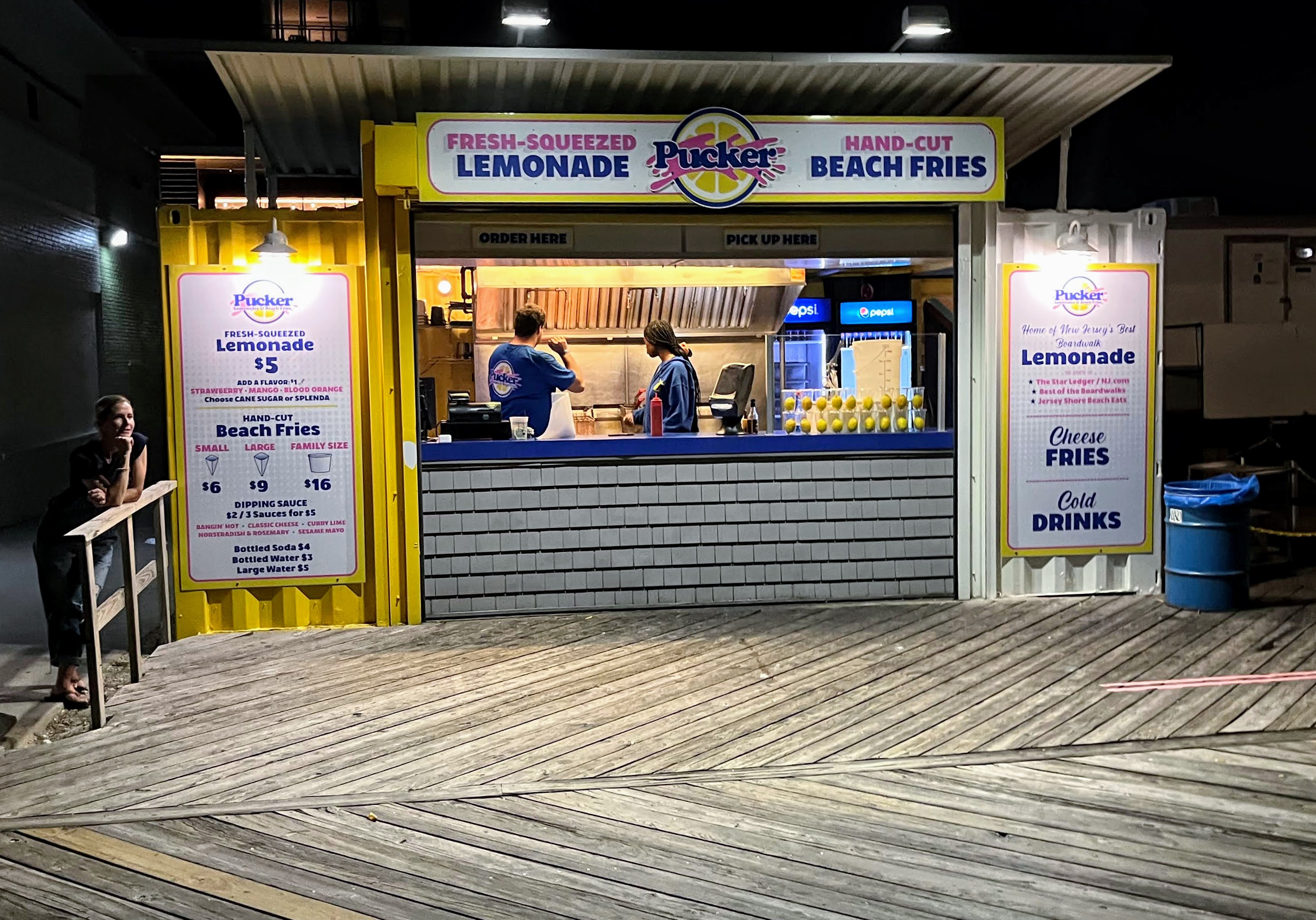
But the best fries are in the Boss’ old stomping grounds, Asbury Park, just a block away from Madame Marie’s and across the street from the Stone Pony.
Best coffee
No contest. It’s Ocean City Coffee Company. Pay no heed that Starbuck’s opened a block away.
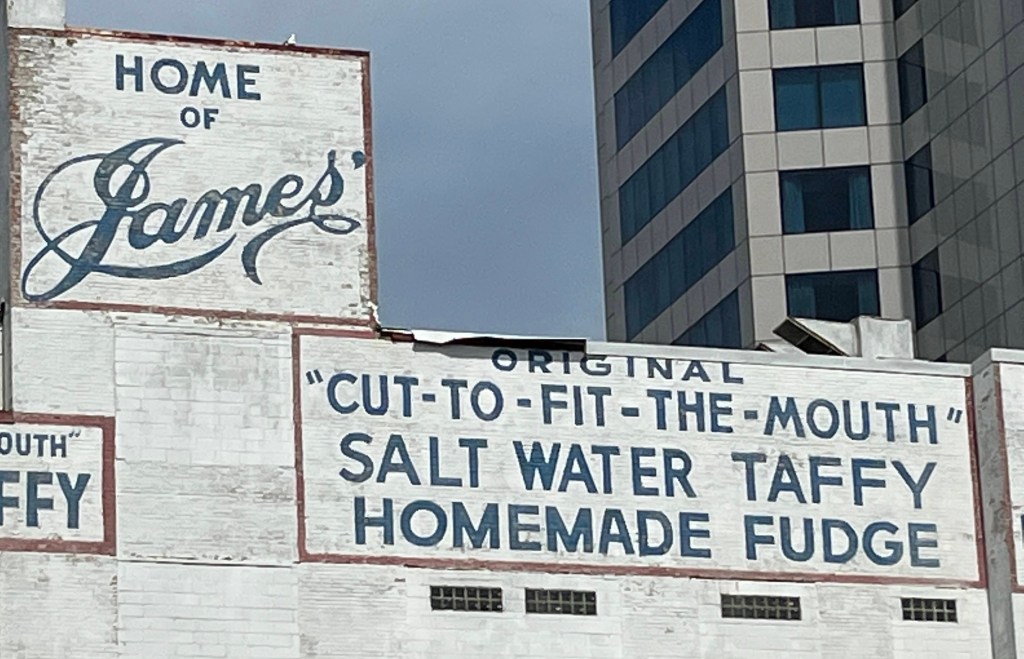
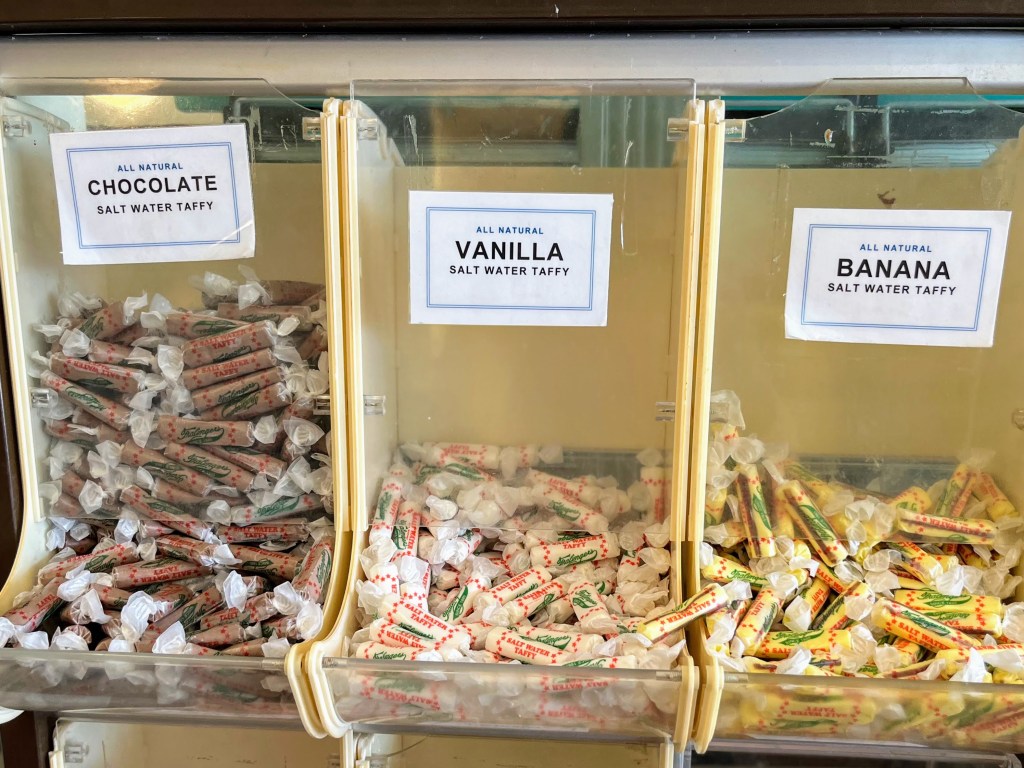
Atlantic City’s primary contribution to the culinary world is salt water taffy. There is a story about a storm in the Atlantic in the 1880’s that washed out a storage bin full of taffy at a candy store in Atlantic City run by David Bradley. Perhaps tongue in cheek, he gave the remaining product the name salt water taffy. That may or may not be true, but we know that Joseph Fralinger was the leader in commercializing the sweet treat (a product that includes no salt water among its ingredients). His first competitor was Enoch James. Today, both brands are owned by James Candy Co. (an outfit that is in Chapter XI) and each still has a branded store on the boardwalk.
In Ocean City, this is the signature sweet:
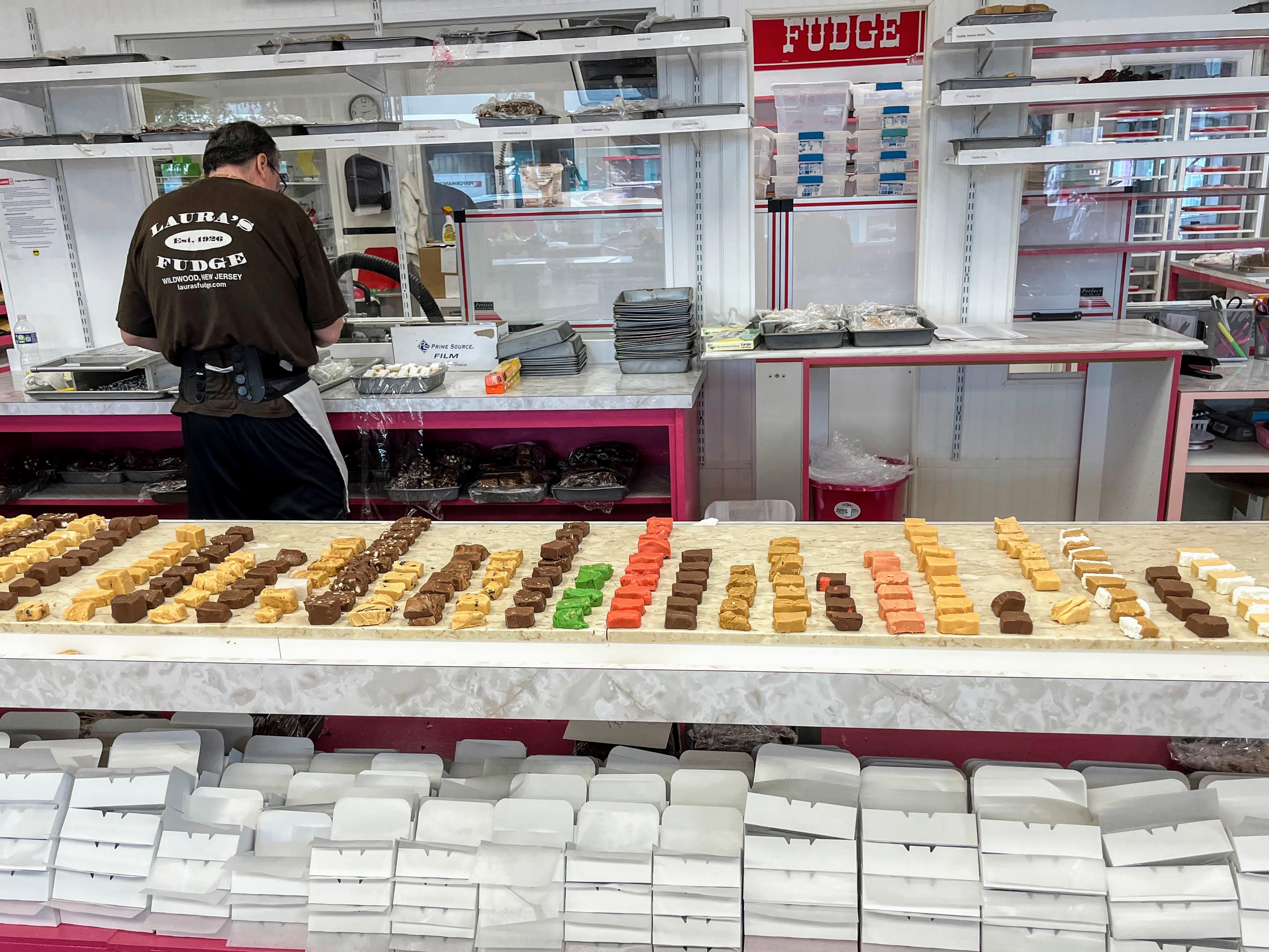
And in Wildwood, it’s this:
Laura’s Fudge
If you’re on the boardwalk and you don’t see one of these, you’re not in Jersey anymore.
And for some non-traditional boardwalk food, how about a Korean fusion taco, served out of this converted storage container on the Asbury Park boards.
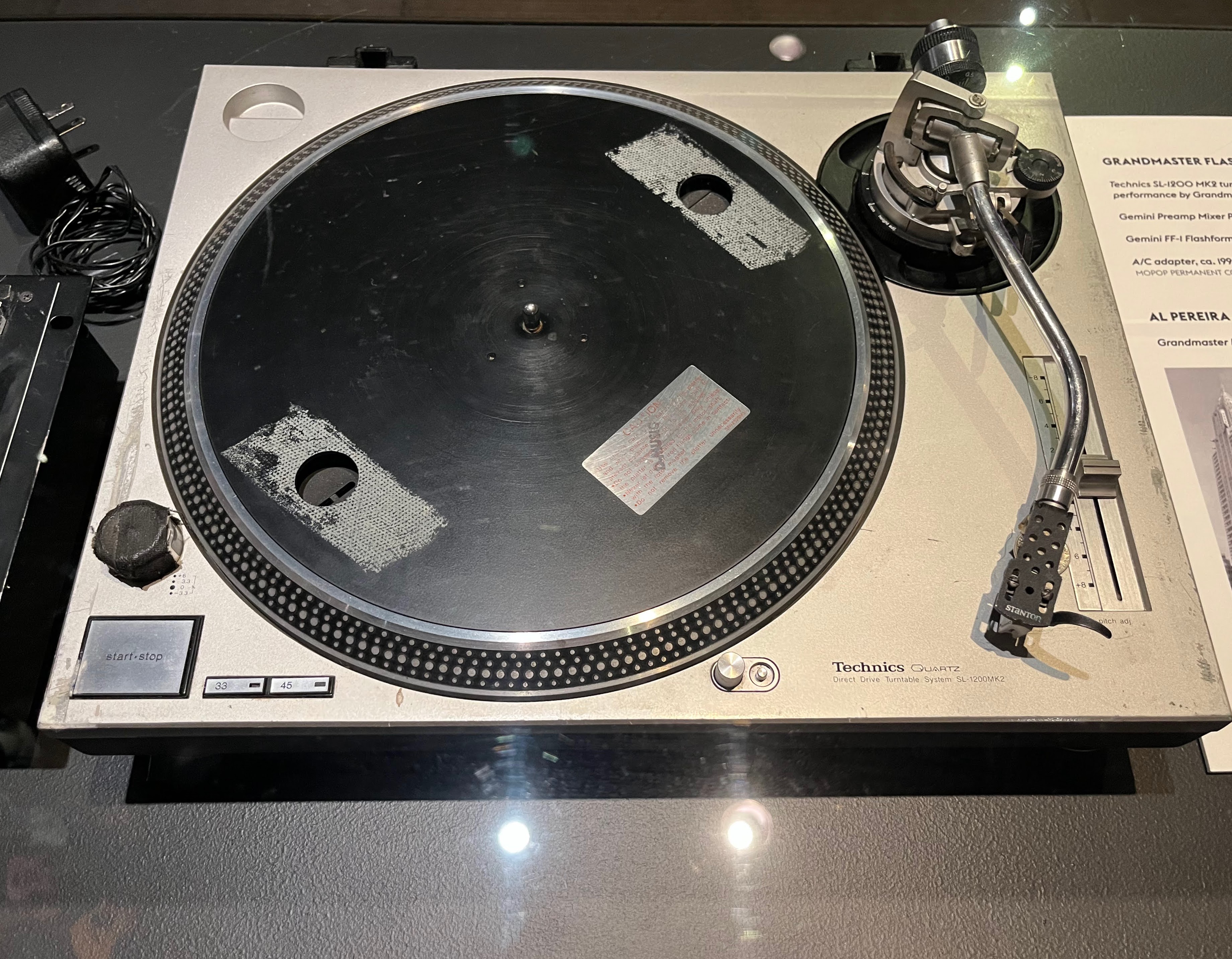
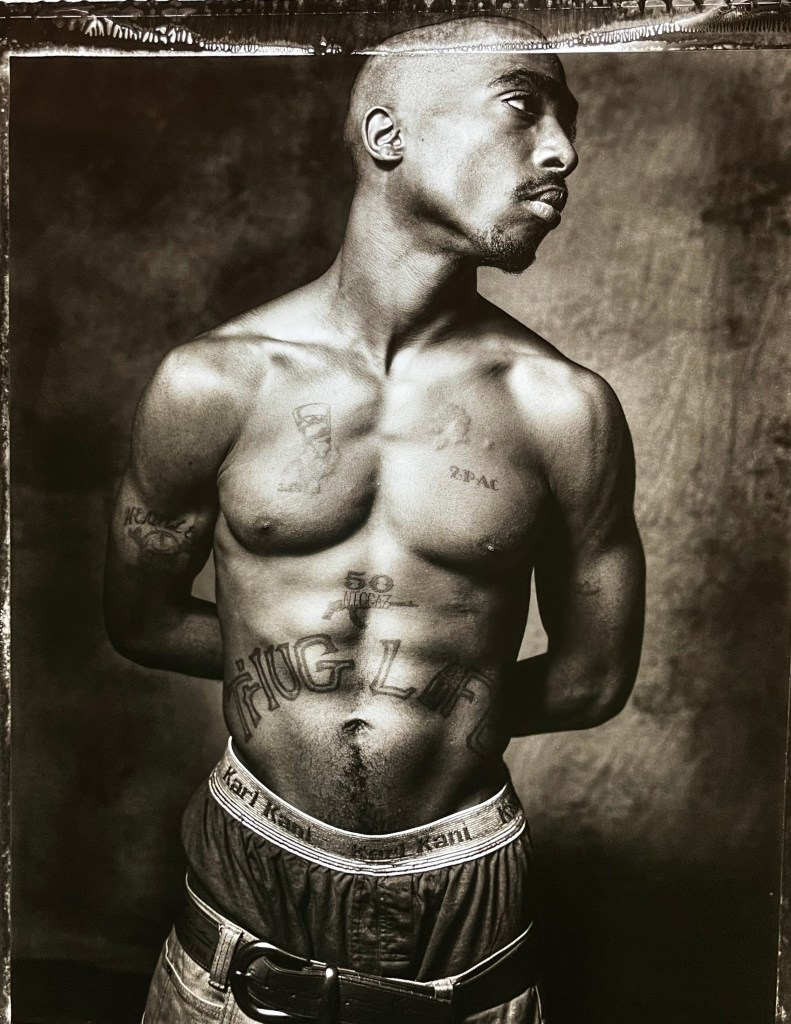
Arkellian Sand Beetle in Starship TroopersTurntable used by Grandmaster Flash in the late 1970’s, early 1980’sA$AP Rocky (Phil Knott)Cardi B (Hassan Hajjaj)Tupac Shakur (Danny Clinch)Notorious B.I.G., King of New York (Barron Claiborne)Salt-N-Pepa (Janette Beckman)
Cyberman costume used in television series Doctor Who
Winged Angel, stage prop used by Nirvana during In Utero tour
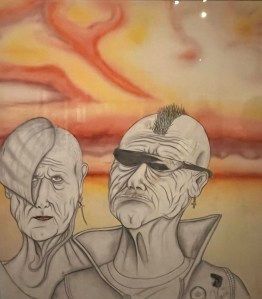
A New American Gothic, Kurt Cobain’s high school art class illustration
General Roth’h’ar Sarris costume from Galaxy Quest
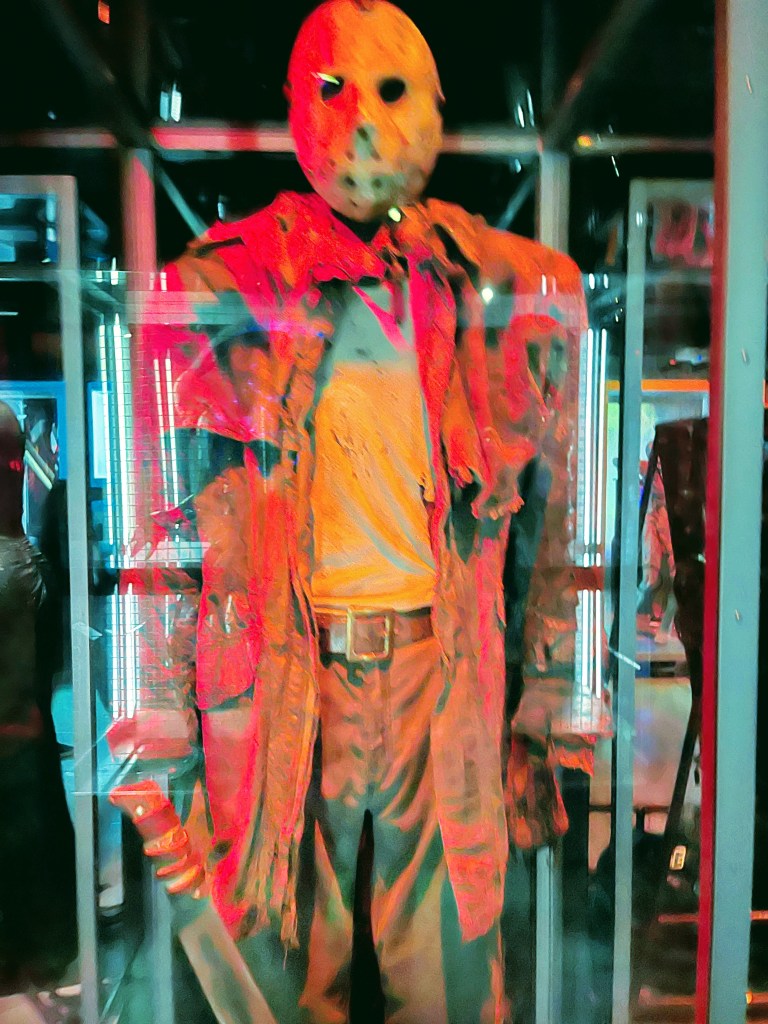
Jason Vorhees costume in Friday the 13thThe Terminator
Art in the Atrium is a non-profit Black arts organization in Morristown, N.J. Since its founding in 1991, it has exhibited the works of African-American artists at the Atrium Gallery. The current exhibit, For the Culture, By the Culture: Thirty Years of Black Art, Activism and Achievement, at the Morris Museum, is a retrospective of those 30 years of Art in the Atrium exhibits.
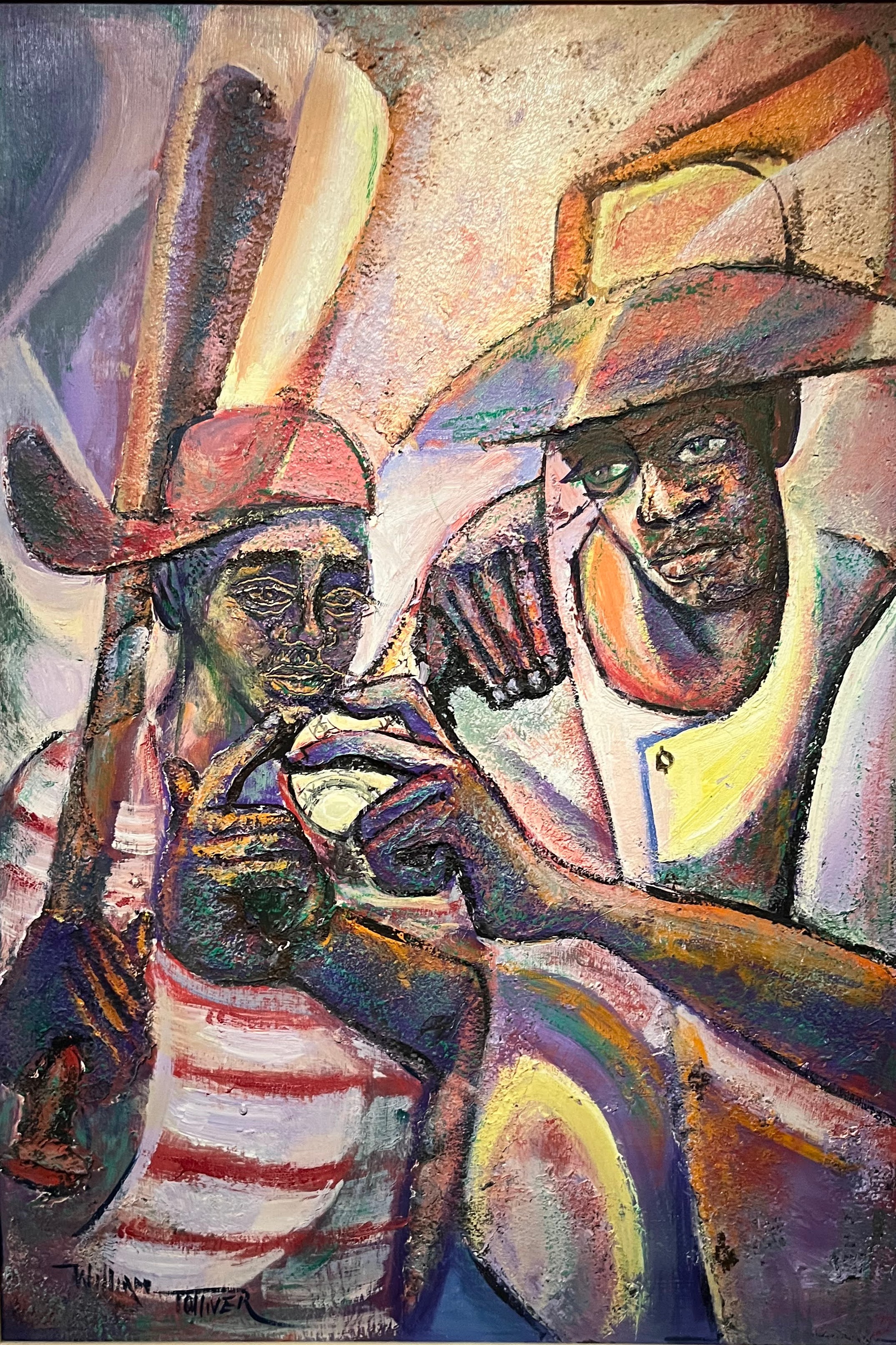
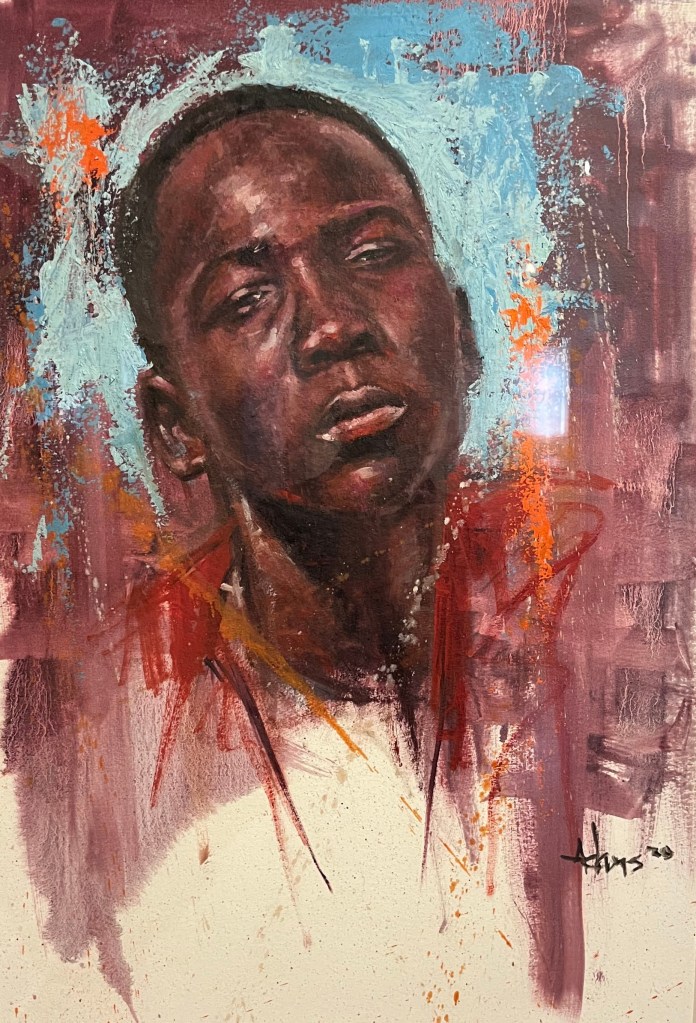
How to Throw a Curve, William TolliverBenin Beautiful, Bisa ButlerNefertiti, William TolliverDark Child Don’t Cry, Alonzo AdamsFaith’s Hands, Deborah WillisWise Men, Richard HaynesPecans, Cedric SmithMelancholy & Memory, Janet Taylor PickettWords of Wisdom, Leroy CampbellFree Spirits, Benny AndrewsWoman in Interior, David DriskellIt Takes a Village, Viki Craig (quilted wall hanging)Children’s Heart, Joe Sam
For those of you who may be living through a sweltering mid-summer weekend, here’s some cool and refreshing photos from Sunrise Point in Mt. Rainier National Park, Washington. Sunrise Point, at an elevation of 6,400 feet, is the highest point at the park that is accessible by car. These aren’t photos from last winter. I took them July 3.
Mt. Rainier National Park was established in 1899. It was the fourth U.S. national park.
At a much lower elevation, and at the southern end of the park is Longmire. This was once a mineral spring resort operated by James Longmire, an American explorer who found his way here in the 1850’s.
A mineral spring at Longmire
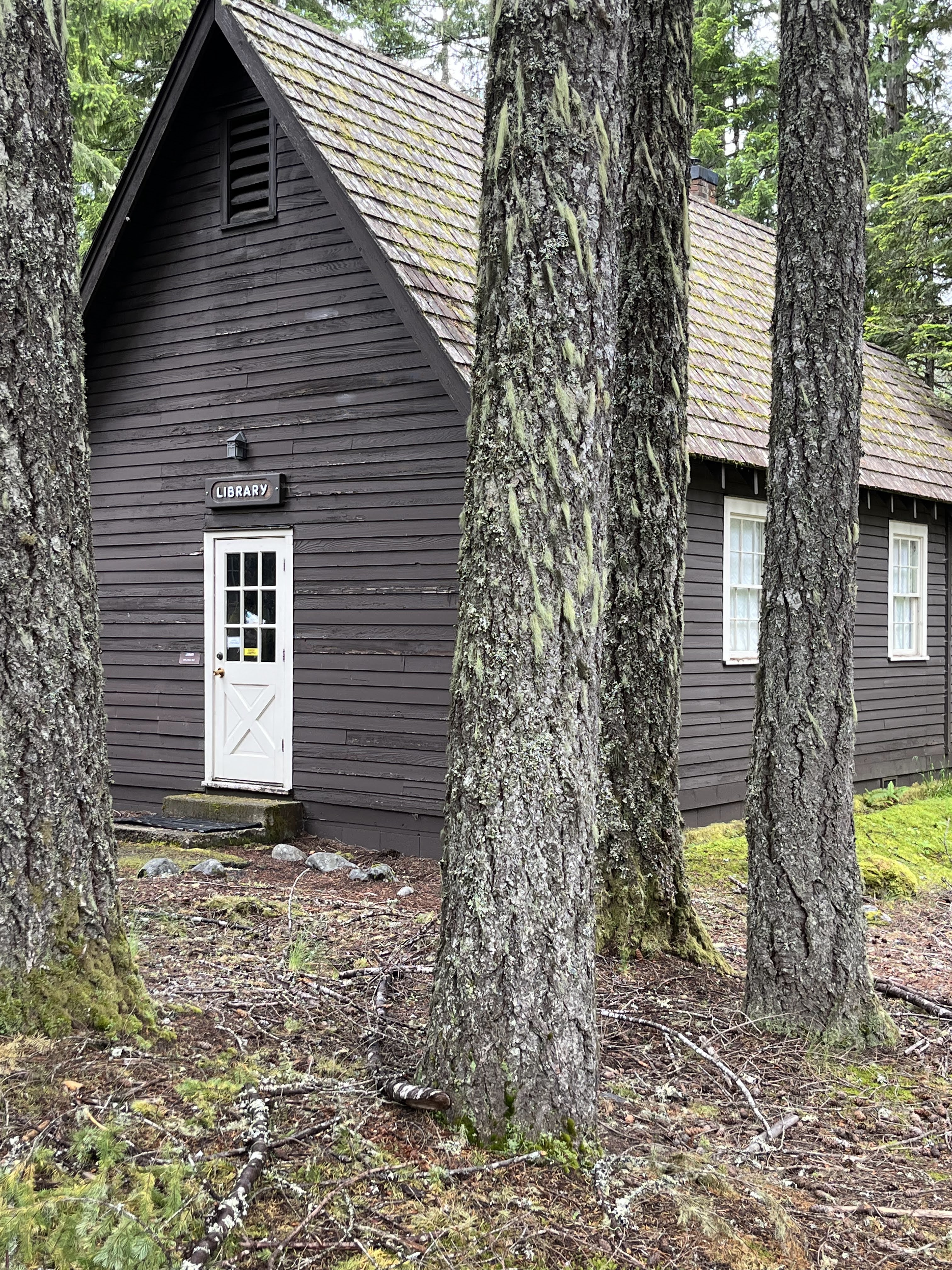
The Longmire Library was originally built in 1910 and at first used as a community kitchen. It has had a number of different uses throughout its history but now once again serves as a library for park staff.
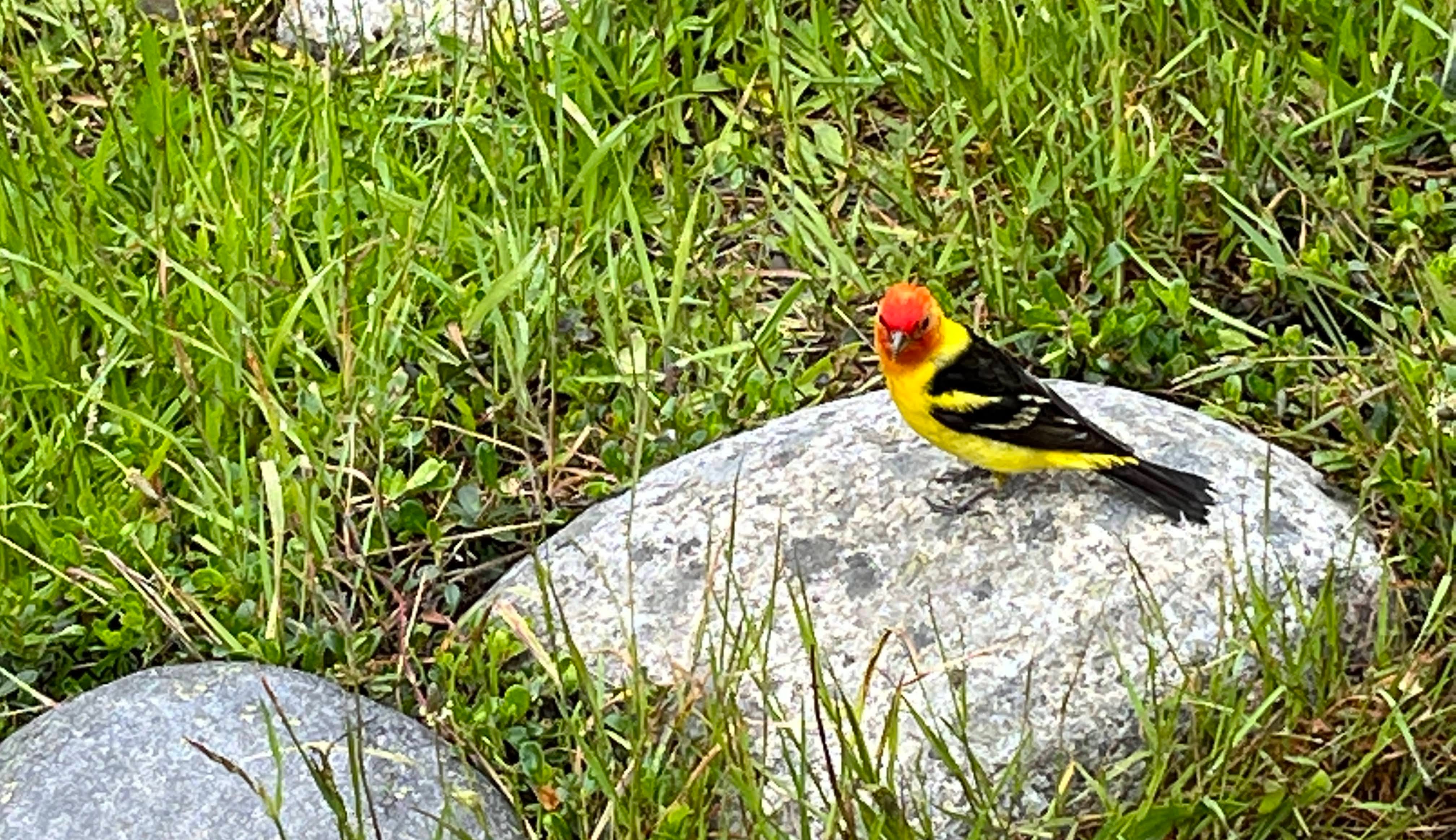
Rusty Spring. The water here originated as snow melt or rainwater. It is warmed by geothermal heat and the warm water dissolves iron which oxidizes and gives it a rusty color.Western Tanager






















































































 off the leash