We have on the Supreme Court today two justices whose confirmation hearings were dominated by seemingly credible accusations of sexual abuse. One apparently spent part of his elite education experience with his fly unzipped. The other, who has been on the court for some time now, is best known for going years without asking a single question of the cases being presented. Surely we have lowered the bar in terms of the caliber of individuals named to don the judicial robes of the country’s highest court. But after a little research I found that the likes of Brett Kavanaugh and Clarence Thomas still have a long way to go before they can be mentioned on the same list as this group of racists, anti-Semites and underachievers.
The Useless
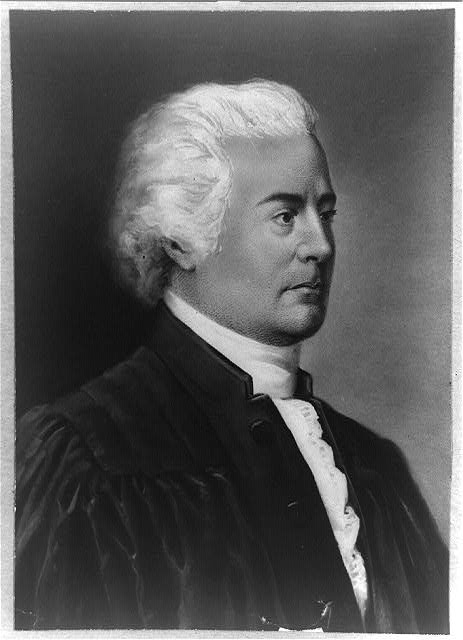
John Rutledge
John Rutledge was a South Carolinian with a successful law practice and considerable wealth. He was the first independent governor of South Carolina, attended the Continental Congress and later the Philadelphia Convention of 1787 where the Constitution was written.
Rutledge was a slave owner who at one time owned 60 slaves. As an attorney in private practice he twice defended individuals accused of abusing slaves. His influence has been cited by some historians as the reason the Continental Congress chose not to abolish slavery.
George Washington appointed him to the first U.S. Supreme Court in February 1790. I’d be happy to tell you about his voting record or the opinions he wrote, but neither exist. Partly due to illness he never attended a single session before resigning from the court in March 1791. He left to become Chief Justice of South Carolina.
Rutledge’s disinterest in his first Supreme Court gig didn’t dissuade him from entreating Washington to appoint him U.S. Supreme Court Chief Justice after the first chief justice, John Jay, left the court. Washington did. But since the Senate was in recess Washington gave Rutledge a “recess appointment.” By the time Congress came back into session Rutledge had worn out his welcome in the capital after making a speech vehemently criticizing the Jay Treaty which established peace with England and set up a trade agreement. Amidst concerns about his deteriorating mental health and rumors of alcohol abuse, the Senate, although dominated by the Federalists, the party of Washington, voted down his nomination by a 14-10 vote. Distraught, Rutledge attempted suicide by jumping off a bridge. Guess who saved him? Two slaves pulled his sorry ass out of the river.
The John Rutledge legacy as Chief Justice? The shortest term of any Chief Justice and the first Supreme Court nomination to be rejected by the Senate.
The Racist
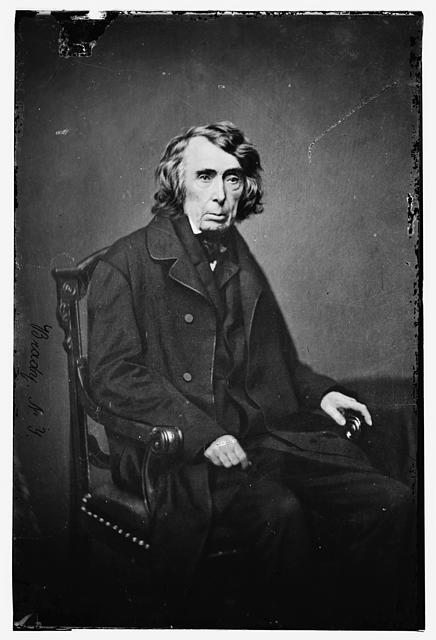
Roger B. Taney
If you’ve ever wondered why slavery lasted so long in the United States, why it took a Civil War to end it, look no further than the fifth Chief Justice of the Supreme Court Roger B. Taney. In 1857, the Taney court delivered what is widely considered the worst Supreme Court decision ever. The court ruled against Dred Scott, an enslaved Black man in Missouri who had sued to free himself, his wife and two daughters, based on his time living in Illinois as a free man.
It was not enough for Taney to deny basic human rights to this man, he had to elaborate further, writing the majority opinion, a defense and justification of slavery. In that opinion, he wrote that Blacks are “regarded as beings of an inferior order, altogether unfit to associate with the white race … and so far inferior, that they had no rights which the white man was bound to respect.”
Taney had been brought up in a wealthy slave-holding Maryland family. He reportedly emancipated his own slaves and granted pensions to those too old to work. That appears to be a brief sliver of enlightenment from much earlier in his career. Taney was a supporter of Andrew Jackson (who gets prominent mention in my list of the country’s worst presidents). Jackson tried to repay Taney by nominating him to be Secretary of the Treasury in 1834. Instead,Taney turned out to be the first Cabinet nomination in U.S. history to be rejected by the Senate. A year later, Jackson tried again, nominating him to a Supreme Court vacancy. The Senate let the session expire without ever voting on the nomination, thus killing it. But after an election changed the makeup of the Senate, Jackson again nominated Taney, this time to be chief justice, and it was approved.
Taney served as chief justice from 1836 to 1864. At that point karma caught up with him. He died pretty much penniless on the day that his home state officially abolished slavery.
There are some legal historians who have some good things to say about Taney’s Supreme Court tenure aside from the Dred Scott case. Personally I can find little in the way of positive thoughts about a man who so negatively impacted so many lives because of his blatant racism. I tend to agree with Massachusetts Senator Charles Summer who, after the House passed a bill to fund a bust of Taney, commented: “I speak what cannot be denied when I declare that the opinion of the chief justice in the case of Dred Scott was more thoroughly abominable than anything of the kind in the history of courts. Judicial baseness reached its lowest point on that occasion.”
The Utterly Obnoxious
James Clark McReynolds
James Clark McReynolds served on the Supreme Court from 1914 to 1941. Born in Kentucky, he had practiced law in Tennessee where he had a reputation for antitrust litigation. He served as assistant attorney general under Teddy Roosevelt and Woodrow Wilson (himself a flagrant racist) named him attorney general in 1913. One year later Wilson nominated him for the Supreme Court.
McReynolds’ voting record is mostly known for his opposition to everything that involved the New Deal. He is said to have referred to Franklin Roosevelt as that “crippled son-of-bitch.” He voted to strike down the Tennessee Valley Authority, the Social Security Act, the National Industrial Recovery Act, the Agricultural Adjustment Act and the Bituminous Coal Conservation Act, among others, often writing the dissenting opinion in these cases.
But more than his voting record, it is McReynolds abhorrent personality that puts him on this list. He combined a general nastiness with virulent bigotry which he directed at Jews, Blacks and women alike. There are any number of instances that confirm Chief Justice William Howard Taft’s characterization of McReynolds as “fuller of prejudice than any man I have ever known.”
When Louis Brandeis became the first Jewish Supreme Court Justice, McReynolds refused to speak to him, refused to sign any opinion that he wrote and would leave the room when Brandeis spoke. When Herbert Hoover nominated another Jewish man to the court, Benjamin Cardozo, McReynolds read a newspaper while Cardozo was being sworn in. He did not attend a memorial service when Cardozo passed away and also skipped Felix Frankfurter’s swearing-in ceremony.
During a case involving the desegregation of the University of Missouri Law School, McReynolds turned his chair to face the other way when the prominent Black attorney Charles Hamilton Houston presented his case. He would frequently leave the bench on those rare occasions when a female attorney was being heard.
Not surprisingly, few seemed to mourn McReynolds passing in 1946. Certainly not his Supreme Court colleagues who unanimously chose to bypass his funeral.
The Clueless
Charles E. Whittaker
You have to admire the occasional Supreme Court justice whose vote can’t be counted on by any voting bloc or political party, the justice who seems to take each case on its merits and make a decision based on the arguments presented. In the late 50’s and early 60’s, the swing vote on the Earl Warren court was Charles E. Whittaker. Was Whittaker the kind of open-minded jurist who can fill this role. No, it seems more likely it was because he was, in the words of NYU professor Bernard Schwartz, “the dumbest justice ever appointed.” Schwartz is not alone in that view. Another highly-regarded expert on the Supreme Court, University of Vermont professor Howard Ball called Whittaker “an “extremely weak, vacillating justice” who was “courted by the two cliques on the court because his vote was generally up in the air and typically went to the group that made the last, but not necessarily the best, argument.”
Whittaker was not a child of privilege, like so many other Supreme Court justices. He grew up on a farm in Missouri. He quit high school to work on his family farm. After becoming interested in law he eventually worked his way through University of Missouri Law School. Whittaker was nominated to the Supreme Court by Dwight Eisenhower. He served on the court from 1957 to 1962.
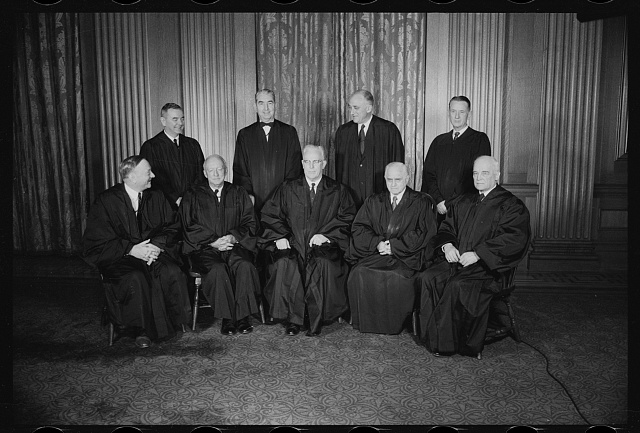
1957 Supreme Court justices. Whittaker is standing on the far right.
On the court he demonstrated no particular judicial philosophy. It all came to a head in 1962 when the court was hearing the case of Baker v. Carr. This case involved a challenge by Baker and other residents of Tennessee of the way legislative districts were apportioned. The court issued a landmark ruling that courts had jurisdiction on this issue. That is a ruling that is particularly relevant today as there have recently been court rulings requiring states to correct inappropriately gerrymandered legislative districts. How did Whittaker vote in this important case? He didn’t. He had a nervous breakdown while hearing the case and took Chief Justice Earl Warren’s advice and resigned.
After leaving the court Whittaker became general counsel at GM. In his later years he was heard from mainly as a critic of the civil rights movement, of Martin Luther King Jr. and of the tactic of nonviolent civil disobedience.
(Photos from the Library of Congress public domain digital collection.)
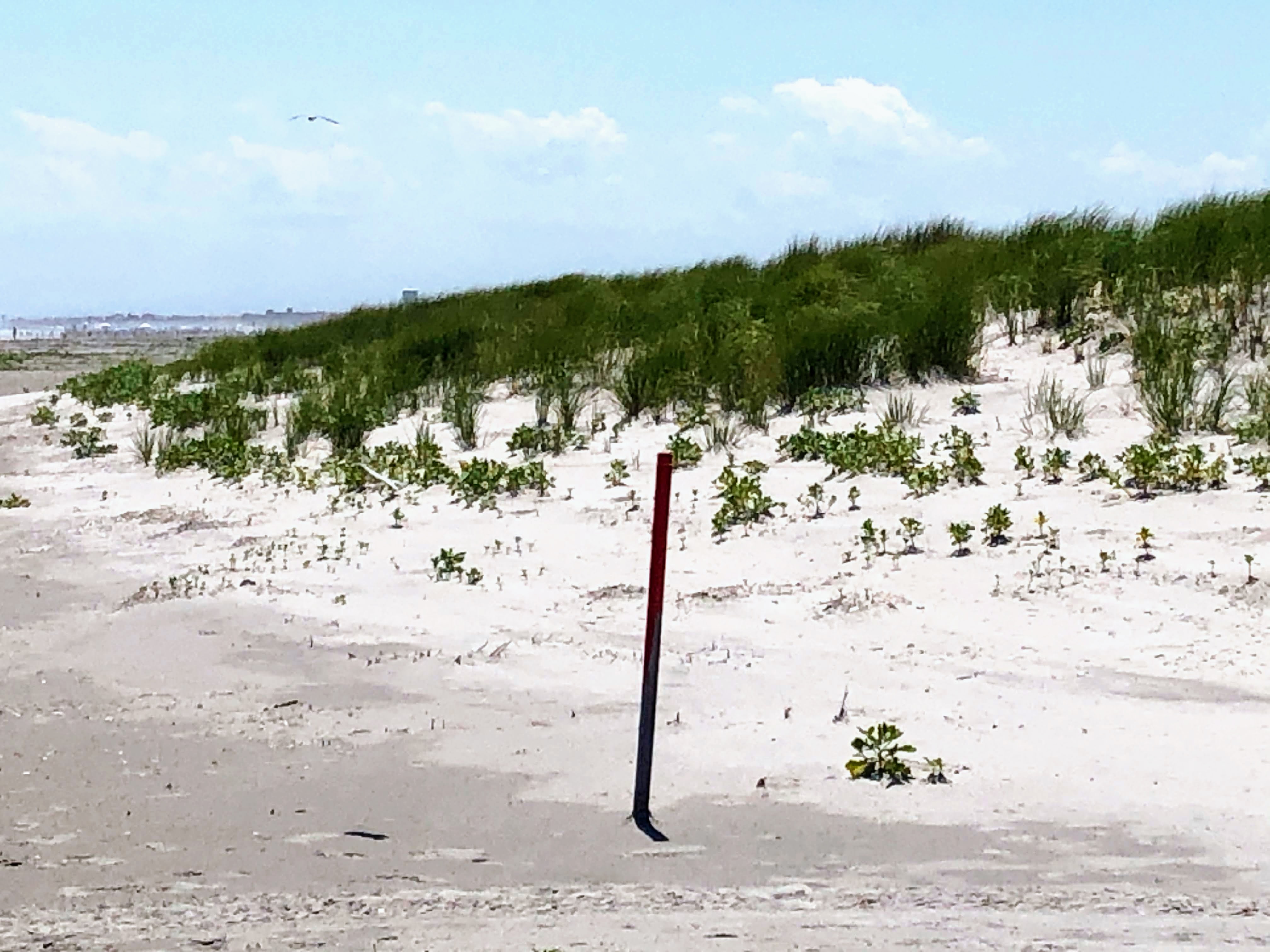
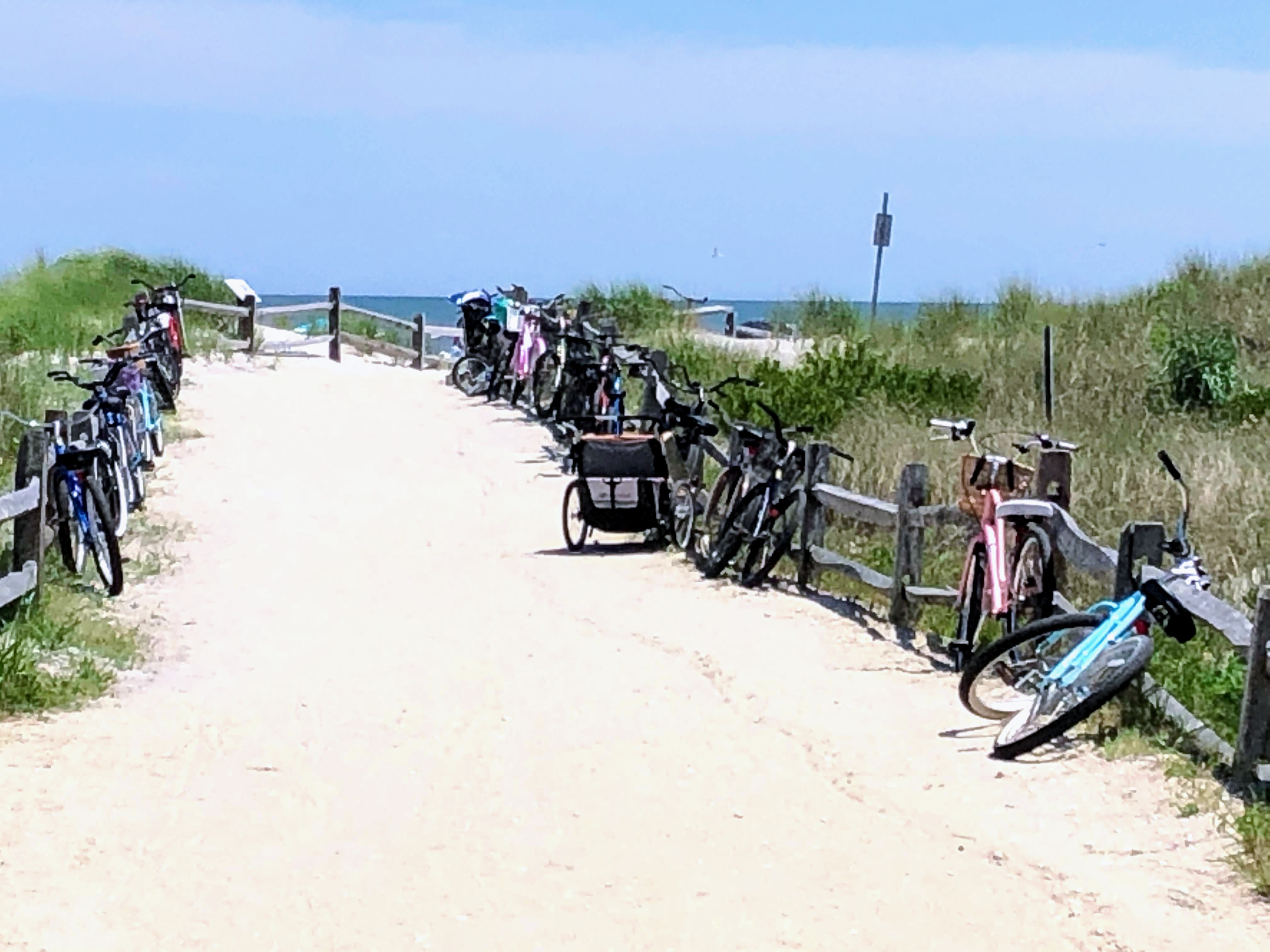
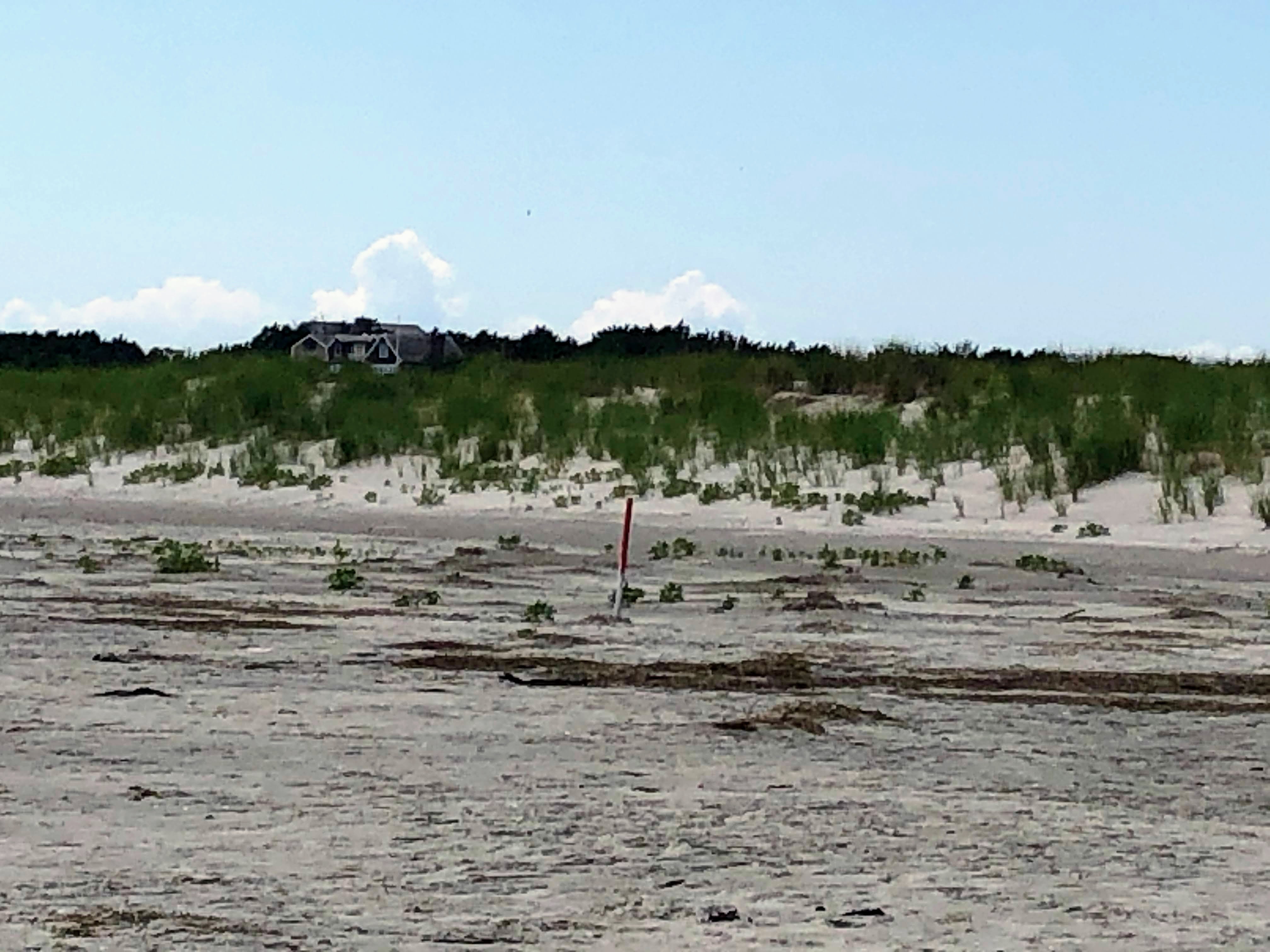
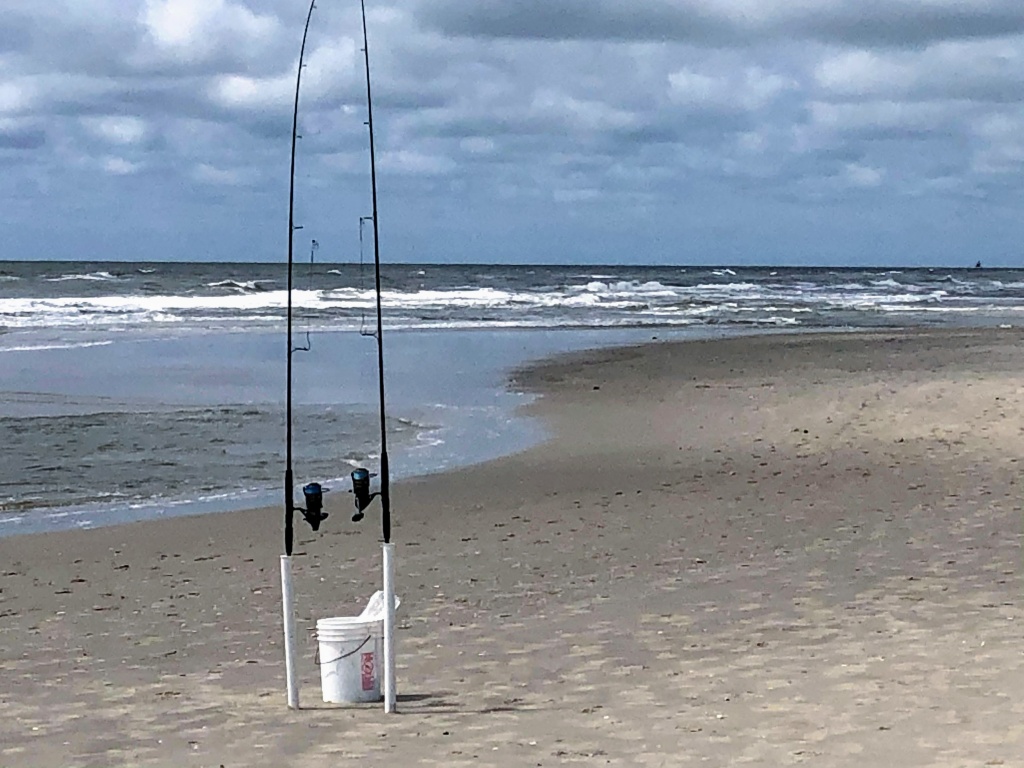
The barrier island in the southern part of the Jersey Shore that includes the towns of Avalon and Stone Harbor is known for its dunes, protecting the beaches in these towns from wind and wave damage. What is unique about these dunes is they are in their natural state. In most other places the dunes have been leveled off to support development of the resort areas. The Avalon/Stone Harbor dunes offer a rare look at what the Jersey Shore looked like before the hotels, the beach houses, the boardwalks and amusement piers.
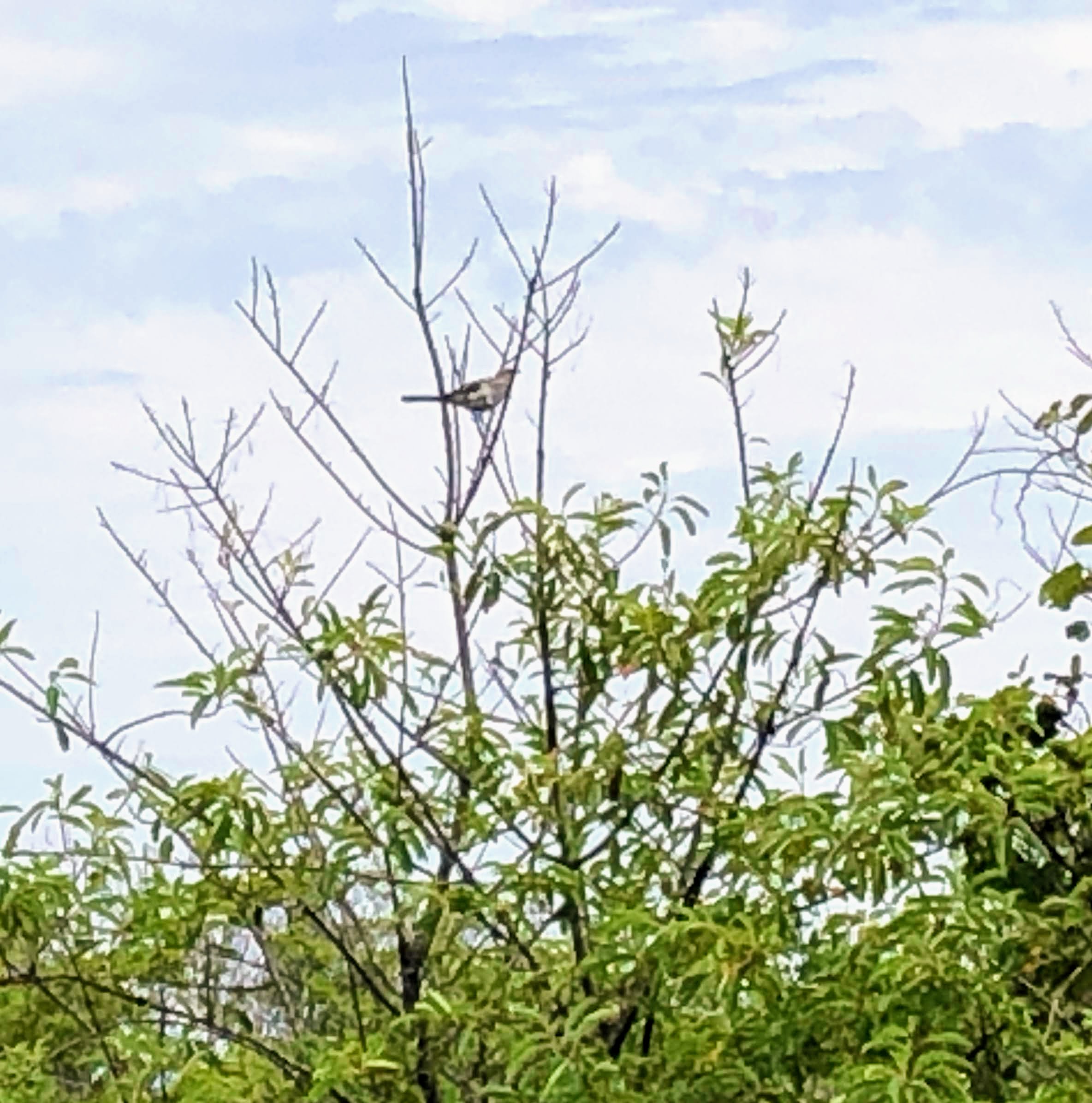
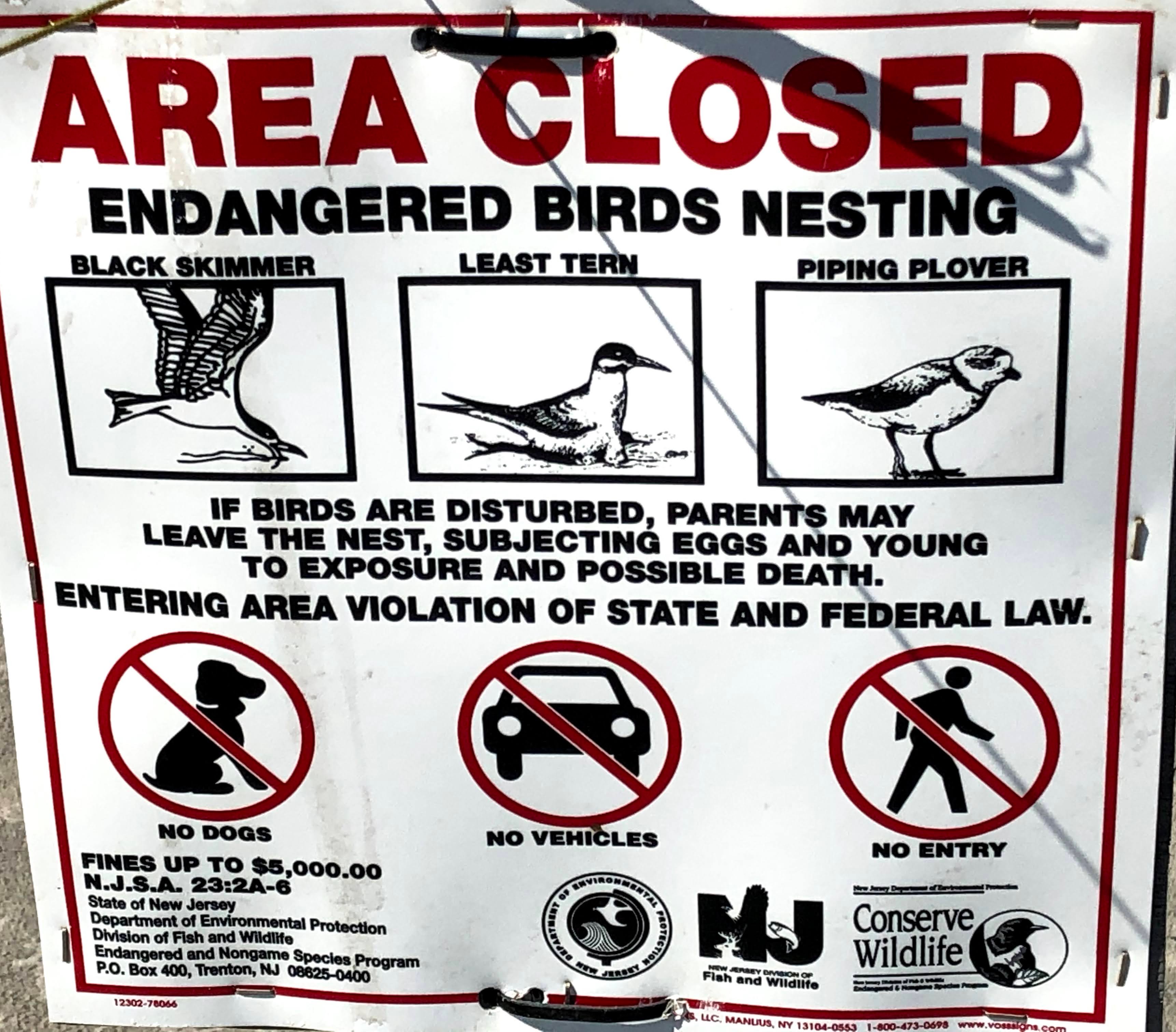
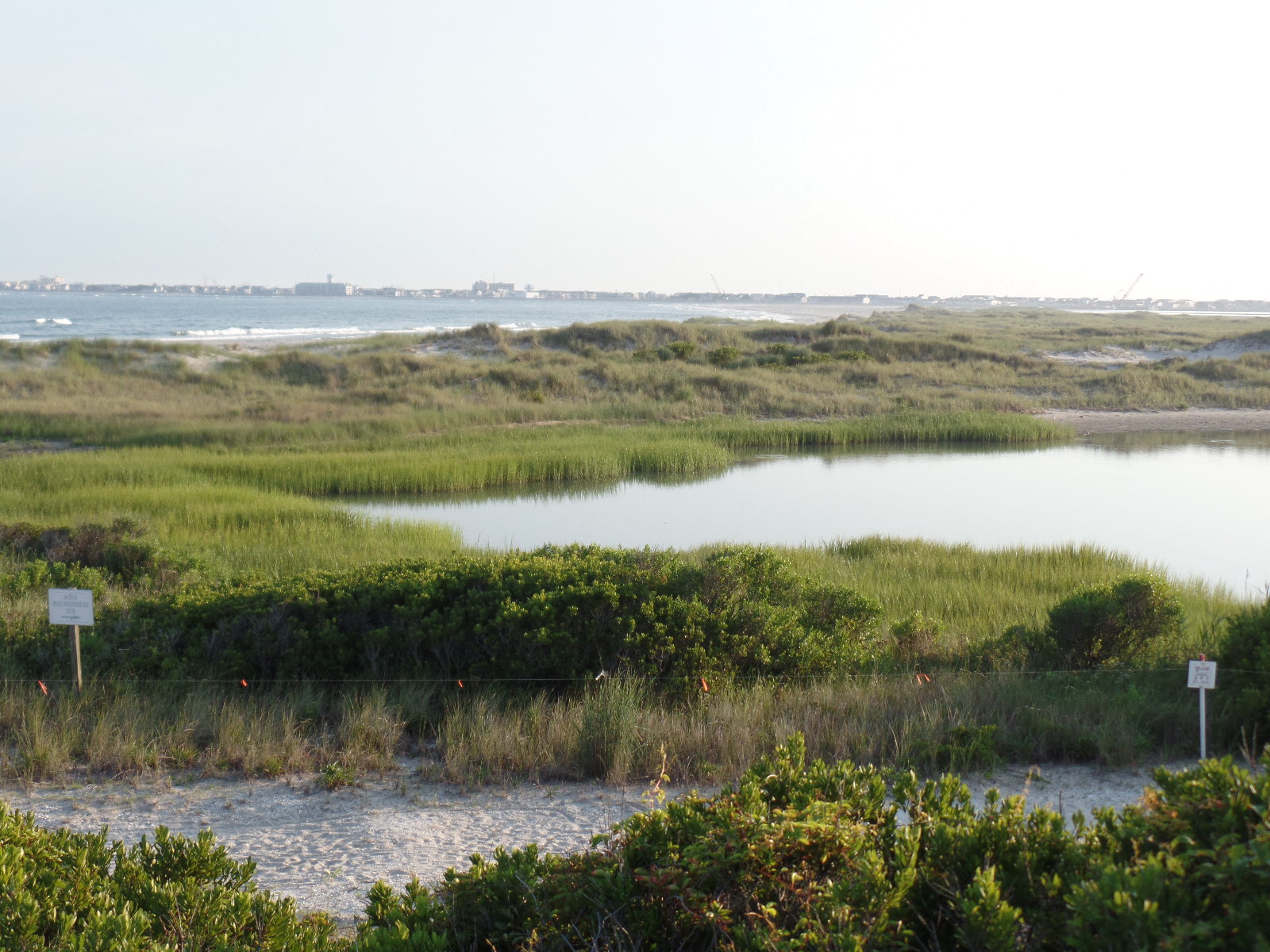
Along the dunes is a maritime forest, a natural green area that is home to plants and wildlife. This season rabbits are all over the area, but residents have also reported seeing skunks, raccoons and red foxes. Two endangered species, the piping pover and the least tern, nest in the area.
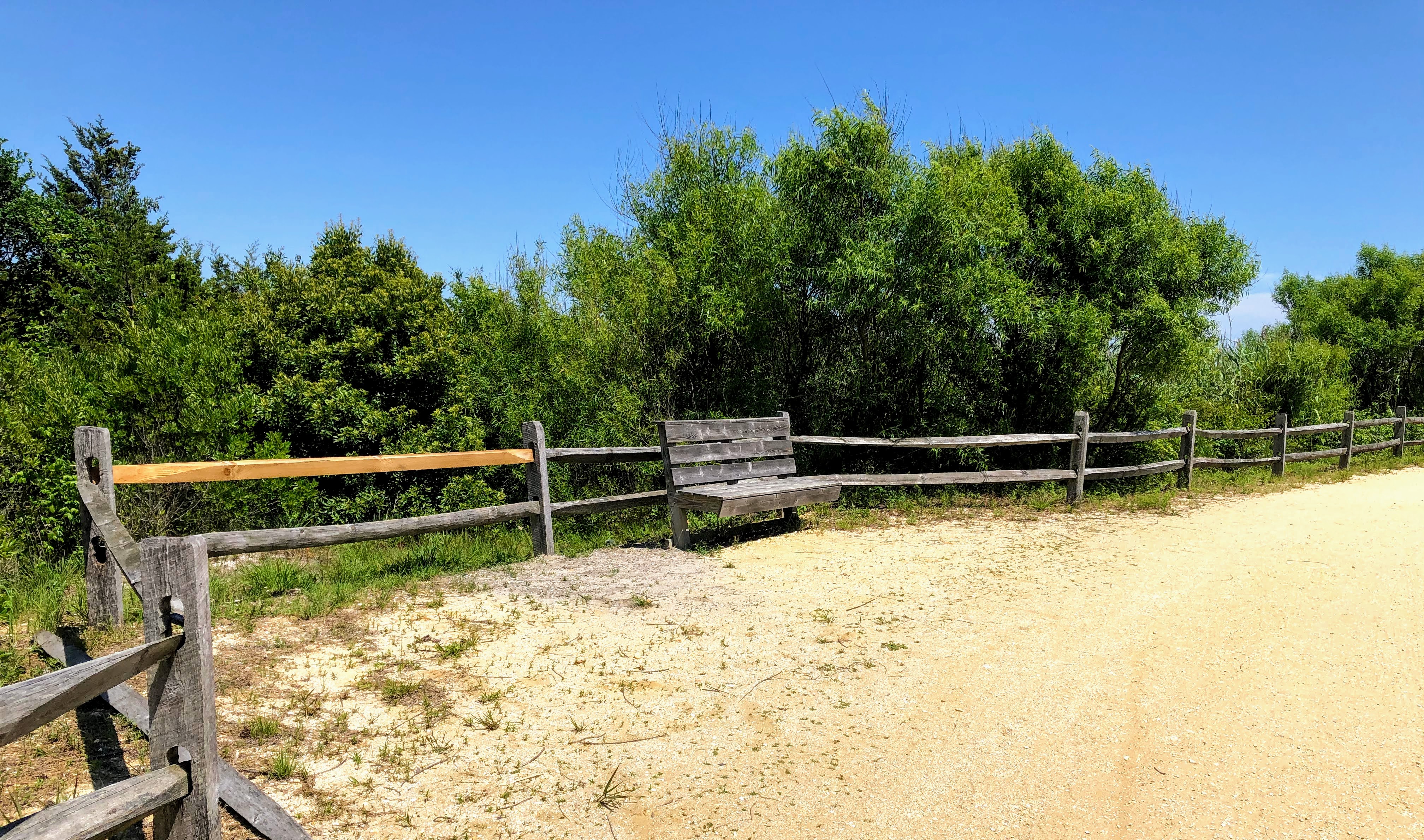
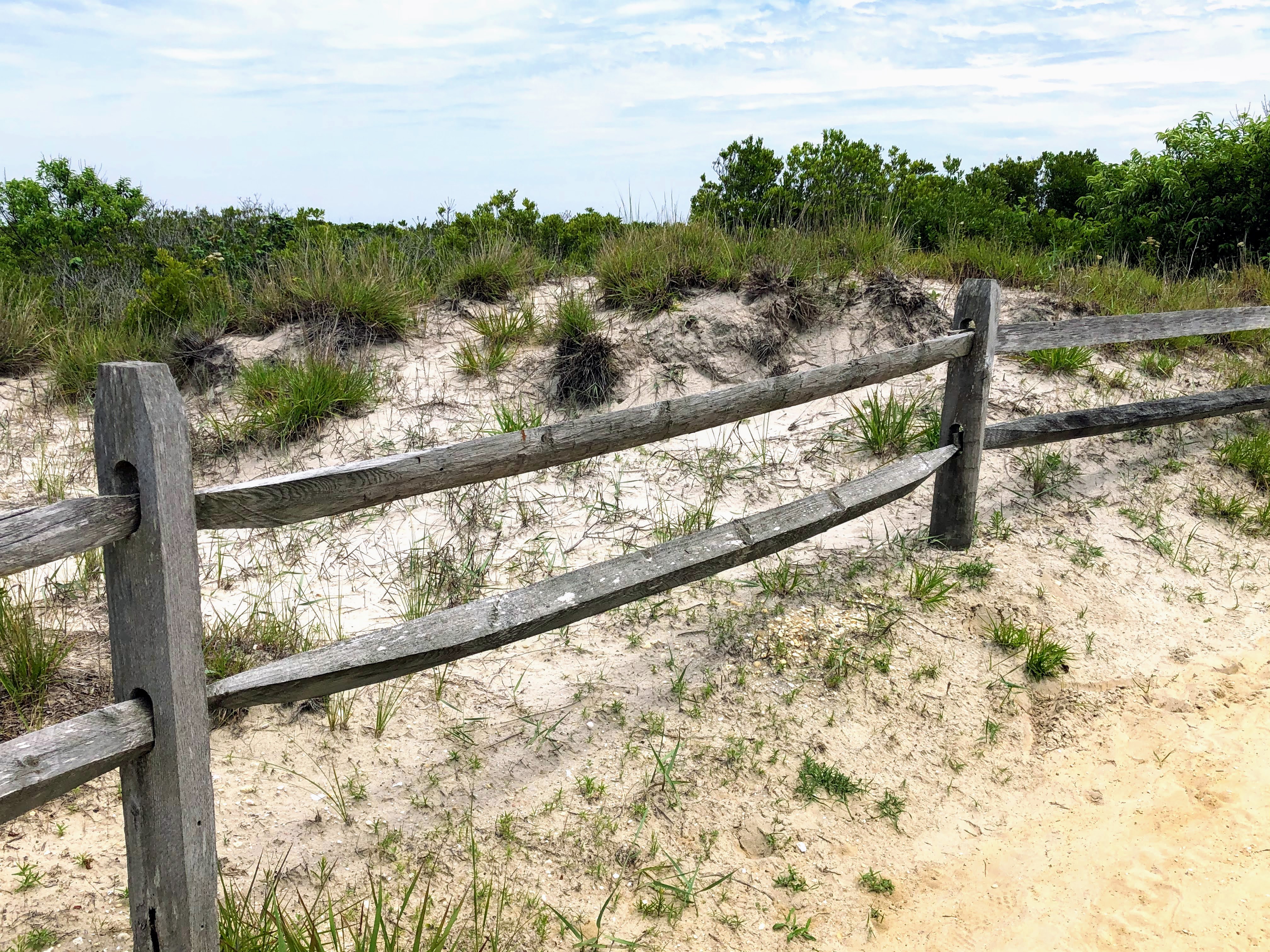
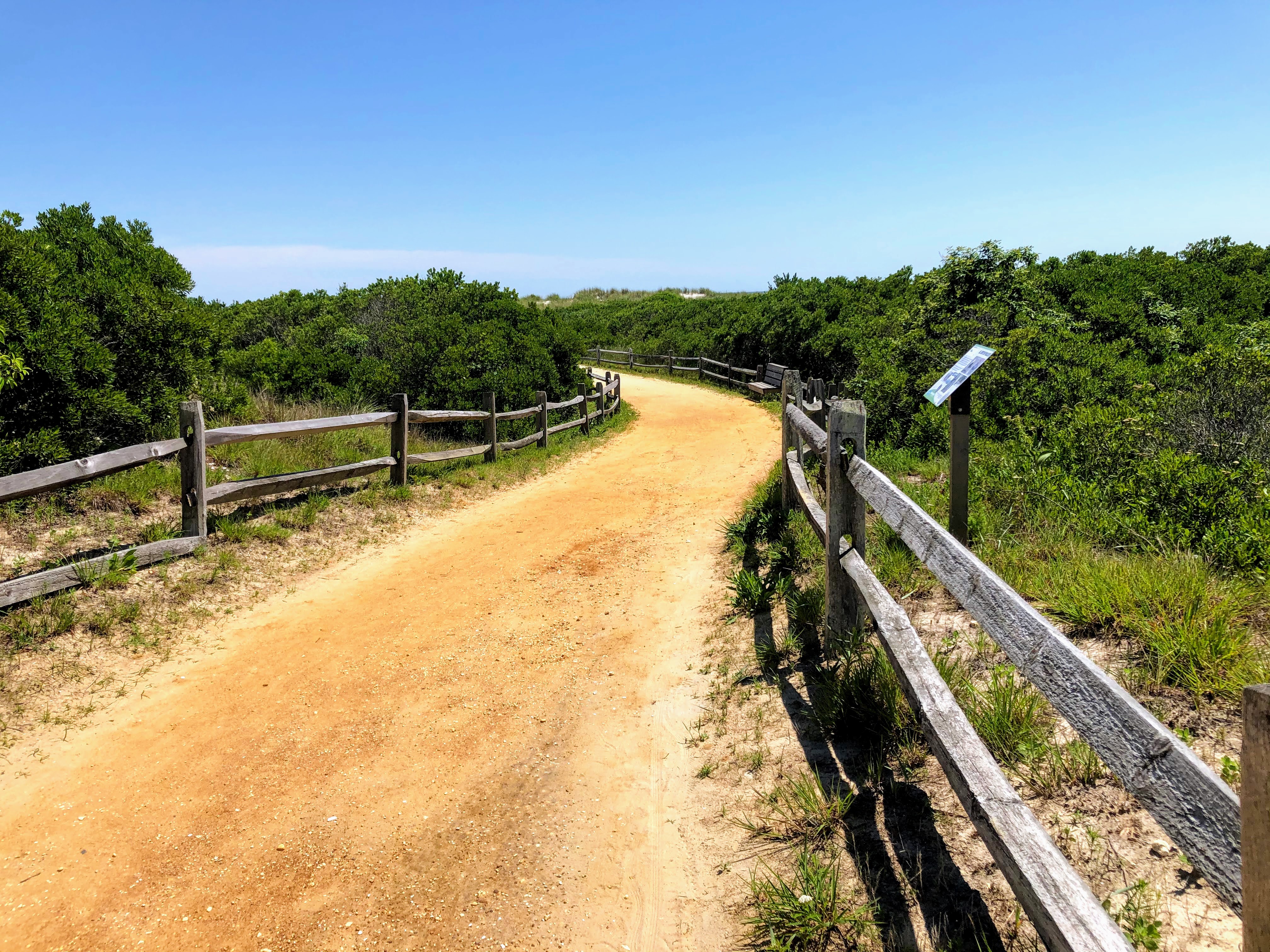
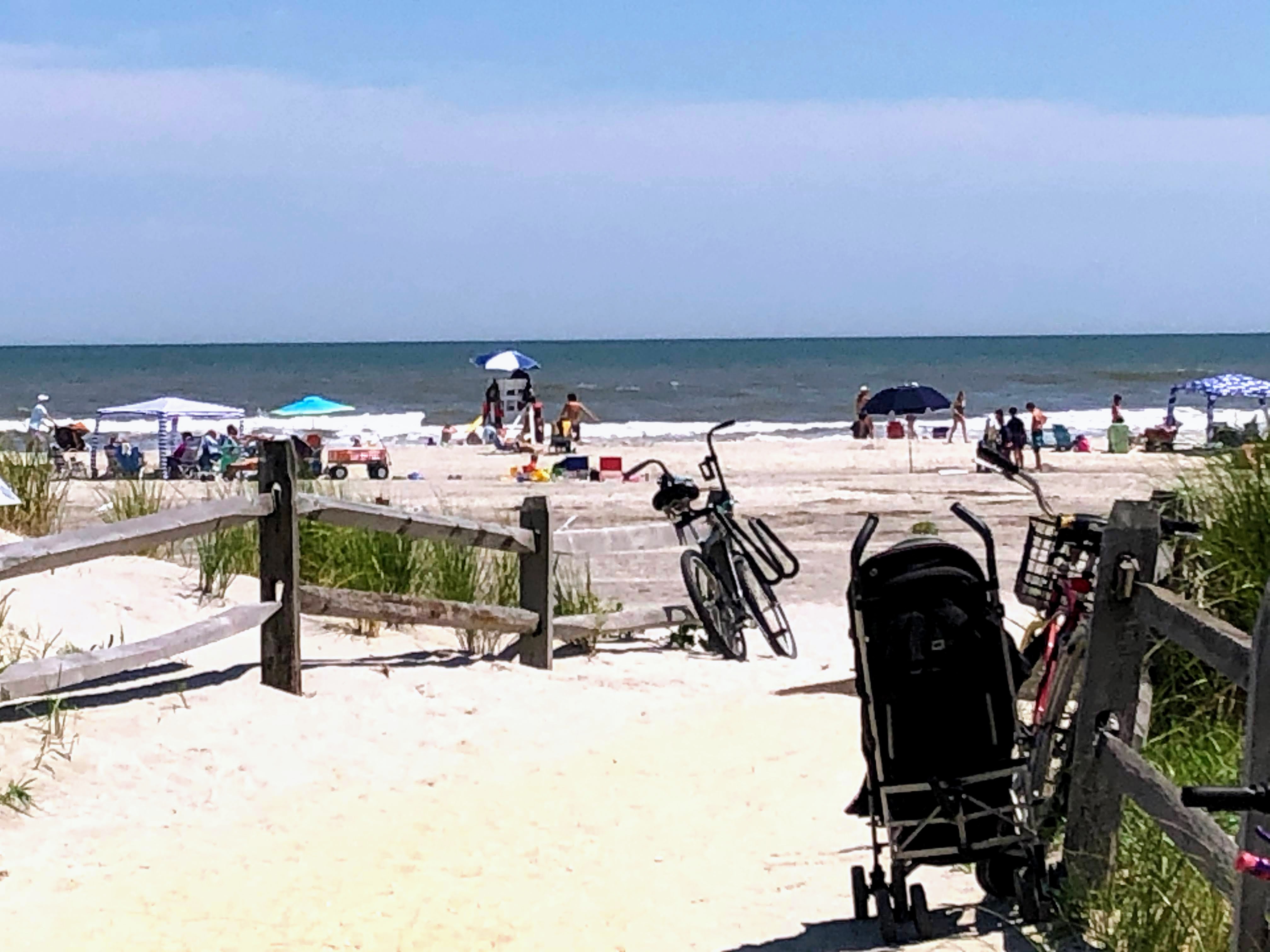
The photos below are from the Avalon Dune and Beach Trail. The 1.1 mile walk starts at 44th Street and Dune Drive. It goes to the beach then circles back around on 48th Street. As you walk toward the beach the maritime forest gets progressively lower, from trees to shrubs to grasses.
Grass is planted in front of the dunes to help preserve them.
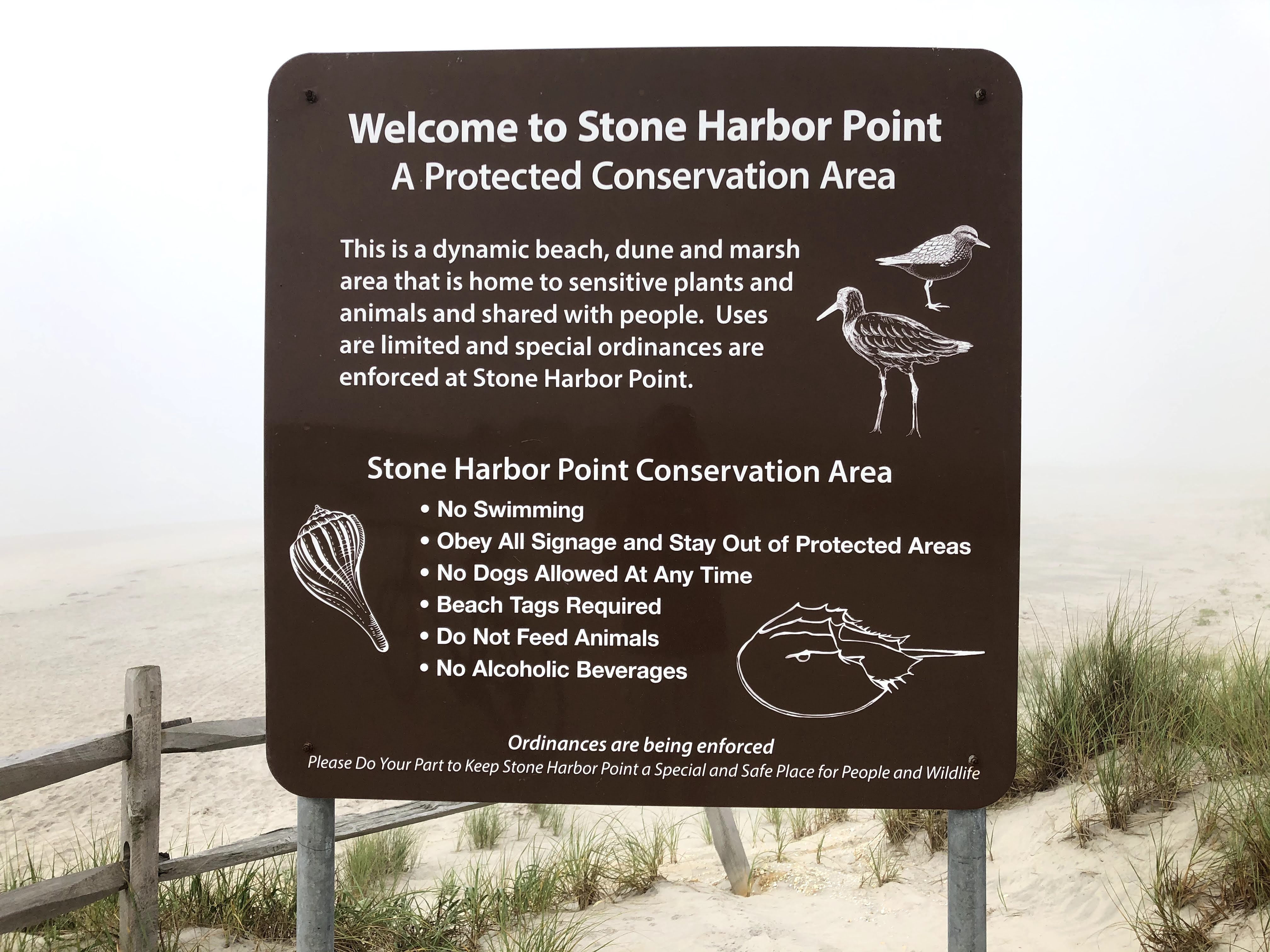
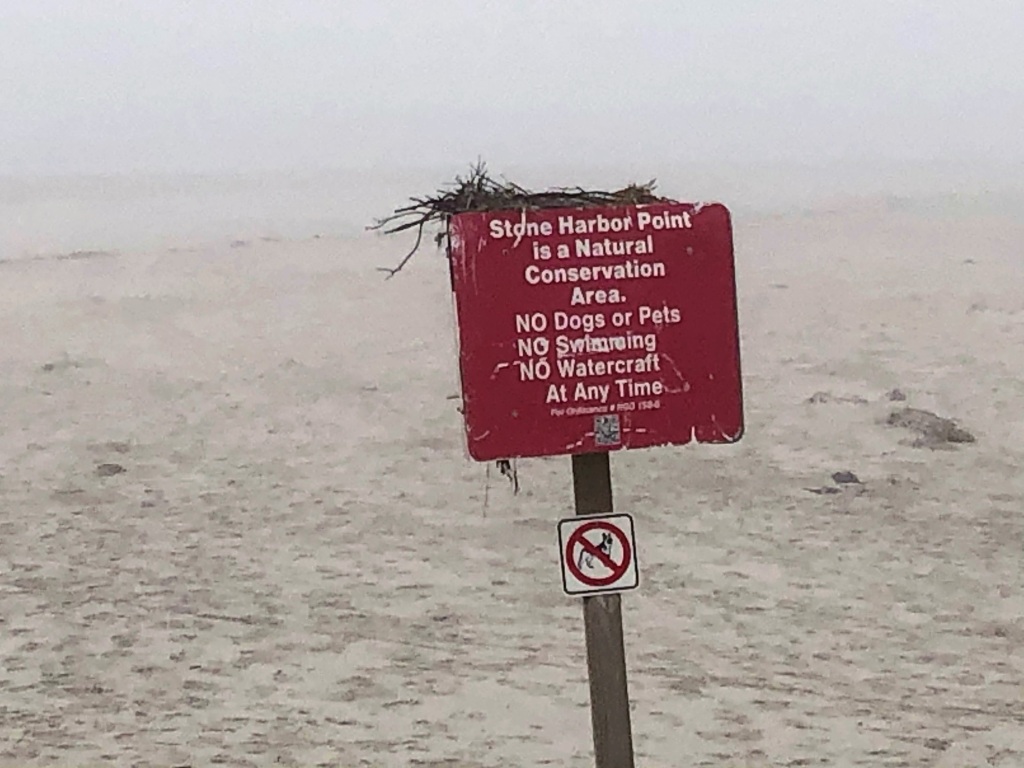
Ocean currents pick up sand from the north end of the island and move it south. Below is a photo of dune repair being done at the north end in Avalon followed by a photo of the south end, the Stone Harbor Point protected conservation area.
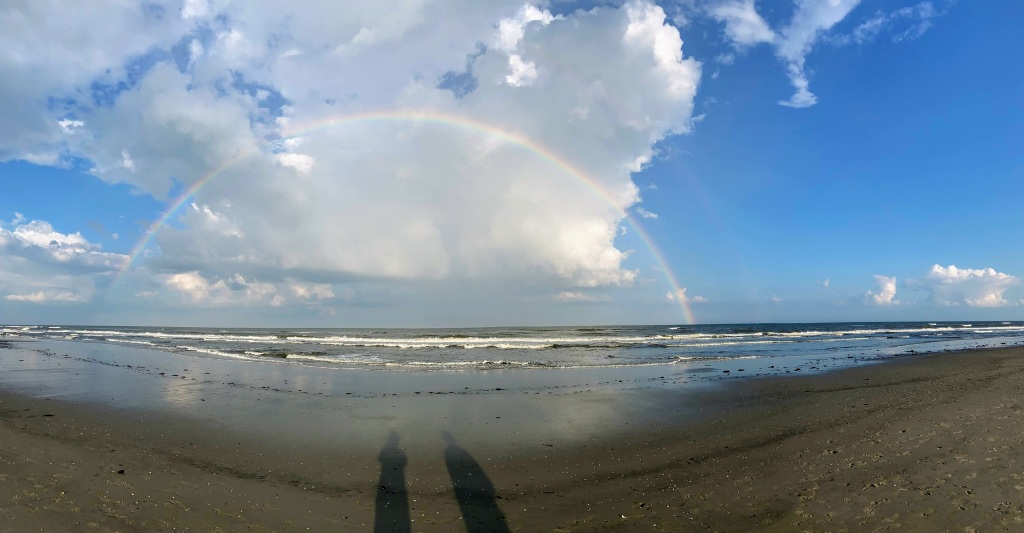
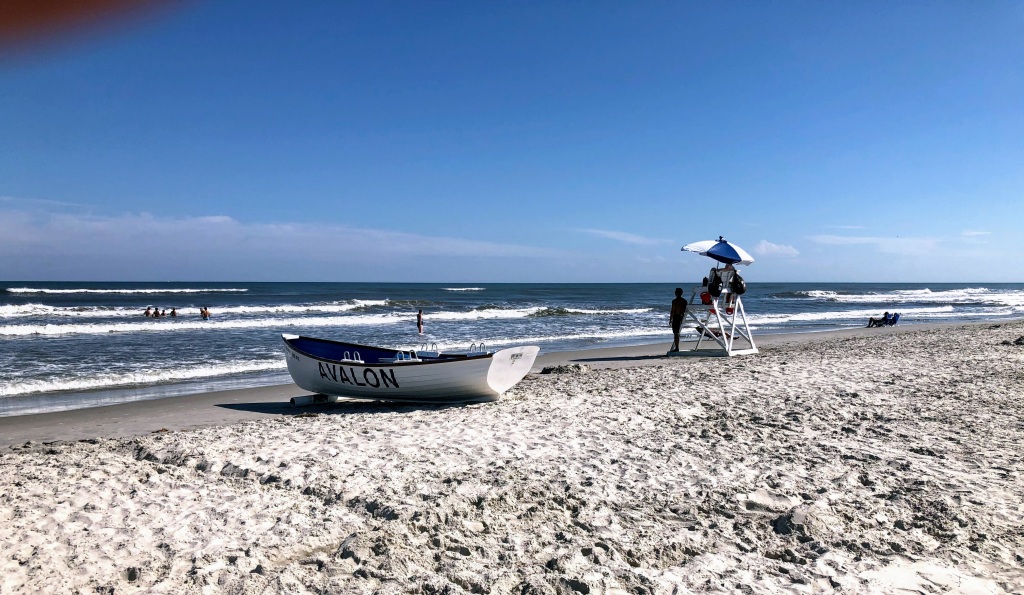
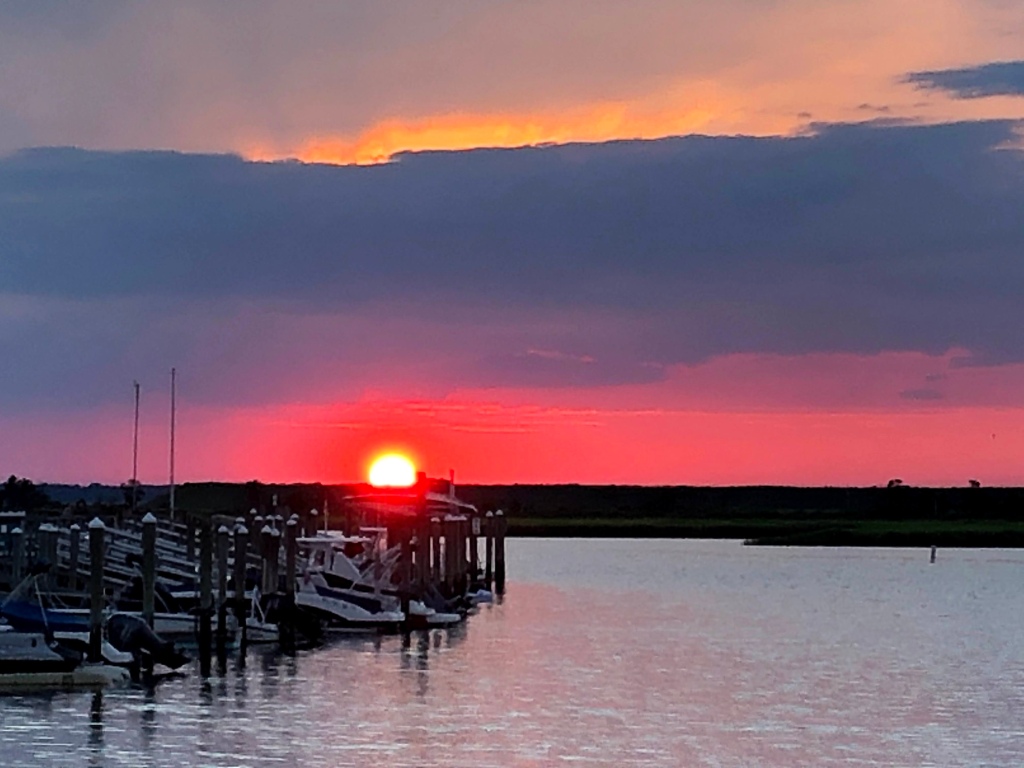
The Seven Mile Island is in Cape May County at the southern end of the New Jersey Shore, north of Wildwood and Cape May, south of Ocean City and Atlantic City. The long, narrow barrier island consists of 123 numbered streets. North of 80th street is Avalon, south of 80th is Stone Harbor. The island is mostly devoid of the bars and boardwalks and amusements that some other Jersey Shore towns are famous for. What it is not short of is natural beauty.
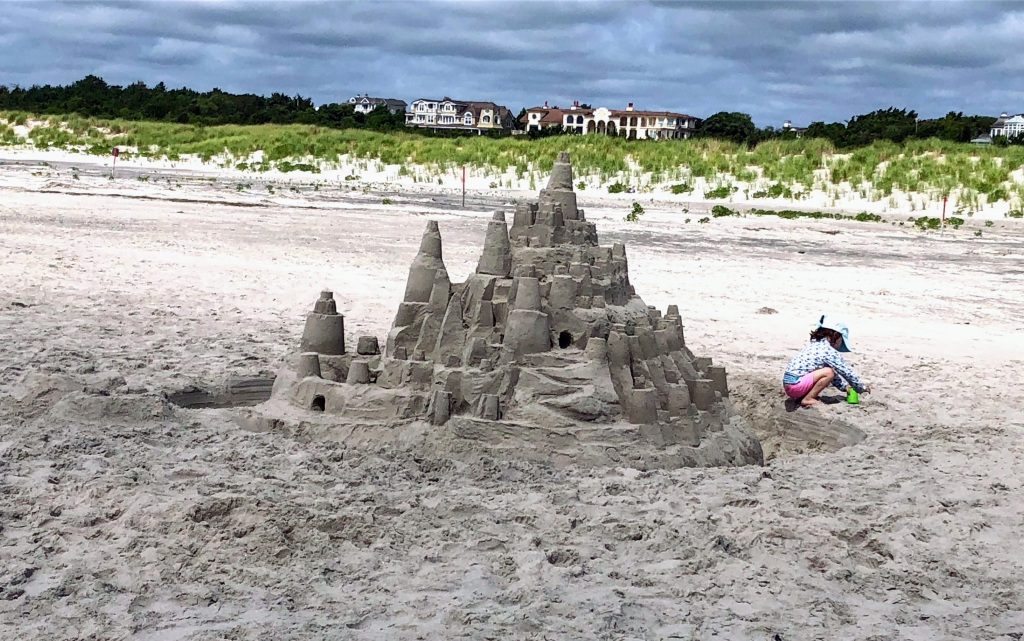
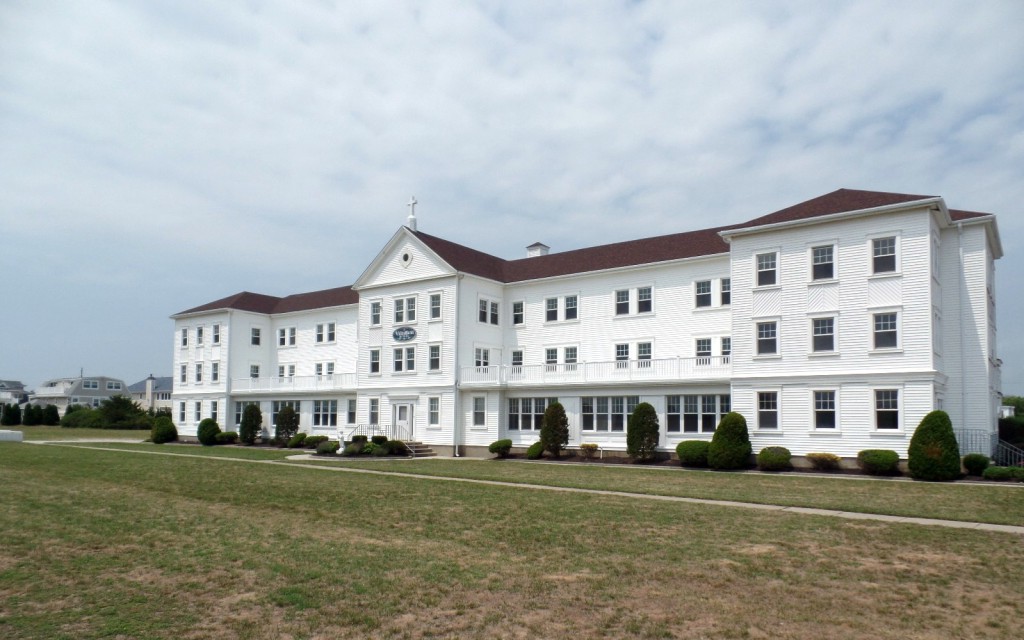
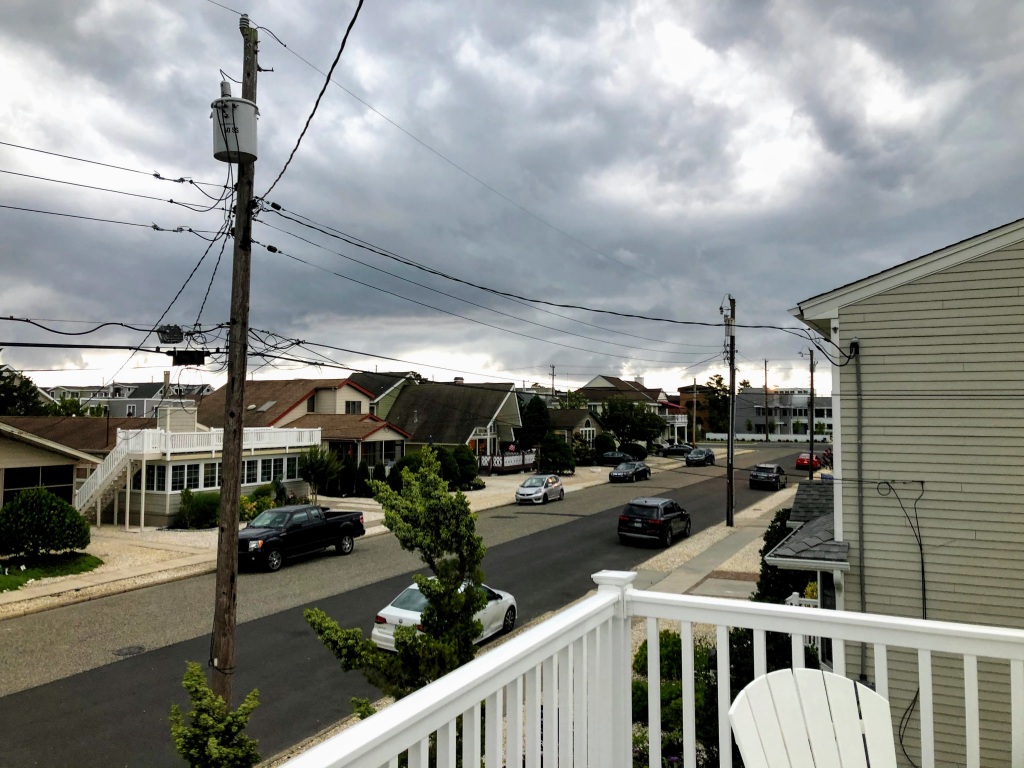
Christmas in July, AvalonVilla Maria By-the-Sea, Stone Harbor, a retreat for the Sisters of Immaculate Heart of Mary. An annual surfing contest on what has come to be known as Nuns’ Beach serves as a fundraiser for the home.The House that Potato Chips Built. The 14,000 square foot summer home of Michael W. Rice, owner of Utz Quality Foods. Built on the beachfront dunes in Avalon, much to the chagrin of some of his neighbors.Storm clouds over 44th Street, AvalonThe northern end of the island
They weren’t putting toddlers in car sets in the 1950’s, but if they were I would have had my first Libby’s hot dog in a car seat. As it was, my dad put me in the back seat and parked across the street from what at the time was a roadside hot dog stand. He got out, secured the wieners, and we all ate them in the car.
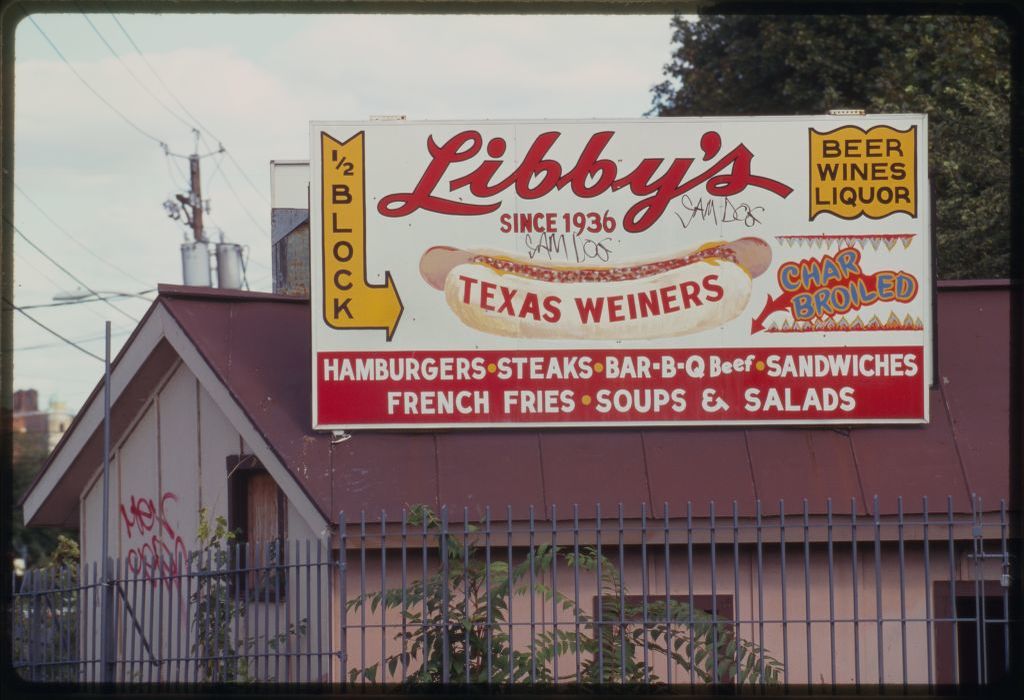
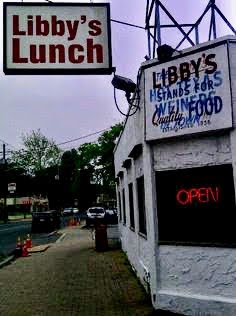
Libby’s Lunch on McBride Avenue in Paterson, N.J., across from the Great Falls National Historic Park, closed on Thursday. It had been in business since 1936, originally achieving success by serving the thousands of employees of the textile mills and other factories built around the falls. The roadside stand was later replaced by a modest diner-type building with a lunch counter and booths. The property and building were leased from the city of Paterson. That lease expired on July 31 and was not renewed. Reportedly they owed the city $93,000 in rent.
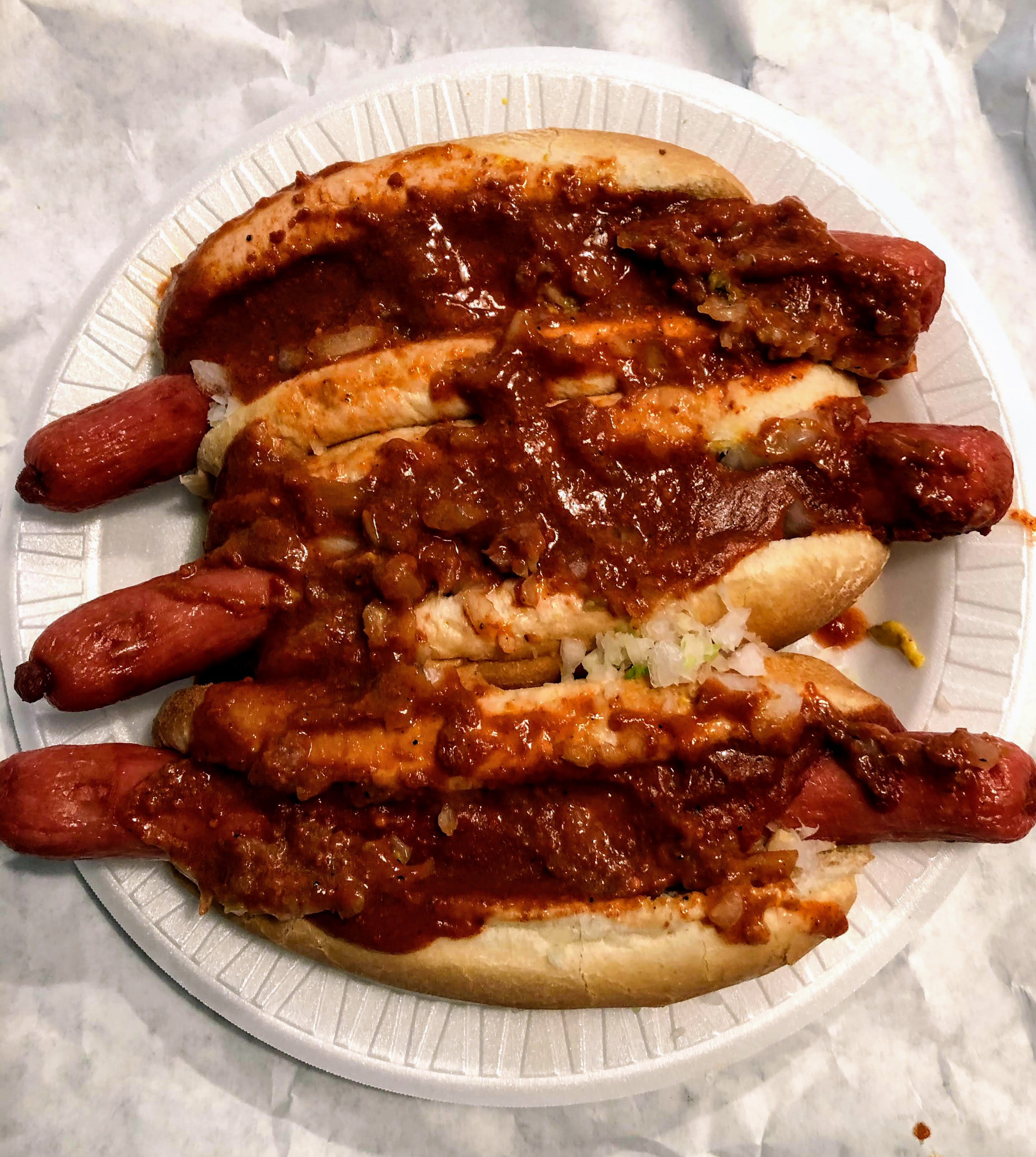
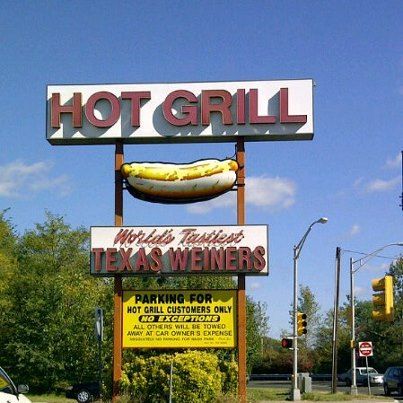
What Libby’s was famous for is the Hot Texas Weiner. A deep-fried crispy hot dog adorned with mustard, chopped onions and chile sauce, it is enormously popular in the Paterson/Passaic/Clifton area of northern New Jersey and virtually nowhere else.
The Hot Texas Weiner was invented in Paterson. According to the Library Congress’ “Brief History of the Hot Texas Weiner:” it “was invented around 1924 by ‘an old Greek gentleman’ who owned a hot dog ‘stand’ on Paterson Street in downtown Paterson. This gentleman was experimenting with various chili-type sauces to serve on his hot dogs, and apparently drew upon his own culinary heritage for the first Hot Texas Wiener chili-sauce recipe.” (No word on the ‘old gentleman’s’ name.)
William Pappas had worked at that hot dog stand and in 1936 he struck out on his own, founding LIbby’s. In 1949, one of Libby’s employees, Paul Agresti, left and started the Falls View Grill just around corner and down the street a bit. When I was growing up you were either a Libby’s guy or a Falls View guy. My family was committed to the former. Falls View went under in the late 80’s. That site is now sadly a Burger King.
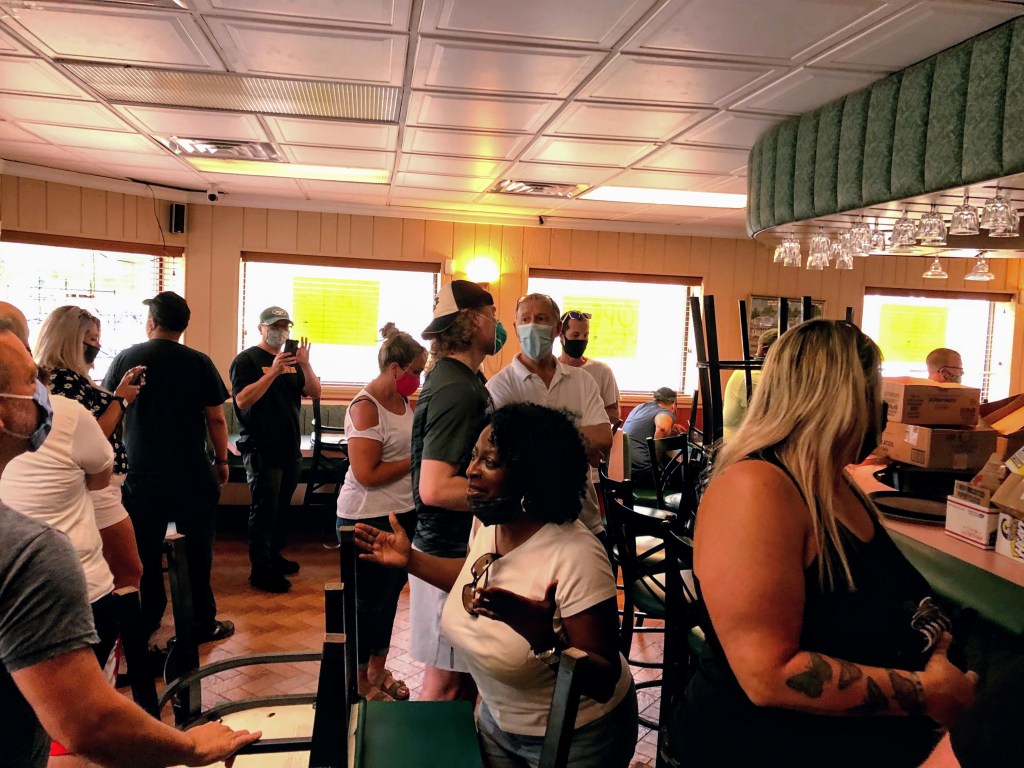
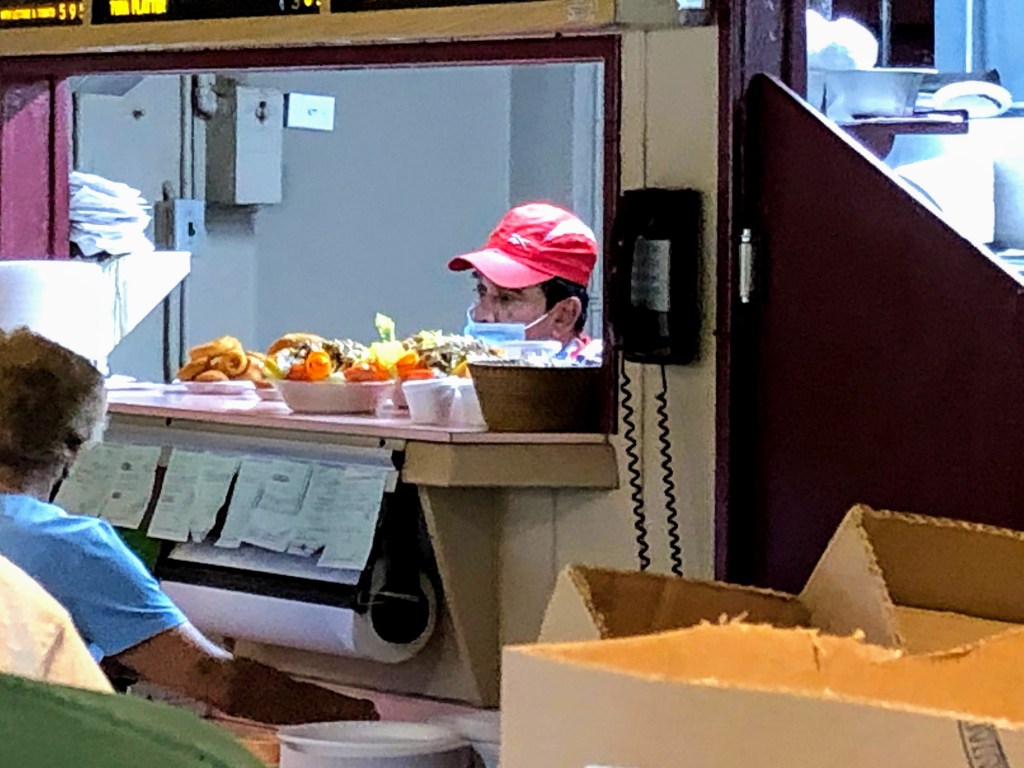
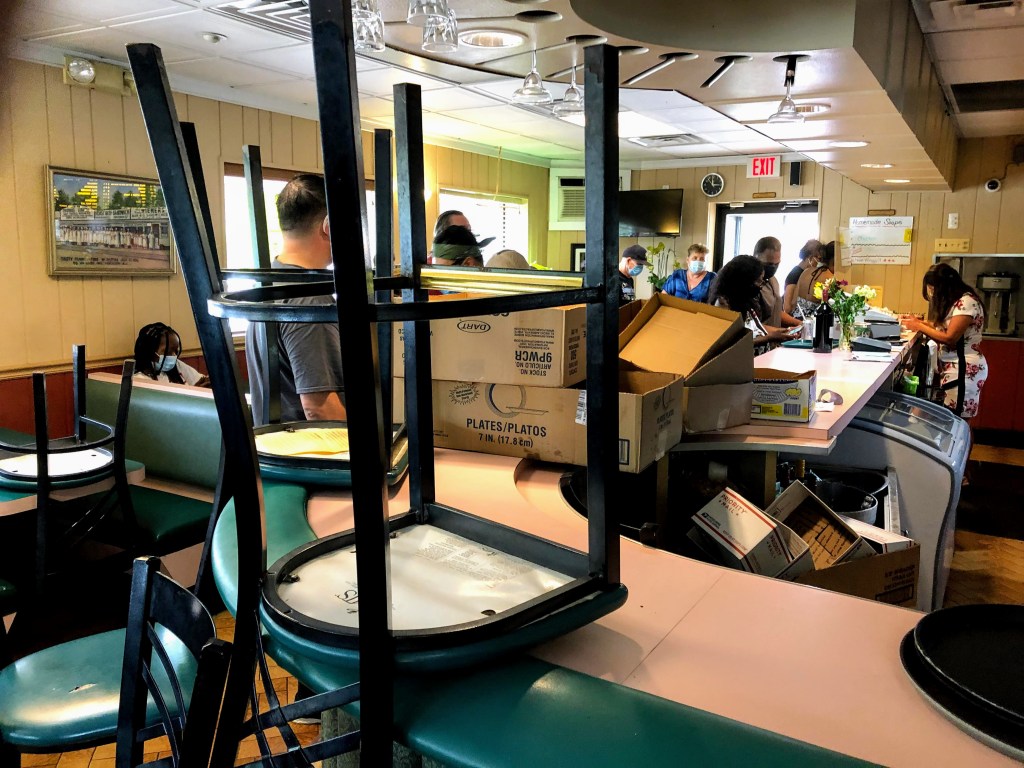
Libby’s last day looked like this:
You might think that Libby’s closure will mean a healthier diet for me. Nope. I’ll just be doubling down on my other favorite.
This one was founded by another Greek immigrant who started as the French Fry guy at Falls View
During this pandemic we can all point to things that we probably would not otherwise have done. For me, that included reading about Winston Churchill. I read a lot of history, but usually avoid wars and biographies of heads of state. It just so happened that books about Churchill by two of my favorite history writers arrived not too long before COVID.
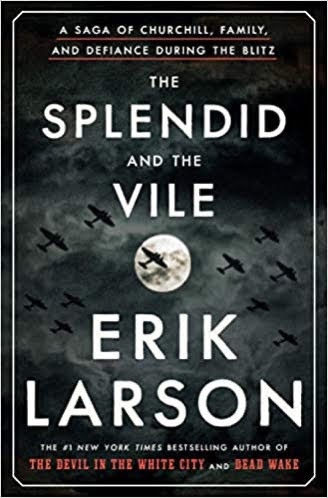
Hero of the Empire by Candice Millard and The Splendid and the Vile by Eric Larson bookend Churchill’s career. Millard writes of a 25-year old Churchill in the Boer War at the turn of the century. Larson writes of a prime minister defending his country against the Nazis some 40 years later.
There are some common characteristics. Churchill is dogged, fearless, self-absorbed and restlessly ambitious. In 1900 these traits made him something of an asshole. In 1940 they made him a true hero.
Hero of the Empire: The Boer War, a Daring Escape and the Making of Winston Churchill, by Candice Millard
By the time 25-year old Winston set sail for the Boer War he had already seen himself in three other wars, Cuba, India and the Sudan. Such was the nature of the turn-of-the-century British Empire. Churchill came to southern Africa, not as a soldier, but as a war correspondent for a London newspaper. Merely observing, however, was not Churchill’s nature.
Churchill thrust himself into the action to the extent that he was captured by the Boers and held as a prisoner of war in Pretoria. He escaped. Much of Millard’s story is about his harrowing trip to safety through hundreds of miles of the Transvaal (one the two Boer South African states) to safety in Portuguese East Africa (now Madagascar). Millard has very much written a thriller.
The backdrop for the Churchill story is the Boer War. You get the sense that this conflict involves the brave Boers heading out in their farmers overalls to take on the uniformly uniformed Brits strutting off to battle in their tight formations. One is tempted to root for the underdog, but for the fact that the Boers, later known as Afrikaners, were among the most racist people to walk the face of the earth. These are the ancestors of the folks who brought the world apartheid.
This is Mallard’s third book and I’ve enjoyed all three. She writes vastly accessible history. Earlier works include a book about James Garfield (Destiny of the Republic) and one about Theodore Roosevelt (River of Doubt). In both River of Doubt and Hero of the Empire, she has chosen a widely written about subject but focused on a not very well known episode in his life.
At 25, Churchill is an insufferable self promoter and narcissist. He is also courageous. Did his thrilling Boer War escape lead him to 10 Downing Street? Well, lots of other stuff happened in between but it did lead to his first election to Parliament.
The Splendid and the Vile: A Saga of Churchill, Family, and Defiance During the Blitz
One year in history: mid-1940 to mid-1941. It’s a story that’s been told before. Sometimes called the Battle of Britain and sometimes the Brits’ finest hour. It’s Winston Churchill’s first year as prime minister and his countrymen are under constant bombardment from the Nazi Air Force.
This is not about what it was like to be in London during the persistent bombing but rather about what it was like to be at 10 Downing Street or in Churchill’s country retreat Chequers at the time. While the country is known generally for its grittiness in the face of the Nazi bombers there is still an aristocratic air that surrounds the prime minister, his family and associates. One may spend the night on the veranda of a country estate watching the bombers streaking by overhead. On the other side of the channel is German Air Force chief Hermann Goring sitting atop a hill that the French had used for picnicking proudly watching his fighters fly off toward London.
The title comes from an entry in the diary of one of Churchill’s private secretaries Jack Colville. With a full moon rising over Westminster and the German bombers overhead, he notes: “never was there such a contrast of natural splendor and human vileness.”
As always, Larson writes edge of your seat history. But there’s a gossipy side as well. What does Churchill’s wife think of his closest advisors? What presents did Mary Churchill get on her 18th birthday? He even devotes some space to Colville’s love for a young woman who couldn’t be less interested.
The first time I read one of Larson’s books I found myself checking the book jacket more than once to see if I was reading history or historical fiction. This isn’t his best, I prefer Devil in the White City and Dead Wake, but for those of us who enjoy his writing it’s worth the read. You can’t question its thoroughness.
What does come through again and again is the bravery of the English people. And Churchill was the right leader for the moment, a leader who is both courageous and who isn’t afraid to shed a tear for his countrymen.
South Mountain Reservation is an Essex County, N.J. park. It was one of the first to be planned by the Essex County Park Commission, which acquired much of the land in the late 19th century. The landscape design was largely created by the Olmsted Brothers, descendents of Frederick Law Olmsted, famed creator of New York’s central park. Much of the work on the park was done during the depression by the Civilian Conservation Core, part of the New Deal.
Washington Rock
Long before it became South Mountain Reservation, this area had a small place in early U.S. history for its role in the American Revolution. It was one of the sites where Washington had installed beacons to track the movement of British troops. In 1780 the beacon atop what would come to be called Washington Rock signaled to Washington that the Brits were advancing toward his encampment in Morristown. The same location later served as a lookout during the War of 1812.
The view from Washington Rock.
Lenape Trail
The bright yellow trail markers signal the Lenape Trail, a 24-mile trail that starts at Military Park in Newark and goes through numerous Newark suburbs and to South Mountain Reservation. The trail is 30% street. It is unique in that it goes along city streets and through residential neighborhoods as well as undeveloped areas like the ones shown here.
Hemlock Falls (after a week with very little rain)
The Wallkill River National Wildlife Refuge is a 5,000 acre tract that straddles the New York/New Jersey border at Orange County, N.Y., and Sussex County, N.J. It was established in 1990 primarily for the preservation of wetlands. It is home to migratory birds and waterfowl as well as the endangered bog turtle. The Appalachian Trail runs through the refuge. Best access is via the 2.5 mile Liberty Loop trail that starts in Pine Island, N.Y.
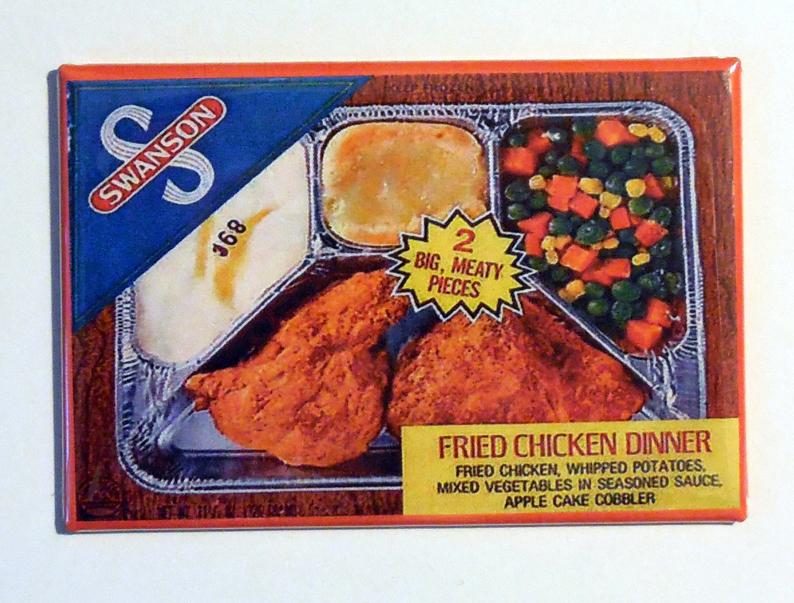
The TV dinner was unleashed on Americans in 1953. The next year we ate 10 million of them. Frozen dinners weren’t necessarily new and Swanson’s offering wasn’t especially good. But it was the right idea at the right time and the reaction of the nation’s media tells us why.
The enthusiasm with which the TV dinner was greeted is captured in this review by Grace Warlow Barr in the Orlando Evening Star on July 14, 1954:
“Through the generosity of the local representative of C.A. Swanson and Sons, we had an opportunity last weekend to discover the magic of Swanson’s TV Fried Chicken Dinner. We were given SIX of these dinners, each tidily sealed in functional sectionized plates with tight aluminum foil cover. All you do is pop them in the oven, follow cooking directions, and you’re ready to eat! Lacking a TV, we took them over the T. P. Warlows’. We’re the literal type, and when we eat a TV dinner we want to be watching TV!
“The chicken dinners made a great hit, and the next night, the Warlow children insisted on using the same plates for dinner, carrying their meal out onto the patio.
“It just doesn’t seem possible that you can serve a whole meal with no more effort than turning on the oven. But so it is. One section of the plate holds a bountiful portion of fried chicken. There is a section filled with a vegetable medley, and the remaining section holds very delicious, creamy diced potatoes in a smooth sauce. The whole business is, of course, quick frozen, and it’s a fantastic example of American ingenuity and know-how. A salad, bread, a drink and dessert are all you need to add, and actually, you don’t really feel the need of a salad.
“For the gal who has a job, these TV dinners should prove a terrific boon. One friend of ours, who has a young son, tells us that these TV dinners have simplified things considerably for her. Usually it’s the son’s suggestion that she stop on the way home and pick up a couple of TV dinners.”
The 50’s were not known for expansive views of the roles of women in a family setting. So pundits were quick to point to mom as the key beneficiary of dinners that you don’t actually have to cook.
The Shreveport Times of Sept. 23, 1955 made that point:
“Perhaps you are the ‘one out of four’ women who trundles a grocery cart through the food market after working all day at a desk, behind a store counter or at a soda fountain.
“If so you will be looking for the best way to fit meal preparation into your already too-busy day. How about trying the ‘look ahead’ technique. It gives you extra time to make meals well-rounded…
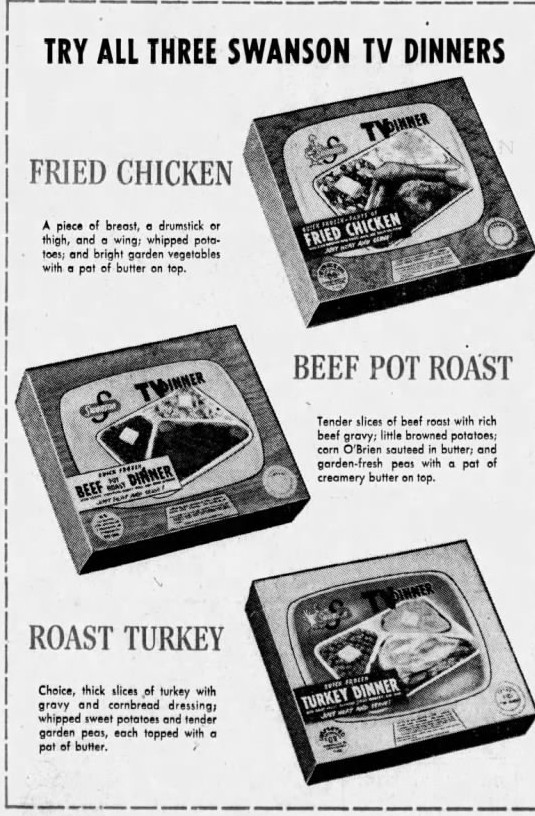
“See how simple it is to serve complete hot meals with the help of frozen ‘TV’ dinners They are ready and waiting in your grocer’s freezer. You’ll find chicken, beef and turkey dinners complete with two vegetables in each. They need only heating to ready them for the dinner table.”
But not everyone was enamored with how the TV and TV dinners was impacting family life. Hal Humphrey, writing in the Oakland Tribune (July 28, 1955), had some concerns:
“In recent months, the frozen food packers have come along with the ready-to-serve ‘TV dinner,’ These come packed in aluminum tins which are divided into sections, similar to GI trays found in Army mess halls.
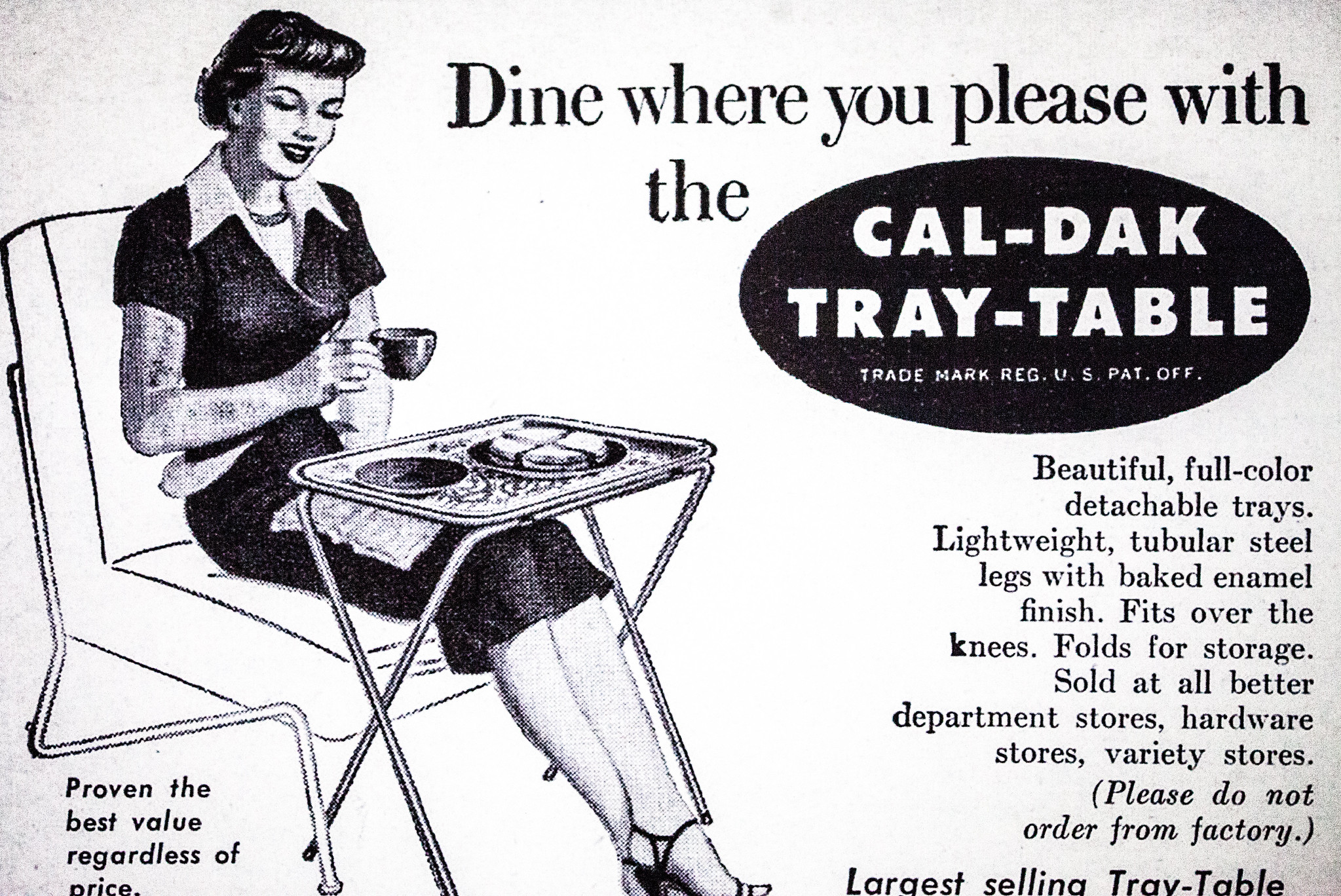
“They’re complete dinners, with meat, potatoes and vegetables, and they sell for as low as 89 cents. There’s no preparation necessary. You simple pop ’em into the oven for 25 minutes and voila! Mama brings the TV dinners into the living room, plops ’em on the TV trays. and the entire family gets a beautiful case of heartburn, not from the food but from watching Pinky Lee or an ancient ‘Our Gang Comedy’ and trying to digest both at the same time.
“Believe me, I’m not casting aspersions on the quality of the food in these TV dinners. As a matter of act, it’s fairly tasty. Nor do I mean to make light of those cultural TV shows I mentioned. It’s just that I’m against eating in front of the TV set.
“Most of us spend too much time watching TV anyway. Why ruin our stomachs as well as our dispositions? Mealtime used to offer us an excuse for getting away from the darned thing. Now they are trying to take that sanctuary from us.
“However, I suppose it’s still futile to stop progress. We probably will have to learn to live with this latest by-product of the TV age.”
ray
In Florida they had some even bigger concerns as discussed in this article in the Fort Lauderdale News of Nov. 7, 1954. The headline was “Frozen Food Under Fire.”
“The heat’s on for frozen foods in Broward County.
“Dr. Paul W. Hughes, county health officer, and his staff of sanitarians will begin Monday to check into conditions on frozen food departments of markets and investigate the degree of cold maintained by refrigerated trucks.
“The county health officer’s interest in the sale and transportation of frozen foods resulted from reports of food poisoning from Swanson Fried Chicken TV dinners.
“Two Hollywood residents reported their illness to the health department and many others are known to become sick after eating the dinners but did not report it to authorities.
“Broward and Dade County health officers promptly placed a ban on the sale of any more of the fried chicken dinners and health officers of other counties in Florida were planning similar action.
“However, officials of the C.A. Swanson Company flew to Miami from Nebrasha and voluntarily withdrew all the fired chicken dinners from the markets.
“The blame was fixed by the health department on mishandling of the frozen packaged dinners and not on the original processing of the Swanson company.
“It is estimated there are nearly a quarter of a million dollars of the product in Florida, the only state in which they are sold. Swanson officials explain they were testing the reception of the fried chicken dinners here before making them available nation-wide.”
Turns out the reception was good even if the digestion wasn’t. This alarm was not enough to slow the spread of the fried chicken dinner nationwide as one of the company’s most popular.
When ‘Bugs’ Birdseye left college after his family ran out of money, he took a job in Montana with an entomologist. His duties involved capturing small mammals so they could remove the ticks to research whether they were the cause of Rocky Mountain spotted fever. After that he headed up to Newfoundland where he had a ranch raising foxes. It was there that he found the inspiration that would eventually lead to his induction in the Inventors Hall of Fame.
Clarence Birdseye
Born Clarence, Birdseye was one of nine children growing up in Brooklyn, N.Y. The nickname ‘Bugs’ came about in Amherst where he went to college and resulted from his fascination with insects. That later became ‘Bob’ which is the name he went by for the rest of his life. Birdseye’s claim to fame, and the reason why he is fundamental to the ultimate creation of the TV dinner, is as the inventor of the modern frozen food industry.
It all starts with some ice fishing up in Newfoundland. Fishing in super cold weather through very thick ice, Birdseye found that the fish he caught froze nearly instantly when brought to the surface. He also found that the fish tasted much fresher when thawed than the commercially available frozen fish of the time. The answer was “flash freezing,’ a technique the frozen food industry, including the TV dinner makers, use to this day.
Birdseye tried to make a business of this and started Birdseye Seafoods Inc. He went bankrupt. Undeterred he developed a technique to freeze between two surfaces and was granted a patent for his “double bell freezer.” He established the General Seafood Company, moved to Gloucester, Mass., and diversified into meat, fruit and vegetables. In 1929 he sold his company and its patent for $22 million to the company that would eventually become General Foods. They created the Birds Eye Frozen Food Company, a brand you’ll still find in your grocer’s freezer.
William Maxson
This guy was one prolific inventor. Founder of the W.L Maxson Corporation, his inventions ranged from a robotic airplane navigation device to toy building blocks. One of his most successful inventions was a gun mount that ended up being used by allied forces during World War II.
So how does he fit into the frozen food story? It all starts with Maxson’s backyard garden in his home in Orange, N.J. Apparently he grew a lot more cauliflower that he was ever going to eat, so he tried freezing some it. Bingo! Maxson became a frozen food scientist, trying out things like hard-boiled eggs and French fries. When he had guests over for dinner, he made be sure that the freezer was stocked with pre-made dinners so he could offer each guest, the beef, or the chicken, or the fish.
Given his military background, he was a graduate of the Naval Academy, and his success in selling to the military, he came up with the idea of selling his pre-made frozen dinners to the Naval Air Transport Service. His dinners had three sections, one meat and two veggies. He also invented an oven, the Maxson Whirlwind, that could be used in the air to heat the dinners. His oven could heat up to six frozen dinners in 15 minutes. The secret was a fan in the back of the oven, a technology that is similar to what is used today in convection ovens and air fryers.
When the war ended Maxson sold Pan American World Airways on the idea of selling his “Sky Plates.” He also hoped to sell them to consumers in grocery stores. Unfortunately Maxson died unexpectedly following surgery in 1947. His heirs had little interest in pursuing his frozen food ambitions. He is nonetheless considered the first person to commercially market what we would later come to call a TV dinner.
Gerry Thomas
Gerry Thomas was a Canadian salesman who came south to work for the Swanson Company. One of the things he was pretty good at selling was himself. Good enough to get himself inducted into something called the Frozen Food Hall of Fame as the inventor of the TV dinner.
Here’s the Thomas story, as told by Thomas. In 1953 Swanson, which was a producer of canned and frozen turkey, had a slow Thanksgiving sales season and ended up with a 520,000 pound surplus of frozen turkey. While they were deciding what to do with it, it was kept criss-crossing the country on refrigerated rail cars to keep it from spoiling. Thomas had seen the trays used by Pan Am for pre-prepared meals and came up with the solution. The surplus turkey would be packaged as pre-cooked frozen meals. He claimed to have come up with the name TV dinner, the packaging that looked like a TV set and even contributed his grandmother’s recipe for the cornbread stuffing.
A 2005 Washington Post story offered this assessment of Thomas’ influence: “Gerald E. Thomas had one little idea that changed the sociology of the American family, encouraged the feminist movement, ignited the obesity epidemic and introduced countless Americans to something called Salisbury steak.”
But on further inspection, other Swanson employees and the principals of the firm would later question Thomas’s role, suggesting instead that the idea came from members of the Swanson family, the marketing department or other employees.
Thomas did eventually walk back some of his story, suggesting that the country crossing rail car tale was a “metaphor” for an annual problem faced by the company. He later acknowledged that he didn’t contribute the cornbread stuffing recipe but just the idea to use cornbread. And by the way, Thomas’ wife says he never ate TV dinners.
We will probably never know who to believe here but it’s a good story. Good enough that the current owners of what was once Swanson, Pinnacle Foods, continue to offer it up.
Betty Cronin
While Thomas may or may not be the father of the TV dinner, Betty Cronin is the mother of the TV dinner. No matter whose idea it might have been, she was the person in the Swanson organization who was tasked with making it work.
Cronin came to Swanson in the early 50’s as a bacteriologist after having earned a degree in bacteriology from Duchesne University. She would later become director of product development. Cronin had a long career at Swanson and then at Campbell Soup, the company that acquired Swanson, where she was director of cooking soups and later director of Campbell’s Microwave Institute.
Her challenge at Swanson in 1953 was to figure out the recipes for the meats, vegetables and potatoes so that they could be frozen and then heated simultaneously. Her next challenge was the fried chicken dinner. She had to determine, in her words, “What kind of breading will stay on through freezing, not be too greasy and still taste good? That was the biggest challenge.”
Figuring out the kind of breading to use was not the only problem as Cronin told the Allentown Morning Call in 1994.“”When we introduced the dinners in 1954, overcoming women’s feelings of guilt for serving frozen foods to the family rather than making them from scratch was one of the biggest hurdles we faced.”
Like Thomas, Cronin claims she never had a TV dinner in her home. But as for the Thomas story Cronin told the Los Angeles Times “Gerry Thomas had nothing to do with the TV dinner.”
Gilbert and Clarke Swanson
There is one other claimant in the Swanson organization for the title of father of the TV dinner. Two, in fact, and they are the Swanson family members themselves.
Gilbert and Clarke Swanson were the sons of Carl Swanson, a Swedish immigrant who founded the company. Carl died in 1949 and the two sons took over the company. One of their first initiatives, in 1951, was the Swanson frozen pot pie, both chicken and turkey. Two years later came the TV dinner. Whose idea was it. Theirs, say the Swanson boys, who claim to have come up with the concept and the processes needed to produce the dinners.
In 1955 they sold the company to Campbell Soup, cementing the family fortune. Upon completing the sale the brothers put out this comment: “Precooked frozen foods are sparking one of the most important developments in the food industry. Our sales over the past several years reflect a swiftly growing acceptance for quick and easy meals in the quality manner. The alliance with Campbell provides the broad operational base needed to seize the opportunities ahead.” Each assumed a VP position at Campbell. They renamed the family business Swanson Enterprises, which became a holding company for real estate, trusts, foundations and the like.
The Swansons were a prominent family in Omaha known for both their philanthropy and for lavish entertaining. Gilbert, the family patriarch, married Roberta Fulbright, sister of U.S. Senator William Fullbright. The two of them fought long and often.
Roberta died in 1959. Clarke passed away two years later. As for Gilbert, we can perhaps get a glimpse of his personality by learning that he communicated with his children by memos which he would messenger over to them.