In the forest, old trees give way to the new.
In winter you see their broken trunks splayed about the forest floor.
Come spring the woods turn green,
and they are forgotten.






Photos from Mills Reservation, Cedar Grove and Montclair, N.J.
In the forest, old trees give way to the new.
In winter you see their broken trunks splayed about the forest floor.
Come spring the woods turn green,
and they are forgotten.
Photos from Mills Reservation, Cedar Grove and Montclair, N.J.
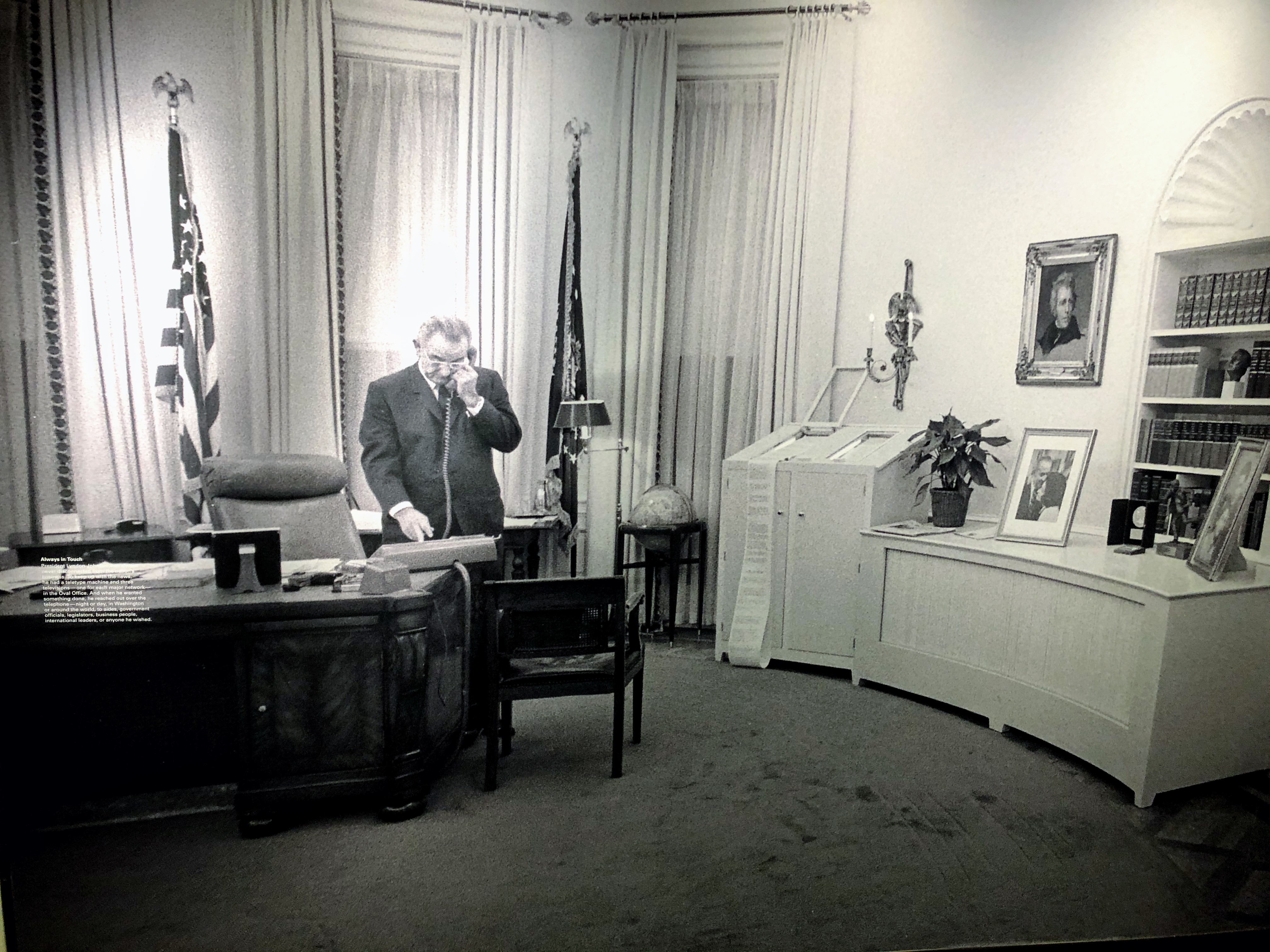
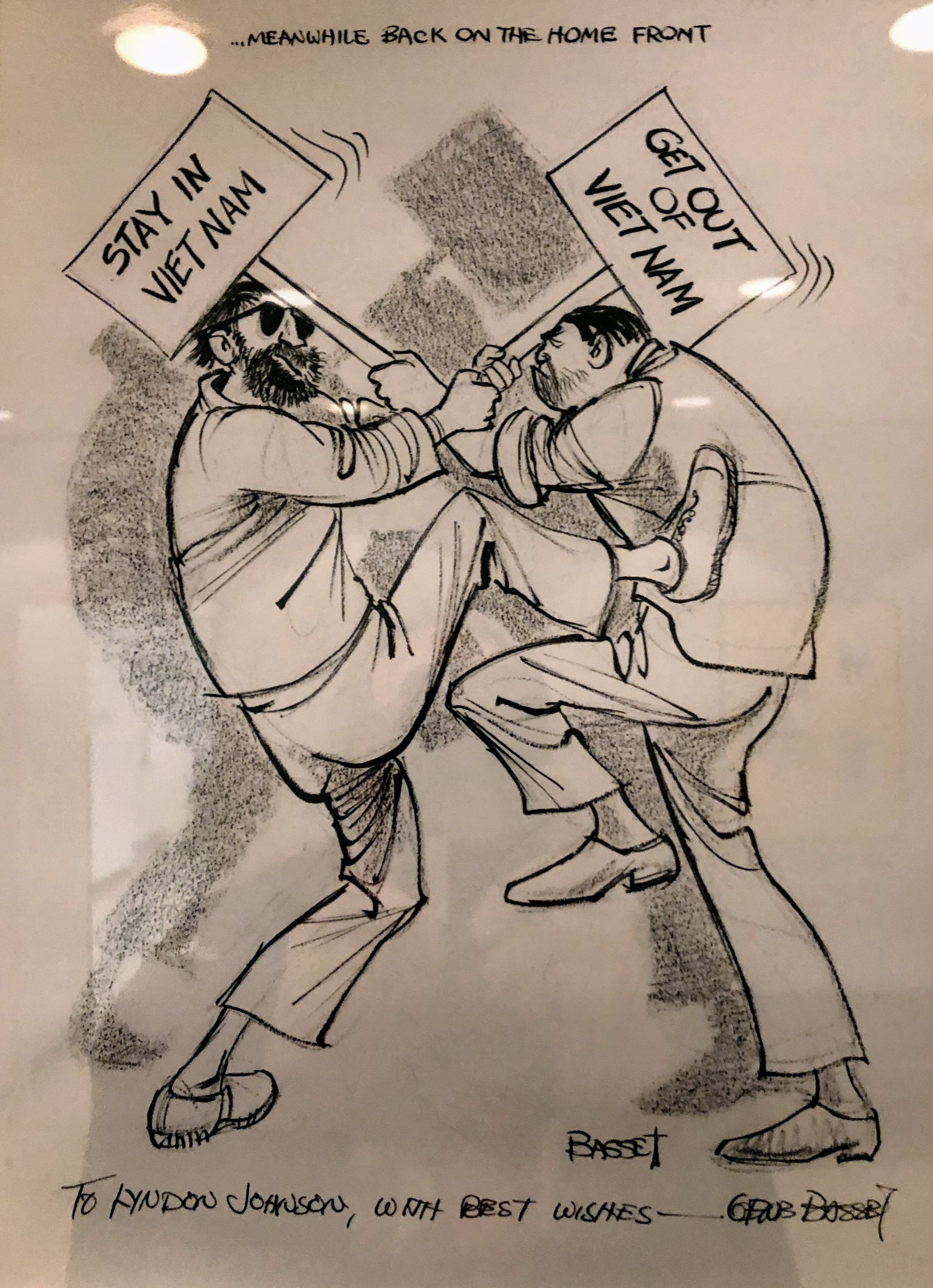
There is no U.S. president that I have more mixed feelings about than Lyndon Baines Johnson. LBJ assumed the presidency in 1963 after the assassination of John F. Kennedy. I was 13 at the time. He would remain president for most of my teenage years. I was approaching the age of 18, which at the time meant conscription, the draft, a possible unwanted tour of Vietnam. LBJ inherited that war but he perpetuated and escalated it. I hated him for it. At protest marches against the war we would chant, “Hey, hey, LBJ, how many kids did you kill today?”
It took quite awhile for me to appreciate the things that LBJ did. His presidency included more landmark progressive legislation than anyone else I can think of. He signed the Civil Rights Act and the Voting Rights Act. During his administration Medicare and Medicaid were created, legislation was passed addressing fair housing, immigration reform, clean air and clean water.
The LBJ Museum and Library on the campus of the University of Texas in Austin addresses the enigma of LBJ, albeit in an ever so gentle way. The war is presented from the viewpoint of the president. More than once I saw the quote, “I can’t win it, and I can’t get out.” It’s the latter part of that sentence than many of us would take issue with.
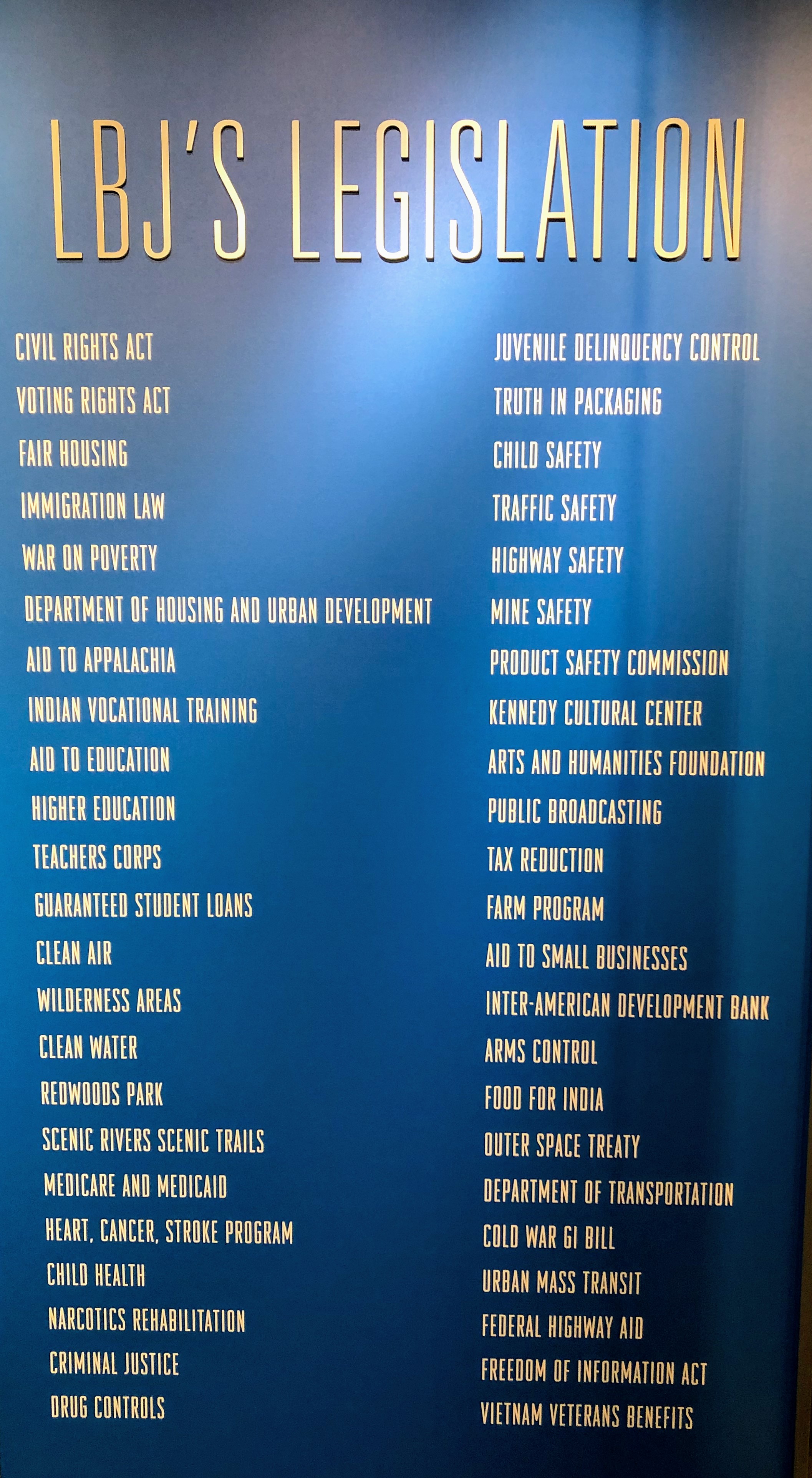



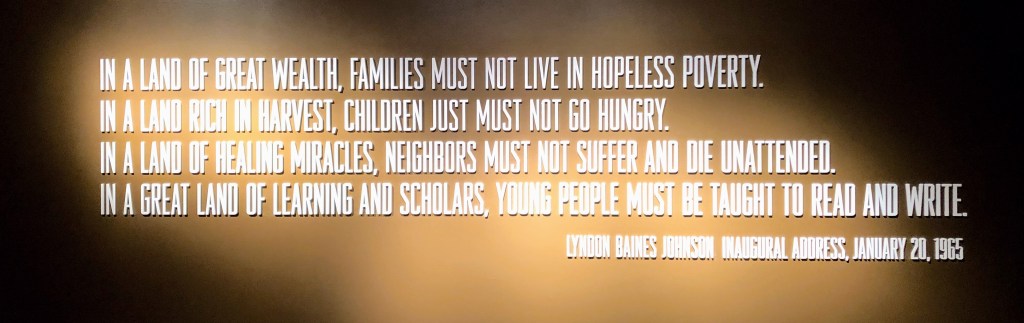


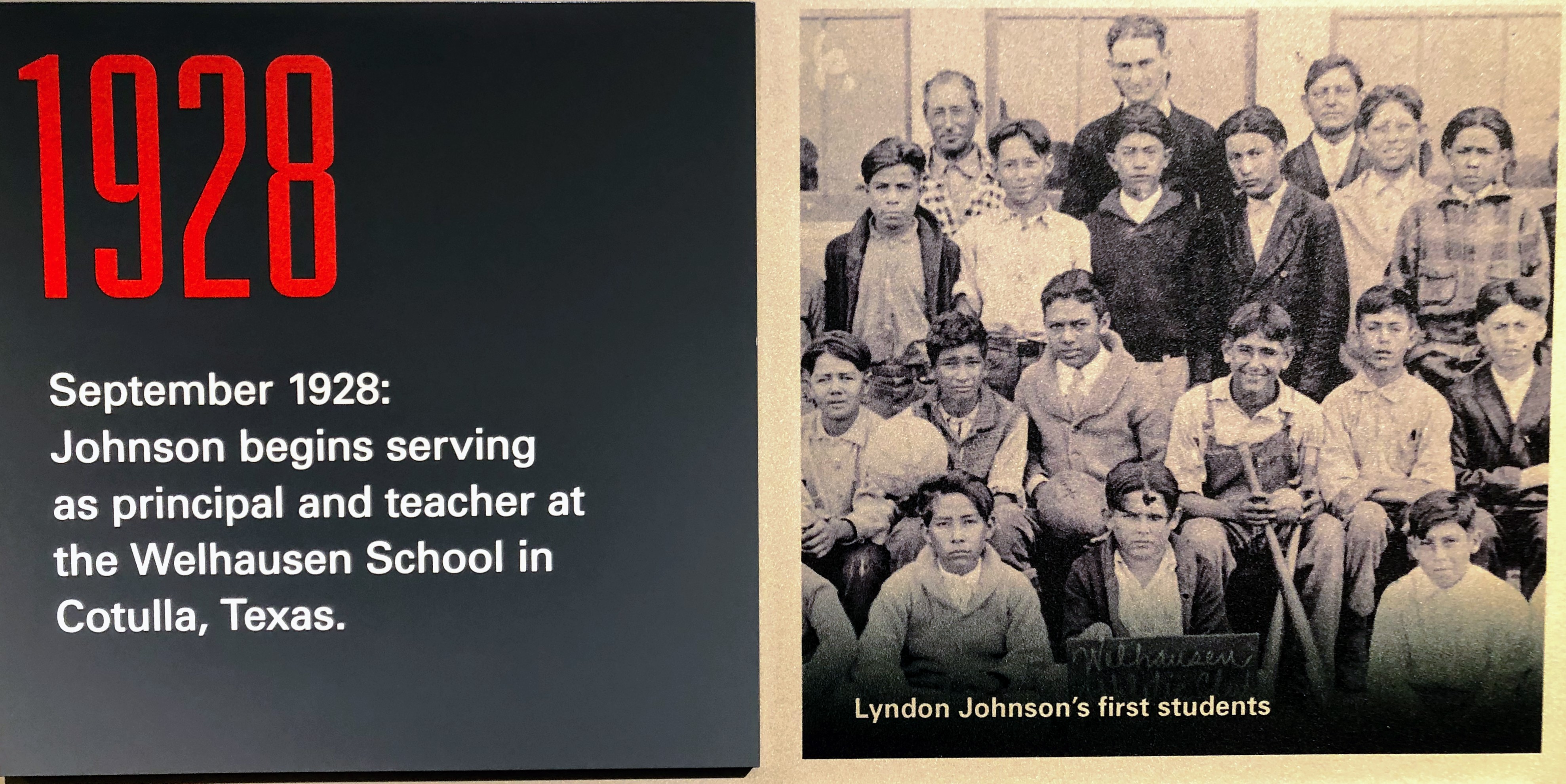


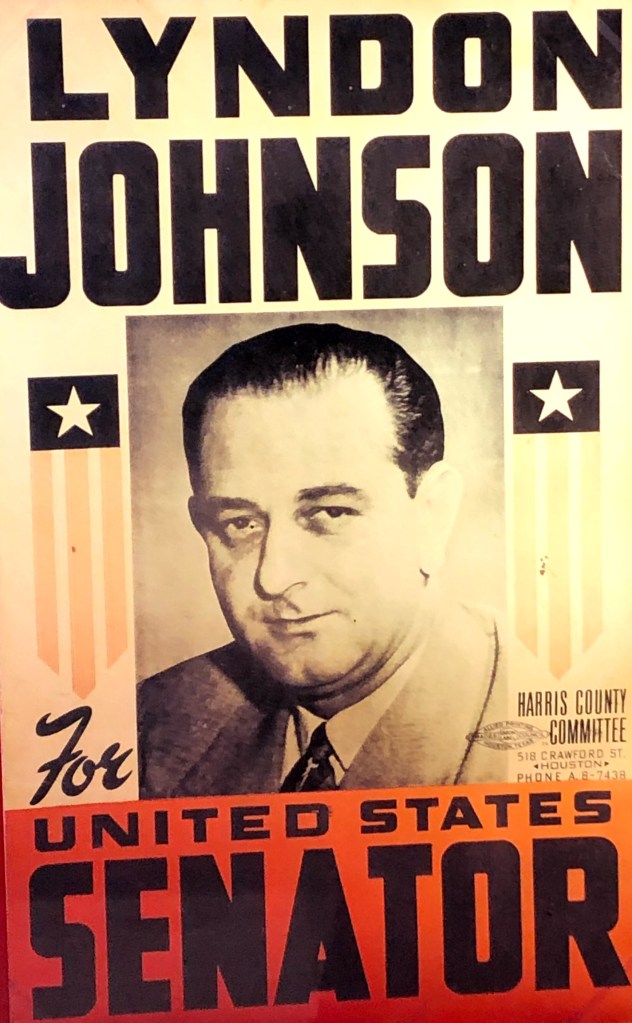



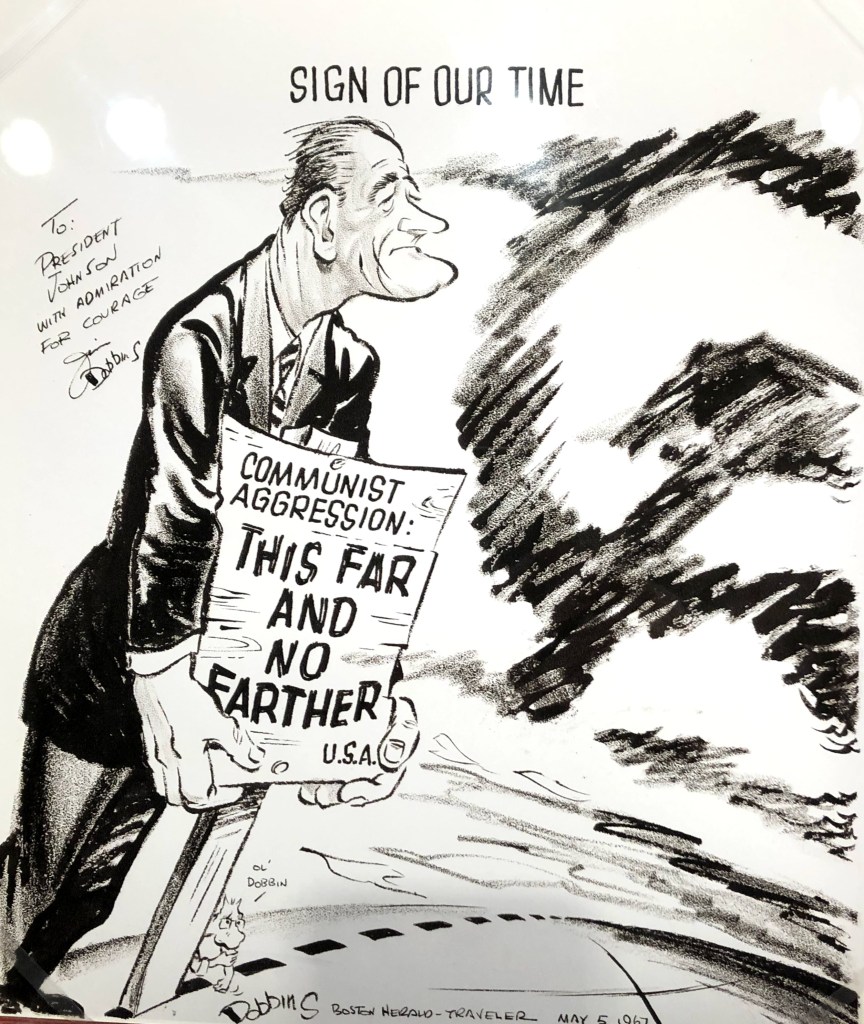

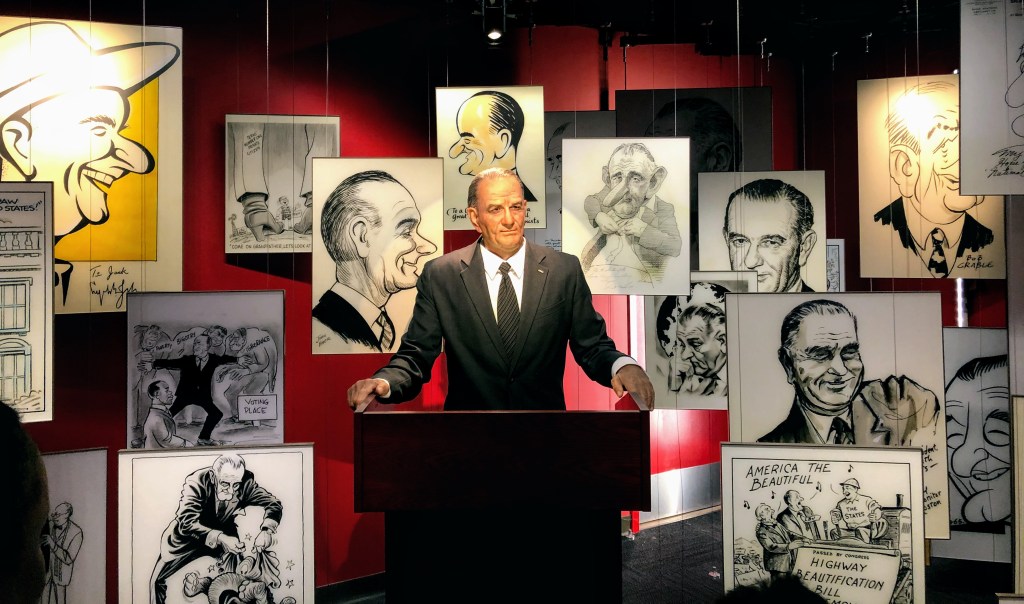


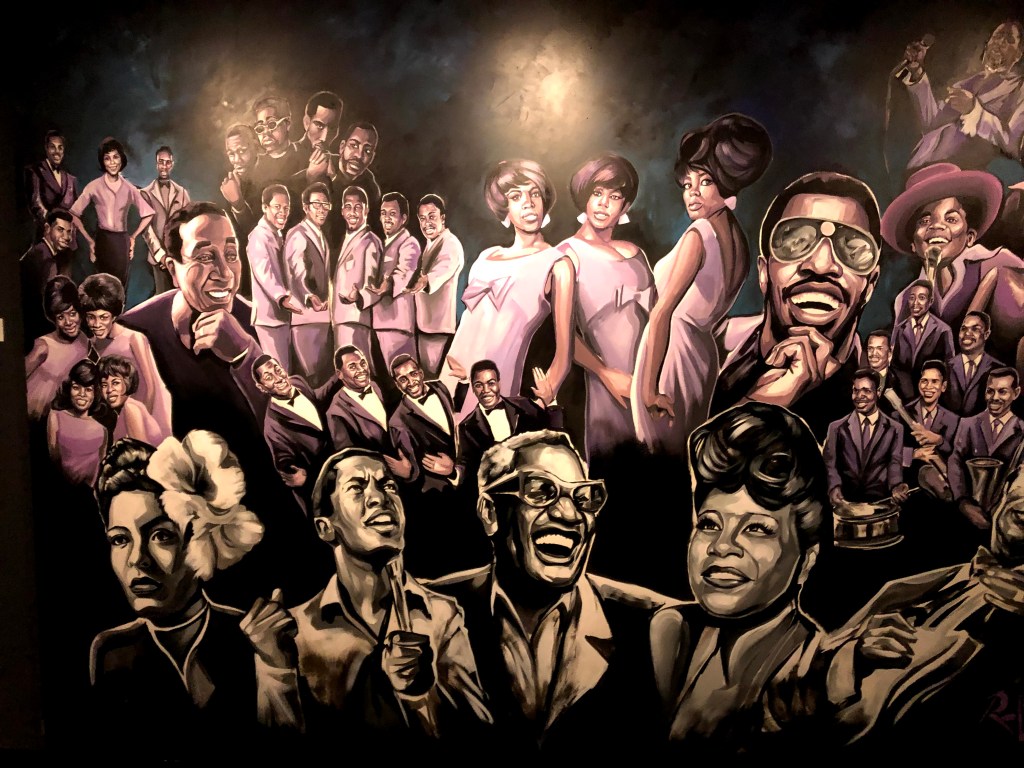
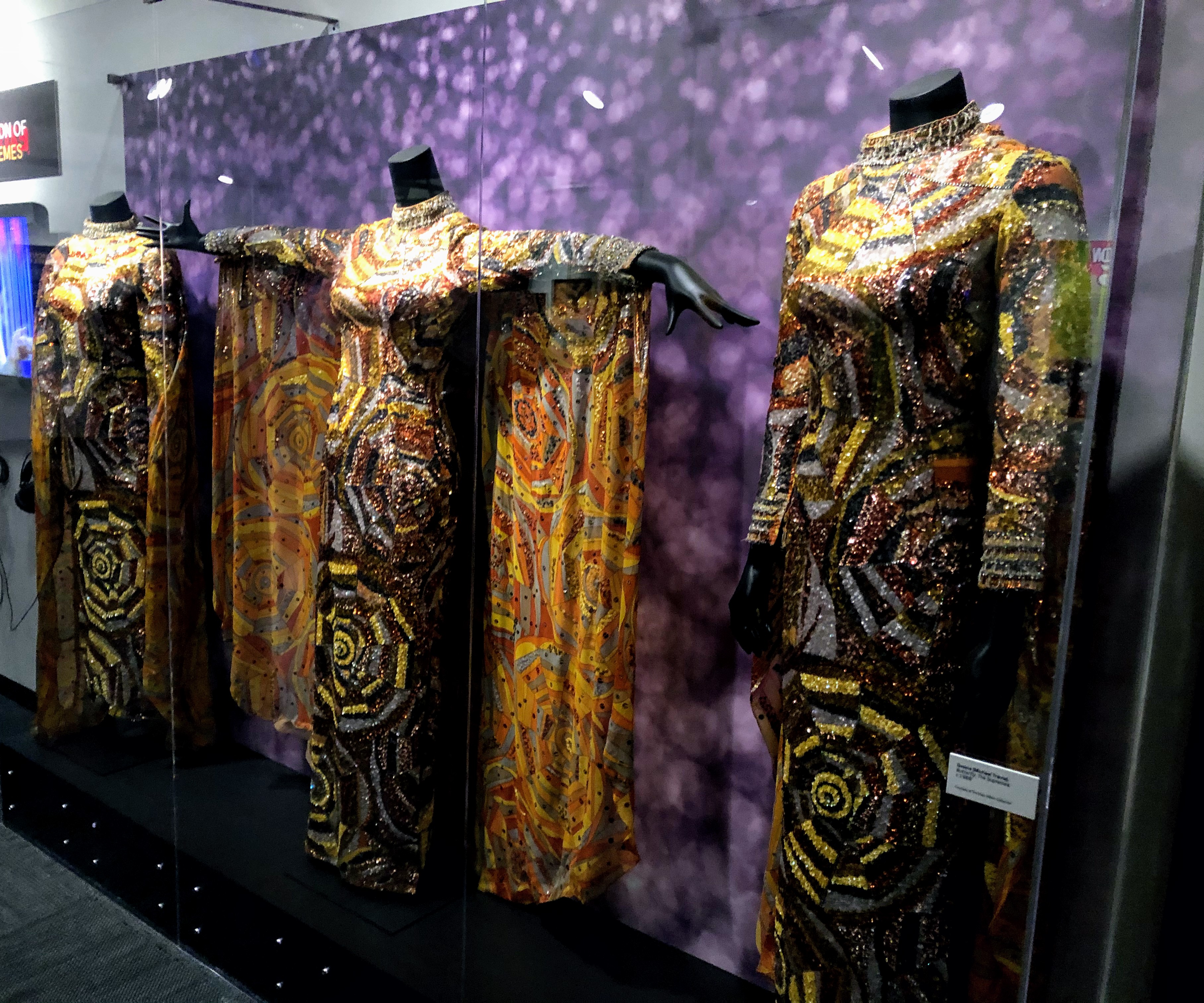
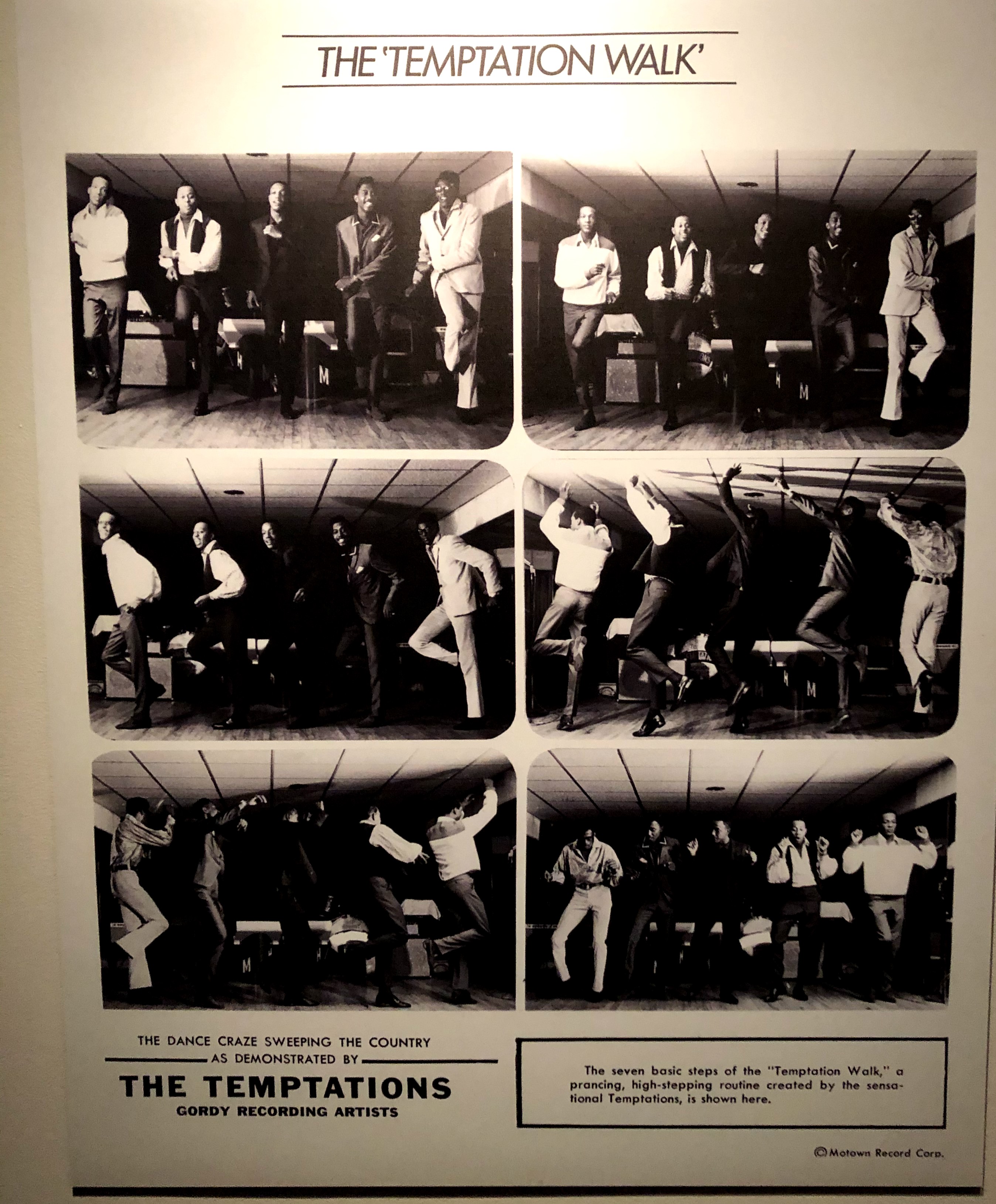
It was on Martin Luther King Day that I visited the LBJ Museum and Library on the campus of the University of Texas in Austin. Seems somewhat appropriate since it was LBJ who signed the Civil Right Act and the Voting Rights Act. Much to my surprise I found a special exhibit, curated by the Grammy Museum, on Motown. And why not? LBJ was president from 1963-69. Motown was the soundtrack of that era
It all started here:





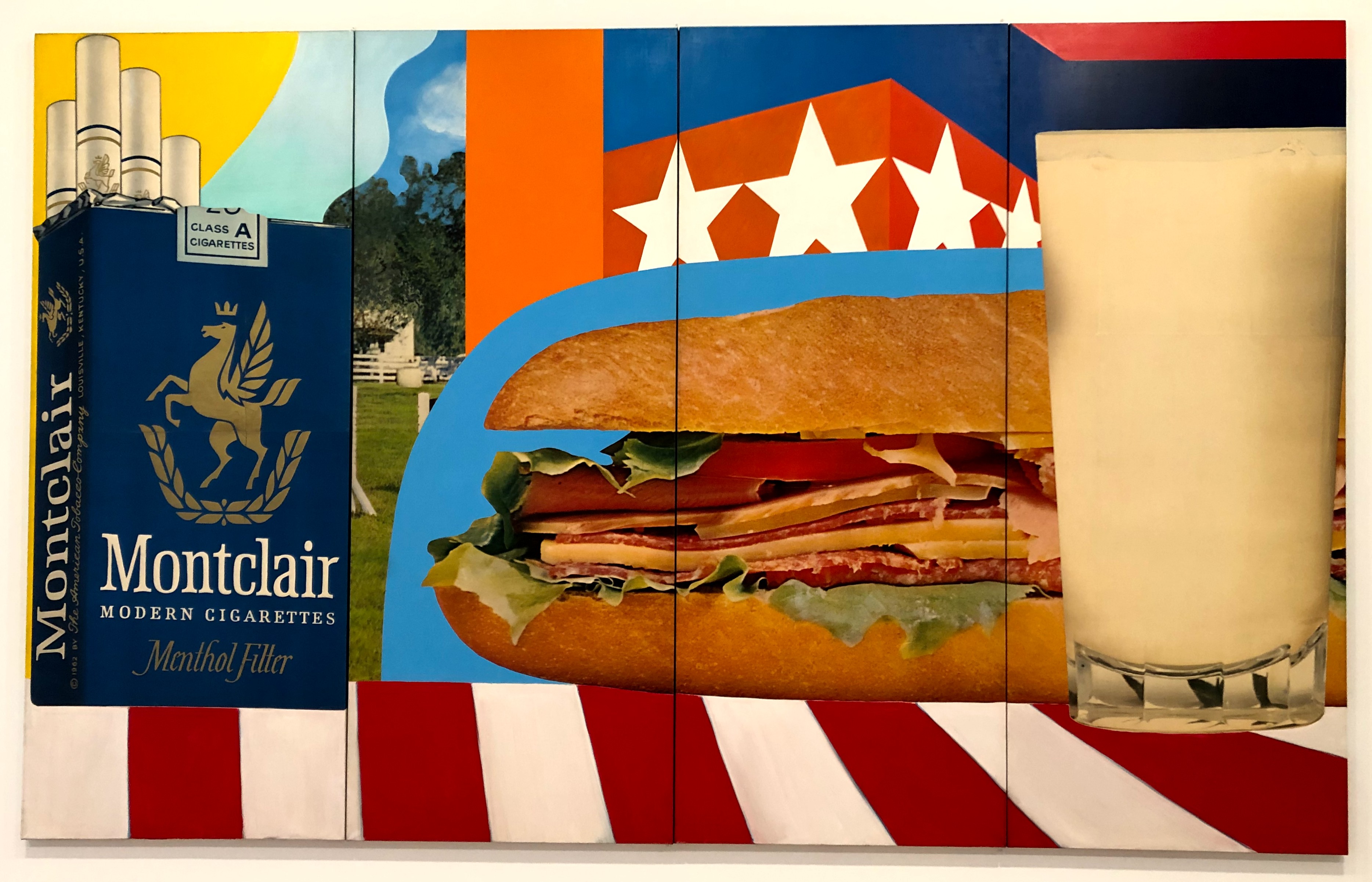
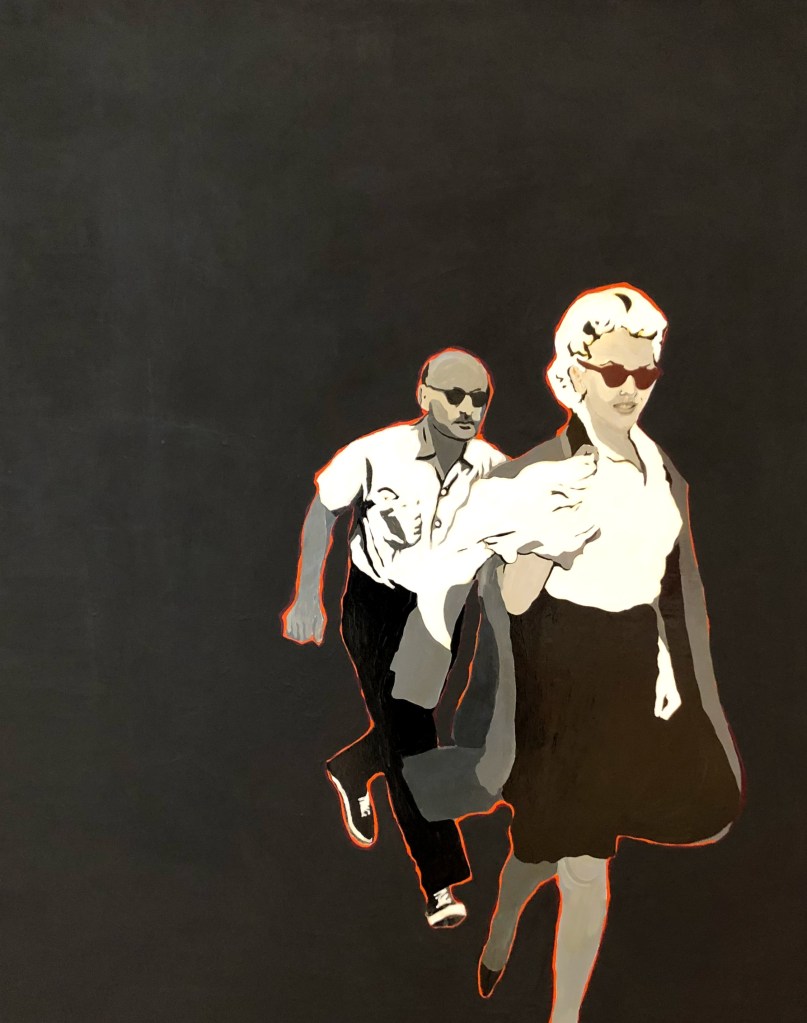
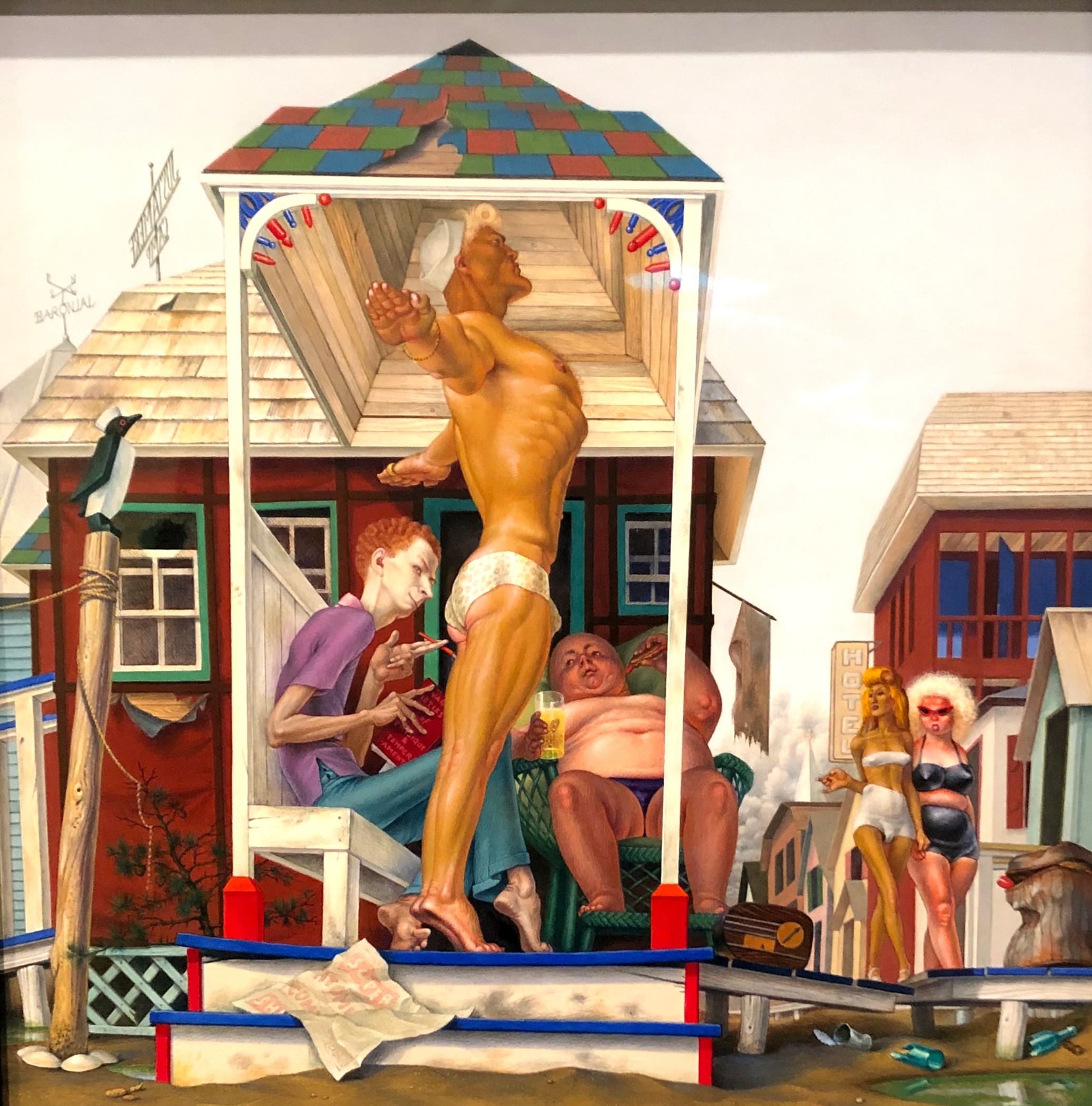
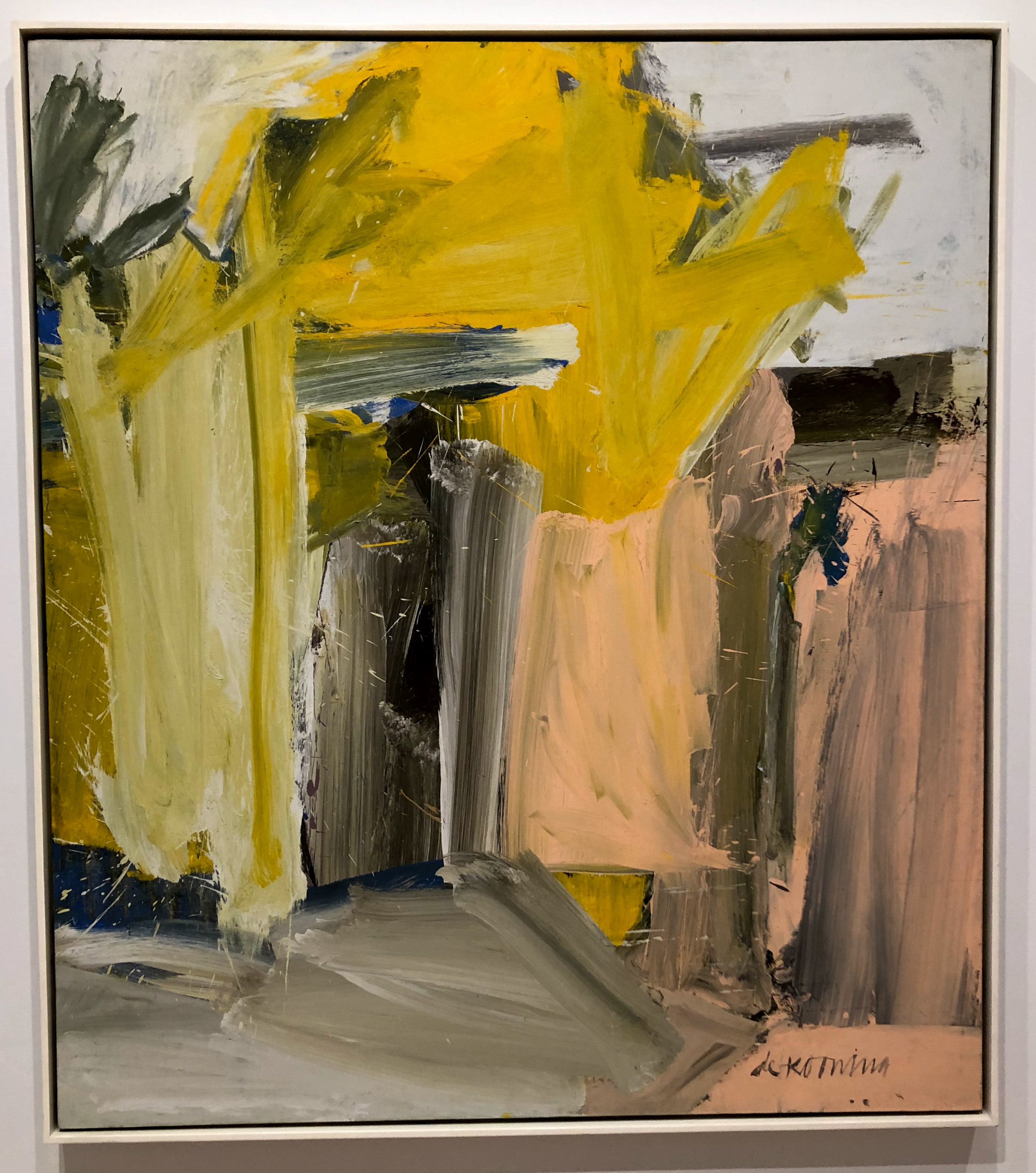
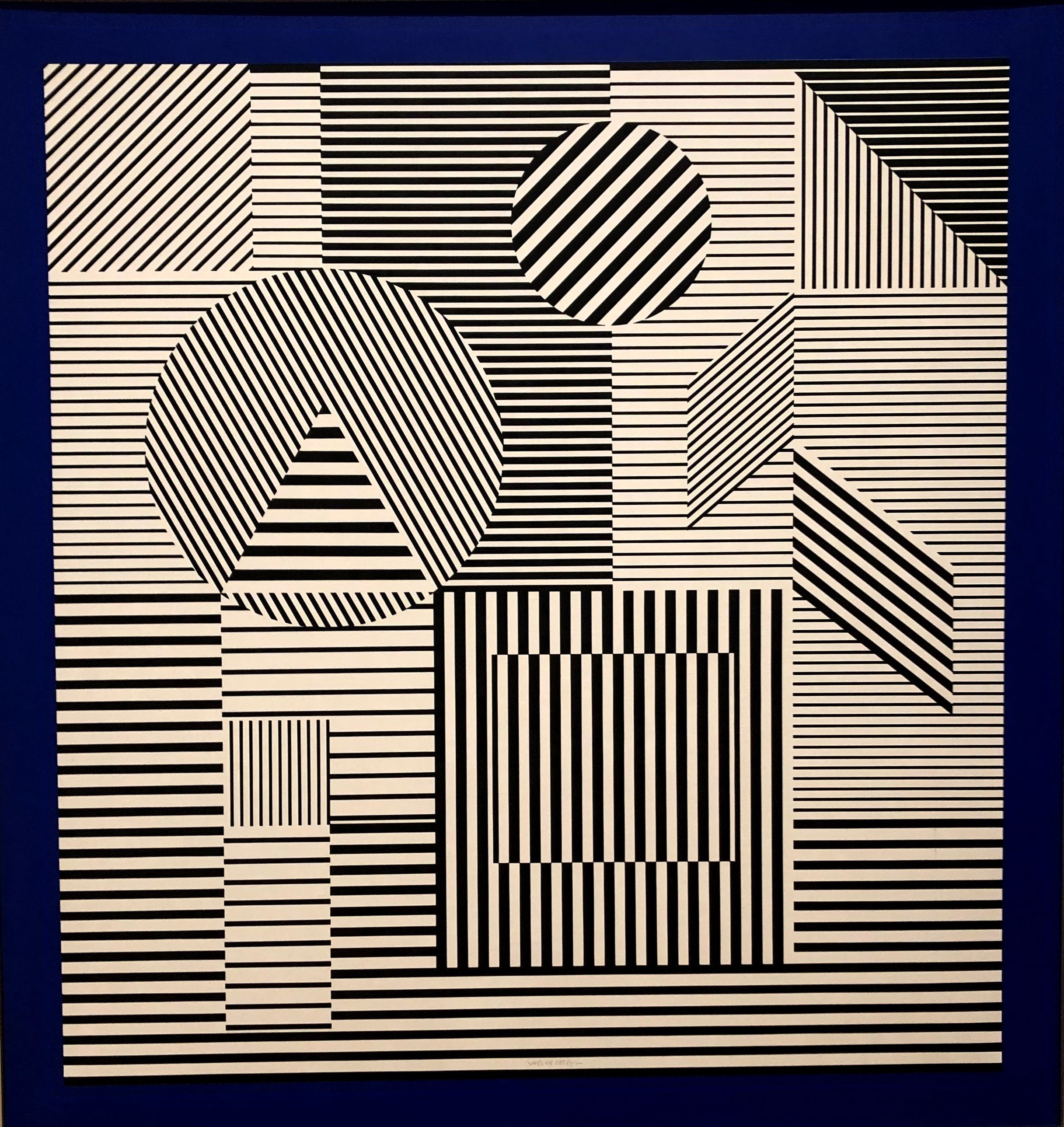
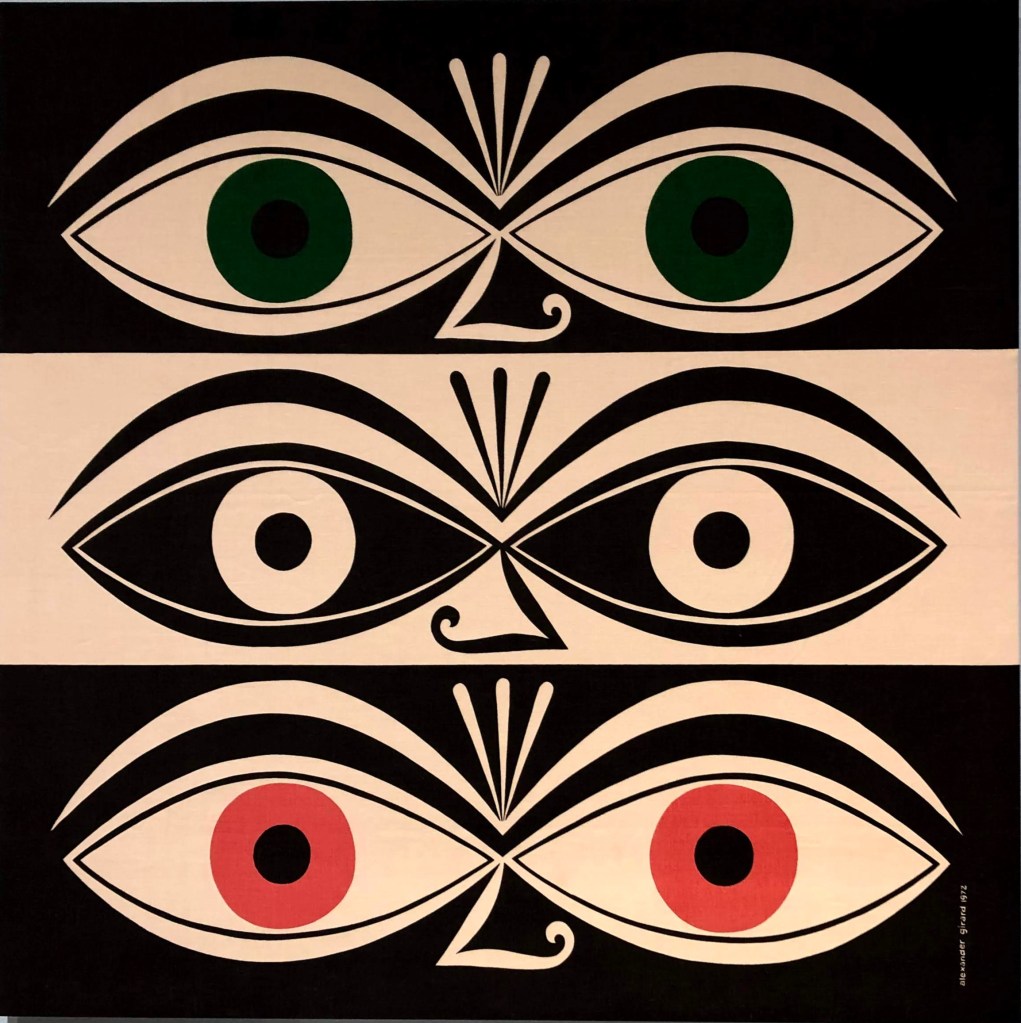
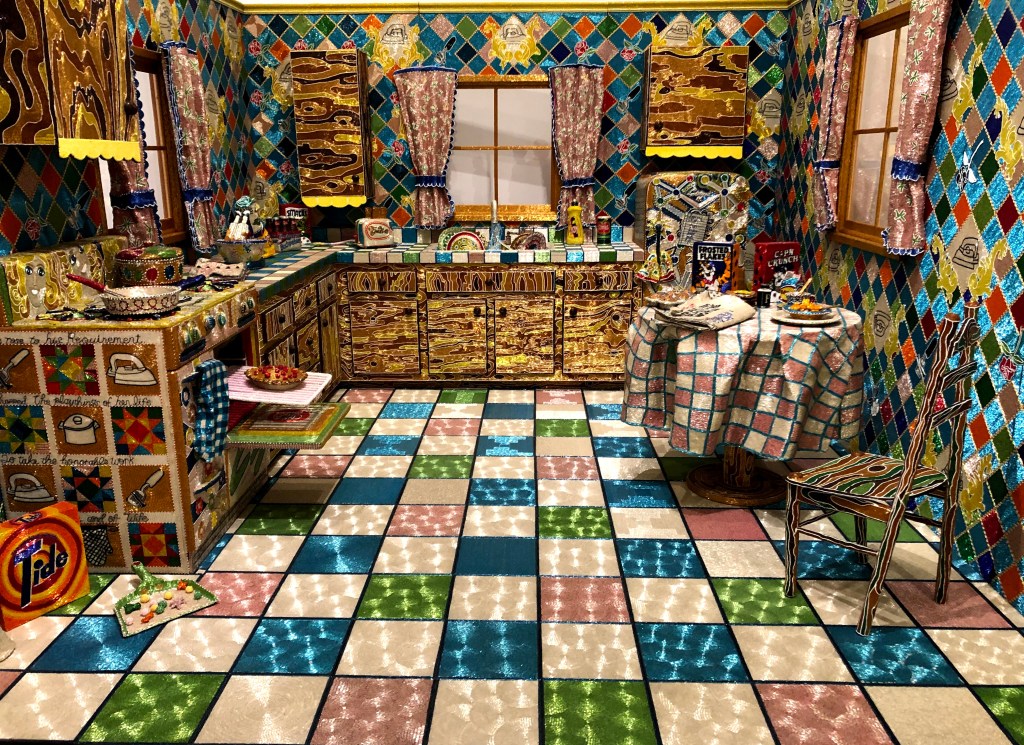
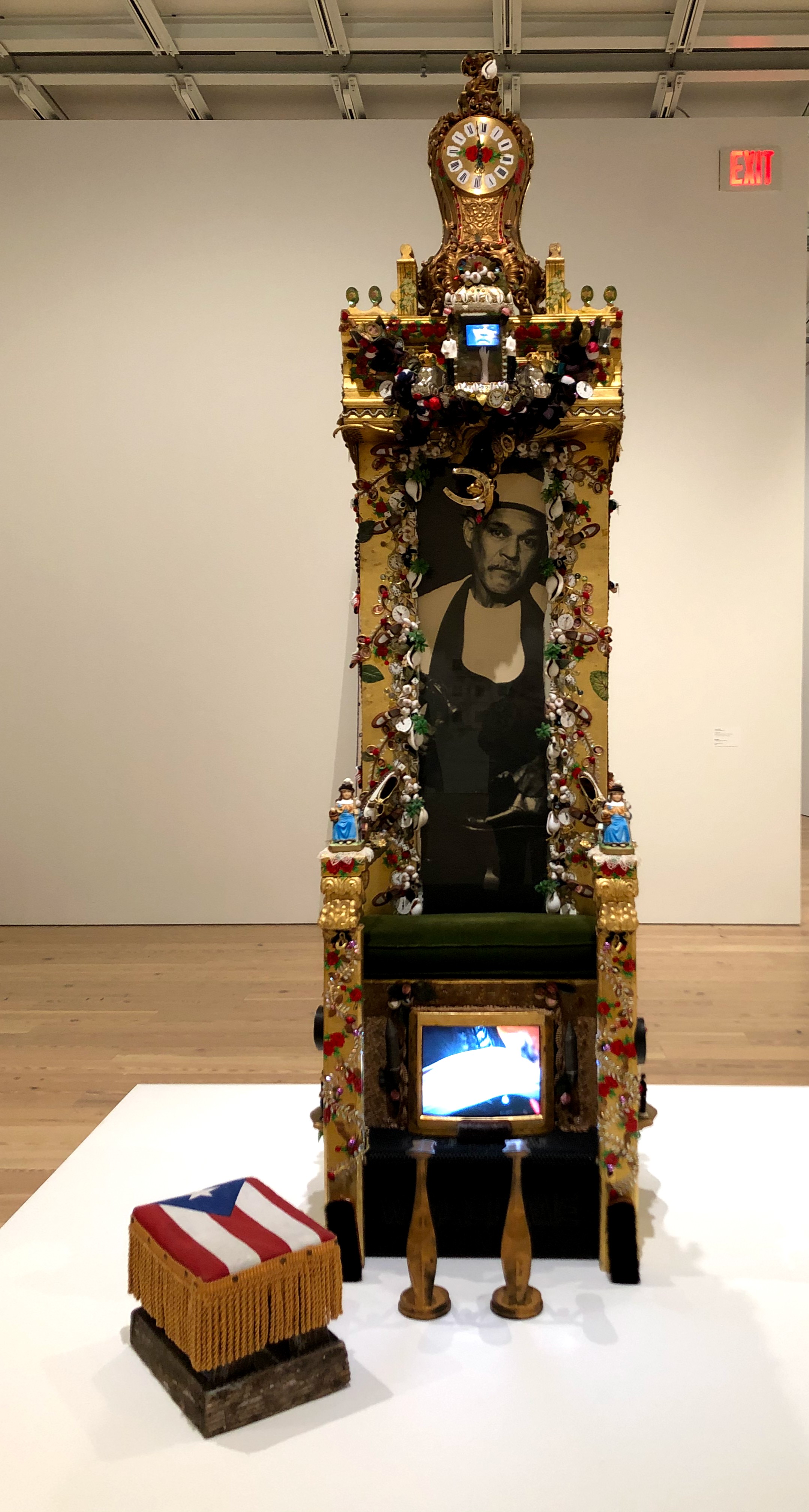
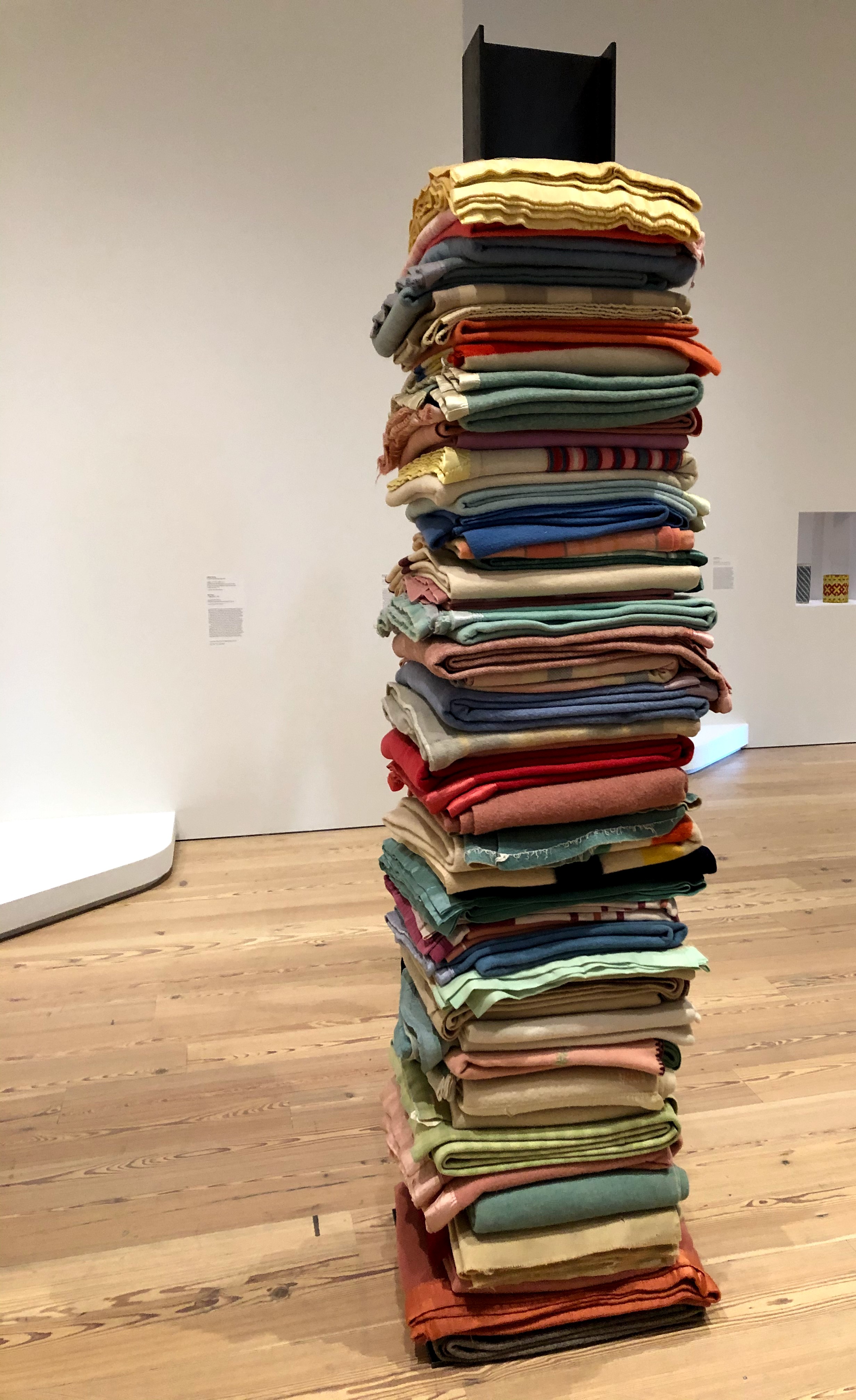
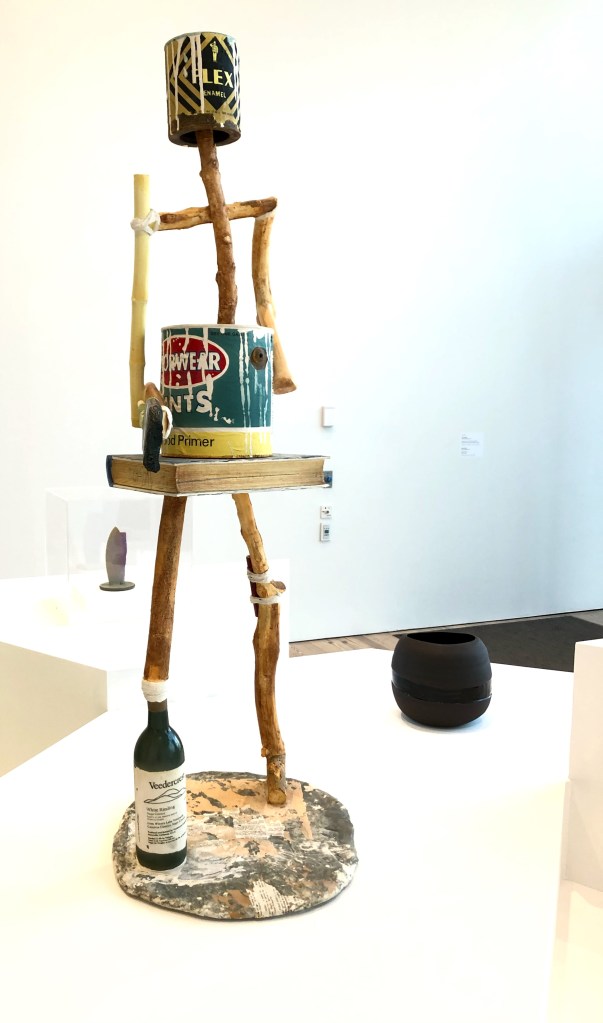
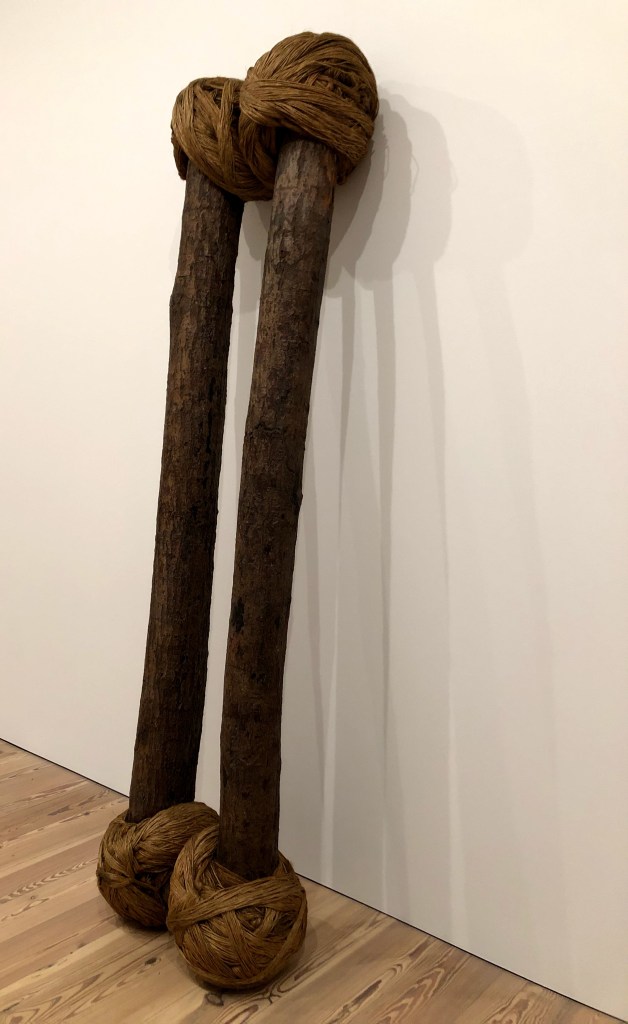
Since the Whitney Museum of American Art is one of my favorite art museums, I go there two or three times a year. Each time there is at least one floor, and sometimes two, dedicated to exhibits curated from the museum’s collection. You would think by now I would have seen a substantial portion of their collection. Yet, everytime I go, I see lots of works I’ve never seen before. Here are a few of the pieces that caught my eye during my more recent visit. They were part of an exhibit “The Whitney’s Collection: Selections from 1900 to 1965.”



















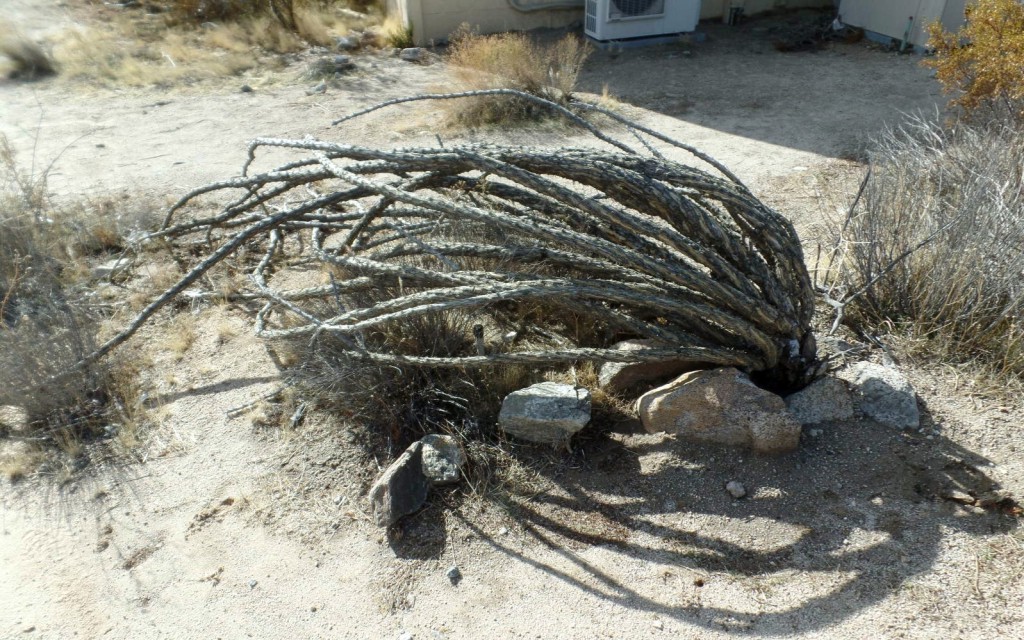
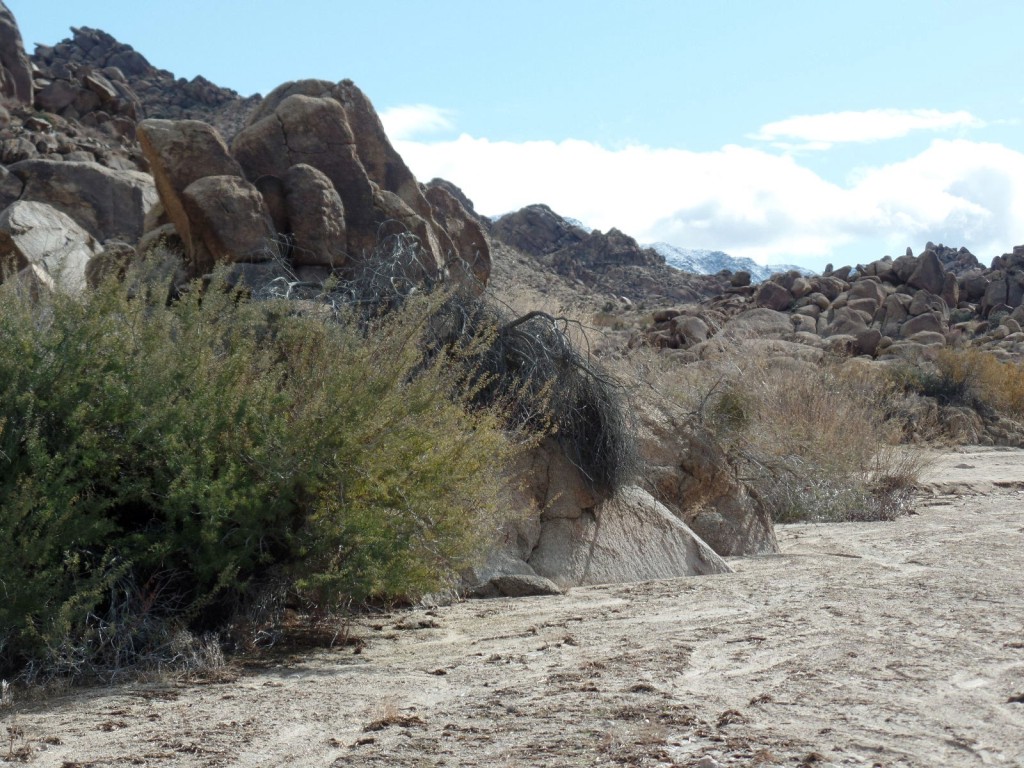
Joshua Tree National Park in southeastern California consists of nearly 800,000 acres located at the convergence of the Mohave and Colorado deserts. The Joshua tree, for which the park is named, grows only in the higher elevation Mohave desert in the western half of the park. A protected species, most of the world’s Joshua trees are in this park.
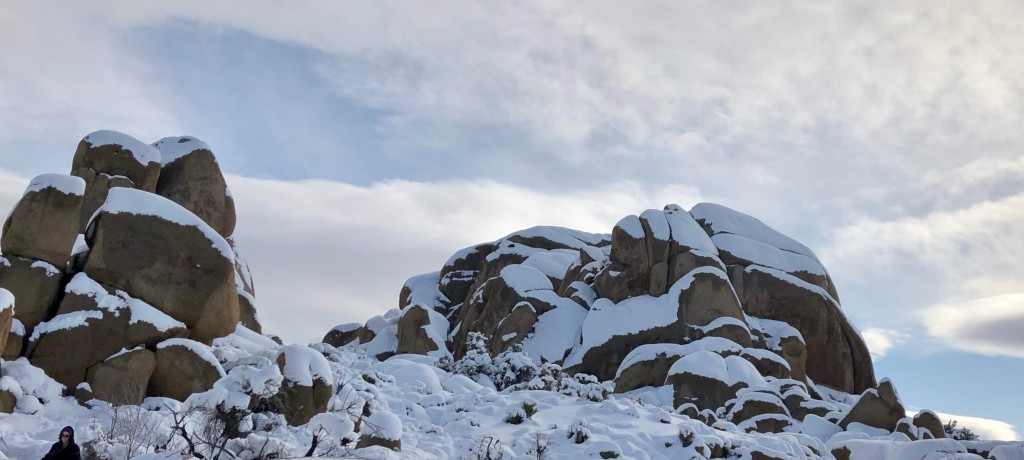
I visited Joshua tree in late December a day after a full day of precipitation. In the Colorado desert, the eastern half of the park with elevations below 3,000 feet, that precipitation fell as rainfall. But in the Mohave it was snow. Entering the park from the eastern side I started by walking in the sand through the cactus gardens. But a little ways up the road I was standing in 8 inches of snow amidst a field of Joshua trees.
















Whitney Museum of American Art, New York





Unlike any of the other best books of the year lists you’re likely to encounter this week, mine has nothing to do with when these books were written or published. They just happen to be books that I read in 2019. I meant to create a list of five but couldn’t leave out any of these. They are presented in order of preference, but I might have changed my mind about that by the time you read this.

A story of three giant personalities who between them pretty well represent 1920’s America. George Remus of Cincinnati was one of the largest and most successful bootleggers during Prohibition. Imogene Remus, his femme fatale wife, is a gold digger, social striver and business partner. And Mabel Willebrandt, assistant attorney general of the United States, is responsible for landing Remus in jail.
As a bootlegger, Remus was more of an entrepreneur and businessman than a gangster. He exploited a loophole in the Volstead Act that allowed liquor to be sold for medicinal purposes. (Sound familiar?) Thus his accumulation of distilleries was accompanied by acquisitions of pharmacies. He would have his own employees hijack his liquor shipments creating the appearance that his legal cargo had been stolen. He also represented the ostentatiousness of new money. At one of the parties he threw in his mansion, he lit guests cigars with $100 bills and his guests found $1,000 bills tucked under their dinner plates.
All of this fit in well with Imogene’s ambitions. That is until George went to jail. She then absconded with most of his wealth and possessions and took up with one of the investigators that Willebrandt had hired to go after him. If that wasn’t enough, she tried to have him deported as a non-citizen, an issue that is not completely clarified in Abbott’s book.
While many readers will find themselves focused on the dramatic story of the Remus’s marriage, a story that ends with murder and a spectacular trial, I was fascinated by Willebrandt. I had known of her as the most dedicated and effective enforcer of Prohibition. As such, and considering that like most folks today I don’t think Prohibition was a very good idea, I pictured a rather uptight, straight-laced, self-righteous woman.
Not so much. Willebrandt was the highest ranking woman in government at a time when women had only just attained the right to vote. She was a feminist who no doubt carried the weight of her entire gender on her shoulders. She was not a supporter of Prohibition before it was enacted and was a social drinker. But put in the position of assistant attorney general and being charged with enforcing Prohibition, she did her job and did it well. This despite being part of the notoriously corrupt Warren Harding administration. In fact, you get the impression she was the only one in the Justice Department who wasn’t on the take.
Abbott’s book humanizes Willebrandt. We learn that after divorcing her husband she goes to an orphanage and adopts a daughter who she raises as a single mother. She resigns in 1929 after Herbert Hoover bypasses her (for a man) for the attorney general position. In later life, as a private attorney who often represented well-known Hollywood stars, she stood up for the victims of McCarthyism.
This if a very fast-paced and well written book. It reads like a novel. So much so that I had to remind myself more than once that it is history.

A story of a family as told in chapters defined by the junkers and low riders that the alcoholic dad brings home from poker games and police auctions. There’s no Lexus. No Prius nor a sensible family SUV. This is about widebodies with tail fins, smoking tailpipes and noisy mufflers. And chrome. Lots of chrome. There’s the Green Hornet, the Black Beauty and the Red Devil.
Rorke’s novel is set in an Irish neighborhood in Brooklyn in the 1960’s. It reminds me of the people Jimmy Breslin would write about. It also reminds me of the working class Italian-American neighborhood where I grew up in northern New Jersey. Until I read this story I’d forgotten about boil-in-the-bag chicken a la king that my mom would serve to me on toast. And I had long since forgotten what a head of hair adorned with Vitalis smelled like.
The similarities go beyond such trivial things. Both Rorke’s fictional family and my real one were representative of the gender roles of the time in neighborhoods like these. The dad in Car Trouble, like so many of my friends’ fathers, was a walking time bomb. You tiptoed around them to avoid the inevitable explosion, an explosion that meant a lot of shouting and at least the threat of physical violence. These were the predecessors of today’s angry white men in MAGA hats. Part of it was the alcohol, of which there was always plenty. But it also had to do with being raised in a culture where you were supposed to be the chief provider and protector, the “king of the castle,’ yet finding yourself tied to a dead-end job or profession where you worked like a dog, didn’t really have enough and had little hope of things getting better.
Yes the women were housewives who cooked, cleaned, looked after the kids and did the laundry. But they had an even more important role. Mom was the voice of reason, the voice of sobriety, the sole source of empathy. Most often it was the mother who was chief financial advisor and banker. My dad was in his sixties when my mom died and one of the first things I had to do was teach him how to use a checkbook.
By the late 60’s things were starting to change but in neighborhoods like this it was driven more by economic need than by enlightenment. In both the Car Trouble family and mine, the mom ended up as the sole breadwinner in the family.
But back to the cars. This was not yet a seat belt era. Most of the 50’s era cruisers that found their way into the hands of Rorke’s fictional family had a bench front seat that fit three across. The middle seat was affectionately known as the “death seat.” But it had its advantages. The deluxe models had a record player stored under the dashboard and the death seat occupant had control over what 45’s to spin. You can’t really ride in widebodies like these without a little Motown in the background.
This is a great novel. You don’t have to have experienced boil-in-the-bag chicken a la king to enjoy it. It’s 400 pages that read like 150. I hated to see it end.
And in the end Nicky, the oldest child and only boy in a family of five children, helps his father drive the Blue Max backwards through the Brooklyn streets. Backwards because that’s all that’s left of the transmission. When they find a sufficiently secluded spot, dad, who the other family members refer to as Himself, takes out the pliers, destroys the plate with the VIN number, removes the license plates and that’s a wrap. (The novel doesn’t really end this way but you don’t want me to spoil it, do you?)

A man rolls his piano out onto the decimated streets of Yarmouk, on the outskirts of Damascus, and despite the bombings, the snipers, the starvation, plays his music. A photo goes viral and the man, Aeham Ahmad, is tracked down by journalists, photographers, filmakers. This book is his story.
Ahmad’s life is one of tragedy layered upon tragedy. His family is Palestinian, forced to leave their homeland and seek refuge in Syria. His father is blind because the medical care needed to deal with his childhood eye disease wasn’t available to Palestinian refugees in Damascus. Then there’s the starvation caused by a siege of the city, the brutality of ISIS’s entry and the harrowing trip to flee his homeland.
But Ahmad carves out a comfortable, if modest, life for himself and his family in both his first and his second adopted home. Before the Syrian civil war virtually destroyed Yarmouk, Ahmad and his father operated a music shop there. Despite his disability his father made himself an expert piano tuner and he made ouds, a popular string instrument in the region. Ahmad gave piano lessons. That all ended with the war. In Germany, Ahmad became a concert pianist and was able to get his family and parents to join him where they live in safety in Weisbaden.
But Ahmad is one of the lucky ones. His almost accidental notoriety and musical skill got him through situations that others likely wouldn’t have. The first half of the book is about his life in Yarmouk before the warring factions took over. It humanizes the tragedy and devastation that has befallen the Syrians. For many of us the Syrian civil war seems to be an endless affair with more factions involved than we can keep up with. But Ahmad has no politics and his words clarify for us the human toll irrespective of who is on whose side.
After what seems a lifetime of trials and tribulations, it is something of a surprise to realize that Ahmad was barely 30 years old when he wrote this book. I can only wish him a peaceful life from here on. This should be required reading for anyone who subscribes to the Trumpian doctrine that Muslims are terrorists and migrants are criminals.
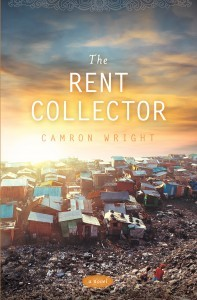
Sang Ly and Ki Lim live in a dump. Literally. To stay alive one or both puts on their boots and picks through the garbage each day until they find enough salable items to buy something for dinner. They also have a chronically sick child for whom they have no means to get proper care. Their home is of cardboard and canvas and even that they don’t own. It’s rented. Hence there’s a rent collector, a drunken, sour, nasty woman.
Asian folk tales always have a moral that they demonstrate. This one is along the lines of ‘you can’t judge a book by its cover.’ To witness, we learn what the rent collector is all about. A novel about a poor family living amidst a trash heap may sound kind of depressing. This book is anything but. It is about hope and humanity. About education and the power of literacy. It also is about the lingering impact of the brutal Khmer Rouge regime in Cambodia.
Stung Meanchey, the municipal dump, does in fact exist. And there are folks living there by the names of Sang Ly and Ki Lin. The author discovered them in a documentary made by his son. But this is a work of fiction. Confused? Me too. There are pictures of this couple at the end of the book as well as some others who are part of the story. But the author tells us they are not to be construed as pictures of his characters. Huh? Suffice it to say this is a good story and I enjoyed reading it.
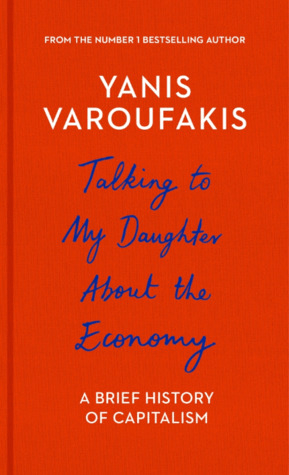
Early in my career as a fledgling journalist I had an editor who would say, if your grandmother wouldn’t understand this story, you need to rewrite it. Leaving aside for a moment the fact that this crusty old editor was insulting the intelligence of grandmothers, this is similar to the approach that Yanis Yaroufakis takes in outlining the history of capitalism. His book is written as he would explain this to his 15-year old daughter.
In doing so he answers questions like why do we have income inequality and why do we have religion. Or, more provocatively, why did the English conquer Australia and push out the Aborigines rather than the other way around?
None of the economics here involve any formulas or algorithms. Instead Yaroufakis makes liberal use of various fables and tales to explain the world economy. The myth of Oedipus is an example of the self-fulfilling prophecy that is in play in producing a recession. And Frankenstein is an example of human technology creating monsters that enslave us.
The book is full of nuggets of wisdom. “The economy is too important to leave to economists.” As for technology, “The robots that have replaced human workers do not spend money on the products that they help produce.” And, as for bankers, they are conjurers of “black magic.”
Yaroufakis frames some of the most critical issues facing us. “We urgently need as a species a way to make full use of our technological potential without periodically destroying the livelihoods of great swathes of humanity and ultimately enslaving ourselves to the few.” And this is one economist acutely aware of climate change observing, “we seem wholly intent on destroying our host environment.”
This is not only readable economics, it is literary and humane.
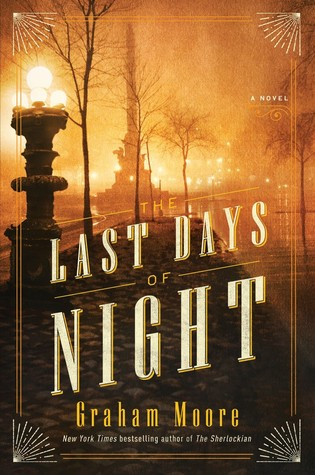
A novel that raises the question of whether Thomas Edison was a greedy, second-class inventor who would go to any lengths to squash the competition. Like much historical fiction, it leaves you scratching your head wondering how much of it is true. The author offers some notes at the end clarifying which of the events in the story were real and which imagined. But those notes offer no clue as to whether Edison was indeed a scoundrel. Living as I do in Edison’s backyard, we don’t think of him that way.
The plot of The Last Days of Night is based on a patent suit. Edison sues George Westinghouse for violating his patent on the light bulb. The cast of characters goes beyond that. Alexander Graham Bell and J.P. Morgan make cameos. Nicola Tesla, who invented alternating current, is portrayed as an awkward, inarticulate, pretty much crazy guy who also happens to be brilliant. And the story is told through the eyes of Westinghouse’s attorney, Paul Cravath, who in real life the author credits with inventing the modern-day law firm.
How much drama can you create around a patent suit? Turns out quite a lot. But there are a lot of other story lines, including the question of alternating vs. direct current, the moral issue of using the newly-invented electric chair and the mystery of who nearly killed Tesla by setting his lab on fire while he was in it. There’s even some romance.
If you like Eric Larson’s books, you’ll like this. It is the same sort of fast-moving, dramatic history. As for the question of Edison: Greedy? Probably. Unscrupulous? Possibly. But also a man who made history and changed our lives. A man of his age. Not just the Wizard of Menlo Park but one of the late 19th century captains of industry, with all the positives and negatives that entails.

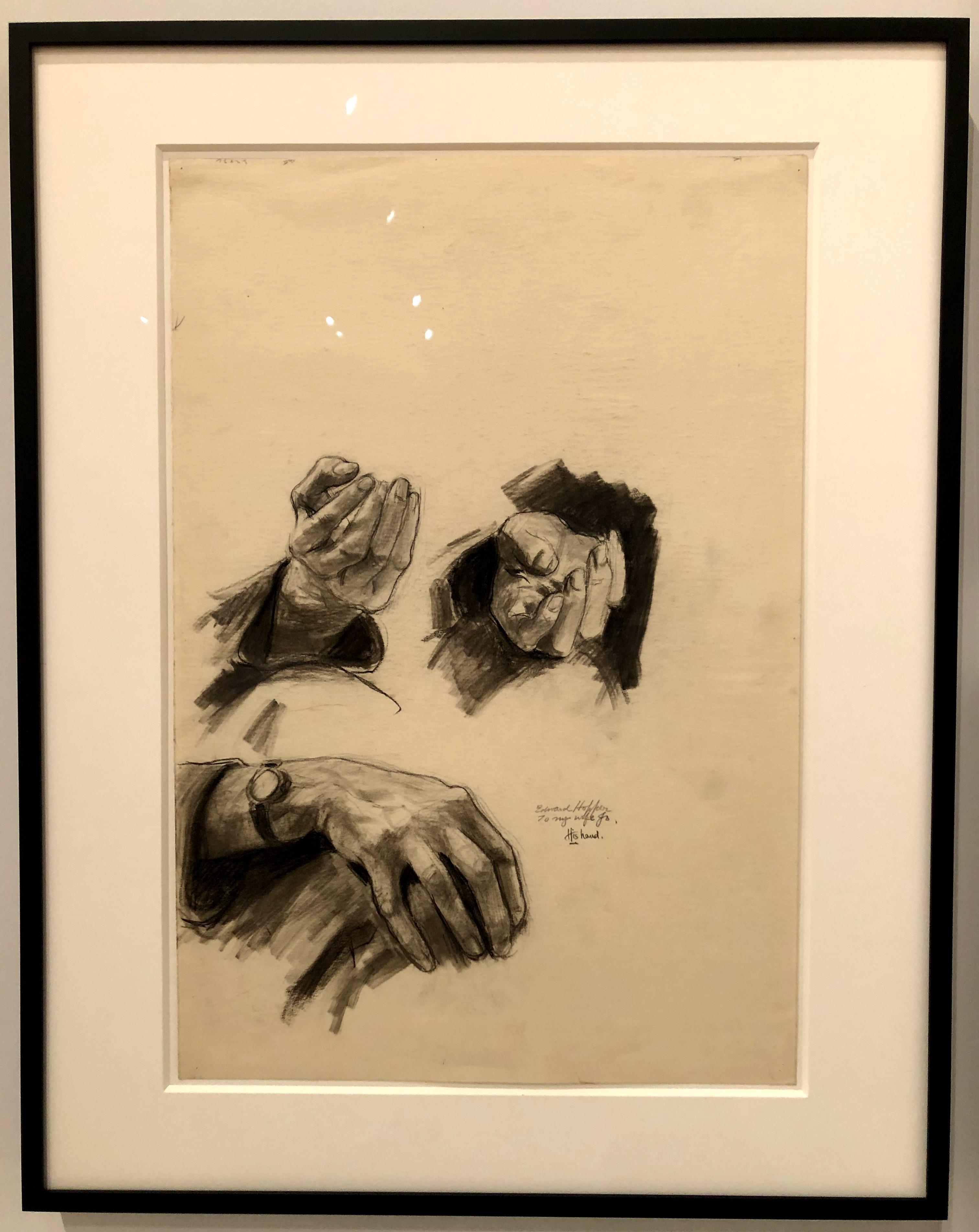
Josephine Nivison was a teacher, artist and actress. In 1923, at the age of 41, she married the painter Edward Hopper. He was 42. They lived in a small studio apartment near Washington Square in New York and as they led a somewhat hermetic existence, they were often with each other 24/7. She was the only female model he used, including for the painting above.
But their’s was anything but an idyllic marriage. In her diaries she described scratching him and biting him “to the bone.” He, on the other hand, “cuffed” her, slapped her face and banged her head on the wall. A friend of the couple said that every time he visited them they seemed on the verge of divorce. But they stayed together for 43 years, until his death in 1967.
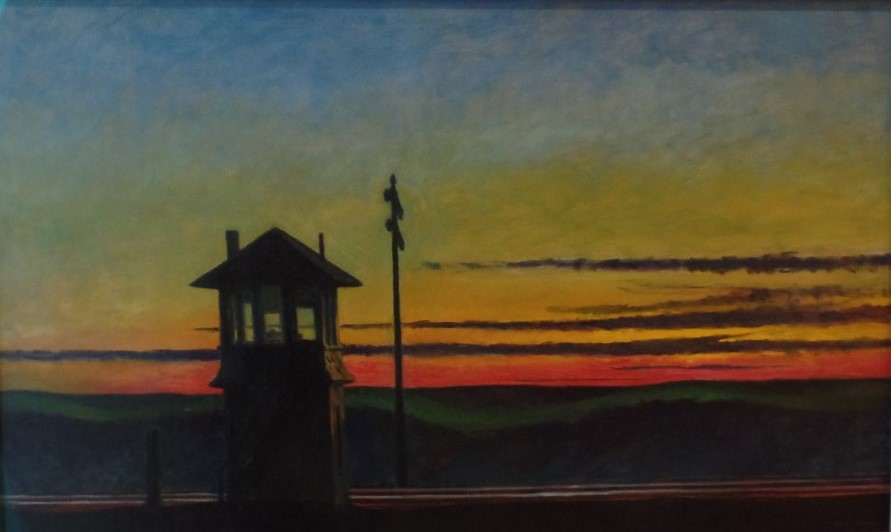
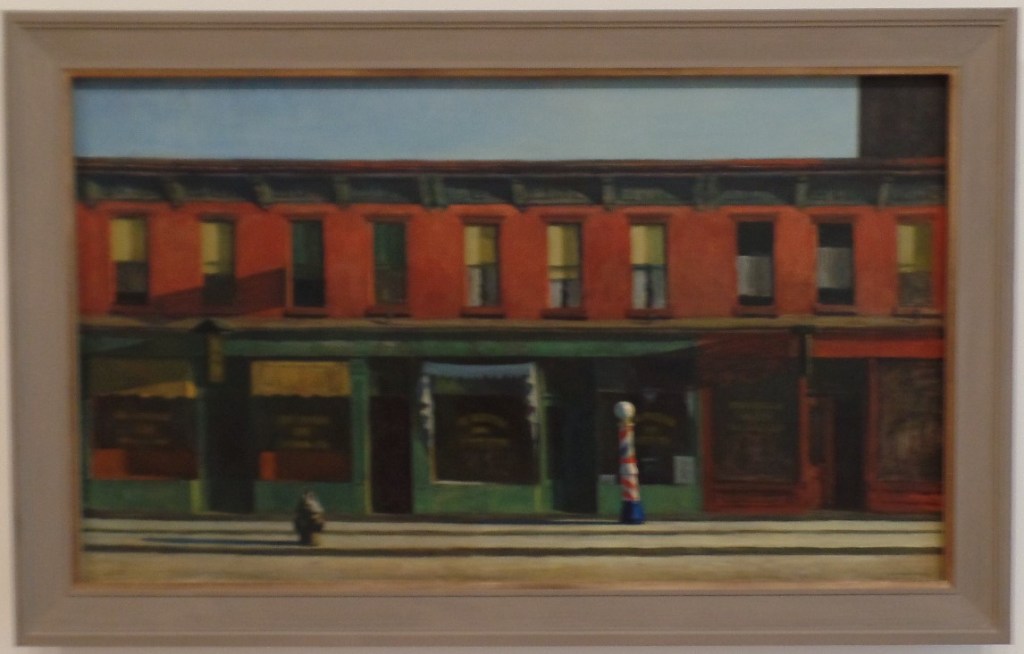
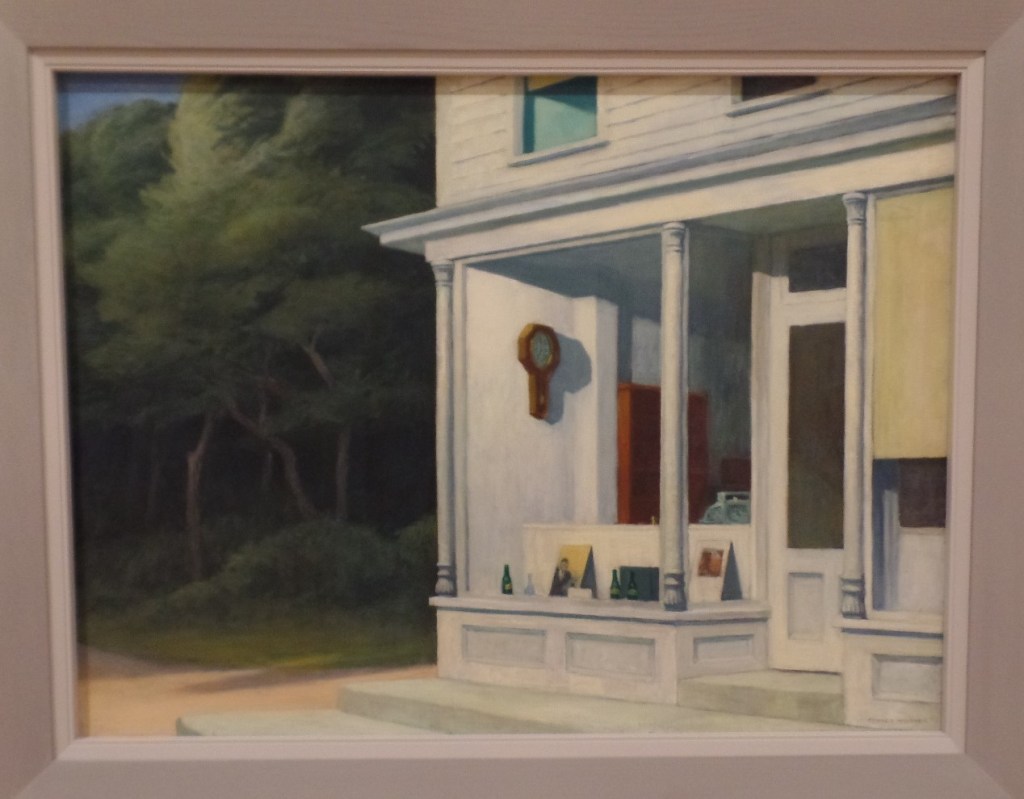
After his death, she bequeathed all of his remaining work, more than 3,000 pieces, as well as her own, to the Whitney Museum of American Art. Here are a few of Hopper’s works from the Whitney Collection.