

Grand Teton National Park, Wyoming
Missing teen
 Word reached Cincinnati on the evening of Aug. 5, 2016 that a local teenager was missing in Grand Teton National Park. The 17-year-old had gone to the park on a conservation project with a group called Groundwork USA. She was working with a group of other teenagers on a trail making project when she headed off on a bathroom break and never returned. The news seemed even more ominous the following day when KLWT5 News in Cincinnati reported that one of her hiking boots had been found.
The TV reporter reached her math teacher who expressed his concern: “I’m really worried about her safety because I know her and I know this is not something that she would do of her own accord.” He added that she is a straight-A student and president of the Vegan Club. Just the day before going missing she had posted on her Instagram account “Last day in Wyoming is tomorrow. I can’t wait to be home and see everyone. Today I am blazing a trail, pretty siked.”
The search initiated by the park rangers was broadened to include the Teton County Sheriff’s Office and the Wyoming Civil Air Patrol. More than 100 people were involved. And they found her! But when they did, she tried to run away. And she had cut and dyed her hair and changed her clothes. Eventually they corralled her and held her under “protective custody” until her parents arrived and brought her back to Ohio.
I trust all is well now and she will be able to look back on this incident and dismiss it as “one of the stupid things I did when I was 17.” We all have some of them.
Boot of missing Cincinnati teen found during search of Wyoming Park
Ohio teen found in Grand Teton National Park had changed her appearance
-0-
Missing ring
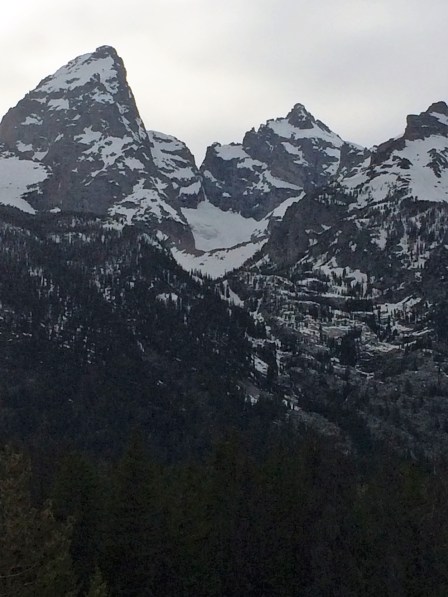 Richie Jones had a plan for proposing to his longtime girlfriend Ashley Allen that no woman could refuse. Packing away a purple sapphire engagement ring, he set out with Ashley to conquer the Grand Teton, a 14,000 foot peak that is the tallest at Grand Teton National Park. It took them two days to reach the summit. Here’s a companion climber’s description of what happened when they got there.
“Richie stepped back, took a knee on the summit of the Grand Teton, and looked deep into Ashley’s eyes.
“’Will you marry me, Ashley?’
“She threw her hands in the air, screamed in obvious delight, and with tears of joy streaming down her face she reached toward the ring box as Richie held it out and opened it.
“She gave Richie a puzzled look.
“Richie returned the puzzled look. He slowly rotated the box and an expression of utter astonishment swept across his face.
“The ring was gone.”
He later told ABC News “One of the guys saw it bounce off the rock and it goes spiraling, just spinning with this top spin down through the air, and saw it on another rock.” Allen never got to see the ring, but she said yes anyway and Jones tried to look on the bright side: “To know our engagement ring is on this incredibly dramatic, spectacular peak just sitting up there, what more could you ask for?”
Not exactly what he planned but a memorable proposal nonetheless. No word on whether anyone ever found the ring.
A Mountaintop Proposal Doesn’t Go as Plannd Engagement Ring Lost on ‘Spectacular’ 14,000-Foot Peak ‘Meant to be There’
-0-
Missing skier
 A Houston man and two of his buddies from Wyoming, ranging in age from 24 to 37, were spending Christmas in 2016 skiing at the Jackson Hole Ski Resort, adjacent to Grand Teton National Park. But at 6:30 p.m. on Christmas Eve one of the men’s girlfriend got a text that they were in trouble. She called Teton County Search and Rescue who forwarded the alert to the park rangers.
The skiers were hoping to reach the Rock Spring Bowl but after they left the ski area’s boundary, they got lost in the poor visibility. They were able to hike to an area where they could get some cell reception and contact with the park rangers was established at about 10 p.m. It was determined that the men were uninjured and that they had some equipment with them, including probes and shovels. They were instructed by the Rangers to build a snow cave and fire and the rescue would take place in the morning when it was not as dangerous.
Two park rangers and two members of the Jackson Hole Mountain Resort Ski Patrol started their Christmas morning on the tram that goes to the top of the mountain. They skied into the area where they believed the lost men were camped out, were able to find their ski tracks and followed them to the three skiers. The men were safe, albeit cold, and the rescuers escorted them down the mountain and back to Teton Village.
The advice from the park rangers: “remind those that venture outside of the ski area boundary that they should be prepared for emergencies and the potential for extended stays outdoors.”
Lost Skiers Rescued in Grand Teton National Park on Christmas Day











 For one thing, Prohibition irreversibly changed nightlife in America. Tens of thousands of saloons closed. Ten of thousands of speakeasies opened. The image of the saloon drinker is a workman with a mug of lager set up next to his lunchpail. The image of the speakeasy patron is a young, stylish man or woman sipping cocktails in a carefree party atmosphere. It is the speakeasy that created the romantic image of the “roaring twenties” and one of the biggest changes is that it was about, and henceforth would always be about, men and women.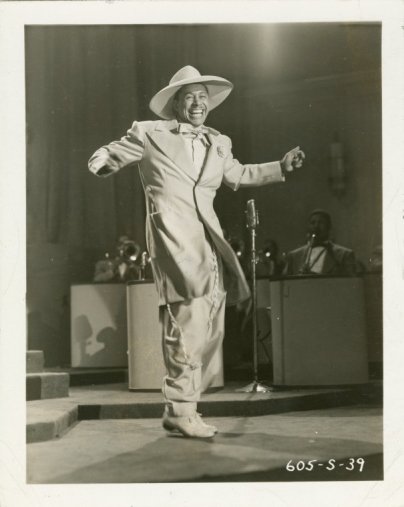
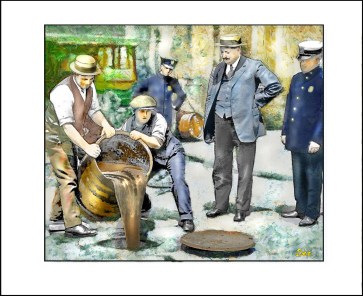 And finally, Prohibition turned out to be something of a trial run for what later generations would call the war on drugs. The alcohol ban created the idea that drinking was a crime While it is doubtful that most Americans shared that perception, it is what various law enforcement groups ran with and as a result our prisons filled up with non-violent offenders, criminals whose offense might be brewing a little home wine and selling some to your neighbors.

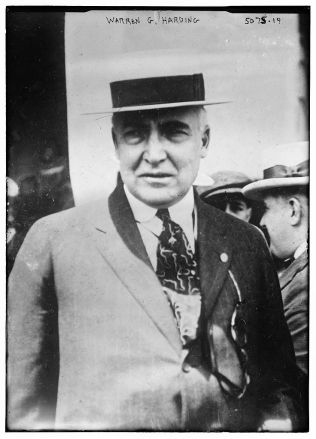
 Franklin Roosevelt swept into office in 1932 with a platform that included a call for repeal. But earlier in his career, a young FDR as Assistant Secretary of the Navy, supported banning alcohol in that branch of the armed forces. And in 1919, with the 18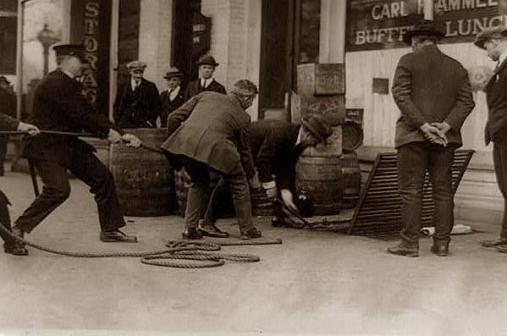



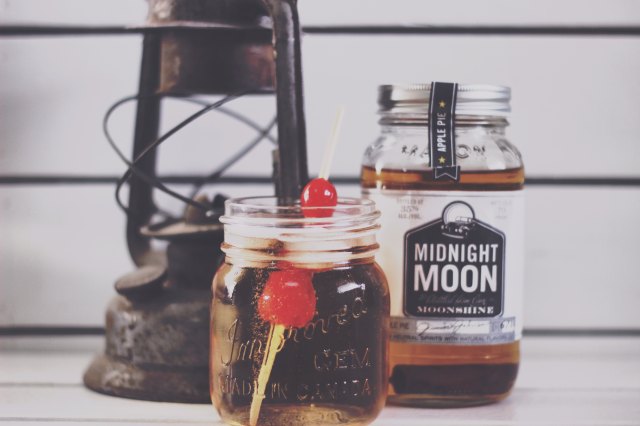

 In the first decades of the 20th century, America was experiencing a new flood of immigrants from Europe. Industrialization concentrated these new Americans in its cities. Labor unions were growing and making themselves heard. Socialist, Marxist and anarchist ideologies were finding followers among the immigrants and workers. The folks that filled the tenements in our cities and production floors of our factories were no longer all Protestant, no longer all white and no longer all English speakers. And for many of the more comfortable classes, this was a cause for alarm.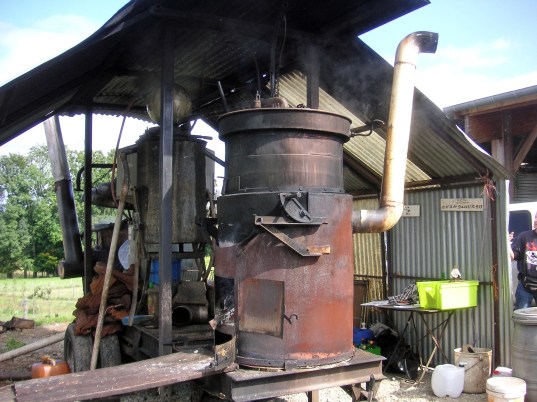

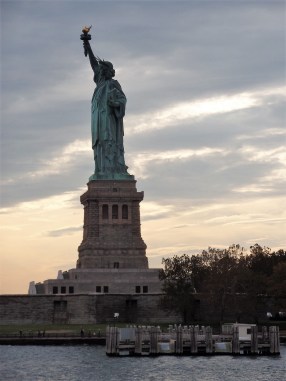 The United States is a nation of immigrants. We have the largest immigrant population of any country in the world. One of the most iconic symbols of the American democracy is the Statue of Liberty with its inscription “give us your tired, your poor….” In 2015, 13% of our population was foreign born. According the Census Bureau, one out of every four children under 18 in the U.S. has at least one foreign born parent.


 Many of those who supported Prohibition were the progressives and reformers of their day. One such group was the Women’s Christian Temperance Society, a key influencer in the “dry” movement. Their agenda was not just about turning off the taps. They also campaigned for women’s suffrage, prison reform, child welfare, free kindergarten, an 8-hour work week and an end to prostitution. For the most part they were upper and middle class white women who genuinely thought of themselves as working to improve the lot of their less advantaged countrymen (and women).
 Their allies on the right had some very different reasons for supporting the cause. Today we think of the KKK mainly in terms of their despicable racism. But these spooks hated everybody. They hated the Irish and Italian immigrants because they were Catholic, they hated the Mexicans because they were Mexicans and they of course hated blacks. Since alcohol and the saloons where it was consumed were so much a part of the lives of these minority groups, racists and xenophobes were strong advocates of Prohibition even though many probably had no intention of giving up alcohol themselves.
 off the leash