
 Yellowstone National Park, Wyoming, Montana and Idaho
1903
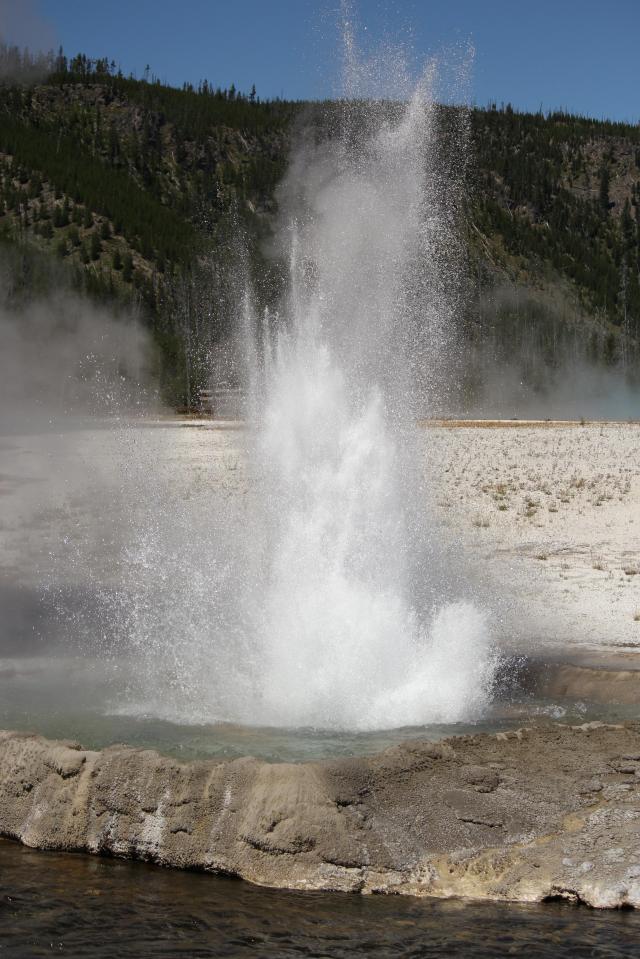
Probably the greatest conservationist among all American presidents was Theodore Roosevelt. When he visited Yellowstone for a vacation in 1903, it wasn’t a quick run through. He stayed for 16 days. He was joined by naturalist and writer John Burroughs and by Park Superintendent Major John Pritcher. He dedicated a new archway to the park from Gardiner, Mont., that was named after him. He also met with architect Robert C. Reamer to go over plans for the construction of the Old Faithful Inn which would be completed the followed year.
 But what Roosevelt was most interested in was the wildlife at Yellowstone and he recorded his observations. Here’s an excerpt from Roosevelt’s April 16, 1903 letter to C. Hart Merriam at the Department of Agriculture, including his observations of the elk at Yellowstone. “From very careful estimates, based for instance on actually counting the individuals in several different bands, I am convinced that there are at least fifteen thousand of these elk which stay permanently within the Park. But an insignificant number of them are killed by hunters… The cougars are their only enemies, and in many places these big cats, which are quite numerous, are at this season living purely on the elk, killing yearlings and an occasional cow; this does not damage, but around the hot springs the cougars are killing deer, antelope and sheep, and in this neighborhood they should certainly be exterminated.”
While he was president, Roosevelt created five national parks, 18 national monuments, 51 bird sanctuaries and created the National Wildlife Refuge slystem. In 1947, President Harry Truman created the national park that is named after him, Theodore Roosevelt National Park in western North Dakota.
President Theodore Roosevelt’s 1903 Visit to Wyoming


1937
Franklin D Roosevelt, accompanied by his wife Eleanor, his daughter and son-in-law arrived at Yellowstone by train on Sept. 25, then took a drive through the park in an open car. They spent the night at the private home of Harry Child, president of Yellowstone Park Company, and the following day visited Monmouth Hot Spring and had lunch at the Old Faithful Inn. Eleanor recorded her observations:
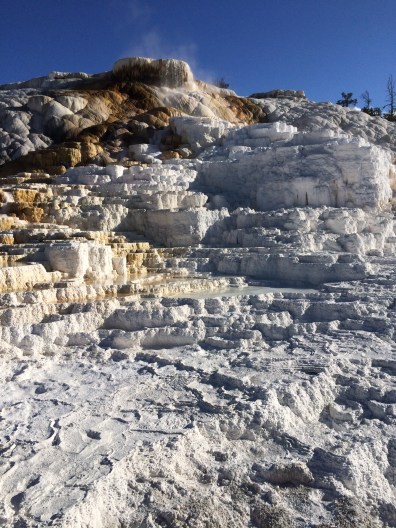 “Of course, the first thing that strikes one is the extraordinary hot springs, bubbling up and changing constantly so that what is a colorful terrace today with the hot water flowing over it, will in a little while be white as chalk when the water ceases to bubble and flow and keep the tiny plants alive which give the color to the hillsides.
“The next greatest interest is the animals. The herd of buffalo was interesting though we only saw it from a distance, but we saw a wonderful sight in a great elk with fine antlers close to the road, herding his harem of ladies. A little later we saw a lone elk, all by himself against a background of pines and wondered if he had been driven off and had lost his ladies to the other gentleman. Even in the animal world the ladies seem to cause some trouble!”
FDR’s greatest contribution to the national park system was the creation of the Civilian Conservation Corps which provided much needed jobs during the Depression and sent an army of workers into the parks to improve infrastructure, build roads, plant trees and work on soil conservation projects. He also created 11 national monuments during his terms.
My Day, by Eleanor Roosevelt, Sept. 27, 1937
1978
Jimmy Carter and family took a fishing trip to Yellowstone, setting up on an island in Yellowstone Lake and accompanied by famous fly fisherman Bud Lilly. Based on the book “Yellowstone Ranger” by Jerry Memin the Great Falls (Mont.) Tribune provided an account of the scene on the day of Carter’s visit.
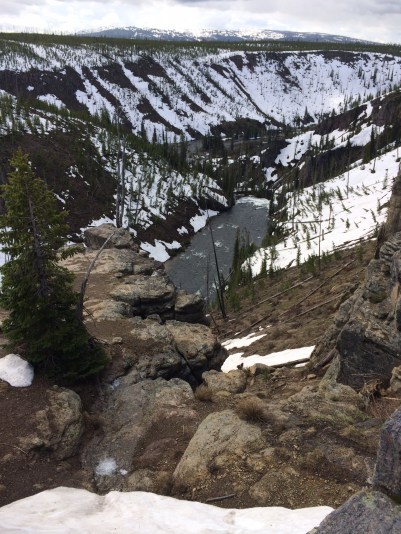 “In 1978, President Jimmy Carter arrived by helicopter to Yellowstone Lake’s southern arm.
“When the helicopter landed the rangers rode over to introduce themselves. The Marine in charge said his only worry was grizzly bears.
“Then came the president, his wife, daughter and entourage. The Secret Service deployed in canoes, along with the First Family. The female anglers, especially Amy, were quick to catch fish. Things began to look awkward for the president.
“’Judging from the body language some seemed to be holding their breath while others seemed to be hyperventilating. Then the president caught a fish,’ Memin wrote. ‘a sigh of relief swept through the onlookers, and everyone seemed to relax.’
“Then Memin hopped off his horse so the president could ride it… ‘I would say he was an accomplished gentleman and an adequate horseman,’ Memin wrote.”
Carter made several visits to the park after his time in office and is remembered for joining the park staff for pizza in an employee pub at the Lake Hotel. His signature is still on the wall there.
In 1980 Carter signed the Alaska National Interest Lands Conservation Act. The law created 10 national parks and preserves, two national monuments and nine national wildlife refuges. All told it set aside 104 million acres of land.
Park ranger found a life of adventure in Yellowstone










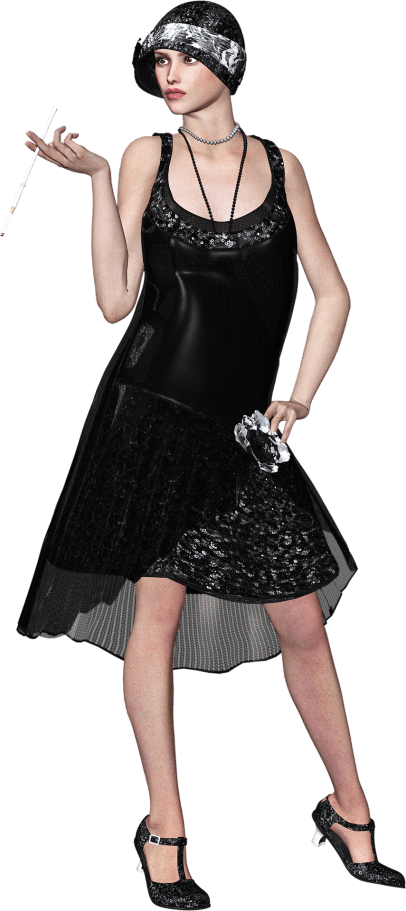 For one thing, Prohibition irreversibly changed nightlife in America. Tens of thousands of saloons closed. Ten of thousands of speakeasies opened. The image of the saloon drinker is a workman with a mug of lager set up next to his lunchpail. The image of the speakeasy patron is a young, stylish man or woman sipping cocktails in a carefree party atmosphere. It is the speakeasy that created the romantic image of the “roaring twenties” and one of the biggest changes is that it was about, and henceforth would always be about, men and women.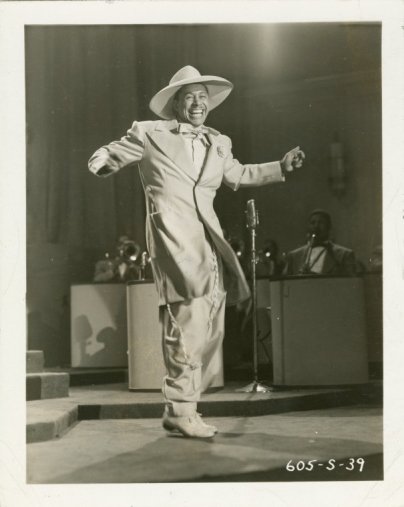
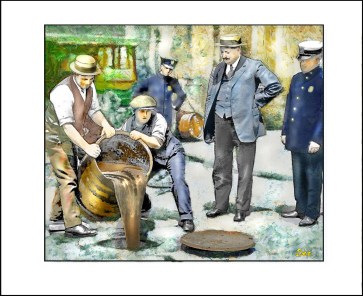 And finally, Prohibition turned out to be something of a trial run for what later generations would call the war on drugs. The alcohol ban created the idea that drinking was a crime While it is doubtful that most Americans shared that perception, it is what various law enforcement groups ran with and as a result our prisons filled up with non-violent offenders, criminals whose offense might be brewing a little home wine and selling some to your neighbors.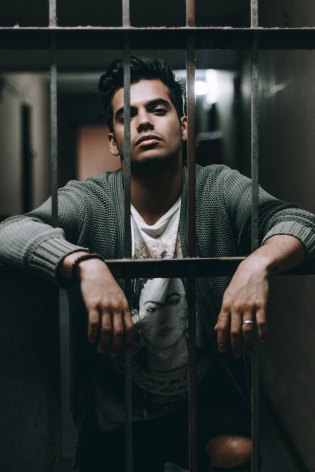

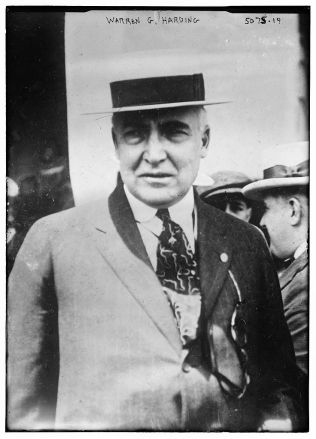
 Franklin Roosevelt swept into office in 1932 with a platform that included a call for repeal. But earlier in his career, a young FDR as Assistant Secretary of the Navy, supported banning alcohol in that branch of the armed forces. And in 1919, with the 18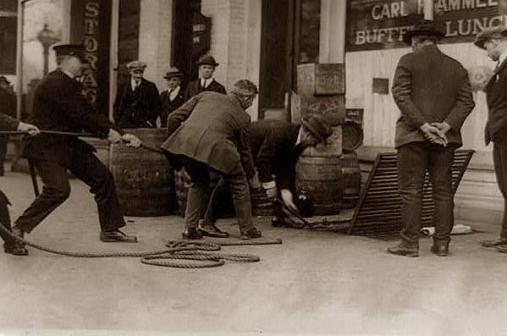


 In the first decades of the 20th century, America was experiencing a new flood of immigrants from Europe. Industrialization concentrated these new Americans in its cities. Labor unions were growing and making themselves heard. Socialist, Marxist and anarchist ideologies were finding followers among the immigrants and workers. The folks that filled the tenements in our cities and production floors of our factories were no longer all Protestant, no longer all white and no longer all English speakers. And for many of the more comfortable classes, this was a cause for alarm.

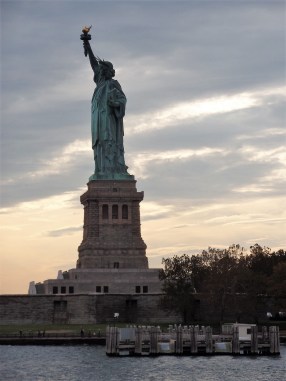 The United States is a nation of immigrants. We have the largest immigrant population of any country in the world. One of the most iconic symbols of the American democracy is the Statue of Liberty with its inscription “give us your tired, your poor….” In 2015, 13% of our population was foreign born. According the Census Bureau, one out of every four children under 18 in the U.S. has at least one foreign born parent.


 off the leash