
One is tempted to think of Prohibition as the last stand of a Puritanical, moralistic 19th century ethic imposing its rigid behavioral standards on the whole country. And surely there were lots of folks of that sort pushing the issue. The Anti-Saloon League, a key influencer in both enacting and trying to enforce Prohibition, was built up through Protestant church communities. But the story of Prohibition is more complicated than that. The issue spurred a division in American society similar in intensity to what we are experiencing today. It was urban vs. rural, Protestant vs. Catholic and Jew, black vs. white, woman vs. man. native born vs. foreign born. But it was not simply left vs. right. Consider the fact that the women’s suffrage movement and the Ku Klux Klan were allies in this fight.
Lisa McGirr, author of The War on Alcohol, describes the coalition that led the fight against drinking as “a mighty alliance of moralists, progressives, suffragists and xenophobes.” Preachers of what today we would call the religious right railed about how just a drop of alcohol would lead the drinker down the road to destruction. And the pseudo-scientific community chimed in with such gems as the claim that drinking made the body susceptible to spontaneous combustion.
To be fair, late 19th and early 20th century Americans drank. A lot. And apparently they have since the first Europeans hit these shores. In his book Prohibition , Edward Samuel Behr, traces the roots of American drunkenness to the very beginning. He adds “Eighteenth century Americans, whether rich or poor, slaves or free men and women, appear to have gone through life in a semiperpetual alcoholic haze.”
 Many of those who supported Prohibition were the progressives and reformers of their day. One such group was the Women’s Christian Temperance Society, a key influencer in the “dry” movement. Their agenda was not just about turning off the taps. They also campaigned for women’s suffrage, prison reform, child welfare, free kindergarten, an 8-hour work week and an end to prostitution. For the most part they were upper and middle class white women who genuinely thought of themselves as working to improve the lot of their less advantaged countrymen (and women).
 Their allies on the right had some very different reasons for supporting the cause. Today we think of the KKK mainly in terms of their despicable racism. But these spooks hated everybody. They hated the Irish and Italian immigrants because they were Catholic, they hated the Mexicans because they were Mexicans and they of course hated blacks. Since alcohol and the saloons where it was consumed were so much a part of the lives of these minority groups, racists and xenophobes were strong advocates of Prohibition even though many probably had no intention of giving up alcohol themselves.
What is especially curious is the link between women’s suffrage and Prohibition. The KKK wasn’t backing women’s suffrage based on their passion for equal rights. Instead they assumed that giving women the right to vote would swing the scales to electing pro-dry officials. Conversely, the brewing and distilling interests campaigned hard against women’s suffrage for the same reason.

Frances Willard
Considering that from our perspective Prohibition was pretty misguided, it is astounding to read the list of names of prominent early 20th century Americans who supported it. That list includes Thomas Edison, John D. Rockefeller, Henry Ford, muckraking authors Upton Sinclair and George Kibbe Turner, women’s rights activists Susan B. Anthony, Elizabeth Cady Stanton, Lucy Stone and Amelia Bloomer, social welfare pioneers Jane Addams and Lillian Wald, suffragist Frances Williard, civil rights leader A. Philip Randolph, former heavyweight champion boxer and drinker John L. Sullivan, Orville Wright, Coca-Cola founder Asa Chandler, Broadway theater owner Lee Shubert, education reformer Horace Mann and novelists Jack London and Booth Tarkington.
There were many reasons behind their support of Prohibition. Ford thought it would increase productivity in his plants. Chandler figured he could sell more soda with beer off the market. Shubert envisioned the guys who spent all their time in saloons heading for the theater instead. But one issue above all else carried the day. Hatred of immigrants. And specifically, those immigrants who taught us most of what we know about beer, the Germans. In next week’s post I’ll look at how xenophobia led to this 13-year long fiasco.
-0-
Sources:
The War on Alcohol, Prohibition and the Rise of the American State, Lisa McGirr, 2017.
Last Call: The Rise and Fall of Prohibition, Daniel Okrent, 2010
Prohibition: Thirteen Years That Changed America, Edward Samuel Behr, 1996.
(Photos from New York Public Library Public Domain Digital Collection.)
 Adami
Adami Aiden
Aiden Carolina
 Darius



 I was a teenager at the time growing up in an all-white middle-class town not too far from Newark, living with my blatantly racist father. He and people like him processed this as blacks looting stores and burning buildings until the National Guard came in and restored peace. That narrative conveniently leaves out the cause, both the short-term cause and the long-term cause. To acknowledge either would have skewed his oversimplified vision of the world.
 On this 50


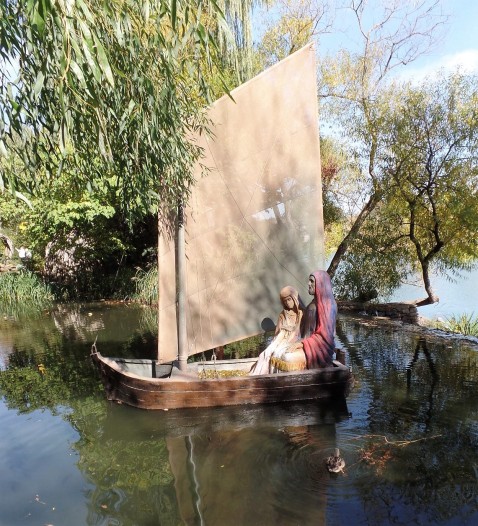


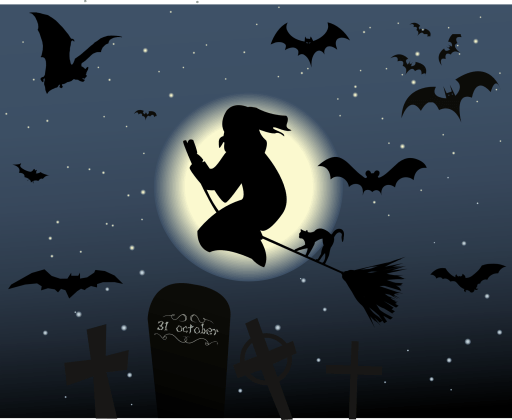 We never tried, but there is the belief that if you wear your clothes inside out and walk backwards on Halloween, you will see a witch. Another superstition is that you might be followed by the death itself, and if you turn around to look who is following you, it will be your end. Another tradition which seems to us really weird and kind of dangerous is to hold a candle in one hand and a mirror in the other and walk backwards down the stairs. It will allow you to see your future husband. However, these superstitions were created in the past, and no one really believes in them now. But as all the things for Halloween, they create the required atmosphere.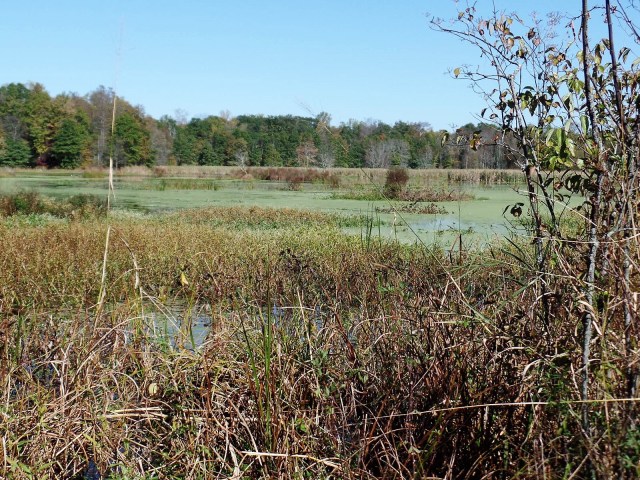
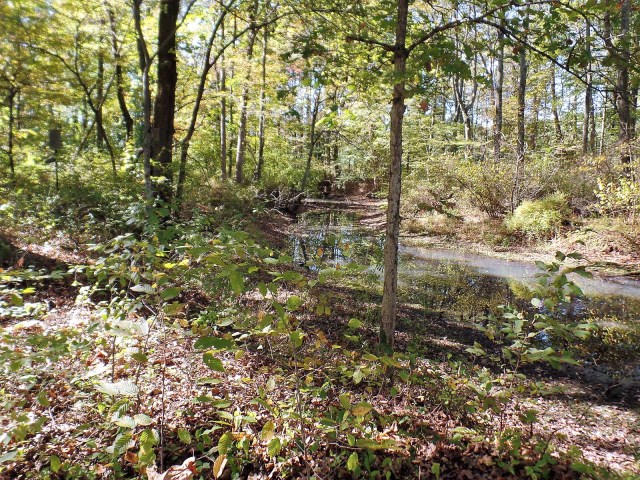
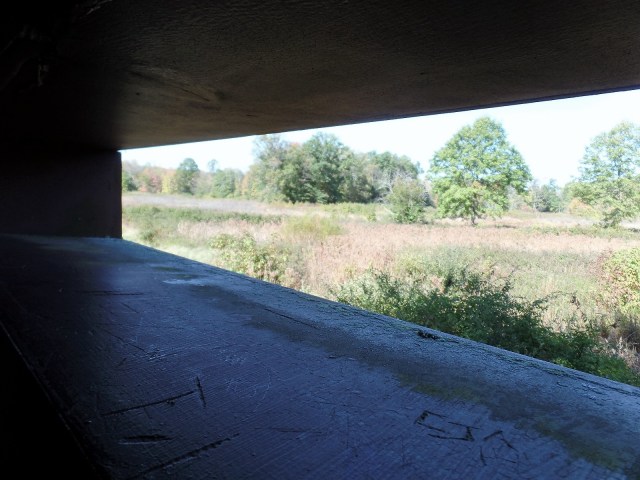
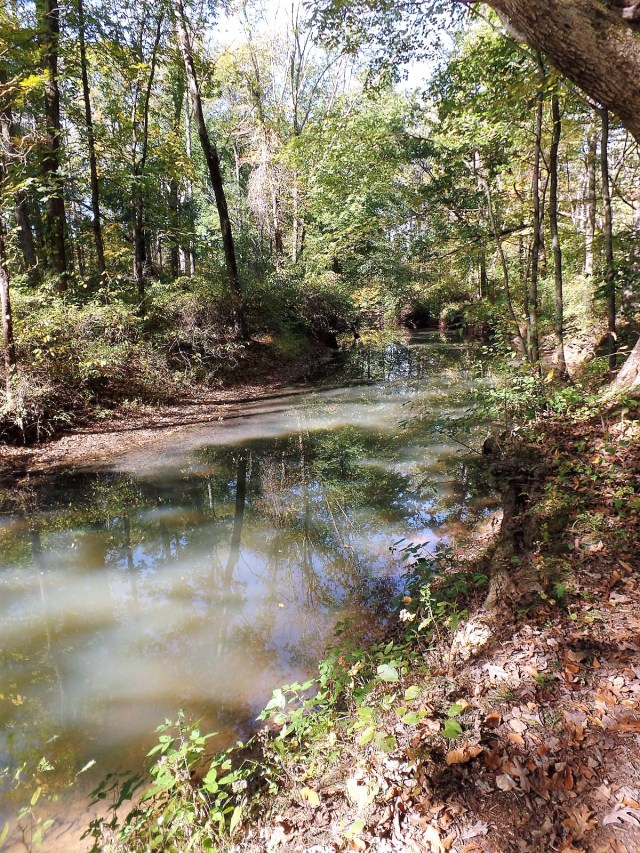
 The Great Swamp National Wildlife Refuge at one time had been designated by the Port Athority of New York and New Jersey as the preferred site for a fourth New York City area airport. The swamp is in Morris County, New Jersey, about 25 miles west of Manhattan. It was the late 50’s when the PA put forward its plan and at the time there wasn’t a great deal of understanding about the importance of this natural oasis to the surrounding ecosystem.















 And then there is “fake news” as the term is used by Donald Trump. The Trump definition is anything that he doesn’t agree with. Just about all presidents and other world leaders try to control the narrative about themselves. But few venture further from the truth than Trump. Fact is he’s a chronic liar whose commentary can’t really stand up to the fact checkers. So his response is to just delegitimize them. Outlets like the New York Times, the Wall Street Journal and the Washington Post will make mistakes. They sometimes show that they lean left or lean right. But they aren’t fake news. And if the most prestigious and productive news sources in the country are summarily dismissed what information do we have to go on to effectively govern “by the people.”
 off the leash