The State of The Nation at 150

On this day in 1865 the first issue of The Nation was published. The first sentence of the first story of the first issue read; “The week has been singularly barren of enticing events.” Thus was born a magazine that valued candor above marketing savvy.

The editorial in that first issue marked its place in time. “Before this meets the eyes of our readers, the Fourth of July will have been celebrated. We celebrate not simply the national independence, but the close of the agitation about slavery, and the extinction of slavery itself.”

The NationIn April of this year, The Nation published its 150th anniversary issue, a 268 page digest of stories that have appeared in The Nation along with a “Radical Future” section. I don’t ordinarily blog about magazines. But this is no ordinary magazine.

In a digital age, The Nation remains committed to print even if it is on the cheapest paper known to man. In an age of visuals, The Nation focuses instead on the words. And why shouldn’t they when their list of contributors has included E.L. Doctorov, John dos Passos, Alan Ginsberg, Henry James, Arthur Miller, John Steinbeck and Gore Vidal.

The Nation is not neutral. It is left-of-center advocacy journalism. In her introduction to the anniversary issue long-time editor Katrina vanden Heuvel lets you know what to expect as she describes the issues she is passionate about:

  • “Only an organized people can avert the theft of our country by oligarchical money and dismantle the rigged system that cheats too many working and poor people.
  • “Democracy without women is not democracy, and
  • “We’d be wise to get our own house in order before remaking the globe.”

In one of the testimonials, Harry Belafonte comments. “The Nation brought to the table of human needs a menu of truth. Its stories enlighten us, give us choices for ascertaining how to deal with the complexities of daily life, and fuel our need for honesty.”

The 150th anniversary issue is not just the history of The Nation. It is also a history of our nation. And it is a history not written in the dry and dreary style of textbook writers, but by some of the finest American writers of their time, as well as newsmakers like Albert Einstein, Martin Luther King Jr. and Ralph Nader.

Here’s a taste of what The Nation has produced in its 150 years of continuous publishing:

Mr. Walt Whitman, by Henry James, Nov; 16, 1865

“It has been a melancholy task to read this book (Drum-Taps); and it is a still more melancholy one to write about it. It exhibits the effort of an essentially prosaic mind to lift itself, by a prolonged muscular strain, into poetry.”

The Hue-and-Cry Against the Indians, Lewis Henry Morgan, July 20, 1876

“We admire the gallantry of General Custer and his men; we mourn their loss; but who shall blame the Sioux for defending themselves, their wives and children when attacked in their own encampment and threatened with destruction? This calamity is simply a chance of war – of a war waged by our government upon these Indians, nothing more and nothing less.”

The Negro Artist and the Racial Mountain, Langston Hughes, June 23, 1926

“Jazz to me is one of the inherent expressions of Negro life in America, the eternal tom-tom beating in the Negro soul – the tom-tom of revolt against weariness in the white world, a world of subway trains and work, work, work; the tom-tom of joy and laughter, and pain swallowed in a smile. We younger Negro artists who create now stand to express our dark-skinned selves without fear or shame. If white people are pleased we are glad. If they are not it doesn’t matter. We know we are beautiful.”

The Men Who Made the Nation

The Men Who Made the Nation, Howard Cook, May 6, 1963

Dust Changes America, Margaret Bourke-White, May, 22, 1935

“The migrations of the farmer have begun. We passed them on the road, all their household goods piled on wagons, one lucky family on a truck. Lucky, because they had been able to keep their truck when the mortgage was foreclosed. All they owned in the world was packed on it; the children sat on a pile of bureaus topped with mattresses, and the sides of the truck were strapped up with bed springs.”

The Safe Car You Can’t Buy, Ralph Nader, April 11, 1959

“It is clear that Detroit today is designing automobiles for style, cost, performance and calculated obsolescence, but not for safety. Doors that fly open on impact, inadequately secured seats, the sharp-edged rearview mirror, pointed knobs on instrument panel and doors, flying glass, the overhead structure – all illustrate the lethal potential of poor design. Automobiles are so designed as to be unsafe at any speed.”

The Motorcycle Gangs: Losers and Outsiders, Hunter S. Thompson, May 17, 1965

“Ever since World War II, California has been strangely plagued by wild men on motorcycles booming along the highway and stopping here and there to get drunk and raise hell. Most of the cyclists are harmless weekend types. But a few belong to what the others call ‘outlaw clubs.’ Despite everything the psychiatrists and Freudian casuists have to say about them, they are tough, mean and potentially as dangerous as packs of wild boar.”

His Master's Voice

His Master’s Voice, Victor Juhasz

The Last Steep Ascent, Rev. Martin Luther King, Jr., March 14, 1966

“Slums with hundreds of thousands of living units are not eradicated as easily as lunch counters or buses are integrated. Jobs are harder to create than voting rolls. Negroes expect their freedom, not as subjects of benevolence but as Americans who were at Bunker Hill, who toiled to clear the forests, drain the swamps, build the roads – who fought the wars and dreamed the dreams the founders of the nation considered to be an American birthright.”

Letter From Ground Zero, Jonathan Schell, Oct. 15, 2001

“I live six blocks from the ruins of the north tower of the World Trade Center, which is about as close as you can be to ground zero without having been silenced. My specific neighborhood was violated, mutilated. As I write these words the acrid, dark, rancid stink – it is the smell of death – of the still smoking site is in my nostrils. In an instant and without warning on a fine fall morning, the known world has been jerked aside like a mere slide in a projector, and a new world has been rammed into its place.”

Is Texas America? Molly Ivins, Nov. 17, 2003

“Well, sheesh. I don’t know whether to warn you that since George Dubya Bush is President the whole damn country is about to be turned into Texas (a singularly horrible fate) or if I should try to stand up for us and convince the rest of the world we’re not all that insane.”

Posted in Book reviews, History | Tagged , , , , , | 1 Comment

It’s the Fourth of July!

Statue of Liberty

Liberty State Park

Jersey City, N.J.

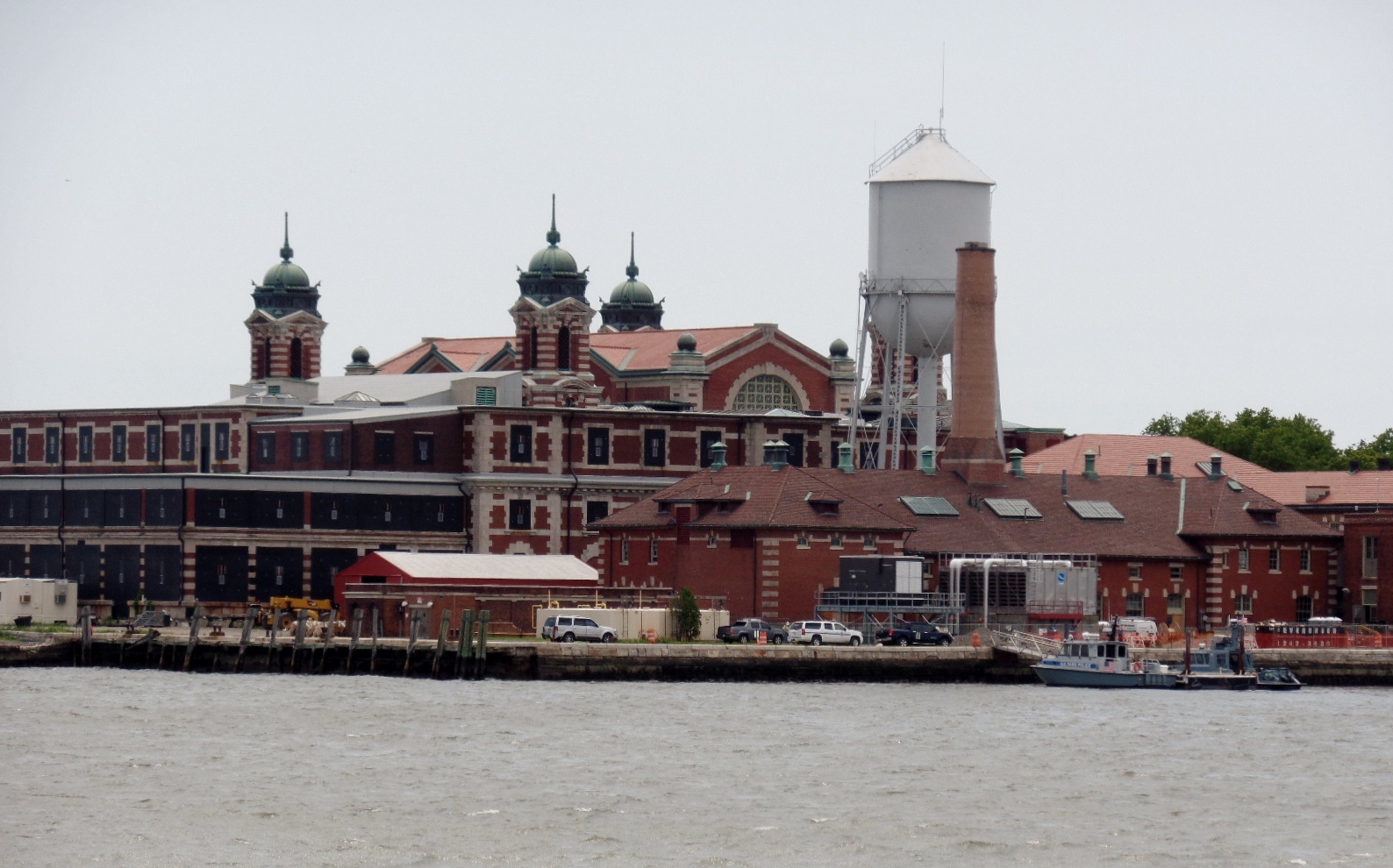
Ellis Island

Ellis Island

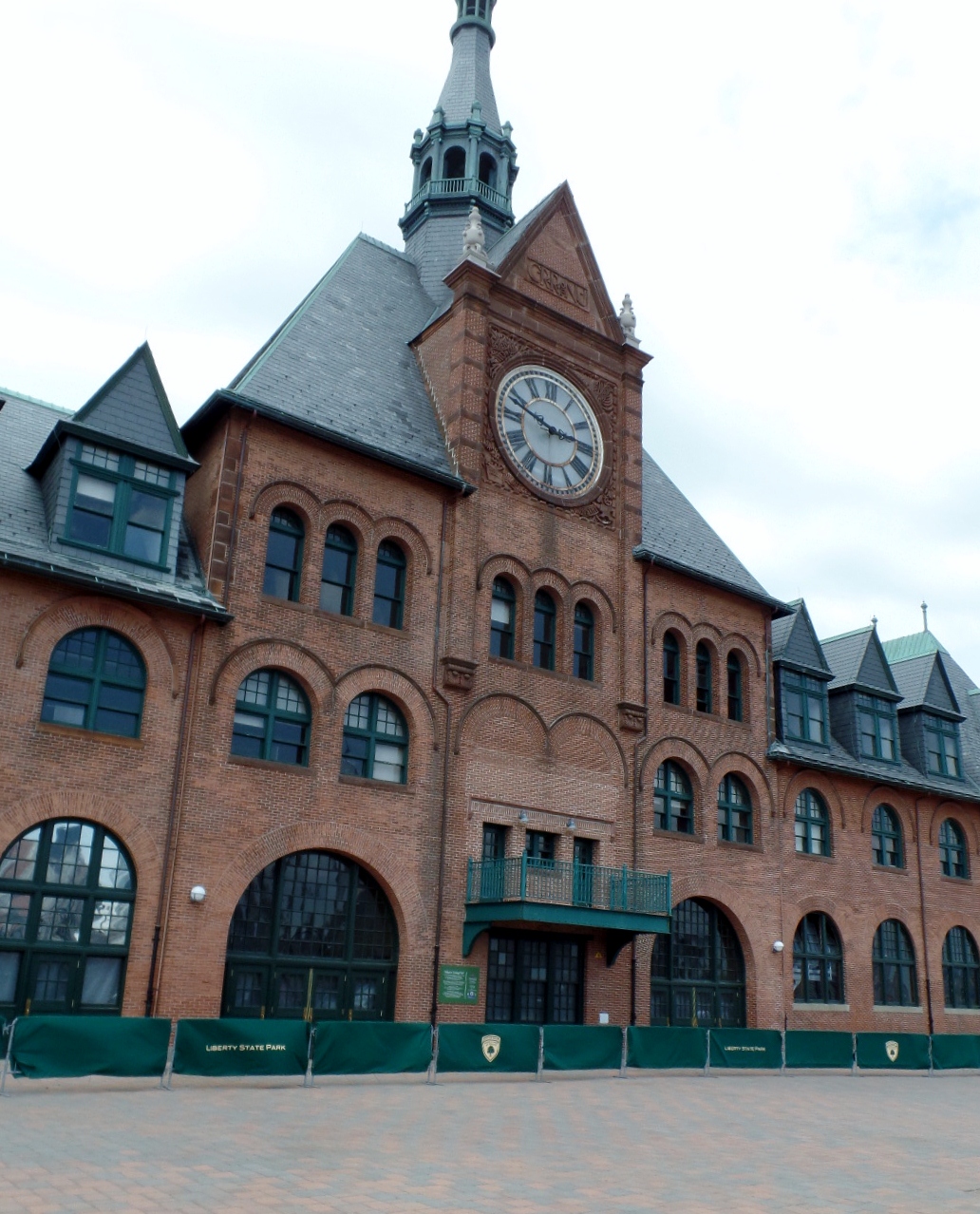
CRRNJ terminal

If you made it through Ellis Island, your next stop was probably the Central Railroad of New Jersey terminal

9/11 memorial

9/11 memorial

Liberty marina

Liberty Marina

Liberty House

View from the Liberty House restaurant

Goat on a bench

The king of the goat habitat

Posted in Uncategorized | Tagged , , , , , , | 7 Comments

Coding Our Future: Can We Survive Always On?

A much maligned malady of modern times is distracted driving. With email, text, social media and various informational and entertainment apps available on our dashboards or in our pockets it seems some cannot look away long enough to reliably drive themselves from one place to another. But with more devices, more connectivity and more functionality on the horizon that may just be a symptom of a larger issue, distracted living.

Girl on phone

(Ian L)

In some instances we’re there already. How many times have you found yourself talking to someone and had them look away in mid-sentence because their phone beeped the notification of a text, an email message, or maybe even a home run in a baseball game? There is even a word, nomophobia, that was been created to describe the fear of being out of contact with your mobile phone. Do you remember the video that went viral (for a day of two) of a woman walking through the mall staring at her phone until she fell face first in the concourse fountain? How many fathers have taken off work to see their child’s soccer game and then missed the kid scoring a goal because they were answering an email message?

The most oft-cited academic research on the impact of distracted living was the Stanford-based study of  “Cognitive Control in Media Multitaskers.” Clifford Nass, one of the authors, notes. “The research is almost unanimous, which is very rare in social science, and it says that people who chronically multitask show an enormous range of deficits. They’re basically terrible at all sorts of cognitive tasks, including multitasking.”

Multitasking

(George Hodan)

Folks, it’s only going to get worse.

You may, like me, have passed on Google Glass and maybe even were able to resist the wrist band activity tracker. What happens when you buy clothes with devices so small as to be almost invisible? Or when tiny computers are embedded in your jewelry or house keys or wallets?

And once display breaks away from the limitations of screens, there is no such thing as looking away. Navdy, a company that claims it is producing “Google glass for your car” is one of a few company’s building systems that will display information in your field of vision while you are driving. That’s supposed to improve distracted driving but University of Kansas psychologist Paul Atchley, interviewed in the New York Times, notes, ”The technology is driven by a false assumption that seeing requires nothing more than having the eyes fixed on the right spot.”

What is does show, however, is the feasibility of displaying information anywhere rather than keeping it encased on screens. Maybe in the future when the person you are talking to wants to read their email instead, they’ll see it on the wall in back of you so they won’t appear as blatantly impolite.

A recent article in the Harvard Business Review (Conquering Digital Distraction) suggests that “digital overload may be the defining problem of today’s workplace,” adding that “we waste time, attention and energy on relatively unimportant information, staying busy but producing little of value.”
Human resource consultants are fond of using the term “work/life balance.” Nobody talked about that when you left work at work and didn’t have devices that kept reminding you of it when you were eating dinner, hanging out with your family or just reading a book. Always on technology means always working for some.

New York Times writer Tony Schwartz describes the challenge: “Employees…have their rhythms set by the very technology invented to make their lives easier and free up time. Computers not only operate at high speeds, continuously, for hours on end, they also run multiple programs at the same time. We try gamely to keep up, but it’s a Sisyphean challenge and we’re doomed to fall behind.” (Escalating Demands at Work Hurt Employees and Companies)
Double call

(lusi)

What may be a productivity problem for an employer is a bigger problem for society at large.  Many social scientists bemoan a decline in social interactivity in favor of the screen tap kind of interactiveness. Our digital compulsion also contributes to a more self-absorbed mentality as our focus is pulled away from our environment and from those around us. More selfies, less scenery. Even if you’re not the driver, if you’re riding in a car and never lift your head up from your phone, what have you missed? Does it even matter where you are when you disconnect from your environment?

Our kids are clearly not immune to this. Many would rather watch a YouTube video of other people playing Minecraft then go out to play ball or ride a bike with their friends.

The HBR article cited above goes into some detail on two approaches for dealing with distracted living. One is to make use of the off switch. Keep technology away from certain settings like your bedroom or the dinner table and turn off your device after checking your messaging. That might not be so easy when digital information is liberated from screens.

The other approach is to treat technology with technology. The idea behind that is to use various apps that target and filter information so you only have to attend to that which is most important or relevant.  I don’t have a lot of confidence in that since I have enough trouble avoiding just blatant spam.

Having written this one might expect that I am pretty attuned to the problem and aware of how to avoid the pitfalls of distracted living. I’m not. I find that the more devices I have and the more information I view, the less likely I am to put it down or turn it off. I can’t wait on line for even a couple minutes without pulling out my phone and checking my messages. Nor can I sit with a morning cup of coffee without firing up my iPad.

While my etiquette is sufficient that I usually don’t pull out my phone while I’m sitting with someone in a restaurant, if that person gets up to go to the restroom, guess what I do?

Posted in Uncategorized | Tagged , , , , , , , , | 24 Comments

Trees

FogJoshua Tree

Portland Botanncal Gardens

Banyon Tree

Puerto Rico

Snow in tree

Posted in Uncategorized | Tagged | 3 Comments

Coding Our Future: Smaller, Smarter and Everywhere

Some of you may have seen the movie “The Imitation Game.” Set within a British intelligence service during World War II, it is a fictional account of the creation of what some have called the first computer. It is a monstrous concoction of switches, levers and spindles that, after churning away for several minutes, could decipher secret enemy messages.

Old computer

(cheriedurban)

My first exposure to a computer came a few decades later when, in a newsroom setting, we bought a cabinet full of hardware that went by the name of Mighty Mouse. It was a good six feet high and equally as wide with an open back so our marginally competent tech guys could do trial and error with the wiring if something went wrong.

Since then the real estate requirement for computing has progressively shrunk and become a lot more personnel. We’ve moved from desktops to laptops to handhelds. And the shrinkage in size has often been accompanied by an expansion in function.

That trend will continue. In fact technologists believe that computers will continue to shrink to the point of being invisible to the human eye. At that point you can’t plug them in or carry a battery, even if we do, as some believe, come up with batteries that last 50 years. So part of this development is about alternative energy sources like solar, or maybe even body heat.

The availability of micro computing will make the current generation of wearables seem like “wearing a boom box on your wrist” (The Future of Wearable Tech, Jen Quinlan). We have had some introduction to wearables. There was the much ballyhooed Google glasses, which didn’t last long as apparently looking like a distracted dork outweighed the advantage of being an early adapter. Somewhat more successfully there’s been a modestly wide take up of the Fitbit and similar activity tracking bracelets.

What’s to come? Jewelry is a prime casing for technology. At Google, there is an initiative underway called Project Jacquard which is researching the ability to weave computing capabilities into fabrics, thus making our pants a wearable device. Elsewhere researchers are looking at embedding devices in diapers to monitor a baby’s health. When computers become smaller than the naked eye can see, embedded devices and sensors can be planted virtually anywhere. Did you know there was such a thing as a “smart bottle” of Johnnie Walker Blue Label?

Internet of Things

(Jferrb)

The actual wearable device is not what is important to our future, but rather what it connects to and what information it collects. Because along with planting technology on individuals, the shrinkage of computing is what will make commonplace the “Internet of Things.” The technology research firm Gartner predicts that there will be at least 500 “smart objects” in the average home in the future. We already know about things like thermostats and security systems. Among the things that are candidates for future conversion from “dark assets” to “smart objects” will be door knobs, refrigerators, smoke alarms, air conditioning and heating systems, and water faucets.

It is at that point where the connection between wearables and the Internet of things really starts to impact how stuff gets done. For example a signature from your wearable device might unlock your door at the appropriate time. Or your bracelet could monitor your body heat and trigger the startup of your home air conditioning or heating system. Maybe if you start following a recipe on your smart phone, your oven will automatically preheat to the appropriate temperature.

The Internet of things won’t be limited to what you wear or where you live. It also means devices with memory and tracking capability on utility poles, buildings, traffic lights, transit vehicles and parking meters, to name a few.

And at that point what we have heretofore referred to as “big data” becomes gargantuan data. How we capture that and put it to use will have a lot to say about what our lives are like 10, 20 or 50 years from now. This series of posts will explore some of the questions about how technology changes our future. Can we survive always on? Will machines become smarter than humans? What happens to work? How do we get from place to place? Can we have both transparency and privacy?

Posted in Uncategorized | Tagged , , , , , , | 28 Comments

Post Disruption Local News and Why It Matters

Americans are more interested in local news than they are in international or national news, according to a Pew Research Center survey conducted in Denver, Sioux City, Iowa, and Macon, Ga.

NewsPew’s Amy Mitchell presented the findings of “Local News in a Digital Age” at Engage Local, the national conference of Montclair State University’s Center for Cooperative Media, on Tuesday at the Robert Treat Hotel in Newark.

The survey found a connection between news consumption and civic engagement. The very engaged follow news more closely and are more likely to read a daily newspaper, Mitchell said. And local news consumption tracks along with higher city satisfaction. In addition to the Pew research, Philip Napoli of Rutgers University presented findings from a study they did of three towns in New Jersey. Based on their focus groups, Napoli reported that one recurring theme was that news sources located outside of a community are not trusted.

And yet local news has gotten lost in the shuffle as traditional media was disrupted by the growth of digital. International and national news sources have made the transition, with varying degrees of success, and new digital first sources have added to the landscape. But “local news is stuck,” as noted by Report for America author Steve Waldman.  “Local media do not make enough money to support enough journalists.”

Another conference speaker, Marty Baron, executive editor of the Washington Post, talked about some of the things the Post has been able to do since being acquired by a billionaire. When asked about the paper’s local news coverage of the areas surrounding Washington he said it was “an issue we have to deal with.” Why? Because “hyperlocal is very expensive to do.”

Reporter

(Thomas Hawk)

The issue is that local news is labor intensive. Another of the presenters, Mary Barr Mann of Village Green, expressed it this way: “You can’t aggregate someone sitting at a planning board meeting for five hours to find out if they are going to build a post office.”

One of the most widely watched local news initiatives was Patch, a news platform which under the ownership of AOL at one time included some 900 staffed local news sites. AOL claimed, in 2010, that it intended to invest $50 million in Patch. Three years later they were laying off staff and reducing the number of sites and by 2014 they sold it off.

What Patch did accomplish was to focus a good number of journalists on local news and many of the folks that were discarded by Patch have been behind the creation of new hyperlocal news initiatives. For the most part they are one or two person operations. Some have to hold other jobs in order to keep going, while others are backed by spouses who pay the bills.

These local news entrepreneurs have found some creative ways to keep the lights on. BrooklynBased sponsors bar crawls in partnership with the Brooklyn Brewery. The Tuscon Sentinel has used Kickstarter to fund specific journalist projects like one to photograph every mile of the Arizona-Mexico border. The Village Green in South Orange and Maplewood, N.J., sells email subscriptions for $5 a month.

Waldman’s Report for America (available on medium.com) suggests treating local news as a public service. He drew a comparison with the way museums or orchestras are funded and supported. His proposal is to create a philanthropically funded center of experienced journalists that local news outlets can access for staffing.

So the search for the successful local news business model for the digital age continues. What was clear at “Engage Local” is that the audience is there, and so are the people who want to produce the content. All that’s needed is how to figure out a way to toss some money into the mix.

Posted in Digital publishing | Tagged , , , , , , | 4 Comments

If Newark is in the Middle of a Revival Why Don’t Newarkers Know About It

Is the City of Newark undergoing a Renaissance? Maybe. Is it benefiting the people who live in the city? Maybe not.

Those were the key questions Monday night at the town hall discussion sponsored by the Center for Cooperative Media of Montclair State University. “Renaissance or Gentrification – How Do We Discuss Redevelopment in Newark” took place appropriately at one of the most significant landmarks of the new Newark, NJPAC.

Town Hall panel

The case for a revitalized downtown is based on new residential communities, new hotels opening for the first time in decades, a world-class performing arts center and a best of breed hockey arena. Audible and Panasonic have chosen to headquarter in downtown Newark and Prudential remains the rock of the downtown economy. There’s even a Whole Foods being built.

But Newark being Newark, most are a little wary of waving the flag of triumph. Dale Russakoff, a former journalist who is about to publish a book about Mark Zuckerberg’s $100k donation to Newark schools, noted, “This is the 3rd time that public conversation has been that Newark is about to come back.”  Local real estate attorney Frank Giantomasi commented that “Newark’s renaissance is part of the expansion of Manhattan.” That means that if the economy goes south, development retracts back to New York.

Newark artist Akintola Hanif

Akintola Hanif

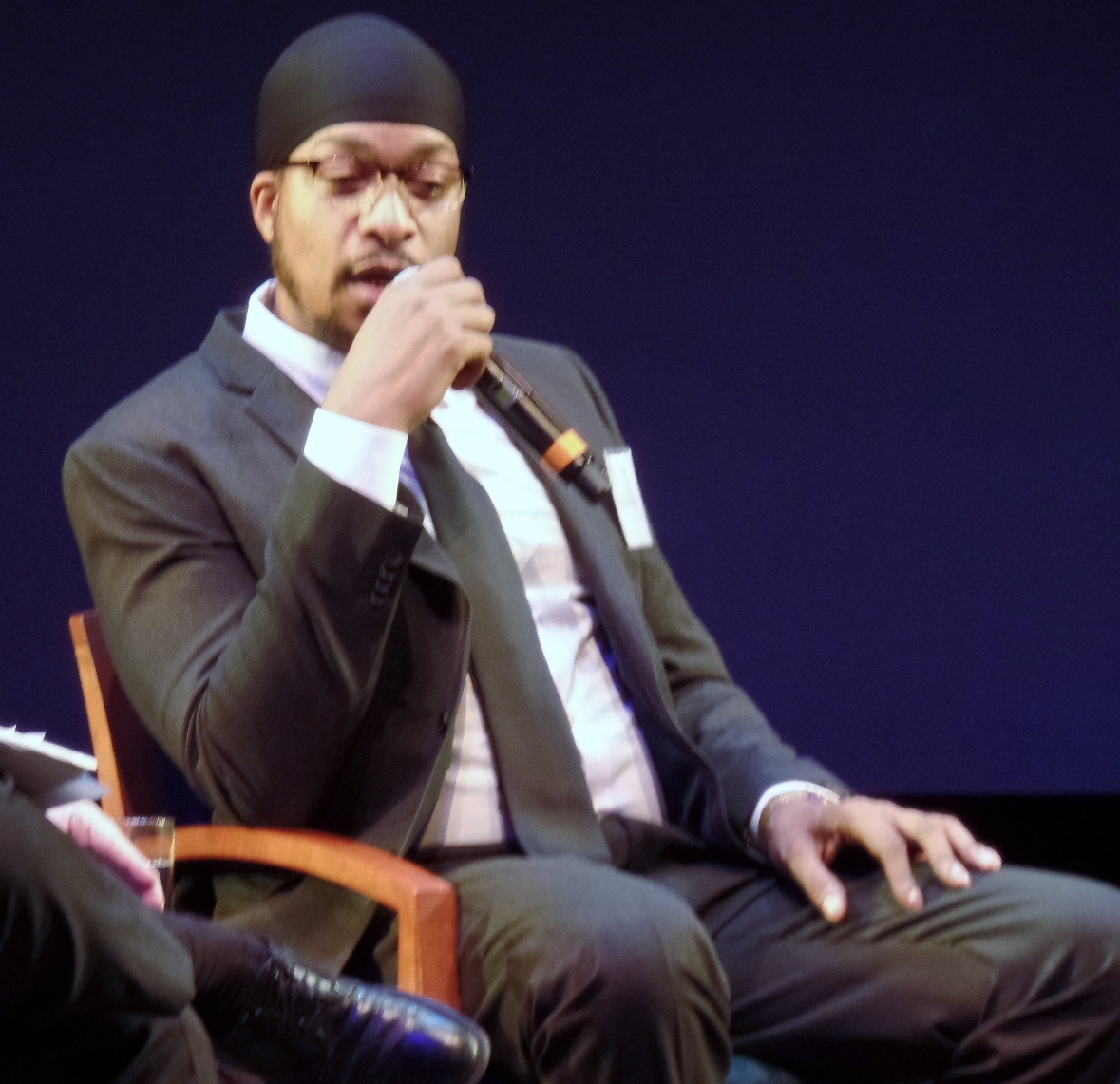
It was Akintola Hanif, prominent Newark artist and founder of Hycide Magazine, who succinctly raised the issue of how little this all might mean to most of the people who live in Newark. “We’re in the middle of a lie. No social renaissance is happening. The people of the community aren’t being included in the conversation.”

Giantomasi stated it another way: “As a Newarker a lot of things haven’t changed. From a business perspective we are seeing a renaissance.”

Deputy Mayor Baye Adofo-Wilson talked about how the administration is trying to address the needs of the community. He emphasized the importance of jobs and stated that developers who are building downtown are required to fill 51% percent of jobs with Newark residents. He also talked about initiatives to support home ownership in model neighborhoods and how the administration is trying to use eminent domain to take back foreclosed properties from the banks.

But there is no shortage of problems in Newark’s neighborhoods and members of the audience were quick to point some of them out:

  • Over 50% of mortgages in Newark are underwater.
  • The highest paid positions are held by people who work in Newark but don’t live there.
  • There’s a long history of heroin in the city.
  • The rental structure doesn’t support the cost of construction.
  • Newark’s many colleges and universities graduate 10,000 a year, but few stay in the city.

And the state of the media in the city is itself a problem. Merrill Brown, director of the School of Communication and Media at MSU, commented that “media has never been as weak and limited as it is today.”

Although not mentioned by name part of the reason for that is the once viable Newark Star-Ledger newspaper has been decimated by cutbacks and most of the staff has been moved out of Newark by owner Advance Media which centralized the newsroom for the Ledger, other papers it owns and its Web sites at a suburban location in Woodbridge.

The lack of vibrant local media was cited by the panelists as one of the reasons why the issues discussed at the town hall are not being widely debated. Derek Ware, publisher of GlocallyNewark.com, emphasized the lack of good stories being reported about Newark.

So what was the good story to come out of the discussion? That there are a lot of people in the city who are proud to call Newark home and want to make it better.

Posted in Uncategorized | Tagged , , , , | 5 Comments

Paterson Art Walk 2015

Ama La Vida mural

The Paterson Art Walk, now in its 7th year, takes place in the 19th century buildings that once housed the mills and factories that made Paterson one of the most important industrial centers in the U.S. Part of the Great Falls Historic District, these buildings, which are still largely in their original condition, host large installations, pop-up galleries and open artists’ studios.

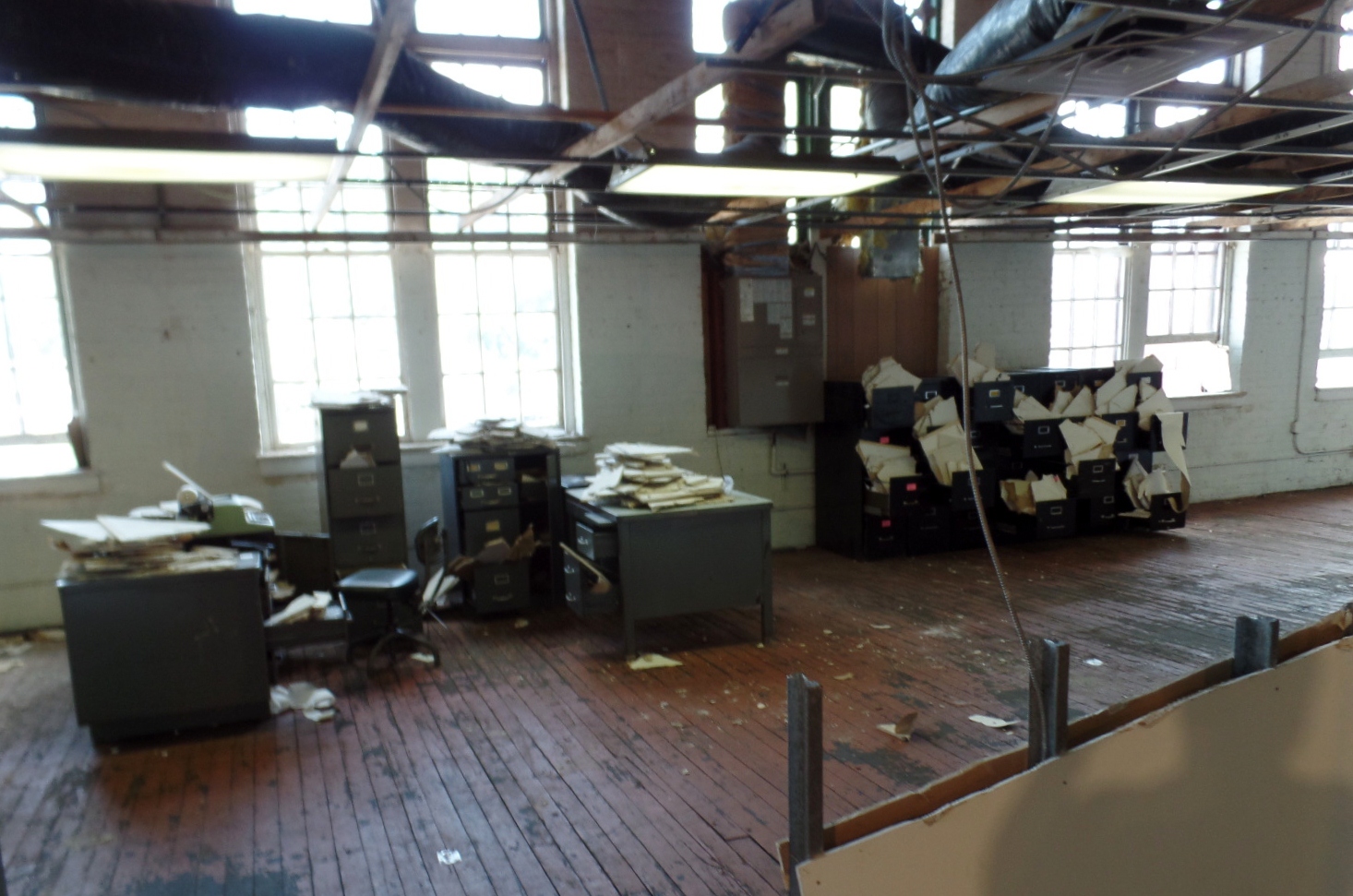
Office, deconstructed

Office, deconstructed by M. Gosser

Ashton Glass Factory

Ashton RI Glass Factory, Anker West

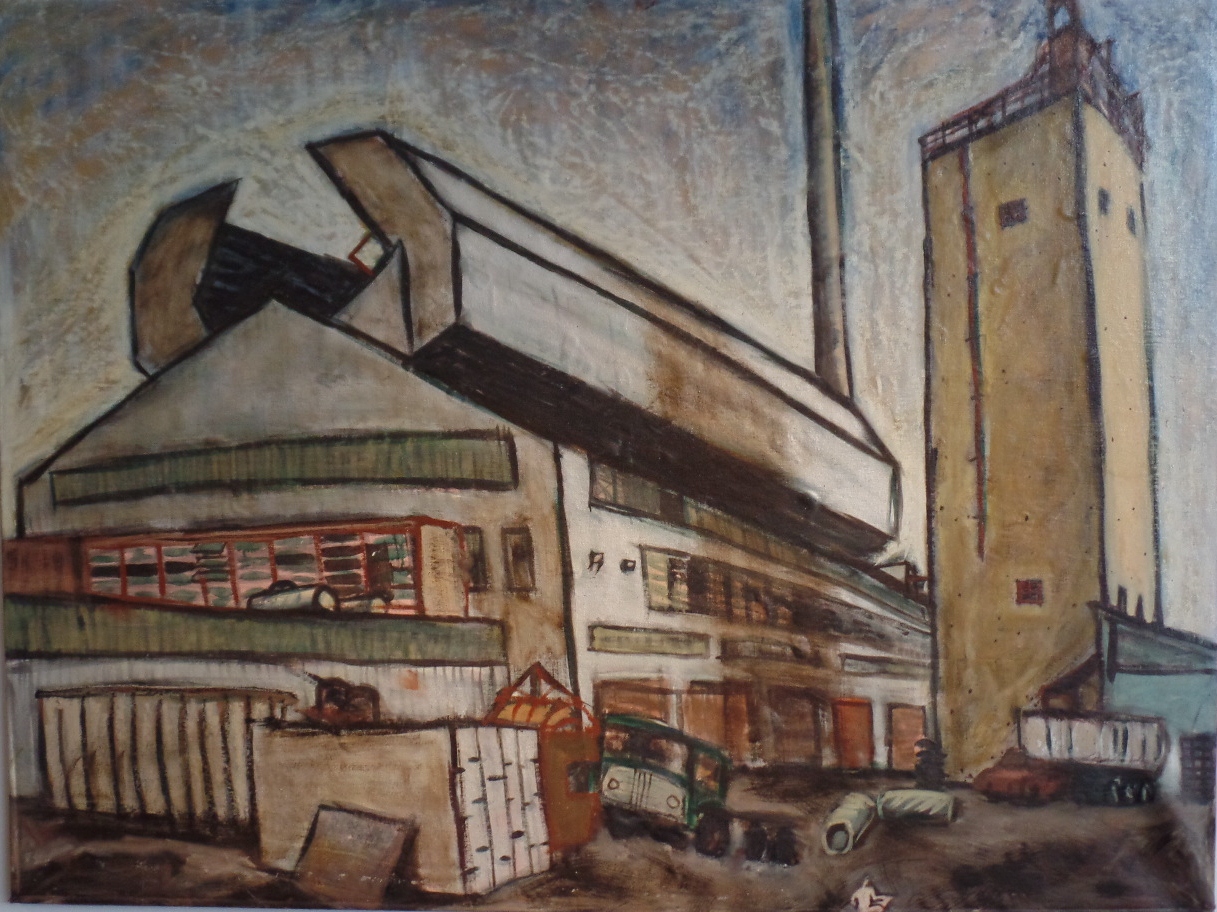
Power Plant Dawn

Power Plant Dawn, Kevin McCaffery

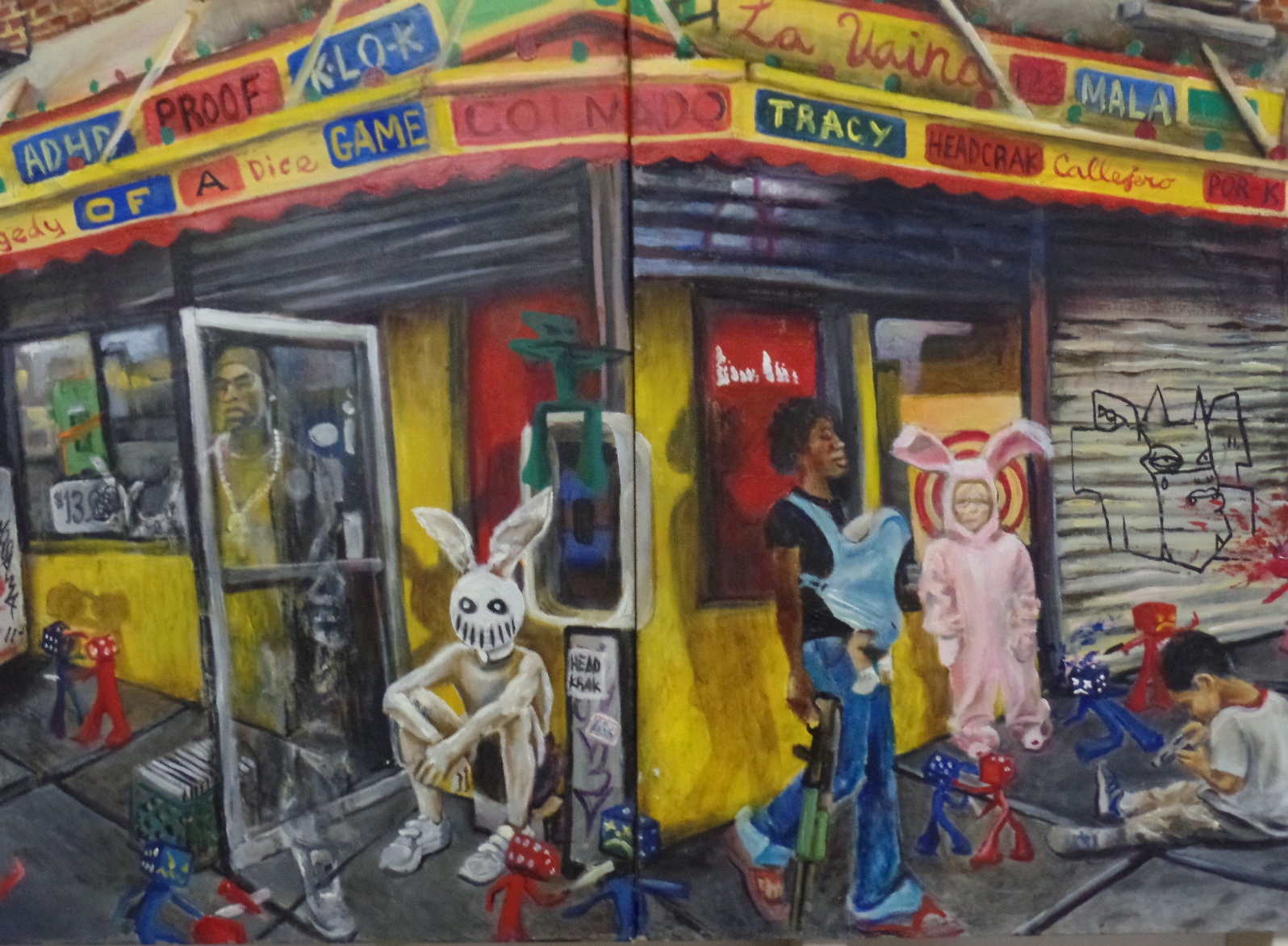
Tragedy of Dice Games

Tragedy of Dice Games, Josama

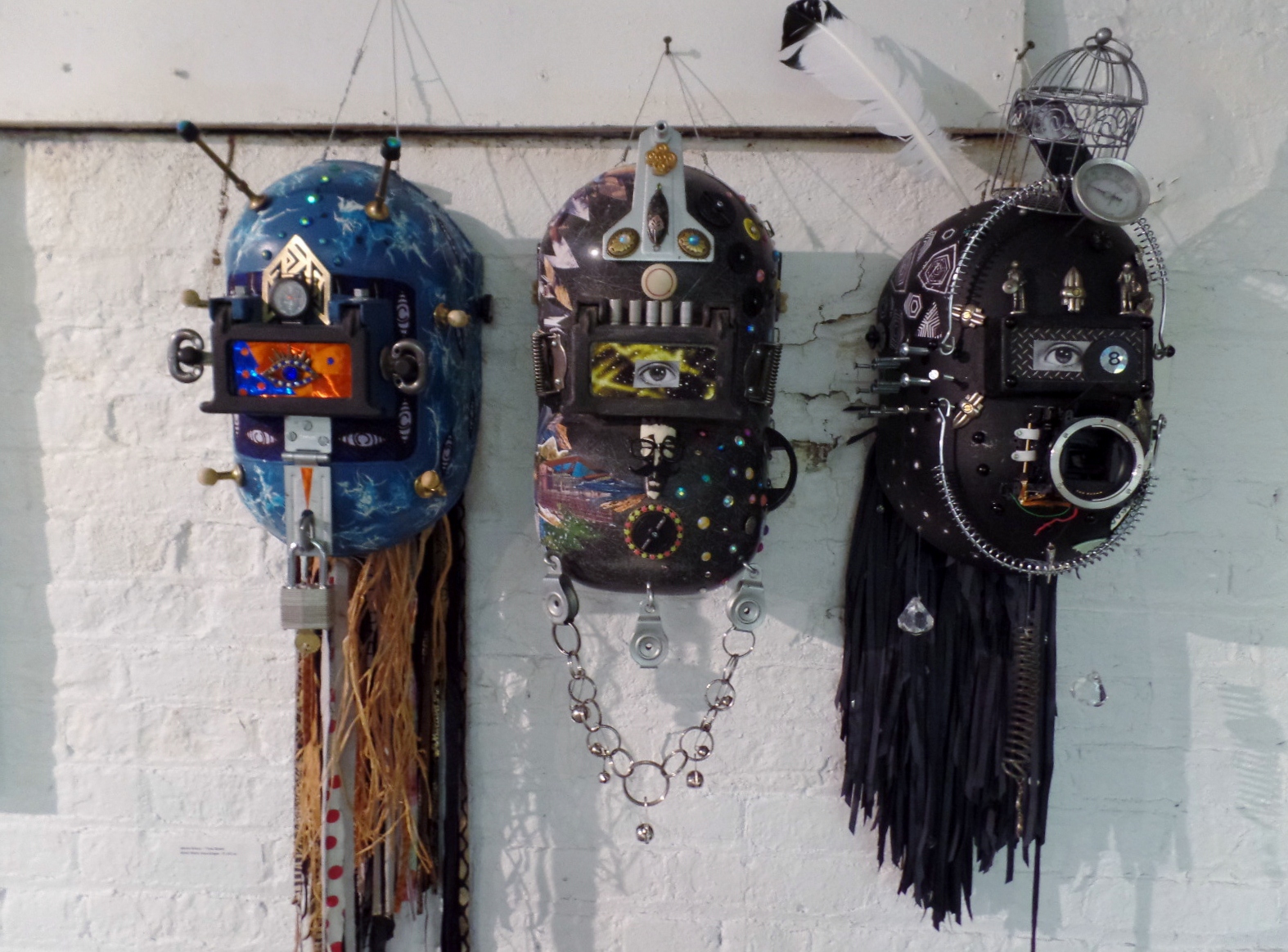
Three Masks

Three Masks, Mansa Mussa

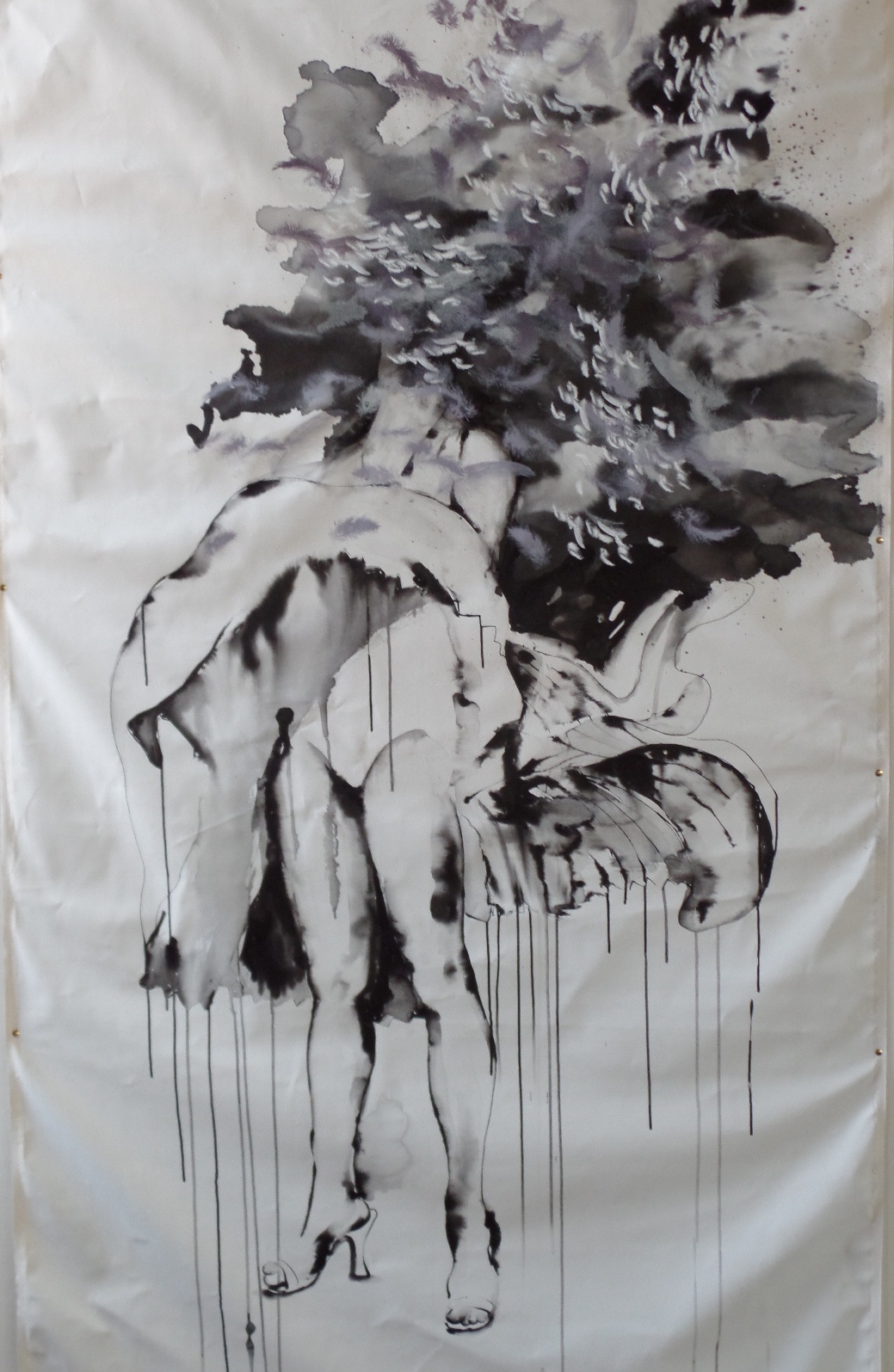
Busted

Busted, Tania Sen

Eladio Alvarado Mauriz

Eladio Alvarado Mauriz

Daddy Long Legs

Daddy Long Legs, Peter Whitney

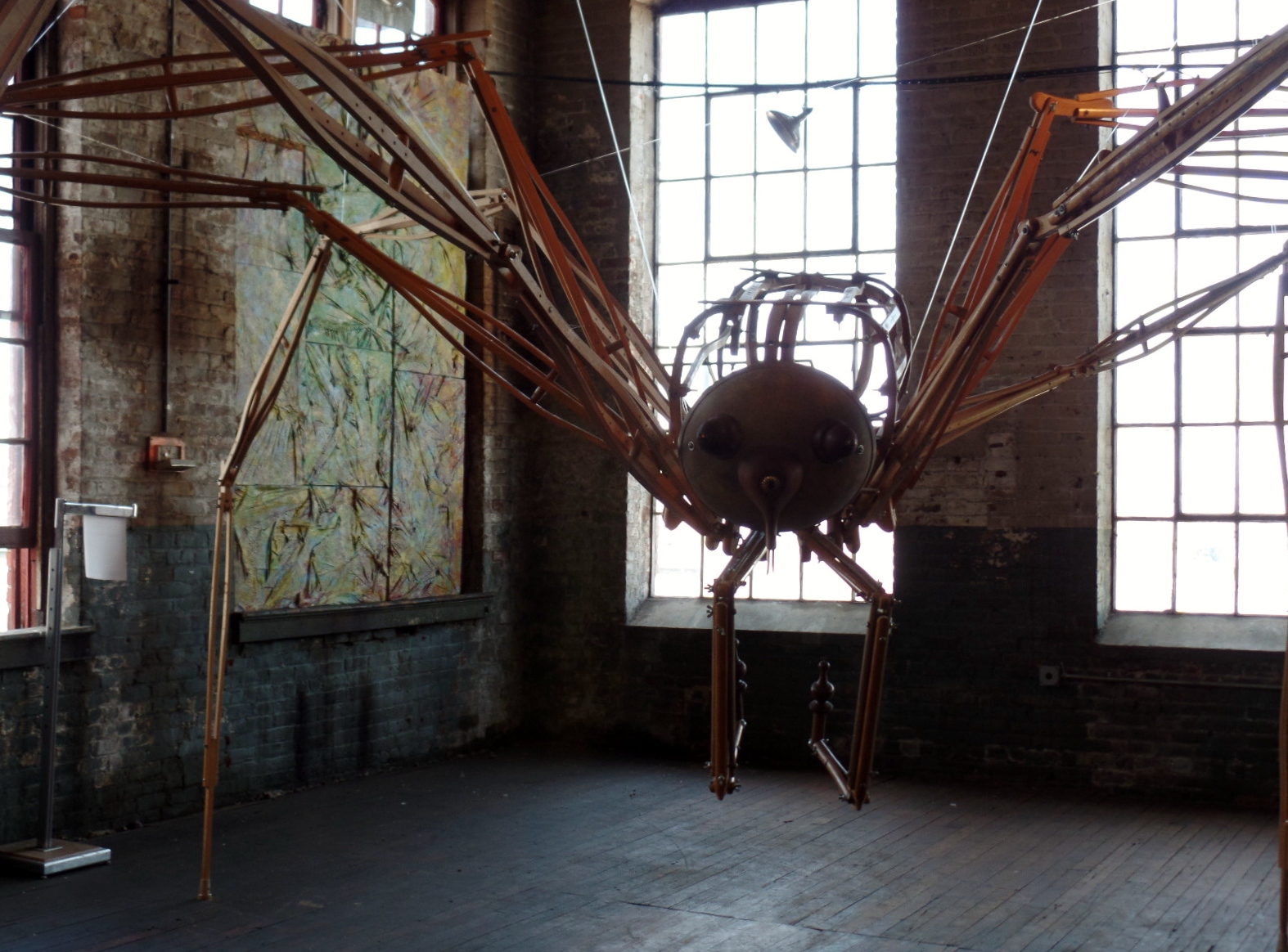
Mosquito

Mosquito, Emil Silberman

Spruce Street mural

Part of mural at 70 Spruce St.

See also Paterson Art Walk 2014.

Posted in Art | Tagged , , , , , | 21 Comments

Techonomy Policy Conference: Two Senators and a Geek Make the Case Against Regulation

Regulation is the enemy of innovation. That was the clear conclusion of two non-presidential candidate senators and a high profile Silicon Valley personality at Tuesday’s Techonomy Policy conference in Washington.

Cory Booker, Democratic Senator from New Jersey; Deb Fischer, Republican Senator from Nebraska; and Sean Parker, whose tech engagements include Napster and Facebook, got together on stage to shoot some barbs at the regulators during a panel discussion on “Technology Innovation and American Progress.”

Booker proclaimed that America is in danger of losing its position as a leader in global technology. “We are now choking innovation rather than creating an environment where innovation can flourish.”

Parker noted that companies like Facebook and Napster were able to grow before there was much regulation in place. He added, “Technology leads in terms of transforming society and government and politics have to catch up.”

One of the specifics Parker pointed out was the FDA approval process. Unless that is changed he predicted that “20 years from now we’ll be going to China to buy drugs.”

The patent office is another part of the bureaucracy that stymies innovation. “We need a 21th century patent office,” Booker said, “a patent office that doesn’t restrict or price out innovation.” In response to a question from the audience, he also agreed that legislation is needed to stop patent trolls. Patent trolls are lawyers who represent holders of patents that are often old and obsolete, and then go after companies that they claim are violating that patent. Their cases usually range from vague to preposterous, but the companies they attack will often settle to make them go away.

“Have can you have a group of lawyers just going after innovation,” Booker said. “They don’t create anything.”

While technology is often seen as the cause of job loss, Parker sees it as a way to keep jobs and bring some of them back to the U.S. Automation potentially gives us the ability to compete in a global market in industries where jobs have been lost to foreign competition due to lower salary costs. “Tech can bring some of this back to the U.S. ,” he said, but “we have to fix the bureaucracy.”

Booker and Fischer pitched themselves as bipartisan senators who work together to get things done, brushing aside the narrative of a legislature gridlocked by partisanship. But they also offered a lot of reasons why things don’t happen in Washington. “If you really want to get something done with government don’t ask for a government study,” Fischer counselled.

As an example of how the Senate isn’t keeping pace, Booker noted that it still doesn’t even use cloud technology.

Fischer summed it up: “Technology moves fast, government moves slow.” No surprise there.

Posted in Technology | Tagged , , , , , , , , | 1 Comment

Techonomy Policy Conference: The Sharing Economy and What It Means for Work

Many of us use or at least have heard of peer-to-peer sharing services like Uber, used in lieu of taxis, or Airbnb for rental of homes. But did you know about these:

  • Getaround. Rent other people’s cars.
  • Yerdle. Where you can check out other people’s unused stuff.
  • Traity. An online reputation service where you can build a profile and import endorsements from services like eBay and airbnb
  • eaze. Promises to deliver medical marijuana to your door.
  • Funding circle. Provides loans to small businesses that “the banks have left behind.”

At today’s Techonomy Policy Conference in Washington, Arun Sundararajan of NYU Stern School of Business talked about the two narratives that go along with the development of the sharing or on-demand economy. One is that of empowered entrepreneurs. The other is the “race to the bottom” in terms of wages. In Sundararajan’s view, neither is entirely true.

Uber, Lyft and other ride-sharing services are a good example of the uncertain impact such services have on jobs and employment. The taxi companies are quick to claim that these services will potentially put licensed cabbies out of work. But some say Uber and others are creating more jobs than they are replacing and some Uber drivers claim to do far better than they could with a cab company.

This is also an example of what Sundararajan referred to as the “blurring of the lines between personal and professional.” The employers of the professionals are quick to note the lack of license or certification of the ride-sharing driver.  (I live in the New York area and every time I get in a cab the driver is on the phone for the entire ride. Professional?) But when we use an app to get an on-demand ride, or apartment for the night, or dog walker, Sundararajan says “We are willing to trust semi-anonymous peers based on certain digital signals.”

The on-demand economy is growing outside of the regulatory framework we are accustomed to. When we think of regulation, we usually think of government, but that’s not where Sundararajan thinks we should look. He discussed the feasibility of self-regulation using as an example local homeowners associations as potential local regulators of real estate rental services.

There are other implications for what Sundararajan described as the unbundling of employment. We need a new way to categorize employment as more and more workers piece together work rather than taking on full time jobs.

He also noted the need to create a safety net for these workers. The existing safety net, income stability, workmans’ comp, disability are all keyed off of full-time employment.

You read more of Sundararajan’s views at his home page.

Posted in Technology | Tagged , , , , , , | 2 Comments