Chihuly Nights
New York Botanical Garden
(through the end of October)

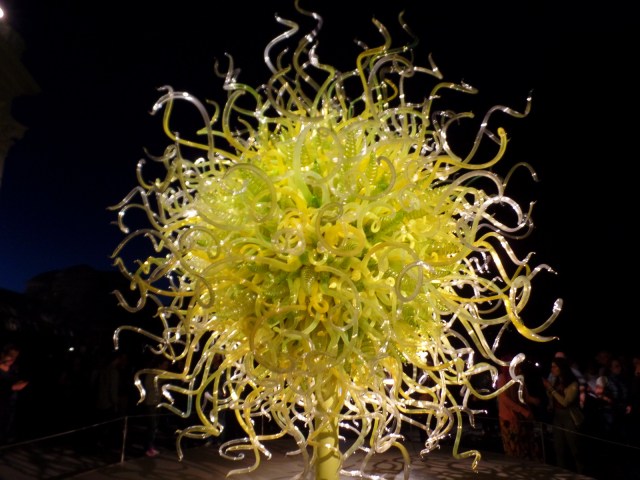
Sol del Citron

Neon

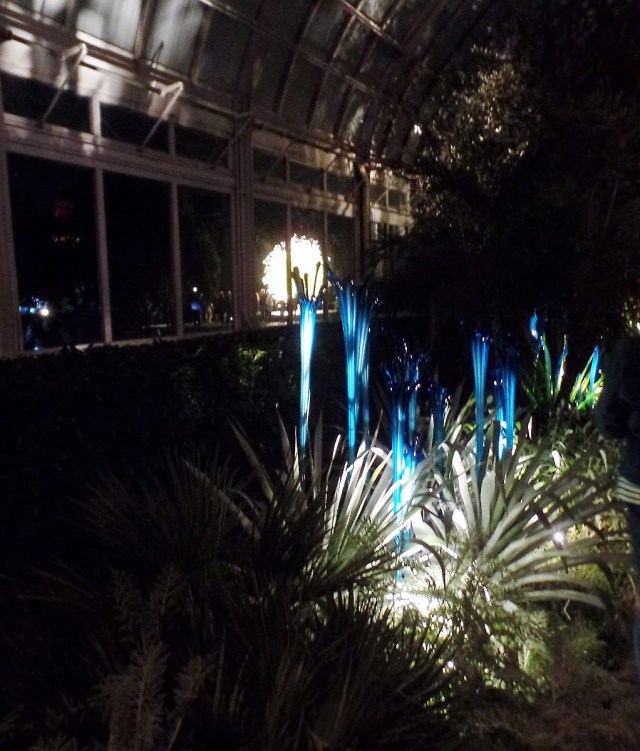
Red Reeds with Logs

SAMSUNG CAMERA PICTURES


Sol del Citron

Neon


Red Reeds with Logs

SAMSUNG CAMERA PICTURES

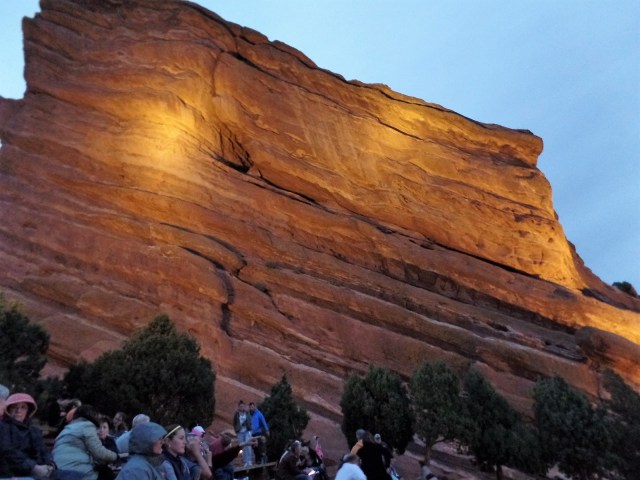
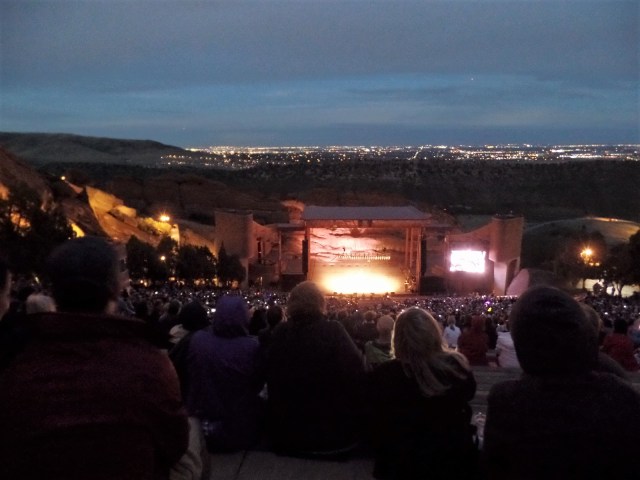
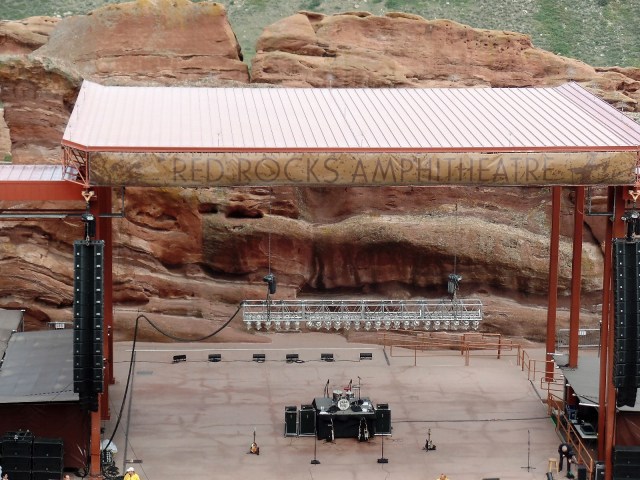
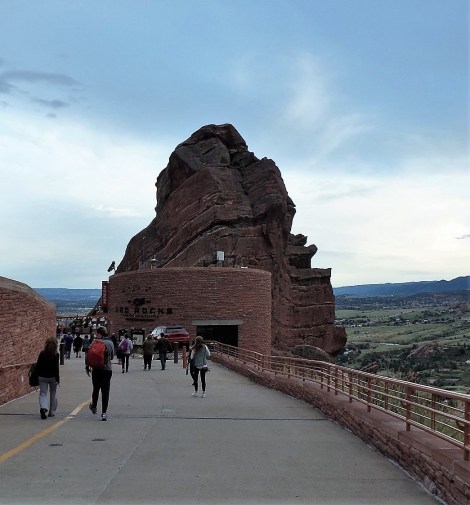
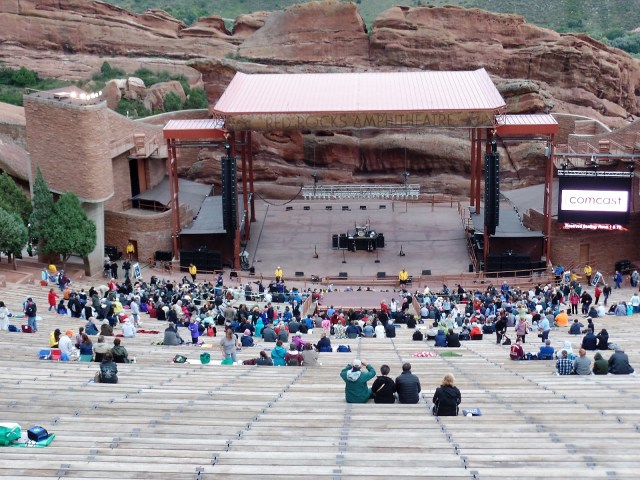
Red Rocks Amphitheatre


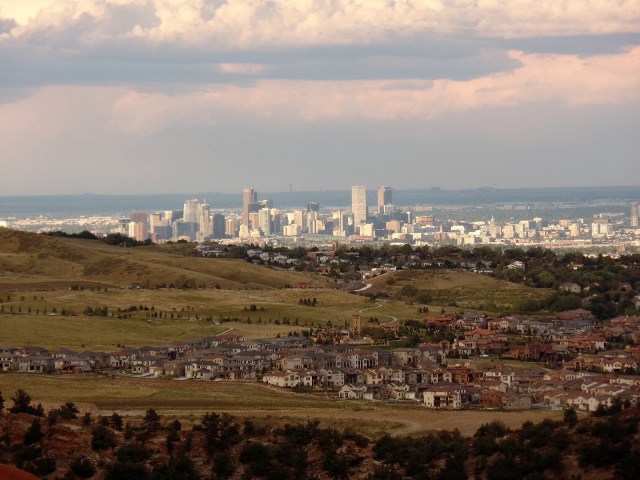
Denver skyline from the top of the amphitheatre


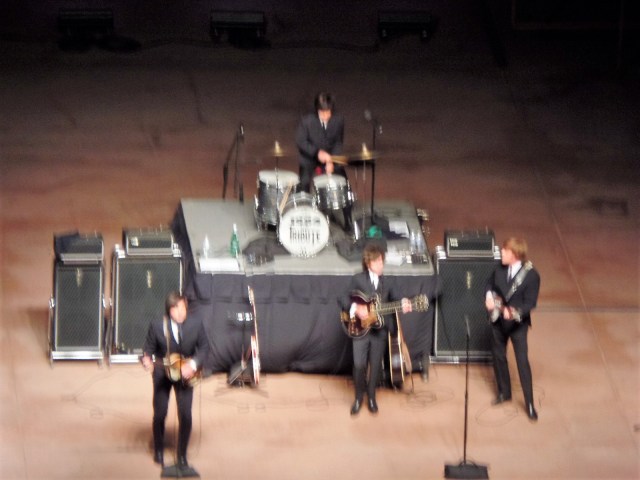
The Beatles played the Red Rocks Amphitheater in August of 1964 on their first American tour. This is not the Beatles, but rather a mediocre cover band called 1964 Tribute.

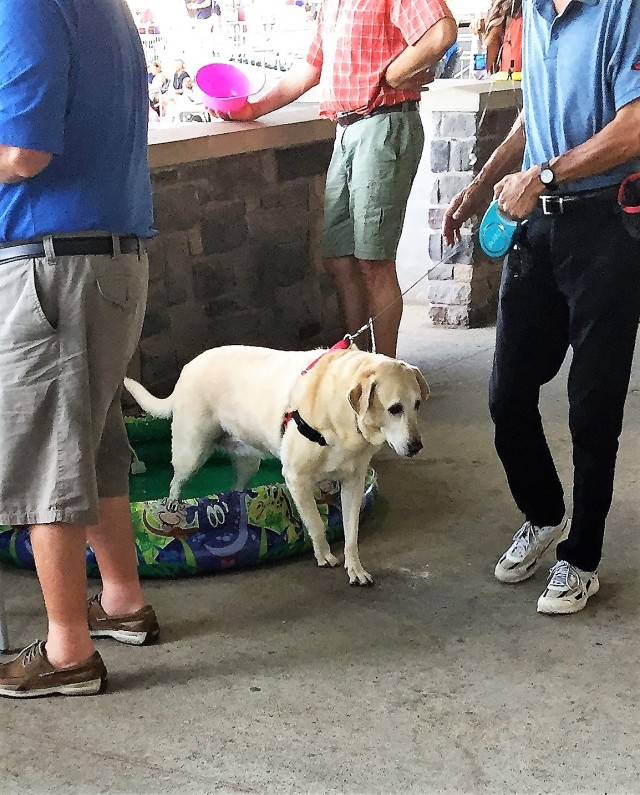
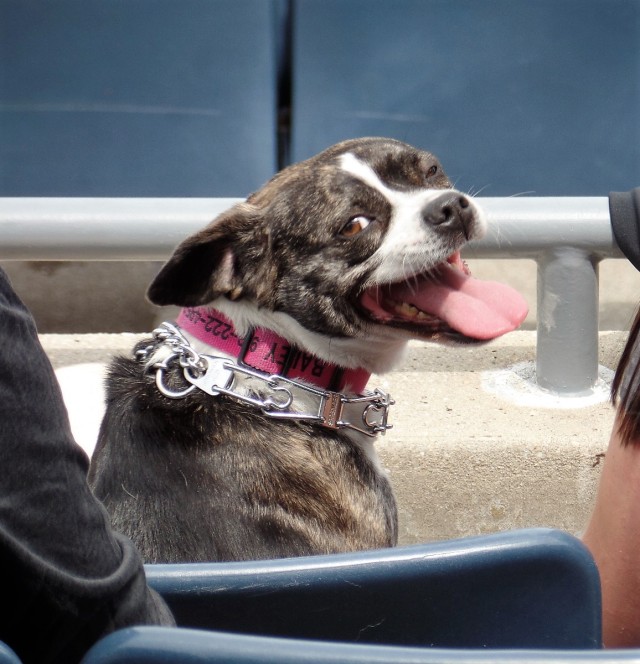
In some places they call it Bark in the Park. Others say Pets in the Park or Dog Days. Whatever they call it, minor league baseball teams, and especially the independent league teams that have to try every trick in the book to fill the seats, have discovered that if you invite dogs to the game they come with a ticket-buying owner or two. These photos show some of the canine fans of the Suxxex County Miners and the Rockland Boulders. And they’re happy to be there. There is nary a bark at Bark in the Park.

Cooling off at Palisades Credit Union Park in Pomona, N.Y..


Buck Owens guitar case
Webb Pierce’s car at Country Music Hall of Fame

Hatch Show Print has been in business in Nashville since 1879. Their first print job was a handbill announcing the appearance of the Rev. Henry Ward Stowe, Harriet Beecher Stowe’s brother. For much of its history, from the 20’s until 1992, Hatch was housed at the Ryman Auditorium, the historic home of the Grand Ole Opry. Hatch still prints 200 posters for each show at the Ryman. They’re sold to patrons for $20.


Ernest Tubb Record Shop. If it ain’t here it probably ain’t country.
Jack White’s Third Man Records
Carter Vintage Guitars

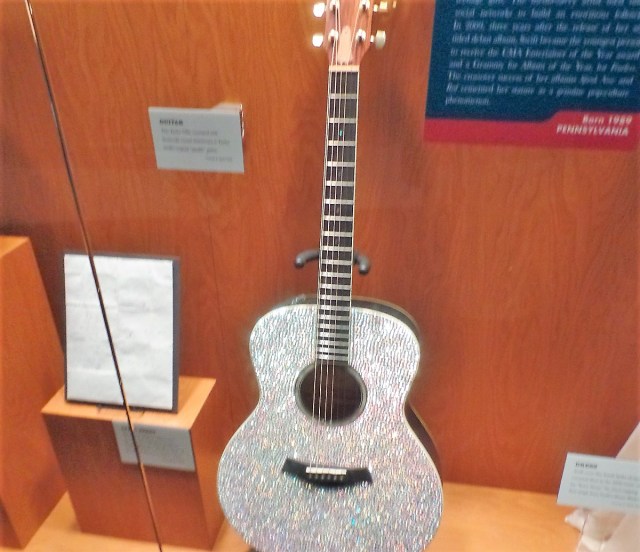
Taylor Swift played this one
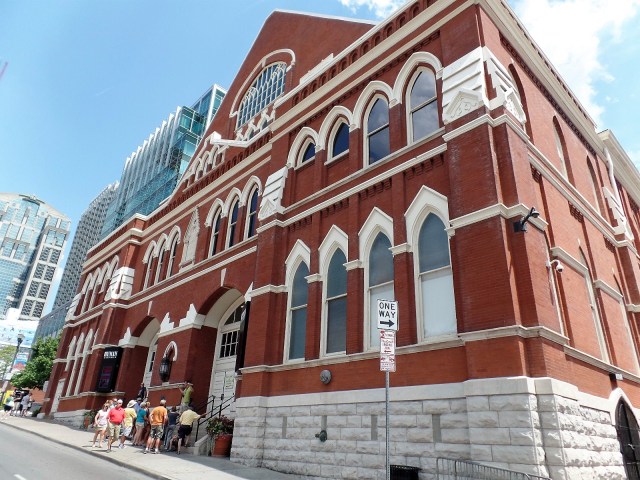
That was the name given to the Ryman Auditorium during the 30+ year stay of the Grand Ole Opry. The building itself dates back to 1892 when it was called the Union Gospel Tabernacle. It was renamed the Ryman upon the death of Thomas G Ryman who raised the funding for the building. In addition to sermons, the Ryman, in its early years hosted music like John Philip Sousa’s Band and speakers that included Susan B. Anthony and Booker T. Washington.

The Opry left the Ryman in the 70’s for seemingly greener pastures. The old auditorium underwent a renovation in the 90’s and still serves as a downtown venue for a wide range of music. This fall’s schedule includes UB40, Boz Skaggs, Ben Folds, Mary Chapin Carpenter and Kesha. Jason Isbell is booked for a week of shows and the Academy of Country Music Awards presentation is this week.

When the Opry left the Ryman it moved a few miles outside of downtown to an off-highway location. It built a bigger and more spacious facility, but no doubt lost some character. But once you get inside….
The Opry is a pretty unique show. It features multiple acts that do two or three songs at the most. On the night I attended there were 11 performers in a two hour time frame. But this isn’t amateur hour talent show, there were Grammy winners, County Music Association award winners, even one Country Music Hall of Fame member. And it’s a live radio show that you can hear on WSN Online There’s even a live radio announcer reading commercials after every couple of songs.
Before I went to Nashville, I would have told you I’m not that interested in country music. I’ll never say that again.

Riders in the Sky


(Photos are from the Johnny Cash Museum)

Pat LaFrieda filet mignon sandwich. Delicious. But costs about as much as an upper deck ticket.
the classics

Blue Smoke pulled pork. Tastes much better than it looks in this picture. This was a late inning buy. The staff had lost interest in presentation.
Burrito bowl with beef brisket and roasted tomato salsa

and for a chaser

Considering that I ate all this other stuff, I didn’t think a stop here would help that much.


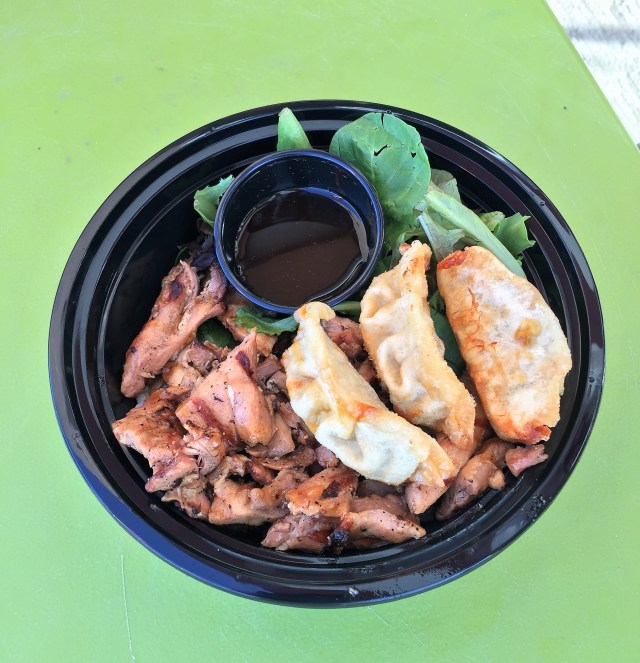
Chicken teriyaki and dumplings. One of the best ballpark meals I had.

The best straight-up hot dogs I had were at Sussex County

Best deal of the summer. (And they’re every bit as good as they look.)

Italian sausage with peppers and onions. In a state where there is an Italian deli on ever block, they could do a lot better than this. By the way, I went to several Miners games. I didn’t eat all this at one game.

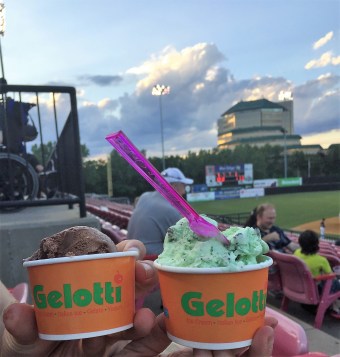
Jackals gelotti

Yikes! Look a the sugar on this one.
At the very end of the 19th century, some 100,000 or so prospectors made their way north toward the Canadian Yukon in search of their fortune. Most of the participants in the Klondike Gold Rush came away empty handed. It has been estimated that
only about 4% found gold. But some others learned they could make a fortune off of these fortune seekers. Because when some of the guys did score some gold dust, they might go over to the nearest pop up town and look for some loving. And that’s when they’d head on over to Fred Trump’s place.
16-year-old Friedrich Trump, grandfather of Donald Trump, arrived in the U.S. from Germany in 1885. If you are just counting cash, Grandpa Trump was an immigrant success story. But, like some of his descendants, he had an erratic relationship with the truth and with the law. Trump lied about his age to become an American citizen. He built one of his first establishments in Washington state on land he didn’t own. On his way up to the Yukon he set up a canteen on a dangerous mountain pass known as Dead Horse Gulch. It got its name from the number of dead animals that lay strewn across the pass as a result of owners who whipped them to exhaustion. What did Trump serve at his canteen? Horse meat. Today we might call it road kill.

Trump started out in New York working in a barber shop. After a few years he headed west seeking his fortune. His first venture was to buy a restaurant called the Poodle Dog, which he later renamed the Dairy Restaurant, in the middle of Seattle’s red light district. David Cay Johnson, author of The Making of Donald Trump, describes another of Grandpa Trump’s early ventures: “On a piece of land he didn’t own, right across from the train station, Friedrich built a hotel of sorts—one intended mostly for, shall we say, active short stays, not overnight visits.”
But where Trump made his real money was in gold rush territory. He opened a restaurant called the Arctic with a partner in the town of Bennett, British Columbia. Bennett was a way station for fortune seekers headed north. On the menu was salmon, duck, goose and swan. High end stuff for gold rush country. And it was open 24 hours. But, alas, it was no place for family dining. An ad in the Bennett Sun in 1899 mentioned the “private boxes for ladies and parties.” These boxes came equipped with a bed and a scale. We know what the bed was for, but the scale? I found this answer in the Canadian news magazine Macleans: “’Ladies of the night’ often hiked the trail in skirts, and they stayed at the Arctic Hotel to entertain gold diggers, using a scale to weigh gold powder for payment.”
A new railroad line eventually bypassed Bennett. Trump disassembled his restaurant, loaded the lumber onto a barge, and reopened in Whitehorse, the terminus of the rail line.
Pockets full, Grandpa Trump hightailed it out of gold rush country in 1901 amidst rumors that the Canadian Mounties were about to begin enforcing prostitution and alcohol laws. He headed back to Germany where he married Trump’s grandmother. But he didn’t stay long. The Germans, determining that he had left to avoid military service, tossed him out. So he picked up his 80,000 marks (estimated to be the equivalent of a half-million Euros today) and headed back to New York where he made the first Trump family real estate investments.
Was the Trump family fortune originally earned on the backs (or should we say some other body parts) of the sex workers of the Yukon? No one really knows for sure whether the profits came from the roasted duck or the ‘sporting ladies.’
Much of what we know about Trump’s grandfather comes from the research of Gwenda Blair, author of the book “The Trumps: Three Generations That Built an Empire.” That book was written in 2000, long before we thought Trump was a serious Presidential candidate.
Trump himself has denied the whole story. He claims his grandfather was of Swedish descent. But it is believed the Swedish heritage claim was started by Trump’s father who, during the years between the world wars, had a number of Jewish customers for his real estate business and wanted to hide the German heritage of his parents.
When he finds out there is money to be made, Trump might change his tune. In true Trumpian entrepreneurial fashion, some Canadians are trying to restore the Arctic and make it a tourist attraction. Imagine the lure, for the American tourist in particular, of getting to bring the family to the site of our 45th President’s grandfather’s whorehouse.
(Photos from the New York Public Library public domain digital collection.)

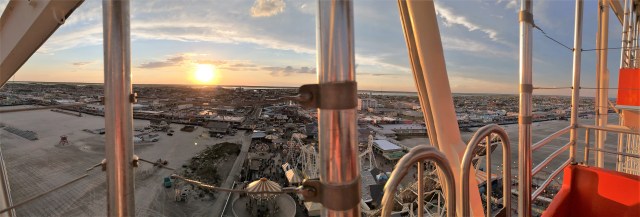
Sunset over Wildwood, from the top of the Mariner’s Pier ferris wheel

Sea Isle City near Townsend’s Inlet

Beach entrance, Stone Harbor

The Wetlands Institute, Stone Harbor

Wetlands Institute, Stone Harbor

Sunset over the bay in Avalon

The beach in Wildwood

Scarlet and Yellow Icicle Tower

Red Reeds on Logs

with duck and ducklings

Macchia Forest

Persian Pond and Fiori

Neon

White Tower with Fiori

Sol del Citron

Edison’s first sound recording was of himself singing Mary Had a Little Lamb. But the inventor saw the phonograph as something with far more uses than just recorded music. Among his suggestions for future uses of the phonograph were:

The first phonograph ‘records’ consisted of a sheet of aluminum foil wrapped around a cylinder

This tower stands at the site of Thomas Edison’s Menlo Park, N.J., lab which was built in 1876. The original tower was built in 1929 on the occasion of the 50th anniversary of the invention of the light bulb. That tower was destroyed by lighting and was replaced by this one which was built in 1938. Atop the tower is a replica of the Edison light bulb.

Edison was not the first to create a light bulb. But the earlier versions were expensive, didn’t last and used up large amounts of energy. Edison promised, “to make electricity so cheap that only the rich will burn candles.” He produced a bulb that ran on a generator and lasted 13.5 hours.
One of the first buildings to be illuminated with Edison’s electric light bulbs was Sarah Jordan’s boarding house. “Aunt Sallie” was a distant relative of Edison’s. She left her home in Newark at his behest to run a boarding house in Menlo Park for Edison’s single employees (all male). It was the best lit place in town.

Replica of Black Maria at the Edison National Historic Park in West Orange, N.J.
Black Maria was the nation’s first film studio. The slanted roof on the right side of the studio would open and allow the sun to shine on the stage. As the hour of the day changed the position of the sun, the staff would get out and rotate the studio to keep nature’s spotlight on Edison’s motion picture stage.
In 1894 a kinetoscope parlor opened in New York City. The kinetoscope was an individual viewing machine with which a customer could insert a quarter and see some of the films produced at Black Maria. Among the early titles were Blacksmiths, Barber Shop, Cockfight, Wrestling and Trapeze.


Edicraft sandwich grill
Edicraft was one of Thomas Edison’s companies that was housed at his lab in West Orange. Edicraft produced “electric servants” like the waffle maker below in the 1920’s. But alas, the Depression destroyed the market for luxury kitchen appliances and Edicraft went out of business in the 1930’s.

Waffle maker

Edison’s West Orange laboratory, originally opened in 1887, has been preserved as the Edison National Historic Park

Edison’s desk

The machine shop in West Orange