
Oil and Water by P.J. Lazos
What’s an environmental thriller? Climate change armageddon? Or maybe something along the lines of a serious version of Little Shop of Horrors?
 P.J. Lazos’ Oil and Water, an environmental thriller, is about big oil. If you’re not a fan of big oil, this book will only give more fuel for the fire. Think arrogant guys smoking cigars with their feet on their desks pooh-poohing the latest ecological disaster their corporation is responsible for. There are oil spills and oil leaks, but that’s only the beginning of the environmental issues Oil and Water raises. Even Saddam Hussein makes a cameo in this story as an enemy of Mother Nature.
The novel begins with seemingly random death and destruction. Four hundred and some odd pages later it is all tied together. That’s the thriller element.
I was super impressed with the author’s knowledge of oil rigs, underwater operations, spills, cleanups and rescues. It enables her to describe scenes like the near-fatal underwater leak repair in the Gulf in detail that you would think could only be provided by the divers themselves. She even seems to nail the male banter between the divers and their above ground support.
I was even more impressed with her ability to build suspense in the way she relates this and other tales. Little thrillers within the larger story. It is one of the things that makes this long novel a quick and engaging read.
Much of the story takes place in a household run by and for teenagers, give or take a couple years on either end. (Their parents died in the aforementioned death and destruction.) That in itself makes for an interesting tale.
After reading Oil and Water, you can’t help but long for the day when we might be able to leave what’s left of our fossil fuels in the ground. If only there was a real family of teens and pre-teens who could build a machine to convert trash to fuel at scale.
There is a sea of self-published authors these days. Many are skilled writers and storytellers. I wish I read more of them, but it’s hard to find the good ones amidst the amateurish and the flamingly self-absorbed. This is one of the good ones.










 While the internet of things may offer a vision of a tech-fueled utopia to some, to others it suggests an omnipresent Big Brother that goes far beyond anything envisioned by Orwell. We all have seen how easily and thoroughly we are tracked online. Imagine when that tracking occurs in public places and in our homes because sensors are everywhere, sensors that record video and sounds not just info we choose to input. At minimum that suggests a virtual bombardment of so-called personalized marketing pretty much everywhere we go.





 That in a nutshell explains why the vision of a smart city is still just that, a vision. Almost all of the operating budget for most cities is being spent on the day-to-day operation of the city, meeting the payroll, keeping the schools running, paying and equipping the police and the firemen, filling the biggest of the potholes, collecting the trash.
 It was generally agreed that the higher education system is not producing enough graduates. Those that do graduate might not be able to secure a job that enables them to pay down the debt that they have been left with. And they might not graduate with the skills they are going to need to be successful.
 Amy Laitinen of New America discussed competency based education, schools that award degrees based upon what you know rather than how many credit hours you’ve accumulated. While the traditional approach of colleges is to treat students as if they all know the same thing, the competency based approach credits the student for what he or she already knows. Often done in conjunction with an employer, competency based programs are more flexible and more affordable, according to Laitinen. She cited Southern New Hampshire University as a good example of an institution offering this type of approach.
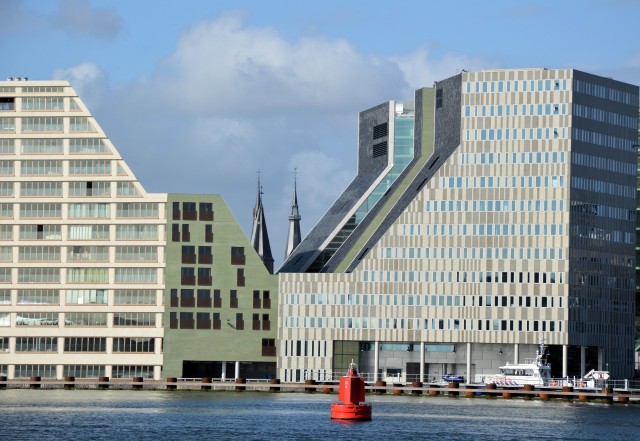




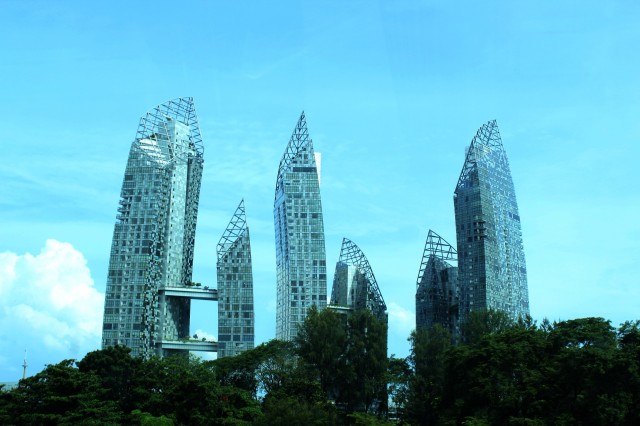 The Utopian vision for the smart city goes something along the lines of what
  off the leash