Will Cars Fly? Or Will They Just Get Smarter?

When people talk about the cars of the future, three things usually find their way into the conversation. Ranging from the nearly there to the seemingly impossible, they are:

  • Connected cars
  • Driverless cars
  • Flying cars

Before cars fly, they will be updatable, much the way your phone is now. Car manufacturers will be able to add new features by updating software and may be able to correct problems that would now lead to a recall and a much-dreaded visit to the dealer.

Tesla has already used remote wireless software updates to add emergency braking to its vehicles and promises in the future to be able to add features like automated steering and a valet function that enables you to get your car from a parking garage by using your phone.

Smart car

(mmurphy)

Connected cars could talk to other connected cars, a way to perhaps ensure a safe distance between vehicles. And, amidst an internet of things, the car can communicate with sensors on traffic lights, street signs or utility poles. You might be able to get some advice as to the nearest parking spot or maybe a warning that at your current speed you won’t be able to negotiate the upcoming bend in the road.

Many of these features represent the baby steps in the march toward driverless, or autonomous cars. And the motivation is safety. It has been estimated that driverless cars could prevent as many as 9 out of 10 accidents.

We have seen a growing increase in automotive features that involve automating tasks that used to be the responsibility of the driver. There are cars on the market today with automated braking systems, with devices that detect pedestrians or bikers, that will tell you if someone’s in your blind spot or if you are drifting out of your lane. There is even software that can detect that you’re getting drowsy.

As more and more of these features are added, we get closer to day when the driver is no more useful than a crash test dummy. For established car companies this seems like an evolutionary process. But they are no doubt looking over their shoulder at Google, a company without the catalog of dinosaurs to protect.

So when will we see driverless cars? Google is already testing them on public roads in California. In Michigan a fake town, Moby, has been built for the sole purpose of testing autonomous vehicles. Mercedes-Benz, Nissan and Audi are all testing driverless cars. Google says they’ll be ready by 2018. Nissan will have them for sale by 2020. Uber is predicting its entire fleet will be autonomous by 2030. And the Institute of Electrical and Electronics Engineers (IEEE) predicts that driverless cars will constitute 75% of the vehicles on the road in 2040. Tesla CEO Elon Musk has even suggested that the day may come when drivers are illegal on some roads.

Future carThere are a number of problems still to be overcome. If you can be wirelessly updated, you can be hacked. What happens if the computer system driving your car crashes? But the biggest issue might be sharing the road with human drivers. Your law-abiding robotic vehicle may come to a stop when a traffic light turns yellow, but the guy behind you might floor it to make the light. Can a courteous safety-conscious auto-driver ever make its way through a busy intersection with a four-way stop sign? Google claims that its driverless cars have been involved in 16 accidents during the course of their tests and that every one of those fender-benders was caused by a human driver.

Not everyone is convinced that driverless is the way to go. Toyota, for one, is focusing its efforts on assisting and improving drivers rather than replacing them. Last week Toyota announced a $50 million research project, working with MIT and Stanford, to explore the use of artificial intelligence to upgrade drivers. (Toyota to Finance $50 Million ‘Intelligent’ Car Project). Gil Pratt, who is heading the initiative commented,  “A worry we have is that the autonomy not take away the fun in driving. If the autonomy can avoid a wreck, it can also make it more fun to drive.”

None of these initiatives, however, are going to help you with the massive pothole, the construction detour or the crumbling bridge. Not to mention the mind-numbing traffic that is predicted to get a lot worse. One of my readers commented in a previous post that her 6-mile commute to her office already takes 45 minutes. For that, we need cars that fly.

I found a company in Massachusetts that purports to the able to do just that. Per Terrafugia’s Web site: “Our first product, the Transition, is a two-place, fixed wing, street legal airplane which has been internationally heralded as the ‘first practical flying car.’  It is designed to fit in a single car garage, be safely driven on the highway, and be flown in and out of general aviation airports. “

There is also a Slovakian company named AeroMobil, which at this year’s South By Southwest Interactive claimed they’ll have a flying car in the market by 2017 and that the price will fall somewhere between a Tesla and a small private plane,. So it won’t be cheap. We’re probably quite a ways off from worrying about traffic jams moving off the ground. But it will be nice for the couple of folks here and there who can afford them.

Posted in Technology | Tagged , , , , , | 21 Comments

A Walk in the Woods, New Jersey Style

Pochuk boardwalk

Seventy-two miles of the Appalachian Trail are in New Jersey. Going North to South, the AT enters New Jersey from New York State at Greenwood Lake. It goes across Sussex and Warren Counties to the Delaware Water Gap. Along the way it goes through Wawayanda State Park, High Point State Park, the Kittatinny Mountains and Stoke State Forest.

These photos are from the section of the Appalachian Trail that starts In Highland Lakes just south of the New York State border. From there it goes through Wawayanda State Park, over Wawayanda Mountain and across the Pochuck boardwalk to the Pochuck Mountain in Vernon Township.

Pochuck bridge

Lover's Bridge

off the leash, on the trail

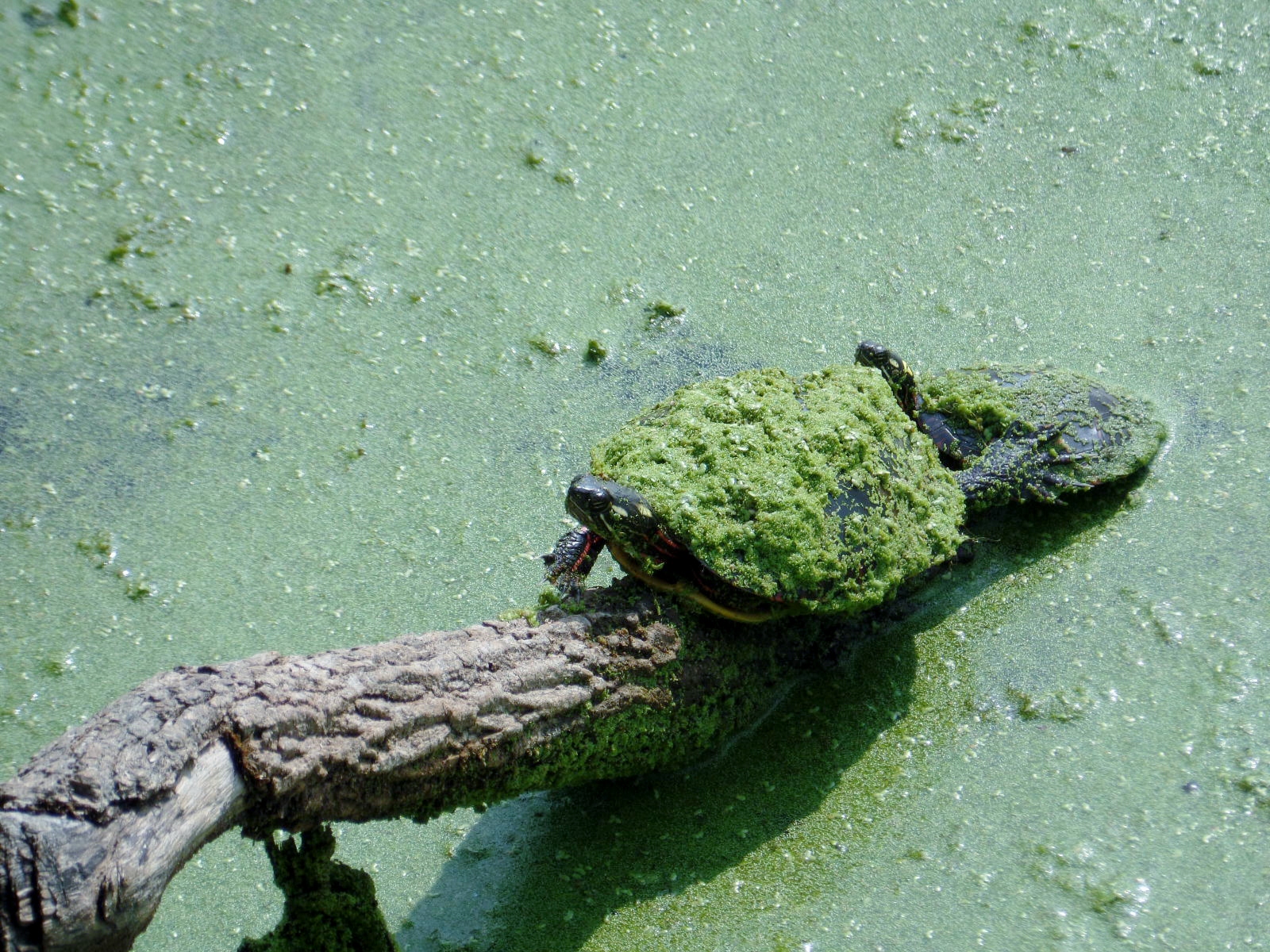
Pochuck turtle

Posted in Uncategorized | Tagged , , , , , | 6 Comments

How We’ll Get From Place to Place

Earlier this year, the U.S. Department of Transportation issued a report on the current status and likely future of transportation systems in the U.S. Beyond Traffic: Trends and Choices 2045 did not paint a rosy picture. Here are just a few of the findings:

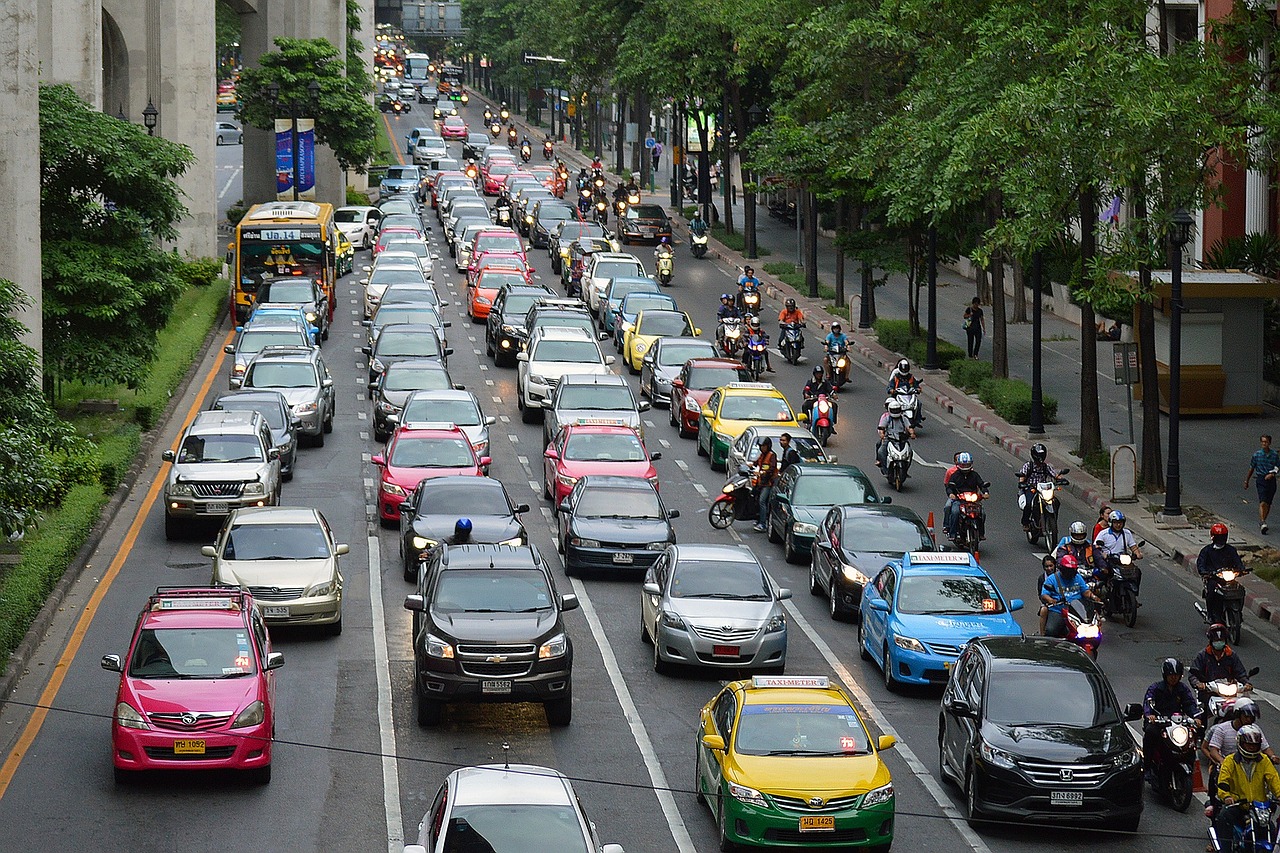
  • If you drive a car, you now spend, on average, the equivalent of five vacation days every year sitting in traffic.
  • 65% of our roads are rated in less than good condition.
  • 45% of Americans don’t have access to transit.
urban traffic jam

(quinntheislander)

Now toss into the mix population growth, the aging of the population (all of us boomers are aging fast), an increase in freight volume and the impact of climate change on highways, bridges, public transportation, coastal ports and waterways. The result, the DOT suggests, is that by 2045 “at the airports and on the highways, every day will be like Thanksgiving is today.”

Technology promises a way around this dire prediction with visions of systems that make mass transit faster, more comfortable and more accessible.

One of those technologies, called hyperloop, involves capsules traveling in reduced pressure tubes. Engineers working on prototypes of hyperloop trains predict they could move passengers from Los Angeles to San Francisco in about a half hour traveling at speeds of around 600 mph.

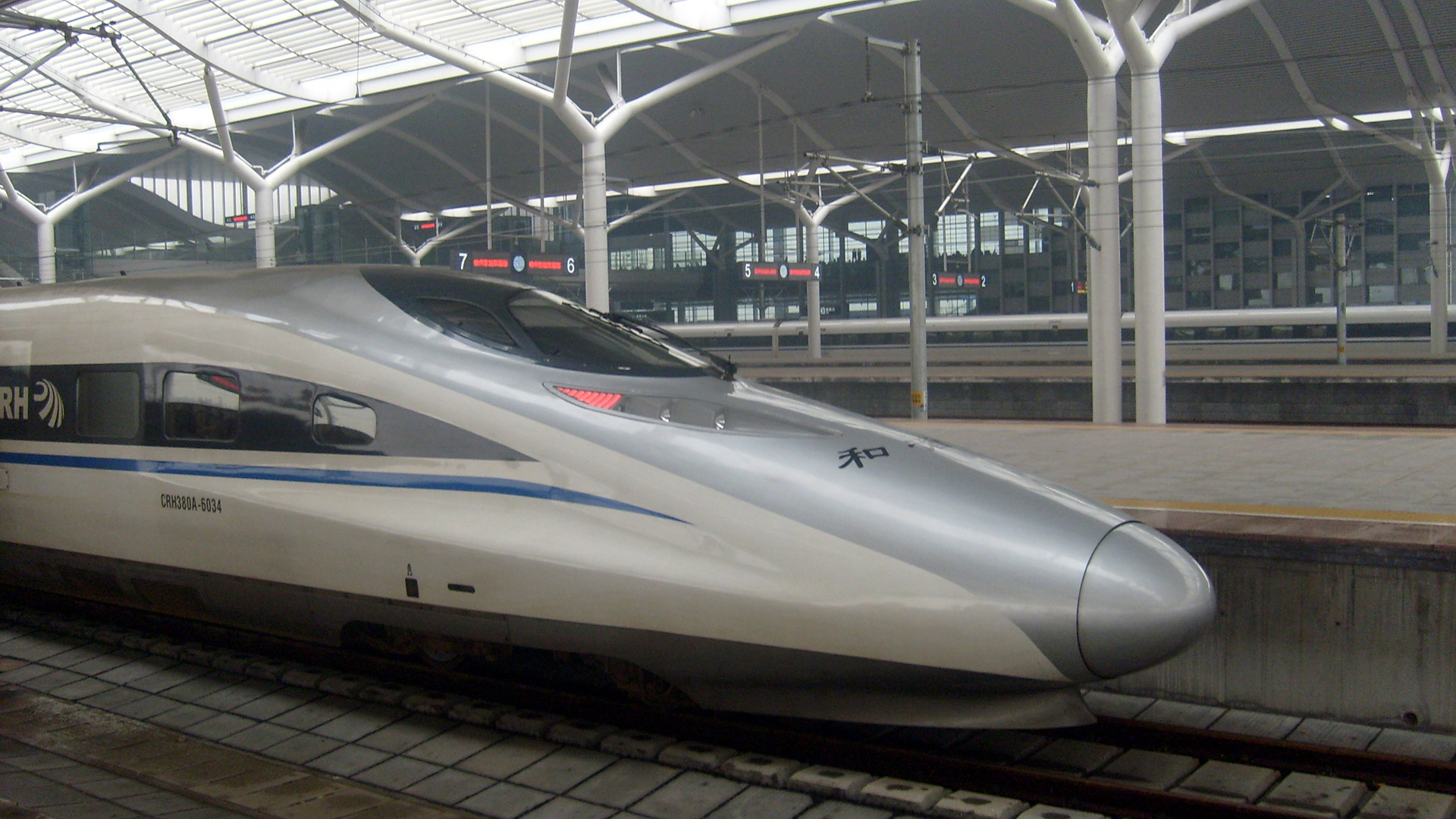
High speed train

China high speed train (Peter Griffin)

Another developing technology is called maglev, short for magnetic levitation, Maglev trains are guided by magnets so they do not touch the ground, making for a smooth, reduced friction ride. This technology is already being used in China. The Transrapid in Shanghai has recorded speeds of 270 mph.

For slower local transit, an early version of the driverless car is being planned at Milton Keynes in the UK. They are expecting to deploy by 2017 a system of small electric vehicles called urban transport pods that carry up to two passengers at speeds of 10 mph or less on dedicated traffic lanes that go from the train station to destinations up to a mile away.

In Hawaii an elevated train system is being built that is scheduled to open in 2017 and be completed by 2019. The system, which will include 20 miles of elevated track on the island of Oahu, will be fully automated allowing frequency of service to be altered based on demand. The trains will be driverless.

A somewhat less exotic option is a Bus Rapid Transit system, which is simply a redeployment of existing traffic lanes for buses only. Typical features of a BRT system include location in the center of the road, priority access at intersections, higher speed buses with multiple doors and station platforms that are level with the bus floor. Chicago is planning a 16-mile BRT system along Ashland Avenue. The bill: $160 million.

What all of these solutions have in common is they need funding. The DOT report comments that “public revenues to support transportation are not keeping up with the rising costs of maintenance and capacity expansion.” And the folks in Washington and the various state capitals who have made a bipartisan effort to allow our transportation infrastructure to rot are no more likely to sign the check for innovative mass transit systems.

The Obama administration had announced a high-speed rail plan in 2009 which has gone nowhere. The link between Miami and Orlando was cancelled by Florida Governor Rick Scott who refused the federal money for the project. The governors of Wisconsin and Ohio did likewise. Both are now running for the GOP nomination for President.

Closer to home for me, the once reliable commuter train line from New Jersey to New York City has just gone through a summer of virtually perpetual delays. This is largely because Amtrak and New Jersey Transit share a 100-year-old single-track tunnel across the Hudson River. And it’s five years after Governor Chris Christie, another Presidential nomination seeker, canceled a plan to build a new rail tunnel.

Amtrak train

(WikimediaImages)

In May, eight people were killed and 200 injured when an Amtrak train from New York to Washington derailed near Philadelphia. According to the DOT report “the Northeast Corridor (Boston to Washington) alone requires investments of nearly $1.5 billion per year over 15 years to bring the corridor into a state of good repair and maintain it in that condition.”  But the day after that crash the House Appropriations Committee voted to cut Amtrak’s funding by $300 million.

The California High Speed Rail Authority was created in 1996. Its goal: a high speed link between Los Angeles and San Francisco. But the San Diego Union Tribune refers to the plan as “dead train walking” noting last weekend, “the state still doesn’t have the money firmly identified or the necessary environmental approvals.”

So there are very few signs that suggest America will make the investments necessary to take advantage of the new technologies that could reinvent mass transit. That will mean that passenger vehicles remain the dominant mode of transportation in the U.S. and the decrepit bridges and tunnels, the substandard roads and highways, will see more volume and more deterioration.

The virtual default by government on transportation issues also leaves us clearly in the hands of the private sector. That includes the big three U.S. automakers; the guys who have a longstanding track record of trying to push bigger and more expensive cars into the market with only an occasional sideways glance at fuel economy, safety or environmental impact and only then when they are forced to do so by regulators, gas prices or Asian and European competition.

Will technology produce cars of the future that enable us to avoid the gridlock forecast by the DOT report? Will GM, Chrysler and Ford lose control of the industry to some combination of Google, Tesla, Apple or Uber? Will we all continue to own private vehicles? Those are some of the issues I’ll be discussing in future posts.

Posted in Technology | Tagged , , , , , , , , , , | 28 Comments

Photo Tour of the Minors Pt. 4 — The Indies

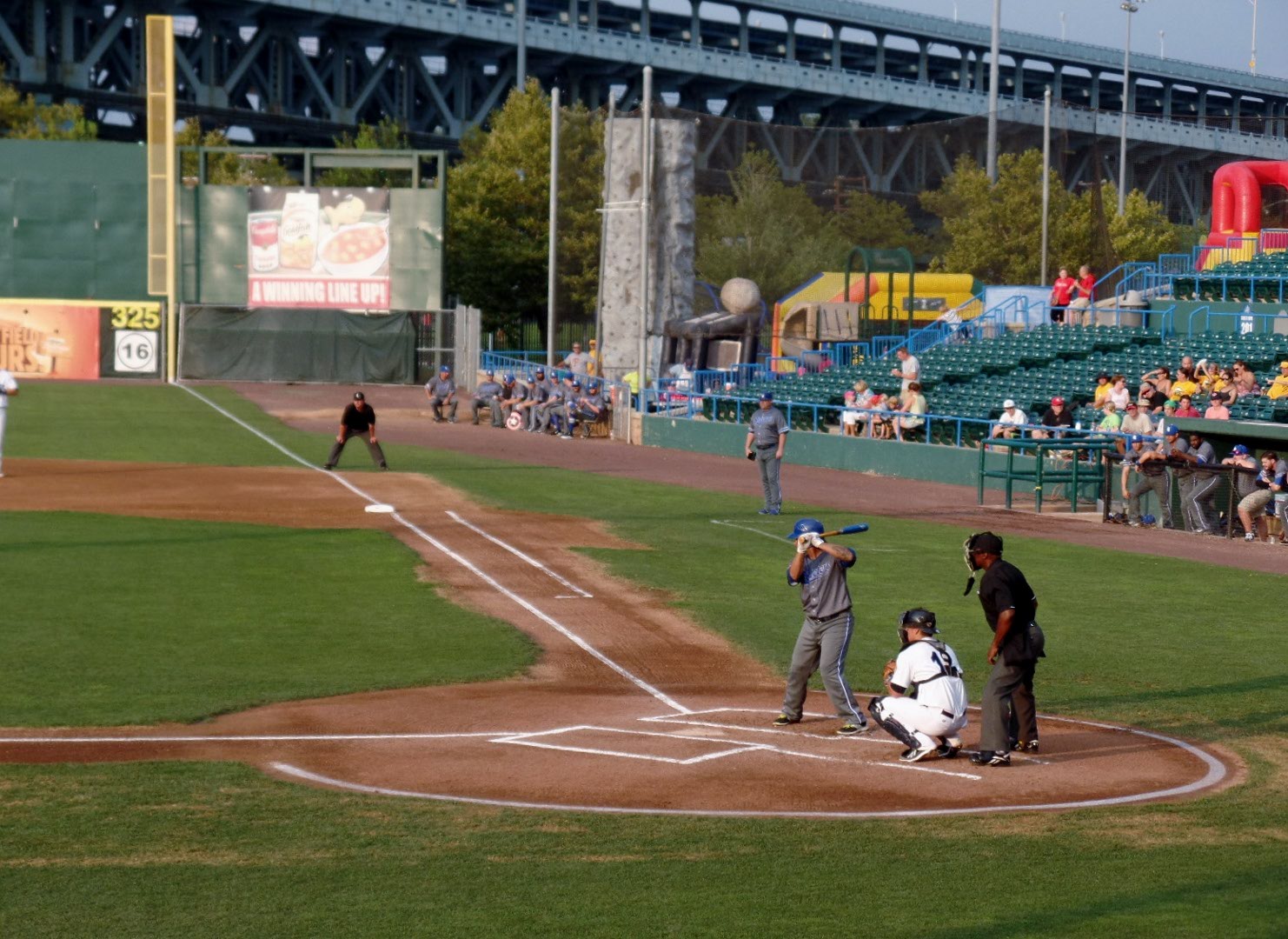
Camden, N.J.

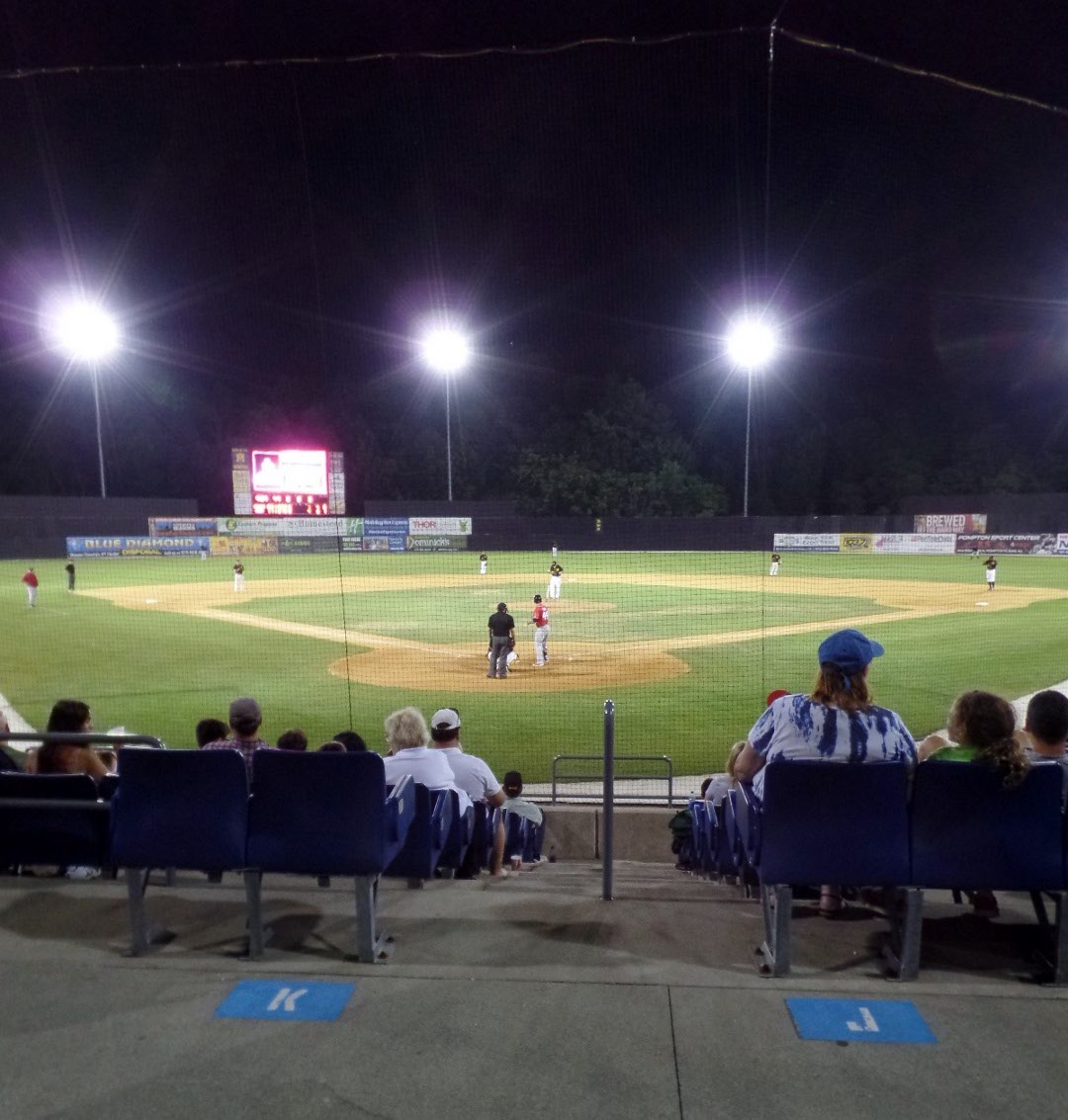
Campbell’s Field, home of the Camden Riversharks, independent, Atlantic League

Ben Franklin Bridge

The first base line

Downtown Philadelphia

Augusta, N.J.

Skylands Park, home of the Sussex County Miners, independent, Can-Am League

Skylands Park

Pre-game fun

Filming the game

Skylands bonfire

Victory!

Tour of the Minors

Pt. 1 — Jersey Boys (Little Falls, Trenton, Newark)

Pt. 2 — The Banks (Staten Island, Rockland, Somerset)

Pt. 3 — Blue Claws and Iron Pigs (Lakewood, Allentown)

Posted in Baseball, Digital Deception, History, Sports | Tagged , , , , , , , , , | 1 Comment

Photo Tour of the Minors Pt. 3 — Blue Claws and Iron Pigs

Lakewood, N.J.

FirstEnergy Park, home of the Lakewood Blue Claws, Class A affiliate of the Philadelphia Phillies, South Atlantic League

Behind home plate

The captain's chair

Allentown, Pa.

Coca-Cola Park, home of the Lehigh Valley IronPigs, AAA affiliate of the Philadelphia Phillies, International League

Coca-Cola Park

Grounds crew

Outfield seats

Pt. 1 — Jersey Boys (Newark, Little Falls and Trenton)

Pt. 2 — The Banks (Staten Island, Pomona and Somerset)

Posted in Baseball | Tagged , , , , , , , , , , | 3 Comments

Things to Do in Colorado When There’s No Snow

rafting

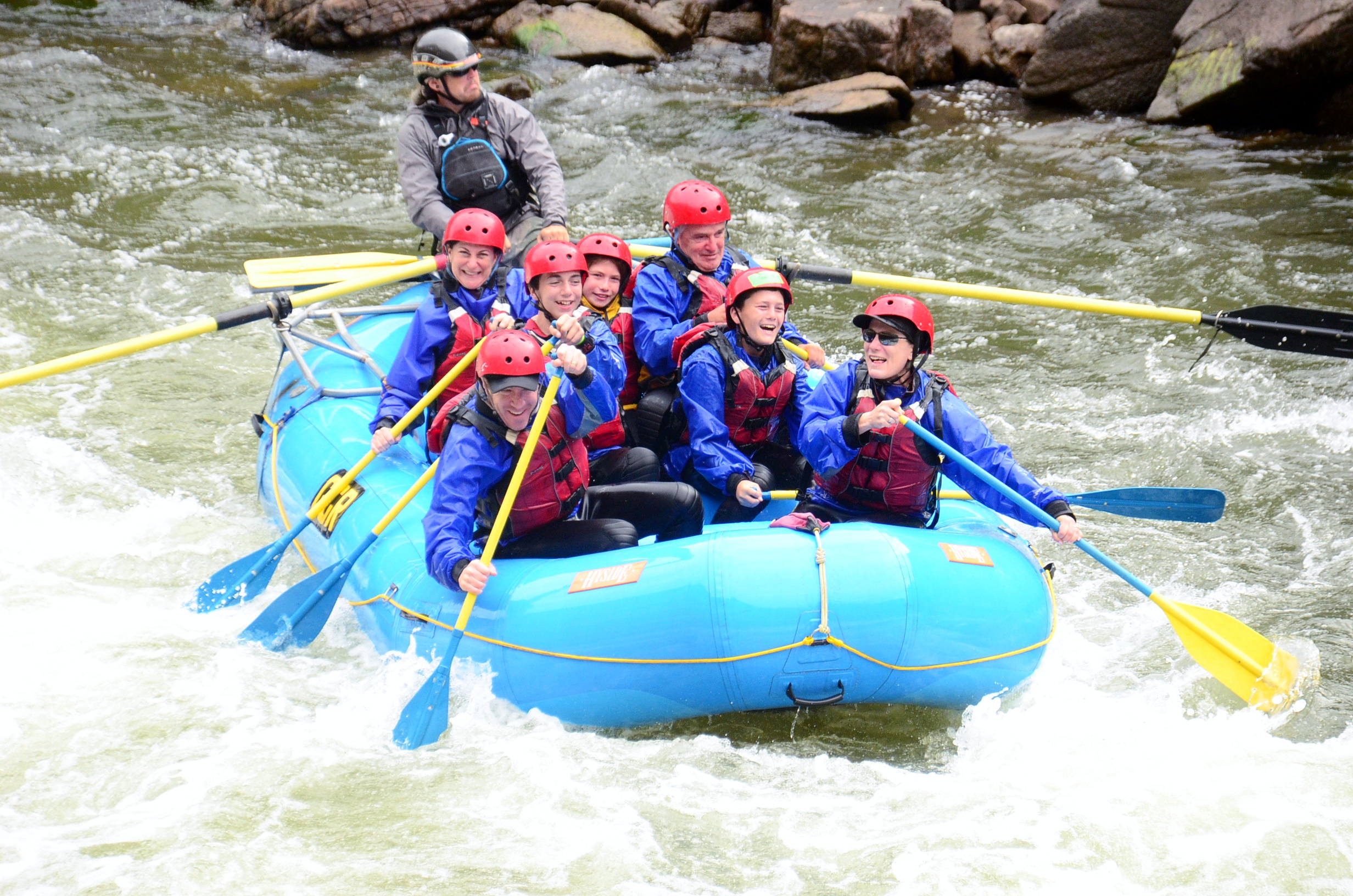
Heading through the Shoshone Rapids on the Colorado River

in the mountains

Bachelors Gulch hiking

Hiking trail at Bachelors Gulch

For d Amphiteater

Gerald R. Ford Amphitheater, home of the Vail International Dance Festival

Creekside Park

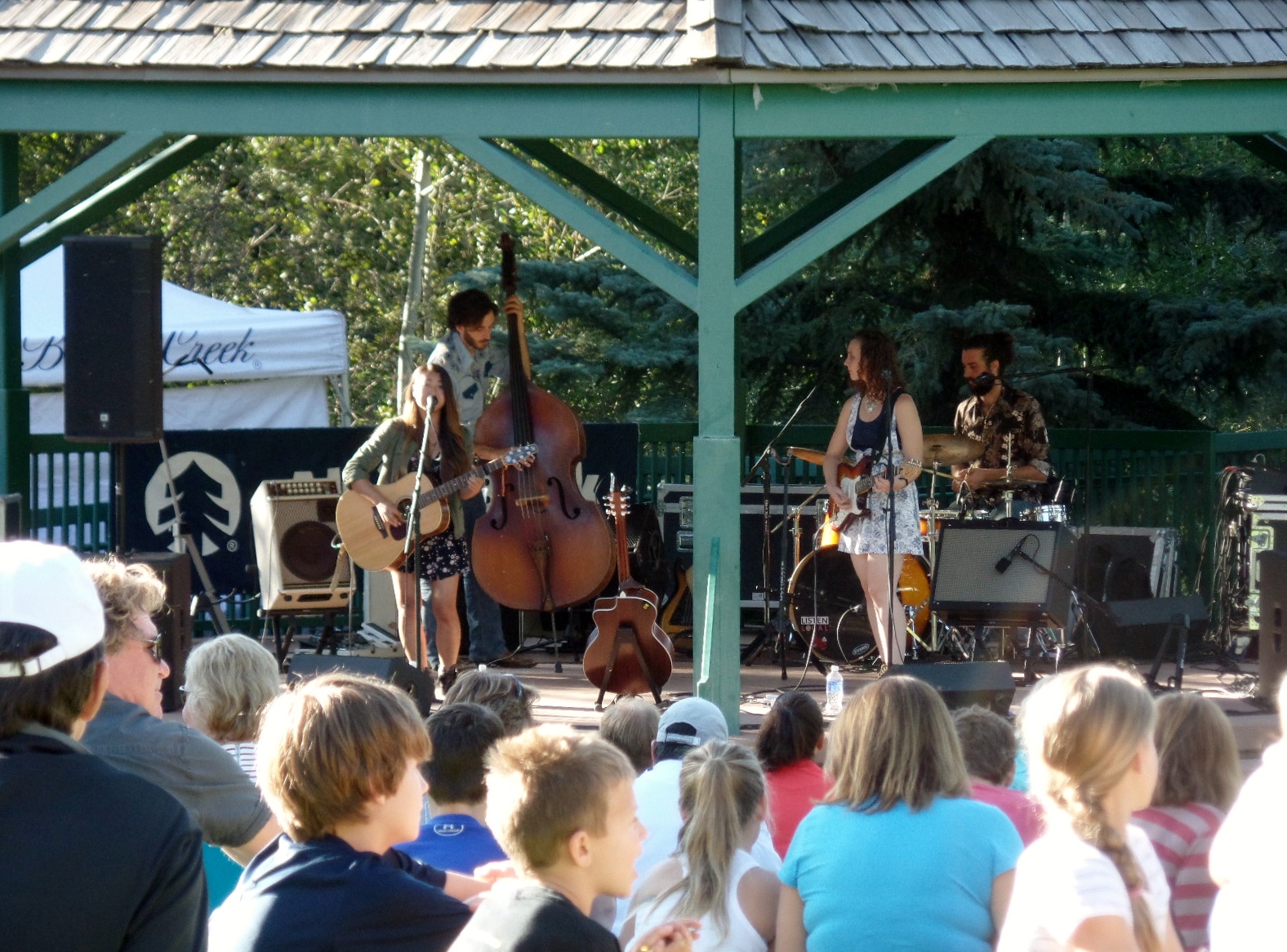
The mountains are alive with music in the summer. Here the Crane Wives play at Creekside Park in Beaver Creek.

Beaver Creek ice rink

Summer skating at Beaver Creek Village

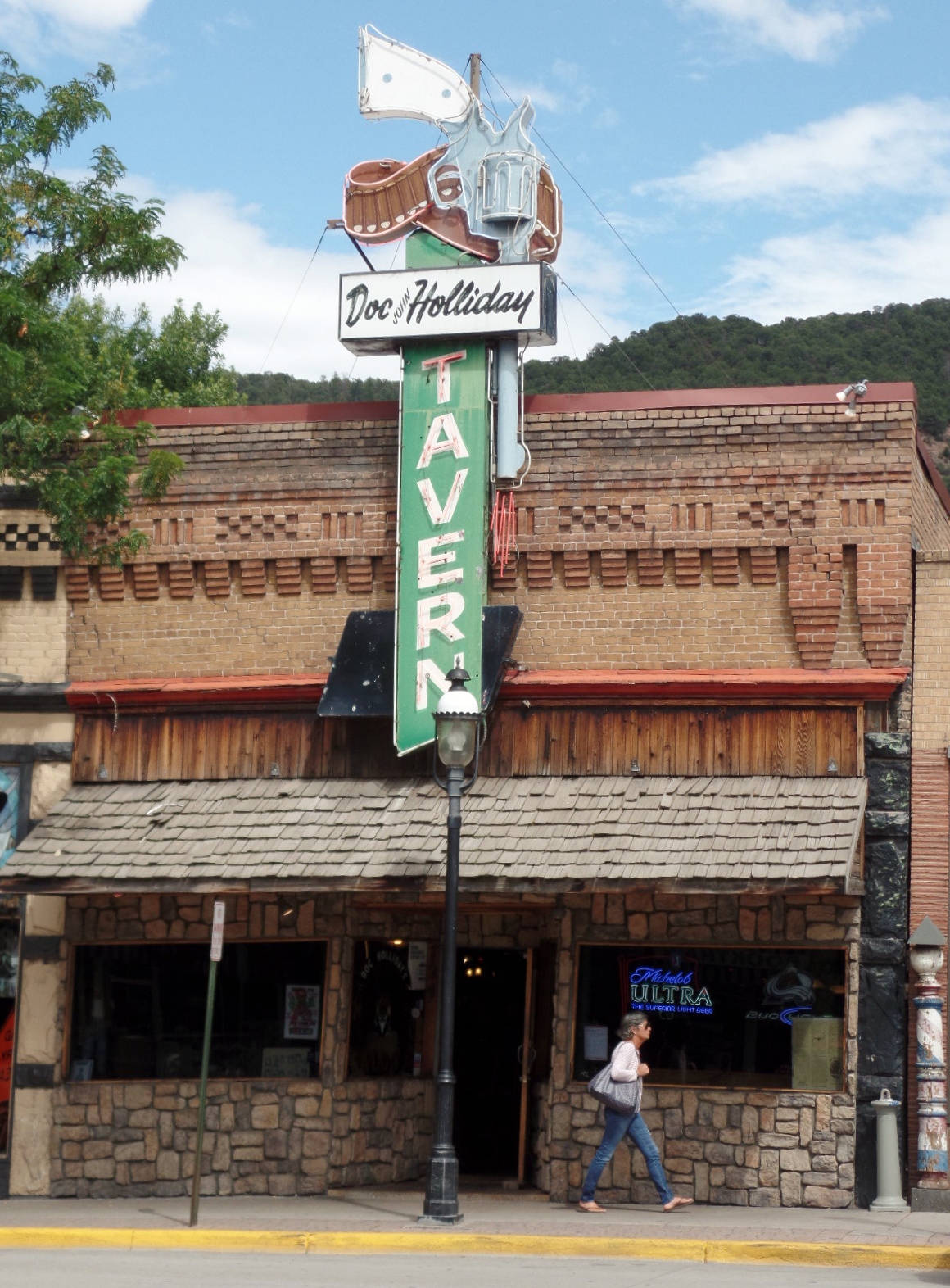
Doc Holliday's Tavern

Doc Holiday’s Tavern in Glenwood Springs

in the city

The new Union Station

The newly renovated Union Station

History Colorado Toy Exhibit

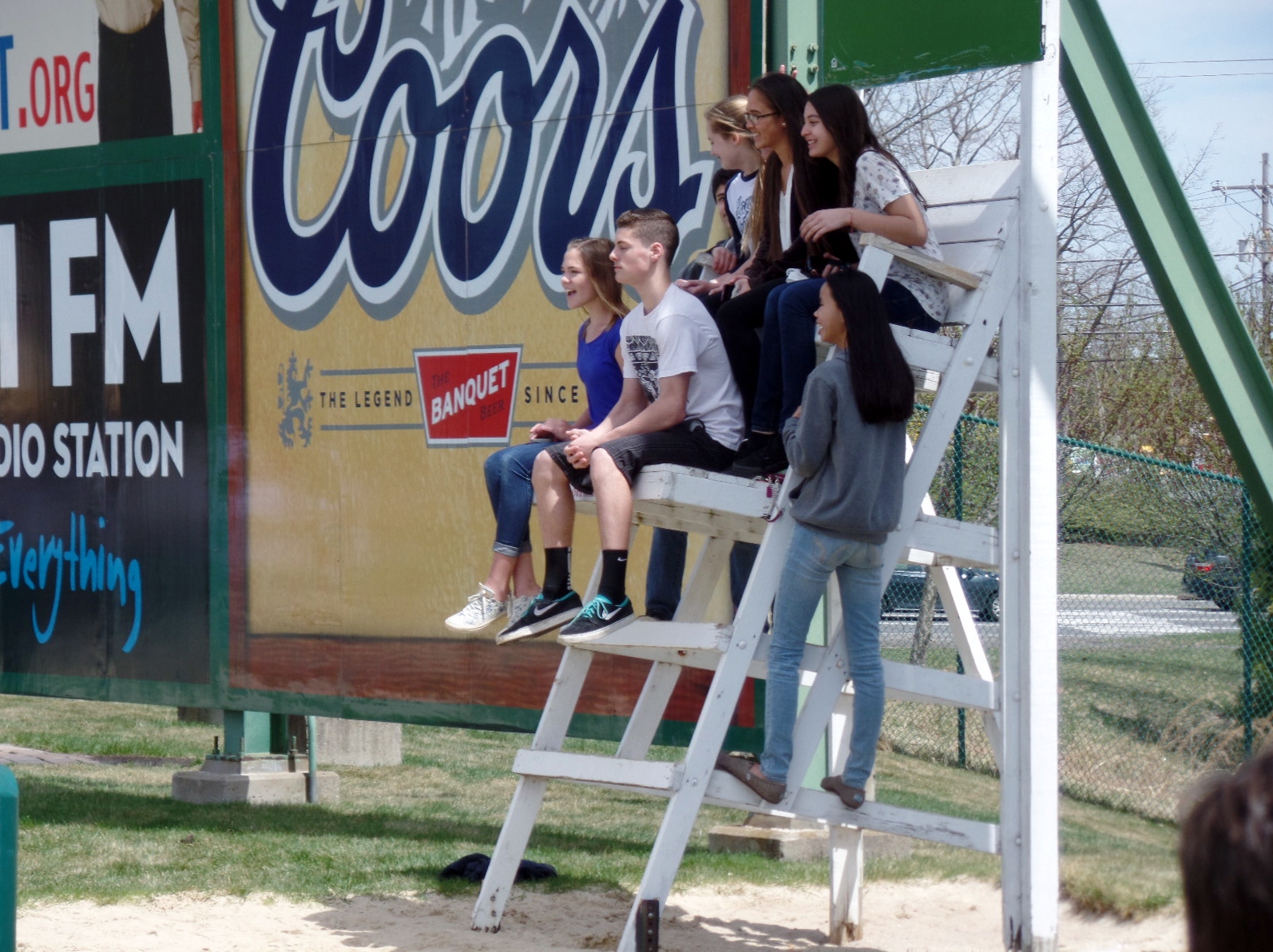
Coors Field

and everywhere

Posted in Travel | Tagged , , , , , , , , , , , | 22 Comments

Coding Our Future: Novelists Weigh In

Techies and futurists are not the only ones who like to spin tales about what the future may hold for us. Telling stories about what a world with way more technology might be like is also a favorite occupation of many novelists.

Two of my favorites are The Circle by Dave Eggers and Super Sad True Love Story by Gary Shteyngart. Both of these books raise the issue of transparency vs. privacy in an age of more intrusive technology. Some of their characters embrace the transparency, some are victimized by it. I don’t think either author welcomes it.

apartments

(Lode Van de Velde)

Reading these stories recalls the futurist classic 1984 by George Orwell. Most of us have thought of Big Brother as a government entity. But it could in fact be whoever controls the technology. Or the oppression could come peer-to-peer.

It is interesting that a key aspect of the future lifestyle envisioned by both of these novelists is live streaming from personal devices. And these stories were written well before anyone ever heard of Meercat or Periscope. (Super Sad True Love Story was published in 2010, The Circle in 2013.)

Both are great novels that I highly recommend. Here are short reviews:

The Circle, Dave Eggers

The CircleIf George Orwell had written “1984” 60 years later, who would have been Big Brother? Would it still have been the government (think NSA)? How about the marketers who try to track and predict our behavior? Or would it be a corporate Big Brother?

Dave Eggers is going with the latter. The Circle is the Silicon Valley monolith that consumes all the others. If you get creeped out by seeing the Google car with the camera on top cruising your neighborhood you’re likely to find this a tale of horror.

It’s the story of Mae Holland, a young woman one or two jobs out of college, who scores her dream gig in a cube farm at the Circle. What she finds there is an exaggeration of a couple of trends that have become increasingly prevalent in corporate America in the last few years. One is the need to create data to evaluate job performance. Essentially this involves taking subjective information, translating it into numbers, and then pretending it’s objective. At the Circle, Mae gets a real time rating of 1 to 100 after every transaction, every email, every message. She is also stack ranked with the 11,000 other Circle employees on a participation index. That involves how active she is in off-hours company-sponsored events and activities and how much social messaging she does with her colleagues. That’s the other trend I referred to above, the movement toward obliterating the distinction between your professional and personal life.

One man’s transparency and is another’s invasion of privacy. That is the crux of what this novel is about. The Circle represents a quest for total transparency. I stand with Eggers on the other side of the issue. There is one voice of dissent at the Circle, a shadowy character who gets it on with Mae in a bathroom stall (not transparent). He warns that the completion of the circle will mean the end of humanity. I think that is what Orwell would have said.

Super Sad True Love Story, Gary Shteyngart

Super ssd true love storyThis Super Sad True Love Story involves 39-year old Lenny Abramov, son of Russian Jewish immigrant parents, and Eunice Park, 20-something second generation Korean-American. It takes place in a rapidly deteriorating United States, with a repressive one-party government, kept afloat by Chinese financing. Central Park has been turned into a shanty town for LNWI’s (low net worth individuals).

Shteyngart creates a world of devices and data. A world where you check your credit score on telephone poles. The devices of the time are called apparats and are worn around the neck. These devices churn out data that goes way beyond telling marketers what to sell you. The apparat guides your personal relationships as well. For example, Lenny’s apparat tells him that he does well with women who were abused. In a bar or at a party the device will point out those who fit that description. It will also rate everyone around on parameters like ‘fuckability,’ personality and income. Lenny’s forte is the latter. Eunice gets high grades only in the first of these.

You can find out someone’s body fat or blood pressure with your apparat but intelligence is not a feature considered of much consequence. The transparency has also found its way to fashion. For young women, onion skin pants have replaced jeans.

In courting Eunice, Lenny treats her to a $10 business class ride on the F train. Eunice is shocked to see Lenny actually read a book, not just scan the text for data. Lenny deodorizes his book shelf so as not to offend his lover with the smell of books.

Shteyngart is easy to read. He has a direct style, no heavy descriptions of the environs or re-jiggering of the timelines. There are lots of “is this what we’re coming to?” moments. Followed for me by the thought that I hope I’m not around to see it.

Posted in Book reviews, Technology | Tagged , , , , , , , , , , | 27 Comments

Birds of the Salt Marsh

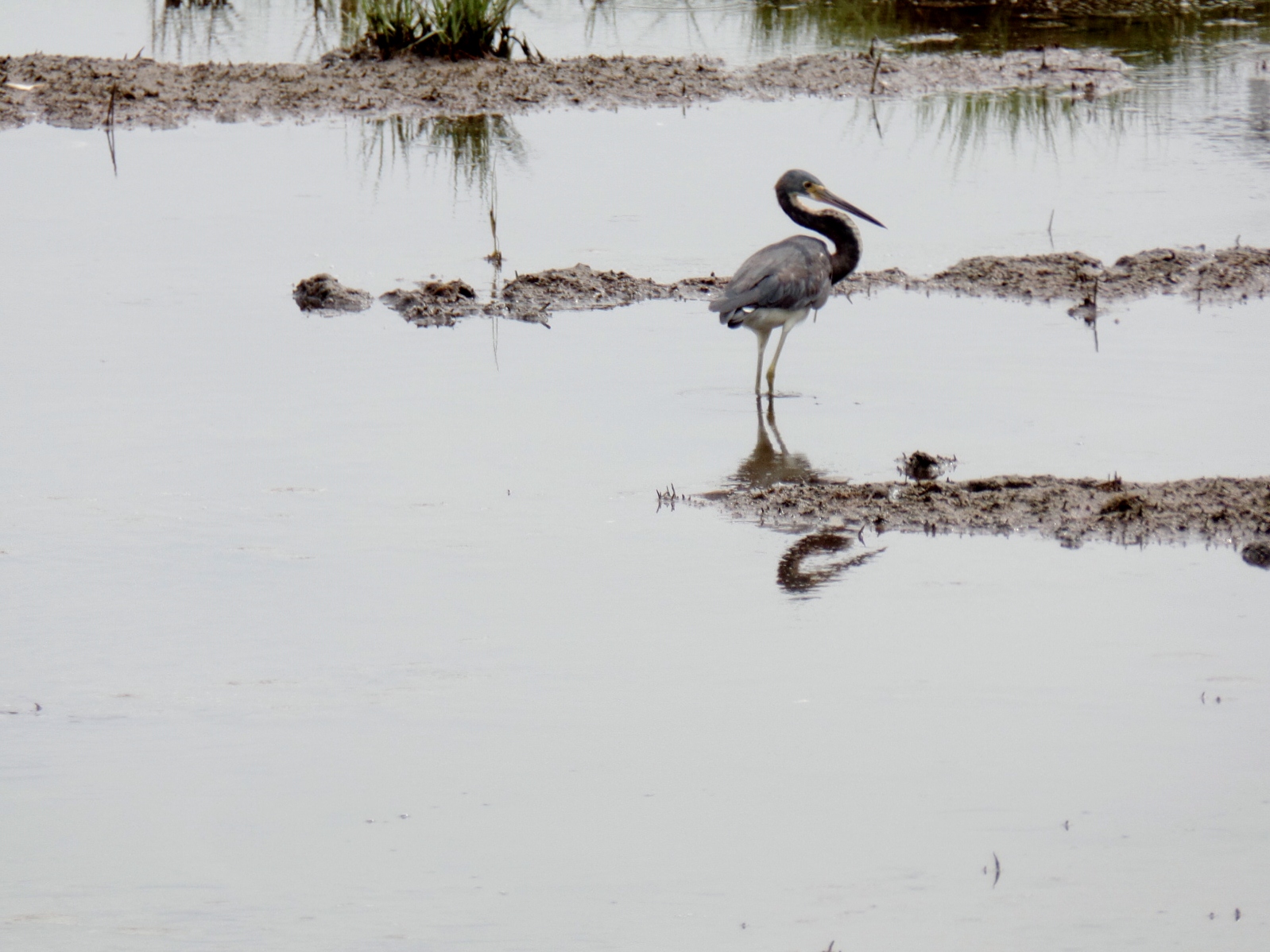
ospreyThese photos were taken at the Wetlands Institute in Stone Harbor, N.J. The non-profit Wetlands Institute is an educational and research facility dedicated to the preservation of the salt marsh and coastal ecosystem.

in the wetlandsBirdhouseOne legIn the muck

Osprey nest

You can get a live look at an osprey nest at the Wetlands Institute here.

Posted in Travel | Tagged , , , , , | 2 Comments

Jazz in the Garden, for the 50th Time

Jazz in the Garden

Jazz in the Garden

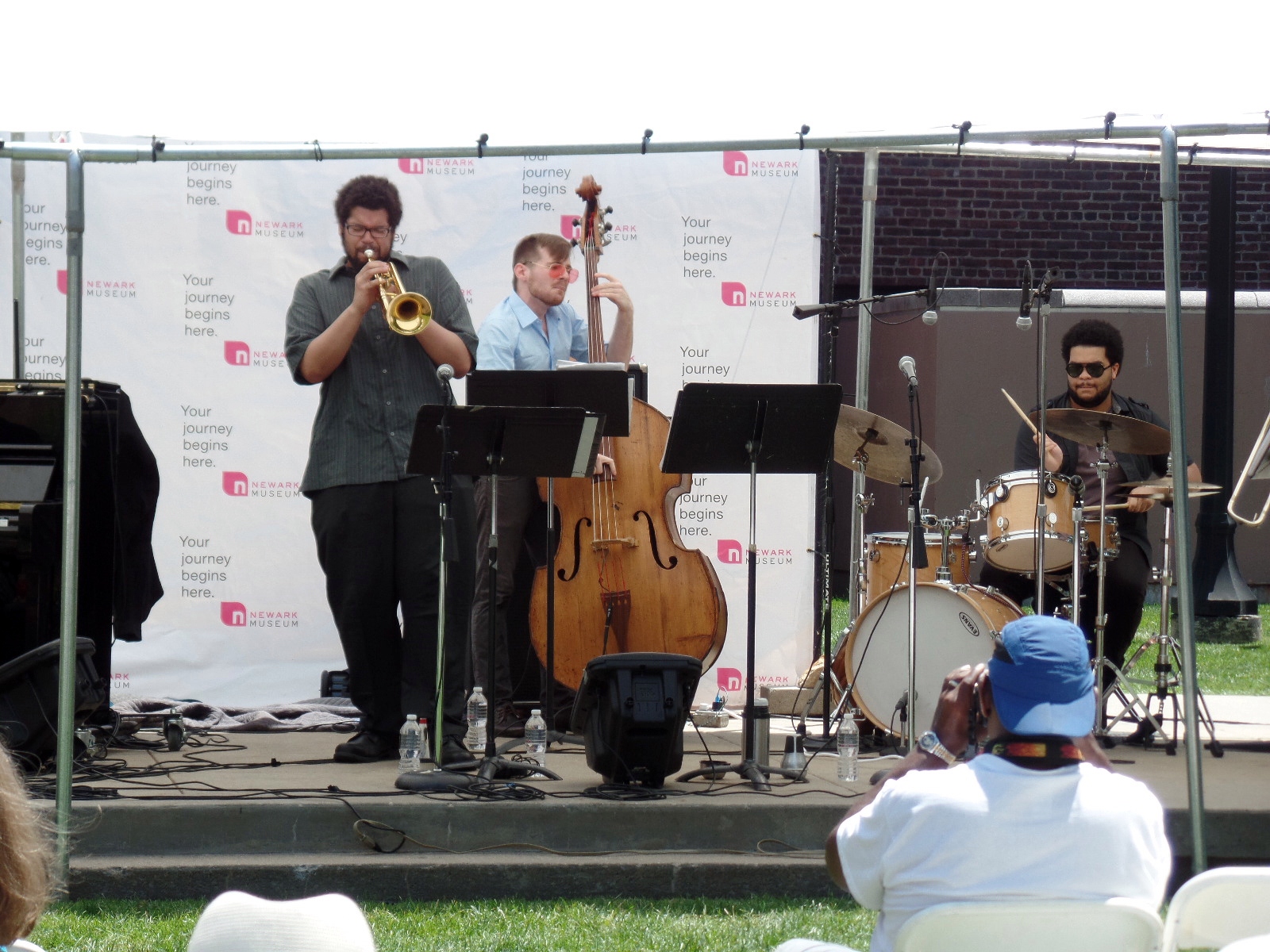
Newark MuseumA summer series of lunchtime jazz performances on the grounds of the Newark Museum. 2015 is the 50th year of Jazz in the Garden.

Cocomama

Cocomama

Eric Reed

Eric Reed

Josh Evans

David Gibson Quintet with Josh Evans on trumpet

Jazz fans at the museam

the dancers

Posted in Uncategorized | Tagged , , , , , | 3 Comments

Jersey Shore Summer — Greetings From Asbury Park

Asbury tourist info

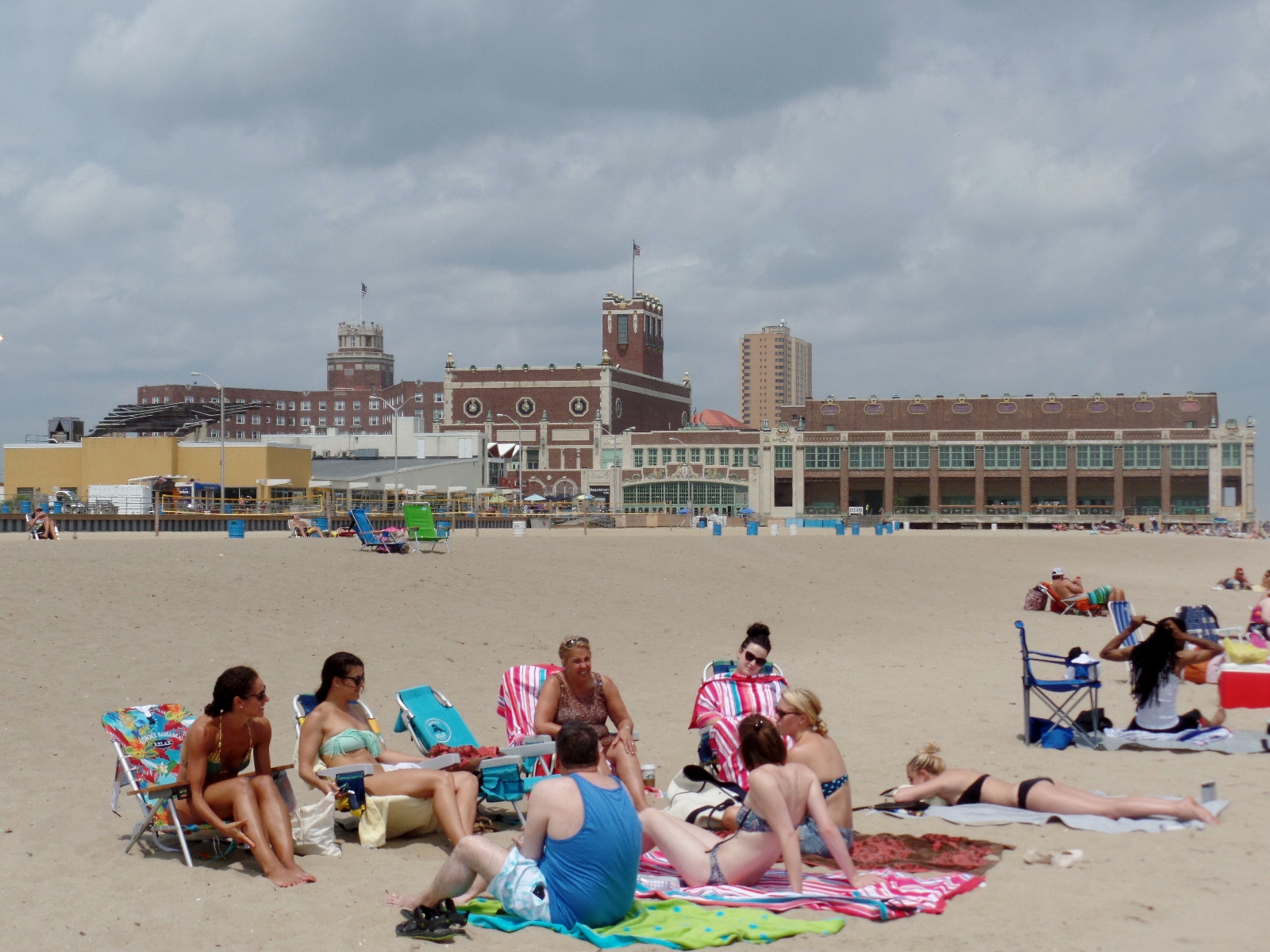
Asbury Park beach

Asbury Park muralTattoos

Convention Hall

Coppy ocean

Posted in Travel | Tagged , , , , , , | 5 Comments