

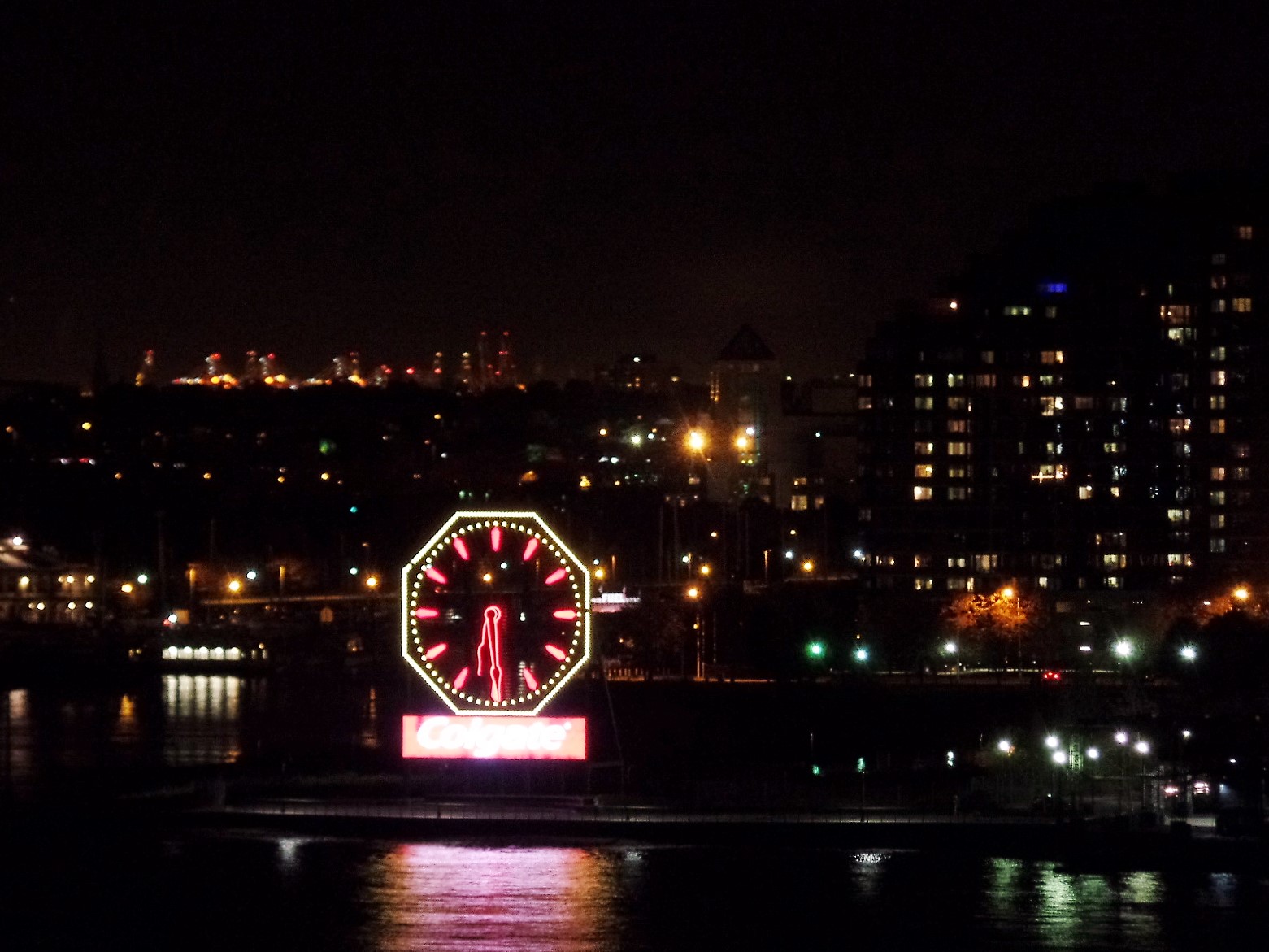



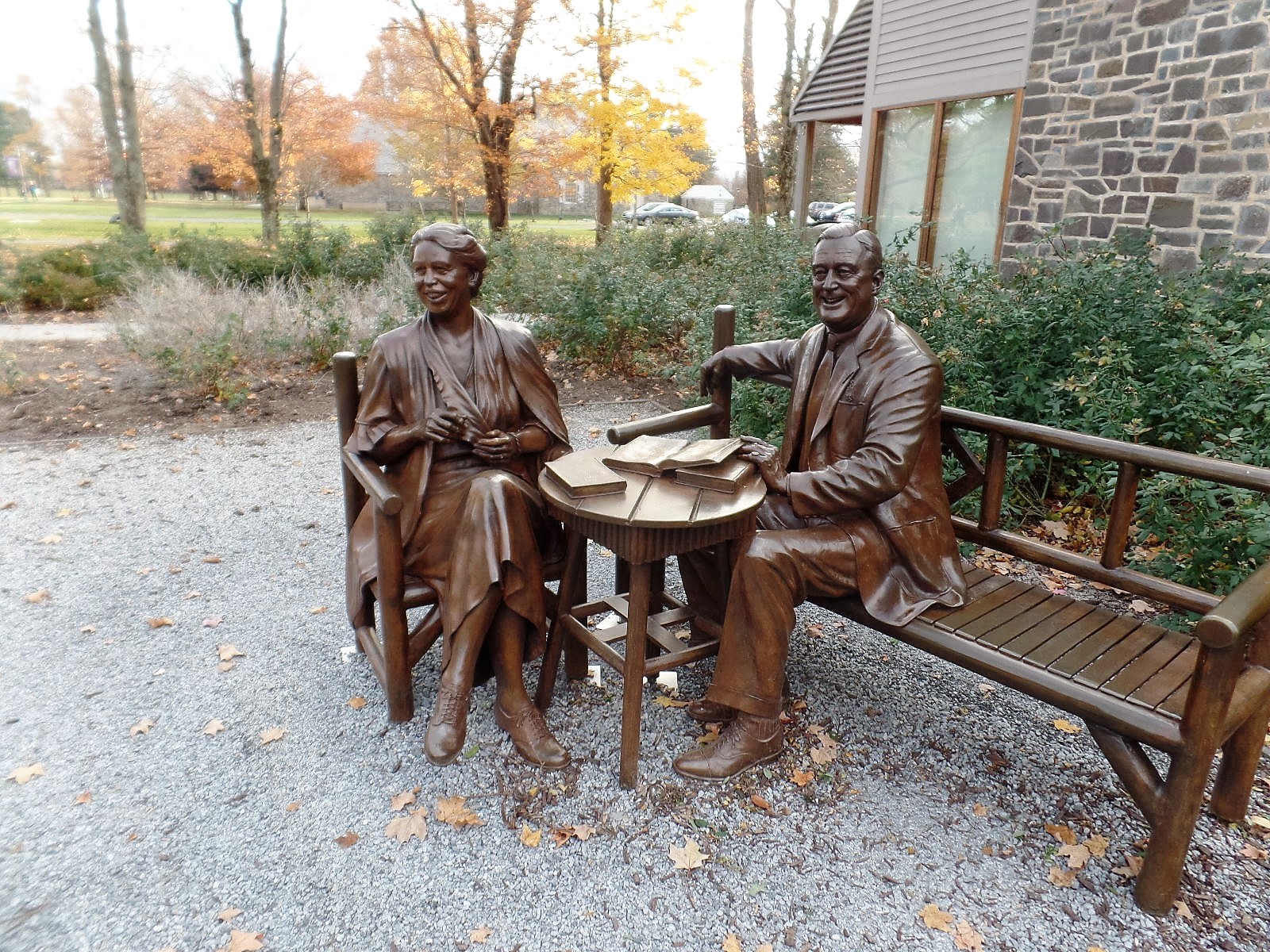
Photos are from the Franklin Delano Roosevelt National Historic Site in Hyde Park, N.Y., including the FDR home and the Presidential Library and Museum.


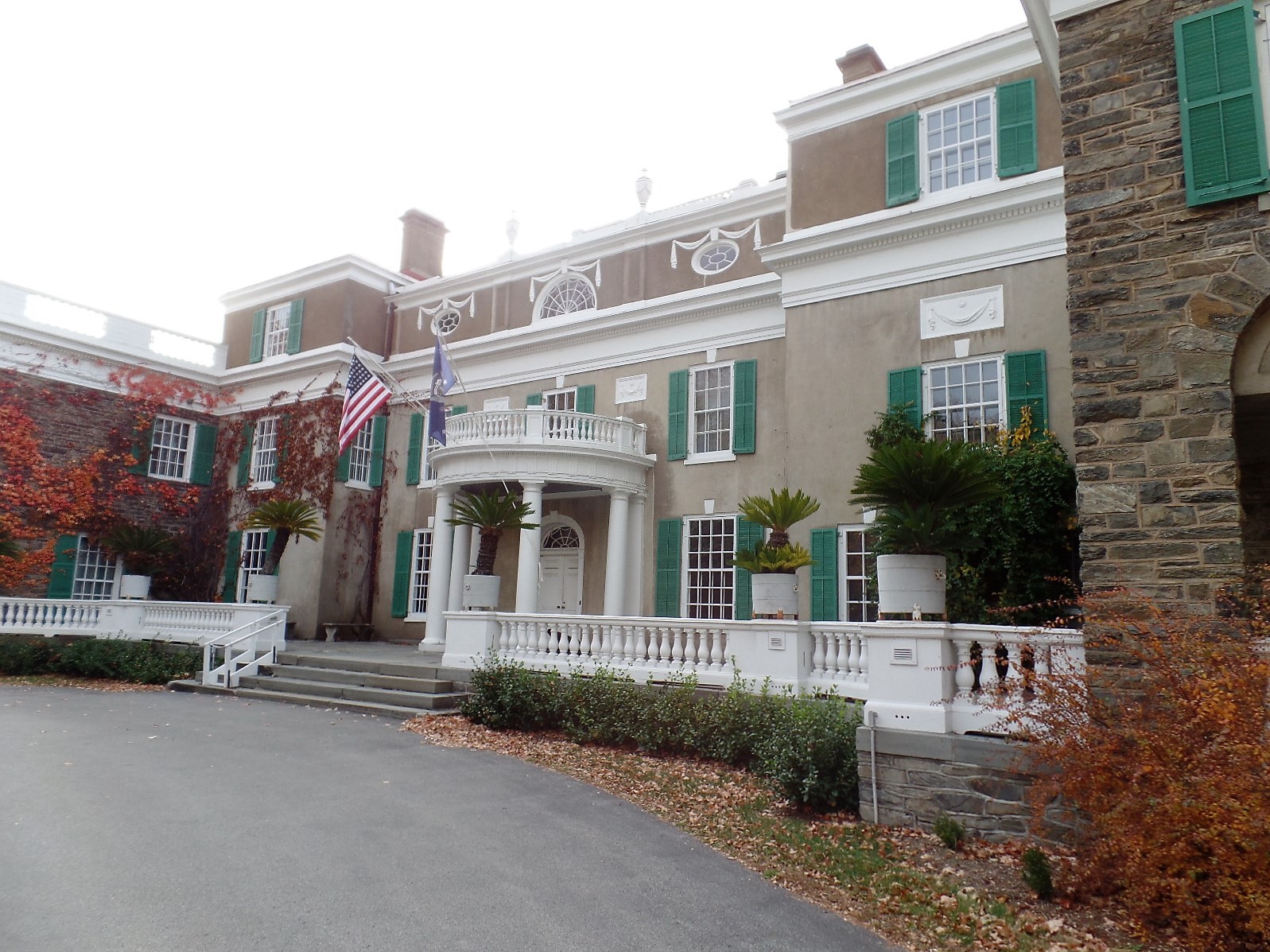
Springwood, FDR’s home


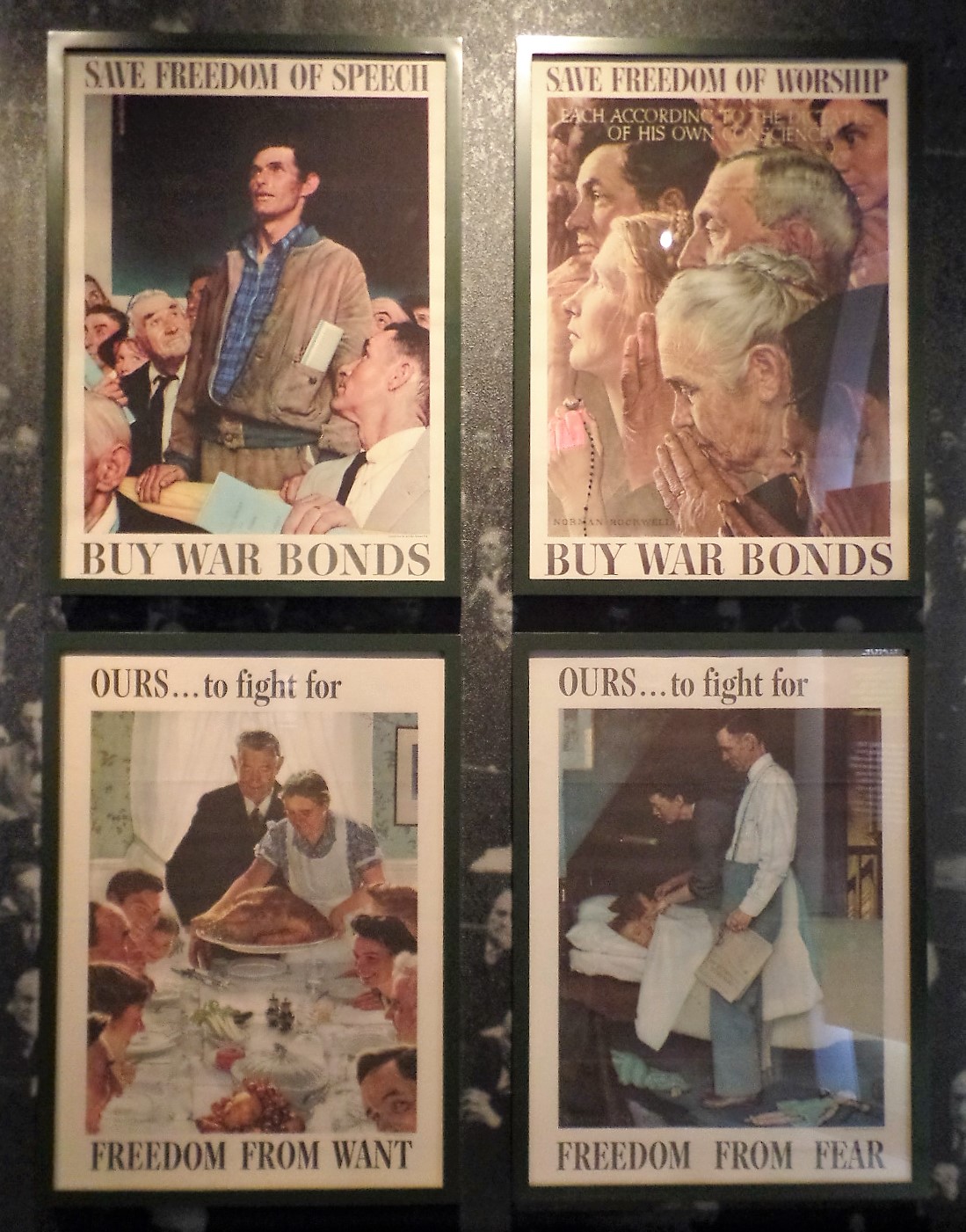
FDR’s four freedoms, as illustrated by Normal Rockwell
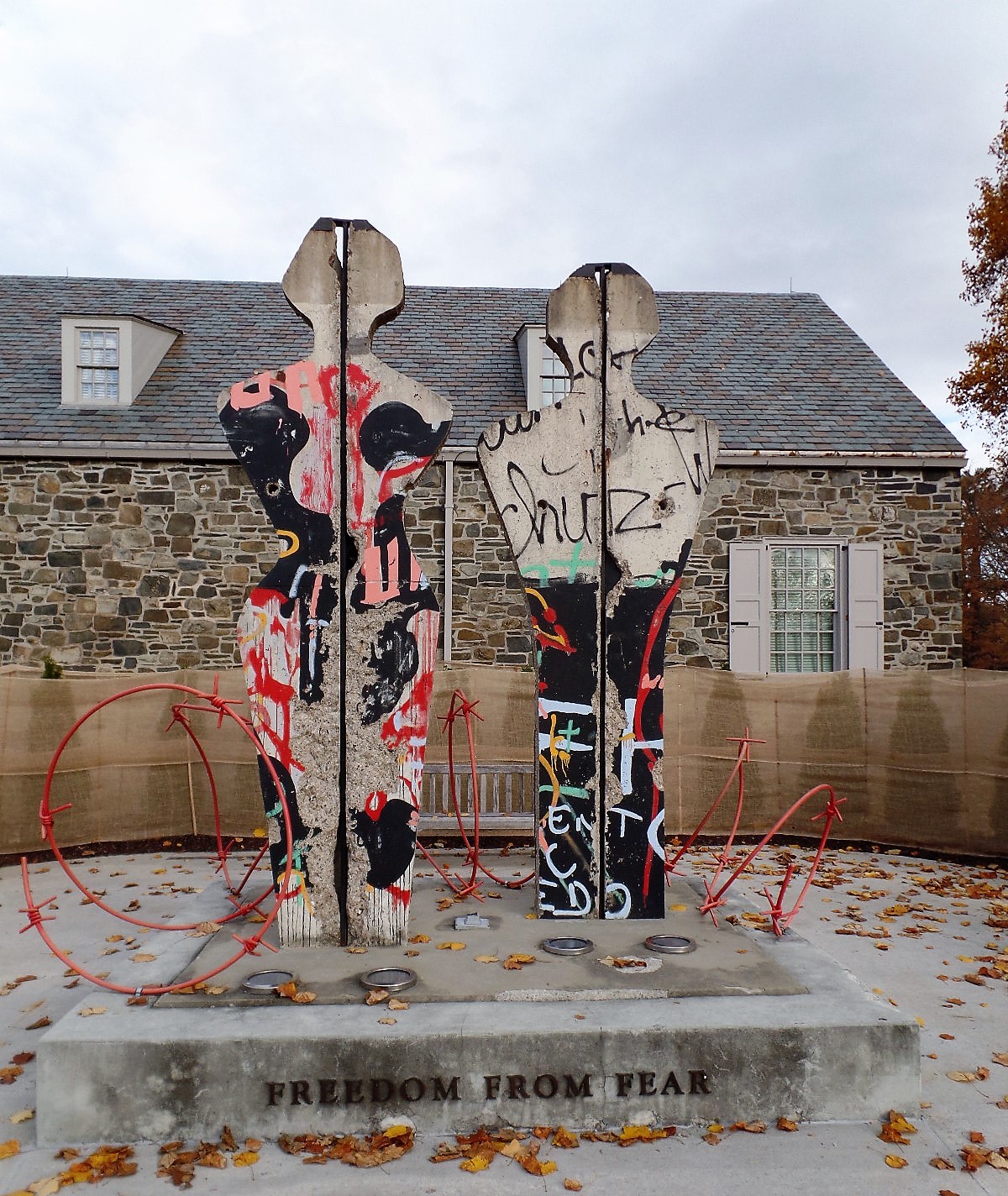
This is the work of Edwina Sandys, Winston Churchill’s grandaughter. The figures were cut from pieces of the Berlin Wall. A companian piece is at the Winston Churchill Memorial and Library in Fulton, Mo.
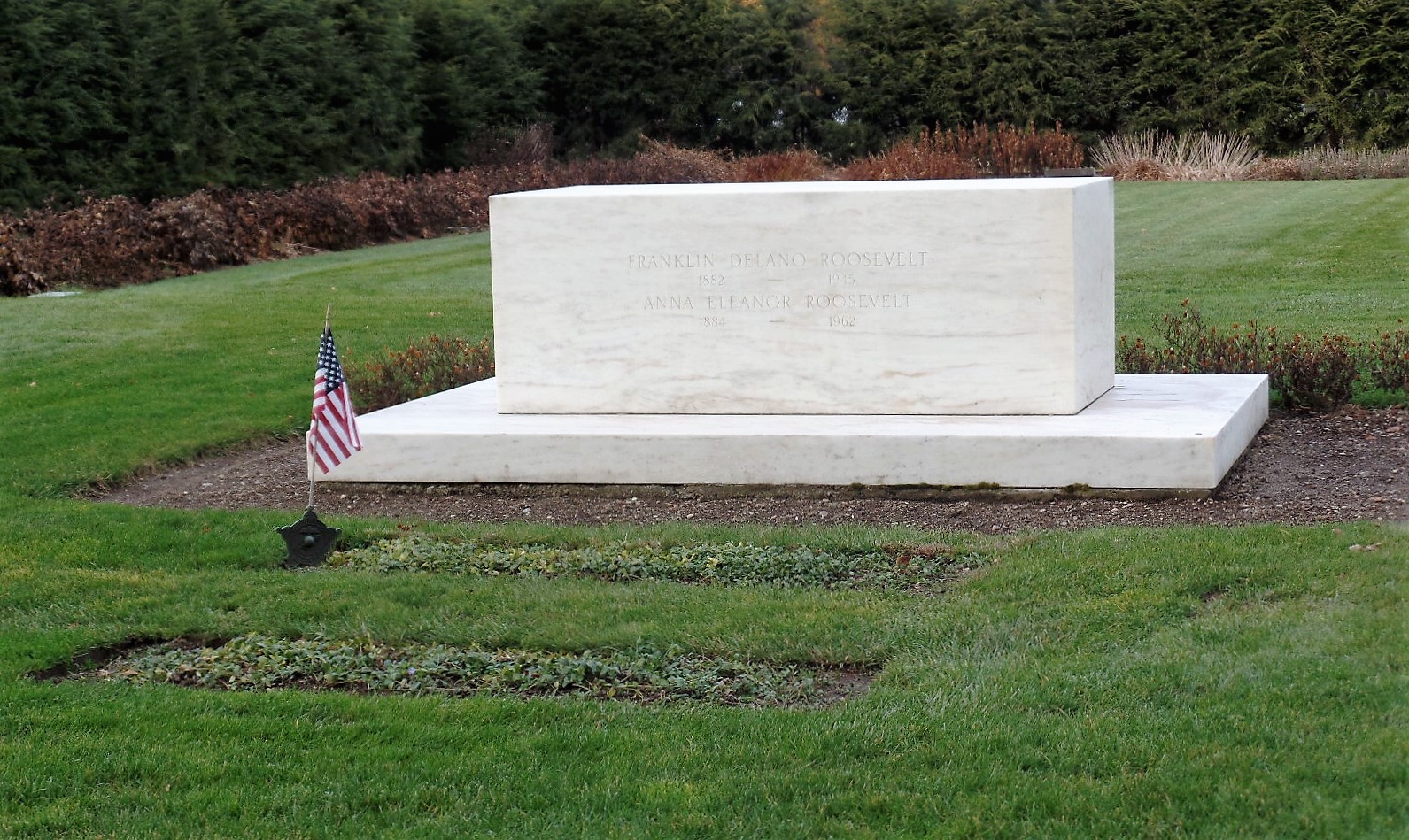
RIP Franklin and Eleanor


Photos taken at Bronx Zoo, November 2015.


These guys live in the Congo Gorilla Forest Exhibit at the Bronx Zoo, Wildlife Conservation Society.


Anthem of the Seas is a Royal Caribbean cruise ship that was launched in February of this year. It’s initial voyages were to ports in Europe out of its home dock in Southhampton. It later crossed the Atlantic and docked in Bayonne, N.J. In November it set sail on its first cruise from Bayonne to the Caribbean, which is how it will be deployed in the coming year.
 Tess was a one-and one-half year old Golden Retriever living outside at the home of a single mother who eventually decided she couldn’t take care of her. She was turned over to the Southern California Golden Retriever Rescue (SCGRR) where she was placed in a foster home until being adopted in 2014. She immediately charmed her new family with her energy and friendly, playful personality and quickly engaged her adopted sister, 11-year-old Zelda.

Tess and Bill
In August, just a few days shy of her third birthday and only 10 months after finding her new home, Tess was killed instantly while playing when she ran into the side of a moving car. Tess’ owners, Bill McIntyre and Patricia Low, were devastated.

Zelda and Cinda
Fast forward a couple weeks and Bill and Pat find themselves on a two-day drive in a rental car from Texas to their Southeastern California home. In the back seat was Cinda. A pure bred English Cream Golden Retriever, Cinda was sold to a breeder at a young age. But when the breeder found out that Cinda had an inverted eyelash condition she was targeted as damaged goods and sent back to the original seller with her $4,000 price tag refunded.
Cinda was literally put out to pasture. With no future in breeding she was never provided with the operation to fix her eyes that would save her from going blind. She was living in a backyard pen. Until Bill and Pat came to rescue her. She has now had her eyelash condition successfully corrected, has been spayed, and has taken her place alongside Zelda in her new home.
But that doesn’t mean Tess has been forgotten. She is the inspiration for the Tess McIntyre Foundation. Bill and Pat consider Cinda to be the first beneficiary of the foundation. Another will be the SCGRR, the agency that rescued Tess and placed her in a stable home.
The foundation is not a rescue organization in itself. Its goal is, instead, to provide funding for other qualified rescue services. Their first priority will be in helping organizations who are working with animals, like Cinda, who need medical attention in order to improve their chances of adoption and finding a home.
The foundation, a 501(c)(3) non-profit which was started in August, recently launched its Web site ( www.tessmcintyrefoundation.org) where you can contact the foundation or make a donation. All of the money donated will go toward helping rescued animals, the only administrative costs being the fee charged for processing credit card donations.
While they will never completely get over the shock of Tess’ accident, her owners are dedicating themselves to remembering her in a meaningful way by helping other needy dogs live a healthy life in a loving home.
(You can follow the Tess McIntyre Foundation on Twitter @TessMcIn)

I don’t attend that many football games but I don’t think there could be many better places to go to a game than Michie Stadium in West Point.


These photos were taken on Nov. 21, 2015 as Army was hosting Rutgers


If you spent your teen years in New Jersey and began your life as a driver in the state, you have probably had this experience. Driving out-of-state, usually in neighboring Pennsylvania or New York, you stop for gas. You pull up to the pump and wait…and wait…and wait. But you’re not in New Jersey anymore and no one is going to come and pump your gas.
Even though it might be cold and rainy. Even though you might have just had a manicure and your nails are still wet. Even though you might not want the icky smell of gas on your hands. You’ve got to get out of the car, figure out the instructions and pump your own gas.
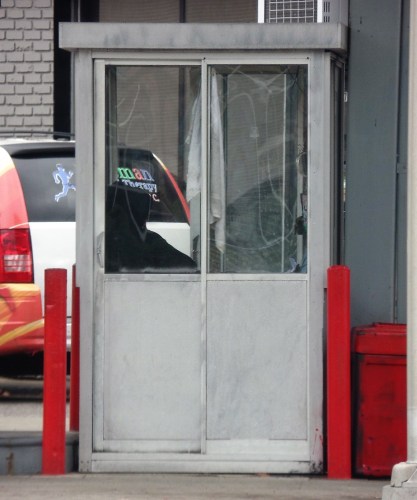
Hello. Excuse me. HELLO! Is this the full service booth?
New Jersey is one of only two U.S. states, the other being Oregon, where gas station attendants pump your gas while you sit in your car, perhaps checking your email and maybe listening to music. Having only spent about four days in Oregon I can’t speak for them but in New Jersey there are a number of explanations as to why we don’t fill ‘er up ourselves.
Officially the ban on self-service gas dates back to the 1949 Retail Gasoline Safety Act. That piece of legislation went into quite a bit of detail about the risks of gas pumping. Here are some highlights of what is officially known as 34:3A-4.
This makes pumping your own gas sound like pretty risky behavior. Perhaps some of my readers who happen to live in the 48 states that seem so oblivious to these risks can let me know if there have been instances of self-immolation at gas pumps in your neighborhood or a rash of miscarriages traced to gas pumping.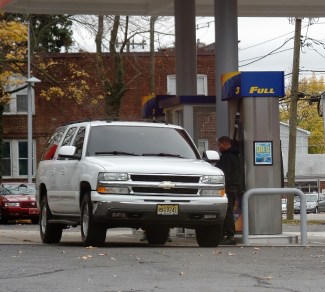
But according to Paul Munshine of the Star Ledger, there is another typically Jersier reason (The real reason self-service gas was banned in NJ: Corruption). According to Munshine everyone in 1949 was selling gas for about the same price, 21.9 cents a gallon. And then along came an entrepreneur by the name of Irving Reingold who opened a 24-pump self-service station in Hackensack offering the discount price of 18.9 cents per gallon. Angered by this intruder who didn’t adopt to the pricing collusion that everyone else did, the Gasoline Retailers Association lobbied the state legislature, the result of which was the 1949 legislation. Munshine quotes WOR radio commentator Lyle Van reporting “Chalk up another victory for the organized pressure groups.” (This move sent Reingold off looking for a career change. He resurfaced as the owner of The New Bell, a club that featured male go-go dancers for female audiences.)
That legislation is 65 years old.. Presumably the technology of pumping gas has improved enough to be less hazardous than is was in 1949. So why do we still not have self-service pumps? Some say it would take away jobs. Others point to the difficulty it would pose for some of the physically disabled. And apparently no elected official in the state (including the big man who is now running for President) wants to touch the issue after a Fairleigh Dickinson University poll in 2012 found that 62 percent of New Jerseyans (73 percent of female drivers) want to keep things the way they are.
And then there’s one other theory proffered by some cynical out-of-staters who believe that New Jerseyans are perhaps too dumb to pump gas. I can assure you that despite having lived most of my life in New Jersey, I have pumped gas in states all over the country even in such high pressure situations as the last gas station before the rental car return at LAX.
But then there’s this video evidence:

The Walkway Over the Hudson, a 1-1/4 mile span that crosses the Hudson River between Poughkeepsie and Highland, N.Y., is the world’s largest footbridge. It was originally built as a railroad bridge in 1889 and was in service until 1974. Backed by a combination of government and private funding the non-profit Walkway Over the Hudson worked with state and local agencies to convert it into a pedestrian walkway. It reopened on Oct. 3, 2009, with Pete Seeger providing the music. The bridge is listed on the National Register of Historic Places.
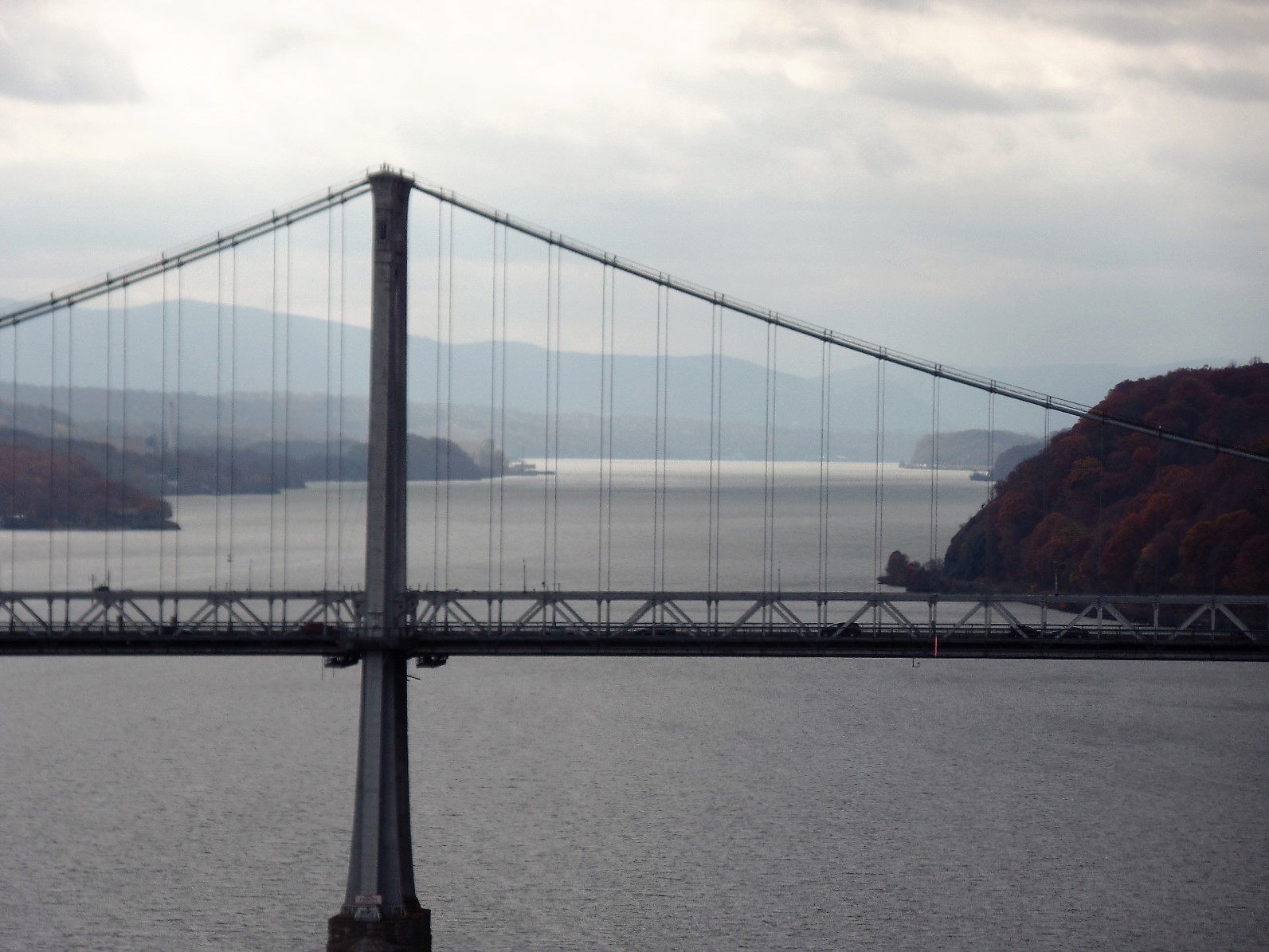
The view downstream

The wst bank in full fall color.

Entrance to the walkway on the Highland side.
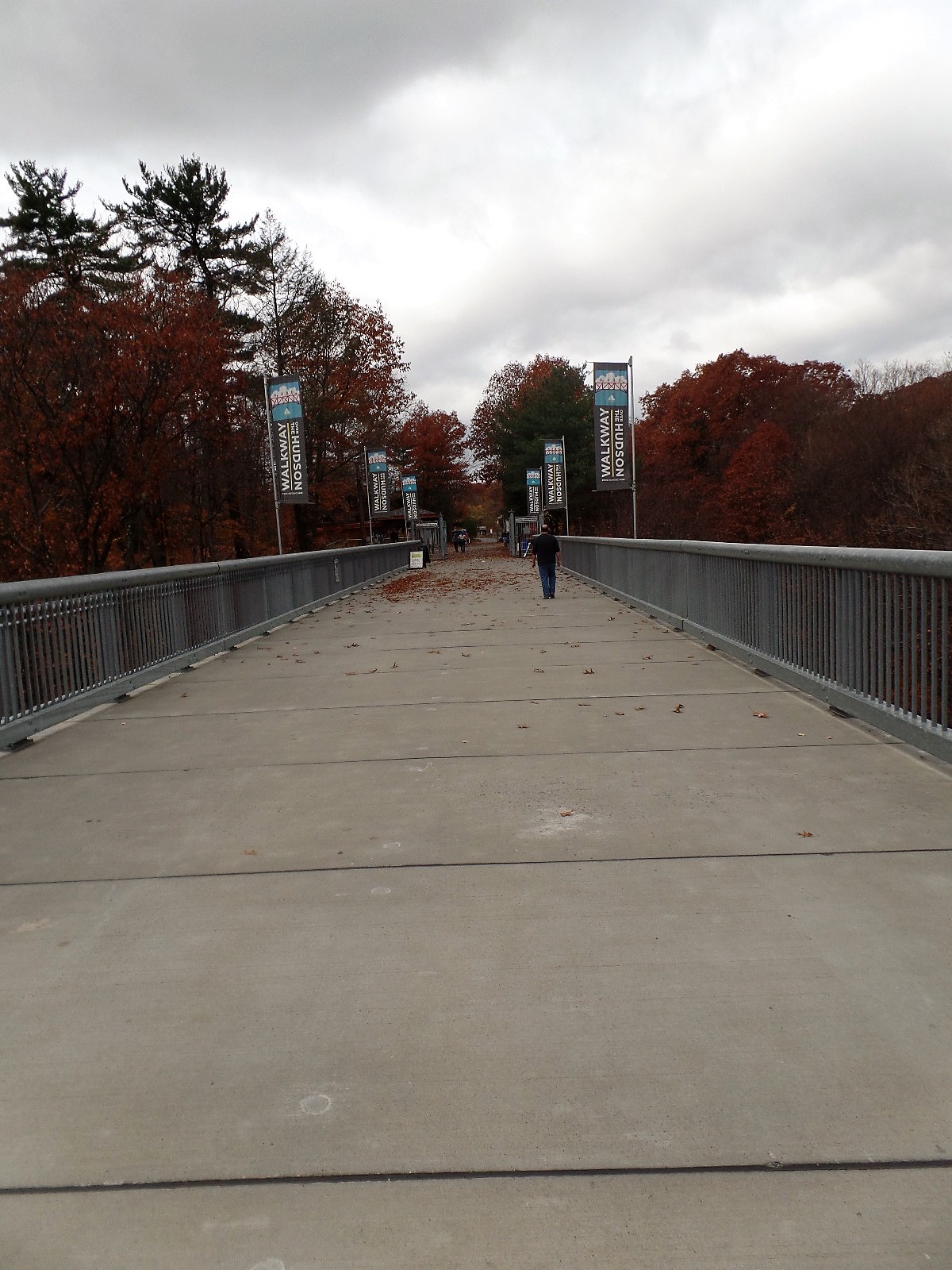
Heading toward Poughkeepsie

The Poughkeepsie riverfront

Under the bridge

Heading south under the adjacent Mid-Hudson Bridge
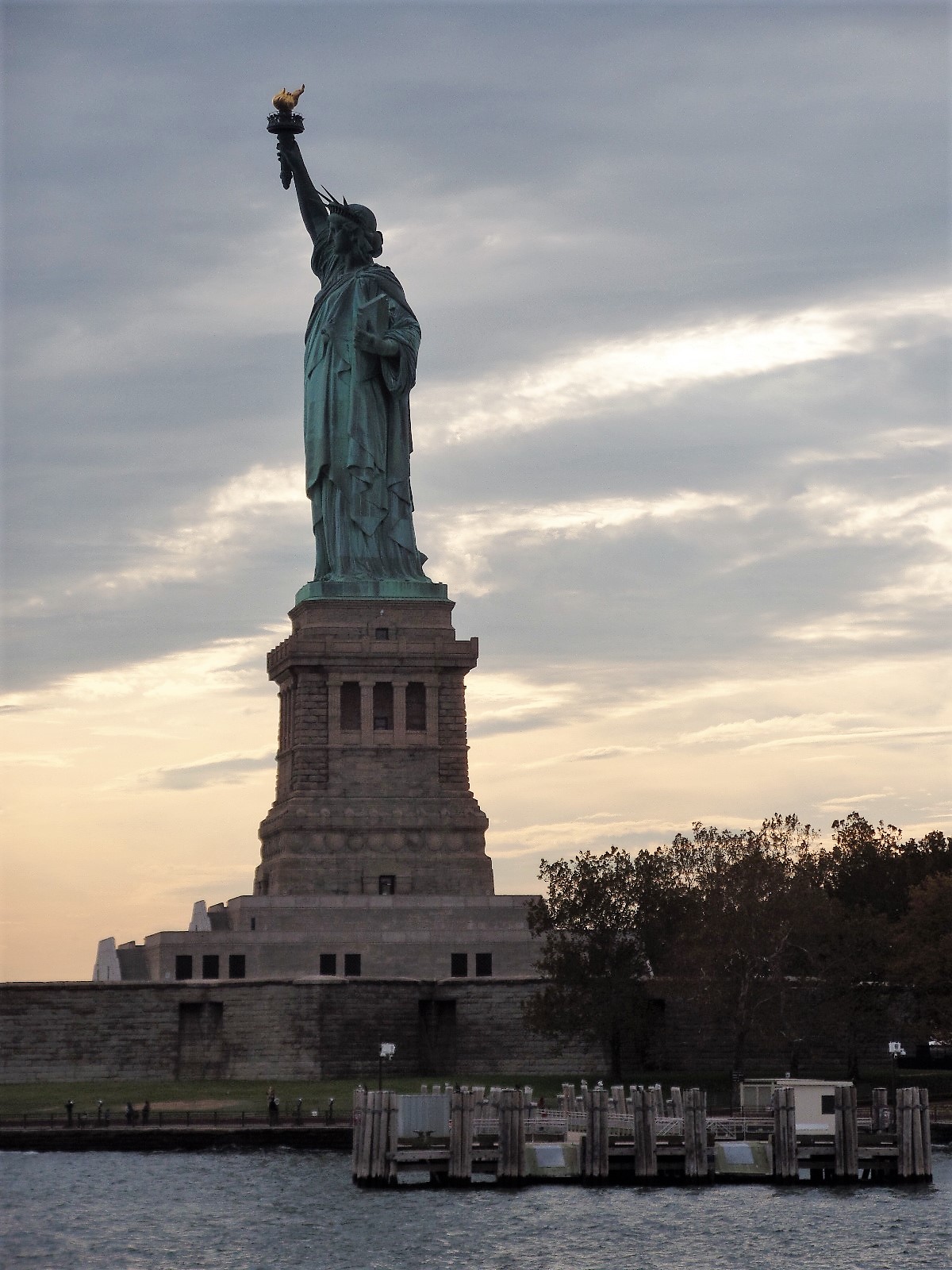
“Give us your tired, your poor, your huddled masses….”
Between 1892 and 1954, more than 12 million people immigrated to the United States through the portal of Ellis Island. It had in 1890 been designated by President Benjamin Harrison as the first federal immigration station. When it opened on Jan 1, 1992, Annie Moore, an Irish teenager travelling with her two brothers, became the first immigrant to be processed at Ellis Island.
Arrivals at Ellis Island could expect to spend three to five hours there during the inspection process. Only about two percent of the people who arrived were turned away. Those that were turned back were believed to have an infectious disease, were judged likely to become a public charge, or had been engaged as an illegal contract laborer.


The first stop for immigrants arriving at Ellis Island was the Registry Room. It has been restored to the way that it appeared in 1918.


Part of the inspection that immigrants were given at Ellis Island was a mental acuity test like the one above. Here they were asked to identify the identical images.


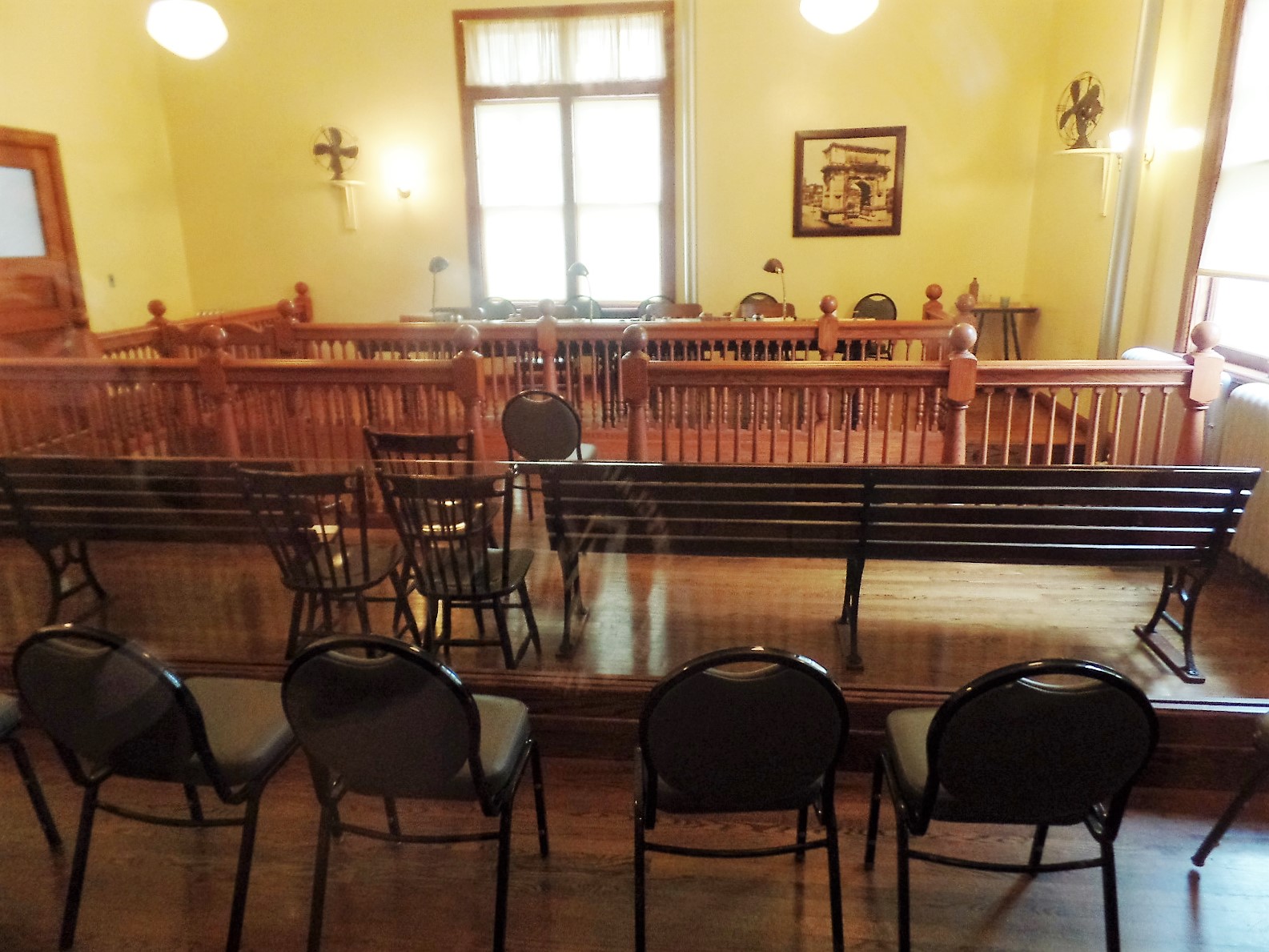
Immigrants who were being held for a legal hearing were sent here.


The next stop for most was the Central Railroad of New Jersey Terminal in Jersey City. More than 10 million immigrants entered the country through here.

The American Immigrant Wall of Honor currently lists the names of more than 700,000 perople who immigranted to the U.S.

