The 1890 Travel Blogger: Atlantic City

(There were no travel bloggers in 1890. There were no blogs. No Web. But there were more and more people in America ready to do some traveling and looking for places to go. So if there was such a thing as a travel blog in the last decade of the 19th century, this is what I think it might have looked like.)
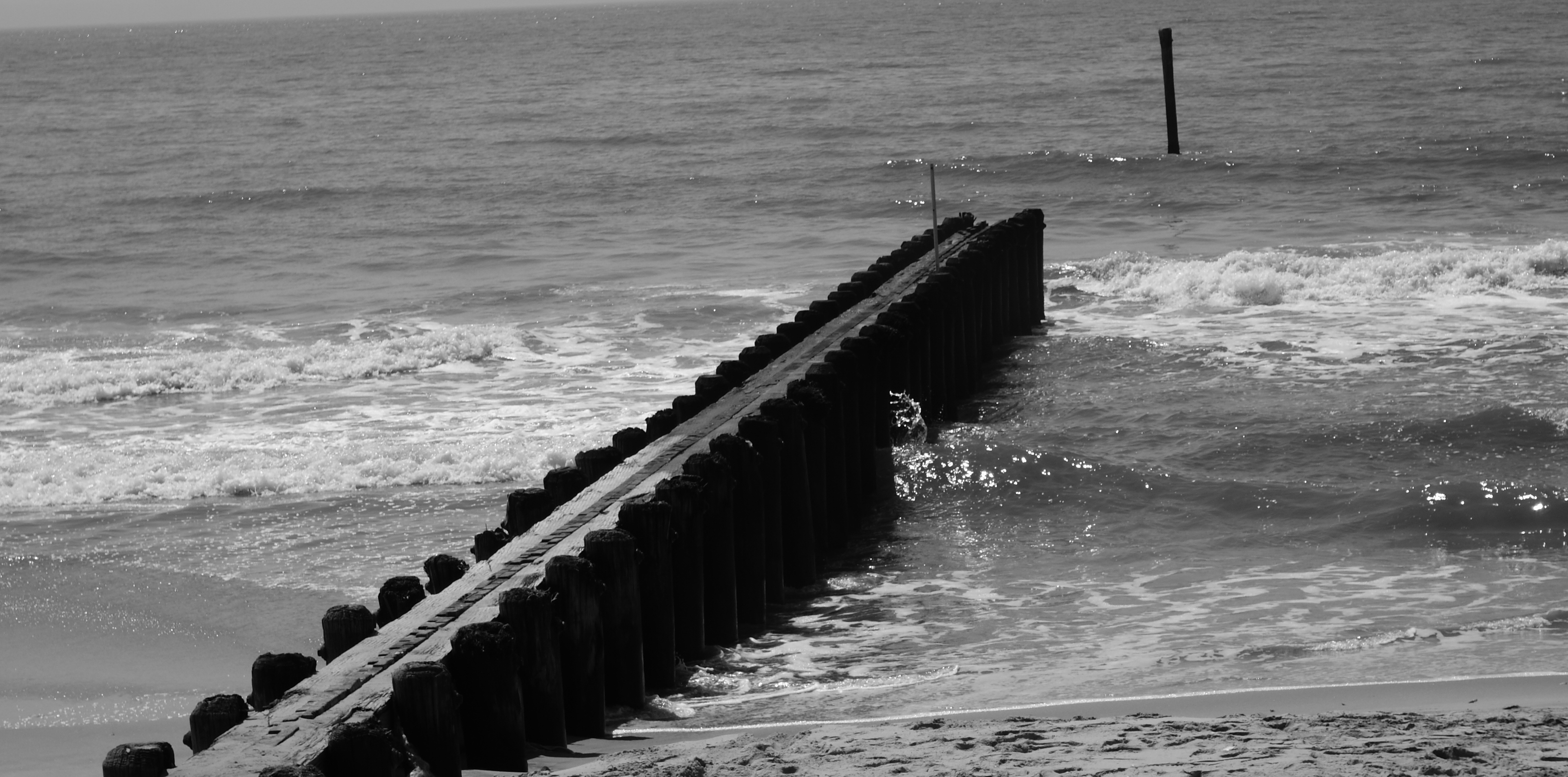
The Atlantic Ocean at Atlantic City beach

(nightwind23)

1. Atlantic City

A temperate summer climate, easy transportation access, one of a kind attractions and lodging for all classes of Americans is what gave Atlantic City the name “Queen of Resorts.” This seaside town is located on Absecon Island off the coast of southern New Jersey within easy reach of both Philadelphia and New York.

One of the reasons for Atlantic City’s popularity is the cool ocean breezes that moderate hot summer temperatures. The air temperature is usually a full 10 degrees cooler than the thermometer readings inland.

And you can enjoy those ocean breezes along Atlantic City’s famous boardwalk. Atlantic City had the first boardwalk in the United States having opened in in 1870. The current version was built last year after the previous one had been damaged by a hurricane. The new boardwalk sports rails of both sides thus reducing the risk of falling off which had proven to be a problem with visitors gazing at the beautiful ocean views and plunging off the edge. The new boardwalk is bigger (24 feet wide) and now stretches for four miles.

If the length of that walk tires you out, you can engage one of the rolling chairs and be pushed along the boards by attendants. These are the same rolling chairs that were introduced at the Philadelphia Centennial in 1876. At Tennessee Avenue and the boardwalk you’ll find Applegate’s Pier with its famous ice water fountain. And across the street Messrs. Young and McShea have opened a carousel that was created by renowned merry-go-round designer Gustav Dingel. The carousel is open every day but is particularly popular on Sunday when its organ plays hymns and riders are provided with hymnals to sing along.

Absecon Lighthouse in Atlantic City

(Bobby Mikul)

For the more adventurous there is the Epicycloidal Diversion on Mississippi Avenue. This contraption features four wheels that are mounted on a revolving platform. Each of the wheels has eight 2-passenger cars. And while on the boardwalk you can enjoy a unique Atlantic City treat, salt water taffy. Legend has it that salt water taffy was accidentally invented in Atlantic City by David Bradley after his shop was flooded with ocean water.

At the north end of the city is the Absecon Lighthouse which is open for visitors from 9 a.m. to noon. The 167 foot tall lighthouse, which was first lit in 1857, is the tallest in New Jersey and its light can be seen from up to 20 miles out to sea.

The Queen of Resorts is known for its Grand Hotels and among those is the United States Hotel. The hotel is a full block in size, bordered by Pacific, Atlantic, Maryland and Delaware avenues.  These luxurious lodgings were visited by President Ulysses S. Grant in 1874. New Yorkers interested in visiting can get a special package from the Pennsylvania Railroad which, for $12.75, includes the train ride from New York with lunch en route and three nights lodging at the U.S. Hotel.

United States Hotel in Atlantic City

(Cartography Associates)

Another of former president Grant’s favorites is the Brighton Hotel on Indiana Avenue. This 17-year-old lodging house is as famous for its punch as it is for its charming accommodations. While many come to Atlantic City to enjoy its grand hotels, the city offers accommodations at all levels including much more modest boarding houses.

Atlantic City can be reached by sea, rail or coach. Both the Camden and Atlantic Railroad and the Philadelphia and Atlantic City Railway offer direct service from Philadelphia.
And there is now a road connecting Absecon Island from the mainland at Pleasantville, although it will require you to pay a 30 cent toll.

While Atlantic City is fast developing a reputation as a playground for the rich and famous it is a resort that all can enjoy. Workers, racial and religious minorities and immigrants will find welcoming accommodations here and can share the same ocean, beach and boardwalk as other guests. For all classes of Americans it is an attractive destination whether for a one-day excursion or for a summer by the sea.


Posted in History, Travel | Tagged , , , , , , , | 31 Comments

The Living, Breathing Disney Attractions

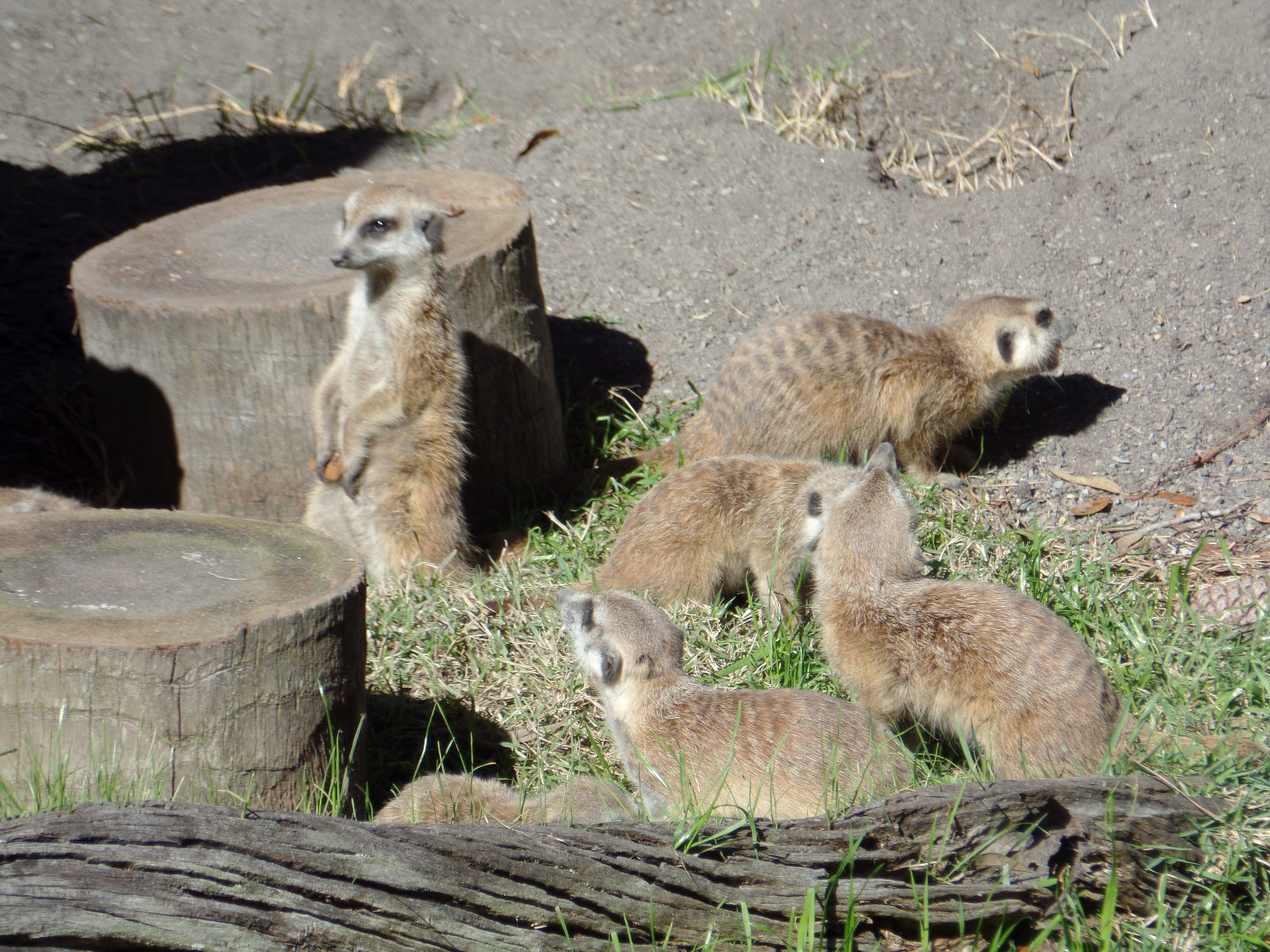
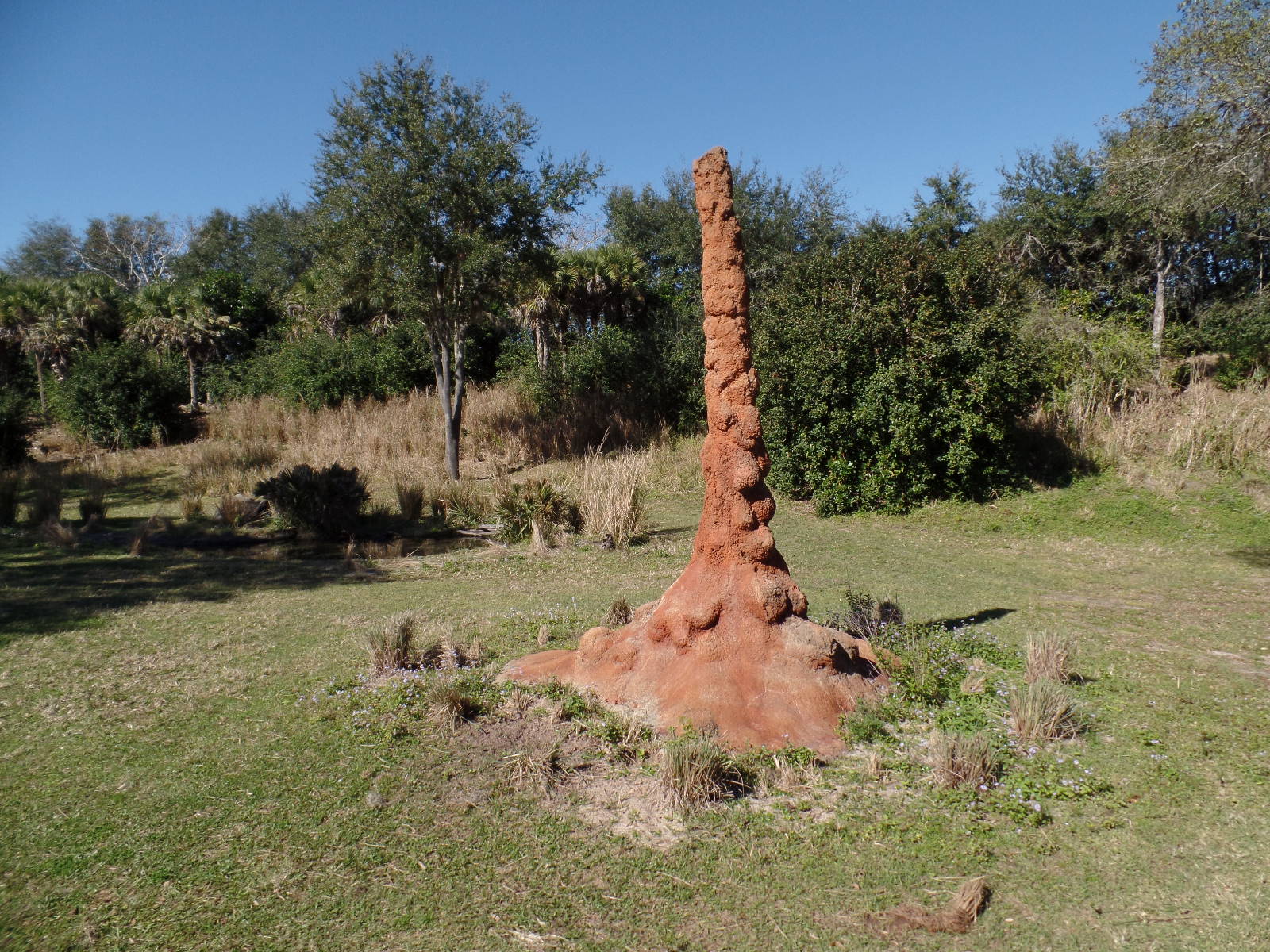
Gorilla at Animal Kingdom in Disney WorldKomodo Dragon at Animal Kingdomn in Disney WordlMeercats at Animal Kingdom at Disney WorldFish tank at Animal Kingdom in Disney WorldScavenger at Animal Kingdom in Disney WorldTermite hill at Animal Kingdom in Disney World

Posted in Travel | Tagged , , , , , , | 2 Comments

No, I am not traveling around the world, I am walking in a circle around Epcot

This is not the Eiffel Tower and that is not the Seine

This is not the Eiffel Tower and that is not the Seine

But this is a pretty good replica of a Parisian bistro.

But this is a pretty good replica of a Parisian bistro.

This is not China

This is not China

Epcot - Japan

But what’s more Japanese than Godzilla

This is not Canada

This is not Canada

Nor is this Mexico

Nor is this Mexico

But that is a real caramel apple and the guy making it is indeed German

But that is a real caramel apple and the guy making it is indeed German

Famous? Really?

Famous? Really?

Epcot at night, my favorite part of Disney World

Epcot at night, my favorite part of Disney World

Posted in Travel | Tagged , , , | 25 Comments

How the Other Half Lived: Lambert Castle

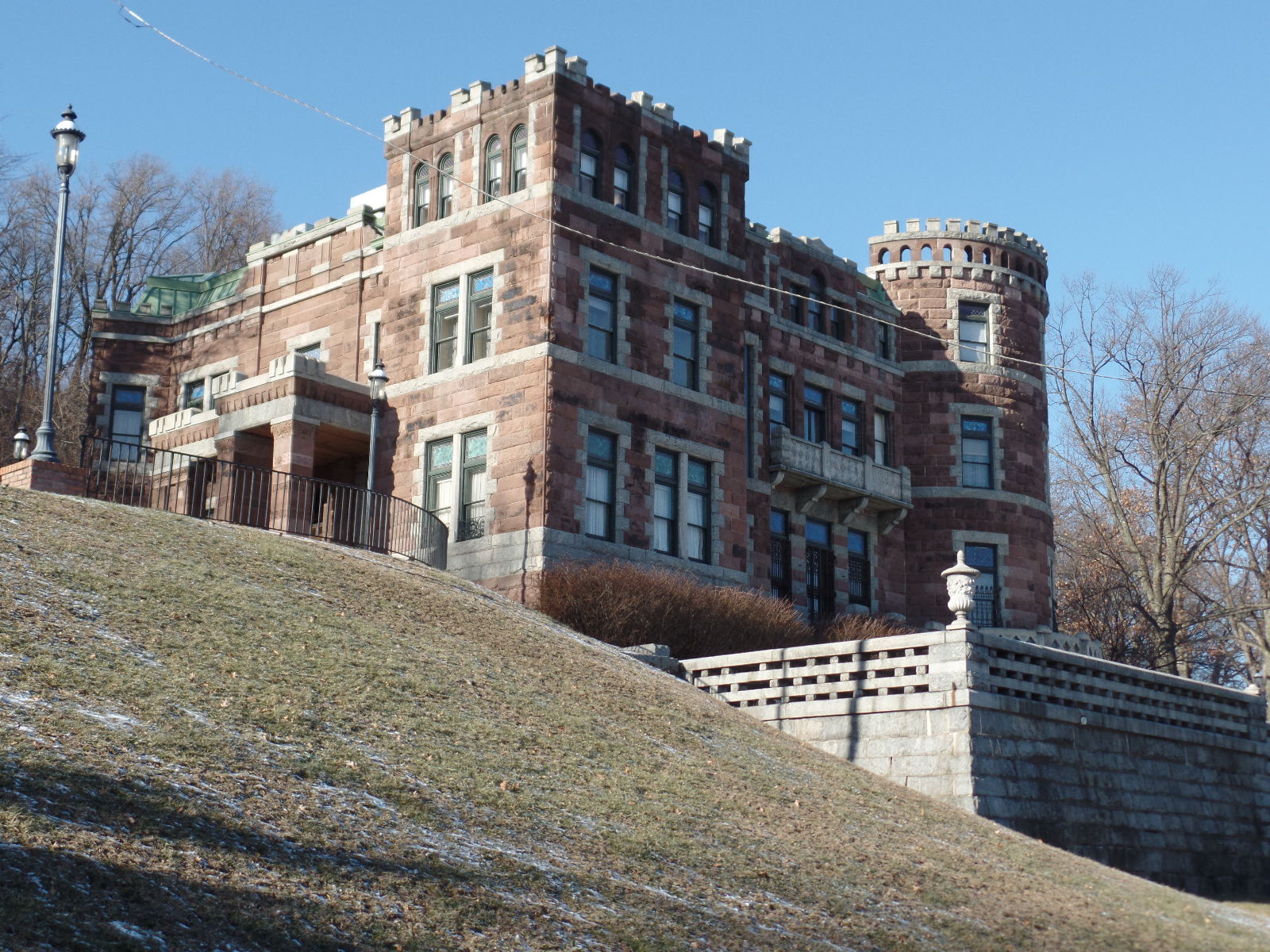
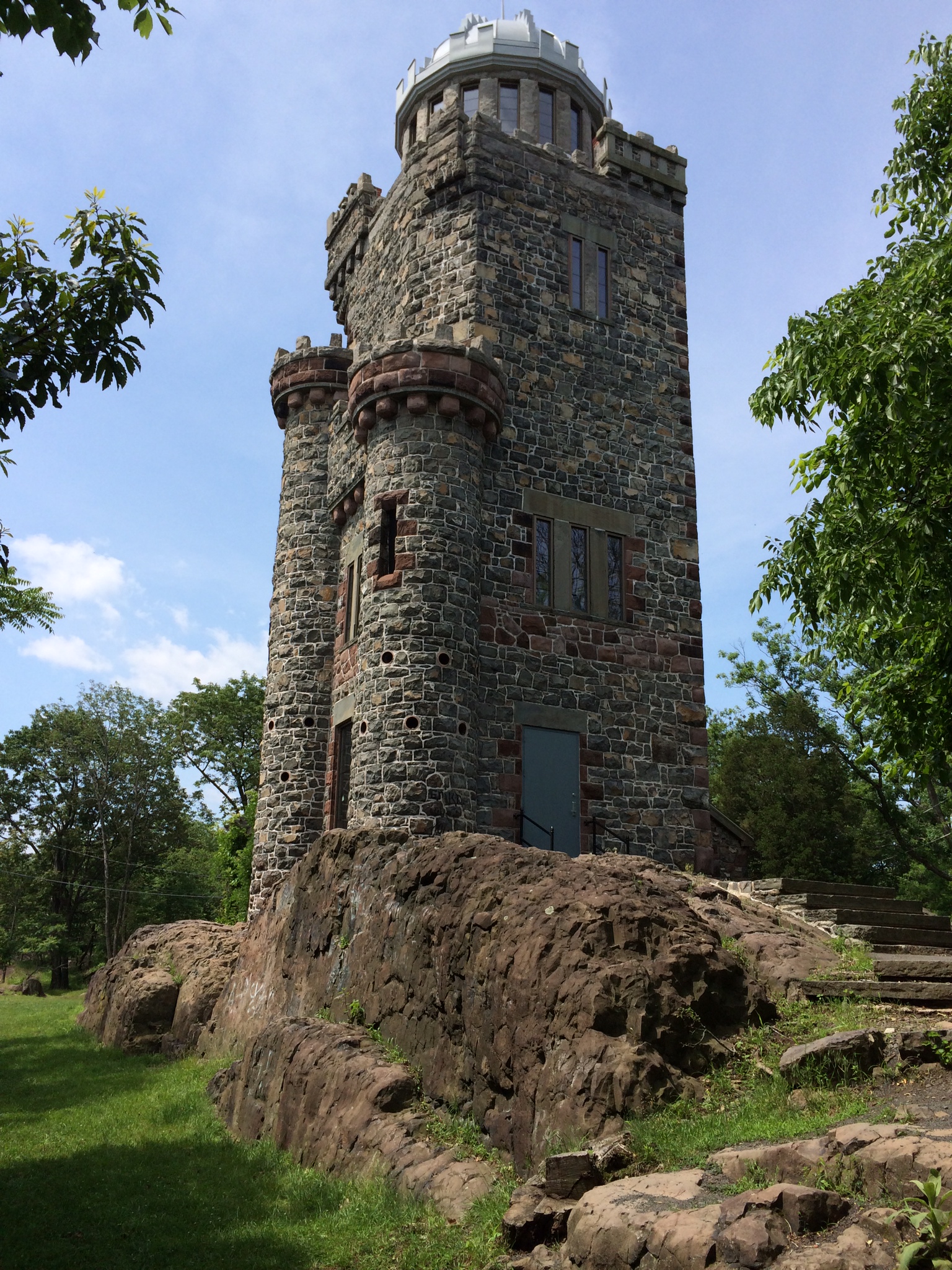
In an earlier post I described the Botto House in Haledon. N.J., home of an Italian immigrant family and gathering place for the striking workers during the 1913 Paterson Silk Strike. On the other side of Paterson and on the other side of the silk strike stands Lambert Castle, the home of Catholina Lambert, owner of the Dexter Silk Mill, one of the mills targeted by the strikers.

Lambert Castle

Lambert Castle

The English-born Lambert moved to Boston at the age of 17 where he began his career in the silk industry. He eventually assumed ownership of the firm Dexter, Lambert & Company. Lambert was a professional success, but his life was marked by tragedy as he outlived 7 of his 8 children and both of his wives.

In 1891 construction began on what was then called Belle Vista, named after his first wife Isabella. Lambert moved into the castle in 1892 and staged a 400-person grand opening in 1893. Among the prominent visitors to Belle Vista were President William McKinley and his vice president, Paterson native Garret Hobart.

The Music Room

The Music Room

The Drawing Room

The Drawing Room

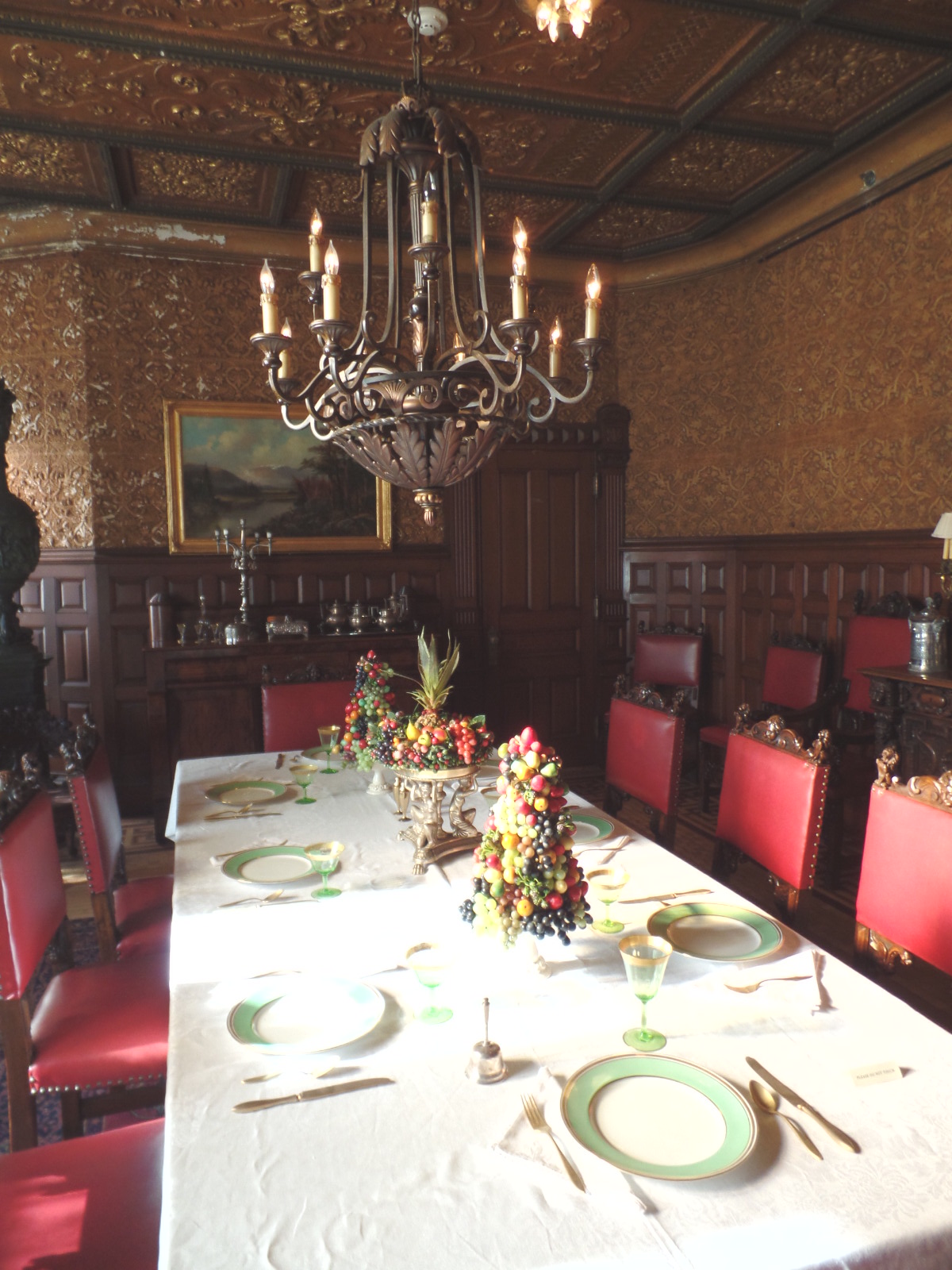
The Dining Room

The Dining Room

In 1896, Lambert added an observation tower at the highest point on Garrett Mountain.

Lambert Tower

Lambert Tower

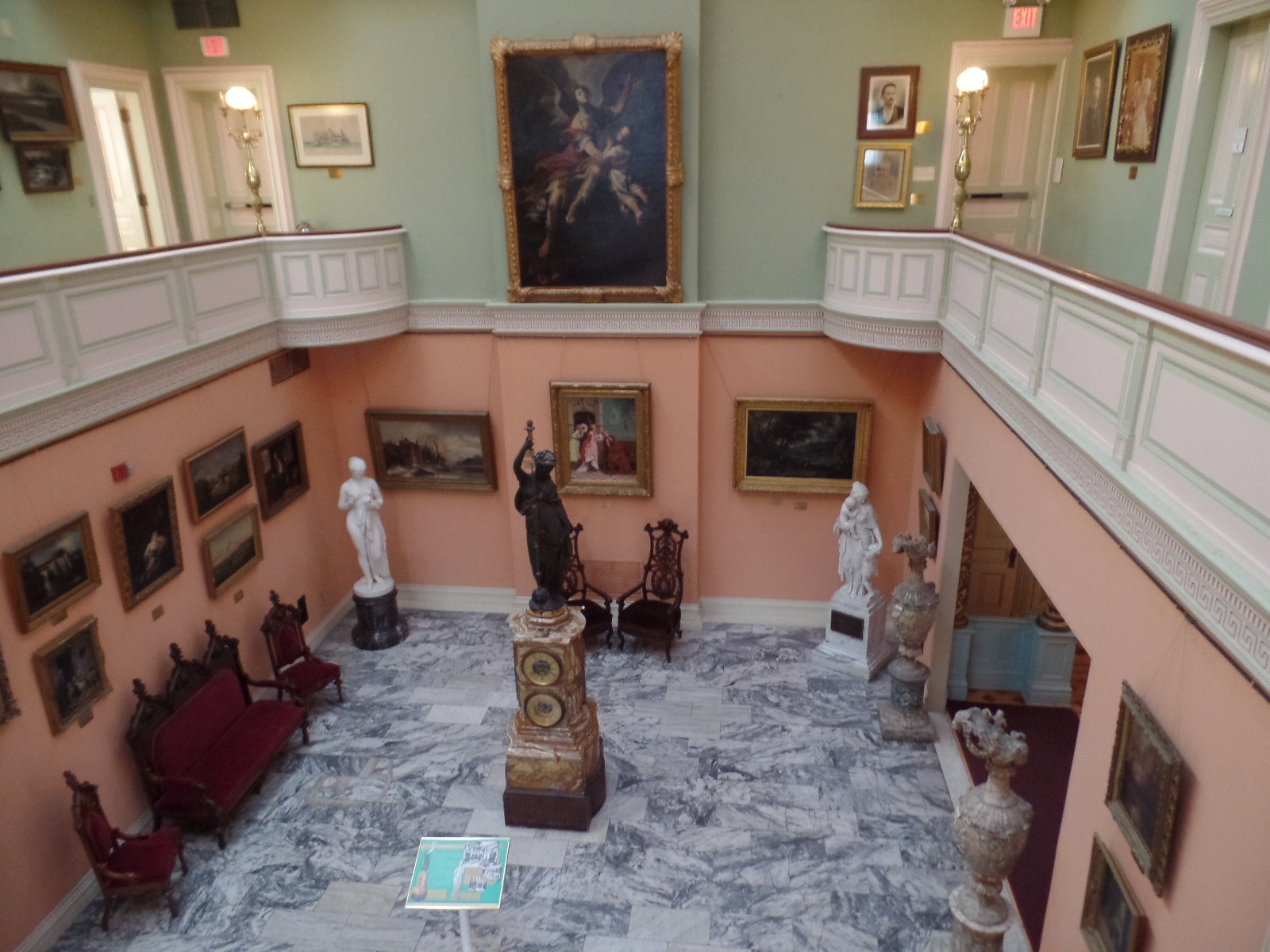
While I am sure Catholina Lambert never endured the hardships that were suffered by many of the striking silk workers during that long and largely unsuccessful strike, the events of 1913 did take their toll on Lambert and his firm.  In 1914 he mortgaged his estate. In 1916 he sold his extensive art collection, including 368 paintings and 32 sculptures, to pay off his firm’s debts. A year later his son Walter liquidated Dexter, Lambert & Company.

Catholina Lambert continued to live in Lambert Castle until his death in 1923. Two years after his death, Walter sold it to the City of Paterson.

The Grand Atrium

The Grand Atrium

Posted in History | Tagged , , , , , , | 2 Comments

Descendants of the Silk Strike: Two Book Reviews

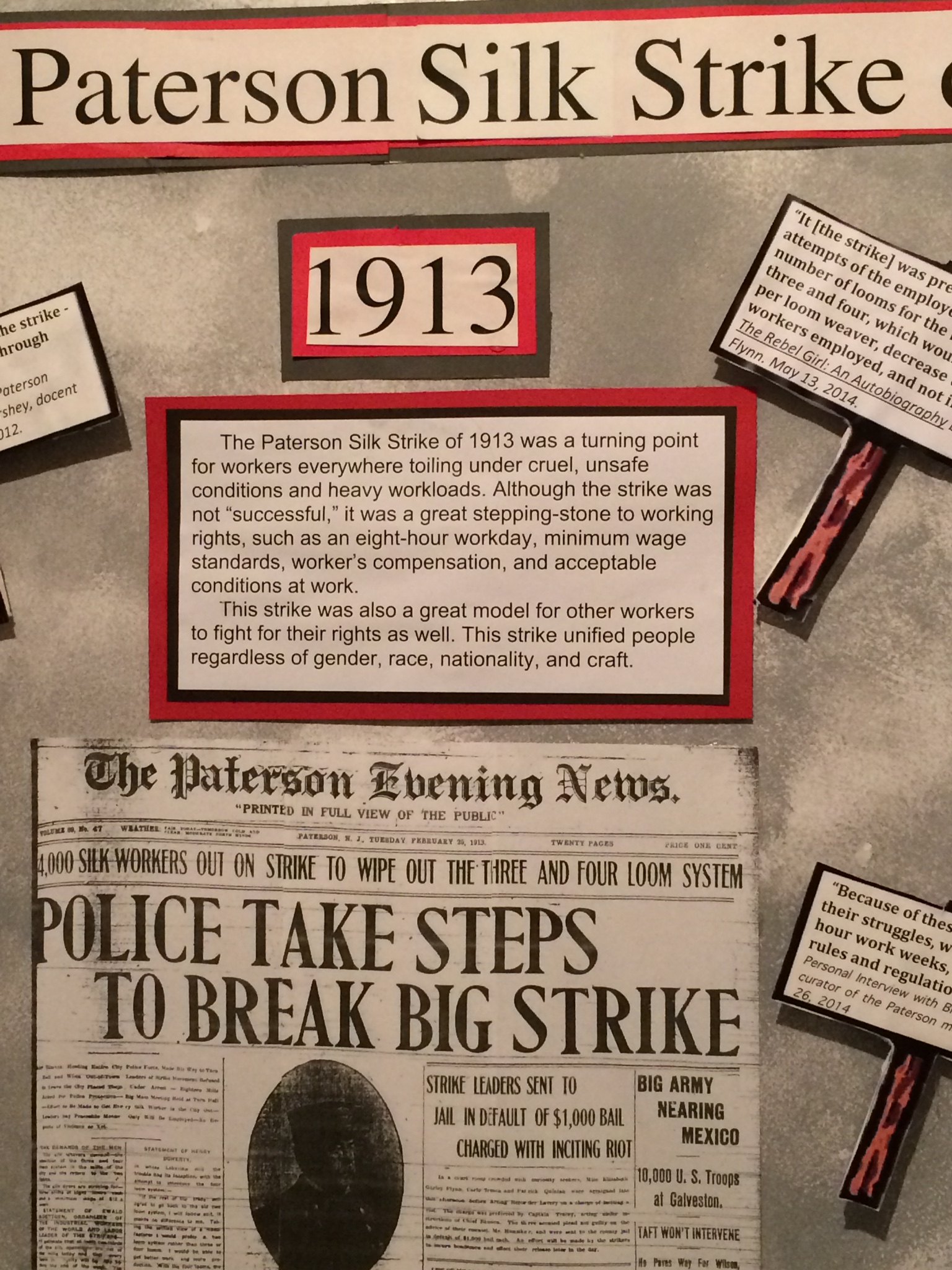
The 1913 Silk Strike was a watershed moment in the history of Paterson, N.J. On a micro level it was about the workers trying to stop the implementation of a four-loom system, a system that meant more productivity to the mill owners, but harder work and loss of jobs to the laborers. But from a broader perspective it was about immigration and industrialization, unionization and income inequality. In other words it was a product of the social and economic movements of the times.

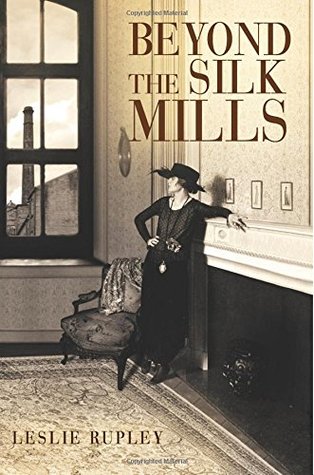
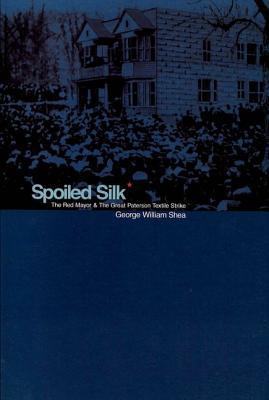
The Paterson Silk StrikeThese two books are written by authors whose grandparents lived through the strike. Leslie Rupley’s work, Beyond the Silk Mills, is historical fiction. George William Shea was written a history that is also a family memoir, Spoiled Silk.

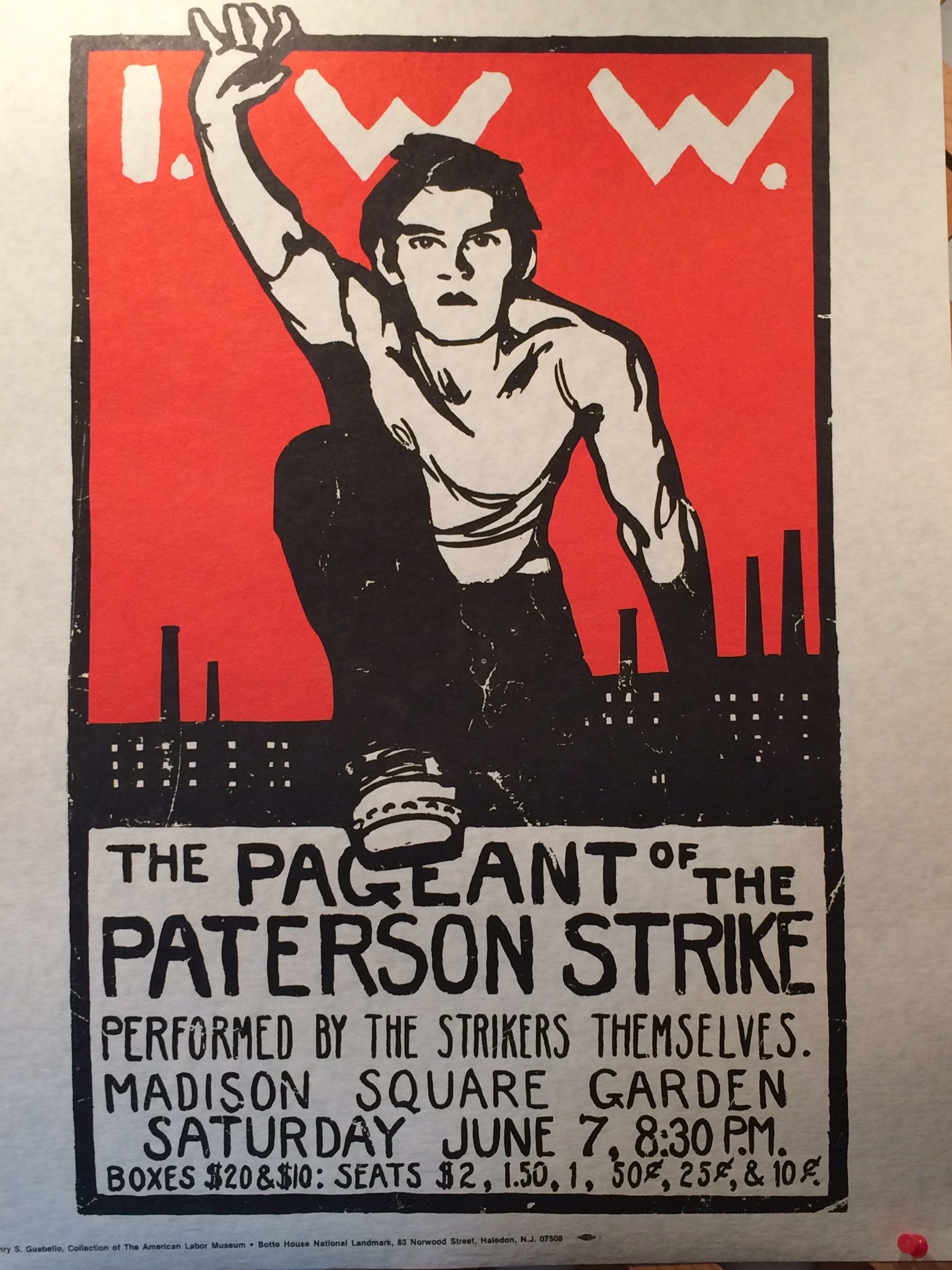
Paterson Strike PageantFor late 19th and early 20th century immigrants who came to the Paterson area and worked in the mills, there were two different paths they often took to assimilate into their environment. One was to focus on the organization of the workers, some doing so along socialist ideals, while others clamored for more practical gains, like an 8-hour day. The other was to participate in the expanding economic environment and growing consumer culture by focusing on accumulating personal wealth. Those themes run through both of these stories.

Too often American history is about presidents and politicians, wars and legislation. Rupley and Shea have instead written their histories about people, about what it was like to live in the Paterson area, or in other industrializing areas in the Northeast, in the early years of the 20th century. A history of people not presidents. That’s a lot more interesting.

Beyond the Silk Mills, Leslie Rupley

Beyond the Silk MillsThe story of a family of Jewish immigrants from Poland in the early 20th century. Meyer is focused on organizing the workers in the silk mill. Emma is thinking about making money. He dreams of a socialist society, she of a big house on the east side. Rupley’s story follows this couple and their two children through the Paterson Silk Strike, World War I, a devastating flu epidemic, the suffragette movement and the meteoric rise and fall of the stock market in the 20’s.

One of the things I found most interesting about the book is the detail of the lives of immigrants in Paterson. For example her description of the Workmen’s Circle that Meyer retires to at the end of the workday seems to realistically capture the social environment for male immigrant workers. Having been born in Paterson and raised nearby I also appreciated the local color.

The book is mostly historical fiction and small touch of romantic novel. Personally I preferred the history. Rupley is a really good storyteller and I enjoyed reading it.

 Spoiled Silk, George William Shea

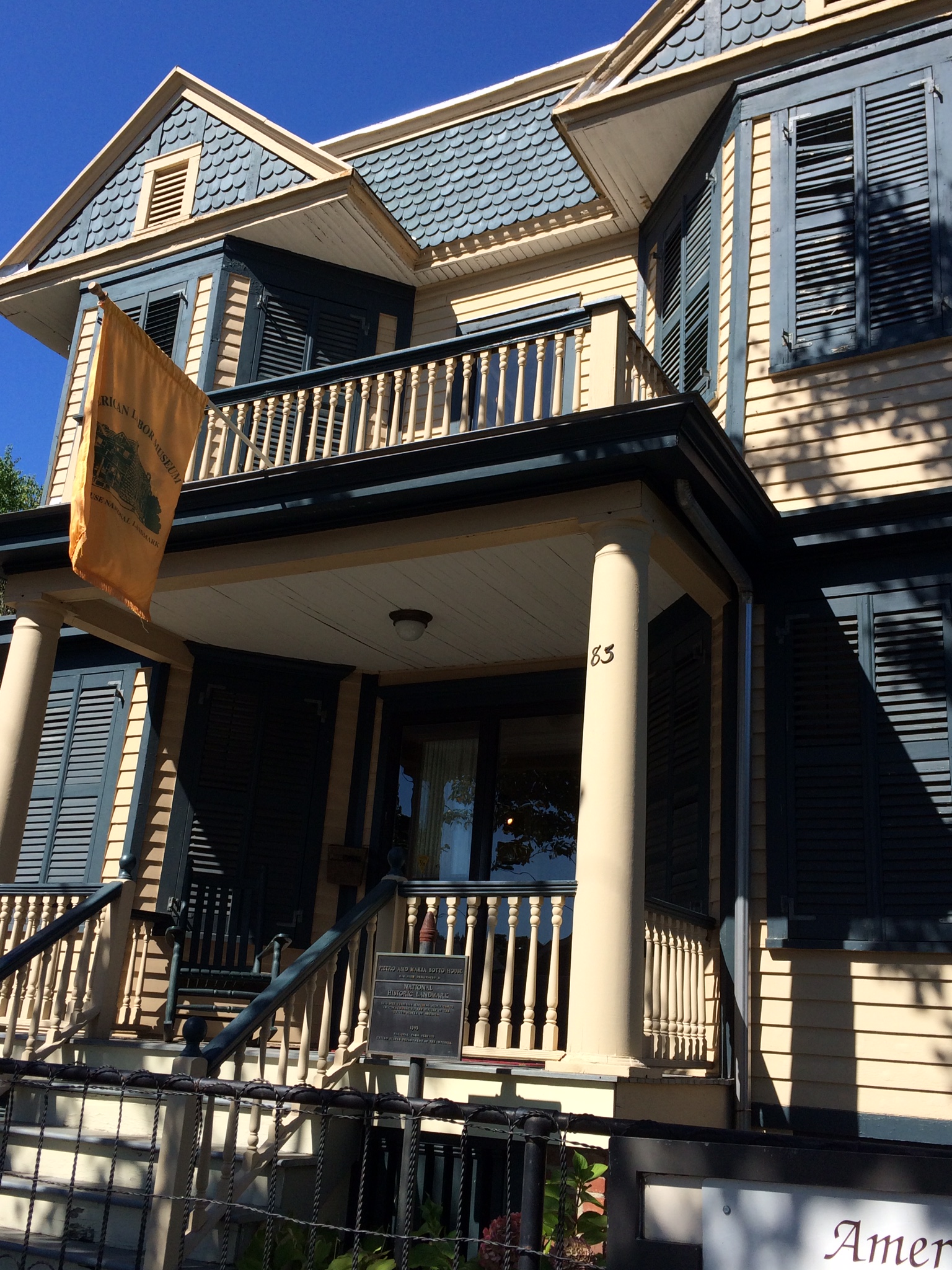
Spoiled SilkSpoiled Silk is the story of two German immigrants, William Brueckmann and Katherine Ruhren, and the family they raised after immigrating to the Paterson, N.J., area in the 1890’s. Brueckmann was to become a prominent figure in the 1913 Silk Strike. Having settled in the nearly town of Haledon, he was elected mayor, running on the Socialist Party line. During the 1913 strike the authorities in Paterson prohibited the workers and their union organizers from meeting in the city, so they appealed to Haledon’s “Red Mayor” and he welcomed them to town. There they held regular meetings at the Botto House, home of an Italian immigrant who also worked in the mills and sympathized with the strikers. That house is today a national landmark and home to the American Labor Museum.

The Brueckmann’s story takes us through the times of the strike and the influence of the “Wobblies,” the radical left International Workers of the World. It also covers the anti-German sentiment that was inspired by World War I, the up and down financial times of the decades between the two wars and even captures a glimpse of the impact of the anti-Communist hysteria of the post World War II years on this by then retired couple.

Spoiled Silk is a well researched history of the times, but it is also a family memoir as the author is the grandson of the Brueckmann’s. So it is a story that is told to a large extent through the recollections of the participants.  It has its lighter moments too, some of which involve the interactions between the author’s mother’s German family and his father’s Irish family.

When this book was published in 2001 Shea was a professor of classics at Fordham. Since it was published by the Fordham University Press. I suspect no one was paying for placement on the Barnes & Noble new and notable table, so it probably didn’t circulate that widely. Too bad. Shea is a really good writer and the story couldn’t be more interesting. It is a work that deserves a bigger audience.

The Botto House, Haledon

The Botto House, Haledon

Posted in Book reviews, History | Tagged , , , , , | 24 Comments

Americans Discover Vacation: Book Reviews

These four books were all primary sources for my Americans Discover Vacation series of posts. Each is reviewed below followed by an index of the Americans Discover Vacation posts.

Working at PlayWorking at Play: A History of Vacations in the United States by Cindy S. Aron

The author describes the history of vacations in America from roughly 1800 to 1940. That time period starts as the idea of vacation first makes an appearance and ends at the point when most Americans expect to spend some time vacationing. Arum traces the socio-economic history of vacations, starting with the nation’s elite and gradually finding its way to all classes and all types of people. She also follows the theme of how a nation of people whose forefathers subscribed to the Protestant ethic of work had to overcome or circumvent some of their beliefs in order for vacationing to become part of the culture. Arum believes that to this day the way we vacation is impacted by the ambiguous attitude of Americans toward leisure.

I would have liked a little more color. More detail about certain individuals’ vacations or maybe a broader description of what life was like at some of the typical resorts of the different eras. The book is written as an academic text. It is thoroughly researched and comprehensive in its coverage. If you are interested in the subject, you’ll like the book and find it interesting.

I became interested in the history of vacations in America after staying at a 145-year-old mountain resort and a beach hotel which is almost 200 years old. This is the best source I’ve been able to find to fill in the historical perspective of those resorts.

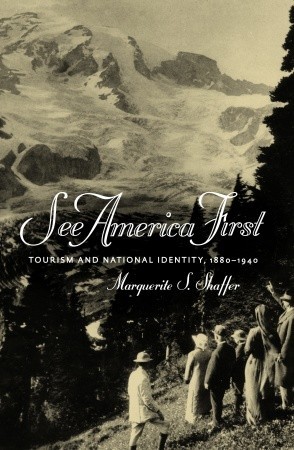
See America FirstSee America First: Tourism and National Identity 1880-1940 by Marguerite S. Shaffer

A study of the role of nationalism in the growth of tourism in the United States. Or, stated another way, how tourism was marketed as an expression of nationalism. Covers the period of 1880-1940, with emphasis on the first couple decades of the 20th century. The title “See America First,” could perhaps be part of a longer phrase along the lines of: before you even think of going to Europe you should express your sense of citizenship and see America first. For many of the travelers who are the subjects of this book, that meant heading west. America, having only a bit of history and a chip on its shoulder over the perceived cultural superiority of Europe, had one thing to counter that. Landscape. Stunning, beautiful mountains, canyons, lakes and rivers.

I was interested in reading about the development and growth of the national parks and surprised to find out that it was largely triggered by the railroads. In the late 19th and early 20th century several large competing railroad corporations sought to steer travelers their way by not only touting but often developing attractions along its routes. I was also fascinated to read about FDR’s depression-era white collar relief program that included a $6 million allocation for the Federal Writers’ Project. They produced a series of state-by-state travel guides with some 10,000 writers participating, including John Cheever, Saul Bellow and Ralph Ellison.

If you are studying or researching the history of vacations in America this is a good source. If you’re a casual reader you might find it tedious. Much of the content is dry, although I laughed out loud (when’s the last time you saw that phrase spelled out?) when I read this quote from Theodore Dreiser. Writing in “Hoosier Holiday” about his auto trip through small-town America, Dreiser observes: “Here is where your theologically schooled numskull thrives, like the weed that he is.”

Sacred PlacesSacred Places: American Tourist Attractions in the Nineteenth Century by John F. Sears

In the so-called New World there was no Rome or Jerusalem to set forth toward on a pilgrimage. We have no grand cathedrals. So in this author’s view, we created our own “Sacred Places.” What raw material did we have to work with. Scenery and stunning landscape. Sears describes the reverence which 19th century intellectuals, artists and tourists bestowed upon that era’s emerging tourist attractions. They were Niagara Falls, the Hudson and Connecticut Valleys, Mammoth Cave, the White Mountains, Yosemite and Yellowstone. He does not cover the resorts that were not based on scenic wonders. No one, for example, has probably ever associated Atlantic City with any level of sacredness.

One of the strengths of Sears’ book is that at least for a few of the resorts he gives a very good impression of what it must have been like to visit in the 19th century. This is particularly true of the chapters on Mammoth Cave in Kentucky and the early years of Yellowstone National Park. I also was interested in his description of how commercial interests, shops, sideshows and circus entertainment, began to overrun Niagara even at this early stage.

This is not as comprehensive a source as either “Working at Play” or “See America First.” But it’s well written and an easy read. There is one chapter that seems incongruous about prisons, asylums and institutions for the physically disadvantaged. Apparently these were also tourist attractions in the 1800’s. Strange times.

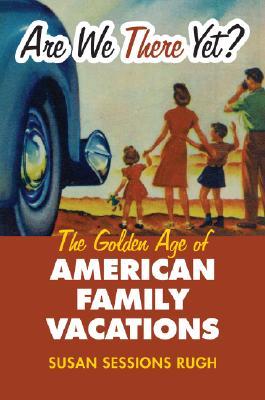
Are We There YetAre We There Yet? The Golden Age of American Family Vacations by Susan Sessions Rugh

The author introduces the book by describing how she and her sisters sat in the back of the family camper as they headed west toward Yellowstone. Apparently the girls weren’t that keen on having their card game interrupted to catch a glimpse of the Tetons. While she was headed west I was headed south at the time. My dad tried to keep my sister and I occupied in the back seat by plugging a TV into the cigarette lighter. If you grew up in the 50’s or 60’s you’ll find a lot of this pretty nostalgic. Rugh goes into great detail about the standard family road trip: the types of travel games that could occupy restless children, the stuff Dad had to do to get the car ready and the type of food Mom would bring along for the ride.

But the book isn’t all fun and games. Rugh describes the obstacles that black Americans faced when they too wanted to be part of “The Golden Age of American Family Vacations.” For black families on a road trip through unfamiliar territory, they never knew if they would find a motel that would accept them, a restaurant that would seat them or even a restroom they could use. Rugh documents how the response and protests of black families to this discrimination played a role in the eventual passage of the Civil Rights Act of 1964.

In doing research for this series of blog posts I’ve read several texts on the history of American vacations recently. This one is the breeziest read and the one that is most likely to interest a broader audience. Not all history professors are good writers. Rugh is.

Americans Discover Vacation Index

Posted in Americans Discover Vacation, Book reviews, History, Travel | Tagged , , , , , , , , | Leave a comment

Americans Discover Vacation: The Cigar Store Indian Syndrome

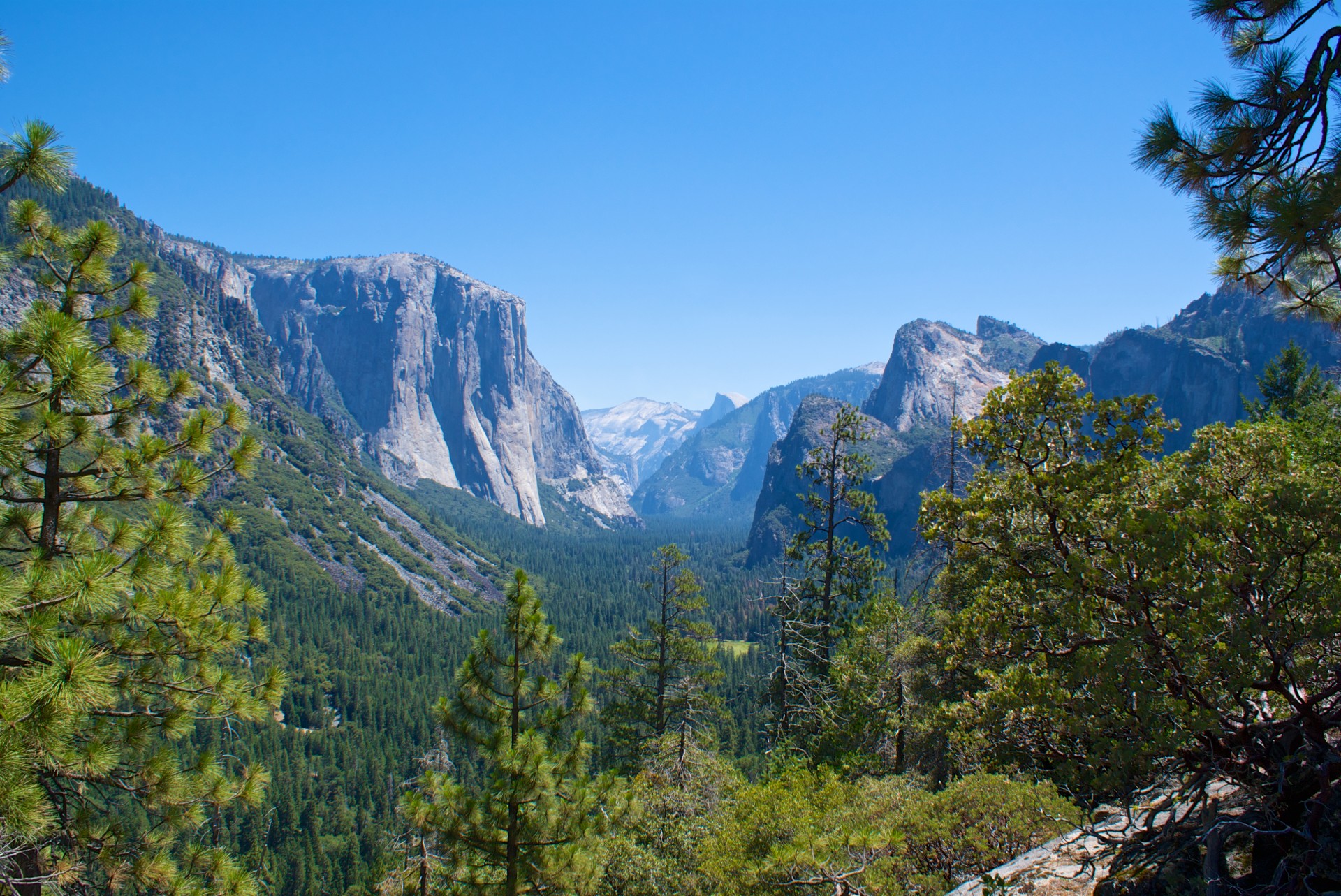
The history of America’s national parks usually begins with the “discovery” of Yosemite. This so-called discovery is described in a 1910 book The Yosemite Valley written by one of the early while settlers of the region Galen Clark. “The Yosemite Valley was discovered and make known to the public by Major James D. Savage and Capt. John Boling, who, with a strong detachment of mounted volunteers from what was known as the Mariposa Battalion, went with friendly Indian guides to the Valley in March 1851 to capture the resident tribe of Indians and put them on the Fresno Indian Reservation.”

(Ken Kistler)

(Ken Kistler)

What Clark does not explain is how you can discover a territory when in fact there are some folks already living there. This is a good example of the attitude of European Americans to Native Americans which is part of the whole story of the “discovery” of America. One might instead suggest that the Europeans were immigrants to America rather than discoverers.

By the mid-19th century whites had killed off a substantial portion of the Native American population and what was left was in the process of being herded into reservations by outfits like the Mariposa Battalion. But this was also a time, according to See America First author Marguerite S. Shaffer, when “scenic nationalism swept through the U.S.” And as more and more Americans began to travel West their attitudes toward Native Americans shifted and began to take on a romanticized image of the Native American as part of the scenery, players in the whole Manifest Destiny, conquer the wilderness patriotic narrative.

It didn’t take long for the white pioneers of Yosemite to see the potential as a tourist attraction. Clark writes, “The first house in Yosemite was built in the fall of the year 1856, and was opened the next spring as a saloon for the entertainment of that class of visitors who loved whiskey and gambling. The next year it was fitted up and used as a restaurant.” Nor did it take long for promoters of Western tourism to try to make the Native American part of the attraction.

Railroads hired Native Americans to greet their westward bound passengers. A series of travel guides called See America First that was published by Page and Company beginning in 1914 offered up images of the noble savage. Shaffer describes how “the series guides constructed a tourist spectacle of primitive Indian societies living in harmony with nature that served to augment an ideal of nature as a refuge from modern society. In effect they (tourists) purchased and thus participated in the primitive lifestyles embodied in the romanticized tourist Indians…”

(Michele Walters)

(Michele Walters)

Native American ceremonies were presented as one of the sights to see while traveling through the West. Shaffer writes: “Picturesque and exotic tourist Indians who willingly collaborated in the staged authenticity of the tourist experience were acceptable and appealing. As objects on display they were aestheticized consumer products.”

This would only get worse. By the mid-20th century, many Americans had cars and paid vacations. They also had TVs. As observed by Are We There Yet? author Susan Sessions Rugh, “the new medium of television was quickly captured by gun-slinging cowboys fighting Indians…to save the frontier for white man and his woman.”

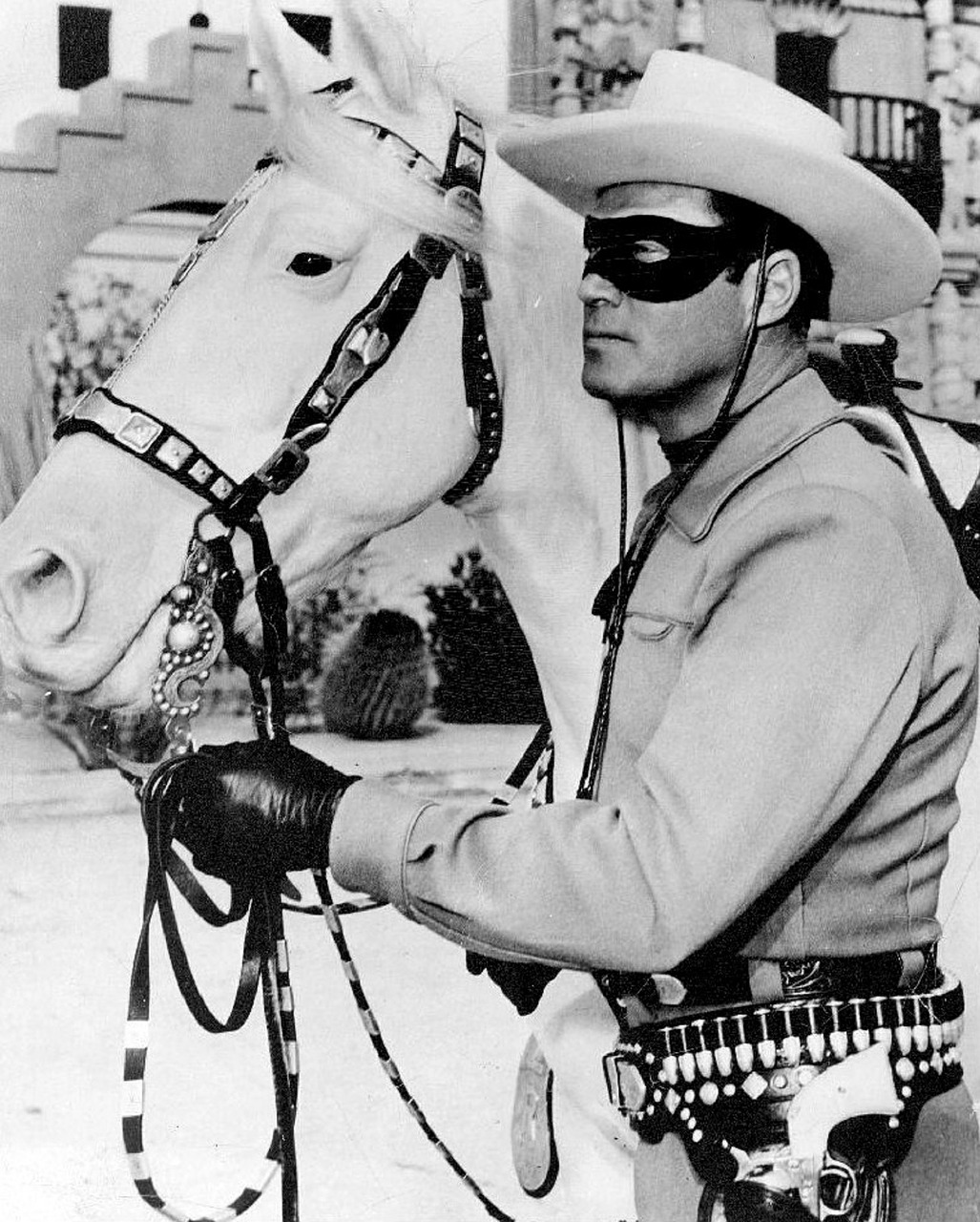
Just as later generations of tourists would bring their children to amusement parks built around brands like Dora the Explorer or Harry Potter, travelers in the 50’s and 60’s set out for theme parks branded with names like Hopalong Cassidy and the Lone Ranger. And at these venues the portrayal of Native Americans sometimes veered off into the ludicrous, if not outright stupid.

One such amusement park in California was Knott’s Berry Farm. Started in the 30’s as a fried chicken joint, it evolved into an amusement park that by 1952 was attracting 1.2 million visitors. Those visitors could get their picture taken with statues of gold miners or saloon girls or Native Americans wearing headdresses. In Rugh’s book there is a picture of a Filipino family that the park hired to dress up as Native Americans.

(skeeze)

(skeeze)

Another of the 50’s cowboy and Indian themed attractions was the Corriganville Movie Ranch. This was originally opened as a place to film westerns. Rugh notes that one of the regular Sunday afternoon attractions was an “Apache flaming arrow attack on covered wagons.” This bit of theater was actually broadcast live by one of the local TV stations. Guests could also pretend to be Indians and go on the hunt for hidden arrowheads. In 1955 the Corriganville attraction was bought out by none other than the Lone Ranger himself and it was later renamed the Lone Ranger Ranch.

In that same year Disneyland opened. While the new Disney park notably welcomed black and Mexican-American guests at a time when prejudice kept them away from some other resorts, the Disney attitude toward Native Americans was somewhat less enlightened. One of the features of the new Disney park was Injun Joe’s Café. Rugh quotes a description of Frontierland in a 1963 edition of Disney News that touts the fact that children could dance with Indians at the “authentic Indian Village where true-to-life, honest-to-goodness Indians from throughout the Great Southwest perform daily.” Long before the advent of Disney princesses there were performers by the names of Horse Stealer, Whitecloud, Red Eagle, Little Deer and Whirling Wind.

SAMSUNG CAMERA PICTURESThe cigar store Indian was introduced long before that. Its origin was based on the fact that it was Native Americans who turned Europeans on to tobacco, much as it was Native Americans who led whites to the “discovery” of Yosemite. This ultimately resulted in Native Americans being driven off the tobacco fields that they had cultivated, in some cases being replaced by plantations which would be cultivated by black slaves. And in the same way that the “noble savage” was later marketed as a symbol of the now cultivated West, the wooden carved Indian sitting outside the shop was a way for the tobacconist to market his goods and attract customers.

Posted in Americans Discover Vacation, History, Travel | Tagged , , , , , | 28 Comments

Birds of the Bronx (Zoo)

Bronx Zoo owl

Bronx Zoo World of BirdsWorld of Birds Bronx Zoo

World of Birds Bronx ZooWorld of Birds Bronx Zoo

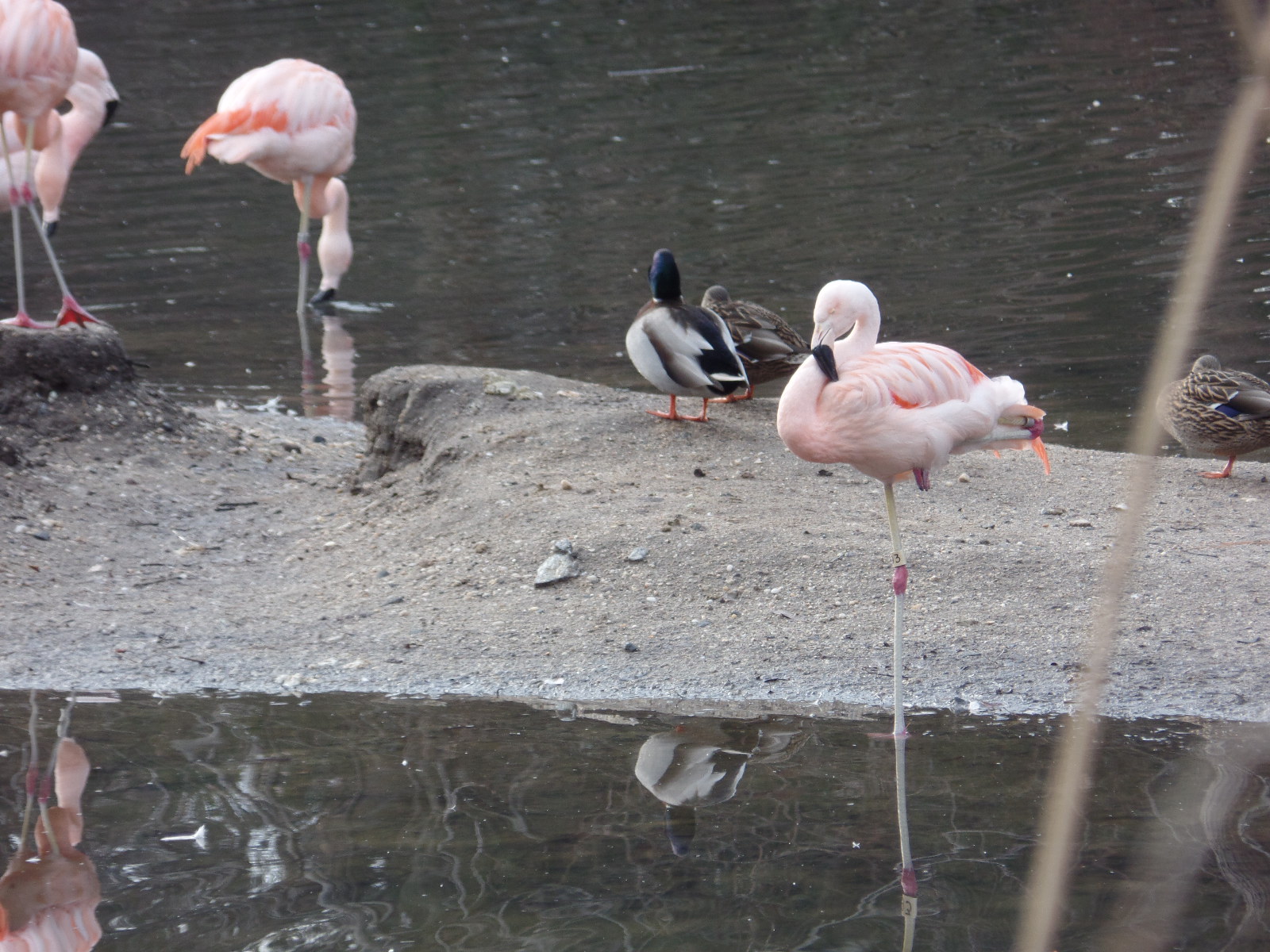
World of Birds Bronx ZooEagle at Bronx ZooFlamingo at Bronx Zoo

Flamingo at Bronx Zoo

Posted in Uncategorized | Tagged , , , , , , | 2 Comments

Americans Discover Vacation: We’ve All Got Wheels

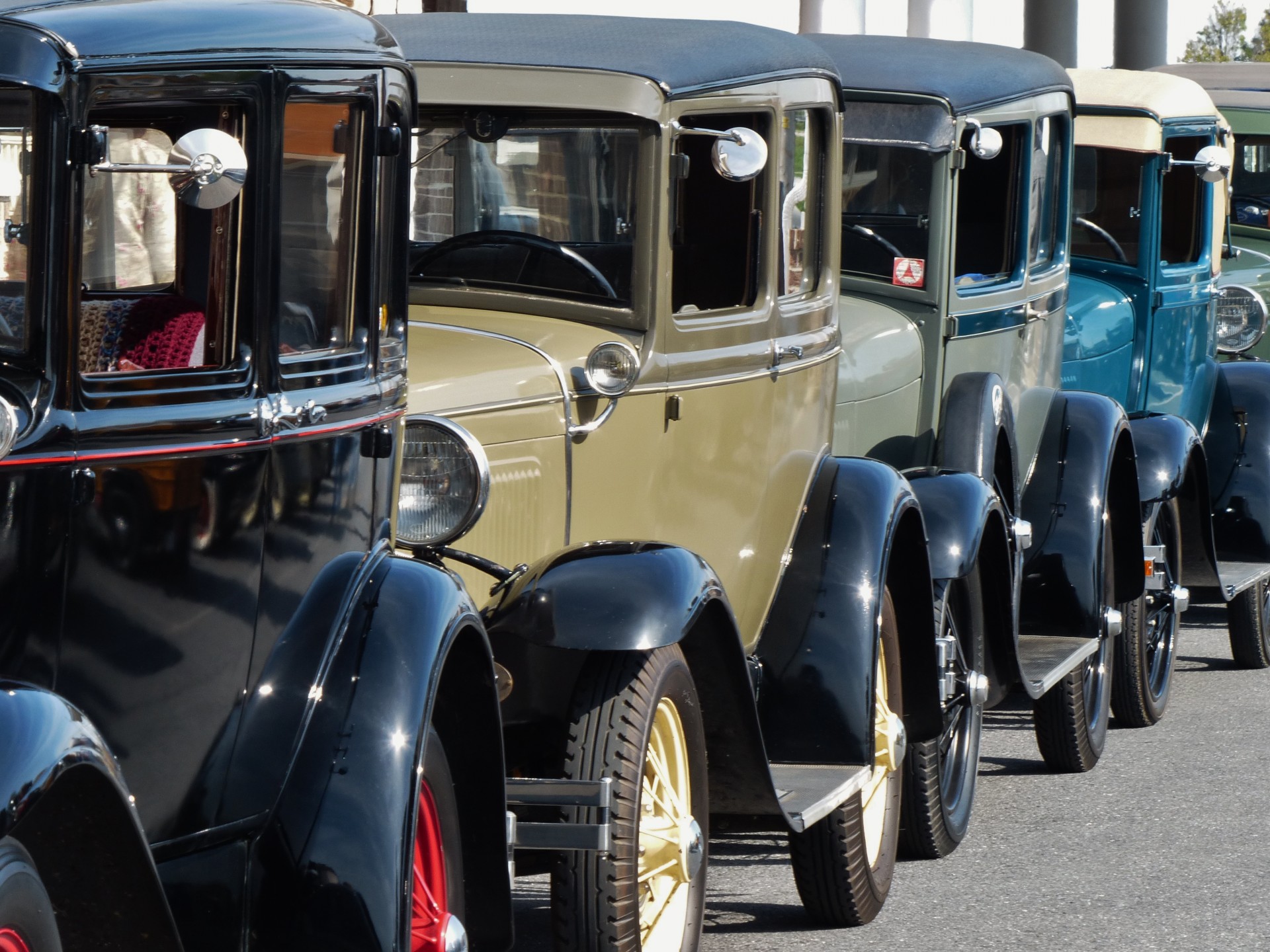
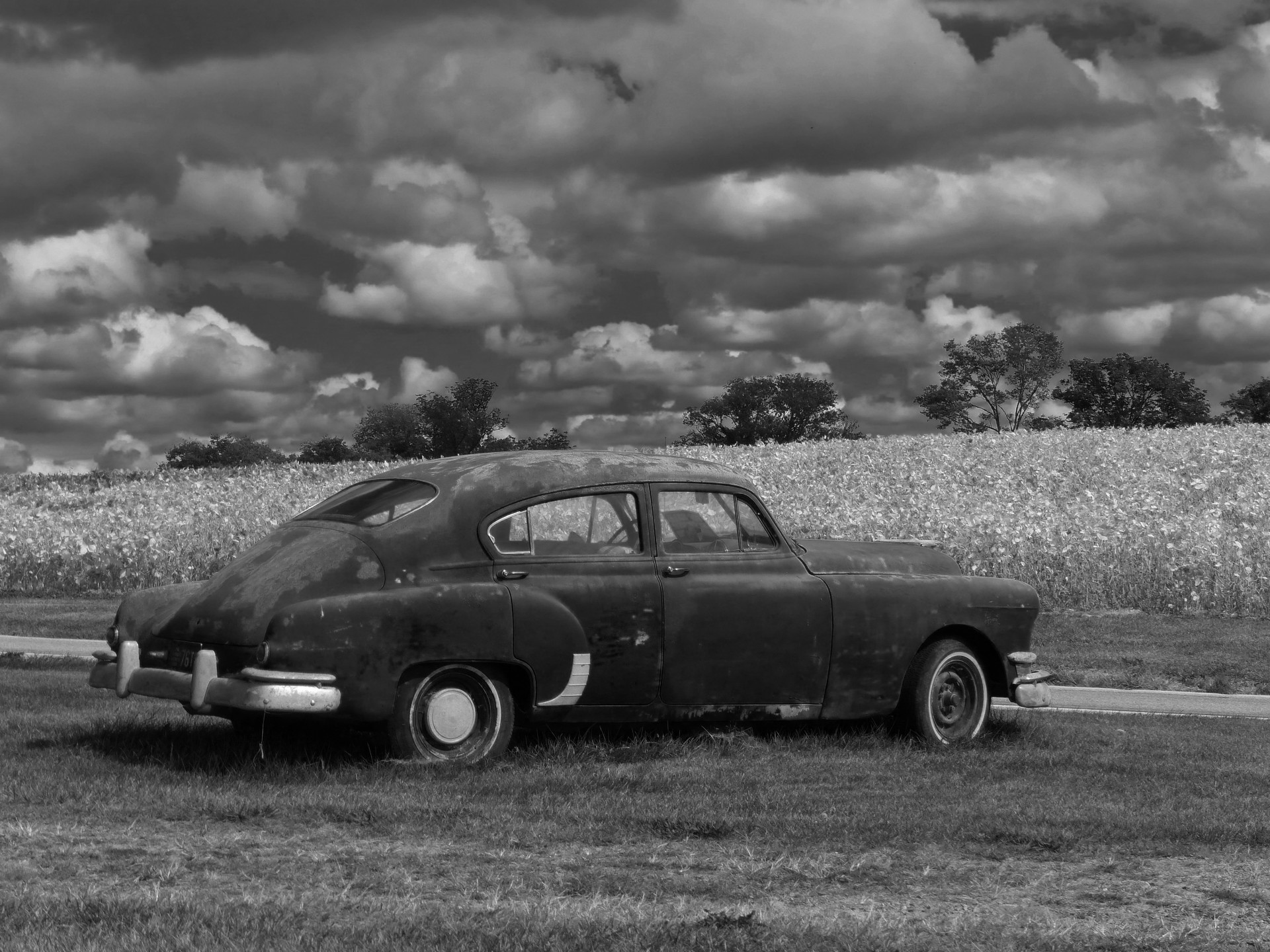
In this series of posts about the history of vacations in America, I’ve written about many things that influenced how Americans spent their vacations. They included the changing attitudes toward leisure, the development of various types of resorts, the creation and promotion of the national parks, the influence of publishers and publicists and the provision of paid vacation benefits. But nothing had as profound an impact on how Americans vacationed as when we all got wheels.

The advent and then widespread adoption of the automobile changed not only how Americans traveled but who went on vacation, what they did with their free time and the very landscape of the United States.

(Tim Emerich)

(Tim Emerich)

From the 1910’s to the post World War II era, automobiles became increasingly affordable. Henry Ford introduced the Model T, widely recognized as the first affordable automobile in 1908. In 1910, he produced 12,000 Model T’s. By 1925, he was producing 10,000 cars a day.

While the working class was still not on the road to vacation in the 1920’s, a very economic style of vacationing had begun to emerge. Auto-camping was accessible to a new class of car owners and overall offered an economic way to travel as auto-campers could bring their own food as well as their own mode of transit. These trips also might involve fishing or visiting relatives. By the 1930’s roadside tourists cabins had begun to sprout and the increasing use and lower cost of cars enabled many to continue to vacation despite the Depression. The state-by-state WPA travel guides, part of a New Deal initiative to aid unemployed writers, all featured auto tours.

(Tim Emerich)

(Tim Emerich)

The post World War II era was the beginning of what Are We There Yet? author Susan Sessions Rugh calls the golden age of American family vacations. Those vacations were road trips. Rugh believes they were a progression from the auto-campers of the 20’s. Camping, as an affordable alternative for all Americans, took off in the 1940’s and 1950’s.

Rugh notes that between 1948 and 1960 car ownership rose 54% and that by 1962, 84% of Americans traveled by car on their vacation. She writes, “The family car was a home on wheels, an extension of the domestic space and thus represented a sense of security for the traveling family on the road.”

Automobiles changed the national parks by making them more accessible and changed the way they were promoted. Before the widespread adoption of cars, the railroad was the primary transit facility for heading west. The parks were in fact partially developed and promoted heavily by the corporations who owned the railroads. Those promotions focused on scenery because that is what you see while riding in a rail car. But if you’re traveling in your car, you’re free to stop and look around wherever you want. Marguerite S. Shaffer, author of See America First, writes, “the automobile, catering to the whims of the individual driver, fostered a personalized journey.”

Minerva Terrace, Yellowstone National Park

Minerva Terrace, Yellowstone National Park

As a result, a lot more attention was paid to attractions along the way. States picked up the promotional mantle from the railroads and they focused on local color and history. And a lot more people headed West to the national parks. Cars made park-to-park touring viable. Rugh notes that after World War II there was a surge in visitors to Yellowstone and those visitors included veterans, farm families and workers. And they were all coming by car. By 1950, 98% of the visitors to Yellowstone arrived by automobile. “Americans conquered the West in their cars,” writes Rugh.

With all these folks on the road, the landscape of America changed as well. As more and more of us had cars, we needed roads to drive them on.  In 1916 Woodrow Wilson signed the first highway legislation, the Federal Aid Road Act. It offered up $75 million in matching funds to states for improving their roads. By the following year every state had a highway administration agency. The Federal Aid Highway Act of 1921 called for the development of a national highway system and provided more funding.

(Paul Brennan)

(Paul Brennan)

Many of the interstate thoroughfares that we drive on now got their start when Dwight Eisenhower signed the Federal Aid Highway Act of 1956. That legislation pledged $25 billion to create an interstate highway system.

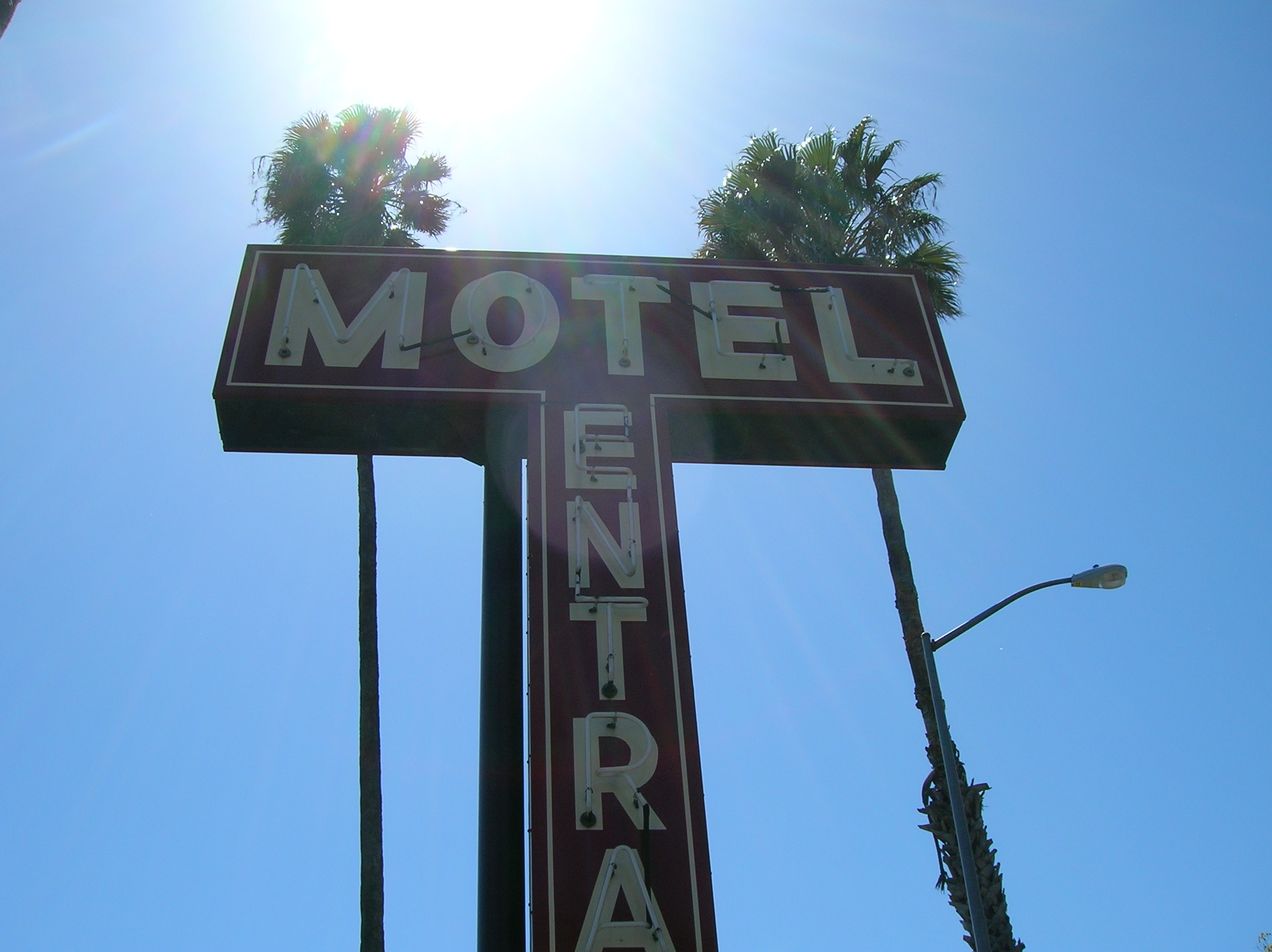
But roads were not the only thing that was changing along the route of the growing number of vacationers. Rugh says that “before streamlined interstates the American roadside was characterized by oddities, larger than life statues of folk heroes, petting zoos and odd-shaped eateries.” Before long these curiosities would be replaced by fast food restaurants and motel chains.

(Andalusia)

(Andalusia)

One other change was occurring on the roads. In what was still, up until at least the 60’s, an economically and racially segregated society, all kinds of Americans were using the same roads and the same highway rest stops. Rugh, in commenting on the visitors to the national parks, says, “all classes and races mixed in ways they did not at home in a segregated America. Although those with greater means could afford to stay in lodges and eat in the dining rooms while working class families camped out of their cars and heated canned beans, visitors mixed on the trails and in the cafeterias and on the roadsides.”

The golden age of American family road trips faded out starting in the 1970’s. The oil embargo in 1973 had an impact. Air travel became more accessible and that opened up a whole new range of vacation venues that previously were hard to get to if you only had a fixed amount of time. Ironically, in the 21st century, the skyrocketing costs of air travel and the increasingly poor quality of service the U.S. airlines provide their “economy” customers, has for many revived interest in the road trip.

Posted in Americans Discover Vacation, History, Travel | Tagged , , , , , , , | 28 Comments

Creatures of the Bronx (Zoo)

Thirsty

Tiger drinkingPlayful

California Sea Lion
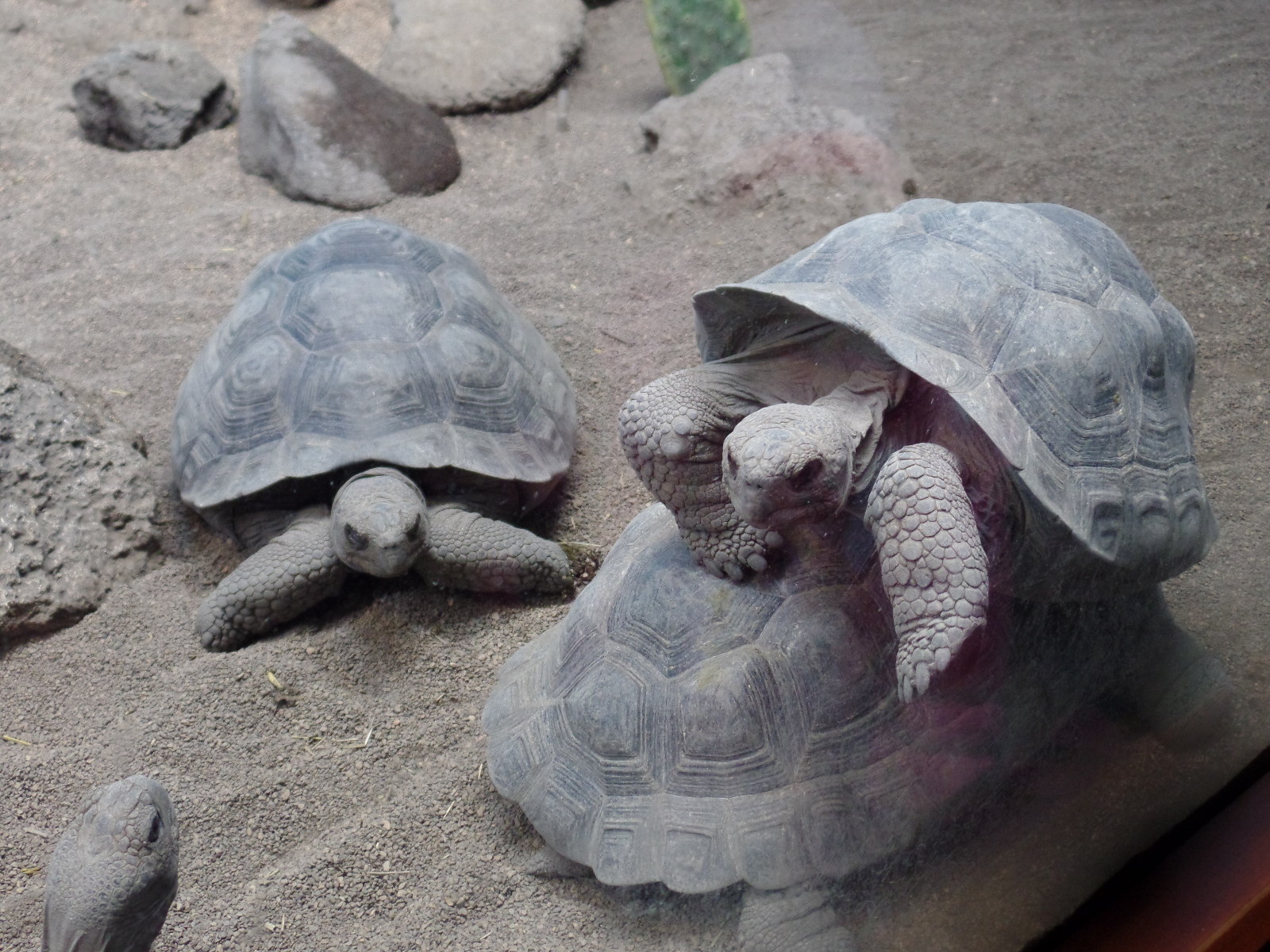
TurtlesTurtle

Brown bears

Sleepy

Polar BearSnakeRegal

EagleTiger

Posted in Uncategorized | Tagged , , , , | 2 Comments