From Farm to Factory: Montclair Film Festival 2019 Documentaries

More documentaries from this year’s Montclair Film Festival, starting with the best one that I saw.

The Biggest Little Farm

I used to take a commuter train into New York City everyday and then hook up with a light rail or a subway until I eventually got to work. Sometimes I’d sit on those trains and wonder what I was doing. I’d come home and float out the idea of giving it up and starting a vegetable farm.

That is about what John and Molly Chester did. They traded in their Santa Monica apartment and bought a farm north of Los Angeles with spent soil the consistency of cement. Their vision was a farm based on traditional farming methods. Molly found a sort of natural farming guru online and based on his guidance, they ignored the fact that almost all the neighboring farms had gone to single crop. Instead their theme was diversity. So they planted dozens of different kinds of stone fruit trees, starting raising chickens and filled the farmland with other animals.

What was not part of their vision, and certainly not part of my musings about retiring to a farm, was shoveling shit, cleaning the carnage in the chicken coop after a midnight raid by a coyote and watching swarms of starlings eat all of their fruit. In fact, having watched this, I realized that I probably was better off fighting the progressive deterioration of the New York metropolitan area’s public transportation infrastructure.

This movie is so much more interesting than the description (or my review) would suggest. The story is told with a healthy dose of humor and many scenes are truly heartwarming. There is, for example, the story of Greasy, an outcast rooster, who decides to co-habitate with Emma the pig. It was in fact a rescued dog that started the whole story. John had rescued a dog from a hoarder. Todd was a great dog, but with one bad habit. When John and Molly were out, he barked incessantly. That led to an eviction notice. They decided to keep Todd and instead dumped the urban lifestyle.

This is a movie in which the good guys win. There is also a message in the story. It is about the power of nature to work everything out for the better….as long as we let it.

American Factory

A rust belt tale. GM closes a plant in Dayton, Ohio. A few years later and a Chinese company buys it and reopens as an auto glass manufacturing plant.
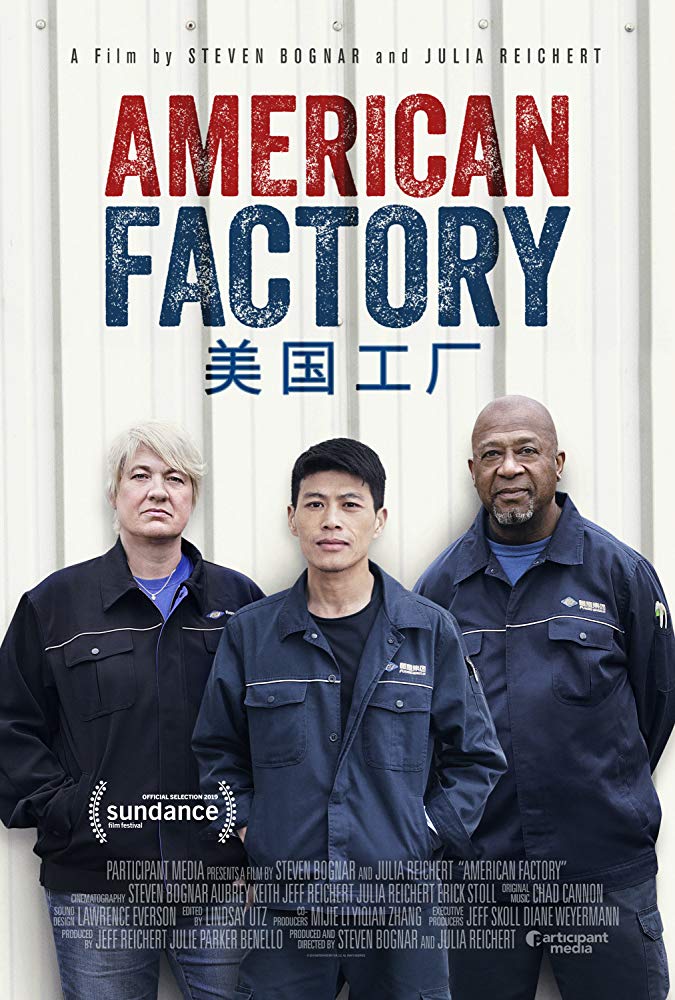
American Factory movie

How’s it working out? One woman tells us she made $29 an hour working for GM. She now makes $12 an hour. Another says she lost her house to foreclosure and moved into her sisters’ basement. A man says he makes $13,000 a year less than his daughter who does nails.

The cultural divide between the Chinese workers and supervisors who are brought to Dayton and the Ohio workforce seems completely irreconcilable. The Chinese see the American worker as slow, inefficient and accustomed to the cushy life of eight hour days and weekends off. We see a Chinese supervisor bemoaning the fact that Americans can’t be forced to work overtime. Another plant manager counsels a group of supervisors by pointing out that Americans overindulge their children and thus they all grow up to be over-confident.

Nowhere is the cultural clash more apparent than when a group of the Fuyao employees from Ohio are flown to China to see how the plant runs there. Among the things they get to see are young Chinese women is some sort of traditional get-up singing songs about teamwork and efficiency, homage to the glory of Fuyao. Yeah, that’ll work here.

This is a movie that documents a lost life style. Millions and millions of Americans worked in factories at secure union jobs for wages that enabled them to buy a home, raise a family and send their kids to college. That’s history. But the people who lived it are still alive and, as with so many other things in America, want to turn the clock back. If you think that’s going to happen, watch this movie.

Consider that the city of Dayton or the state of Ohio undoubtedly kicked in millions of dollars in tax breaks to lure this company to Ohio and bring jobs back to the area. Now that they’re there, the focus is on automating the production tasks to eliminate those very jobs.

Los Reyes

This is a movie about a couple of dogs. Not the kind of animated talking dogs that you find at the matinees at the highway movieplexes. This is about Football and Chola, a couple of mutts who live in a public park, Los Reyes skating park, in Santiago, Chile. Being that it’s a skating park, they share the space mostly with teenagers. Apparently the filmmakers originally intended to shoot the skateboarders, but found a more compelling story.

Living in a public park doesn’t stop these two from getting in 16 hours or so of sleep a day. They pick up a stray soccer ball or tennis ball for amusement. Mostly tennis balls. They play a big part in this movie. And like many dogs Football and Chola invent games to engage the humans around them. Here, they roll the tennis balls with their snouts down into the skateboarding pit. Then they bark until one of the kids picks up the ball and throws it back out. You know what happens next, right?

Being as these are not cinematic talking dogs, the film’s only dialogue comes from the teenagers. It’s not that insightful. Mostly they complain about their mothers and talk about drugs. There’s the occasional thought of getting a job instead of skating all day and night and a couple of the more entrepreneurial sorts talk about making cannabis edibles once it’s legal.

Some may think of stray dogs and stray teenagers as a problem. Not here. Everyone co-exists in peace. I just wish they hadn’t shown so many intense close-ups of the flies crawling on the dogs.

Posted in Uncategorized | Tagged , , , , , , , | 1 Comment

From Harlem to Pahokee: Montclair Film Festival 2019 Documentaries

The 2019 Montclair Film Festival screened dozens of documentaries. I only saw a small fraction of them, so this is in no way a “best of” post. But it is about some really good films that I saw at the festival.

The Apollo

The Apollo

Harlem’s Apollo has long been the temple of black music in America. Whether it is jazz or R&B or hip-hop, its history has unfolded here. In this documentary we get brief glimpses of why: Ella Fitzgerald, Louis Armstrong, Lena Horne, James Brown, Aretha Franklin and lots, lots more. The history of the Apollo is the history of music that came out of African-American communities and that history is fundamental to the story of music in America. Whether it’s the jazz bands of the 20’s and 30’s or the rock and roll pioneers of the 50’s, this music changed what America looked like, its trends and styles, its culture and its teenagers. In a substantially segregated society it was often an oasis of integration.

And thus a documentary about the history of the Apollo is more than the story of one theater on 125th street. It becomes the story of Harlem, the story of 20th century American cities and the story of blacks in America. The movie juxtaposes footage from Apollo performances with a group preparing a dramatic presentation of Ta-Nhisi Coates’ book “Between the World and Me.” Coates has written about what it is like to be black in America and there is probably no better place for a reading. The movie reminds us of a time in the 30’s when black music was accepted by white America and black performers played in some legendary clubs, but they were clubs were blacks were not welcome in the audience. The Apollo’s doors were open for everyone.

I found two scenes especially poignant. One was James Brown singing “I’m Black and I’m Proud.” Isn’t that maybe what every night at the Apollo was about? The comment was made (don’t remember by whom) that Brown’s song put an immediate and everlasting end to the use of the word Negro. The other moment was Barack Obama’s appearance. In 30 seconds or so, the movie captured the meaning of his election. Thus we can recall a proud moment in U.S. election history, something we haven’t had since.

This is an HBO movie that is due to be available on HBO in the fall. Definitely worth seeing. My only disappointment was that we just didn’t hear enough of the music or see enough of the legendary performers on the Apollo stage. Likely doc filmmakers can’t afford the bills for the rights.

Pahokee

One school year in a town near the Everglades in Florida. It is an economically poor community and its residents are primarily black.

Pahokee is about teenagers. We meet the girl was finishes as runner up in the two-person Miss Pahokee High election. We meet the marching band drummer who spends all of his free time with his one-year-old daughter. And we meet the daughter of the Mexican couple that runs the local taco shack, a girl who becomes class salutatorian and who is headed to the University of Florida after graduation.

Pahokee

This is a slice-of-life sort of film. There is no narration and no score. The film was made by a married couple who moved to Pahokee for the duration of the school year that they filmed. We see the football season, the Christmas parade, the Easter egg hunt, an especially brilliant prom and in the end, graduation day.

I thought there were two takeaways from this movie. The fact that this is a poor and a segregated town doesn’t make the high schoolers any different than teenagers in towns across America. They’ve got the same kind of insecurities and ambitions and dreams. Secondly the kids at Pahokee High, kids whose parents work in the fields or in sugar cane processing plants, give meaning to high school graduation and college acceptance. It is not a shrug-of-the-shoulders move from one school to another to them, it is a step toward a new life and better future and they’re so aware of that.

Mike Wallace is Here

Barbra Streisand called him a “son of a bitch.” Bill O’Reilly called him a “dinosaur.” But the word most often used to describe Mike Wallace is prick.

All of those comments were meant for Wallace as an interviewer. He is blunt, dogged, unrelenting and confrontational. He asked Vladimir Putin if Russia is a democracy. He asked Panamanian strongman Manuel Noreiga how much he makes. He asked Richard Nixon what he thinks of the fact that he is considered to have no charisma. He asked Larry King about his “woman” problem. (King was married five times. Wallace was married four times. I guess the fifth one signals a problem.)

I’m not quite old enough to know this but in the documentary Wallace is credited with changing the face of television news. Before his probing and controversial interviews on the show “Night Beat,” TV interviews were mostly small talk and fluff.

There is some truly historic footage in this film. In additional to all those I mentioned already you see snippets of Wallace’s interviews with Ayatollah Khomeini, General William Westmoreland (who unsuccessfully sued Wallace and CBS for libel), Martin Luther King Jr., Frank Lloyd Wright, Eleanor Roosevelt, Arthur Miller and a young Donald Trump. We also get a look at some of Wallace’s vulnerabilities, his battle with depression and his regrets about not being a better father.

While the footage may be historic, this is a movie for our time, a time when we have a president and a cadre of his cohorts who deflect questions about their integrity by trying to destroy the credibility of the mainstream media. Wallace is seen at a much younger age commenting that the path to authoritarianism always involves the elimination of the free press. Guess that makes him a prophetic prick.


Posted in Uncategorized | Tagged , , , , , , , | 7 Comments

The Locks of Lockport

Erie Canal sign

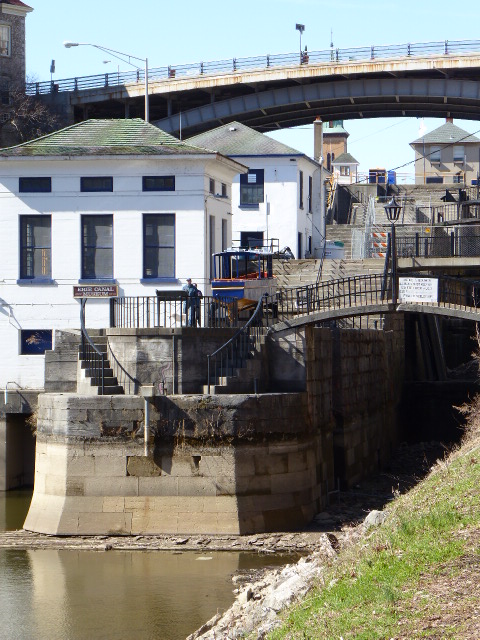
The Erie Canal dates back to 1825. The 363 mile long canal stretched from Buffalo to Albany where it met the Hudson River, thus connecting the Great Lakes to the Atlantic Ocean. It offered a means of transporting bulk goods which at the time were primarily moved by pack animals. Traffic on the canal peaked around mid-19th century. One of the main commodities that was moved by canal was grain from the midwest headed for eastern markets. Freight boats on the canal were pulled by horses or mules walking along towpaths. Slow, yes, but the canal cut transport time across New York State in half. The canal also was used by passenger boats. It was a key route bringing immigrants from New York City into towns in western New York. It was also used by tourists visiting New York City.

Erie Canal lock
Boathouse, Lockport, N.Y.
Worning to Erie Canal boatmen
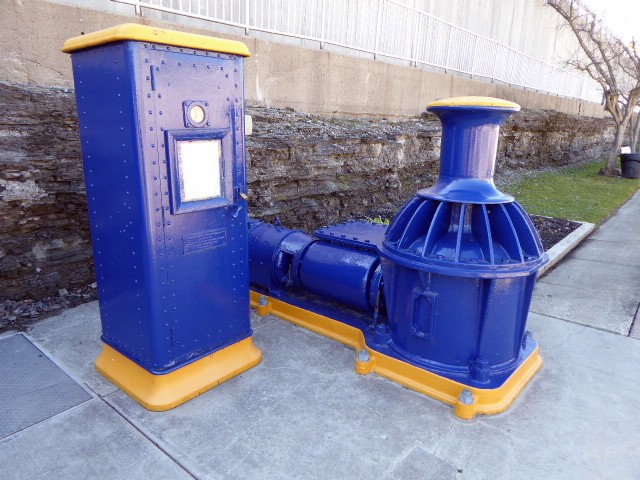
Capstan
Capstans like this one were used to draw boats into a lock by rope.

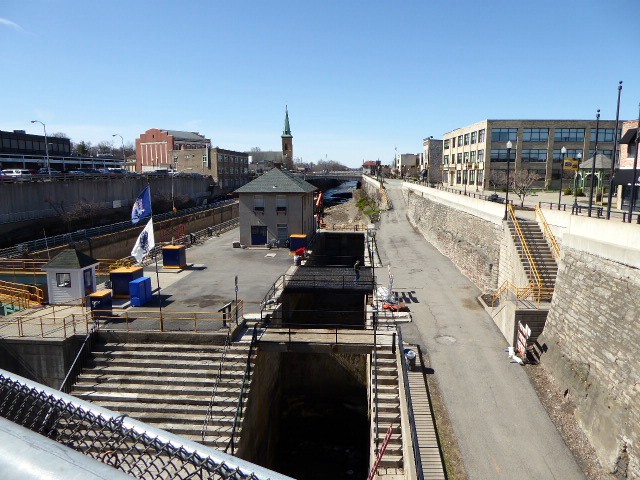
These photos were taken in Lockport, N.Y., the location of locks number 34 and 35 on the canal. Locks are used to raise and lower boats and make waterways more easily navigable. The town of Lockport, N.Y., was established in 1829, a few years after the canal was finished. It runs through the center of the city which is about 30 miles northeast of Buffalo. Its initial inhabitants was mostly Irish and Scottish immigrants who were brought in to work on the locks and remained after the construction was completed. Today it is a town of 20,000. It has actively sought to establish itself as a tourist attraction based on the historic canal.

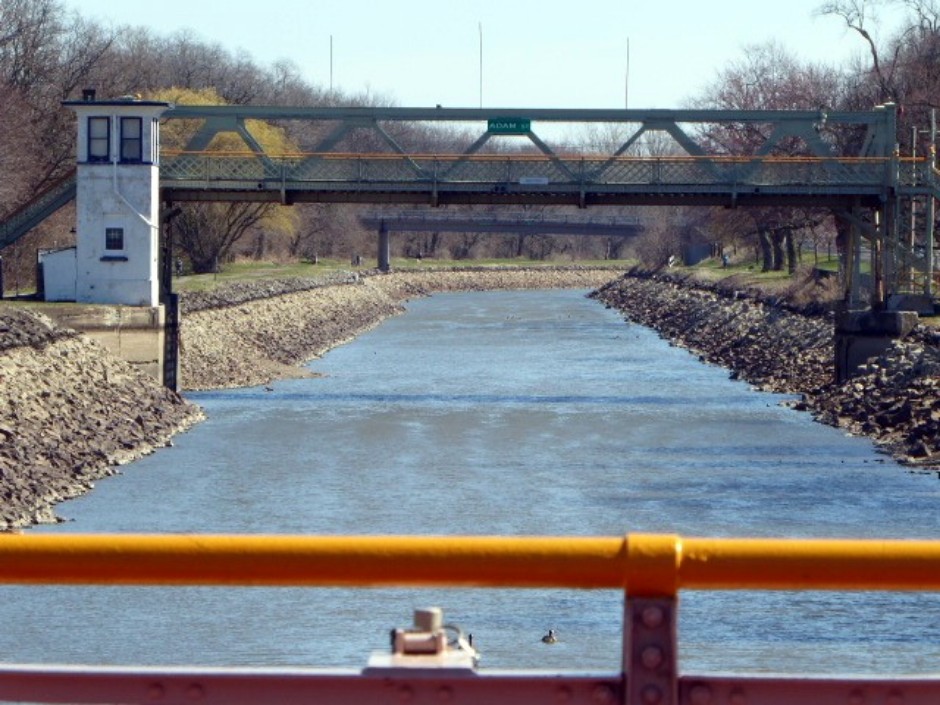
The canal continues in use to this day. Most of the traffic now is of a recreational nature, although there is still some cargo traffic.  

Lockport bridge
Posted in History | Tagged , , , , , , , | 4 Comments

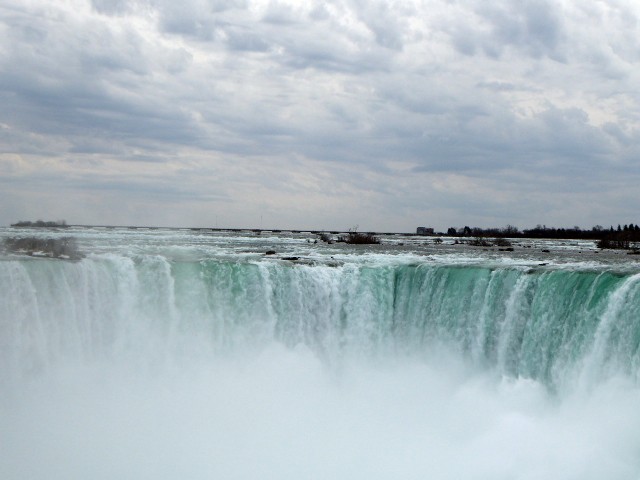
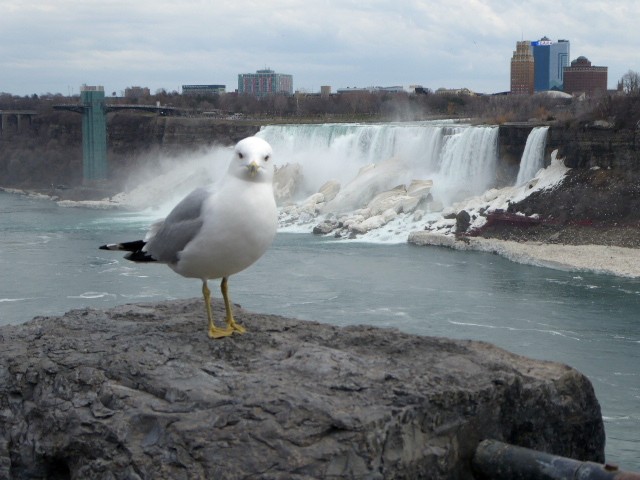
Niagara Falls: Two Views

Niagara Falls State Park, New York

Niagara Falls
American Falls (in foreground)
Niagara Falls
Niagara Falls
Horeshoe Falls
Niagara Falls

Parks Niagara, Canada

Niagara Falls
Horseshoe Falls
Niagara Falls
American Falls
American Falls
American Fals

And just up the hill, there’s this

Niagara Falls
Posted in Travel | Tagged , , , , , , , , , | 9 Comments

Liberty State Park: It’s Good to Have Friends

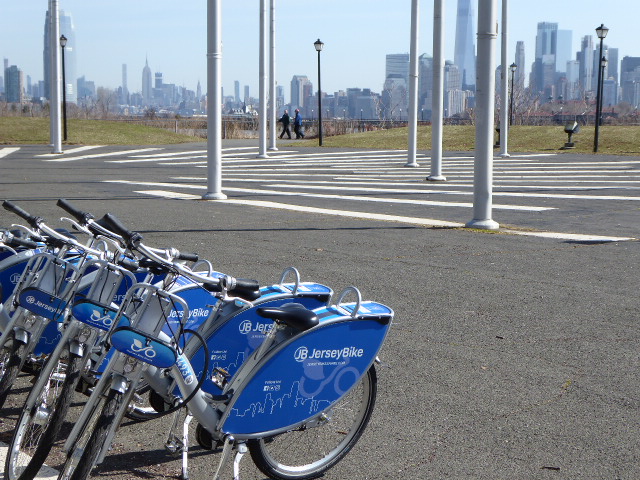
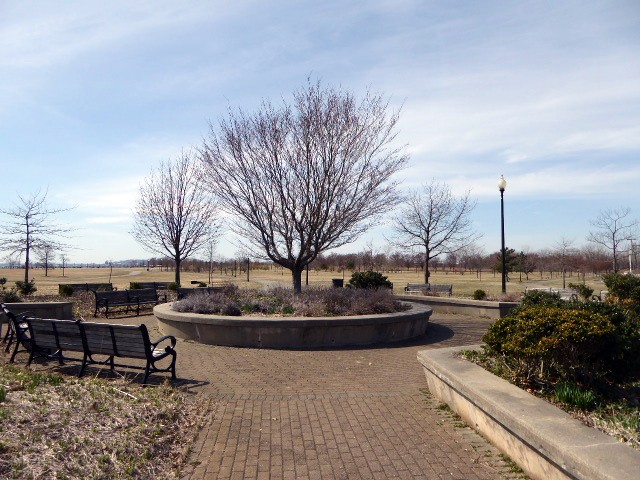
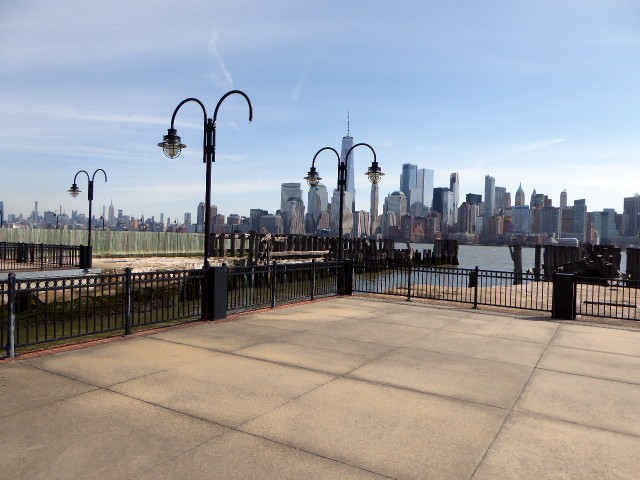
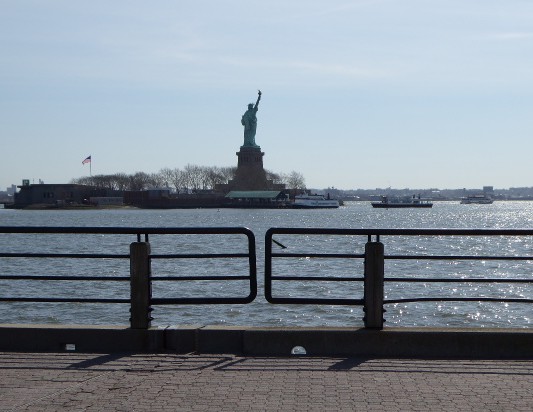
Despite being the proposed site of lavish plans ranging from thousands of luxury condos to a 100,000 seat Formula 1 racing facility, Liberty State Park today remains exactly what it was originally intended to be. That is a recreation area open to all with green open spaces and unobstructed views of the Statue of Liberty, Ellis Island, and lower Manhattan.

Liberty State Park

Former New Jersey Governor Chris Christie, a strong advocate of commercial development of the park, often quipped that most of the 5 million annual park visitors are only there to hop a ferry to the Statue of Liberty. Having lived for several years within three blocks of an entrance to the north end of the park, I can assure nothing is further from the truth. While the images here were taken on a sleepy weekday morning in March, summer weekends see the park teeming with joggers and cyclists, fishermen and picnickers, frisbee throwers and cricketers.

Liberty State Park

There are no big money interests supporting the status quo. Instead it has been defended by grassroots organizations and some sympathetic local elected officials who for years have fought off one commercial development plan after another. At the forefront of these battles has been a 30+ year old volunteer organization, the Friends of Liberty State Park. Its president is Sam Pesin, the son of Morris Pesin, a local civic leader who is widely regarded as the father of Liberty State Park. They have been supported by other local and environmental organizations including NY/NJ Baykeeper, a Matawan, N.J., based organization that calls itself the “citizen guardian of the NY/NJ Estuary,” and the Sierra Club. They have also frequently been able to count on the support of the Mayor’s Office and the Jersey City Council.

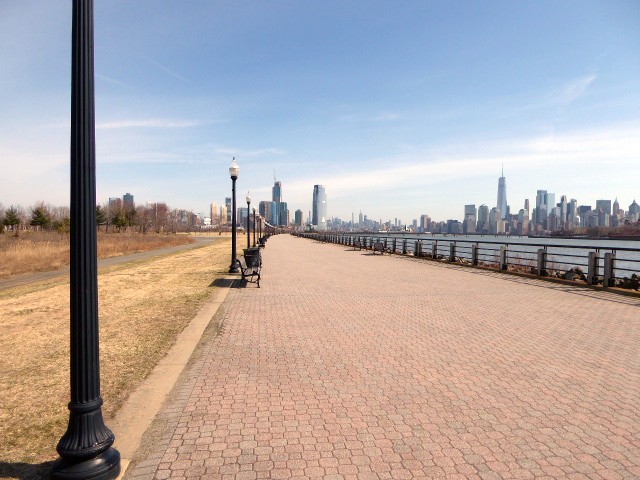
Liberty State Park riverwalk

One example of the resistance to commercial development of the park occurred in late 2018 during the final days of the Christie Administration. A company called Suntex, which operates the Liberty Landing Marina at the north end of the park, submitted a proposal to build another marina on the south end, an area Pesin refers to as “the people’s side of the people’s park.” The proposed marina would accommodate 300 yachts in an area that now has a large picnic area and an open plaza directly across from the Statue of Liberty. In December, less than a month before Christie was to leave office, the DEP agreed to terms on a 25-year lease with Suntex for a 45-acre marina.

Liberty Landing Marina
Liberty Landing Marina at north end of park.

Friends of Liberty State Park organized a protest in the park that drew a couple hundred people and gained widespread area media attention. Jersey City Mayor Steven Fulop was one of the speakers. Shortly after the New Year, Jersey City filed suit to stop the project. That suit resulted in a restraining order with the judge ruling that no decision should be made until Governor-elect Phil Murphy took office. Murphy’s DEP killed the plan.

Liberty State Park
Flag lined walkway near picnic area at south end of park

At about the same time, in January 2018, the DEP announced that the remediation of the 240-acre closed section in the center of the park would proceed using funds from natural resources damage recovery settlements. That part of the park has been closed for natural recovery from environmental damage, including contaminated soil.

The New Jersey state legislature is now considering a bill that might offer a more lasting plan for the preservation of Liberty State Park. The Liberty State Park Protection Act would ban large scale commercial development in the park while allowing small-scale activities like kayak rentals, food concessions and a temporary winter skating rink. At time of writing the bill had just been approved by the State Assembly Agriculture and Resources Committee and is awaiting scheduling of a full vote of the legislature.

Pesin was one of the those who testified during the committee hearings. He commented: “The park is ‘God’s Country’ in the heart of a crowded and concrete region. The park represents the spirit and magnificence of America. I urge you to be visionary and caring leaders and preserve this iconic green space neighbor of Lady Liberty on behalf of future generations.”

Liberty State Park
Trail through nature reserve

Developers have not been the only threat Liberty State Park has faced. In 2011, the hurricane that has come to be known around here as Superstorm Sandy, caused an estimated $20 million in damages, including rendering unusable the historic Central Railroad of New Jersey Terminal and a Nature Interpretive Center located in a nature preserve within the park. The railroad terminal has since been restored and was reopened in 2016 while work continues on the Nature Interpretative Center.

Interior of the restored CRRNJ terminal.
Nature Interpretative Center
Restoration work continuing on Nature Interpretative Center
Liberty State Park

At a time when we have seen so much evidence of the influence of big money in politics and the power that large corporations wield in our government, the story of Liberty State Park is a story of democracy. In the words of Baykeeper CEO Greg Remaud, “This is our park, and we already paid for it with public tax dollars. What’s more symbolic of America? What’s better than having this great democratic place, where anybody can come, rich and poor, black and white, every religion, all just park-goers enjoying it?”
Empty Skies
Empty Skies, a 911 memorial. This is directly across the river from the site of the World Trade Center. The names of New Jerseyans who lost their lives in the attack on the WTC are inscribed on the walls.

-0-

Liberty State Park: Nature Reclaimed

Liberty State Park: With Dollar Signs in Their Eyes

Posted in Travel, Uncategorized | Tagged , , , , , , , , , , , , | 3 Comments

Liberty State Park: With Dollar Signs in Their Eyes

Warner LeRoy was a New York businessman who created and owned the amusement park Great Adventure in Jackson, N.J. At one time operated restaurants in New York City that included included Tavern on the Green and The Russian Tea Room. In 1981, he had a plan to make a bundle at Liberty State Park. His proposal, as reported by the Herald News on Dec. 13, 1981, called for “8,200 living units for 15,000 people on 199 acres, an aerial tramway over the Hudson River to Ellis Island, an open-air amphitheater, a museum of transportation, a yacht club, and a structure containing restaurants, shops and displays.”
Ellis Island bridge
The bridge from Liberty State Park to Ellis Island is not open to the public. It is used for service deliveries and park personnel.

Leroy submitted his proposal after the State of New Jersey placed notices in newspapers around the country seeking development proposals for Liberty State Park. That notice sought plans that would “provide a variety of uses compatible with the recreational purposes of the park and which use existing facilities…” Like 8,200 condos? Brendan Byrne was governor of New Jersey at the time and the Herald News story suggested that he was buddies with LeRoy.

playground

Nor was LeRoy’s the only proposal. The same Herald New story reported that another proposal came in from the French-based Sperry Group calling for 3,700 housing units, a 275-room hotel and a series of canals and bridges done in the style of a 19th century Dutch village. Neither of these proposals were ever realized. As you can see from the images here, Liberty State Park looks neither like Great Adventure, nor like a 19th century Dutch village.

What you can see are beautiful and sometimes stunning views of the Statue of Liberty, Ellis Island and lower Manhattan. It is that setting which has attracted scores of schemers, developers, entrepreneurs and their political allies who saw in those views a pretty robust profit center. The schemes have included marinas, golf clubs, amusement parks, water parks, hotels, strip malls, a race track, a performing arts center, even a doll museum. This has been going on for 43 years, ever since the same Gov. Byrne dedicated the park on Flag Day of 1976 during the U.S. Bicentennial.

New York skyline

A new wave of development plans arrived with the administration of Gov. Chris Christie from 2010 to 2018. Christie trumpeted a “sustainable parks” plan through which he hoped to raise $15 million. As part of that initiative the Department of Environmental Protection hired a consultant to prepare a report on the potential development of Liberty State Park.

Liberty State Park

Here are some of the suggestions that came from that consultant, Biederman Redevelopment Ventures:

— For the train shed: A low-rise hotel within the envelope of the train shed;  Re-creation of famous restaurants (past and present) from all over New Jersey; A museum tied into the historic use of the space and its location, such as a national museum of immigration or a museum of transportation and technology.

train shed

— For the terminal building: Restaurant/bar with indoor and outdoor seating to take advantage of the incredible views of Lower Manhattan and New York Harbor, along with shops and stores.  Event/conference center, small event/catering hall combined with smaller cultural uses (artist studios, art galleries), theater Lease the building to an adjoining hotel in the Train Shed.

CRRNJ terminal
CRRNJ terminal

— For the south area of the park: Boathouse and marina;  Field house for indoor sports; Amusement park; Outdoor amphitheater.

picnic area
Picnic area at the south end of the park

But perhaps the most audacious of all proposals came from a group called Liberty Rising. Their plan, according to a report in Bloomberg, was to build a Formula One racetrack with a 100,000 seat grandstand. The principals of Liberty Rising were for the most part keeping their heads under the table, but Bloomberg was able to identify one of them as Tom Considine who had been the banking and insurance commissioner in the Christie administration.

Liberty State Park

The issue of whether to exploit public lands for commercial purposes has been a controversial one in the last couple years in the U.S. The Trump administration has shown a preference for surrendering public lands, including the national parks, to commercial interests for the extraction of fossil fuels. The situation at Liberty State Park is perhaps summed up best on the Web site 6sqft:“even as the public land is enjoyed by the public for which it is set aside, private interests see the taxpayer-owned waterfront parkland as a jackpot waiting to happen in the form of luxury resort concepts.”

There is a marina at the north end of the park in the old Morris Canal. And there are two restaurants nearby. Those are the only pieces of commercial development the park has undergone in its 43 year history. In my next post I’ll look at the park’s protectors, the people who have kept it looking like it does in these images.

Liberty Landing Marina
Liberty Landing Marina on the Morris Canal
Posted in Travel | Tagged , , , , , , , , , , , , | 6 Comments

Liberty State Park: Nature Reclaimed

When you think of national and state parks, the first thing that comes to mind is natural beauty. So many are based on features like mountains, rivers, waterfalls and forests. Liberty State Park in Jersey City, N.J., is a different kind of park. It is a park built on what was primarily landfill and crafted from an industrial wasteland.

Jersey City
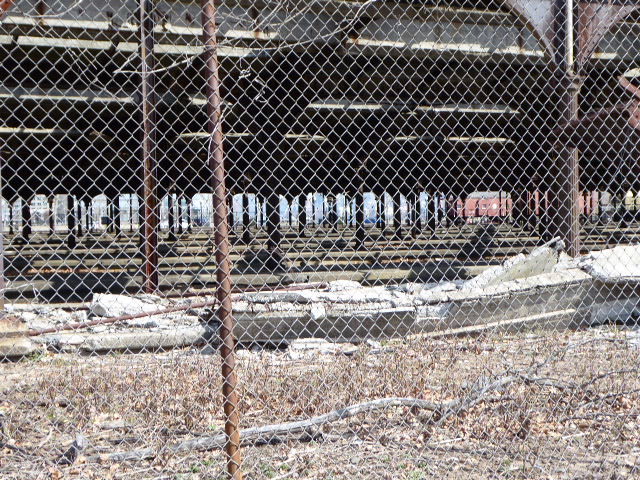
Prior to the creation of Liberty State Park much of the area in and around what is now the park looked like this.
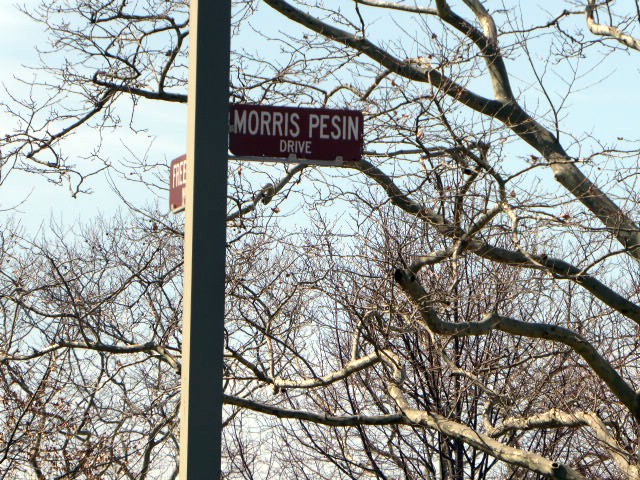
Street sign in Liberty State Park

The story of Liberty State Park starts with what is a familiar theme for those of us who live in the area. Gridlock. Morris Pesin, owner of a children’s clothing store in Jersey City who later became a city councilman, was visiting the Statue of Liberty with his wife in 1957. Thanks to traffic in the tunnel and long lines at the Battery Park ferry terminal, the trip took 2-½ hours. One year later, Pesin set out on a canoe ride with a Jersey City Journal reporter onboard. He went from the south end of Jersey City on Upper New York Bay to Liberty Island. That trip took 9 minutes. Pesin’s canoe ride is regarded as the start of a campaign by him and a couple other civic leaders in Jersey City to create Liberty State Park.

view of State of Liberty


The land that was to become the park was at one time a transportation and industrial hub. The property includes the Central Railroad of New Jersey Terminal. The rail station, in operation from 1892 to 1954 is near Ellis Island (A Place to Celebrate Immigrants). It is estimated that of the 15 million or so immigrants who came to this country through Ellis Island, about two-thirds headed over to the CRRNJ terminal to hop a train to their destination. Another defunct railroad company, the Lehigh Valley Railroad, also operated out of the terminal.

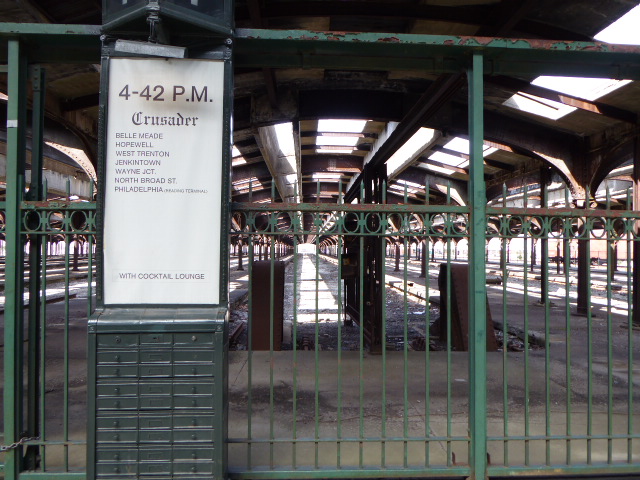
Train platform at Liberty State Park
Many of the immigrants that came through Ellis Island were ferried over to Jersey City where they waited on these platforms for trains to their final destination. Many no doubt took the Crusader to Philadelphia.
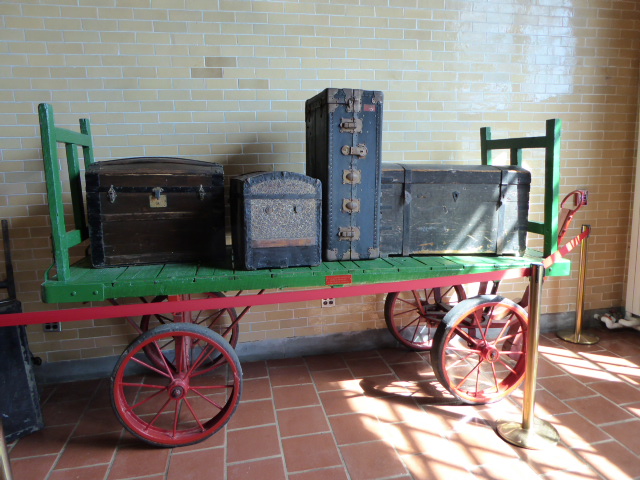
Railroad passenger luggage.
Artifacts found left in the CRRNJ terminal.

With the construction of the tunnels going from New Jersey to New York City, the rail terminal lost its importance as a primary gateway to Manhattan. With the growth of automobiles, railroad passenger traffic declined. By the 1960’s, the railroad companies were bankrupt. The terminal was closed and soon fell into serious disrepair. The surrounding industrial area, built as it was around the transportation system, likewise was abandoned and became something of a wasteland.

It took some 18 years after Pesin’s fateful canoe ride before Liberty State Park was dedicated by New Jersey Governor Brendan Byrne on Flag Day 1976, part of the nation’s Bicentennial Celebration. During those 18 years, Pesin and the other park advocates were able to obtain funding from Green Acres Bond Funds and Land and Water Conservation funds. The City of Jersey City donated 156 acres to be included in the park. The DEP and Army Corps of Engineers participated in the cleanup of the harbor. The National Park Service undertook the restoration of the old railroad terminal. The cleanup continued even after the 1976 dedication. In August of that year the Asbury Park Press reported the awarding of a $1+ million contract to Cross Bay Wrecking to remove the hulks of 96 derelict vessels, 25 shore structures and “miscellaneous drift sources.” That gives you some idea of the condition of the site that the park was built on.

Liberty State Park

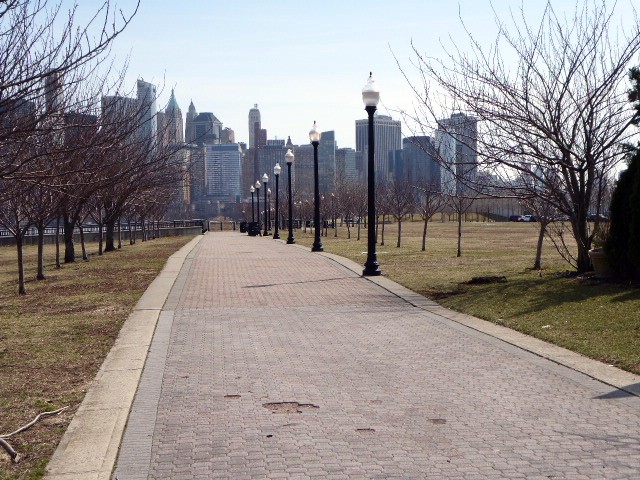
The park that Gov. Byrne dedicated consisted of 35 acres. Today Liberty State Park includes more than 1,000 acres. That includes a restricted area that is closed to the public as it undergoes a natural restoration. There is a 35-acre nature preserve of tidal salt marshes. But large parts of the park are open to the public and include a magnificent walkway along the coast with views of the State of Liberty, Ellis Island and lower Manhattan. It is a favorite spot for cyclists and joggers and just plain strollers. There is a large picnic area in the shadow of Lady Liberty with barbecue facilities. And it has become a destination for birders with more than 300 species having been identified on the site.

Contaminated area of Liberty State Park.
Part of the park that is closed to the public while it undergoes natural restoration. The area suffered environmental damage, including soil contamination.

From the docks near the CRRNJ terminal, ferries fulfill Pesin’s original vision by carrying visitors to Ellis Island and Liberty Island. This in the same area where Dutch settlers in the 1600’s ferried people across the river to Manhattan.

Ferryboat to Ellis Island, State of Liberty
Ferries to Ellis Island and the Statue of Liberty leave from here.

What sets Liberty State Park apart is the setting, the view, lower Manhattan, the Hudson River and the Statue of Liberty. But no sooner had the park been created than that view put dollar signs in the eyes of various developers and politicians. In my next post I’ll describe some of the many schemes past and present to turn this idyllic recreational facility into a profit center.

Lower Manhattan
Posted in History, Travel | Tagged , , , , , , , , , | 7 Comments

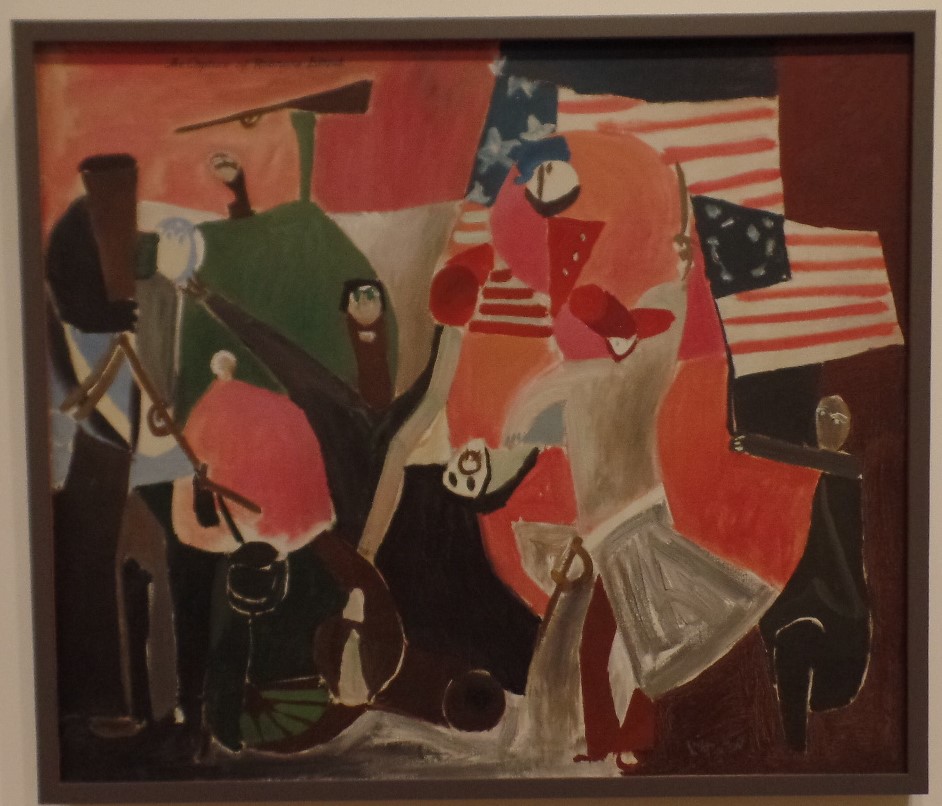
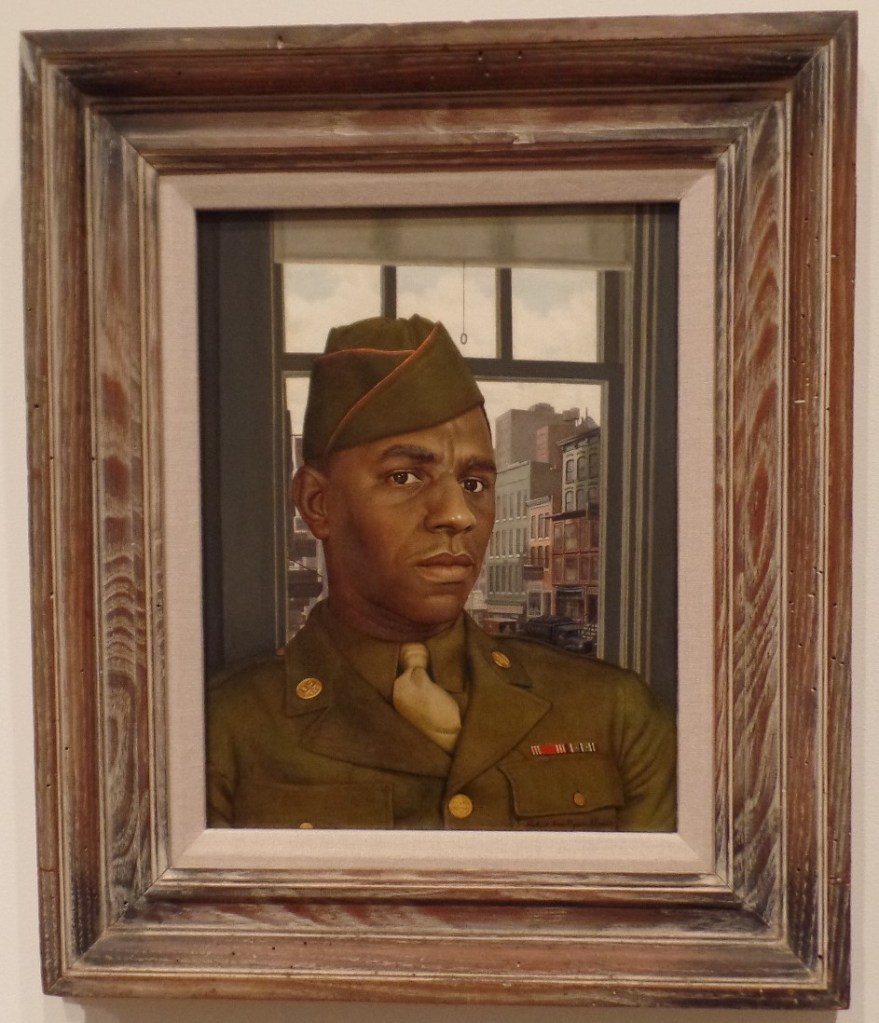
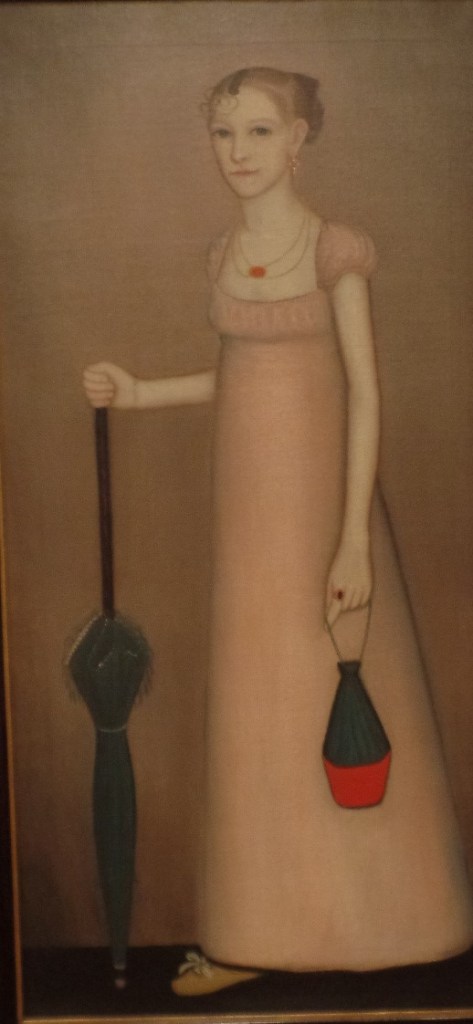
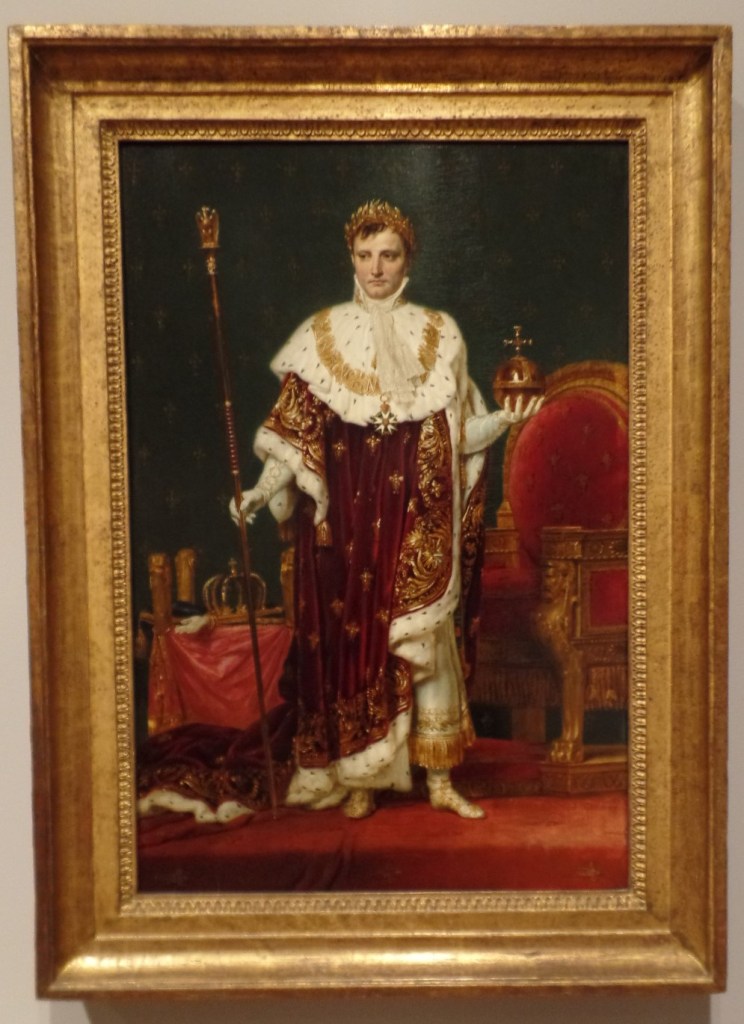
Famous Artists Hang Together at Harvard

Harvard Art Museums

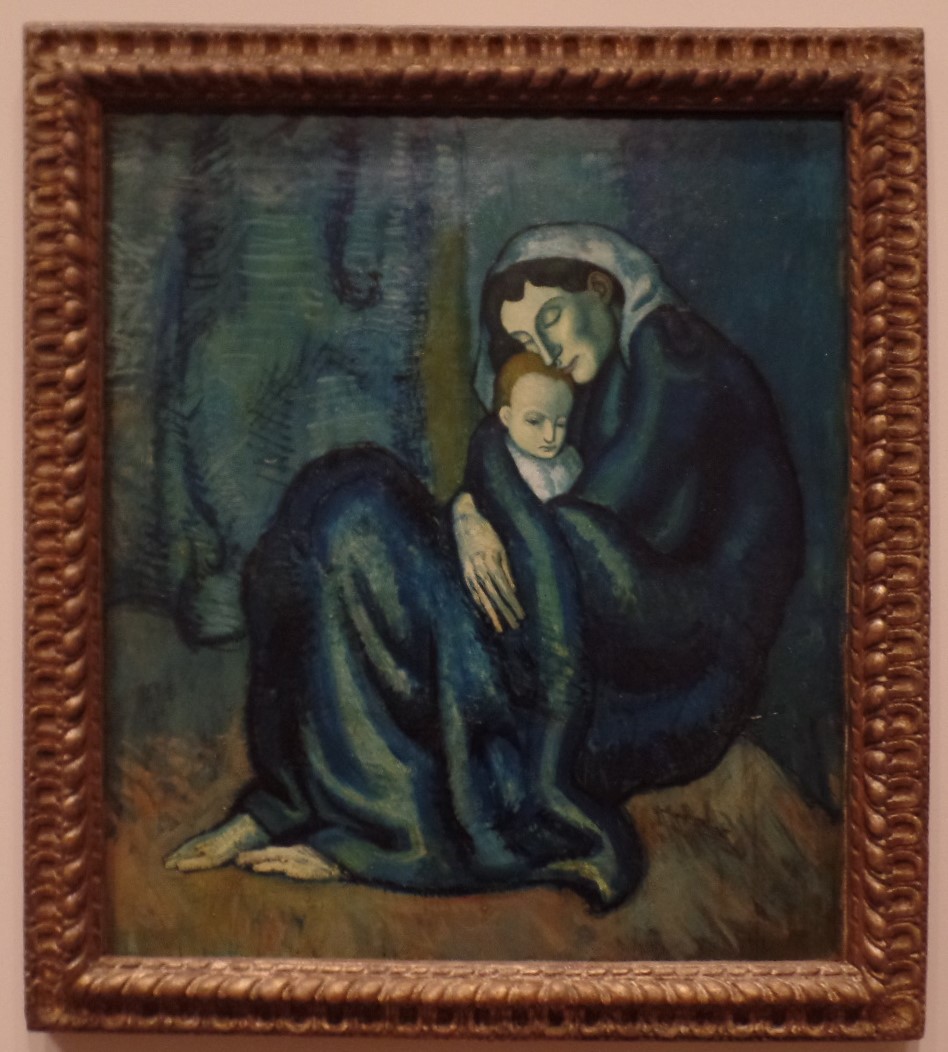
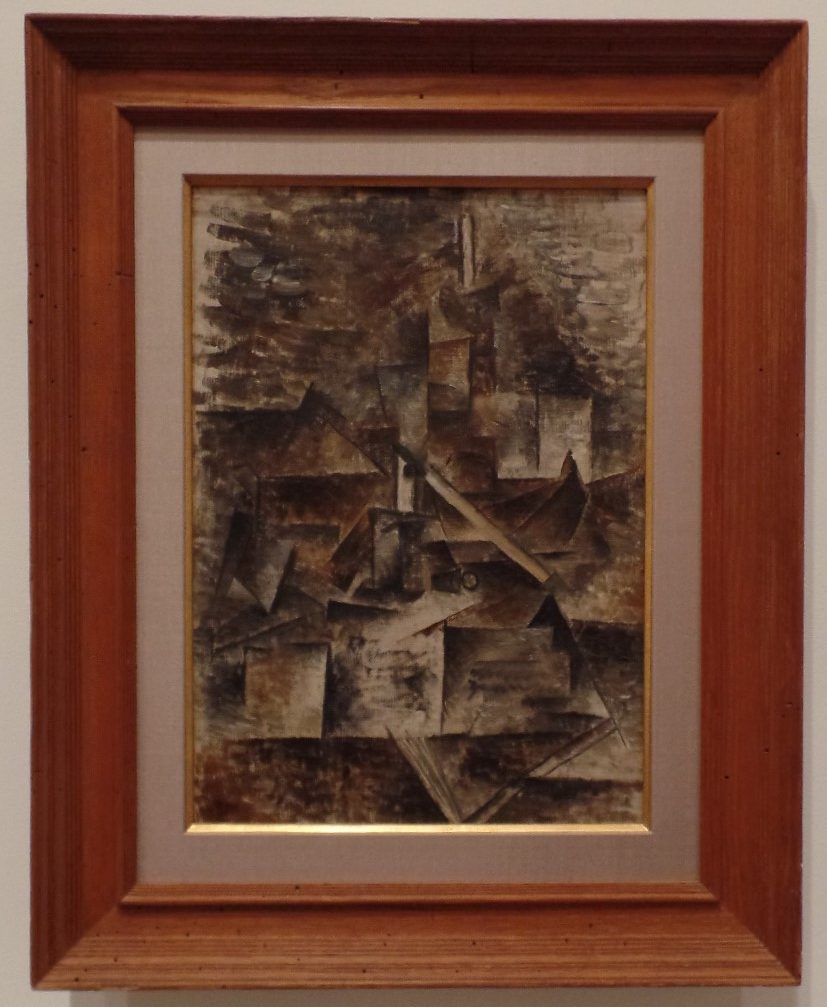
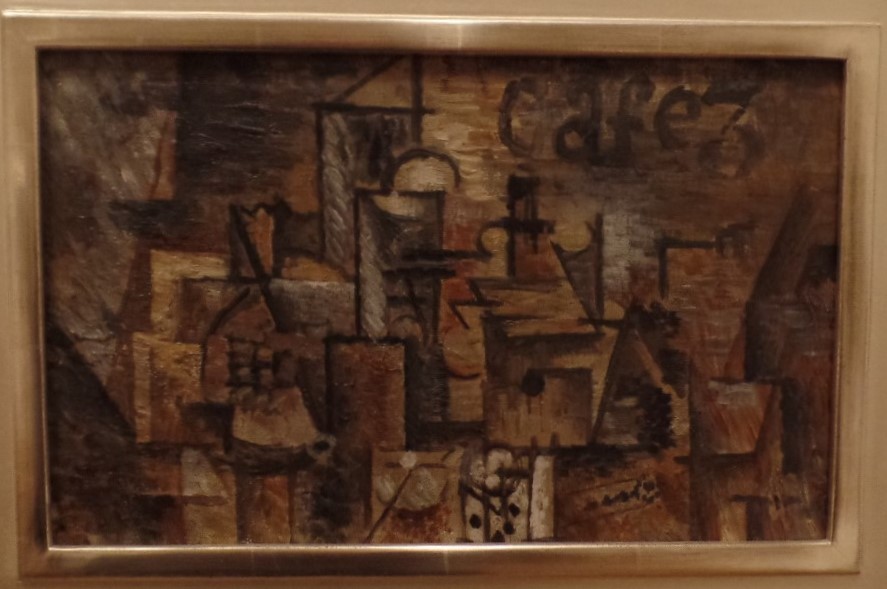
Picasso

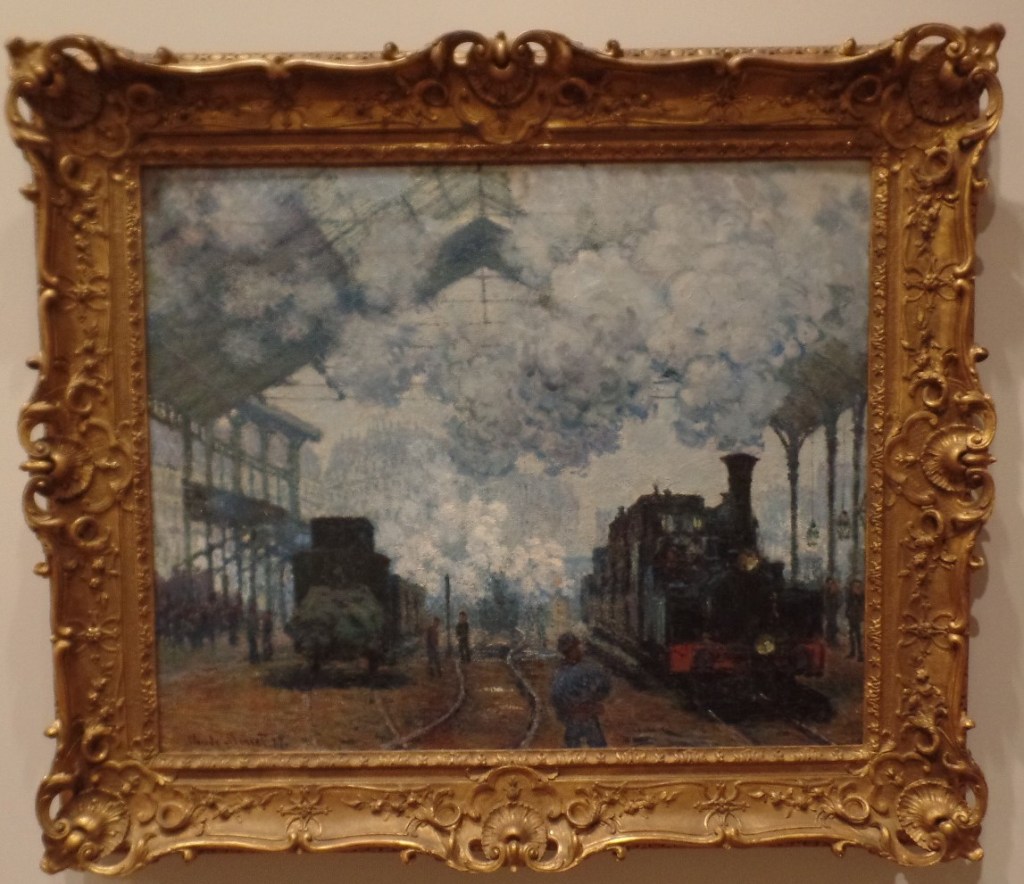
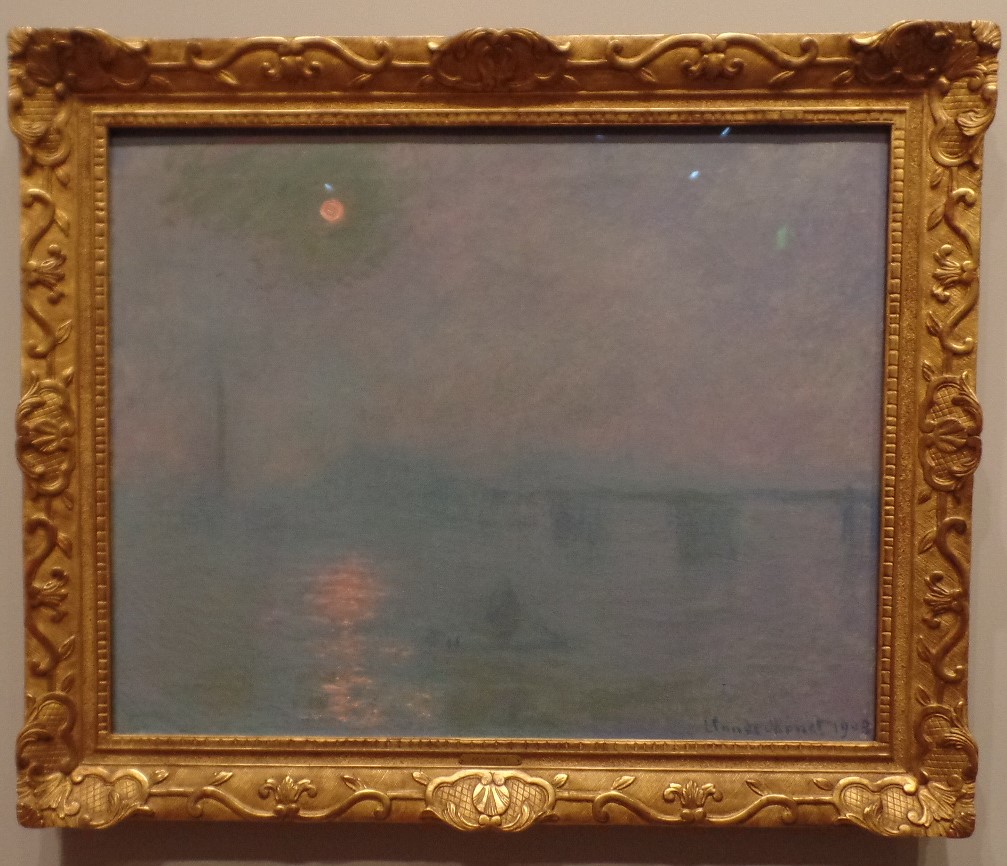
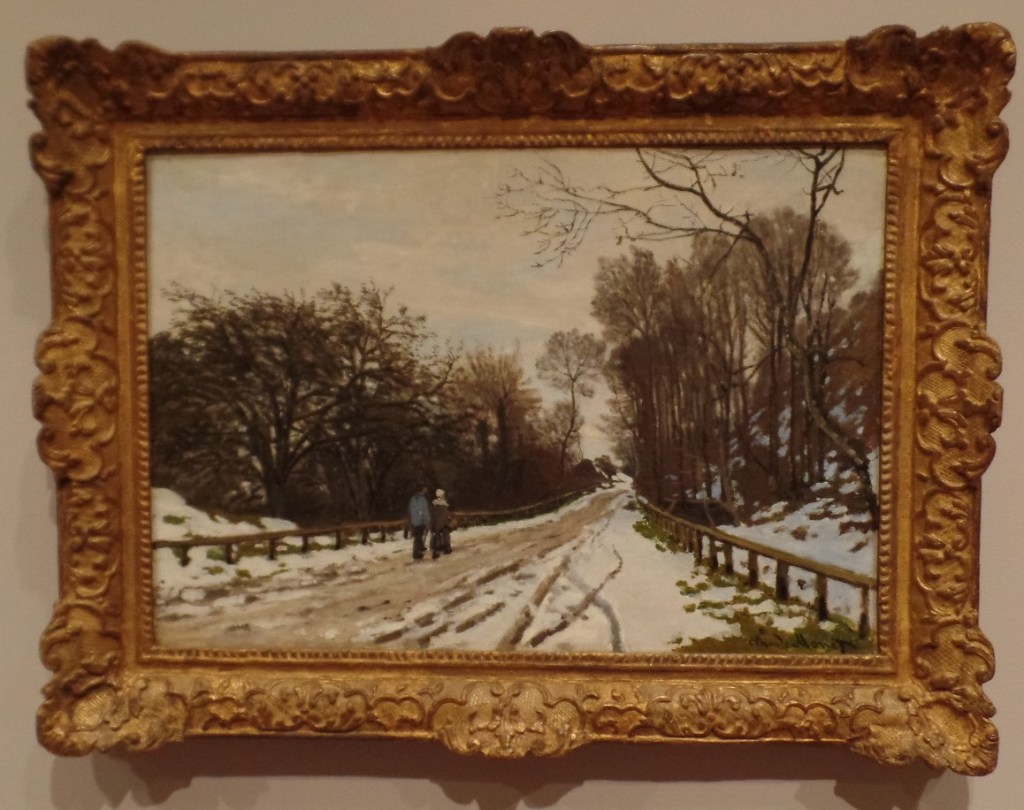
Monet

Other European Masters

20th Century America

19th Century Folks

Out to Sea

These Landmarks Once Looked Like This

Greeks and Romans

Religion on Canvas

All in the Family

Posted in Art | Tagged , , , , , | 5 Comments

A Scratch on the Earth from Montana to Newark

Wendy Red Star
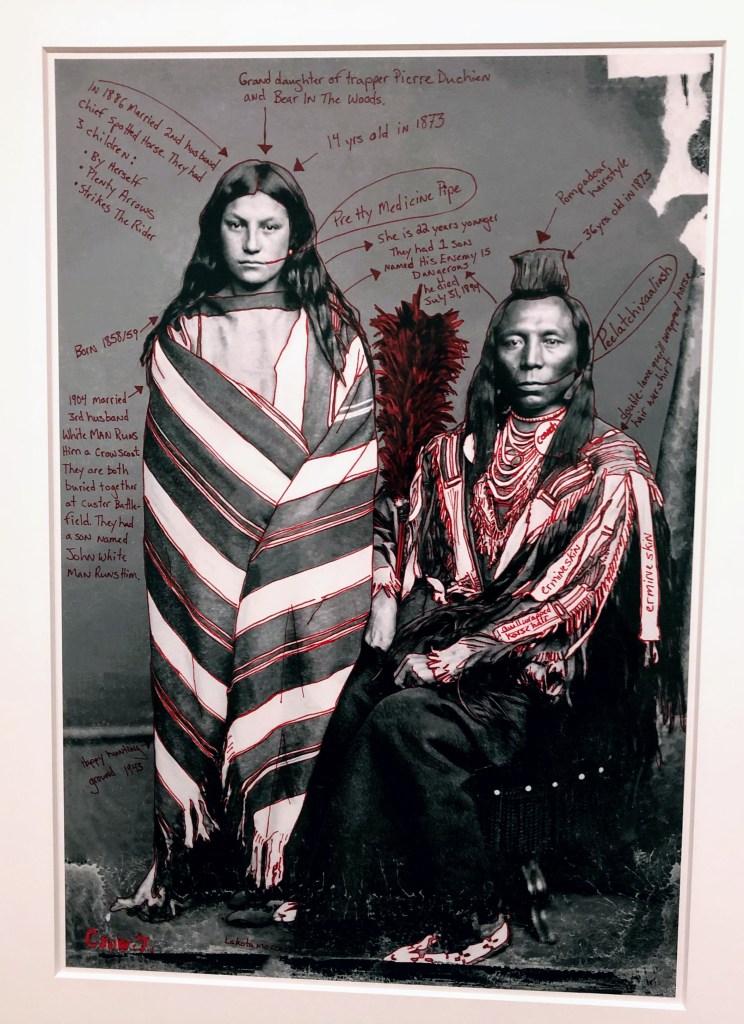
Wendy Red Star, Apsaalooke Feminist #3

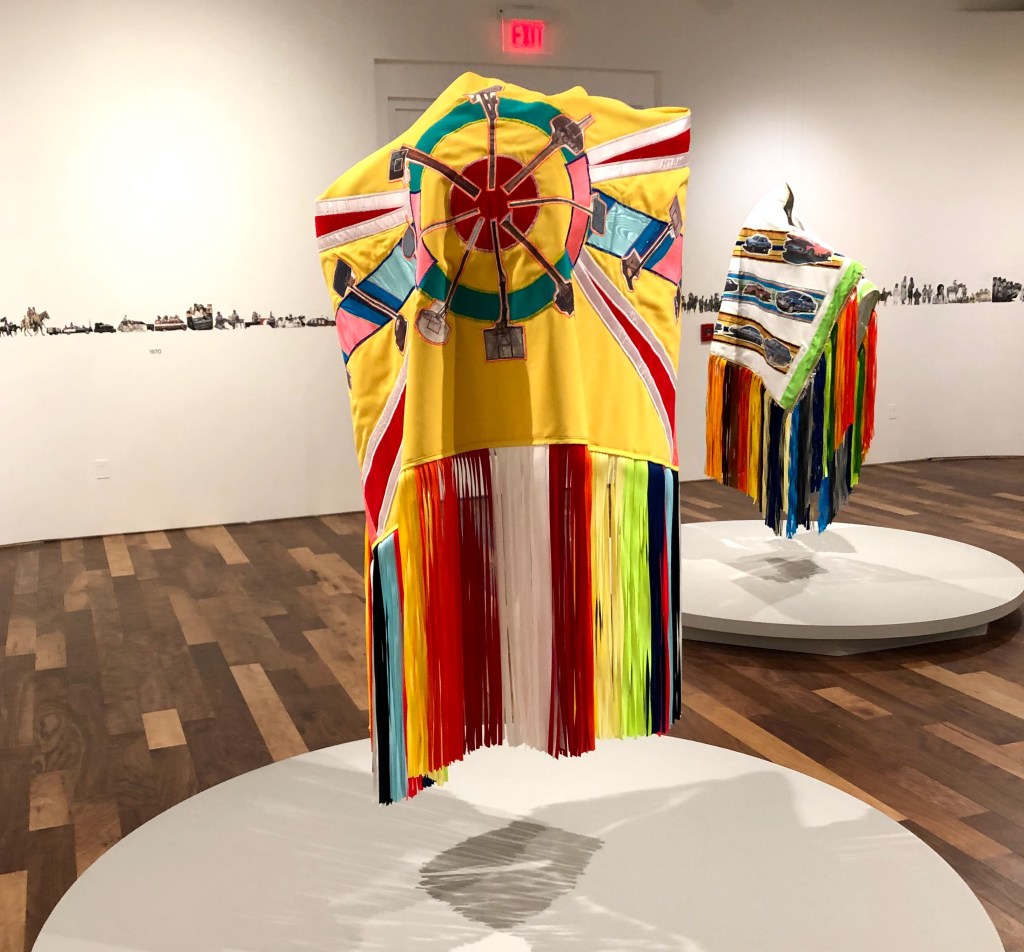
Wendy Red Star is a 38-year old multimedia artist based in Portland. She was born in Montana and raised on a Crow reservation. She is member of the Apsaalooke (Crow) tribe. These images are from her exhibit A Scratch on the Earth on display at the Newark (N.J.) Museum.

Wendy Red Star

1880 Crow Peace Delegation

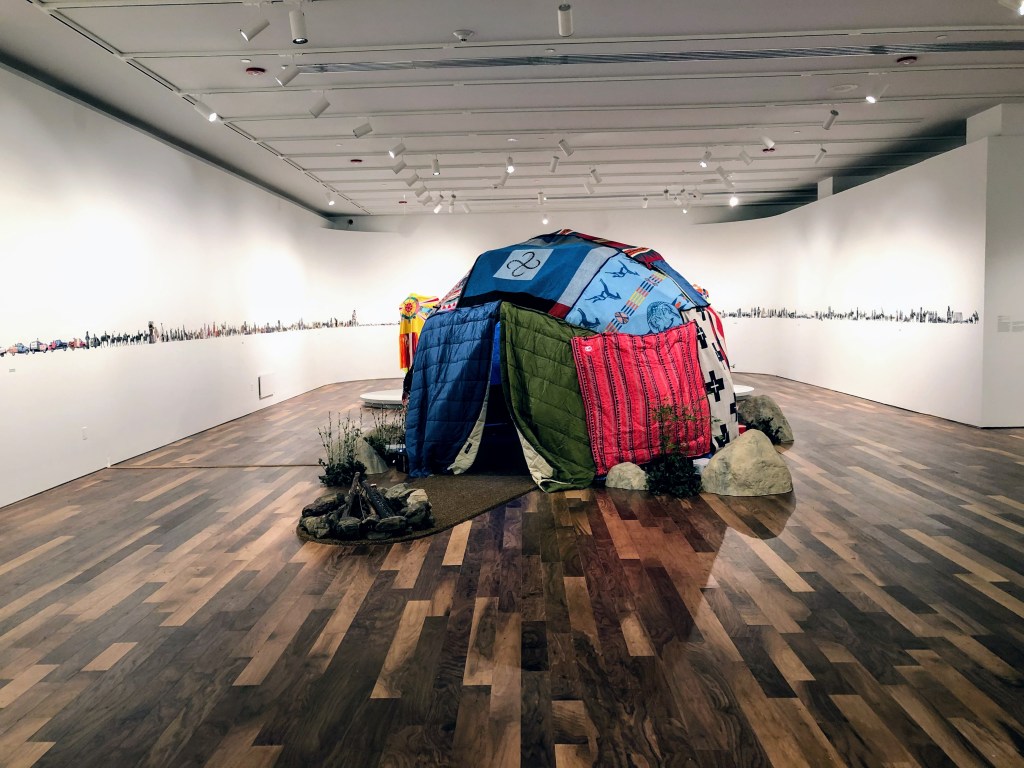
Home is Where My Tipi Sits.

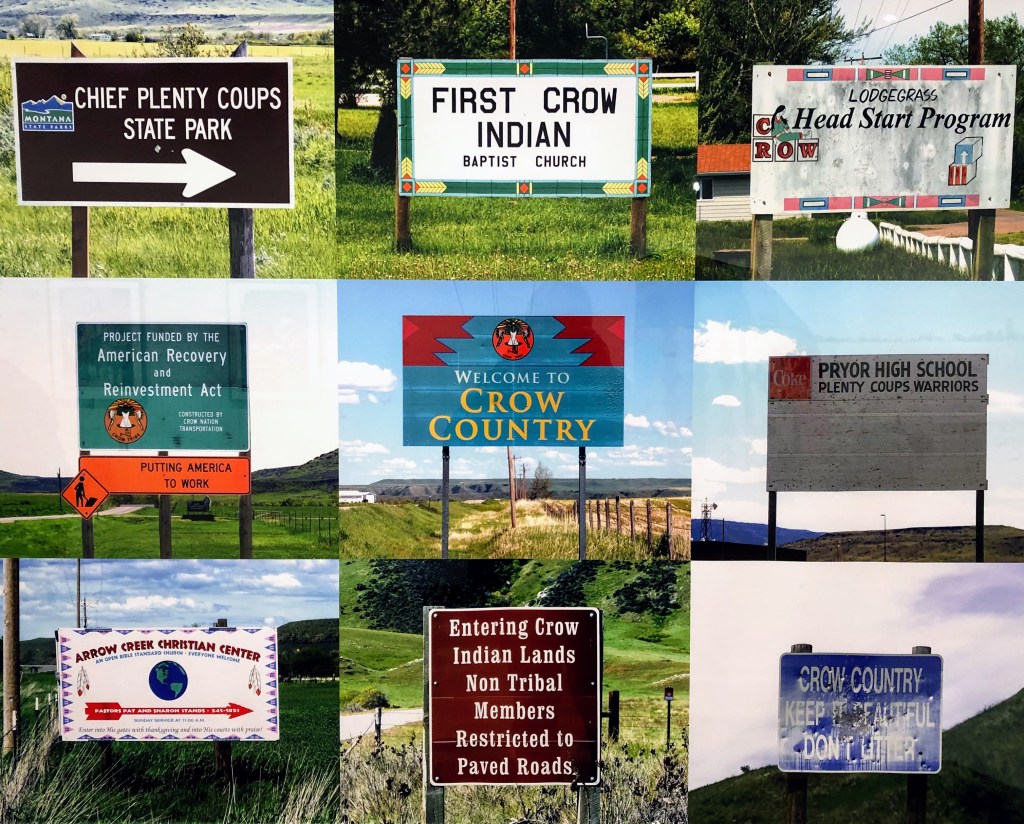
Government houses, broken-down cars, sweat lodges and signs on the Crow Reservation.

Crow Reservation
Crow Reservation
Crow Reservation
Crow Reservation

1873 Crow Delegation

Wendy Red Star
Family Portraits-Two Prom Dates
Wendy Red Star
Posted in Art | Tagged , , , , , , , , | 5 Comments

The Artist as Technologist

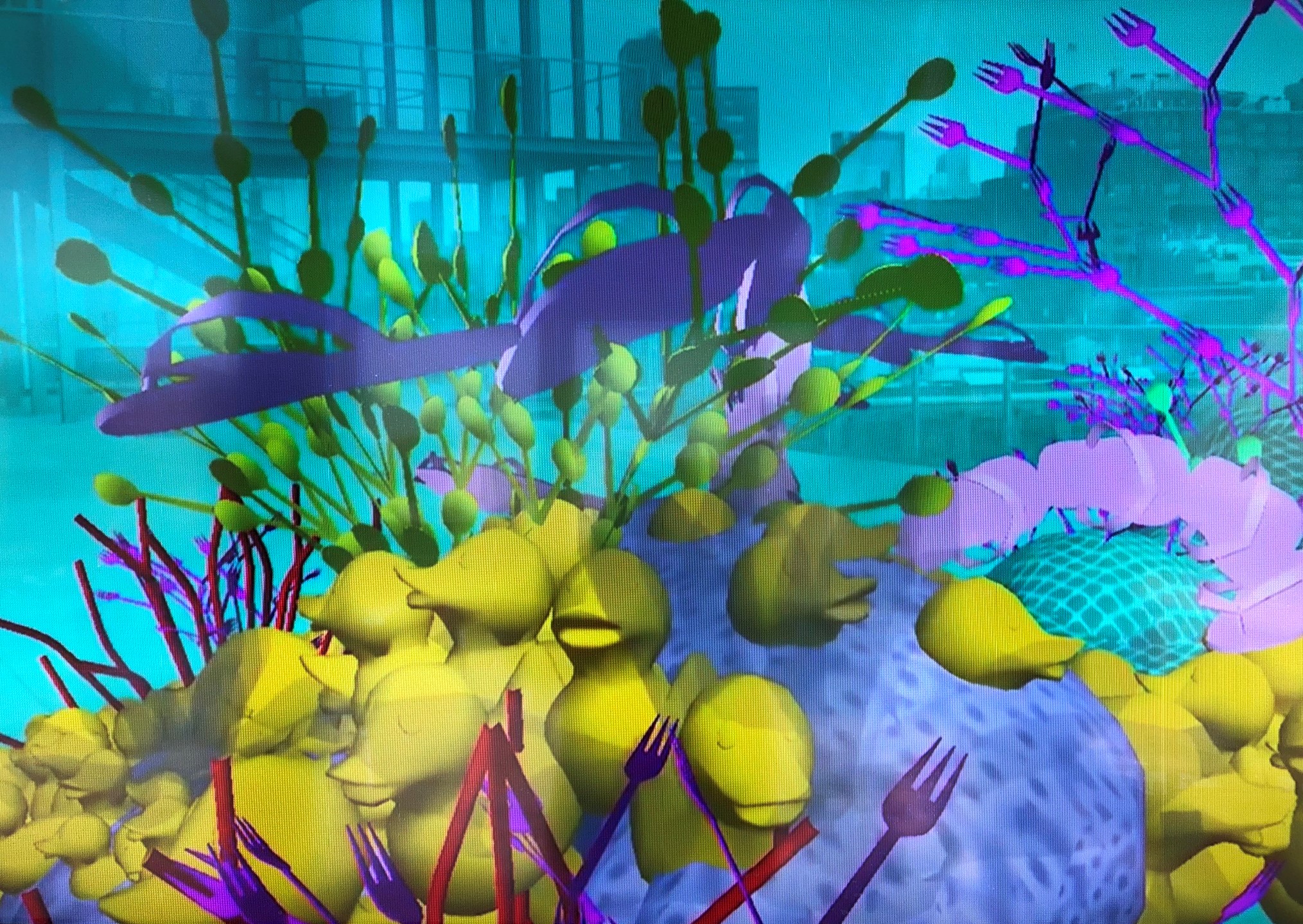
Unexpected Growth, Tamiko Theil
Unexpected Growth, Tamiko Theil. The monitor displays digital images overlayed on top of physical reality. This monitor is installed on one of the Whitney Museum’s outdoor decks. In the background you can see the view of Manhattan from that 7th floor deck.

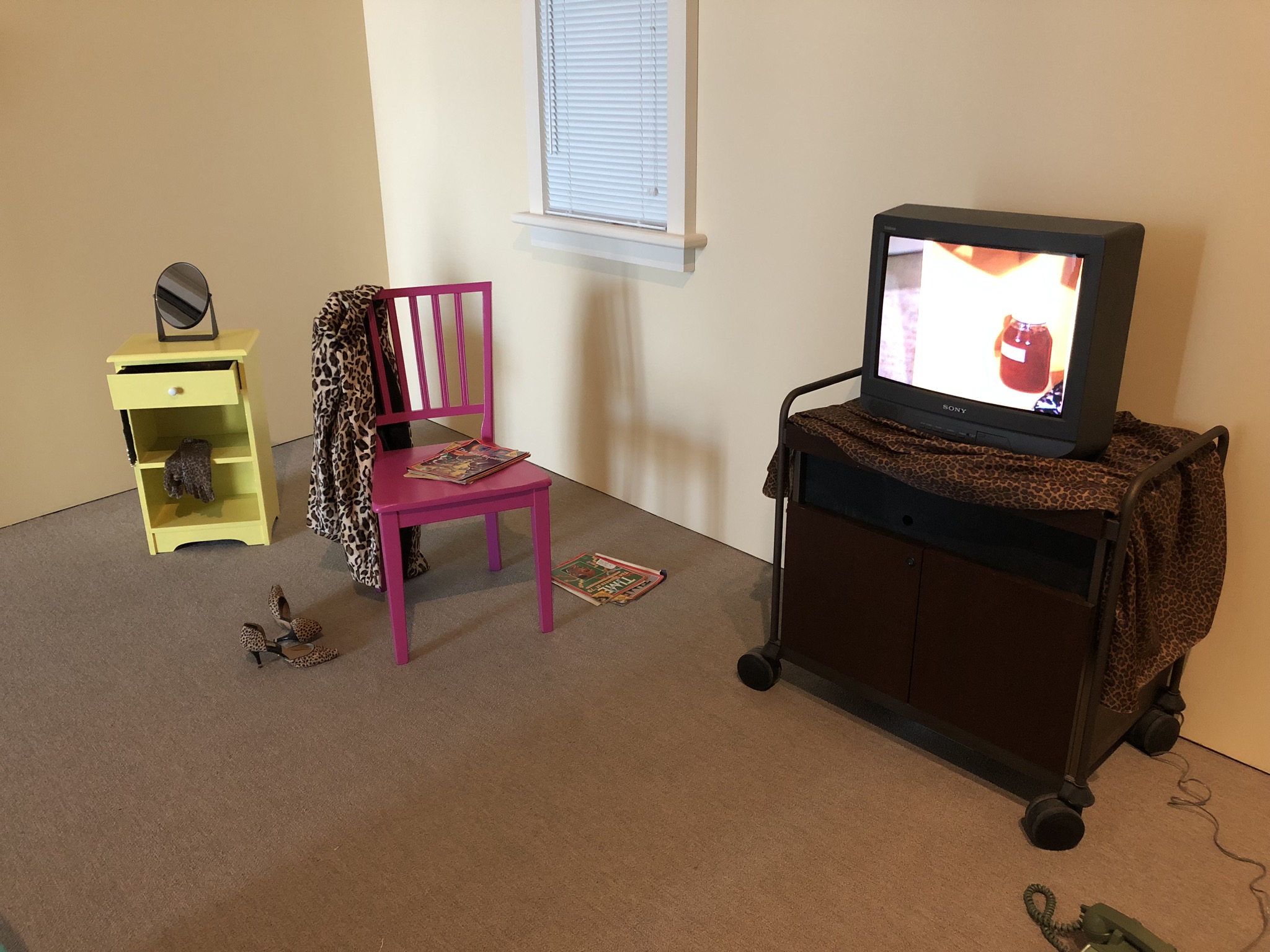
Lorna, Lynn Hershman Leeson
Lorna, 1979-1984. Lynn Hershman Leeson. There is a remote control that can be used to tell the story of Lorna, an agoraphobic afraid to leave her apartment. The story unfolds on the television screen.
Tilted Plane, Jim Campbell
Tilted Plane, Jim Campbell. 100 watt LED bulbs were refitted with a custom-made stem. The effect changes a two-dimensional image into a three-dimensional space.
Color Panel, John F. Simon
Color Panel, John F. Simon. Software art displayed on components of a laptop computer.
New York Double Hung, Siebren Versteeg
New York Double Hung, Siebren Versteeg. These are touchscreens. You can scroll through them and see a constantly changing collage that is based on Internet sources.
Magnet TV, Nam June Paik
Magnet TV, Nam June Paik. The magnet which sits on top of this TV interferes with the TV signal and distorts the image, which changes if the magnet is moved.
Baby feat, Ikaria, In Cheng
Baby feat, Ikaria, Ian Cheng. The moving image shows debris coalescing and than disintegrating while three different online chatbots have a conversation.
CodeProfiles, W. Bradford Paley
CodeProfiles, W. Bradford Paley. Looks at code as text, visually commenting on how code is written and read.
Dance
Dance, 1979 and 2014, Luicinda Childs, Philip Glass and Sol LeWitt
Channa Horwitz, accordion-fold book

Images are from Programmed: Rules, Codes and Choreographies in Art, 1965-2018, an exhibit at the Whitney Museum of American Art in New York.

Posted in Art | Tagged , , , , , , | 10 Comments