
Venus de Milo
Venus de Milo isn’t Venus at all, but rather Aphrodite, Greek goddess of love and beauty. Or it may be, according to some historians, Amphitrite, the sea goddess. The statue is also known as Aphrodite de Milos.

Venus de Milo, Alexandros of Antioch, 130-100 BC
Aphrodite
This one is definitely Aphrodite
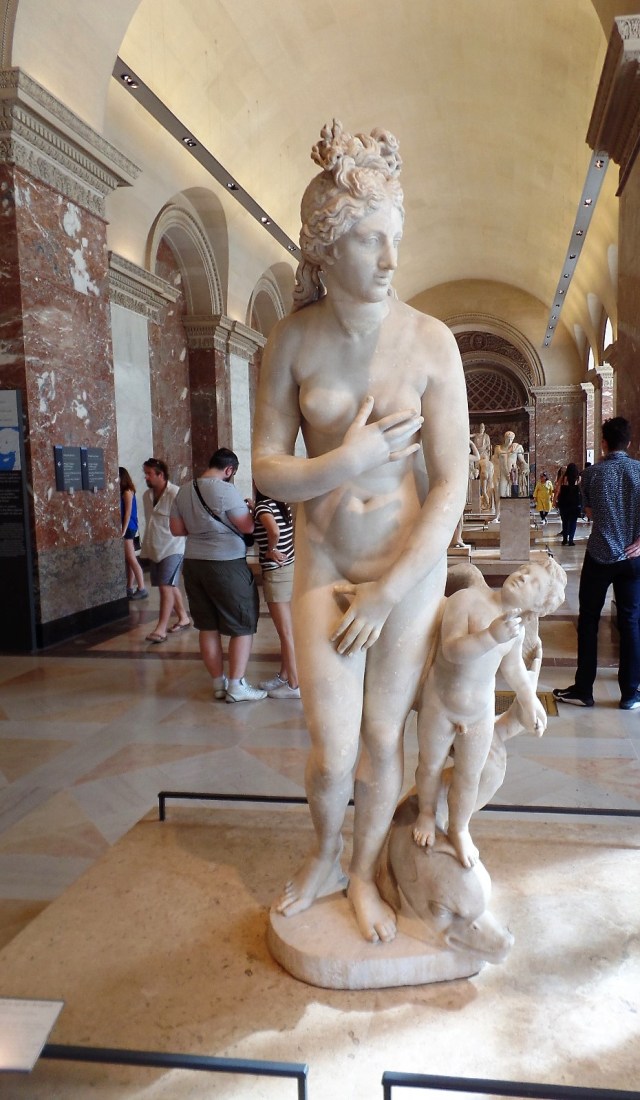
Aphrodite du type du capitole, 2nd century AD
Mona Lisa
The Da Vinci painting is more famous than the person who it is a portrait of. The real Mona Lisa is Lisa del Giocondo, wife of affluent Florentine silk merchant Francesco del Giocondo. It is believed Giocondo commissioned da Vinci to paint this portrait to adorn a new home.
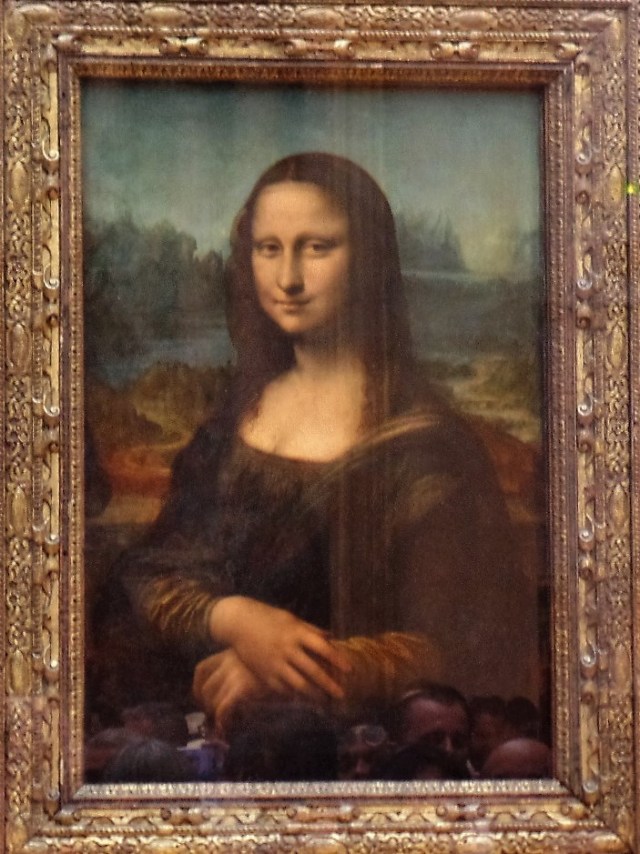
Mona Lisa, Leonardo da Vinci, 1503-1506
Cleopatra
Cleopatra was the last ruler of Ptolemaic Egypt. She was the wife of Mark Antony. After a defeat in a decisive battle that was part of the war of the Roman Empire, Antony and Cleopatra fled to Egypt where each committed suicide. Cleopatra died by allowing a poisonous asp to bite her.
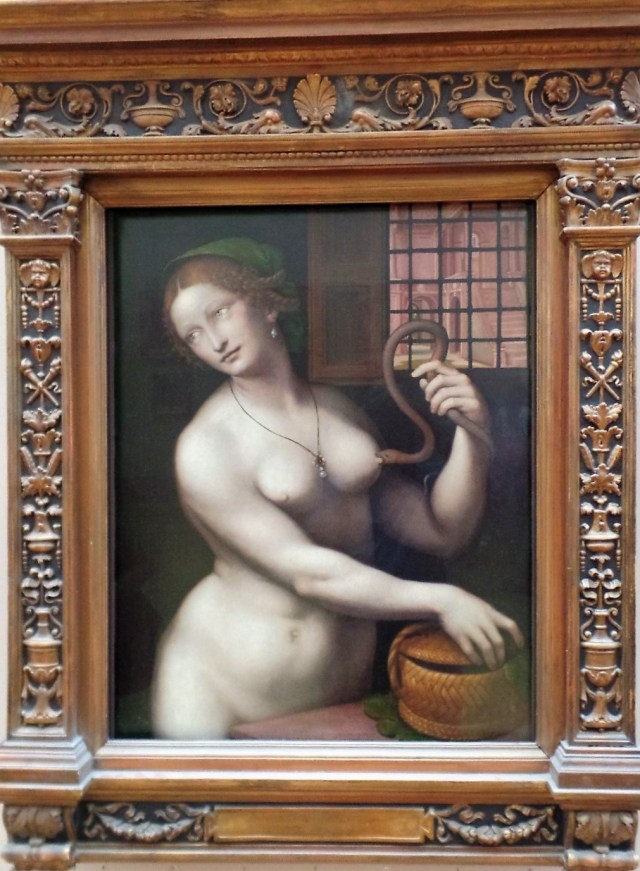
La Mort de Cleopatre, Giovanni Pietro Rizzoli, 1495-1549
Artemis
Artemis was the Greek goddess of hunting, the daughter of Zeus and the twin sister of Apollo. Her arrows were believed to be used to punish the misdeeds of men. To the Romans, she was known as Diana of Versailles.

4th Century BC Greek statue of Artemis
Athena of Velletri
Athena was the warrior goddess and protector of Athens. She was born out of the head of her father Zeus and was known to accompany heroes into battle.
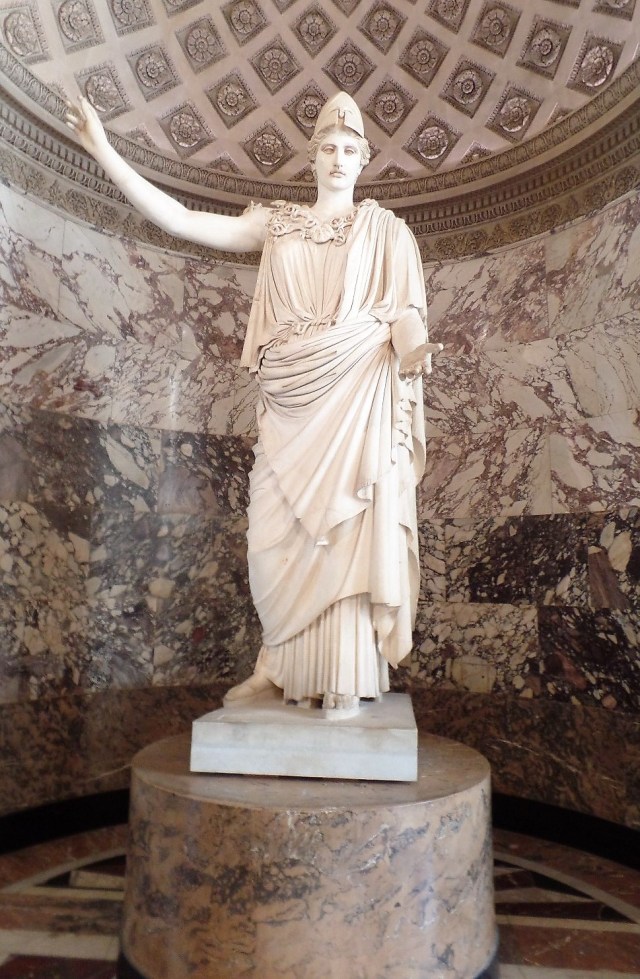
Las Pallas de Velletri, Roman copy of Greek sculpture from 4th-3rd century BC
Nike
Art historians have not been able to agree on just what victory Winged Victory commemorates. But they agree that it depicts the goddess Nike, Greek goddess of strength, speed and victory. Also known as the Winged Goddess, she was believed to be able to convey to humans the strength to be victorious. (Ad campaigns for Nike sneakers offer much the same.)

Winged Victory of Samothrace, c. 200 BC





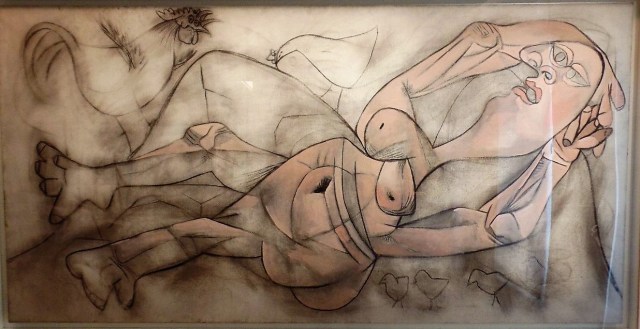
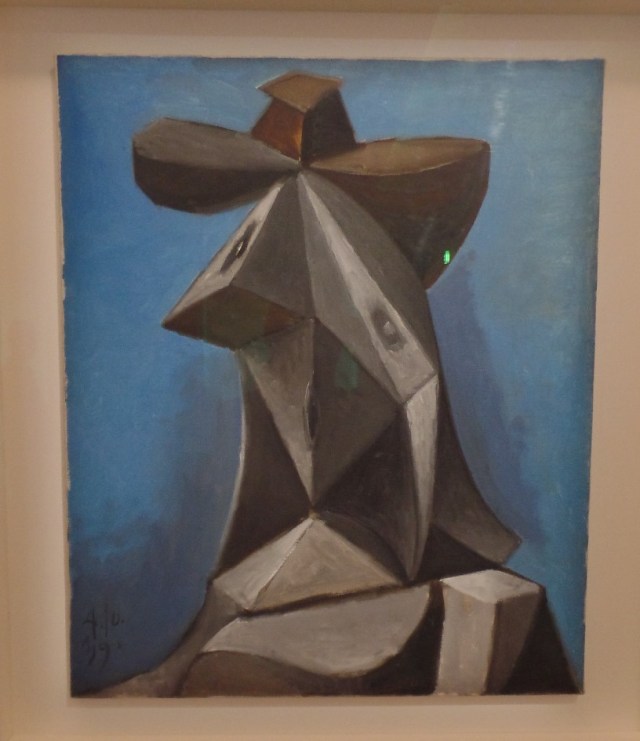

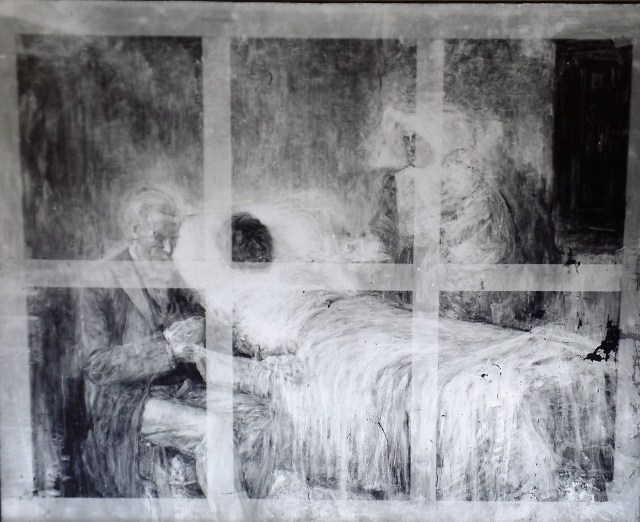




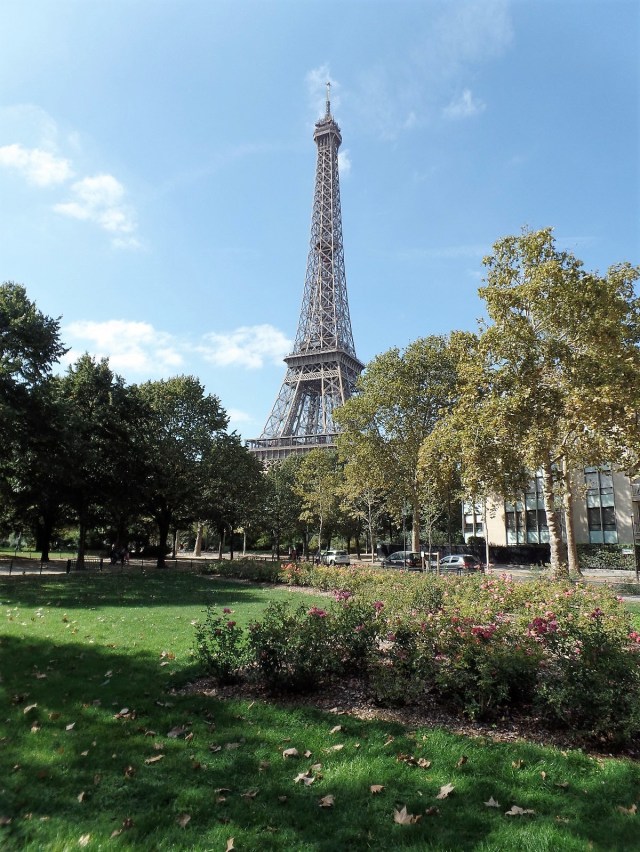










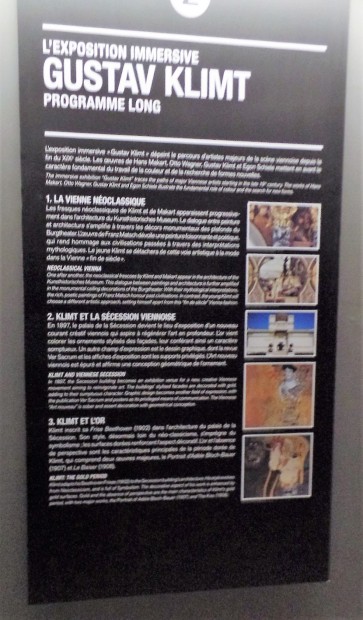
 Atelier des Lumieres is a digital art museum in Paris’ 11th arrondissement. It is housed in an old iron foundry that dates back to 1935. The museum opened in April of this year. The initial exhibition features the works of Gustav Klimt, the Austrian painter whose works are from the late 19th and early 20th century.







 In the century and a half since this era on the Western frontier, we have portrayed as heroes some pretty dubious men. Wyatt Earp, for example, the subject of a TV series that had a six year run starting in 1955 and a movie in 1994, is portrayed as a lawman fighting crime in Dodge City and Tombstone. The real Wyatt Earp was a somewhat less appealing character. His career included opening a brothel in Wichita, a lifetime of gambling and some gold rush saloons. He raced horses and at one time refereed boxing matches, a pursuit that some say ended when he fixed a high-profile fight.
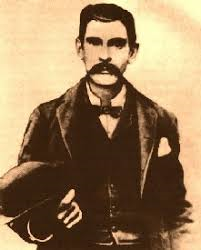 Earp is known as one of the good guys in the gunfight at the OK Coral, along with his buddy Doc Holiday. Holiday was a virulent racist. At one time he fired his gun at a group of black boys who he found at a swimming hole that he wanted to use. During his time in Dallas in the 1870’s Holiday was indicted for illegal gambling and arrested for trading gunfire with a saloon keeper.




 off the leash