
In Alabama, there are 24 of the state’s 67 counties where you can’t buy liquor. Except in 23 of those 24 counties there is one city where you can. If you’re in Kansas don’t volunteer to bring the beer for the Memorial Day, Independence Day or Labor Day picnic, because you can’t buy beer on those holidays. In Kentucky you can’t buy alcohol on Election Day. The 21st Amendment which repealed the 18th Amendment still left the doors open for states and municipalities to set their own rules. Mississippi didn’t give up on Prohibition until 1966.
So now as we approach the 100th anniversary of Prohibition we find as part of its legacy a sometimes bazaar, but nearly always inconsistent set of liquor laws that ensures that Americans who live in different parts of the country have different rules to live by. But the mixed up alcohol regulations are fairly trivial compared to the influence Prohibition had on American lifestyle, culture and politics.
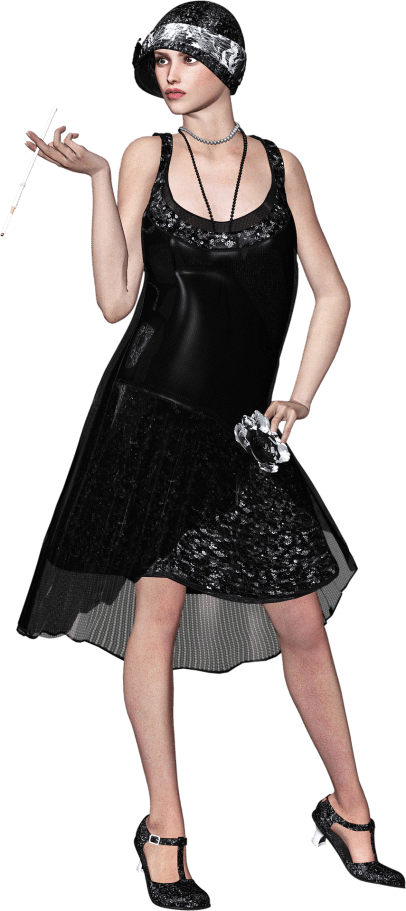 For one thing, Prohibition irreversibly changed nightlife in America. Tens of thousands of saloons closed. Ten of thousands of speakeasies opened. The image of the saloon drinker is a workman with a mug of lager set up next to his lunchpail. The image of the speakeasy patron is a young, stylish man or woman sipping cocktails in a carefree party atmosphere. It is the speakeasy that created the romantic image of the “roaring twenties” and one of the biggest changes is that it was about, and henceforth would always be about, men and women.
It was the young, urbane speakeasy crowd that would set the tone for style in America. While Prohibition may in some ways be viewed as the last gasp of a moralistic, conservative Protestant America, the result of Prohibition for many meant the abandonment of the restrictive social and sexual mores that went with conservative religion.
Not only did men start hanging out with women, but there were also some glimpses of an integrated society emerging. It is easy to make too much of this as America remained a very segregated country and even when white revelers headed up to Harlem for the jazz clubs, many of these clubs still only had black doormen and musicians while the patrons were as white as they were downtown. But there were also some “black and tans,” truly integrated clubs where black and white customers intermingled on an even footing.
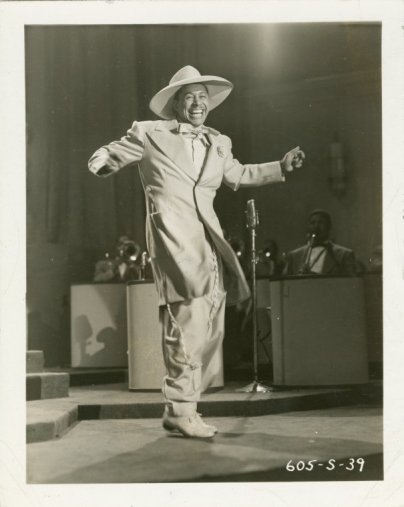
And the roaring 20’s introduced America, and all Americans, to jazz. This would not be the last time that a predominately African American inspired musical form would be adopted by Americans of all races and become part of the national culture. Some 30 years later primarily black rhythm and blues musicians would provide the foundation for rock n roll.
Our politics as well reflect changes that came about because of Prohibition. Prior to this era voting lines were still largely drawn according to the country’s division over slavery and the Civil War. The Republicans were the party of Lincoln. As such they had the black vote locked in while the white South was dominated by the Democrats.
All this began to change with the issue of banning alcohol. Prohibition was the solution of white, Protestant, rural America. On the other side of the line stood the working class, the immigrants and the city dwellers. This clear division showed itself at the polls in the 1928 Presidential election between the Democrat, a “wet”, Catholic New Yorker, Al Smith, and the GOP candidate, an Iowa born backer of Prohibition (at least publically) Herbert Hoover. Hoover won that vote, but by 1932 Franklin Roosevelt and the Democrats were swept into office and in just about every election since the Democrats have carried the urban, ethnic and minority vote. It was Prohibition that changed black voters’ perception of the GOP from the party of emancipation to the party of repression and the KKK. On Election Day all over the country we still view the Democrats ability to marshall the black and ethnic vote as a key indicator. And likewise we still see Republicans at the state and local level trying to find ways to disenfranchise these voters.
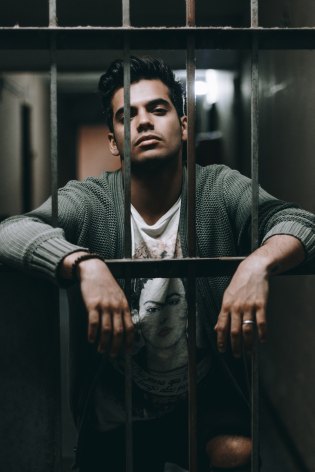
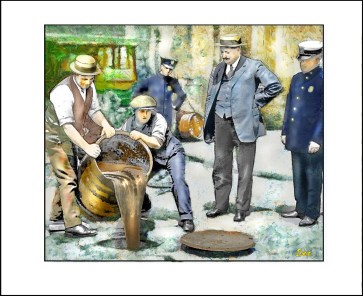 And finally, Prohibition turned out to be something of a trial run for what later generations would call the war on drugs. The alcohol ban created the idea that drinking was a crime While it is doubtful that most Americans shared that perception, it is what various law enforcement groups ran with and as a result our prisons filled up with non-violent offenders, criminals whose offense might be brewing a little home wine and selling some to your neighbors.
(Image by Pablo Padilla
While the speakeasy folks made the twenties roar in a relatively undisturbed manner, the brunt of enforcement came down on immigrant and black populations. How different is that from what is happening in America with respect to marijuana. Blacks and Hispanics make up a disproportionate volume of incarcerated recreational drug offenders in our prisons. And while polls and referendums clearly show most Americans support legalization, we once again have a right wing administration preaching heightened enforcement through Attorney General Jeff Sessions.
Few today see Prohibition as anything other than an abject failure. It didn’t stop Americans from drinking. It gave rise to a widespread criminal underbelly. And it only exacerbated the already existing divisions in our society. And while Prohibition has been repealed, those divisions have certainly not gone away and if anything have become more acute.
-0-
Sources:
The War on Alcohol, Prohibition and the Rise of the American State, Lisa McGirr, 2017.
Last Call: The Rise and Fall of Prohibition, Daniel Okrent, 2010
Prohibition: Thirteen Years That Changed America, Edward Samuel Behr, 1996

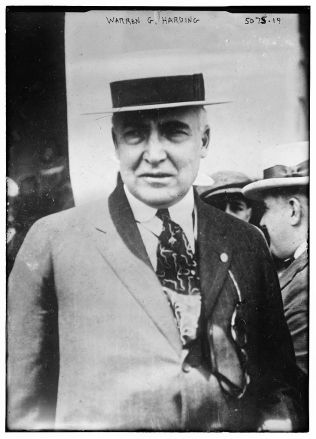
 Franklin Roosevelt swept into office in 1932 with a platform that included a call for repeal. But earlier in his career, a young FDR as Assistant Secretary of the Navy, supported banning alcohol in that branch of the armed forces. And in 1919, with the 18
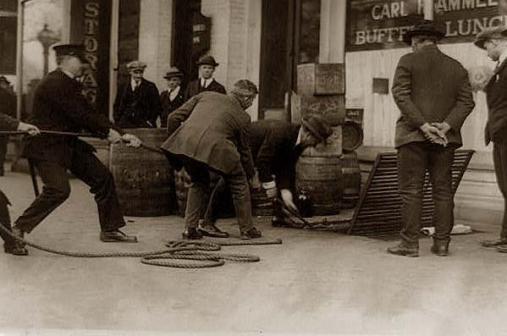



 In the first decades of the 20th century, America was experiencing a new flood of immigrants from Europe. Industrialization concentrated these new Americans in its cities. Labor unions were growing and making themselves heard. Socialist, Marxist and anarchist ideologies were finding followers among the immigrants and workers. The folks that filled the tenements in our cities and production floors of our factories were no longer all Protestant, no longer all white and no longer all English speakers. And for many of the more comfortable classes, this was a cause for alarm.

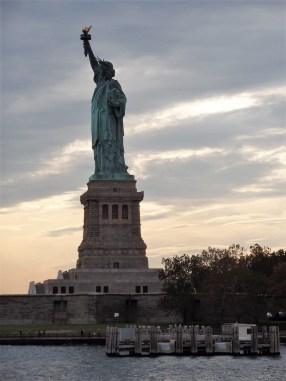 The United States is a nation of immigrants. We have the largest immigrant population of any country in the world. One of the most iconic symbols of the American democracy is the Statue of Liberty with its inscription “give us your tired, your poor….” In 2015, 13% of our population was foreign born. According the Census Bureau, one out of every four children under 18 in the U.S. has at least one foreign born parent.


 Many of those who supported Prohibition were the progressives and reformers of their day. One such group was the Women’s Christian Temperance Society, a key influencer in the “dry” movement. Their agenda was not just about turning off the taps. They also campaigned for women’s suffrage, prison reform, child welfare, free kindergarten, an 8-hour work week and an end to prostitution. For the most part they were upper and middle class white women who genuinely thought of themselves as working to improve the lot of their less advantaged countrymen (and women).
 Their allies on the right had some very different reasons for supporting the cause. Today we think of the KKK mainly in terms of their despicable racism. But these spooks hated everybody. They hated the Irish and Italian immigrants because they were Catholic, they hated the Mexicans because they were Mexicans and they of course hated blacks. Since alcohol and the saloons where it was consumed were so much a part of the lives of these minority groups, racists and xenophobes were strong advocates of Prohibition even though many probably had no intention of giving up alcohol themselves.

 Adami
 Aiden
 Carolina
 Darius



 I was a teenager at the time growing up in an all-white middle-class town not too far from Newark, living with my blatantly racist father. He and people like him processed this as blacks looting stores and burning buildings until the National Guard came in and restored peace. That narrative conveniently leaves out the cause, both the short-term cause and the long-term cause. To acknowledge either would have skewed his oversimplified vision of the world.
 On this 50

