
You can’t have a digital or Web or online publishing conference of one type or another without having at least one session on “the future of the media.” Often you would see execs from the Times or Post or Gannett put on panels to talk about “What now.” What now that their circulation is drying up. What now that breaking news is passing them by. What now that classified advertising has blown up and display is not far behind.
I didn’t hear from those folks at SWSX Interactive. What we used to think of as the next wave of media, digital first, mobile-friendly, visual, etc., is actually here. The sessions at SXSW were with the brands that reflect that. Frank Cooper, CMO of Buzzfeed, did a presentation on “The Future of Media Companies.” And the conversation with Jim Bankoff, CEO of Vice Media, was about “Creating the Modern Media Company.”
You can’t call either of these guys a futurist. If you ask them what the media company of the future is going to look like they will have a one-word answer. “Us.”
A defining strategy of both is publishing cross-platform. That means that you don’t confine yourself to your own properties, be they are print or digital or broadcast, but put your content on multiple platforms, whether it is Facebook or YouTube or Snapchat. That’s a pretty significant distinction from the traditional approach of older media. It wasn’t that long ago that some media organizations were trying to bring Google to court over using their content (headlines in search results) without paying for it. My guess is those same organizations are likely now scrambling to achieve the same level of search placement that Buzzfeed and Vox’s brands like SB Nation routinely get.
Just last year some of the big name traditional media properties were agonizing over what they consider a deal with the devil, allowing Facebook to render their stories rather than linking back to their own properties.
Cooper described Buzzfeed’s approach as “instead of trying to lure people to your platforms, go to where they are.” Similarly, Bankoff said “We want to be where audiences are and we want to create content that is native to the platform where it was living.”
The importance of publishing on non-owned platforms is likely to increase. Web sites have been declining in importance for a while, fueled by the growth of mobile, as apps proved to be easier to use than browsing the Web on a small screen. Bankoff now sees apps as declining the same way Web sites did because of the greater ease of using some type of aggregated platform. No wonder a news app popped up in one of the last updates of my iPhone. Apple is not alone. Google, Facebook and many start-ups have been putting out a steady stream aggregated news apps.
Cooper even suggested that the spread of content across platforms could even go back to analog. Buzzfeed’s food brand Tasty, for example, could become a TV show or even give rise to a pop-up restaurant.
Focusing on content quality is certainly nothing new, but these popular digital brands talk about quality in different terms than their more traditional predecessors. Not a word about depth of research, objectivity or investigative reporting. Instead they talked about adapting content to the platform where it is going to be published. That’s what Bankoff meant by “native.”
They encourage, rather than discourage, having a voice or an opinion. “Having a point of view is necessary in an intimate medium,” Bankoff says. Cooper expressed it like this: “Empathy and human connection are the new superpowers of building a large audience.”
Bankoff emphasized the overall quality of user experience that goes beyond just the news content you produce. He brought up as an example a really high-quality engaging video that can be ruined by a crappy intrusive pre-roll. “We want to create advertising that doesn’t suck,” he said.
While traditional media organizations bemoan the loss of readers and advertisers, these guys, like Bankoff, are wondering why ad dollars aren’t leaving newspapers and magazines faster. But I’m sure all media organizations would like to believe in Bankoff’s response to a question about whether Vox is making money by distributing content through other platforms: “You have to have faith that over time quality content has a business model.” If I published a newspaper, I might be tempted to say, “We had one until you guys came along.”
Both of these SXSW sessions are available on YouTube.
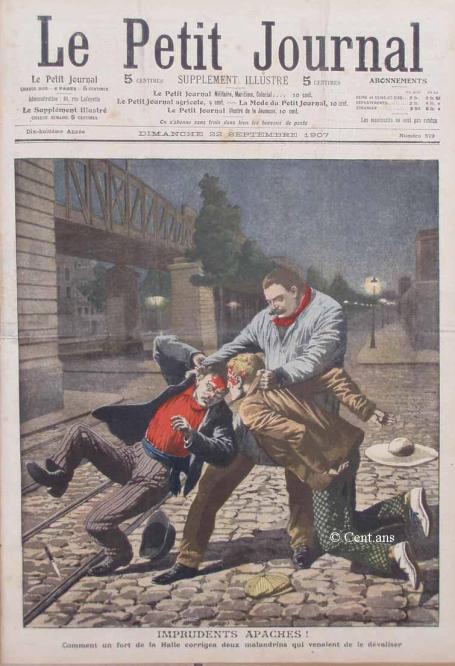 Les Apaches
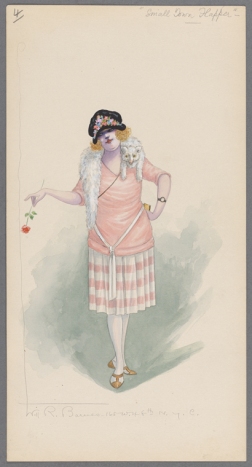 Flappers
 Jitterbugs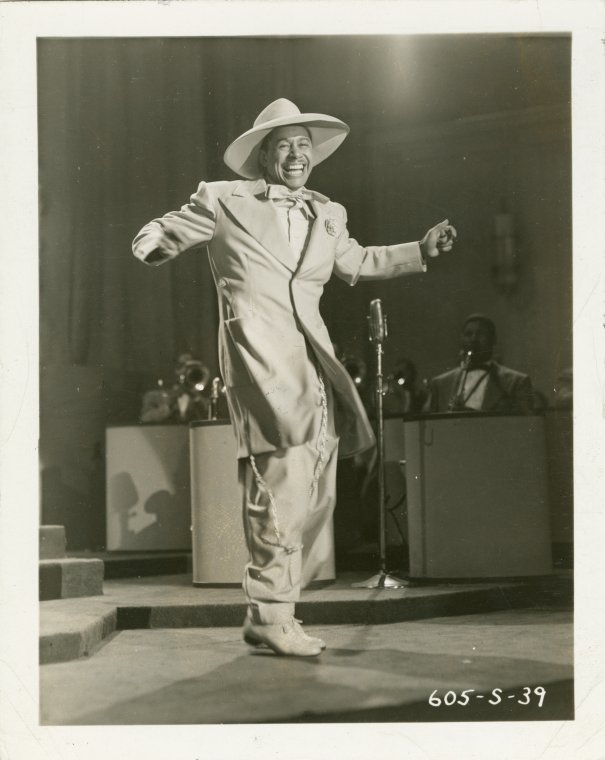









 Perhaps the first example of this is ragtime. It first came into prominence in black communities like St. Louis. That’s where the Scott Joplin House is located and when I think of ragtime it’s Joplin compositions like the “Maple Leaf Rag” and “The Entertainer” that come to mind. Ragtime went mainstream with Irving Berlin’s “Alexander’s Ragtime Band” in 1911.



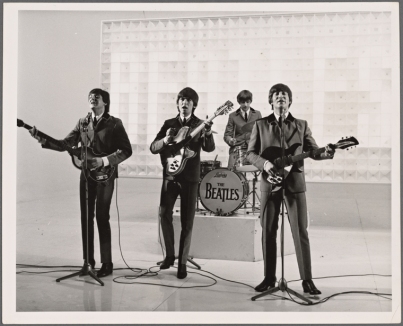

 Nowhere did extremist politics take hold of the country’s youth as thoroughly as in Germany. Young Germans were, according to Savage, “fodder for Fascist regimentation under the guise of self-rule.” The Nazis spun their twisted ideology as a triumph of youth. The Hitler Youth offered a sense of belonging and mission to a group who had known nothing but hard times. Eventually they had no choice.



 off the leash