
A much maligned malady of modern times is distracted driving. With email, text, social media and various informational and entertainment apps available on our dashboards or in our pockets it seems some cannot look away long enough to reliably drive themselves from one place to another. But with more devices, more connectivity and more functionality on the horizon that may just be a symptom of a larger issue, distracted living.
(Ian L)
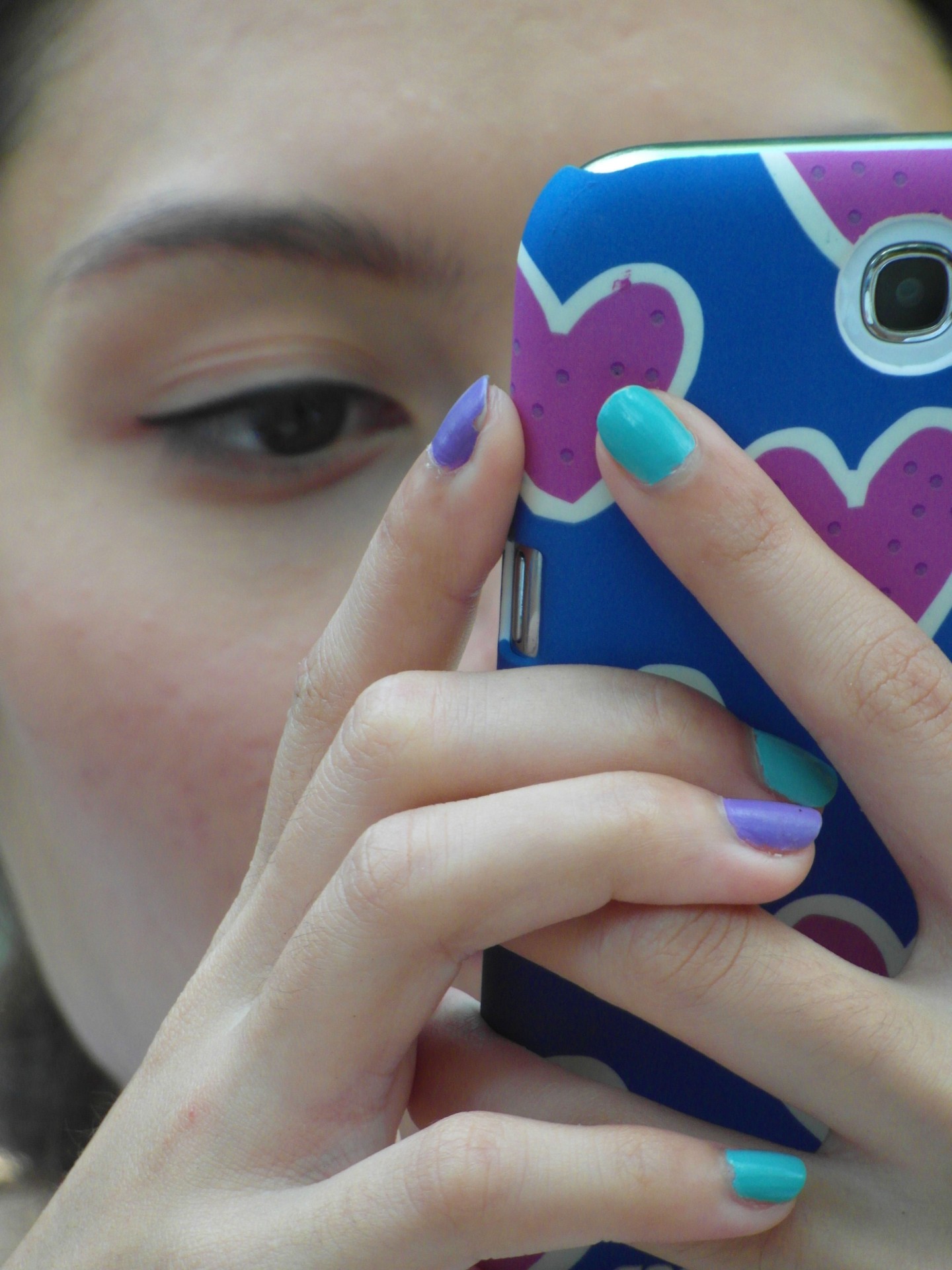
In some instances we’re there already. How many times have you found yourself talking to someone and had them look away in mid-sentence because their phone beeped the notification of a text, an email message, or maybe even a home run in a baseball game? There is even a word, nomophobia, that was been created to describe the fear of being out of contact with your mobile phone. Do you remember the video that went viral (for a day of two) of a woman walking through the mall staring at her phone until she fell face first in the concourse fountain? How many fathers have taken off work to see their child’s soccer game and then missed the kid scoring a goal because they were answering an email message?
The most oft-cited academic research on the impact of distracted living was the Stanford-based study of “Cognitive Control in Media Multitaskers.” Clifford Nass, one of the authors, notes. “The research is almost unanimous, which is very rare in social science, and it says that people who chronically multitask show an enormous range of deficits. They’re basically terrible at all sorts of cognitive tasks, including multitasking.”

(George Hodan)
Folks, it’s only going to get worse.
You may, like me, have passed on Google Glass and maybe even were able to resist the wrist band activity tracker. What happens when you buy clothes with devices so small as to be almost invisible? Or when tiny computers are embedded in your jewelry or house keys or wallets?
And once display breaks away from the limitations of screens, there is no such thing as looking away. Navdy, a company that claims it is producing “Google glass for your car” is one of a few company’s building systems that will display information in your field of vision while you are driving. That’s supposed to improve distracted driving but University of Kansas psychologist Paul Atchley, interviewed in the New York Times, notes, ”The technology is driven by a false assumption that seeing requires nothing more than having the eyes fixed on the right spot.”
What is does show, however, is the feasibility of displaying information anywhere rather than keeping it encased on screens. Maybe in the future when the person you are talking to wants to read their email instead, they’ll see it on the wall in back of you so they won’t appear as blatantly impolite.
A recent article in the Harvard Business Review (Conquering Digital Distraction) suggests that “digital overload may be the defining problem of today’s workplace,” adding that “we waste time, attention and energy on relatively unimportant information, staying busy but producing little of value.”
Human resource consultants are fond of using the term “work/life balance.” Nobody talked about that when you left work at work and didn’t have devices that kept reminding you of it when you were eating dinner, hanging out with your family or just reading a book. Always on technology means always working for some.
New York Times writer Tony Schwartz describes the challenge: “Employees…have their rhythms set by the very technology invented to make their lives easier and free up time. Computers not only operate at high speeds, continuously, for hours on end, they also run multiple programs at the same time. We try gamely to keep up, but it’s a Sisyphean challenge and we’re doomed to fall behind.” (Escalating Demands at Work Hurt Employees and Companies)

(lusi)
What may be a productivity problem for an employer is a bigger problem for society at large. Many social scientists bemoan a decline in social interactivity in favor of the screen tap kind of interactiveness. Our digital compulsion also contributes to a more self-absorbed mentality as our focus is pulled away from our environment and from those around us. More selfies, less scenery. Even if you’re not the driver, if you’re riding in a car and never lift your head up from your phone, what have you missed? Does it even matter where you are when you disconnect from your environment?
Our kids are clearly not immune to this. Many would rather watch a YouTube video of other people playing Minecraft then go out to play ball or ride a bike with their friends.
The HBR article cited above goes into some detail on two approaches for dealing with distracted living. One is to make use of the off switch. Keep technology away from certain settings like your bedroom or the dinner table and turn off your device after checking your messaging. That might not be so easy when digital information is liberated from screens.
The other approach is to treat technology with technology. The idea behind that is to use various apps that target and filter information so you only have to attend to that which is most important or relevant. I don’t have a lot of confidence in that since I have enough trouble avoiding just blatant spam.
Having written this one might expect that I am pretty attuned to the problem and aware of how to avoid the pitfalls of distracted living. I’m not. I find that the more devices I have and the more information I view, the less likely I am to put it down or turn it off. I can’t wait on line for even a couple minutes without pulling out my phone and checking my messages. Nor can I sit with a morning cup of coffee without firing up my iPad.
While my etiquette is sufficient that I usually don’t pull out my phone while I’m sitting with someone in a restaurant, if that person gets up to go to the restroom, guess what I do?






























 off the leash