

Chiesa della Salute, Roman Catholic church opened in 1681

Gondole
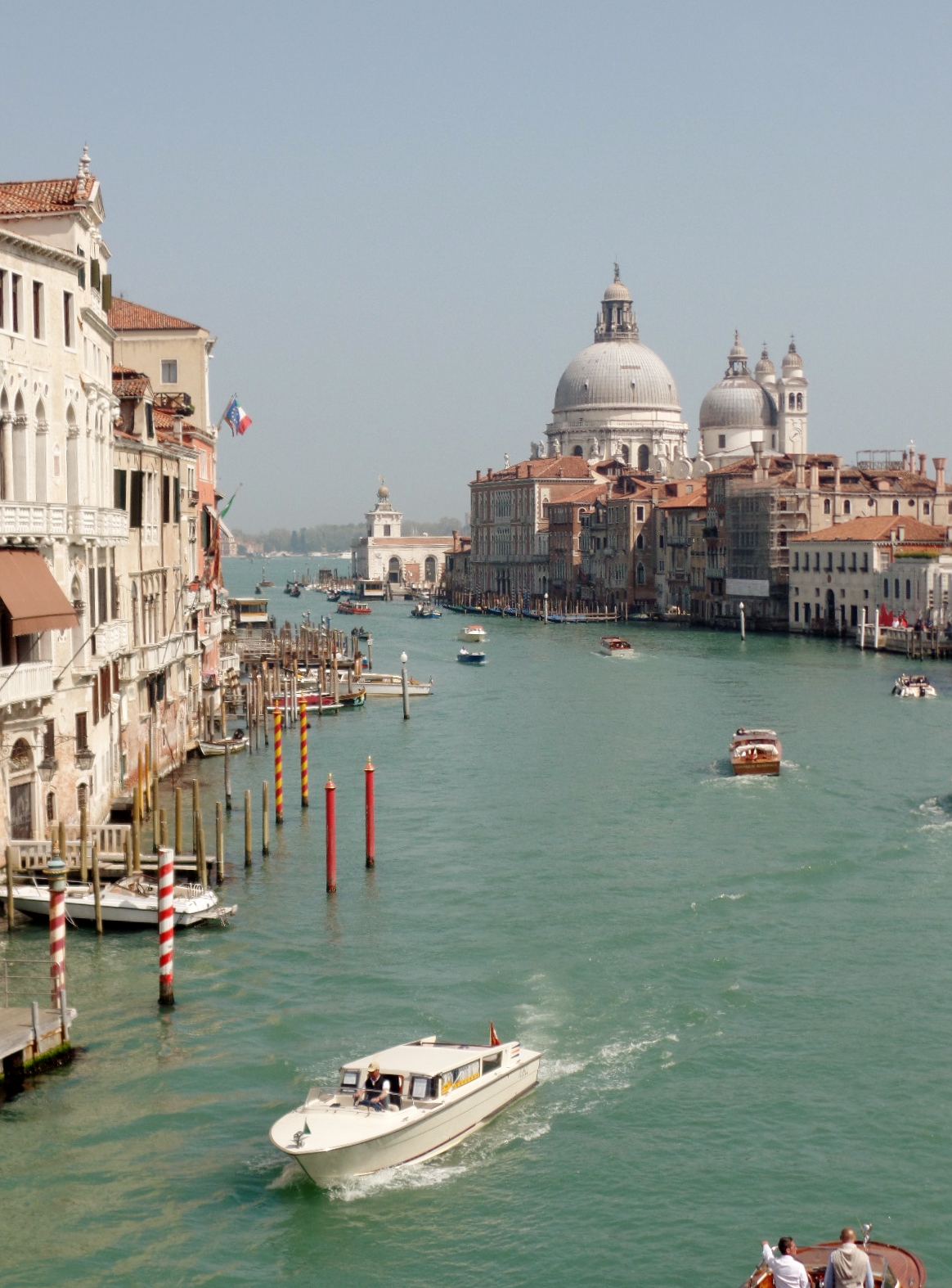
View of the Grand Canal from the Ponte della Accademia


The Palazzo Malipiero, the one-time home of Casanova

One of 409 bridges in Venice.
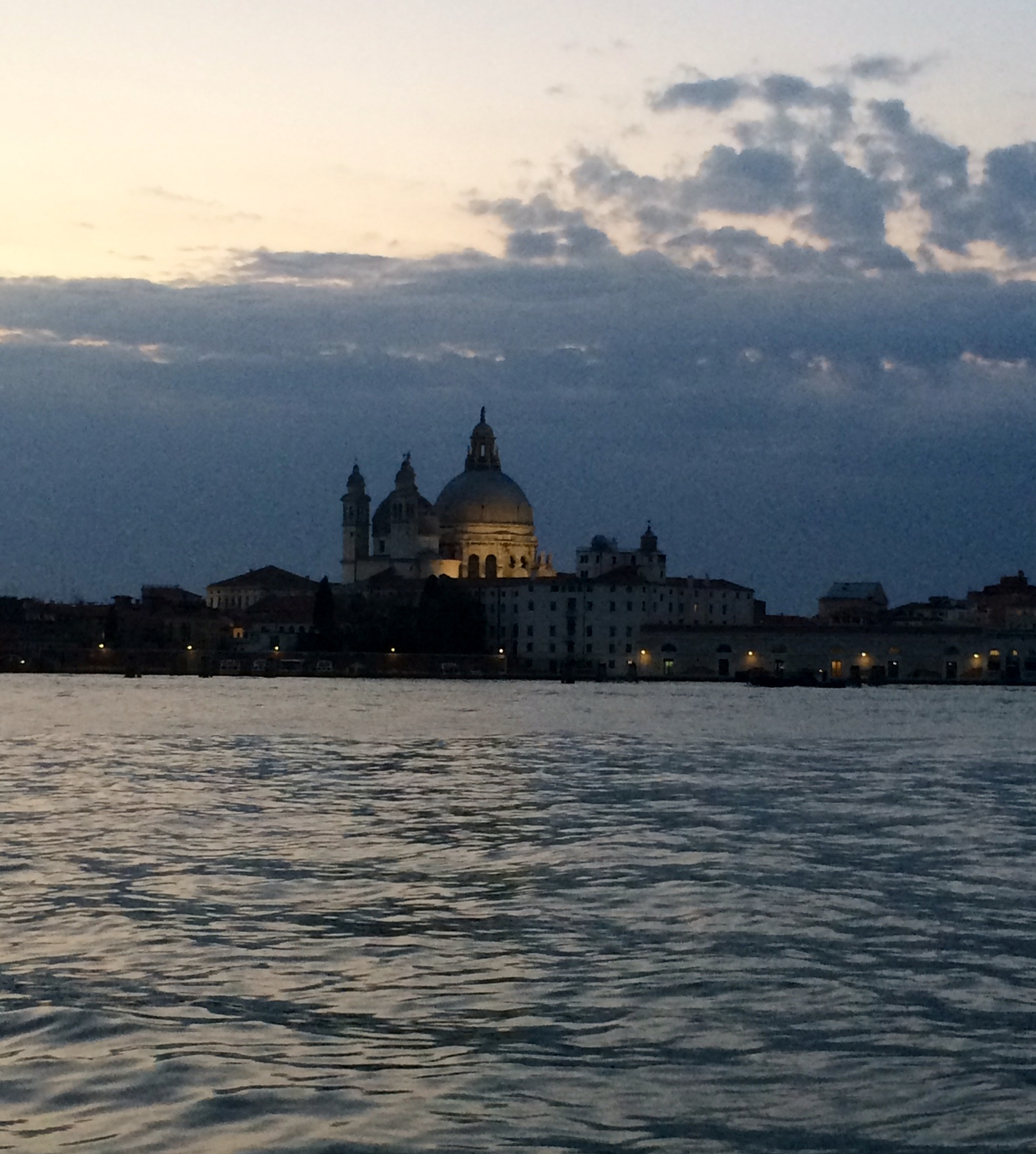
Twilight on the Canale della Giudecca
Chiesa della Salute, Roman Catholic church opened in 1681
Gondole
View of the Grand Canal from the Ponte della Accademia
The Palazzo Malipiero, the one-time home of Casanova
One of 409 bridges in Venice.
Twilight on the Canale della Giudecca
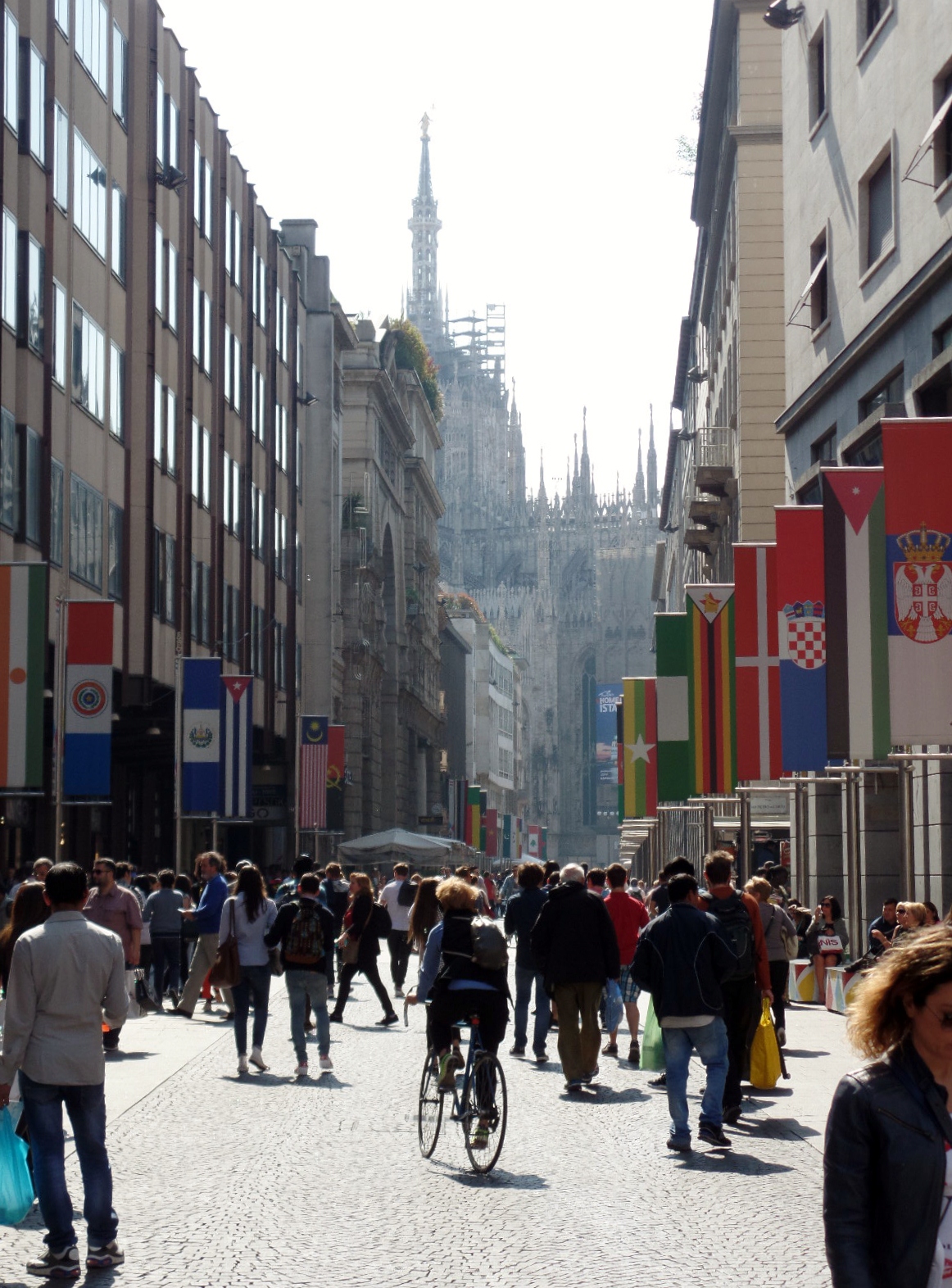
Corso Vitorio Emanuele

Archway of the Galeria Vitorio Emanuele




Santa Maria della Grazie, home of The Last Supper
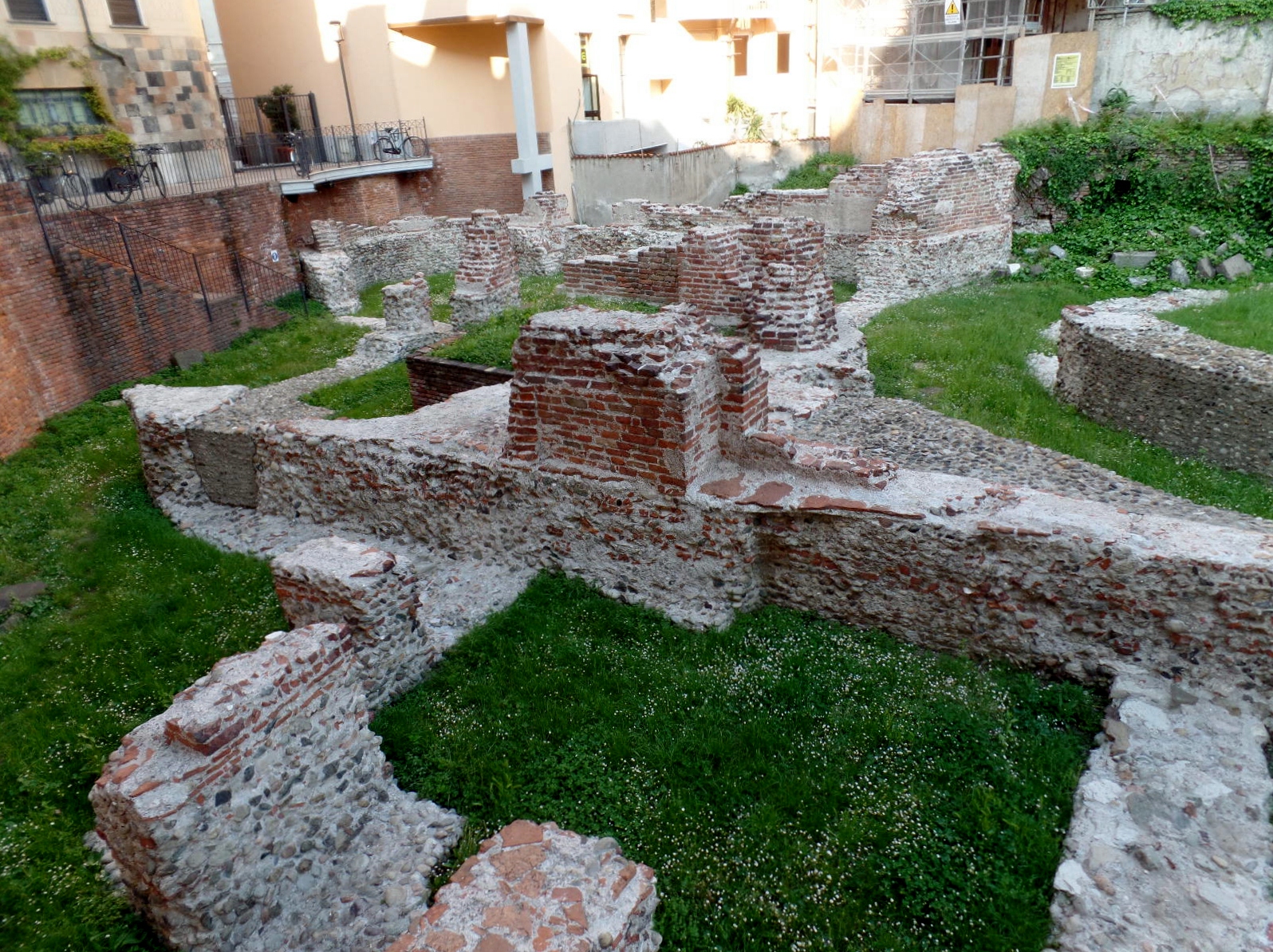


Stazione di Milano Centrale
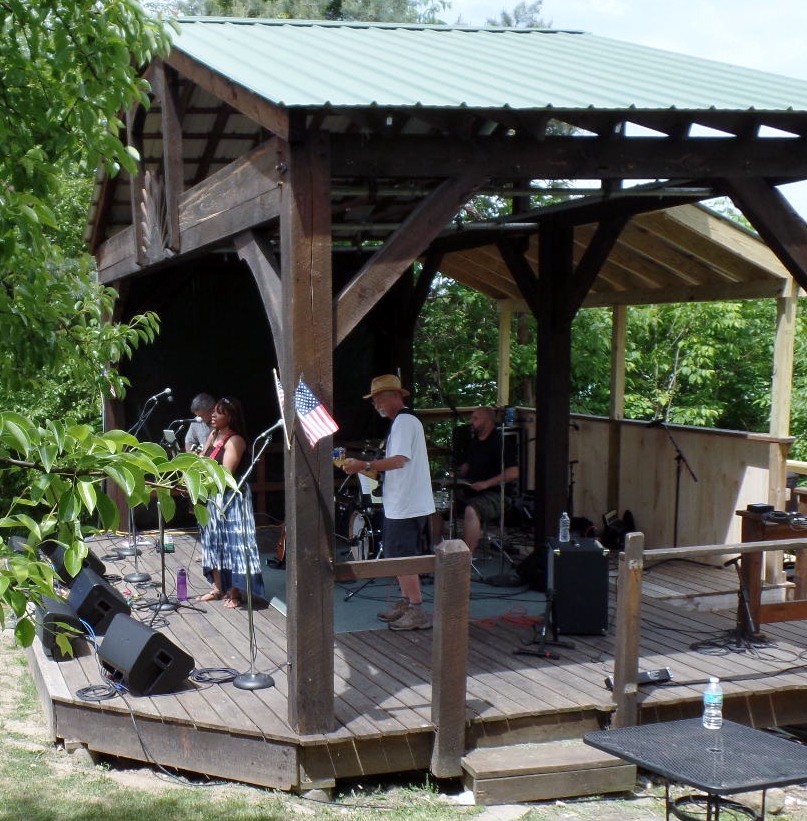 Memorial Day weekend, for those of us who live in a four-season climate, is often thought of as the beginning of summer. It may mean the season’s first trip to the shore or beach or lake. It may mean pulling out all the deck and backyard gear and having a barbeque. For me it means at trip to Warwick, N.Y., for the Dylan Fest at the Warwick Valley Winery.
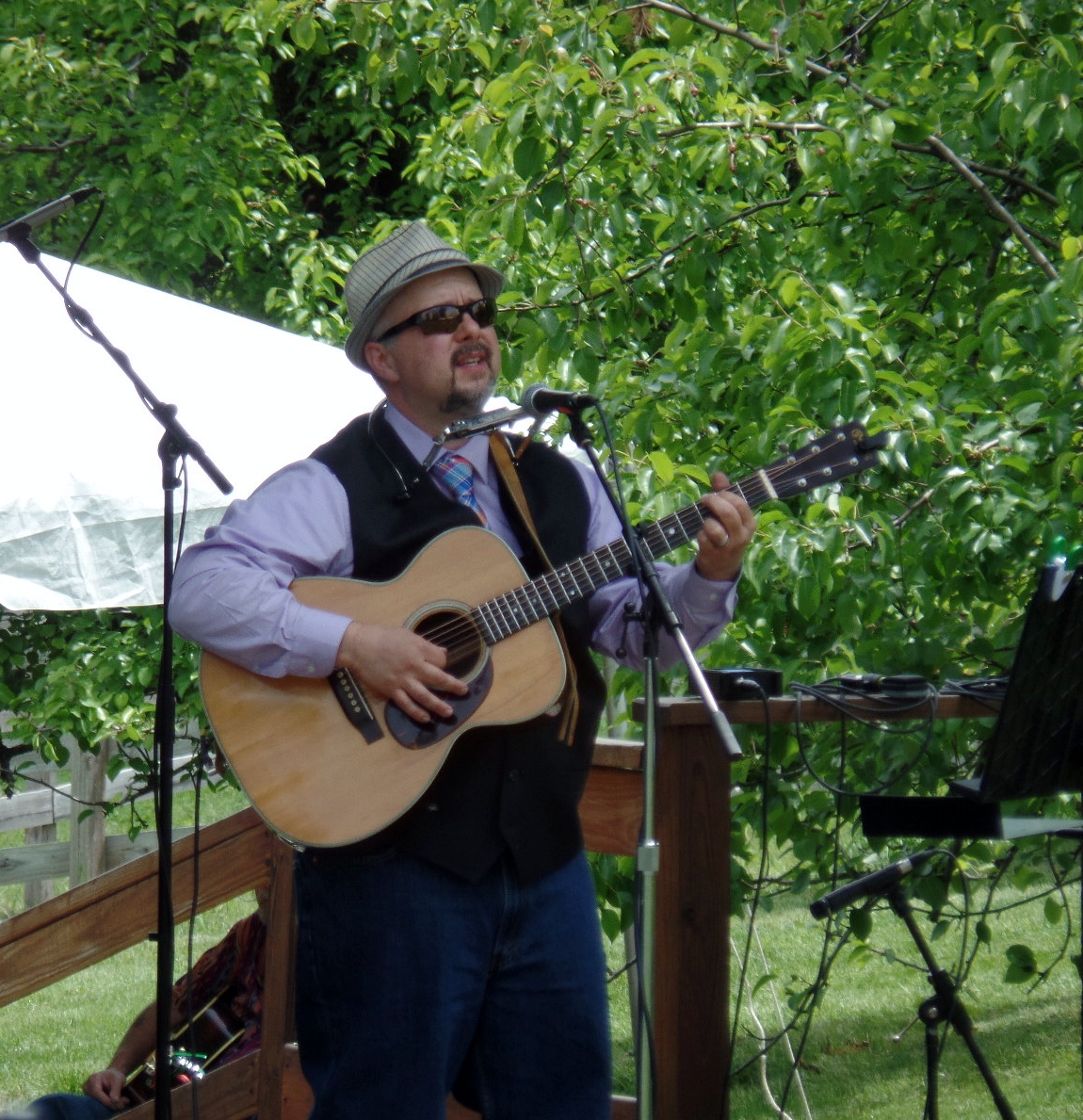
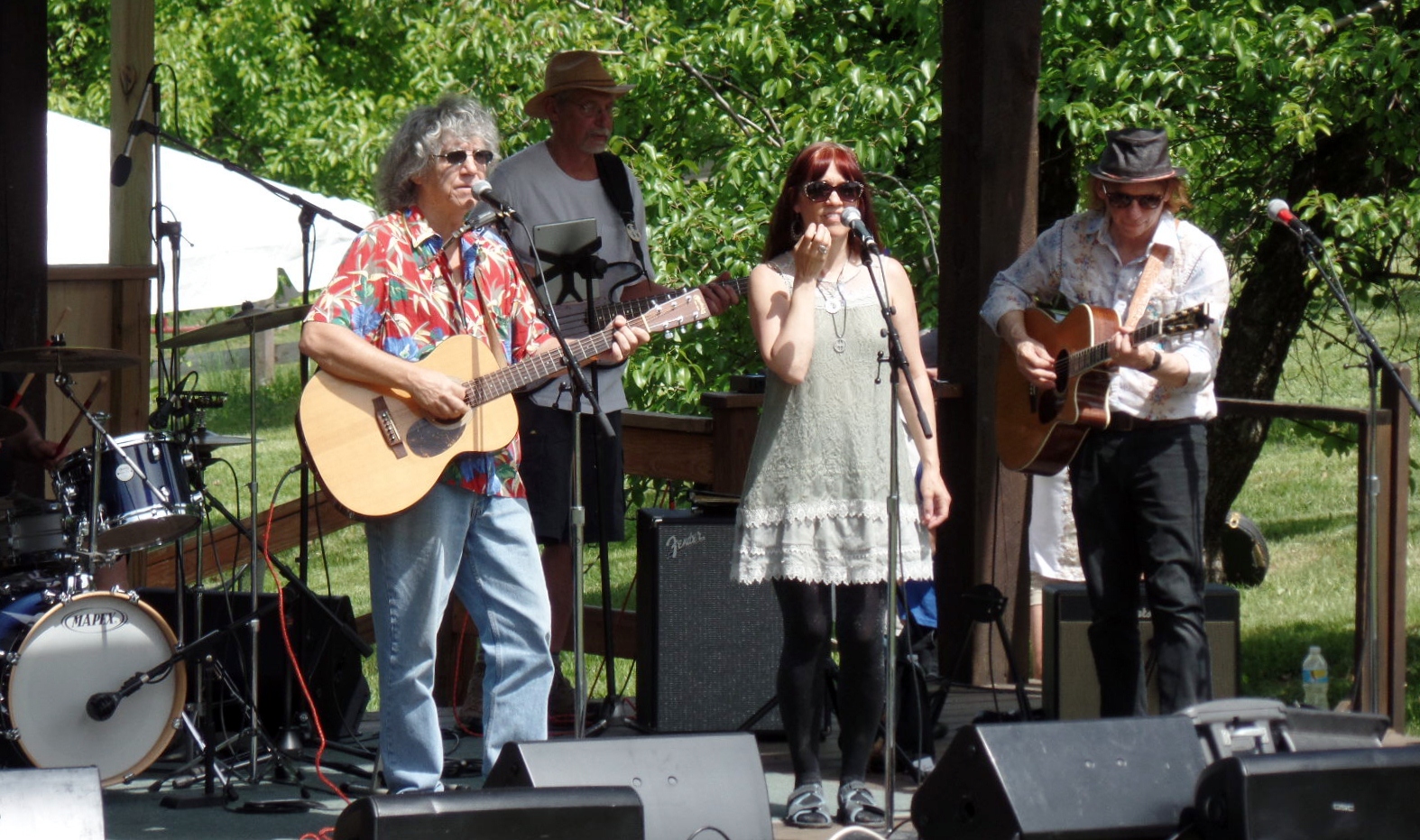
Here’s Rod Macdonald, joined by the E’lissa Jones Band and the Kennedys.
The Bob Dylan Festival is three days of music, food and, not surprisingly, wine. Sometimes there are headliners. This year Steve Forbert played one day. But for the most part it involves local musicians, like those in he video above, covering Dylan songs. In this part of New York State, there is no shortage of talented musicians.


 These photos were taken on Sunday, May 24. Bob Dylan’s birthday. Dylan turned 74. His first album, The Freewheelin’ Bob Dylan, was released in 1963. It included songs that would be covered here in Warwick and all over the world, including “Don’t Think Twice It’s Alright,” “Masters of War,” and “A Hard Rain’s A-Gonna Fall.”

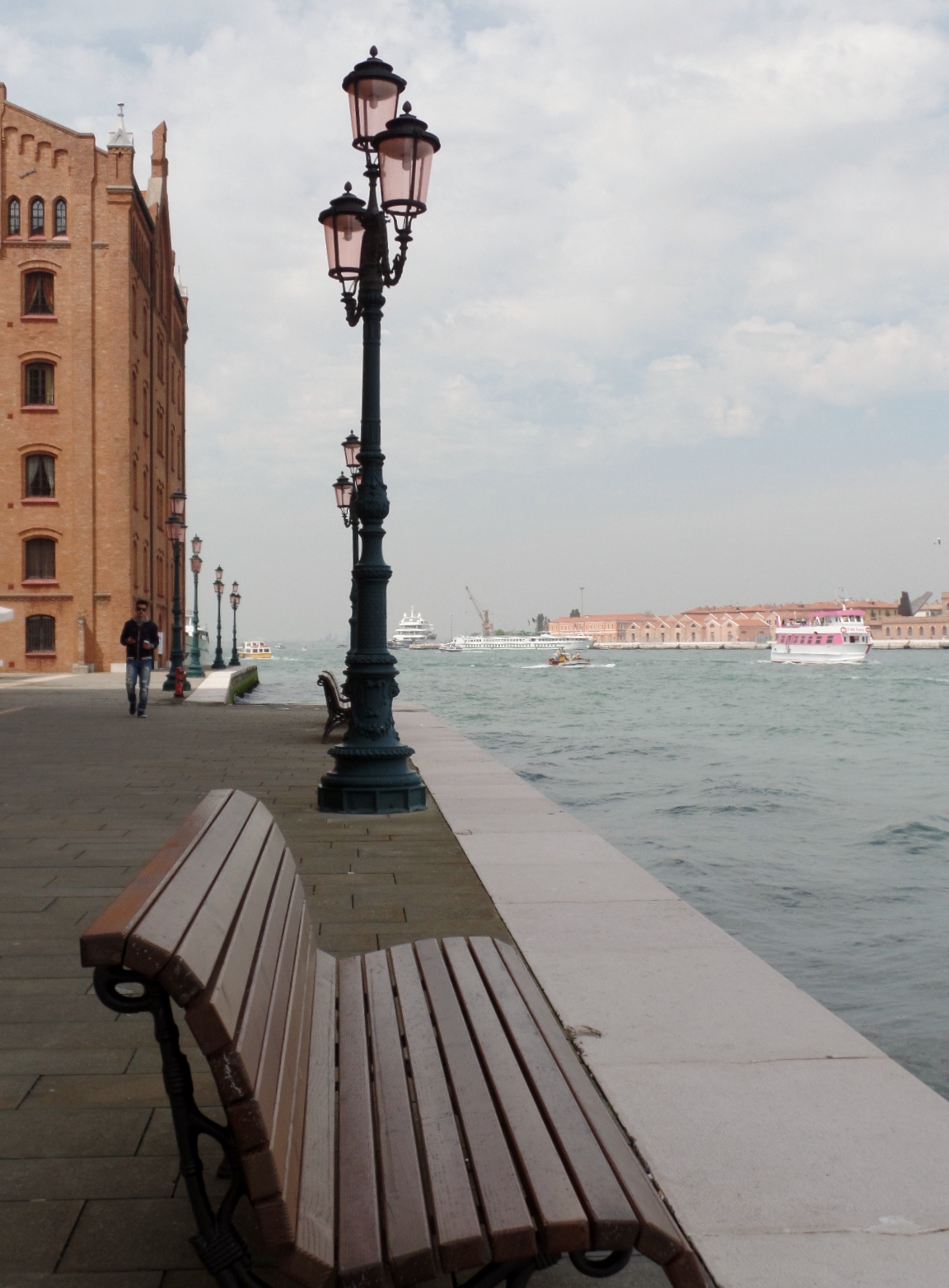
 Giudecca is a residential island in the southern lagoon of Venice. It is made up of 8 small islands connected by bridges. It is only accessible from the rest of the city by boat or water taxi.


Il Redentore

Grounds at the Hotel Cipriani
In the 50’s we did stuff like this:
 All this stuff happens in Sam Gridley’s “The Shame of What We Are.” Described as a “novel in pieces” it follows the childhood of Art Dennison from age 5 in 1951 to high school in 1963. The book is written almost as a series of short stories. It’s a little like looking through a family scrapbook. You see the person during those times when someone was around with a camera and piece together the rest of the story on your own. I’m reminded also of the movie Boyhood, a coming of age tale covering roughly the same time of life albeit a half century later.
Like my Growing Up in the 50’s blog posts on Off the Leash, the book tries to give the reader a child’s eye view of the decade. Art Dennison and I did experience a lot of the same things, beginning with a patch on the right eye to keep the weaker left eye from losing interest.
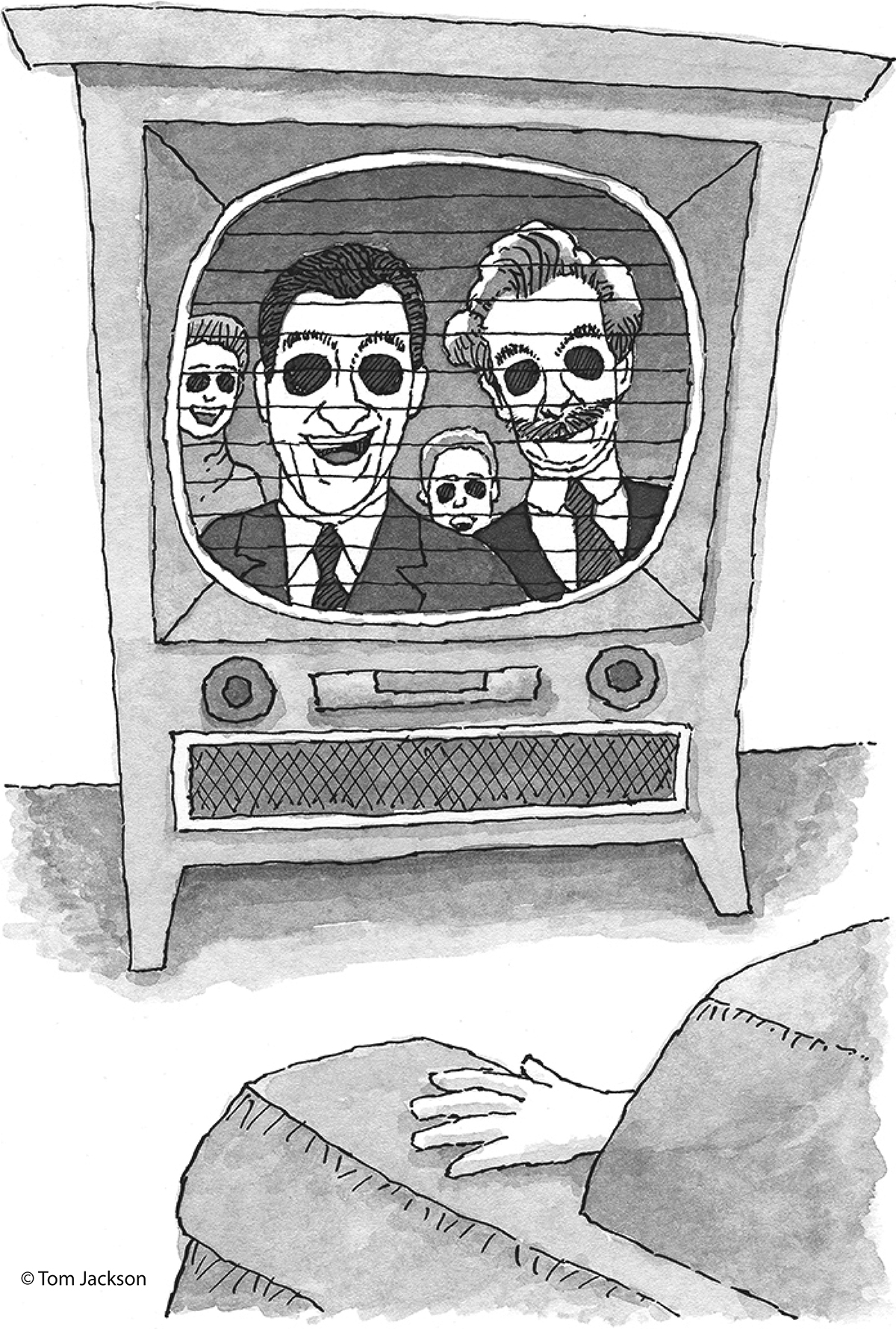
One of several drawings by Philadelphia artist Tom Jackson that grace the pages of The Shame of What We Are.
Art’s father is generally pissed off at everything. In one story, after Art did something kind of dumb, he expressed the anxiety that his father, if he found out, would class him with “the furnace idiots, the Communist dopes, the people who made DeSoto door handles – all the dumbbells who ought to be despised.” I remember during childhood how foul tempered many of my friends’ fathers were, how your entire interaction with them was geared to avoiding setting them off about something. Art gets so used to his father referring to ethnic groups in slang terms that when he refers to the neighbors as the carloochies Art assumes it’s a slang term for Italians. But instead the Italian neighbors are actually the Carlucci’s.
His dad’s political views would have produced a knowing nod from my father. “People who liked (Adlai) Stevenson were Communists at heart, he said, or else fools, ‘the type that can’t find their own rear end when they are sitting on it.’”
Having been shuffled off to Sunday school through much of my childhood, I appreciated Art’s take on it. “The Bible readings mentioned things Art vaguely knew about, the birth of a so-called savior, an angel appearing to shepherds—stuff he had no reason to believe.”
The title “The Shame of What We Are” refers to the fact that Art’s family is divorced. For a kid in the 50’s that is about on the same level as having a felon or two as parents. It became the way you were defined and the way you defined yourself. But while the decade was based on the ideal of the nuclear family, Art, after his experience, wasn’t buying it. In his mind “there was no need to force small groups of incompatible people to live together because they had a sexual or biological connection.”
For most of his childhood, the narrator of Gridley’s tale is a withdrawn, almost reclusive, kid. As I’m reading this story, and it’s a quick read, I’m hoping nothing really bad happens to Art. But despite the constant relocation, appearing and disappearing parents, broken and reformed families, he grows up. What Gridley effectively captures, and it’s a lesson for parents of all eras, is that more often than not we don’t really understand what our kids think is important and what isn’t.

In the 50’s we were worried about Sputnik.

Au Velodrome by Jean Metzinger. Part of the Peggy Guggenheim Collection.

Interpreting Vivaldi on the street
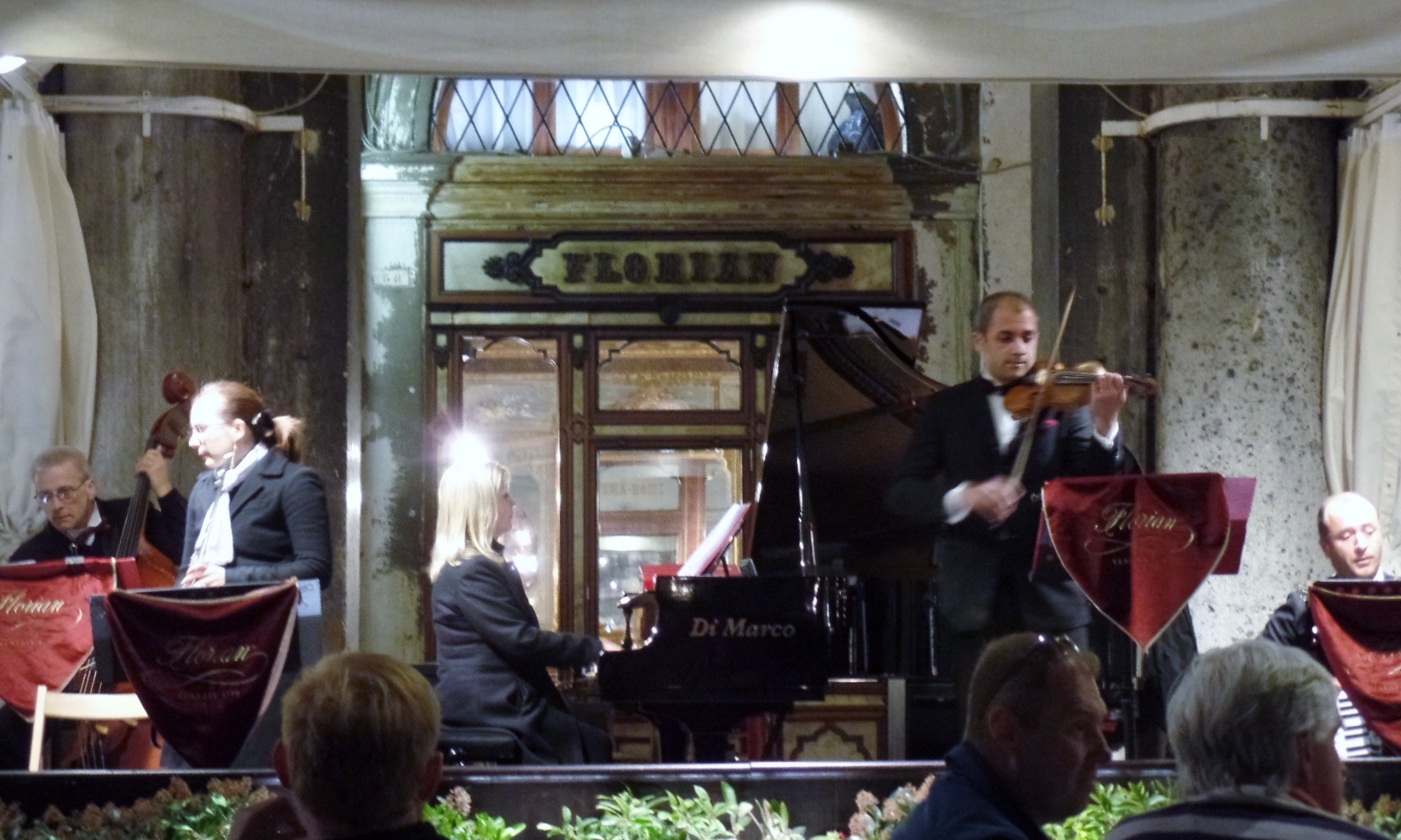
Musicians at the Caffe Florian in the Piazza San Marco. Built in 1720, this was Europe’s first coffee house.


 At the Hotels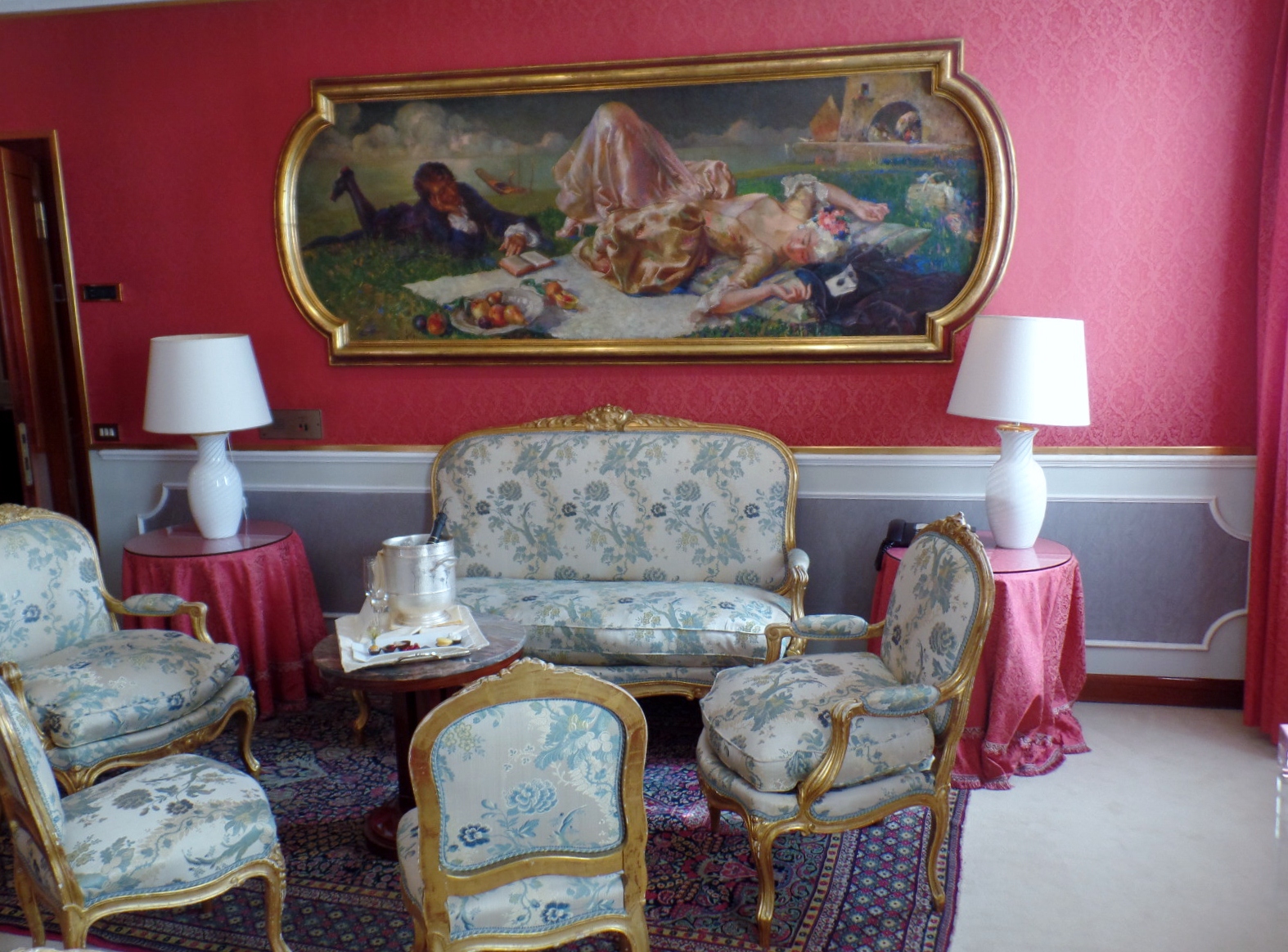
A room at the Hotel Baglioni
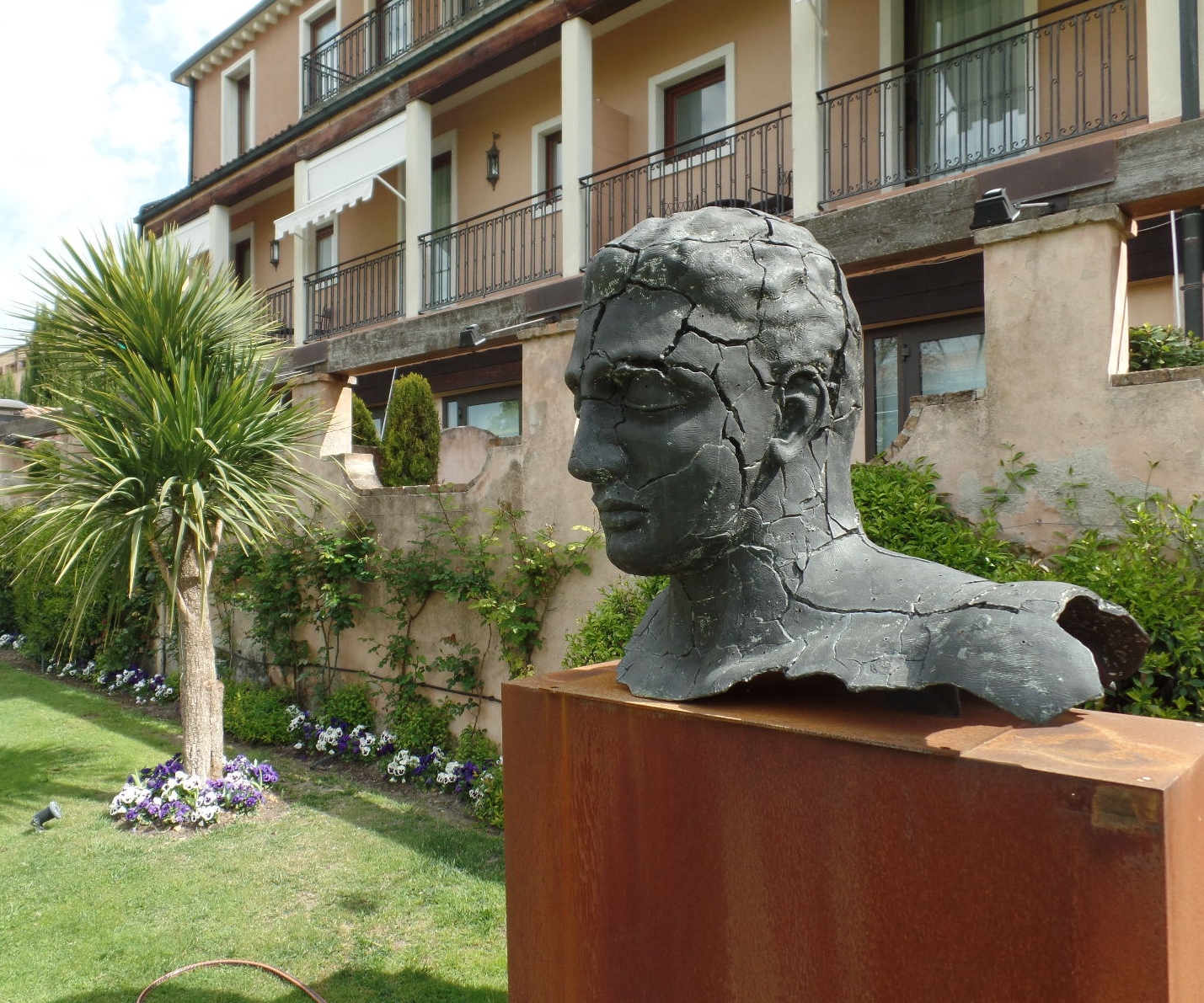
On the grounds of the Hotel Cipriani
I don’t know how many documentaries they show during the ten-day Montclair Film Festival. I saw five and suffice it to say that is a mere drop in the bucket. While the availability of outlets for documentaries has been increasing of late, it is still relatively rare to catch them in theaters on a big screen. Here’s some of MFF15’s nonfiction on film.

Yo La Tengo on stage playing a live score
The Love Song of R. Buckminster Fuller – This is like no documentary I have ever seen. On one side of the stage at the Wellmont Theater filmmaker Sam Green provides live narration. On the other side Yo La Tengo is playing a live score. R. Buckminister Fuller is best known as the inventor of the geodesic dome. His designs are based on the philosophy that if we can do more with less there are enough resources in the world for everyone. Some of his lesser known inventions are even more fascinating. One was the Dymaxion car in the 1930’s. The car carried 11 passengers, got 30 miles to the gallon and could reach 100 mph. A prototype was involved in a crash at the Chicago World’s Fair that killed the driver and the project. No less curious was his public persona. Green shows a tape from Fuller’s archive of a TV segment titled Buckminster Fuller Meets Hippies on Hippie Hill. Yo La Tengo is one of my favorite bands and I would have expected them to command most of my attention. But their softy futuristic sounding score enhanced rather than distracted from the movie. I don’t know where this movie goes from here. You can’t exactly license it and show it theaters everywhere. But I’m sure glad I got to see it.
Hot Type – This is an ode to media, classic style printed-on-paper old media. The Nation is 150 years old and while the movie celebrates that history, it is more about The Nation today. And that is still about well researched long form advocacy journalism, a place where the words matter more than the visuals. You even get to see a writer print out one of his stories on paper and hand it to his editor who edits it with a pencil. Betcha they still know what editing markup symbols mean. It is also a place where they take on interns with the expectation that they are recruiting future staffers. In fact the movie introduces several writers and editors, including the editor and publisher Katrina vanden Heuvel, who came on as interns and then spent their whole career there. The list of people who have written for The Nation include Arthur Miller, Martin Luther King, John Steinbeck, Allen Ginsberg and Hunter Thompson. My favorite quote in the movie comes from Bill Moyers who comments that the Nation “can get close to the truth because it never tried to get close to power.” After watching this I went home and bought a year’s subscription.
 Arts education is a topic I’m close to. I have an adult daughter who majored in music and supports herself with a variety of music education jobs. And I have an 11-year-old son who plays keyboards in the school orchestra, sings in the choir, and is in a drum performance group. So I brought him along for the arts education docs.
Some Kind of Spark – An inspirational movie about New York City kids who participate in a two-year long Saturday program at the Juilliard School of Music. This is a documentary that doesn’t take the easy story line about what wonderful things are being done for these poor disadvantaged kids. It instead focuses on the challenge and the accomplishment of these middle school aged children in taking on a violin or a trombone or a flute and working to achieve a proficiency fitting for participation in an elite music education program. Two of the children and one of the teachers appeared at the screening and it is only there that we learned some of the stories about one Haitian child who appeared at the initial audition with a recorder or about the twins who commuted for two hours on their own on Saturday morning from the far reaches of Brooklyn. Aside from telling a compelling story this documentary is beautifully filmed, marking the passage of time with city scenes denoting the seasons.
Ceremony for This Time — This is actually two documentaries. A PBS show from 1995 portrayed Montclair’s Glenfield School, a middle school with a performing arts theme. That was followed by a new film interviewing some of the people who were at the school when the earlier documentary was filmed as well as some current students. The larger theme is the value of arts in education. That not something that every school district buys into and those that do don’t always allocate the money to do it right. The goal of the film is to show why you should. Happy to live in a school district that gives us this option and my son will be entering 6th grade at Glenfield in the fall. As far as entertainment value, this movie will be of much more interest if you live in Montclair.
Top Spin — MFF usually has a movie or two with a sports theme. In past years I remember seeing documentaries about Althea Gibson and Dock Ellis. This one is about ping pong. The film follows three American teenagers who try to qualify for the Olympics, usually against much older competitors. Unlike some young Olympian stories, none of the three appears to by ruthlessly driven by their parents. Perhaps that’s because there’s no money and little notoriety in table tennis in the U.S. But you have to sacrifice just as much and train just as hard. Who knew that lifting weights would be part of the training for ping pong? The film is as fast paced as the game they play. This is a documentary with some drama and a climax as the camera follows two girls and a boy through to the final Olympic qualifying tournament. Everybody ends in tears, tears of joy or tears of disappointment. But a big takeaway for me is how joyfully the kid who didn’t make it heads off to college instead.
(See also Desperados, Nannies and Fools – Montclair Film Festival 2015)
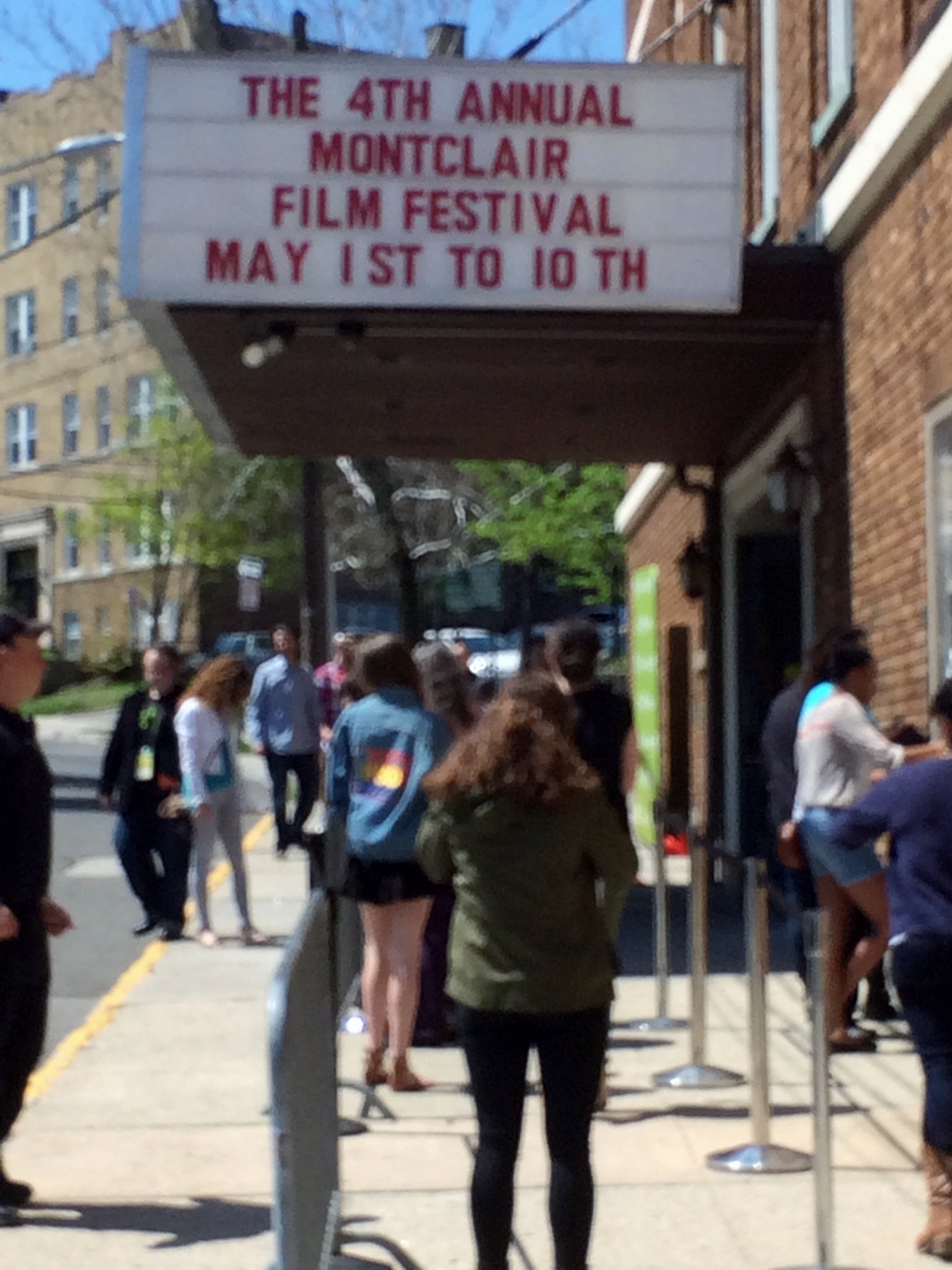
 One of my favorite things about where I live is the Montclair Film Festival that takes place in the first week in May. It started four years ago as a single weekend event with the tagline “like Sundance, only Jersier.” This year it is a ten-day event with more than 75 features in three theaters, most of which play to full houses. Some of the most memorable movies I’ve seen in those four years were at MFF, including 20 Feet From Stardom, Belle and In a World
I don’t know why it doesn’t, like most film festivals, include “international” in the title. Maybe they don’t want to get stuck with the MIFF acronym. But there are several international entries and here’s some of them.
Le Dernier Diamant (The Last Diamond). The return of French film noir! The last diamond is the goal of an intricate high end heist. And the thief is the hero. But there is more than one thief and thieves being thieves, they go after each other. Who’s the cops and who’s the robbers? And oh-no! The thief is sleeping with the victim, who happens to be an attractive young woman. What’s happening here? Takes a while to figure out who is who, but it all makes sense in the end. Reviewers often use the term riveting for films like this. It is an edge of your seat sort of movie. I’ve now watched seven movies in six days and for me this is best of the fest so far.
Slow West. Imagine a Western with the pacing of a Terence Malick movie and toss in a script that’s akin to Natural Born Killers. That’s Slow West. The minimalist plot involves a young Scottish guy wandering through Colorado on horseback in search of the love of his life who apparently had to beat it out of Scotland and head west with her father. Along the way we encounter a priest who is a bounty hunter, a guy writing a book about aboriginal people who turns out to be a horse robber and of course a thieving murderer who turns out to be not such a bad guy after all. Not too many of the characters in this movie finish up alive. There is a quick recap at the end showing the shot up bodies strewn about in forest and field. How they made a movie in New Zealand about Scots in Colorado is beyond me. Odd, but worth seeing.
 Que Horas Ela Volta (The Second Mother). I don’t know any Portuguese but I doubt that Que Horas Ela Volta translates into The Second Mother. Maybe the real title is something they were afraid us gringos would misinterpret. The movie is about social standing and mores and how what is the way of the world to one generation may not be of interest to the next. The second mother is a live-in nanny and housekeeper named Val who lives with a well-heeled family in Brazil. When her grown daughter who she hasn’t seen in 10 years moves in, she shows none of the deference her mother has spent her life observing. That’s fine with the men of the household. They have their own issues when it comes to appropriate behavior. But it doesn’t play well with the woman of the house, who is Val’s employer. The movie has some humor, some tension, and a couple moving scenes. But mostly it delivers a heaping dose of social awkwardness. In the end it concludes, in Val’s words, that “God writes straight with crooked lines.”
Durak (The Fool). It you suspect that a Russian movie called Durak would be stark and somber, you’re right, it is. Nobody smiles in this movie. They don’t speak to each other without shouting and generally address each other with the Russian equivalent of bitch or scumbag or whore. The fool is a fool because he refuses to look the other way in a world of drunkenness, domestic violence and corruption. Dina, aka the fool, is a sort of public service plumber. On being called in to fix a broken pipe he discovers that a building housing 800 persons is on the verge of collapse. He brings this to the attention of town officials who are conveniently all in the same place, blind drunk at a party. There they must choose between saving 800 lives or protecting themselves from exposure as the career criminals that they are. The prevailing theory of governance in this post-Communist society is best summed up by one of the town VIP’s: “There is enough of the good life to go around. If we divide it up evenly, nobody will get anything.” Dina’s reward for being the only guy around with a conscience is not what you would hope. This is not a movie too put a smile on your face. But it is an emotionally powerful and brilliantly told story.
(See also All the Truth That’s Fit to Film – Montclair Film Festival Documentaries)
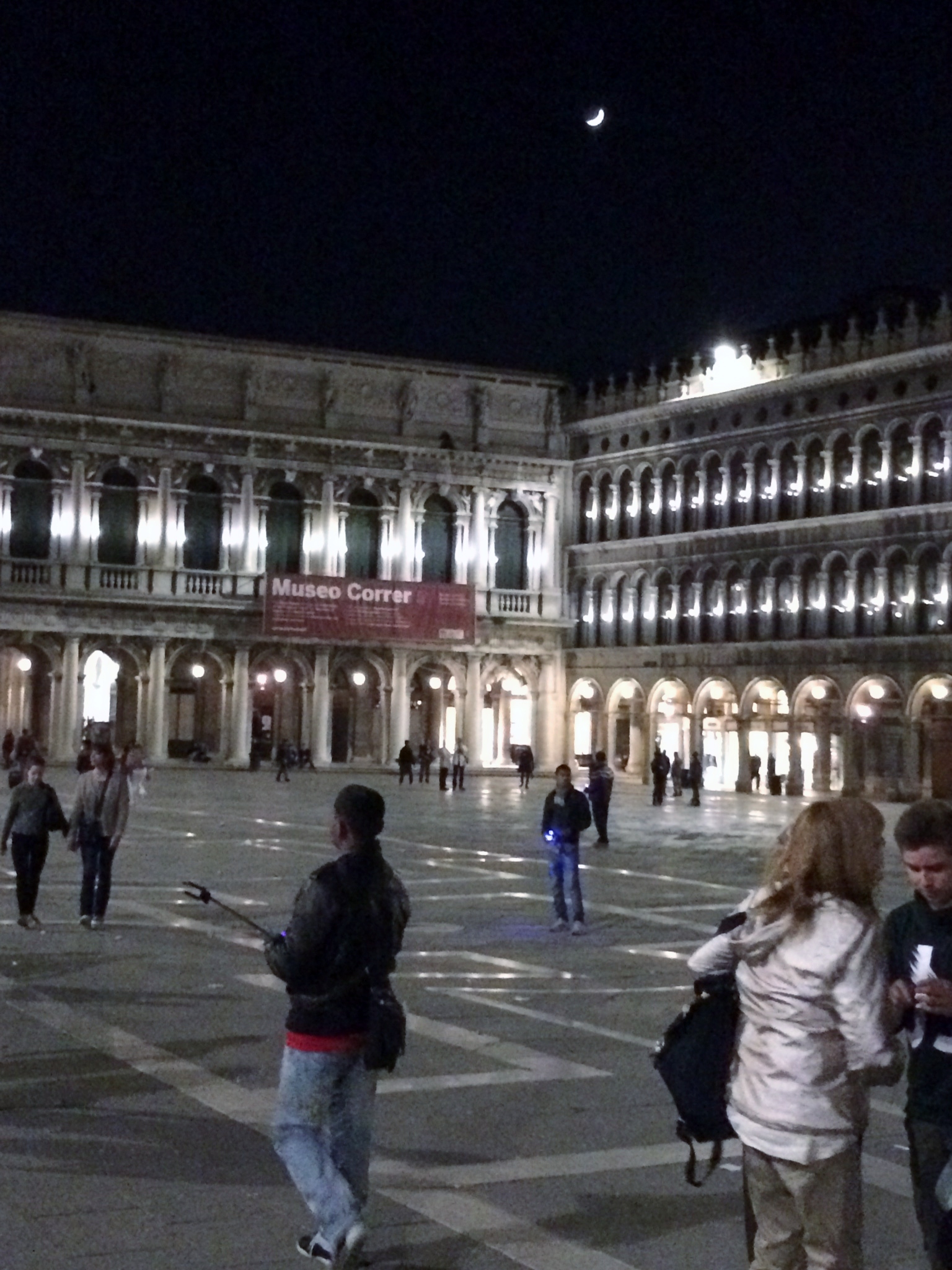 Piazza San Marco
The city’s cathedral, the Basilica San Marco, built in 1071
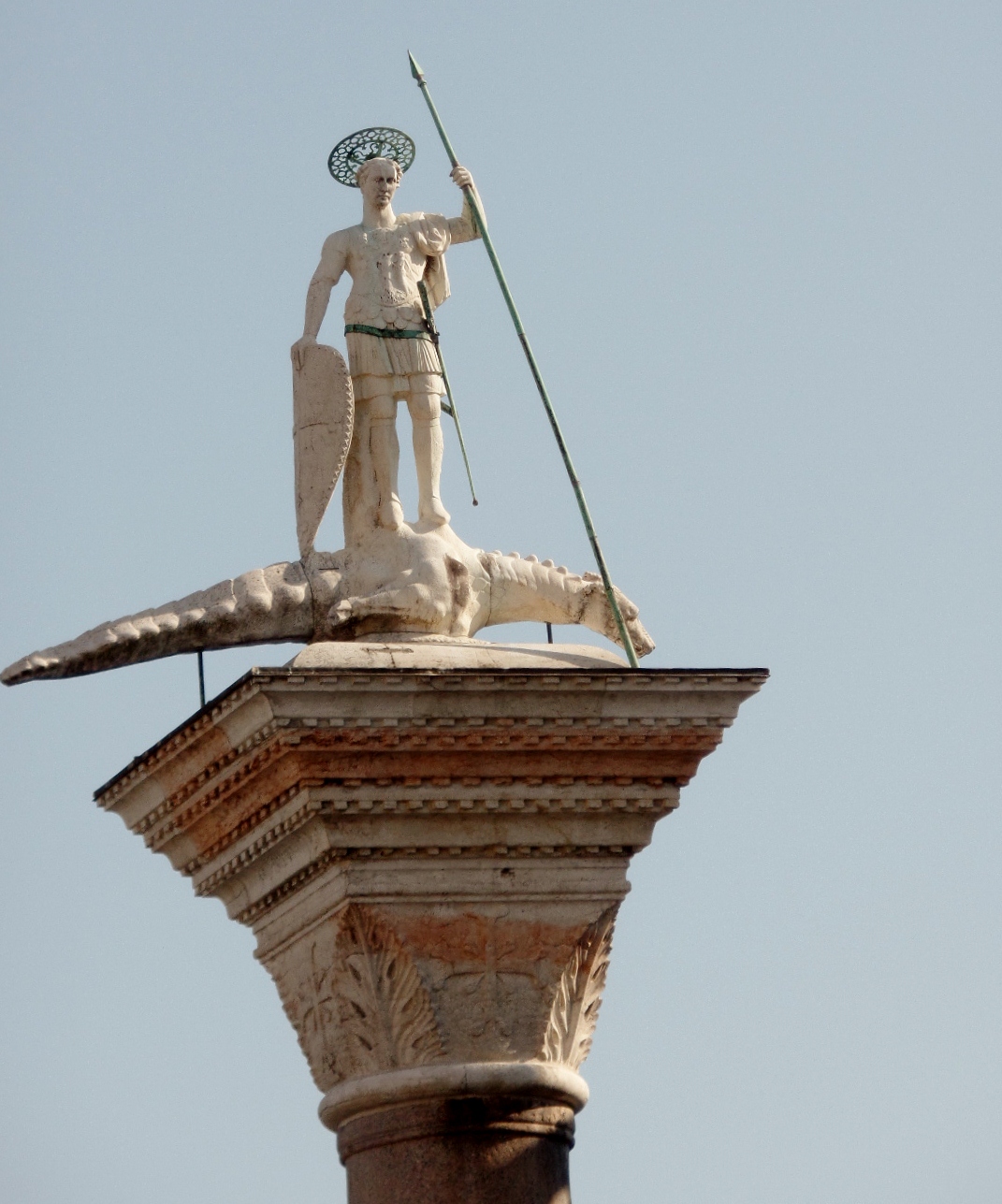
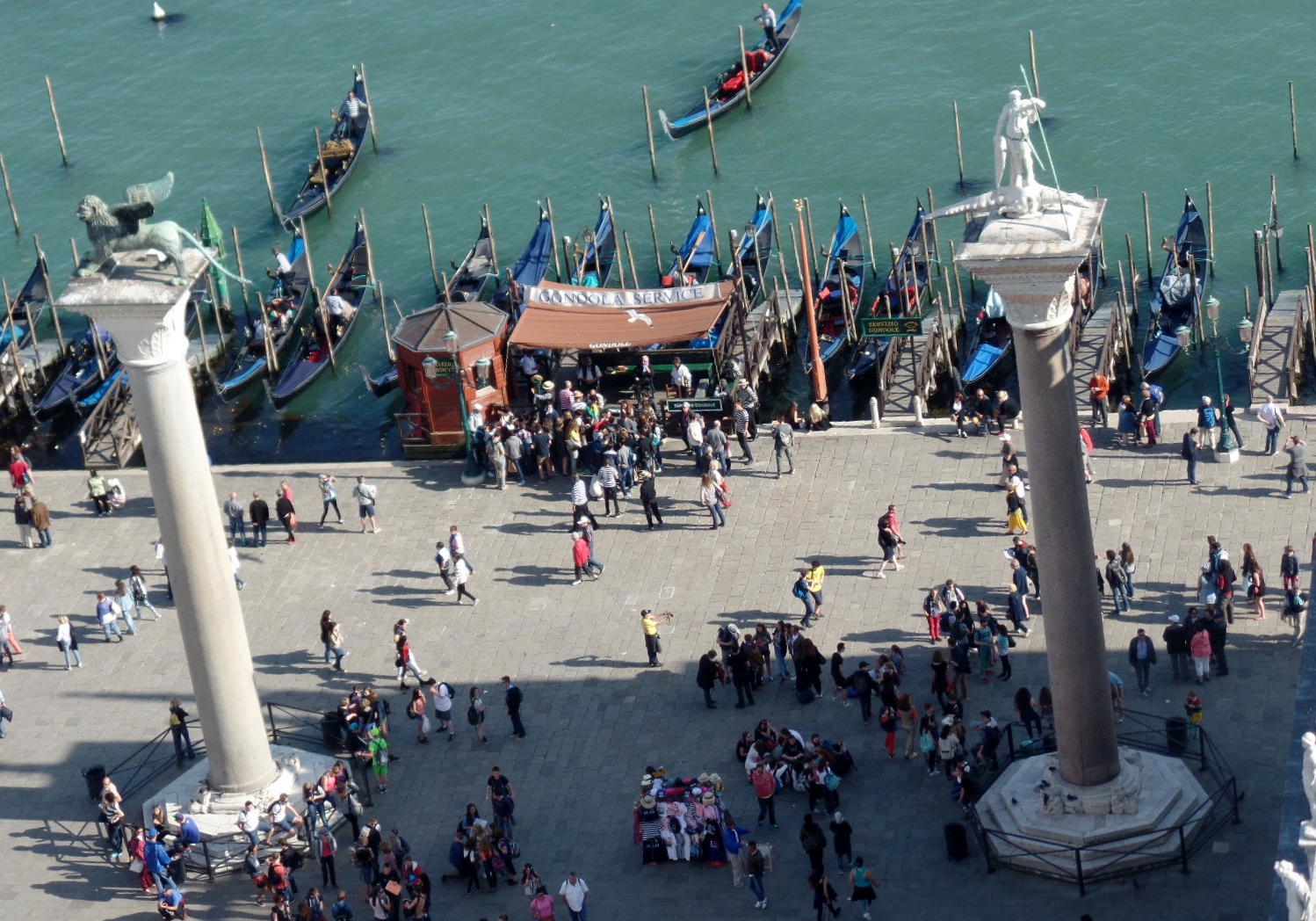
San Teodoro. Sits atop one of two columns built near the waterfront in 1172.
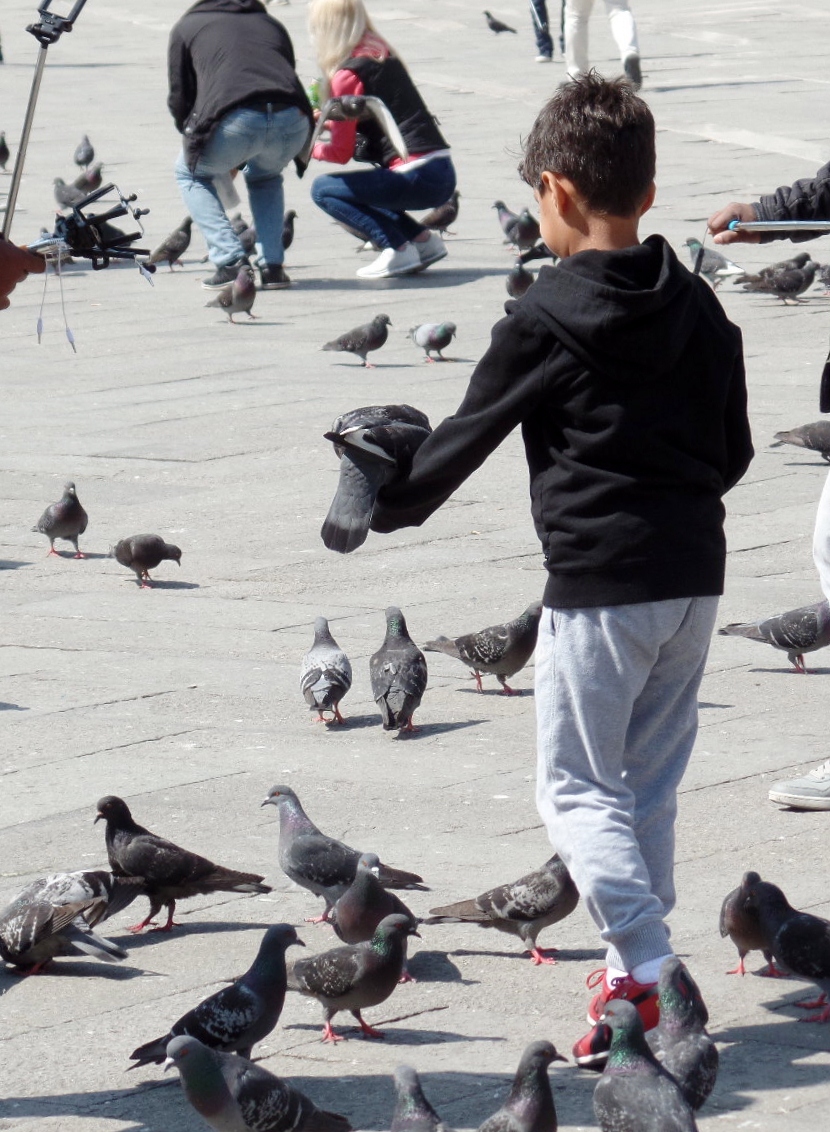
The San Marco pigeons

The Torre dell’Orologio, a Renaissance era clock tower built in 1499.
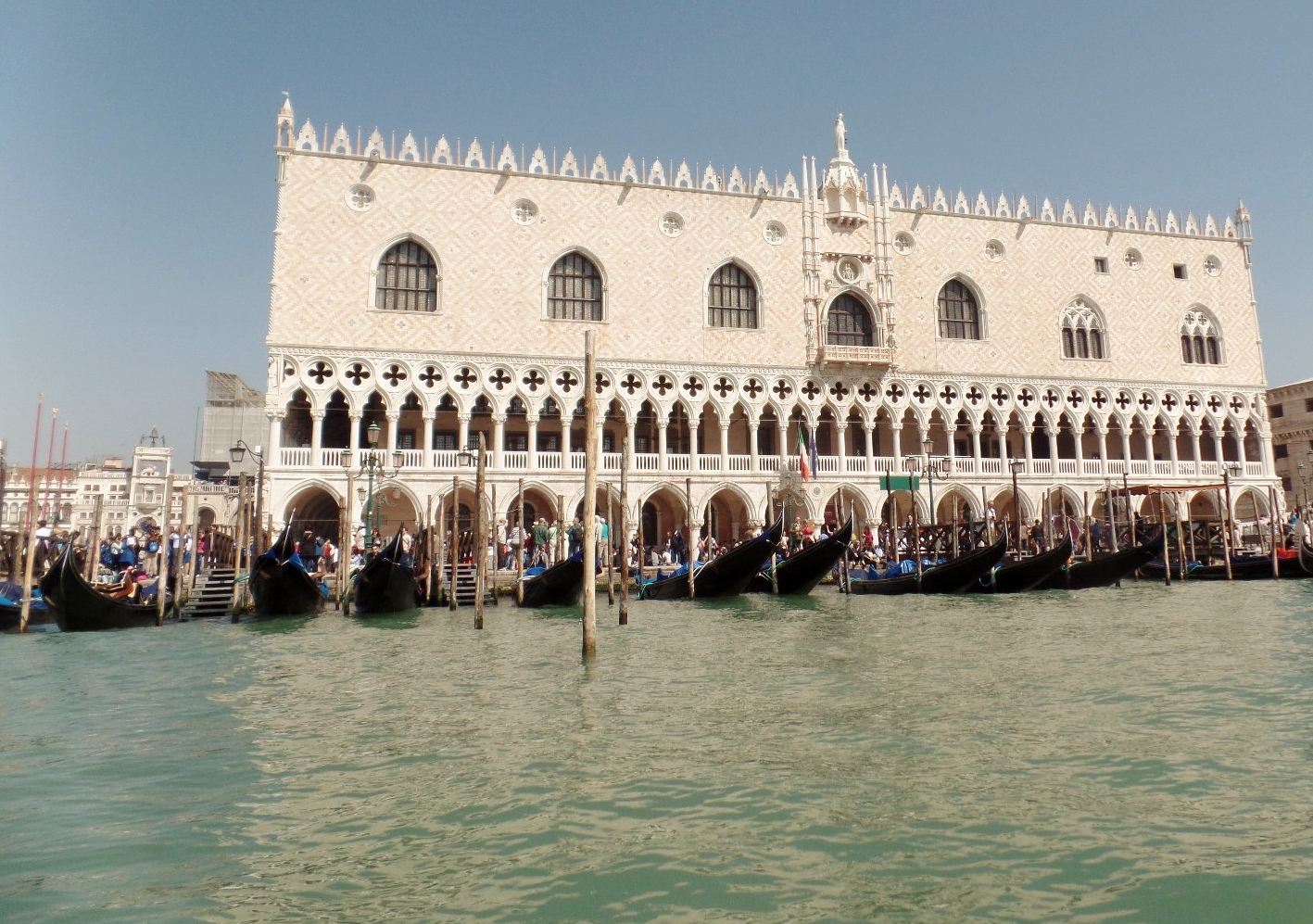
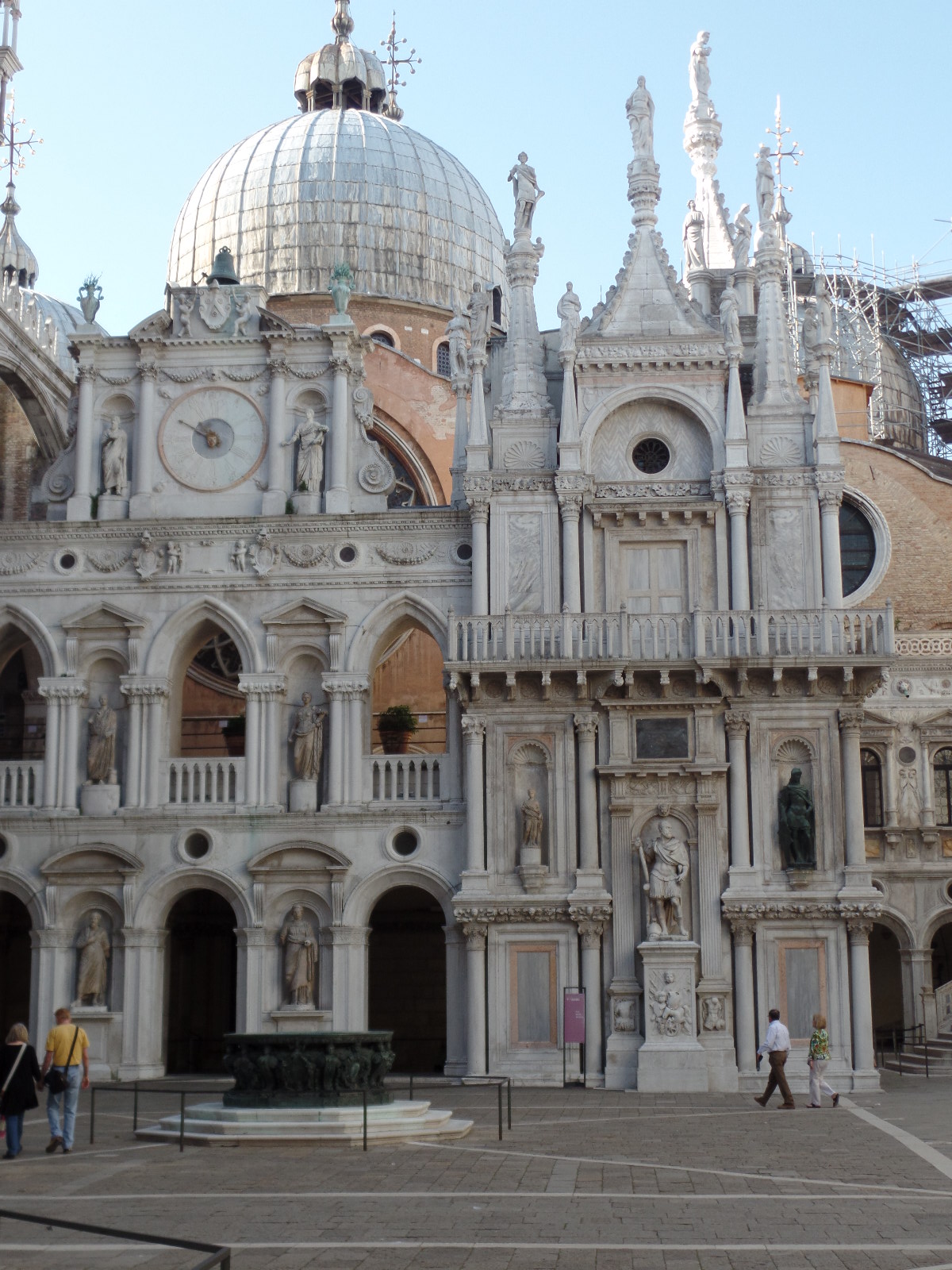
Built in 1424 the Doge’s Palace was the primary seat of government for the independent Venetian state. The Doge was the highest political office in the Venetian Republic. The building also the site for administration of justice and housed a prison.

The Bridge of Sighs,
Connects the Doge’s Palace with the prison. It is here that prisoners got their last look at the outside world before their confinement.

One of the council meeting rooms.
The Campanile is the bell tower of the Basilica. The current structure was built in 1912 after the original 1514 tower collapsed.

Two Moors ringing the bell atop the
Torre dell’Orologio
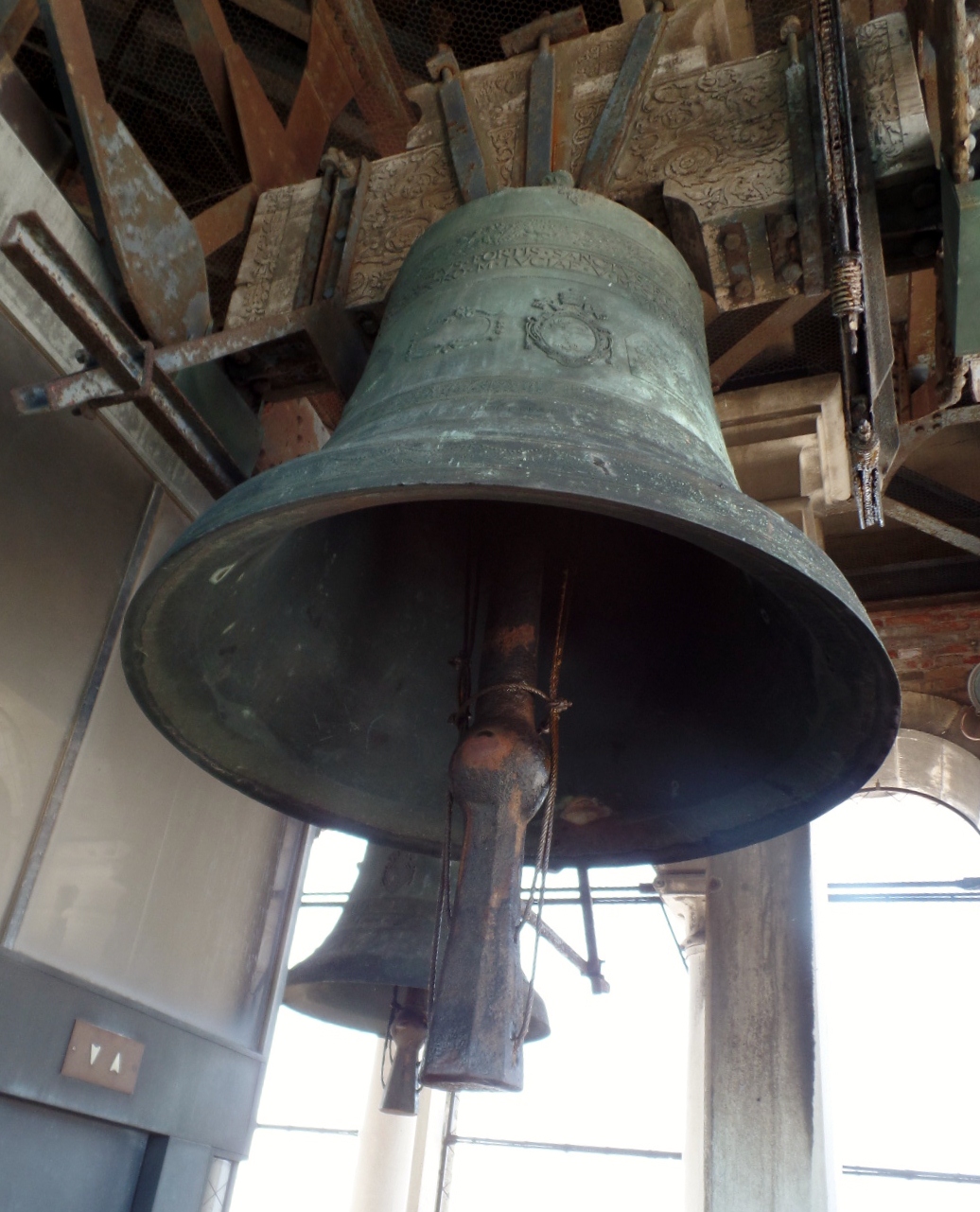
One fo the bells in the Campanile

Looking down at the Torre dell’Orologio
Detroit and Newark. Cities that didn’t bounce back.
Bounce back from what? From a downward spiral that is often dated as starting with the urban unrest of the 1960’s. From white flight and middle class flight and jobs flight. From declining populations and increasing concentrations of poverty. From lending and housing policies that created de facto segregation even at a time when legal segregation was being irradicated. From deteriorating school systems. From thugs and drugs.
That litany of ills beset most industrial cities in the northeast and midwest. But Newark and Detroit added some of their own special problems. Detroit was dependent on the auto industry with its periodic bouts of decline and desertion. Newark has a record of corruption that would make a Mafia family blush.
There are all sorts of parellels in the story of these two cities:
On July 12, 1967, a black cab driver named John Smith was seen being dragged by his legs into a Newark police station, his head bouncing on the curb and sidewalk. Five days of rioting, looting and destruction followed. Less than two weeks later on July 23, Detroit police raided an after hours drinking club and arrested 82 people who were celebrating the return home of two black soldiers. Five days of rioting, looting and destruction followed.
Three years later Newark elected its first black mayor, Kenneth Gibson. Coleman Young became Detroit’s first black mayor in 1973.
Detroit’s “Hip Hop Mayor” Kwane Kilpatrick (2002-2008) was convicted of 24 felony counts including mail fraud, wire fraud and racketeering. Newark Mayor Sharpe James (1986-2006), who also fancied himself a dancing man, was convicted of five counts of fraud.
I recently read two books about these cities: Inside Newark: Decline, Rebellion, and the Search for Transformation, by Robert Curvin; and Detroit: An American Autopsy, by Charlie LeDuff. These are insider views of what has happened in these cities. Curvin’s work is about the governance of Newark and the people who ran the city either in City Hall, in civic organizations or as local power brokers. LeDuff provides an insider view of the mean streets of the Motor City.
I’ve only been to Detroit a couple times. On the other hand, I live near Newark, go there a lot and find it to be a greatly under-appreciated city. It has a world class concert hall and hockey arena. There is a great museum and some beautiful historic architecture. On weekend nights, thousands of people from the surrounding area come to the Ironbound section for its Portuguese and Spanish restaurants. I suspect much the same thing happens in Greektown in Detroit.
But you wonder whether that stuff provides any benefit to the people who have either stuck it out or just can’t get out of these cities. LeDuff says of Detroit, “The fundamentals are no longer there to make the good life.” I hope that isn’t entirely true and if it is, that it won’t continue to be. Reading these books is about rooting for the underdog.
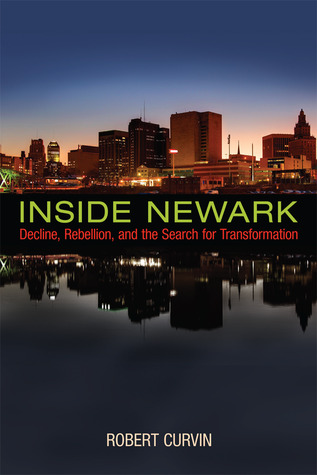 Robert Curvin was a civil rights leader in Newark and has spent many decades in and around various government and civic organizations in the city. Inside Newark is first and foremost a history of Newark politics since the 50’s. It is an insider’s view. Sometimes that amounts to naming the names of many and describing their roles in various acronym named organizations. That can be tedious reading for the non-insider.
But what is really interesting about this work is getting an insider’s view of Newark’s big personalities. That is something Newark has never had a shortage of. Curvin has lots to say about the mayors, Hugh Addonizio, Kenneth Gibson, Sharpe James and Cory Booker; the political bosses like Steve Adubato and the activists like Amiri Baraka.
I love the stories about Sharpe James in particular. There’s the one about the day when “wearing a straw hat, bicycle shorts, and a tight tank top, he rode a bicycle into City Hall. Carrying his reelection petitions, he looked more like a circus clown than the chief executive of a major city.” This is a guy who upon being imprisoned for various incidences of corruption considered himself a political prisoner and placed himself in the ranks of Gandhi, Martin Luther King, Jr., and Nelson Mandela.
And who knew that Cory Booker once prayed at the gravesite of Lubavitcher leader Menachem Schneerson? Curvin is not a fan of Booker. He characterizes him as someone who as mayor was far more interested in his media persona and national reputation than he was in the people of Newark. There must be something in the water in New Jersey because we have a governor with that problem as well.
Curwin offers some insights into how Newark got to be where it is. There are the usual problems for post-industrial American cities. Issues like crappy schools, limited employment opportunities and substandard housing. But there are also problems that are unique to Newark. One is its relatively small size for a big city, 25 square miles. That has led to a higher concentration of poverty. The tree lined middle class enclaves on what would be the outskirts of town have long since been separated out as different towns.
Another is Newark’s legacy for what amounts to perpetual corruption. Two of the four mayors who preceded Ras Baraka went to jail. One was white, Addonizio, one was black, James. Payola and patronage are indeed colorblind in Newark. Of the two who didn’t end up in jail, Gibson was brought up on bribery and tax evasion charges (ending in a hung jury), and Booker’s first chief of staff was caught taking bribes to fix demolition contracts.
As a frequent visitor to Newark, I like to think the city is on the upswing. So it was depressing to read the chapter about how many times the city has been cited as being on the road to recovery when in fact it wasn’t. Curvin ends the book by proposing an agenda for the city’s leaders. Some good ideas, but overall I’m not convinced.
 Charlie LeDuff left a job with the New York Times to head home to Detroit. There he takes up a reporter position with the Detroit News, the kind of dying paper where they don’t have the money to replace the light bulbs when they burn out.
Deduff’s beat is crime, corruption and general decrepitude. He rides along with the city’s firemen with their worn out gear and broken down equipment. He buddies up with homicide detectives whose case load leaves them scant chance of success. He spends time on the factory floor with his brother, a guy who tries to pull his own tooth out with a pair of pliers because he doesn’t get dental insurance.
LeDuff’s tales are full of death. The death of innocent people and particularly children, caused mainly by the fact that they live in Detroit. But not all the problems come from thugs and addicts. There’s also the car companies which the livelihood of the city depended upon. Watching the big 3 auto company executives in Washington pleading for money during the recession LeDuff concludes, “Turns out our masters of the universe couldn’t run a grocery store.”
On the lighter side, though equally pathetic, is Detroit city council president Monica Conyers, wife of U.S. Congressmen John Conyers, or as LeDuff states, “the youngish and voluptuous wife of the doddering congressman.” More to the point: “an overfed buffoon who fattened herself at the public trough.” Her political career ended with a bribery conviction.
LeDuff is a terrific writer and this is an interesting book to read. His style is similar to the late New York Times media columnist David Carr. LeDuff’s Detroit sounds a little like Carr’s Minneapolis in his book The Night of the Gun. Couldn’t help wondering if they talked to each other at the Times and what a conversation between LeDuff and Carr might have sounded like. It’d be pretty colorful for sure.
I don’t know much about Detroit. But there no doubt are many people who are working hard to make things better and those people are likely creating pockets of revival and hope. I don’t think they will have much appreciation for this book because it pretty bluntly portrays Detroit as a downright awful place.
LeDuff’s gig at the Detroit News didn’t end with the paper folding as you might expect. Instead it ended with this reaction to having a story about a dodgy judge sandbagged by its editors. “I called my buddy the janitor and had him bring a trash can on wheels up to the newsroom. When he did, I swept the entire contents of my desktop into the garbage can and walked out.”
 off the leash