Post Disruption Local News and Why It Matters

Americans are more interested in local news than they are in international or national news, according to a Pew Research Center survey conducted in Denver, Sioux City, Iowa, and Macon, Ga.

NewsPew’s Amy Mitchell presented the findings of “Local News in a Digital Age” at Engage Local, the national conference of Montclair State University’s Center for Cooperative Media, on Tuesday at the Robert Treat Hotel in Newark.

The survey found a connection between news consumption and civic engagement. The very engaged follow news more closely and are more likely to read a daily newspaper, Mitchell said. And local news consumption tracks along with higher city satisfaction. In addition to the Pew research, Philip Napoli of Rutgers University presented findings from a study they did of three towns in New Jersey. Based on their focus groups, Napoli reported that one recurring theme was that news sources located outside of a community are not trusted.

And yet local news has gotten lost in the shuffle as traditional media was disrupted by the growth of digital. International and national news sources have made the transition, with varying degrees of success, and new digital first sources have added to the landscape. But “local news is stuck,” as noted by Report for America author Steve Waldman.  “Local media do not make enough money to support enough journalists.”

Another conference speaker, Marty Baron, executive editor of the Washington Post, talked about some of the things the Post has been able to do since being acquired by a billionaire. When asked about the paper’s local news coverage of the areas surrounding Washington he said it was “an issue we have to deal with.” Why? Because “hyperlocal is very expensive to do.”

Reporter

(Thomas Hawk)

The issue is that local news is labor intensive. Another of the presenters, Mary Barr Mann of Village Green, expressed it this way: “You can’t aggregate someone sitting at a planning board meeting for five hours to find out if they are going to build a post office.”

One of the most widely watched local news initiatives was Patch, a news platform which under the ownership of AOL at one time included some 900 staffed local news sites. AOL claimed, in 2010, that it intended to invest $50 million in Patch. Three years later they were laying off staff and reducing the number of sites and by 2014 they sold it off.

What Patch did accomplish was to focus a good number of journalists on local news and many of the folks that were discarded by Patch have been behind the creation of new hyperlocal news initiatives. For the most part they are one or two person operations. Some have to hold other jobs in order to keep going, while others are backed by spouses who pay the bills.

These local news entrepreneurs have found some creative ways to keep the lights on. BrooklynBased sponsors bar crawls in partnership with the Brooklyn Brewery. The Tuscon Sentinel has used Kickstarter to fund specific journalist projects like one to photograph every mile of the Arizona-Mexico border. The Village Green in South Orange and Maplewood, N.J., sells email subscriptions for $5 a month.

Waldman’s Report for America (available on medium.com) suggests treating local news as a public service. He drew a comparison with the way museums or orchestras are funded and supported. His proposal is to create a philanthropically funded center of experienced journalists that local news outlets can access for staffing.

So the search for the successful local news business model for the digital age continues. What was clear at “Engage Local” is that the audience is there, and so are the people who want to produce the content. All that’s needed is how to figure out a way to toss some money into the mix.

Posted in Digital publishing | Tagged , , , , , , | 4 Comments

If Newark is in the Middle of a Revival Why Don’t Newarkers Know About It

Is the City of Newark undergoing a Renaissance? Maybe. Is it benefiting the people who live in the city? Maybe not.

Those were the key questions Monday night at the town hall discussion sponsored by the Center for Cooperative Media of Montclair State University. “Renaissance or Gentrification – How Do We Discuss Redevelopment in Newark” took place appropriately at one of the most significant landmarks of the new Newark, NJPAC.

Town Hall panel

The case for a revitalized downtown is based on new residential communities, new hotels opening for the first time in decades, a world-class performing arts center and a best of breed hockey arena. Audible and Panasonic have chosen to headquarter in downtown Newark and Prudential remains the rock of the downtown economy. There’s even a Whole Foods being built.

But Newark being Newark, most are a little wary of waving the flag of triumph. Dale Russakoff, a former journalist who is about to publish a book about Mark Zuckerberg’s $100k donation to Newark schools, noted, “This is the 3rd time that public conversation has been that Newark is about to come back.”  Local real estate attorney Frank Giantomasi commented that “Newark’s renaissance is part of the expansion of Manhattan.” That means that if the economy goes south, development retracts back to New York.

Newark artist Akintola Hanif

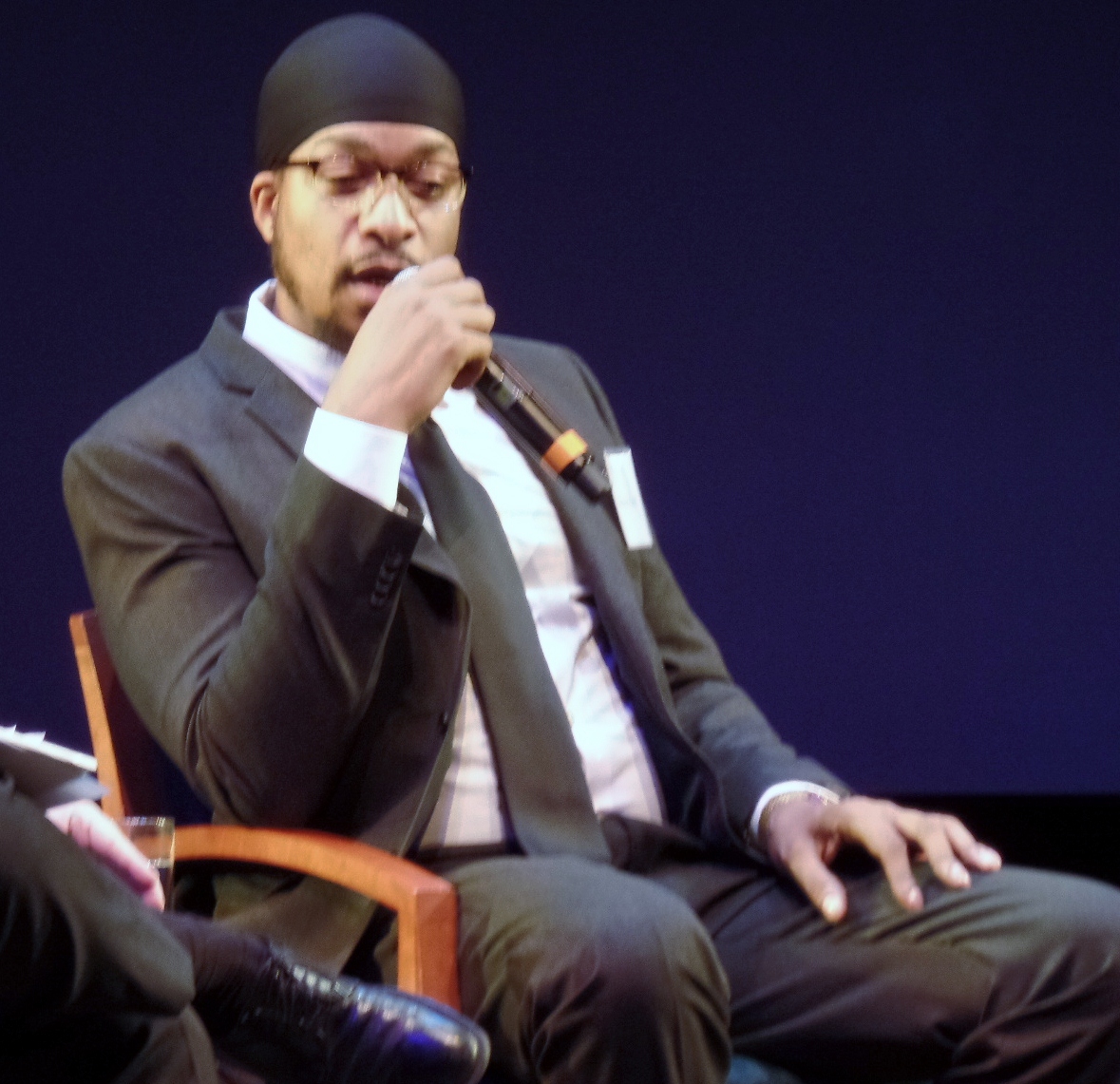
Akintola Hanif

It was Akintola Hanif, prominent Newark artist and founder of Hycide Magazine, who succinctly raised the issue of how little this all might mean to most of the people who live in Newark. “We’re in the middle of a lie. No social renaissance is happening. The people of the community aren’t being included in the conversation.”

Giantomasi stated it another way: “As a Newarker a lot of things haven’t changed. From a business perspective we are seeing a renaissance.”

Deputy Mayor Baye Adofo-Wilson talked about how the administration is trying to address the needs of the community. He emphasized the importance of jobs and stated that developers who are building downtown are required to fill 51% percent of jobs with Newark residents. He also talked about initiatives to support home ownership in model neighborhoods and how the administration is trying to use eminent domain to take back foreclosed properties from the banks.

But there is no shortage of problems in Newark’s neighborhoods and members of the audience were quick to point some of them out:

  • Over 50% of mortgages in Newark are underwater.
  • The highest paid positions are held by people who work in Newark but don’t live there.
  • There’s a long history of heroin in the city.
  • The rental structure doesn’t support the cost of construction.
  • Newark’s many colleges and universities graduate 10,000 a year, but few stay in the city.

And the state of the media in the city is itself a problem. Merrill Brown, director of the School of Communication and Media at MSU, commented that “media has never been as weak and limited as it is today.”

Although not mentioned by name part of the reason for that is the once viable Newark Star-Ledger newspaper has been decimated by cutbacks and most of the staff has been moved out of Newark by owner Advance Media which centralized the newsroom for the Ledger, other papers it owns and its Web sites at a suburban location in Woodbridge.

The lack of vibrant local media was cited by the panelists as one of the reasons why the issues discussed at the town hall are not being widely debated. Derek Ware, publisher of GlocallyNewark.com, emphasized the lack of good stories being reported about Newark.

So what was the good story to come out of the discussion? That there are a lot of people in the city who are proud to call Newark home and want to make it better.

Posted in Uncategorized | Tagged , , , , | 5 Comments

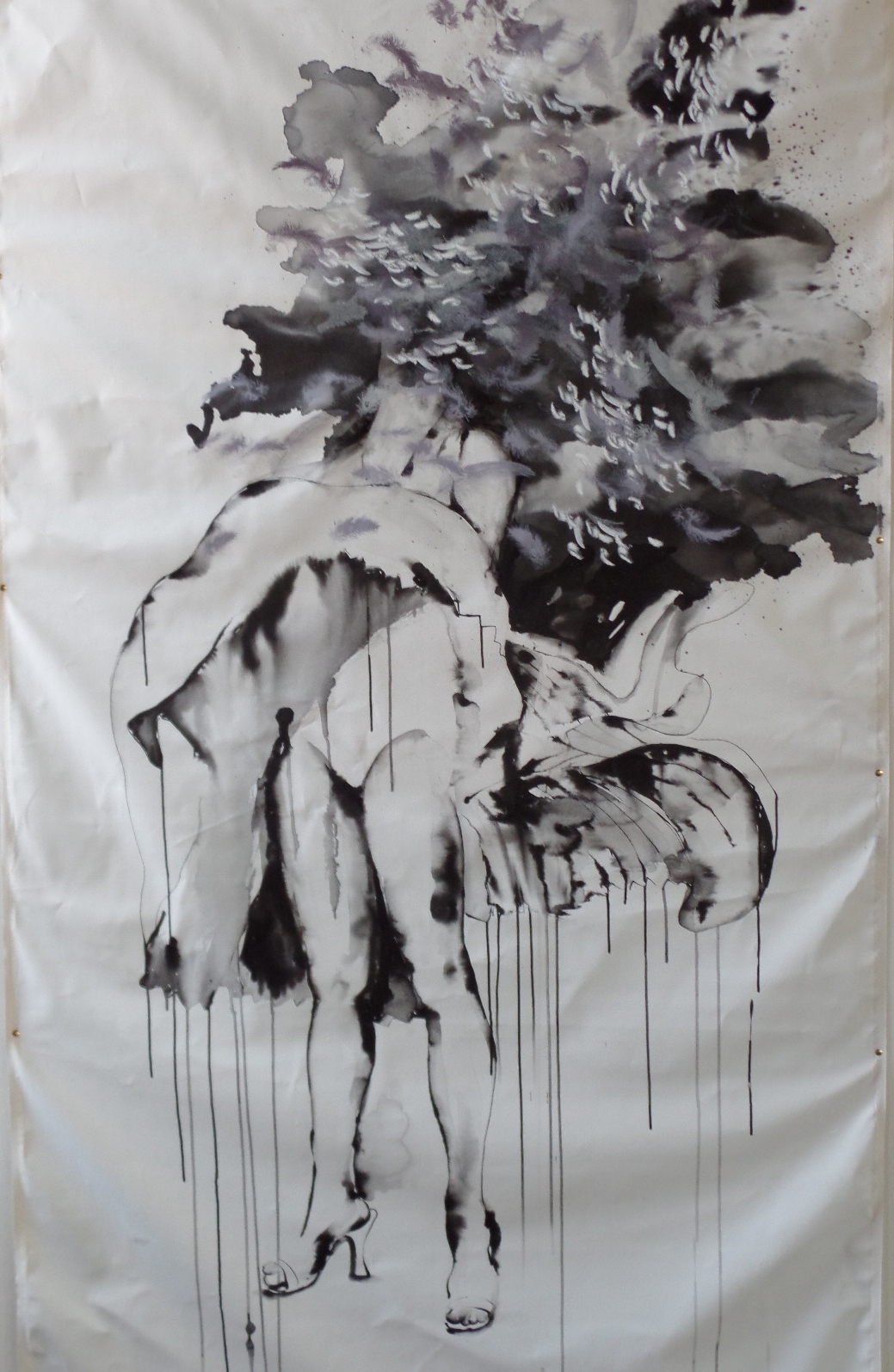
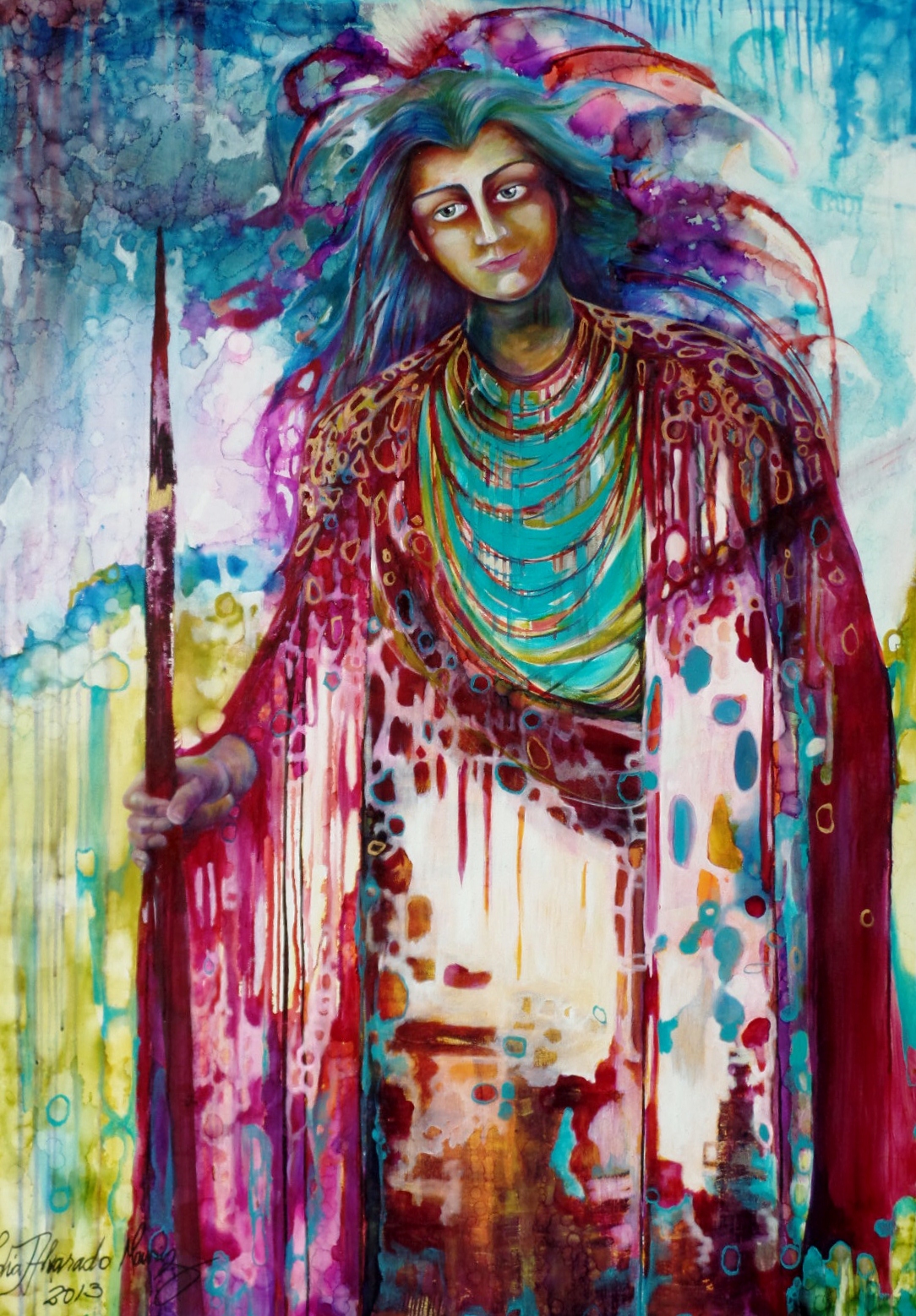
Paterson Art Walk 2015

Ama La Vida mural

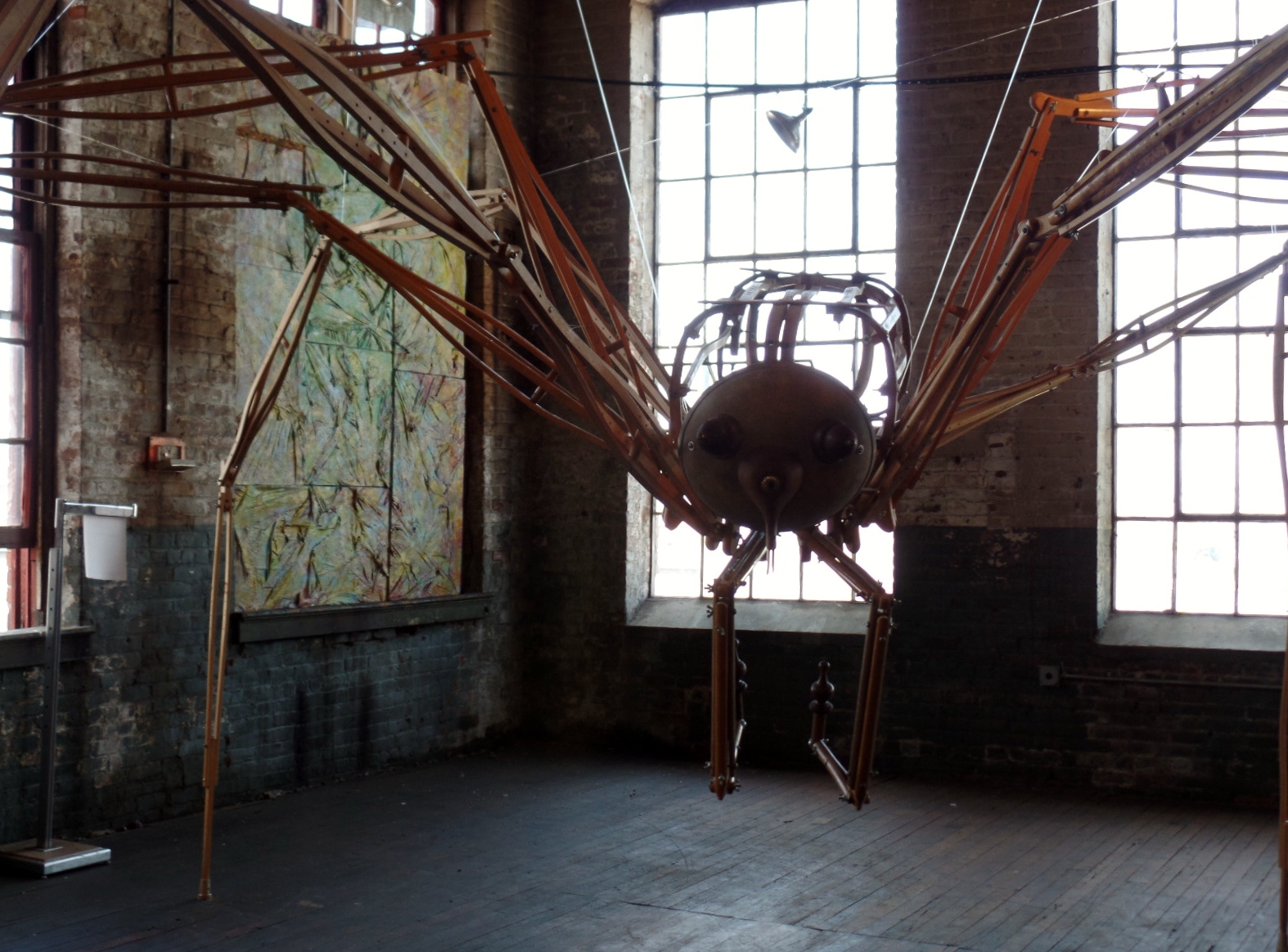
The Paterson Art Walk, now in its 7th year, takes place in the 19th century buildings that once housed the mills and factories that made Paterson one of the most important industrial centers in the U.S. Part of the Great Falls Historic District, these buildings, which are still largely in their original condition, host large installations, pop-up galleries and open artists’ studios.

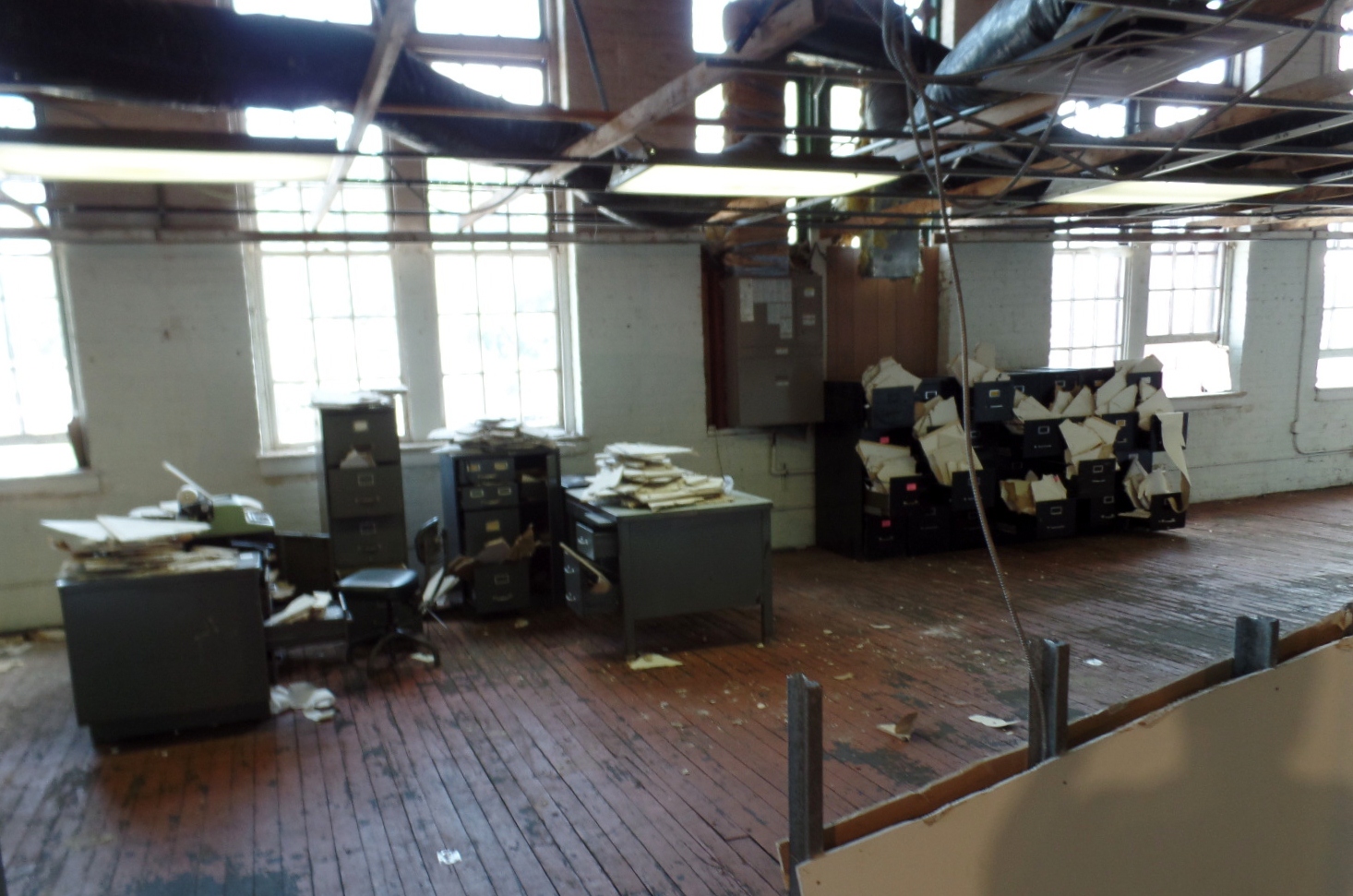
Office, deconstructed

Office, deconstructed by M. Gosser

Ashton Glass Factory

Ashton RI Glass Factory, Anker West

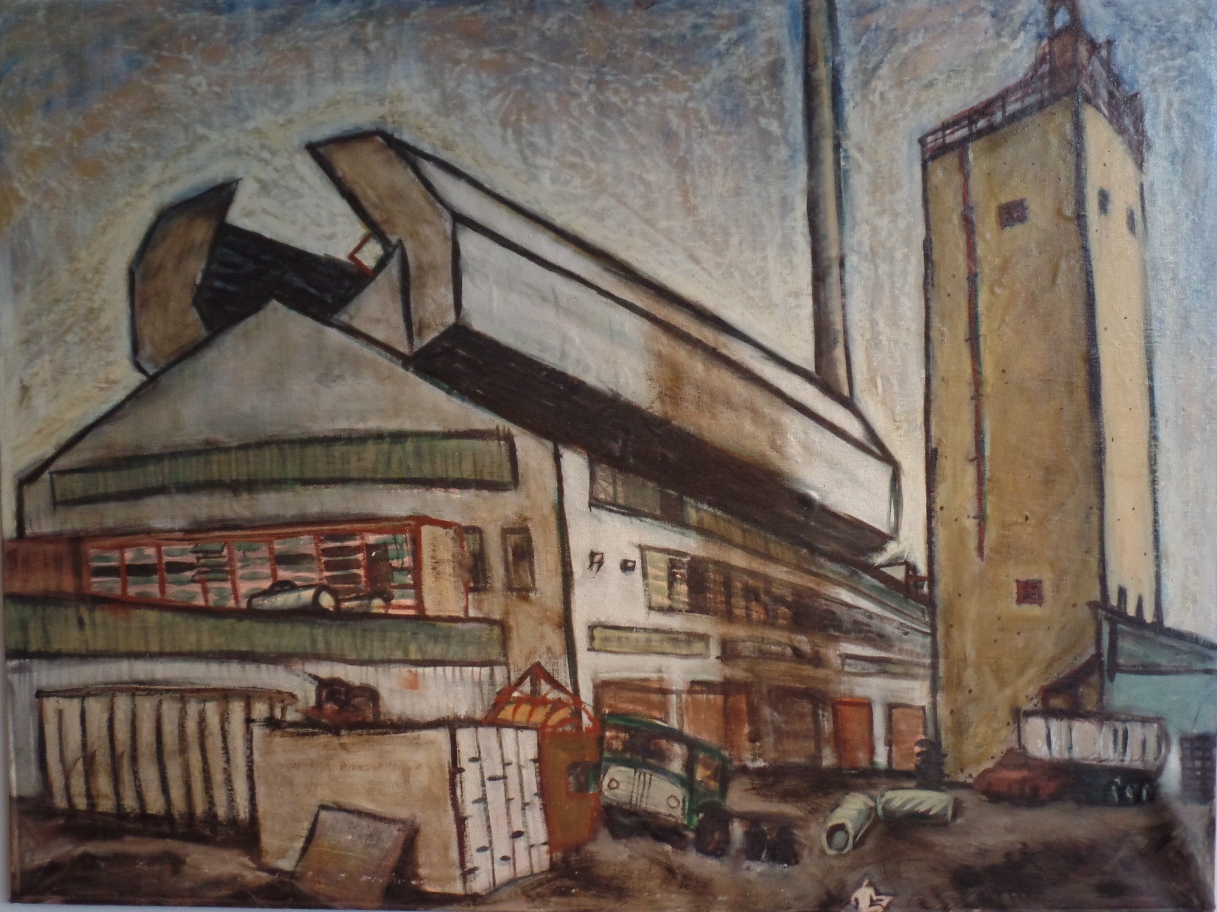
Power Plant Dawn

Power Plant Dawn, Kevin McCaffery

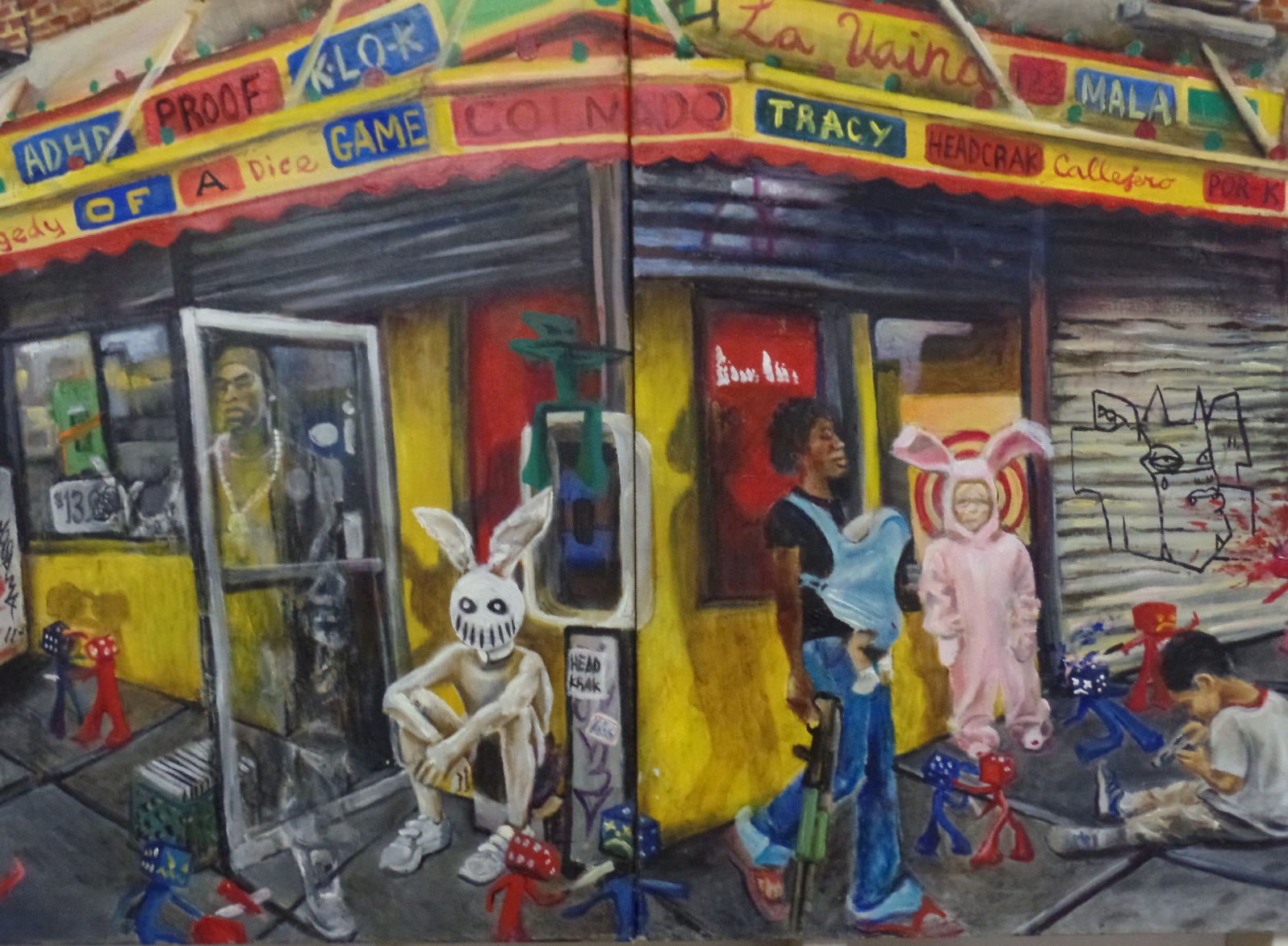
Tragedy of Dice Games

Tragedy of Dice Games, Josama

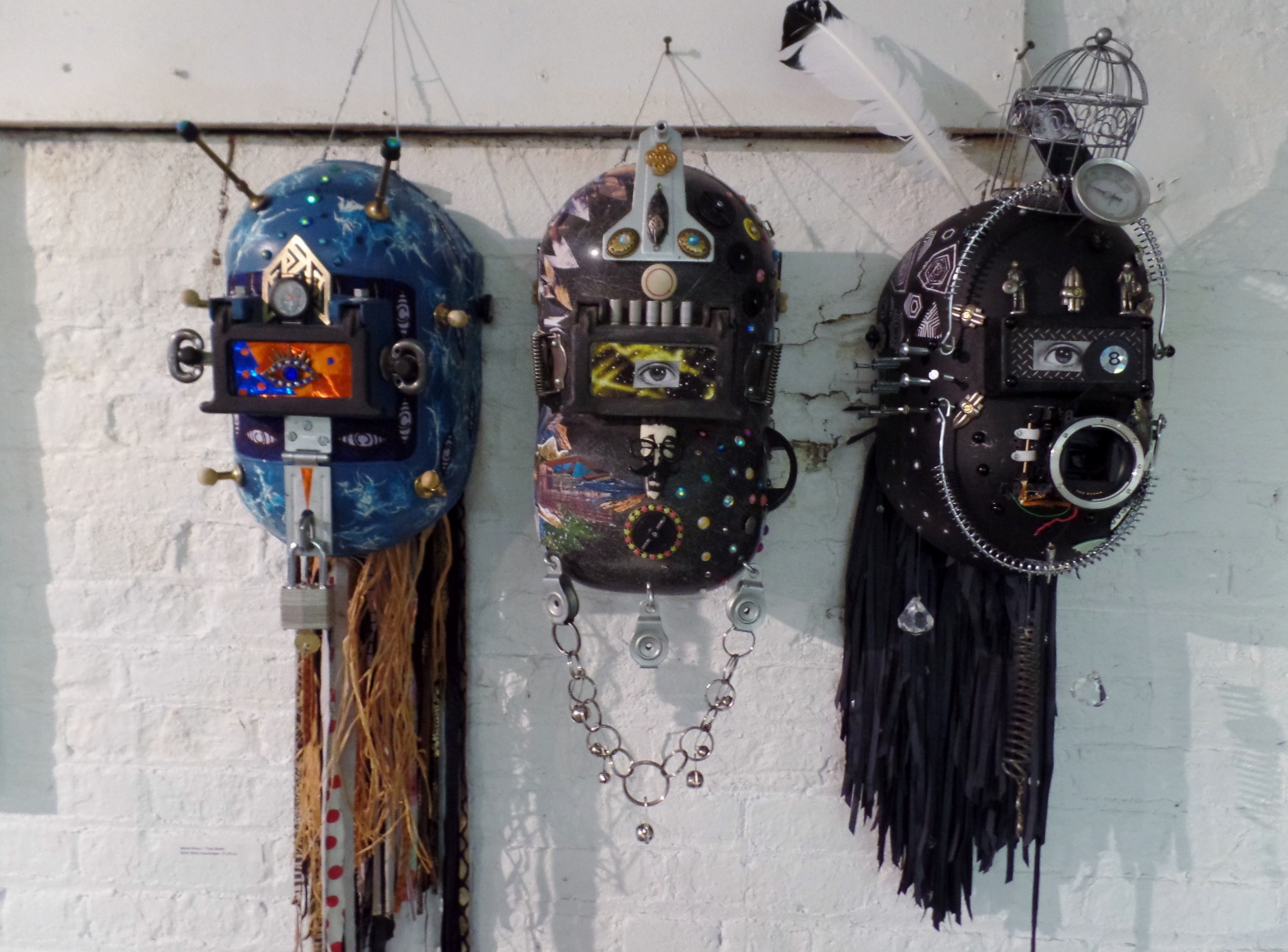
Three Masks

Three Masks, Mansa Mussa

Busted

Busted, Tania Sen

Eladio Alvarado Mauriz

Eladio Alvarado Mauriz

Daddy Long Legs

Daddy Long Legs, Peter Whitney

Mosquito

Mosquito, Emil Silberman

Spruce Street mural

Part of mural at 70 Spruce St.

See also Paterson Art Walk 2014.

Posted in Art | Tagged , , , , , | 21 Comments

Techonomy Policy Conference: Two Senators and a Geek Make the Case Against Regulation

Regulation is the enemy of innovation. That was the clear conclusion of two non-presidential candidate senators and a high profile Silicon Valley personality at Tuesday’s Techonomy Policy conference in Washington.

Cory Booker, Democratic Senator from New Jersey; Deb Fischer, Republican Senator from Nebraska; and Sean Parker, whose tech engagements include Napster and Facebook, got together on stage to shoot some barbs at the regulators during a panel discussion on “Technology Innovation and American Progress.”

Booker proclaimed that America is in danger of losing its position as a leader in global technology. “We are now choking innovation rather than creating an environment where innovation can flourish.”

Parker noted that companies like Facebook and Napster were able to grow before there was much regulation in place. He added, “Technology leads in terms of transforming society and government and politics have to catch up.”

One of the specifics Parker pointed out was the FDA approval process. Unless that is changed he predicted that “20 years from now we’ll be going to China to buy drugs.”

The patent office is another part of the bureaucracy that stymies innovation. “We need a 21th century patent office,” Booker said, “a patent office that doesn’t restrict or price out innovation.” In response to a question from the audience, he also agreed that legislation is needed to stop patent trolls. Patent trolls are lawyers who represent holders of patents that are often old and obsolete, and then go after companies that they claim are violating that patent. Their cases usually range from vague to preposterous, but the companies they attack will often settle to make them go away.

“Have can you have a group of lawyers just going after innovation,” Booker said. “They don’t create anything.”

While technology is often seen as the cause of job loss, Parker sees it as a way to keep jobs and bring some of them back to the U.S. Automation potentially gives us the ability to compete in a global market in industries where jobs have been lost to foreign competition due to lower salary costs. “Tech can bring some of this back to the U.S. ,” he said, but “we have to fix the bureaucracy.”

Booker and Fischer pitched themselves as bipartisan senators who work together to get things done, brushing aside the narrative of a legislature gridlocked by partisanship. But they also offered a lot of reasons why things don’t happen in Washington. “If you really want to get something done with government don’t ask for a government study,” Fischer counselled.

As an example of how the Senate isn’t keeping pace, Booker noted that it still doesn’t even use cloud technology.

Fischer summed it up: “Technology moves fast, government moves slow.” No surprise there.

Posted in Technology | Tagged , , , , , , , , | 1 Comment

Techonomy Policy Conference: The Sharing Economy and What It Means for Work

Many of us use or at least have heard of peer-to-peer sharing services like Uber, used in lieu of taxis, or Airbnb for rental of homes. But did you know about these:

  • Getaround. Rent other people’s cars.
  • Yerdle. Where you can check out other people’s unused stuff.
  • Traity. An online reputation service where you can build a profile and import endorsements from services like eBay and airbnb
  • eaze. Promises to deliver medical marijuana to your door.
  • Funding circle. Provides loans to small businesses that “the banks have left behind.”

At today’s Techonomy Policy Conference in Washington, Arun Sundararajan of NYU Stern School of Business talked about the two narratives that go along with the development of the sharing or on-demand economy. One is that of empowered entrepreneurs. The other is the “race to the bottom” in terms of wages. In Sundararajan’s view, neither is entirely true.

Uber, Lyft and other ride-sharing services are a good example of the uncertain impact such services have on jobs and employment. The taxi companies are quick to claim that these services will potentially put licensed cabbies out of work. But some say Uber and others are creating more jobs than they are replacing and some Uber drivers claim to do far better than they could with a cab company.

This is also an example of what Sundararajan referred to as the “blurring of the lines between personal and professional.” The employers of the professionals are quick to note the lack of license or certification of the ride-sharing driver.  (I live in the New York area and every time I get in a cab the driver is on the phone for the entire ride. Professional?) But when we use an app to get an on-demand ride, or apartment for the night, or dog walker, Sundararajan says “We are willing to trust semi-anonymous peers based on certain digital signals.”

The on-demand economy is growing outside of the regulatory framework we are accustomed to. When we think of regulation, we usually think of government, but that’s not where Sundararajan thinks we should look. He discussed the feasibility of self-regulation using as an example local homeowners associations as potential local regulators of real estate rental services.

There are other implications for what Sundararajan described as the unbundling of employment. We need a new way to categorize employment as more and more workers piece together work rather than taking on full time jobs.

He also noted the need to create a safety net for these workers. The existing safety net, income stability, workmans’ comp, disability are all keyed off of full-time employment.

You read more of Sundararajan’s views at his home page.

Posted in Technology | Tagged , , , , , , | 2 Comments

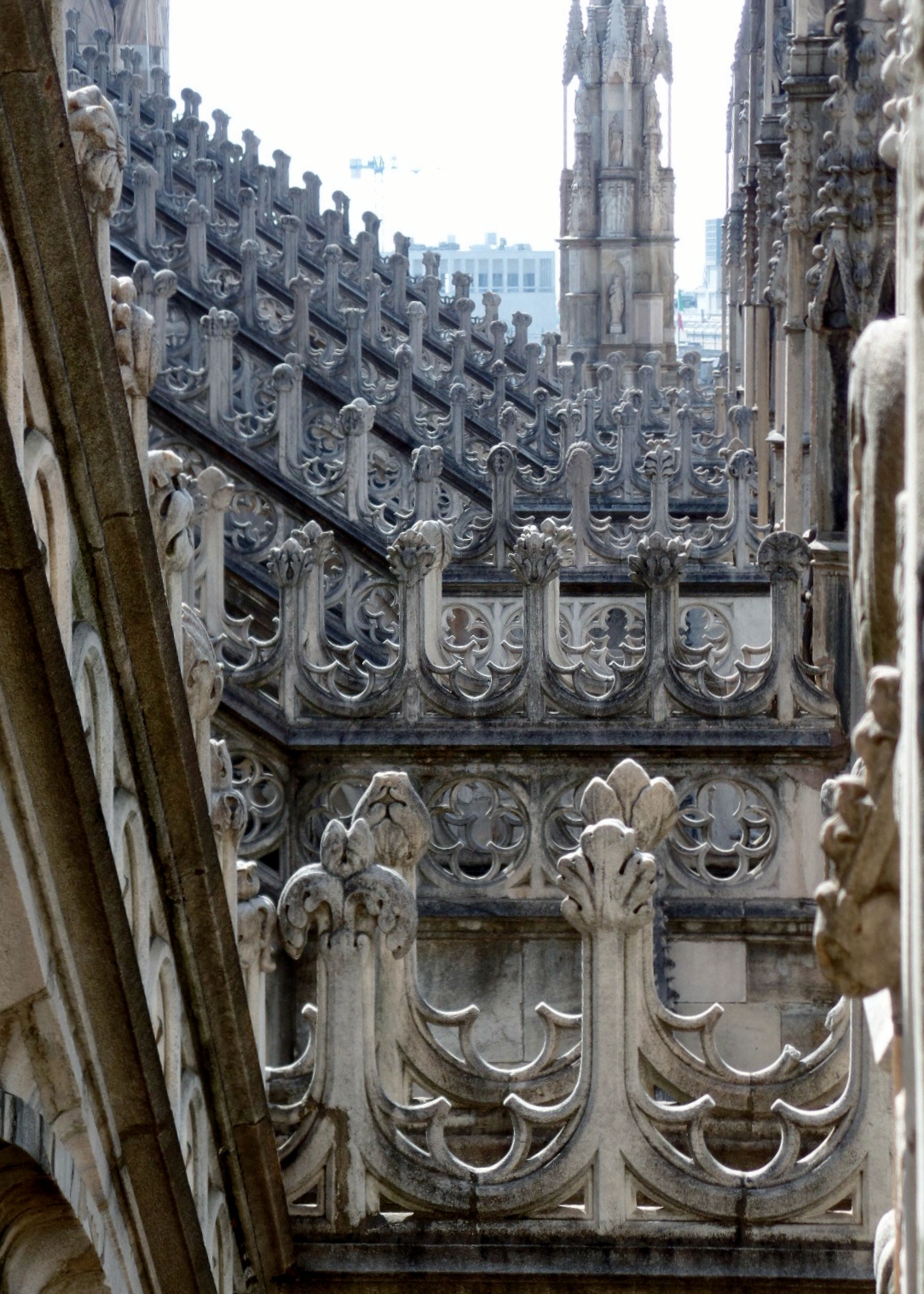
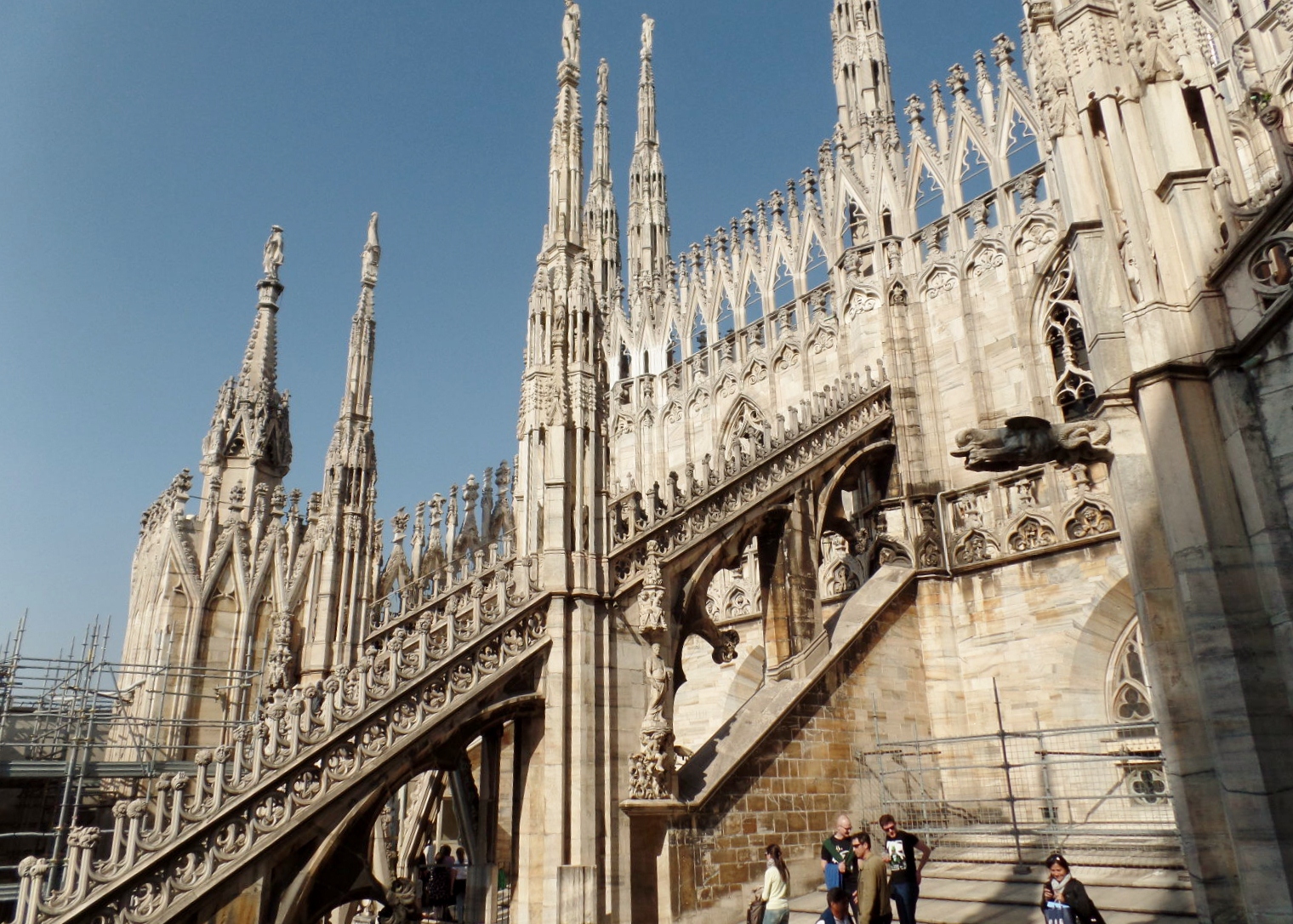
Duomo di Milano

Street view from the DuomoConstruction on the Duomo di Milano started in 1386. The largest spire was topped in 1762 with a statue of the Madonna. The last details were not finished until 1965.

Entrance to the DuomoDuomo terraceMark Twain visited in the Duomo in 1867. He described it in Innocents Abroad: “What a wonder it is! So grand, so solemn, so vast! And yet so delicate, so airy, so graceful!”

Duomo spiresThe Duomo di Milano is the second largest Catholic Church in the world. It is the seat of the Archbishop of Milan.

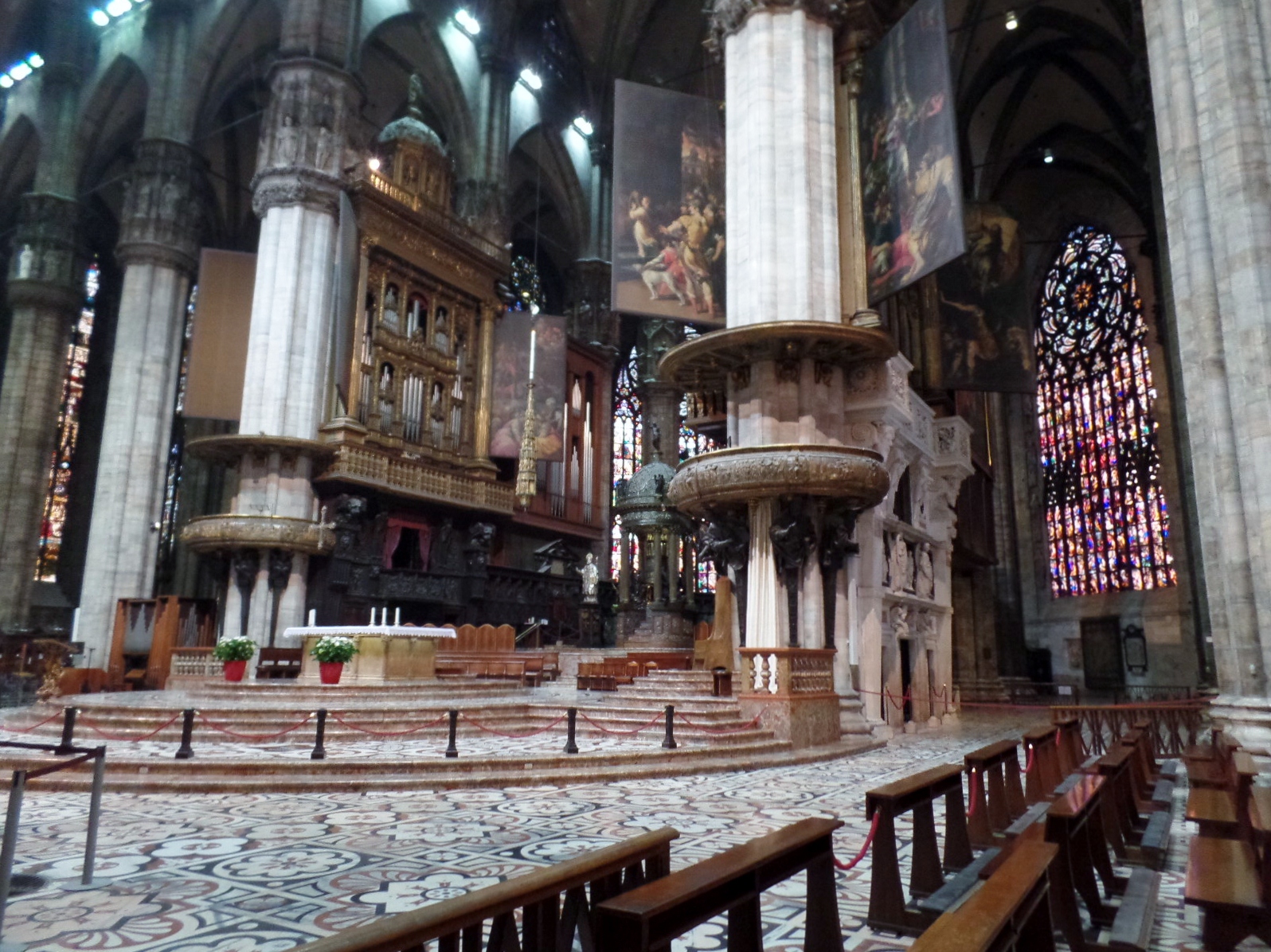
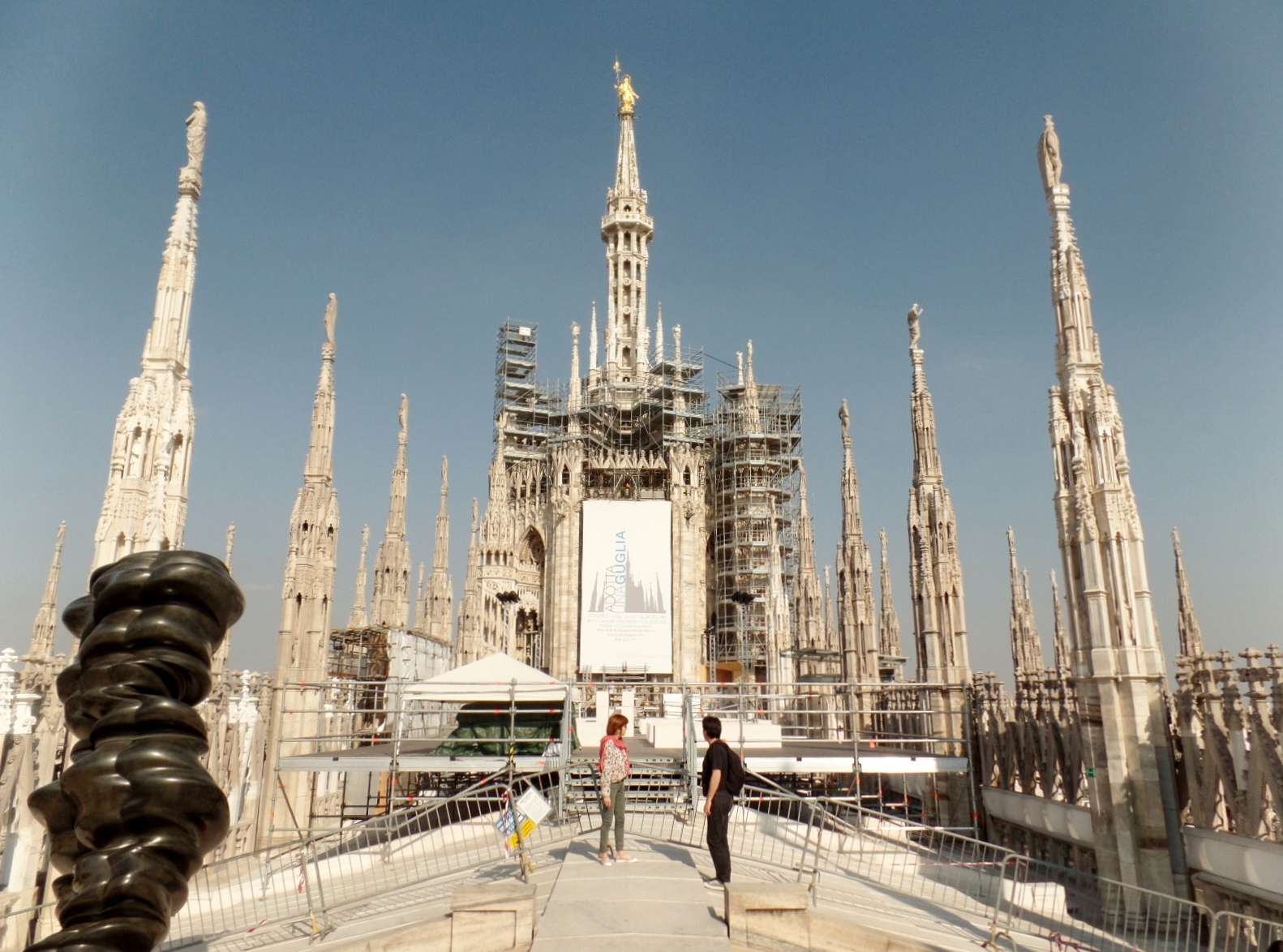
Inside the DuomoDuring the Milan Expo there is an exhibition of contemporary art on the terraces. The photos below show the works of Tony Cragg

Roof of DuomoTony Cragg sculpture

Posted in Travel | Tagged , , , , , | 19 Comments

Pochuk Boardwalk and Suspension Bridge

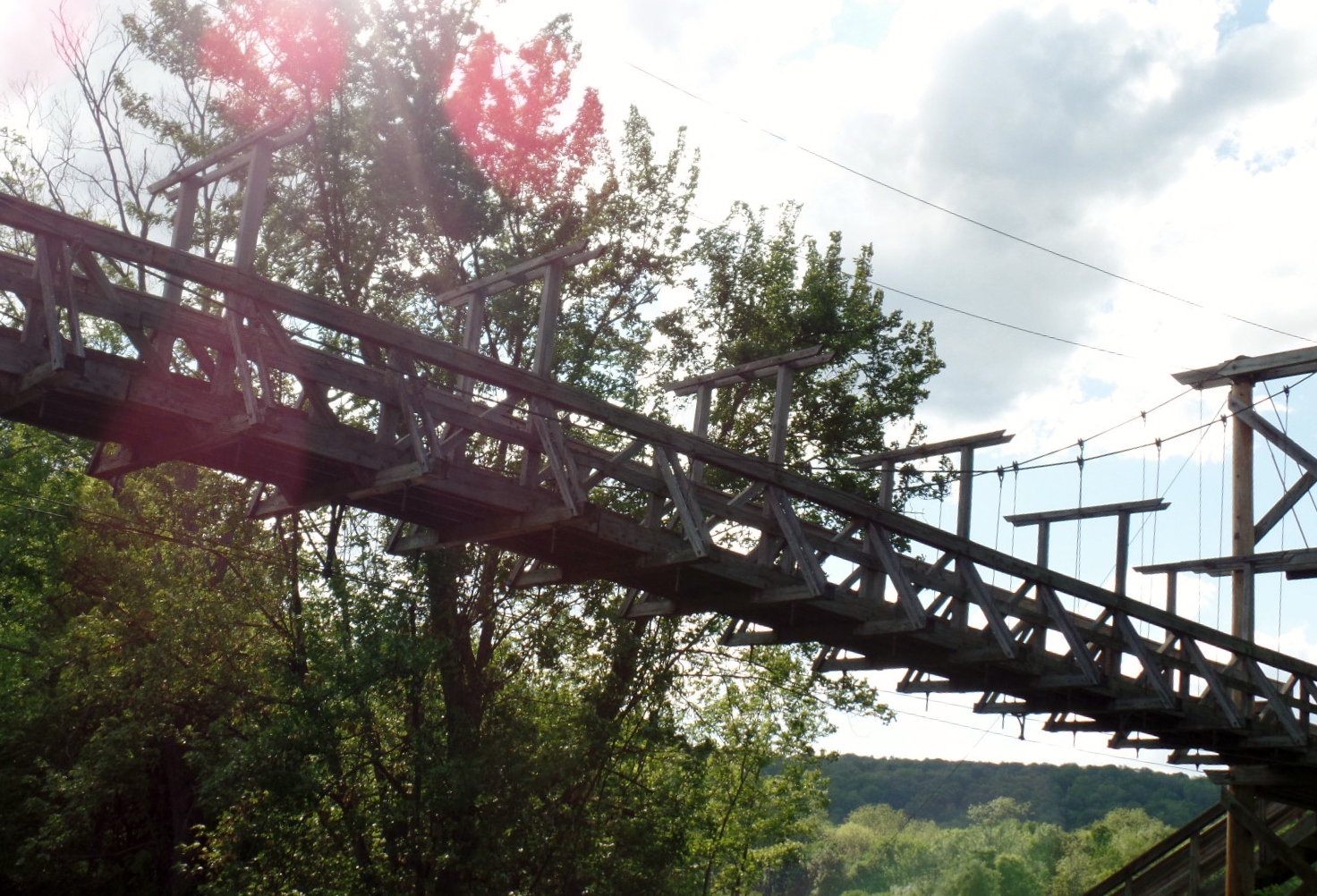
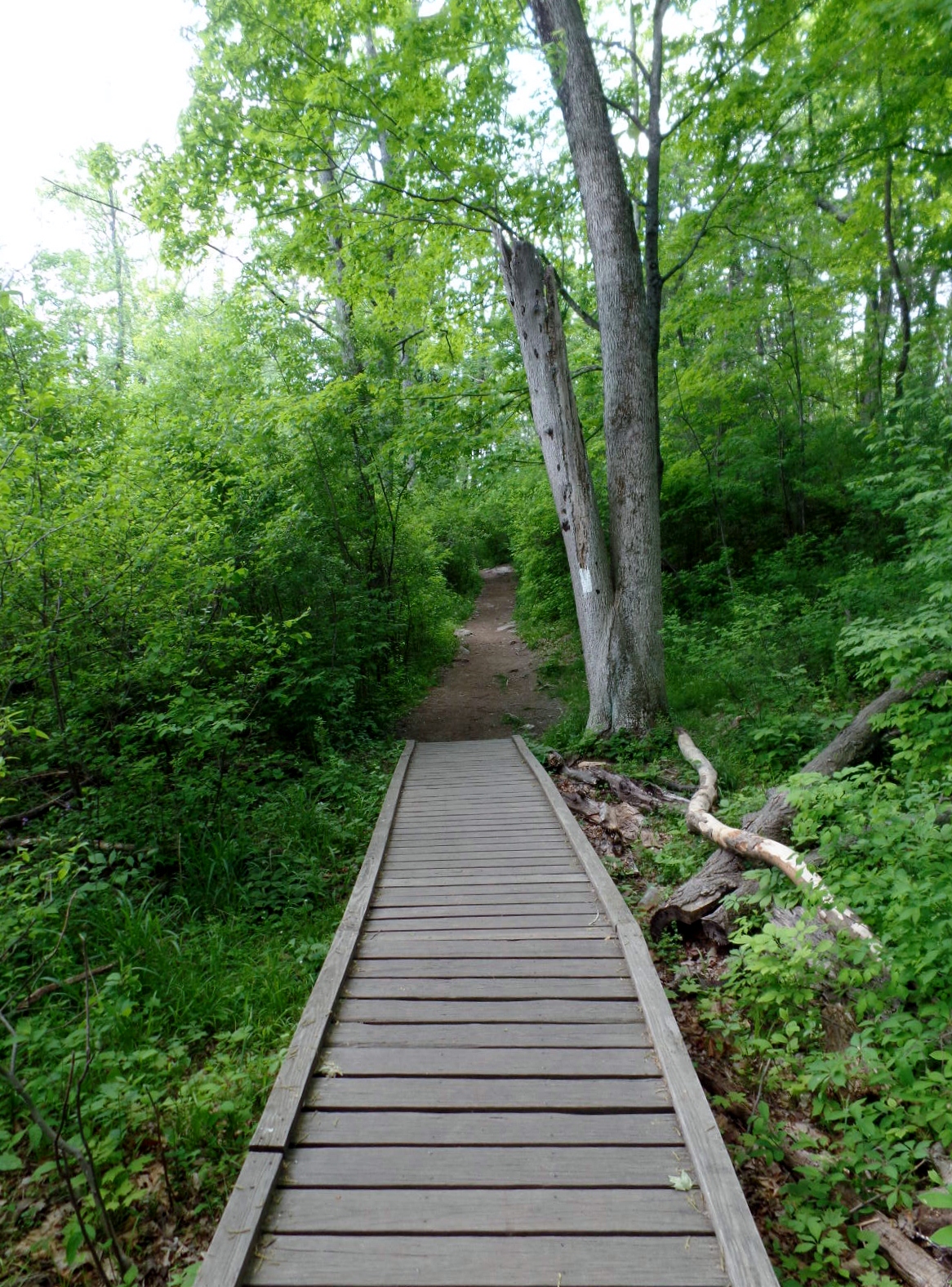
Pochuk boardwalkThe Pochuk Boardwalk and Bridge is a 1-mile stretch of the Appalachian Trail in Vernon, N.J., which lies between the Pochuk and Wawayanda mountains. The boardwalk was built by 350 volunteers and is maintained by the New York/New Jersey Trail Conference. It crosses a freshwater marsh that is home to endangered animals including Cooper’s hawk, the barrel owl and wood turtles.

Pochuk small bridgePochuk bridge

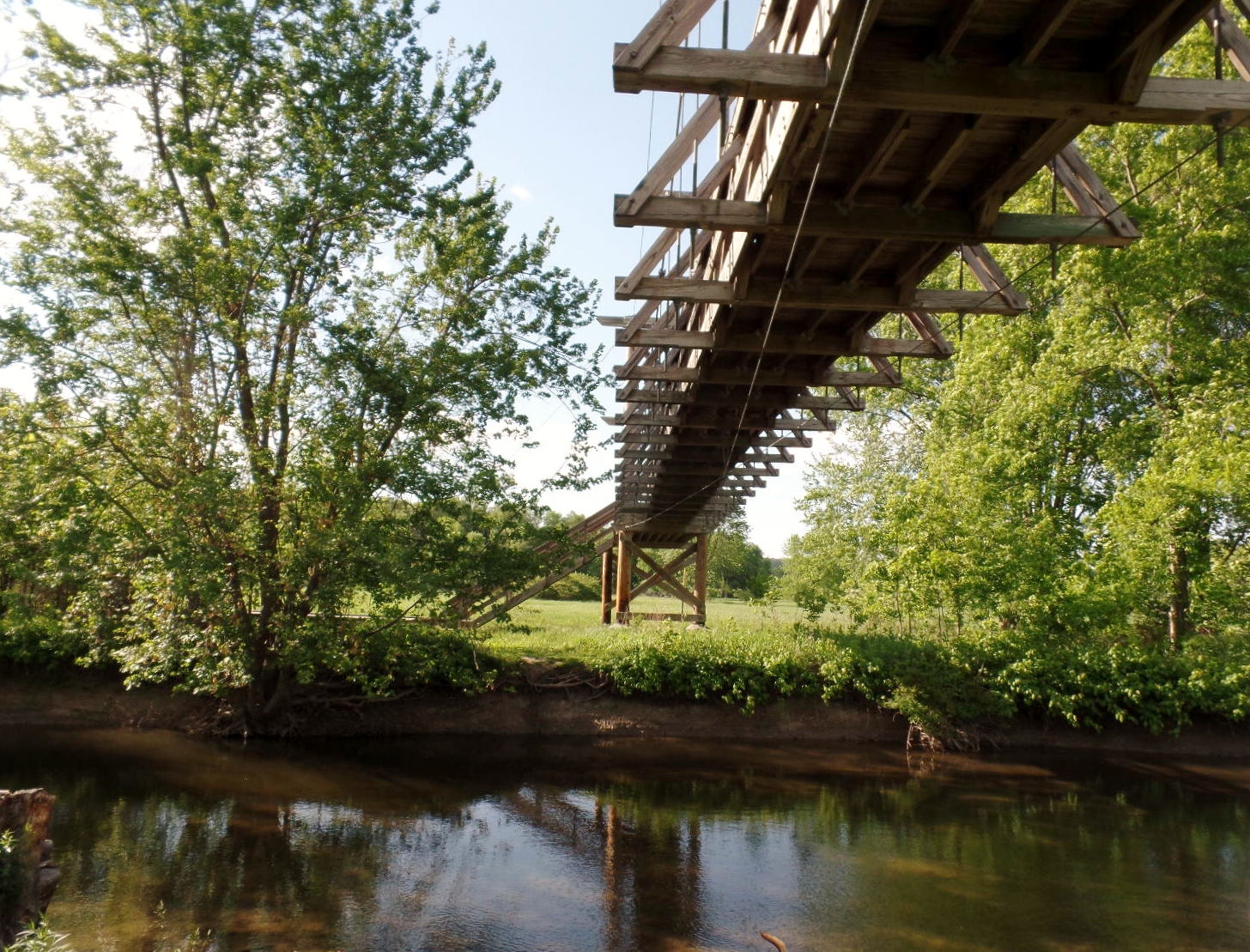
The Pochuck Quagmire Suspension Bridge was completed in 1995. It is 110-feet long and crosses the Pochuk Creek. The bridge and boardwalk took seven years to build at a cost of $800,000.

Pochuk Quagmire BridgeUnder the bridgeBoardwalk ends

Posted in Uncategorized | Tagged , , , , , , , | 4 Comments

Venice Photo Blog — Where the Streets Are Paved With Water

Chiesa della Salute

Chiesa della Salute, Roman Catholic church opened in 1681

Gondole in Venice

Gondole

Ponte della Accademia

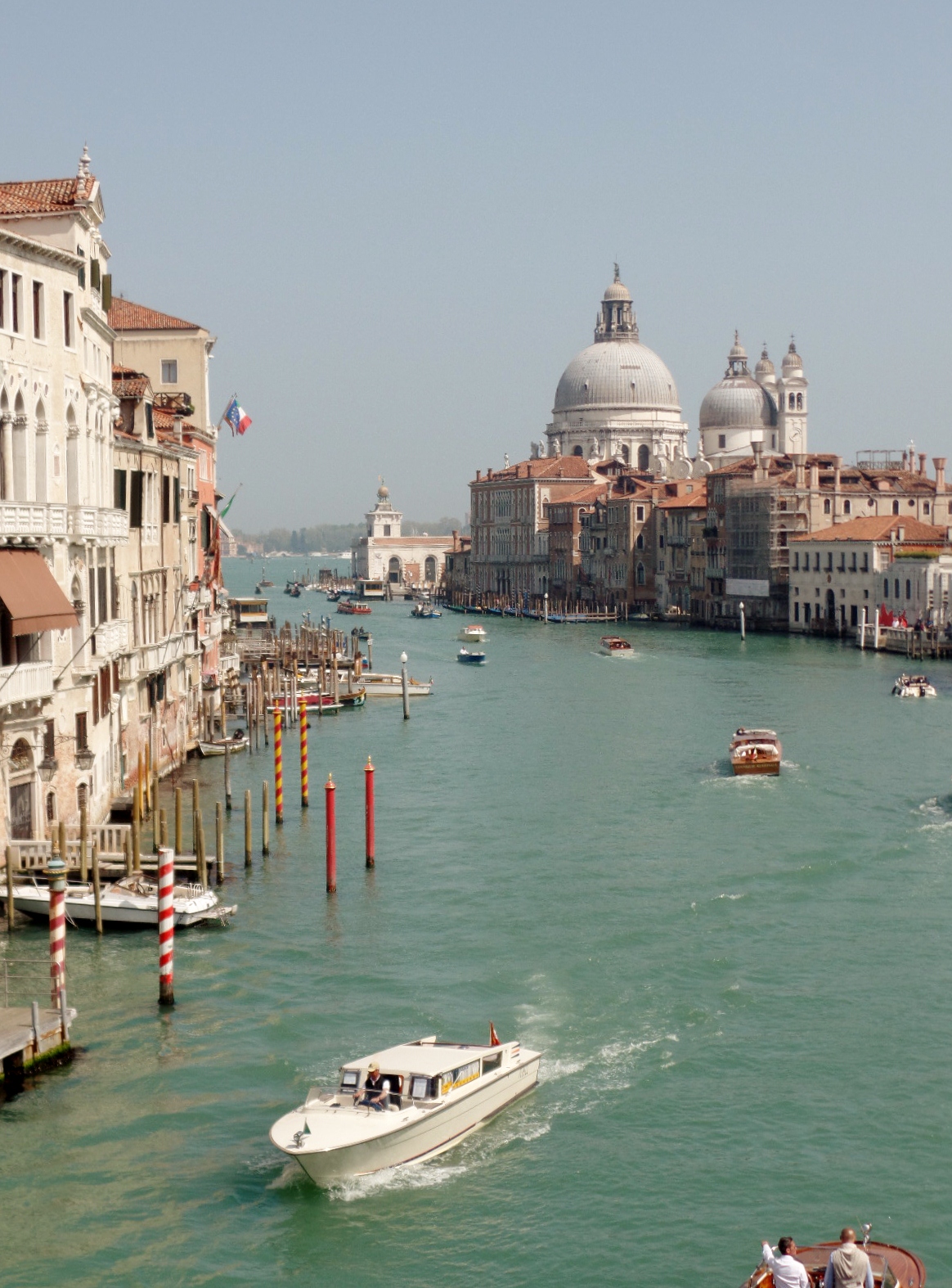
View of the Grand Canal from the Ponte della Accademia

Venica canalVenice canal

Casanova lived here

The Palazzo Malipiero, the one-time home of Casanova

A bridge over a Venice canal.

One of 409 bridges in Venice.

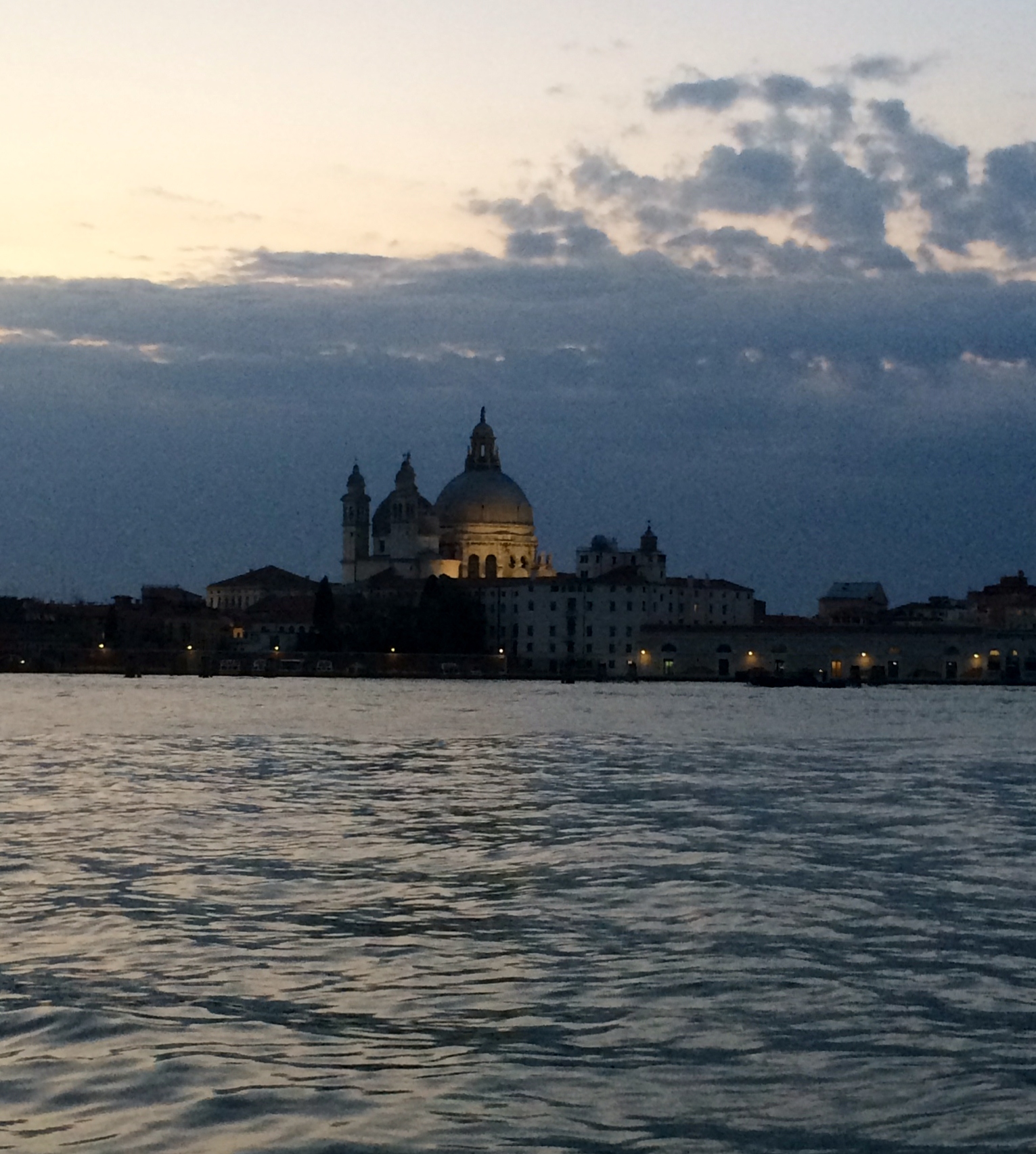
Giudecca canal at twilight

Twilight on the Canale della Giudecca

Posted in Travel | Tagged , , , , , , | 20 Comments

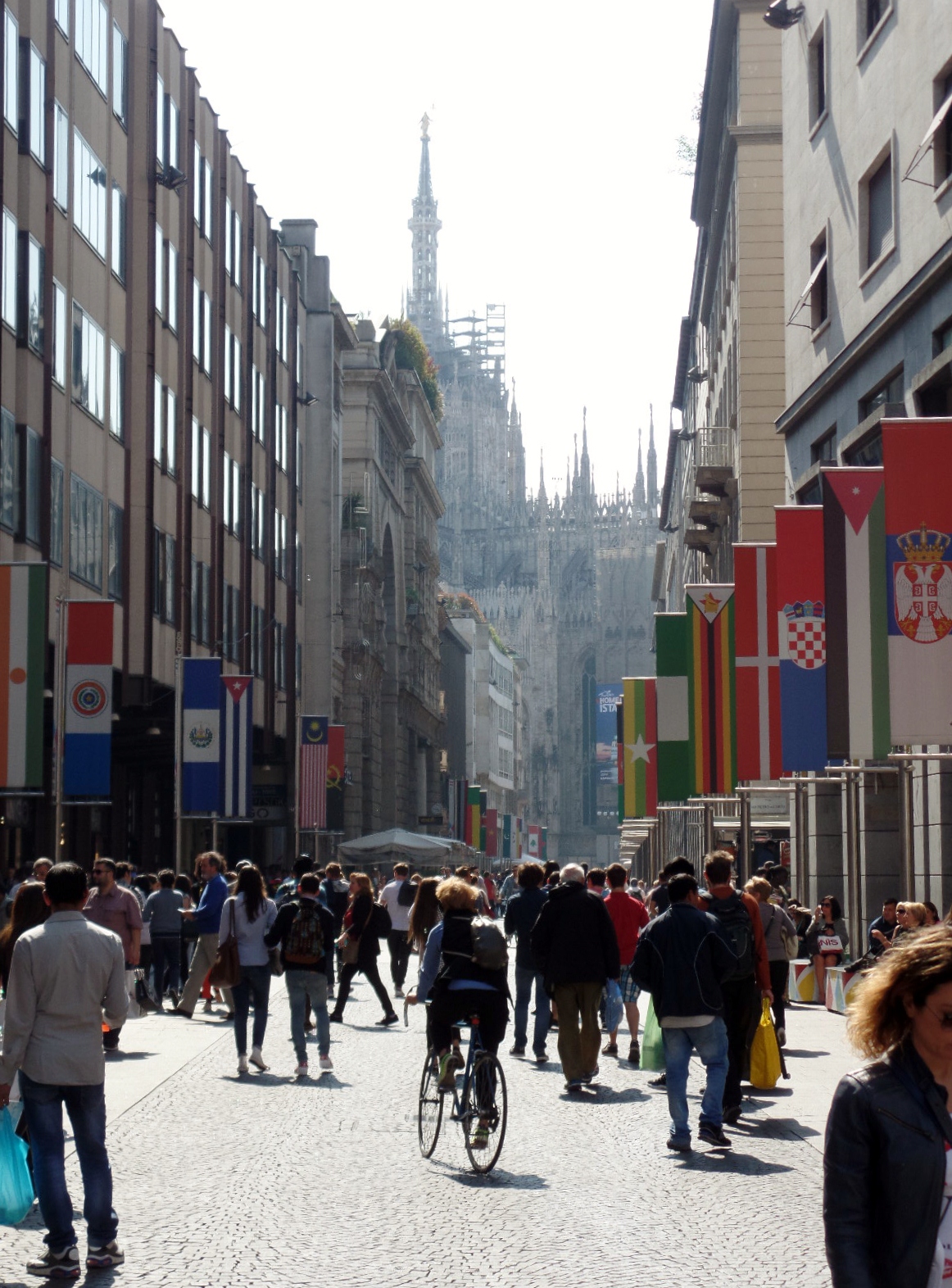
Streets of Milan

Vitorio Emanuele strett scene

Corso Vitorio Emanuele

Galleria Vitorio Emanuale archway

Archway of the Galeria Vitorio Emanuele

Princi Bakery

street performerMilan shop window

Home of The Last Supper

Santa Maria della Grazie, home of The Last Supper

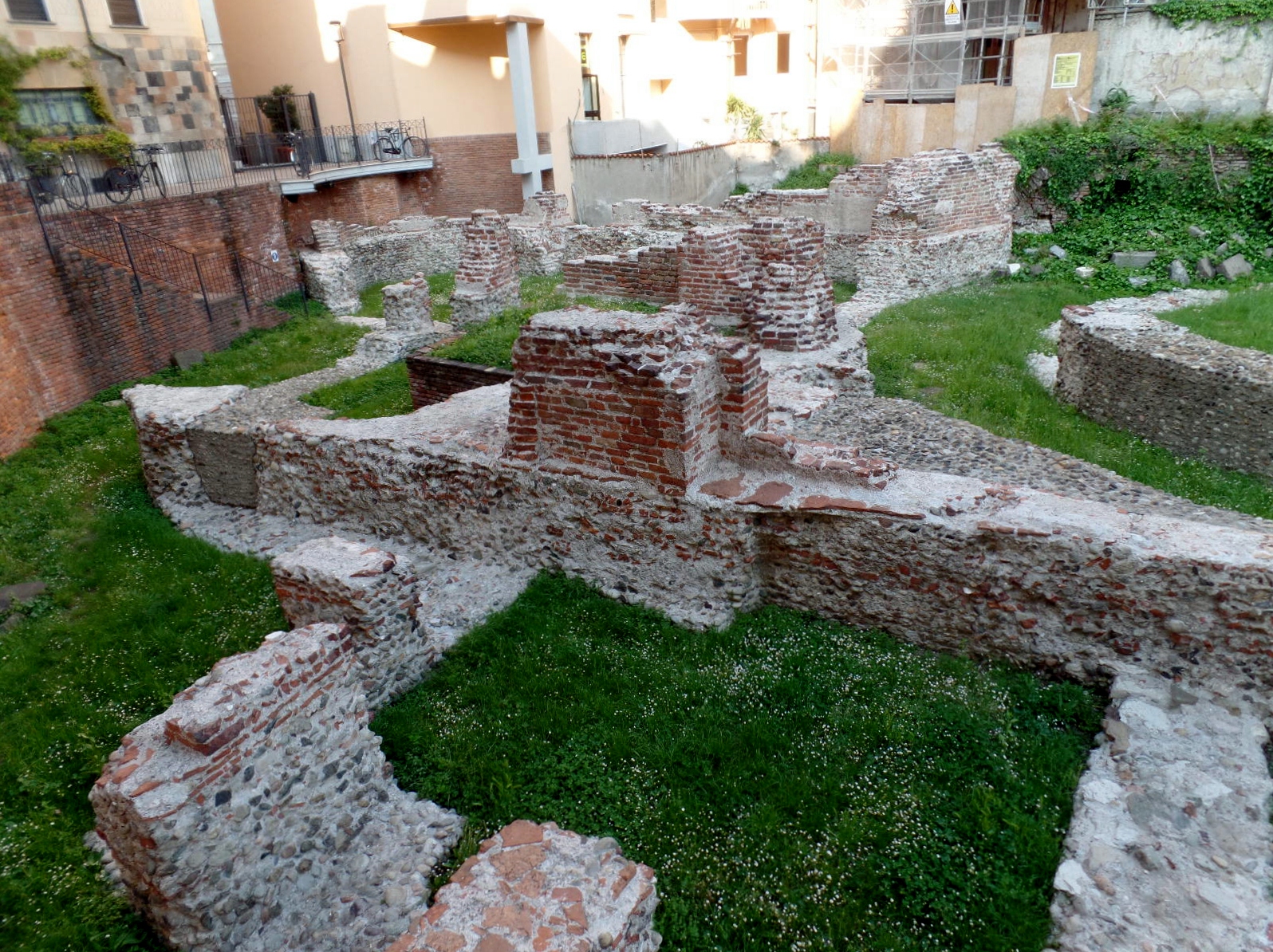
Ruins in MilanBiblioteca Ambrosiana

Milan train station

Stazione di Milano Centrale

Posted in Travel | Tagged , , | 4 Comments

How We Celebrated Dylan’s Birthday at the Winery

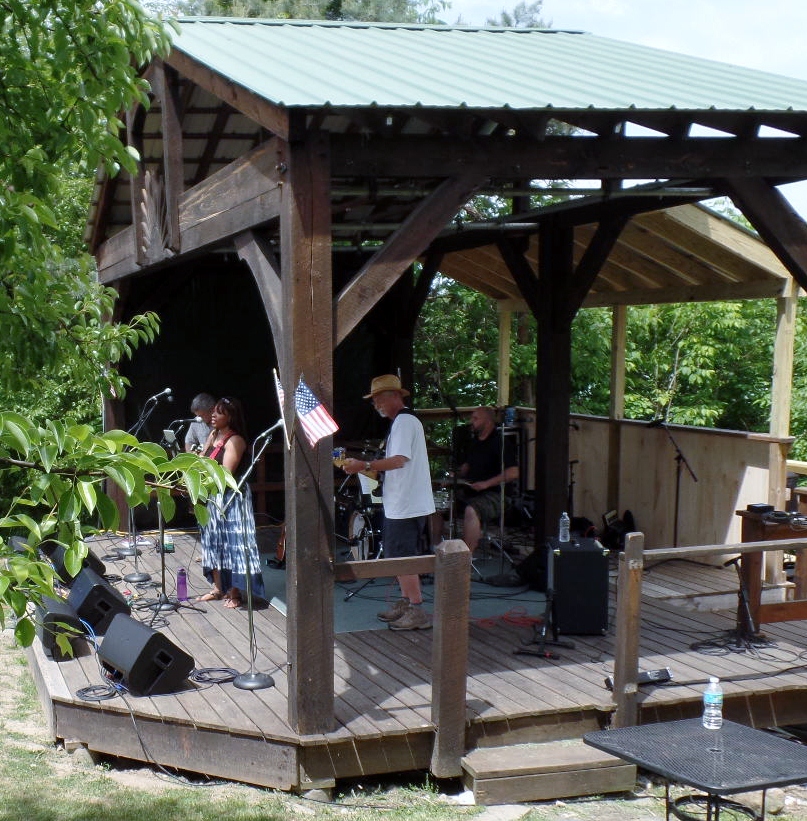
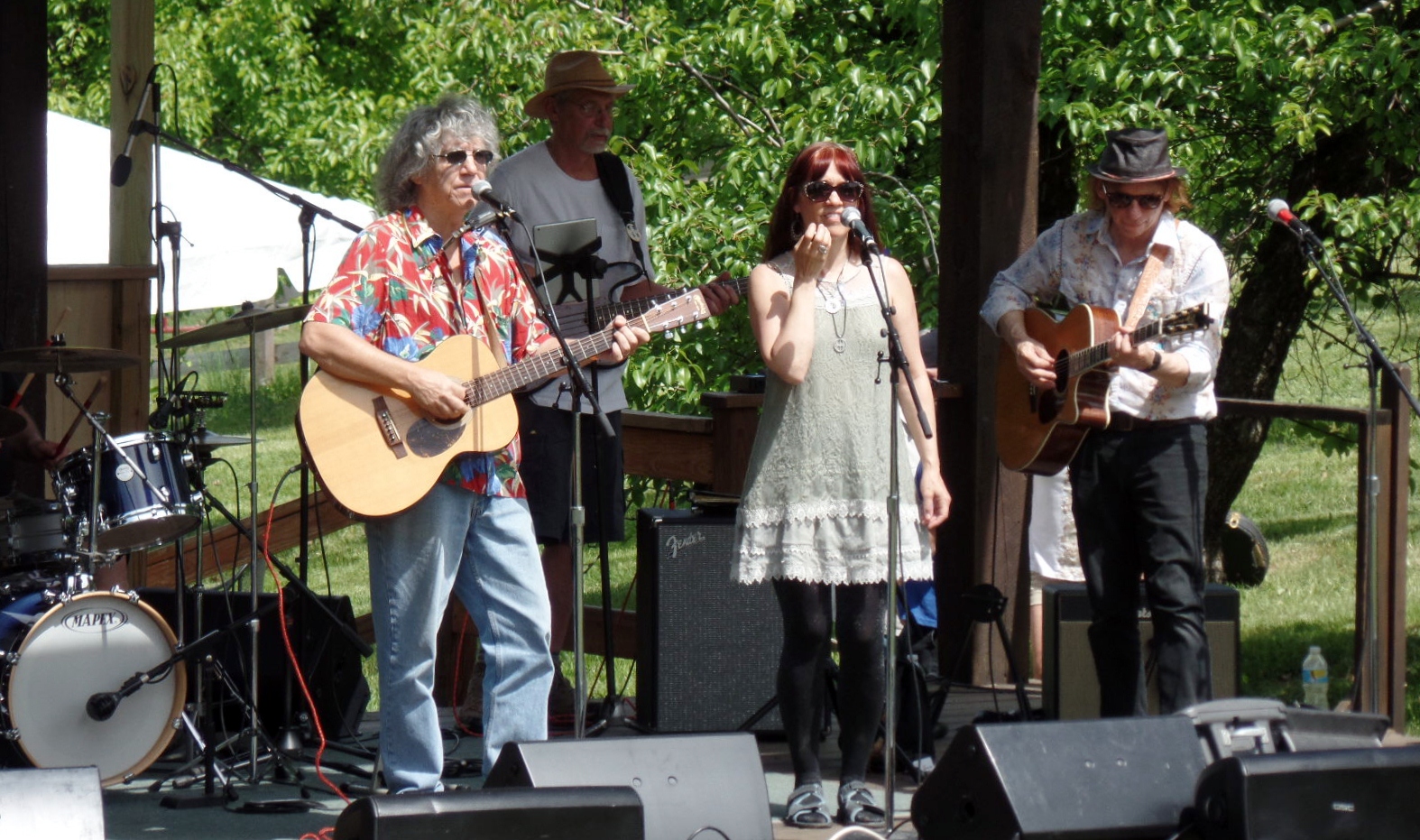
E'lissa Jones BandMemorial Day weekend, for those of us who live in a four-season climate, is often thought of as the beginning of summer. It may mean the season’s first trip to the shore or beach or lake. It may mean pulling out all the deck and backyard gear and having a barbeque. For me it means at trip to Warwick, N.Y., for the Dylan Fest at the Warwick Valley Winery.

Here’s Rod Macdonald, joined by the E’lissa Jones Band and the Kennedys.

Error
This video doesn’t exist

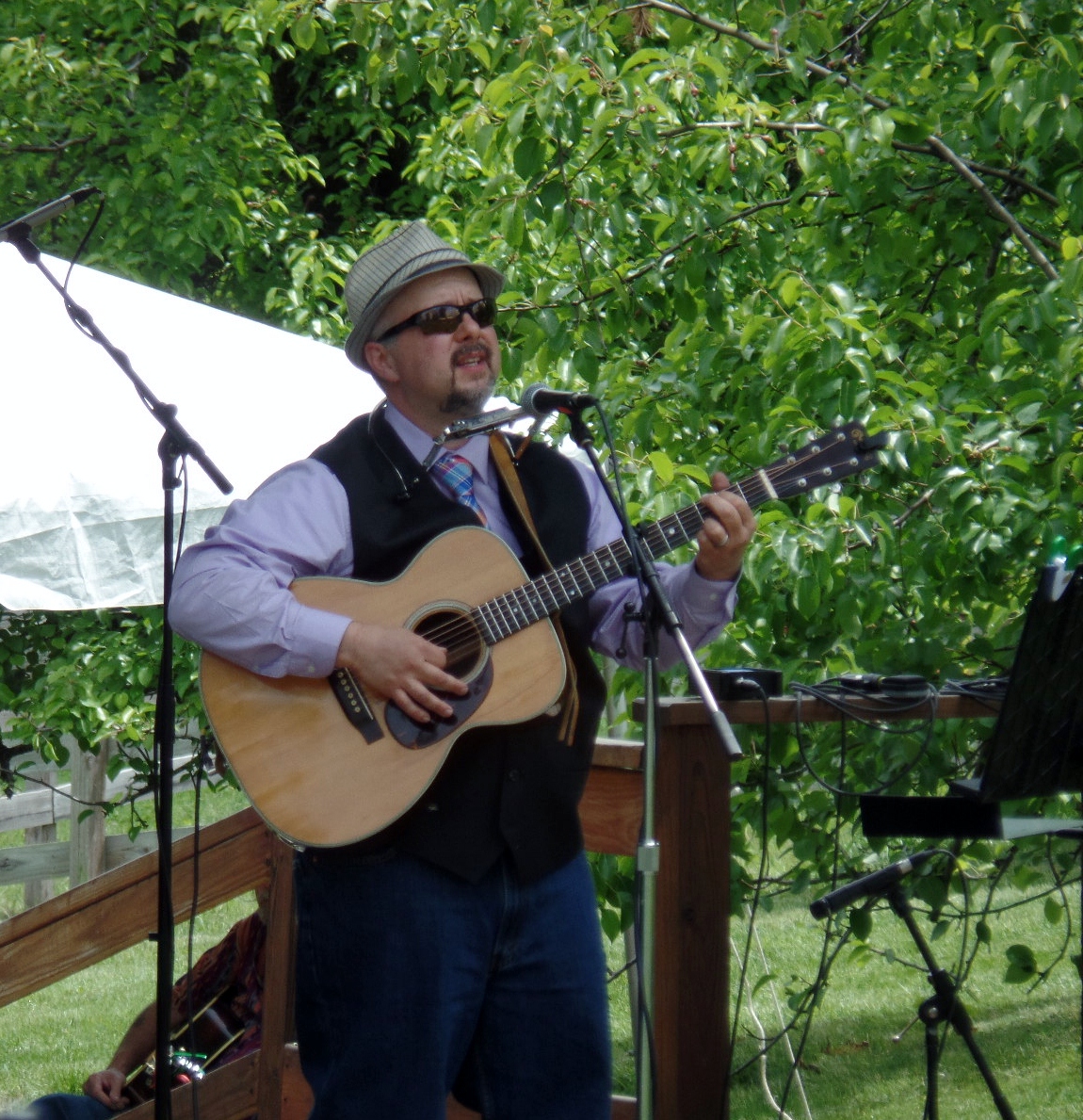
The Bob Dylan Festival is three days of music, food and, not surprisingly, wine. Sometimes there are headliners. This year Steve Forbert played one day. But for the most part it involves local musicians, like those in he video above, covering Dylan songs. In this part of New York State, there is no shortage of talented musicians.

Dylan Fest audienceDog at Dylan FestWine barThese photos were taken on Sunday, May 24. Bob Dylan’s birthday. Dylan turned 74. His first album, The Freewheelin’ Bob Dylan, was released in 1963. It included songs that would be covered here in Warwick and all over the world, including “Don’t Think Twice It’s Alright,” “Masters of War,” and “A Hard Rain’s A-Gonna Fall.”

Anthony FioreRod Macdonald and the Kennedys

E'lissa Jones Band

Posted in Uncategorized | Tagged , , , , , , , | 18 Comments