(Nearly) Live at Social Media Week – The Future of Publishing

Content will be created for mobile. Distribution will be through social networks. Monetization will come from native advertising. Is that the future of publishing? Or is that already the state of the state for media properties?

Mobile, social and native were the key discussion points at today’s Future of Publishing session at Social Media Week Sydney. The panel included representatives from Buzzfeed, Vice and two Australian media properties, Sound Alliance and Mamamia.

The conventional wisdom about content for mobile is that it must be shorter and simpler because it is harder to keep your reader engaged.  Buzzfeed’s Simon Crerar pointed out that when you make video for mobile you use one or two people and you crop tightly.  But not everyone agreed. Alex Light of VICE said “mobile hasn’t changed the way we are creating content.” He also noted that while many consumers are accessing content on mobile they are using their phones as second screens and casting or slinging the content onto larger screens.

If the content is good enough most of the panelists felt longform can still work with a mobile audience. Neil Ackland of Sound Alliance claimed their data shows that the mobile audience is not dropping off sooner than other audiences.

All of the panelists represented media properties that are heavily dependent already on social distribution. Crerar said.”Buzzfeed wouldn’t exist without social media.” And Light added that social media has “allowed us go into video and compete with networks and to get a global audience.” And that at a cost that is minimal compared to owning a TV network.

Facebook and Pinterest were the most frequently cited traffic drivers for these publishers. There are some differences based on demographics. Jamila Rizvi said Mamamia targets an audience of women in the 25-50 demographic and so for them Facebook and Pinterest are what works. But Light noted, “The younger part of our audience is moving beyond Facebook and beyond Twitter. We want to be in the next place they go.”

The combination of using a mobile device and accessing content via social networks means, in Rivzi’s words, “the audience is just coming into articles and leaving.” So for publishers there is less emphasis on the home page and more on how you display on social properties.

Everyone on the panel is using at least some native advertising. Ackland said, “Native advertising is the future of where we see out business going.” He expects that the time isn’t very far away when native becomes the majority driver of Sound Alliance’s revenue.

The ideal situation for VICE is what Light referred to as the holy trinity.  That would mean “we can create stuff that we want to make, that out audience wants to watch and that attends to brand objectives.”

Generally the panelists didn’t acknowledge experiencing any negative feedback from their audiences due to native advertising and didn’t see any confusion on the part of their readers about sponsored content. Crerar claimed that Buzzfeed still maintains a strict separation of church and state. Those from smaller properties, however, may not have the ability to do that.

Neal Mann of News Corp., who moderated the panel, added another motivating factor for native advertising. “If publishers don’t play in this space what’s to prevent brands from producing their own content and becoming media brands themselves.”
Posted in Digital publishing | Tagged , , , , , , | 4 Comments

(Nearly) Live at Social Media Week – Journos With Their Ear to the Ground

If you attended a panel discussion with the title “From Headlines to Hashtags” you might expect to find a group of media types talking about how social has become a key distribution platform, about how they promote themselves and their stories on different networks.

But this group of journalists, including representatives from newspapers, TV and radio in Los Angeles, talked instead about how they listen.

Los Angeles Times Social Media Editor Stacey Leasca, responding to a question about what was the goal of her department, responded “make LA Times a person that people wanted to engage with.” Leasca, who is part of the editorial, not the marketing, department talked about how the Times recently shifted their social media focus to “take a harder look at what our audience is saying.”

Michael Slate, a producer with KPFK-FM, the Pacifica station in LA, talked about how he and the KPFK staff use social media for gathering news. He cited a couple of stories that they would not have known about were it not for Twitter. “Lots of news doesn’t get reported and when it does it gets slanted,” he said, adding that being able to get tweets from people who are on the scene enables the news staff to get beyond the surface of a story. Egypt and Ferguson are examples of that.

Chris Schauble, morning news co-anchor at KTLA 5, is also a committed Twitter user. He pointed out the value of having people being able to tweet information while you are actually on the air. “Twitter turns all of your followers into mini-assignment desk managers.”

As with all journalist and social media panels, there was some discussion of the urgency and immediacy that social media creates as well as some concerns about verifying sources.

The overall impact, according to Schauble, is that there is more breaking news because of the “abundance of information we are all exposed to.” Asked whether he was reluctant to cite other news organizations as sources, he said “we are beyond the day of caring where the attribution comes from. We just want the info.”

Leasca said it is the LA Times policy that they would rather be right than first. She did say there were times when they would tweet a breaking news headline before they had finished the full story.

Slate said, “I treat any story I get with the same rigor.” All agreed with the need to verify social media sources. But Schauble noted that sometimes social media can provide that verification by providing multiple tweets about breaking news.

Posted in Uncategorized | Tagged , , , , , | Leave a comment

(Nearly) Live at Social Media Week – The Future of Money

Do brick and mortar bank branches have a future? Will digital currency make credit cards obsolete? Will the individual investor choose instead to become a crowdfunder?

A Social Media Week Los Angeles panel tackled those questions earlier today as they looked at the impact not only of social media but of technology, apps and mobile on the finance system.

“No Money, No Problem – How Easy Access to Capital is Disrupting Traditional Finance,” the title of the session, is welcomed by crowdfunding champions like Chance Barnett, CEO of crowdfunder.com. He described a “renaissance” of capital availability for startups which has resulted from crowdfunding and the movement of capital markets to online. That of course is a good description of his business. His vision of the future of investing, and for his company, involves opening the early stage investment market to everyone.

William Quigley, managing director of Clearstone Venture Partners, sees changes that have taken place in VC funding as supporting Barnett’s vision of an “opportunity for VC’s and the crowd to play together.” Quigley said that VC’s have become more reluctant to take a position in very early start ups. They are more likely to wait for “some sign of success” after which they will start throwing money, a lot of money, at it.

Quigley also offered the prediction that “all currencies within 25 years will be digital.” He noted two factors that will continue to push the growth of Bitcoin and similar currencies. One is the fact that online retailers all have “redlines” of parts of the world where they don’t do business because it is too risky with credit cards. Digital currency removes the risk of, for example, selling books online in the Ukraine or in Nigeria. He also noted that digital currency offers sellers the assurance that the transaction cannot be “pulled back” as is commonly done in the U.S. with credit card purchases.

Ben Katz, who is the founder and CEO of card.com, talked about how technology is impacting banks. He noted how companies like his own can offer services that target the “9 out of 10 people who don’t matter to banks.” While “banks are on your side if you are someone with $10k or more in your bank account,” the cost of banking has gone down dramatically with online banks that can be accessed by mobile. From Katz’ perspective there will be increasingly less reason for average customers to deal with institutions who have no real interest in them.

Posted in Uncategorized | Tagged , , , , , , , | Leave a comment

Digital Deception: Wikipedia’s PR Problem

In June of this year a joint statement was issued by 11 PR firms promising to not try to edit Wikipedia articles about their clients without going through “proper channels.” Some of the biggest names in the business were part of this initiative, including Burson-Marsteller, Edelman and Ketchum.

So it is nice to know that the PR folks are going to play by the rules when it comes to Wikipedia. But that begs the question as to why they felt the need to make this pronouncement. I think we all can guess the answer to that one. And in fact in the statement made by the PR consortium they commented “We also acknowledge that the prior actions of some in our industry have led to a challenging relationship with the community of WikiPedia editors.” In other words, PR people have used whatever means at their disposal to circumvent those editors and change the content on behalf of their clients.

Here are some examples:

The most widely cited agent of Wikipedia deception is a Texas based agency called Wiki-PR. If you look up Wiki-PR in Wikipedia you’ll see this. “Wiki-PR is a consulting firm that formerly marketed the ability to edit Wikipedia. It was then banned, including all of its employees, contractors, and owners, by the Wikipedia community for unethical editing.” What the Wikipedia investigation reported to uncover was hundreds of sockpuppets created by this agency to edit its clients’ pages.

A pretty substantial UK PR firm, Bell Pottinger, was caught in 2011 editing its clients’ Wikipedia entries, an act which Wikipedia co-founder Jimmy Wales suggested was an example of the agency’s “moral blindness.”

In 2012 another UK firm, RLM Finsbury, a WPP agency, removed negative information from Wikipedia about the Russian oligarch Alisher Usanov. At the time, Usanov was listing his mobile phone company on the London exchange.

Back in the U.S., the PR firm New Media Strategies employed by Koch Industries, used the sockpuppet MBMadmirer to edit the Wikipedia entries of Charles Koch, David Koch and the page titled “Political Activities of the Koch Family.”

But it is not only PR agencies who are at work on the popular crowd-sourced online encyclopedia. Jamie Bartlett, author of a technology blog in London’s Telegraph, notes that “plenty or people and companies edit their own pages, a practice known in the Wikipedia community as Wikiwashing.” (Wikiwashing: how paid professionals are using Wikipedia as a PR tool.)

An earlier story in the Telegraph pointed to the case of UK MP Chuka Umanna. Seems as though Umanna’s Wikipedia article was amended and the new version compared him to Barack Obama. An investigation to trace that update led to a computer in Umanna’s office.

Bartlett also noted that “a new cottage industry has grown up around Wikipedia, the professional editors.” One such individual is Mike Woods, whose Web site is www.legalmorning.com. Among Woods credentials is an AAS (?) degree in law enforcement from Kalamazoo Valley Community College. Woods describes himself as “an expert Wikipedia article writer with over 10,000 edits and 100’s of pages created.” His pitch: “I know what it takes to make an article notable for inclusion and can get your page published today.”

So what is Wikipedia doing to deal with its PR problem? Most of the instances of sockpuppetry described above were uncovered as part of a Wikipedia investigation. When they are found, the fraudulent accounts are deleted. In November of last year a cease and desist letter was delivered to Wiki-PR, although it appears they have neither ceased nor desisted. The Wiki-PR home page continues to identify itself as “the easiest way to accurately tell your story on Wikipedia.”

Following the statement issued by the PR firms in June of this year, Wikipedia issued new rules that require editors who have a conflict of interest to disclose that fact.

If you are being paid by someone to write or edit information about that individual or organization, that is considered a conflict of interest. Wikipedia’s policy, in that instance, is that the party with the conflict of interest, that is the paid promoter, cannot edit Wikipedia entries directly but rather must use the service’s “talk” pages to recommend changes that will be considered by the Wikipedia editors.

For PR people the stakes are pretty high. Do a search for just about anything and the Wikipedia page is likely to show up as the first or second result. So you can be sure that an agency’s perceived ability to improve a company, organization or individual’s appearance and reputation on Wikipedia may be a key decision making point in determining who gets the job.

From the perspective of the PR community, Wikipedia’s rules are confusing and their responsiveness is slow. A survey taken by Penn State Assistant Professor of Public Relations Marcia DiStaso in 2012 found that only 21% of PR people were aware of and understood Wikipedia’s policies. While the survey didn’t ask why, I would suggest that the results may have more to do with inexperience than with lack of understanding. It’s not that hard to figure out.

You can make the case that no one knows more about a company or organization than that entity itself (and its paid communications contractors). That no doubt is true. But that hardly means they are going to take an even-handed approach to self description. As a pretty frequent user of Wikipedia do I trust PR people as a source? I think I’d prefer my sources to be a bit more unbiased.

Posted in Digital Deception, Digital publishing | Tagged , , , , , , , | 24 Comments

A Baseball Fan Memoir Chapter 2 – Coming of Age

As the 1960’s started I was a 10-year old in 5th grade. At the end of the decade I was in my freshman year of college.

In 1960, the New York Mets existed only as a business plan on the desk of New York attorney William Shea. In the fall of 1969 as the decade was coming to a close they became the most unlikely of World Series champions.

I think we came of age together.

The years following the departure from New York of the Dodgers and Giants were tough years for New York baseball fans, especially those of the National League variety. The rivalry/animosity built up over the previous ten years when there were seven subway series between the Yankees and either the Giants or Dodgers precluded most of those teams’ fans from moving up to the Bronx. My own family attended games in Philadelphia when the Giants were in town rather than go to Yankee Stadium.

shake shackThe Mets came along in 1962 as basically a nostalgia team. Former Dodgers Charlie Neal, Gil Hodges and Clem Labine played a final year or two in a Mets uniform. The great Phillies center fielder Richie Ashburn did one last year as a Met in ’62. They even brought in a veteran St. Louis Cardinals pitcher by the unlikely name of Vinegar Bend Mizell. He lasted a couple months. Our staff ace was another former Dodger Roger Craig. Amazingly he lost 24 games in one season. Even more amazingly he won ten.

This was truly a collection of has beens and they posted a won-lost record of 40-120. Nevermind, we were happy to have them.

And things got even better in 1964 when Shea Stadium opened its doors at the same time that the New York World’s Fair came to Flushing Meadows. A boardwalk was erected between the new stadium and the fairgrounds with the Willets Point subway stop between the two. My family made 3 or 4 trips in each of the two years of the World’s Fair, with each trip ending at Shea Stadium. It was one of the few family activities that we all enjoyed together that I can remember. It also involved the only time I ever remember us taking public transportation as a family.

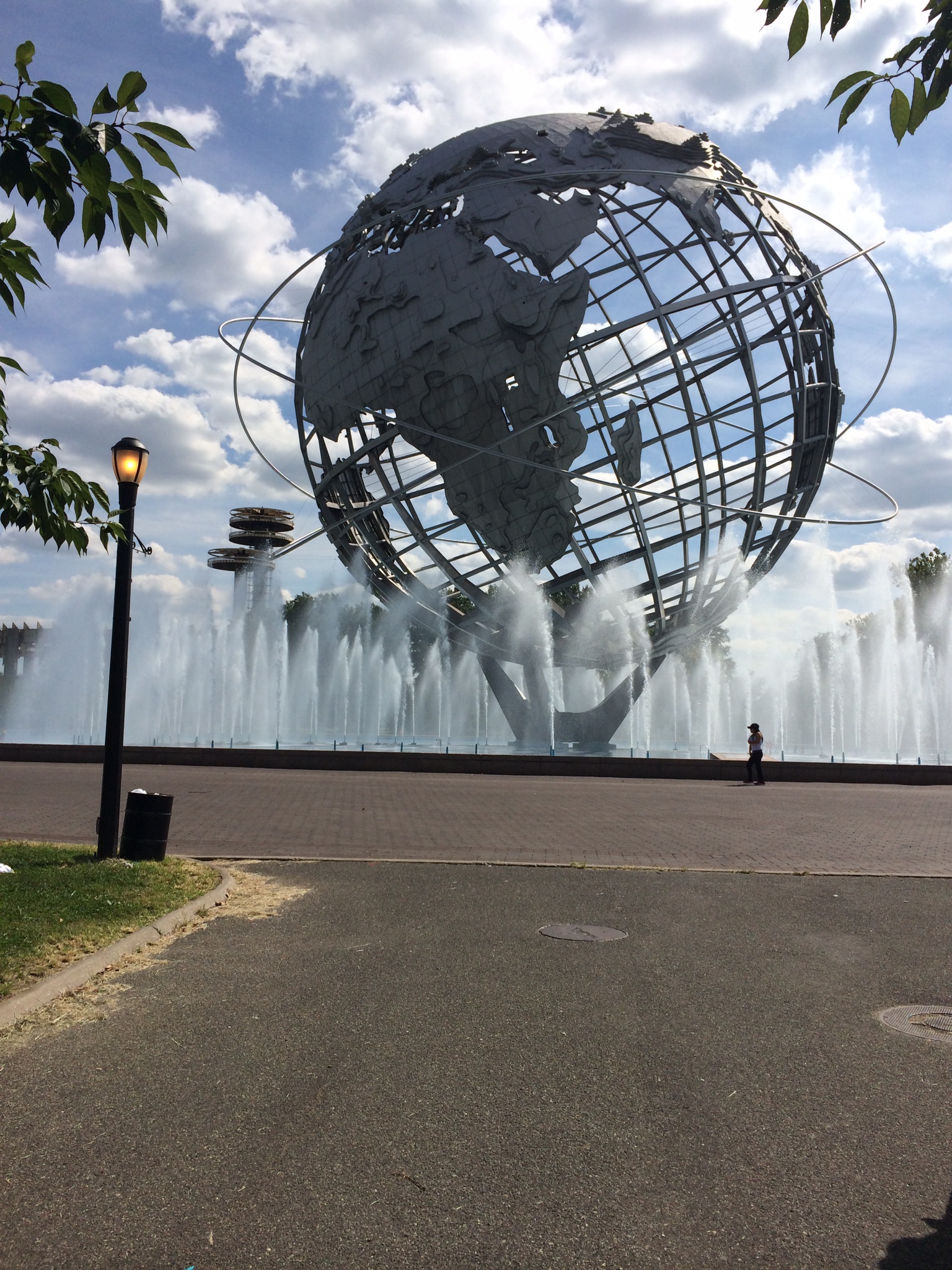
The Unisphere is a remnant of the 1964 World's Fair. To the left of the Unisphere is a tower that was the New York State Pavillion.

The Unisphere is a remnant of the 1964 World’s Fair. To the left of the Unisphere is a tower that was the New York State Pavillion.

Since my parents showed me how to take the 7 train to Shea, I was set up to make some more clandestine visits with my friends in future years. I remember cutting high school to go to opening day at least twice.

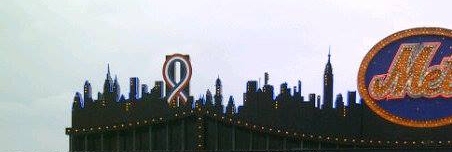
I loved Shea. It was not a great looking stadium and as it aged the orange and blue panels on the outside made it look something of a dump. But it was a baseball stadium built in the shape of a baseball field and the stands were close to the action. It wasn’t too big. It was a much better place to watch a ballgame than at the next generation of stadiums which were the giant all-purpose oval stadiums like Veterans and Three Rivers.

The boardwalk that was originally built to connect Shea Stadium and the World's Fair, now connects Citi Field and the National Tennis Center.

The boardwalk that was originally built to connect Shea Stadium and the World’s Fair, now connects Citi Field and the National Tennis Center.

From 1962 until 1968 the Mets finished last every year except two when they finished next-to-last. In the 60’s the National League East had 10 teams, not five like it has now, so it was no mean trick to finish last year after year after year. On those rare occasions when they slipped up one spot it was at the expense of the Houston Colt 45’s/Astros.

I graduated from high school in the spring of 1969 and headed to college in Ohio that September. That is when strange things started happening at Shea. On Sept. 10 of that year, the Mets moved to the top of the standings for the first time in their history. Then they won their first pennant, played their first post season game, won their first National League championship and on Oct. 16, 1969 won the World Series.

No longer in New York I joined the numerous other New York and New Jersey students at Kent State, filling the lounges of the on-campus dorms. We saw some strange happenings. Ron Swoboda, a guy who played right field as if he had two left feet, started making diving catches robbing the Orioles of hits. Al Weis, a light hitting shortstop who had only two homers in 103 games that year, knocked one out in the deciding game.

But with Tom Seaver, Jerry Koosman, Nolan Ryan and Tug McGraw we had a major league pitching staff. The Mets had come of age. So had I.

Next week’s post will be about how I learned to love the Indians at the “Mistake By the Lake.”

See also Chapter 1 – Childhood Heroes.

Posted in Baseball, Sports | Tagged , , , , , , , | 2 Comments

Digital Deception: Catfish

So far in my Digital Deception series I’ve encountered phonies who used their fake identities to promote their products or business, to trash their competitors, to catch criminals or spy on ideological enemies, to spread propaganda or to enhance their reputation. What about those who use fake identities to make romantic connections, either real or online/fantasy?

I think we probably all expect a little creative license in the profiles we see on dating sites. Maybe they’ve added a couple inches of height, underestimated their weight by a dozen or so pounds, lopped a decade or two off their age, or maybe just forgot to mention that not a single hair has grown on their head for a good 10 years now. (A friend of mine writes a blog Not So Smitten with some pretty funny stories about what she found when she came face to face with some online dates.) But these are just sort of the little white lies of dating sites. There are a lot worse.

The term catfish is a pretty appropriate one. If you go to a restaurant and order say Cajun Crusted Fried Catfish you may get a pretty nice looking plate. If you look at the creature your meal was derived from you see a butt-ugly bottom feeder, the human version of which is what you’ll likely find behind a fake dating site profile. I like to turn to the Urban Dictionary for colorful definitions of terms like this. One of the authors demonstrated how to use catfish as a verb: “Did you hear how Dave got catfished last month? The fox he thought he was talking to turned out to be a pervy guy from San Diego.”

Catfish as a moniker for online date phonies can be traced back to a 2010 documentary movie of that name which follows 20-something Nev Schulman as he was in fact smitten by a 19-year old singer dancer who instead turned out to be a 40-year old Michigan housewife. Schulman followed that up with an MTV show by the same name in which he and a partner expose catfish.

One very high profile catfish incident is the curious case of Manti Te’o. Te’o was a football player at Notre Dame and during the 2012 season he very publicly disclosed that he had been playing with the burden of mourning for his girlfriend Lennay Kekua who had passed away from leukemia in September of that year. Turns out, however, that Te’o never met Kekua and that she was in fact the creation of a man named Ronaiah Tuiasosopo, who apparently was an acquaintance of Te’o. The whole story was headline news on the sports pages and on ESPN for weeks.

What motivates the creators of catfish? In a story last year in the U.K. Daily Mail, author Hayley Peterson suggests “the fabricated life stories and photographs that they cobble together online often contain the experiences, friends, resumes and job titles they wish they had.”

Some are more sinister than that. Catfish may represent more than a bad date, they may be thieves, con artists or stalkers.  A story in the Guardian from 2011 estimated that 200,000 Brits had been tricked into turning over some money or bank account details through connections they made on online date sites. The usual pattern is the catfish spends some time developing a relationship online then asks for money to deal with some financial hardship or family illness.

The U.S. Army Criminal Investigation Command issued a warning about scammers on online dating sites who claim to be soldiers in Afghanistan. They initiate a relationship and then at some point ask for money for transportation or medical supplies.

Digital Trends carried a story in January of this year about a 66-year old divorced woman in San Jose who was scammed out of $300,000. She met a guy on the dating site Christian Mingle who claimed to be an Irishman working on an oil rig. He was really in Nigeria. He sent flowers, he made phone calls and then he asked for help with his daughter’s tuition.  And then he asked for money for his oil rig business which the victim raised by withdrawing from her retirement account and refinancing her home.

Not all of the frauds are coming from the users of online dating sites. A story in the Telegraph of London from July of last year describes how some online dating services use stolen data to create fake profiles as a way to attract customers. The author, Hayley Dixon, quotes a former employee of Global Personals who acknowledges creating fake profiles.

Almost incredulously I found a site where at the click of a button you can create a false identity. www.fakenamegenerator.com asks the gender and country you want to use and then generates a full fake profile with name, address, age and email address as well as details like mother’s maiden name and blood type. You can also use their Sims Family Generator and create as entire fake family. (Tech developers are not always up to snuff on their ethics.)  The site is free and supported by advertising. I found ads for Hitachi, Target and Renaissance Hotels. Those companies are undoubtedly using automated ad networks and have no idea their ads are being placed on a site like this.

I also found a site where you can buy online dating profiles. www.usdate.org offers 10,000 profiles for $18. Not much of a barrier to enter the online dating business. In the story in the Telegraph it is reported that the BBC bought 10,000 profiles from usdate and in those profiles found photos of Brad Pitt and Michael Caine.

DISCLOSURE – I’m way too old to have had extensive experience with online dating sites. My generation used bars. It was harder to manipulate your appearance in a bar, even a dark one, although we often suspected the guy who never took his baseball cap off might be balding. The unattractive often relied on the beer goggle effect. We still created fake profiles but they usually took the form of bullshitting about having a job or offering an enhanced view of your high school sports prowess.

Posted in Digital Deception | Tagged , , , , , | 21 Comments

A Baseball Fan Memoir Chapter 1 – Childhood Heroes

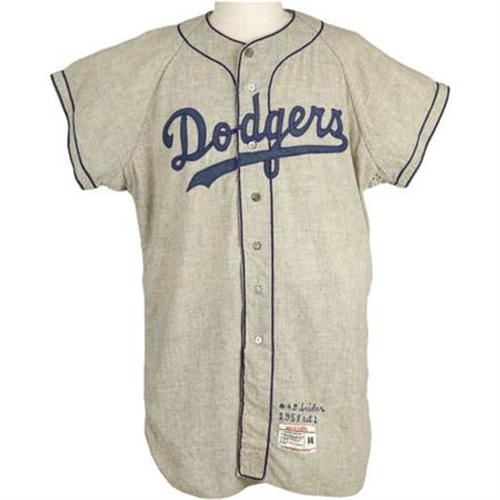
Brooklyn Dodgers jerseyThe first seven years of my life coincided with the heyday of New York baseball. The Dodgers were in Brooklyn, the Giants in Upper Manhattan and across the river the Yankees were in the Bronx.

All three won a World Series during that time. In fact, a New York team won every World Series between 1950 and 1956. In all but two of those seven years there was a subway series. The streak was broken in 1957 for two reasons. The Milwaukee Braves beat the Yankees in the World Series that year and after that season the Giants and Dodgers migrated west.

When families in other parts of the country would get together and talk baseball, it was about one team, the one and only home team that everyone who cared about baseball rooted for. But like many families in the New York area, I grew up in a split fan environment. My father’s family, all baseball fans, were strictly a National League group. My grandmother was the matriarch of Dodger fans while my father , as first born son, headed up the Giants contingent. My mother’s family had a couple Yankee fans. Being my father’s son, I went with the Giants.

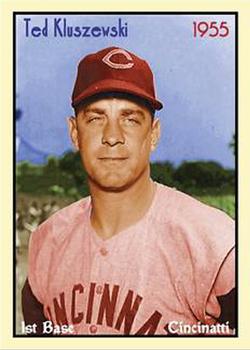
Ted KluszewskiWhile I was only seven when the National League clubs split but I was fortunate to have seen games in all three of the New York stadiums at the time, Ebbets Field, the Polo Grounds and Yankee Stadium.  These trips made such an impression on me that to this day I remember details of those games and more specifically the players who participated. When I saw the Redlegs at Ebbets Field, Ted Kluszewski played first base for the visitors. Third baseman Eddie Yost was the best player on the Washington Senators team that I saw in Yankee Stadium. Ernie Banks was the Cubs first baseman when I saw the Chicago infield make two errors on the same play and allow Willie Mays to go all around the bases on a ground ball. I saw the Cubs play the Mets a few weeks ago and I have no idea who played first base.

In fact none of the players I have watched in the five decades that followed ever achieved the heroic stature of the players in the 50’s in my mind. Ask me who was the best centerfielder in the history of baseball and I still think the choices are Duke Snider, Mickey Mantle or Willie Mays. The news media at the time wrote about baseball in terms of who won, who had the winning hits and who was the winning pitcher. We didn’t necessarily know about who took drugs, who cheated on their wife or who defaulted on their taxes. No doubt the players in the 50’s weren’t actually better people than modern day players, but we had the luxury of picking our favorites based only on their on-field performance.

Baseball itself was a lot more child friendly than it is now. Big games, including the World Series and the All-Star Game were played during the day. I remember watching World Series games on a TV set up in front of my 5th or 6th grade classroom.  Saturday and Sunday games were always played during the day and most Sundays had doubleheaders. Not the kind of doubleheaders they have today where they try to squeeze you for two admissions, but rather back to back nine inning games with a 20 minute or so break in between.

As long as you could get to the stadium, you could get in. The bleacher seats I sat in to see the Yankees and the Senators cost $1. The leagues had a system of indentured servitude at that time which prevented free agency, so you generally got to see the same players year after year and usually didn’t have to face the emotional conflict of seeing a former favorite player in the uniform of the team you hated most.

Their records have been broken. Their accomplishments surpassed. Yet I never quite got over the thought that no one could smack home runs like Mickey Mantle, patrol centerfield like Willie Mays, hit like Stan Musial or strike batters out like Don Newcombe.

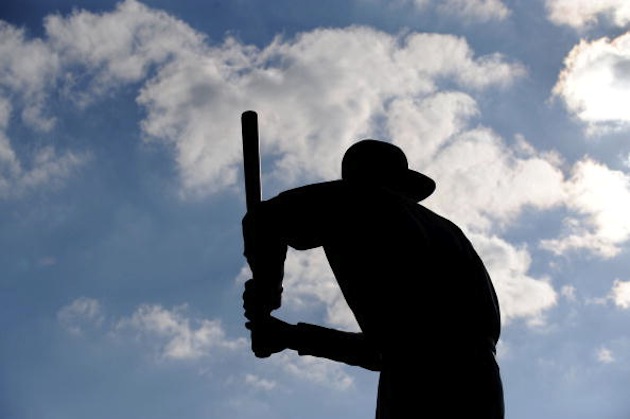
Los Angeles Dodgers v St. Louis Cardinals, Game 3

Next week’s post will be about coming of age, something that me and the Mets did at the same time.

See also A Baseball Fan Memoir – Introduction.

Posted in Baseball, Sports | Tagged , , , , , , , , , , | 4 Comments

A Baseball Fan Memoir – Introduction

I always thought there were two kinds of baseball fans. The traditionally more charming of the two is the person who is born into fandom of a certain team because of who his or her parents root for and where they live and then continues to support the home team forever.

The second is the bandwagon fan. This individual is wowed by high salaries, marquee names, championship banners.  Usually this involves the Yankees or the Red Sox or maybe the Dodgers.  The Phillies had a lot of fans a few years ago and sold out every game. Now the Phillies don’t have so many fans. Wonder why?

The only problem with my theory is that I don’t fit into either category. While I’ve been a fan of the Mets consistently since they were formed, I’ve also been a fan of several other teams as different times and it can’t be explained by either heredity or celebrity.

Sometimes my baseball preferences clearly reflected where I was in life. That is what this series of blog posts in about. It’s about my childhood heroes, about coming of age at the same time my favorite team did, about learning the joys of watching baseball games in places other than New York. And it’s also about growing disillusioned with the influence of money on the sport.

I’ll be posting these stories weekly between now and the start of the World Series.

Posted in Baseball, Sports | Tagged , , | 2 Comments

Take Exit 0 for America’s Oldest Seaside Resort

Cape May

Cape May beachAs numerous comedians have pointed out, in New Jersey we often refer to where we live by our exit number (I’m 151). The Garden State Parkway runs the length of the state and if you hit Exit 0, you are as far south as you can go. At the southern tip of the state is Cape May, a town of less than 4,000, which on a summer weekend may be home to as many as 40,000.

Cape May beach

Cape May is generally considered the country’s oldest seaside resort. Visitors, mostly from Philadelphia, began arriving there in horse-drawn wagons in the 1760’s. They came in larger numbers by the 19th century as two railroads began serving the Cape.

The heyday of Cape May as a resort was in the mid-1800’s. It attracted visitors from the northeast corridor between New York and Washington and its reputation was enhanced by visits from prominent Washingtonians. A parade of presidents including Lincoln, Grant, Arthur, Buchanan and Hayes all spent some time there.

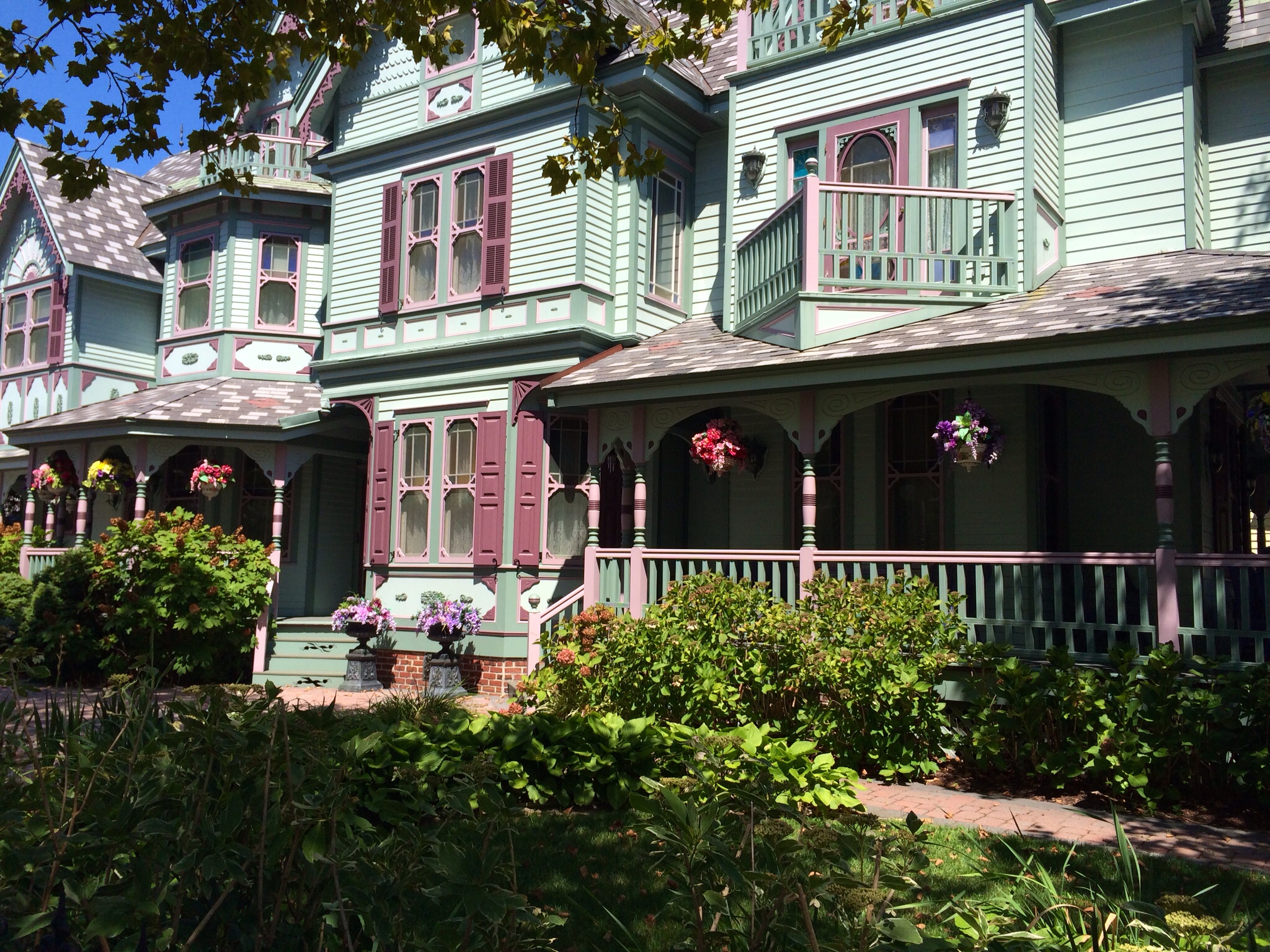
In 1878, a five day long fire destroyed 30 blocks of Cape May including the large beachfront hotels which were the primary destinations of 19th century beachgoers. As the town was rebuilt, these large-scale resorts were often replaced by smaller inns and cottages. Built in the style of that time, this reconstruction is what gave Cape May its reknowned Victorian character.

Cape May Victorian

Cape May Victorian


Cape May VictorianCape May street


At the beginning of the 20th century Cape May was eclipsed by Atlantic City as the playground of the rich and famous. What evolved was a greener and quainter beach town. A resort with an historic look and a small-town feel.  In the 70’s it was named a National Historic Landmark City, the only whole city to have been designated as such.


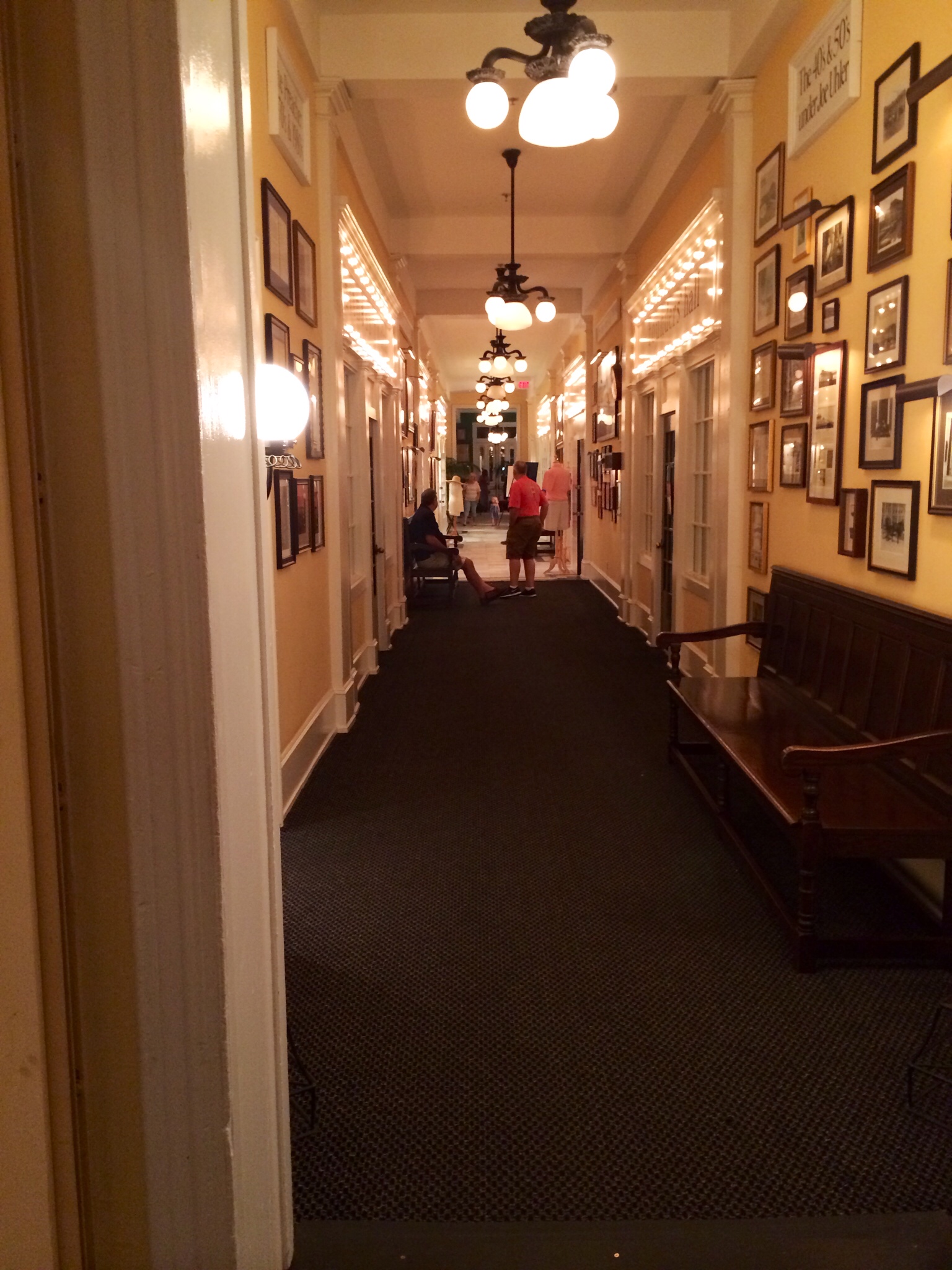
Congress Hall

Congress Hall

In two years Congress Hall will celebrate its 200th anniversary. Built in 1816 it was originally called Big House by its proprietor Thomas H. Hughes. The locals thought it was too big to succeed and called it “Tommy’s Folly,” a name that currently adorns the hotel’s coffee and gift shop. Hughes later was elected to the House of Representatives in 1828 and it was then that he re-christened the hotel Congress Hall. Presidents Buchanan and Grant stayed there and during the administrative of Benjamin Harrison it was known as the Summer White House.

Like the other 19th century beachfront hotels, Congress Hall was destroyed in the 1878 fire. It was replaced by a brick structure that reopened in 1879.

The hotel had its ups and downs in the 20th century. Plumbing was installed in the 1920’s but it was closed during the Great Depression and fell into disrepair later in the century. New owners embarked on an extensive renovation that was completed in 2002 and it is once again a truly grand destination.

Congress HallCongress Hall


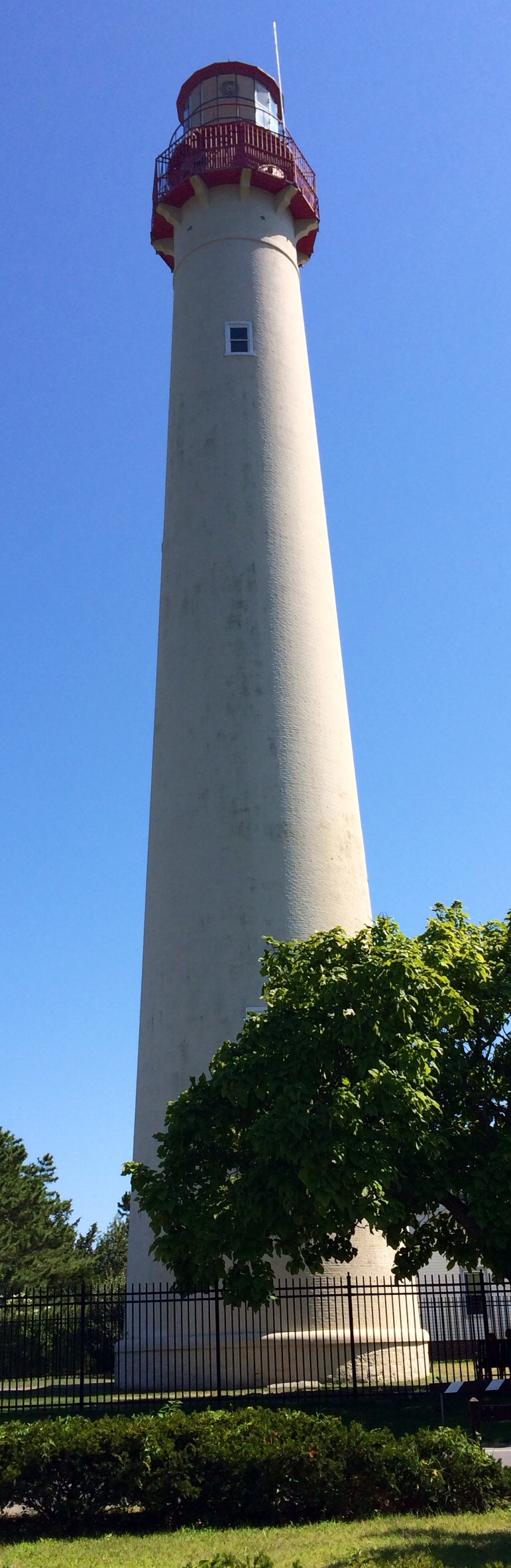
The Cape May Lighthouse

View from a porthole inside Cape May Lighthouse

View from a porthole inside Cape May Lighthouse

01436492c0742494b69dbe34e3e1f9483d2f5cd901


This is the third lighthouse to be built at Cape May Point. The first in 1823 was sucked up by beach erosion. A replacement was built in 1847, but not very well, and it crumbled. The current structure, built in 1859, is solid as a rock and its beacon is still used as a navigational aid.


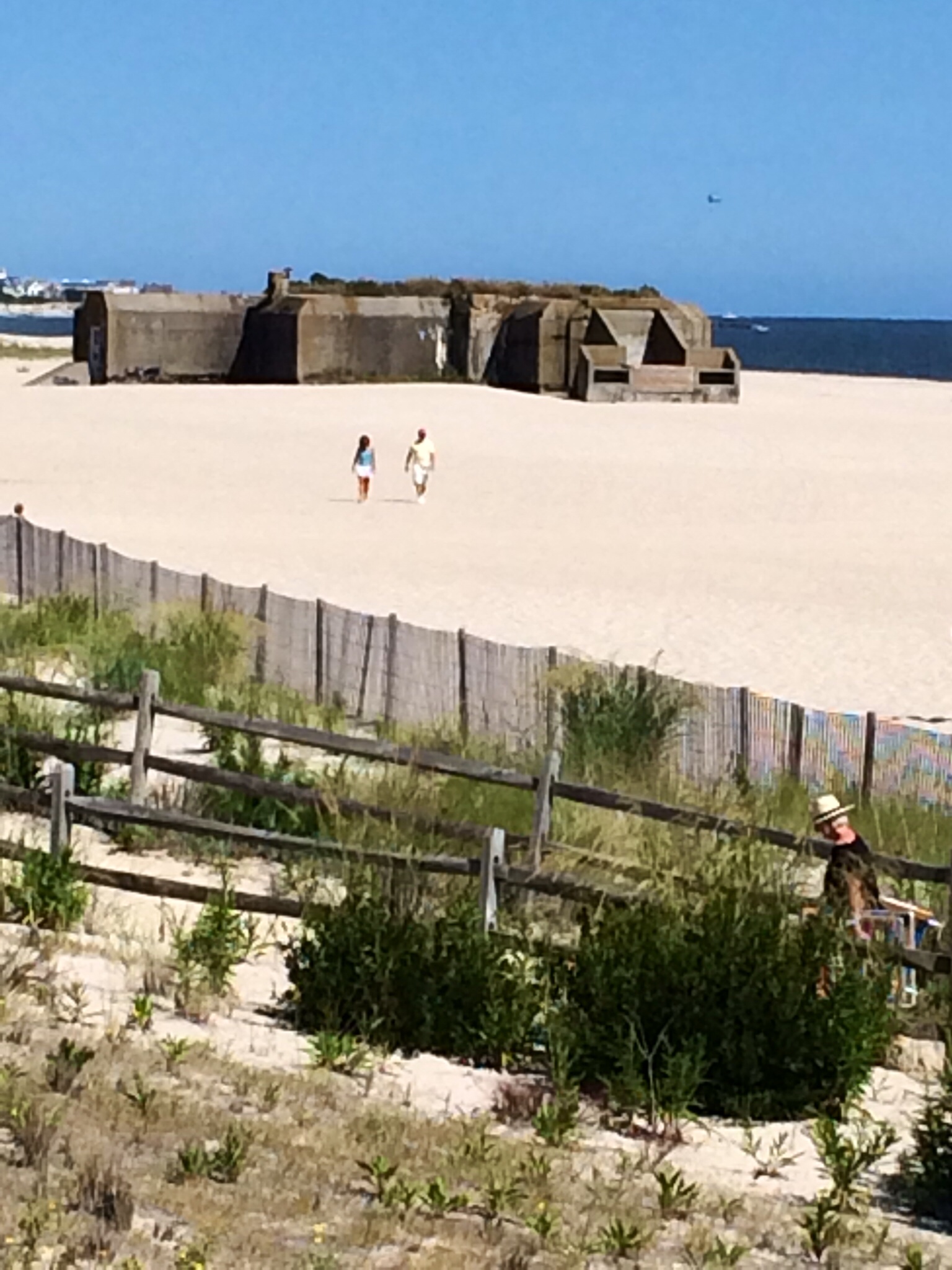
World War II army bunker built in 1942 as part of Harbor Defense Project. In Cape May Point State Park

World War II army bunker built in 1942 as part of Harbor Defense Project. In Cape May Point State Park

Posted in History, Travel | Tagged , , , , , , , , | 26 Comments

What I Read (aka The Content I Consume)

I start each day with the expectation of getting around to a pretty full list of news and information. Or, to put it in more modern vernacular, I expect to consume a lot of content.

I approach this task armed with a full stockpile of devices: a smart phone, an iPad, a laptop and a desktop. I also have at my disposal the complete suite of legacy devices including printed newspapers, an assortment of magazines, a couple of televisions and car radios and a mountain of both read and unread books, the black ink on white paper kind, mostly purchased in person after browsing the shelves of a bookstore.

From Tattered Cover bookstore, LODO branch, Denver

From Tattered Cover bookstore, LODO branch, Denver

Bearing in mind that I don’t have a full time job and don’t go into an office or work site every day, I have more time to devote to this than most. But I don’t even come close. Here’s the list:

Newspapers — I get the New York Times delivered on weekends and the local weekly in the mail. My iPad newstand includes the Times, the Washington Post, the Guardian and the Wall Street Journal, I have the AP app downloaded and nj.com bookmarked. In addition I get alerts from the Journal. Realistically the only one I get to daily is the Times and I mostly read it on my iPad with morning coffee. I’d really like to take a look at the AP app ever day, especially the “editor’s choice” photos, but it usually passes me by.

Email newsletters — I like these and get a lot of them. For the most part they are lists of headlines. I probably spend 10 seconds on each unless I find things I want to read. The two that most often draw click throughs from me are NJ News Commons “Must Reads” and CommPro.biz. I spend up to 15 minutes on each of these daily. I also get, in order of interest,  Digiday Daily, PBS MediaShift Daily,  Editor & Publisher,  Mediabistro’s PR Newser and 10,000 Words, Network World, Ad Age Daily and Media Buzz, Today on the Hub, MLB Morning Line, Internet Week Weekly Dose, and Bulldog Reporter’s Daily Dog (increasingly worthless),  I also get weekly book related newsletters from Watchung Booksellers and Goodreads. Collectively I might click on about 10 stories a day from this group.

Social media — I have accounts on Twitter, Facebook, Linked In, Tumblr, Google+, Pinterest. I use all of them to try to drive traffic to Off the Leash, but Twitter and Facebook are the only ones that I monitor (almost) daily. I use Twitter for news and information and in addition to following many individuals, I follow NY Times, HuffPo, Yahoo Finance, BBC Politics, NJ News Commons, the New Yorker, CJR, Poynter, Search Engine Land, Mashable, Harvard Business Review and probably many others that I can’t think of at the moment. I don’t follow brands or publishers on Facebook because the way they’ve jerry-rigged their newsfeed doing so buries the personnel posts from friends which are really the reason I look at Facebook. The one exception is NPR. I follow NPR News, Music and Books. Most of my social media scanning is done via mobile during brief moments of idleness like waiting on line at the grocery store.

Blogs — I probably read 5-10 blog posts a day. I am a member of a blogger group on Linked In and I try to read the posts from all other members.  I also follow a few dozen other WordPress bloggers. I would like to explore more and find new blogs but I can barely keep up with the ones I already follow.

Magazines — There are a handful of magazines scattered around my house including Wired, E&P, AARP, New Jersey Monthly and Mother Jones. I often set these aside to read but almost never get to  them.

Radio and Television — Entertainment. Other than the occasional traffic and weather update I listen to radio for music and watch TV for live sports.

My daily content consumption expectation is thus invariably unfulfilled. There is an overwhelming flow of information at my fingertips that I can’t possibly absorb. How does this impact me?

For one, my attention span is fried. I can be reading something and will lose interest in the middle, start to skip around and eventually click off. Since most of this is delivered and read electronically I am always subject to alerts or notifications which will divert me elsewhere, sometimes never to go back to what I was reading.

I’ve become intellectually restless. Bits and pieces of downtime, waiting for my food at a take-out counter, waiting at a railroad crossing, waiting for someone to get out of the bathroom, find me reaching for my phone and reading, browsing, clicking.

But I’ve also learned to savor some dead time that I used to find tedious or boring. A plane or train ride, waiting in the music studio for my son to finish his piano lesson, is now less about waiting and more about unplugging. That’s when the aforementioned mountain of hard print books come into play. I can sit and read without the distraction of electronic content chaos.


Posted in Digital publishing | Tagged , , , , , , | 3 Comments