Growing Up in the 50’s: Ode to the Y

I was probably about six the first time I was sent to a summer day camp. I was enrolled in a place called Camp Belle in Totowa. It was at an open piece of land where there was a pretty substantial swimming pool. That was the key to my enrollment because what my mom wanted to happen at summer camp was for me to learn to swim.
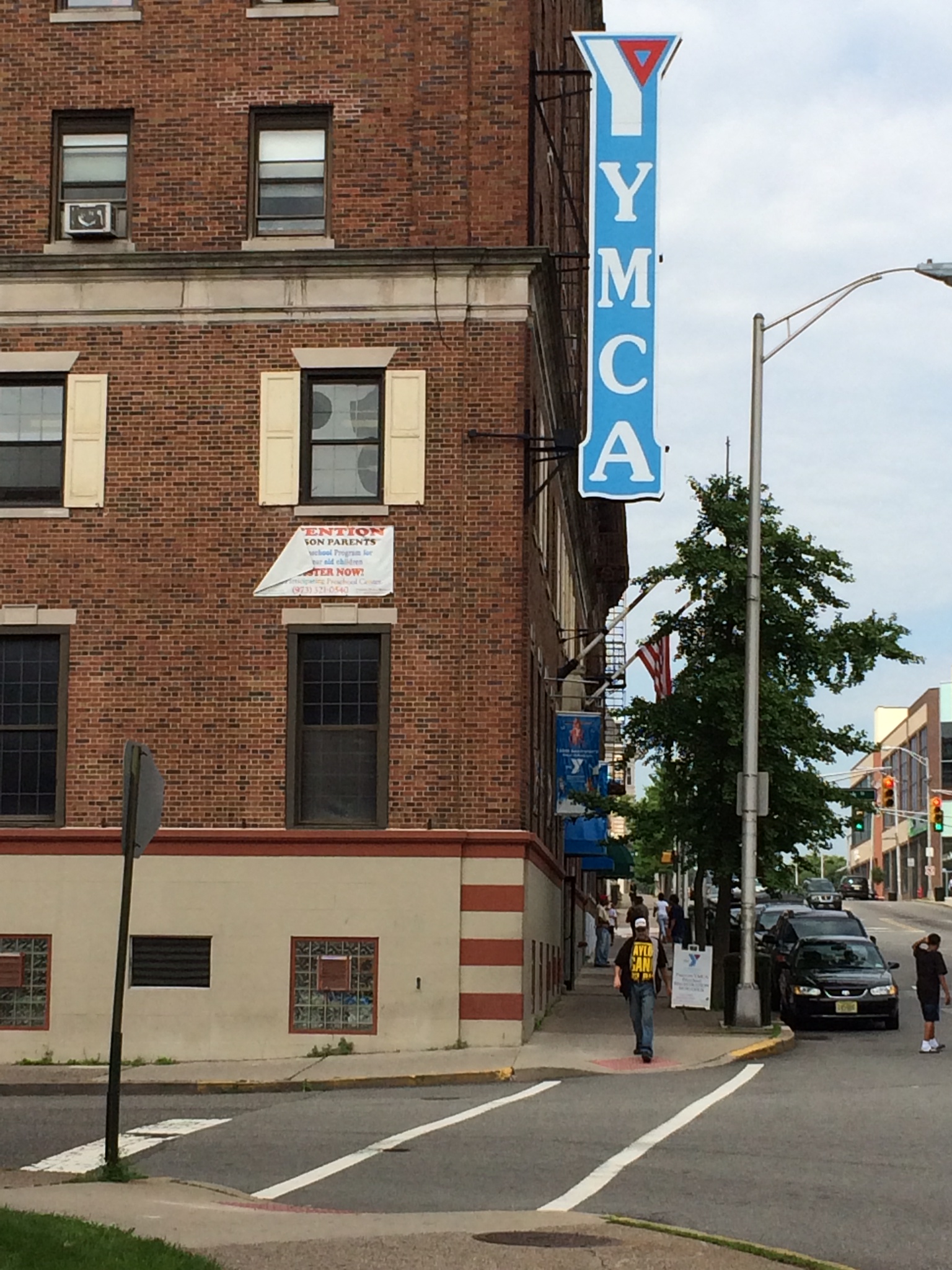
The Paterson YMCASo off I went. On Friday, at the end of my first week, my mother wanted to know what I had learned. I duly reported that they taught me how to blow bubbles in the water. She was infuriated. That was the end of Camp Belle and by Monday I was at the Paterson YMCA.

Turns out that was one of the best things that happened during my childhood. Here are some reasons why.

I learned how to swim. Probably the first week. We were in the water all the time and there were trained instructors rather than high school kids with summer jobs. Nobody left the Y day camp without knowing how to swim.

I met kids from different backgrounds and different places. I had no contact with black or Hispanic kids in the town where I lived. All I knew about them was the vitriol that spewed from my father’s mouth. At the Y I learned pretty quickly, as I believe most kids do, that being with people from different backgrounds who have had different experiences, makes things more interesting and more fun.

I learned to do things that I didn’t know I could do. Flips on a trampouline, diving off a diving board, playing full court basketball in a real gym. It gave me some self-confidence that I didn’t have when I started.
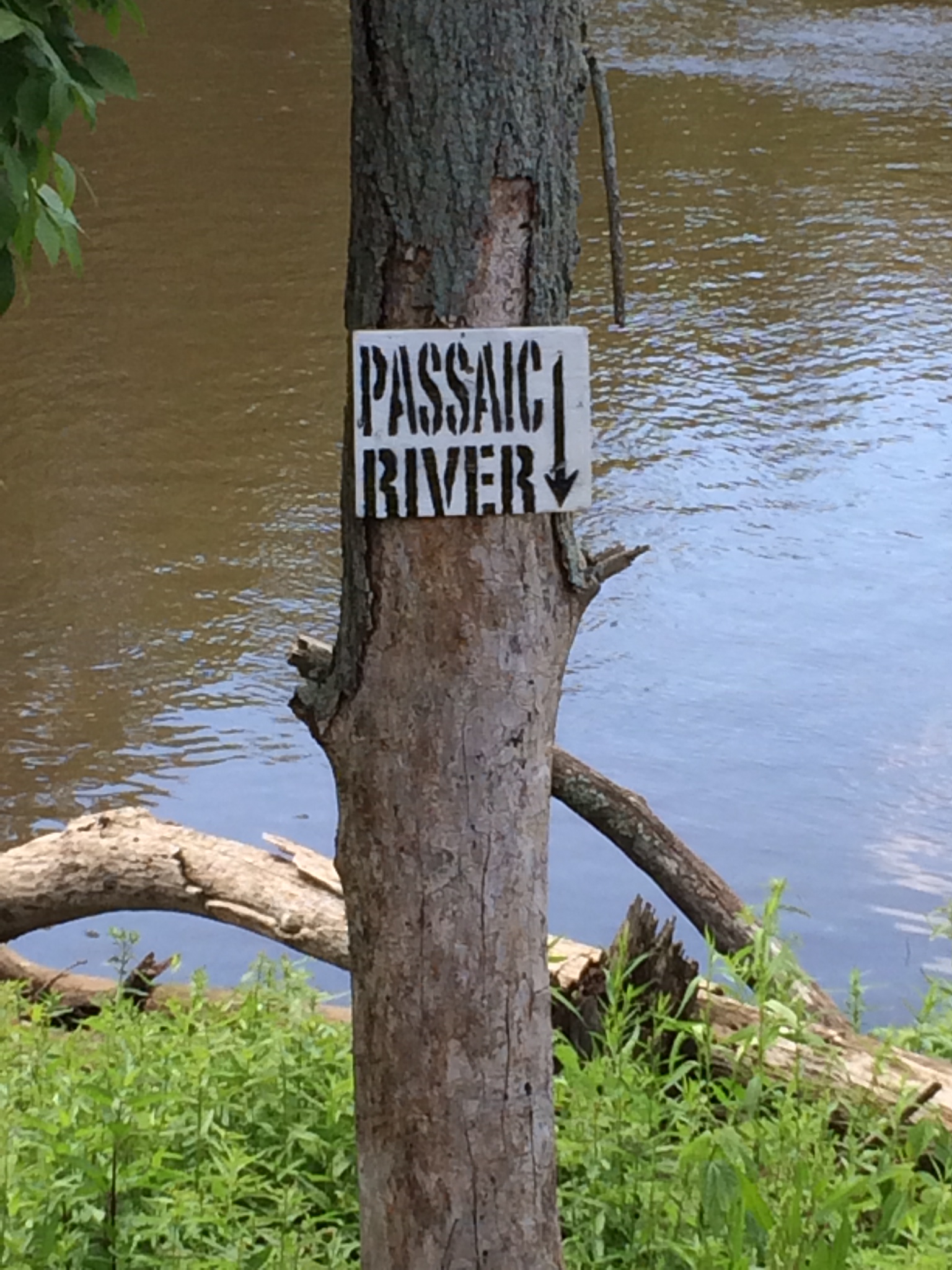
01e0835d0b5198d9a14fa18d3dbf594d810e89ab92And oddly, I had to go to an inner-city YMCA to get to experience nature. On Fridays, we were bused to nearby Garrett Mountain or we took canoes down the Passaic River. We’d stop and swim and swing from the overhanging tree branches. A few years later no one would consider the Passaic, or most of the other rivers in the New York area, to be fit to swim in. So I feel lucky I had that experience.

Now I have a son who is ten. Guess where he learned to swim. And as the summer is about to roll around he will again be going to the Montclair YMCA Camp at the Lake where he will swim, boat, fish, hike and camp. He loves it as much as I did.


Paterson YMCA


Posted in Growing Up in the 50s | Tagged , , , | 8 Comments

Paterson Art Walk 2014

Live Painting of mural at Overlook Park, part of Great Falls National Historical Park

Live Painting of mural at Overlook Park, part of Great Falls National Historical Park

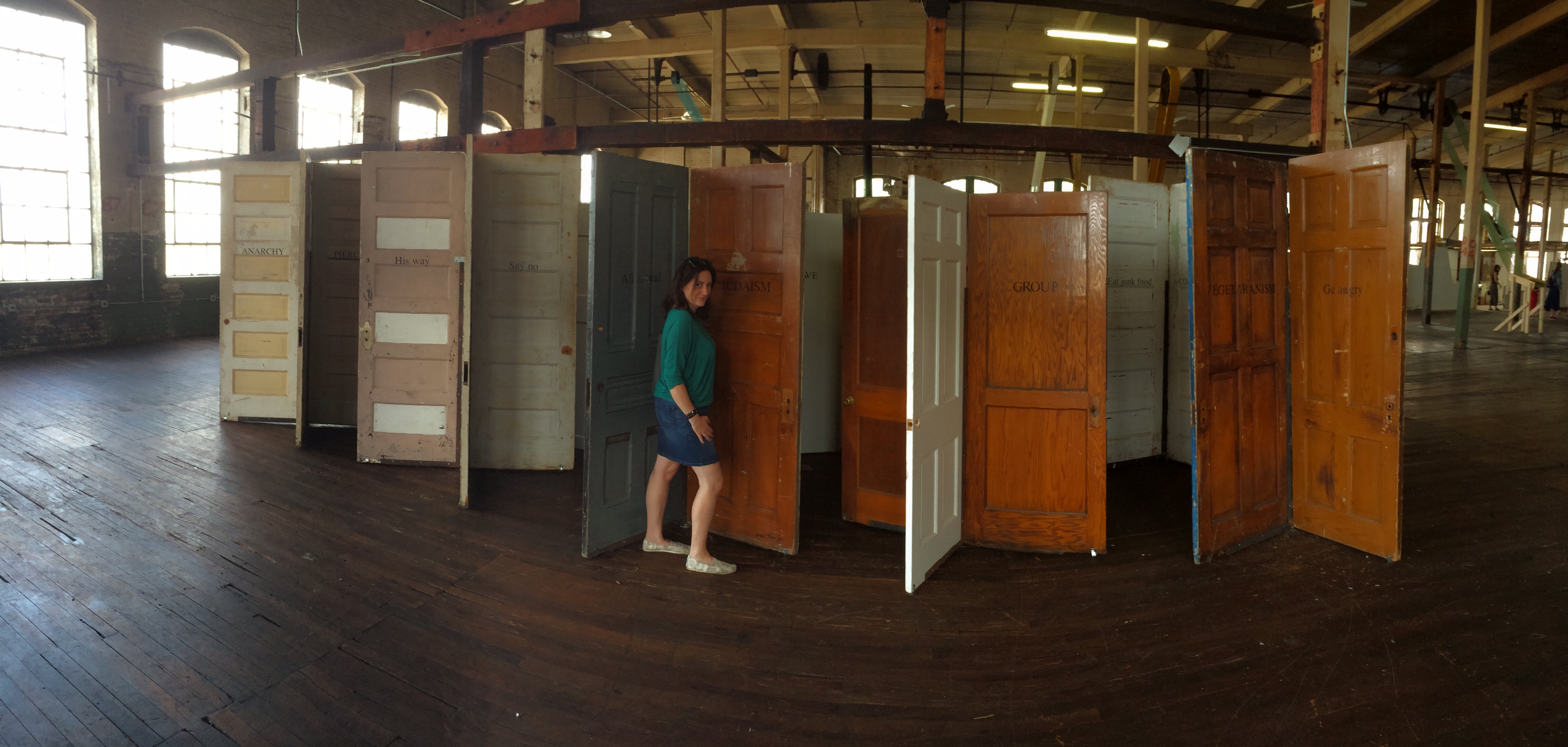
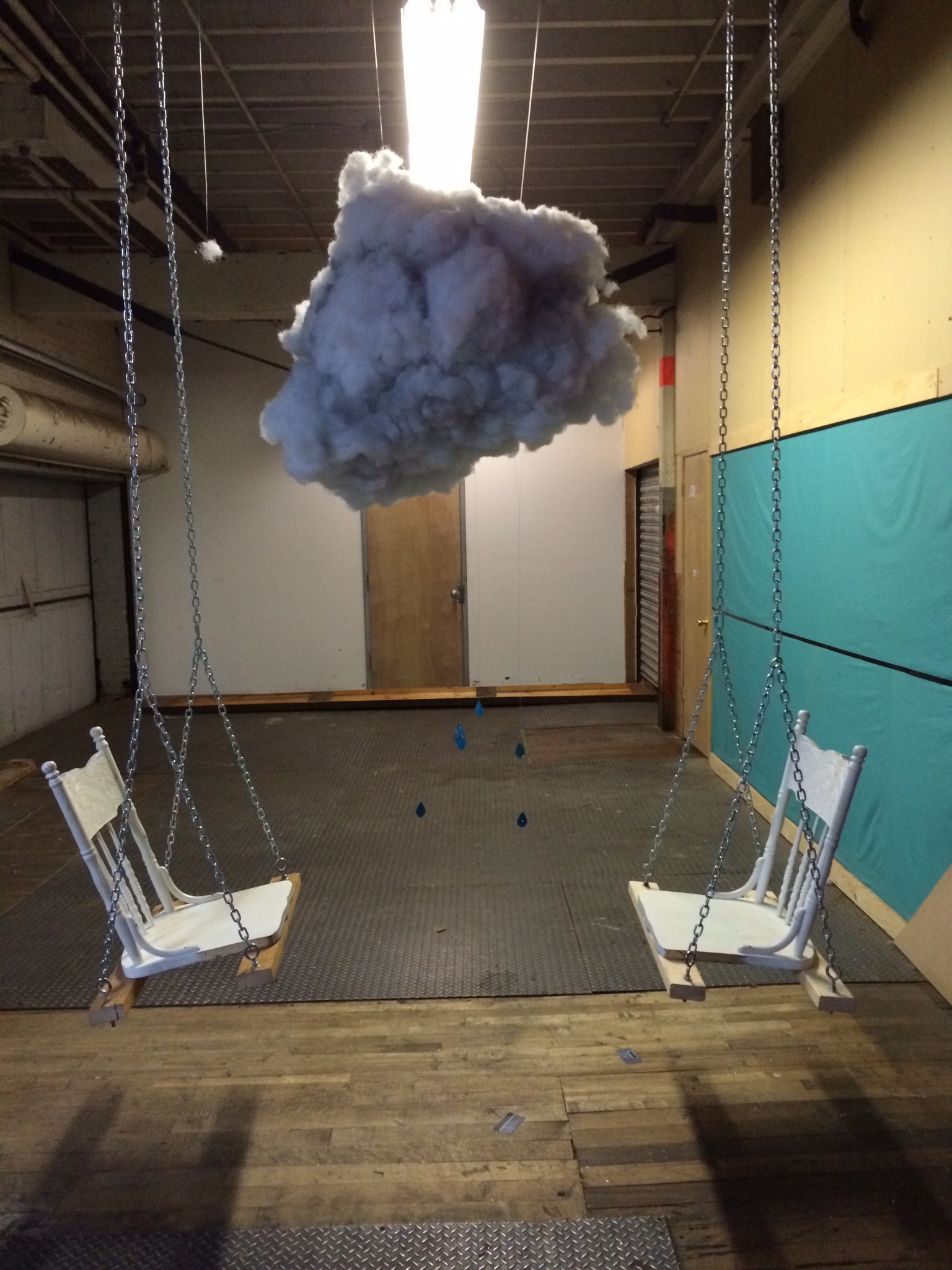
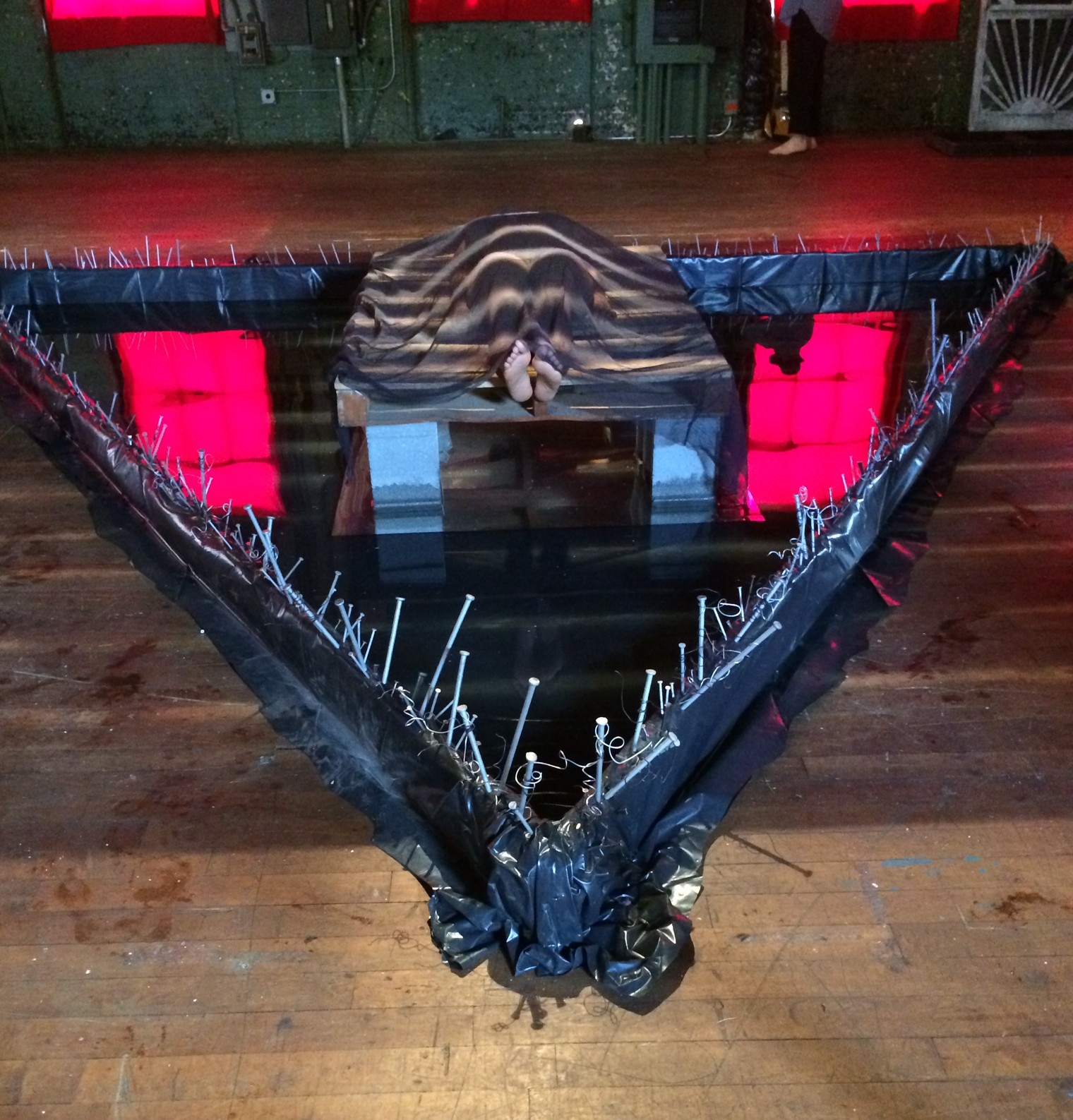
Is this an art installation? YES!

Is this an art installation? YES!

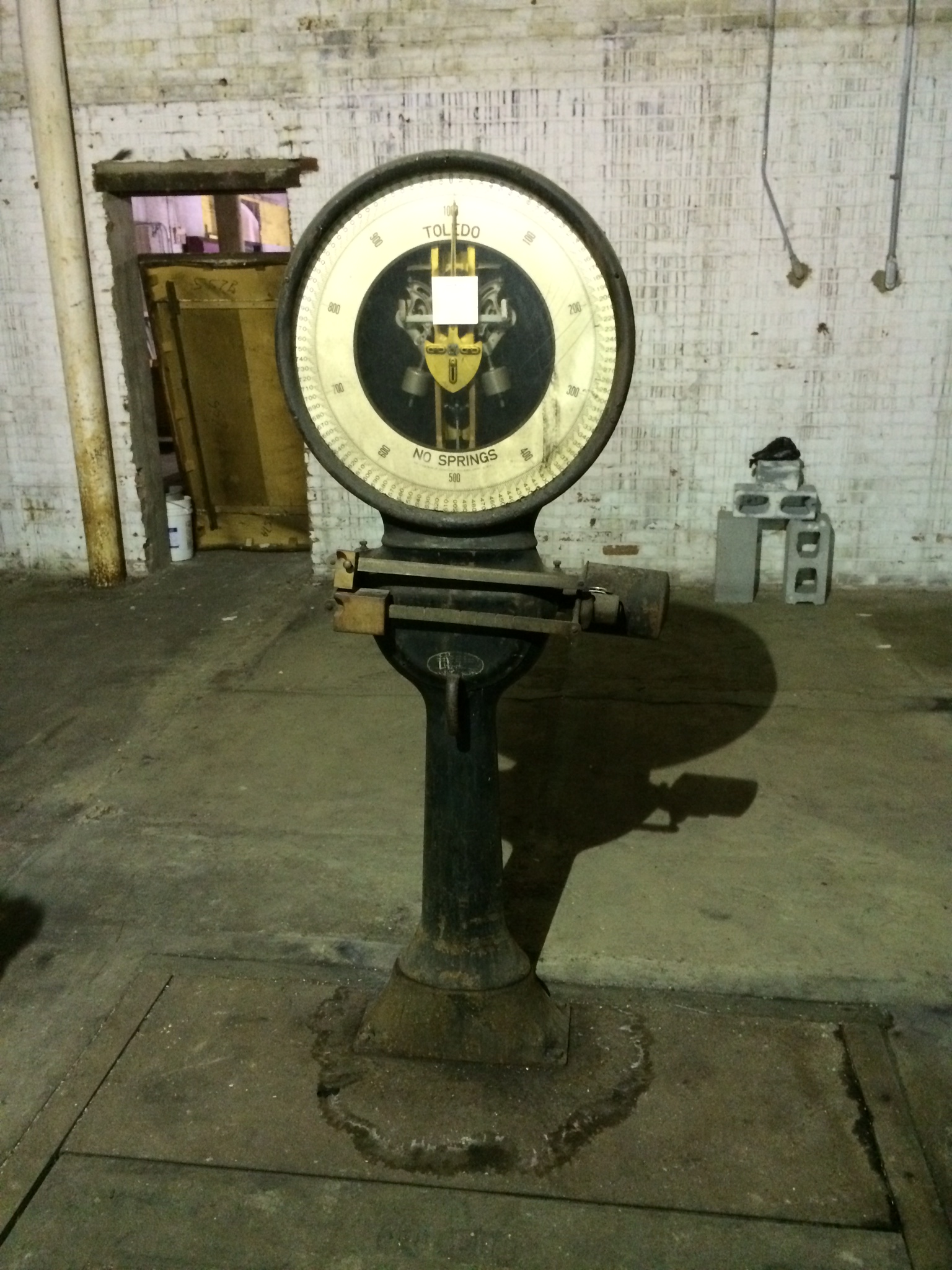
Is this an art installation? NO! It's a scale from Rogers Works at 70 Spruce St.

Is this an art installation? NO! It’s a scale from Rogers Works at 70 Spruce St.

The Elegba Principle, by Willie Cole

The Elegba Principle, by Willie Cole

Frida Kahlo by Beck Lane

Frida Kahlo by Beck Lane

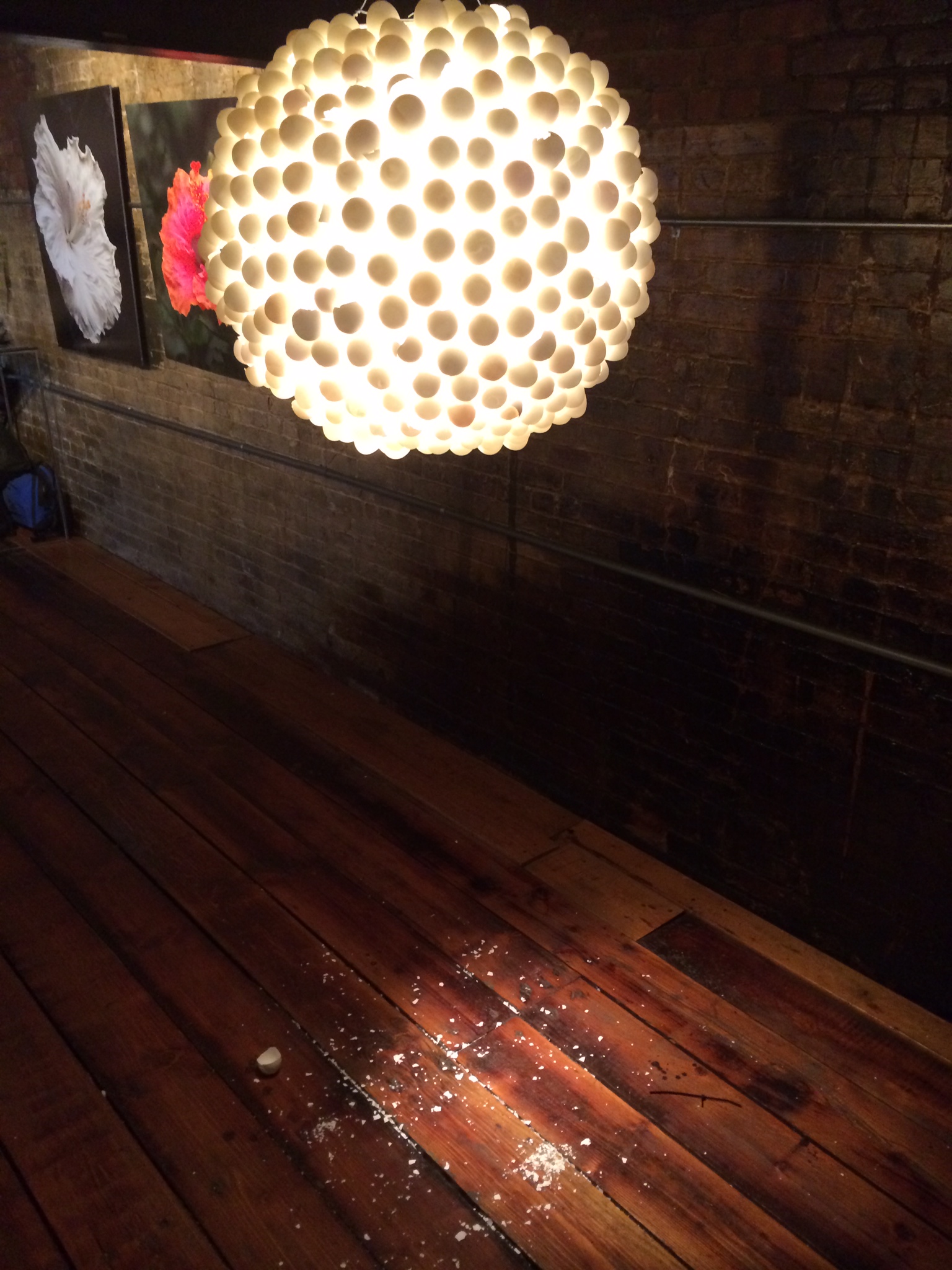
Paterson Art WalkPaterson Art WalkEggshellsPaterson Art Walk

Double Blind, by Elizabeth Seaton

Double Blind, by Elizabeth Seaton

David Gallo Design

David Gallo Design


Posted in Art | Tagged , , | 14 Comments

Growing Up in the 50’s: The American Legion

My father was a sucker for joining organizations. He was a Shriner. He was Mason. He was a Jester. While most of these organizations touted some socially redeeming qualities he was proud of noting that the Jesters had no purpose other than to have fun. I can’t imagine what kind of fun they had but I’m pretty sure it included some alcohol. What most of these organizations had in common is that membership came with a funny hat that you could put pins in.

But in the 50’s one organization held my father’s highest priority, the American Legion. The Legion is an organization for veterans of foreign wars (there is a different organization. VFW, with exactly that name).

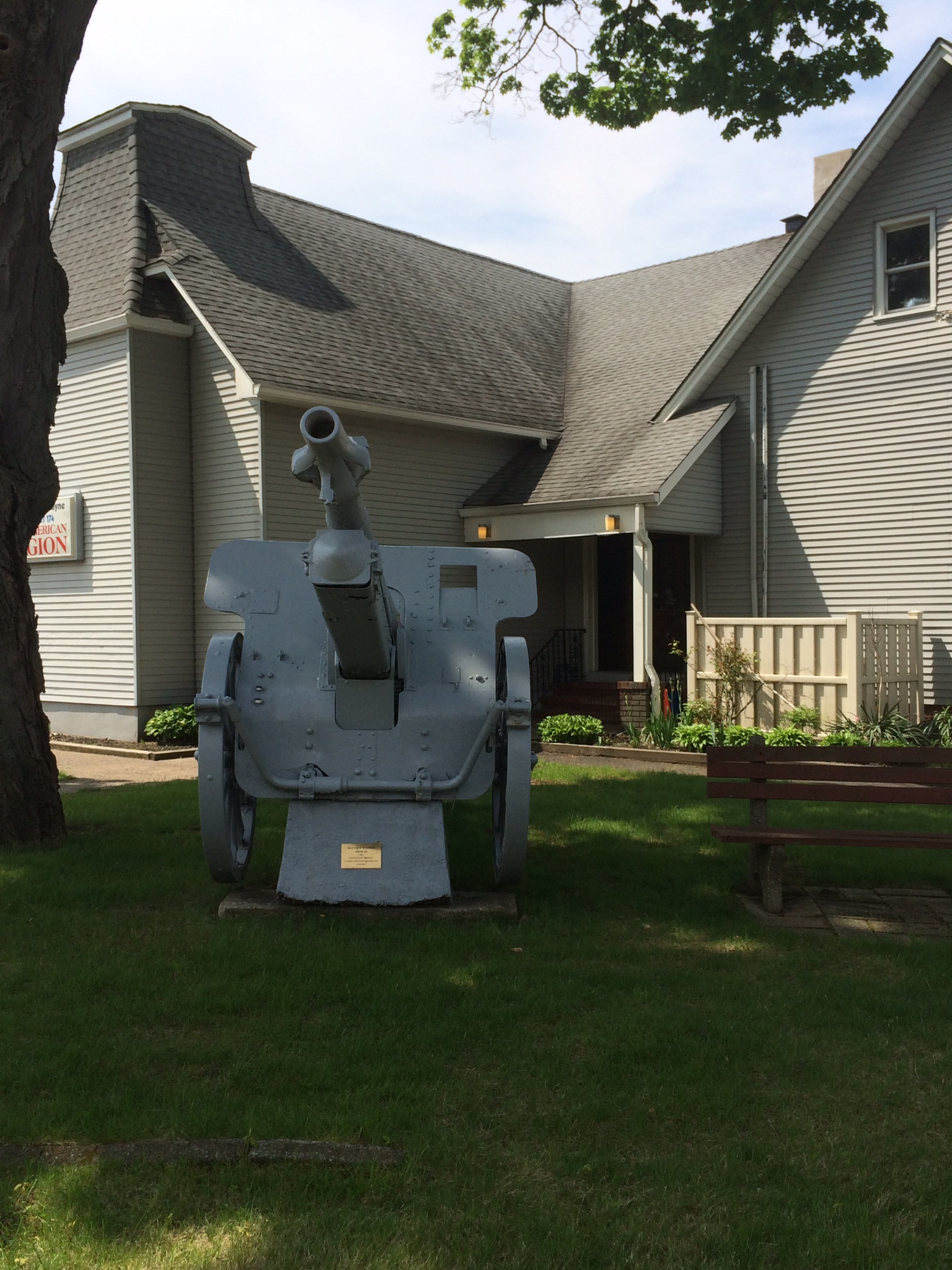
Anthony Wayne American Legion Post

The American Legion describes itself as a “patriotic veterans organization devoted to mutual helpfulness.” It sponsors youth programs like the baseball leagues that you graduate to after little league and Boys Nation, which used to be called Boys State, the avowed purpose of which is to teach “rights, privileges and responsibilities of franchised citizens.” I once interviewed for Boys State but suspect I was rather quickly excluded from consideration for slouching in my chair.

It apparently also sponsors junior shooting sports programs. Don’t know exactly how that’s supposed to fit in the mutual helpfulness category.

But from my immature perspective living with my dad in the 50’s, the American Legion was a bar. It was an exclusive club, the primary benefit of which was cheap beer.

We were a working class family. My dad wasn’t going to be sipping martinis at the country club. But he could be sitting at the Legion hall with a cheap can of Rheingold or Schaefer, and not everyone could do that.

To be a member of the Legion you had to have served overseas during a war. But not just any war. It has to be an official, sanctioned, declared war like, in my father’s case, World War II. I found this out when my father recruited my uncle (I think he was an uncle although bloodlines on my mother’s side of the family were often difficult to ascertain). After all the papers were filled out and my dad came to collect the membership application he spotted a problem. Apparently my uncle did not qualify for cheap beer because he had fought in the Korean War. So if you were part of the military force that invaded some smaller country that we never officially pronounced ourselves as being at war with, that wasn’t good enough to join the Legion. I’m sure that at some later point in time the survival of the organization dictated that if you got shot at in Korea, Vietnam, Iraq or Afghanistan that was good enough even though you might not have been playing by the Marquis of Queensbury rules.

I don’t want to create the impression that my father abandoned the family in favor of draining cans of beer at the Legion Hall. In fact he tried to make Legion membership a full family affair. Unfortunately neither my mother nor I seemed capable of generating enough enthusiasm to really make this work.

For my mother there was the Legion’s Ladies Auxiliary. I’m not that up on what exactly they did but I seem to remember them participating in some type of regimented ritual at the wakes of members or members’ family. My dad served a one-year term as commander of the local post which made my mother the First Lady of the Anthony Wayne American Legion Post. I do not recall her ever mentioning that to anyone. (Anthony Wayne by the way, aka Mad Anthony Wayne, made a name for himself by killing massive numbers of Native Americans.)

For me there was the fledgling drum and bugle corps. My Dad brought me out to the Legion Hall parking lot where the guy who was organizing this handed me a French horn and taught me about three notes over a period of a few weeks. During my short time with the corps we did participate in one parade. We marched but didn’t play because we weren’t ready. Not sure we ever did get ready and if “we” did I was no longer around.

Posted in Growing Up in the 50s | Tagged , | Leave a comment

Wyoming is Beautiful

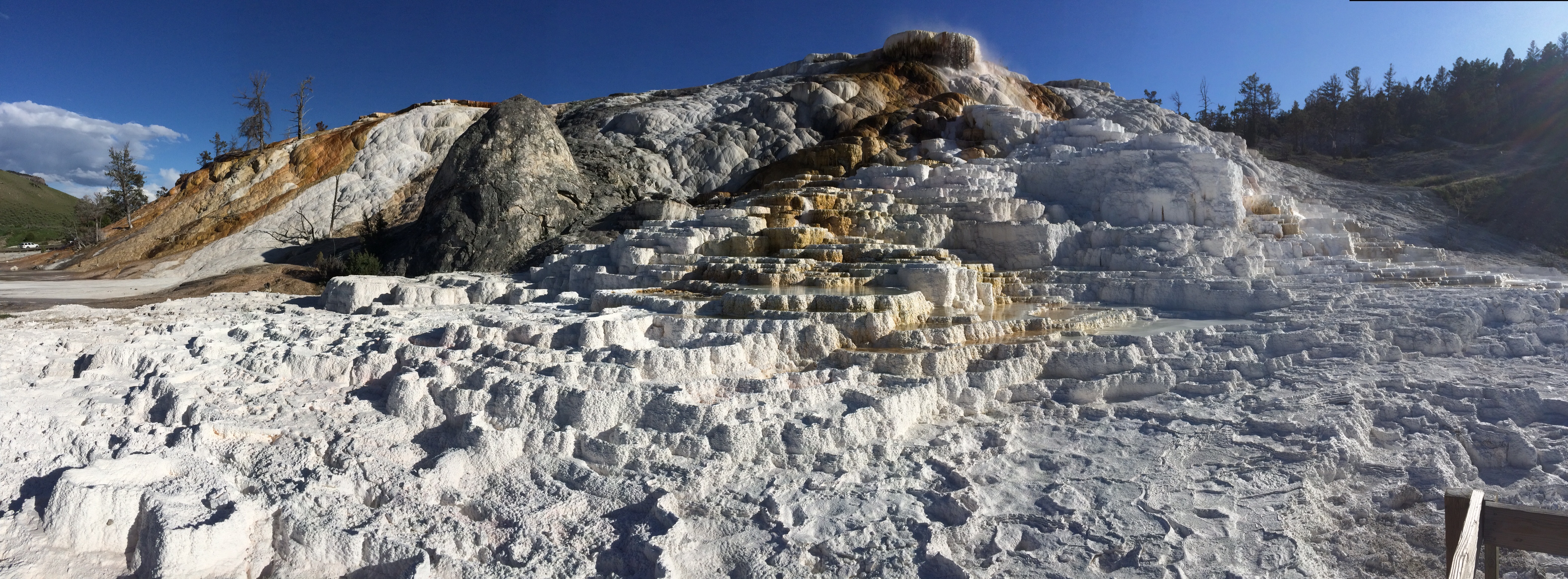
Mommoth Springs

A couple years ago I was waiting in front of a downtown Denver hotel for my car that was valet parked. Another family of three was waiting next to us. As the valets brought up two cars with Wyoming plates, the young girl next to us was looking at us and whispering to her father. He came over and asked, “Are you from Wyoming?” They were disappointed when I explained we were from New Jersey and it was just a rental car with the Wyoming plates. His parting words were, “You should come up to Wyoming sometime. It’s beautiful.” He was right.

Coming into Wyoming with my son Kevin and daughter Juli.

Coming into Wyoming with my son Kevin and daughter Juli.

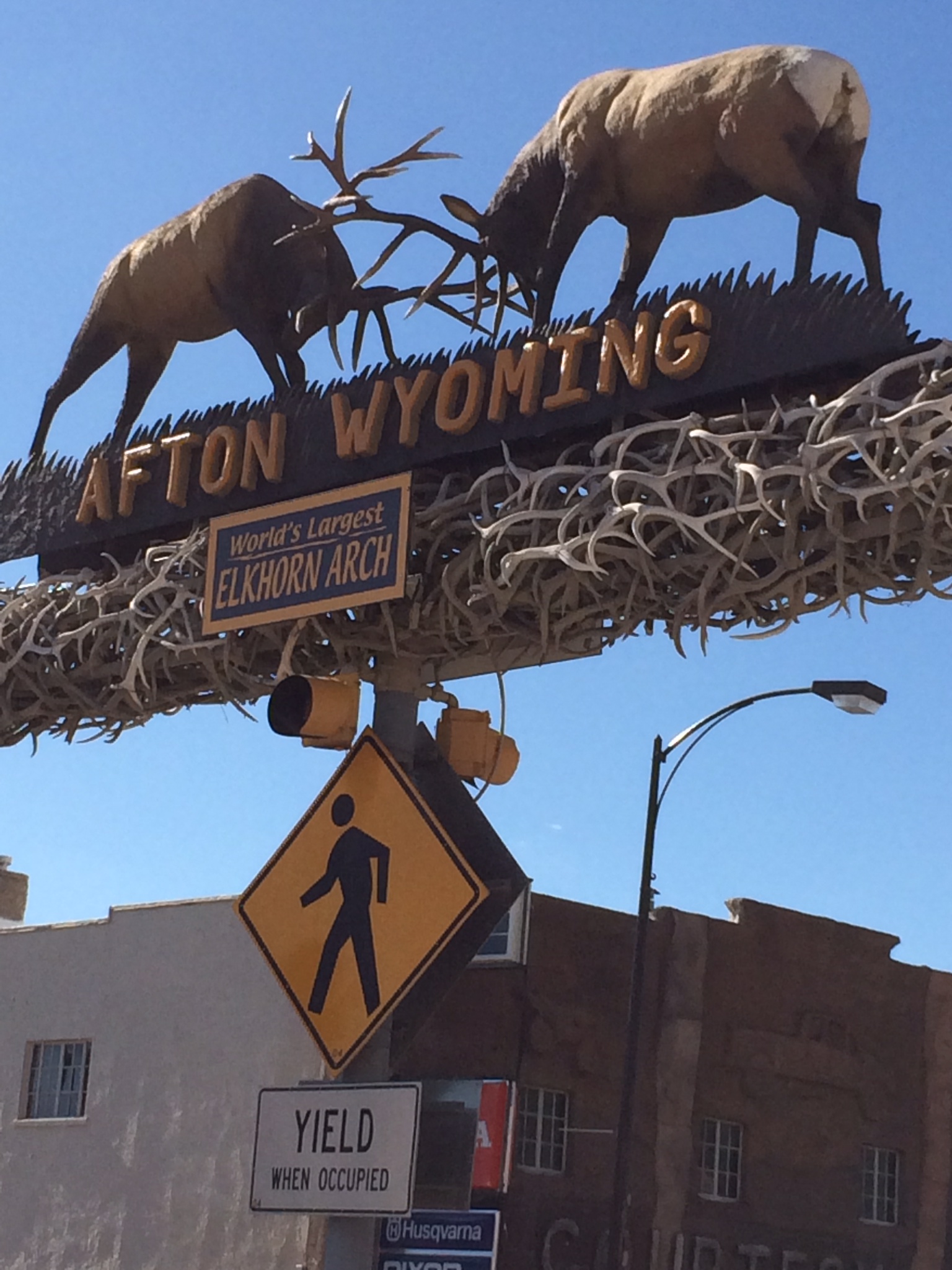
The "world's largest elkhorn arch" atop the main street in Afton, Wyoming.

The “world’s largest elkhorn arch” atop the main street in Afton, Wyoming.

Jackson Hole Ski Resort

Jackson Hole Ski Resort


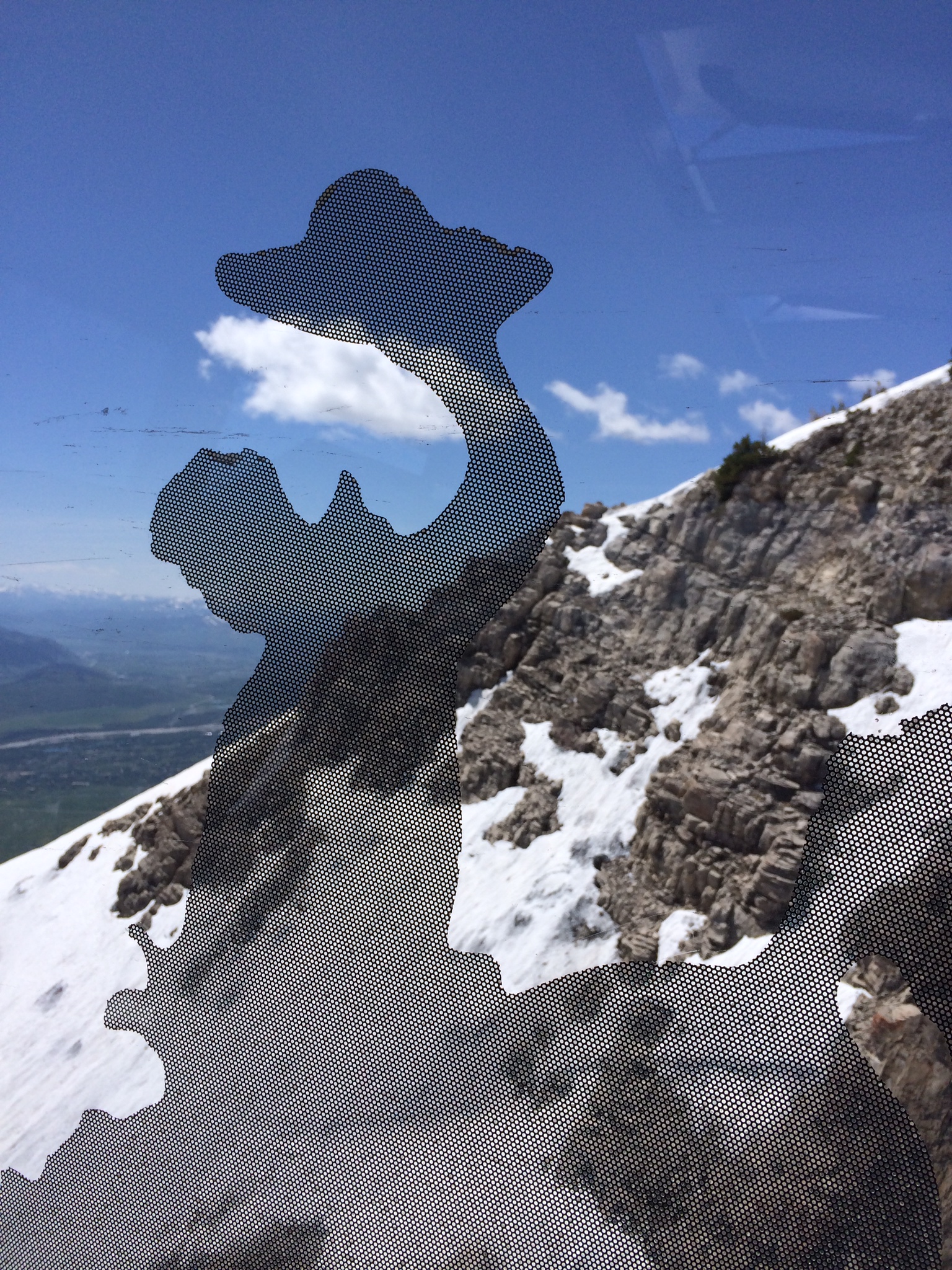
View from Jackson Hole Aerial Tram

View from Jackson Hole Aerial Tram


Grand Teton National Park


Moose habitat

Moose habitat

It's June, but there's still snow on the Talbot Lake Trail.

It’s June, but there’s still snow on the Talbot Lake Trail.

The Tetons

The Tetons

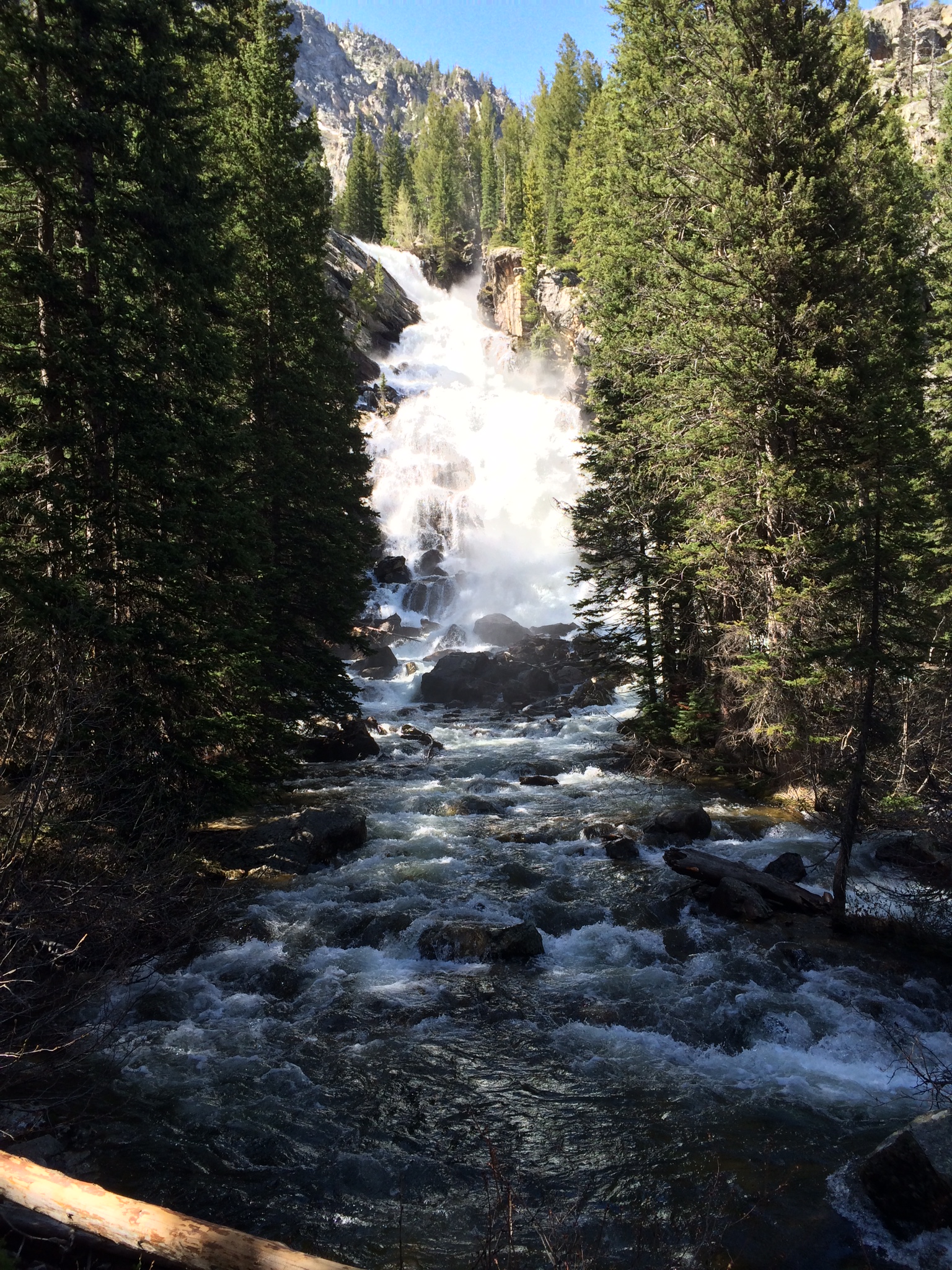
Hidden Falls near Jenny Lake

Hidden Falls near Jenny Lake

Area around Jenny Lake

Area around Jenny Lake


Yellowstone National Park

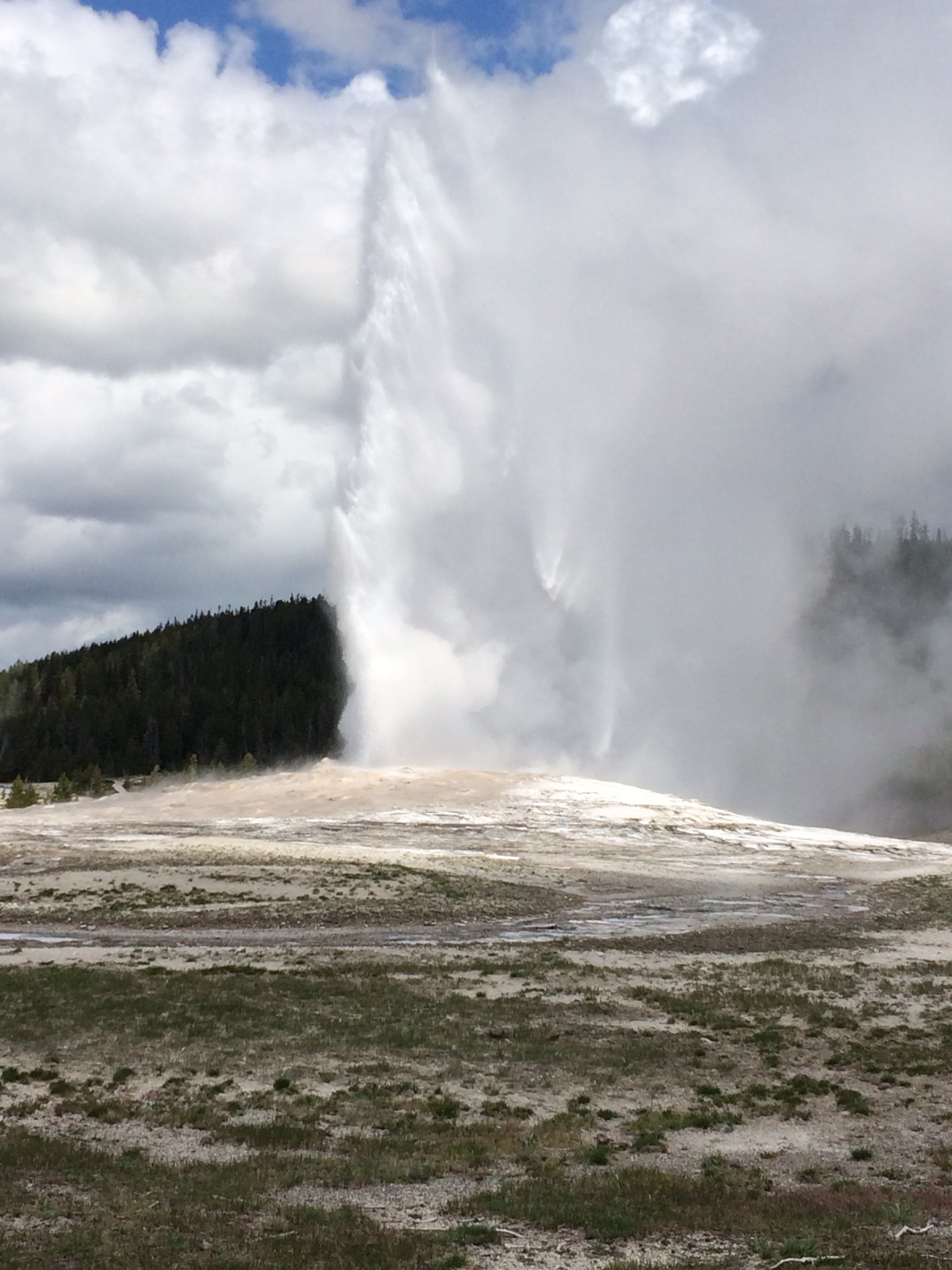
Old Faithful

Old Faithful

Nature's hot tub

Nature’s hot tub

Grand Prismatic Spring

Grand Prismatic Spring

Minerva Terrace

Minerva Terrace

Mammoth Hot Springs

Mammoth Hot Springs

Don't step on the geyser!

Don’t step on the geyser!


Posted in Travel | Tagged , , , , | 1 Comment

Off the Leash Road Trip

Photos by Kevin Dowell

Welcome to UtahWelcome to IdahoWelcome to WyomingWelcome to Montana

Posted in Travel | Tagged , , , , , | Leave a comment

Growing Up in the 50’s: The Corner Store

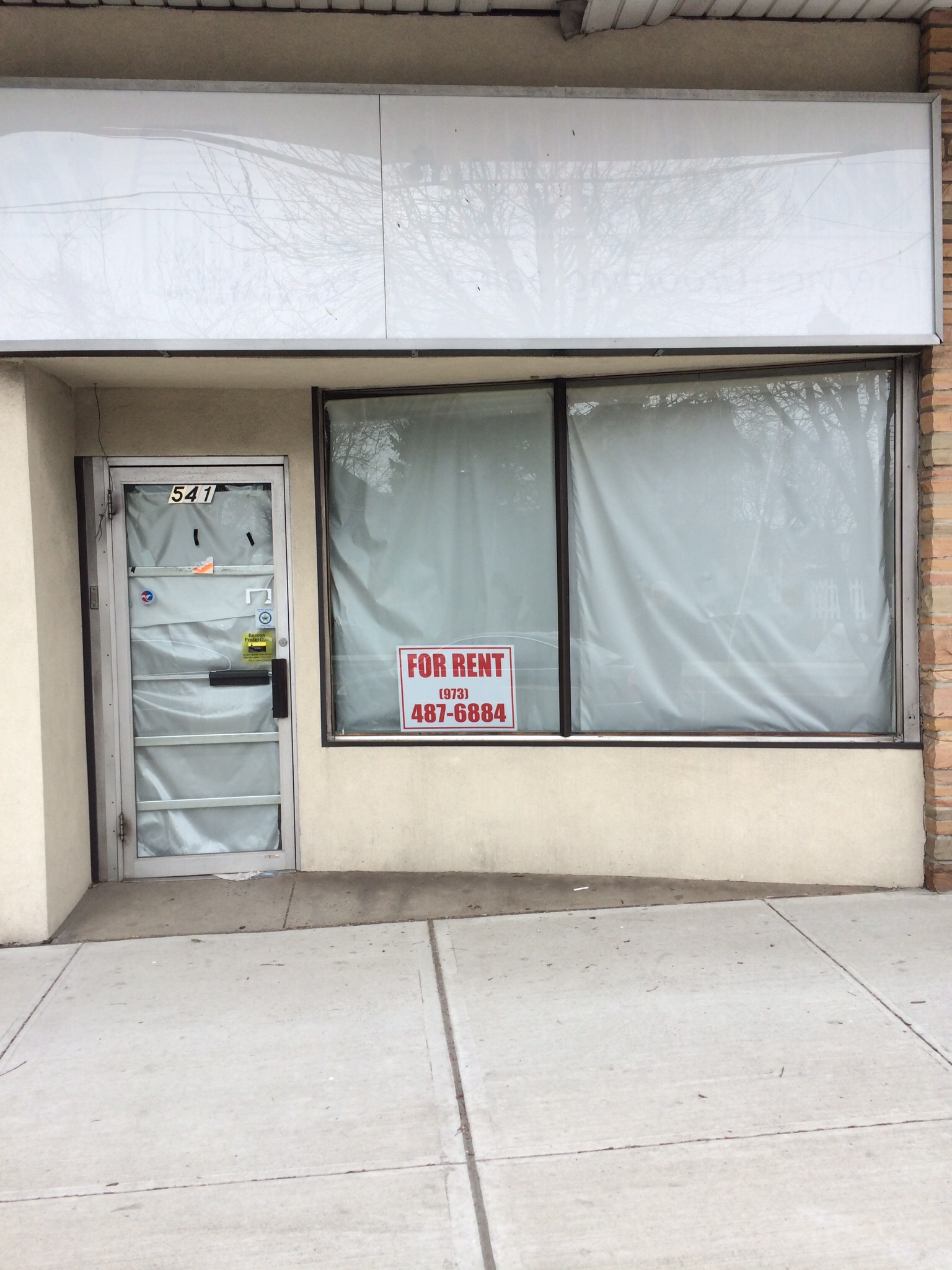
This used to be a corner store.

This used to be a corner store.

so was this

so was this


An institution of 1950’s culture was the corner store. It was a predecessor to the modern day convenience store and somewhat similar to the urban bodega.

The corner store invariably had a counter up front with the cash register where they sold cigarettes, candy and small items like batteries or film. An important stock item during my childhood was baseball cards. There would be a soda fountain/lunch counter that usually served sandwiches, often hamburgers and grilled cheese, ice cream and fountain drinks, the most popular of which was the egg cream.

There would also be a full magazine and newspaper rack and shelving units that would include stationary, toys and greeting cards. The stationary was probably on a shelving unit that would be six feet wide with about four levels. Yet I can’t ever remember going to get something and having it not be there. Can’t say that about Staples.

The toys would always include small items which were standard gear for us like a yoyo and the small pink rubber balls that we used to play handball against a school wall. Another popular item was plastic models of cars and airplanes. You could buy the glue off the shelf then too since we used it to hold the pieces of the models together rather than to get high.

There were miscellaneous random items too numerous to mention but basically you could go to the corner store for just about anything other than furniture or groceries.

These types of stores still exist but there are probably only about 10 or 20 percent of the number there were in the 50’s. Most have fallen victim to the onslaught of Wal-Mart, Staples, strip malls and megamalls.

In the immediate neighborhood where I grew up, say a six-block radius, there were three corner stores. They were all literally mom and pops. Sometimes it almost felt like the proprietors were our moms and pops because the men and women behind the counter were not just selling us baseball cards, they were our neighborhood watch, our babysitters and supplemental educators. Each was a hangout for mostly elementary and middle school kids with each store attracting its own click. No one ever chased us away.

I remember two stories that demonstrate the role that these stores and the men and women who ran them played for neighborhood children.

One of the corner stores I visited was Balkan’s. Mrs. Balkan worked there and I believe was the only one who ever worked there. One day I walked to Balkan’s to buy a newspaper. Unbeknownst to me it was during a New York newspaper strike so instead of having 10 or so newspapers on the rack in front of the store there was only a couple. I picked one up, walked into the store and made some flippant childish comment about how there weren’t many choices today. Mrs. Balkan sat me on a stool at the lunch counter and explained the strike to me. She then told me that the Herald-Tribune, which was the paper still being published, was a fine newspaper that I should be happy with.

There was another corner store, the name of which I can’t remember, that was closer to my grammar school and thus was where I gravitated to during school lunches and after school. Once a week my mom would let me buy lunch there. The standard was a hamburger and a chocolate egg cream. One day, without thinking, I walked out without paying. I was probably in third or fourth grade at the time and upon realizing it later in the day I was horrified. So I spent an anxious night at home worrying about my crime before I could get over there and pay the next day. When I arrived with the money and a lump in my stomach, I started to explain but the woman who ran the store cut me off and said, “I know. But I also knew you would come back with the money.”

Posted in Growing Up in the 50s | Tagged , , | 5 Comments

The Paterson Museum

I was born here.

I was born here.

Part of exhibit by Eastside High art teachers. This piece by Vivian Reyes

Part of exhibit by Eastside High art teachers. This piece by Vivian Reyes


One ring of that bell and I'm gone.

One ring of that bell and I’m gone.

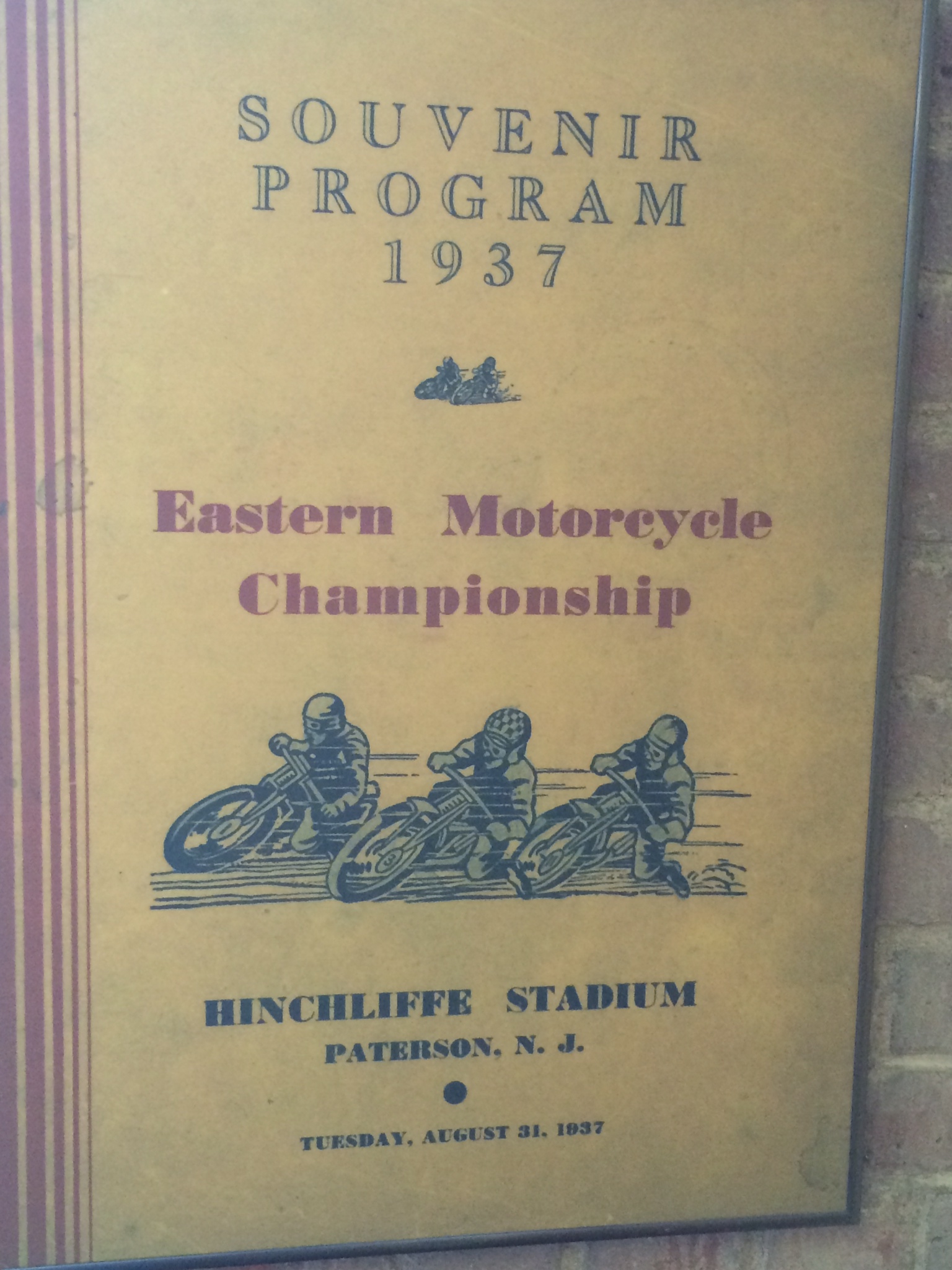
Motorcycle racing at Hinchliffe

Motorcycle racing at Hinchliffe

The engine for Lindbergh's Spirit of St. Louis built by Wright Aeronautical in Paterson

The engine for Lindbergh’s Spirit of St. Louis built by Wright Aeronautical in Paterson

Apparently gas was once $1.11 per gallon.

Apparently gas was once $1.11 per gallon.

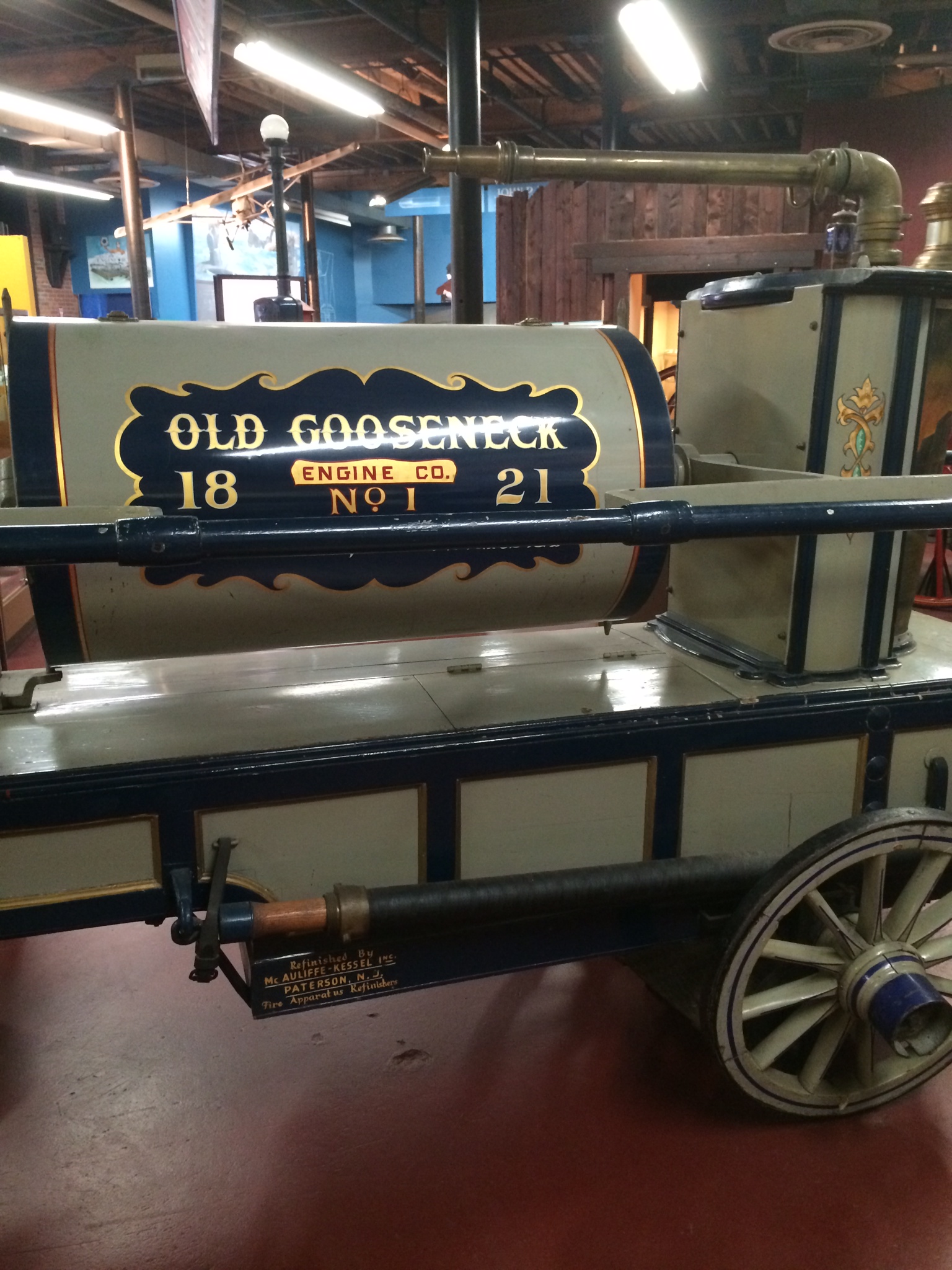
Fire wagon

Fire wagon

Posted in Art, History | Tagged , , , , | Leave a comment

This is Hinchliffe

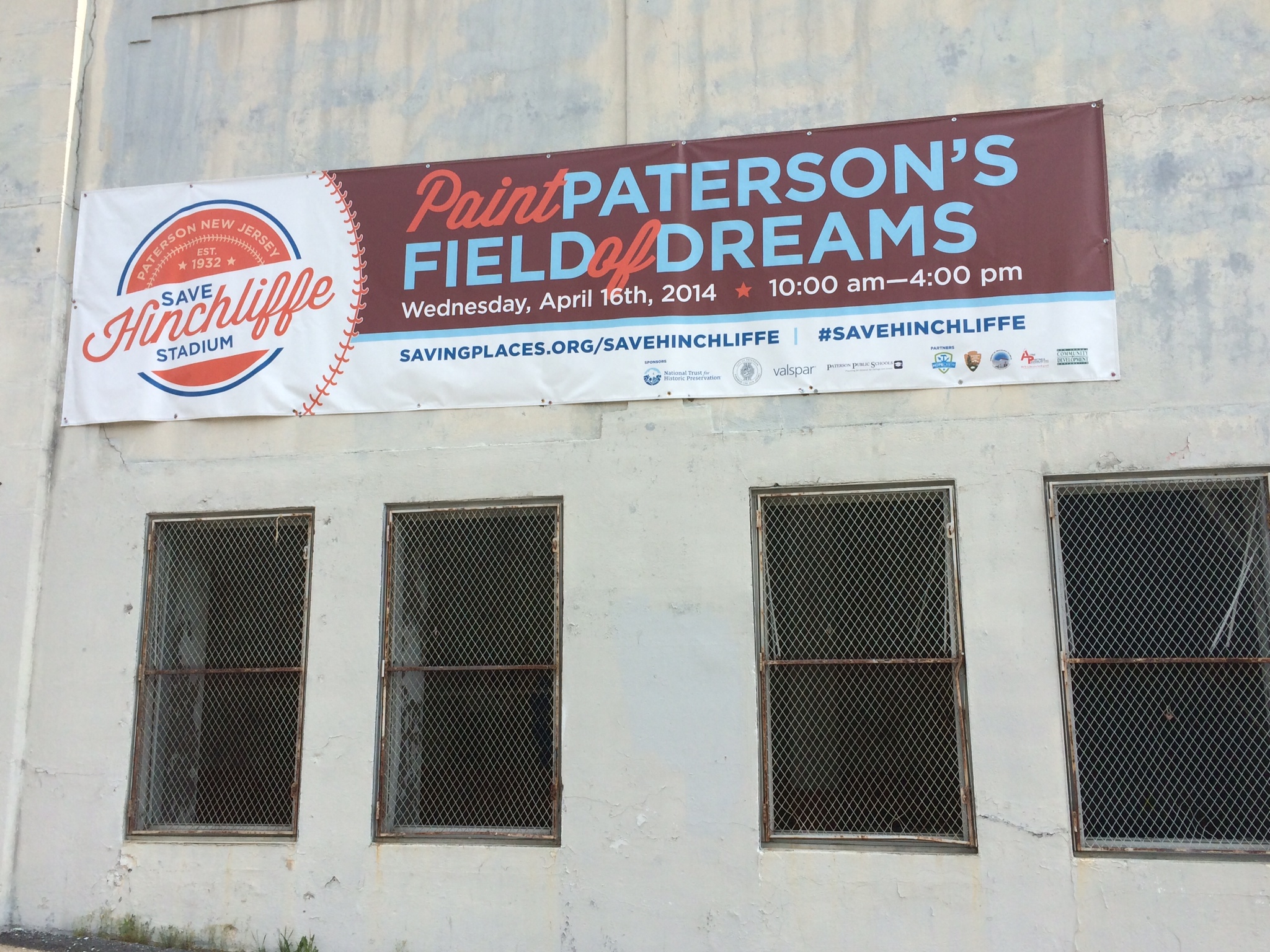
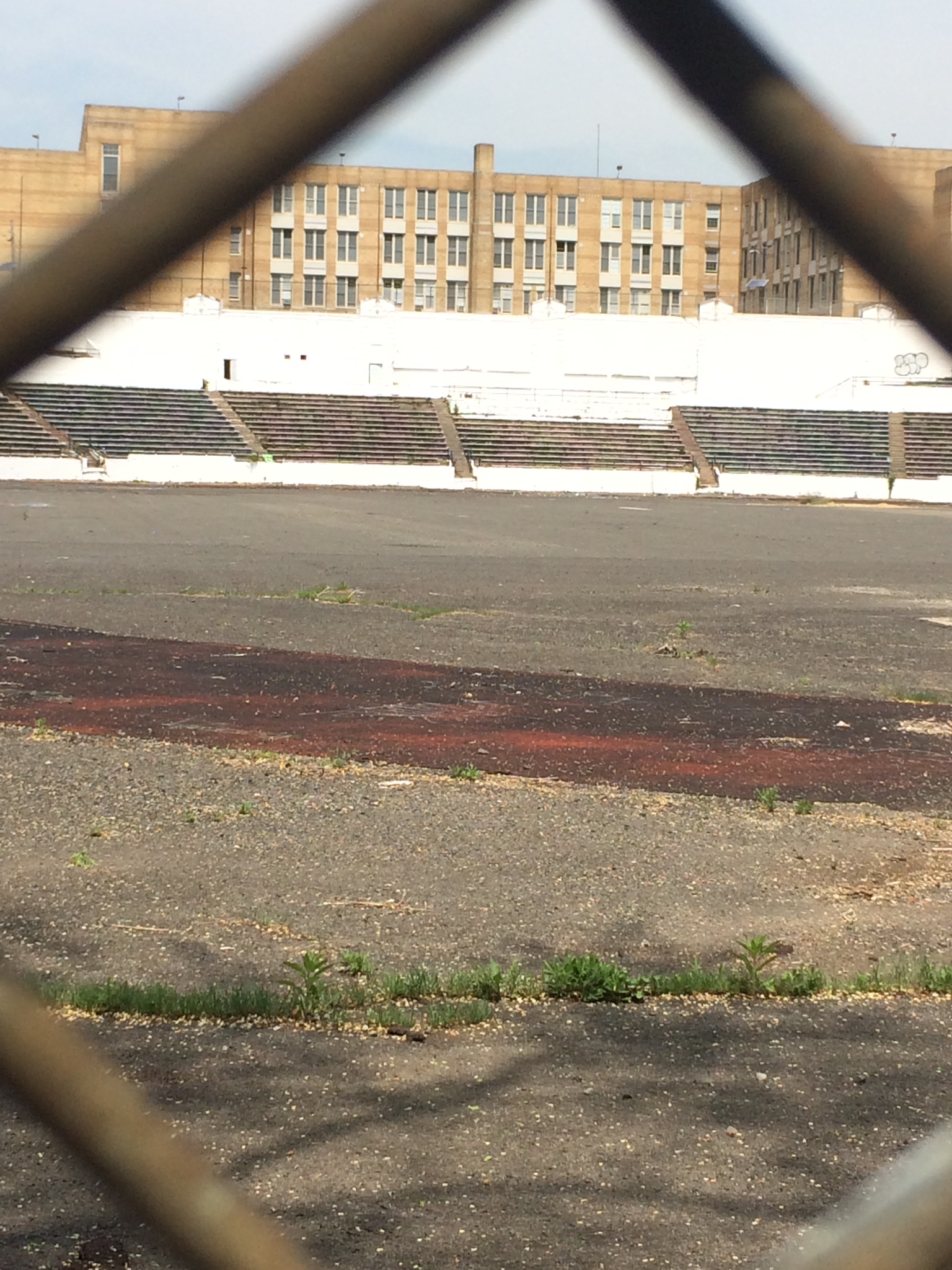
Paterson's Field of DreamsIn 1932 a 10,000-seat Art Deco stadium made of concrete opened on a hill overlooking the Great Falls.

Eighty some odd years later a volunteer crew of 500 teenagers from Paterson’s high schools used 500 gallons of white paint donated by Valspar to try and give the decaying structure a facelift.

The view from center field.

The view from center field.

The ticket windows

The ticket windows


Hinchliffe Stadium is steeped in history, not just the history of Paterson, but the history of America. Paterson was America’s first industrial city, the brainchild of Alexander Hamilton. In this blue collar town, the public funding that financed Hinchliffe as part of the New Deal provided jobs for laid-off millworkers.

Hincliffe Stadium Auto RacesThe 1930’s and 40’s were the heyday of the Negro Baseball Leagues. Hinchliffe is one of the few remaining stadiums that hosted these games. It was home to the New York Black Yankees and the New York Cubans. (Thus starting a continuing tradition of New Jersey-based sports teams calling themselves New York.) The Cubans included the first Dominican players to play professionally in the U.S. In 1933 Paterson hosted the Colored Championship of the Nation.

Hinchliffe was also a stage for Paterson’s favorite sons. Larry Doby, who was to become the first black player in the American League when he was signed by the Cleveland Indians, ran the base paths at Hinchliffe. Doby, a future Hall of Famer, was a product of Eastside High School. Lou Costello, born and raised in Paterson, appeared at Hinchliffe numerous times in the 40’s with his comedic partner Bud Abbott. One can only assume that they did their famous “Who’s On First” routine right here in the ballpark.

Future Hall of Famer Larry Doby was a product of Eastside High.

Future Hall of Famer Larry Doby was a product of Eastside High.

Patersonian Lou Costello and his partner Bud Abbott played Hincliffe in the 40's.

Patersonian Lou Costello and his partner Bud Abbott played Hincliffe in the 40’s.


In 1963 the stadium was sold by the city to the Board of Education for $1. It is still owned by the board of ed. It was a welcome home for Paterson’s high school athletes for decades but as urban schools declined in the 80’s and 90’s, that decline was apparent in the condition of the stadium. With no funds available to maintain the facility it eventually shutdown in 1997.

My memories of Hinchliffe may not be quite as historically significant. From 1932 until the last game on Nov. 28, 1996, Hinchliffe was the site of the Central vs. Eastside high school football game. My dad took be there a couple times in the 50’s. I don’t remember much about the games themselves but I remember the electric atmosphere and the packed stadium. It was as if the rest of the city shutdown for these two hours while all eyes were focused on Hinchliffe.

My father was a graduate of Central (later replaced by Kennedy High on the west side). He was a member of the band so he was part of the Thanksgiving tradition at the stadium.

My other memory of Hinchliffe is very different. In 1988 I did the PR for a new professional soccer team, the Cosmopolitan Eagles, who played in the American Soccer League and called Hinchliffe home. This was a time when there was no real professional soccer in the U.S. The NASL had folded and MLS was yet to be formed. With the Eagles we used the term “professional” loosely. I remember a game where we had our eye on the gate to see if there were any decent players we knew coming through the turnstile so we could redirect to the locker room and equip them with a uniform. I enjoyed having the run of the historic stadium and it was still at that time fully functional.

The potential was there if it was done right. We hosted Millionarios from Colombia one weekend and put a few thousand people in the old stadium. The Eagles, later renamed the New Jersey Eagles, lasted two years at Hinchliffe before moving to Cochrane Stadium in Jersey City where they survived for another couple years.

Great Falls National Historical ParkIf you drive through Paterson these days you’re likely to see the banners heralding Hinchliffe as “Paterson’s Field of Dreams.” The city has committed to put some funds into its survival. The stadium was recently named a National Historic Landmark and there is a bill before Congress to make it part of the Great Falls National Historical Park. Those designations make some more funds available. And there is a grassroots group called “Friends of Hinchliffe” working to raise the money to revive the facility. I took a look at their Web site and made a donation.

Posted in Baseball, History, Sports | Tagged , , , , , | 6 Comments

Growing Up in the 50’s: Christmas Time in Paterson

Paterson Christmas TreeOne of the things that I most looked forward to as a child when Christmas time approached was a night of shopping with my Aunt Ann. My aunt was a wonderful woman who did more nice things for me than I can possibly recall. This once a year outing was one of my favorites. In the 50’s we didn’t start shopping for Christmas in November. There was no such thing as Black Friday. Santa Claus’ participation in the Thanksgiving Day parade was supposed to represent the start of the retail Christmas shopping season but even that was pushing it. Most people got their stuff a week or maybe two before Christmas. My Paterson outing was usually the night before the night before Christmas. Why Paterson? Because there were no big malls and the city downtown area was the mecca for most shopping and entertainment, as well as some other things you couldn’t get in a small town like specialist medical care or a YMCA. Downtown Paterson was built around the intersection of Main Street and Market. The centerpiece was City Hall, a three or four story structure originally built in 1891. The street outside of City Hall served as a transportation hub for buses so this was the point of departure for most of us coming into the city. Three of Paterson’s four movie theaters were in the downtown section, the Fabian, which was the high-end choice, the U.S. and the Garden. There was also the Plaza in the Totowa section where I spent many a Saturday afternoon watching such classics as Ben-Hur, Godzilla, and Journey to the Center of the Earth. A lot of theaters for one town but in the 50’s it was one theater, one movie. No multiple screens. What was great about shopping in downtown Paterson was that each store was unique and individually owned. You didn’t see the same stores in every shopping area you went to. There would be completely different options in downtown Hackensack or downtown Newark. The store which was what we would now call an anchor was Meyer Brothers, a full block department store with revolving doors, dinging bells and a mild perfumy smell. Since it mostly sold clothes it wasn’t on my favorites list but was a staple for my Christmas excursion. In back of City Hall was a ticket kiosk where you could buy tickets for any of the three area Major League Baseball teams, for Broadway shows or for concerts at Newark Symphony Hall. The nearby record store mainly sold 45’s of the top hits as played on AM radio. When I was hanging out downtown with my friends I had two favorite eateries. One was Nedicks, which was possibly the only chain store in town. Nedicks was an urban staple at the time, selling grilled hot dogs on steamed buns and orange drink. The other was Grant’s, a 5 and 10 across the street from Meyer Brothers with two floors of random inexpensive stuff and a lunch counter where the prices usually fit a kid’s budget. Downtown PatersonBut for my special night of Christmas shopping with Aunt Ann, we went first class, walking down to the end of Main Street and up to the second floor Chinese restaurant, Port Arthur. There we would get a window table, eat Chow Mein because I didn’t realize there was any other type of Chinese entrée, and overlook the bustling holiday scene on Main Street. -0- Some other “Growing Up in the 50’s” posts: The Corner Store Thinking in Ethnic Slurs The Night Two Guys Burned Down A Decade of DIY Tricky Dick on Main Street Bomb Scare! The Shop Baseball
Posted in Growing Up in the 50s | Tagged , , , | 52 Comments

(Nearly) Live at Internet Week NY — The Media Sessions

The Future of Digital TV

internet weekIn the future we won’t make the distinction between digital and traditional TV content producers, according to Terence Kawaya, founder and CEO of LUMA Partners. They will both make short-form and long-form content to be delivered on IP enabled TV’s.

Despite the disruption that digital has brought to newspapers and radio, TV is still a growth business. From an advertiser’s standpoint “it’s easier to spend $10 million on TV than it is to spend $10,000 on digital,” Kawaya said.
He noted the trends that are impacting TV: fragmentation, device proliferation, second screens and new entrants. He also pointed out some challenges TV faces. One is an antiquated UI, we have “the same clicker we used in the 1970’s.” He also said TV has reacted to fragmentation by simply charging more from advertising.

The future will be one of convergent TV, according to Kawaya. He expects M&A to play a role in that convergence (Kawaya is an investment banker). He also noted that from an advertising perspective the buyers of traditional and digital media need to converge.

The Rise of Mission-Driven Media

The Marshall Project wants to launch a national conversation on the criminal justice system which founder Nail Bansky calls a “national disgrace.” Techonomy wants to produce business news that focuses on businesses that are trying to bring positive change to the world. Witness is supporting and curating the citizen journalists who are producing video with their phones that exposes human rights violations.
These are some of the examples of mission-driven media that were presented as part of the Internet Week panel “The Rise of Mission-Driven Media and How New York is Leading the Charge.”

The panelists dealt with the question of how mission-focused journalists deal with tradional newsroom views about objectivity. Bansky, citing the Vietnam War as one example, expressed the belief that journalism can drive change even without activism or subjectivity.

There is a lot of “phony objectivity” in the media, according to David Kirkpatrick, CEO of Techonomy. “Everybody has a point of view and that is not something to be ashamed of.” Bansky added, “The issue isn’t objectivity, it’s honesty.”

Lessons Learned from the Frontlines of Mission-Driven Media

from Peter Koechley, co-founder Upworthy

1.  Purpose is a highly-powerful motivator. Among the most prominent are income inequality, human rights and climate change.

2. Quality is more important than ever. “We want to focus 100% on content that we think will make the world a better place.”

3. You have to go out and find an audience not wait for your audience to come to you. How do you do this? Social media.

4. The most memorable marketing is mission driven. Audiences must connect with a brand’s social values.

Posted in Technology | Tagged , , , , | Leave a comment