Americans Discover Vacation: While Disparaging Tourists

I am sure you have probably had a conversation about restaurants in which you or someone you are speaking with dismisses some eatery as being “for tourists.” That means it is probably overcrowded and overpriced. What’s more it is somehow not authentic because its patrons aren’t locals.

That attitude toward tourists, what they do and where they go, turns out to be nothing new. In fact it is as old as tourism itself. In an earlier post (Americans Discover Vacation: Overcoming Our Heritage), I included a quote from James Kirke Paulding describing traveling as “the most exquisite mode of killing time and spending money ever yet devised by lazy ingenuity.” Paulding was a member of the early 19th century American literati. He dipped his pen into various types of writing that included a novel, comedic stage plays and a satirical periodical. These were different times and such writings apparently qualified him for a number of government jobs that eventually ended up with an appointment as Secretary of the Navy.

John F. Sears, author of the Sacred Places, the book where I found Paulding’s quote, describes his writing as “poking fun at the hurry, pretensions and superficiality of the tourists.”

(PublicDomainPictures)

(PublicDomainPictures)

That was from 1828. Travel at the time was slow and expensive. Only the country’s elite were participating, which was the case for a good part of the 19th century. Middle-class Americans at the time were religiously conservative, moralistic and generally preached industriousness. Anyone with the time and money to travel was viewed in much the same light as the European aristocracy. They were thought to lack not only endeavor but also sufficient moral rigor.

Writing in Working at Play, Cindy S. Aron notes that “by the last half of the nineteenth century writers and cultural critics were offering parodies of tourists and noting the inauthentic quality of tourist attractions.” In the same book, Aron quotes a 1975 New York Times article about the bathers at Cape May, suggesting that their primary pursuit was “flirting and gossiping.” That wasn’t intended as a compliment.

And then there were the folks who were active in the late 19th and early 20th centuries promoting the American West as a travel destination. They showed their disdain for “easterners” who chose to travel to Europe.

So when vacationing was confined only the country’s elite, most of their countrymen were quick to criticize. But as travelling became something that involved a broader segment of Americans, the tables were turned and the elitists didn’t view these new tourists that kindly either.

(heavenkid)

(heavenkid)

In discussing the reaction of some to the fact that a more economically diverse group of Americans started to visit Niagara later in the 19th century, Sears writes. “…the excursionists who arrived after railroad fares declined usually visited Niagara Falls only for a day. The genteel tourist regarded them as less cultivated. They appeared more eager for exciting diversions than the better-off tourist, less inclined to the quieter pleasures of a sylvan walk.”

Out West, similar sentiments were being expressed by John Muir, an author who was an advocate for wilderness preservation and became a founder of the Sierra Club. Because of his role in petitioning for the legislation that established Yosemite as a national park he has been referred to as “father of the national parks.” But he was no champion of the common man as tourist. According to Sears, “Muir detested the ordinary tourists who made a quick tour of Yosemite’s points of interest and then left.”

The promotion of the national parks focused on comparing the authentic experience of nature as compared to “the crass concerns of commercialism and cheap amusements of common tourist attractions,” according to Marguerite S. Shaffer, author of See America First.

Sears sums it up like this: “Tourists as a species have a bad name; they are regarded as superficial, crass, insensitive to their surroundings.” Aron offers a similar view: “Tourists, both popular and scholarly wisdom contend, are vulgar, superficial, provincial, gullible, and entirely lacking in taste or sophistication.”

(nemo)

(nemo)

The attitudes of these 19th and early 20th century commentators was only the beginning. In more recent times, Hollywood chipped in with some classic movies portraying family vacationers as laughable, bundling boobs. Once the growth of global travel sent Americans around the world and brought visitors from every continent to the U.S., our inherited attitude toward tourists mixed with ethnic stereotypes and prejudices to produce even more vitriol to be hurled at the people who stop by and throw some cash into the local economy.

Posted in Americans Discover Vacation, History, Travel | Tagged , , , , | 29 Comments

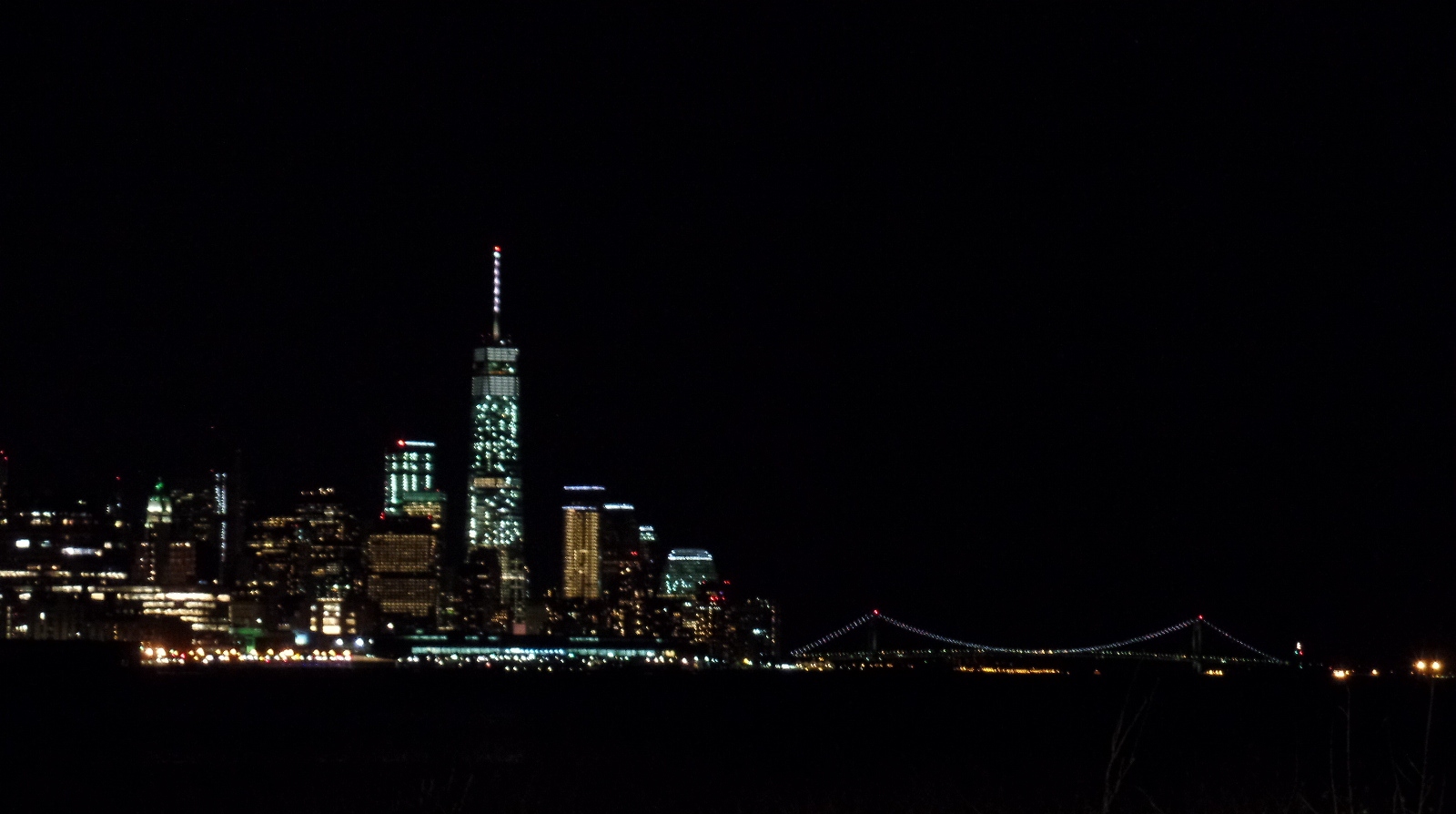
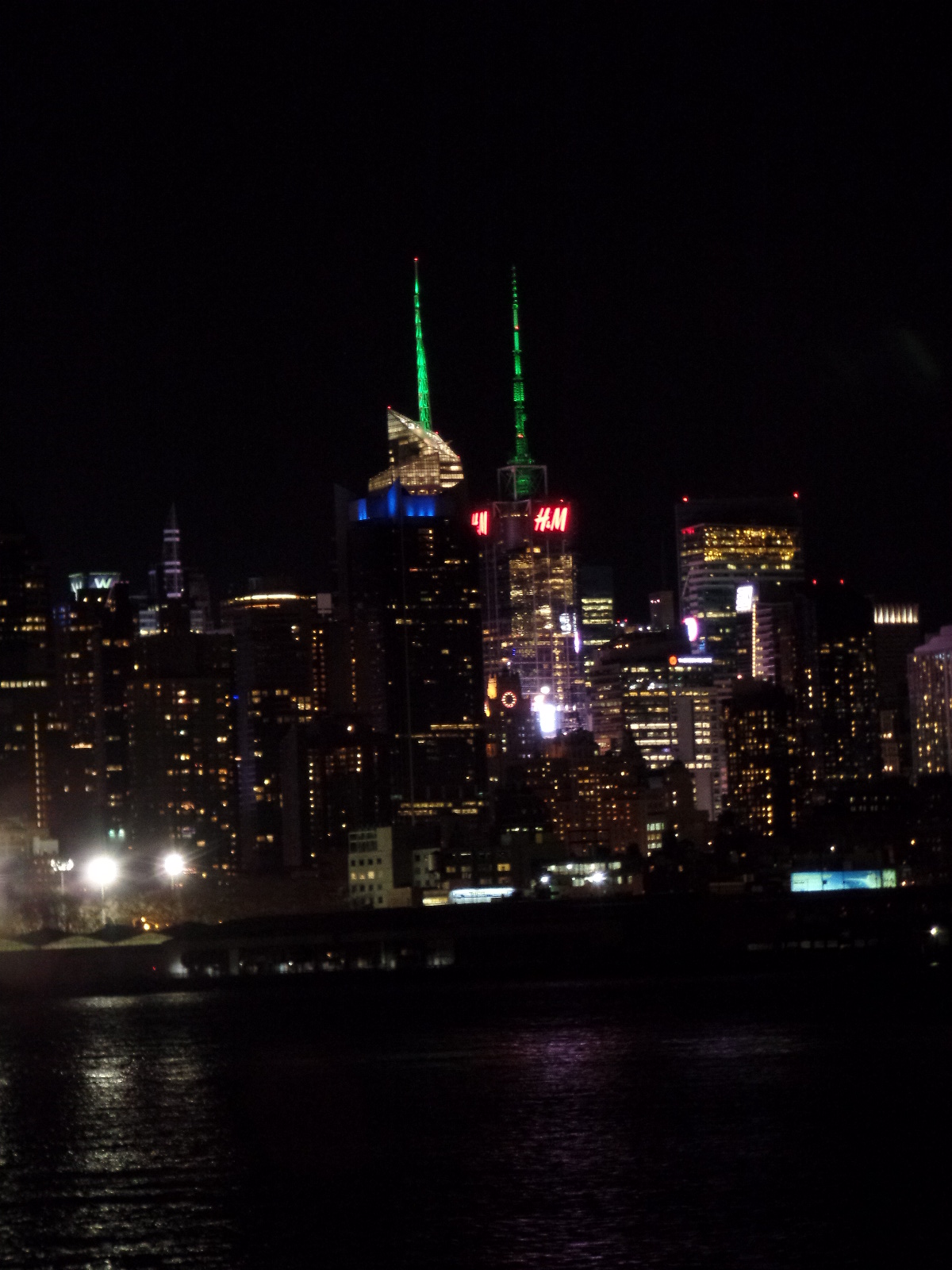
Winter Skyline from the West Bank of the Hudson

Midtown ManhattanDowntown Jersey CityLower Manhattan, TwilightLower Manhattan, Night TimeMidtown Manhattan at Night

Posted in Uncategorized | Tagged , , , , | 1 Comment

Americans Discover Vacation: With an Agency Itinerary and a Guidebook in Hand

Like many other industries the travel business has been radically changed by the Web, by digital publishing and ecommerce in particular. Printed travel guides are on the decline as are storefront travel agencies. But these two travel businesses were for more than a century the way Americans planned and booked their vacations as well as the way they were guided through their eventual destinations.

Both the travel agent and the travel guide emerged in the second half of the 19th century, the time when the term vacation began to be spoken by more and more Americans.

(jlynne)

(jlynne)

The first travel agency in America was the British agency Thomas Cook. Cook started his business in the 1840’s shuffling temperance campaigners between various English cities via the rails. As the business expanded it began to sponsor overseas trips and in 1869 Cook himself led a small group of Brits on a rail excursion from New York to San Francisco. Cook opened a New York office in 1871 and continued to conduct trips to the West Coast.

The Raymond and Whitcomb Agency, opened in Boston in 1879, become the gold standard for luxury travel in the late 19th and early 20th centuries.  Author Cindy S. Aron (Working at Play) notes that a Raymond and Whitcomb trip was going to involve private rail cars, first class service and luxury hotels. See America First author Marguerite S. Shaffer comments, “Early on tourist agencies such as Raymond and Whitcomb offered a sense of exclusivity and refinement, assuring elite tourists that they would circulate among people of their own social standing.”

Initially they booked trips to the White Mountains in New Hampshire and to Washington, D.C. and later added transcontinental voyages. Here are some sample Raymond and Whitcomb offerings:

  • 1887 Raymond’s Vacation Excursion to Washington, D.C. – leaves from Boston. “5 days in the national capital. Carriage ride to the public buildings and other points of interest. Visit to Mount Vernon.”
  • 1888 Raymond’s Yellowstone National Park Excursion – leaves from Boston, New York and Philadelphia “A grand excursion to the Yellowstone National Park with incremental trips to Chicago, Milwaukee, the Dells of the Wisconsin, Minneapolis, St. Paul, Niagara Falls, etc.”
  • 1906 Raymond and Whitcomb’s Tour of California – leaves from Boston, New York and Philadelphia. “Excursion to the Pacific Coast via the Santa Fe route. Through Pullman Vestibuled Cars to Los Angeles without change.”

By the 1920’s the agency was offering cruises to Latin America and the Mediterranean, around Africa and around the world.

While travel agencies emerged in the 1870’s, travel guides got an even earlier start. Appleton’s Travel Guides, originally targeted at European visitors, are cited by Shaffer as the first series of guides published in the U.S. Some early Appleton publications were:

  • 1848 – Appletons’ Railroad and Steamboat Companion: being a Travellers’ Guide through the United States of America.
  • 1849 – Appletons’ New York City and Vicinity Guide.
  • 1860 – Appletons’ Illustrated Hand-book of American Travel

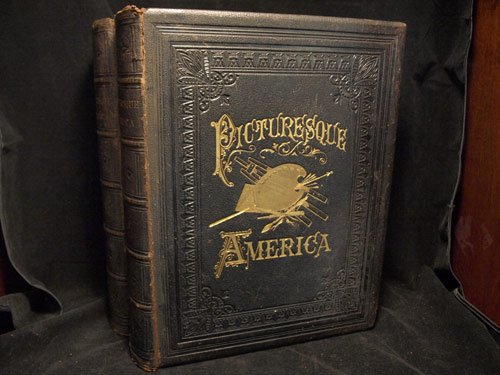
picturesque americaIn addition to other city guides Appletons’ had an edition dedicated to fishing. Perhaps their most reknowned publication was the two-part Picturesque America, which included hundreds of engravings of the works of famous landscape painters. It was edited by William Cullen Bryant, the editor of the New York Evening Post.

One of the most lasting and highest quality series of travel guides was surprisingly published by the government. During the Depression, FDR established the Federal Writers Project in 1935 as a way to put unemployed writers to work. More than 6,000 persons were hired by the FWP and they included some of the best known writers of their generation including Saul Bellow, John Cheever, John Steinbeck, Studs Terkel and Richard Wright.

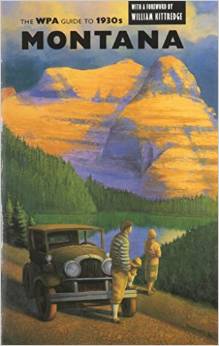
WPA guideOne of the products of the FWP was the American Guide Series which was more commonly referred to as the WPA (Works Progress Administration) Guides. The first guide, covering Idaho, was published in 1937, and the Oklahoma guide, published in 1942, completed the 48-state series. Each of the guides included some articles about the history of the state, photos and auto tours of the state. As automobile vacations grew in popularity after the Second World War, these guides were still current and used.

In an earlier post (Americans Discover Vacation: As Well As Discrimination and Bigotry), I noted that blacks and Jews built their own touring infrastructure as a way of circumventing discriminatory treatment. That included travel agencies and guide books. One example is The Negro Motorist Green Book, which was published from 1936-1966. The Green Book, as it was commonly known, was created by Victor Green, a former mailman who became a travel agent in New York. The information in the book included listings of hotels, camps, and restaurants that served blacks. Green himself expressed the hope that one day his guides would be unnecessary and eventually that was the case.

By the middle of the 20th century a vast number of Americans had the time and the wherewithal to vacation.  Many had a guide book along with a couple gas station maps in their glove compartment and before long there would be a travel agency in just about every town of any size.

Posted in Americans Discover Vacation, History, Travel | Tagged , , , , , , , , , | 30 Comments

10 Most Viewed Off the Leash Blog Posts in 2014

New Jersey State Fair10. Monster Trucks, Freaks, Creationists and Other Things You Don’t Usually See in New Jersey

9. 17-ton Marilyn, Enormous Abe and a Pitchfork in the SkyForever Marilyn

8. A Few Great Music Documentaries

7. Digital Deception: Is Fake News a Laughing Matter?Satire

6. Digital Deception: Catfish

5. Growing Up in the 50’s: The Corner Store

4. Growing Up in the 50’s: School019617a6afd6b36aa76df2c0b4c09603a26a62abf5

3. This is Hinchliffe

Hinchliffe Stadium2. Growing Up in the 50’s: The Night Two Guys Burned Down

1. Paterson xmas treeGrowing Up in the 50’s: Christmas Time in Paterson

Posted in Uncategorized | Tagged , | 1 Comment

Americans Discover Vacation: Under the Influence of PR

The emergence of public relations in the United States chronologically coincided with the growth of vacationing in America. As more and more Americans started to go on vacation there was a corresponding increase in the number of resort owners, local businessmen, transportation companies and government officials who were ready and willing with suggestions about where they should go.

So you find many of the practices which we currently associate with modern day PR, media relations, press trips, content marketing and sponsored events, getting their start in the late 19th and early 20th centuries. There’s even a few instances of journalists slipping over to “the dark side” in all probably in search of a steadier income.

(Sgraton)

(Sgraton)

In an earlier post I brought up the case of a Dr. Thomas Goode, proprietor of the Virginia Hot Springs Resort. Dr. Goode published promotional pamphlets that included testimonials from folks who suggested that spring water was a cure for deafness and paralysis. This was in 1848. Here’s a guy who was clearly a doctor of spin.

Newspapers were an important vehicle for getting resort and travel information to the public. So it’s not surprising to find that resorts were ready to get into the business we would come to know as media relations. In Working at Play, author Cindy S. Aron notes that some resort proprietors started to offer up vacant rooms to newspaper correspondents. “Happy journalists then allegedly wrote glowing reports.”

It was at about the turn of the century that public relations started to become a paid profession. And it was right about that time when corporate PR departments started to create brand-name destinations for traveling Americans. Nowhere was this more apparent than in the West and specifically with the emergence of national parks as popular Americans vacation spots.

The first of the national parks, Yellowstone, was created in 1872 when Ulysses S. Grant signed the Yellowstone Park Act. According to Marguerite S. Shaffer, author of See America First, the idea to make Yellowstone a national park originated with Jay Cooke, the banker who financed the Northern Pacific Railroad. Promoting Yellowstone meant more passengers for the train line that went in that direction. For that same reason the Atchison, Topeka and Santa Fe Railroad promoted the Grand Canyon and the Great Northern Railway promoted Glacier National Park.

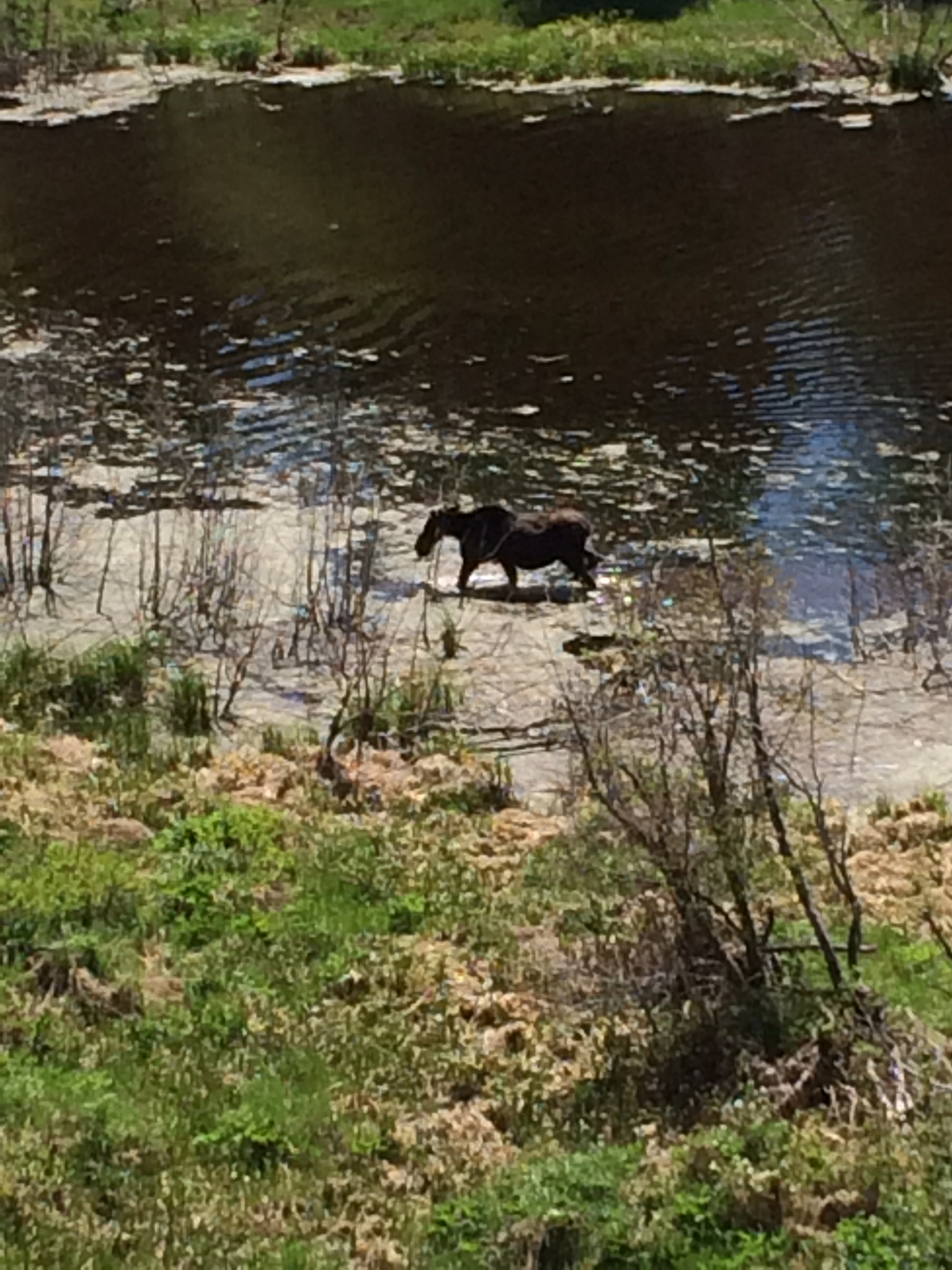
Moose habitat at Yellowstone National Park

Moose habitat at Yellowstone National Park

The Great Northern, according to Shaffer, “rewarded newspapers and magazines that published articles on the park by purchasing advertising.” And if you’re going to start a media relations campaign, who better to run it than a former journalist. Great Northern hired Milwaukee Journal reporter Hobie Smith as a one-man PR department.  Shaffer describes how Great Northern gave journalists free rides to the park. In 1911 they organized their first press tour of Glacier National and, lo and behold, profited from widespread newspaper publicity.
Writers and artists, including painters, photographers and later videographers, were also courted by the resorts, the railroads and their PR reps. They produced what today we would call content marketing or native advertising. As an example, Shaffer notes that Great Northern courted the short story writer Mary Roberts Rinehart and sent her off on a group expedition around Glacier National. She returned the favor with a series of articles for Collier’s magazine in 1916.

In his book Sacred Places, John F. Sears, writes: “The raw material of nature was rapidly transformed into a cultural commodity by reproducing and marketing verbal descriptions and pictorial representations of these places.”

(tpsdave)

(tpsdave)

As the automobile began to replace the railcar as the preferred vehicle of vacationers, the onus for promoting vacation destinations began to shift to car companies and, in the case of the national parks, the government agencies responsible for those parks.

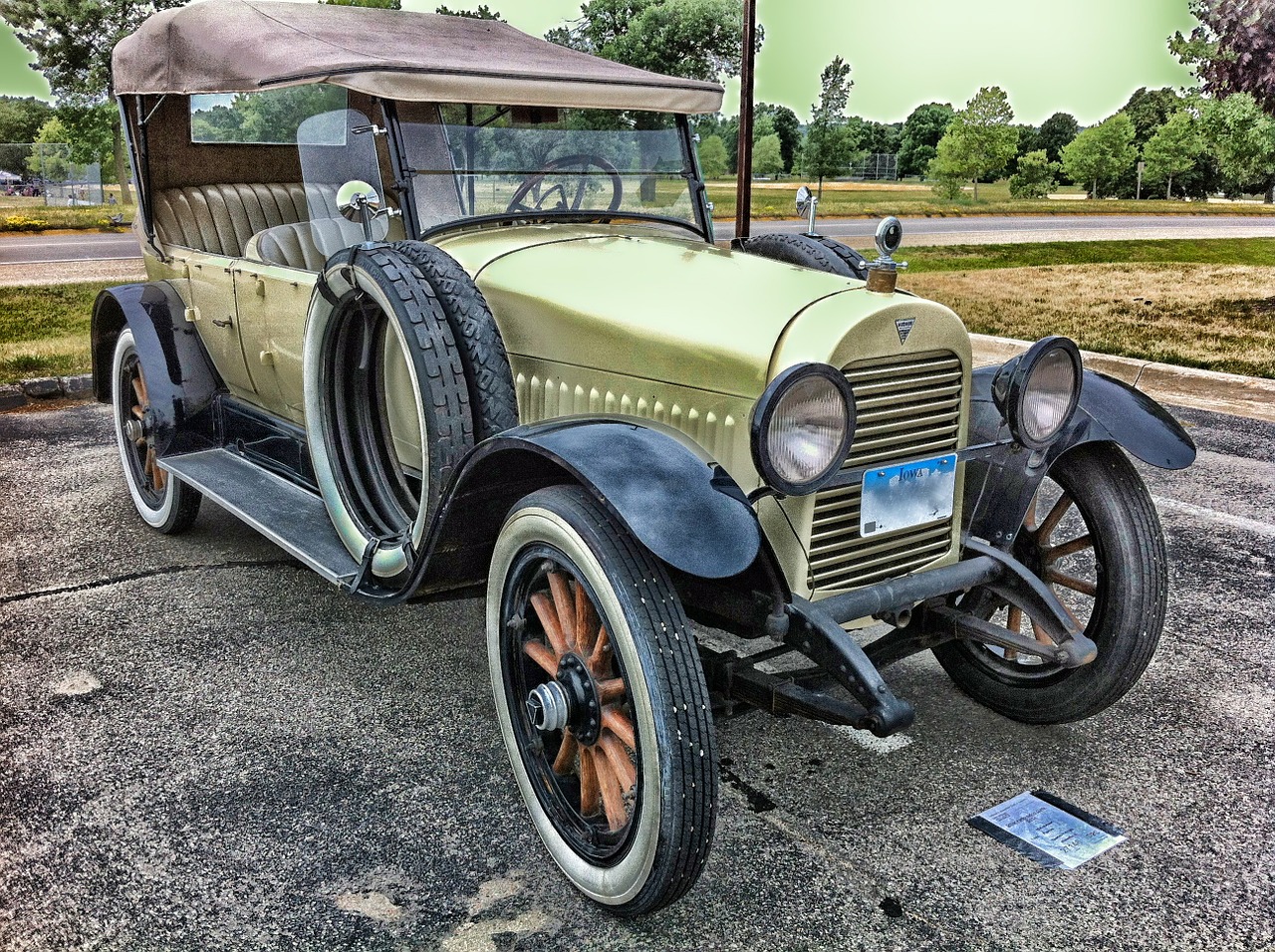
When Alice Huyler Ramsey made the first coast to coast auto trip by a woman (see Women on the Loose) she did it in a Maxwell touring car. That car was supplied by the Maxwell-Briscoe Company. That was an example of the PR efforts that the car companies were undertaking to present their product as the preferred means of touring in America. This type of promotion would eventually lead to the 50’s advertising jingle “See the U.S.A in a Chevrolet.”

In 1911 the Department of the Interior created a photo exhibit of the national parks that toured libraries. They also brought in the Kinemacolor Moving Picture Company to create videos (or in early 20th century vernacular moving pictures) of Yellowstone, Yosemite, Glacier National and others. While the government had only a modest budget for this, according to Shaffer, funding came from business interests associated with the parks.

Robert Sterling Yard, whose credentials included stints at the New York Sun and New York Herald, was hired on by the department to essentially write press releases. Shaffer says “he established a national parks news service and began writing articles for magazines, including press bulletins, collecting and distributing photographs and statistics…”

This type of PR campaign was still being promoted by the U.S. government well into the 20th century. Shaffer describes the Lyndon Johnson administration’s “See the USA” program. In 1967 that included a Discover America Vacation Planning Week replete with buttons, posters, a sweepstakes and a theme song.

PR, marketing and promotion were a key part of the success of many different properties and destinations. And there is probably no better example than the establishment of the national parks as a tourism brand, a distinctly American tourism brand, and the vast numbers of Americans who were drawn to Yellowstone, Yosemite, the Grand Canyon and others as their vacation destination.

Posted in Americans Discover Vacation, History, Travel | Tagged , , , , , , , | 17 Comments

Americans Discover Vacation: As Well As Discrimination and Bigotry

Vacationing got off to a slow start in America with a few of the nation’s elite traveling by coach to resorts on the oceans, in the mountains, or by lakes or springs. As transportation options improved and got faster and cheaper, more and more Americans took vacations and more destinations emerged. Eventually, at some point in the mid-20th century, affordable family autos and paid vacation time meant that most Americans were taking part.

But from the very beginning vacationland America was a reflection of the society of which it was a part. And for racial and religious minorities that meant discrimination and bigotry.

(Wikimages)

(Wikimages)

In Working at Play, author Cindy S. Aron describes how Jews were excluded from resorts in New York State in the 19th and early 20th century. A high profile incident in 1877 involved a well known and wealthy Jewish banker, Joseph Seligman, being turned away at the Grand Union Hotel in Saratoga, a place he had visited regularly, because the new manager had instituted a policy of not accommodating Jews.

Mohonk Mountain House

Mohonk Mountain House

The Quaker run Mohonk Mountain House near New Paltz discouraged Jewish guests. Aron found this quote in a 1917 house manager’s report: “Hebrews are few. Wm. W. Cohen, a high-class Hebrew, rather insisted on coming, even after learning that he would probably be unwelcome. It took only three days for him to realize his mistake.”

One of the most shameful incidences of discrimination was in the nation’s newly created national parks. Author Marguerite S. Shaffer (See America First) provides evidence of one Robert Sterling Yard, who was executive secretary of the National Parks Association, talking out of both sides of his mouth. On the one hand he proclaims “In the national parks all are just Americans.” But in reference to blacks he confides “While we cannot openly discriminate against them, they should be told the parks have no facilities for taking care of them.” That nonsense was dated 1922.

Segregation in the national park system lasted well beyond that at Shenandoah National Park in Tennessee.  Thinly disguising their policies, park officials there had a private concern build separate accommodations.  Toilet facilities were separate although no signs indicated that and at restaurant facilities, blacks were ushered into the dining areas reserved for staff.

Among the most popular of the Minnesota lake resorts were those operated by the Ruttger family. The first was started in 1898 and by the 1930’s they ran five properties. Susan Sessions Rugh, author of Are We There Yet?, notes that the Ruttger’s promotional brochure included the phrase, in all caps, “CLIENTELE CAREFULLY RESTRICTED.” Rugh writes “Certainly that meant they excluded black customers, but it also meant Jews were not welcome to stay at their resorts.”

(PublicDomainPictures)

(PublicDomainPictures)

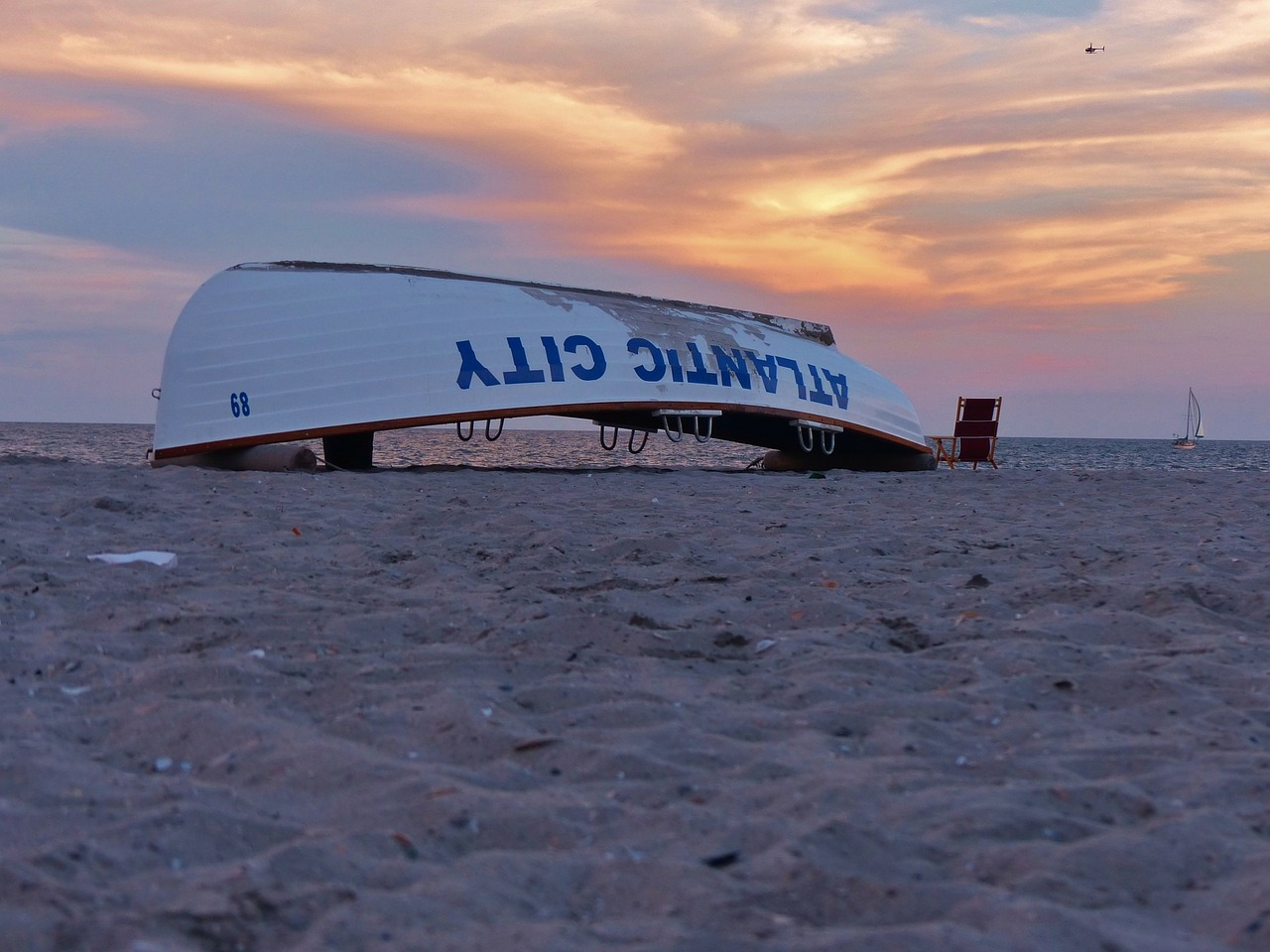
There were some notable exceptions. Atlantic City, N.J., was known as a place that welcomed all from the 1890’s onward. And later Disneyland, opened in 1955, was always open to everyone and in fact was very public about hosting well known black athletes and entertainers.

Rugh’s book is subtilted “The Golden Age of Family Vacations.” That is from the end of World War II through the 1960’s. But for blacks “vacationing was an uncertain even fear filled experience because blacks never could be sure that they would find places to eat and sleep on the road.”

The problem existed even for those who chose to visit the nation’s capital. According to Rugh, “For African-Americans, the civic pilgrimage was a bitter lesson in the limits of citizenship. Washington was a southern city with segregated hotels and rooming houses, evidence of racial prejudice in stark contrast to the ideals inscribed on the capital’s monuments.”

Rugh tells the compelling story about how black organizations like the NAACP and CORE fought discrimination by organizing boycotts of large travel properties like Howard Johnson’s and Hilton Hotels, until they adopted non-discriminatory policies throughout their systems. She also believes that the protests over segregation within America’s travel facilities played a part in winning passage of the Civil Rights Act of 1964.

Like everyone else in America, blacks and Jews did not want to spend their vacations having their families and children met with hostility. So these groups built their own tourist infrastructure that enabled them to enjoy many of the same experiences and amenities as other Americans.

Some hotels in existing resort areas were built by blacks to accommodate blacks. These included the Hotel Dale, which opened in Atlantic City, in 1900, and then opened a second Hotel Dale in Cape May in 1911. The Jersey European Hotel began welcoming black guests 1908 in West Baden Springs, Ind. Idlewild in Michigan was founded by four white land developers with the intent of creating a resort community that would attract middle class black professionals from throughout the Midwest.  It became known as the “Black Eden of Michigan.” Even in the neighborhood of the racist Ruttger’s clan two black resorts sprung up, the Northern Lights Resort in Richville, Minn., and Flaggs’s Resort in Emily, Minn.

In the post World War II era many black professionals avoiding discrimination by taking their families to Mexico or Bermuda. But for many others, black-owned travel agencies (Admiral Tours, King Travel) and travel guides (Green Book, Travelguide) emerged to lead them comfortably through the U.S. Rugh describes these black owned travel businesses as “a way to circumvent humiliation and it re-circulated tourist dollars within the black economy.”

Resorts for Jews were centered in the Catskill region of New York State. A wide range of accommodations were developed ranging from rooming houses and bungalow communities to grand hotels. Thus it was accessible to Jews at all socio-economic levels and could be reached by train from New York City. Rugh comments that the “nightly entertainment at the Borscht Belt resorts…featured singing stars and comedians who poked fun at Jewish culture” and notes that the resorts also served as a marriage market.

Perhaps the best known of the Catskill resorts was Grossinger’s.  It’s roots date to the early 20th century when a New York City transplant Asher Selig Grossinger began renting out some rooms and his wife Malke supplied the appropriate Kosher food. In 1919 they expanded by buying a larger property which they named Grossinger’s Terrace Hill House. By the 1950’s it had become the “Waldorf of the Catskills” with 35 buildings, its own airport and post office and 150,000 guests a year. It declined as discrimination against Jews in the U.S. abated and as later generations of Jews became less interested in the traditional Jewish culture of their parents.

Eventually the separate travel infrastructure for blacks also began to disappear as segregation declined, beginning with the 1964 legislation. But these travel facilities of the disenfranchised played a role in the growth of vacationing in America. They assured that there was a place for everyone.

Posted in Americans Discover Vacation, History, Travel | Tagged , , , , , , , , | 22 Comments

Shit We Used to Say

When you haven’t got much to offer

(OpenClips)Shit or get off the pot. Pretty obvious. If you’re going to do it, do it. If you’re driving behind someone who keeps putting the directional on but never turns this is what you would mutter.

Without a pot to piss in. Usually referring to someone with no resources. Disdainfully used for folks with big plans but no money.

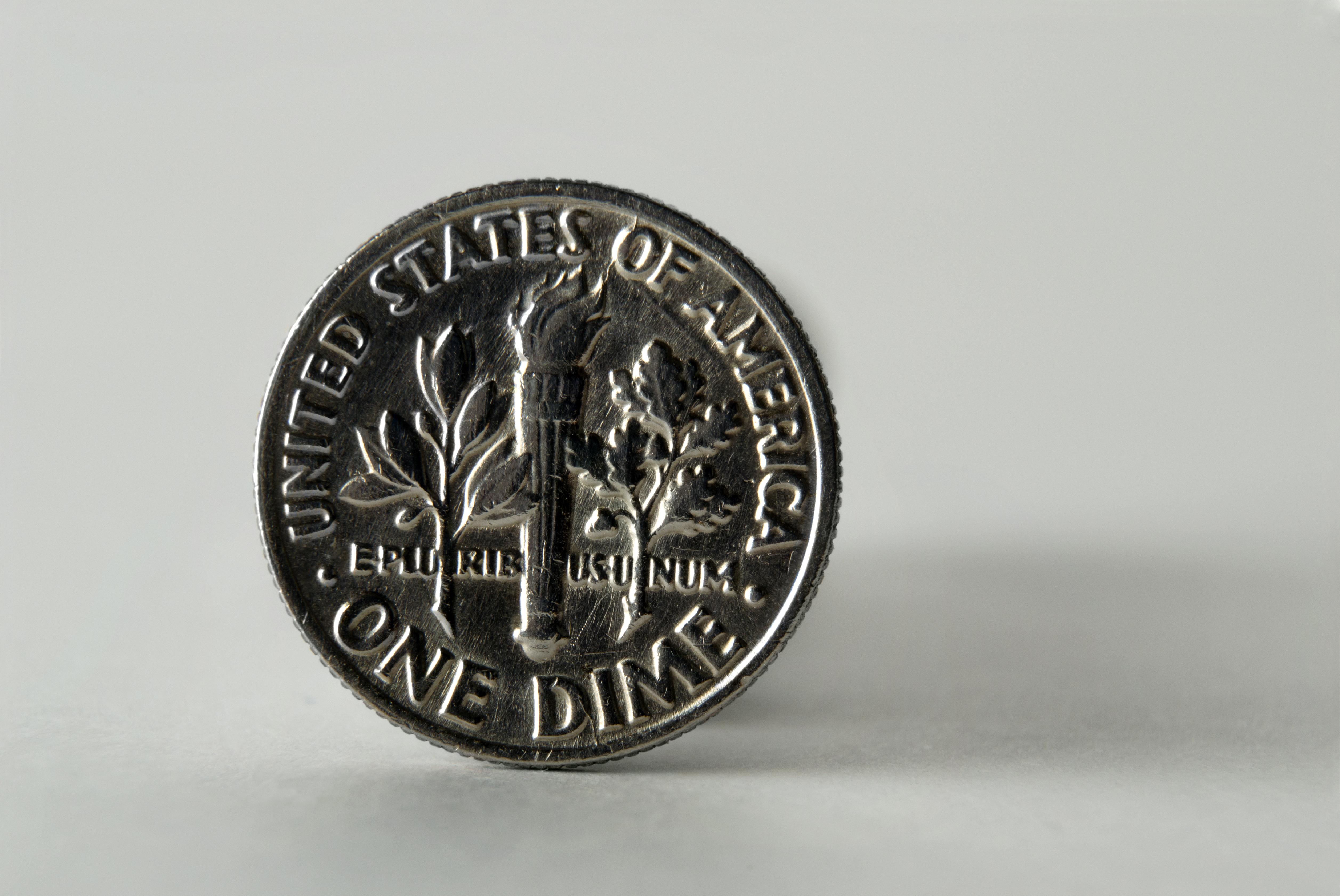
(imelenchon)It’s your dime. A reference to the fact that public telephones used to cost a dime for local calls. By telling someone “it’s your dime” you are saying you’re the one who called me so get on with it and say whatever it was you wanted to say. If you were busy when the phone rang and when you answered you were greeted to a few minutes of idle chatter, you might inject this comment into the first couple seconds of available silence.

Further elaboration on the use of shit

Shit-eating grin (the g is eating is silent).  A slightly goofy smile connotating happiness over something that one possibly should not be doing. If you had a quick one with a co-worker in an office bathroom stall you might emerge from the experience with a shit-eating grin on your face. Not to be confused with shit faced, another in the extensive genre of shit expressions. Shit faced means drunk.

Doesn’t know shit from shinola. Knows nothing. Usually used in reference to someone who is pontificating about something which they have no knowledge of. Shinola was a brand of shoe polish, something that was available in multiple shades of brown, hence the potential for confusion.

Monikers of ordinariness

Ham and egger. Ordinary but useful. Often used in baseball to describe a scrappy player who is generally not a big talent but gets by on effort. A ham and egger might be a second baseman who fields every ball hit to him but never makes any spectacular plays. At the plate he gets one or two singles a game.

Five and dimer. Cheap, penny-pincher, petty. Not to be confused with five and dime which was a cheap store. The five and dime was a small discount department store that was a staple of all downtown shopping areas in the pre-Walmart era. Woolworth’s is an example.

(mconnors)Brown bagger. Refers to the type of office workers who would bring their lunch to work in a brown bag. Not the guy who drives the business. Could be expected to beat it out the door when the clock strikes 5. Someone who sold tickets at a train station was likely a brown bagger. Not used for workers who did any kind of manual labor as these folks needed more substantial lunch containers that would hold up on the job site until the noontime whistle blew.

Loud and unwelcome

Ripped him a new asshole. Theoretically it could be ripped him or her a new asshole. Basically means to severely reprimand.

Let go of my ears, I know my business.  A reference to oral sex. Term was used by men but I doubt it was ever used when actually in that situation. Rather it was a caustic yet comic way to fend off unwanted supervision.

Blowing smoke out your ass. Used to describe someone who is complaining, scolding or reprimanding in a loud, obnoxious way. You may have heard the recent story about a Korean air exec who threw a temper tantrum on one of their flights because a flight attendant didn’t serve the bag of nuts properly. I suspect if my dad was on that plane he might have described her as “blowing smoke out her ass.”

Devices we used

(MGDboston)Icebox. This is how my maternal grandmother referred to the large kitchen device that she used to keep food cold. My paternal grandmother called it a Frigidaire after the brand name of an early maker. My parents, being the modern people they were, substituted the term “fridge.”

The can. Any bathroom’s primary device. Most likely uttered solely in the company of men.

On the horn. Talking on the telephone. The name horn likely originated from someone who lived with a loudly ringing phone and who found it annoying and disruptive.

Rabbit ears. The set top antenna used for the tube (TV) before cable or streaming. Folks who weren’t up to climbing on the roof and installing something more substantial, used these.

(Nemo)

(Nemo)

Church Key (mensatic)

(mensatic)

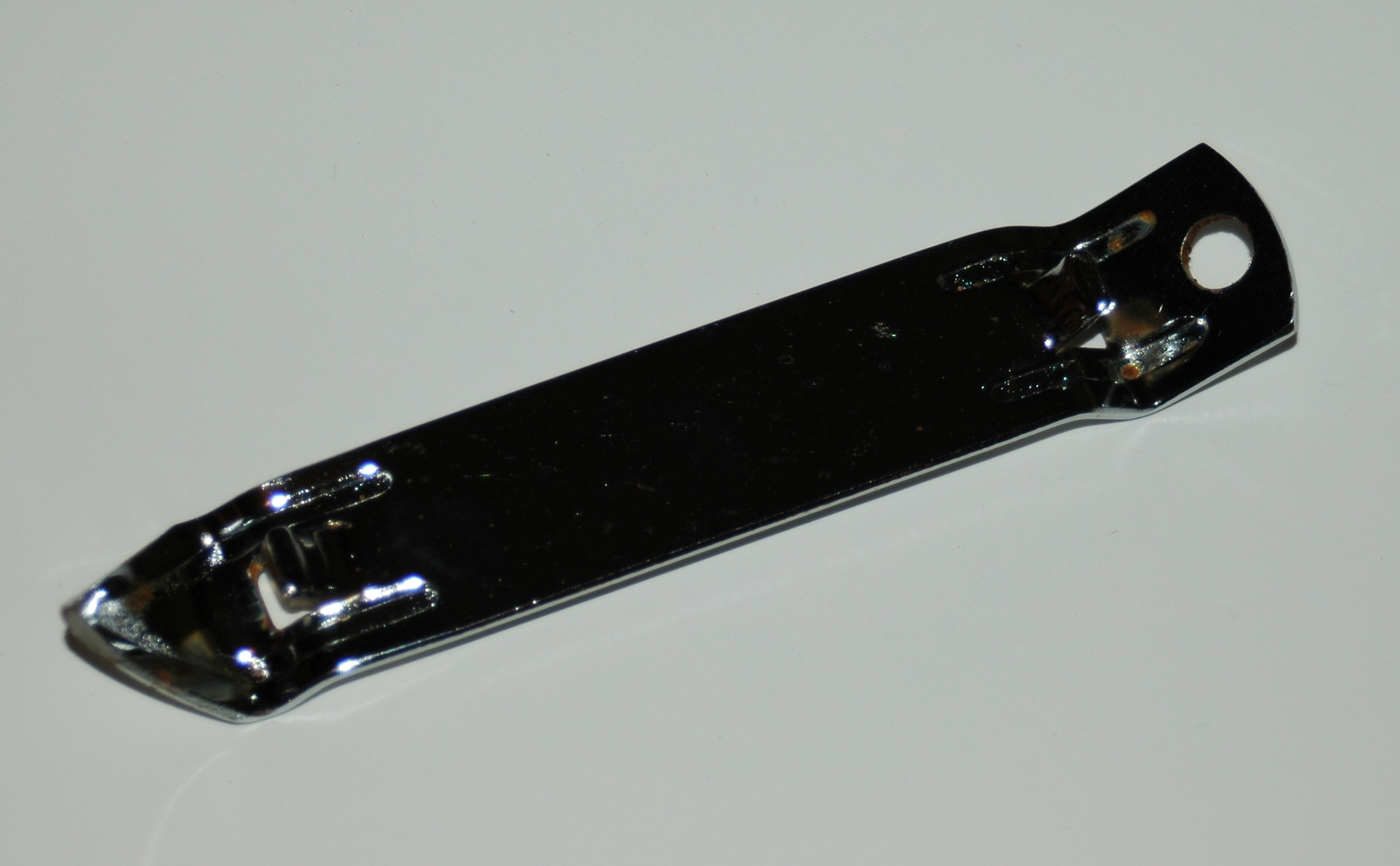
Church key. Beer bottle opener

Posted in Uncategorized | Tagged , | 7 Comments

Americans Discover Vacation: Finding the Time

The history of American vacationing in the 19th and early 20th century is a story of gradual growth in the number of people who went on vacation and the places they choose to go.  But by well into the 20th century, those people were still almost exclusively white and members of the upper and middle classes.

(photo by Grafixer)

(photo by Grafixer)

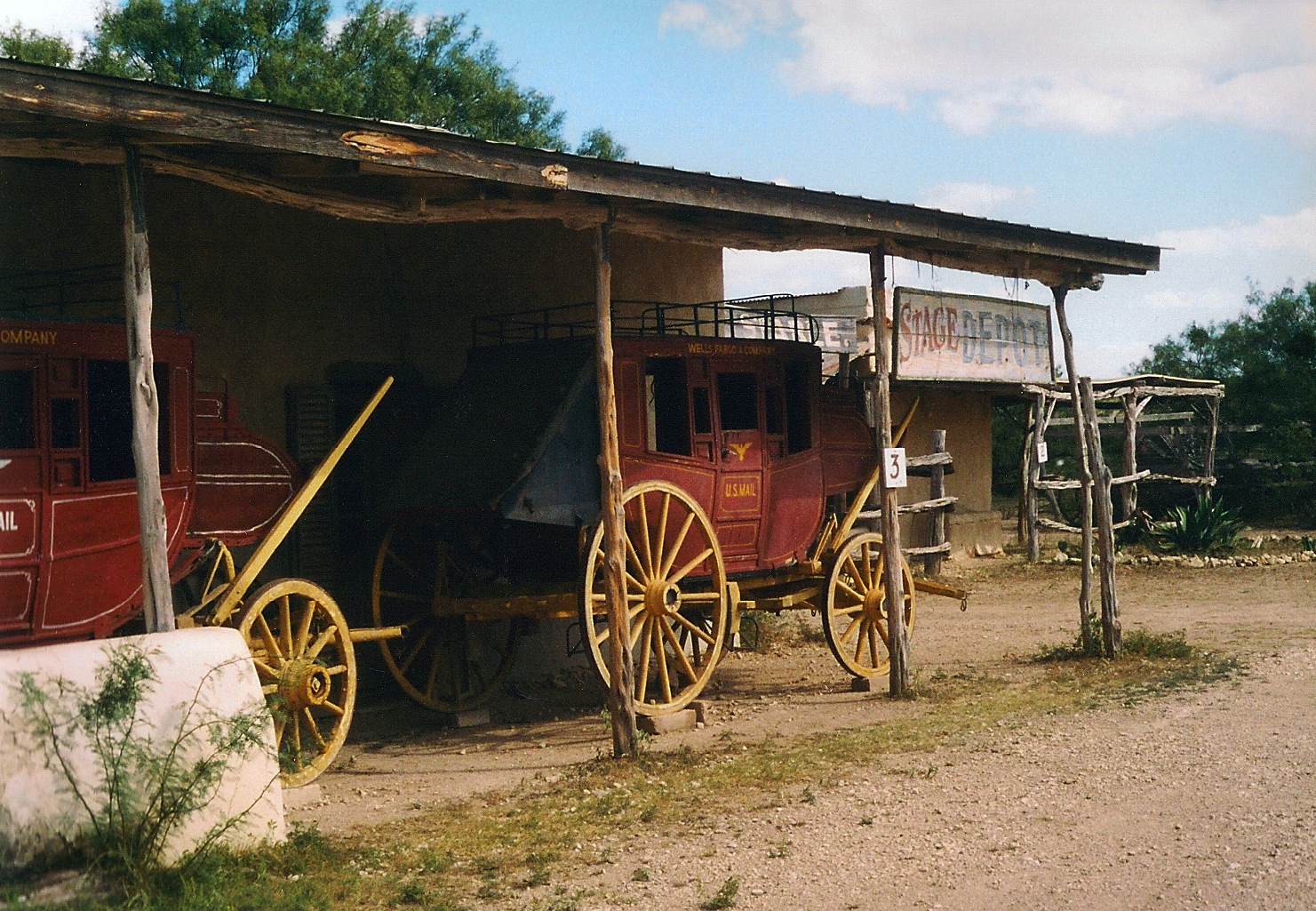
It would be quite a while before working class vacationers would be part of the tourism scene in America. There were a number of barriers to workers taking vacation. Transportation in the 19th century, consisting of stage coaches and later canals, steamboats and railroads, was slow and expensive. Even as rail travel proliferated at the end of the 19th century and automobile travel emerged in the early decades of the 20th century, it’s benefits were available primarily to the financially comfortable.

A few cheaper vacation options emerged in the late 1800’s and early 1900’s. Camping was always posed as an affordable alternative. While some Americans were camping in style with lots of equipment, guides and cooks, those of more modest means could simply camp on local farmland.  Or they could go “tramping” on foot with their gear on their backs. Later auto camping became popular with the less well healed segments of society and camping provided a means for working class families to enjoy the national parks. Religious camp meetings also attracted a broader cross-section of attendees.

There were a few philanthropic groups who arranged vacations for working class Americans. Usually their efforts were directed toward women.  In her book, Working at Play, author Cindy S Aron describes some of these. The YMCA ran a “seashore cottage” on the New Jersey shore that offered very low rates for working class women. The Working Girls Vacation Society was founded in 1884 and funded by wealthy philanthropists. They provided retreats in Connecticut for “working class girls” from New York City. Typical of the time these charitable offerings came with very heavy religious and moral overtones.

Coney Island

Coney Island

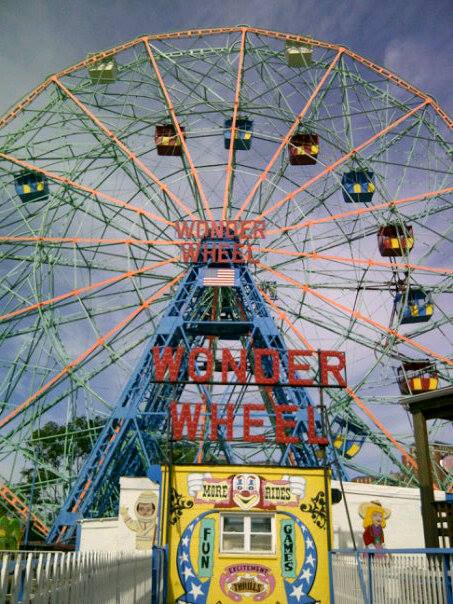
These efforts touched a very small percentage of working class Americans because they didn’t address the issue of time. Even as transportation became faster and more affordable, the initial impact on workers was to make day trips more popular.  The urban working class would take advantage of accessible transit to spend the day in Coney Island or Rockaway, N.Y., Revere Beach in Boston and Dream City in Pittsburgh.  But working class families, dependent as they were on their week-to-week paydays, may not have been able to take time off work, may have feared for their jobs if they did so, and in fact could not afford to take time off work unless it was paid.

America’s working class did not go on vacation regularly until the practice of paid vacation expanded to their level of society.  According to Donna Allen, author of Fringe Benefits, in 1930 only 10% of wage earners had vacation plans compared to 80% of salaried middle-class employees.

There were a few, a very few, companies in the U.S. who provided vacation benefits earlier in the century. They did so, not out of altruism, but because they believed they would benefit from a healthier, happier workforce. These progressive-minded businessmen saw an advantage to themselves by improving the morale and the loyalty of their employees.

The corporate pioneer in this respect was the National Cash Register Company in Dayton, Ohio.  Aron describes how NCR started in 1902 by closing its factory for a two-week period albeit without pay.  Two years later the company filled four trains with some 2,000 NCR employees for a trip to the World’s Fair in St. Louis.  By 1913, 20 year veterans were given one week’s pay and by the 1920’s the threshold was reduced to 10 years served. “NCR’s interests in its workers vacations made it unusual for an early 20th century company,” Aron noted. “The vast majority of businessmen opposed the idea of vacations for production workers.”

1913 Paterson Silk StrikeAs unionization spread through the industrializing cities of America, paid vacations were not a focus of the unions. Workers at the time were often victimized by shutdowns. Companies would close their plants for slow periods, sometimes during the summer or during the holiday, causing their blue collar employees to be temporarily out of work and out of money. Time off was for many something more feared than aspired to. Unions at the time fought for the 8-hour day and the 5-day work week, not for the two-week vacation.

Some unions were, however, involved in creating sites for vacationing workers. The International Ladies Garment Workers opened Unity House in Stroudsburg, Pa., in 1920. For a modest sum of $13 a week, union members could swim in the lake, hike in woods , and attend courses like “The Economic Basis of Modern Civilization” or “Appreciation of Art.” The ILGWU also bought a Catskills resort at White Pines in 1924 from a local union that had tried to establish an education and leisure vacation home for workers. This Unity House, like the one in the Poconos, was successfully run for several decades.

While unions were not actively advocating paid vacations, Aron notes that they indirectly contributed to the cause. Companies who were trying to stave off unionization would sometimes attempt to do so by improving their employment practices, including vacation policy. By 1937 70% of companies were offering paid vacations and according to Marguerite S. Shaffer, author of See America First. By 1949, 93% of union contracts included some type of paid time off.

The last piece of the vacation puzzle for the working class was the widespread ownership of affordable automobiles and the availability of roads that made auto trips faster and more accessible.

So by the time we reached what author Susan Sessions Rugh (Are We there Yet?) calls the “Golden Age of American Family Vacations” in the decades following World War II, all classes of Americans are on the road and on vacation. “The postwar family road trip was made possible by paid vacation and affordable family cars,” writes Rugh. By 1952 there were 62 million licensed drivers in the U.S. and in 1962 Rugh cites government reports that state 81% of Americans traveled by car on their vacation.

But challenges still existed for racial and religious minorities. I’ll discuss those barriers and how they were overcome in next week’s post.

(See also Americans Discover Vacation: Women on the Loose.)

Posted in Americans Discover Vacation, History, Travel | Tagged , , , , , , | 25 Comments

Light Show!

Tunnel of Light

ElephantPlane

SnowmanReflectionsChristmas Tree

Posted in Uncategorized | Tagged , , | 4 Comments

Americans Discover Vacation: Women on the Loose

The 19th century was not a great time to be a woman in America. Large portions of our nation fell under the influence of the Protestant ethic, a philosophy that valued women primarily for their ability to birth and raise children. Combine that with the stifling mores of Victorianism and you have what historians have dubbed the Cult of Domesticity.

Family SecretThis of course was still a time when women couldn’t even vote, no matter how many useless dolts the men of America elected. But for at least some women discovering vacation freed them from this trap even if only temporarily.

Working at Play author Cindy S. Aron says vacations define “what people choose to do rather than what they are required to do.” By that definition who needed a vacation more than the Victorian era American woman. Aron writes, “Summer resorts encouraged more relaxed rules of conduct. Women found and helped create a resort culture freed from some traditional middle-class constraints. “

Cape May street

Cape May

This was apparent at the earliest American resorts, places like Saratoga Springs and Cape May. Women fished, bowled and played billiards. They swam in the same ocean the men swam in. At these more fashionable and affluent resorts flirting and courting were commonplace. Raised in a culture that expected them to be in the house some women found places where they could instead see and be seen. By the late 19th century women outnumbered men at the popular high end resorts. Some city-dwelling wives and their children would spend part of the summer in places like the mountains in New York State or the beaches of Long Island and their husbands would commute there on weekends.

As vacationing spread to a broader segment of society, women were among the participants in different types of vacations, among them camping. They climbed and fished side-by-side with men and accompanied hunting parties. Early in the 20th century, they joined in “tramping” trips, camping and traveling on foot carrying gear on their back.

Improved transportation options and an expansion of tourist accommodation, particularly in the West, sped the development of tourism in the early decades of the 20th century. See America First author Marguerite S. Shaffer notes, “The landscape of tourism offered women a venue outside of the domestic sphere in which they could re-imagine themselves as independent, self-sufficient active members of society.”

John F. Sears, author of Sacred Places, adds, “Tourism, unlike hunting or plowing, tending a flower garden or caring for children, was never gender identified. Both men and women participated in it, often together.”

The story of the growth of vacationing in America has largely been put together through the diaries, memoirs and narratives of early travelers. Authors of these recorded experiences include many women who could be considered pioneers of the American vacation experience.

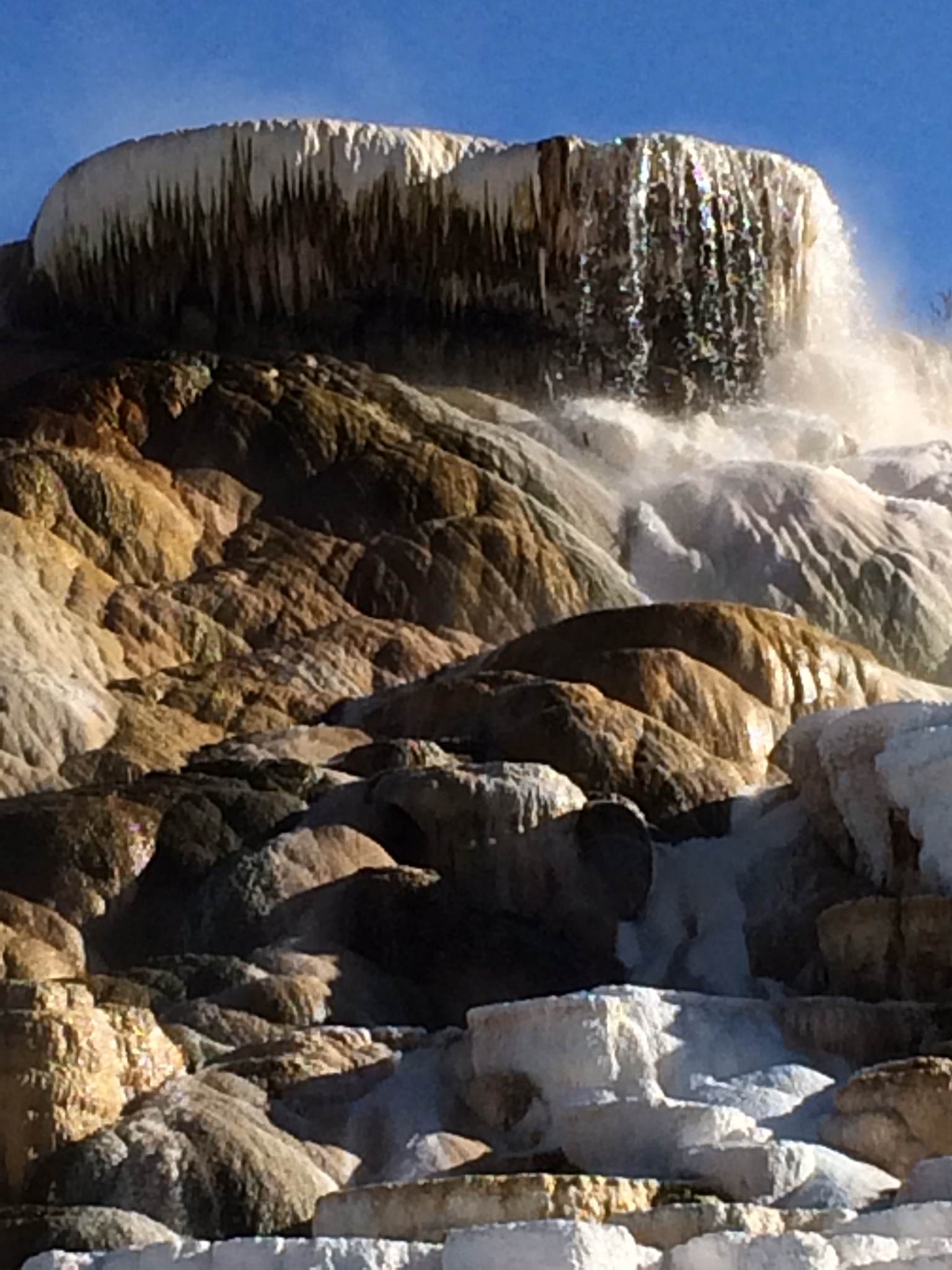
Margaret Cruikshank, a 58-year old teacher from Minneapolis, was one of the early visitors to the new Yellowstone National Park in 1883. She went by train to Montana and then took a coach to the hotel at Mammoth Hot Springs. Her travel around the park was by carriage or horseback. She wrote a story about her trip titled “Earth Could Not Furnish Another Such Sight” that was later published in Montana: The Magazine of Western History.  Cruikshank describes accommodations in the park as “ludicrously insufficient.”  “Wherever you go there are streams to ford, corduroy to fall over, sagebrush plains to crawl along and mountains to cross,” but also “every stop reveals new wonders.” Cruikshank suggested that “the strong can stand it and enjoy it. But this is no place for the delicate.”  She concluded “All who have made the tour of the park are expected to return half-dead, spent and powerless.”

Mammoth Hot Springs

Mammoth Hot Springs

Alice Huyler Ramsey was a 22-year old housewife from Hackensack, N.J. In 1909 when she set off on her gender’s first transcontinental auto voyage. She left from New York with three other women in a Maxwell touring car and arrived in San Francisco 59 days later. During the trip she changed 11 tires, cleaned the spark plugs, and repaired a broken brake pedal. During her journey she caught bedbugs in a hotel in Wyoming, was surrounded by a Native American hunting party with bows drawn in Nevada and slept in the car when it got stuck in the mud. But she survived and in later years drove across country more than 30 times. In the year 2000 she became the first woman inducted into the Automotive Hall of Fame.  In an interview with Ms. Magazine in 1975 she stated the obvious: “Good driving has nothing to do with sex.”

In 1923 Katherine Hulme set forth on a cross country trip with a female companion referred to as Tuny in her later published account of the journey. Shaffer comments that “in many respects their decision to make a transcontinental tour represented a declaration of independence.” The two logged 6,000 miles motoring from New York through Minneapolis, South Dakota, Wyoming, Montana, British Columbia, Idaho, Washington and Oregon before ending up in San Francisco. While many men gave their cars women’s names, Hulme christened her’s “Reggie.” There is a story in the book about a garage attendant who warned the two not to try to cross the Big Horn Mountains at that time of year. Hulme blew him a kiss and Tuny drove on.

(See also American Discover Vacation: Overcoming Our Heritage)

Posted in Americans Discover Vacation, History, Travel | Tagged , , , , , , | 30 Comments