Mr. Boardwalk, Atlantic City

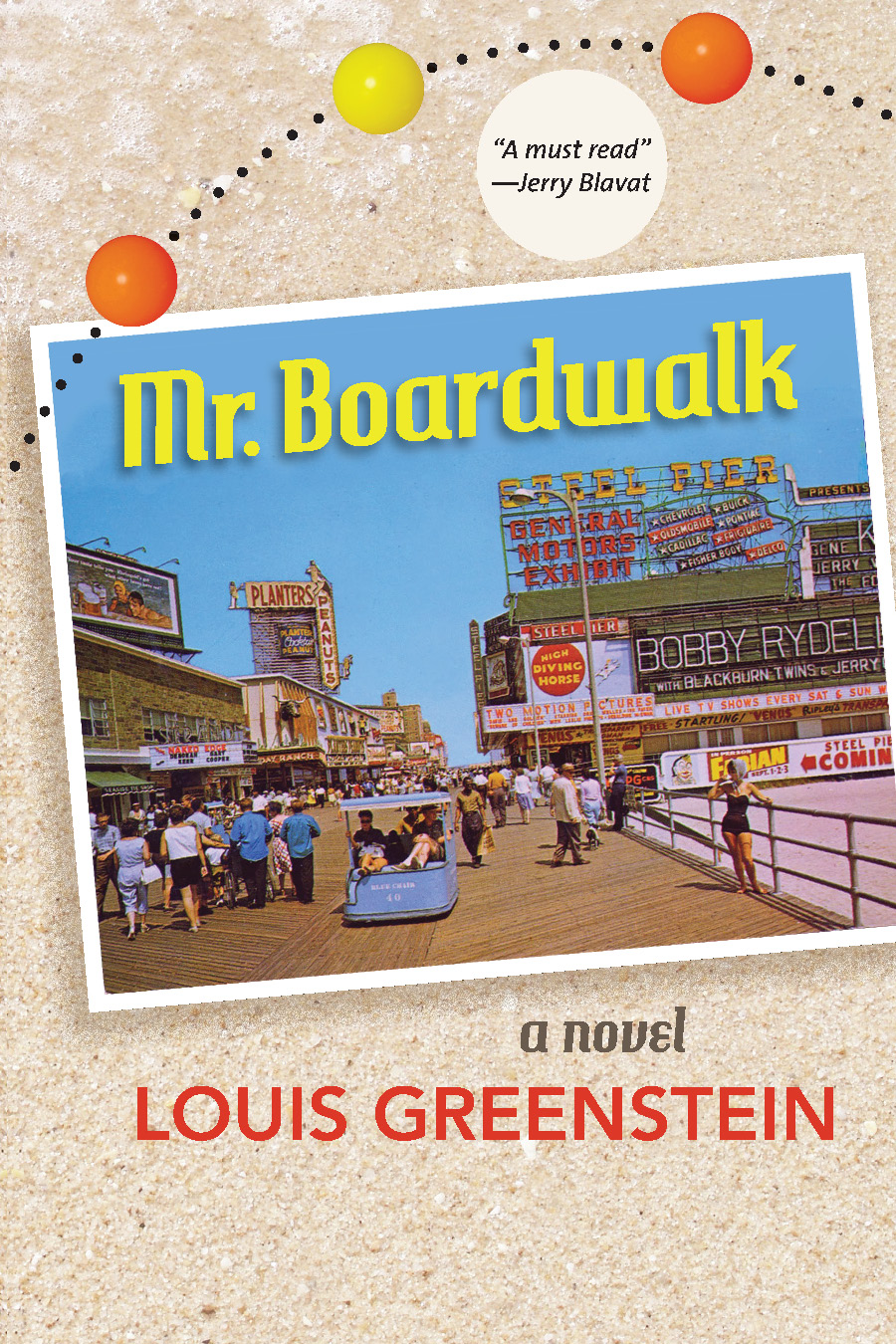
Mr BoardwalkMr. Boardwalk by Louis Greenstein

Mr. Boardwalk is not a mobster. Nor is he an unemployed casino worker. Mr. Boardwalk is a kid growing up spending his summers on the Atlantic City boardwalk in the 60’s, a time when it was neither a haven for bootleggers, nor for gamblers.

Jason Benson lives in the Philly area but heads to the Jersey shore with his family every year when school gets out. There he becomes the self-titled Jason the Magnificent, perfecting a juggling act in front of the boardwalk pretzel shop his father started after dropping out of the corporate world.

Summer at the boardwalk was also a big part of growing up for me and I’m probably about the same age as the factitious Jason Benson. So Mr. Boardwalk brought back a lot of memories, like my first serious kiss with a girl from Philly under the boardwalk.  My summers were in Seaside Heights rather than Atlantic City, but it had the same smell, as Greenstein describes. “Grease and sugar wafting from the takeout stands. Cigar smoke. Roasted peanuts.”

Louis Greenstein

Louis Greenstein on the boardwalk

Greenstein, whose prior works include scripts for Rugrats, has crafted a story within a story. Walking the boards some 30 years later with his wife and teenage daughter for the first time, the story of Jason the Magnificent is told in full detail interrupted only briefly by quick glimpses of the 90’s version of Jason Benson, someone who is regarded as something less than magnificent by wife, daughter and employer alike. It is a tale of failed relationships. A story of fathers and sons and wives and daughters who didn’t talk about all the things they should have.

I really enjoyed Greenstein’s coming of age tales. There’s one about how to survive a bar mitzvah when the whole religion thing seems surrealistic. And there’s the first-time toke story, something that didn’t interest Jason until he got the evil of drugs brochure in school. Shortly thereafter he “made a pipe in the kitchen by wrapping a sheet of tinfoil around a pencil…like I’d seen a guy do in the movie Woodstock.” What generation of American teenagers can’t relate to that?

If you only know Atlantic City as a setting for gangster tales of the 20’s or as the modern day gambling resort in decline, Mr Boardwalk paints a different picture. It is about Atlantic City as a family resort and a popular summer vacation destination, particularly for eastern Pennsylvania beachgoers. Greenstein’s characters are bailing out just as the casinos are moving in. One of them, the guy from the marionette theater next door to the Benson family pretzel bakery, forewarned, “Everything’s going to change. They build a casino, nobody’s gonna be on the boardwalk no more. Ghost town, ghost boardwalk.”

Fast forward to today and you have what has been referred to as ‘Detroit with a boardwalk.’ The schemers who conceptualized an East Coast Las Vegas paid no heed to the fact that ultimately you can build casinos anywhere. And they have. But you can’t take an ocean and a beautiful sandy beach and plop it down in Philly, Yonkers or an Indian reservation in Connecticut.

This is a good novel. Reminds me that I haven’t been to Atlantic City in a long time either. With summer coming up I think a ride down the Parkway is in order.
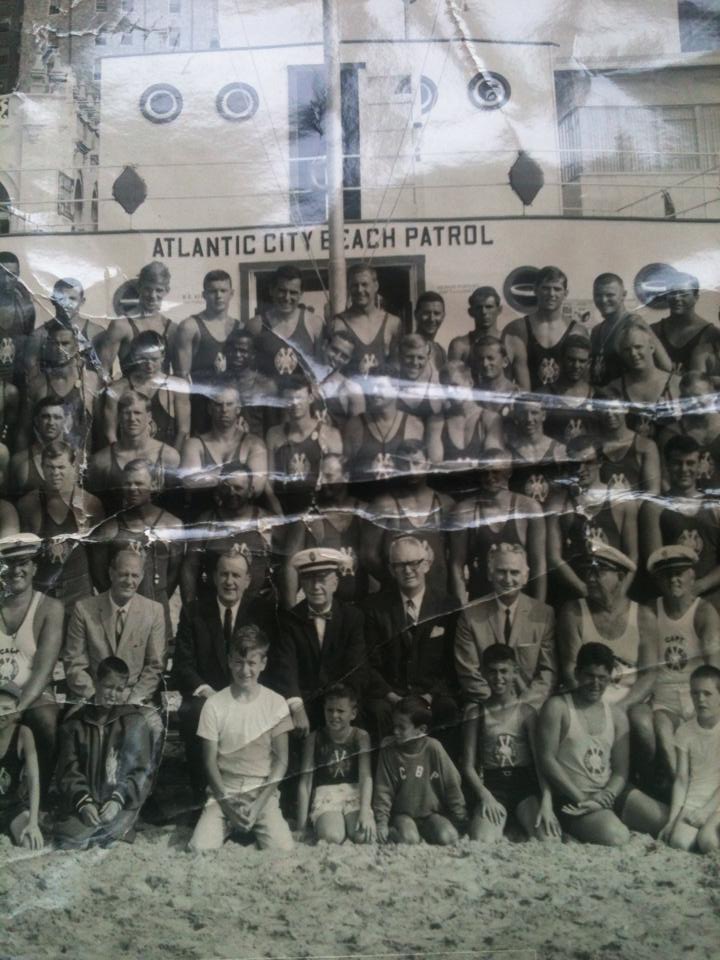
Louis Greenstein in 1963

1963 photo of Greenstein as a beach patrol mascot

Posted in Book reviews | Tagged , , , , | 26 Comments

The Art of Audience Development and Why It Matters

If you are in any way a part of a communications business there is probably no more important a discipline right now than audience development. PR, marketing or advertising companies are only as effective as the size of the audience they create. The same is true for a news, publishing or media enterprise. Many of the hottest companies of the past decade, services like Facebook or YouTube, were evaluated and valued by investors and buyers based their audience, the number of users they attracted, irrespective of things like profitability and margin.

For publishers of all types, audience development has become their lifeblood. Finding their audience online was a challenge for anyone who used to have, and may still have, a paid circulation. Many publishers initially resisted going online for fear it would cannabilize their print sales. It did. It was just a question of whether you were going to cannibalize your own print sales or whether you were going to let someone else do it. For these publishers it was a tough decision to allow open access in place of controlled and paid circulation and it was a decision that they only made after it became clear that traditional paid circulation wasn’t going to sustain them. You may remember how some news organizations tried to stop Google from listing their headlines in search results. In Europe in particular some were successful in getting their content off of Google. Then they found they lost half their readers.

Online

(geralt)

Commercial communicators used to piggyback on media to find their audience. Digital publishing has been a mixed blessing for them. On the one hand they are no longer beholden to media editors who had  created a kind of gated community, only publishing or broadcasting what they found fit for their audience. You now have the ability to bypass the gatekeeper and go straight to that audience. That is if you can find them and if you can produce the quality that will attract them. Probably a bit tougher than forking over cash for good placement.

Businesses of all types, not just communications, have seen the barriers fall in terms of getting their message out. Surely in some ways it is liberating to be able to self publish and to do it at what can be a relatively minor cost. It can be a Web site or a blog, it can be housed on someone else’s network, a Facebook or Tumblr. Video is unleashed from the control by television stations and film companies when it can be uploaded to YouTube and images can sit on a gallery on Pinterest or Instagram.

Content overload

(George Hodan)

But that means lots and lots of content. I recently listened to a presentation by Sree Sreenivasan, Chief Digital Officer of the Met, during which he commented “almost everyone will miss almost everything you do on social media.” You can probably safely expand that comment to what you do on your Web site or blog. And that is where audience development comes in, whether you are the head of that department for the New York Times, an ad agency account executive, a small business owner or a solitary blogger like myself.

There are three key parts to audience development. Social, search and, while this may come as a surprise to some, email.

The Web is full of posts offering advice on how to use social media. You can find 8 tips to do this and 10 ways to do that all over the place. (Usually one of those tips is to use a number in the headline.) There is plentiful advice on when is the best time to post, what are the best networks to use and how often you should publish. I’ll leave that kind of advice to the social media gurus of the world. But I would add one suggestion, especially if, like most of us, you are not at the same level as the Washington Post or Buzzfeed. That is, be an active participant in groups, communities of people who have common interests. They are available in one form or another on most social networks.

I can use my own blog as an example. The most popular posts I have ever written, in terms of number of views, are the posts about the city of Paterson where I was born. These are not my best work. The traffic numbers were driven by my having posted them on a few very active Facebook groups made up of people who were born or who lived in Paterson. I’ve written better stuff and posted it on my news feed, tagging it to be available to everyone, and not gotten anywhere near the response. Who is often more important than how many when you are building an audience.

Search

(Petr Krtochvil)

While many publishers say that social has surpassed search as a driver of traffic, for others search remains preeminent, and that is particularly true if you aren’t a household name person or brand. I used to work for a press release distribution company. Even though I was in the business of publishing press releases online, I knew full well there weren’t many who were going to pick up their phone, or their laptop, and say “let’s read some press releases.” And yet there were many press releases that would be very interesting to specific audiences. Those connections were never going to be made if you expected the potential reader to browse a Web site with thousands of releases. Nor were they going to happen on Facebook. They only happened through search.

A pretty substantial consultative industry has been built up around search engine optimization. SEO is a bit of a moving target. It can also be a victim of its own success. If an SEO trick, an example being loading a post with keywords, is successful, it becomes more and more widely used and at the point that it makes a noticeable difference in search results, Google and the other search engines will tweak their algorithms until it is neutralized or maybe even penalized. There are, however, many sound tips you can learn from search experts, things like the maximum size for headlines and or how to tag images. You should also pay attention to what Google says about how it plans to distinguish good quality from crap. The search engine doesn’t always work in the way Google says it will, but they tend to keep trying until they get it right.

What you shouldn’t do is write for Google’s robots instead of your readers. While this post is about the tactics you can use to develop an audience, it is all predicated on having content that will appeal to the audience you want to reach. If you don’t have that, your audience development efforts are doomed to fail.

And finally I think one of the most important tools that can be used in audience development is email. Email continues to be the single most used Internet activity. And email is device agnostic. It is just as important and widely used on a cell phone as on a tablet or desktop or laptop.

Email

(Piotr Siedlicki)

If you want to know how to use email to drive traffic and build an audience you really don’t have to look any further than your own email preferences. And those preferences are likely to involve not sending too much and keeping it short. I probably read as much if not more news and information that I linked to from an email as I do from browsing, reading social networks or using search. Most of those links come as part of email newsletters that come either daily or weekly, but no more than that, and they include descriptive headlines for about five or six stories.

As detailed in my previous post the online audience has become self-selective. If you want to reach them, the starting point is content that entertains or educates. But just popping it online doesn’t mean it will be seen no matter how good it is. Much like the author who finds that he has to promote his own book, any company or person who is publishing information on the Web needs to be in the business of audience development if they want to find viewers.

Posted in Digital publishing | Tagged , , , , , , , , , , | 5 Comments

The Empowered Audience and How It Changed Publishing, Advertising and Business

The digitalization of the information world has changed the way advertisers advertise, the way marketers market and the way publishers publish. Digital itself is a product of technology, but the real impetus for changes for communicators came from the audience. As technology revamped accessibility and mobility it also offered choices. It created an empowered audience. If you are in the news or marketing or advertising business that means you have to change from talking at an entrapped audience to trying to appeal to a self-selecting audience.

phonograph

(photo by Alvimann)

This is not solely an issue for the publishing and communications industries. One of the best examples of the impact of a digitally empowered audience occurred in the recording industry. Almost since the time when Edison invented the phonograph, the recording industry looked for ways to sell us more than we wanted at a higher price. (Remember B-sides?) So while you may have wanted a song or two, you typically had to buy a package of 10 or 12 or more songs that were embedded in an album or tape. To make things even cushier for the music labels, every few years they would render your entire music collection obsolete by phasing out vinyl or 8-tracks or cassettes or CDs. But that was before Napstar, before iTunes and before you know it, you have an empowered audience, one that can buy and pay for only the precise amount of music it wants.

The next industry to take the hit is going to be cable. We subscribe to systems that deliver hundreds or stations. I get stuff like truTV and We TV. Haven’t got a clue what they are. Even the most avid TV viewer probably only ever watches a couple dozen stations. But we all pay the price for having many, many stations, some that we wouldn’t watch in a hundred years. Netflix and Hulu have chipped into this a little bit and you hear more and more about people, and especially young people, unplugging. The recent news that HBO and ESPN would be making their family of stations available without us having to buy the high-cost Comcast or Time Warner bundles may well be just the beginning of creating an empowered audience of TV viewers. As these options proliferate do you think that audience will opt for packages that have 100’s of stations that they have no interest in? I’m not buying We TV. That’s for sure.

Newspapers

(photo by krosseel)

It’s easy to see how the same thing happened in the news business. Historically we were forced to buy a package of news, i.e. the newspaper. You might have read 10% or 20% or 50% but you had to buy the whole thing. There was a time in my life (before I got smarter) when I looked at little beyond the sports scores. Because of the physical nature of distribution, you were further restricted to reading what could be delivered locally. By the time the print monopoly was about to disintegrate, most readers in the U.S. had little choice other than the local paper, perhaps a regional paper and USA Today, the infographic of the pre-digital world.

Even before the Web, news started to be available digitally through subscription services like AOL or Prodigy. So the first barrier to go was the logistics. It would soon become just as easy for me to read the South China Morning Post as it was to read the Newark Star-Ledger. When they first went digital, newspapers tried to replicate some part of the print product online. That meant you were still looking for news by brand name or masthead and still being delivered a package of information based upon what somebody else thought you would or should be interested in. But the home page presentation is now becoming irrelevant and for many, accessing the information they want is done directly through search or social and it may well be seen as brand agnostic.

The disruption is no less dramatic for advertisers. Traditional advertising is based on making you look at something that you never chose to look at but which was thrust in front you. That can be a print ad on a newspaper or magazine page, a commercial that interrupts the television program you are watching, it can even be painted on a wall in the outfield when you’re at a ball game and looking to see whether or not a long fly ball is going to be a home run. The cost and value of advertising was based on a potential audience. It would cost more to advertise on page 2 of the newspaper than on page 36, just as it would cost more to run a commercial on a national network than on a small market independent station. Nevermind that as a reader I may have had no interest whatsoever in the news that appears on page 2 and as a TV viewer I may opt to take the garbage out when the commercial comes on. I was still part of a potential audience.

Click here

(imaage by jks Lola)

But once the audience becomes empowered you can see right through that type of potential or assumed audience. Just as news organizations at first tried to migrate their print content into digital content, advertisers tried to move their traditional type of content online. But guess what? In a digital world each audience member picks and chooses what to see by clicking on it and once there were sufficient tracking mechanisms in place it because painfully obvious to the advertising industry that nobody but nobody clicked on banner ads.

Still stuck in the mindset that they could thrust stuff before our eyes without ever having to take the step of building an audience that chose to see their content, advertisers then resorted to more creative ways to be intrusive. So we got things like pop ups when pages loaded or pre-roll before videos or online games. Nobody clicks on that stuff either. Because from an audience perspective, classic advertising and marketing content is crap, stuff that a company or organization feels we should see or hear, not anything that we would choose to consume.

At this point the only answer, given the new freedom of choice that consumers of information enjoy, is to produce content that some audience will find to be either entertaining or instructive. All the technology in the world, whether it’s mobile or responsive or interactive, means nothing if you don’t have what people want to see or read. That is the challenge for publishers, for advertisers and for businesses. Whether you’re producing national news and looking for a broad diverse audience or whether you are selling bicycles and trying to find a find a local community of cyclists, the requirement is still the same. You’re dealing with an empowered audience and you’ve got to attract them rather than entrap them.

Producing the content that does that is the first step. The second is to make sure they see it. In contemporary vernacular that means audience development, something that I will elaborate on in my next post.

Posted in Digital publishing, Technology | Tagged , , , , , , , | 17 Comments

A Season of Hockey

Dallas Stars 3 New Jersey Devils 2

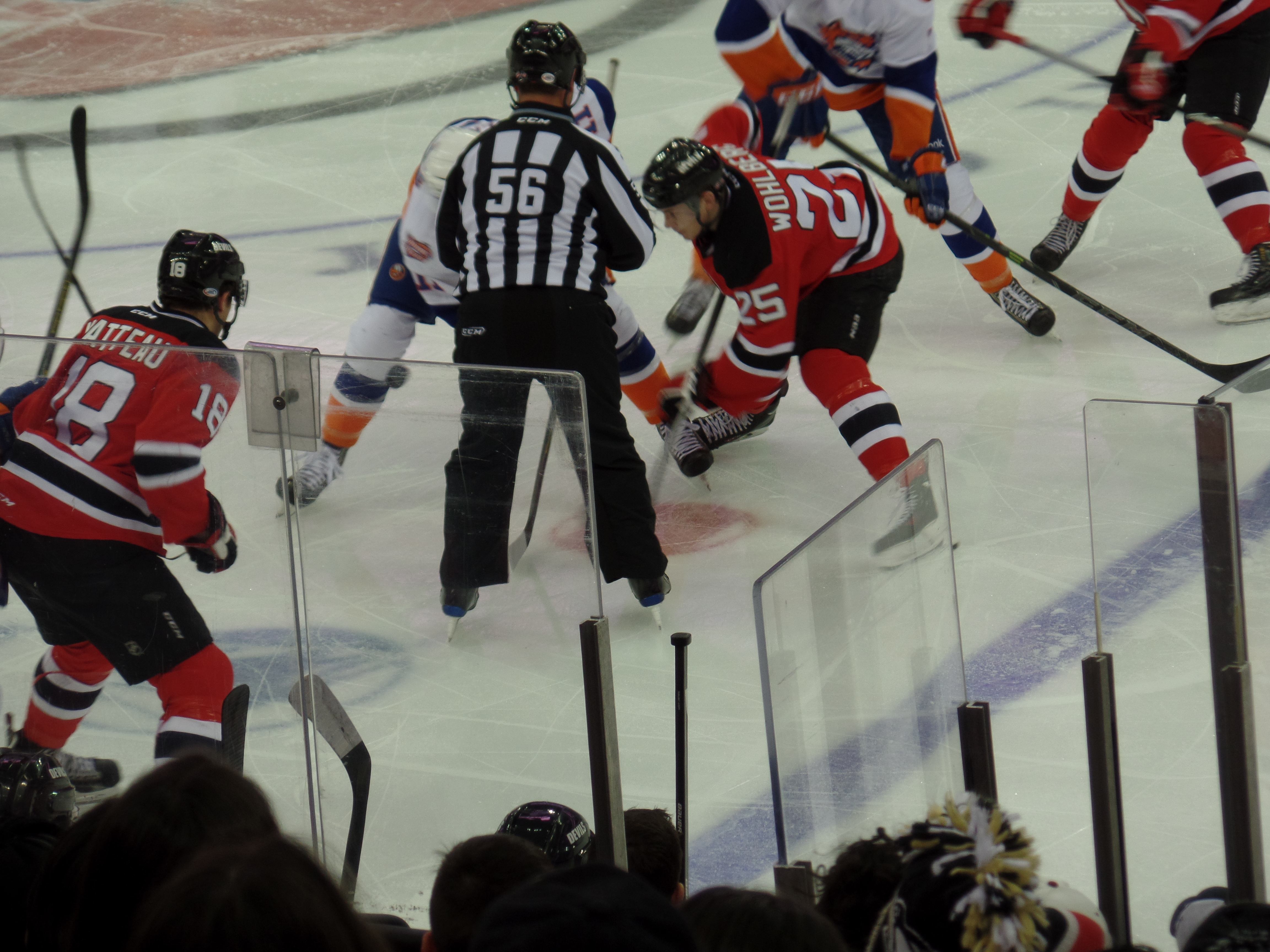
Chico Resch night at the Prudential CenterNever mind the game. The Devils lost in a shootout. They always lose shootouts. This was the home opener and it was Chico Resch night. Resch was an NHL goalie for 14 years with the Islanders, Devils and Flyers. He was a Devils broadcaster for 18 years and retired at the end of the 2013-14 season. He is widely beloved by Devils fans, partly because of his work with the team but mostly because he is just a flat out nice guy. He’ll be missed. As for the Devils, things continued to go south from here. By New Year they were pretty much out of the playoff race. And since their best forwards were aged 42 and 39, “wait till next year” has a hollow ring.

Albany Devils 5 Bridgeport Sound Tigers 3

albany Devils vs. Bridgeport Sound TigersThe American Hockey League affiliates of the New Jersey Devils and the New York Islanders got to take center stage at the Prudential Center in Newark. The A-Devils won a spirited, lively game. They scored 5 goals. At that point in the season the New Jersey Devils had reached that goal total 5 times in 47 games. This was a demonstration of what sports could be like without all the money. Tickets were $10 general admission. There was a spirited crowd that cheered and chanted. Some were families with two or three kids sitting in the lower deck, center ice. That could cost $1,000 for an NHL game.

Erie Otters 4 London Knights 2

connor McDavid playing for the Erie OttersAn Ontario Hockey League game at the Erie Insurance Arena. This was the best game I saw all year. the teams went end to end at full speed before an enthusiastic packed house. I don’t think either team dumped the puck all game. These guys can skate. The Erie team includes Connor McDavid, a guy who is being touted as a generation player. That is, a player the caliber of which only comes along once in a generation. A Sidney Crosby or Mario Lemieus. On this frigid night in Erie, Pa., he did not disappoint.

New York Islanders 3 Buffalo Sabres 2

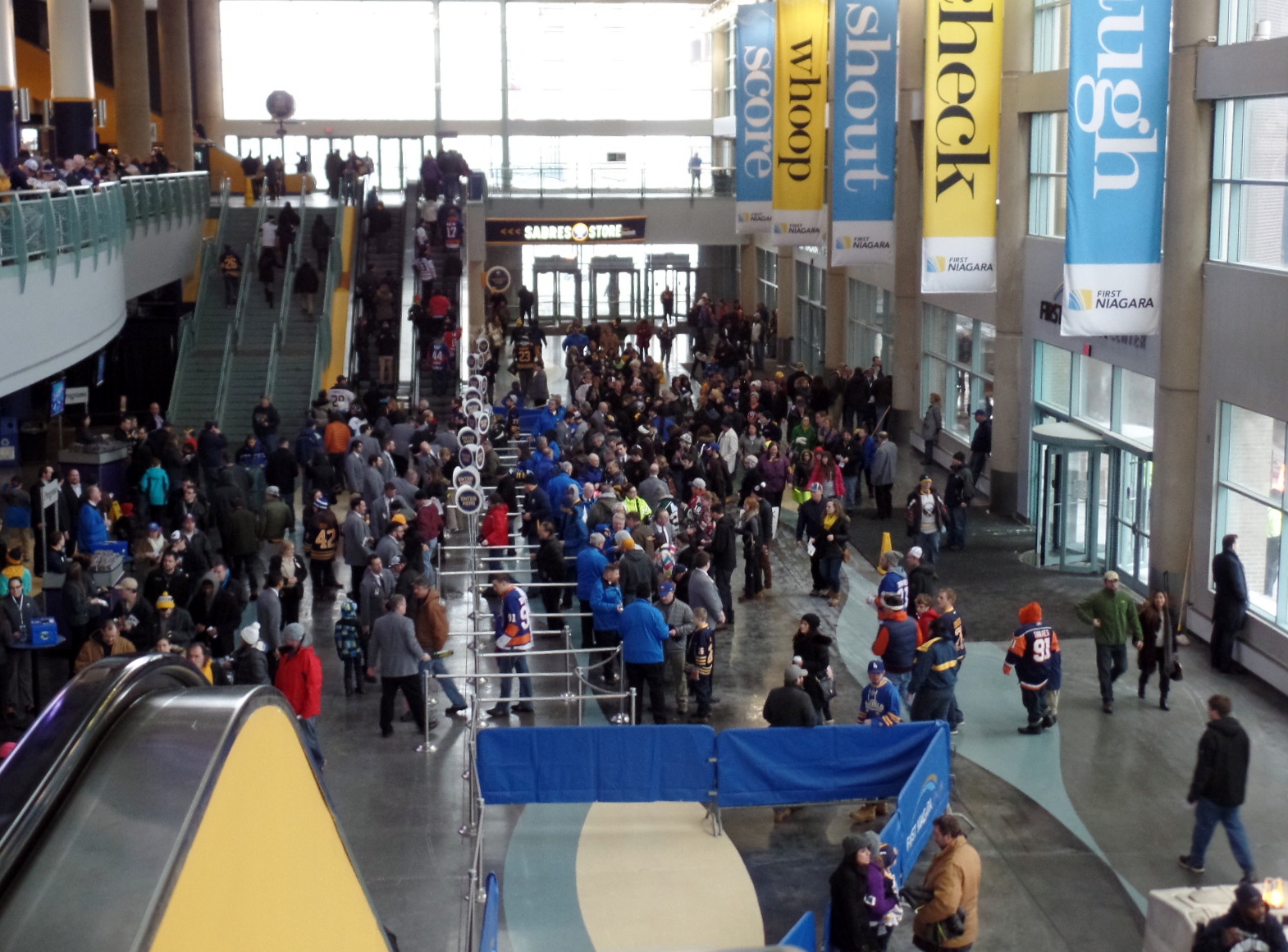
Hockey night in BuffaloThe Sabres are a woeful team. Coming into this game they had won twice in their previous 17 games. They were long since out of contention for everything except the sweepstakes that will result in drafting the aforementioned Connor McDavid. So that is why the picture is of the fans streaming into the First Niagara Center. Despite the terrible record and meaninglessness of this game, despite the fact that it had snowed all afternoon and was expected to continue to snow through the next day, the place was just about full. Buffalo fans surely deserve better.

Brown 4 Princeton 1

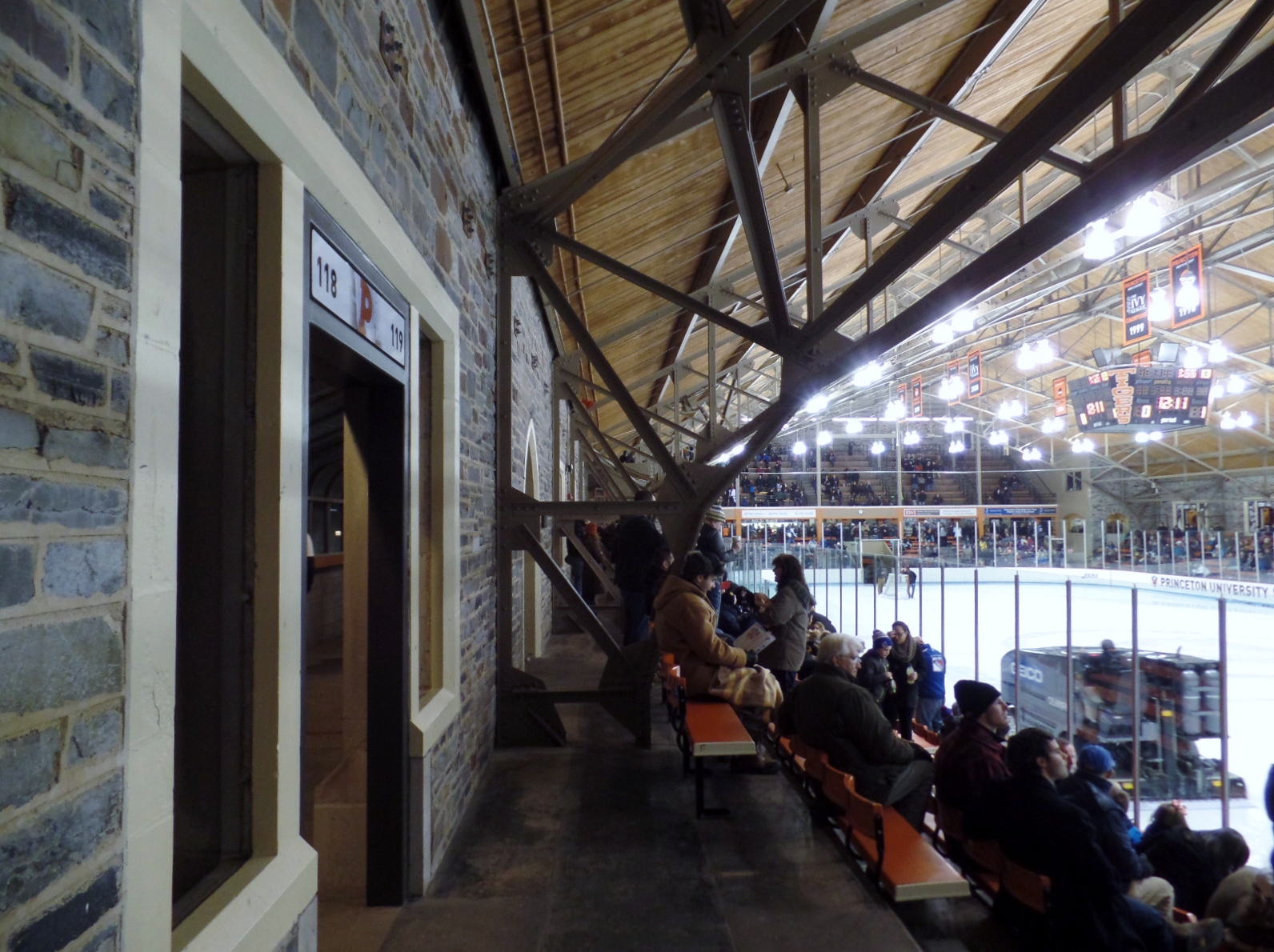
Baker Rink at Princeton UniversityNot a marquee matchup in the world of college hockey. Coming into this game Princeton and Brown were last and next-to-last, respectively, in the ECAC Hockey Conference standings. As you can see from the score Princeton cemented its hold on the bottom of the table. But that is not the attraction here. It is Baker Rink itself, a hockey venue  that was built in 1922 and named after Hockey Hall of Famer Hobie Baker, one of Princeton’s most decorated athletes. With a capacity of 2,000, this is a great place to watch a hockey game, no matter who is playing.

Southern Regional 2 Montclair 0

clary Anderson Arena, Montclair, N.J>This was a New Jersey High School hockey Public A tournament round of 16 game. Southern went on to win one more game in the tournament before being eliminated in the semifinals. As you can see from this picture, Clary Anderson Arena in Montclair has seen its share of flying pucks. This was once the site of an outdoor hockey venue. Montclair High School would play night games here, something that was very popular with high school students even if a bit cold. And once in a while the spectators would include Montclair favorite son Yogi Berra.

Posted in Sports | Tagged , , , , , , , , , , , , , | 1 Comment

Desert

Sonoran Desert
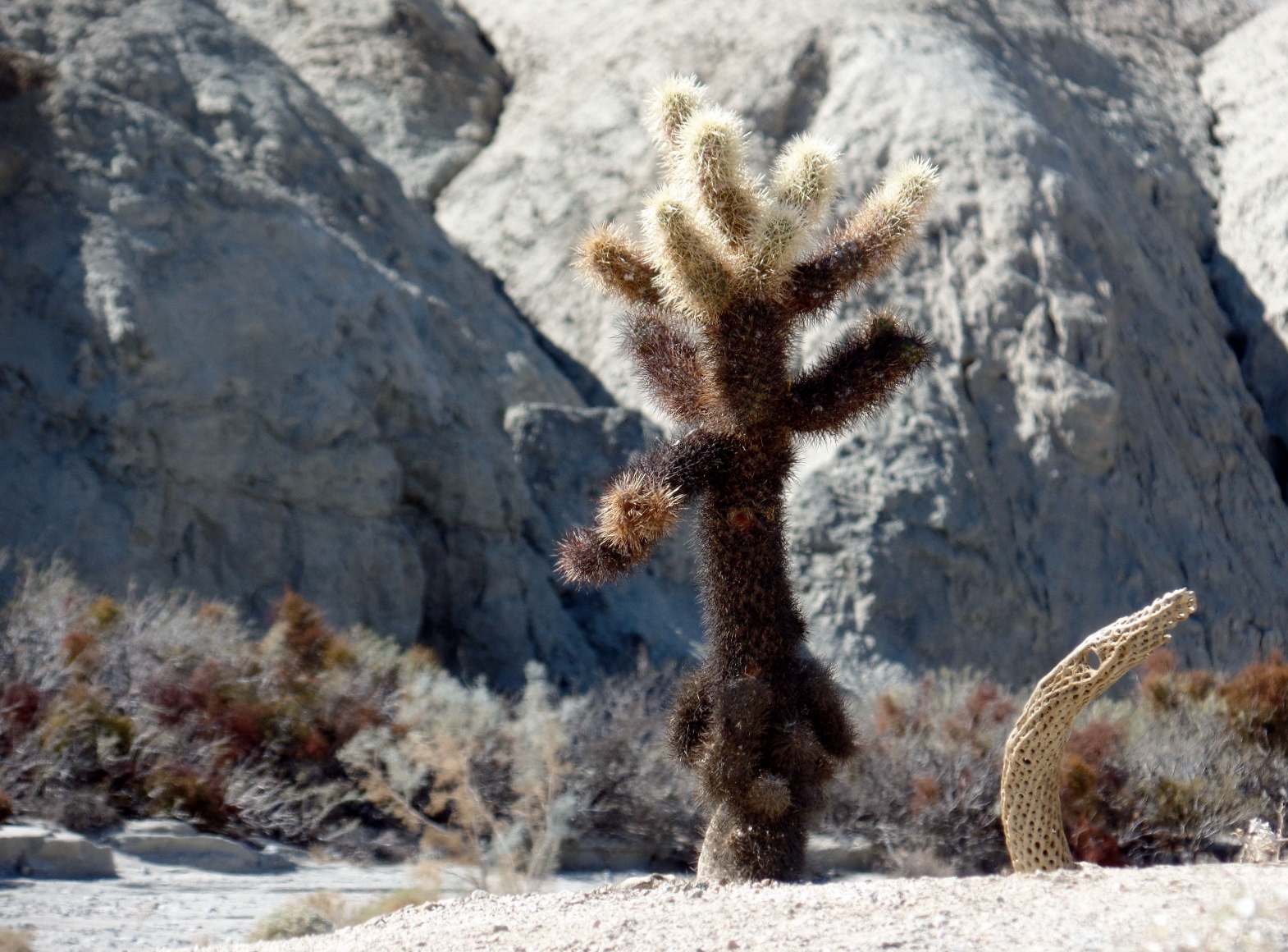
Palm triee in Sonoran Desert in southeastern CaliforniaThe Sonoran Desert covers 120,000 square miles in southwestern Arizona, southeastern California, Baja California and the Mexican state of Sonora. These photos were taken in California near the Coachella Valley.

Cactus in the Sonoran Desert, southeastern CaliforniaSonoran Desert, southeastern CaliforniaSonoran Desert in southeastern California

A Palm Oasis

A plam oasis in the Sonoran DesertThe California Fan Palm is also known as the Desert Palm since it is drought resistant. It can grow up to 60 feet high and its crown spreads to up to 15 feet.

The California Fan Palm

Caslifornia palms damaged by fire

These palms were in a fire. The trunks are still black but they continued to grow and are green on top.

California fan palms in the Sonoran DesertSan Andreas Fault

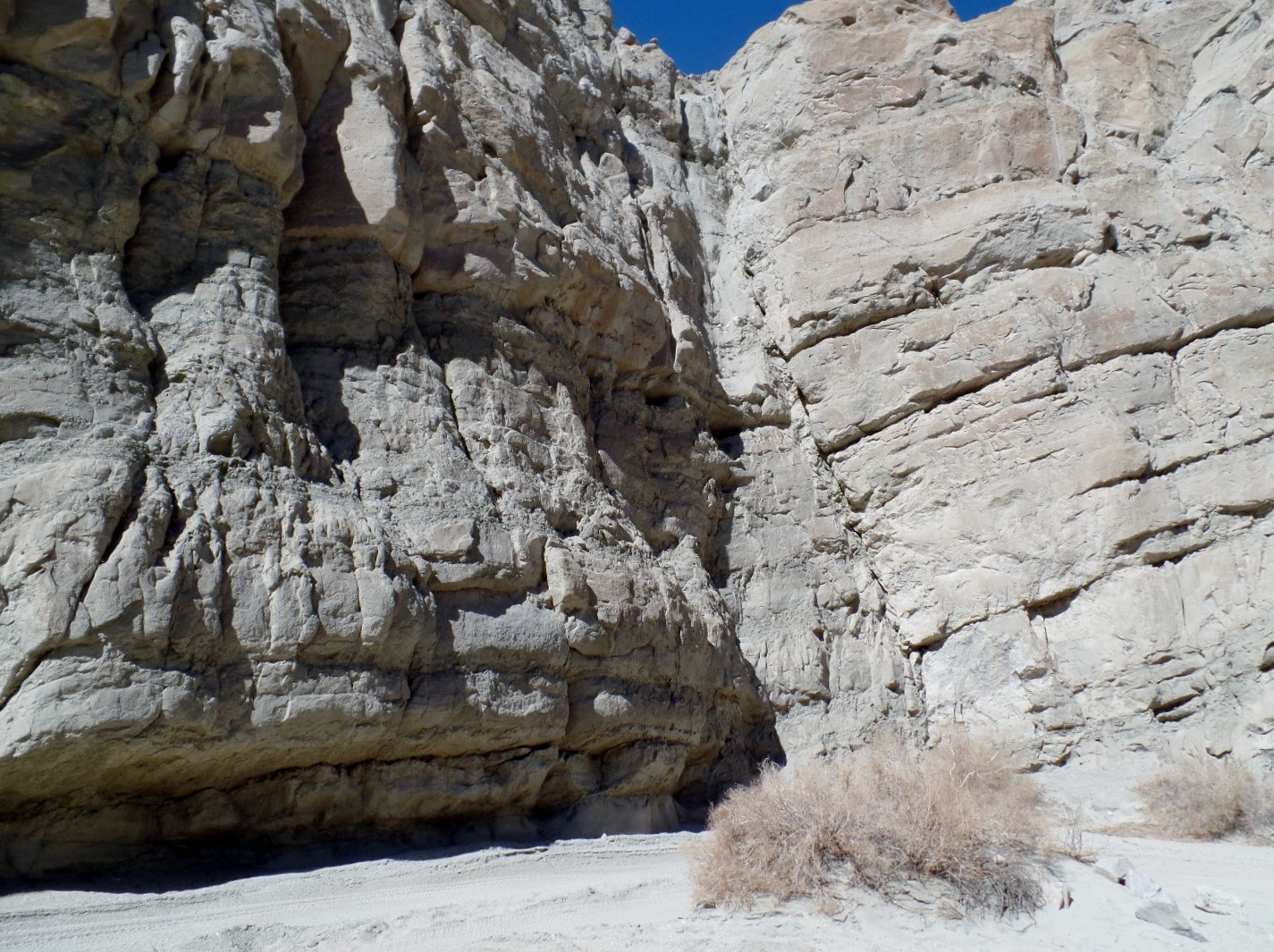
San Adreas Fault in southeastern CaliforniaThe San Andreas Fault runs through about 800 miles of California. It is formed by a meeting of the Pacific Plate and the North American Plate. These photos are from the Indio Hills area.

San Andreas Fault in southeastern CaliforniaExploring the San Andreas Fault in southeastern CaliforniaSan Andreas Fault in southeastern California

Posted in Travel | Tagged , , , , , , , | 24 Comments

The Decade of the Gun: JFK to KSU Part II

May 4, 1970

On the morning of Monday, May 4, 1970, I was anxious to attend the rally that was scheduled for the Kent State University commons at noon. It had been a weekend of disorganized protest and disorder both on campus and in the bar-laden downtown section of Kent, Ohio. The protests had started on Friday, one day after Richard Nixon announced he was escalating the Vietnam War into Cambodia.

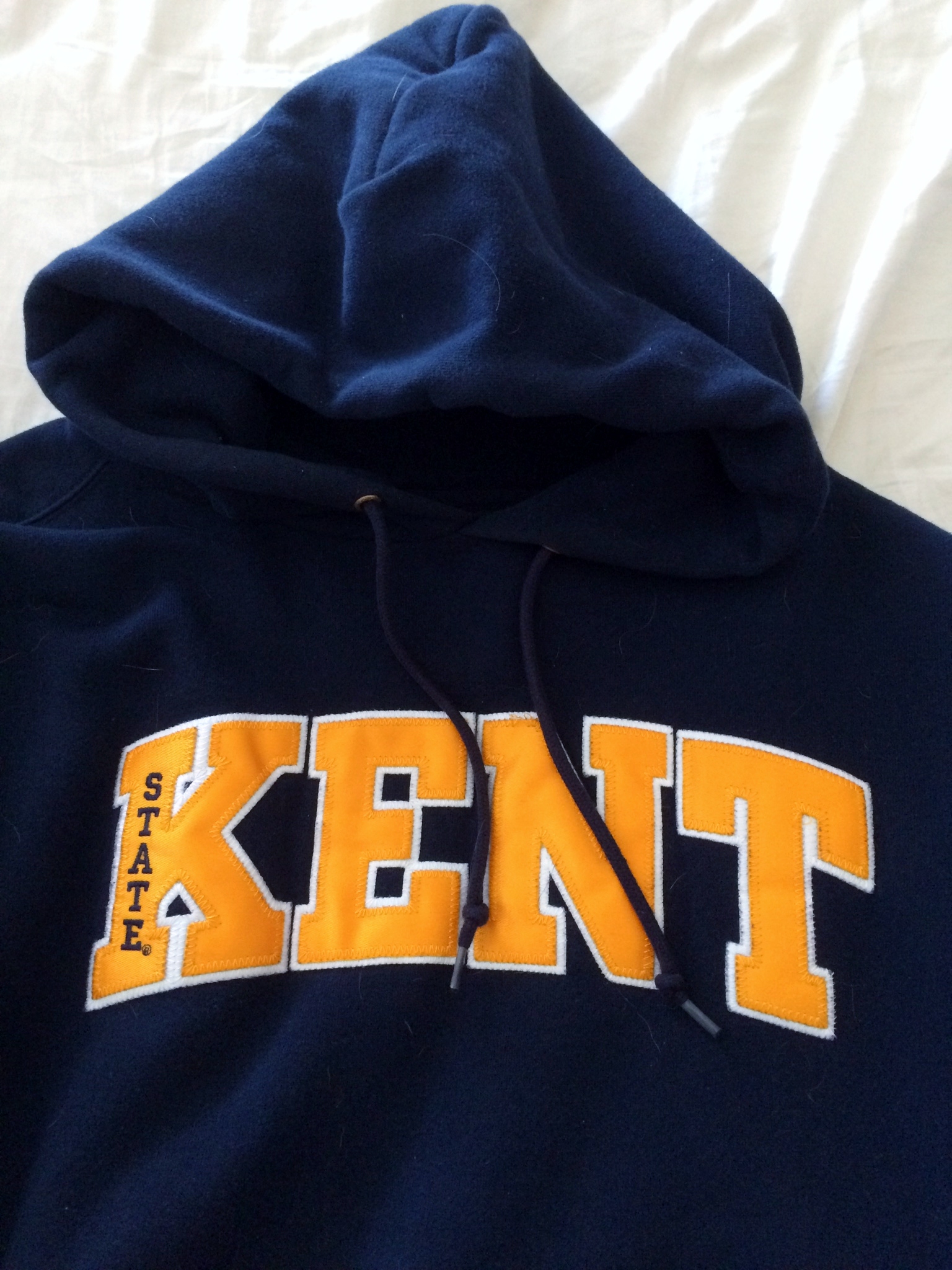
Kent State sweatshirtMany Kent State students were commuters and for them the rally had an air of catching up with what had been happening on campus. The commons is a grassy area in the center of campus. On one end was the ROTC building that had been torched over the weekend. At the other end was a hill and at the top Taylor Hall, the architecture building. To the right of Taylor was Johnson Hall where I was living at the time.

The university administration apparently tried to stop the rally by distributing leaflets that said it was cancelled. My sociology professor, on the other hand, cancelled his class so everyone could attend. The rally never got started as the Ohio National Guard moved in to disperse the gathering. Most of the students, myself included, retreated up the hill to the area behind Taylor Hall. It is there that the shooting took place killing four students and wounding nine.

Despite being in the area I can’t honestly say that I saw what happened. My only recollection was of herding several fellow students into my dorm room which was safe and, being on the second floor, had windows overlooking the area where the shooting took place.

We were soon notified that the building and the entire campus was to be evacuated. I don’t know what I did or what I was thinking for the next hour or two but before long I felt like the last person on campus. As I walked out, taking a circuitous route past Bowman Hall and avoiding the commons, there was no one in sight. I remember carrying an umbrella as it had started to rain and at one point smashing it against a street sign. I walked to a friend’s off campus house where I stayed until I could get a ride to Cleveland Hopkins Airport to head home.

Young vs. Old

The shootings at Kent State put an end to a decade that began with so much optimism and ended with Americans at war with each other. Young vs. old. Black vs. white.

The issue that fueled campus demonstrations and the growth of the radical student movement was the Vietnam War. Many of us who were on the campus of Kent State and every other campus in America at the time would soon have a lottery number put on our heads (mine was 95) that would determine whether or not we would get drafted to head off into an Asian jungle to fight against peasants who our government had decided were the enemy.

Vietnam Memorial

(Photo by SDRandCo)

The parents of this generation of students might have eventually been able to overlook the whole sex, drugs and rock and roll thing. But many were World War II veterans who served in Europe or the Pacific and raised their baby boomer kids in the home they bought in the suburbs with the GI Bill. What they couldn’t overlook were their sons and daughters on the street chanting “Ho, Ho, Ho Chi Minh, the NLF is going to win.” When I arrived home after the shooting in Kent, my father pronounced, “They should have shot them all.”

Soldier with peace sign

(OpenClips)

The student movement grew as the war had dragged on. But they didn’t have many friends other than each other. The “don’t trust anyone over 30” mantra disconnected them with the growing numbers of older Americans who were coming to the same conclusion about the war. While the student left adapted the vernacular of class struggle they in reality made little connection with the working class or the unions that represented them. If you were working in a factory or at a construction site being a student at a place like Berkeley or Columbia looked like a pretty cushy gig.

And while liberal minded whites had long served as participants in many aspects of the civil rights movement, black students were having a generational conflict of their own. They were rejecting the non-violent civil rights movement of their parents and focusing on Black Power. White allies were sometimes unwelcome and at other times viewed with a wary eye.

Black vs. White

The civil rights movement that characterized the first half of the decade achieved at least nominal success. The Civil Rights Act and the Voting Rights Act were signed into law in 1964 and 1965 respectively. That didn’t end discrimination and it didn’t end racism in America. In fact, it got worse. It also became clear that racism was not a Southern problem, but rather an American problem.

Protesting students

(OpenClips)

It has always bothered me that shortly after the shootings at Kent State a similar incident occurred at the predominately black Jackson State University in Mississippi but the latter never seemed to spark the same level of attention or indignation. James Michener didn’t write a book about Jackson State and Neil Young didn’t sing a song about two dead in Mississippi. The incident was the same, students shot dead while protesting the escalation of the war, in every way but the color of the victims.

Meanwhile blacks, and especially younger blacks, are thinking that while it’s nice to be able to sit in the front of the bus, it doesn’t matter much if you don’t have bus fare and if you don’t have a job to take the bus to. The goal after all wasn’t to hang around with white folks, it was to attain the housing, education and jobs necessary to improve black lives.

America’s race war was most dramatically demonstrated by the urban riots and rebellions that visited virtually every major U.S. city, usually sparked by real or rumored over-aggressive law enforcement. It started in the Watts section of Los Angeles in 1965, included the riots in Newark and Detroit in 1967 and reached a peak in 120 cities following the assassination of Martin Luther King.

The race wars of the 60’s had a more profound and longer-lasting impact than the war between the generations. White residents fled urban areas as did white-owned business. So did blacks with the wherewithal to get out. The plants, mills and factories that provided inner city jobs packed up and moved out. Inner city schools began a decades long decline. Some cities, like Newark and Detroit, still haven’t recovered.

Nor has America overcome its war between the races. Just a few years after we could proudly point to the fact that we elected a black president, the events in Ferguson, Mo., seemed to thrust us right back into the 60’s, the decade of the gun.

(The Decade of the Gun: JFK to KSU Part I)

Posted in History | Tagged , , , , , | 25 Comments

Red Dirt by Joe Samuel Starnes

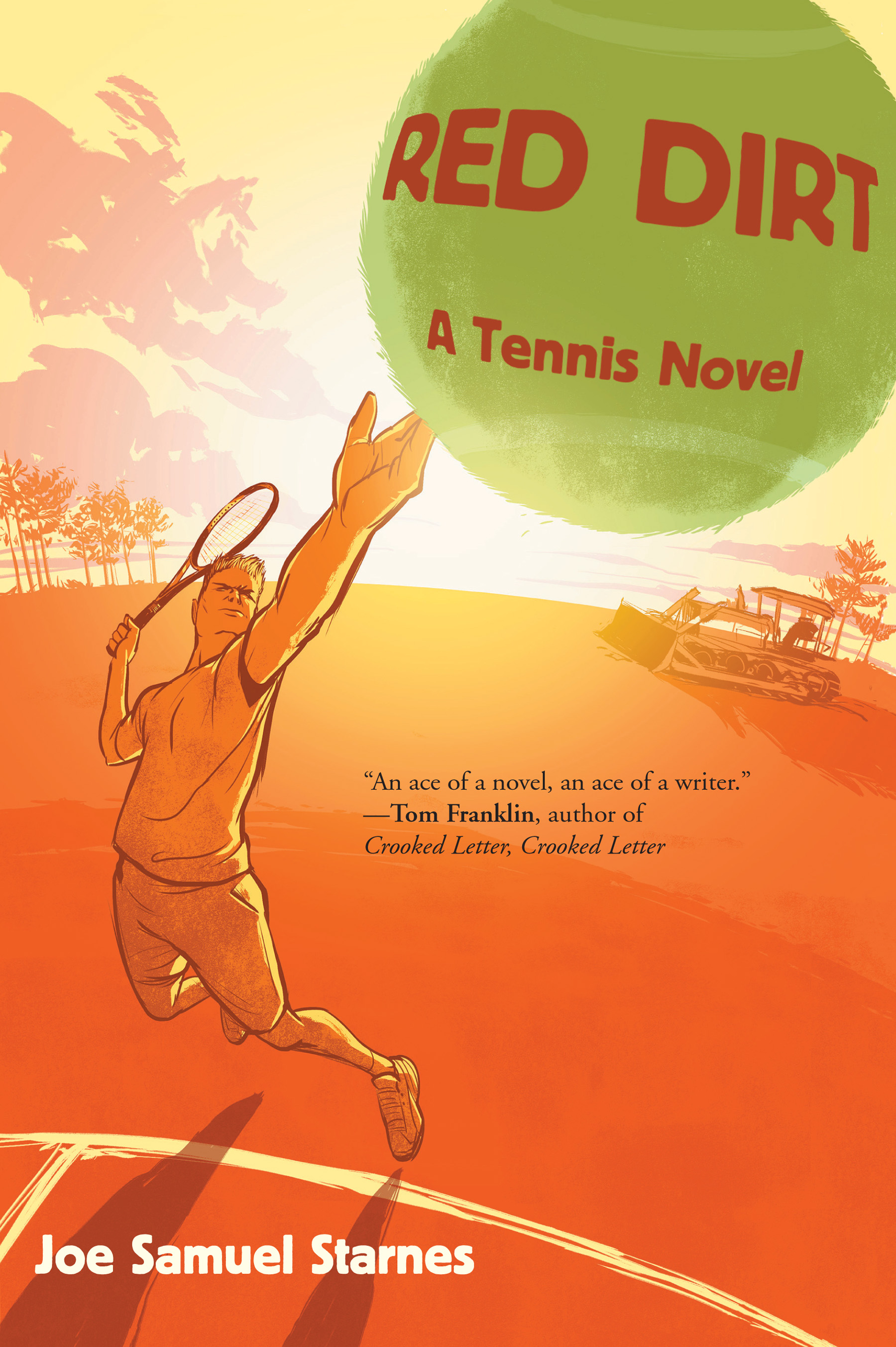
Red Dirt by Joe Samuel StarnesThe rise, fall and reconstruction of Jaxie Skinner. This is a novel about tennis and about life in rural northern Georgia. That puts the story directly in the wheelhouse of this author. Starnes is an avid tennis fan, author of the Topspin Blog and not a bad player himself. And he grew up in small-town Georgia.

I’ve never been to the kind of elite junior or “Futures” tournament described by Starnes as the place where Jaxie makes his move. If I did I would expect to find kids that came from all over the world to be shaped into the same mold by the elite Florida tennis academies. So while this is only fiction it is nice to think that a young guy from the sticks who learned to play in his backyard can put away some of these clones. I’m also pretty sure that an academy kid doesn’t get experiences like driving to the Orange Bowl in the back seat of his father’s Lincoln while his buddy tells him stories of hooking up with the stripper who danced with a snake. And Bollettieri’s boys probably don’t spend the night before a big match holed up with their old man in a Quality Inn room while he gets so shit-faced that he can’t make the match the next day.

Joe Samuel Starnes author of Red Dirt

Joe Samuel Starnes

The title Red Dirt comes from the surface of the court that Jaxie’s father built for him in their yard. Inexplicably he never paves the court even though he makes a living as a road paver. This is a book that combines fact and fiction. Jaxie achieves success at the French Open both on the court and in the bed of the 16-year old Russian phenom in the women’s draw. That’s fiction. When the phenom proves to be not so phenomenal going up against Steffi Graff, that’s fact. Who knows how many times Steffi ended a young prodigy’s dream run?

There’s lots of tennis lore. One of my favorites is the story of Vitas Gerulaitis, who after losing to Jimmy Connors 16 times, wins once and proudly announces that “nobody beats Vitas Gerulaitis 17 times in a row.”

As you might expect the pro tennis players’ clubhouse is not portrayed as housing the friendliest group of guys you’ll ever meet. And there is a hint of HGH about. Starnes recreates the atmosphere of Roland Garros and Flushing Meadows, not as it looks to the Federers and Nadals of the world, but rather as it is seen through the eyes of the qualifiers, the last guys invited to the party.

As in his earlier novels, Calling and Fall Line, Starnes’ storytelling can make you feel like you’re sitting in a rocking chair on the front porch drinking a beer. But in Red Dirt the southern drawl that weaves its way into his writing off the court is at times replaced by the direct and concise style of a wire service sportswriter when the action is on the court. You don’t have to be a tennis lover or a Southerner to enjoy this book. I can vouch for that.

(To see my reviews of Starnes’ earlier novels, click here.)

Posted in Book reviews, Sports | Tagged , , , , , , , | 4 Comments

The Decade of the Gun: JFK to KSU Part 1

Nov. 22, 1963

Friday, Nov. 22, 1963, 12:30 in the afternoon, I’m in eighth grade gym class at Memorial School in Totowa, N.J. The gym at Memorial School was in the basement and had a low ceiling, so none of us were developing good jump shots. It was Friday, so we were probably playing dodge ball. Don’t remember for sure. But I remember the announcement that came over the PA system. President Kennedy had been shot. Our gym teacher didn’t know what to say. He just told us to go back to the locker room, get dressed and go home.

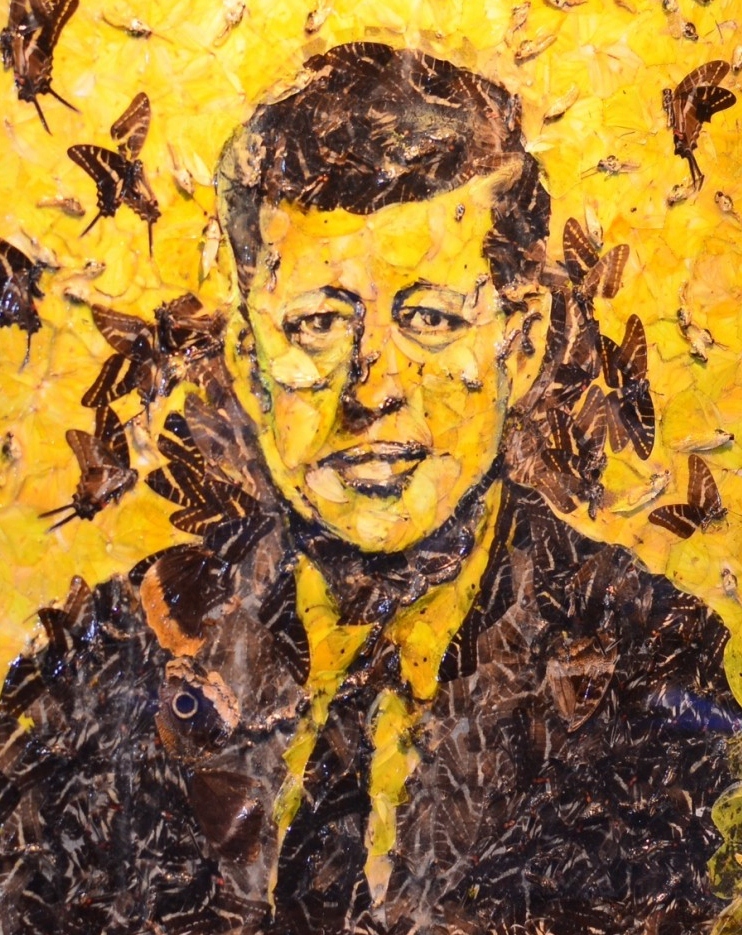
JFK with Butterflies

(Photo by David Lally)

Both of my parents worked so there was no one home in the middle of the day. I headed to my favorite hangout, Elsie’s Sweet Shop on Union Boulevard. I walked in and saw the class tough guy sitting at the counter crying. That’s when the meaning of what just happened struck me.

The U.S. shut down for a few days after JFK’s assassination. My family sat in front of the TV during that time. I wasn’t a novice when it came to seeing violence on TV. I watched The Untouchables every Thursday night. But I wasn’t prepared for what I was to see on Sunday, Nov. 24. As we sat in the living room waiting for a glance at the scoundrel who shot JFK we saw strip club owner Jack Ruby step forward and shoot him. I think that was the only time I’ve ever seen someone shot live on television.

My family didn’t have any conspiracy theories to explain this. We didn’t know at the time who Jack Ruby was. We just assumed he was an outraged American out to administer some Texas justice.

Gunshots

The decade of the 60’s is remembered for a lot of things. It was the decade of sex, drugs and rock and roll. For some it was a time for coming out, for others a time for liberation. The top results of a USPS survey in the 90’s about what would best “commemorate” the 60’s identified the top memories as the Beatles, Woodstock and Star Trek.

For me the 60’s was the decade of the gun. Two of the most memorable and most profound “where were you when” moments in my life were the assassination of JFK and the killing of four students at Kent State while I was going to school there. While not chronologically exact, these two events framed the decade in my mind.

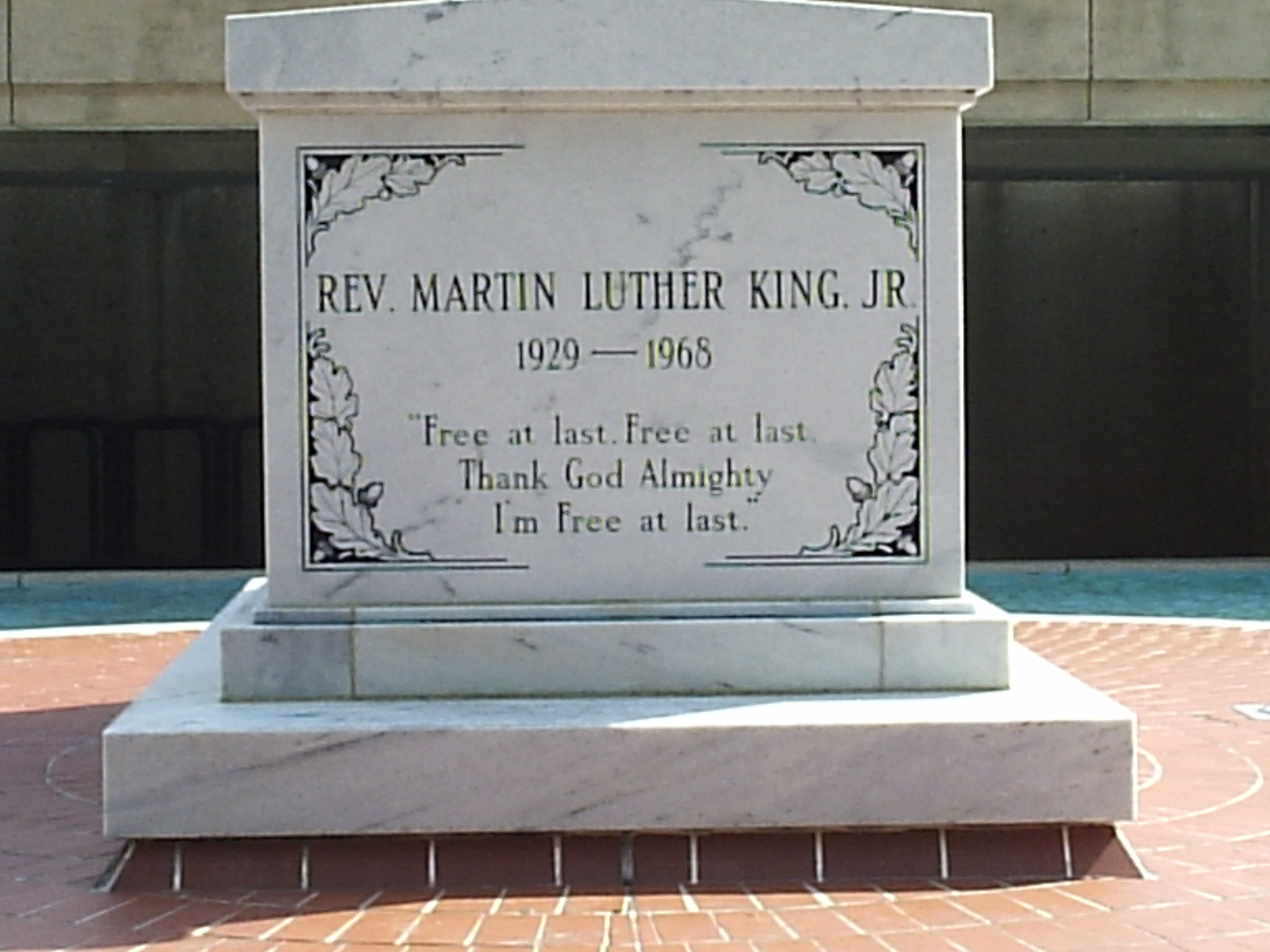
Martin Luther King gravestone
(photo by dandipuffs)

June 12, 1963. Bryon de la Beckwith, a WWII veteran and salesman who was a member of the white supremacist Citizens Council, shoots NAACP field secretary Medger Evers.

Nov. 22, 1963. Former Marine turned Soviet defector Lee Harvey Oswald shoots President John F. Kennedy.

Nov. 24, 1963. Jack Ruby, a local strip club owner who catered to Dallas police, shoots Lee Harvey Oswald.

Feb. 21, 1965. Three members of the Nation of Islam assassinate influential black nationalist and Muslim activist Malcolm X.

April 4, 1968. Escaped convict James Earl Ray shoots civil rights leader Martin Luther King.

June 5, 1968. Anti-Zionist Arab Sirhan Sirhan shoots Senator Robert Kennedy, JFK’s brother, as he campaigns for the Democratic nomination for President.

May 4, 1970. Following protests of Nixon’s invasion of Cambodia, Ohio National Guardsmen open fire on  students on the campus of Kent State University, killing four and wounding nine.

May 15, 1970. Mississippi state police open fire on Jackson State University students during a protest of the Cambodian offensive, killing two and wounding 12.

And that says nothing of the civil rights workers and demonstrators killed by rednecks posing as law enforcement. James Chaney, Andrew Goodman and Michael Schwerner, on June 21, 1964, were arrested in Mississippi while working to register black voters and were later turned over to Ku Klux Klansmen, led by Edgar Ray Killen, a part-time minister and sawmill operator, who murdered them. Nor did I mention here the 58,000 Americans killed in Vietnam.

The End of Optimism

The decade got off to an optimistic start. For most it was a time of prosperity. In 1960 most of us had a car, a refrigerator, a TV, a washing machine and a dryer. The GI bill benefits sent many of our parents to college and many more were able to buy a home in the suburbs. The first wave of baby boomers was on the verge of becoming teenagers.

The election of John F. Kennedy in 1960 signaled not just a change of party in the White House but an emergence from a decade of Cold War paranoia and stifling mores. We hadn’t seen a relatively young man with an attractive, fashionable wife move into the White House. And a Catholic at that. Viewed from a time after we elected a black president, electing a Catholic may not seem like much of a milestone, but JFK was the first.

The Democratic Platform for the 1960 election promised a “New Frontier.” Minimum wages would go up, a national health insurance plan for the elderly was promised as was civil rights legislation. The vision included improving conditions for all workers and launching a campaign to eliminate urban slums.

In reality little of this happened during Kennedy’s aborted term. It was not the popular and dynamic JFK that delivered on these promises but rather his decidedly unpopular and untrustworthy successor LBJ. It was Johnson who signed into law the Civil Rights Act and the Voting Rights Act and it was his administration that created Medicare and Medicaid.

So while JFK may well have been more style than substance, he was nonetheless a powerful symbol of the new decade. And it was the bullet that killed him in 1963 that made it clear that the 60’s weren’t going to turn out to be what we had expected and hoped for.

Part 2 is about what went wrong.

Posted in History | Tagged , , , , , , , , | 20 Comments

The 1890 Travel Blogger: Mohonk Mountain House

(There were no travel bloggers in 1890. There were no blogs. No Web. But there were more and more people in America ready to do some traveling and looking for places to go. So if there was such a thing as a travel blog in the last decade of the 19th century, this is what I think it might have looked like.)

4. Mohonk Mountain House

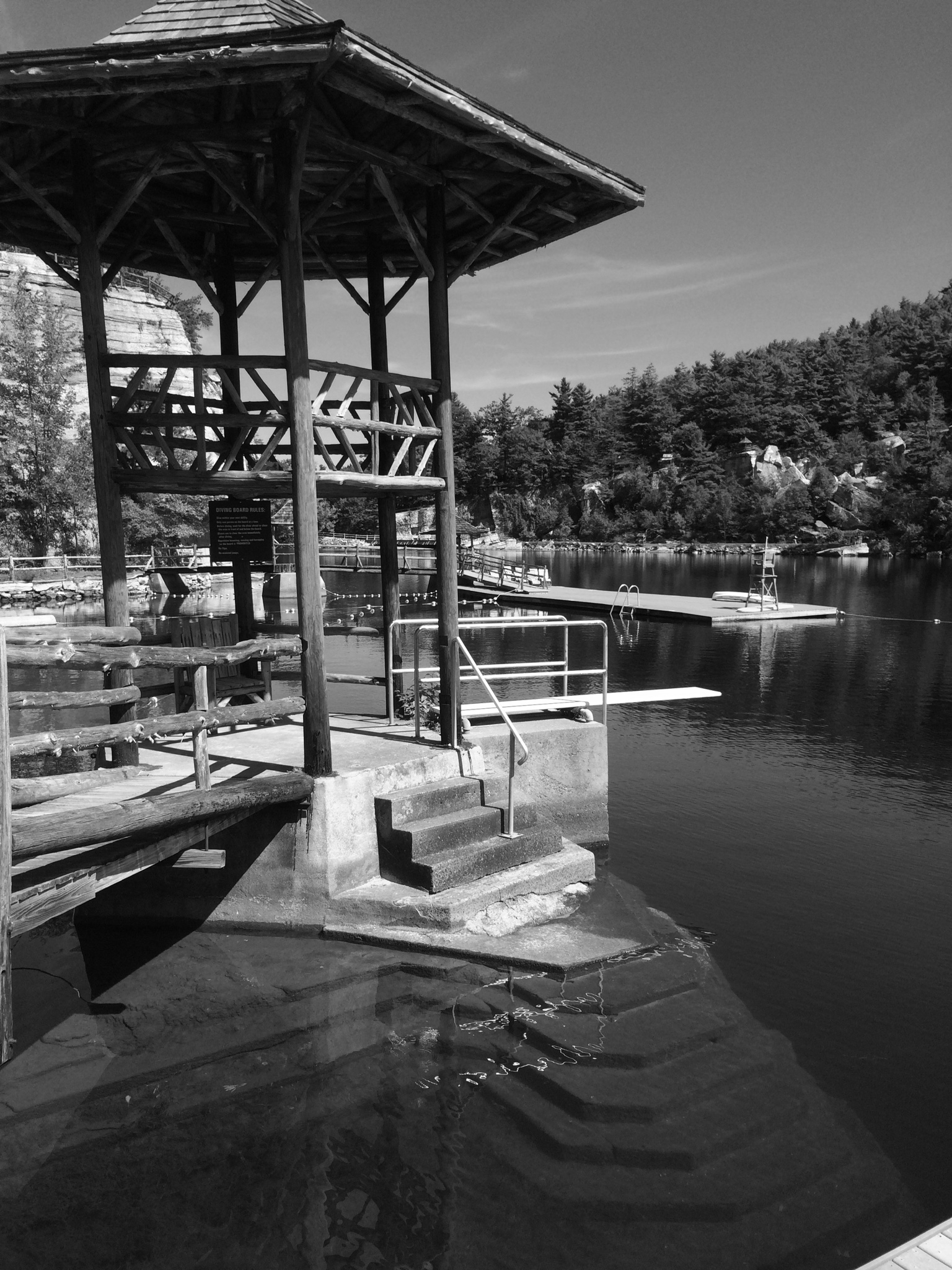
Mohonk Mountain HouseWhat Messrs. Alfred and Albert Smiley promise visitors to their Victorian castle in the Shawangunk Mountains of New York is stewardship, reflection and renewal. Located on the half-mile long Lake Mohonk, this model Christian resort is a place for the busy city dweller and his family to experience nature.

Mr. Alfred Smiley, who was a Quaker school teacher, bought what was then a run down tavern situated on 300 acres of scenic beauty 21 years ago. The Smileys opened the resort that same year, 1869, playing host to a group of guests from Philadelphia. They have since improved and expanded the Mohonk Mountain House and have added a bowling alley, a spacious dining room and even a telegraph office.

SummerhouseWhile bowling is one recreational activity available to Mohonk guests, the resort is more importantly a celebration of the natural environment. Guests can enjoy fishing and boating in the lake or just sit in one of the summerhouses (covered benches) situated along the carriage roads and take in the scenic beauty of this mountain setting.

The Mohonk Mountain House provides an ideal respite for businessmen in the city who can get away for a week or two. It is only a few hours train ride from New York City to Palz Point where visitors can take a 90 minute carriage ride up the mountain to the resort. For those who can’t leave their businesses for that long they’ll find Mohonk to be an ideal place to send their wives and children for the summer as it is close enough to commute on weekends. Women visitors are especially likely to enjoy having all their meals served in the Smileys’ dining room.

Lake MohonkAnd at the Mohonk Mountain House you can be assured that the highest moral standards are maintained. Alcohol is prohibited, as is gambling and dancing. No carriages are allowed to arrive or depart on the Sabbath. There is a 10-minute prayer service daily as well as a non-denominational Sunday service.

Guests at this oasis in the Catskills have included Presidents Chester Arthur and Rutherford Hayes as well as former First Lady Julia Grant. Mr. Albert Smiley is well known for his civic mindedness and for the past seven years has been hosting the Lake Mohonk Conference of Friends of the Indians, a group he brings together to discuss how to improve the living standards of Native Americans.

A stay at the Mohonk Mountain House may seem a bit pricey to some at $25-$35 per week for a double room but all meals are included in that price. And the Smileys have been known to make financial accommodations for guests interested in a longer stay.

(See also The 1890 Travel Blogger posts about Atlantic City, ”
Wonderland,” and the Grand Tour of America.)

Posted in History, Travel | Tagged , , , , , , , , , | 7 Comments

Big Games in a Small Gym, The Sweet Sixteen Comes to Montclair

NCAA Division 3 Women’s Basketball Tournament

Sectionals (Round of 16)

Panzer Athletic Center, Montclair State University

NCAA Women's Division 3 basketball tournament

Salisbury 63 Amherst 58

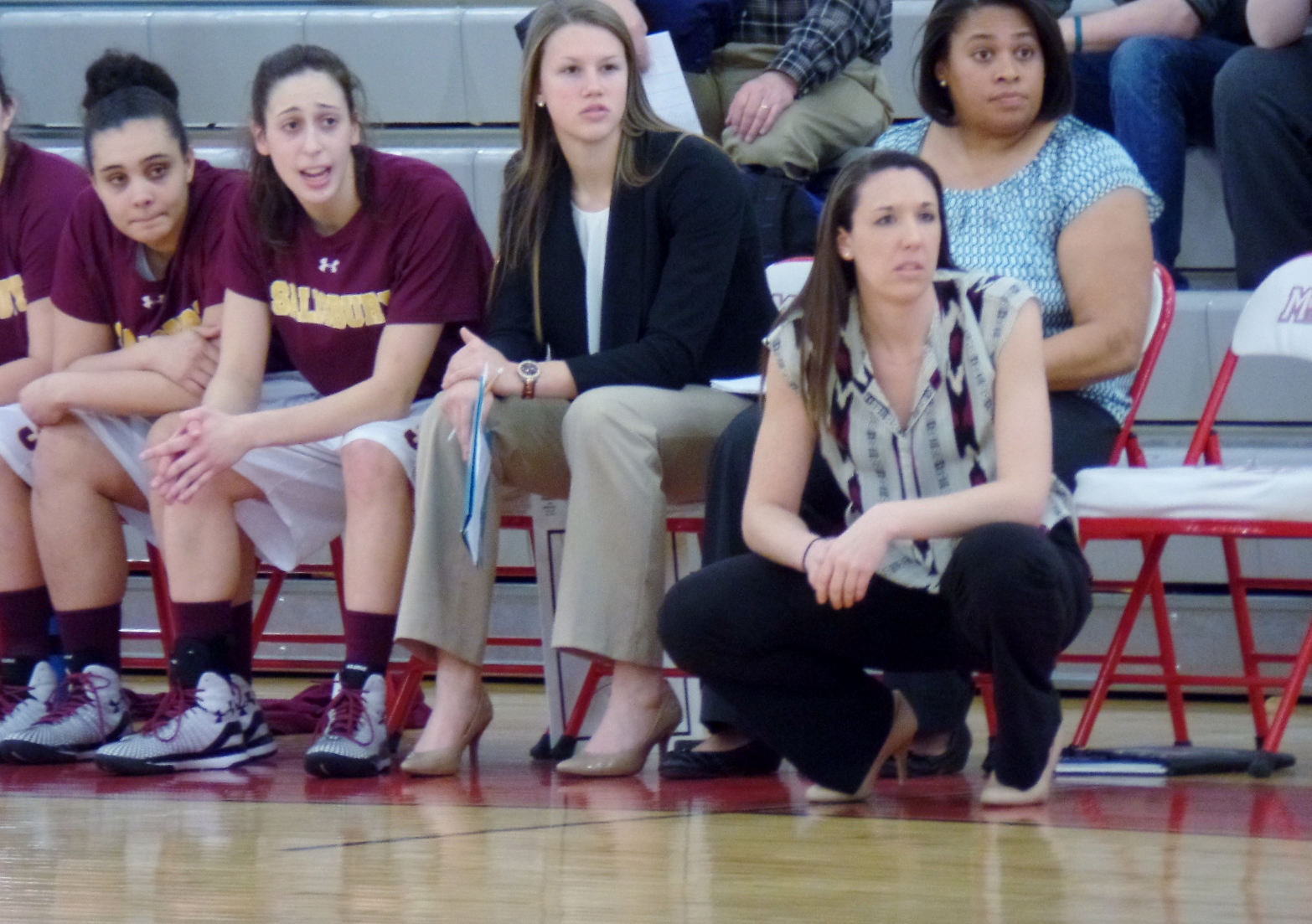
Salisbury player takes jump shot about Amherst

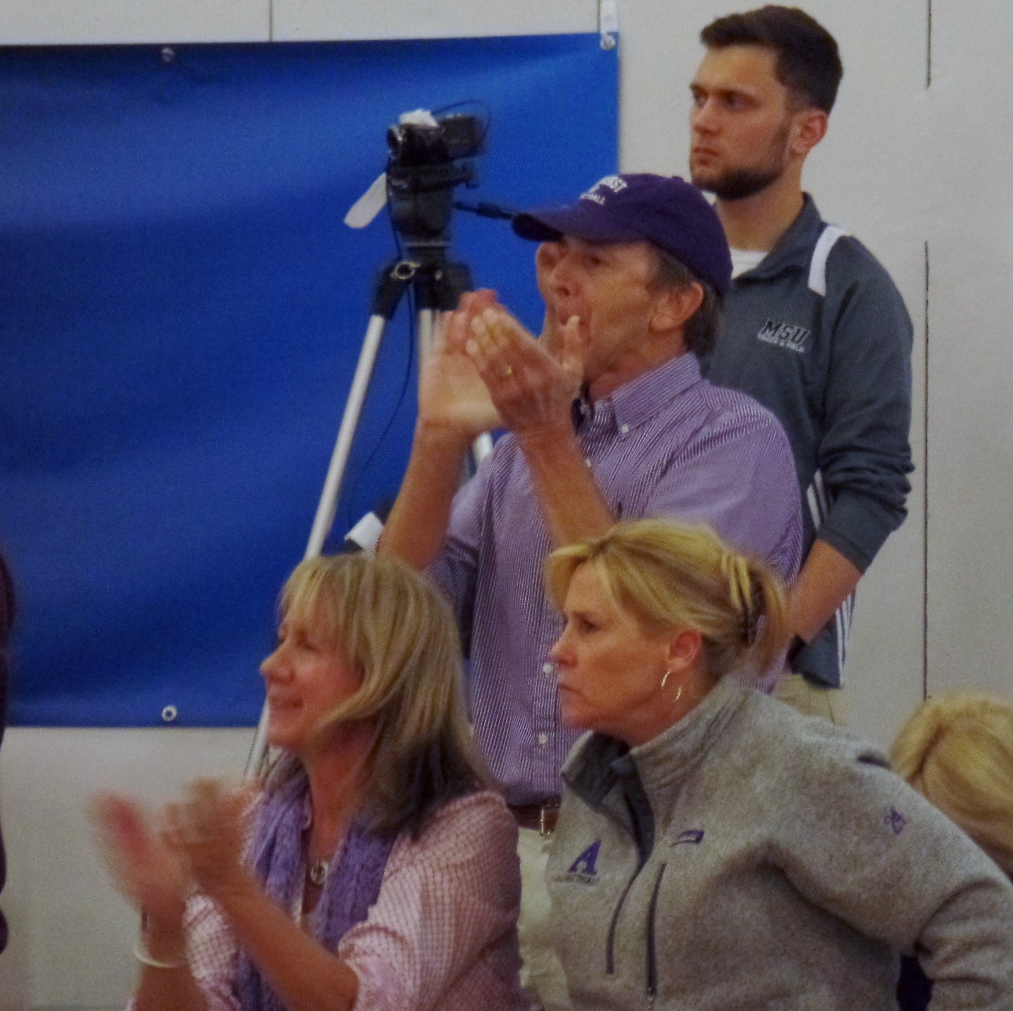
Salisbury and Amherst players fighting for ballAmherst player at Panzer Athletic CenterSalisbury University coach watching gameAmherst College fans cheering during game

Montclair State 61 Bowdoin 54

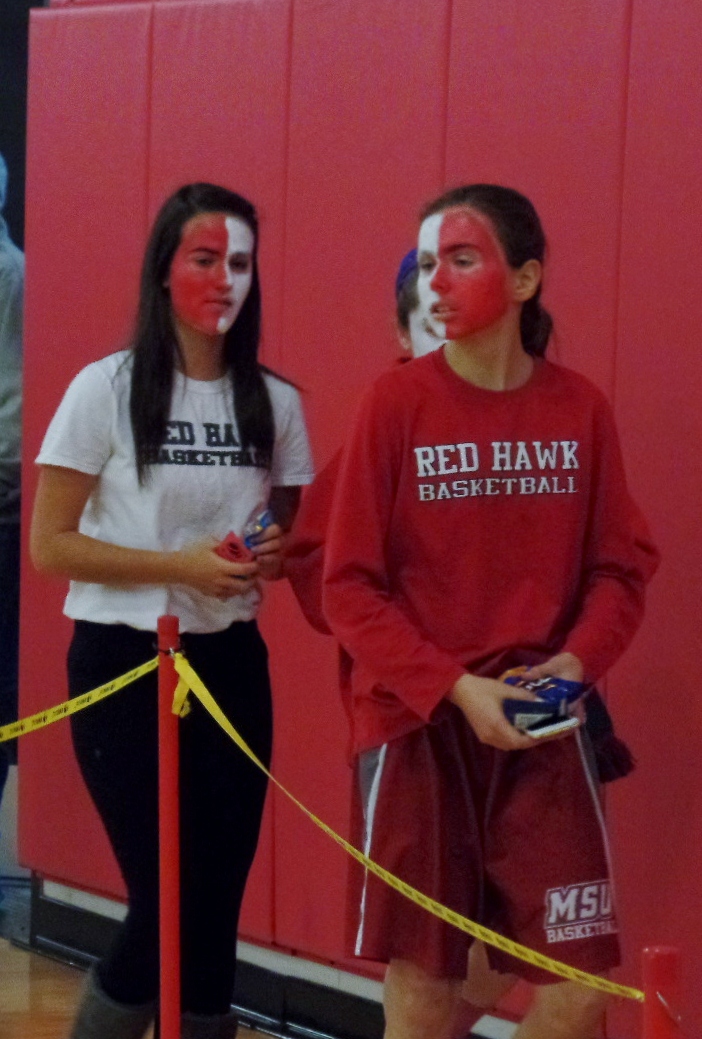
Montclair State Red Hawk fans with painted facesMontclair State Unversity mascot the Red HawkBowdoin players relaxing before gameMontclair State players huddle during timeoutBowdoin players take the courtMontclair player dribbling during game against BowdoinAction from Montclair Bowdoin NCAA tournament game
One night later Montclair State beat Salisbury 68-44 to go to the women’s Divisin 3 Final Four.

Posted in Sports | Tagged , , , , , , , , , | 2 Comments