Descendants of the Silk Strike: Two Book Reviews

The 1913 Silk Strike was a watershed moment in the history of Paterson, N.J. On a micro level it was about the workers trying to stop the implementation of a four-loom system, a system that meant more productivity to the mill owners, but harder work and loss of jobs to the laborers. But from a broader perspective it was about immigration and industrialization, unionization and income inequality. In other words it was a product of the social and economic movements of the times.
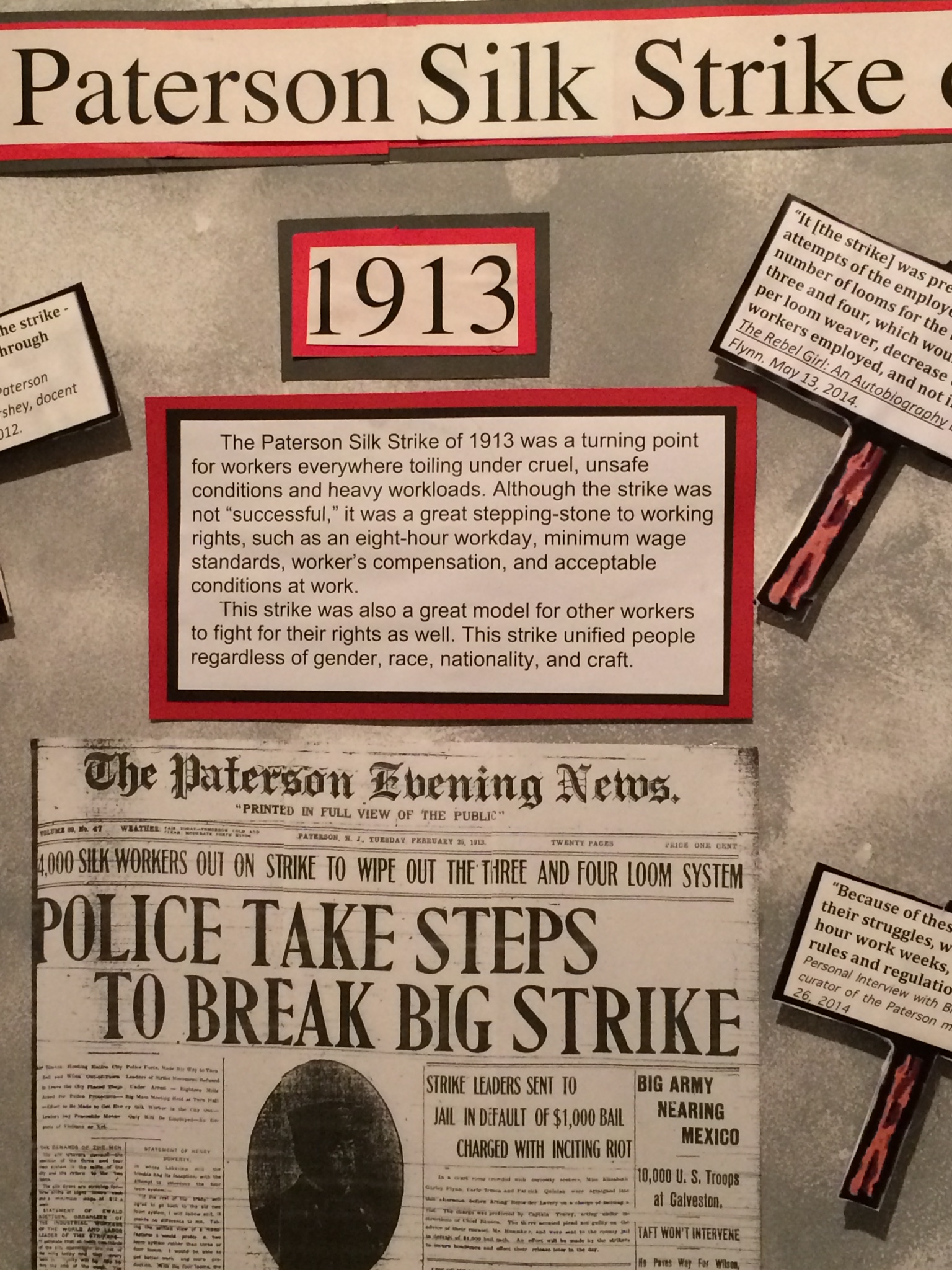
The Paterson Silk StrikeThese two books are written by authors whose grandparents lived through the strike. Leslie Rupley’s work, Beyond the Silk Mills, is historical fiction. George William Shea was written a history that is also a family memoir, Spoiled Silk.
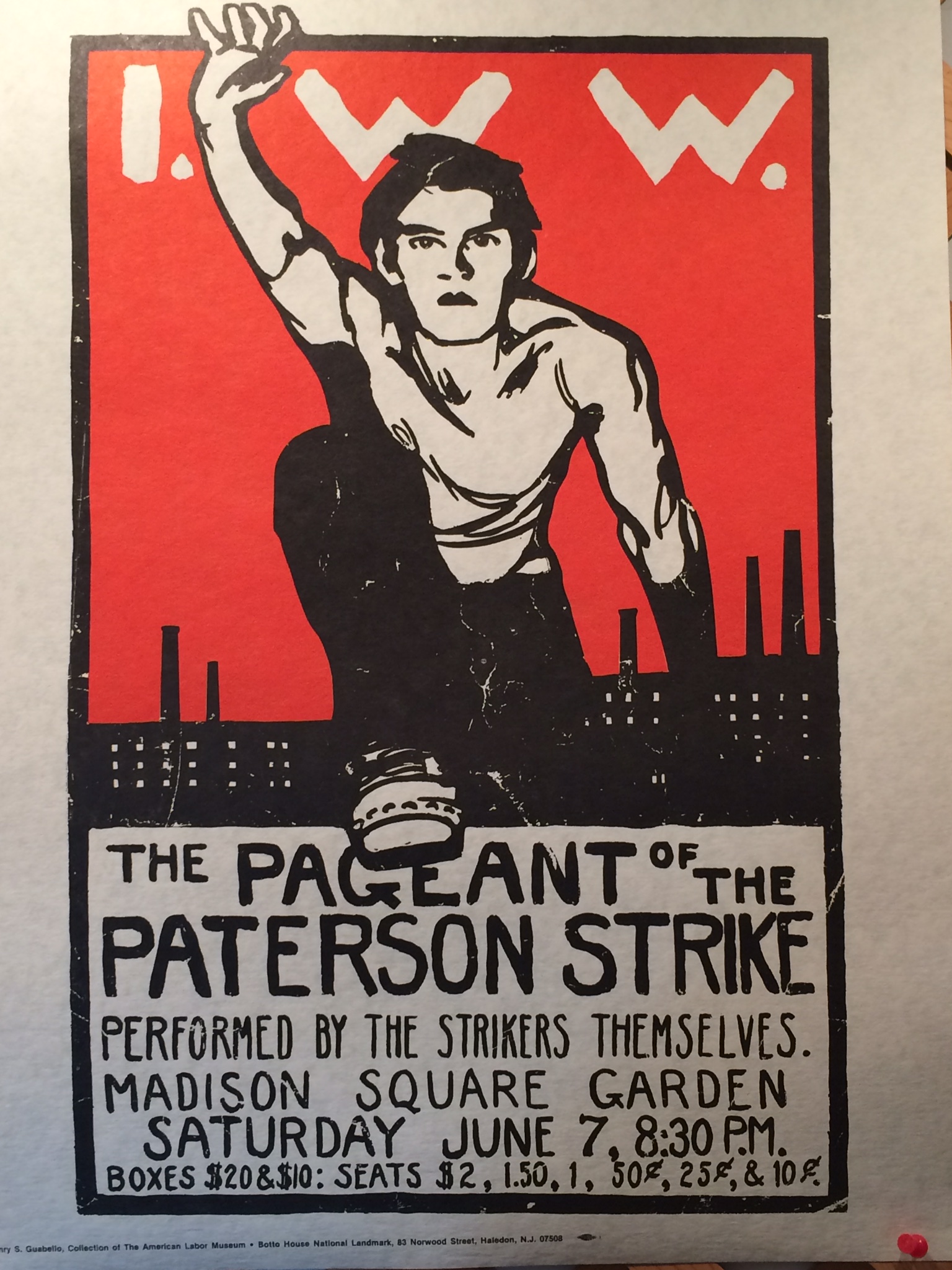
Paterson Strike PageantFor late 19th and early 20th century immigrants who came to the Paterson area and worked in the mills, there were two different paths they often took to assimilate into their environment. One was to focus on the organization of the workers, some doing so along socialist ideals, while others clamored for more practical gains, like an 8-hour day. The other was to participate in the expanding economic environment and growing consumer culture by focusing on accumulating personal wealth. Those themes run through both of these stories.

Too often American history is about presidents and politicians, wars and legislation. Rupley and Shea have instead written their histories about people, about what it was like to live in the Paterson area, or in other industrializing areas in the Northeast, in the early years of the 20th century. A history of people not presidents. That’s a lot more interesting.

Beyond the Silk Mills, Leslie Rupley
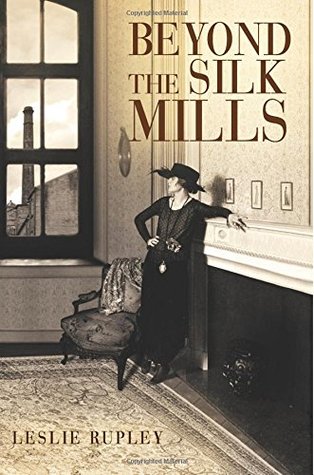
Beyond the Silk MillsThe story of a family of Jewish immigrants from Poland in the early 20th century. Meyer is focused on organizing the workers in the silk mill. Emma is thinking about making money. He dreams of a socialist society, she of a big house on the east side. Rupley’s story follows this couple and their two children through the Paterson Silk Strike, World War I, a devastating flu epidemic, the suffragette movement and the meteoric rise and fall of the stock market in the 20’s.

One of the things I found most interesting about the book is the detail of the lives of immigrants in Paterson. For example her description of the Workmen’s Circle that Meyer retires to at the end of the workday seems to realistically capture the social environment for male immigrant workers. Having been born in Paterson and raised nearby I also appreciated the local color.

The book is mostly historical fiction and small touch of romantic novel. Personally I preferred the history. Rupley is a really good storyteller and I enjoyed reading it.

 Spoiled Silk, George William Shea
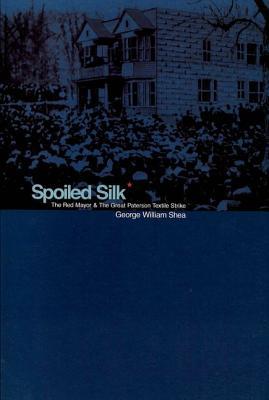
Spoiled SilkSpoiled Silk is the story of two German immigrants, William Brueckmann and Katherine Ruhren, and the family they raised after immigrating to the Paterson, N.J., area in the 1890’s. Brueckmann was to become a prominent figure in the 1913 Silk Strike. Having settled in the nearly town of Haledon, he was elected mayor, running on the Socialist Party line. During the 1913 strike the authorities in Paterson prohibited the workers and their union organizers from meeting in the city, so they appealed to Haledon’s “Red Mayor” and he welcomed them to town. There they held regular meetings at the Botto House, home of an Italian immigrant who also worked in the mills and sympathized with the strikers. That house is today a national landmark and home to the American Labor Museum.

The Brueckmann’s story takes us through the times of the strike and the influence of the “Wobblies,” the radical left International Workers of the World. It also covers the anti-German sentiment that was inspired by World War I, the up and down financial times of the decades between the two wars and even captures a glimpse of the impact of the anti-Communist hysteria of the post World War II years on this by then retired couple.

Spoiled Silk is a well researched history of the times, but it is also a family memoir as the author is the grandson of the Brueckmann’s. So it is a story that is told to a large extent through the recollections of the participants.  It has its lighter moments too, some of which involve the interactions between the author’s mother’s German family and his father’s Irish family.

When this book was published in 2001 Shea was a professor of classics at Fordham. Since it was published by the Fordham University Press. I suspect no one was paying for placement on the Barnes & Noble new and notable table, so it probably didn’t circulate that widely. Too bad. Shea is a really good writer and the story couldn’t be more interesting. It is a work that deserves a bigger audience.

The Botto House, Haledon

The Botto House, Haledon

Posted in Book reviews, History | Tagged , , , , , | 24 Comments

Americans Discover Vacation: Book Reviews

These four books were all primary sources for my Americans Discover Vacation series of posts. Each is reviewed below followed by an index of the Americans Discover Vacation posts.

Working at PlayWorking at Play: A History of Vacations in the United States by Cindy S. Aron

The author describes the history of vacations in America from roughly 1800 to 1940. That time period starts as the idea of vacation first makes an appearance and ends at the point when most Americans expect to spend some time vacationing. Arum traces the socio-economic history of vacations, starting with the nation’s elite and gradually finding its way to all classes and all types of people. She also follows the theme of how a nation of people whose forefathers subscribed to the Protestant ethic of work had to overcome or circumvent some of their beliefs in order for vacationing to become part of the culture. Arum believes that to this day the way we vacation is impacted by the ambiguous attitude of Americans toward leisure.

I would have liked a little more color. More detail about certain individuals’ vacations or maybe a broader description of what life was like at some of the typical resorts of the different eras. The book is written as an academic text. It is thoroughly researched and comprehensive in its coverage. If you are interested in the subject, you’ll like the book and find it interesting.

I became interested in the history of vacations in America after staying at a 145-year-old mountain resort and a beach hotel which is almost 200 years old. This is the best source I’ve been able to find to fill in the historical perspective of those resorts.

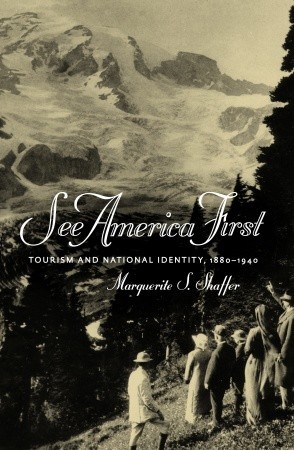
See America FirstSee America First: Tourism and National Identity 1880-1940 by Marguerite S. Shaffer

A study of the role of nationalism in the growth of tourism in the United States. Or, stated another way, how tourism was marketed as an expression of nationalism. Covers the period of 1880-1940, with emphasis on the first couple decades of the 20th century. The title “See America First,” could perhaps be part of a longer phrase along the lines of: before you even think of going to Europe you should express your sense of citizenship and see America first. For many of the travelers who are the subjects of this book, that meant heading west. America, having only a bit of history and a chip on its shoulder over the perceived cultural superiority of Europe, had one thing to counter that. Landscape. Stunning, beautiful mountains, canyons, lakes and rivers.

I was interested in reading about the development and growth of the national parks and surprised to find out that it was largely triggered by the railroads. In the late 19th and early 20th century several large competing railroad corporations sought to steer travelers their way by not only touting but often developing attractions along its routes. I was also fascinated to read about FDR’s depression-era white collar relief program that included a $6 million allocation for the Federal Writers’ Project. They produced a series of state-by-state travel guides with some 10,000 writers participating, including John Cheever, Saul Bellow and Ralph Ellison.

If you are studying or researching the history of vacations in America this is a good source. If you’re a casual reader you might find it tedious. Much of the content is dry, although I laughed out loud (when’s the last time you saw that phrase spelled out?) when I read this quote from Theodore Dreiser. Writing in “Hoosier Holiday” about his auto trip through small-town America, Dreiser observes: “Here is where your theologically schooled numskull thrives, like the weed that he is.”

Sacred PlacesSacred Places: American Tourist Attractions in the Nineteenth Century by John F. Sears

In the so-called New World there was no Rome or Jerusalem to set forth toward on a pilgrimage. We have no grand cathedrals. So in this author’s view, we created our own “Sacred Places.” What raw material did we have to work with. Scenery and stunning landscape. Sears describes the reverence which 19th century intellectuals, artists and tourists bestowed upon that era’s emerging tourist attractions. They were Niagara Falls, the Hudson and Connecticut Valleys, Mammoth Cave, the White Mountains, Yosemite and Yellowstone. He does not cover the resorts that were not based on scenic wonders. No one, for example, has probably ever associated Atlantic City with any level of sacredness.

One of the strengths of Sears’ book is that at least for a few of the resorts he gives a very good impression of what it must have been like to visit in the 19th century. This is particularly true of the chapters on Mammoth Cave in Kentucky and the early years of Yellowstone National Park. I also was interested in his description of how commercial interests, shops, sideshows and circus entertainment, began to overrun Niagara even at this early stage.

This is not as comprehensive a source as either “Working at Play” or “See America First.” But it’s well written and an easy read. There is one chapter that seems incongruous about prisons, asylums and institutions for the physically disadvantaged. Apparently these were also tourist attractions in the 1800’s. Strange times.

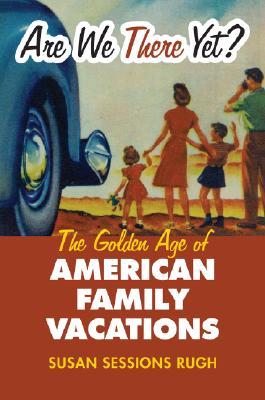
Are We There YetAre We There Yet? The Golden Age of American Family Vacations by Susan Sessions Rugh

The author introduces the book by describing how she and her sisters sat in the back of the family camper as they headed west toward Yellowstone. Apparently the girls weren’t that keen on having their card game interrupted to catch a glimpse of the Tetons. While she was headed west I was headed south at the time. My dad tried to keep my sister and I occupied in the back seat by plugging a TV into the cigarette lighter. If you grew up in the 50’s or 60’s you’ll find a lot of this pretty nostalgic. Rugh goes into great detail about the standard family road trip: the types of travel games that could occupy restless children, the stuff Dad had to do to get the car ready and the type of food Mom would bring along for the ride.

But the book isn’t all fun and games. Rugh describes the obstacles that black Americans faced when they too wanted to be part of “The Golden Age of American Family Vacations.” For black families on a road trip through unfamiliar territory, they never knew if they would find a motel that would accept them, a restaurant that would seat them or even a restroom they could use. Rugh documents how the response and protests of black families to this discrimination played a role in the eventual passage of the Civil Rights Act of 1964.

In doing research for this series of blog posts I’ve read several texts on the history of American vacations recently. This one is the breeziest read and the one that is most likely to interest a broader audience. Not all history professors are good writers. Rugh is.

Americans Discover Vacation Index

Posted in Americans Discover Vacation, Book reviews, History, Travel | Tagged , , , , , , , , | Leave a comment

Americans Discover Vacation: The Cigar Store Indian Syndrome

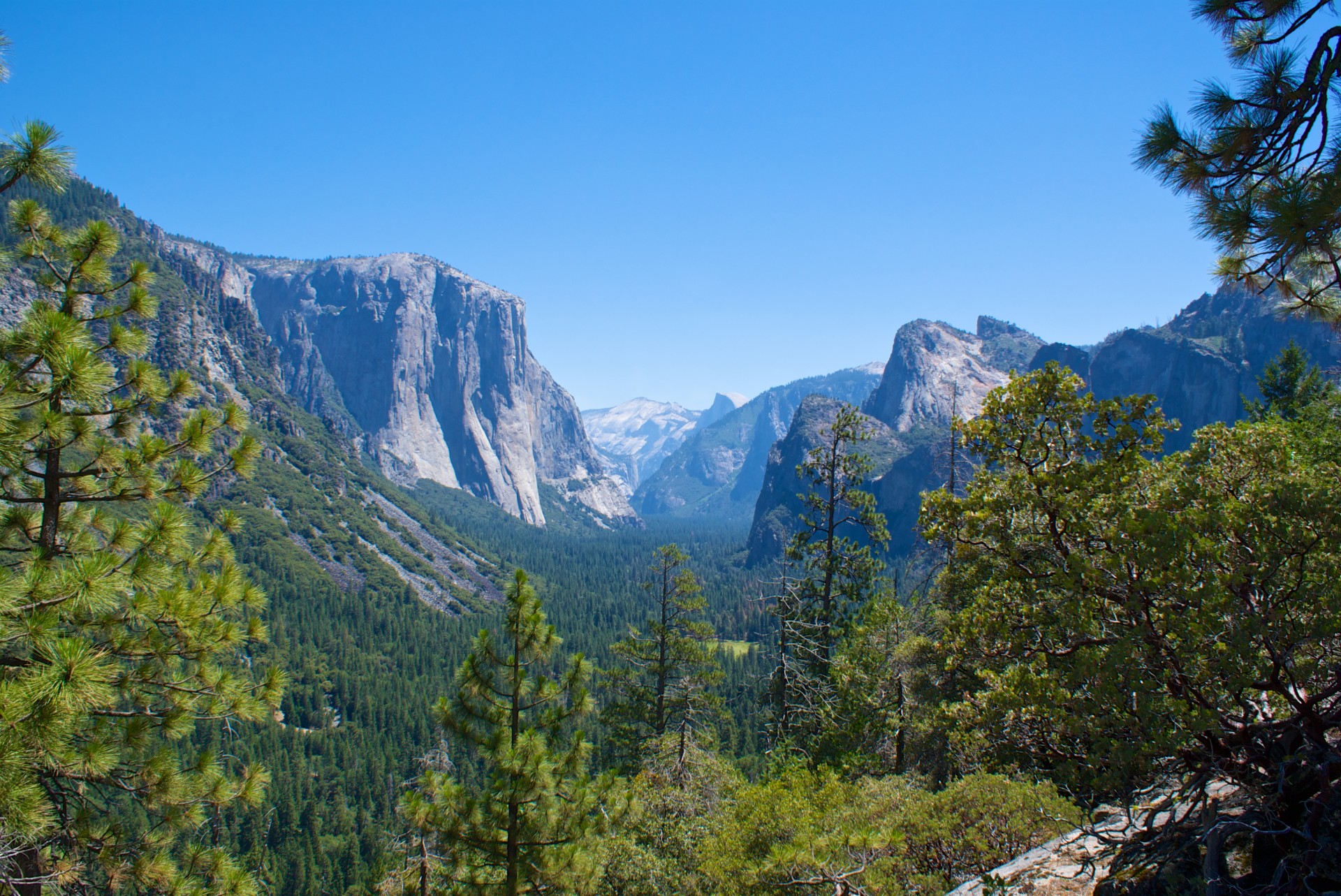
The history of America’s national parks usually begins with the “discovery” of Yosemite. This so-called discovery is described in a 1910 book The Yosemite Valley written by one of the early while settlers of the region Galen Clark. “The Yosemite Valley was discovered and make known to the public by Major James D. Savage and Capt. John Boling, who, with a strong detachment of mounted volunteers from what was known as the Mariposa Battalion, went with friendly Indian guides to the Valley in March 1851 to capture the resident tribe of Indians and put them on the Fresno Indian Reservation.”

(Ken Kistler)

(Ken Kistler)

What Clark does not explain is how you can discover a territory when in fact there are some folks already living there. This is a good example of the attitude of European Americans to Native Americans which is part of the whole story of the “discovery” of America. One might instead suggest that the Europeans were immigrants to America rather than discoverers.

By the mid-19th century whites had killed off a substantial portion of the Native American population and what was left was in the process of being herded into reservations by outfits like the Mariposa Battalion. But this was also a time, according to See America First author Marguerite S. Shaffer, when “scenic nationalism swept through the U.S.” And as more and more Americans began to travel West their attitudes toward Native Americans shifted and began to take on a romanticized image of the Native American as part of the scenery, players in the whole Manifest Destiny, conquer the wilderness patriotic narrative.

It didn’t take long for the white pioneers of Yosemite to see the potential as a tourist attraction. Clark writes, “The first house in Yosemite was built in the fall of the year 1856, and was opened the next spring as a saloon for the entertainment of that class of visitors who loved whiskey and gambling. The next year it was fitted up and used as a restaurant.” Nor did it take long for promoters of Western tourism to try to make the Native American part of the attraction.

Railroads hired Native Americans to greet their westward bound passengers. A series of travel guides called See America First that was published by Page and Company beginning in 1914 offered up images of the noble savage. Shaffer describes how “the series guides constructed a tourist spectacle of primitive Indian societies living in harmony with nature that served to augment an ideal of nature as a refuge from modern society. In effect they (tourists) purchased and thus participated in the primitive lifestyles embodied in the romanticized tourist Indians…”

(Michele Walters)

(Michele Walters)

Native American ceremonies were presented as one of the sights to see while traveling through the West. Shaffer writes: “Picturesque and exotic tourist Indians who willingly collaborated in the staged authenticity of the tourist experience were acceptable and appealing. As objects on display they were aestheticized consumer products.”

This would only get worse. By the mid-20th century, many Americans had cars and paid vacations. They also had TVs. As observed by Are We There Yet? author Susan Sessions Rugh, “the new medium of television was quickly captured by gun-slinging cowboys fighting Indians…to save the frontier for white man and his woman.”

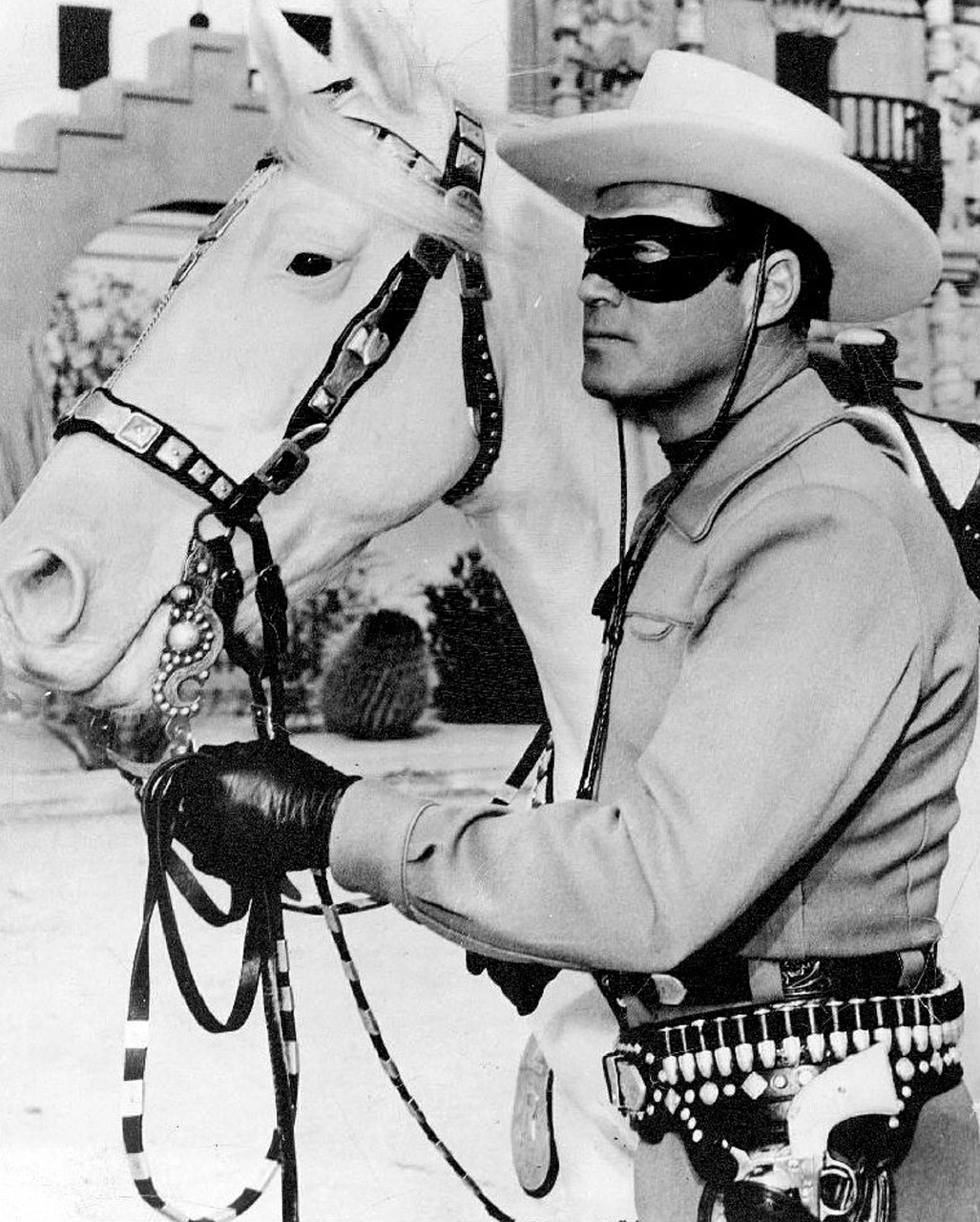
Just as later generations of tourists would bring their children to amusement parks built around brands like Dora the Explorer or Harry Potter, travelers in the 50’s and 60’s set out for theme parks branded with names like Hopalong Cassidy and the Lone Ranger. And at these venues the portrayal of Native Americans sometimes veered off into the ludicrous, if not outright stupid.

One such amusement park in California was Knott’s Berry Farm. Started in the 30’s as a fried chicken joint, it evolved into an amusement park that by 1952 was attracting 1.2 million visitors. Those visitors could get their picture taken with statues of gold miners or saloon girls or Native Americans wearing headdresses. In Rugh’s book there is a picture of a Filipino family that the park hired to dress up as Native Americans.

(skeeze)

(skeeze)

Another of the 50’s cowboy and Indian themed attractions was the Corriganville Movie Ranch. This was originally opened as a place to film westerns. Rugh notes that one of the regular Sunday afternoon attractions was an “Apache flaming arrow attack on covered wagons.” This bit of theater was actually broadcast live by one of the local TV stations. Guests could also pretend to be Indians and go on the hunt for hidden arrowheads. In 1955 the Corriganville attraction was bought out by none other than the Lone Ranger himself and it was later renamed the Lone Ranger Ranch.

In that same year Disneyland opened. While the new Disney park notably welcomed black and Mexican-American guests at a time when prejudice kept them away from some other resorts, the Disney attitude toward Native Americans was somewhat less enlightened. One of the features of the new Disney park was Injun Joe’s Café. Rugh quotes a description of Frontierland in a 1963 edition of Disney News that touts the fact that children could dance with Indians at the “authentic Indian Village where true-to-life, honest-to-goodness Indians from throughout the Great Southwest perform daily.” Long before the advent of Disney princesses there were performers by the names of Horse Stealer, Whitecloud, Red Eagle, Little Deer and Whirling Wind.

SAMSUNG CAMERA PICTURESThe cigar store Indian was introduced long before that. Its origin was based on the fact that it was Native Americans who turned Europeans on to tobacco, much as it was Native Americans who led whites to the “discovery” of Yosemite. This ultimately resulted in Native Americans being driven off the tobacco fields that they had cultivated, in some cases being replaced by plantations which would be cultivated by black slaves. And in the same way that the “noble savage” was later marketed as a symbol of the now cultivated West, the wooden carved Indian sitting outside the shop was a way for the tobacconist to market his goods and attract customers.

Posted in Americans Discover Vacation, History, Travel | Tagged , , , , , | 28 Comments

Birds of the Bronx (Zoo)

Bronx Zoo owl

Bronx Zoo World of BirdsWorld of Birds Bronx Zoo

World of Birds Bronx ZooWorld of Birds Bronx Zoo

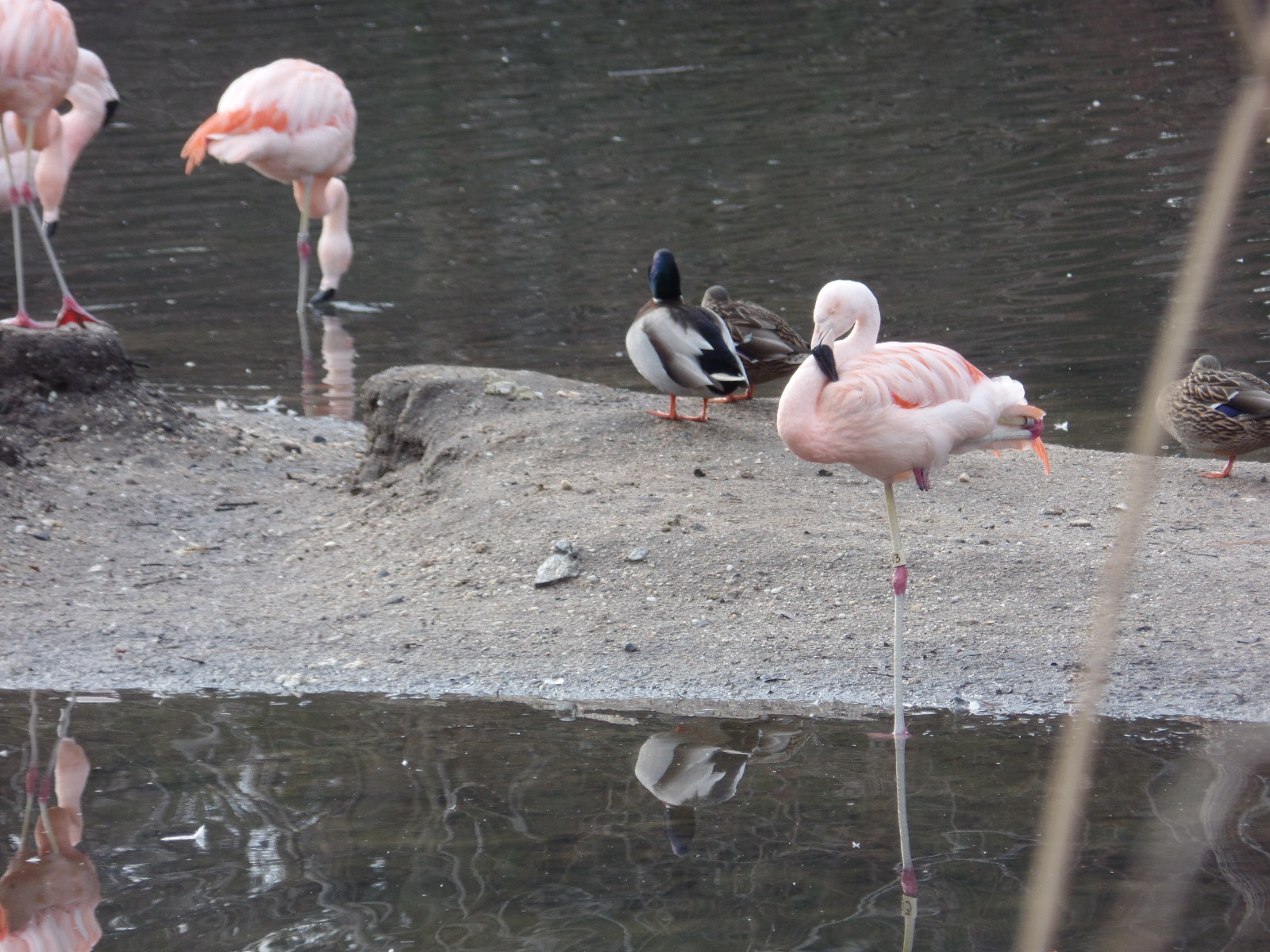
World of Birds Bronx ZooEagle at Bronx ZooFlamingo at Bronx Zoo

Flamingo at Bronx Zoo

Posted in Uncategorized | Tagged , , , , , , | 2 Comments

Americans Discover Vacation: We’ve All Got Wheels

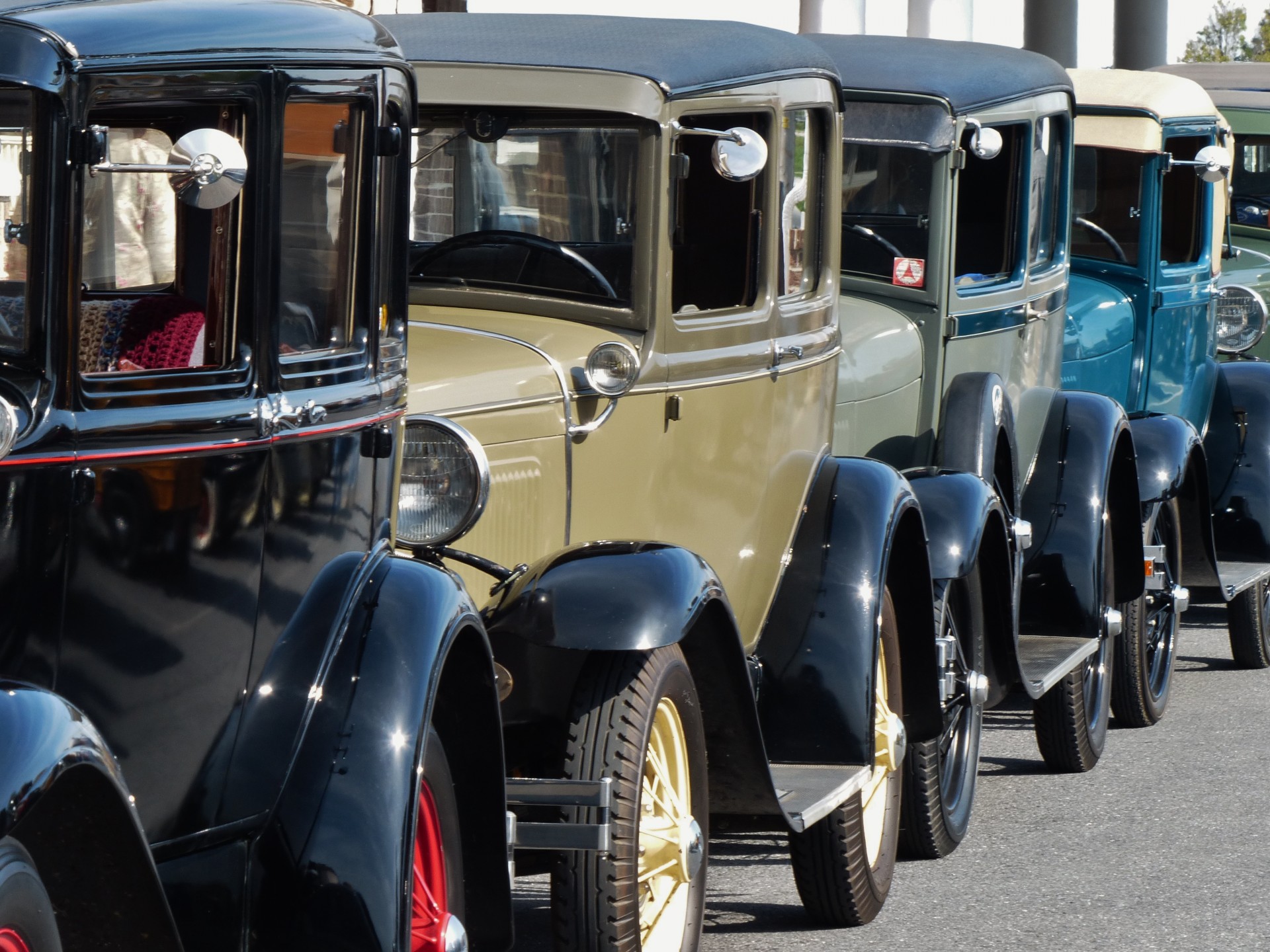
In this series of posts about the history of vacations in America, I’ve written about many things that influenced how Americans spent their vacations. They included the changing attitudes toward leisure, the development of various types of resorts, the creation and promotion of the national parks, the influence of publishers and publicists and the provision of paid vacation benefits. But nothing had as profound an impact on how Americans vacationed as when we all got wheels.

The advent and then widespread adoption of the automobile changed not only how Americans traveled but who went on vacation, what they did with their free time and the very landscape of the United States.

(Tim Emerich)

(Tim Emerich)

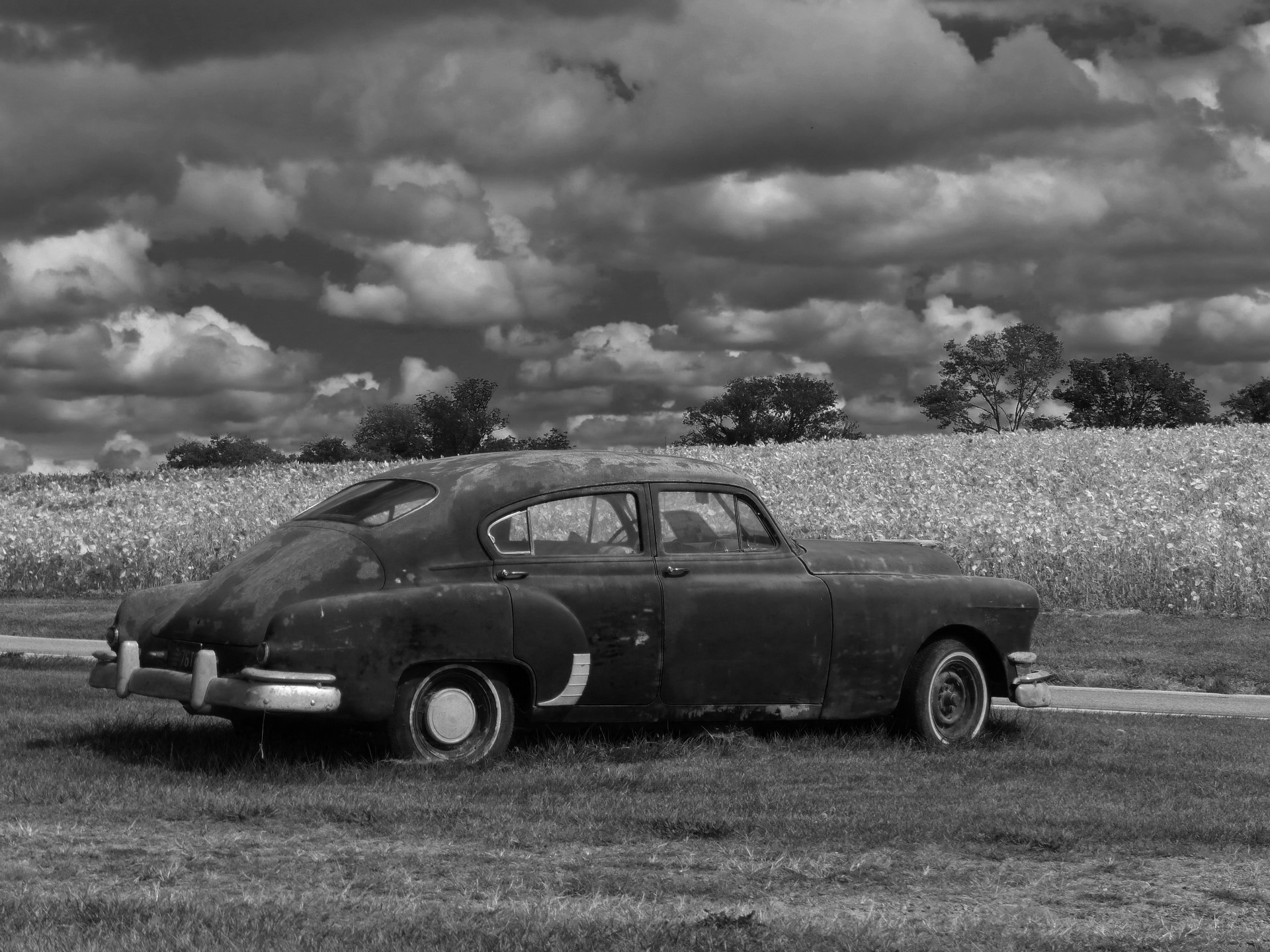
From the 1910’s to the post World War II era, automobiles became increasingly affordable. Henry Ford introduced the Model T, widely recognized as the first affordable automobile in 1908. In 1910, he produced 12,000 Model T’s. By 1925, he was producing 10,000 cars a day.

While the working class was still not on the road to vacation in the 1920’s, a very economic style of vacationing had begun to emerge. Auto-camping was accessible to a new class of car owners and overall offered an economic way to travel as auto-campers could bring their own food as well as their own mode of transit. These trips also might involve fishing or visiting relatives. By the 1930’s roadside tourists cabins had begun to sprout and the increasing use and lower cost of cars enabled many to continue to vacation despite the Depression. The state-by-state WPA travel guides, part of a New Deal initiative to aid unemployed writers, all featured auto tours.

(Tim Emerich)

(Tim Emerich)

The post World War II era was the beginning of what Are We There Yet? author Susan Sessions Rugh calls the golden age of American family vacations. Those vacations were road trips. Rugh believes they were a progression from the auto-campers of the 20’s. Camping, as an affordable alternative for all Americans, took off in the 1940’s and 1950’s.

Rugh notes that between 1948 and 1960 car ownership rose 54% and that by 1962, 84% of Americans traveled by car on their vacation. She writes, “The family car was a home on wheels, an extension of the domestic space and thus represented a sense of security for the traveling family on the road.”

Automobiles changed the national parks by making them more accessible and changed the way they were promoted. Before the widespread adoption of cars, the railroad was the primary transit facility for heading west. The parks were in fact partially developed and promoted heavily by the corporations who owned the railroads. Those promotions focused on scenery because that is what you see while riding in a rail car. But if you’re traveling in your car, you’re free to stop and look around wherever you want. Marguerite S. Shaffer, author of See America First, writes, “the automobile, catering to the whims of the individual driver, fostered a personalized journey.”

Minerva Terrace, Yellowstone National Park

Minerva Terrace, Yellowstone National Park

As a result, a lot more attention was paid to attractions along the way. States picked up the promotional mantle from the railroads and they focused on local color and history. And a lot more people headed West to the national parks. Cars made park-to-park touring viable. Rugh notes that after World War II there was a surge in visitors to Yellowstone and those visitors included veterans, farm families and workers. And they were all coming by car. By 1950, 98% of the visitors to Yellowstone arrived by automobile. “Americans conquered the West in their cars,” writes Rugh.

With all these folks on the road, the landscape of America changed as well. As more and more of us had cars, we needed roads to drive them on.  In 1916 Woodrow Wilson signed the first highway legislation, the Federal Aid Road Act. It offered up $75 million in matching funds to states for improving their roads. By the following year every state had a highway administration agency. The Federal Aid Highway Act of 1921 called for the development of a national highway system and provided more funding.

(Paul Brennan)

(Paul Brennan)

Many of the interstate thoroughfares that we drive on now got their start when Dwight Eisenhower signed the Federal Aid Highway Act of 1956. That legislation pledged $25 billion to create an interstate highway system.

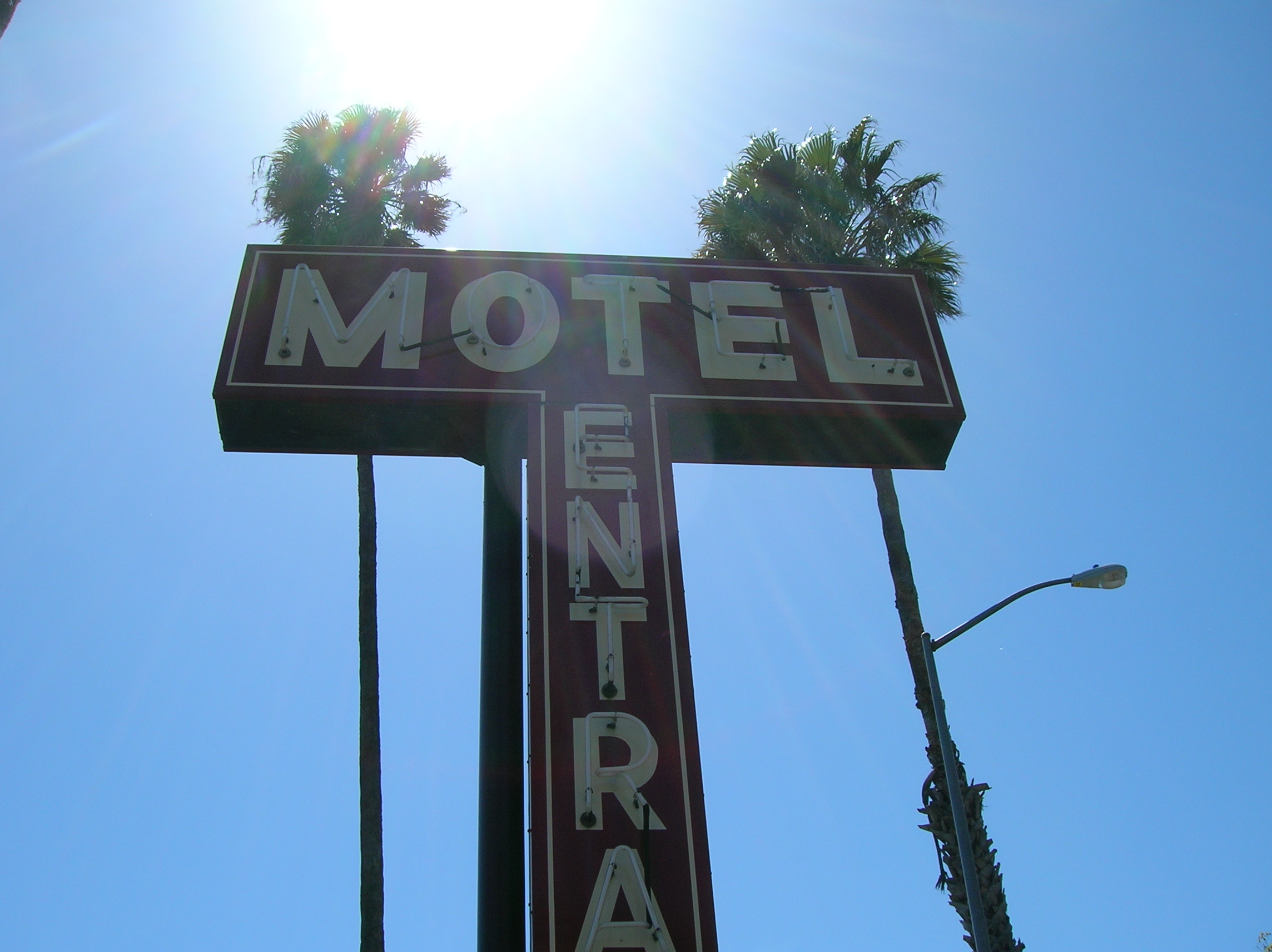
But roads were not the only thing that was changing along the route of the growing number of vacationers. Rugh says that “before streamlined interstates the American roadside was characterized by oddities, larger than life statues of folk heroes, petting zoos and odd-shaped eateries.” Before long these curiosities would be replaced by fast food restaurants and motel chains.

(Andalusia)

(Andalusia)

One other change was occurring on the roads. In what was still, up until at least the 60’s, an economically and racially segregated society, all kinds of Americans were using the same roads and the same highway rest stops. Rugh, in commenting on the visitors to the national parks, says, “all classes and races mixed in ways they did not at home in a segregated America. Although those with greater means could afford to stay in lodges and eat in the dining rooms while working class families camped out of their cars and heated canned beans, visitors mixed on the trails and in the cafeterias and on the roadsides.”

The golden age of American family road trips faded out starting in the 1970’s. The oil embargo in 1973 had an impact. Air travel became more accessible and that opened up a whole new range of vacation venues that previously were hard to get to if you only had a fixed amount of time. Ironically, in the 21st century, the skyrocketing costs of air travel and the increasingly poor quality of service the U.S. airlines provide their “economy” customers, has for many revived interest in the road trip.

Posted in Americans Discover Vacation, History, Travel | Tagged , , , , , , , | 28 Comments

Creatures of the Bronx (Zoo)

Thirsty

Tiger drinkingPlayful

California Sea Lion
TurtlesTurtle

Brown bears

Sleepy

Polar BearSnakeRegal

EagleTiger

Posted in Uncategorized | Tagged , , , , | 2 Comments

Americans Discover Vacation: While Disparaging Tourists

I am sure you have probably had a conversation about restaurants in which you or someone you are speaking with dismisses some eatery as being “for tourists.” That means it is probably overcrowded and overpriced. What’s more it is somehow not authentic because its patrons aren’t locals.

That attitude toward tourists, what they do and where they go, turns out to be nothing new. In fact it is as old as tourism itself. In an earlier post (Americans Discover Vacation: Overcoming Our Heritage), I included a quote from James Kirke Paulding describing traveling as “the most exquisite mode of killing time and spending money ever yet devised by lazy ingenuity.” Paulding was a member of the early 19th century American literati. He dipped his pen into various types of writing that included a novel, comedic stage plays and a satirical periodical. These were different times and such writings apparently qualified him for a number of government jobs that eventually ended up with an appointment as Secretary of the Navy.

John F. Sears, author of the Sacred Places, the book where I found Paulding’s quote, describes his writing as “poking fun at the hurry, pretensions and superficiality of the tourists.”

(PublicDomainPictures)

(PublicDomainPictures)

That was from 1828. Travel at the time was slow and expensive. Only the country’s elite were participating, which was the case for a good part of the 19th century. Middle-class Americans at the time were religiously conservative, moralistic and generally preached industriousness. Anyone with the time and money to travel was viewed in much the same light as the European aristocracy. They were thought to lack not only endeavor but also sufficient moral rigor.

Writing in Working at Play, Cindy S. Aron notes that “by the last half of the nineteenth century writers and cultural critics were offering parodies of tourists and noting the inauthentic quality of tourist attractions.” In the same book, Aron quotes a 1975 New York Times article about the bathers at Cape May, suggesting that their primary pursuit was “flirting and gossiping.” That wasn’t intended as a compliment.

And then there were the folks who were active in the late 19th and early 20th centuries promoting the American West as a travel destination. They showed their disdain for “easterners” who chose to travel to Europe.

So when vacationing was confined only the country’s elite, most of their countrymen were quick to criticize. But as travelling became something that involved a broader segment of Americans, the tables were turned and the elitists didn’t view these new tourists that kindly either.

(heavenkid)

(heavenkid)

In discussing the reaction of some to the fact that a more economically diverse group of Americans started to visit Niagara later in the 19th century, Sears writes. “…the excursionists who arrived after railroad fares declined usually visited Niagara Falls only for a day. The genteel tourist regarded them as less cultivated. They appeared more eager for exciting diversions than the better-off tourist, less inclined to the quieter pleasures of a sylvan walk.”

Out West, similar sentiments were being expressed by John Muir, an author who was an advocate for wilderness preservation and became a founder of the Sierra Club. Because of his role in petitioning for the legislation that established Yosemite as a national park he has been referred to as “father of the national parks.” But he was no champion of the common man as tourist. According to Sears, “Muir detested the ordinary tourists who made a quick tour of Yosemite’s points of interest and then left.”

The promotion of the national parks focused on comparing the authentic experience of nature as compared to “the crass concerns of commercialism and cheap amusements of common tourist attractions,” according to Marguerite S. Shaffer, author of See America First.

Sears sums it up like this: “Tourists as a species have a bad name; they are regarded as superficial, crass, insensitive to their surroundings.” Aron offers a similar view: “Tourists, both popular and scholarly wisdom contend, are vulgar, superficial, provincial, gullible, and entirely lacking in taste or sophistication.”

(nemo)

(nemo)

The attitudes of these 19th and early 20th century commentators was only the beginning. In more recent times, Hollywood chipped in with some classic movies portraying family vacationers as laughable, bundling boobs. Once the growth of global travel sent Americans around the world and brought visitors from every continent to the U.S., our inherited attitude toward tourists mixed with ethnic stereotypes and prejudices to produce even more vitriol to be hurled at the people who stop by and throw some cash into the local economy.

Posted in Americans Discover Vacation, History, Travel | Tagged , , , , | 29 Comments

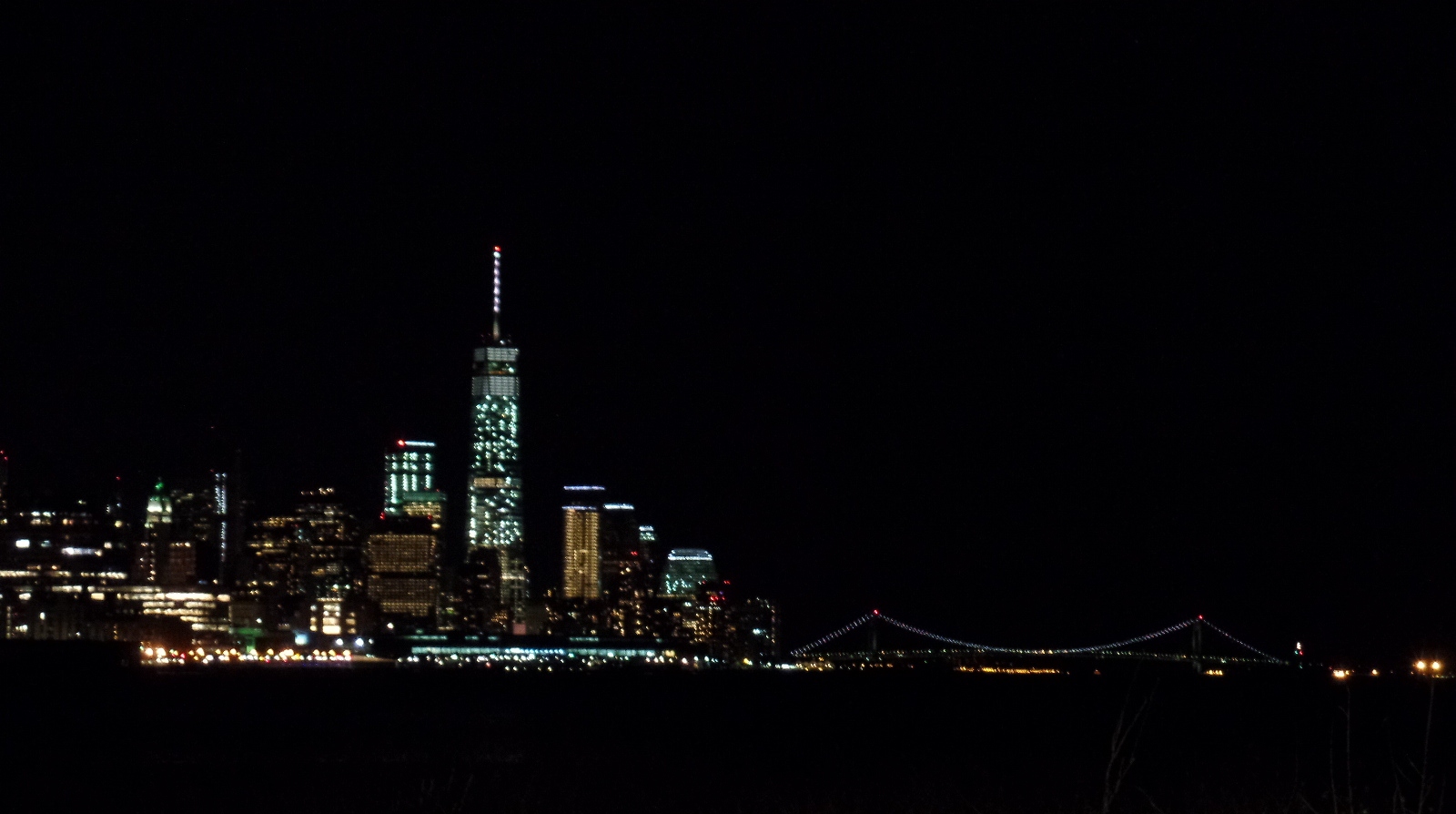
Winter Skyline from the West Bank of the Hudson

Midtown ManhattanDowntown Jersey CityLower Manhattan, TwilightLower Manhattan, Night TimeMidtown Manhattan at Night

Posted in Uncategorized | Tagged , , , , | 1 Comment

Americans Discover Vacation: With an Agency Itinerary and a Guidebook in Hand

Like many other industries the travel business has been radically changed by the Web, by digital publishing and ecommerce in particular. Printed travel guides are on the decline as are storefront travel agencies. But these two travel businesses were for more than a century the way Americans planned and booked their vacations as well as the way they were guided through their eventual destinations.

Both the travel agent and the travel guide emerged in the second half of the 19th century, the time when the term vacation began to be spoken by more and more Americans.

(jlynne)

(jlynne)

The first travel agency in America was the British agency Thomas Cook. Cook started his business in the 1840’s shuffling temperance campaigners between various English cities via the rails. As the business expanded it began to sponsor overseas trips and in 1869 Cook himself led a small group of Brits on a rail excursion from New York to San Francisco. Cook opened a New York office in 1871 and continued to conduct trips to the West Coast.

The Raymond and Whitcomb Agency, opened in Boston in 1879, become the gold standard for luxury travel in the late 19th and early 20th centuries.  Author Cindy S. Aron (Working at Play) notes that a Raymond and Whitcomb trip was going to involve private rail cars, first class service and luxury hotels. See America First author Marguerite S. Shaffer comments, “Early on tourist agencies such as Raymond and Whitcomb offered a sense of exclusivity and refinement, assuring elite tourists that they would circulate among people of their own social standing.”

Initially they booked trips to the White Mountains in New Hampshire and to Washington, D.C. and later added transcontinental voyages. Here are some sample Raymond and Whitcomb offerings:

  • 1887 Raymond’s Vacation Excursion to Washington, D.C. – leaves from Boston. “5 days in the national capital. Carriage ride to the public buildings and other points of interest. Visit to Mount Vernon.”
  • 1888 Raymond’s Yellowstone National Park Excursion – leaves from Boston, New York and Philadelphia “A grand excursion to the Yellowstone National Park with incremental trips to Chicago, Milwaukee, the Dells of the Wisconsin, Minneapolis, St. Paul, Niagara Falls, etc.”
  • 1906 Raymond and Whitcomb’s Tour of California – leaves from Boston, New York and Philadelphia. “Excursion to the Pacific Coast via the Santa Fe route. Through Pullman Vestibuled Cars to Los Angeles without change.”

By the 1920’s the agency was offering cruises to Latin America and the Mediterranean, around Africa and around the world.

While travel agencies emerged in the 1870’s, travel guides got an even earlier start. Appleton’s Travel Guides, originally targeted at European visitors, are cited by Shaffer as the first series of guides published in the U.S. Some early Appleton publications were:

  • 1848 – Appletons’ Railroad and Steamboat Companion: being a Travellers’ Guide through the United States of America.
  • 1849 – Appletons’ New York City and Vicinity Guide.
  • 1860 – Appletons’ Illustrated Hand-book of American Travel

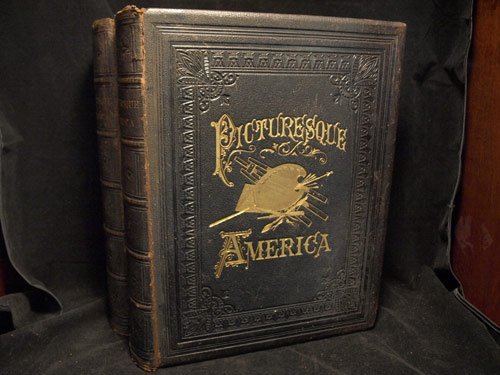
picturesque americaIn addition to other city guides Appletons’ had an edition dedicated to fishing. Perhaps their most reknowned publication was the two-part Picturesque America, which included hundreds of engravings of the works of famous landscape painters. It was edited by William Cullen Bryant, the editor of the New York Evening Post.

One of the most lasting and highest quality series of travel guides was surprisingly published by the government. During the Depression, FDR established the Federal Writers Project in 1935 as a way to put unemployed writers to work. More than 6,000 persons were hired by the FWP and they included some of the best known writers of their generation including Saul Bellow, John Cheever, John Steinbeck, Studs Terkel and Richard Wright.

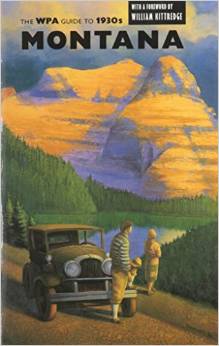
WPA guideOne of the products of the FWP was the American Guide Series which was more commonly referred to as the WPA (Works Progress Administration) Guides. The first guide, covering Idaho, was published in 1937, and the Oklahoma guide, published in 1942, completed the 48-state series. Each of the guides included some articles about the history of the state, photos and auto tours of the state. As automobile vacations grew in popularity after the Second World War, these guides were still current and used.

In an earlier post (Americans Discover Vacation: As Well As Discrimination and Bigotry), I noted that blacks and Jews built their own touring infrastructure as a way of circumventing discriminatory treatment. That included travel agencies and guide books. One example is The Negro Motorist Green Book, which was published from 1936-1966. The Green Book, as it was commonly known, was created by Victor Green, a former mailman who became a travel agent in New York. The information in the book included listings of hotels, camps, and restaurants that served blacks. Green himself expressed the hope that one day his guides would be unnecessary and eventually that was the case.

By the middle of the 20th century a vast number of Americans had the time and the wherewithal to vacation.  Many had a guide book along with a couple gas station maps in their glove compartment and before long there would be a travel agency in just about every town of any size.

Posted in Americans Discover Vacation, History, Travel | Tagged , , , , , , , , , | 30 Comments

10 Most Viewed Off the Leash Blog Posts in 2014

New Jersey State Fair10. Monster Trucks, Freaks, Creationists and Other Things You Don’t Usually See in New Jersey

9. 17-ton Marilyn, Enormous Abe and a Pitchfork in the SkyForever Marilyn

8. A Few Great Music Documentaries

7. Digital Deception: Is Fake News a Laughing Matter?Satire

6. Digital Deception: Catfish

5. Growing Up in the 50’s: The Corner Store

4. Growing Up in the 50’s: School019617a6afd6b36aa76df2c0b4c09603a26a62abf5

3. This is Hinchliffe

Hinchliffe Stadium2. Growing Up in the 50’s: The Night Two Guys Burned Down

1. Paterson xmas treeGrowing Up in the 50’s: Christmas Time in Paterson

Posted in Uncategorized | Tagged , | 1 Comment