Digital Deception: Sockpuppeteers

Wikipedia defines a sockpuppet as an online identity used for the purposes of deception. The Urban Dictionary has some more colorful definitions:

  • “A fake personality, usually a ‘friend’ or ‘sister’ created by a drama queen/king for the sake of defending his/herself against others in an online forum.
  • “An account used by someone unfairly banned by a biased, abusive or just plain asshole moderator to defy the ban and return to the forums.”

There are many other different types of sockpuppets, some of which have equally colorful names. A strawman is a fake identity created to expose opinions in a way that makes them look ignorant. A meatpuppet publishes promotional messaging on blogs and online discussion sites. There is also the ballot stuffer who adopts multiple identities to multiply his or her votes in an online poll.

The idea of adopting false identities and using them for the distribution of information is not new. The use of pseudonyms is as old as publishing itself. In the 18th century there was a sockpuppet named Alice Addertongue who wrote scandalous gossip about prominent citizens in the Pennsylvania Gazette. Alice’s sockpuppeteer was Ben Franklin. Maybe we should consider him among the founding fathers of sockpuppetry.

In my previous Digital Deception posts I flagged a number of different types of sockpuppets. There’s astroturfers who contaminate online review sites with their self praise or competitor bashing. There’s China’s 50-centers and Russia’s Web brigades who regurgitate propaganda under assumed personas.

My vision of a sockpuppeteer is someone working on their computer in a one bedroom apartment feverishly pumping out commentary and reviews because he or she is being paid a per piece pittance by an ethically challenged marketing agent. But in fact there are sockpuppeteers in all walks of life and there are numerous examples of corporate executives, professors, journalists and lawyers who have been caught red handed.

Here are some of my favorite examples:

Raphael Haim Golb is a New York real estate attorney.  His father Norman is a University of Chicago professer. The elder Golb’s  arch-rival in the academic world of Dead Sea Scrolls scholars is NYU professor Lawrence Shiffman. The younger Golb, who was convinced that Shiffman plagiarized his father’s works created email accounts in the name of Shiffman and through those accounts issued confessions of that plagiarism.  Golb ended up with a jail sentence after a conviction for identity theft, criminal impersonation and aggravated harassment.  (Dispute Over Dead Sea Scrolls Lead to Jail Sentence)

John Mackey is the co-founder and CEO of Whole Foods.  But on Yahoo message boards he was “Rehodeb.” And under that identity, he promoted both his company and himself, something that caused the SEC to raise an eyebrow.  Rehodeb once commented “I like Mackey’s haircut. I think he looks cute.” (The Hand That Controls the Sock Puppet Could Get Slapped)

Lee Siegal is an award-winning writer with a masters degree from Columbia who wrote a blog for the New Republic.  “sprezzatura” was a big fan of that blog and was not shy about posting comments that demonstrated that. Guess who the sockpuppeteer was behind the adoring sprezzatura? Once, after Siegal wrote a blog post criticizing John Stewart and earning the wrath of Stewart’s fans, sprezzatura countered “Siegel is brave, brilliant and wittier than Stewart will ever be. Take that you bunch of immature, abusive sheep.” (Sock Puppet Bites Man)

And lastly there’s Orlando Figes, described by the Guardian as a prominent British historian at the University of London. Figes used the sockpuppets “orlando-birkbeck “ and “historian” to trash some of his rivals on Amazon. (Who knew academics were so viciously competitive?) And he wasn’t beyond posting a review that put in a good word or two for his own work, such as “a fascinating book…leaves the reader awed, humbled, and yet uplifted.” (Historian Orlando Figes Admits Posting Amazon Reviews That Trashed Rivals)

Peter Steiner cartoon as published in the New Yorker

Peter Steiner cartoon as published in the New Yorker

Posted in Digital Deception, Digital publishing | Tagged , , , , , | 24 Comments

2014 Best of the Minors – NY/NJ

Best Stadium

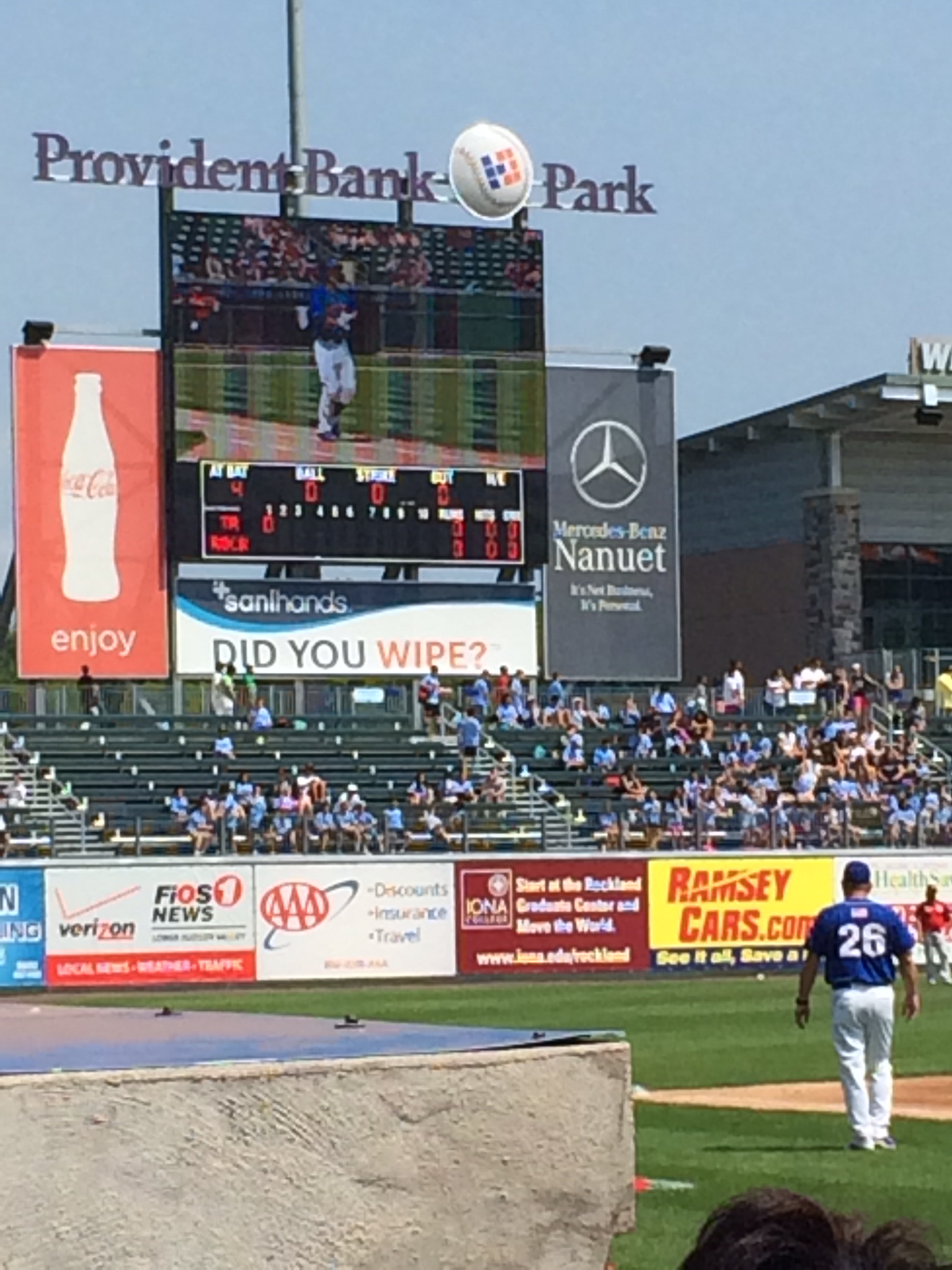
Provident Bank ParkProvident Bank Park in Pomona, N.Y., has the advantage of being the newest stadium in the area. But the home of the Rockland Boulders also has some character, features that you don’t see everywhere. There’s a center field bridge just like Citi Field and there are old school outfield bleachers. There’s a field level bar just inside the left field foul pole and in right field as well “The Short Porch.” Another bar sits on the roof on the third base side. The scoreboard is major league caliber with state of the art video. There’s a spacious children’s playground, not just a bounce house squeezed onto the concourse, and plenty of parking all around the stadium.

Arm & Hammer Park in Trenton and TD Bank Ballpark in Somerset are solid runners-up in this category and while they are both great places to see a ballgame these two stadiums are a little more of the cookie- cutter variety and don’t have as many unique features as Rockland.

Best Stadium Food

A nice bar with a large beer selection is not all that common in minor league parks.The choices at TD Bank Ballpark in Somerset rival even the newest major league stadiums. There is a build your own burger bar, a burrito stand that also offers dry rub barbeque and a sausage stand. (Unfortunately they serve Premio sausage which is crap, but they seem to have completely cornered the local sports venue market.) There is a healthy choices section with items like salads and turkey burgers in addition to the traditional ballpark standards. For dessert there is an ice cream parlor and a stand to get freshly-made funnel cakes. There is also a nice little bar along the third base side that has a pretty good beer selection. The Patriots have a ton of people working there so there are no lines. In Somerset everybody eats, nobody waits.

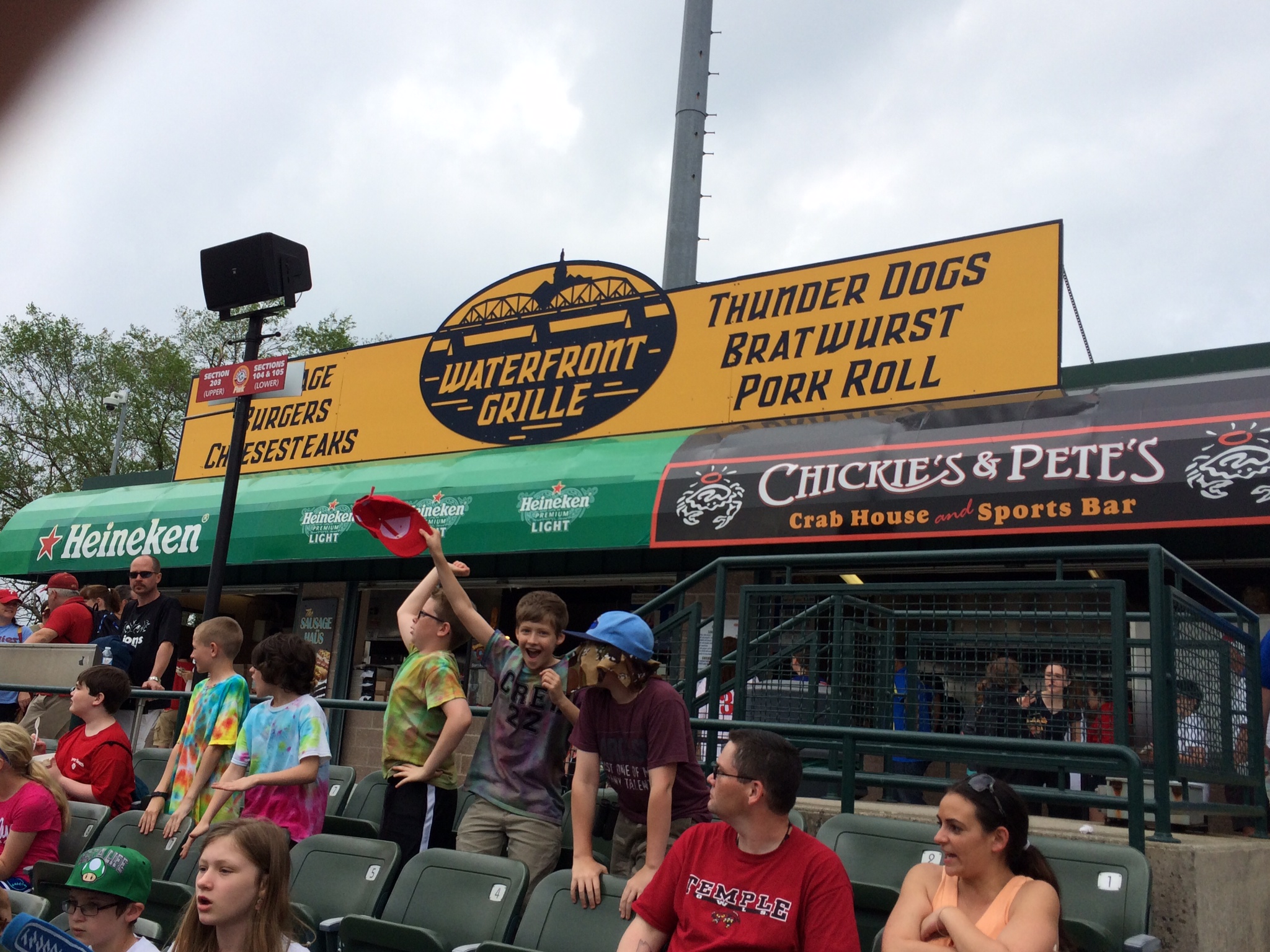
Trenton is a solid runner up with Chickie & Pete’s, the Waterfront Grille and barbeque in left field.

Best Name for a Stadium

Yogi's box

Yogi’s box


Most of these parks are named after banks. The New Jersey Jackals stadium is named after Yogi. No contest! Yogi Berra Stadium, Little Falls, N.J.


Most Idyllic Setting for a Ballpark

I didn’t enjoy my trip this year to Richmond County Bank Ballpark in Staten Island. Maybe they just don’t do day games well. When I got there the parking lot was full which is understandable since the lot also serves the Staten Island Ferry. What is not understandable was the three slugs who manned the parking lot gate who kept their back turned and ignored the cars looking for a place to park. So I drove around and eventually found a 2-hour meter spot that was 15 minutes away, meaning I had about 90 minutes to watch the game. Since it was an 11 a.m. start I was planning to have lunch at the ballpark but the concession stands were so overwhelmed that I would have spent at least half of my 90 minutes waiting on line.

But take a look at what you see when you look out toward center field. Does it get any better than that?

Richmond County Bank Ballpark

There are a couple of solid runners up in this category. MCU Park, home of the Brooklyn Cyclones, in on the ocean in Coney Island and the Camden Rivershark’s Campbell’s Field in tucked under the Ben Franklin Bridge. Both are beautiful settings.

Best Baseball Team

The Atlantic League plays a split season. In the first half, the Somerset Patriots had a 67% winning percentage and finished 6.5 games ahead of the Long Island Ducks who were themselves 40-29. Second half same story. As of this writing the Patriots are 24-16, 6 games up on the Ducks. Only issue to be settled is which team gets sacrificed to the Patriots in the first round of the playoffs. I saw about 12 different minor league teams from 4 leagues this year and I don’t think any of them could beat the Patriots in a series.

Lifetime Achievement Award

Arm & Hammer Park

Arm & Hammer Park

The Trenton Thunder are the gold standard for minor league baseball in the NY/NJ area and have been since they were founded.  The Thunder is the team that ushered in the modern era of minor league baseball in this area.  Before the Thunder opened play at what was then called Waterfront Park in Trenton in 1994, there was no minor league baseball in the area since a short-lived double A team in Jersey City in 1977-78.  Before that the last minor league team folded up in 1961.

Soon after the Trenton team got started there would be teams in Frankford (Sussex County), Newark, Little Falls, Atlantic City, Somerset, Camden, Lakewood, Staten Island, Brooklyn and Pomona. Some have dropped off, some are thriving and some are fighting to survive. But during their 20 years, with three different major league affiliations but with consistent ownership, the Thunder have provided a first rate fan experience and have kept the ballpark full of people. If you ever plan to get involved in operating a minor league sports franchise, go spend some time in Trenton. Nobody does it better.

Posted in Baseball, Sports | Tagged , , , , , , , , , | 2 Comments

Photo Tour of the Minors Pt. 2 — The Banks

1.  Staten Island, N.Y.

Richmond County Bank Ballpark, home of the Staten Island Yankees, Class A affiliate of the New York Yankees, New York-Penn League


could there be a more idyllic setting for a ballpark

Could there be a more idyllic setting for a ballpark?

There's not much to do in the visitors' bullpen.

There’s not much to do in the visitors’ bullpen.

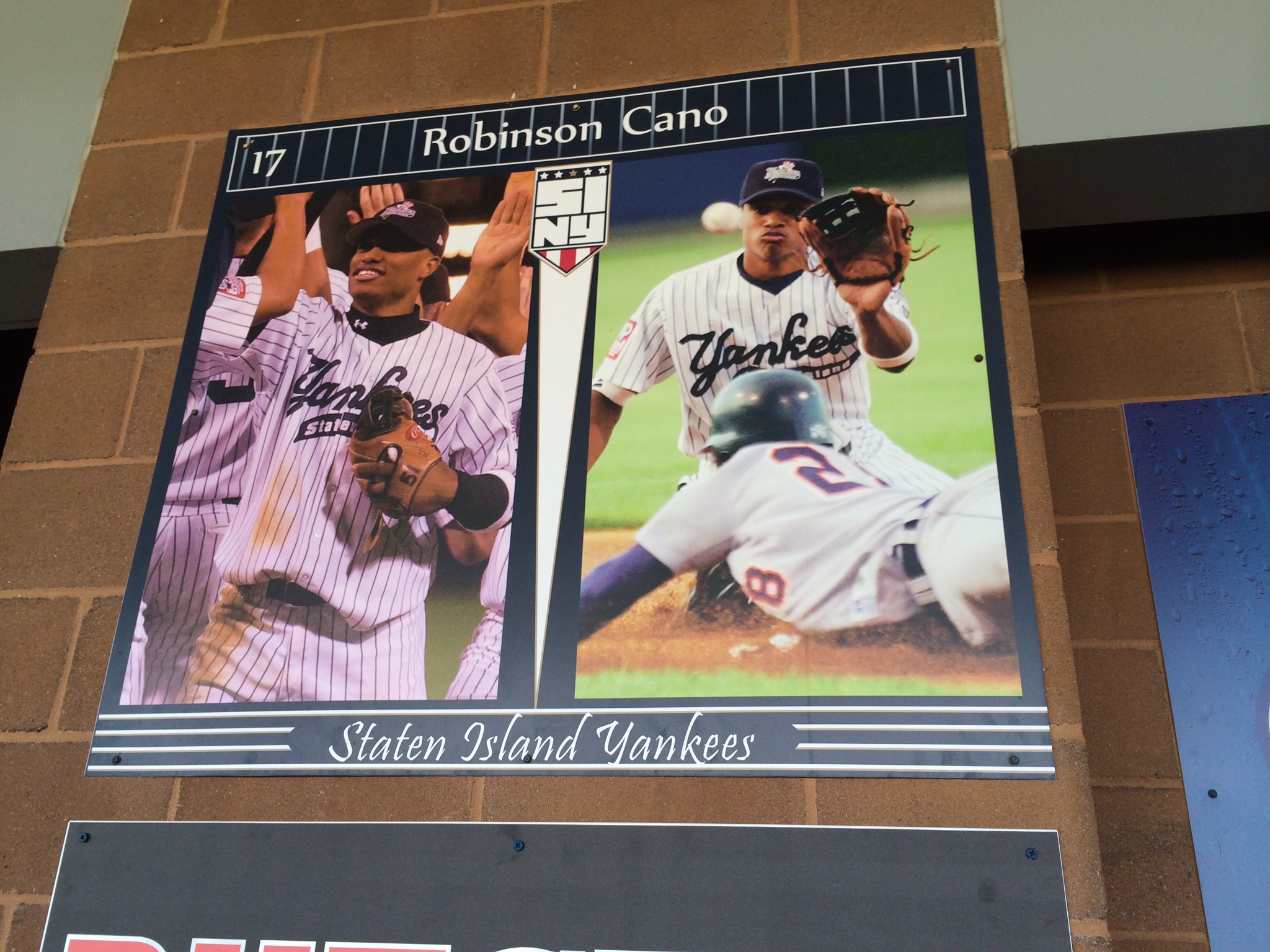
Perhaps the greatest Staten Island Yankee, Roberson Cano

Perhaps the greatest Staten Island Yankee, Roberson Cano

Is there a dentist in the house?

Is there a dentist in the house?

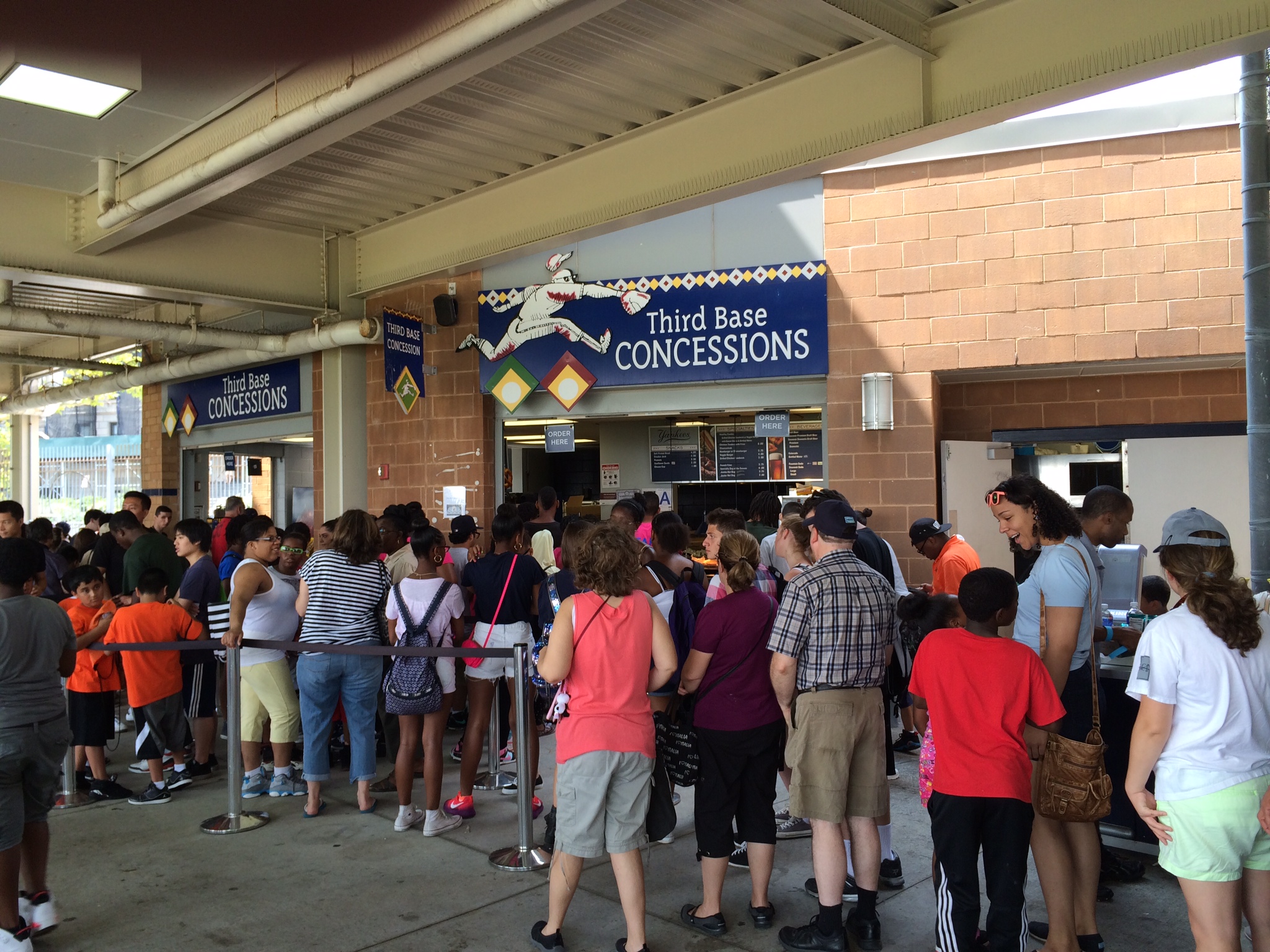
Don’t come hungry. here’s what the concession stands looked like on camp day.


Richmond County Bank Ballpark


2. Pomona, N.Y.

Provident Bank Park, home of the Rockland Boulders, independent, Can-Am League

012b2fc915edf4a1d9ccc157d374ac404688f5466d

Do people really choose a bank based on ballparks carrying their names?

You can walk into a minor league park without being frisked.

You can walk into a minor league park without being frisked.

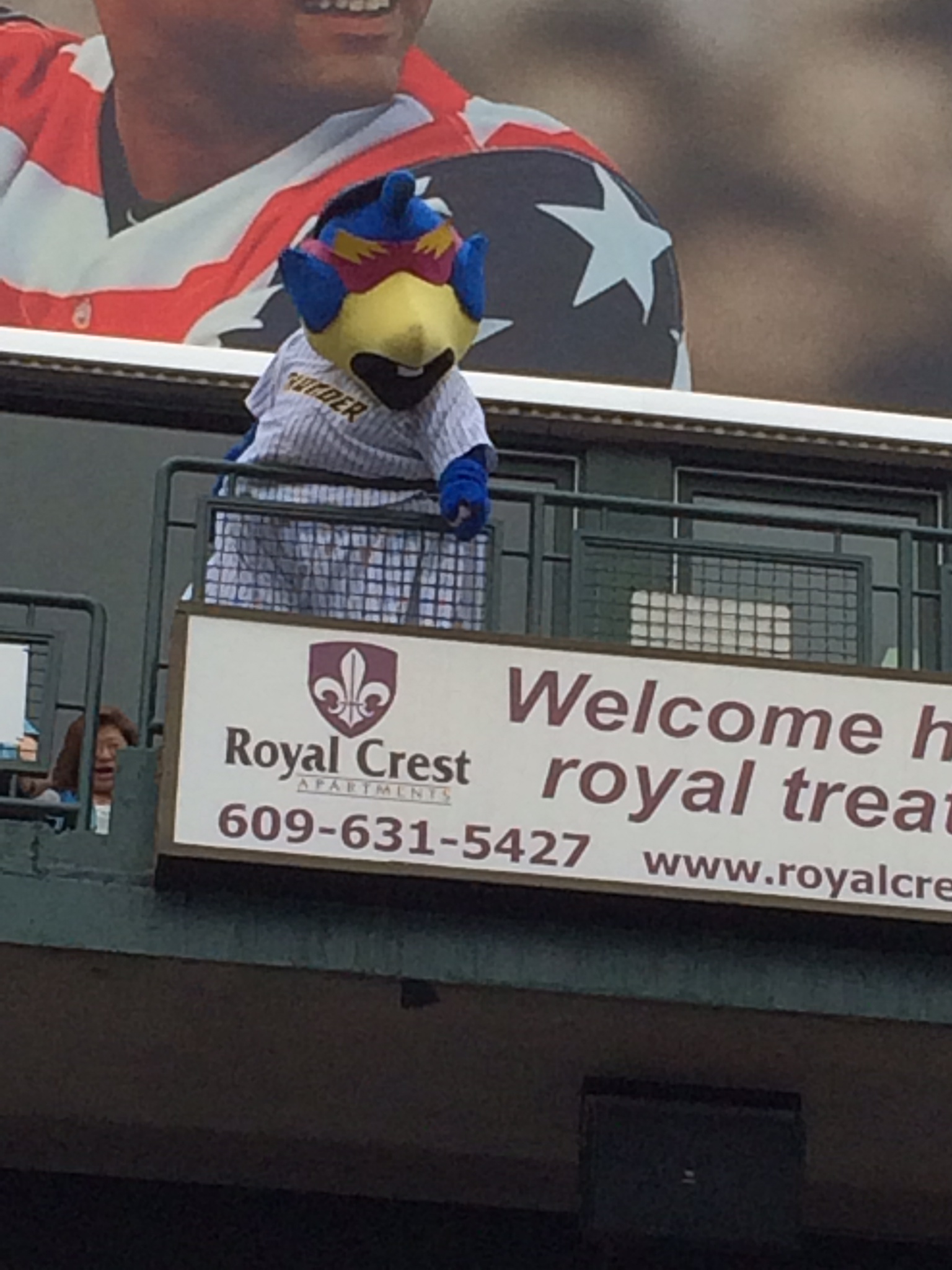
The Boulder Bird, because its hard to come up with a mascot thats a boulder.

The Boulder Bird, because it’s hard to come up with a mascot that’s a boulder.


What is minor league baseball without a dizzy bat race?

What is minor league baseball without a dizzy bat race?

How is this for a summer job?

How is this for a summer job?


Old school outfield bleachers.

Old school outfield bleachers.

3. Somerset, N.J.

TD Bank Ballpark, home of the Somerset Patriots, independent, Atlantic League

Remember when sports teams used to have ferocious sounding names? Here the Patriots are hosting the Southern Maryland Blue Crabs.

Remember when sports teams used to have ferocious sounding names? Here the Patriots are hosting the Southern Maryland Blue Crabs.

The ought's were the glory years for the Somerset Patriots.

The ought’s were the glory years for the Somerset Patriots.

You can't have too many promotions at a minor league baseball game.

You can’t have too many promotions at a minor league baseball game.


Good times at the Patriots game.

Good times at the Patriots game.

A nice bar with a large beer selection is not all that common in minor league parks.

A nice bar with a large beer selection is not all that common in minor league parks.

Photo Tour of the Minors Pt. 1 includes my visits to Newark, Trenton and Little Falls.

Posted in Baseball, Sports | Tagged , , , , , , , , , | 4 Comments

city of bridges/city of gardens

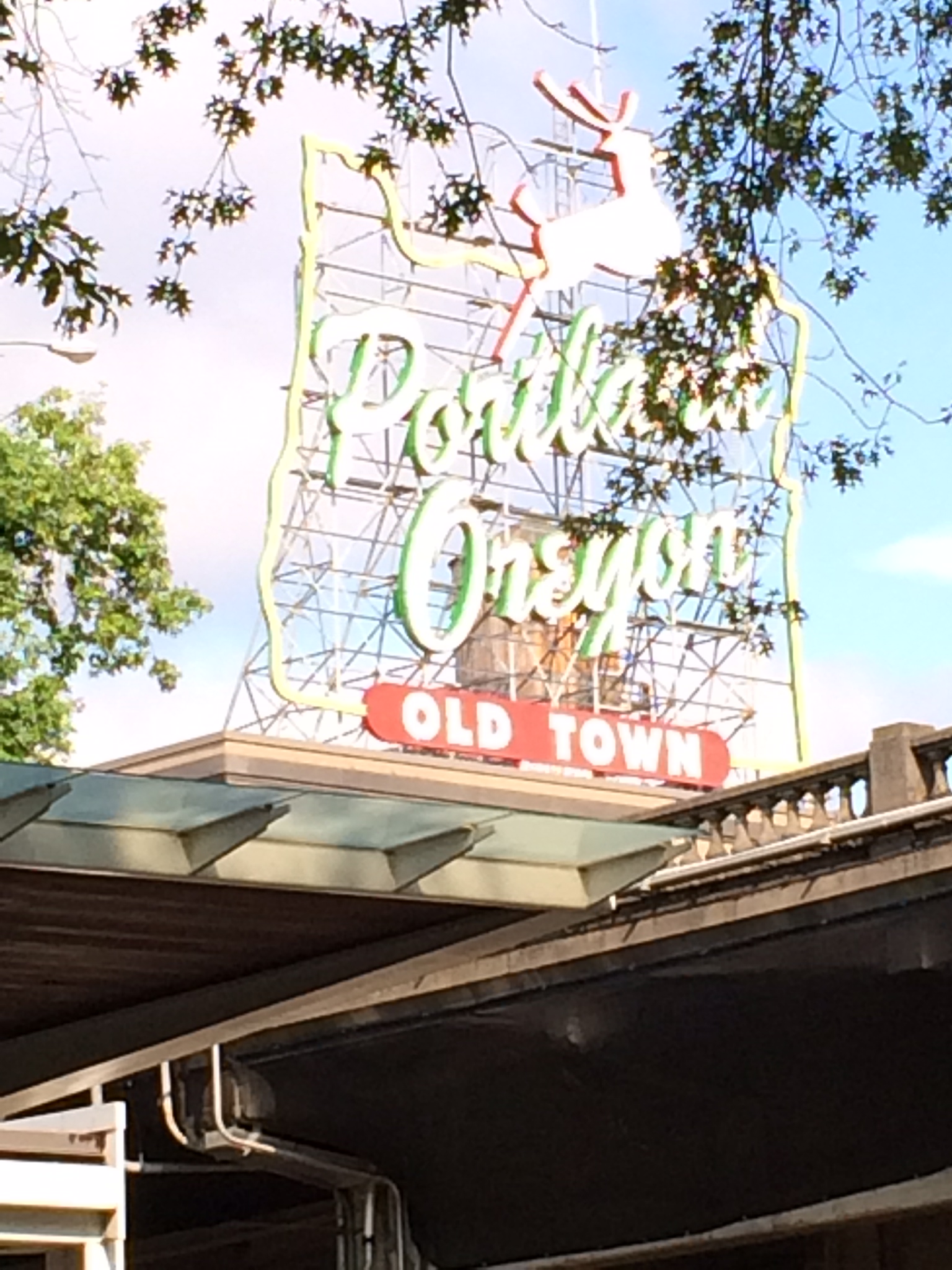
Old Town Portland

city of bridges

Portland Bridge
Portland BridgePortland Bridge

Portland Bridge

city of gardens

Portland Rose Garden

Portland Rose Garden

The Rose City

The Rose City


Portland Japanese Garden

Portland Japanese Garden

Sand and stone garden

Sand and stone garden


and food

The drip pots at Case Study Coffee.

The drip pots at Case Study Coffee.

Voodoo Donut

Voodoo Doughnut

Everything is ripe in August.

Everything is ripe in August.

0191bfe1151af73b3938117dbc84c5e31ee24e7f57

Have you tried bone marrow and smoked cherry ice cream?

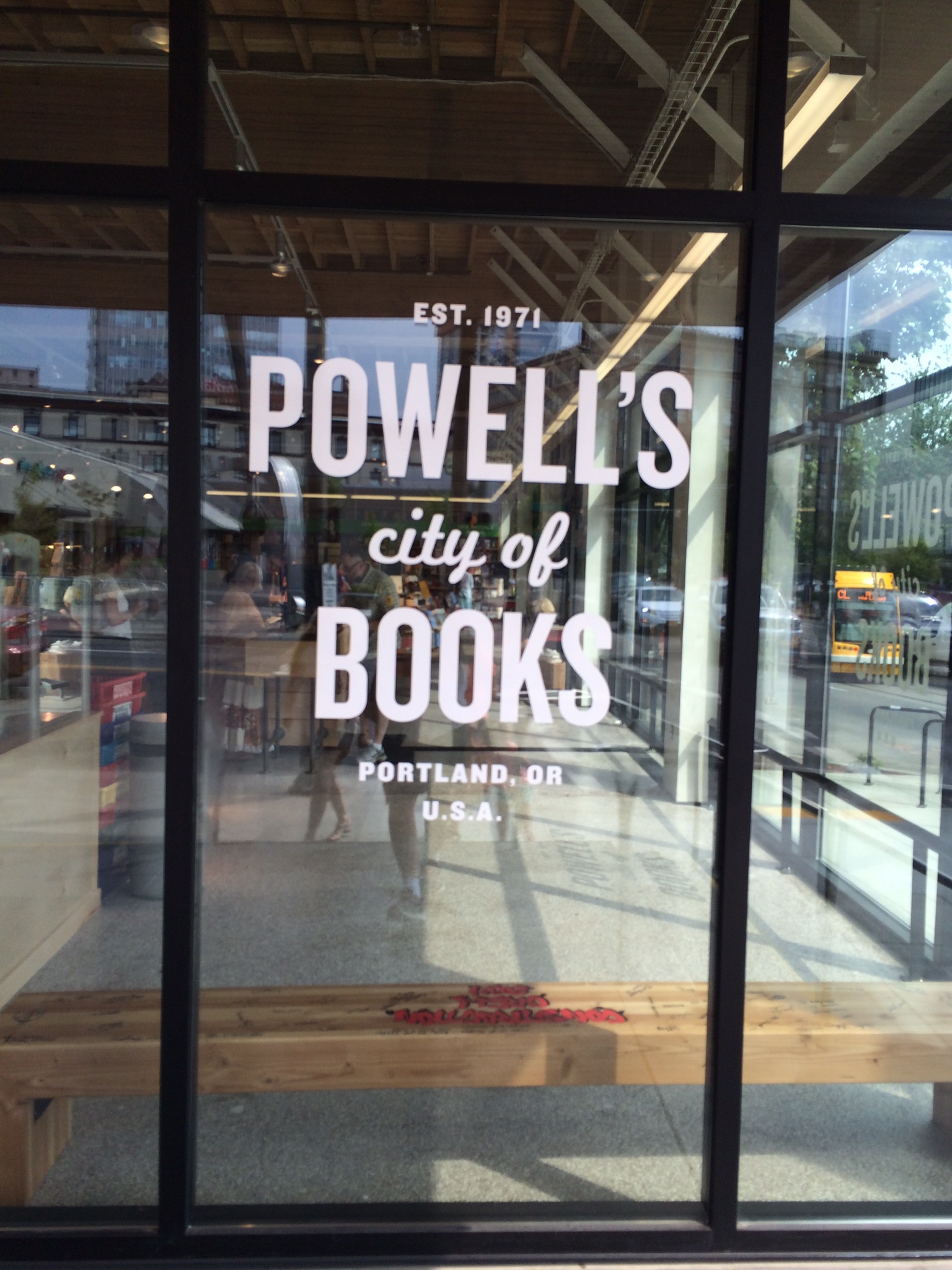
city of books

016ebc1eec15ada484e012d029c171c8a33c175d66

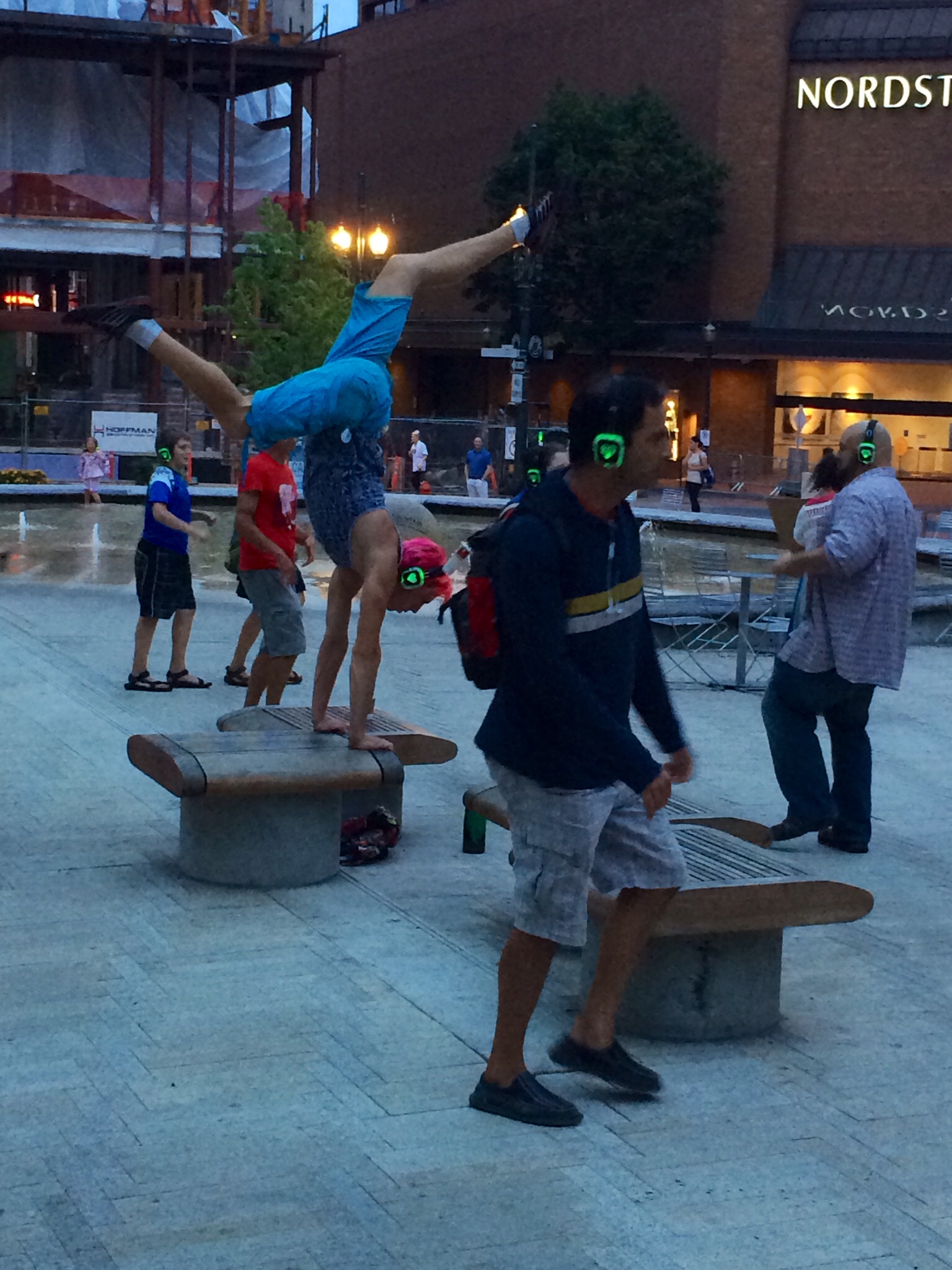
and dancin’ in the street

Silent disco at Directors Park

Silent disco at Directors Park

Posted in Travel, Uncategorized | Tagged , , , , , , | 24 Comments

Photo Tour of the Minors Pt. 1 – Jersey Boys

1. Newark, N.J.

Bears and Eagles Waterfront Stadium, former home of the Newark Bears (Requiem for the Newark Bears)

The minor league season started on a down note as the Newark Bears held a liquidation sale.

The minor league season started on a down note as the Newark Bears held a liquidation sale.

The heads of Rupert the Bear, team mascot, on the chopping block..

The heads of Rupert the Bear, team mascot, on the chopping block..


And here's why

And here’s why


2. Trenton, N.J.

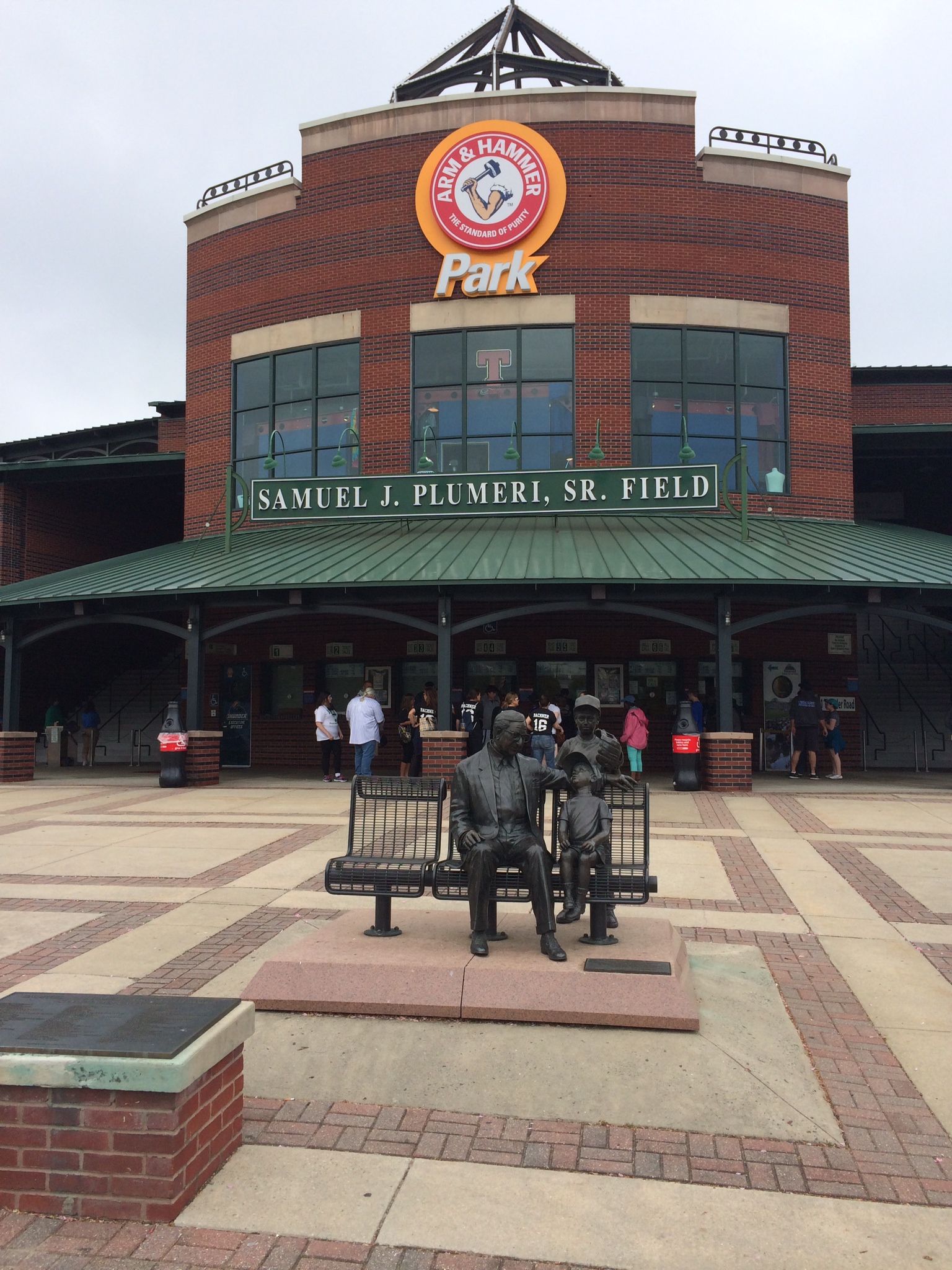
Arm & Hammer Park, home of the Trenton Thunder, AA affiliate of the NY Yankees, Eastern League

Arm & Hammer Park

An outfield wall covered with ads is a sign of a healthy franchise.

Boomer

Boomer

Mia Hamm's husband is on the Thunder wall of fame

Mia Hamm’s husband is on the Thunder wall of fame


Arm &  Hammer Park

Arm & Hammer Park


My favorite ballpark lunch is a Trenton Pork Roll and cheese from here

My favorite ballpark lunch is a Trenton Pork Roll and cheese from here


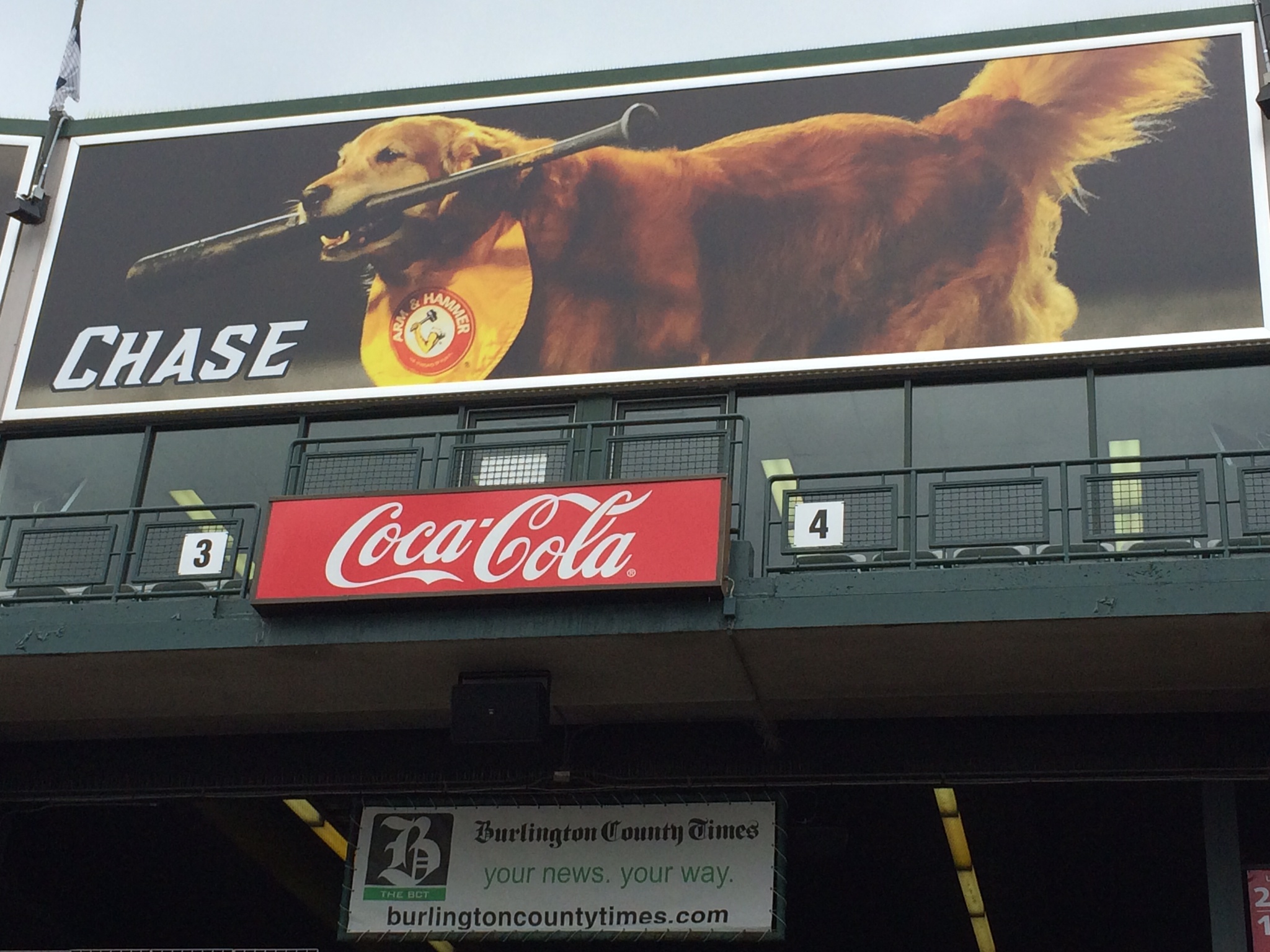
The Thunder's legendary batdog Chase

The Thunder’s legendary batdog Chase


3. Little Falls, N.J.

Yogi Berra Stadium, home of the New Jersey Jackals, Can-Am League

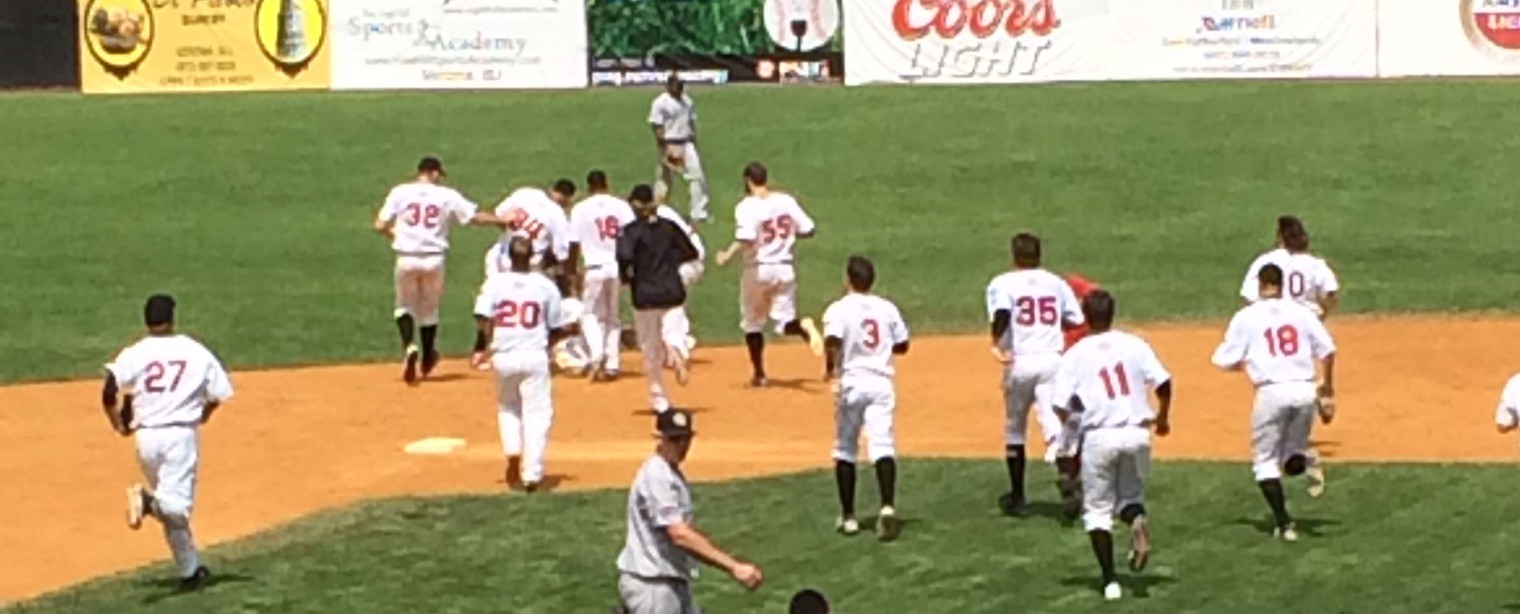
Walk off!

Walk off!


Fireworks night.

Pepper enjoying a Jackals game

Pepper enjoying a Jackals game

Yogi's box

Yogi’s box

Jack the Jackal and friends cover the Village People

Jack the Jackal and friends cover the Village People

Jackals face their closest rival Rockland Boulders. The two have been vying for first place all year.

Jackals face their nearly rival Rockland Boulders. The two have been vying for first place all year.


Part 2, to be posted next week, will cover my visits to see the Staten Island Yankees, Rockland Boulders and Somerset Patriots.

Posted in Baseball, Sports | Tagged , , , , , , , , , | 5 Comments

Digital Deception: Is Uncle Sam a Hacker?

In April, AP broke the news of the latest bizarre twist in U.S. policy toward Cuba.

Starting with a pirated database of 50,000 cell phone numbers of Cuban citizens, the US Agency for International Development (USAID) created ZunZuneo, essentially a fake version of Twitter. They used spoof servers to disguise the U.S. origins of the service and even created phony banner ads to make it look like a commercial venture.

Almost laughably, USAID described this as a “discreet form of humanitarian assistance.” Most observers, however, think that the boys in Washington had visions of creating an Arab Spring in Havana. And that’s not to mention the goal of building a database of demographic information about the 40,000 Cubans who subscribed.

Aside from the questionable strategic thinking behind ZunZuneo, it had a very practical flaw. Since all the communication was based on text messaging, the fees got pretty steep. So it was folded after 3 years, leaving behind tens of thousands of dollars in texting fees and no real discernable uptick in dissent in Cuba. All that remains is a Facebook page which you can see here.

In most of my posts about Digital Deception, the perpetrators have been marketers, businessmen looking to promote their business or trash their competitors or just self absorbed assholes trying the make themselves look more important or more influential than they really are. But what happens when these tools of online chicanery are put in the hands of government and their opponents? For one thing, digital deception is ideologically agnostic. It is used by dictatorships and democracies, by communists, socialists and capitalists.

Law enforcement agencies have used the tactic of creating false personas and befriending suspects. If that results in capturing criminals, the ethical considerations might arguably be of no consequence. But I think in the future we may start seeing some case law developing about online entrapment.

As early as 2004 China created what is known as the 50-cent Party (China’s Paid Trolls: Meet the 50-cent Party). This is a legion of online commentators who post positive information about the Chinese government and the Communist Party. Participants are trained and certified by the Minister of Culture. And they are paid 50 cents per comment.

While there has never been any official acknowledgement (no surprise there), Russia is believed to employ “web brigades.”  These guys assume false identities and spew forth pro-Russian propaganda by commenting on blogs and participating in online discussions.

Among the NSA documents leaked by Edward Snowden were some that provided information about the U.K.’s Joint Threat Research Intelligence Group. Not satisfied with just pushing propaganda, this group attacks targets using tactics that include changing online photos, posting material online and falsely attributing it to someone else and creating fake blog posts that appear to be written by a victim of the target whose reputation they are trying to destroy.

On a still more sinister level the Australian government has accused the Taliban of using phony Facebook accounts to gain military intelligence. They create personas of attractive women and befriend deployed soldiers then use Facebook’s geo-tracking to determine their whereabouts.

(Life most men I’ve received friend requests on Facebook with pictures of attractive young women who I have never heard of and who have no mutual friends. Chances are this isn’t the Taliban, but they probably aren’t attractive young women either.)

My previous Digital Deception post was about astroturfers. Lo and behold, the U.S. Air Force in 2011 posted a call for bids on FebBizOps.gov for “persona management software.” Something you might also call astroturfing software. Among the specifications were that the software create 10 personas per user and randomly assign IP addresses. (You can see that document here.)

A California company Ntrepid won the contract for $2.8 million. This became part of “Operation Earnest Voice,” a effort to disseminate what, depending on your views, would be considered either information or propaganda. It’s kind of a Black Hat Voice of America.

Writing in the Guardian in March of 2011 , Jeff Jarvis commented that it is “sad to see the U.S. government taming the power of the net to stoop to the morals of a clumsy Nigerian spammer.”

The governments of the world are almost invariably not the source of technical innovation. But they are quick to adapt technology and use it for espionage, propaganda and to attack their enemies. This is a story that I am sure is still being written.

Posted in Digital Deception | Tagged , , , , , | 24 Comments

Monster Trucks, Freaks, Creationists and Other Things You Don’t Usually See in New Jersey

New Jersey State FairWhen you think of state fairs, New Jersey is hardly the first place that comes to mind. But we have at least two of the them.

There is a so-called New Jersey State Fair that takes places for a couple weeks around July 4 in the parking lot of MetLife Stadium. This one is really just a big carnival. They could park those trucks anywhere and it would be the same.

But the other one is the real thing. The event used to be called the Sussex County Farm and Horse Show. I like to think of it as spending a day in the midwest without actually having to leave New Jersey.

Sussex County is in the northwest corner of the state. It is too far away to be considered a suburb of New York or of Philadelphia. And it’s nowhere near the ocean. So it doesn’t have the things that you usually think of when you think of New Jersey, whether that’s beautiful beaches, urban blight or Superfund sites.

New Jersey State Fair

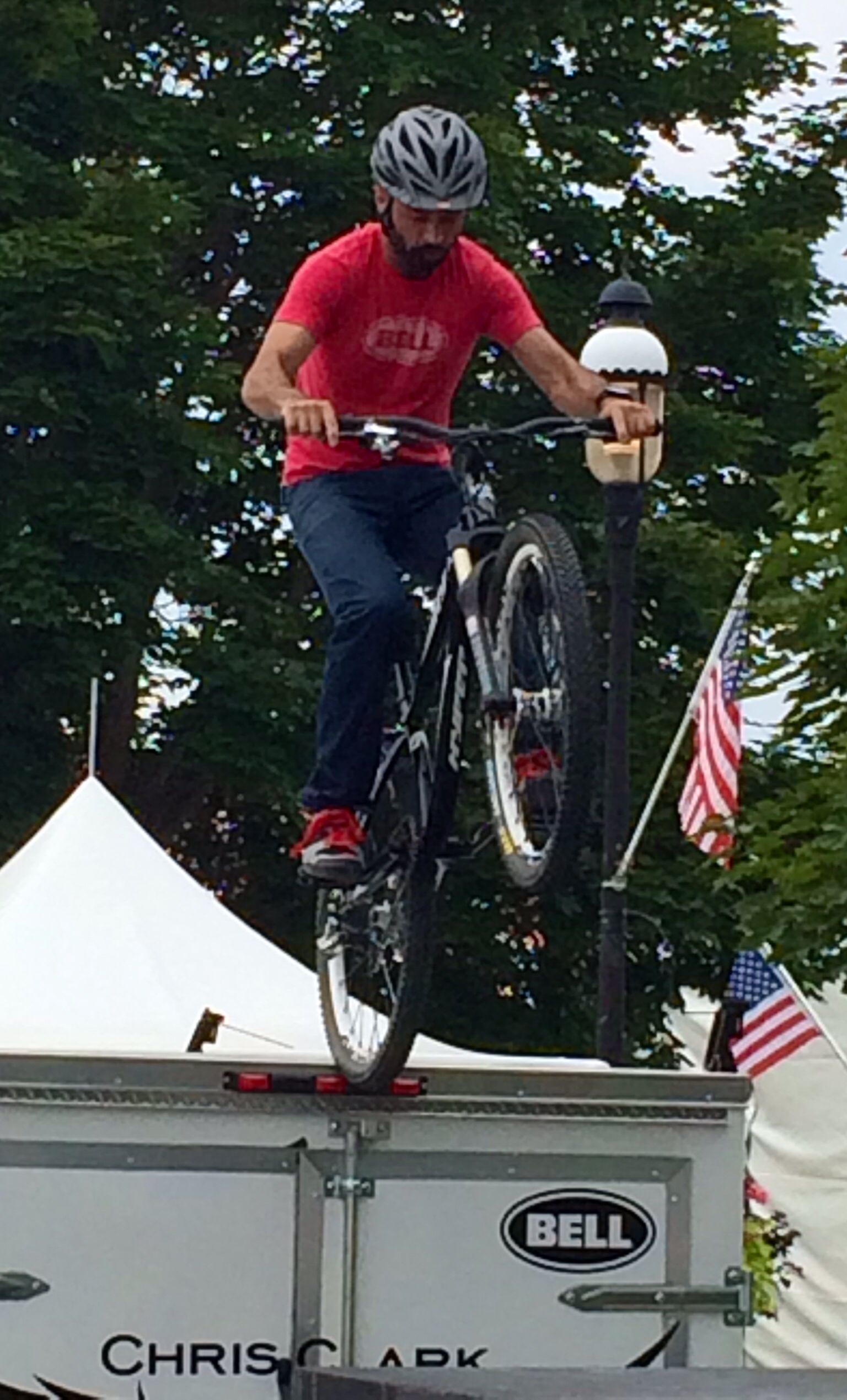
Trailer-top biking

Trailer-top biking

New Jersey State Fair

A John Deere powered ice cream maker

Singing, dancing mechanical veggies. Wow!

Singing, dancing mechanical veggies. Wow!

New Jersey State Fair

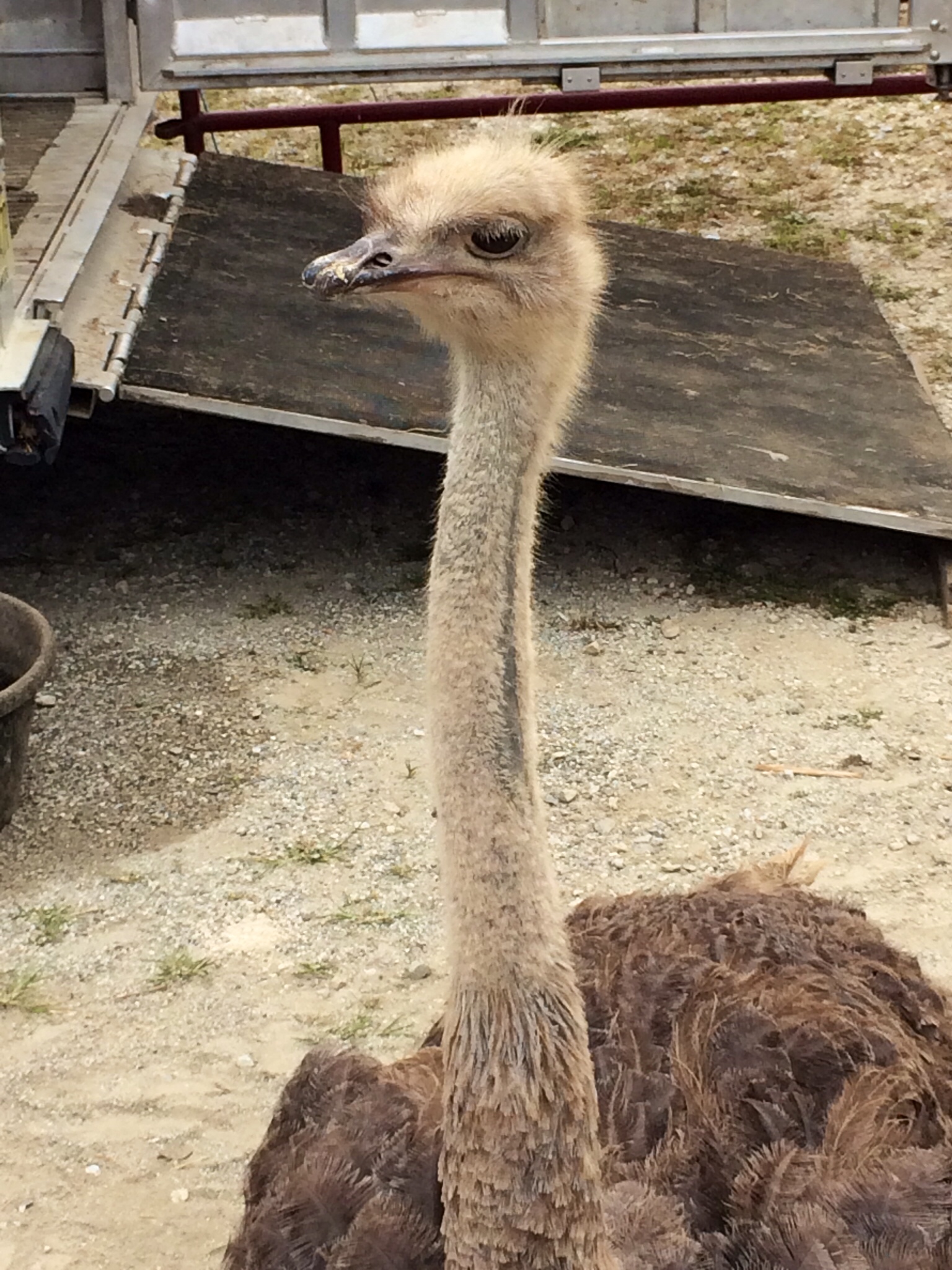
Keeping a wary eye on fairgoers


and another.

and another
A poultry contest entrant

A poultry content entrant

The hen house shows its colors

The hen house shows its colors


A goat toddler

A goat toddler

ou could pick up a new chicken coop

You could pick up a new chicken coop

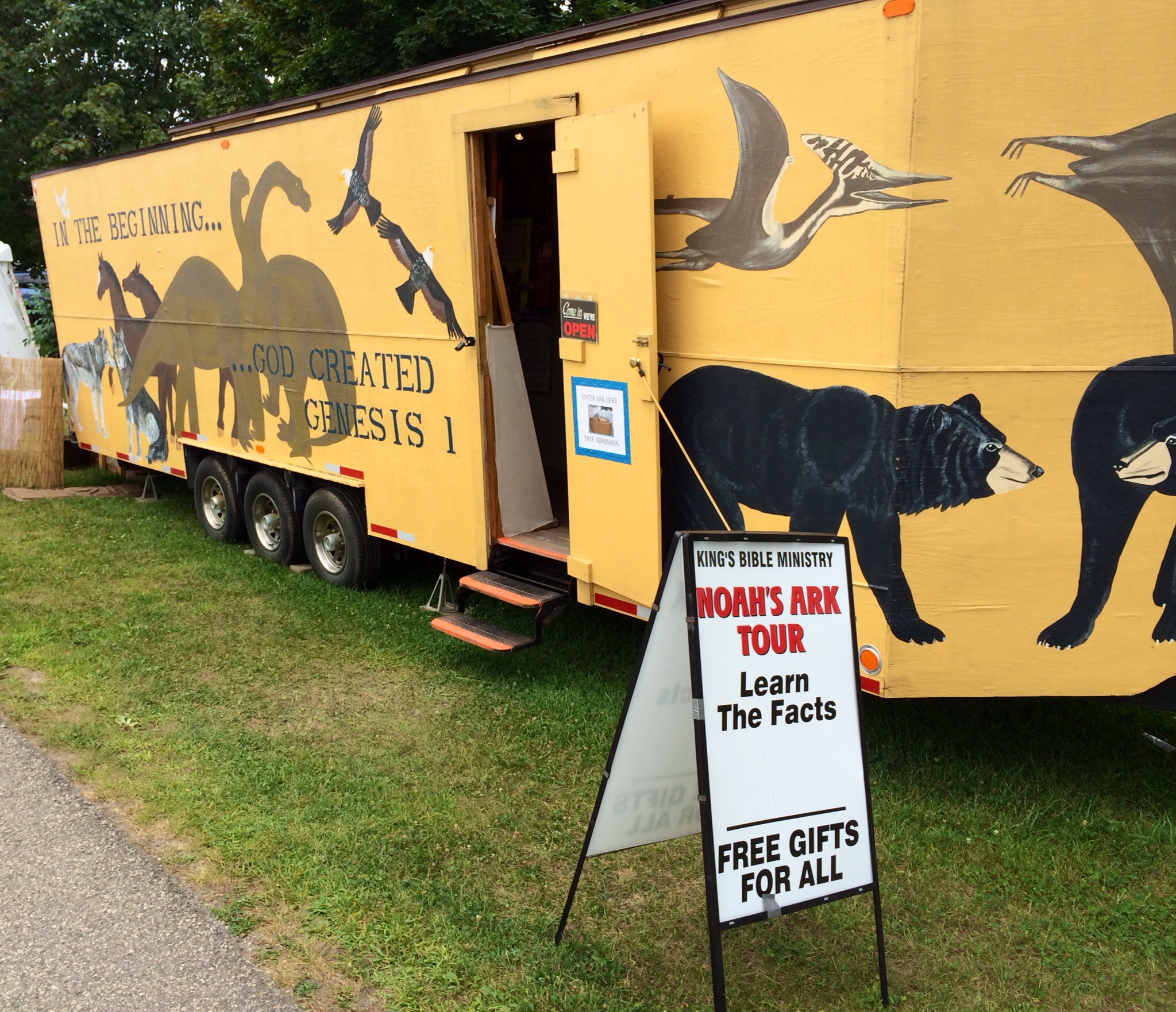
Usually were more of an evolution state.

Usually we are more of an evolution state.

The monster truck ride

The monster truck ride


Posted in Uncategorized | Tagged , , | 28 Comments

Marketing Content, With Fingers Crossed

An oft-cited story in the marketing industry this summer has been the Forrester survey of 113 BtoB marketers in which 51% characterized their content marketing efforts as only “somewhat effective.” That after an earlier Content Marketing Institute survey that found 42% of the content marketers they queried stating that they were effective. (Half full? Half empty?)

Then there was the survey of content consumers by Contently, an organization whose business involves producing the content for content marketing. It found that 54% don’t trust sponsored content. And just for good measure I found another survey by something called BusinessBolts.com that concluded “marketers are seeing massive benefits from content marketing even with minimal effort…”

What does all this tell us? Pretty much nothing. In fact, I would suggest that no matter what hypothesis you proffer you can probably find a professional sounding survey that will confirm it.

Content marketing is the most recent moniker attached to a fairly old practice. Sponsored content used to take the form of advertising sections in newspapers, infomercials on TV or custom publishing. There are new names for the digital age, like content marketing, brand publishing and native advertising. With the new names have come new advocates and new tactics. How many former SEO and social media consultants are now content marketing experts?

But they are not the only ones who want to see this work. Neither the marketing world nor the publishing business has truly survived the transition to a digital media world intact. For years marketers approached the Web with banner ads. Nobody clicks on them and everyone knows it even though they haven’t completely disappeared. Traditional advertising is likewise viewed as declining in value, though one may question whether the value has declined or has it been meager all along and we just needed better measurement tools to realize it.

I don’t need to go into the trials and tribulations of traditional media. They’ve lost readers. They’ve lost revenue. And while a certain percentage of the audience has been recovered online it is a much smaller percentage of the revenue that has been recovered. So the media world hopes sponsored content fills that gap just as the marketer hopes it fills the hole in the efficacy of advertising.

Native advertising is the latest handshake agreement between publishers, who need money, and content providers, who need visibility. The publisher offers access to its audience, the content provider pays for it and they both agree that the stuff won’t look too bad, won’t be blatantly commercial and will somehow fit with the other content. The party that is not privy to this handshake, though, is the reader and it is the audience that eventually will decide whether the sponsored content is welcome, whether they want to see it, or whether it is too blatantly commercial.

Publishers pursuing this path tend to be a little queasy about it. So you see pronouncements about how vigilant they are going to be in labeling sponsored content as just that. But in fact there is a prevailing air of deception about many forms of sponsored content. Ask for a definition of native advertising and you’ll usually hear something about how it is commercial content that looks like the “native” content of the outlet where it is published. In other words, let’s hope the reader can’t really tell the difference.

So will anyone be successful with the new wave of sponsored content?

There is an elite level of premium household-name type brands that will produce some pretty good content and pay a shitload of money to place it on premium sites. Lots of people will see this stuff and both the buyer and seller (not to mention the content marketing consultant) will point to it as an example of how sponsored content can work. That’s nice but it has nothing to do with most companies or organizations and it has nothing to do with modest sized newspapers or periodicals.

I don’t think the sponsored content trend has yet to find its long tail but I think there are opportunities among niche media that have cultivated a very specialized audience. It is much easier in that scenario to identify what might constitute compelling content. If is also much easier for the company that caters to that audience to find their customers there.

I also think it is intriguing to think about whether sponsored content will work with local news. That is a market for which a successful digital business plan has yet to be discovered. (Just ask AOL.) Local media has a very clearly defined audience and usually has no competition. Local businesses are usually not in a position to successfully execute a content marketing campaign. So can local media properties successfully fund their news operation by using the editorial staff to produce sponsored content for their advertisers?

It is also possible that the media will eventually be squeezed out the whole content marketing equation. If the audience for commercial content is driven by search and social rather than by co-mingling under the virtual masthead of a media property, there becomes no need to pay for that placement. Rather success will depend on SEO and social media skills.

So there are ways in which some organizations and some publishers are going to be able to profit from content marketing. But it is not going to be the savior of media outlets trying to recover lost revenue. Nor will it to any large extent retire more traditional marketing and advertising activities.

Posted in Digital publishing, Uncategorized | Tagged , , , , , , | 2 Comments

Digital Deception: Astroturfers

There are times I’ve been traveling and looking for a decent dinner option, so I checked the listed local restaurants that got a five-star rating on Yelp.

The last time I purchased a TV, faced with numerous choices that all seemed pretty much the same to me, I looked at Amazon user reviews to help decide which of the competitors’ products I should opt for.

User or customer reviews seem a terrific way to get beyond the hype of advertising and marketing and get objective opinions from people like yourself. Think again. The world of online reviews is full of what have been dubbed astroturfers. Why that name? Well, what’s more fake than AstroTurf.

Yelp, a company whose business depends on online reviews, estimates that between 20 and 25 percent are fake. Like many of the other underhanded activities I’ve highlighted in Digital Deception, astroturfing is sleazy and unethical. Is it illegal? New York State Attorney General Eric Schneiderman says yes, it violates state laws governing false advertising and deceptive business practices.

In September of last year, Schneiderman’s office announced the results of “Operation Clean Turf.”  Nineteen companies were cited for astorturfing, were fined a total of $350k, and all agreed to stop writing fake online reviews. Among the companies cited were New York marketing firms Zamdel (dba eBoxed) and XVIO and small businesses like Laser Cosmetica and US Coachways. Another was Swan Media Group, which manages Scores ‘gentlemens’ clubs. They hired a freelancer who created 175 fake reviews of their club’s dancers.

Schneiderman’s guys set up a sting. They created a fictitious yogurt shop in Brooklyn and solicited help from some SEO firms. Some of those SEO gurus offered to write fake reviews and use IP spoofing techniques to hide their identity. The Attorney General found that some were creating false online profiles then paying freelance writers in the Philippines, Bangladesh and Eastern Europe between $1 and $10 per review.

Lest you think that astroturfing is merely a black hat tactic used by the purveyors of green coffee beans and lap dances, it is worth noting that last October Samsung got caught red-handed. The Taiwan Fair Trade Commission fined the consumer electronics giant $340k for, among other things, “disinfection of negative reviews of Samsung products” and “paying for false praise and negative comments about competitors.” In other words, Samsung not only hyped its own products online but it also trashed its competitors.

Some of the practices are more subtle. Tech entrepreneur Filip Kesler and Travis Pinch of Cornell did a study of Amazon reviewers (How Aunt Ammy Gets Her Free Lunch ). They noted that 80% of Amazon reviews are positive and that 85% of Amazon’s most prolific reviewers routinely get free stuff to review.

The review sites have made some attempts to kill off astroturfing. About a year ago Yelp filed a suit against buyyelpreviews.com. They were apparently successful because that domain name is now up for sale. But alas you can still go to buy-fake-reviews.com. The folks behind that operation say they do not sell fake reviews, but they do offer what they call a domination system, a “step by step process to get tons of real and genuine recommendations on Yelp.”

If you go to any search engine and look for fake online reviews you will get page after page of sites that offer this so-called service. But my favorite place to uncover some solicitations for fake reviews is a site called fivrr.com. This is a site of purportedly professional services that are offered for $5. It includes things like business cards and logo designs. The top line navigation includes a “writing and translation” category and within that is a section for reviews. This is a virtual marketplace of astroturfers. Here are some of the ‘offers’ I found:

“I will add 15 five star ratings, 40 Google plus 1 to any free android app for $5”

“I will post Amazon review very fast within 2 hour”

“I will 5-star rating, 5 positive reviews on iTunes music”

What do all of these ‘professional service’ bidders have in common? They are all offering writing services but none of them can write correct English.

Posted in Digital Deception, Digital publishing | Tagged , , , , , , , | 23 Comments

What Was So Cool About the 50’s?

For a child it was an age of freedom. I’m sure there were predators and pedophiles and kidnappers then too, but we didn’t know anything about them. We felt safe and acted like we were safe. That meant that as soon as you were smart enough to not get hit by a car you could pretty much roam your neighborhood at will, checking in at home for meals, and beating your nightly curfew. I walked several blocks back and forth by myself to kindergarten, making detours as I saw fit. When my mom wanted me to come home she stuck her head out the back door and shouted my name. On a summer night you would hear women bellowing out their children’s names all over the neighborhood.

Children’s TV was something that happened for a few hours on Saturday morning and maybe an hour or two after school. Electronic games only existed in arcades in places like Coney Island or the Jersey Shore. So we spent our time outdoors. We hung out with friends. We played pick-up baseball or basketball games, rode bikes or built stuff in the woods.

Even small cities were vibrant entertainment and shopping centers. A kid could get on a bus and go to Paterson or Hackensack or Newark and hang out there. There were multiple movie theaters and most had both a morning and evening newspaper that competed. Best of all, the stores and restaurants were almost all independently owned and one of kind. The modern mall can’t compare. By contract they are characterless and redundant.

phone boothIf someone was making a phone call in public they went into a phone booth and closed the door. No one was pulling a phone out of their pocket and loudly blowharding in the middle of the sidewalk, on the bus or in a store. Granted that made it tougher to immediately identify douche bags, but I’ll take that tradeoff.

Exercise was free and outdoors (Growing Up in the 50’s: The Gym). It involved walking, running and biking and was usually done outside. The serious fitness enthusiasts might do sit-ups and jumping jacks or lift weights. What it didn’t involve was memberships, equipment or special gear.

Connie Mack Stadium
Connie Mack Stadium

Sports venues had names you could remember because they meant something and lasted as long as the facility. There was the Polo Grounds, Ebbets Field and Connie Mack Stadium. Fenway Park is named after the neighborhood where it was built and has had the same name for 100+ years. The arena in Philadelphia, the Wells Fargo Center, used to the Wachovia Center and before that the First Union Center (affectionately known to Philly fans as the FU Center) and before that the CoreStates Center.


Christmas shopping was something you did the week before Christmas (Growing Up in the 50’s: Christmas Time in Paterson). Same with putting up lights or getting a tree. There was no Black Friday (not to mention Cyber Monday). You focused on Christmas at Christmas time, but that was a week or two. Marketers had yet to overwhelm our day-to-day environment.

Even though I lived in a developed, populated and industrialized part of the country you could swim and boat and fish in our rivers and lakes. They were clean, fish lived in them and you could eat the fish. They were close by, readily accessible and mostly free.

016c7bb3864a6ebf001e28c55de3cbd063d4825326

Posted in Growing Up in the 50s, History | Tagged , , , | 3 Comments