More Pictures of (and facts about) Newark

Newark mural

The largest collection of flowering cherry blossom trees in the U.S. is not in Washington, it’s in Branch Brook Park, Newark

Clemente Square, Newark

Guests at the Robert Treat Hotel, opened in Newark in 1916, have included 5 U.S. presidents and Albert Einstein.

Robert Treat Hotel

Rutgers University Newark has the nation’s most ethnically diverse student body, according to U.S. News and World Report

In 1935 Amelia Earhart dedicated the terminal building at Newark Liberty International Airport.

(Newark facts are from Newark Happening and 50 Things You Probably Didn’t Know  About Newark.)

Posted in Uncategorized | Tagged , , | 7 Comments

The Invention of the Teenager

The term “teenager” seems an obvious one, a way to describe the group of people between the ages of 13 and 19. So I was surprised to find that the word didn’t come into play until the 1940’s.

That wasn’t just because no one had really coined the word but because for most of our history, society didn’t recognize people in this age group as representing a distinct class of humanity. There is a tradition of numerous social and religious ceremonies marking the passage from childhood to adulthood. The Jewish Bar Mitzvah, for example, celebrates the transition of the 12-year-old boy into the 13-year-old man. It is only in the last 75 years that we concluded there is something in between.
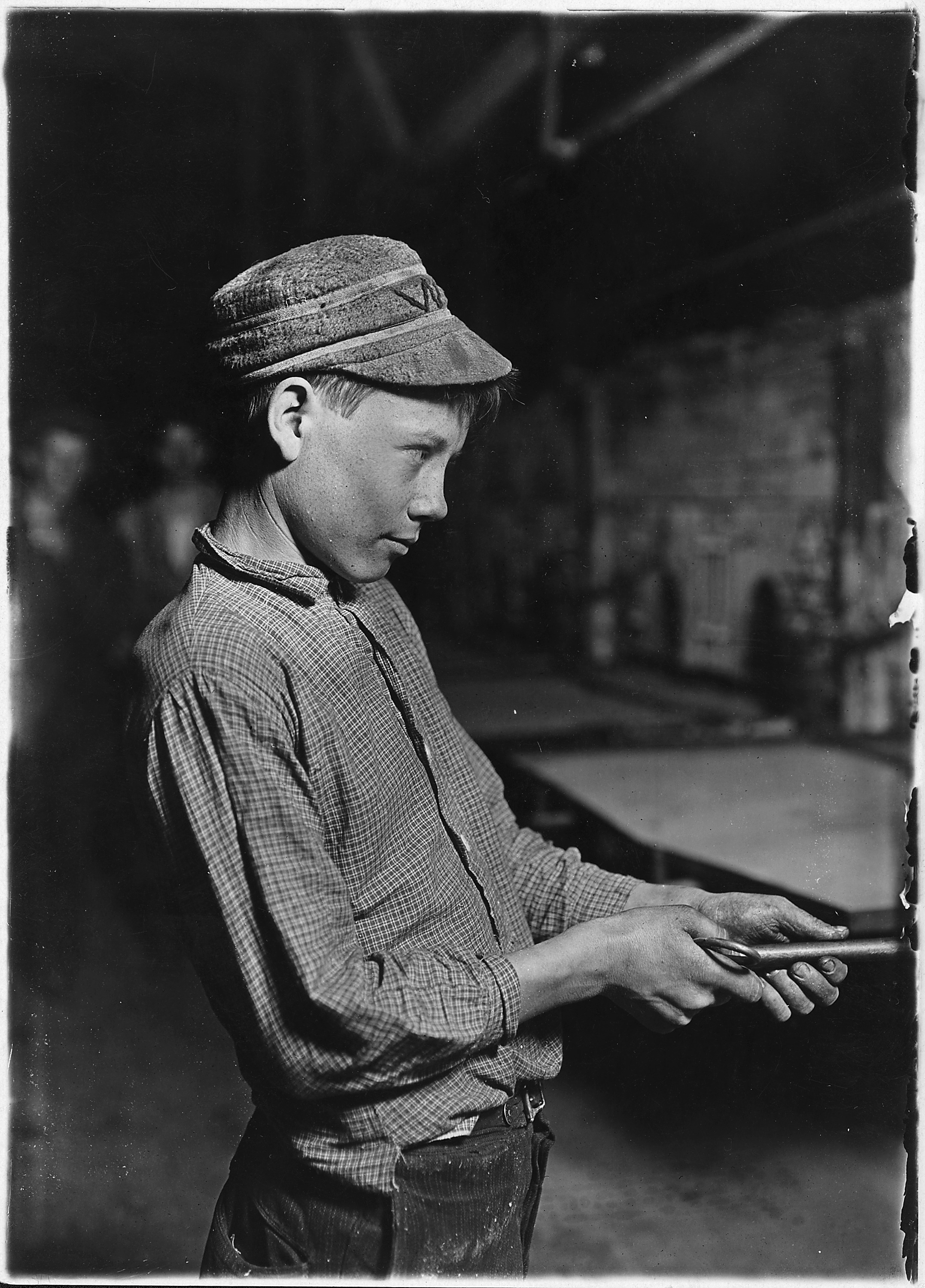
Boy workingIn his book “The Rise and Fall of the American Teenager,” author Thomas Hine notes that “during most of the 19th century 14-year-olds were viewed as inexperienced adults.” You went from being a mouth to feed to a worker who farmed or worked to help support the family. Hine notes that young people were more likely judged by size than by age.

The first half of the 20th century was a tumultuous time, a global Depression sandwiched between two brutal world wars. The economic volatility combined with cultural changes eventually led us to the conclusion that there was a category of humans who were bigger, stronger and hornier than children, yet lacking some of the thought and behavioral attributes that we traditionally associate with maturity. They were teenagers.

Hine believes the first use of the word teenager was in Popular Sciemce magazine in 1941. With dollar signs flashing before their eyes it was quickly latched onto by marketers, people whose descendents are today lighting up the term millennials.

How were teenagers invented? A lot had to do with high school. In the 20’s high schools began to move beyond the traditional classic education of Latin and Greek and to offer courses that were of broader interest like typing, bookkeeping and home economics.  When the Depression hit and young people were closed out of job prospects, some responded by staying in school longer. Enrollment of teenagers in high school in the U.S. was 28% in 1920, 47% in 1930 and 80% in 1941. Other than temporary events like war, it is the most significant ongoing factor in moving adolescents out of the home.

Grouped together with people their own age and in a co-educational environment, high schoolers took control of their own social life. Peers, not parents, became their primary influencers, at least when it came to the music, clothes and cars. And that’s what interested the marketers. Jon Savage, author of Teenage, notes that by 1944, “American youth had a spending capacity of $750 million; untold riches awaited those who plugged into this virtually untapped market.”

What emerged was a teenage culture that looked neither like childhood nor adulthood. It was instead, in the words of Grace Paladino, author of Teenagers: An American History, “a high school world of dating, dancing and drugstore antics afterschool.” Part of it came from the bottom up as teenagers themselves dictated the styles that would be in vogue, the music they would listen to, and the movies they would watch. And while most adults were not that enamored by this development, those businesses who were ready to exploit it played their part in promoting teen culture. Paladino writes: “Advertisers began to address high school students as teenagers on the prowl for a good time, not earnest adolescents in training for adulthood.”

Frank SinatraTwo events are often cited as heralding the emergence of teenagers. One was Frank Sinatra’s appearances at the Paramount Theater in New York in 1942 and 1943. One show drew 25,000 kids who virtually closed off midtown Manhattan. All were characterized by a screaming, frenzied audience. And it seems marketers were at work here as well hiring a few screamers to get the party started.


The other was the founding of Seventeen magazine in 1944. It quickly became the chronicler of this emergent teen culture. But its attraction was not only for the young as its advertising department promoted and quantified the market for the makers of everything from cars to pimple cream.

Swing music and jitterbugging, bobby socks and saddle shoes, souped-up cars and dates in the back seat were not for children. But they weren’t exactly for adults either. The concept of the teenager was invented to fill that gap.

-0-

See also:

How Teens Won the War Between the Generations

The Western World Loses a Generation

The History of Teens as Told Through Their Music

Wide Boys and V-Girls: A Glossary of Historical Teen Personas

Posted in History, History of Teenagers, Uncategorized | Tagged , , , , , | 27 Comments

The Odd Wisdom of Werner Herzog

Quotes from Werner Herzog’s TimesTalks interview at the Sundance Film Festival earlier this week.

“I find it odd that people are striving for happiness as a primary goal in life.”

“I’m really not into much the notion of being hopeful or not.”

“You  find these people stepping into the bus with a frozen smile to show how  happy they are. It’s just awful.”

“Equal rights for all humanity is a much more dignified goal than personal happiness.”

“Documentary film must divorce itself from journalism.”

“Most of my documentary films are feature films in disguise pretending to be a documentary.”

“Nobody can fully answer whether the Internet dreams of itself.”

“My public persona, of course, a lot of it is invention by today’s digital media.”

“In my private person, I’m a fluffy husband.”

And, from Lo and Behold, the Herzog documentary film being shown at Sundance: “Have the monks stopped meditating? Have they stopped praying? They all seem to be tweeting.”

The full video of Herzog’s interview, which also includes Joshua Oppenheimer, can be seen here.


Posted in Uncategorized | Tagged , , , , | 3 Comments

Riding the Rails, A Multimedia Review

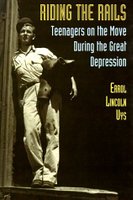
882572._UY200_I picked up this book for a buck at a second hand bookstore. It was stamped “discarded,” by the Brown County Library in Nashville, Ind. I don’t know what the folks in Brown County are thinking about because this is a really good book.
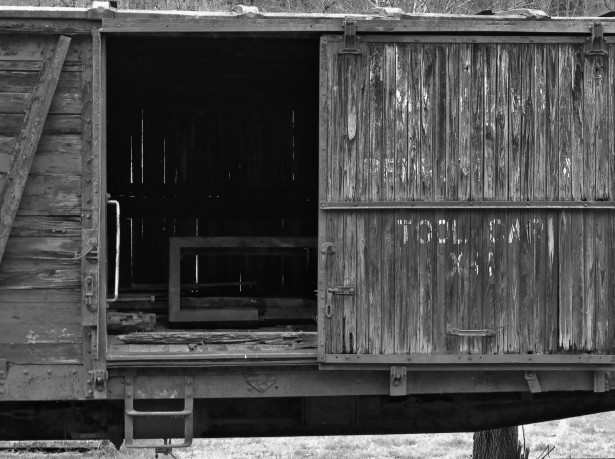
Riding the Rails is the story of American teenagers during the Depression, some 250,000 of them. With no prospect of work, no perceived reason to stay in school and a desperately shrinking home environment, they hit the road. Or, to be more precise, the railroad. They jumped on, stowed away in and rode atop freight trains, travelling the country looking for fruit to pick, lumber to chop and grain to harvest. And maybe for a little adventure along the way.

This is first-hand history. WGBH/PBS produced a documentary called “Riding the Rails” in 1998 as part of the “American Experience” series. In researching that film, the producers solicited letters from survivors of the experience. They heard from about 3,000 of them. It was the content of those letters that was used to produce both the Peabody Award winning film and the book. So, oddly, this is a book that was based on a TV show.  It was published by TV Books, a publisher whose goal was to do just that. They’ve since folded.

Those who survived a hobo adolescence in the 30’s remember it as a moving, life-changing experience. But at the time not a happy one. Hopping on and off trains is dangerous. Some lost their lives and some lost their limbs. Boxcar boys and girls were hungry, tired, broke and scared. Mostly they were hungry. As one of them noted: “One of the sad things about kids on the road was that they didn’t know how to play. Life was earnest, life was hard.”

Box car

(Tim Emerich)

Here are a few of the people I was introduced to in Riding the Rails.

  • Arvel Pearson lived behind a railroad station in an Ozark village. By the age of nine he was working in a strip mine. When the Depression hit, the mines closed. Arvel was on the road at age 15 and stayed there from 1930 to 1942 picking up a few days work here and there as a migrant farm worker in the summer and a coal miner in the winter. In 1939 the National Hobo Convention named him “King of the Hoboes.”
  • Clarence Lee was one of six children in a Baton Rouge, La., family that was forced through hard times to go into sharecropping. Clarence was sent out by his father who told him he could no longer support him. As a black teenager he had to confront racism as well as hunger, cold and danger. By working on a dairy farm for 10 cents an hour he was eventually able to buy his parents out of sharecropping. The film shows Clarence in his eighties still working as a groundskeeper at a school in California.
  • Unlike most of the kids who rode the rails, John Fawcett left a comfortable home in West Virginia looking for adventure. “I didn’t see suffering until I ran away from home. It would be a cold and unfeeling person who wouldn’t be stunned and angered at the squalor of the streets and migrant camps.” He devoted much of the rest of his life to fighting for human rights. A member of the ACLU, he was active in the antiwar, women’s rights and gay rights movements.

The movie includes interviews with many of these survivors. It also has 1930’s newsreel footage with some of the adolescent transients. The black and white images of the railroads, the Chicago Worlds Fair and a “hobo jungle” are accompanied by a score of blues and folk music of the era, including Woody Guthrie and Brownie McGhee. There’s also some original songs by “Guitar Whitey” who himself was riding the rails in the 30’s.

The book has a lot more detail than you can get into a one hour+ documentary. My only issue with the book is that it is imperfectly edited, with a couple instances of a missing word or broken off sentence. But it is so interesting. Reading it made me wonder why when history is taught in our schools they don’t teach high school kids the history of people their age. Surely it would be more compelling and more meaningful for them.

Riding the Rails is now more than 15 years old. You’re not going to find it on the front tables at the Barnes & Noble. The publisher is out of business but there are still quite a few copies available on Amazon both new and used. Or maybe your librarians had a little more appreciation for this story than the ones in Brown County, Indiana. The documentary is available on YouTube and through PBS.

Posted in Book reviews, History, History of Teenagers, Uncategorized | Tagged , , , , , | 21 Comments

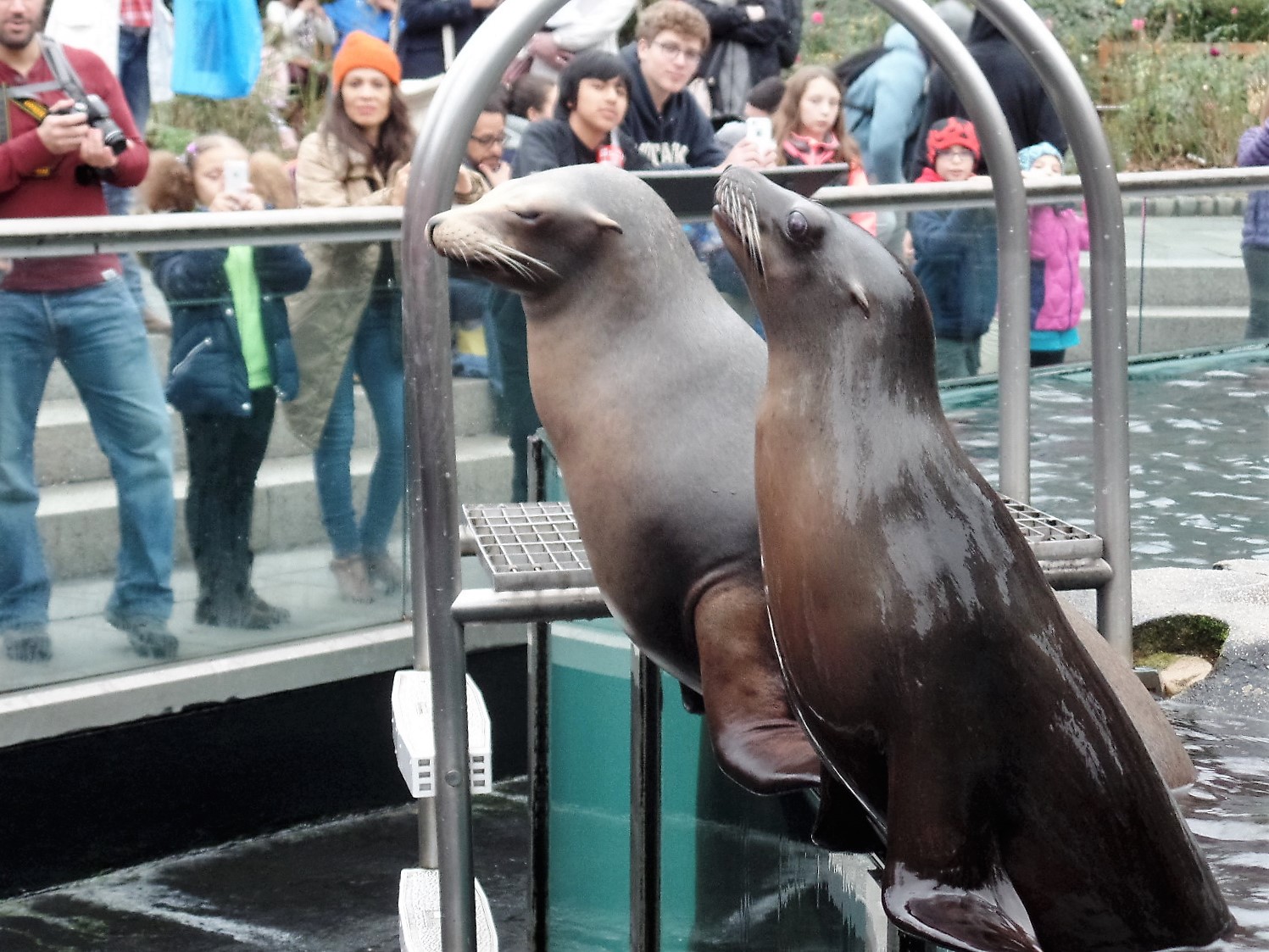
There is a zoo in the middle of the park in the middle of the city

Family photo Central Park Zoo

Sea lions

Grizzly bear

Posted in Uncategorized | Tagged , , , , , | 4 Comments

A Toxic Tale of DuPont and the Pompton Lake

It was about 40 years ago that I worked as a reporter for a small local newspaper in Northern New Jersey covering a string of towns in the northern part of Bergen, Passaic and Morris counties. The crown jewel of my coverage area was Pompton Lakes. A borough of about 10,000 people, Pompton Lakes had a vibrant classic “main street,” bounded to the north by a state forest and to the south by a 175-acre man-made lake.

In that setting, the environment was an important issue. I remember doing more than one story about concerns over the fecal bacteria count in the lake. But we all missed the most important environmental issue. I attended Pompton Lakes council meetings for about two years and never remember anyone mentioning the explosives plant in the northern part of town.

I’ve long since left that reporter job and moved away from the Pompton Lakes area. So I haven’t given the town much thought. That is until it showed up in “Dirty Little Secrets,” a journalism project coordinated by the Center for Investigative Reporting. The borough’s dirty but not-so-secret issue is described in Scott Gurian’s piece published in NJ Spotlight in December, “Legacy of DuPont Plant’s Pollution Looms Large for People of Pompton Lakes.”

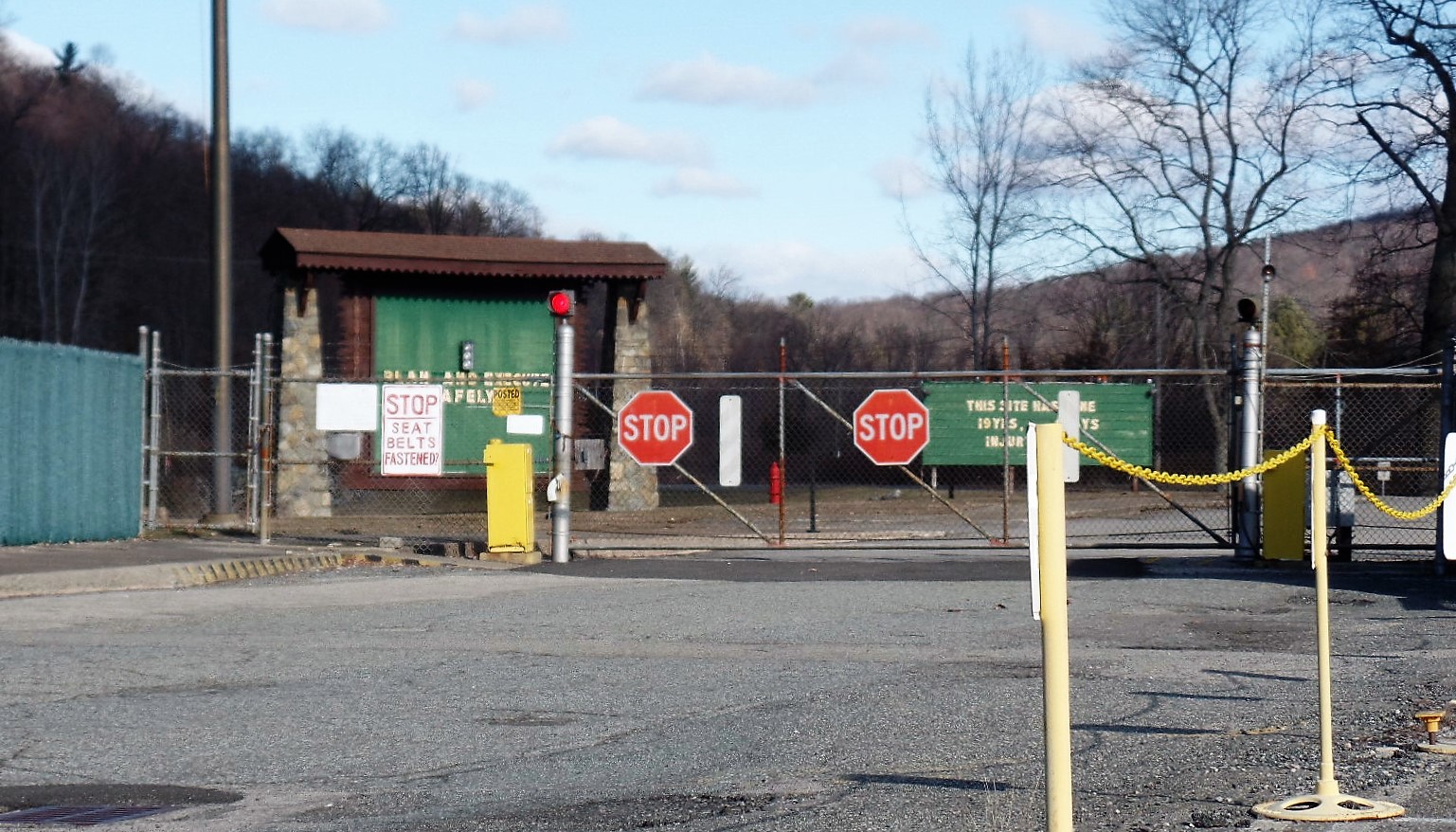
Gate at DuPont site

Dupont made explosives on Cannonball Road in Pompton Lakes from 1902 to 1994. The jobs that the plant provided for local residents are long gone but DuPont’s presence is still widely felt. The following excerpt from an EPA Region 2 report describes exactly what that presence is:

“Waste management practices during the facility’s operation resulted in contamination of surface water, soil and sediment and ground water both on and off site. Wastes disposed of on site included lead salts, mercury compounds, explosive powders, chlorinated solvents, waste wire drawing solutions and detonated blasting caps. Primary contaminants in the soil and sediments are lead and mercury. Ground water contaminants include volatile organic compounds which are potential harmful contaminants that can cause vapor intrusion to indoor air. Lead and mercury releases have migrated off site resulting in soil contamination at 140 homes near Acid Brook. Contaminated groundwater also migrated off site with the potential for vapor intrusion from the contaminated groundwater impacting off-site residences.”

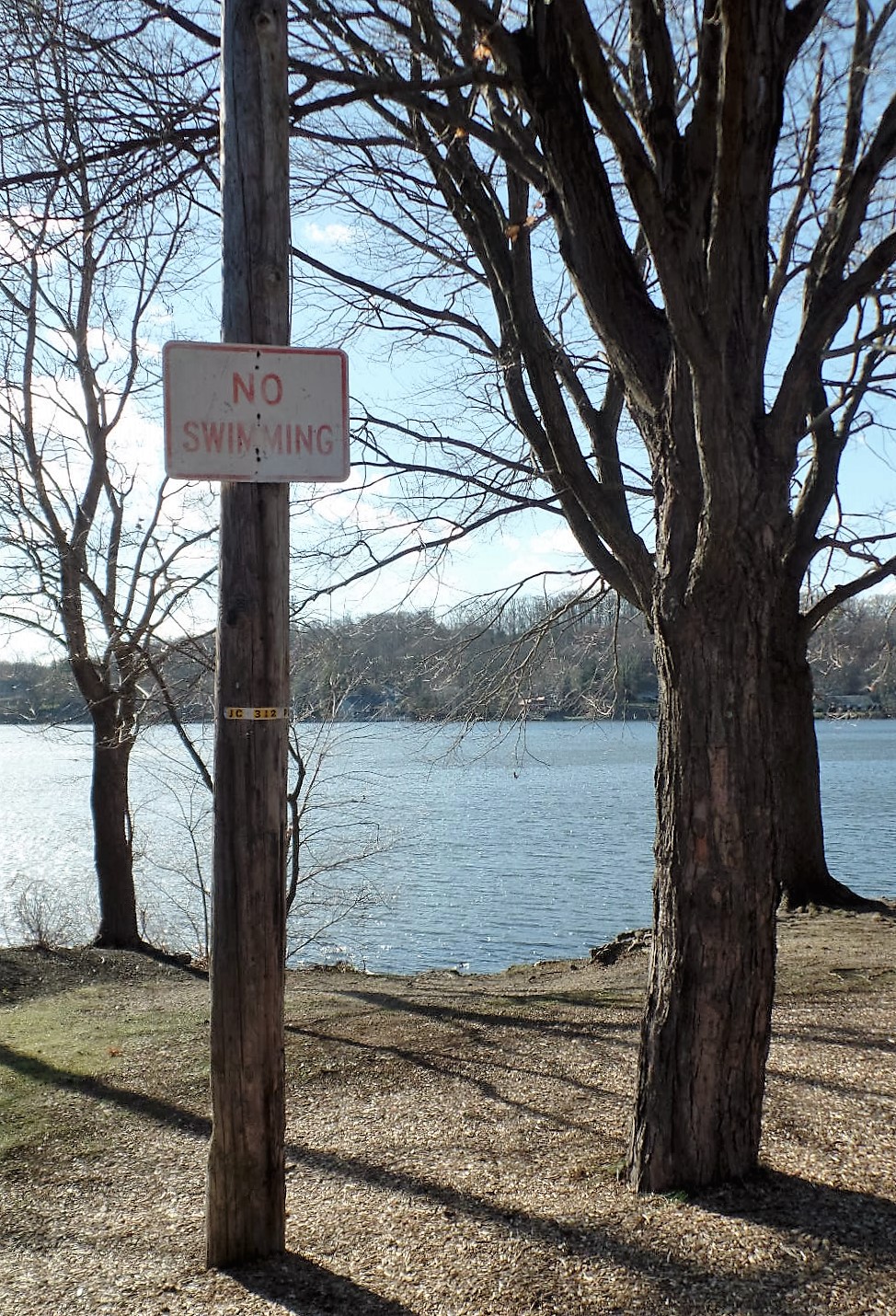
No swimmingAcid Brook is a stream that originates on the DuPont property and dumps into Pompton Lake. I’m sure you can guess how it got its name.

There are still some hearty souls who swim in Pompton Lake, although it is not recommended. Boating and fishing still takes place there but fishermen are warned not to eat their catch. Mercury-tainted fish, however, are only a small part of the problem.

In 2009 the New Jersey State Department of Health and Senior Service found that women in Pompton Lakes had higher than normal levels of kidney cancer and men showed elevated rates of non-Hodgkins’s lymphoma. Writing in Al Jazeera America (“Pompton Lakes Community Fears DuPont Could Shirk Toxic Cleanup”), Maggie Donaldson notes a state survey found “women in Pompton Lakes are hospitalized for tumerous cancers 40% more frequently than those in neighboring communities and the borough’s men are hospitalized 23% more than elsewhere in the state.”

But the regulators refuse to attribute their findings to the toxins that spewed out of the DuPont site. Correlation does not prove causality they say. But maybe if you add a little common sense to the mix it does.

This is a story that has been heard many times before. I’m reminded of Dan Fagan’s brilliant Pulitzer Prize winning book “Toms River: A Story of Science and Salvation.” In Toms River the culprit was Ciba Chemical Company.  And when the families of kids stricken with cancer began to ask questions, local and state officials took the same “see no evil, hear no evil” approach.

In the 1970’s we didn’t know as much about carcinogens and where they came from as we know now. I understand that. Yet there’s no excuse for denying the consequences and avoiding accountability. There’s surely a lesson to be learned about protecting the environment and the long-term safety of the people who live in that environment. But if you listen to the Congressmen, governors and presidential aspirants who dismiss climate change as an issue, I’m afraid that lesson hasn’t been absorbed very well.

Pompton Lake


Posted in Uncategorized | Tagged , , , , , , | 29 Comments

Reflections

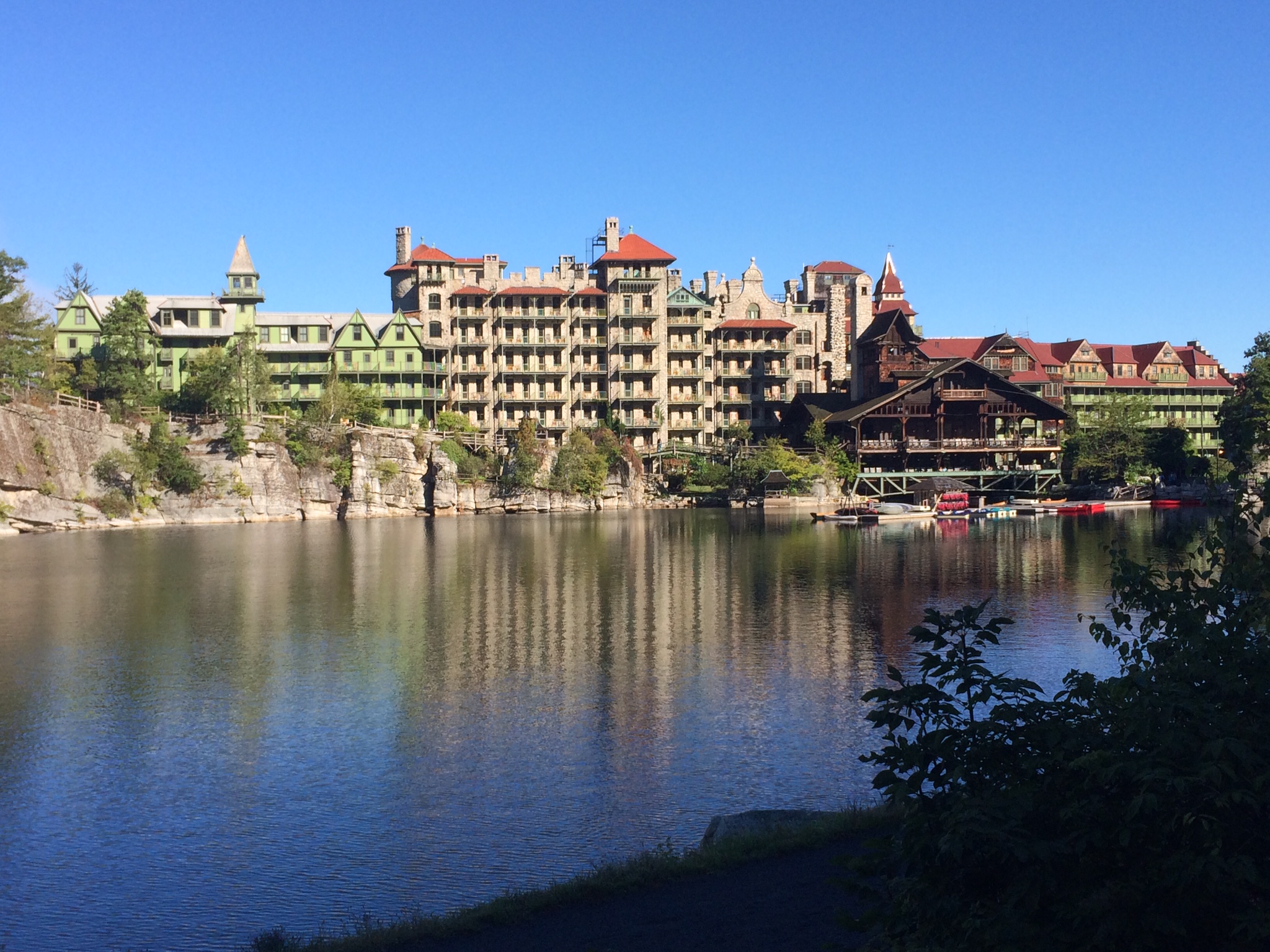
Mohonk Mountain House

Mohonk Mountain House, New Paltz, N.Y.


911 Memorial

911 Memorial, Liberty State Park, Jersey City, N.J.

Edgement Park

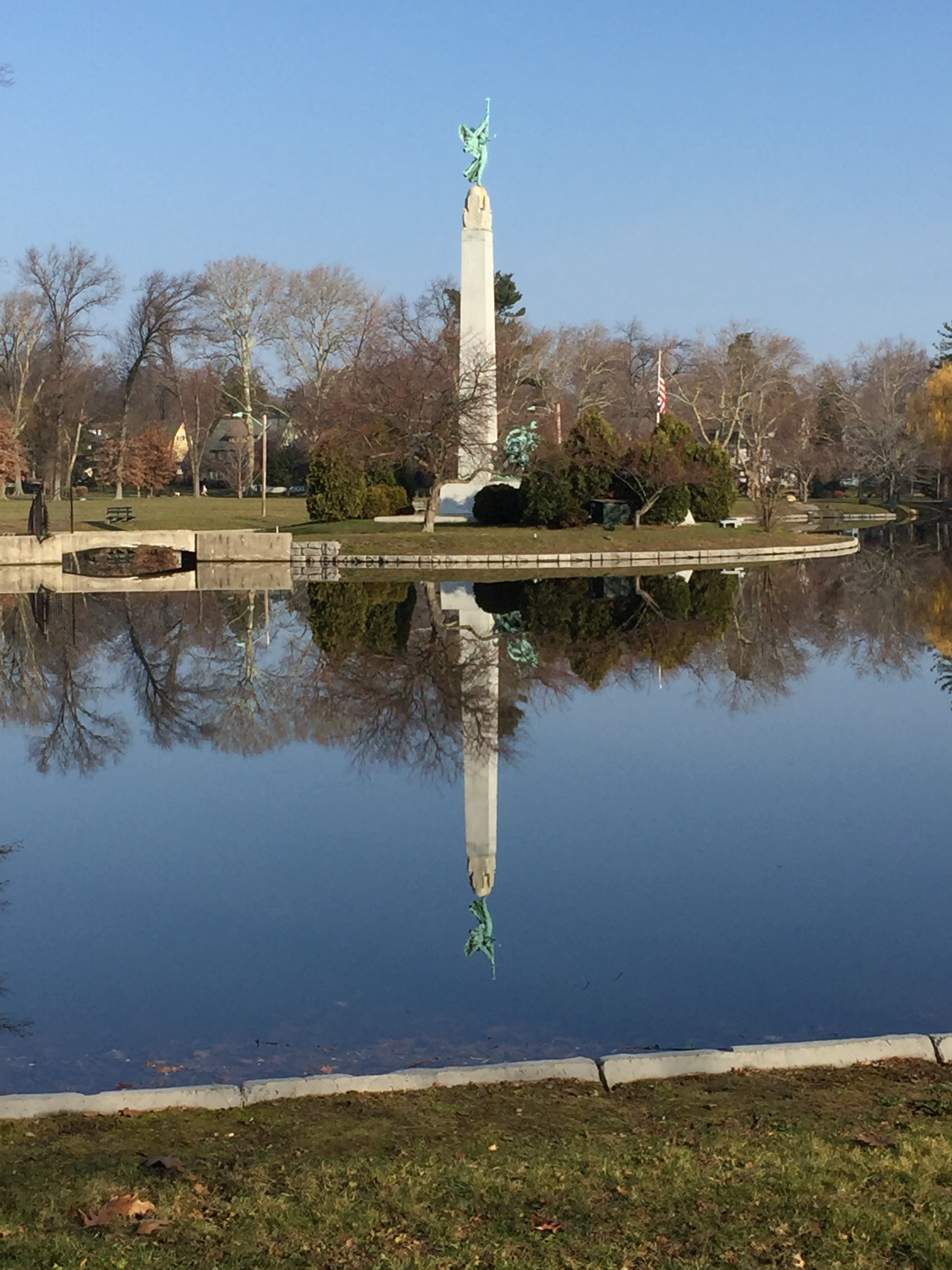
War memorial, Edgemont Park, Montclair, N.J.

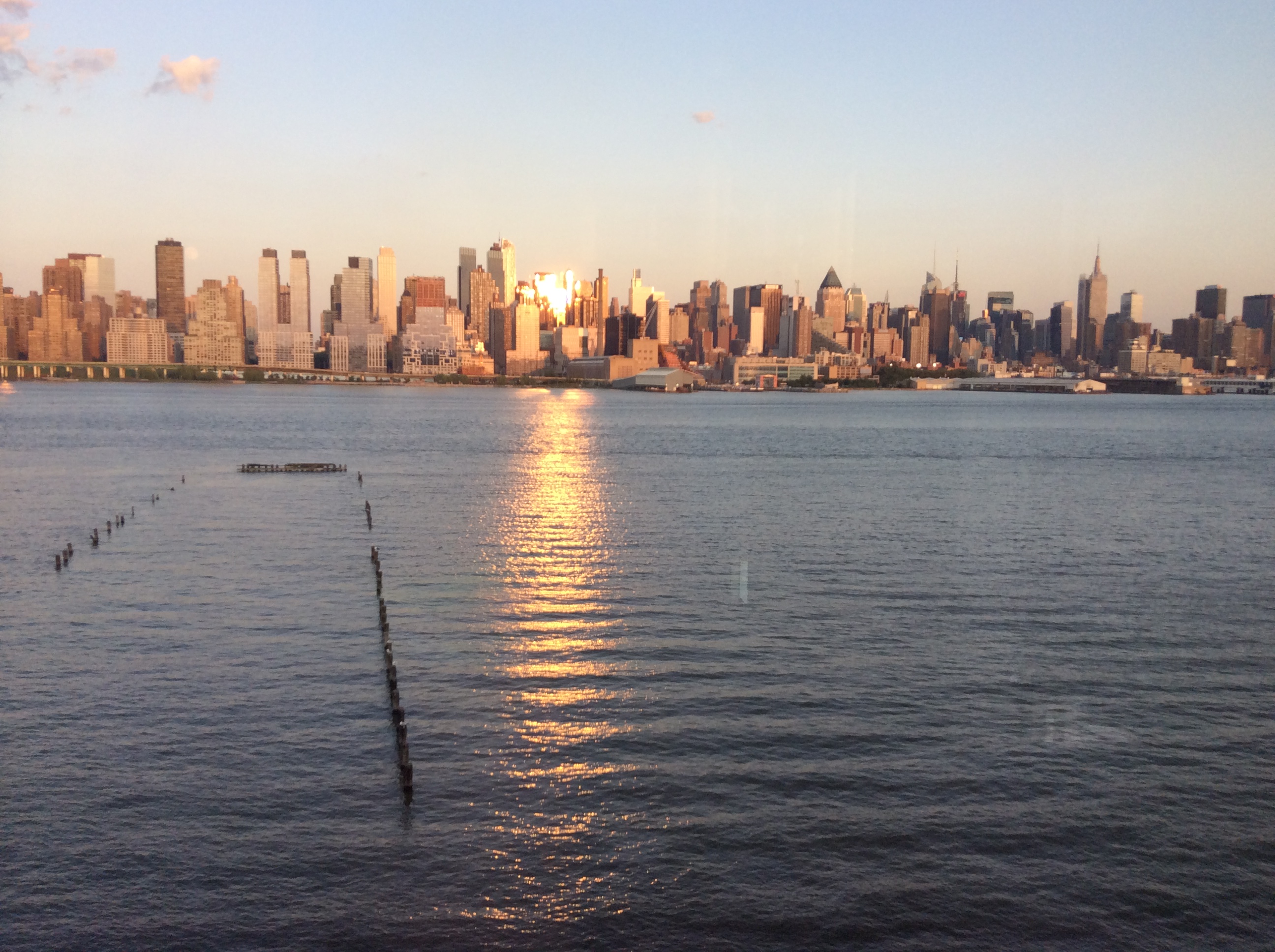
Sunset over Manhattan

A refelcted sunset, looking east at Manhattan

Lilly pond

Lily pond, New York Botannical Gardens

Nighttime, New York Harbor

New York Harbor as seen throughh the windows of a cruise ship

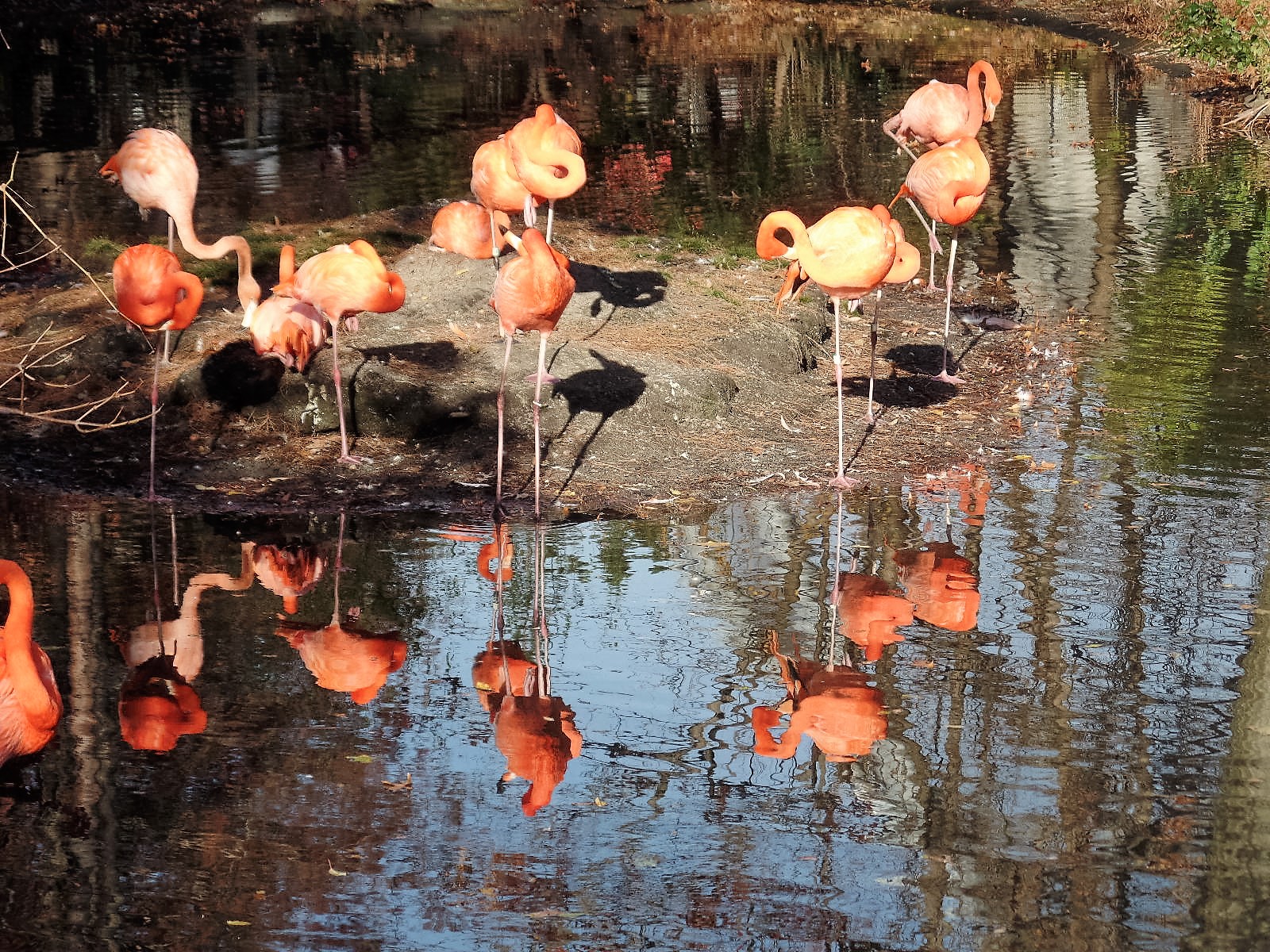
Flamingos

Flamingos at the Bronx Zoo

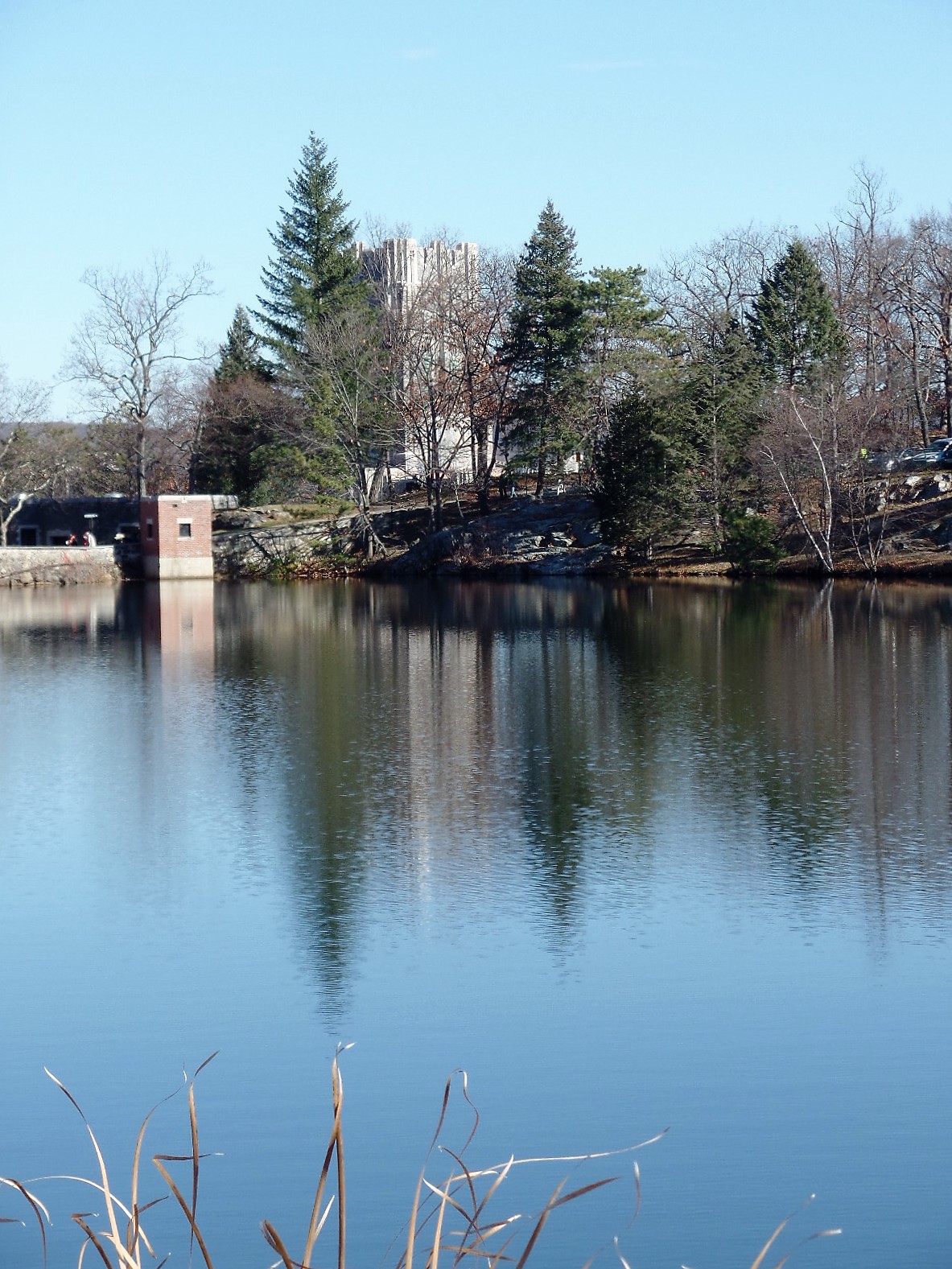
West Point

West Point

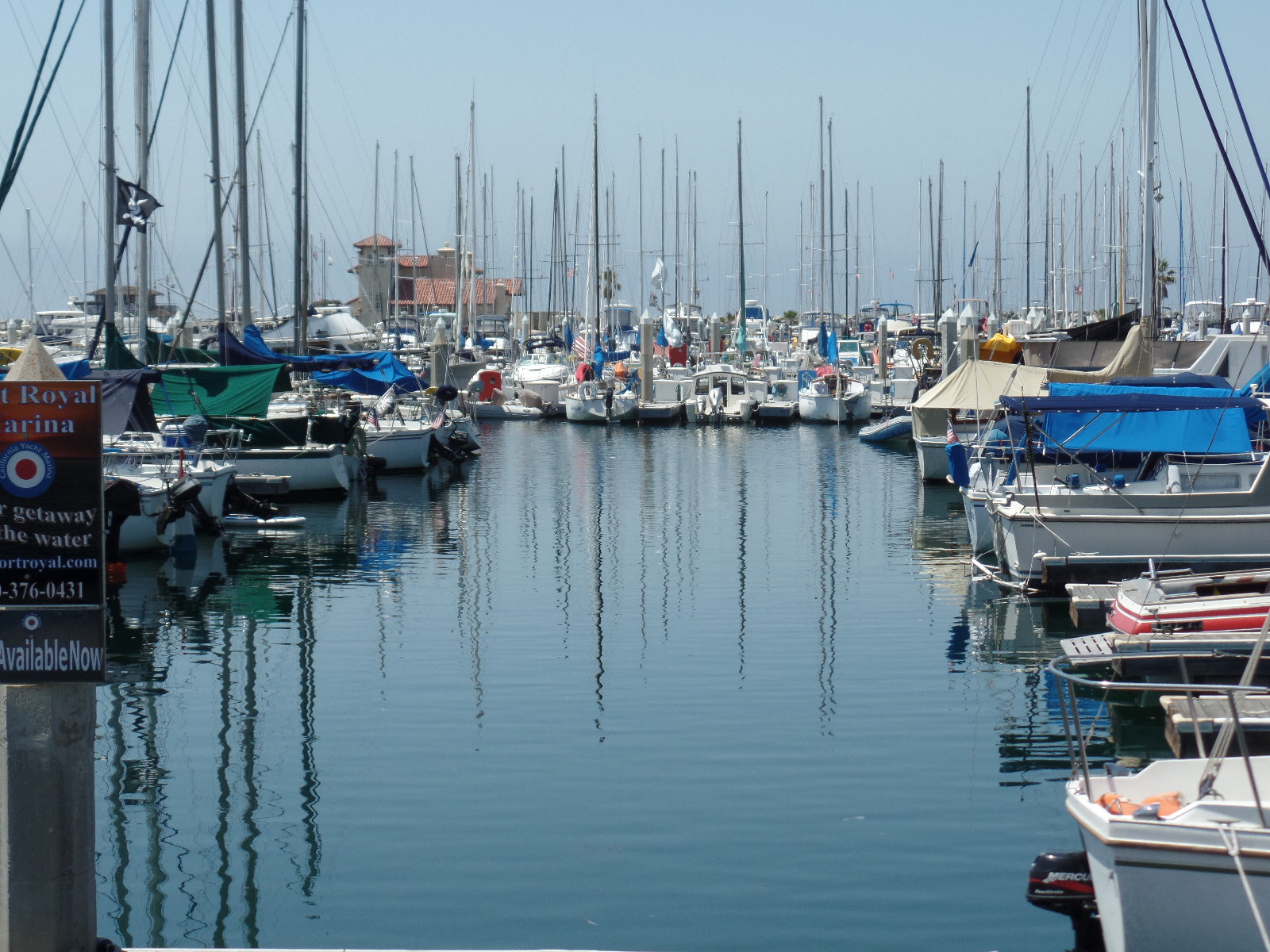
Port Royal Marina

Port Royal Marina, Redondo Beach

Posted in Uncategorized | Tagged , , | 2 Comments

A Day By the Falls

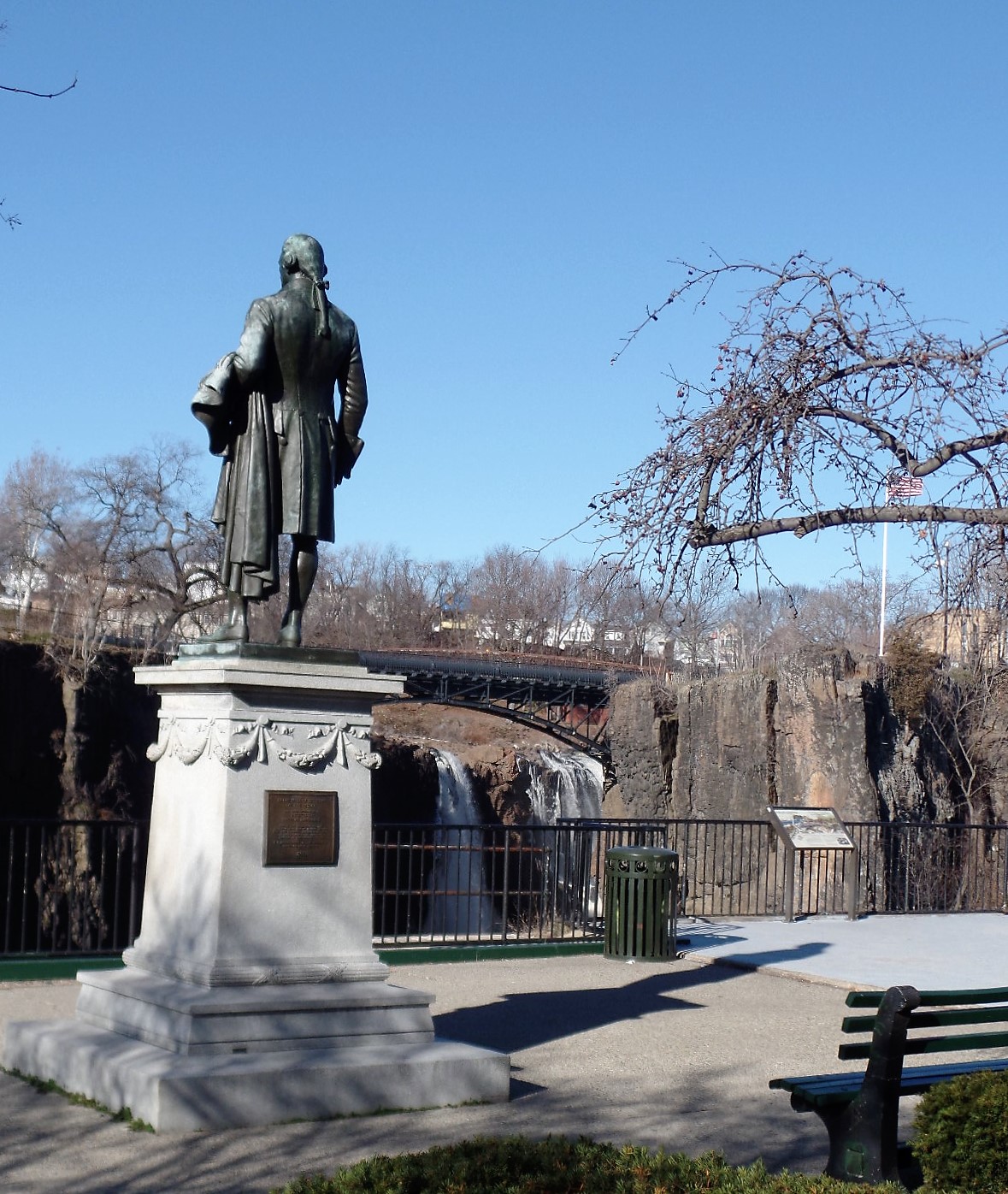
Hamilton Statue

When Alexander Hamilton looked out at the Great Falls in Paterson, N.J., he envisioned the city of industry, powered by the rushing waters of the Passaic River.  In 1792 he formed the Society for Establishing Useful Manufactures (S.U.M.), the funding from which led to the development of the nation’s first planned industrial city around this site.

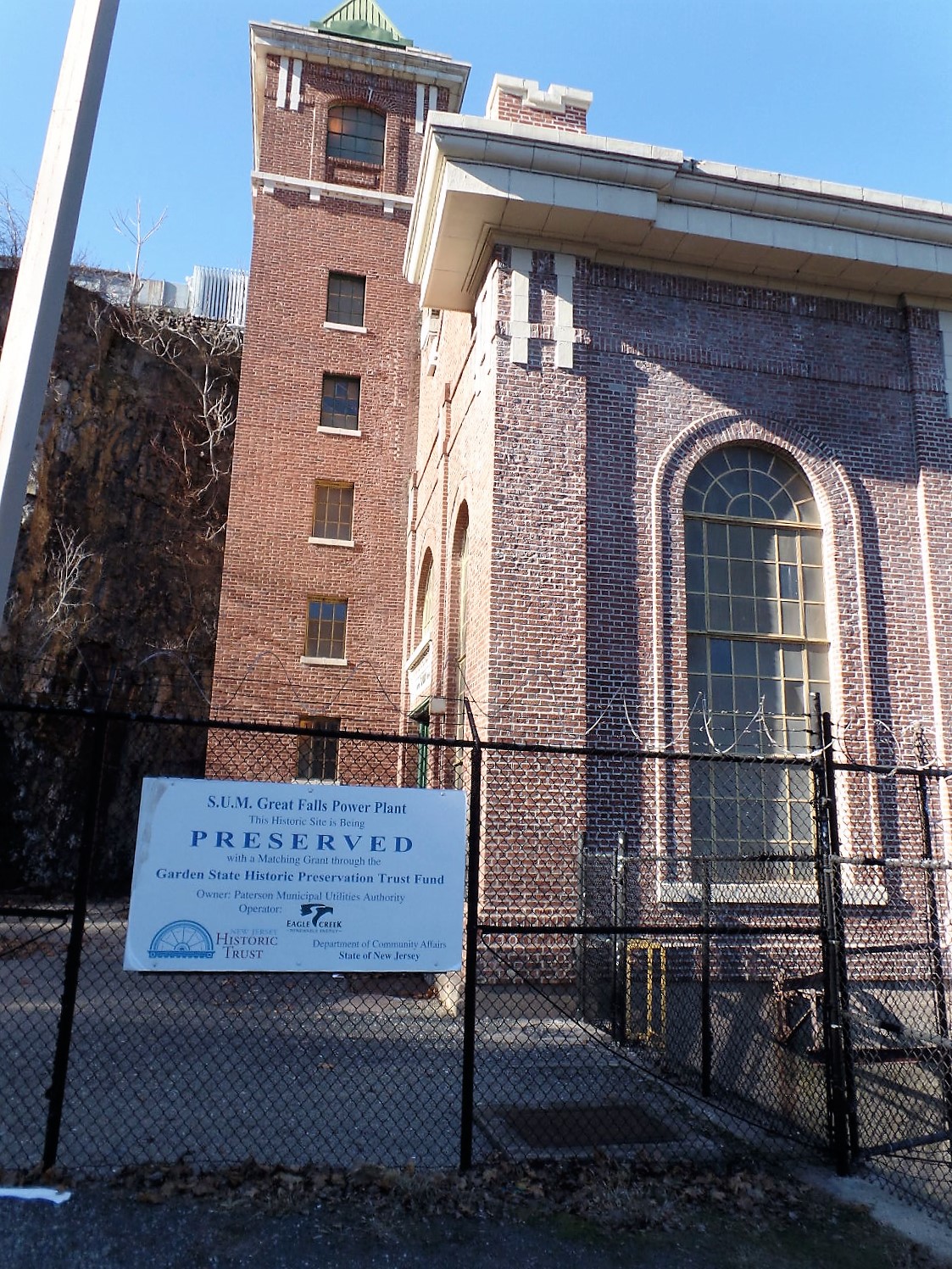
S.U.M. power plant

The S.U.M. Great Falls Power Plant opened in 1914, converting the power of the falls into electicity. It was shut down for a time in the 1970’s and 80’s, but was renovated and reopened in 1986. To this day the plant produces green, environmentally friendly hydroelectric power

Made in Paterson

'Ole 299'

‘Ole 299’ was built by the American Locomotive Cooke Works in Paterson. It was acquired by the Panama Railroad Company and played a part in the building of the Panama Canal. It nows sits outside the entrance to the Paterson Museum.

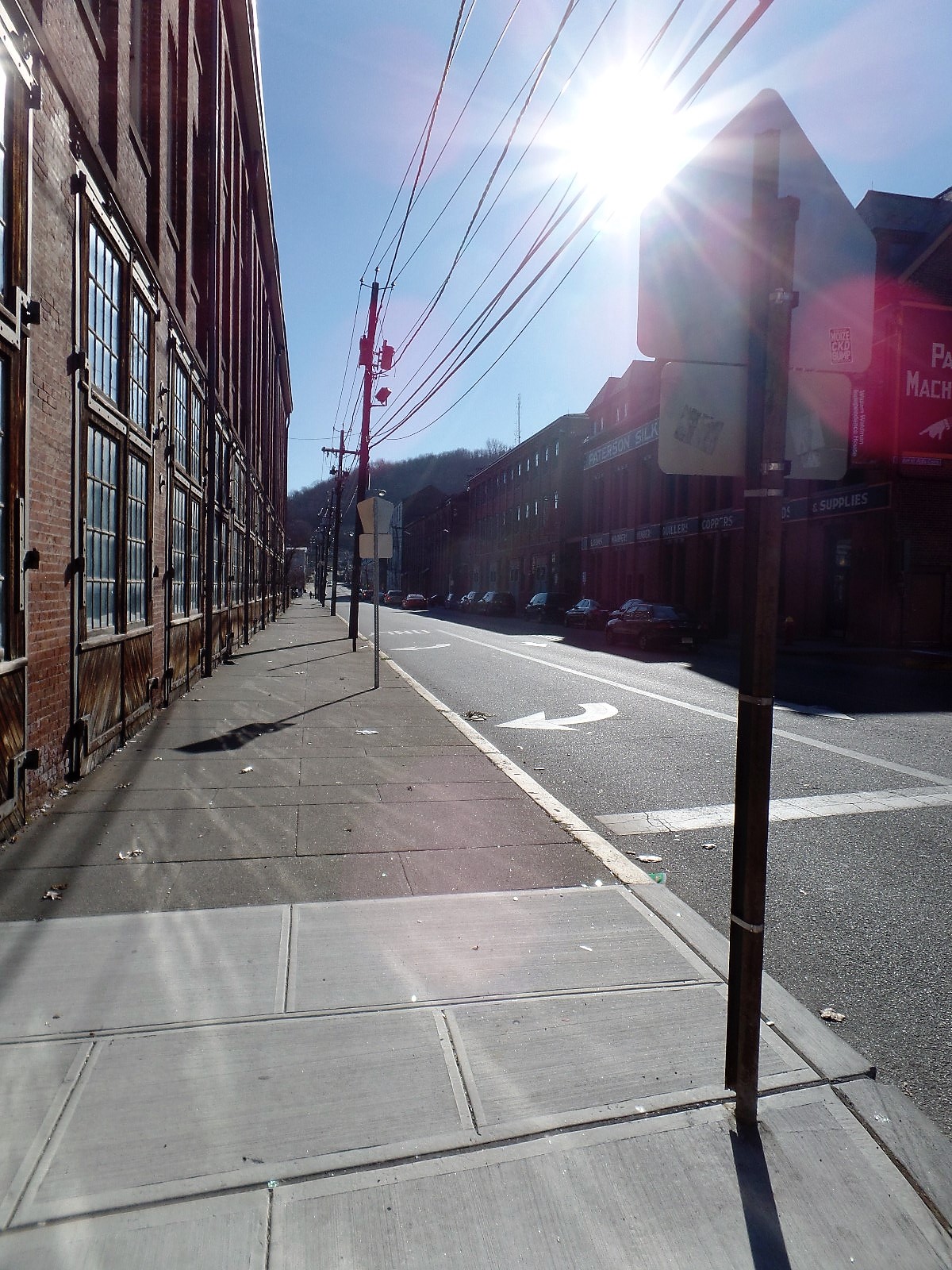
The Silk City

Spruce Street

Spruce Street in the heart of the Great Falls Historic District

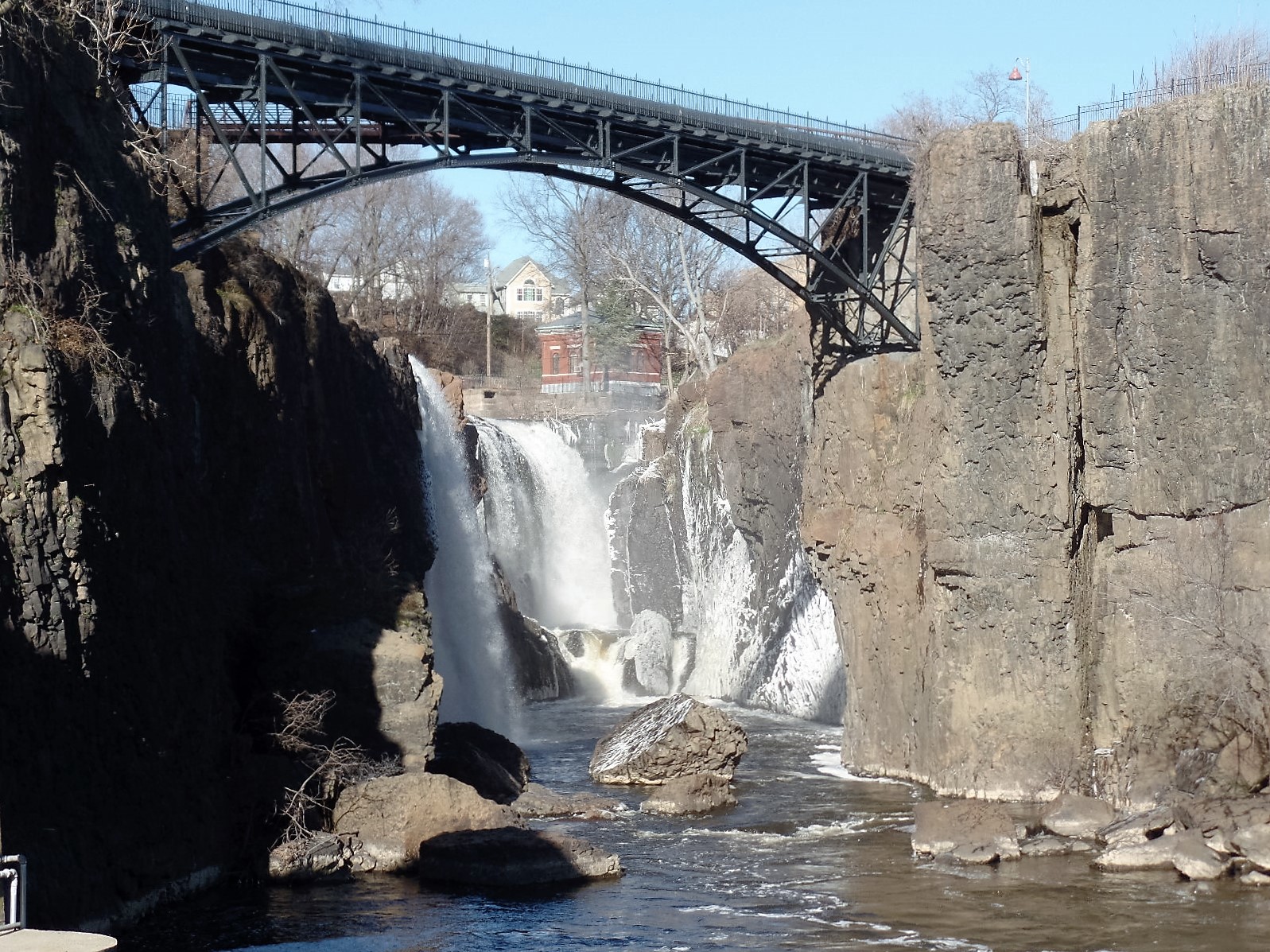
The Great Falls

Photos from the Paterson Great Falls National Historical Park and the Paterson Museum.

Posted in History, Uncategorized | Tagged , , , , , , , , | 21 Comments

What’s So Native About Native Advertising, Asks the FTC

Late last year the U.S. Federal Trade Commission (FTC) for the first time poked its nose into the business of native advertising. The regulators issued a statement of guidelines that basically said native advertising, sponsored content, or whatever else you want to call it, needs to be clearly marked as such.

FTC badgeIf you are not familiar with the term, native advertising is a modern iteration of what used to be called “advertorial.” The idea is to create content that appears to be “native” to the publication in which it is embedded. So instead of seeing an obviously paid display ad, the advertising content may be delivered as part of a menu of headlines substantially similar to any of the headlines of stories that the publisher’s staff may have written. There are in fact publishers who offer up staff writers to advertisers to make their content look even more “native.”
It is a rather clever solution to two problematic trends in the digital publishing business world.

One is the exposure of traditional advertising as being fairly useless. When publishing moved to a digital format and when we developed the ability to track and measure what readers clicked on, we found that the click rate for the predominate form of online advertising, display, could only be measured in multiples of zero.

For publishers, who are already seeing their print advertising business shrivel, the inability to deliver an effective advertising product online leaves them thinking that the traditional Chinese wall between editorial and advertising might not be as important as survival.

Native advertising is intended to address these two issues. And I think it is pretty clear that the way in which it addresses these issues is by creating a form of advertising that the reader doesn’t really think is advertising. The FTC is likely thinking along the same lines when they comment: “The more a native ad is similar in format and topic to content on the publisher’s site, the more likely that a disclosure will be necessary to prevent deception.”

Advertising industry groups and agencies publically say they support efforts to identify ad content as such. But I’ve heard from more than one publisher who was offered a pretty good payday to place some native ad content without any identifying tags. And that was from the publishers who turned the offer down.  Those who accept it are keeping mum. (Harkens back to the day when a news release would arrive in the newsroom with a $20 bill in the envelope.)

Like most people, I don’t ever really choose to view, read or see ads unless it’s something I go looking for myself. I use ad blockers on my phone and when I go through menus of news headlines if I see something tagged as an ad, no matter how gingerly it is stated (e.g. partner content), I usually click away. So for native advertising to get through to me, you pretty much have to trick me into thinking it’s not what it is.

Some time ago I was involved with a company that created and distributed video news releases (VNRs). As they were originally conceived, VNR’s sounded innocent enough, just like news releases but in video form.  And the makers of VNRs suggested that they were packaged into stories to show the context, much as news releases were written like news articles (by those PR people smart enough to do so).

But the whole gig blew up thanks to usage of the VNR format by the Bush Administration. They put out some VNRs for Health and Human Services in which a paid employee of the PR firm posed as a reporter interviewing HHS execs. When some stations used these VNRs and presented them as news stories they were called out and another regulatory body, the Federal Communications Commission (FCC) got involved.  The FCC made some noise about regulating “fake news” and actually levied a couple fines for VNR usage. The Comcast Network was fined twice for using VNRs as if they were news. Not long thereafter, the VNR pretty much disappeared.

That is a useful lesson is disruption. Not all the disruptors are in Silicon Valley. Some are in Washington. And those are the ones that carry the biggest sticks.

I don’t expect native advertising to disappear as quickly as the VNR did, although it could also fall in to the “fake news” category. Its survival depends on a level of transparency that is the only way to keep the regulators at bay. And if they are going to be upfront about it, the advertising world needs to find a way to actually produce content that some audience really wants to see and read.

Posted in Digital publishing, Uncategorized | Tagged , , , , , , , , | 16 Comments

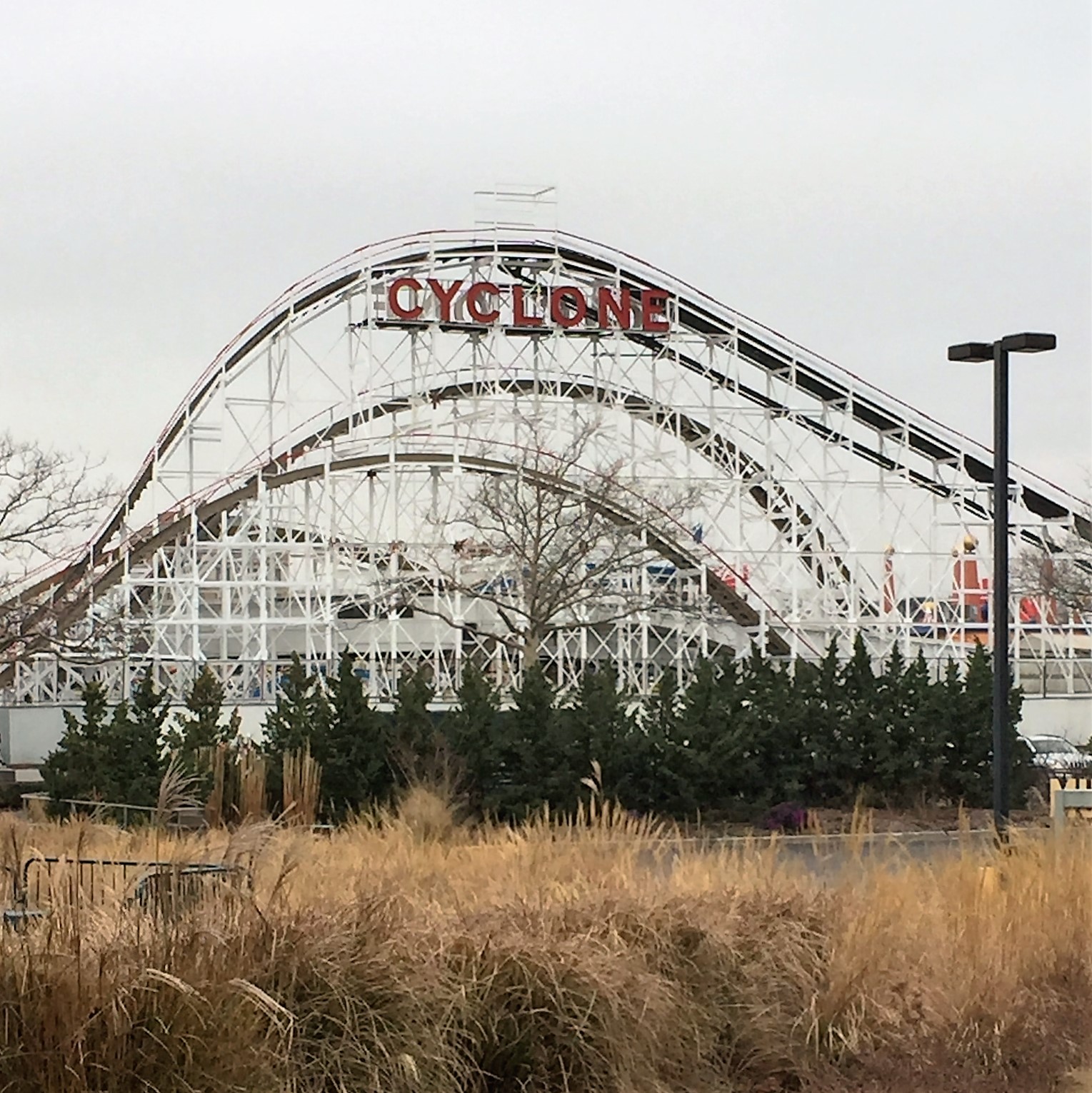
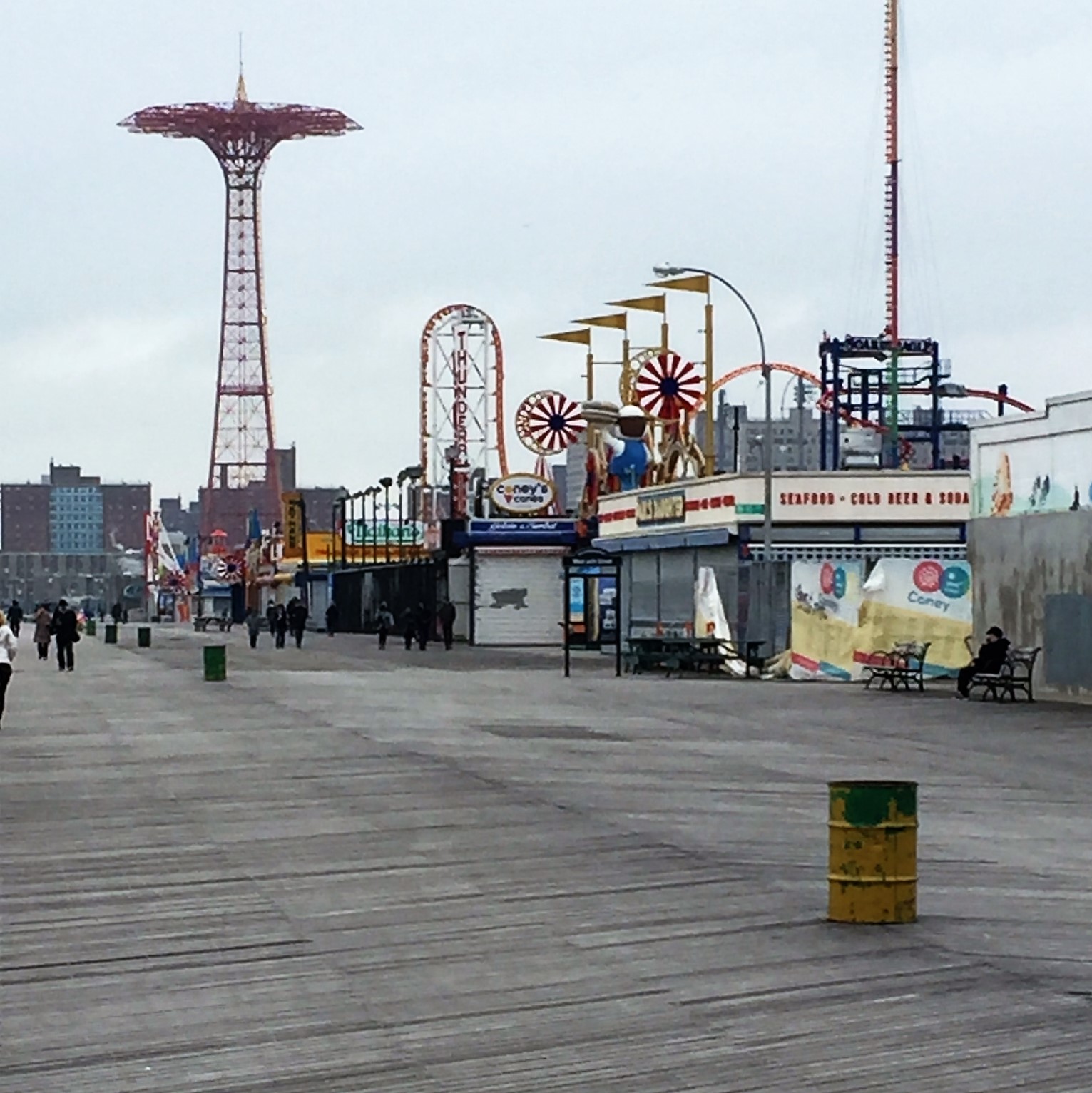
Happy New Year From Coney Island

CycloneConey Island boardwalk


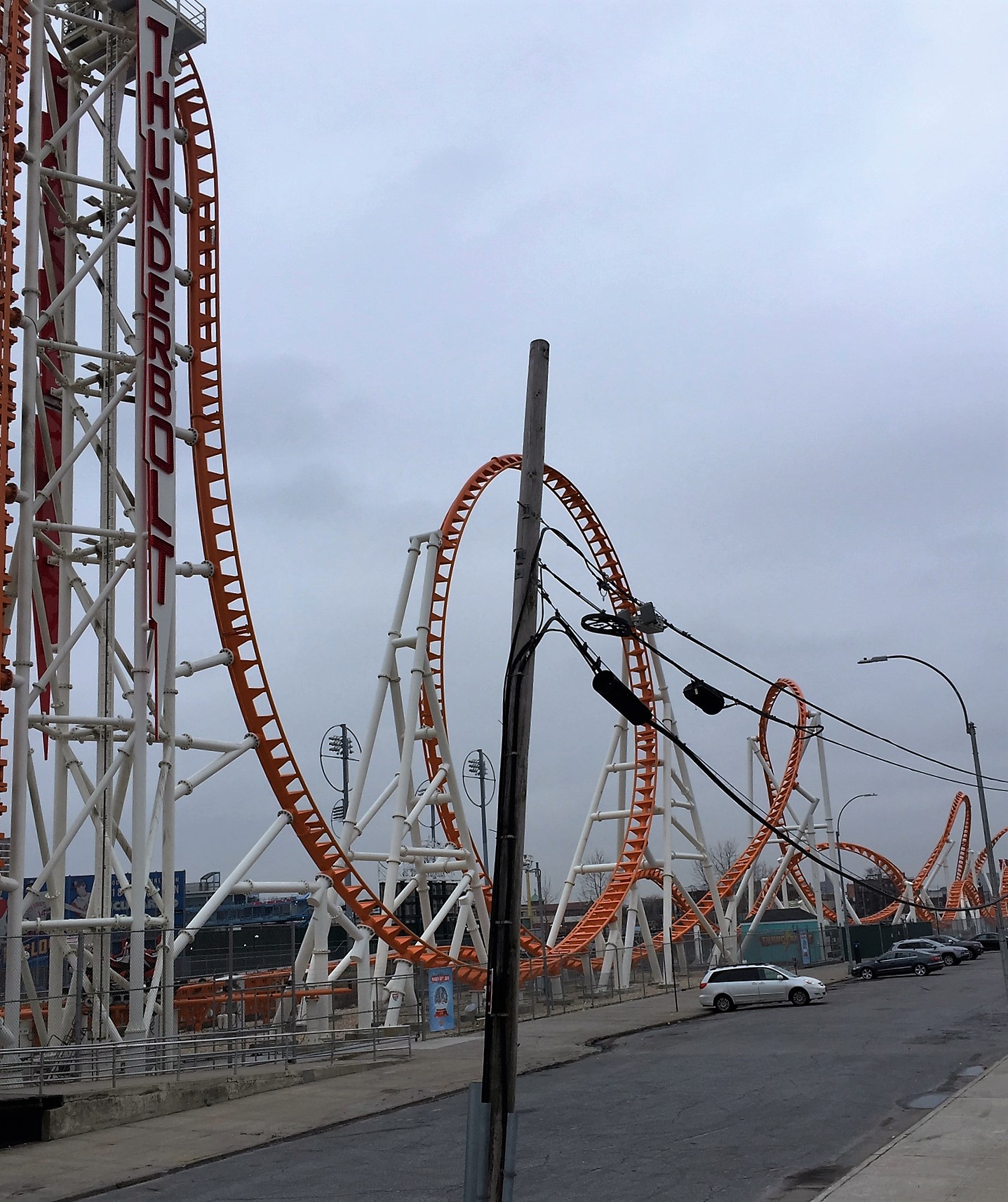
Thunderbolt

The Wonder Wheel

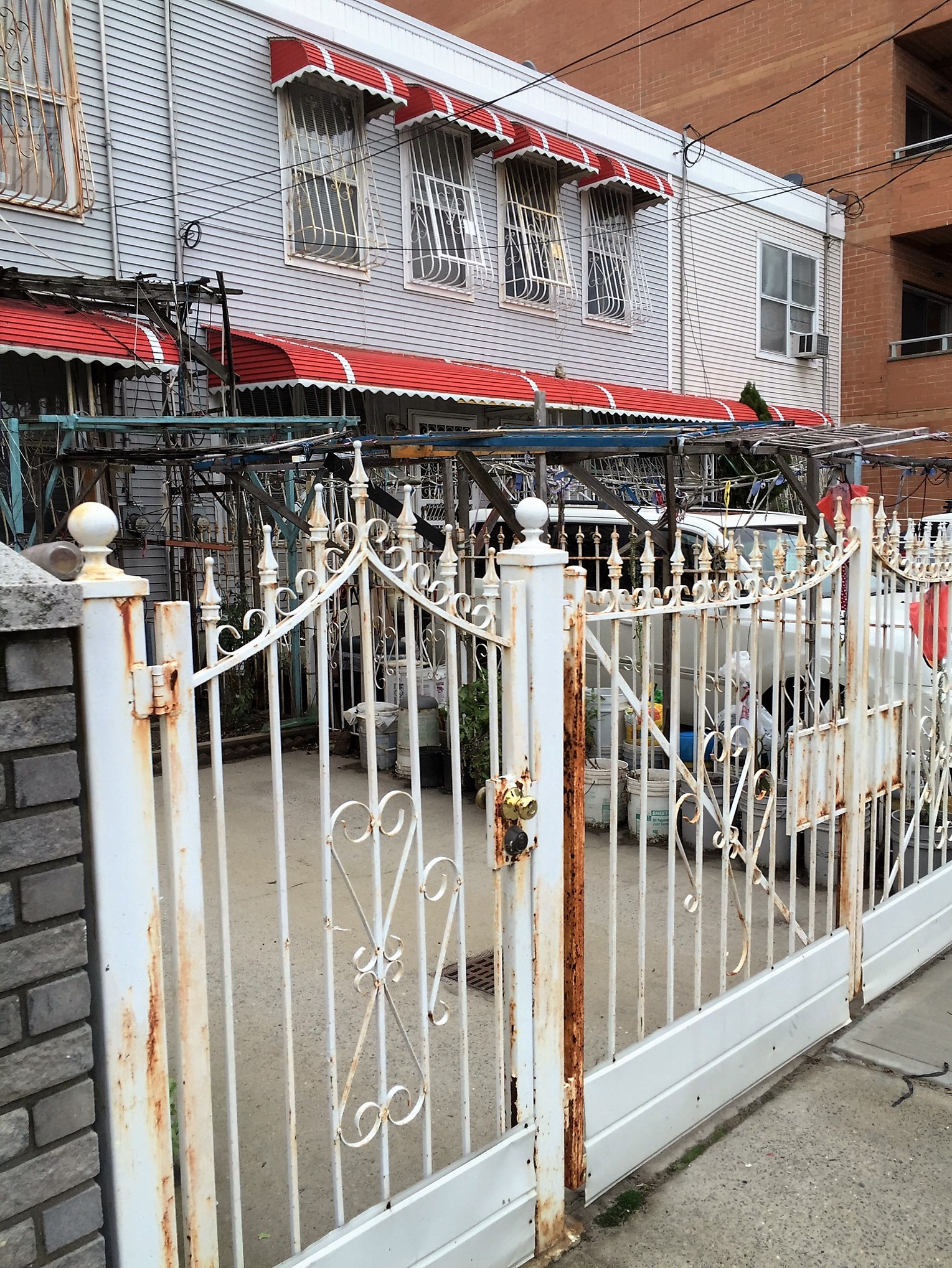
Coney Island houses

Art Wall


Posted in Travel, Uncategorized | Tagged , , , , , | 8 Comments